
20 Q
11th
20 Q
8th - Uni
10 Q
10th
20 Q
9th - Uni
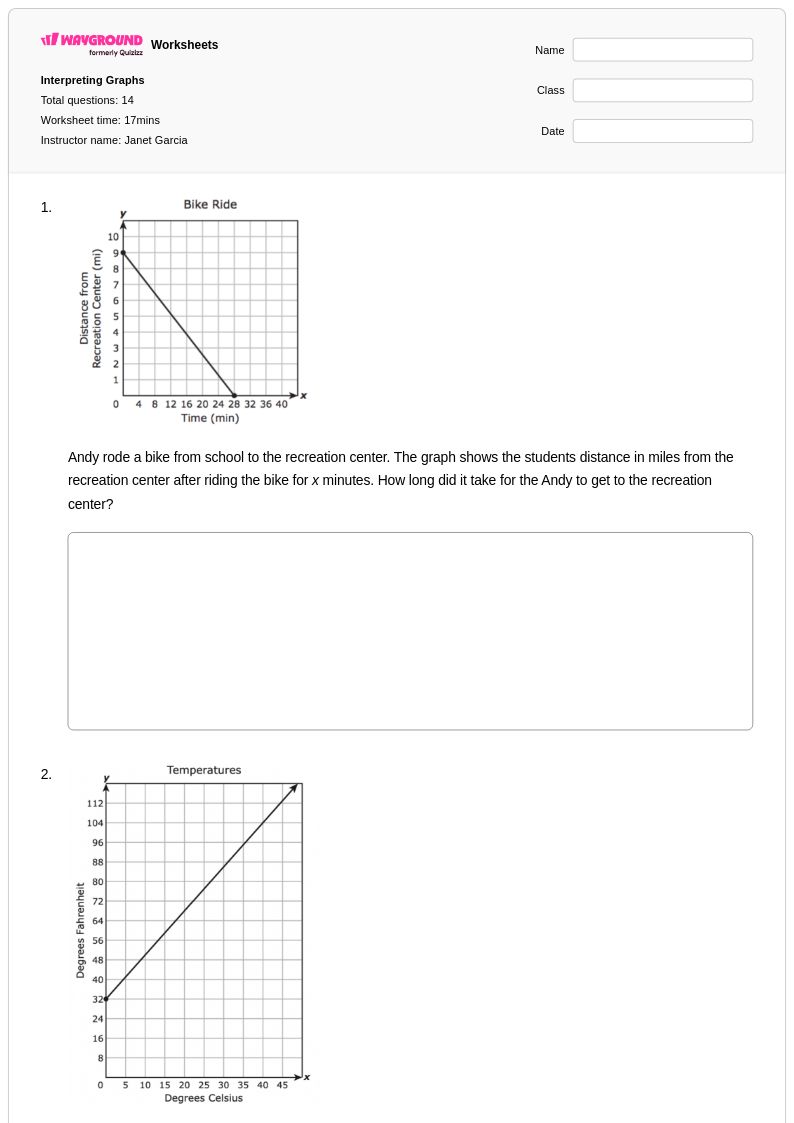
14 Q
9th
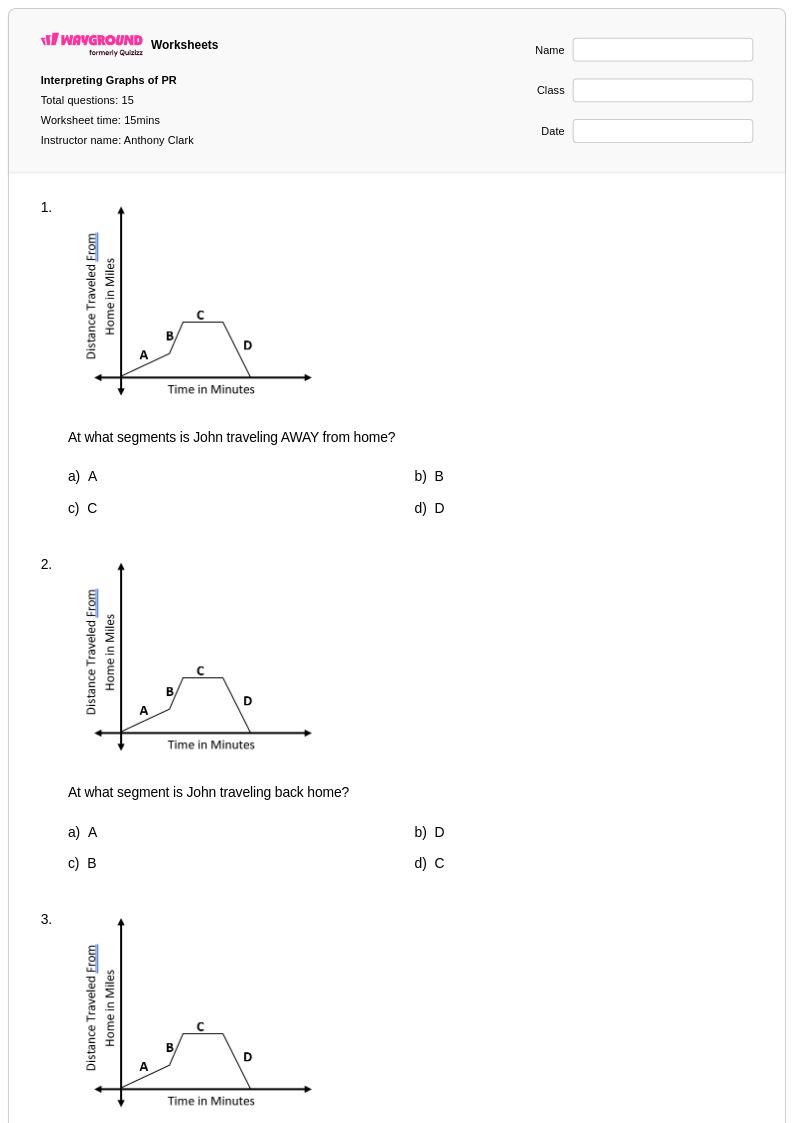
15 Q
8th - Uni
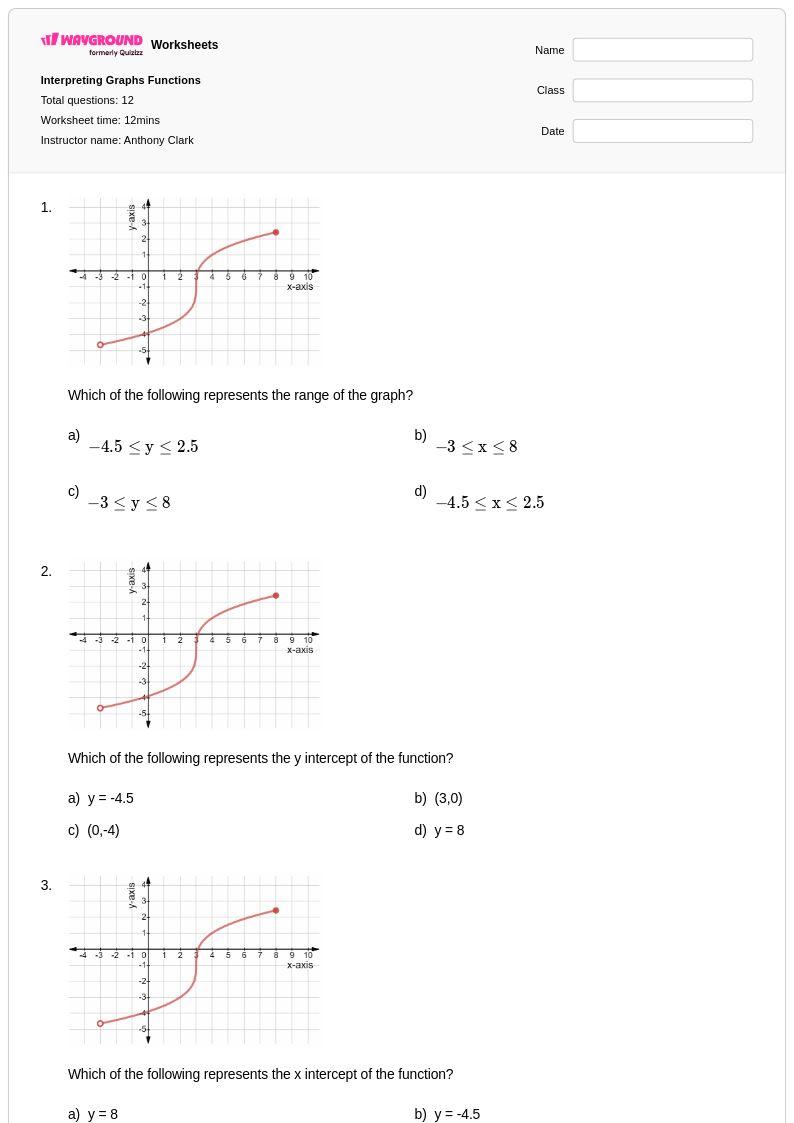
12 Q
9th - Uni
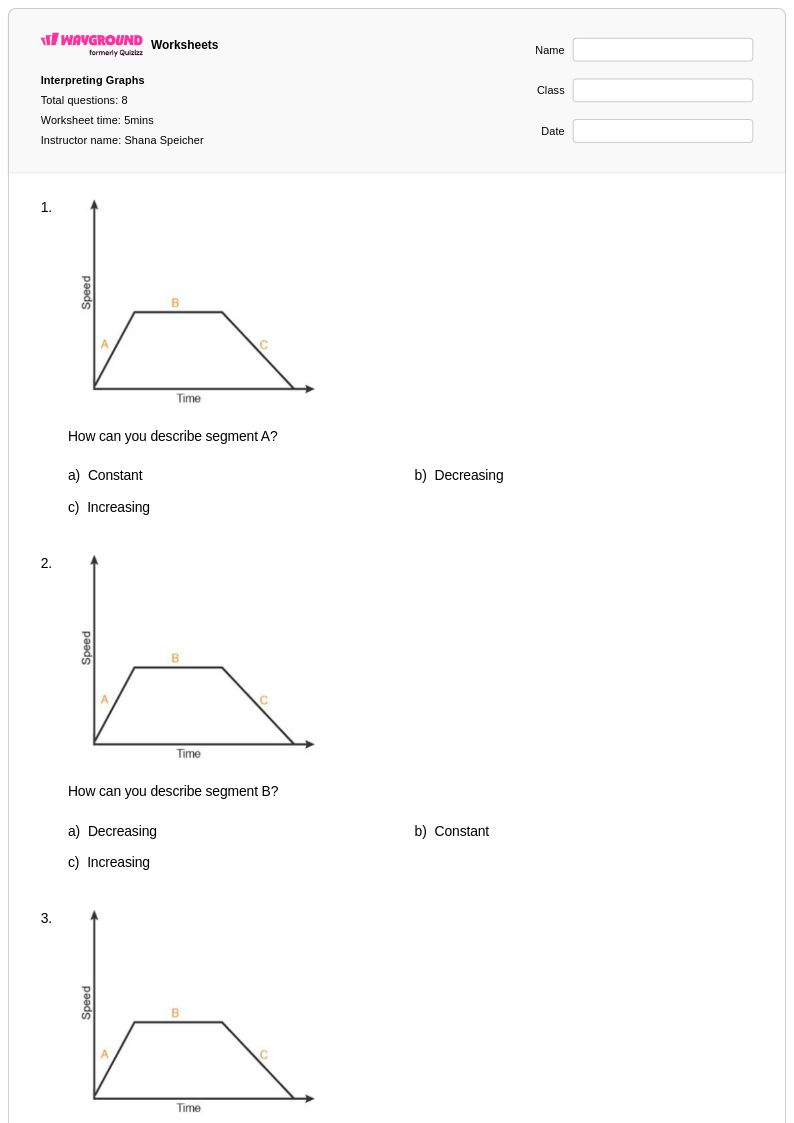
8 Q
8th
20 Q
6th - 8th
20 Q
8th
10 Q
9th
55 Q
7th
10 Q
7th
12 Q
8th - Uni
20 Q
8th - Uni
16 Q
8th - 10th
12 Q
5th
13 Q
6th - Uni
20 Q
7th - Uni
20 Q
9th - Uni
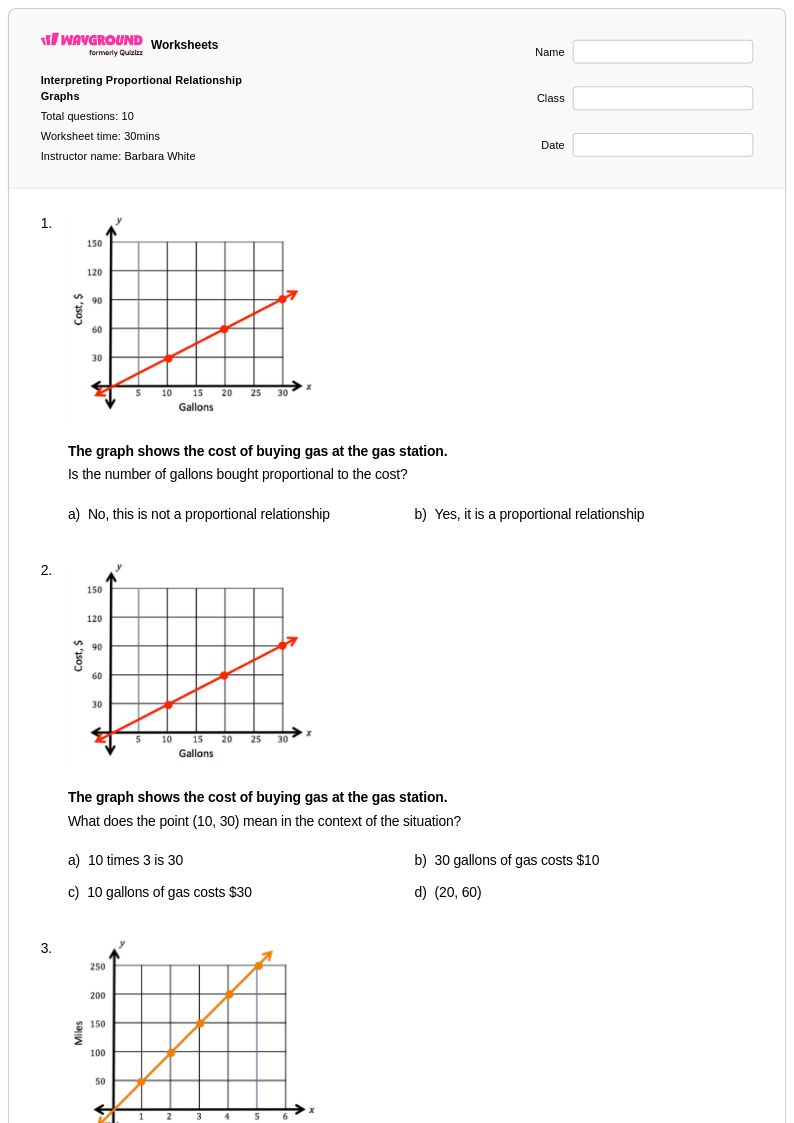
10 Q
7th
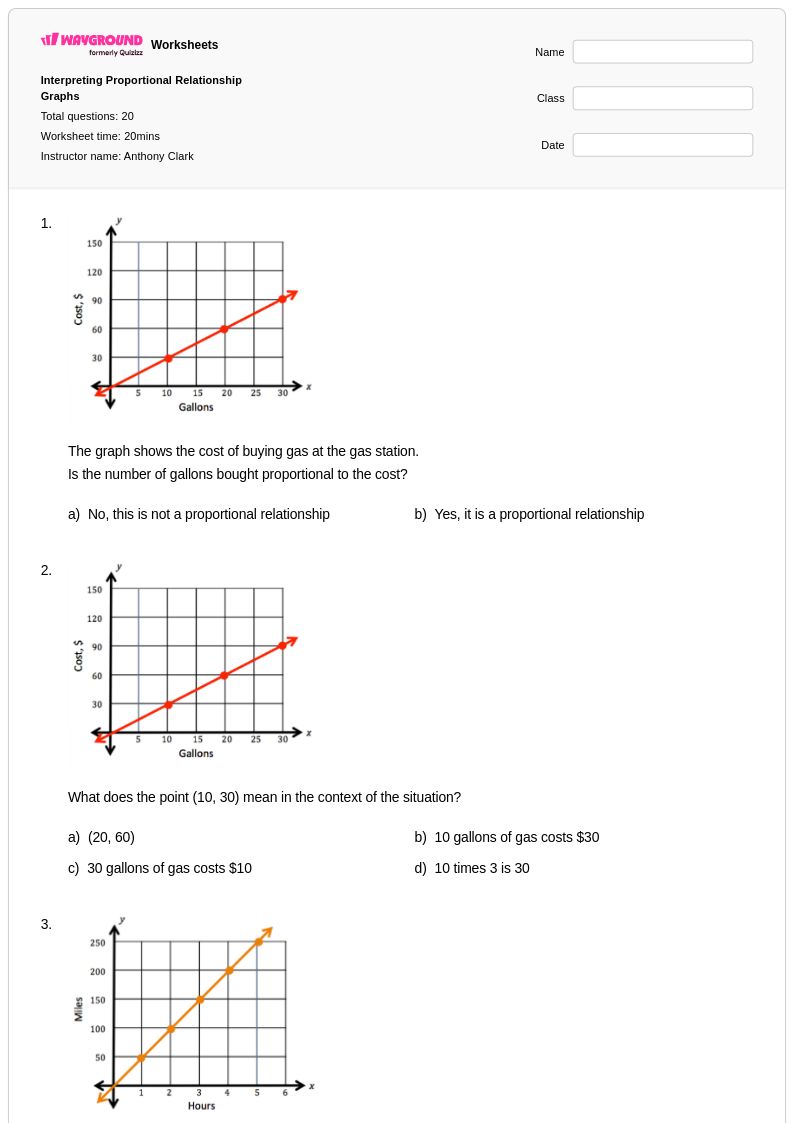
20 Q
7th - Uni
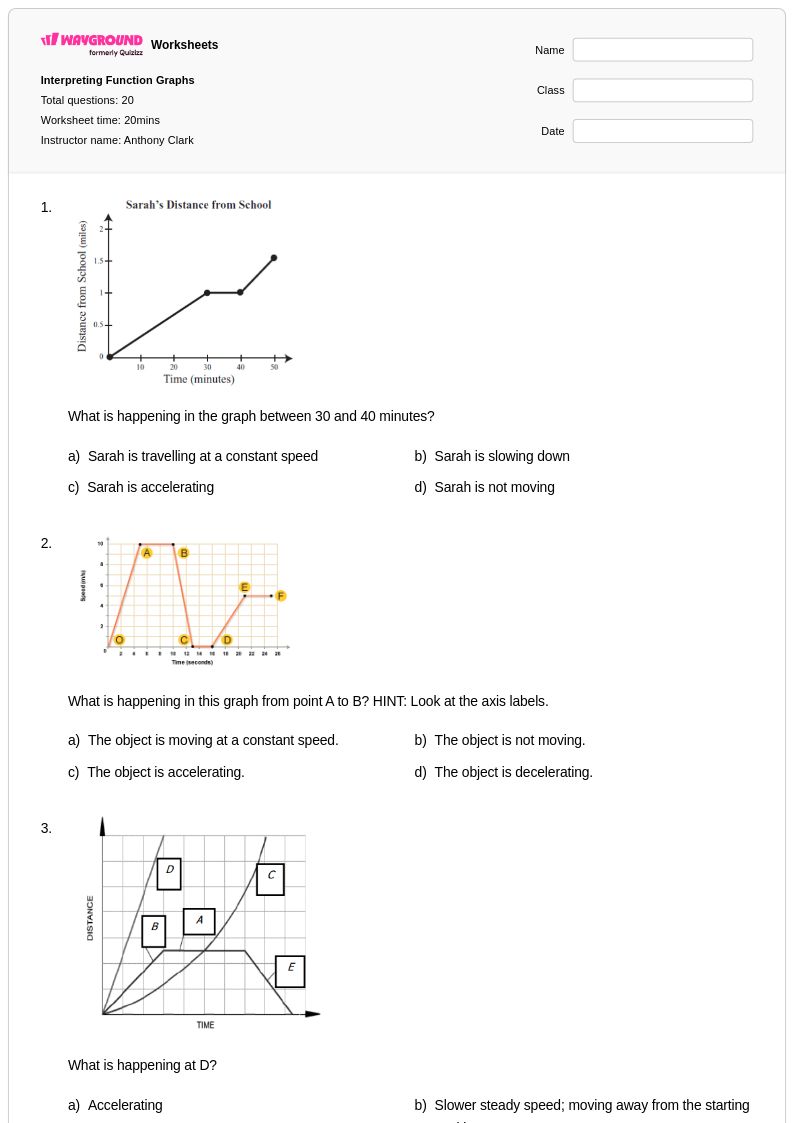
20 Q
8th - Uni
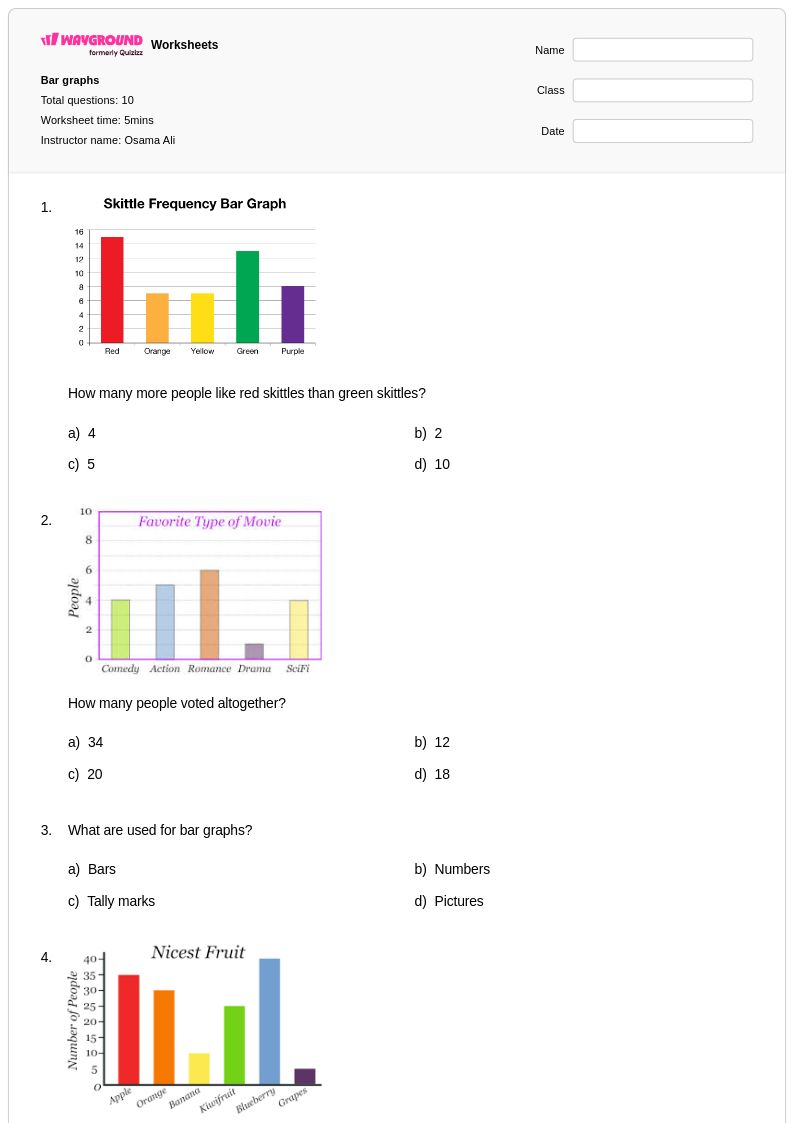
10 Q
3rd
Explore Interpreting Graphs Worksheets by Grades
Explore Other Subject Worksheets for kindergarten
Explore printable Interpreting Graphs worksheets for Kindergarten
Interpreting graphs worksheets for kindergarten students available through Wayground (formerly Quizizz) provide young learners with essential foundational skills in data analysis and visual literacy. These carefully designed printables introduce kindergarteners to the basic concepts of reading and understanding simple graphs, including picture graphs, bar graphs, and basic charts that use familiar objects and concepts from their daily lives. Each worksheet focuses on developing critical thinking skills as students learn to extract information from visual representations, answer questions about data, and make simple comparisons between different elements shown in graphs. The practice problems progress systematically from identifying individual data points to drawing basic conclusions, while comprehensive answer keys support both independent learning and guided instruction in pdf format.
Wayground's extensive collection of interpreting graphs worksheets draws from millions of teacher-created resources, offering kindergarten educators powerful search and filtering capabilities to locate materials perfectly suited to their students' developmental needs. The platform's standards alignment features ensure that worksheets support curriculum objectives while differentiation tools allow teachers to customize content for diverse learning levels within the same classroom. These flexible resources are available in both printable and digital formats, making them ideal for traditional classroom instruction, homework assignments, learning centers, and remote learning environments. Teachers can efficiently plan comprehensive graph interpretation lessons, provide targeted remediation for students who need additional support, offer enrichment activities for advanced learners, and create consistent skill practice opportunities that build mathematical confidence and analytical thinking abilities throughout the kindergarten year.
FAQs
What do kindergarteners learn about graphs?
How do I teach graphing concepts to kindergarteners?
What kinds of questions should a kindergartener be able to answer from a graph?
What are common difficulties for kindergarteners learning graphs?
How can I use these kindergarten graphing worksheets in my class?
How does kindergarten graphing fit into the math curriculum?