
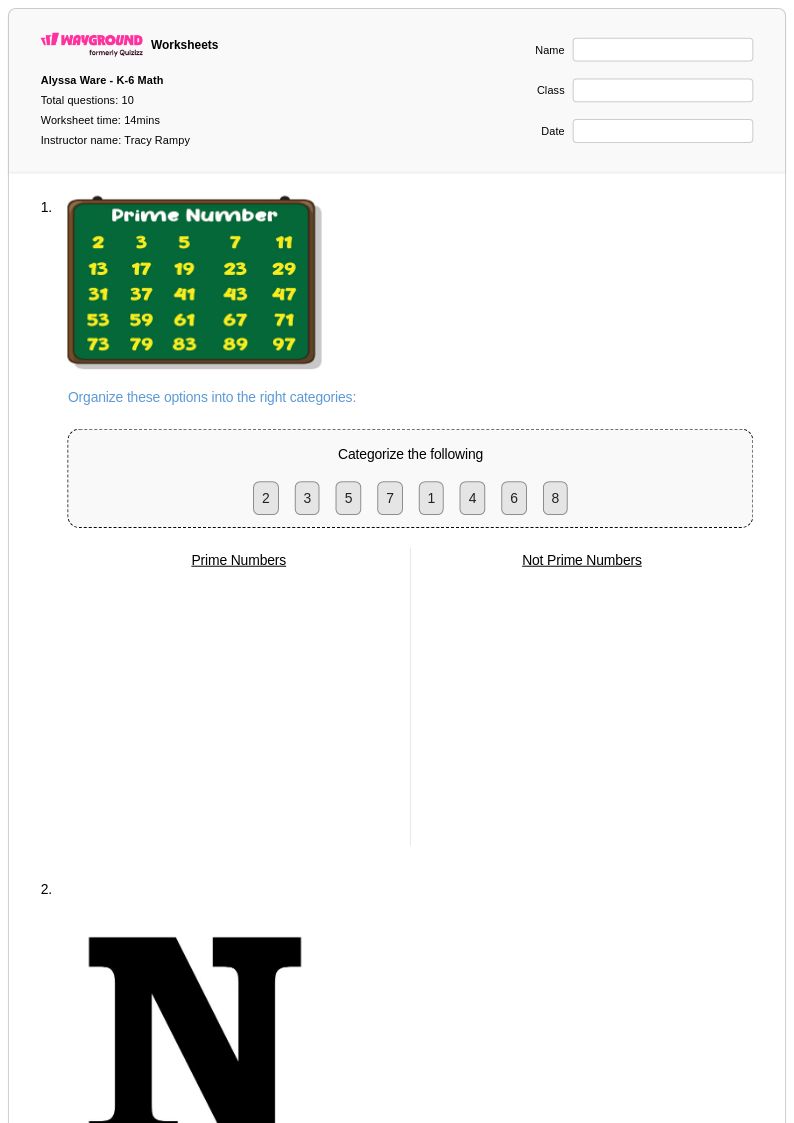
10 Q
1st - 5th
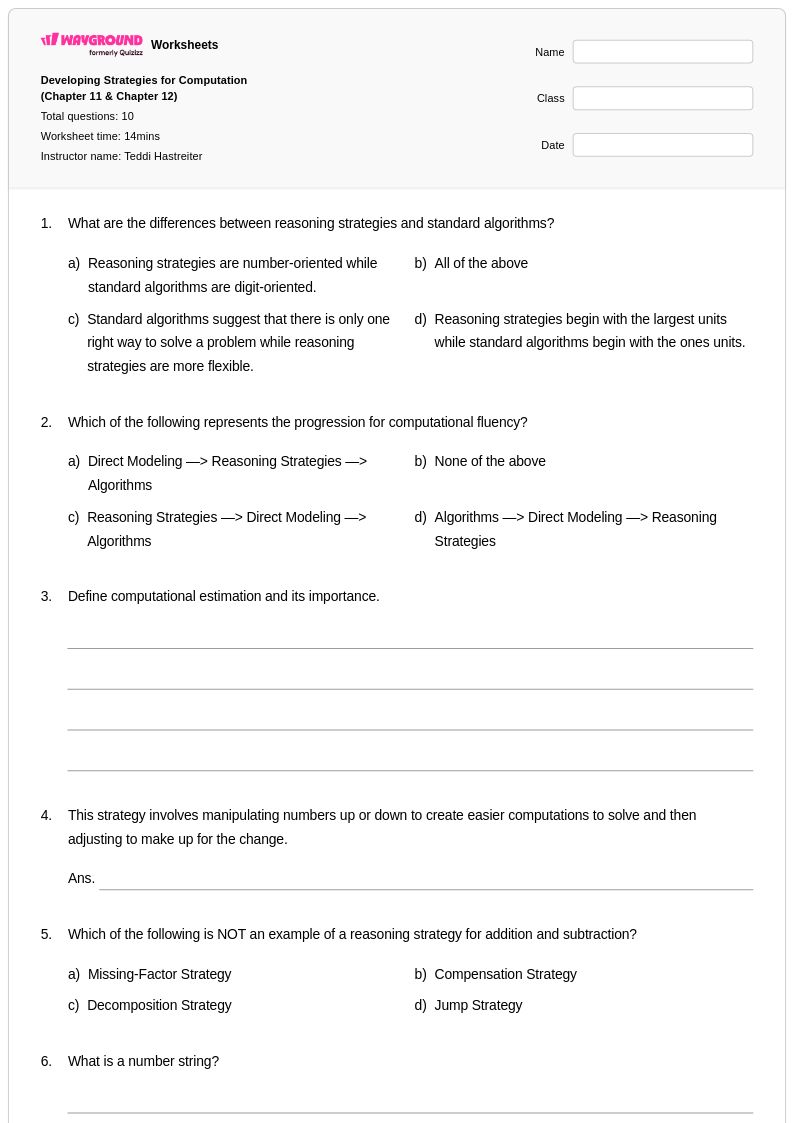
10 Q
1st - 5th
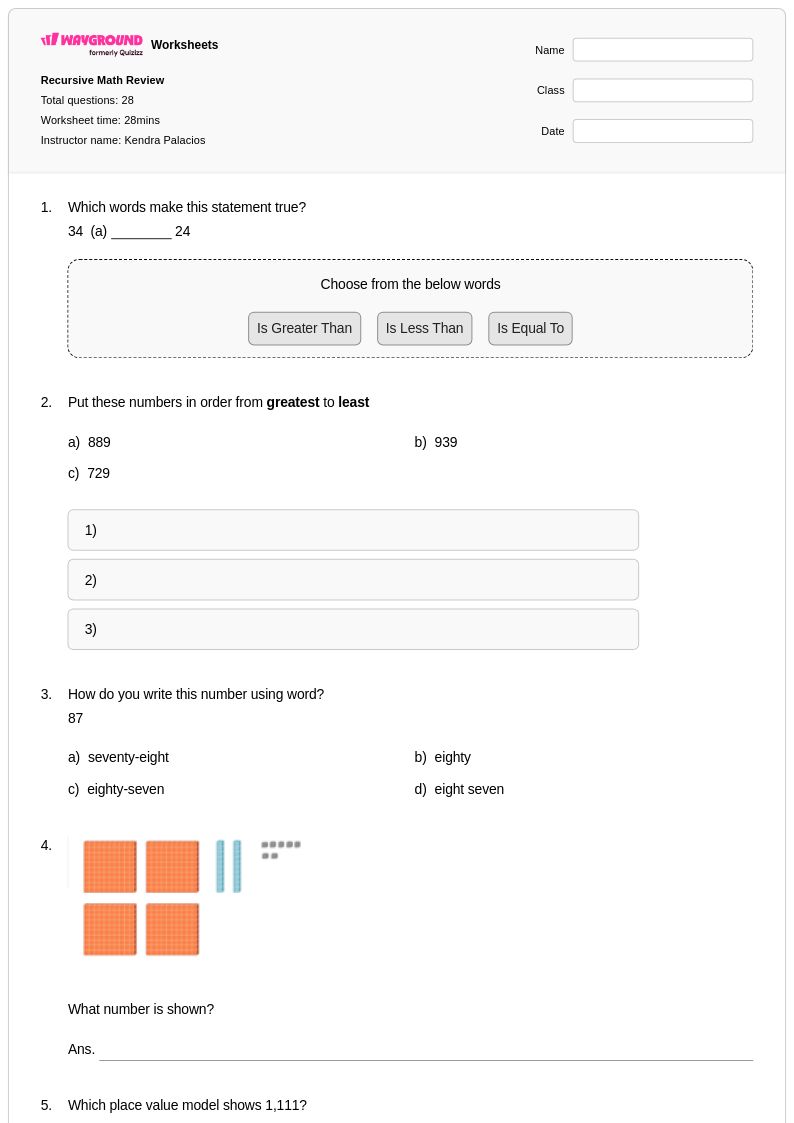
28 Q
2nd
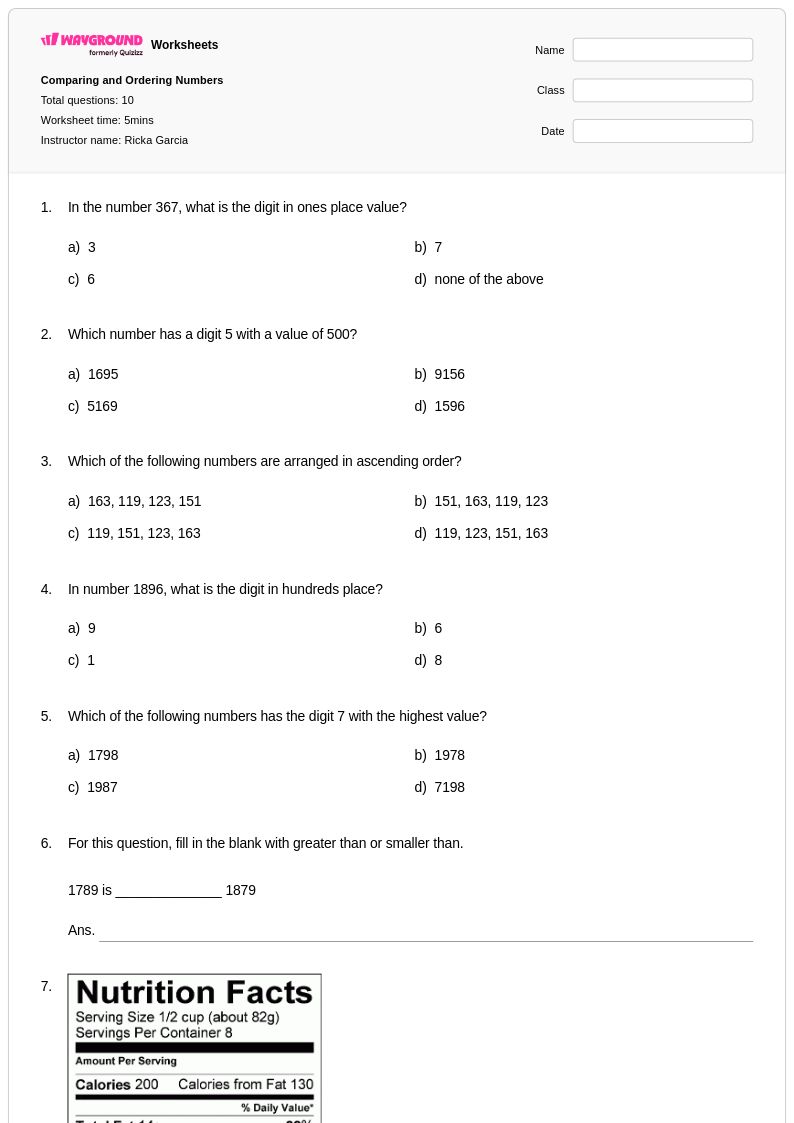
10 Q
2nd
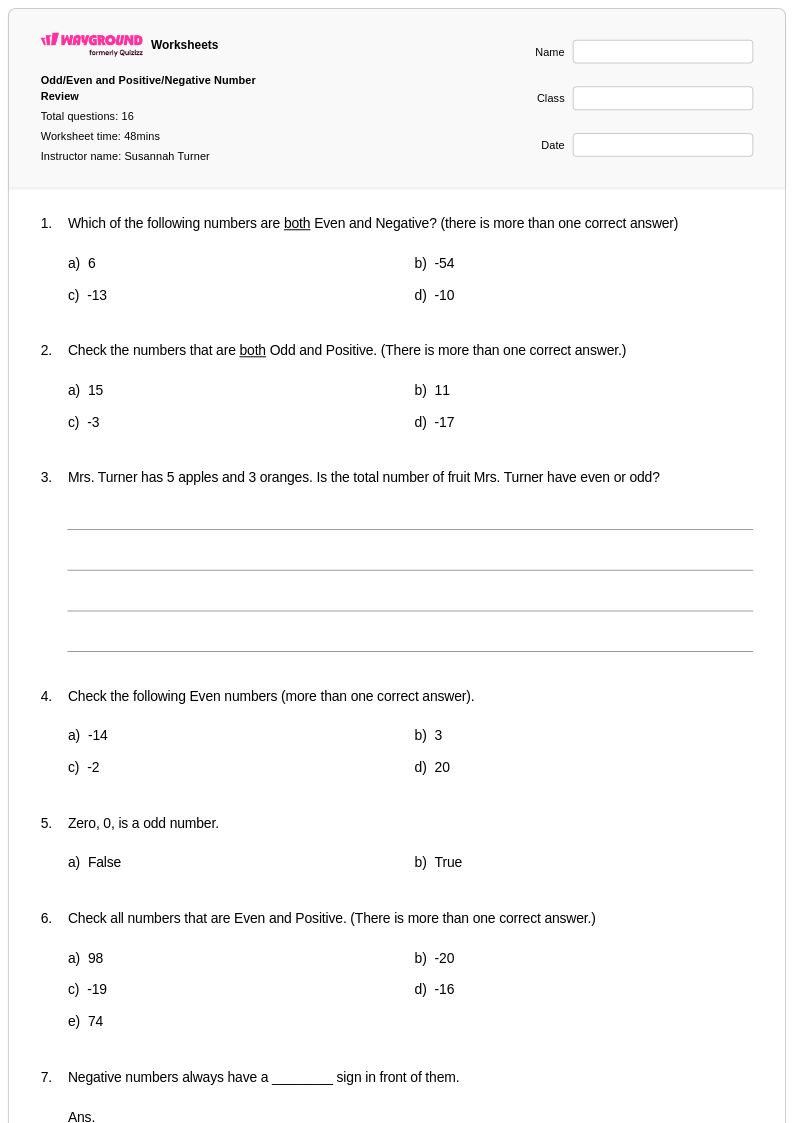
16 Q
1st - 3rd
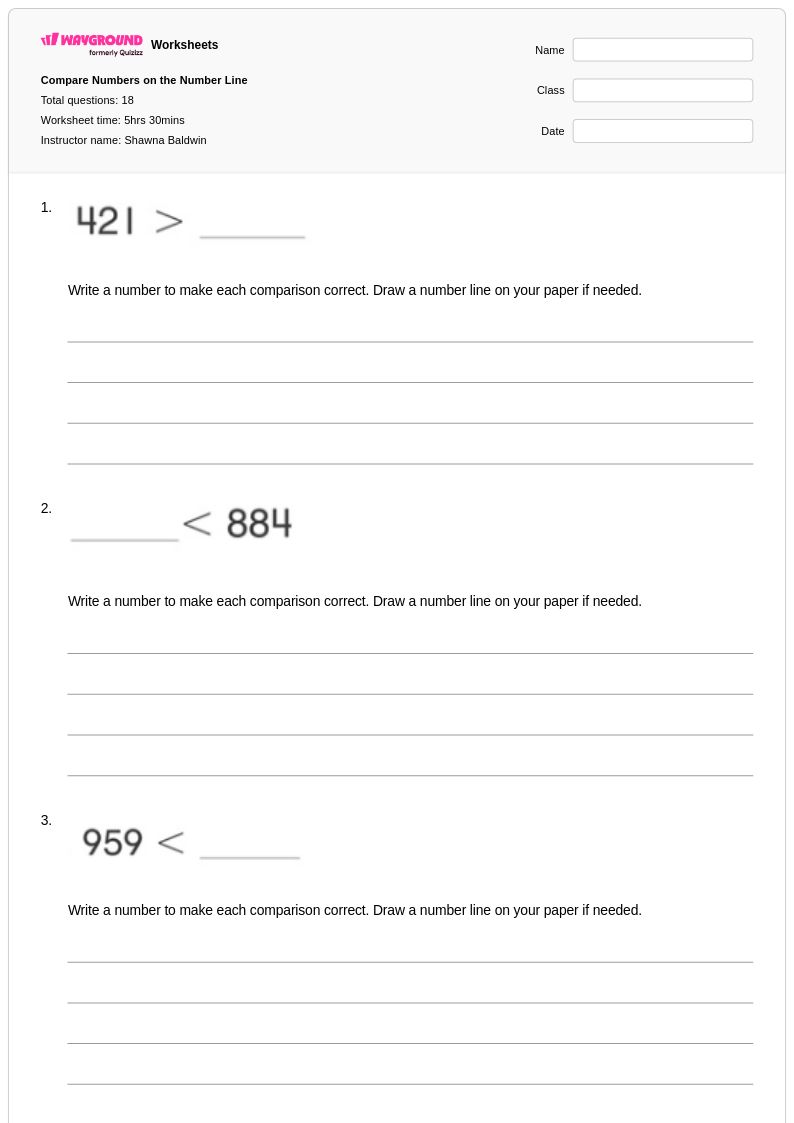
18 Q
2nd
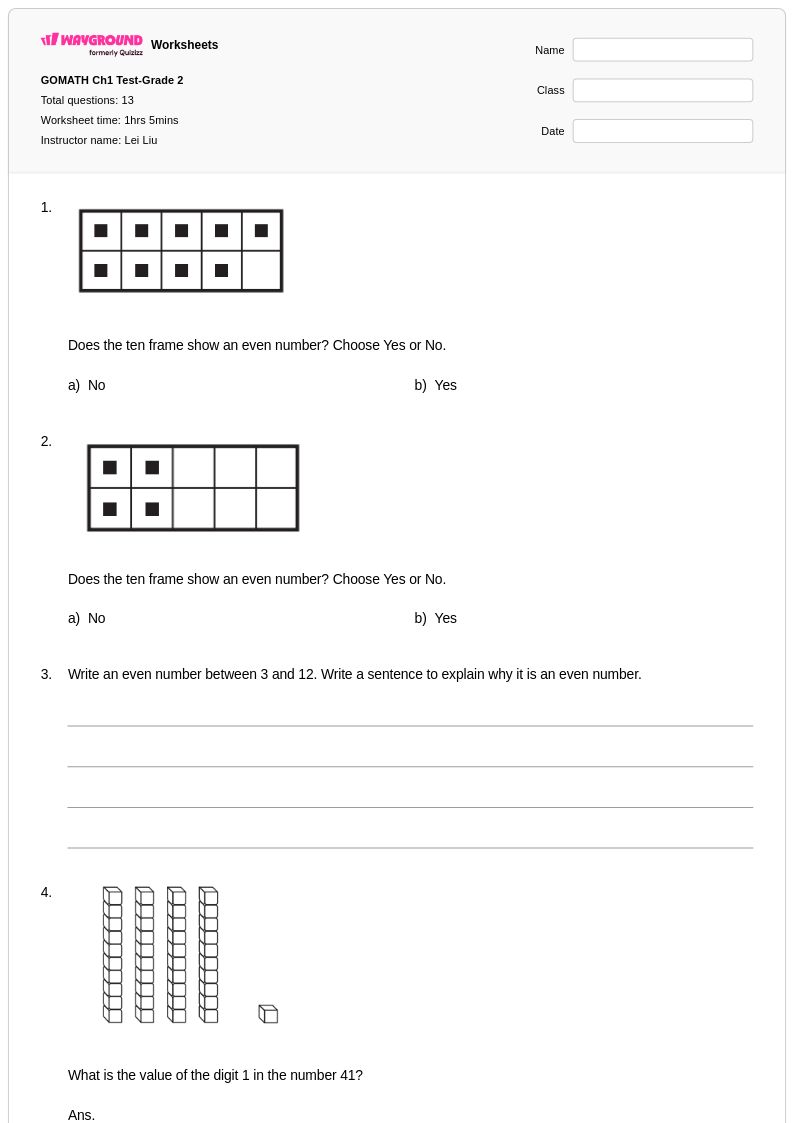
13 Q
2nd
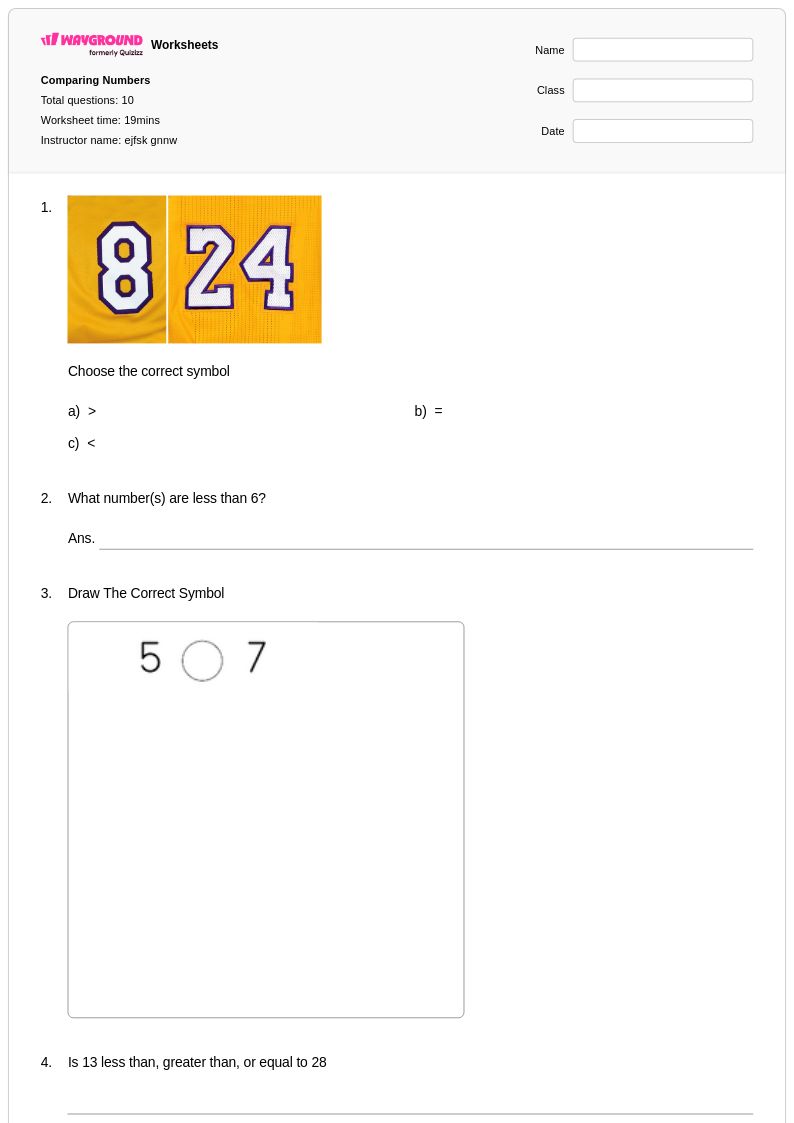
10 Q
1st - 2nd
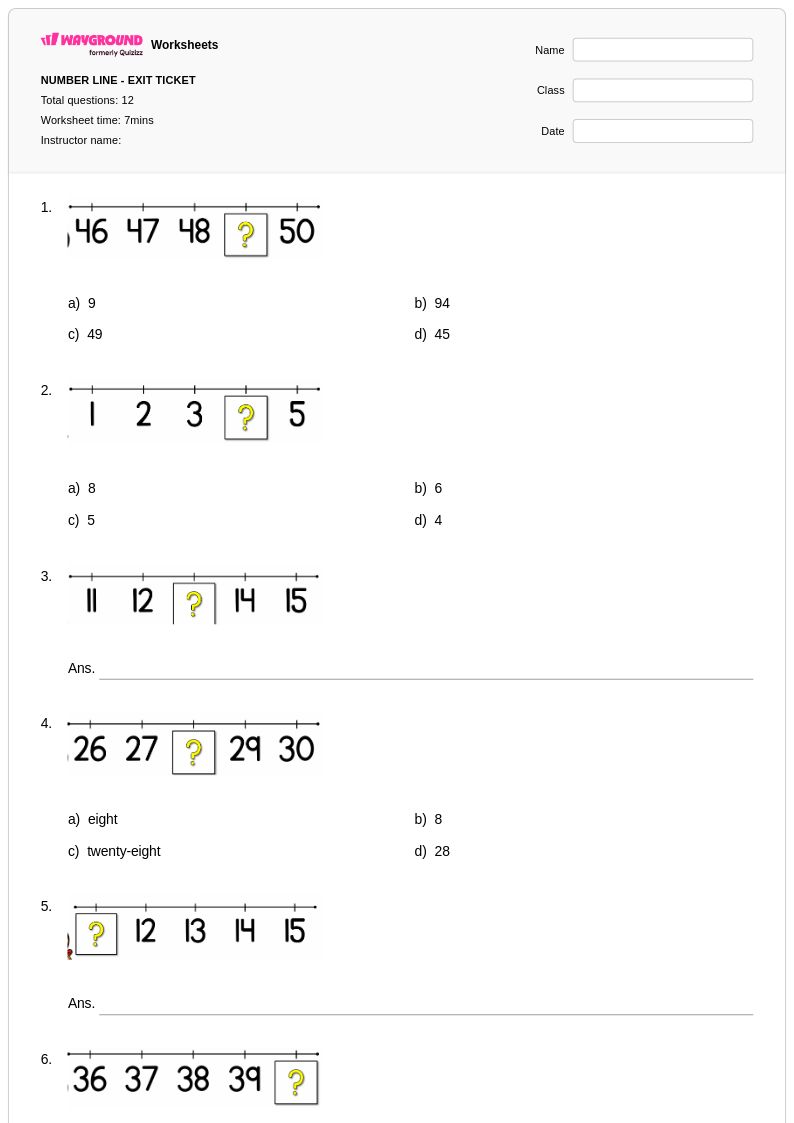
12 Q
2nd
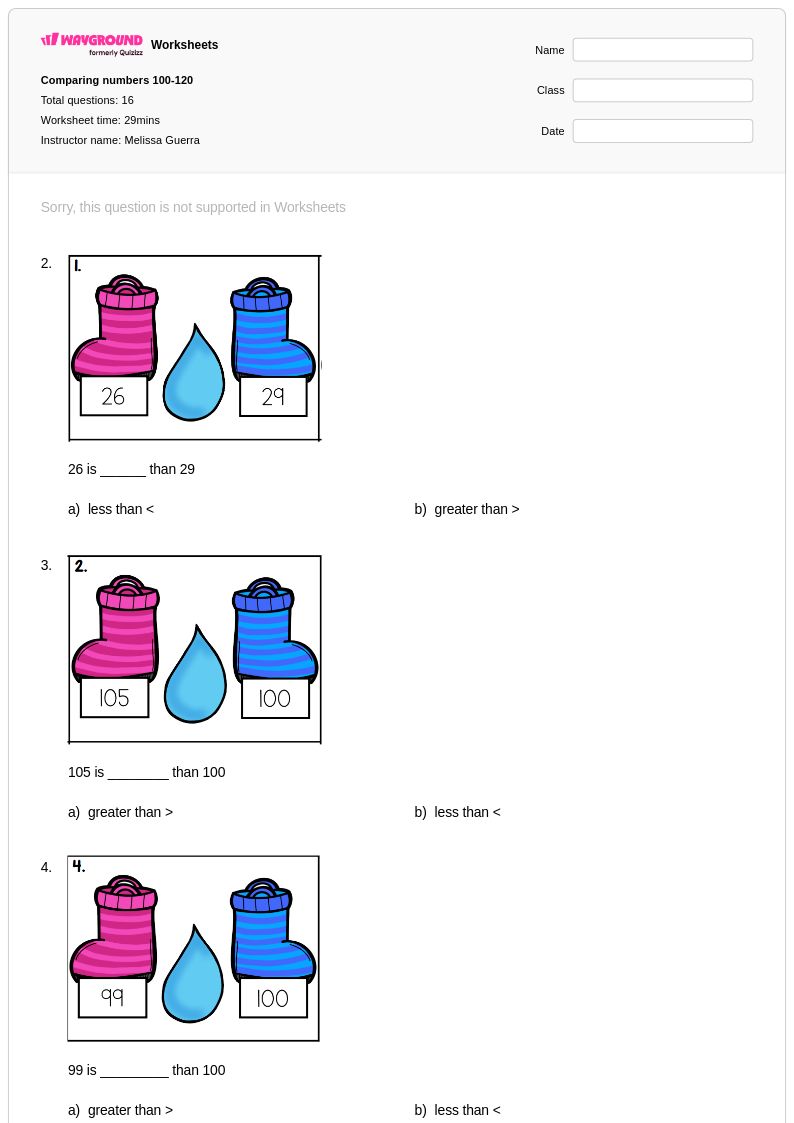
17 Q
1st - Uni
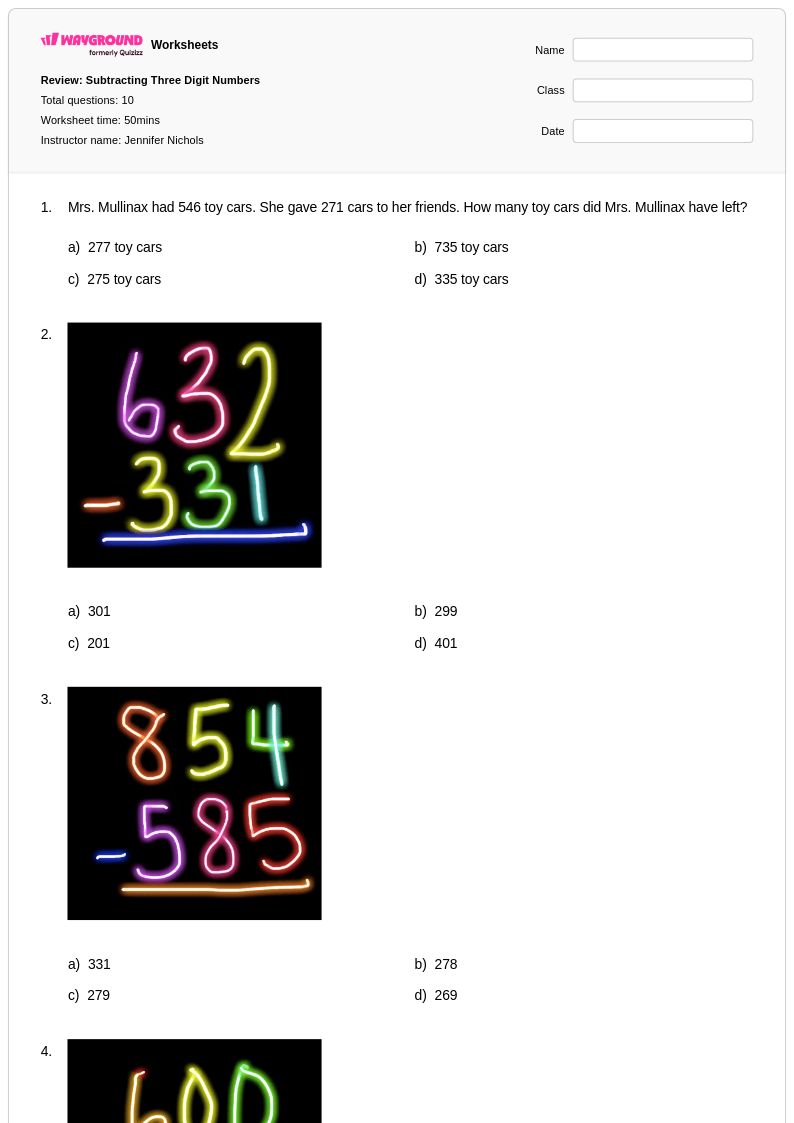
10 Q
2nd
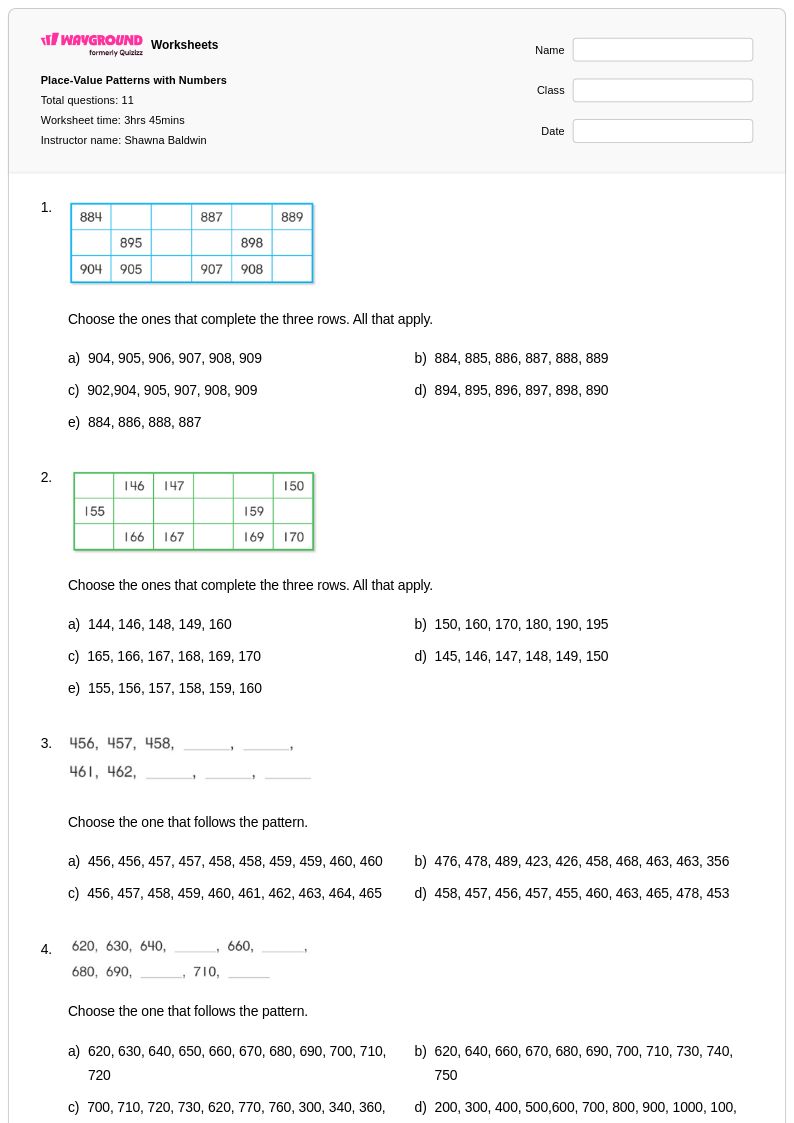
11 Q
2nd
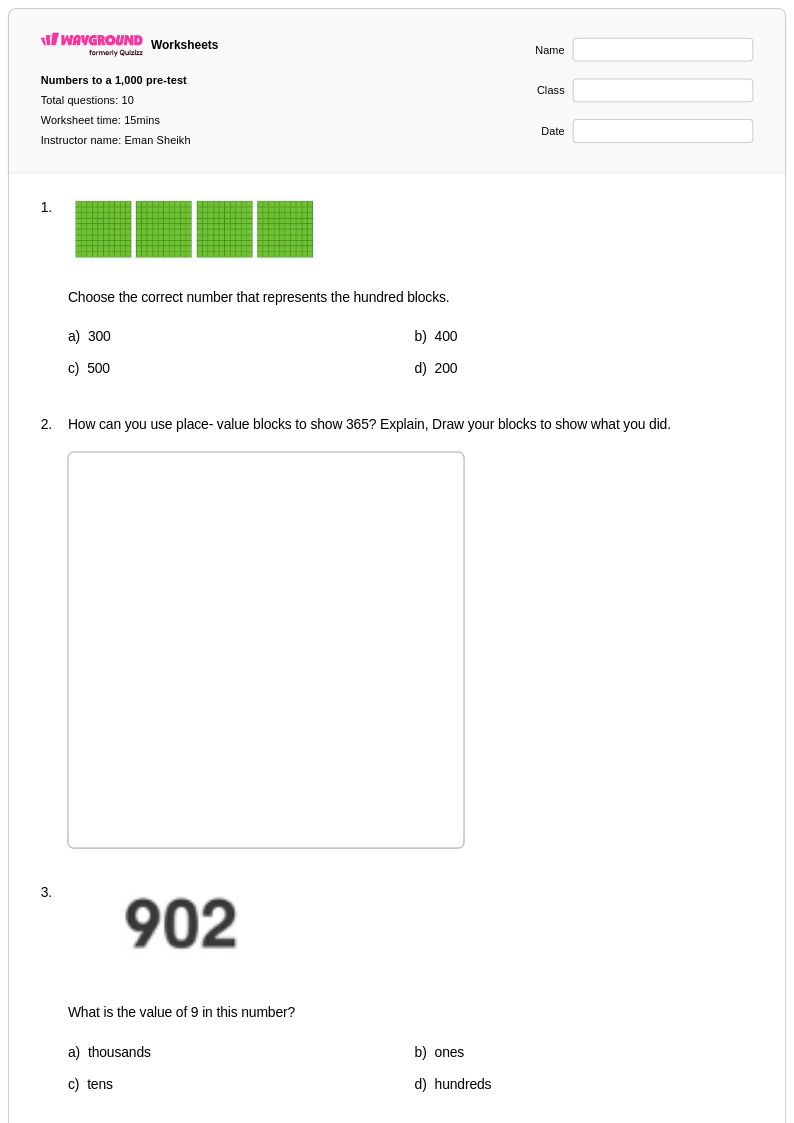
10 Q
2nd
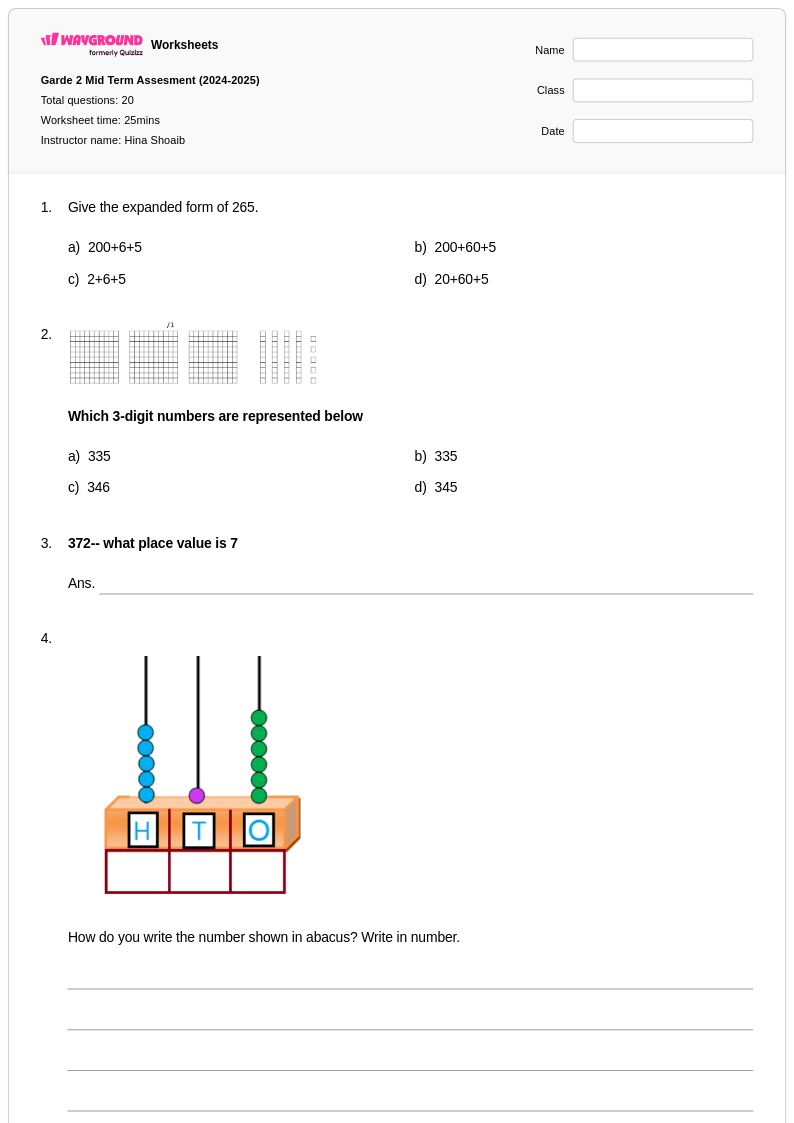
20 Q
2nd
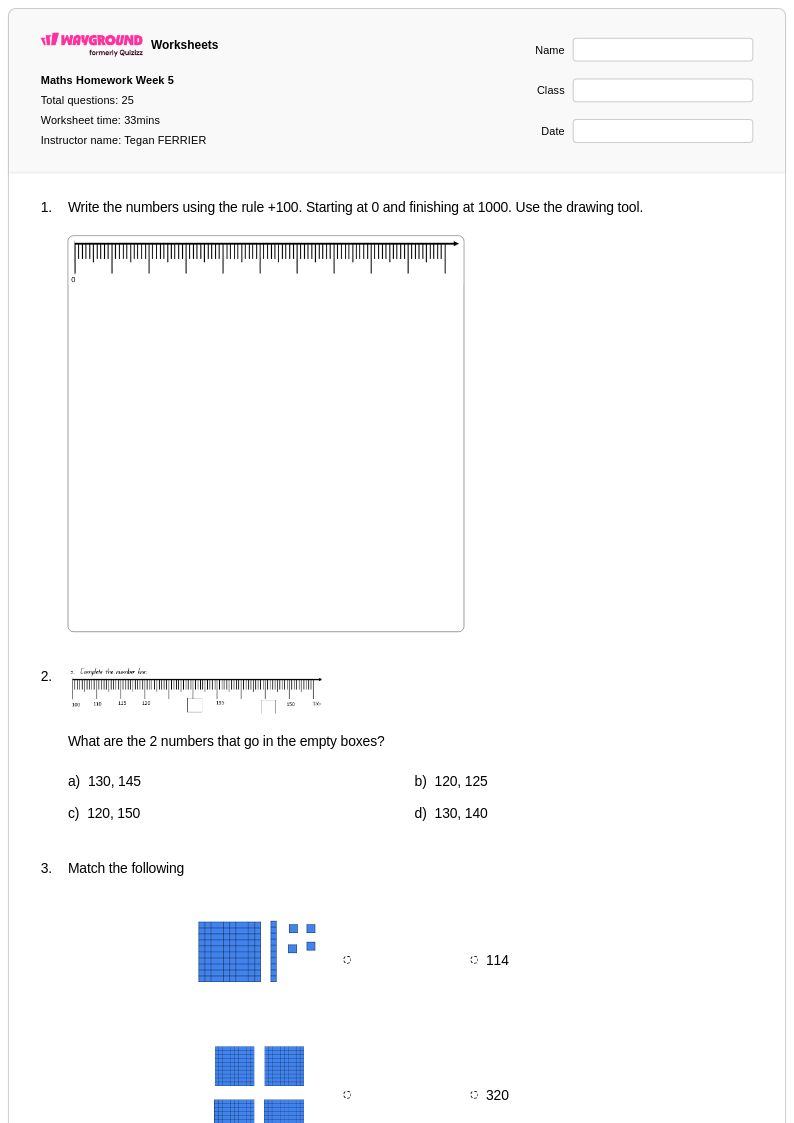
25 Q
2nd
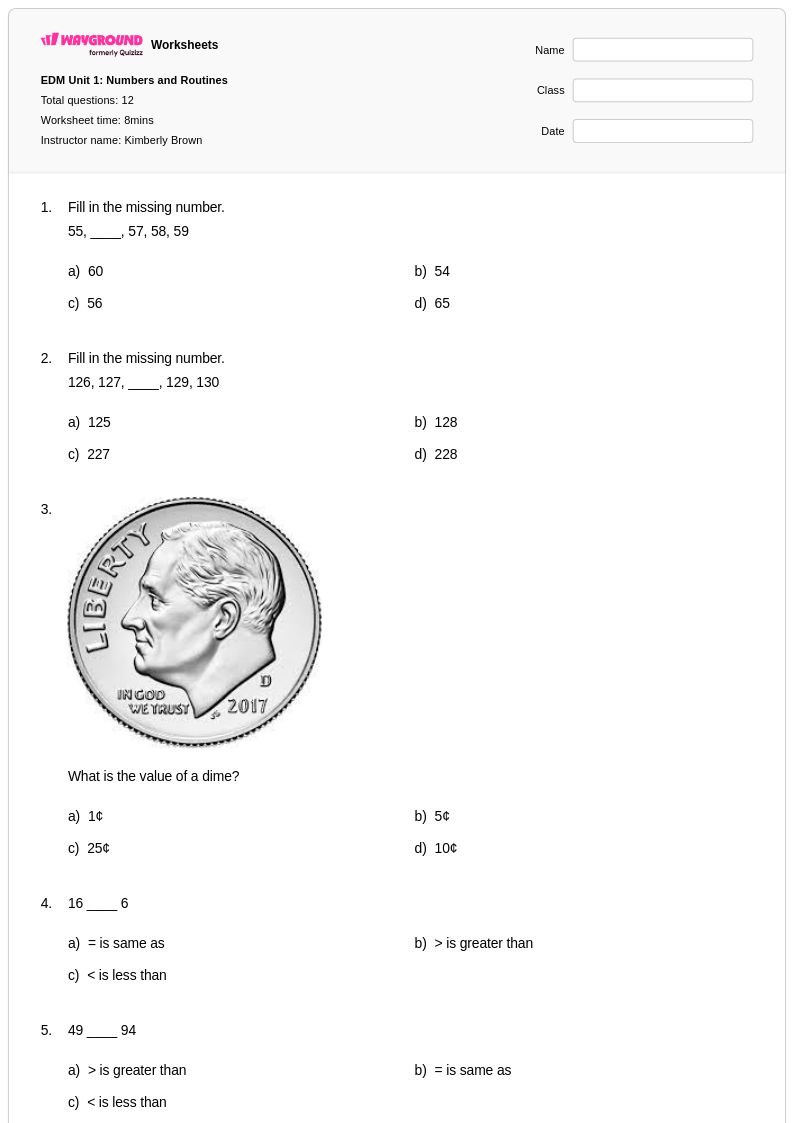
12 Q
2nd
20 Q
2nd
20 Q
2nd - 4th
10 Q
2nd
6 Q
2nd
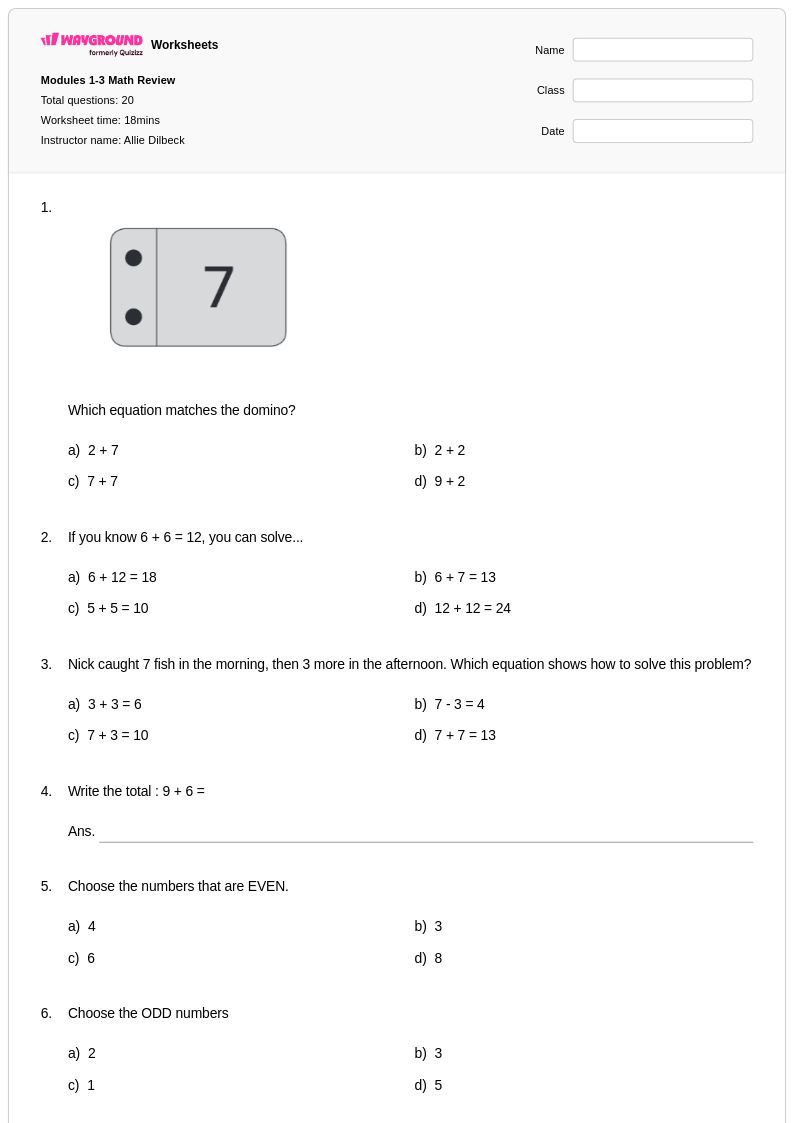
20 Q
2nd
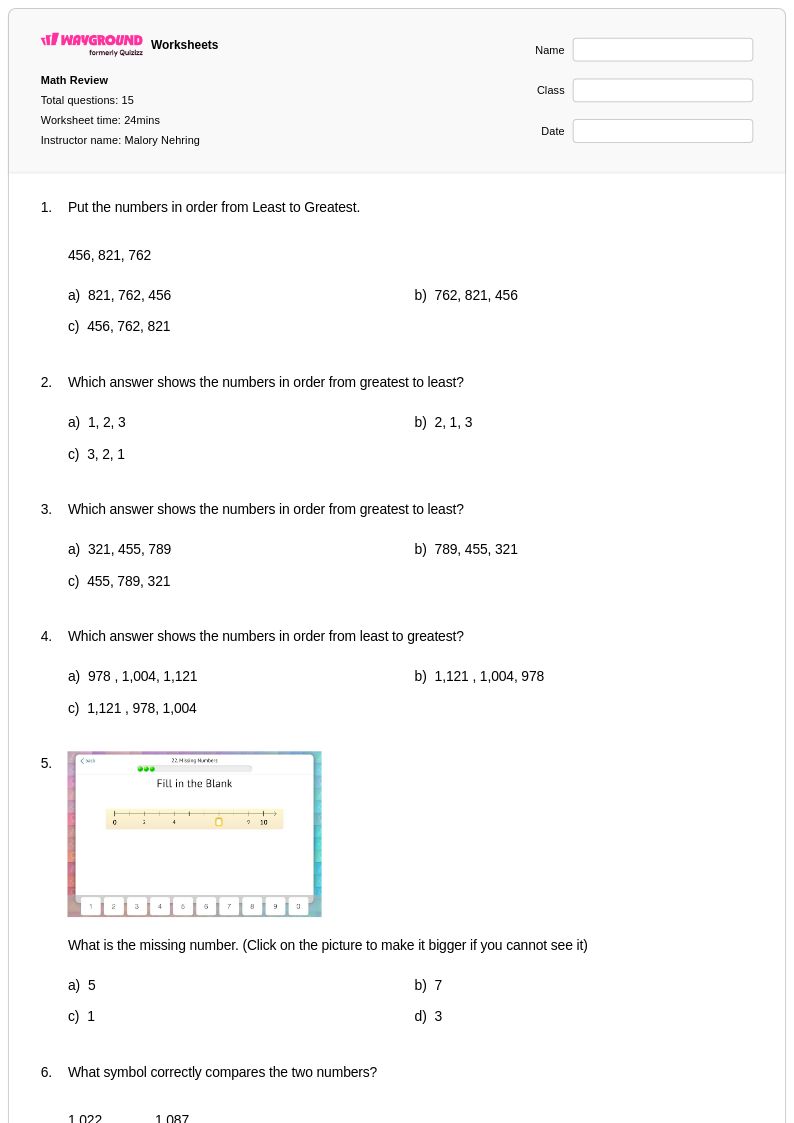
15 Q
2nd
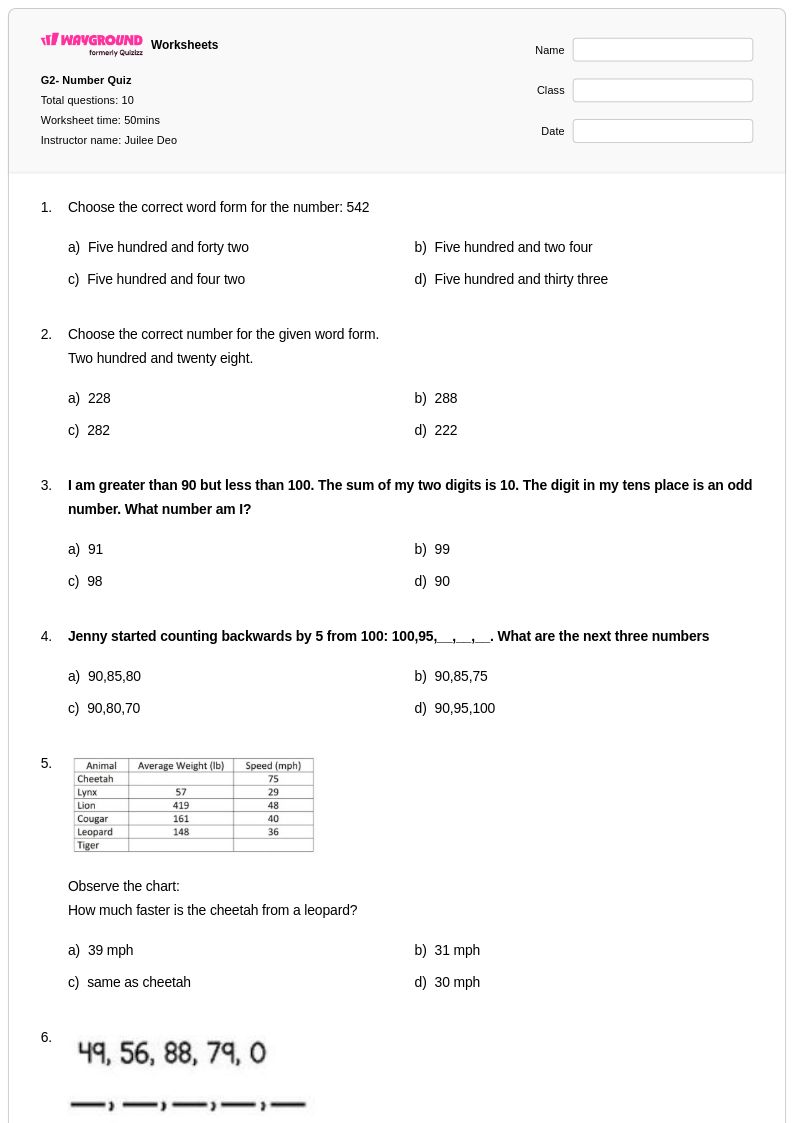
10 Q
2nd
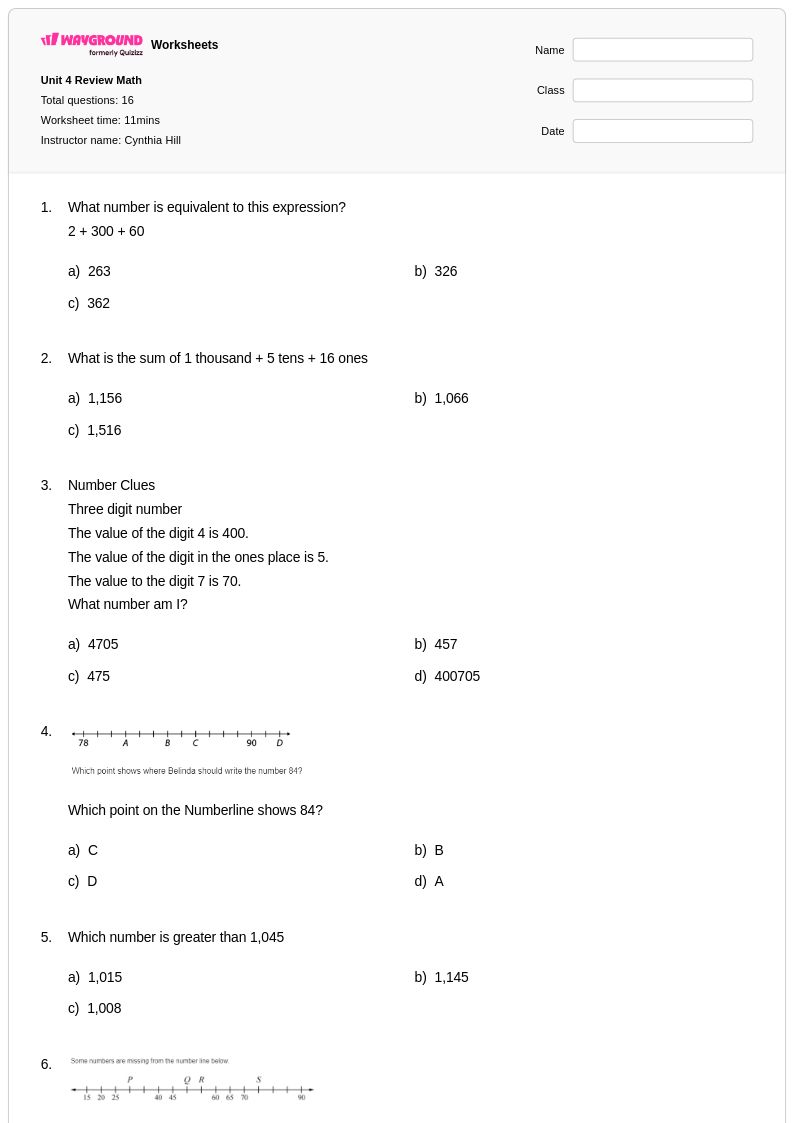
16 Q
2nd
Explore Other Subject Worksheets for class 2
Explore printable Number Decomposition worksheets for Class 2
Number decomposition worksheets for Class 2 students available through Wayground (formerly Quizizz) provide essential practice in breaking numbers apart and understanding their component parts. These carefully designed printables help young learners develop foundational skills in recognizing that numbers can be represented in multiple ways, such as breaking 10 into 7+3, 5+5, or 8+2. Students work through engaging practice problems that strengthen their ability to decompose numbers within 20, building the numerical flexibility crucial for future addition and subtraction success. Each worksheet includes a comprehensive answer key and is available as a free pdf download, making it simple for educators to incorporate systematic number sense practice into their mathematics instruction.
Wayground (formerly Quizizz) supports teachers with an extensive collection of number decomposition resources created by millions of educators who understand Class 2 learning needs. The platform's robust search and filtering capabilities allow teachers to quickly locate worksheets aligned with specific standards and learning objectives, while differentiation tools enable customization for diverse student abilities within the same classroom. These materials are available in both printable and digital formats, including downloadable pdfs, providing flexibility for various teaching environments and learning preferences. Teachers can effectively use these resources for daily skill practice, targeted remediation for students who need additional support, and enrichment activities for advanced learners, ensuring that all students develop strong number decomposition abilities that serve as building blocks for more complex mathematical concepts.
FAQs
What is the focus of number decomposition in Grade 2?
How can I teach students to use decomposition for addition?
Where do second graders struggle when using decomposition to add or subtract?
How can I use these Grade 2 worksheets for practice or assessment?
How does number decomposition in Grade 2 support the curriculum?
What types of problems build second graders' decomposition skills?