
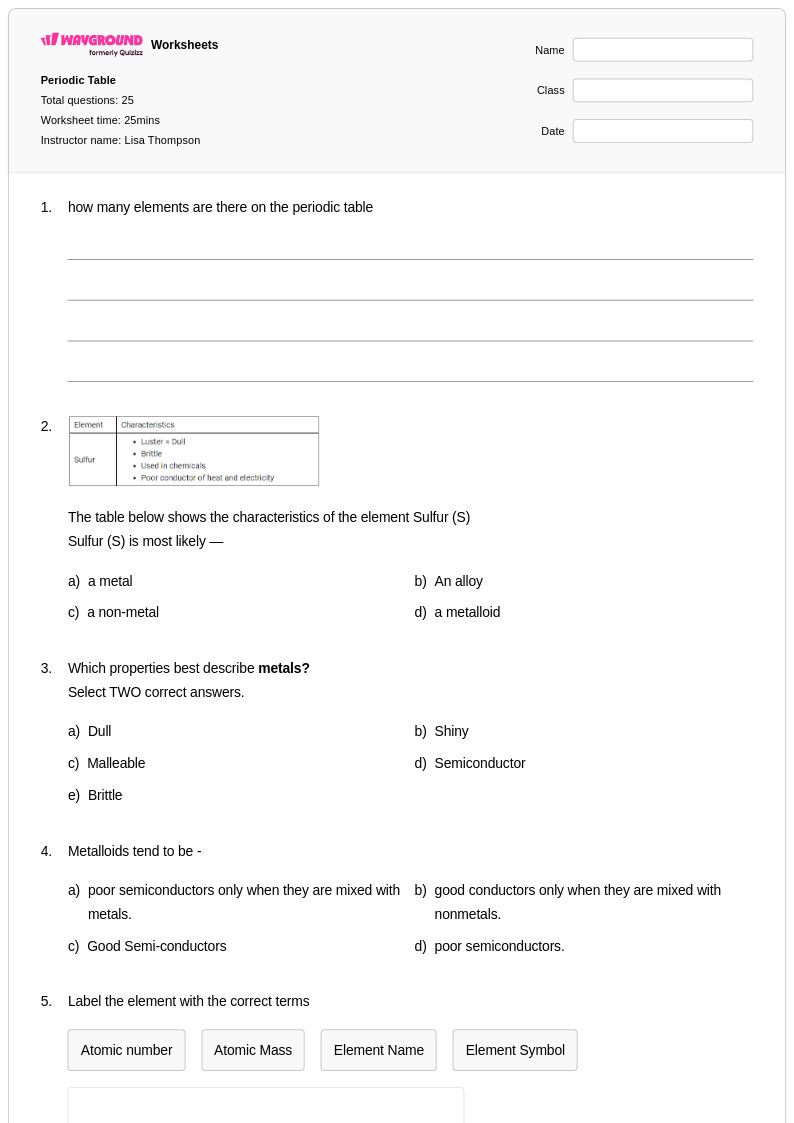
25 Q
6th - Uni
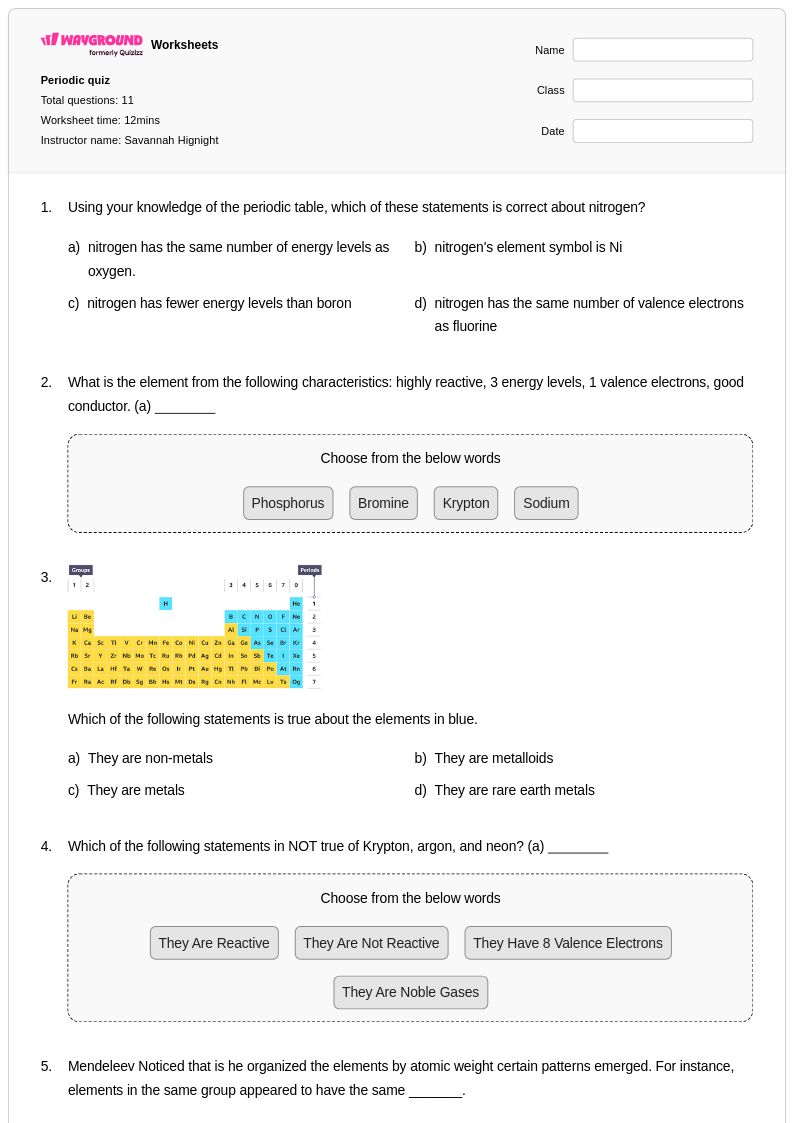
11 Q
6th - 8th
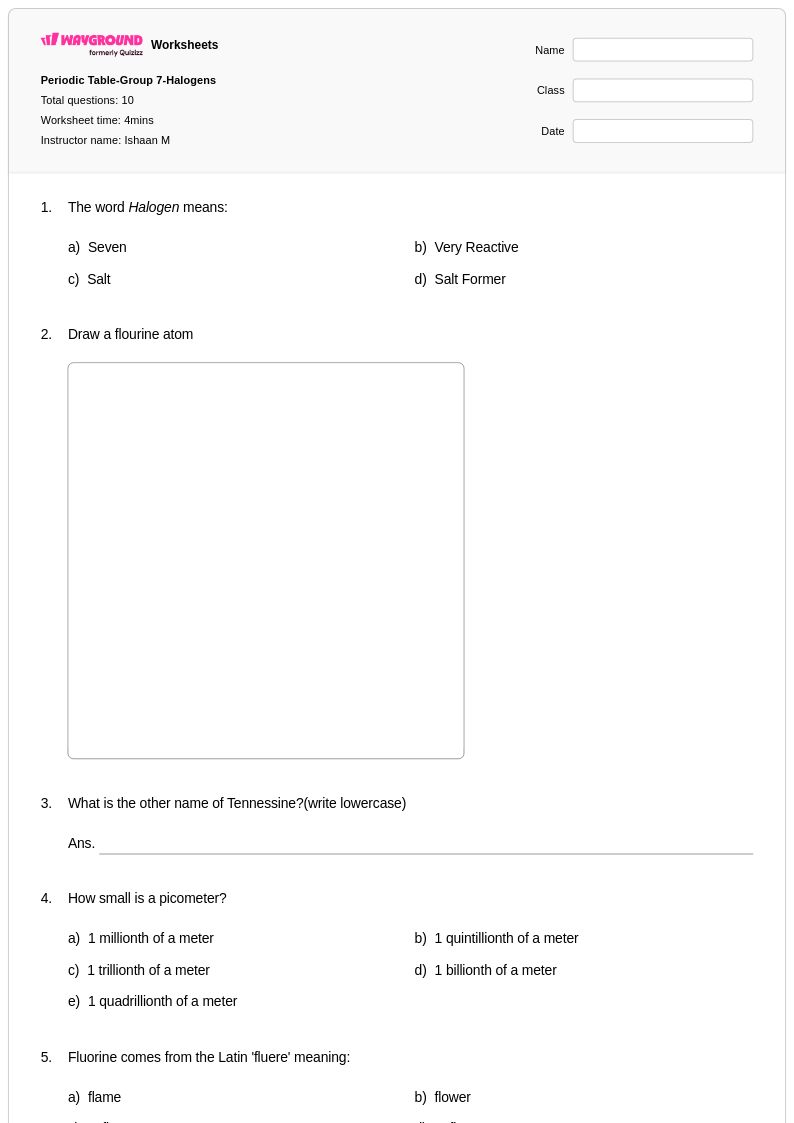
10 Q
6th - 8th
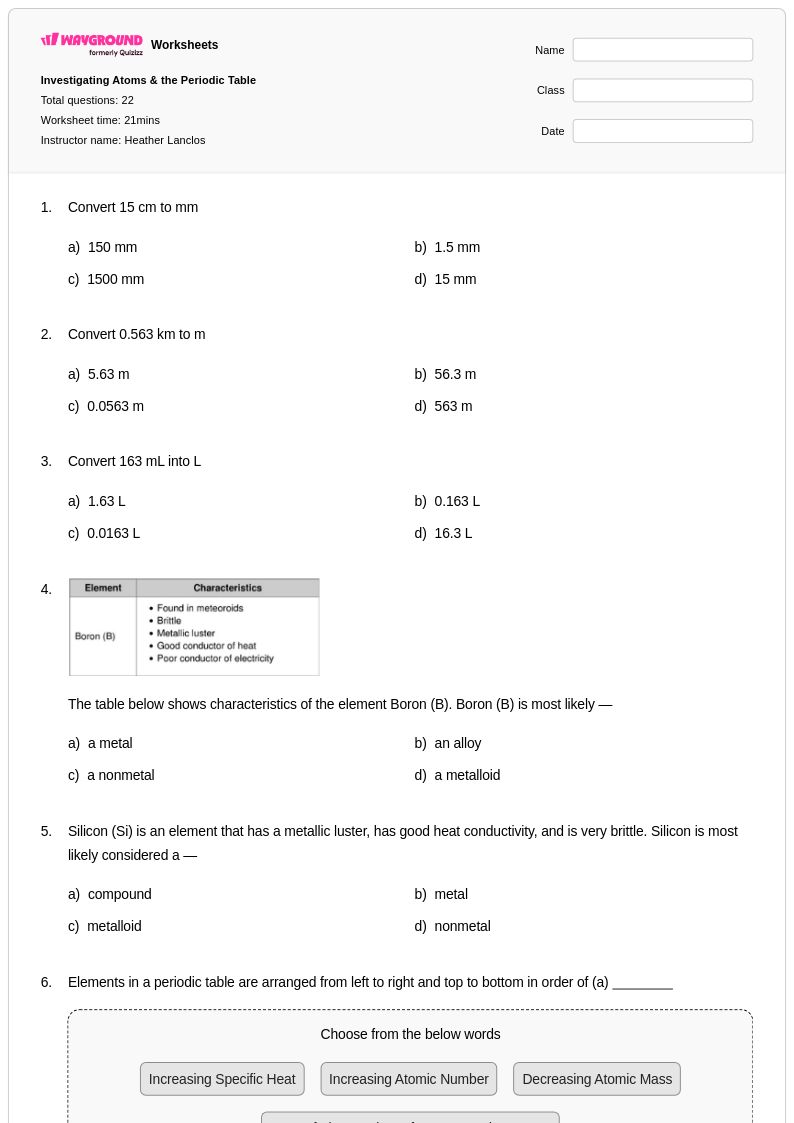
22 Q
6th - 8th
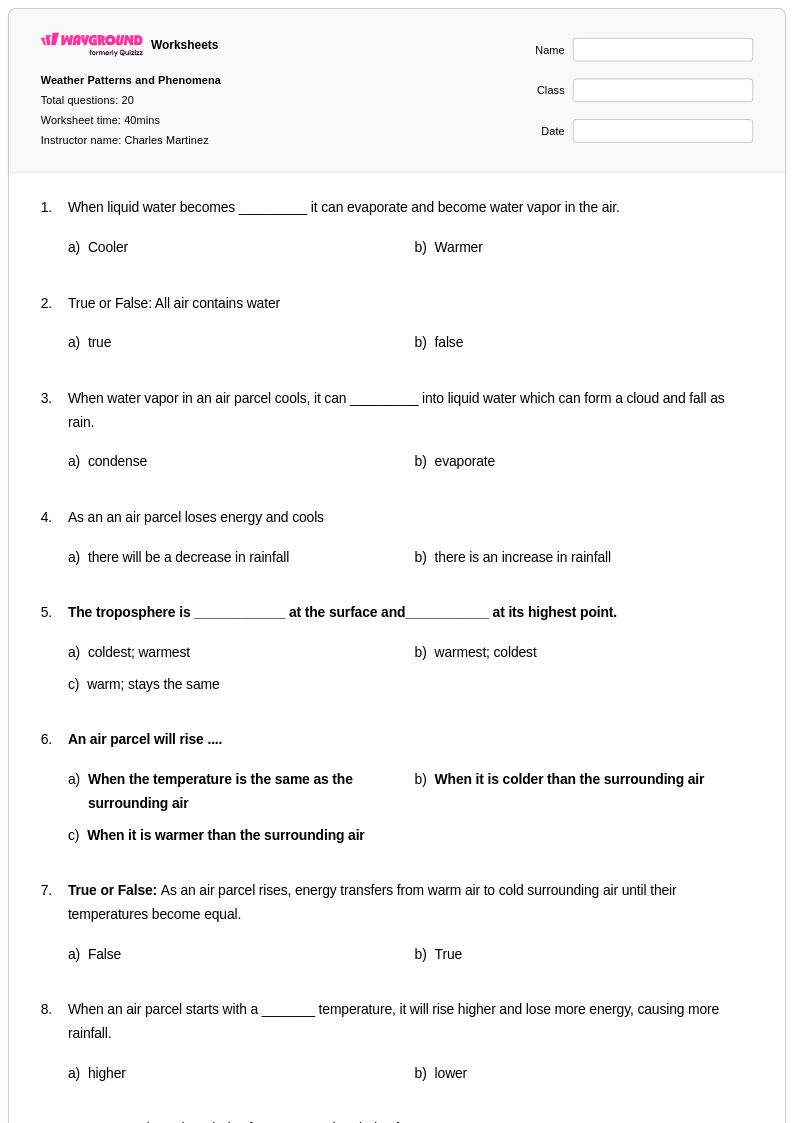
20 Q
6th
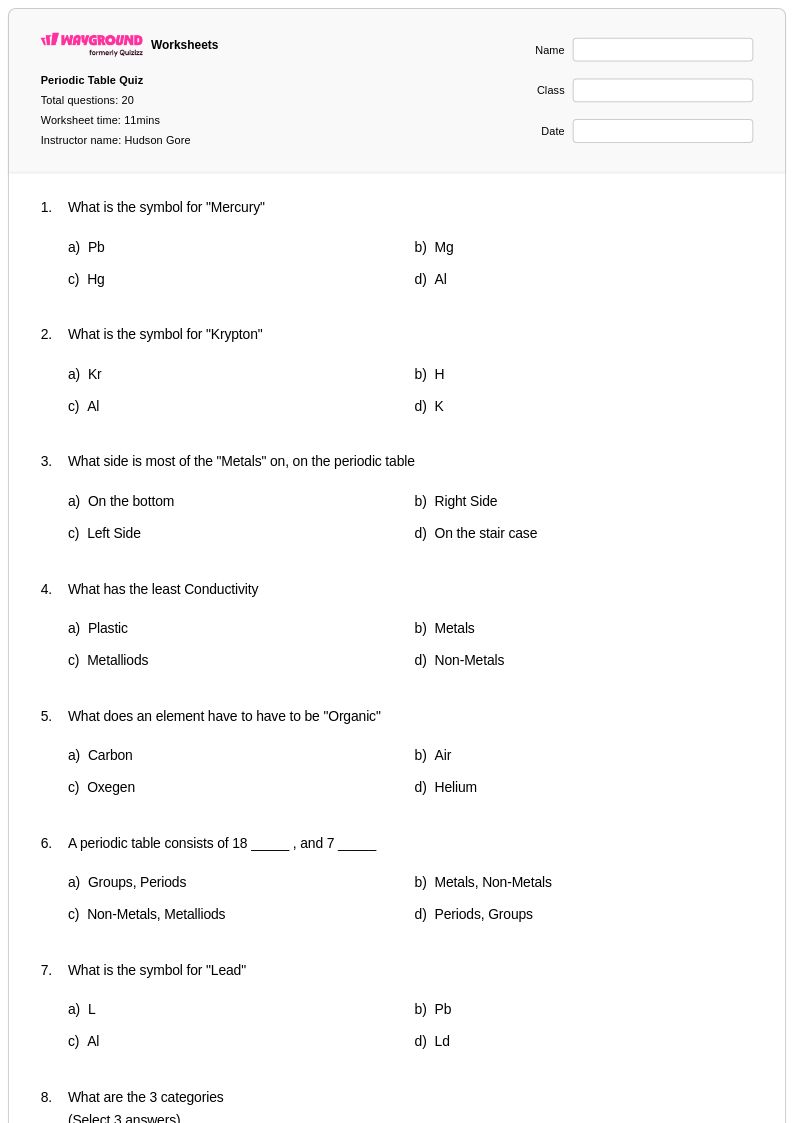
20 Q
6th
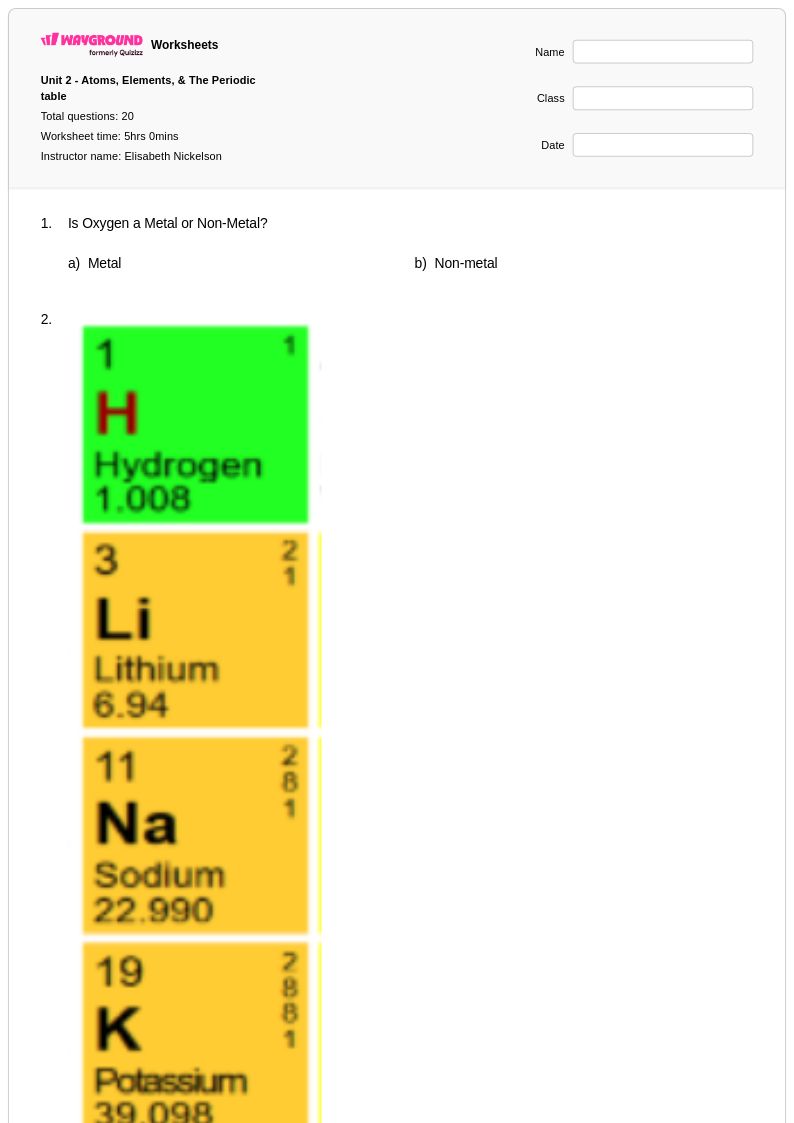
20 Q
6th - 8th
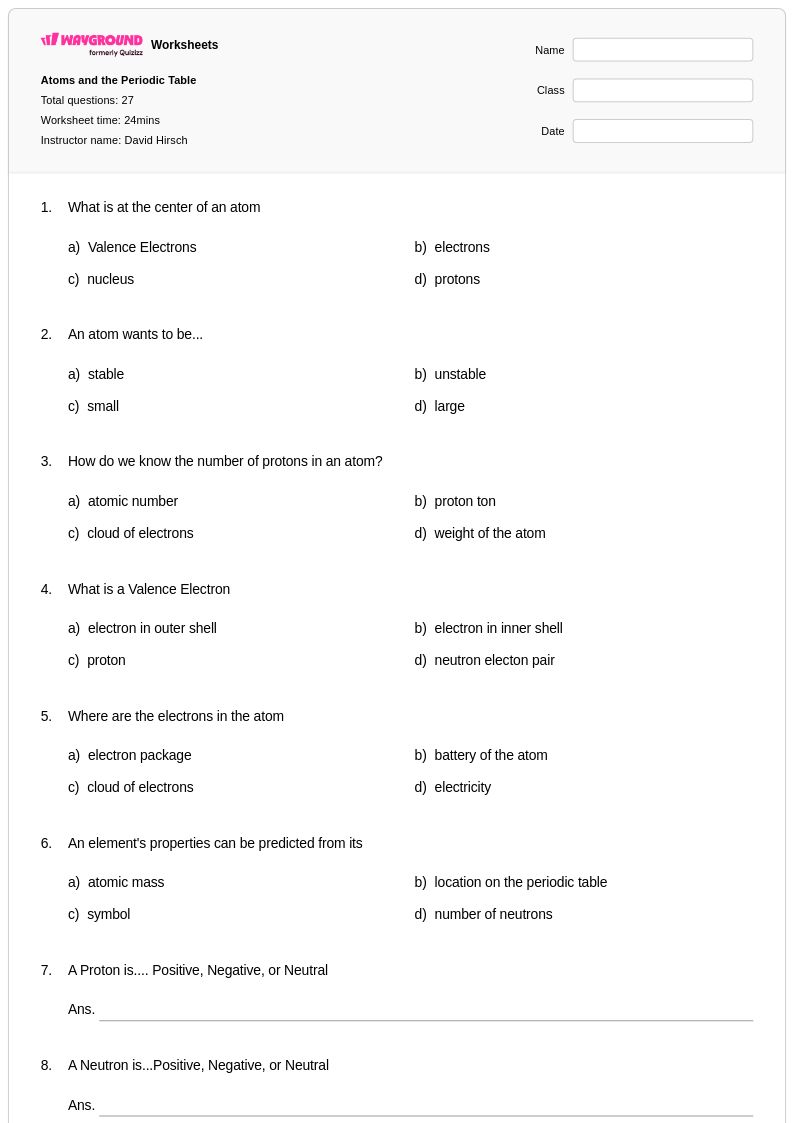
27 Q
6th - 8th
41 Q
6th - 8th
45 Q
6th - 8th
32 Q
6th
32 Q
6th
16 Q
6th
12 Q
6th
25 Q
6th - Uni
25 Q
6th - Uni
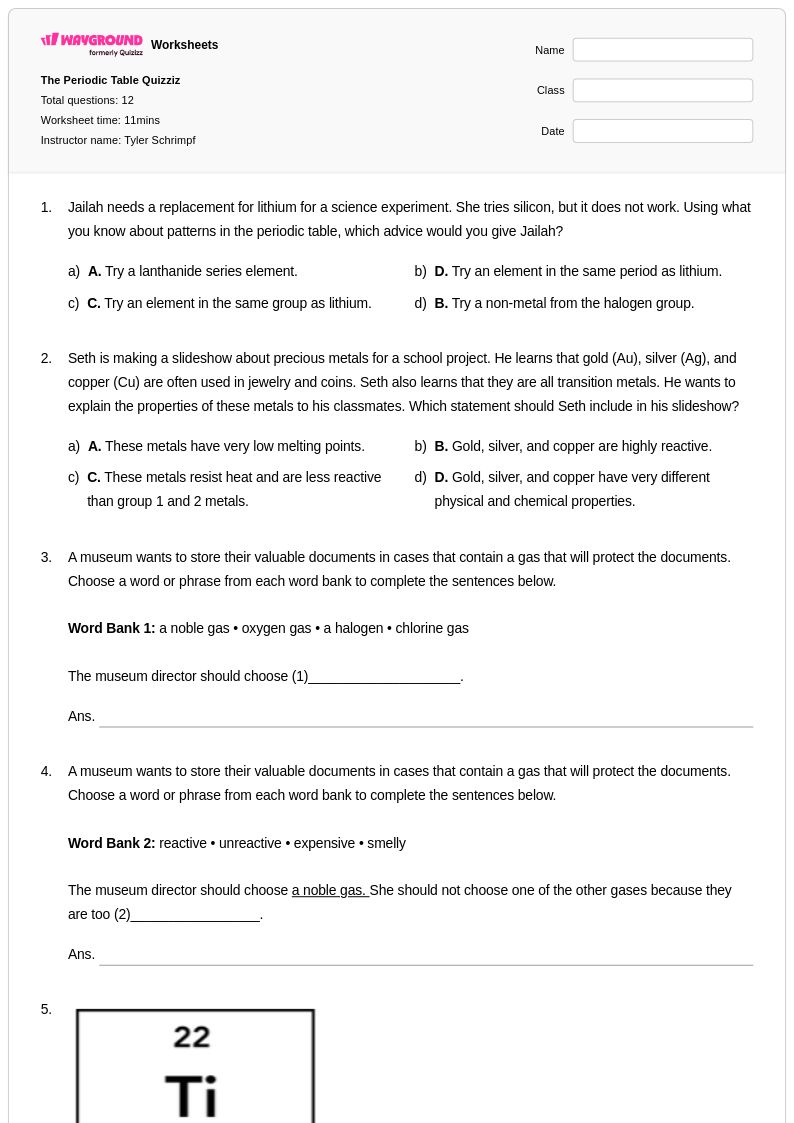
12 Q
6th - 7th
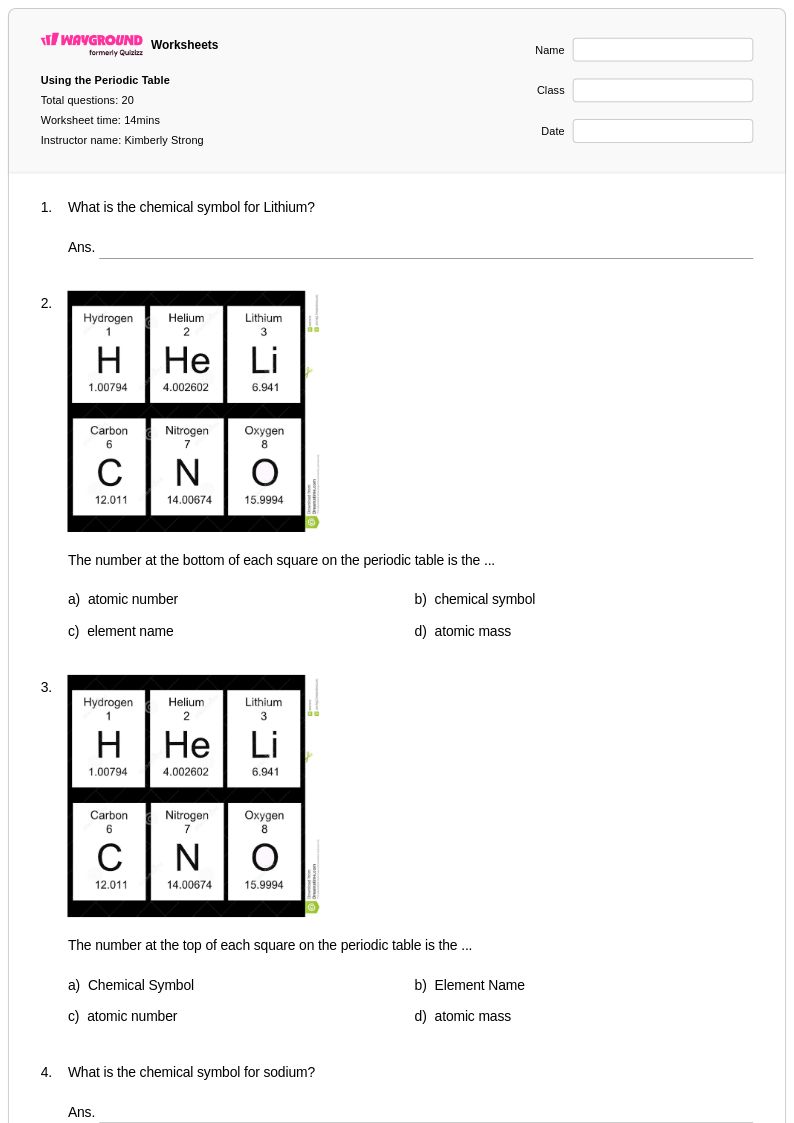
20 Q
6th
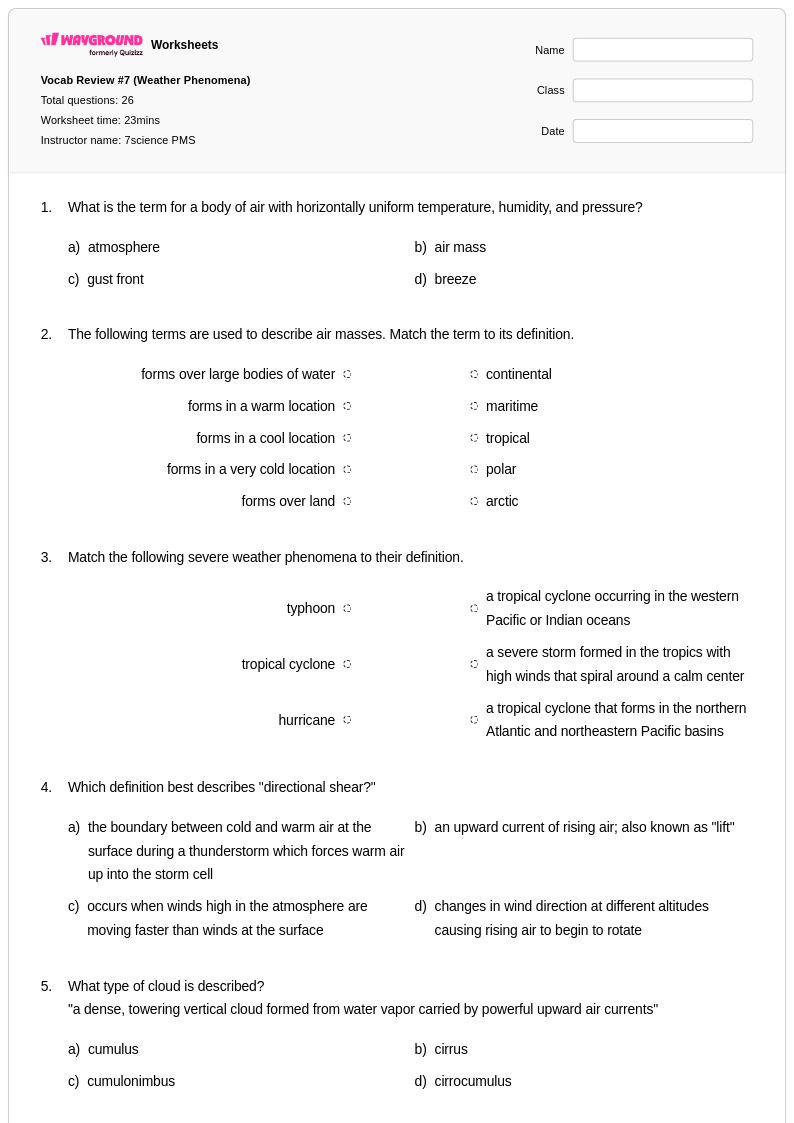
26 Q
6th - 8th
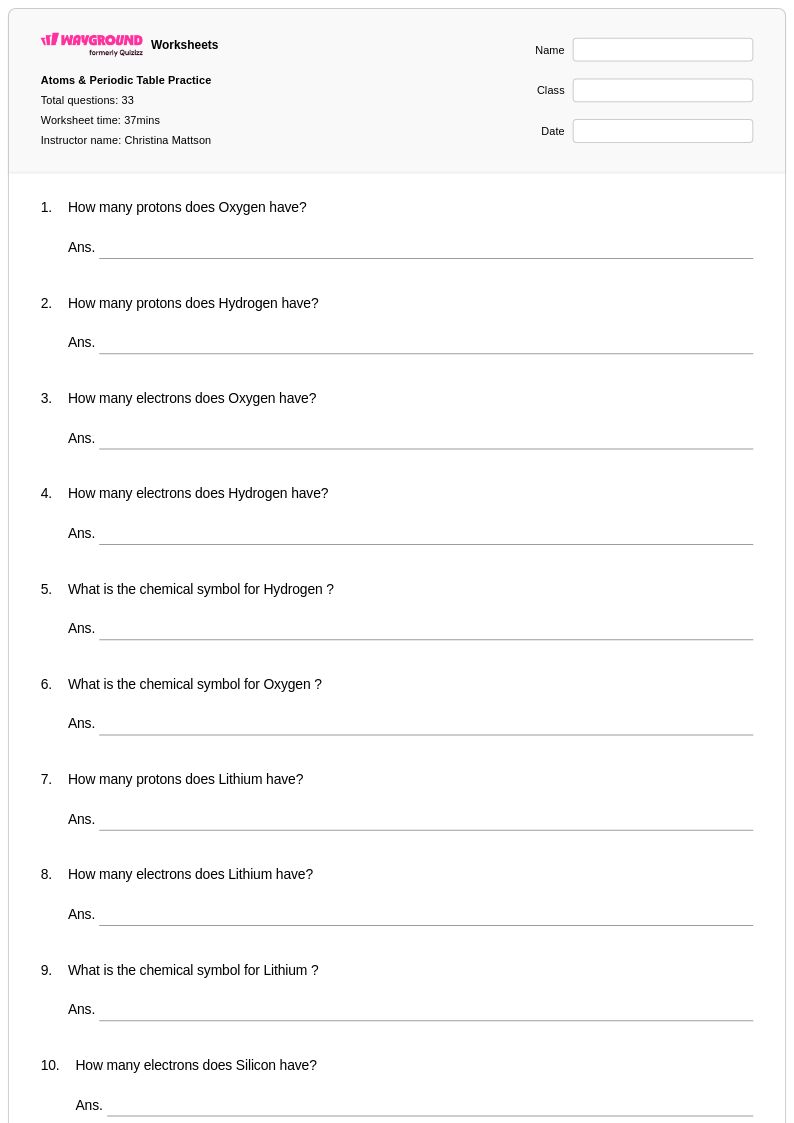
33 Q
6th
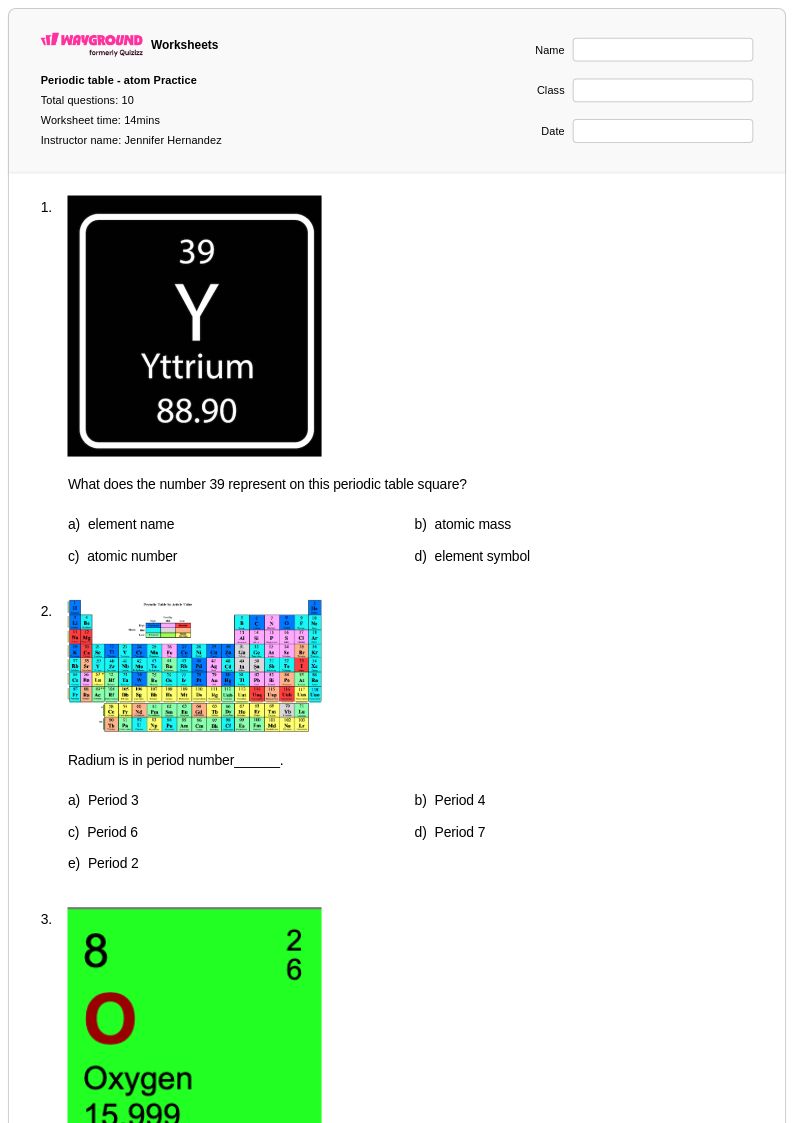
10 Q
6th - 8th
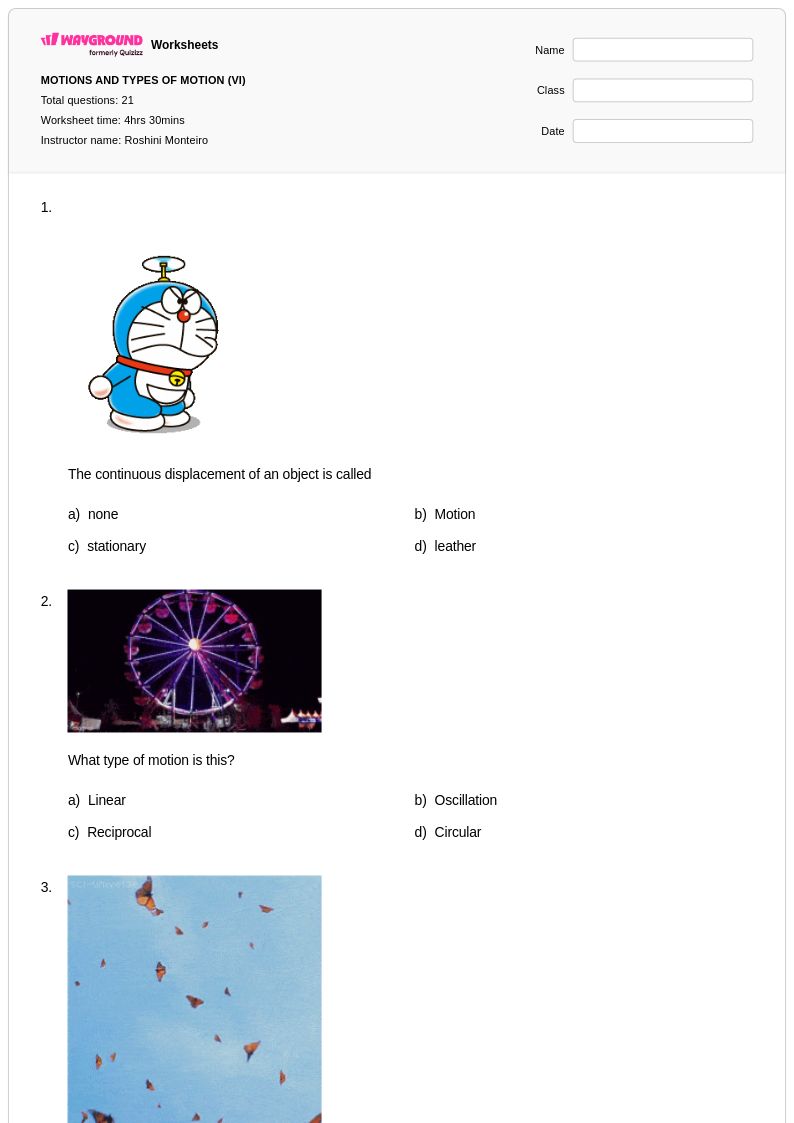
21 Q
6th
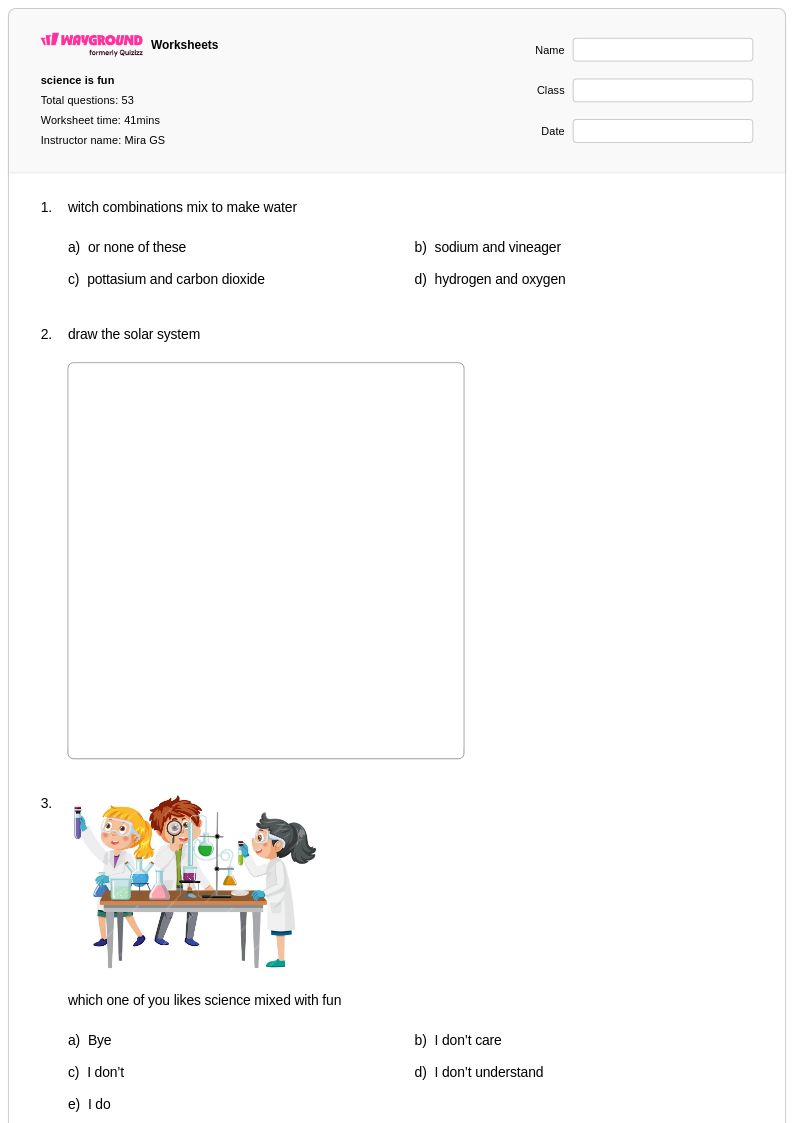
53 Q
6th - 8th
8 Q
6th - 8th
Explore Periodic Phenomena Worksheets by Grades
Explore Other Subject Worksheets for class 6
Explore printable Periodic Phenomena worksheets for Class 6
Periodic phenomena worksheets for Class 6 students available through Wayground (formerly Quizizz) provide comprehensive coverage of repeating patterns and cycles in the physical world. These expertly designed educational resources help students develop critical observation and analytical skills by exploring concepts such as sound waves, light patterns, pendulum motion, and seasonal changes. Each worksheet collection includes carefully structured practice problems that guide students through identifying, measuring, and predicting periodic events, while comprehensive answer keys enable both independent study and guided instruction. The printable pdf format ensures accessibility for diverse classroom settings, and the free availability of these resources makes high-quality periodic phenomena instruction achievable for all educators seeking to strengthen their students' understanding of cyclical patterns in nature and physics.
Wayground (formerly Quizizz) empowers educators with millions of teacher-created periodic phenomena worksheets specifically aligned to Class 6 science standards, offering robust search and filtering capabilities that make finding appropriate materials effortless. The platform's differentiation tools allow teachers to customize content complexity and presentation style to match individual student needs, while the dual availability of printable and digital pdf formats provides maximum flexibility for both in-person and remote learning environments. These comprehensive worksheet collections support effective lesson planning by offering varied approaches to periodic phenomena instruction, from foundational pattern recognition exercises for remediation to advanced wave analysis problems for enrichment, ensuring that every student can engage with cyclical physics concepts through targeted skill practice that builds conceptual understanding progressively.
FAQs
How do I teach periodic phenomena in a physics class?
What exercises help students practice oscillations and wave calculations?
What mistakes do students commonly make when learning periodic phenomena?
How do I differentiate periodic phenomena instruction for students at different skill levels?
How can I use periodic phenomena worksheets to assess student understanding formatively?
How do I use Wayground's periodic phenomena worksheets in my classroom?