
12 Q
2nd - 6th
8 Q
3rd - 6th
5 Q
4th - 6th
27 Q
3rd - 6th
23 Q
4th - 8th
10 Q
4th - 5th
10 Q
3rd - 6th
6 Q
4th - 5th
16 Q
3rd - 5th
10 Q
4th - 5th
8 Q
4th
20 Q
4th - 5th
15 Q
1st - 5th
10 Q
4th - 6th
15 Q
3rd - 6th
10 Q
3rd - 5th
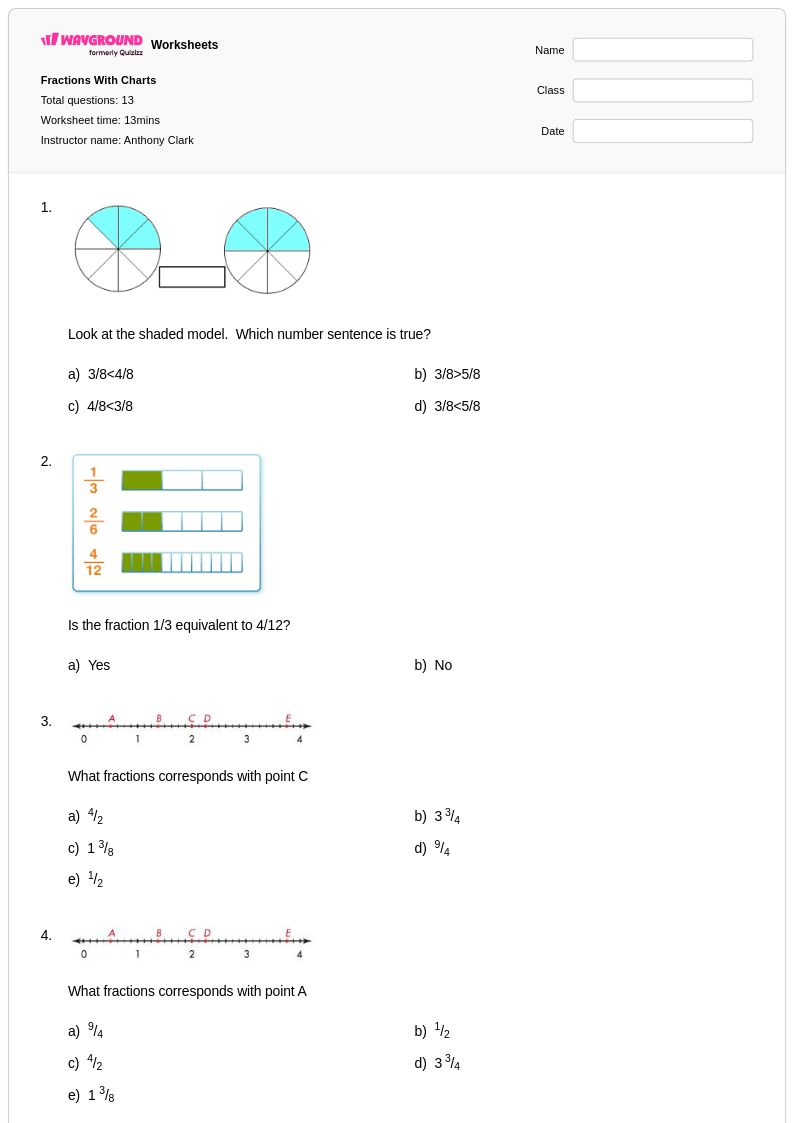
13 Q
4th - Uni
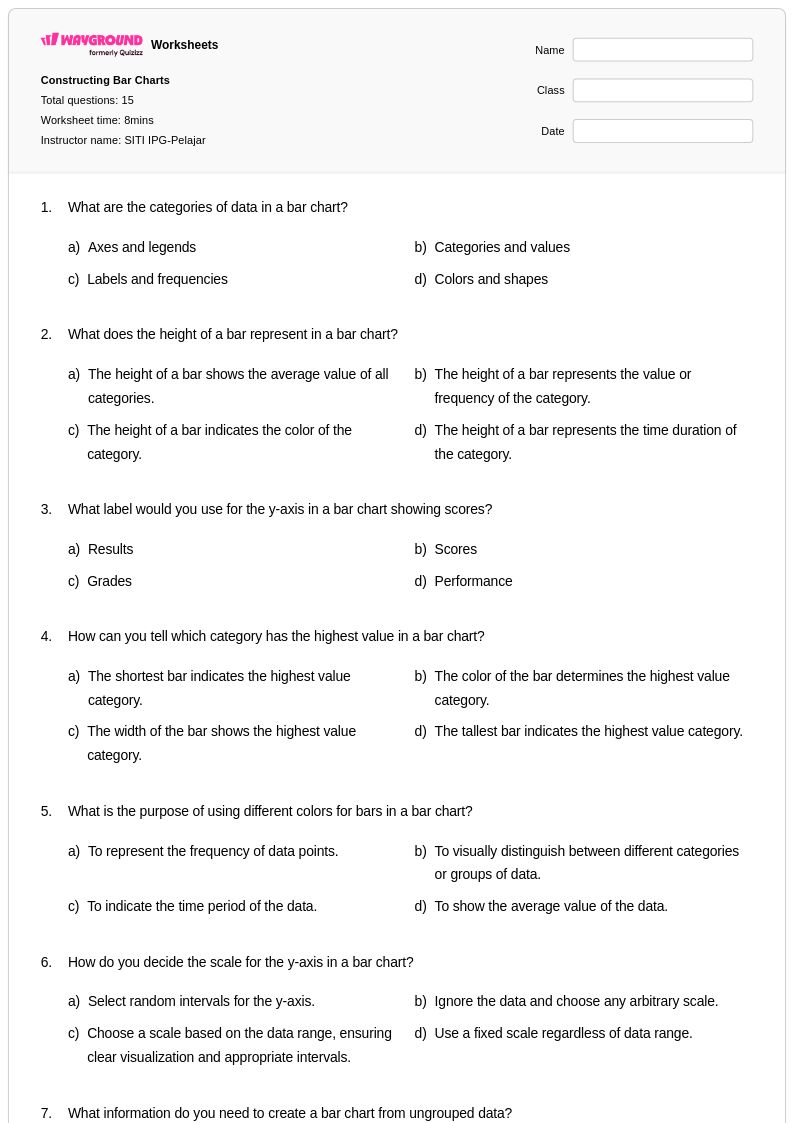
15 Q
4th
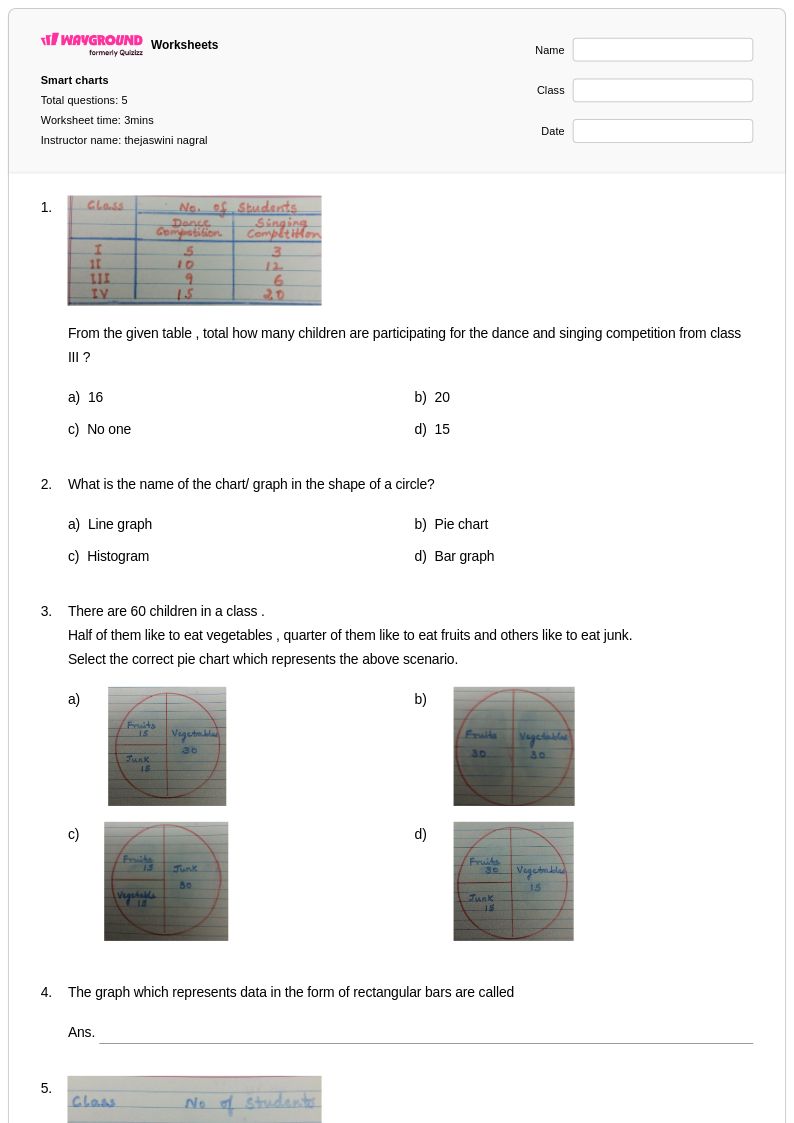
5 Q
4th
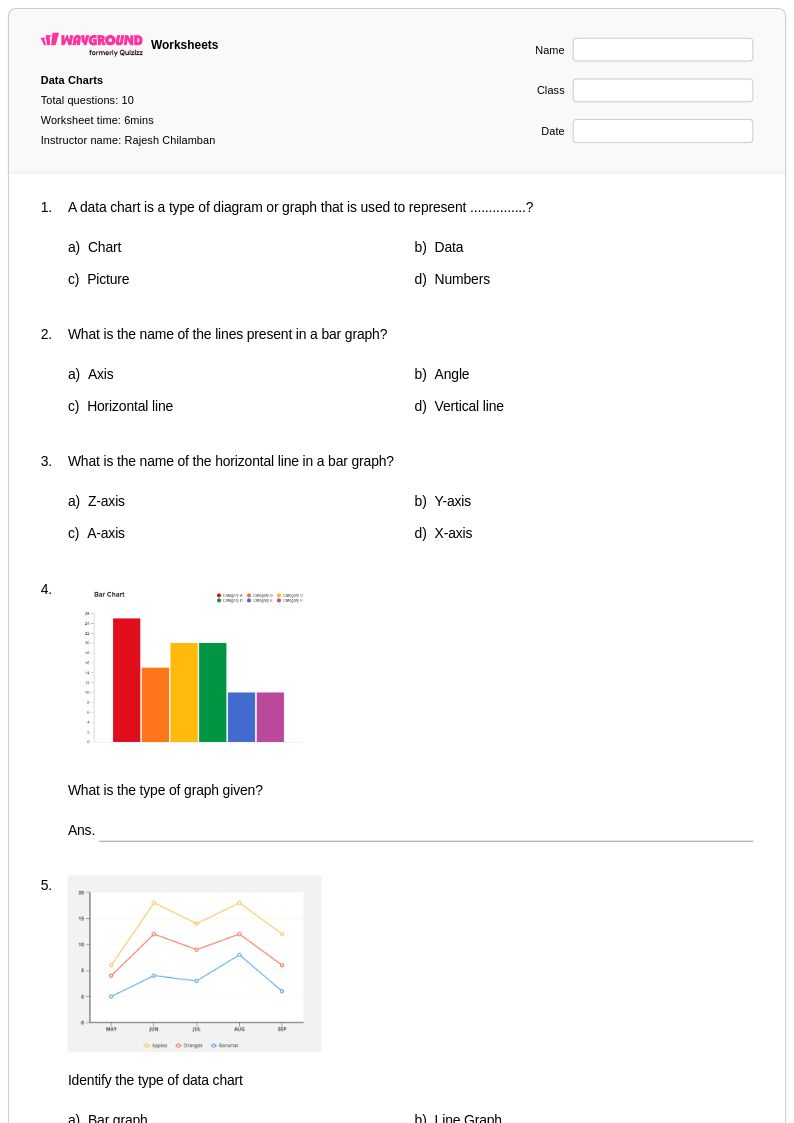
10 Q
4th
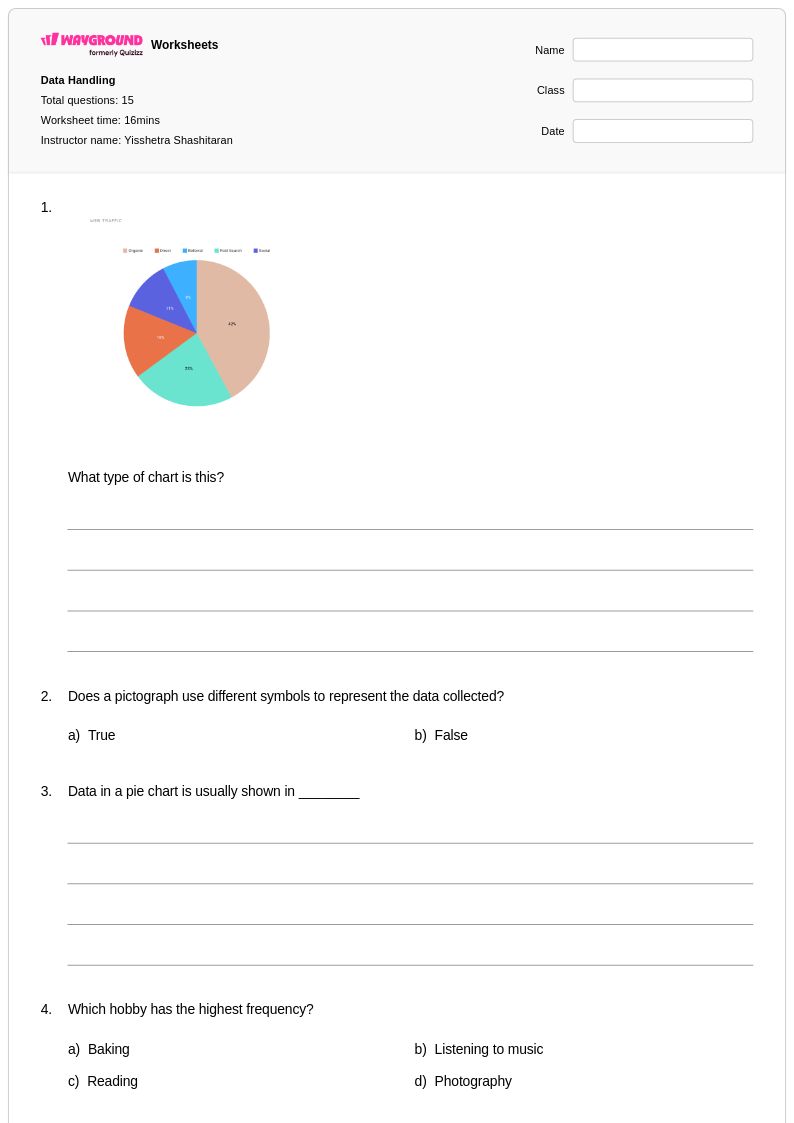
15 Q
1st - 12th

20 Q
4th
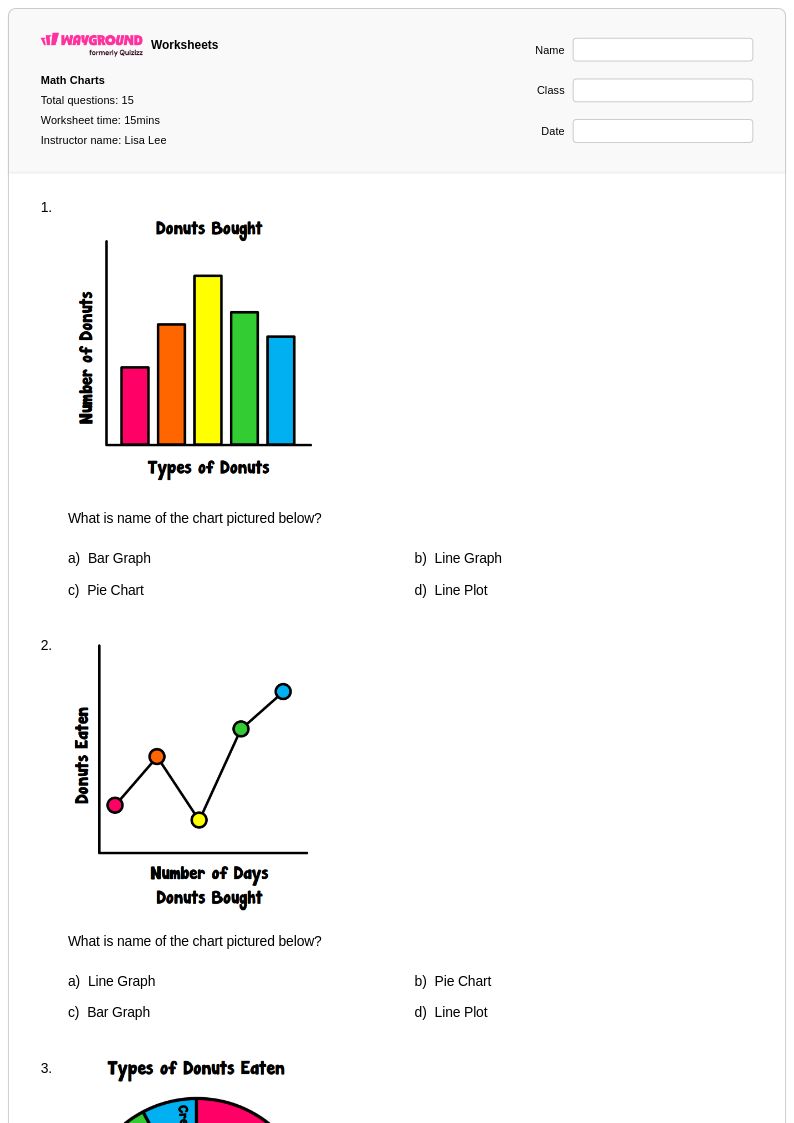
15 Q
3rd - 6th
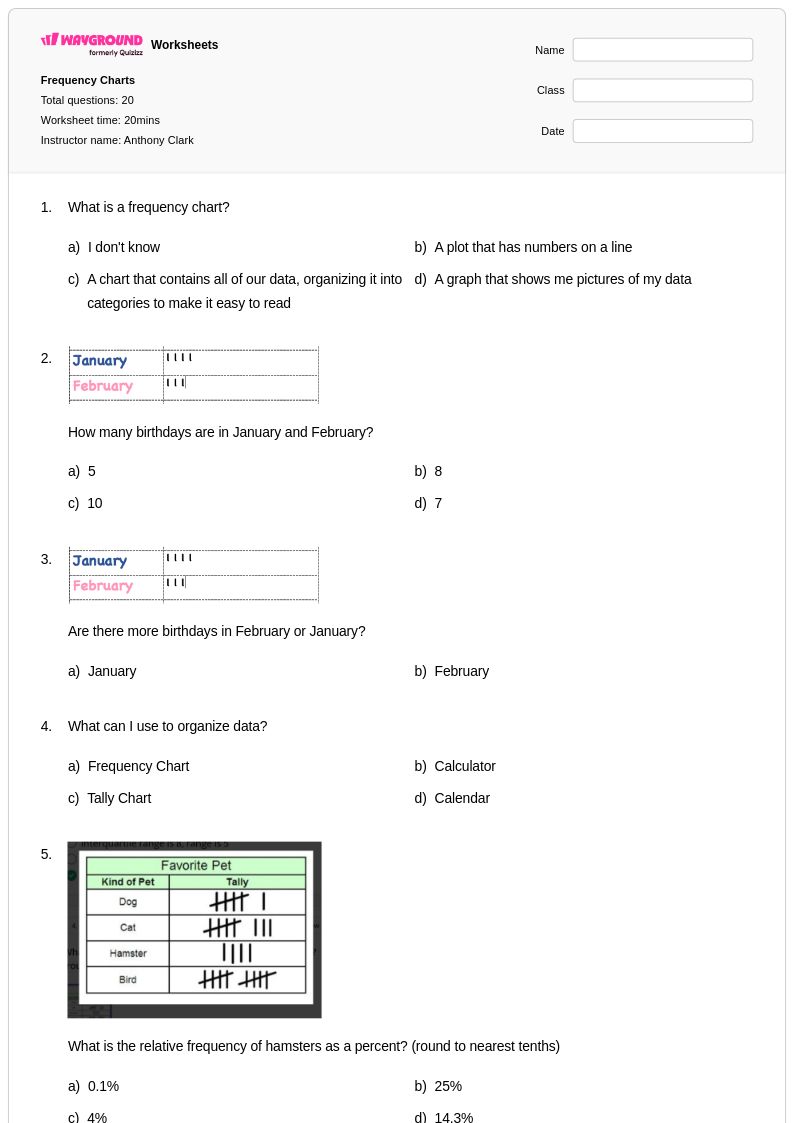
20 Q
3rd - Uni
Explore Other Subject Worksheets for class 4
Explore printable Pie Charts worksheets for Class 4
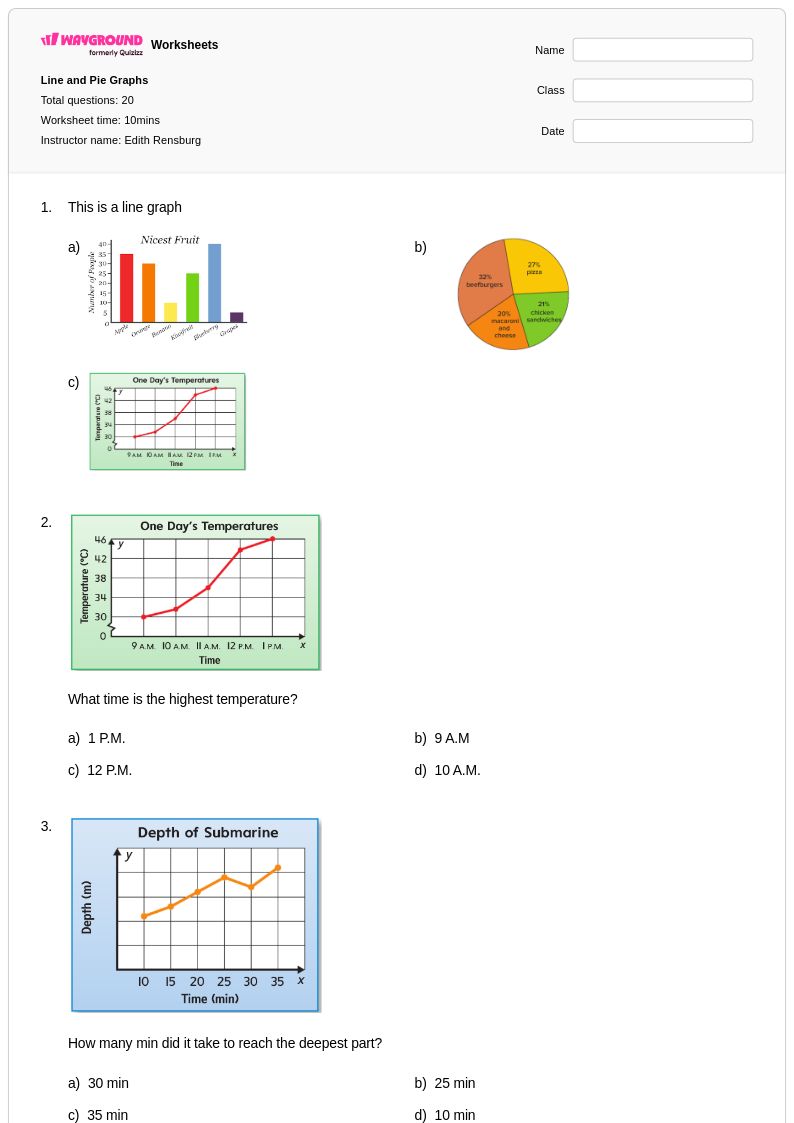
Pie charts represent a fundamental data visualization skill that Class 4 students must master to interpret and communicate information effectively. Wayground's comprehensive collection of pie chart worksheets provides fourth-grade learners with systematic practice in reading, analyzing, and creating these circular graphs that show parts of a whole. These printable resources strengthen essential mathematical skills including fraction comprehension, percentage recognition, data interpretation, and visual reasoning through engaging practice problems that range from basic pie chart reading to more complex analysis tasks. Each worksheet comes with a complete answer key, allowing students to check their work independently while teachers can efficiently assess understanding of how data segments relate to the complete dataset.
Wayground, formerly Quizizz, empowers educators with millions of teacher-created pie chart resources specifically designed for Class 4 mathematics instruction. The platform's robust search and filtering capabilities enable teachers to quickly locate worksheets that align with curriculum standards and match their students' specific learning needs, whether for initial instruction, remediation, or enrichment activities. These versatile materials are available in both digital and printable pdf formats, allowing for seamless integration into any classroom environment while supporting differentiated instruction through customizable difficulty levels. Teachers can efficiently plan comprehensive data and graphing units, provide targeted skill practice, and ensure students develop the critical thinking abilities necessary for interpreting visual data representations across all academic subjects.
FAQs
Are these pie chart worksheets suitable for 4th grade?
What's the best way to teach pie charts in 4th grade?
What skills do these 4th grade pie chart worksheets cover?
What common errors do 4th graders make with pie charts and fractions?
How do I assign this pie chart worksheet?
How does this topic connect to the 4th grade curriculum?