
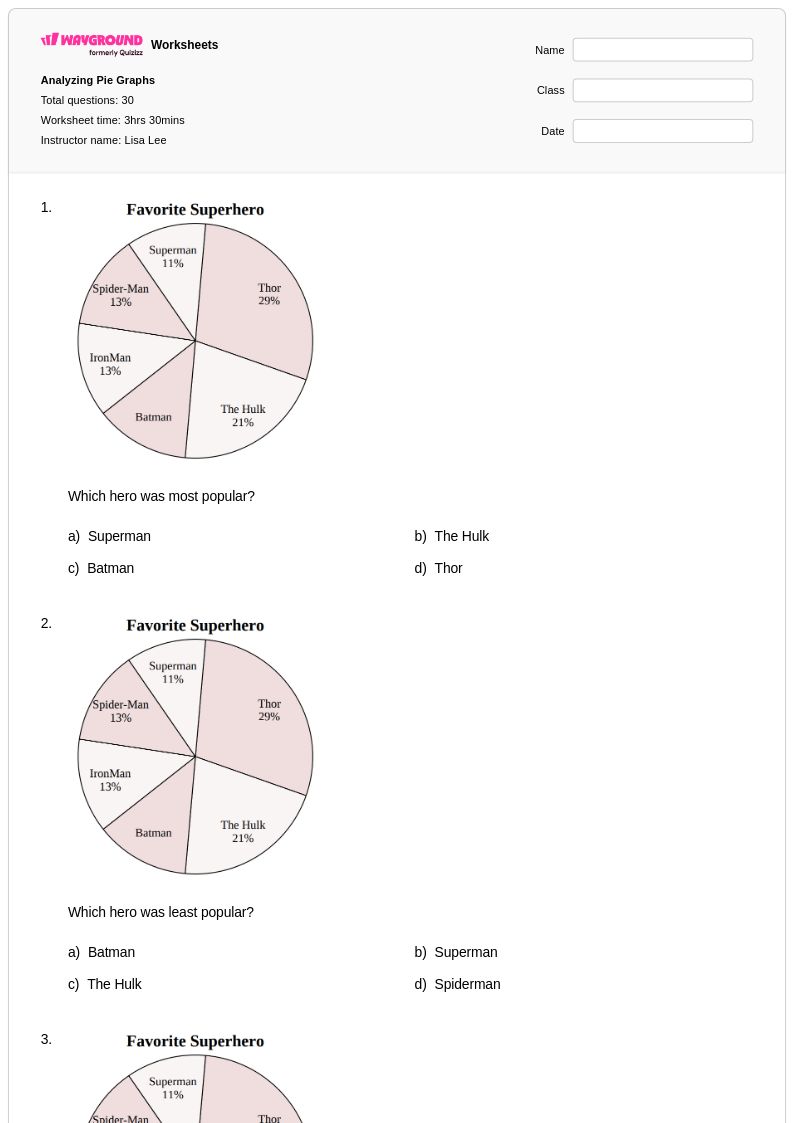
30 Q
4th - 6th
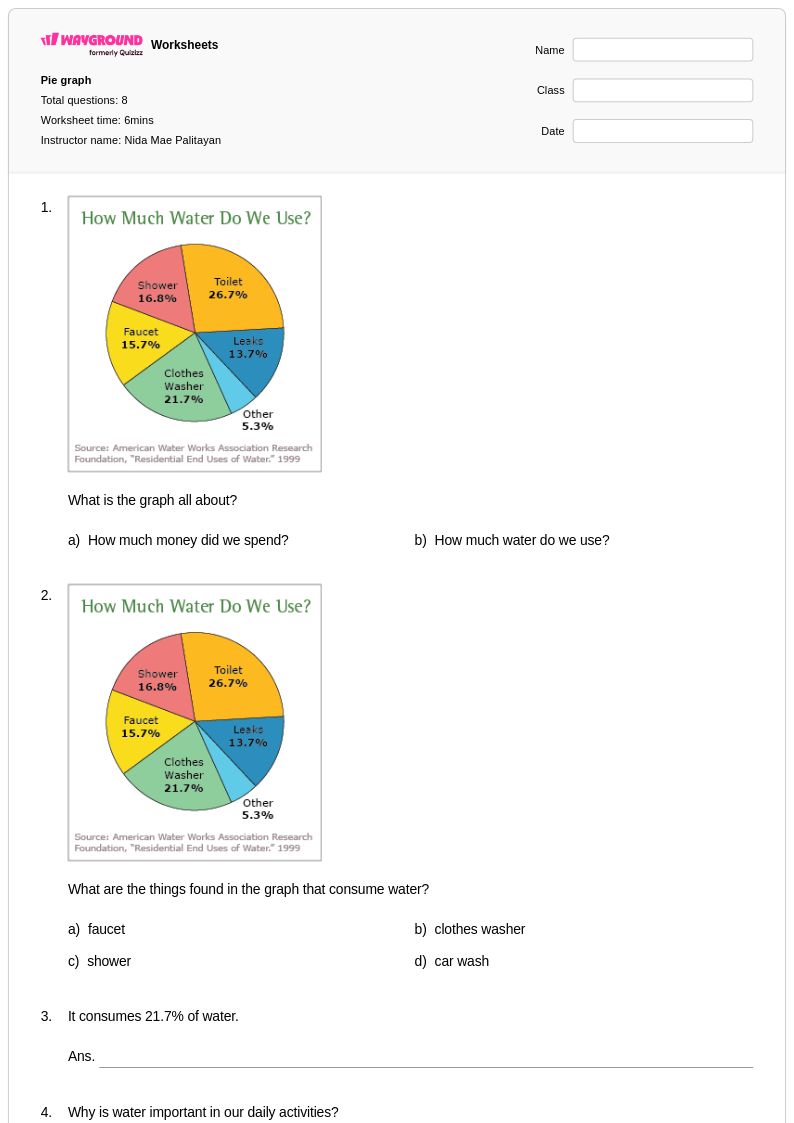
8 Q
3rd - 6th
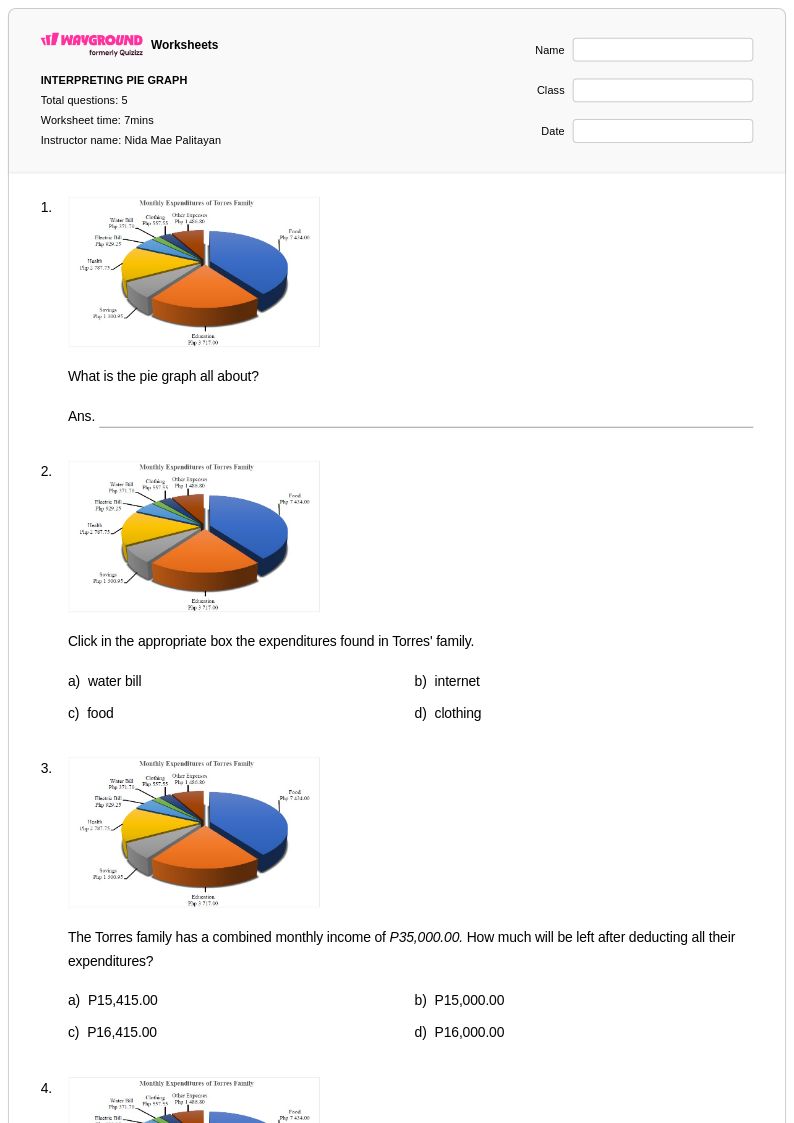
5 Q
4th - 6th
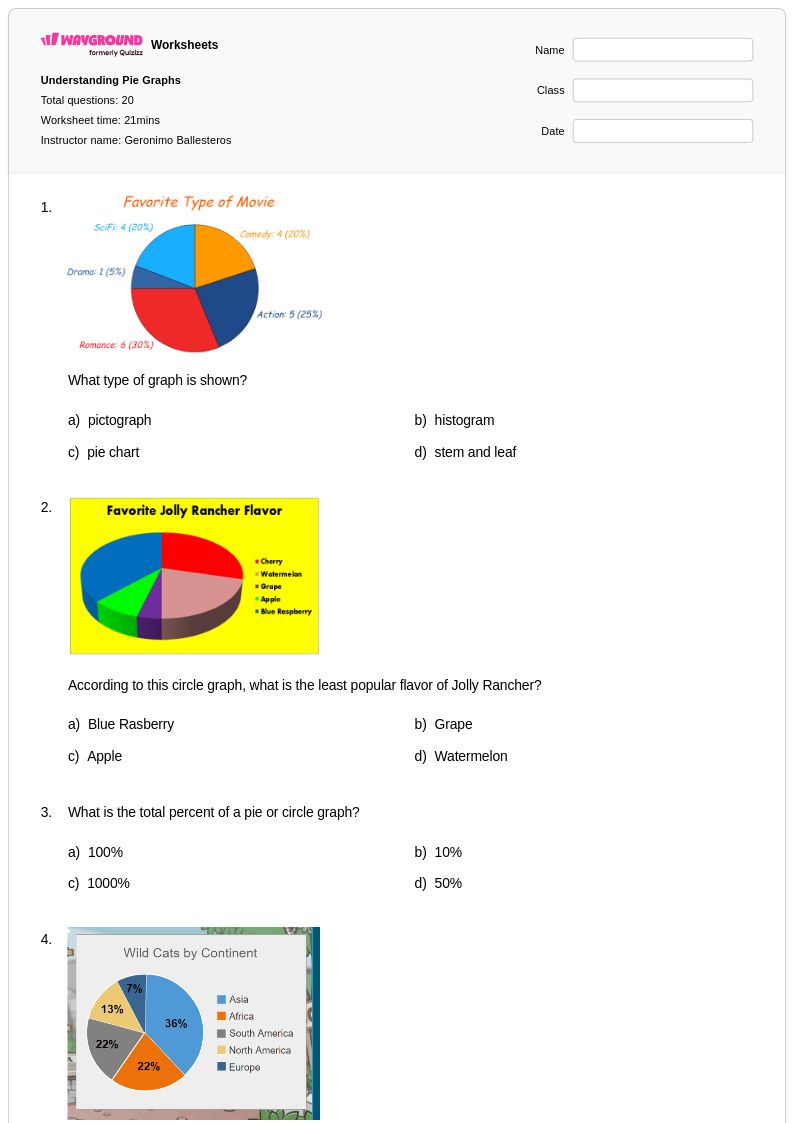
20 Q
2nd - 4th
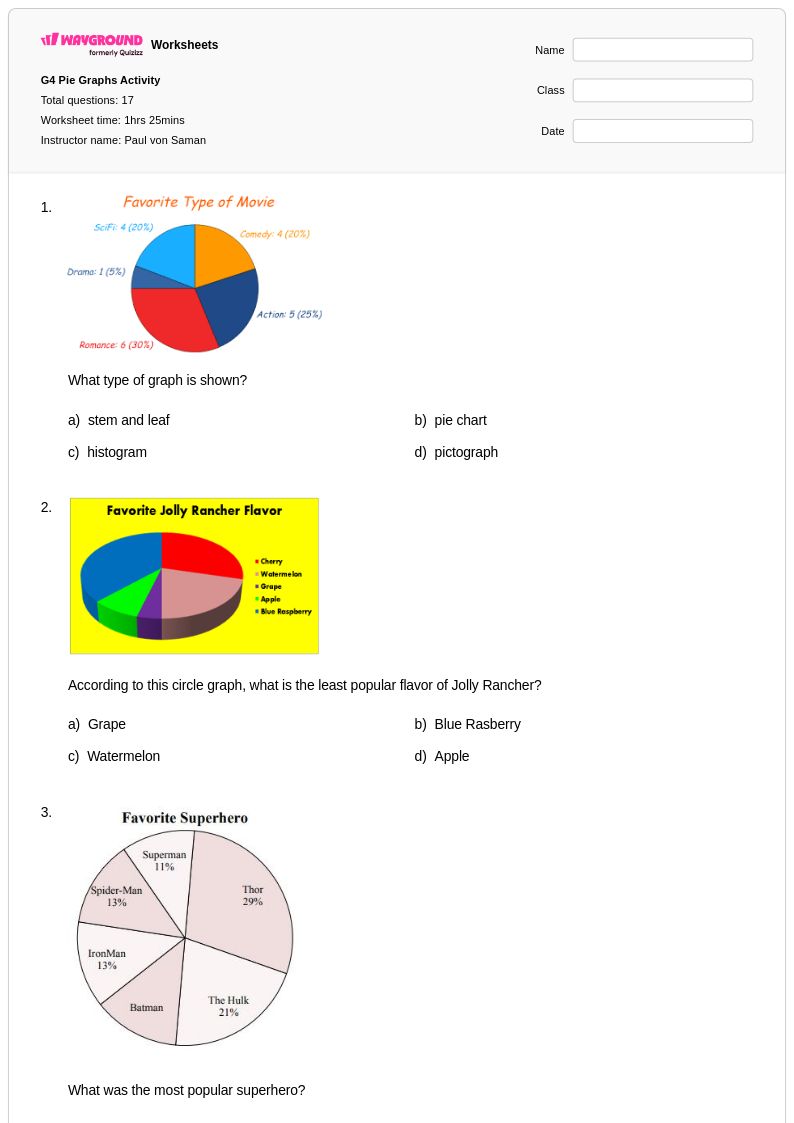
17 Q
4th
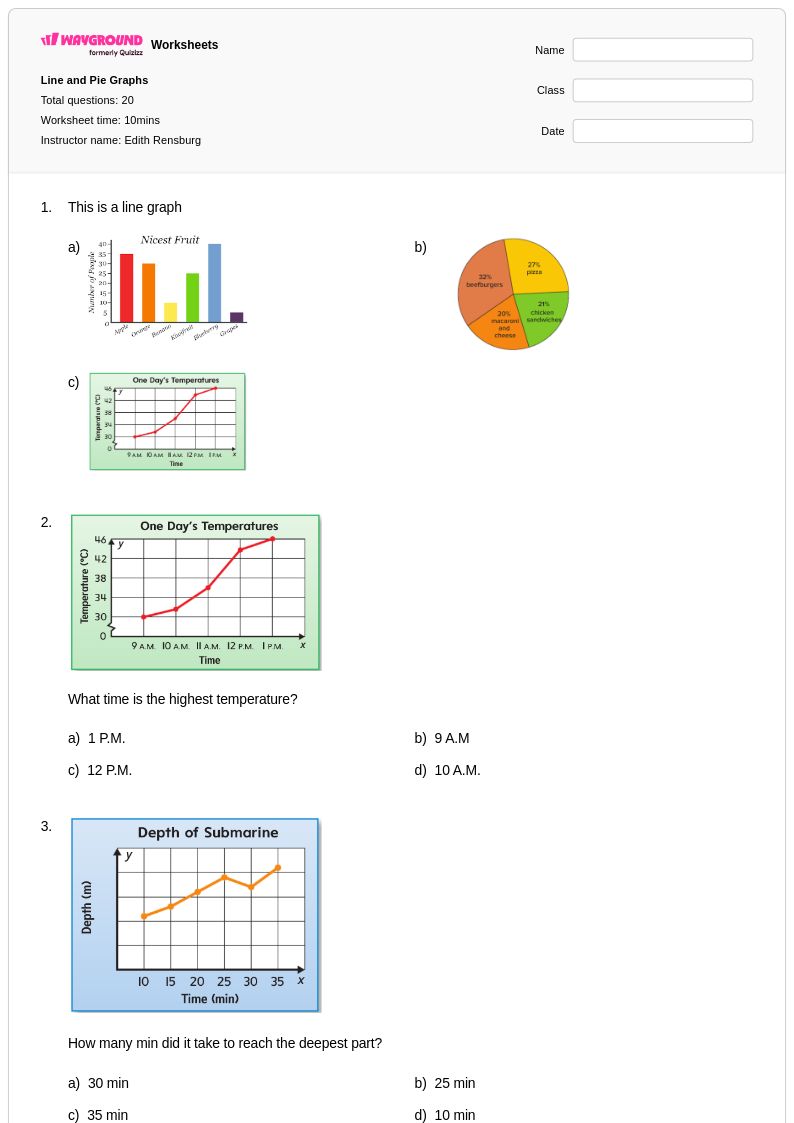
20 Q
4th - 5th
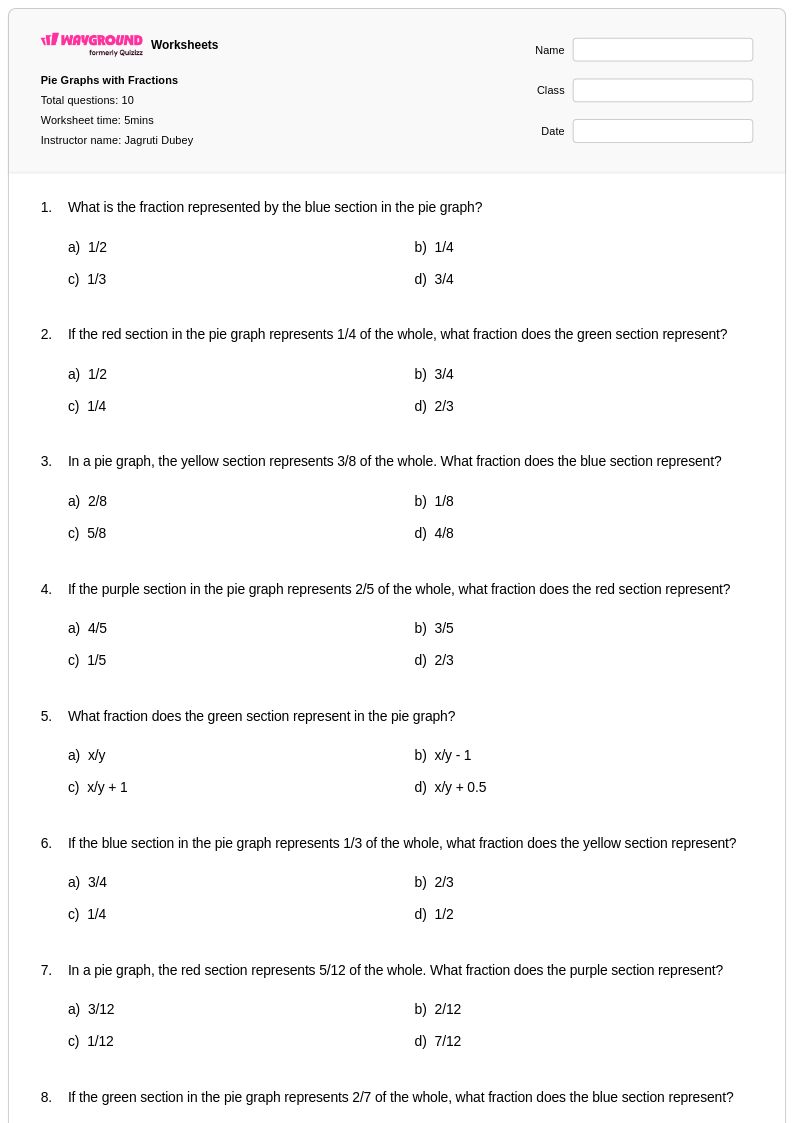
10 Q
4th
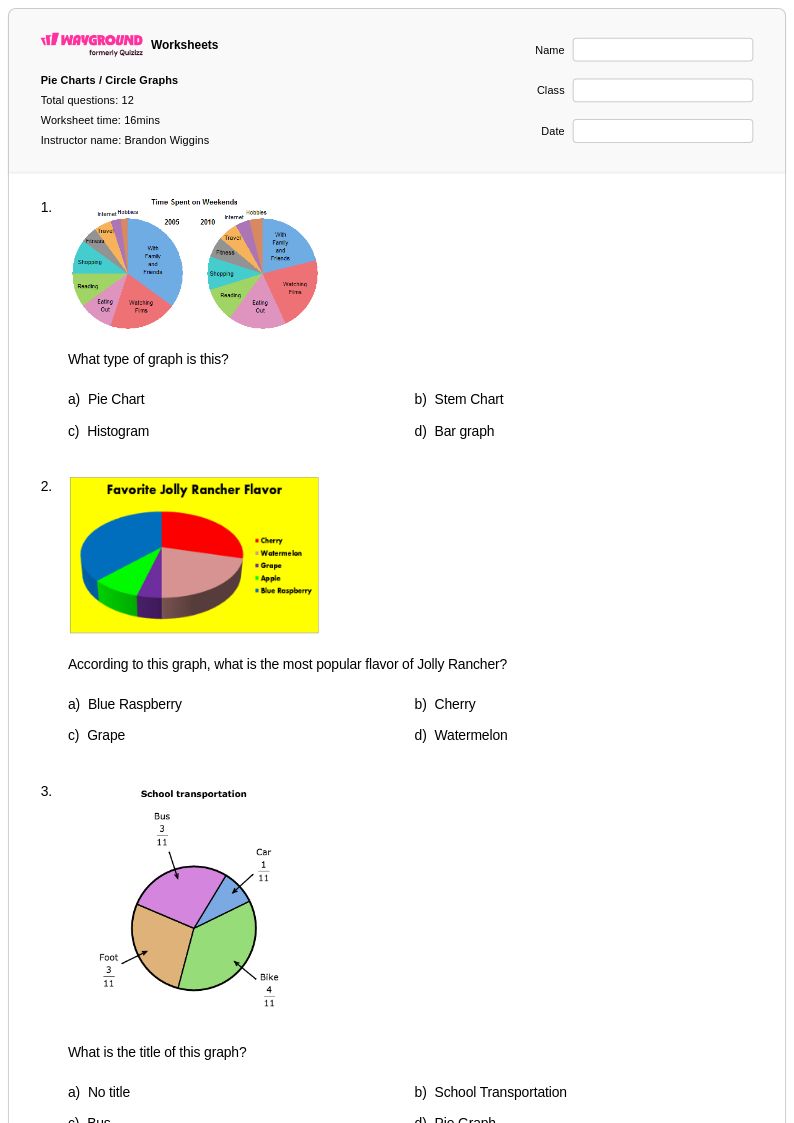
12 Q
2nd - 6th
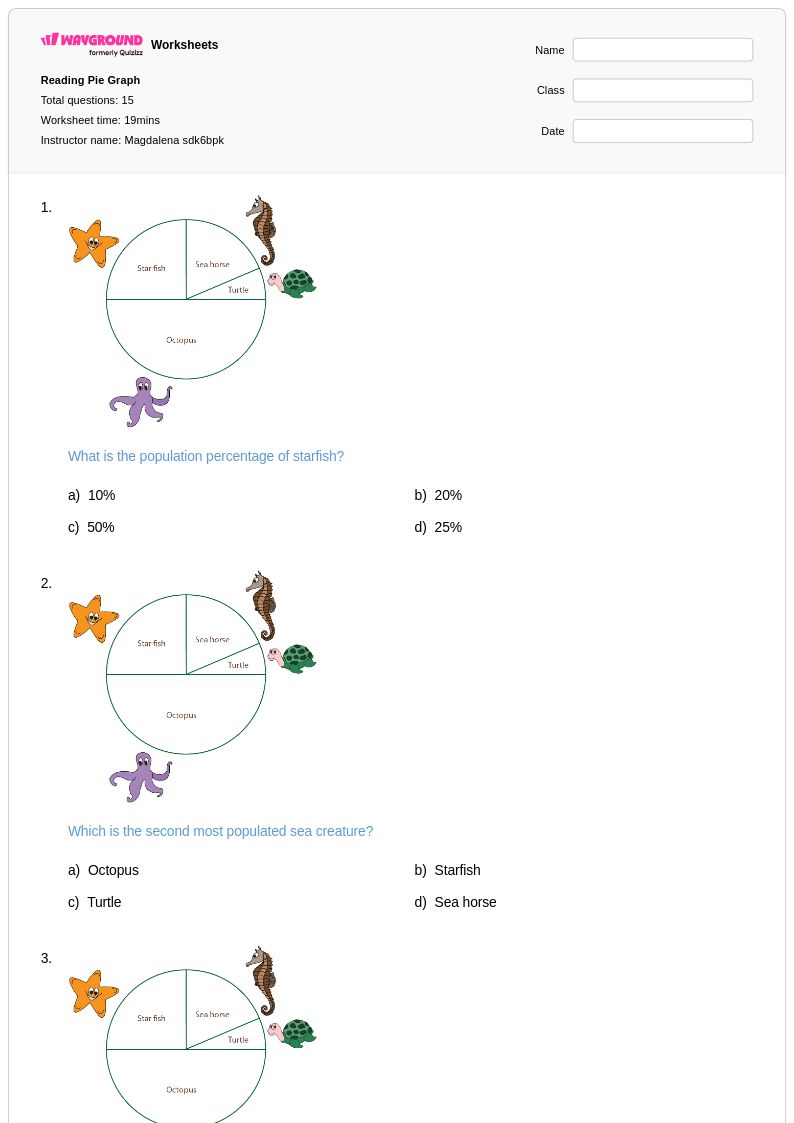
15 Q
1st - 5th
10 Q
4th - 6th
22 Q
4th
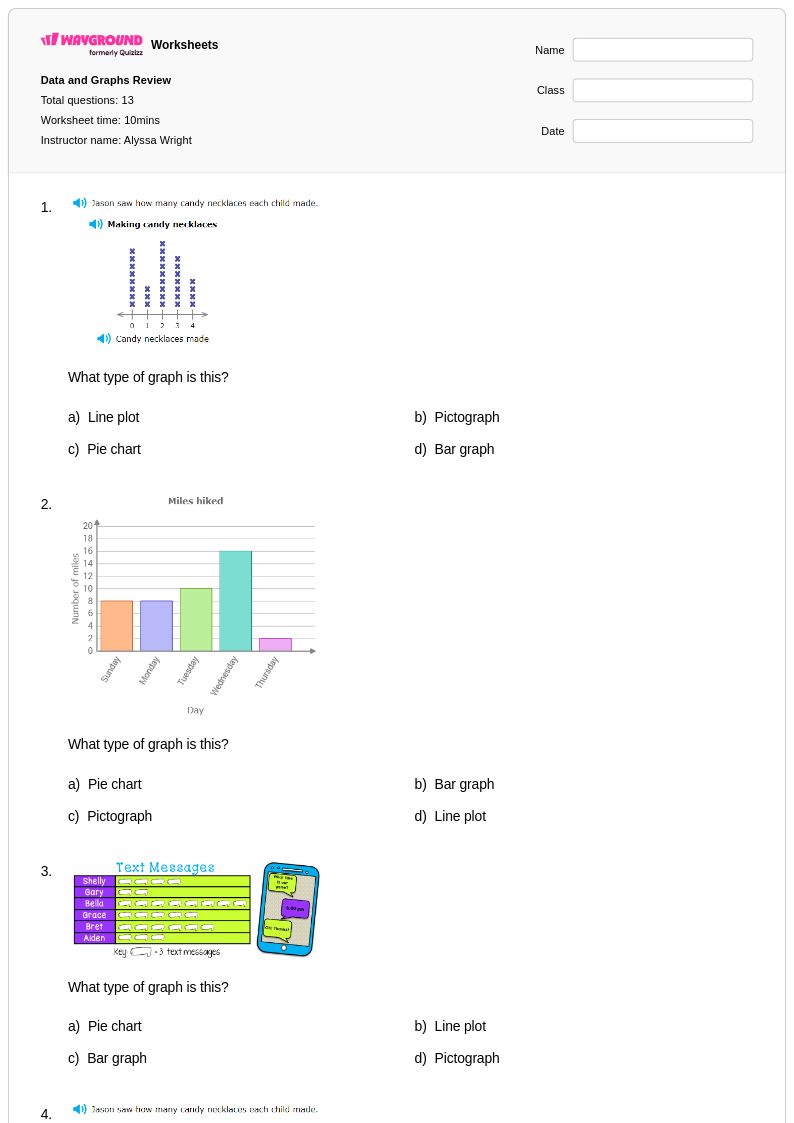
13 Q
4th
12 Q
4th - 7th
16 Q
4th
16 Q
4th - Uni
12 Q
4th
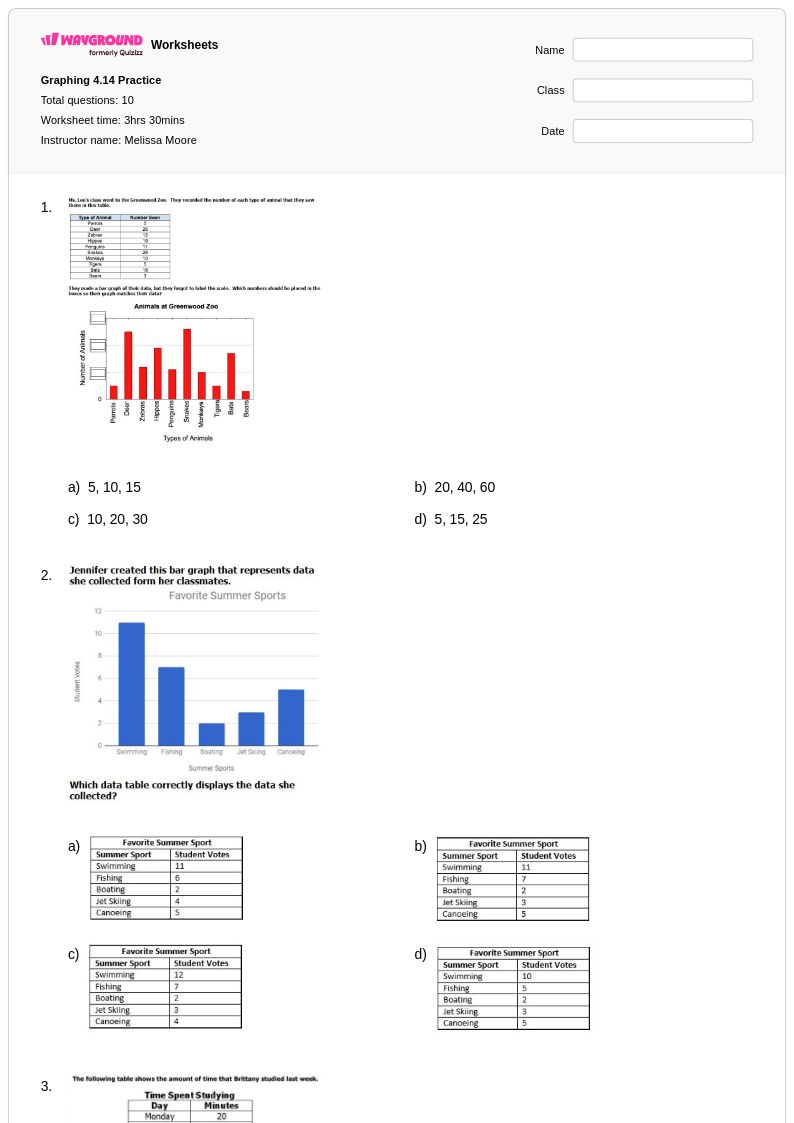
10 Q
4th
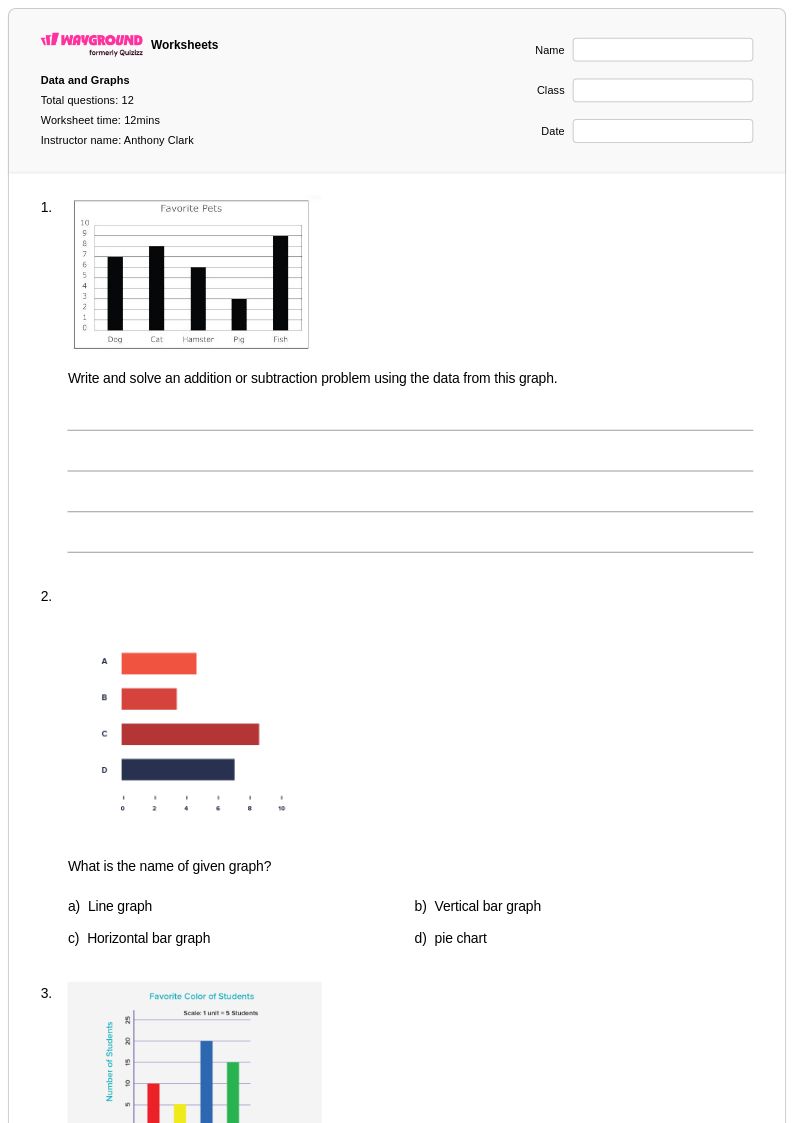
12 Q
4th - Uni
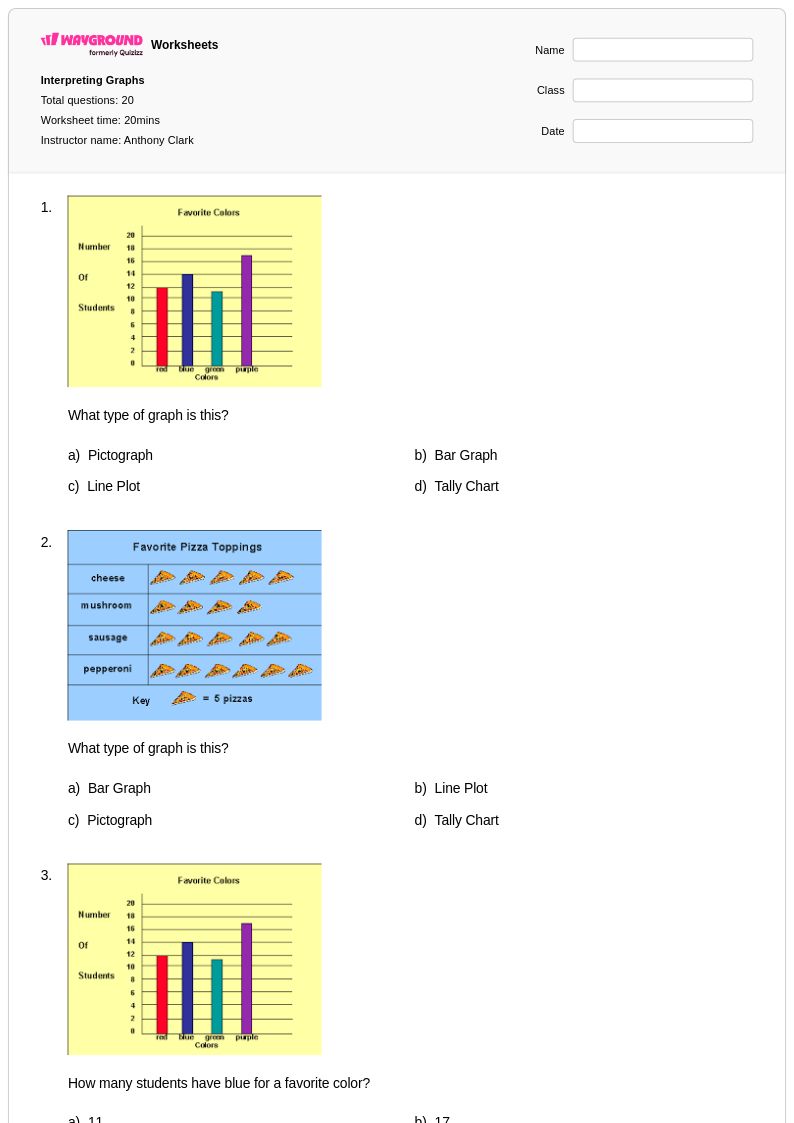
20 Q
3rd - Uni
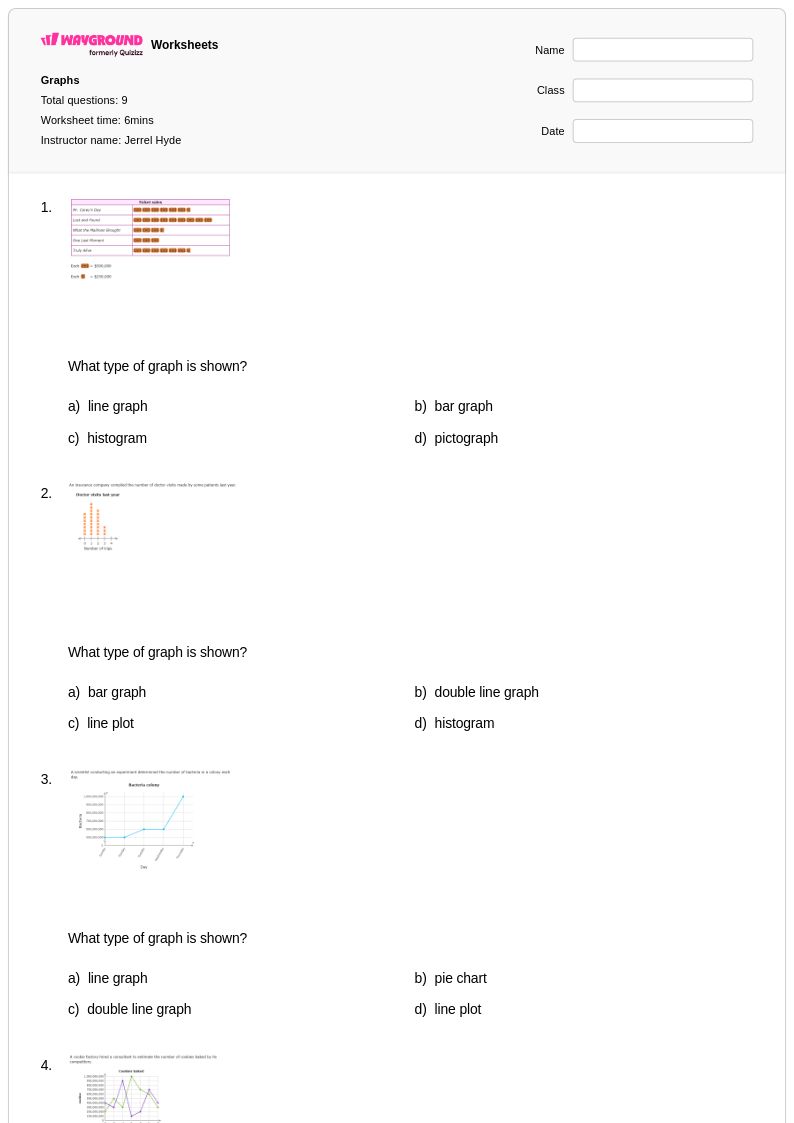
9 Q
4th - 7th
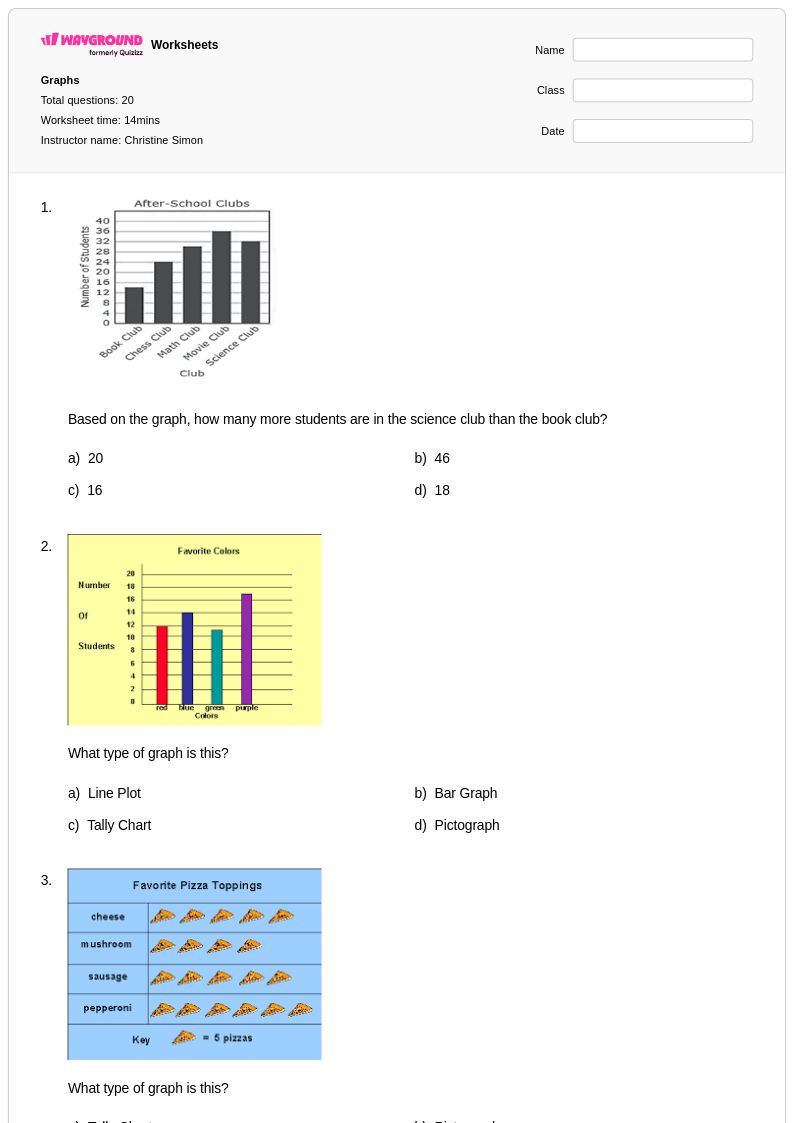
20 Q
4th - 5th
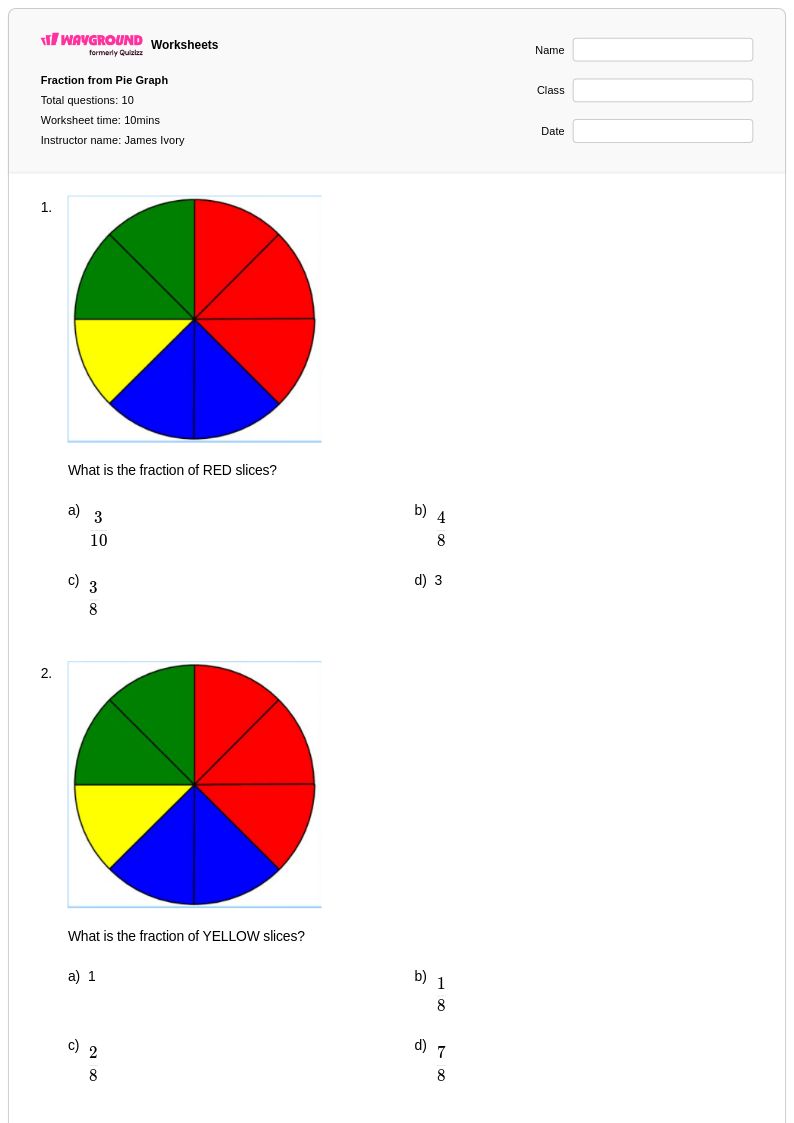
10 Q
3rd - 5th
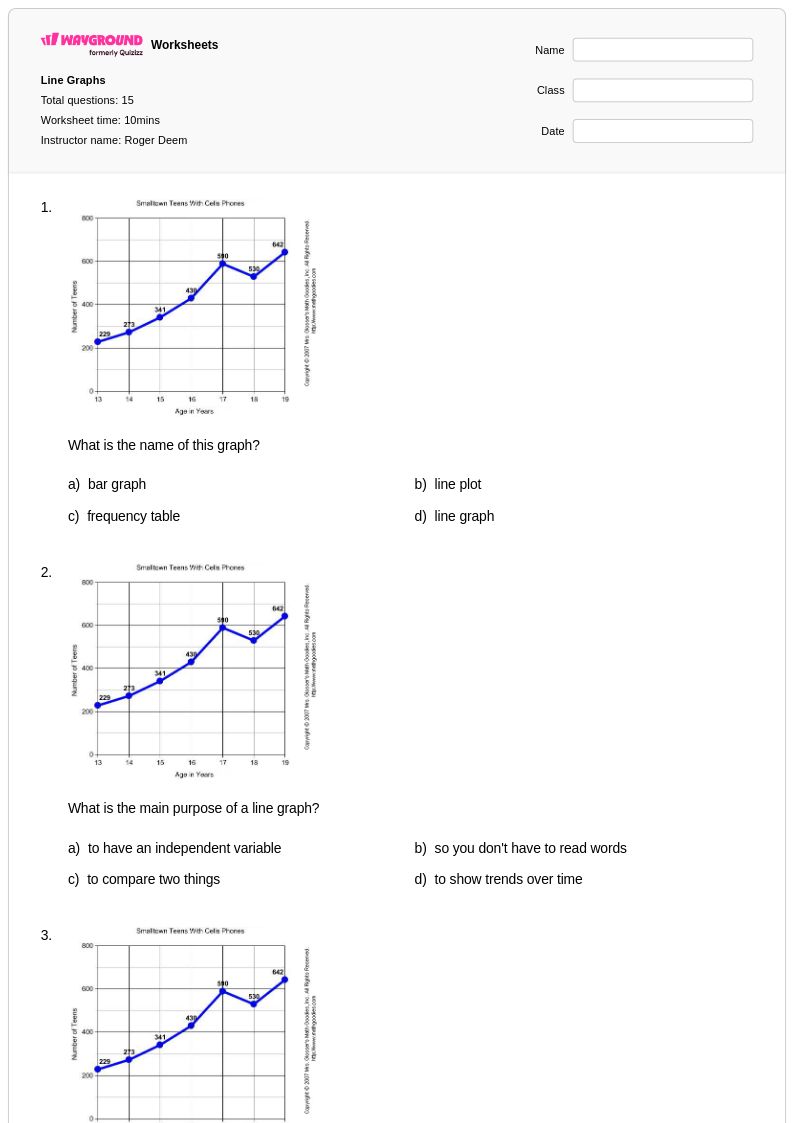
15 Q
3rd - 4th
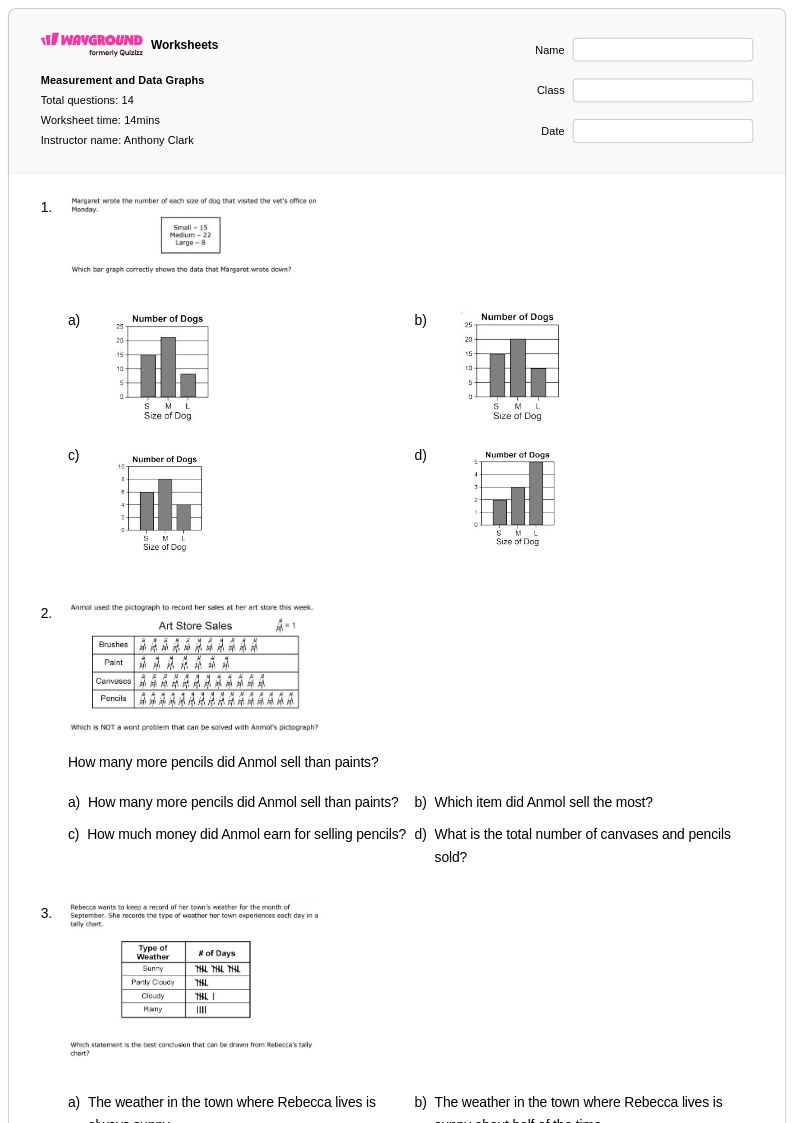
14 Q
3rd - Uni
Explore Other Subject Worksheets for class 4
Explore printable Pie Graphs worksheets for Class 4
Class 4 pie graphs worksheets available through Wayground (formerly Quizizz) provide essential foundational practice for students learning to interpret and create circular data representations. These comprehensive worksheets strengthen critical mathematical skills including reading pie chart segments, understanding fractional parts of a whole, comparing data categories, and translating between numerical data and visual representations. Students develop proficiency in analyzing real-world scenarios through pie graph interpretation, such as survey results, budget breakdowns, and categorical data comparisons. Each worksheet collection includes detailed answer keys and is available as free printables in convenient pdf format, making it simple for educators to incorporate systematic practice problems into their mathematics instruction while building students' data literacy skills.
Wayground (formerly Quizizz) supports teachers with an extensive collection of pie graphs worksheets drawn from millions of teacher-created resources, offering robust search and filtering capabilities that align with mathematics standards and grade-level expectations. The platform's differentiation tools enable educators to customize worksheets based on individual student needs, providing both remediation opportunities for struggling learners and enrichment activities for advanced students. Teachers can access these resources in flexible printable and digital formats, including downloadable pdf files, making lesson planning efficient and adaptable to various classroom environments. These comprehensive worksheet collections streamline the process of providing targeted skill practice, supporting systematic instruction in data interpretation while helping educators address diverse learning needs through carefully scaffolded pie graph activities.
FAQs
How can I connect pie graphs to my 4th-grade fractions unit?
What new skills do these Grade 4 pie graph worksheets introduce?
What's a common misconception for 4th graders with pie graphs?
What formats are these Grade 4 pie graph worksheets available in?
How do pie graphs support 4th-grade math standards?