
20 Q
5th - Uni
20 Q
6th - Uni
17 Q
6th
10 Q
6th
11 Q
6th
7 Q
6th - Uni
10 Q
5th - 6th
10 Q
6th
14 Q
6th
20 Q
6th - Uni
8 Q
6th
15 Q
6th - Uni
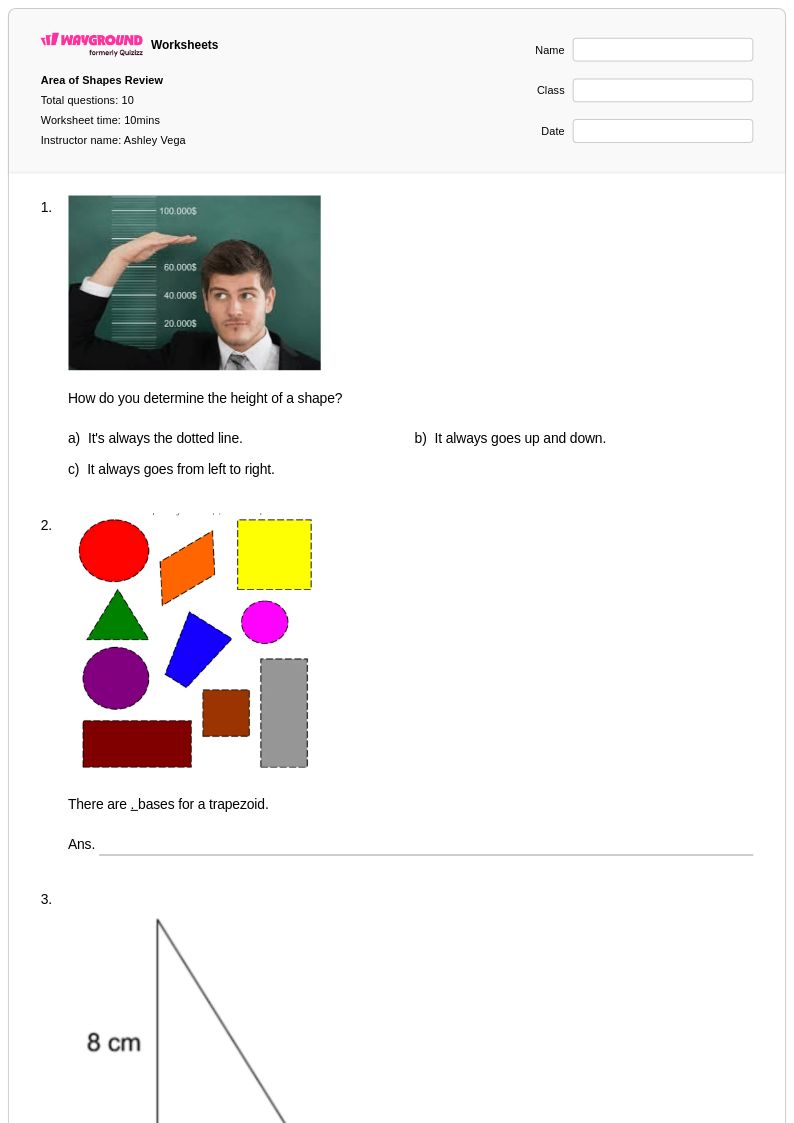
10 Q
6th
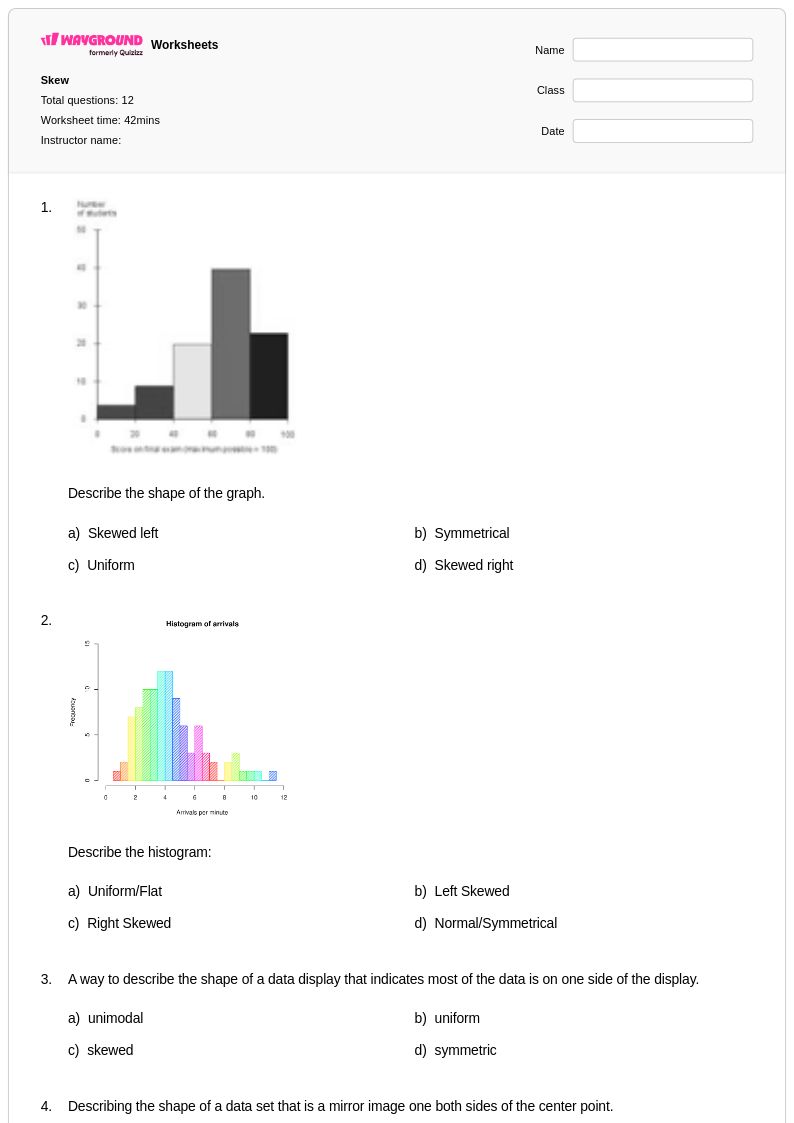
12 Q
6th - 7th
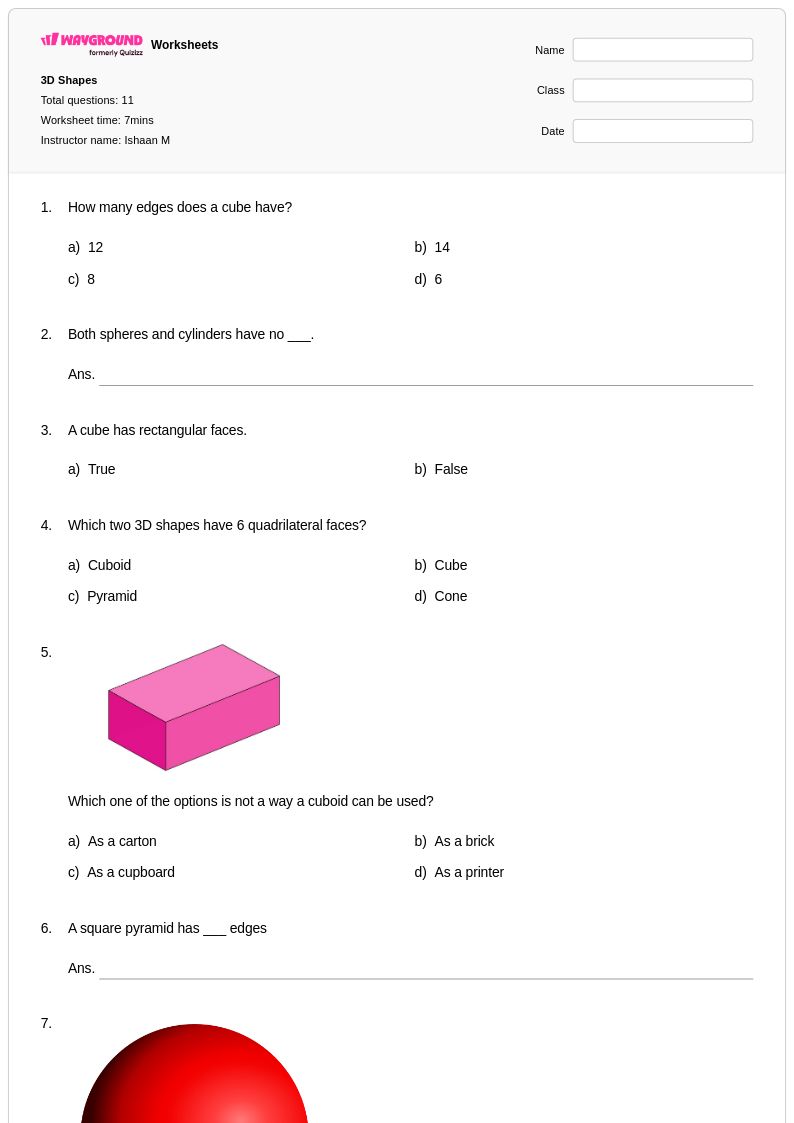
11 Q
6th
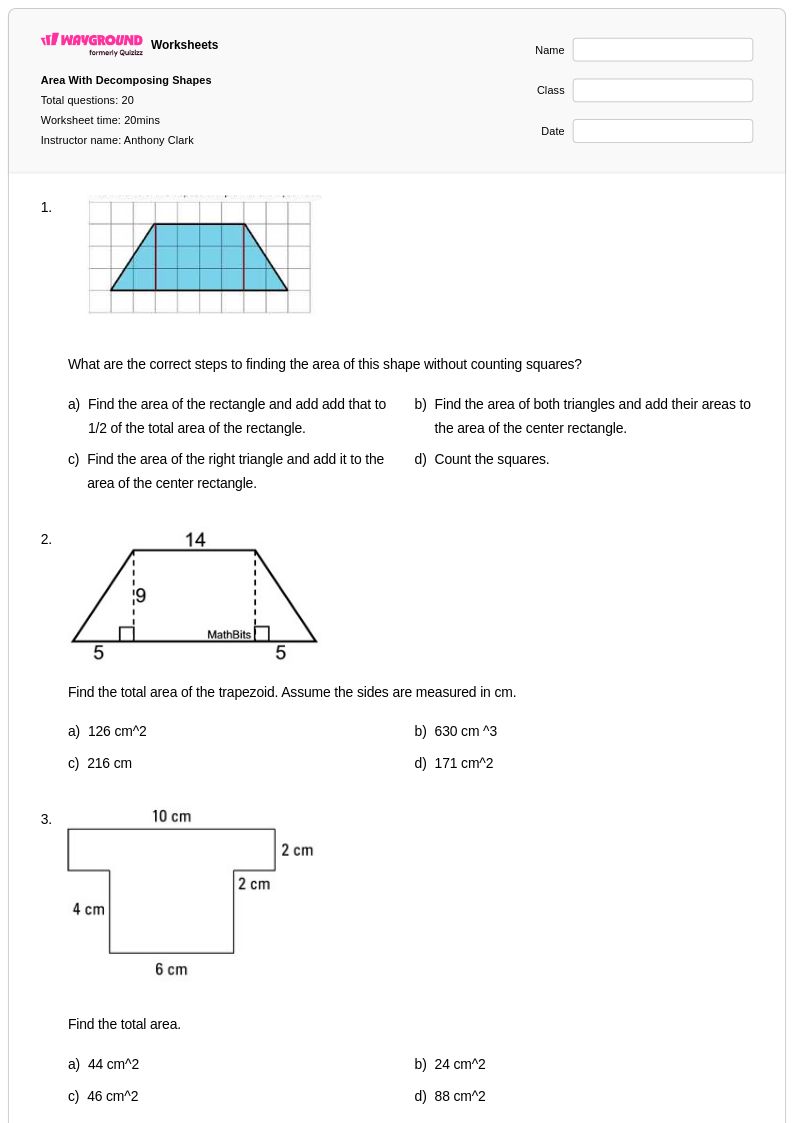
20 Q
6th - Uni
18 Q
6th
16 Q
6th
13 Q
6th
24 Q
6th - 8th
27 Q
6th
10 Q
6th
20 Q
6th - Uni
10 Q
6th
Explore Shapes of Distributions Worksheets by Grades
Explore Other Subject Worksheets for class 6
Explore printable Shapes of Distributions worksheets for Class 6
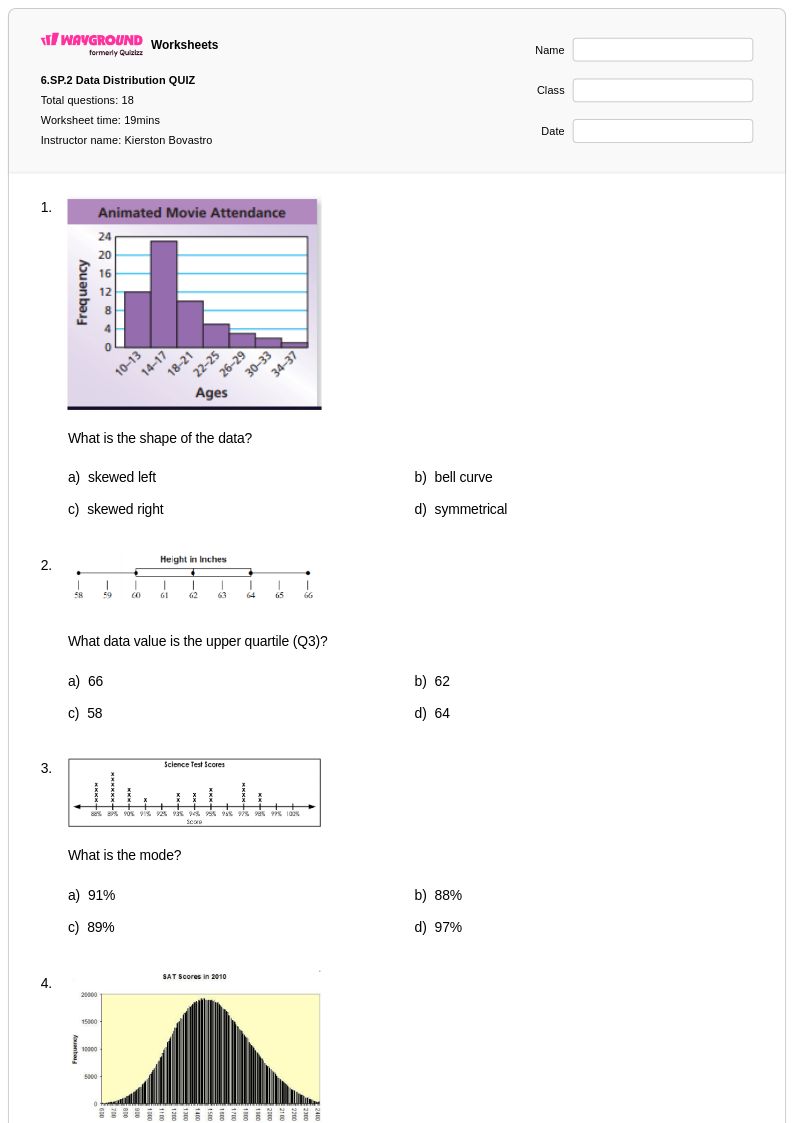
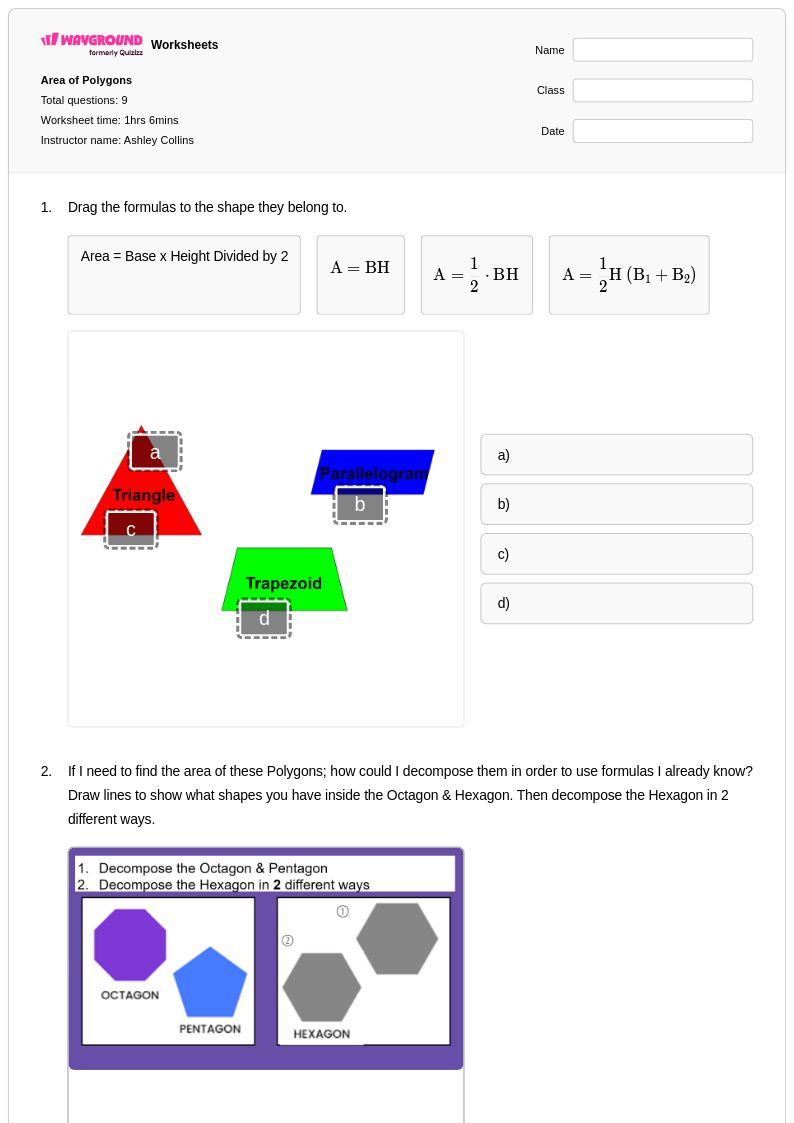
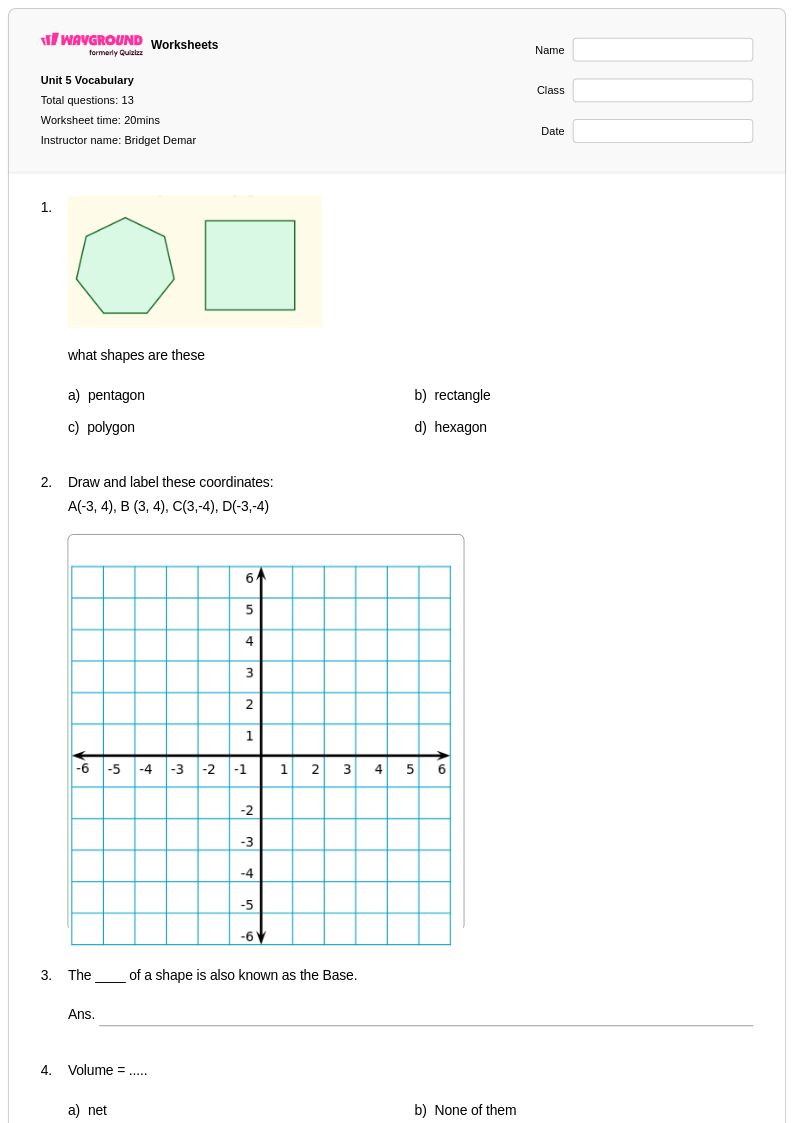
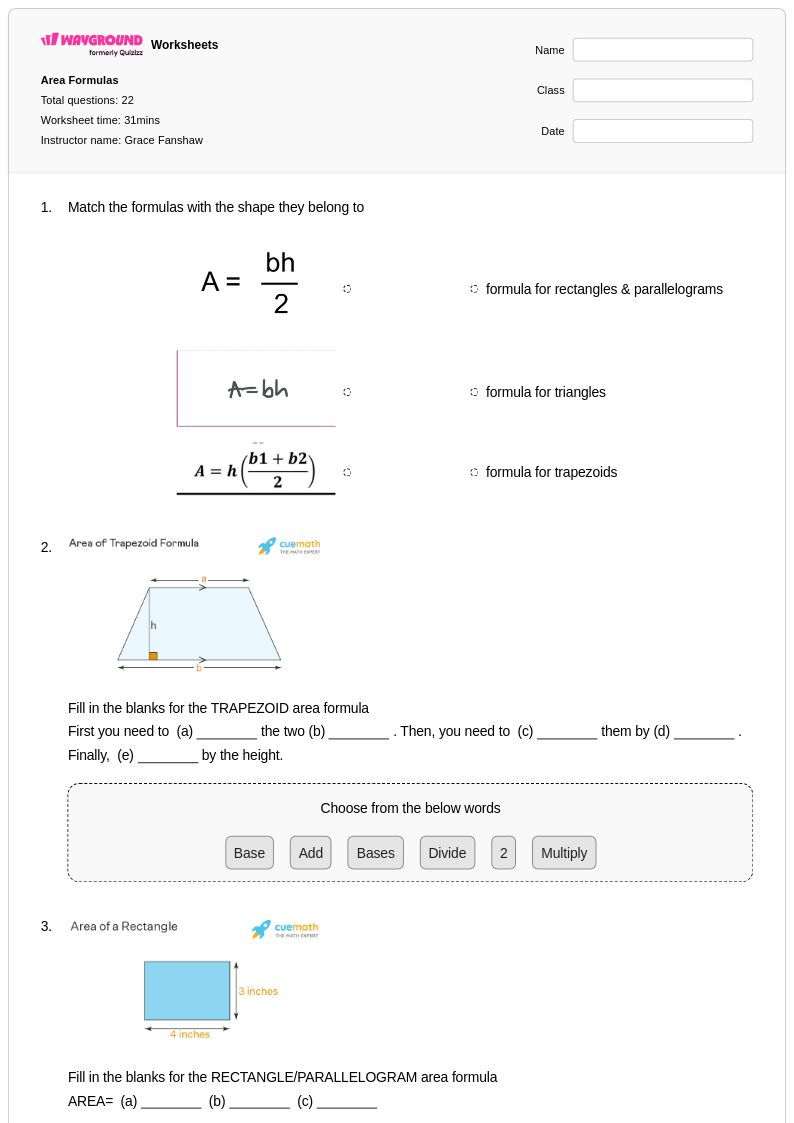
Shapes of Distributions worksheets for Class 6 provide essential practice opportunities for students developing foundational statistical reasoning skills. These comprehensive printables guide sixth-grade learners through identifying and analyzing different distribution patterns, including symmetric, skewed, and uniform distributions using age-appropriate data sets and visual representations. Students strengthen their ability to describe data shape, recognize patterns in histograms and dot plots, and make connections between data characteristics and real-world contexts through carefully scaffolded practice problems. Each worksheet includes detailed answer keys that support both independent learning and guided instruction, while free pdf formats ensure accessibility across diverse classroom environments.
Wayground (formerly Quizizz) empowers educators with millions of teacher-created Shapes of Distributions resources that streamline lesson planning and differentiated instruction for Class 6 mathematics classrooms. The platform's robust search and filtering capabilities allow teachers to quickly locate standards-aligned materials that match specific learning objectives and student readiness levels. Comprehensive customization tools enable educators to modify existing worksheets or create targeted practice sets for remediation and enrichment purposes, while seamless integration between printable and digital formats accommodates various instructional preferences and technology environments. These versatile resources support systematic skill development in statistical concepts, helping teachers provide consistent practice opportunities that build student confidence in analyzing and interpreting data distributions.
FAQs
What grade do students learn about shapes of distributions?
How do I introduce shapes of distributions to 6th graders?
What are the key distribution shapes a 6th grader should know?
What are common errors for 6th graders learning about data shapes?
How do these worksheets help 6th graders practice?
How can I use this Grade 6 worksheet in my classroom?