
10 Q
1st
20 Q
1st
12 Q
KG - 2nd
57 Q
1st - 5th
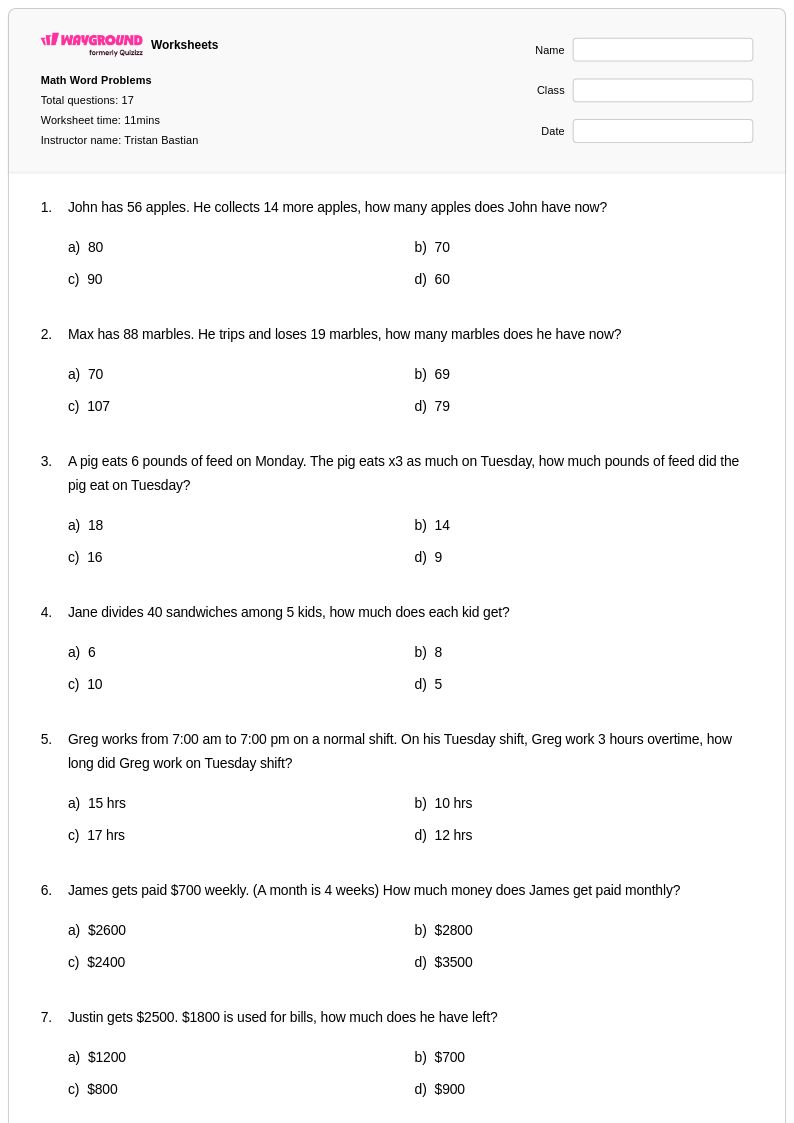
17 Q
1st - PD
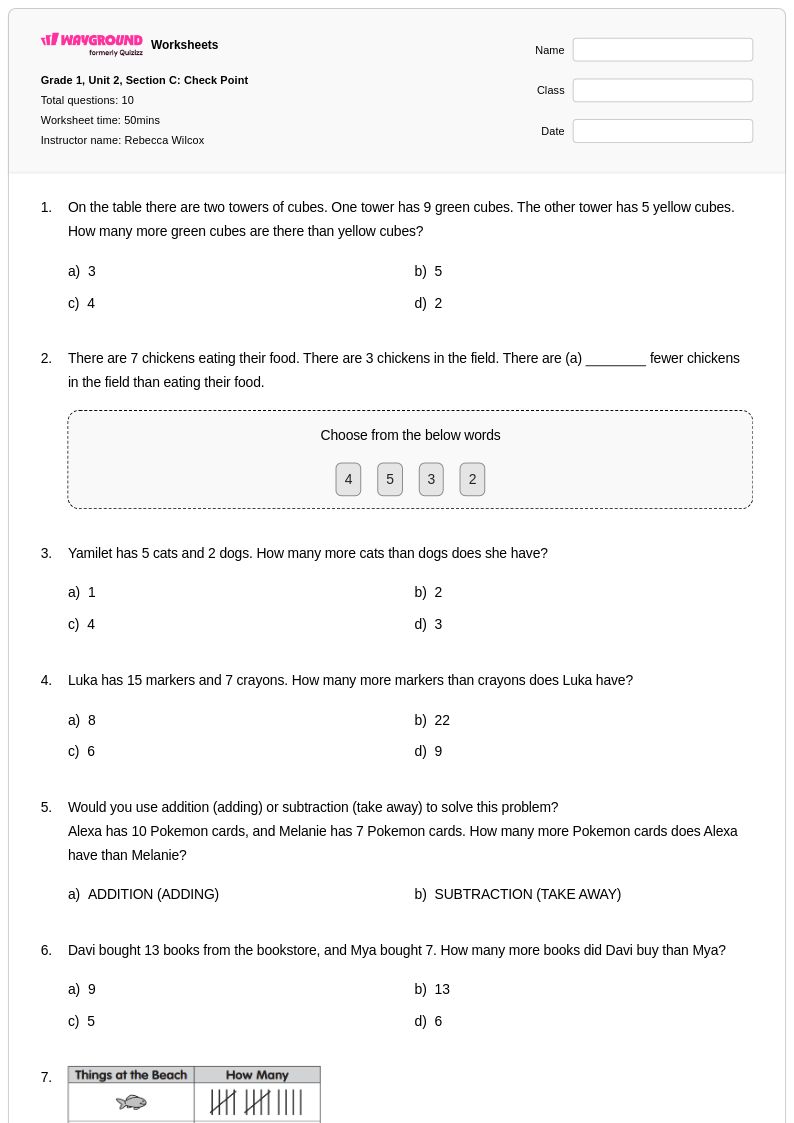
10 Q
1st
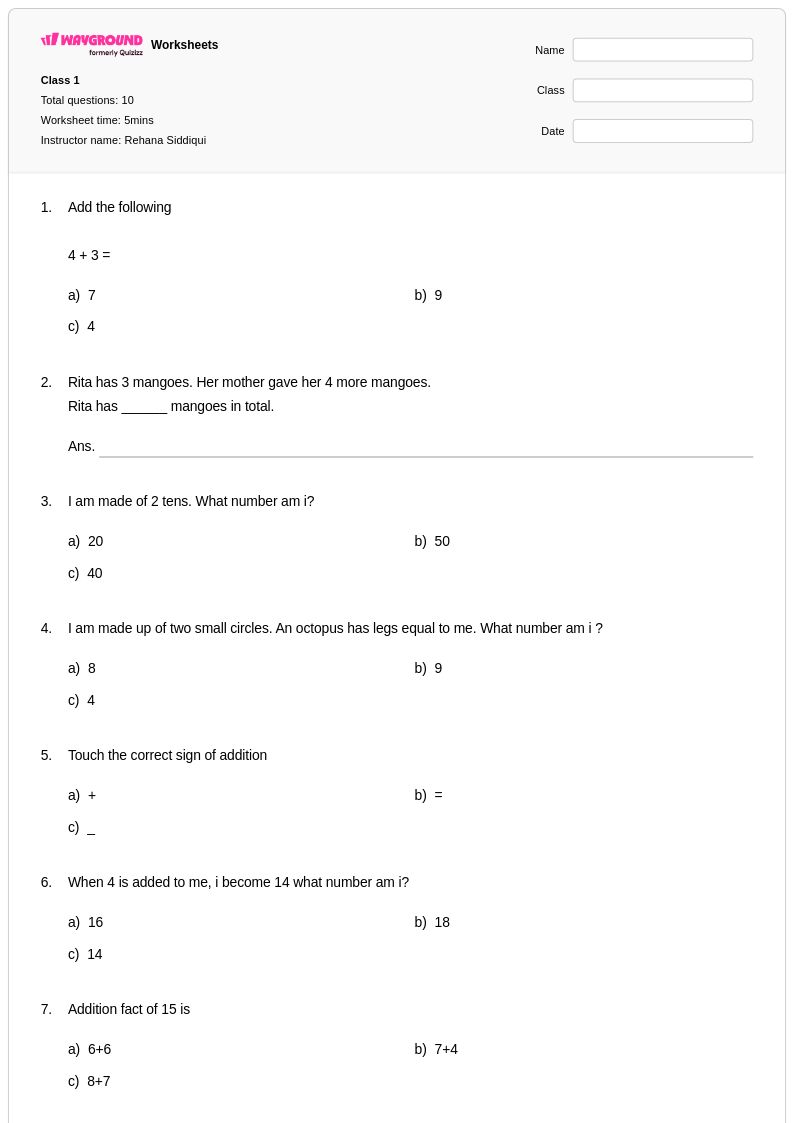
10 Q
1st
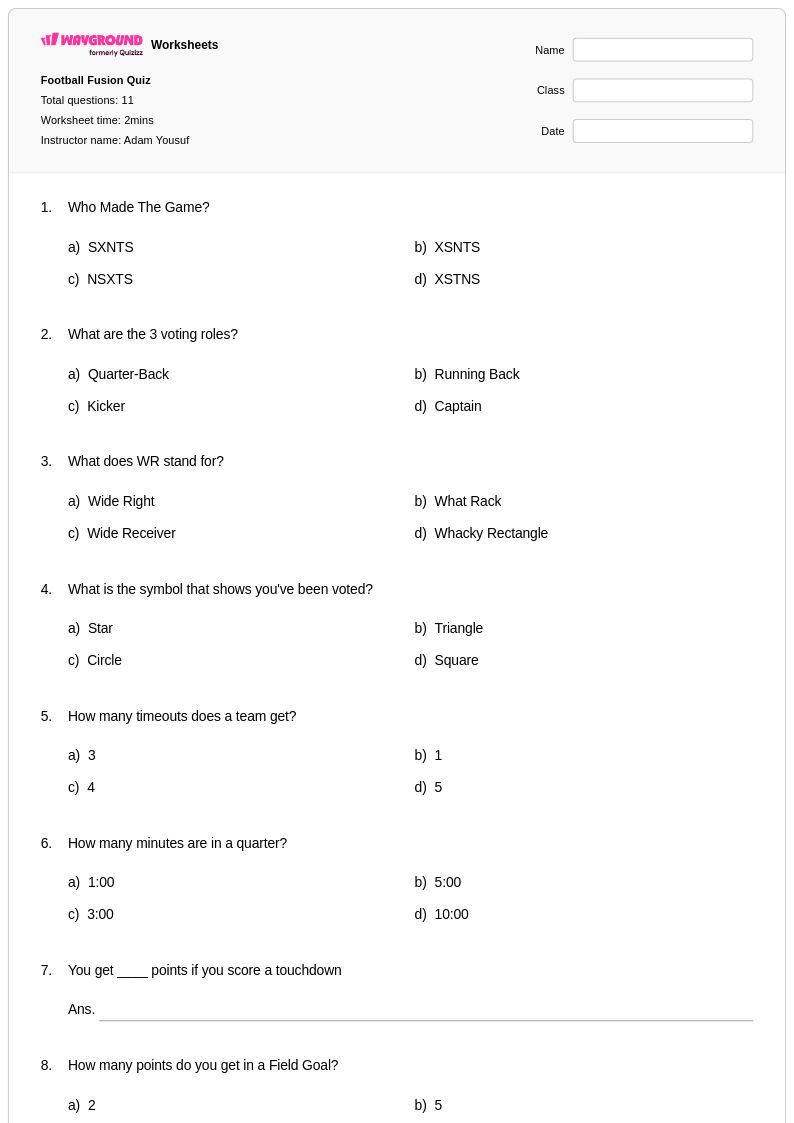
11 Q
KG - 1st
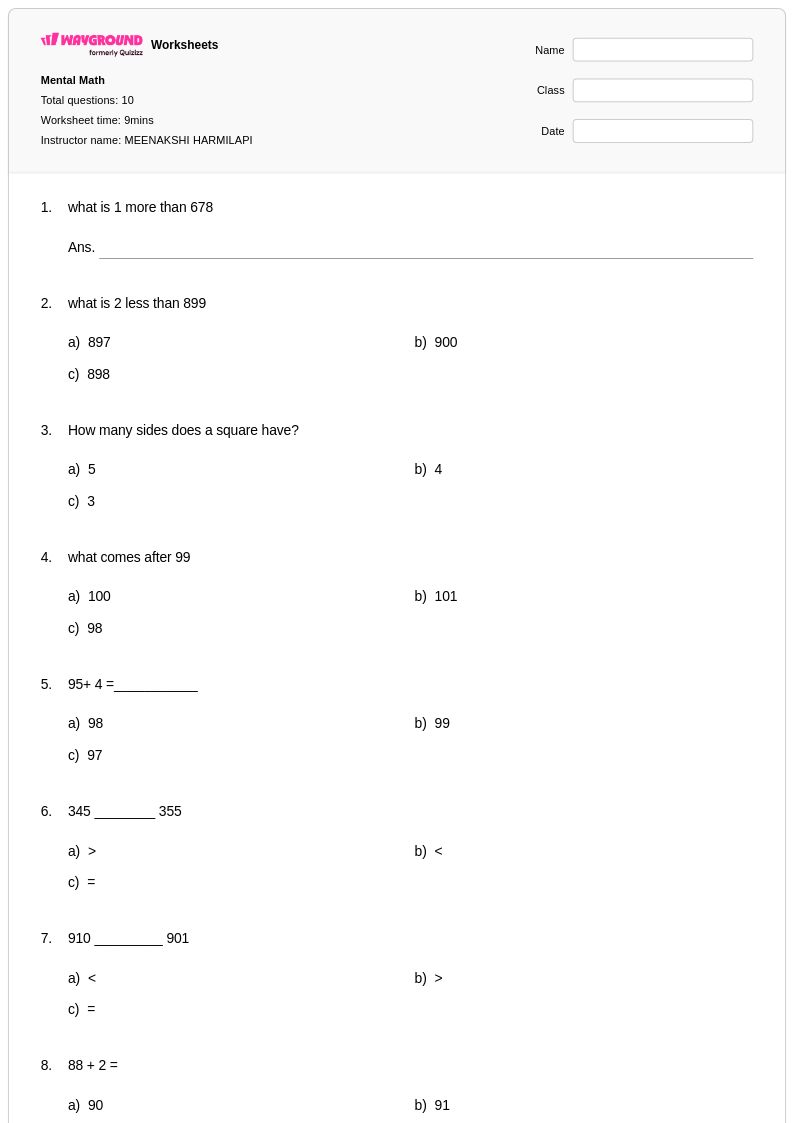
10 Q
1st
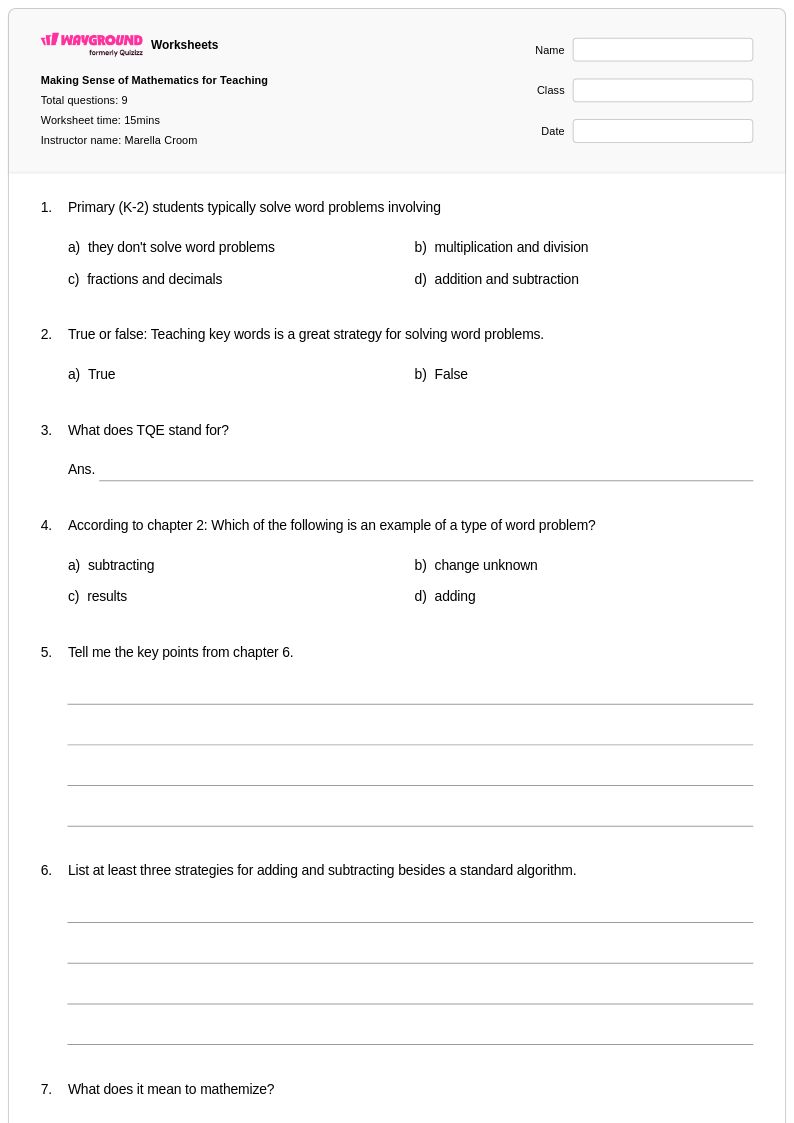
9 Q
KG - 2nd
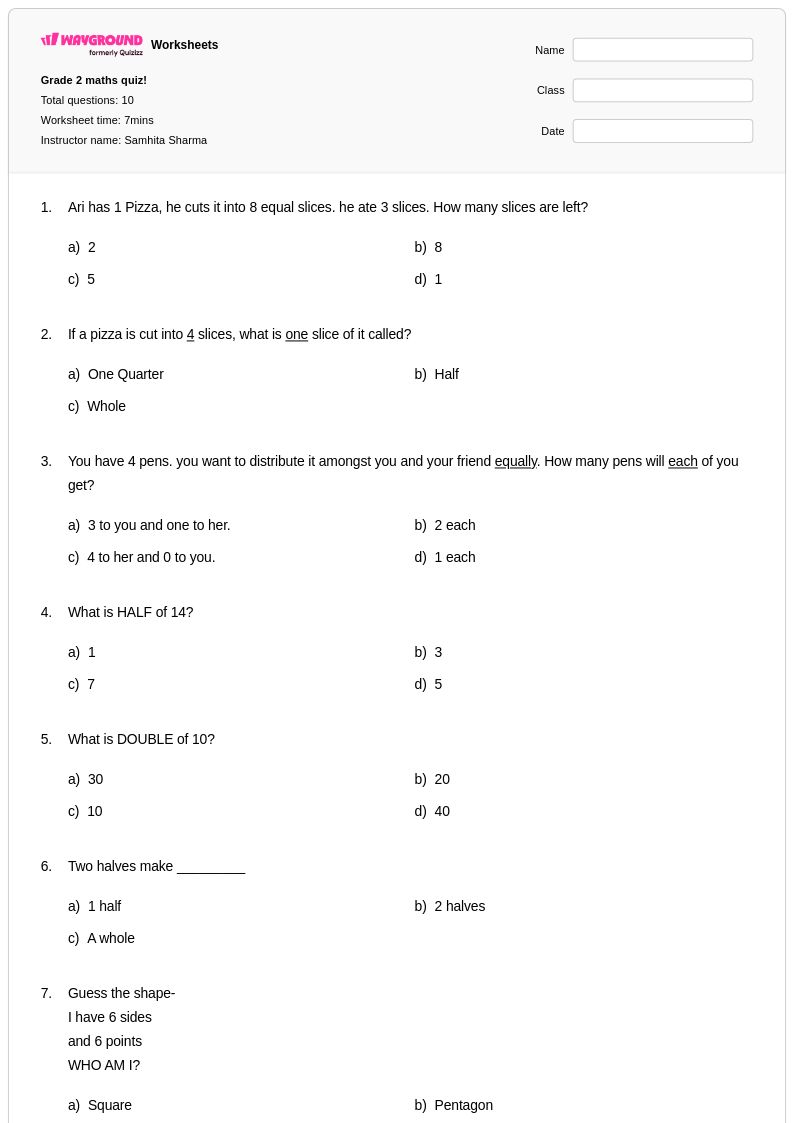
10 Q
1st - 3rd
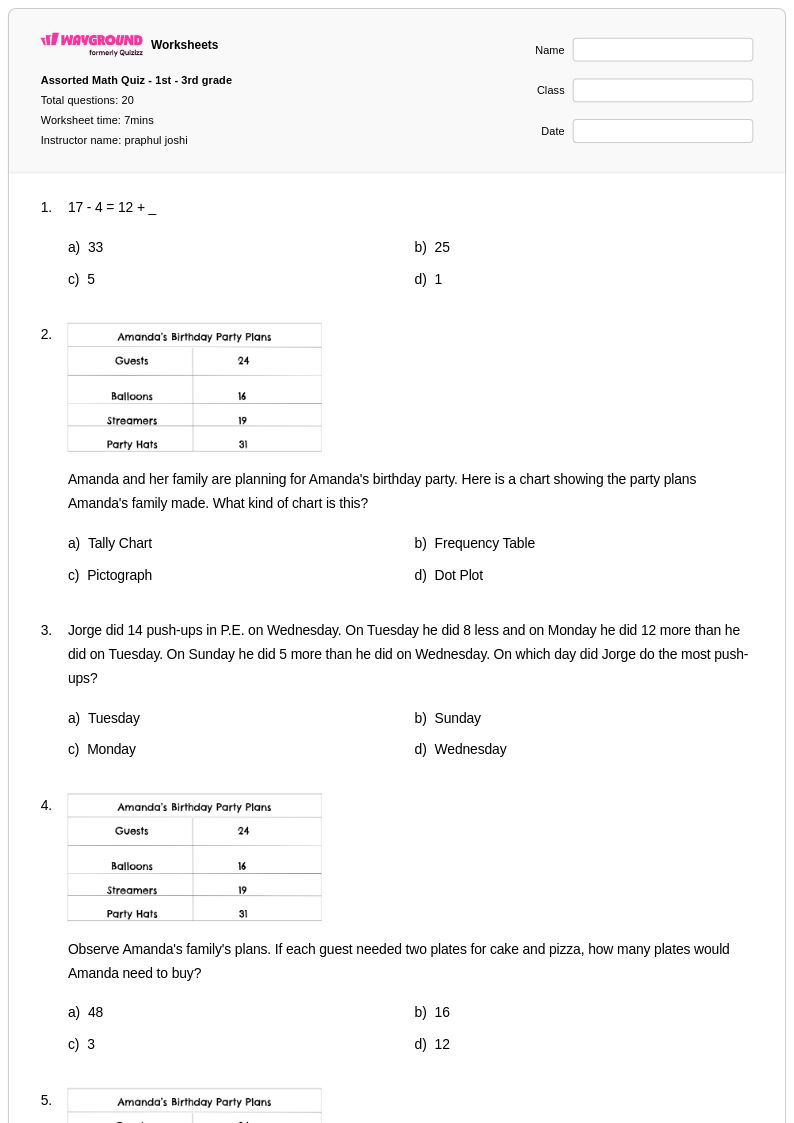
20 Q
1st - 3rd
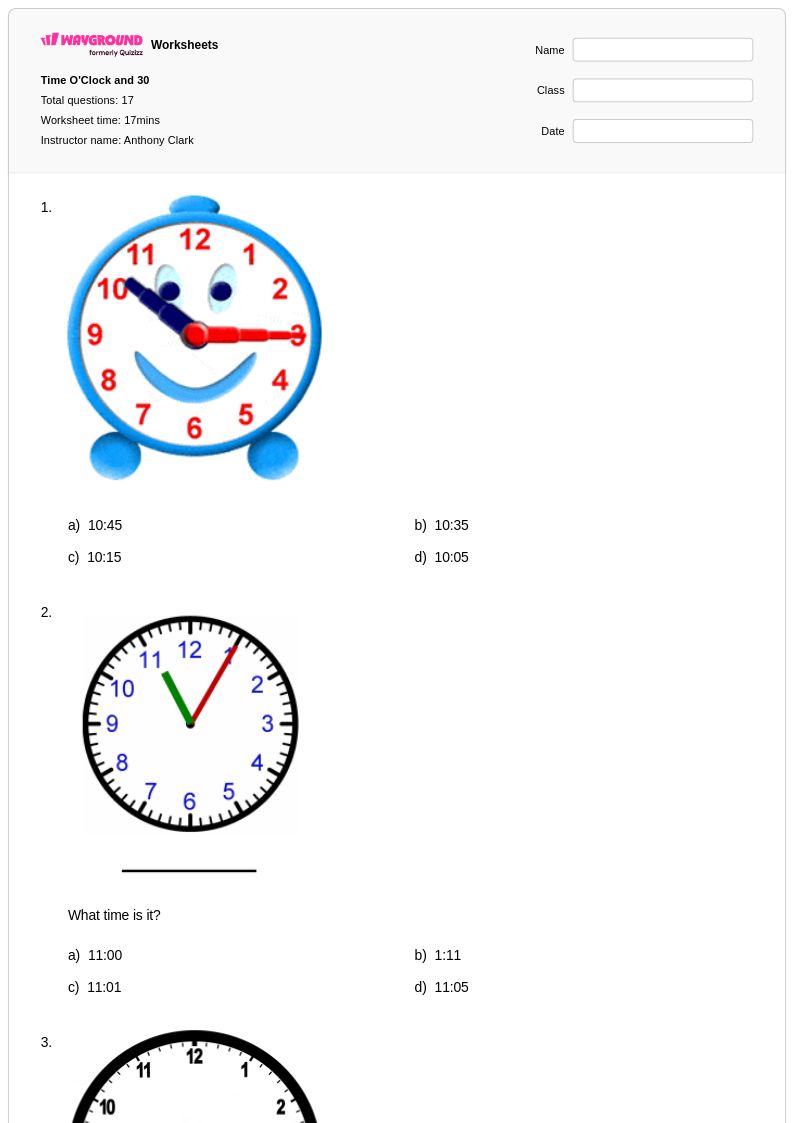
17 Q
1st - Uni
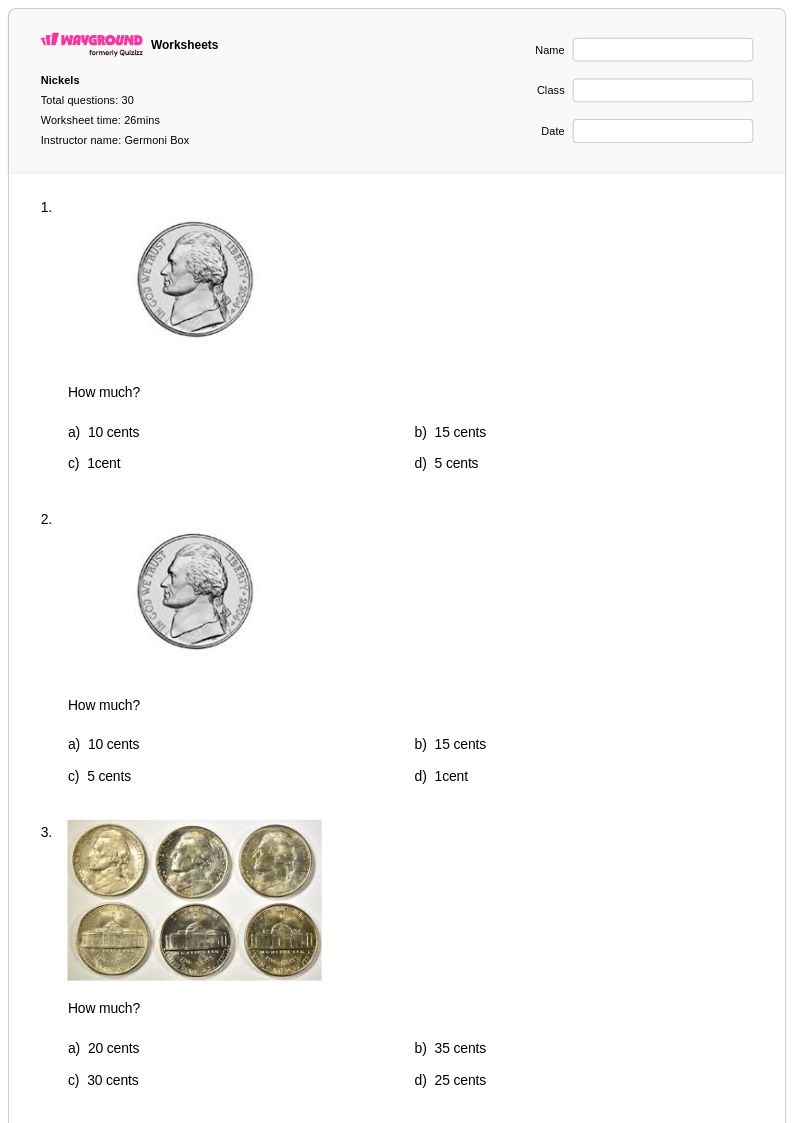
30 Q
KG - 1st
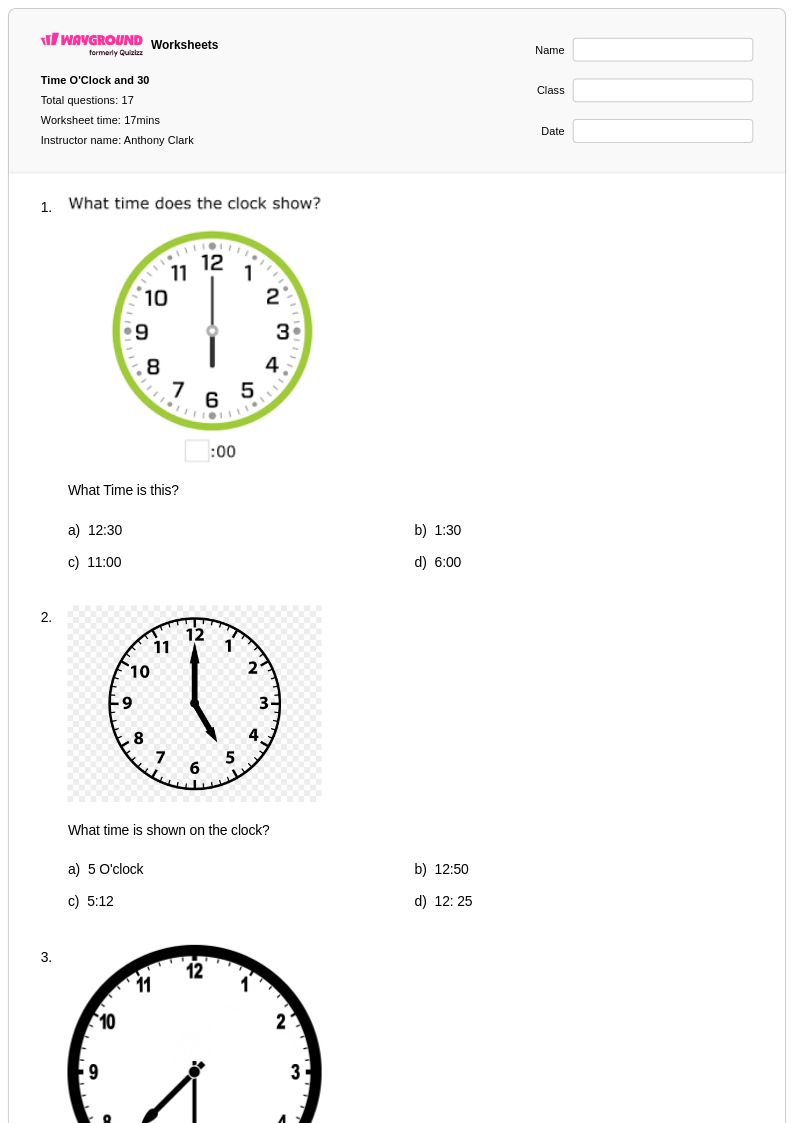
17 Q
1st - Uni
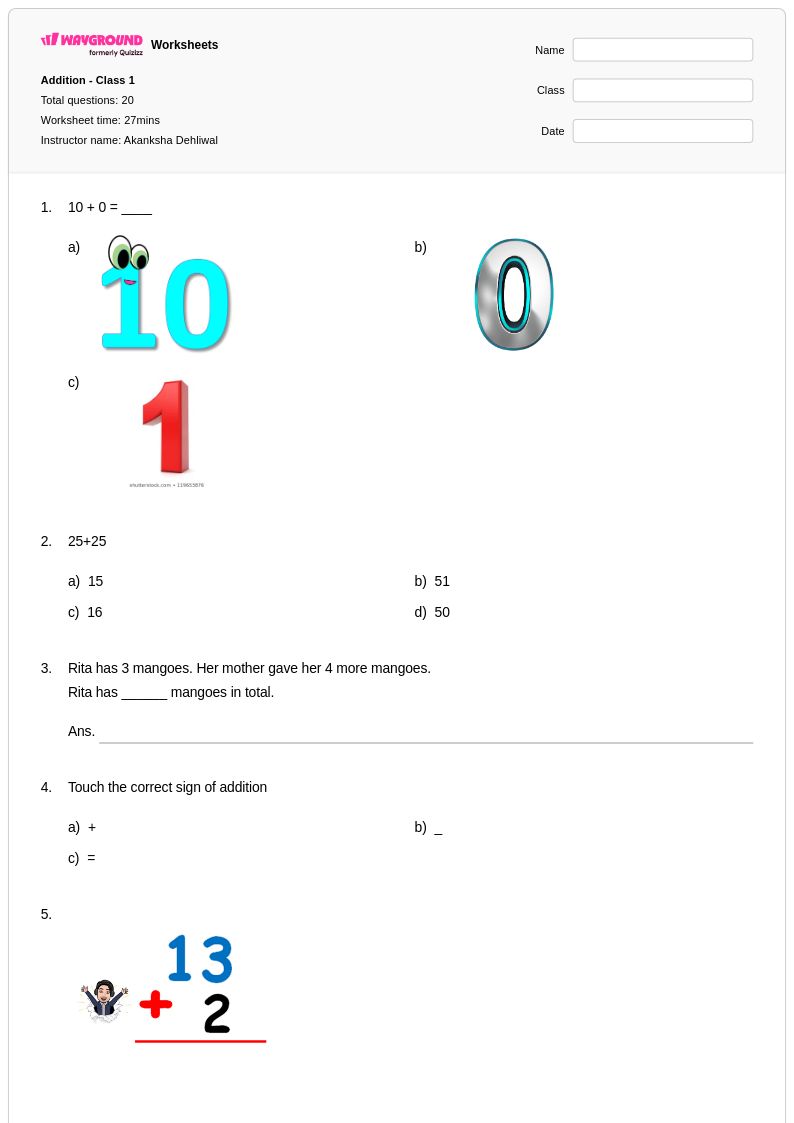
20 Q
1st
21 Q
1st - 3rd
19 Q
1st - 5th
6 Q
KG - 3rd
20 Q
1st
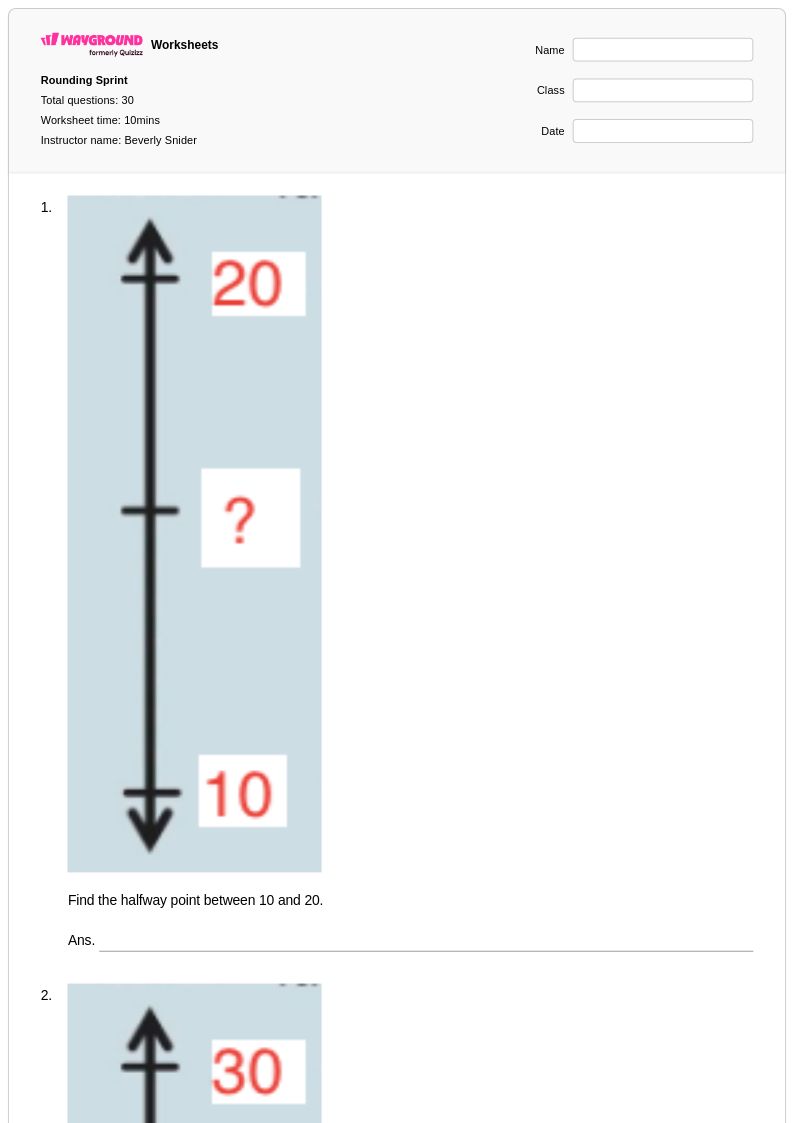
30 Q
1st - 3rd
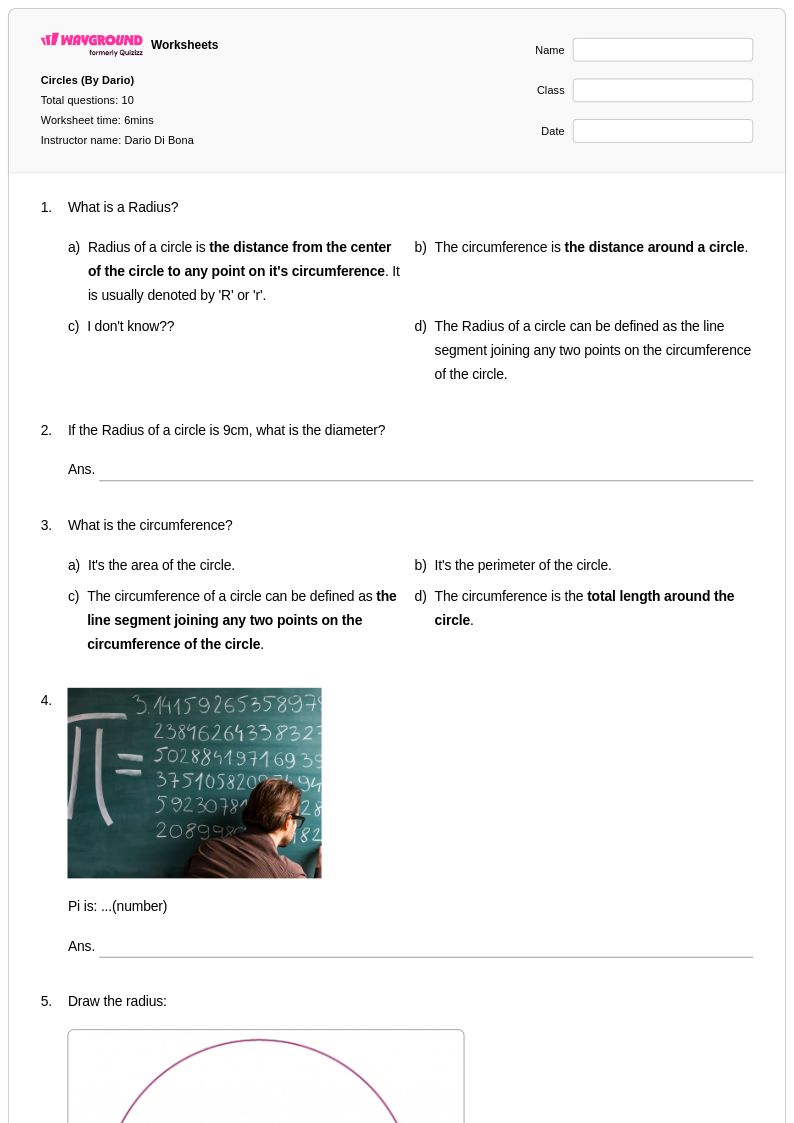
10 Q
1st - 5th
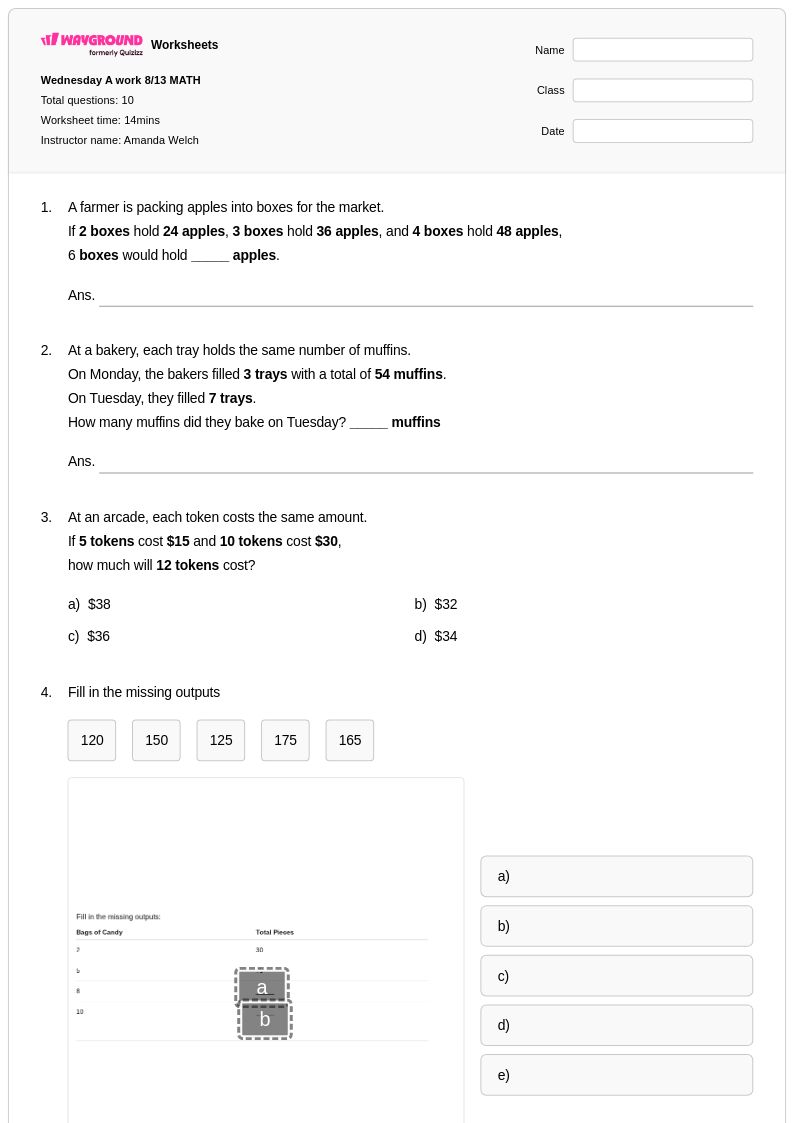
10 Q
1st - 5th
Explore Touch Points Worksheets by Grades
Explore Other Subject Worksheets for class 1
Explore printable Touch Points worksheets for Class 1
Touch points worksheets for Class 1 mathematics provide young learners with a fundamental counting strategy that builds essential number sense skills through tactile and visual learning approaches. These comprehensive worksheets available through Wayground (formerly Quizizz) introduce students to the systematic method of using predetermined dots or marks on numerals to support accurate counting and basic arithmetic operations. The touch points method strengthens students' ability to recognize number patterns, develop one-to-one correspondence, and build confidence in early mathematical reasoning. Each worksheet collection includes carefully structured practice problems that progress from simple number recognition to more complex counting exercises, complete with answer keys and free printable pdf formats that support both classroom instruction and independent practice at home.
Wayground (formerly Quizizz) empowers educators with millions of teacher-created touch points resources specifically designed for Class 1 mathematics instruction, featuring robust search and filtering capabilities that allow teachers to locate materials aligned with specific learning standards and individual student needs. The platform's differentiation tools enable teachers to customize worksheets for various skill levels, providing targeted remediation for struggling learners while offering enrichment opportunities for advanced students. These versatile resources are available in both printable and digital pdf formats, giving teachers the flexibility to implement touch points instruction across different learning environments and teaching modalities. The comprehensive collection supports systematic skill practice and helps teachers efficiently plan lessons that build foundational number sense concepts through consistent, research-based counting strategies.