
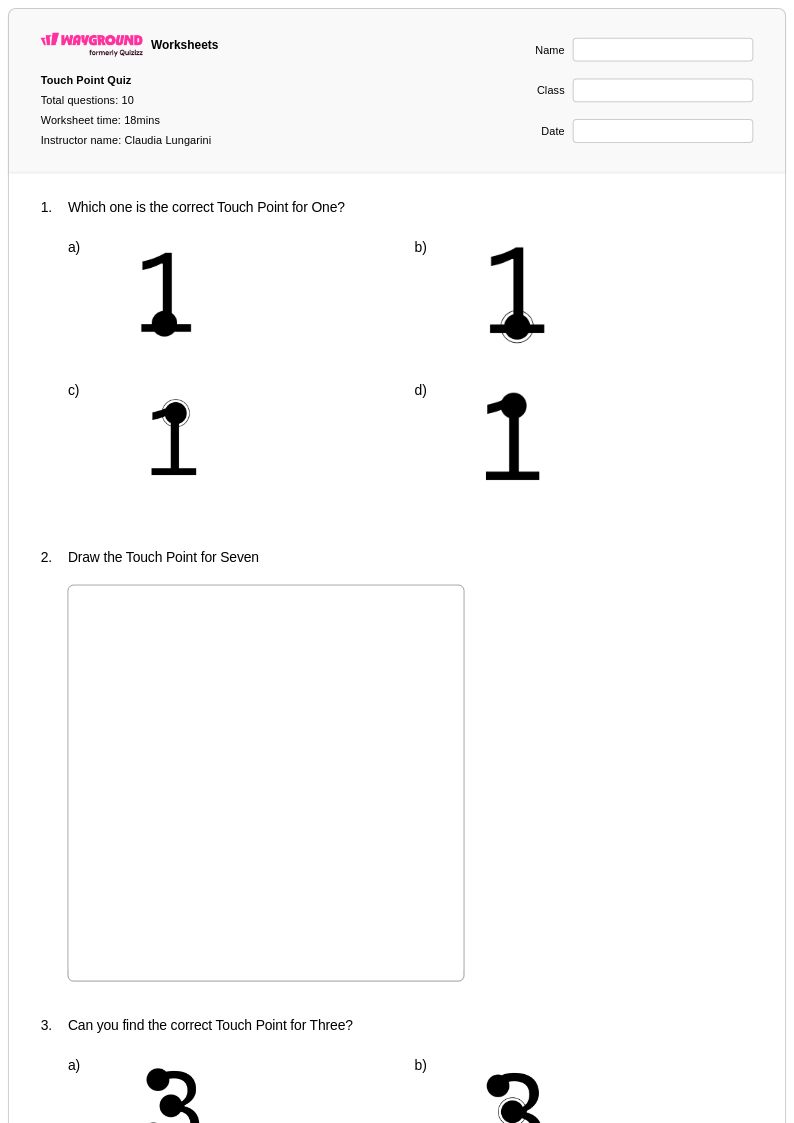
10 Q
4th
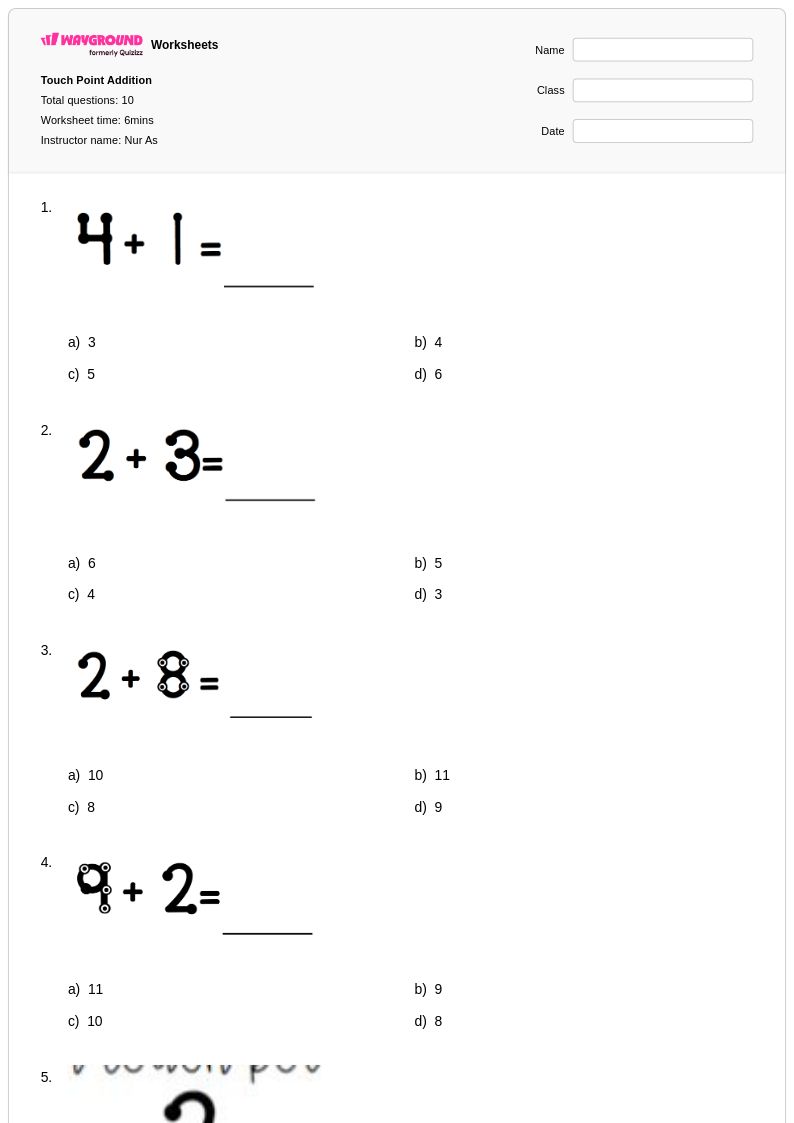
10 Q
1st
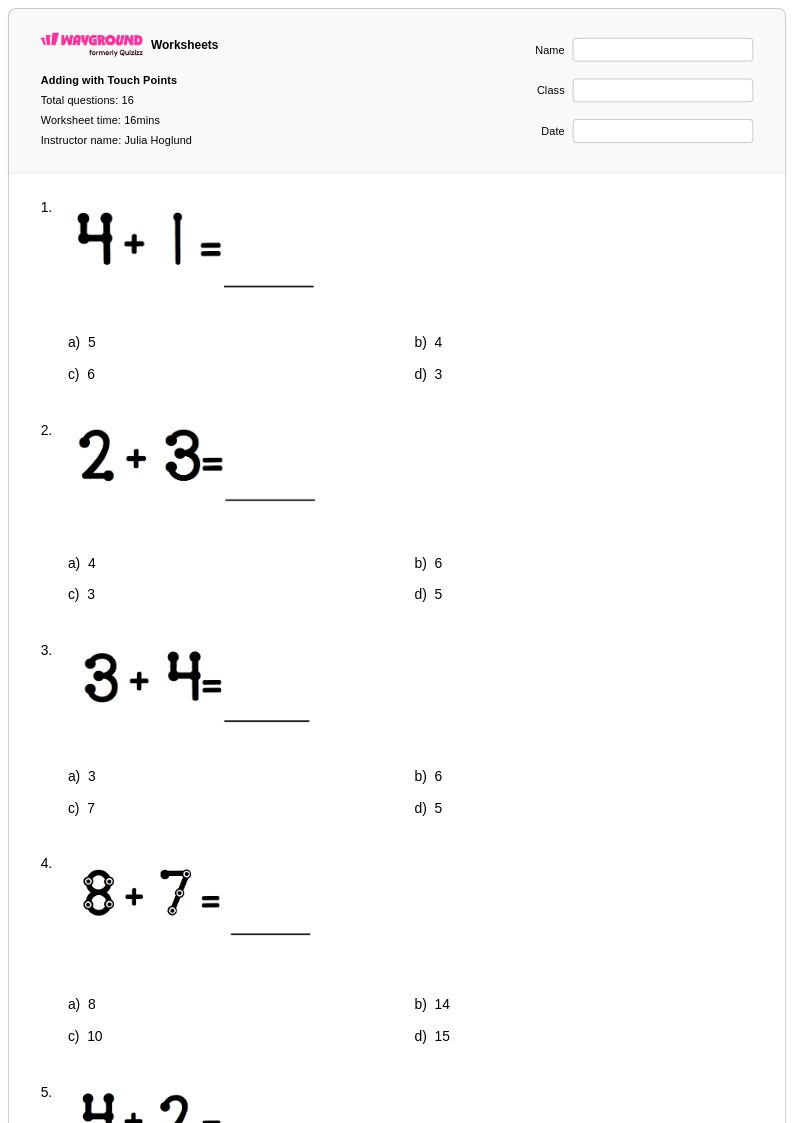
16 Q
KG - 2nd
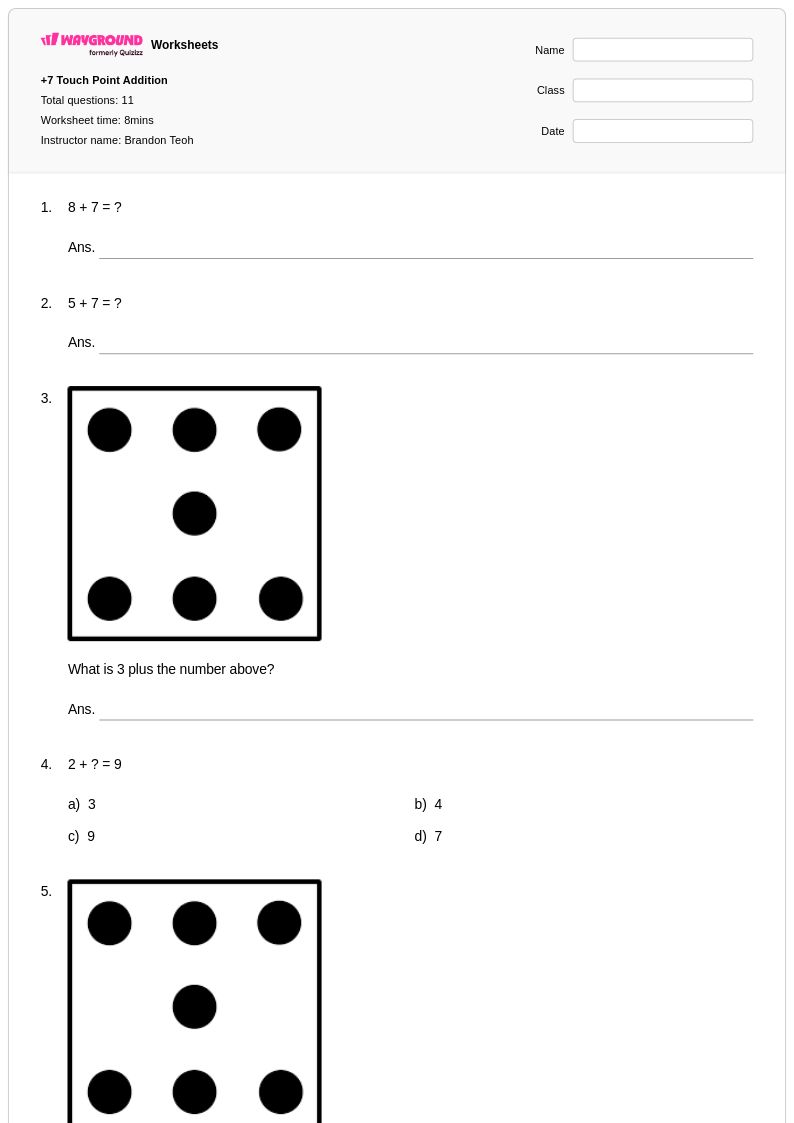
11 Q
PD
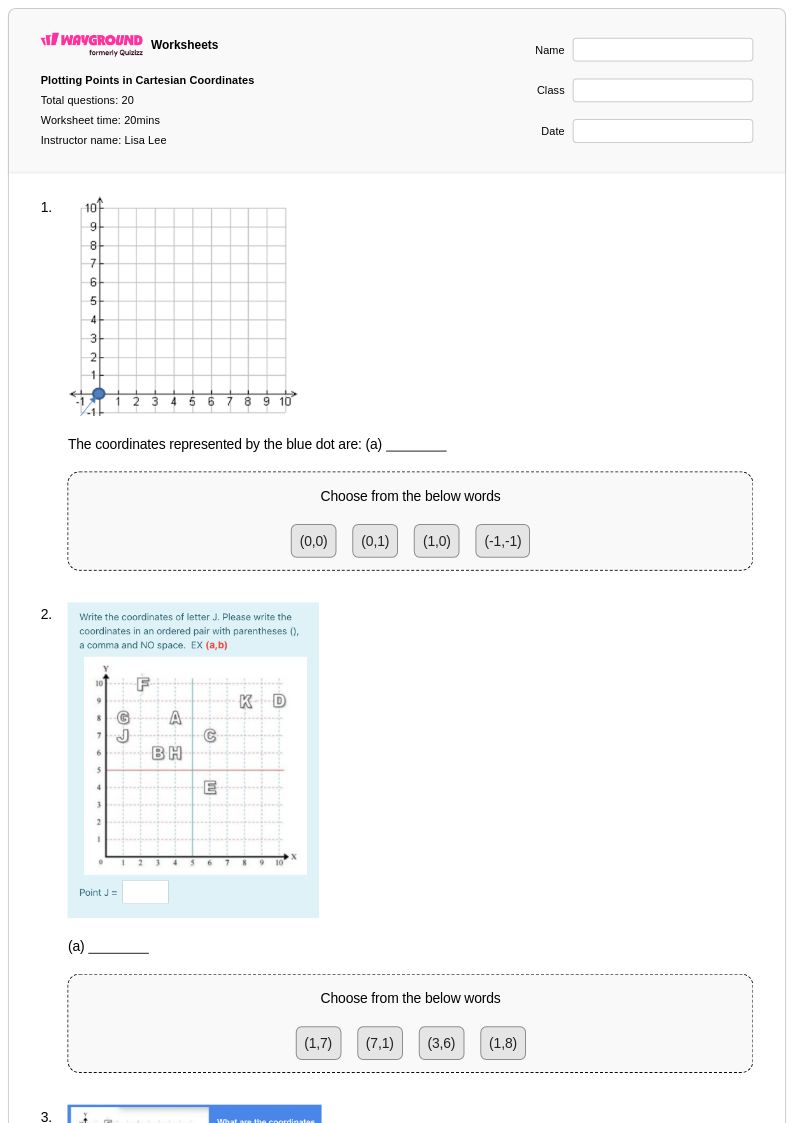
20 Q
6th
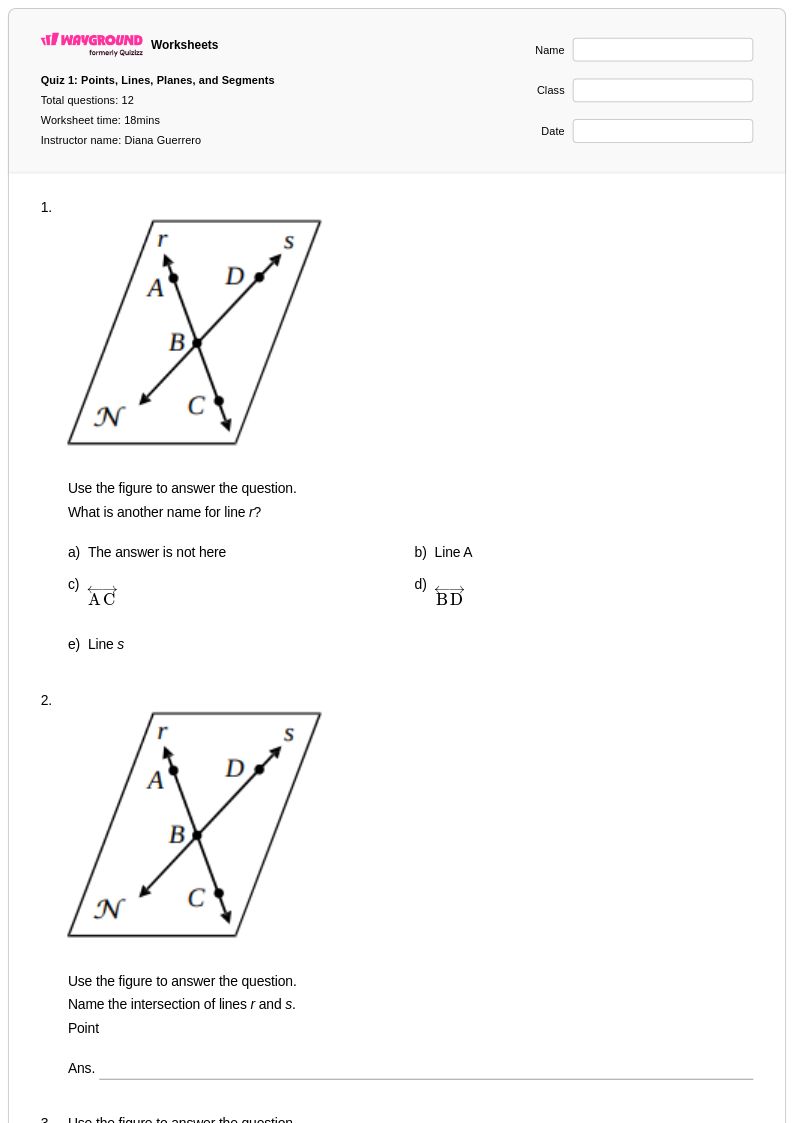
12 Q
9th - 12th
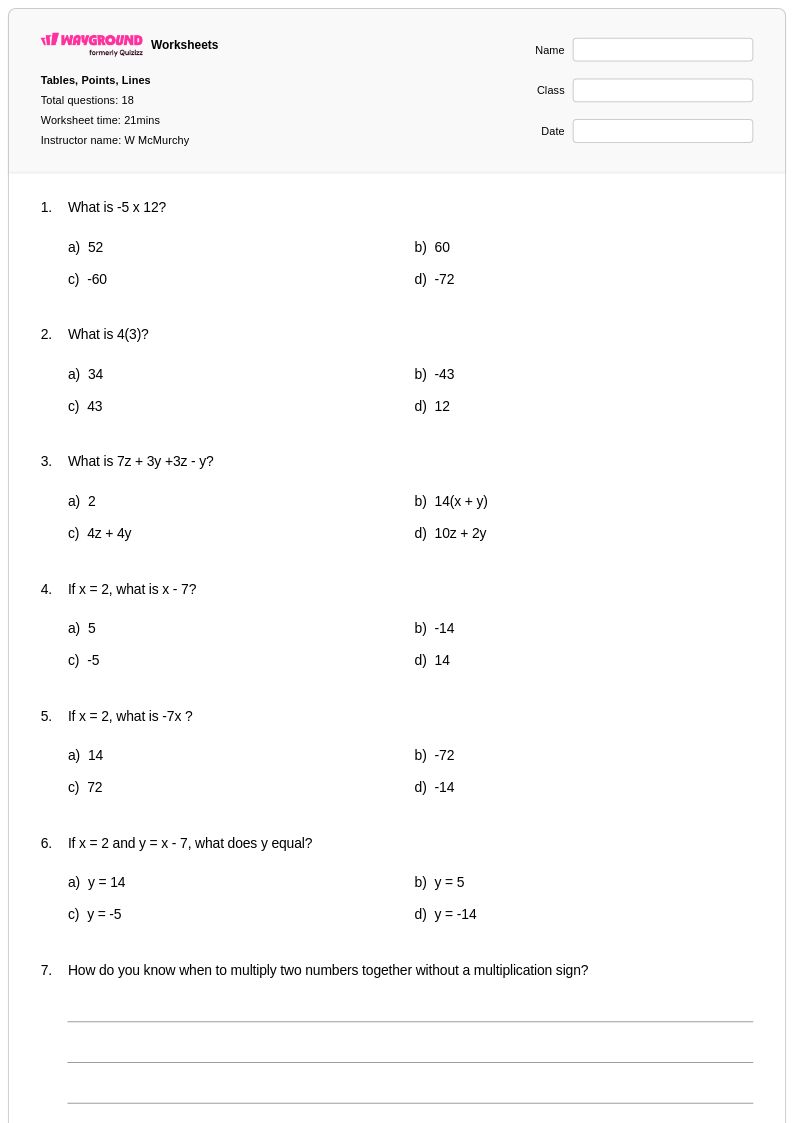
18 Q
8th
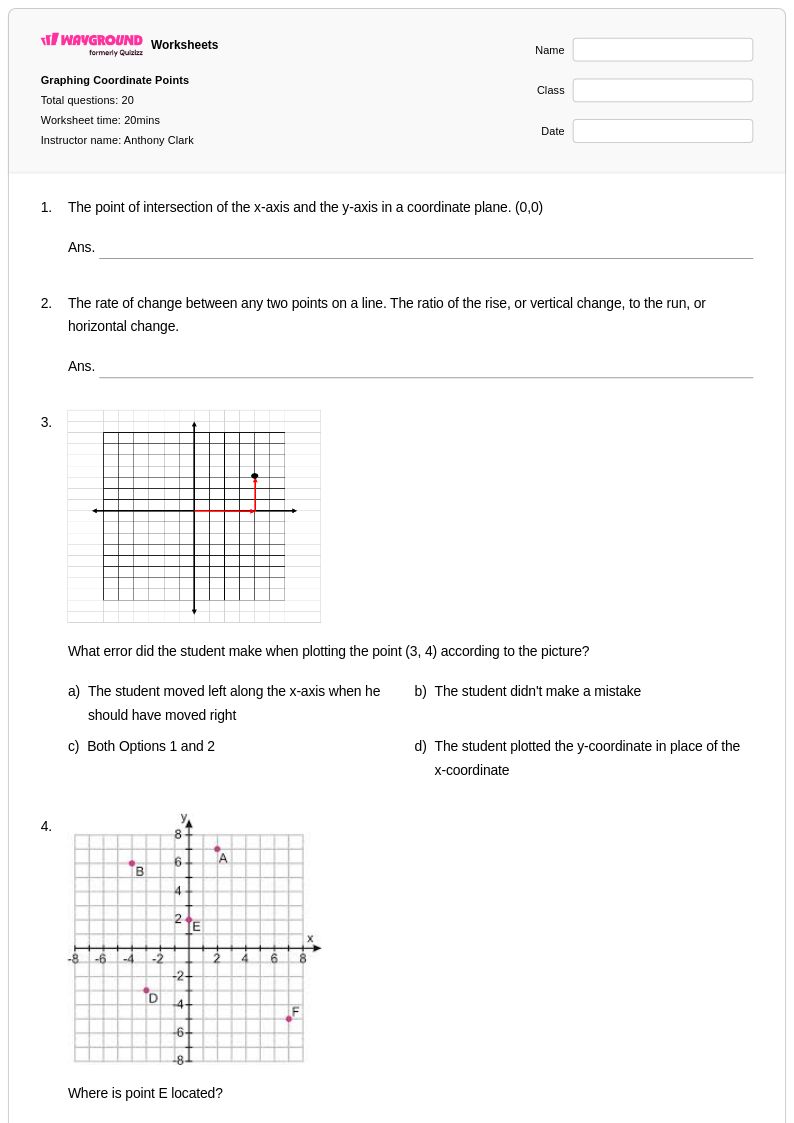
20 Q
8th - Uni
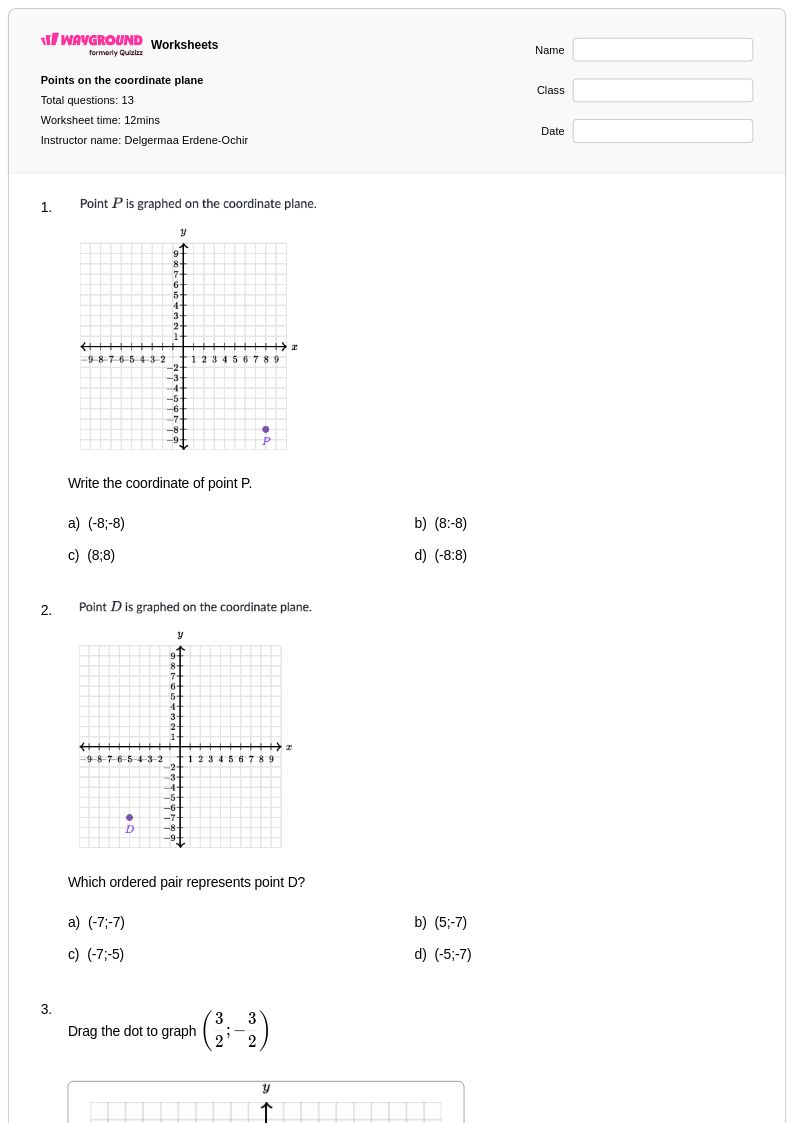
13 Q
6th
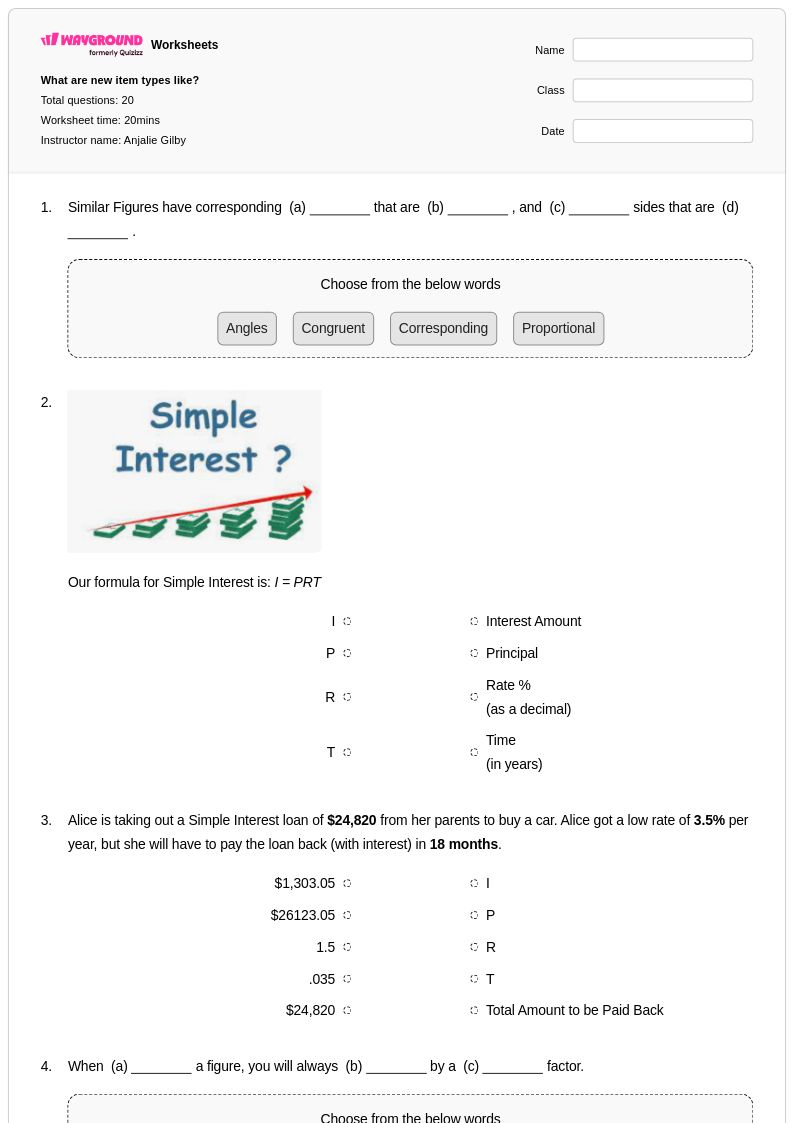
20 Q
6th
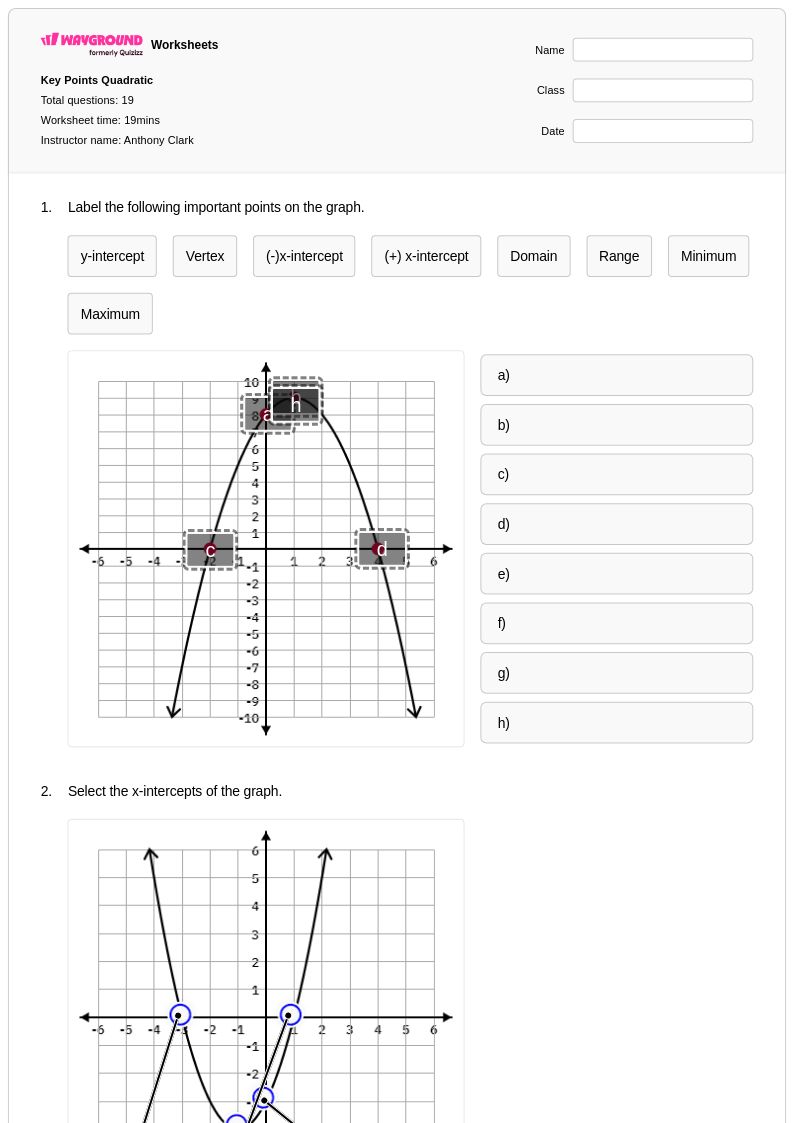
19 Q
9th - Uni
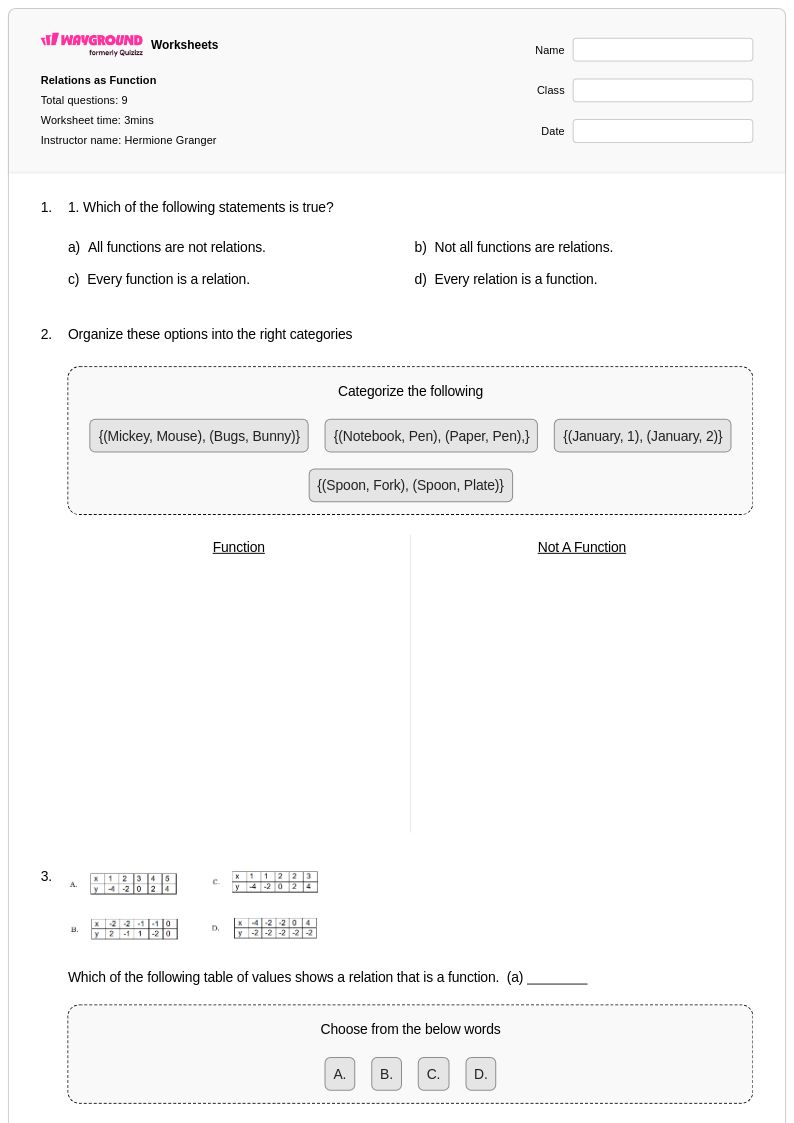
9 Q
8th
19 Q
6th - Uni
17 Q
8th
14 Q
5th
28 Q
10th
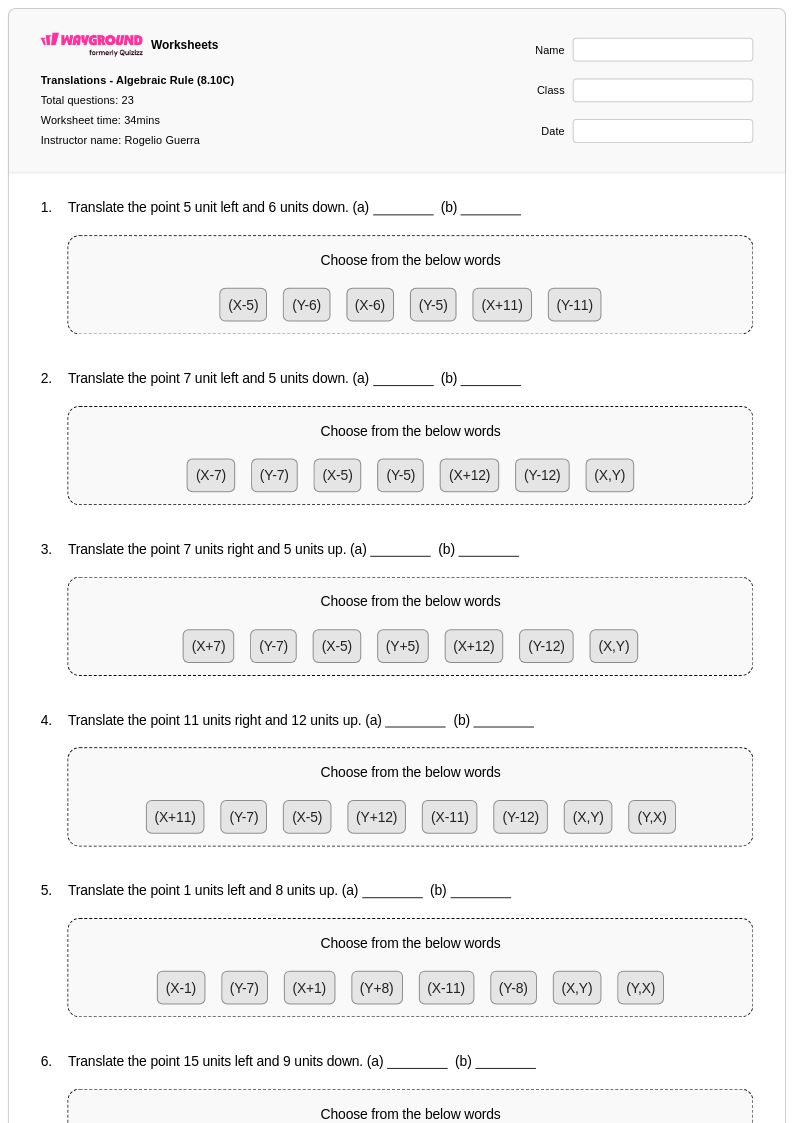
23 Q
8th
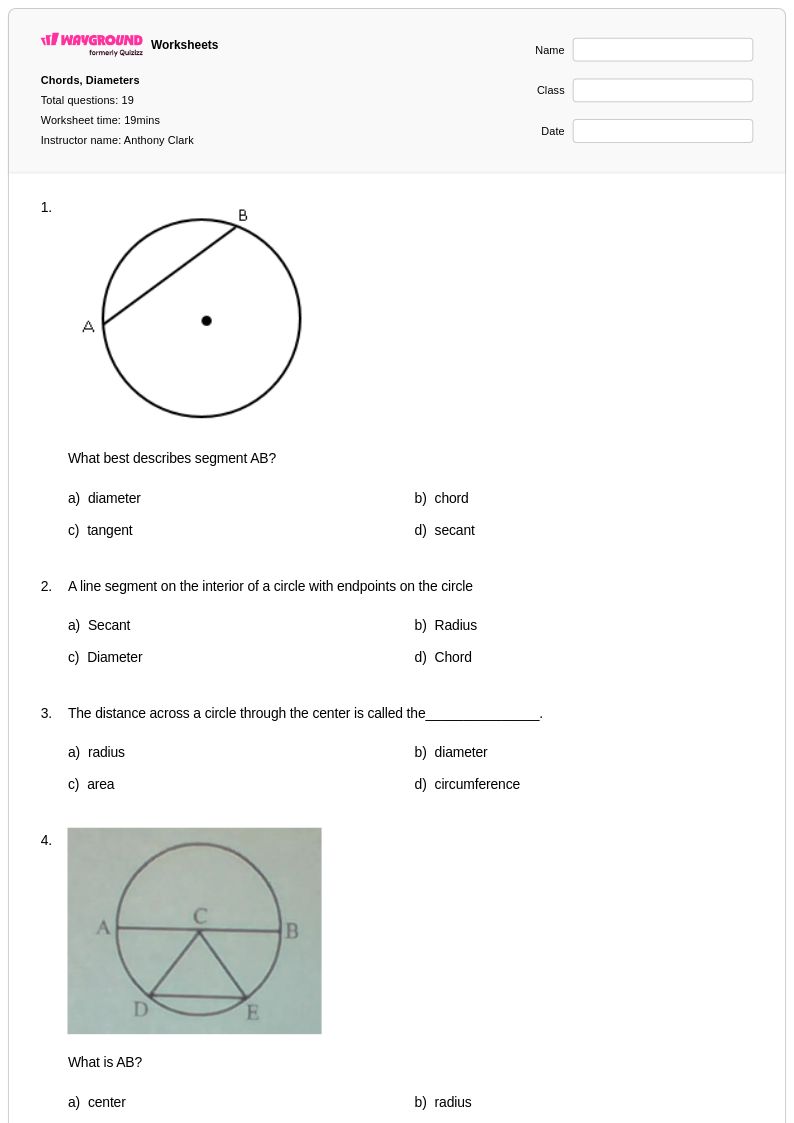
19 Q
10th - Uni
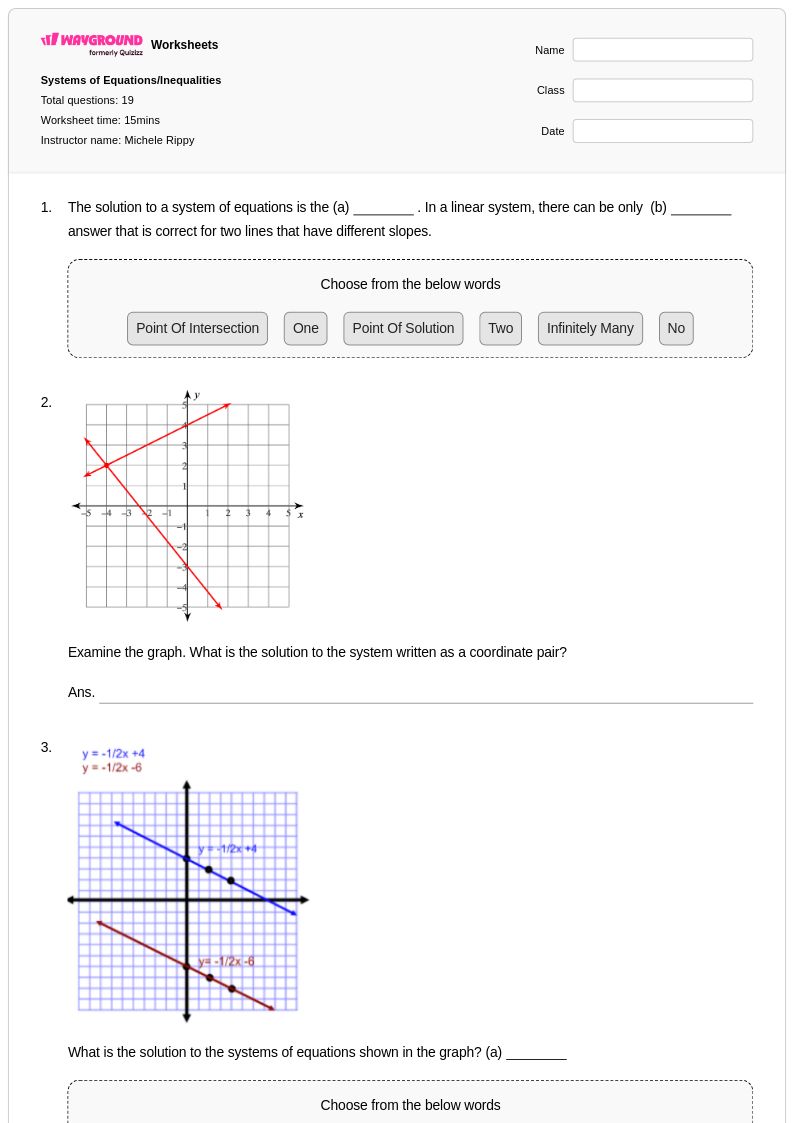
19 Q
9th
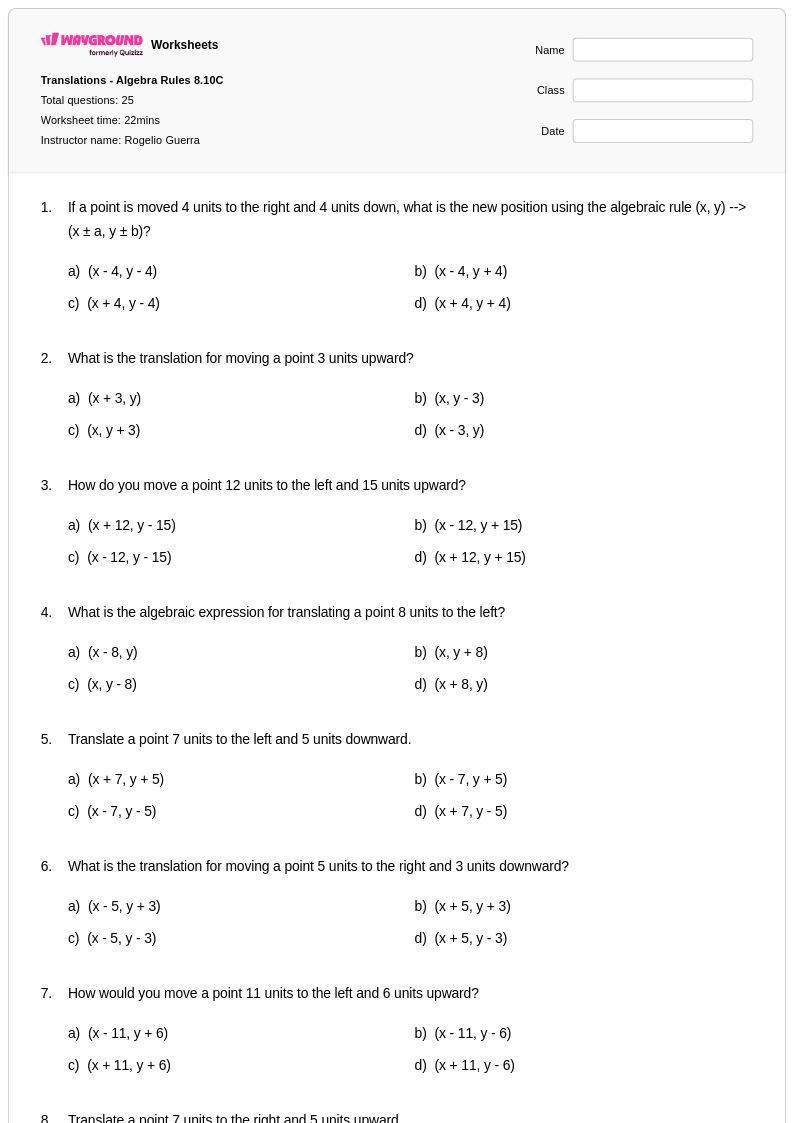
25 Q
8th
15 Q
4th
17 Q
4th
8 Q
9th - 12th
Explore Touch Points Worksheets by Grades
Explore Other Subject Worksheets for kindergarten
Explore printable Touch Points worksheets for Kindergarten
Touch points worksheets for kindergarten mathematics provide young learners with a concrete, visual approach to understanding numbers and developing foundational counting skills. These carefully designed printables introduce students to the touch points method, where specific dots or marks are placed on numerals to represent their quantity, helping children connect abstract number symbols with their actual values. Through systematic practice problems, students learn to recognize numbers 1-9 and associate each with its corresponding touch point pattern, strengthening number recognition, one-to-one correspondence, and early addition concepts. The worksheets feature large, clear numerals with strategically placed touch points that students can physically touch while counting, making abstract mathematical concepts tangible and accessible. Each free resource includes comprehensive answer keys and structured exercises that progress from basic number identification to simple mathematical operations using the touch points system.
Wayground (formerly Quizizz) empowers educators with an extensive collection of teacher-created touch points resources, featuring millions of kindergarten mathematics worksheets that support diverse learning needs and classroom environments. The platform's robust search and filtering capabilities enable teachers to quickly locate materials aligned with specific standards and learning objectives, while differentiation tools allow for seamless customization to accommodate varying skill levels within the classroom. These versatile resources are available in both printable pdf format and interactive digital versions, providing flexibility for traditional worksheet practice, homework assignments, learning centers, and technology-integrated instruction. Teachers can efficiently plan targeted skill practice sessions, implement remediation strategies for struggling learners, and offer enrichment opportunities for advanced students, all while accessing professionally developed materials that support the systematic development of number sense through the proven touch points methodology.