
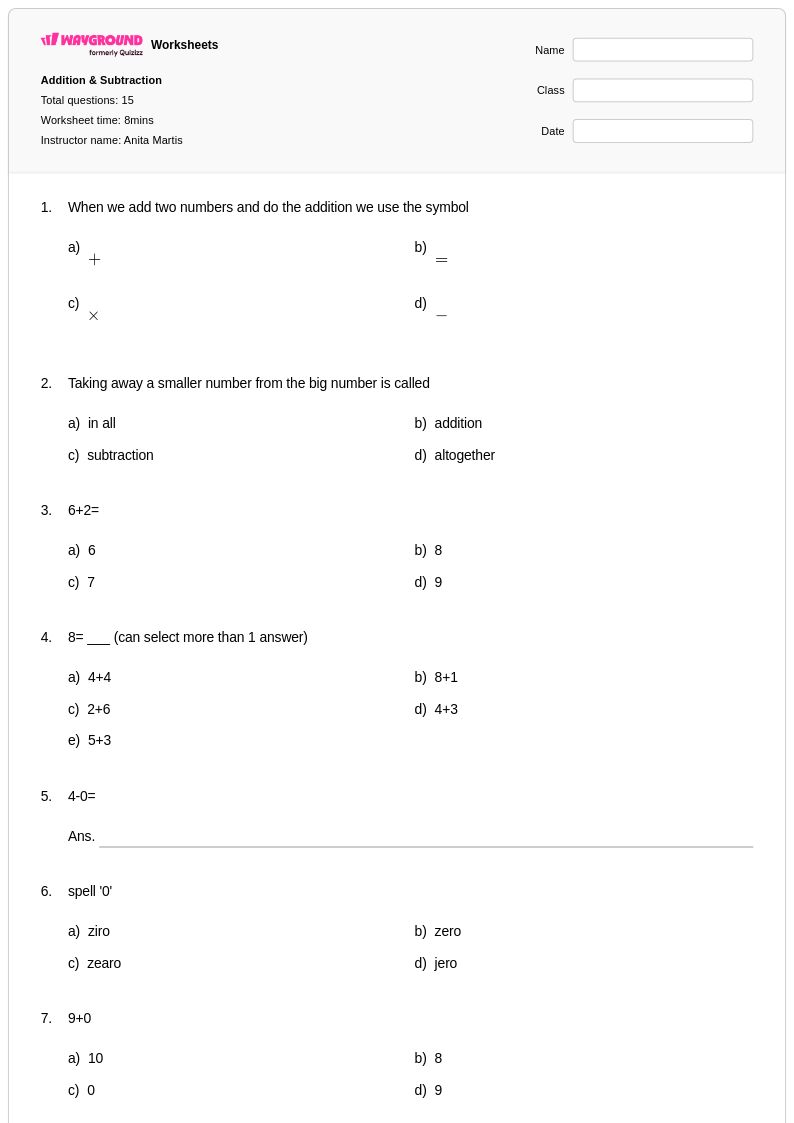
15 Q
1st
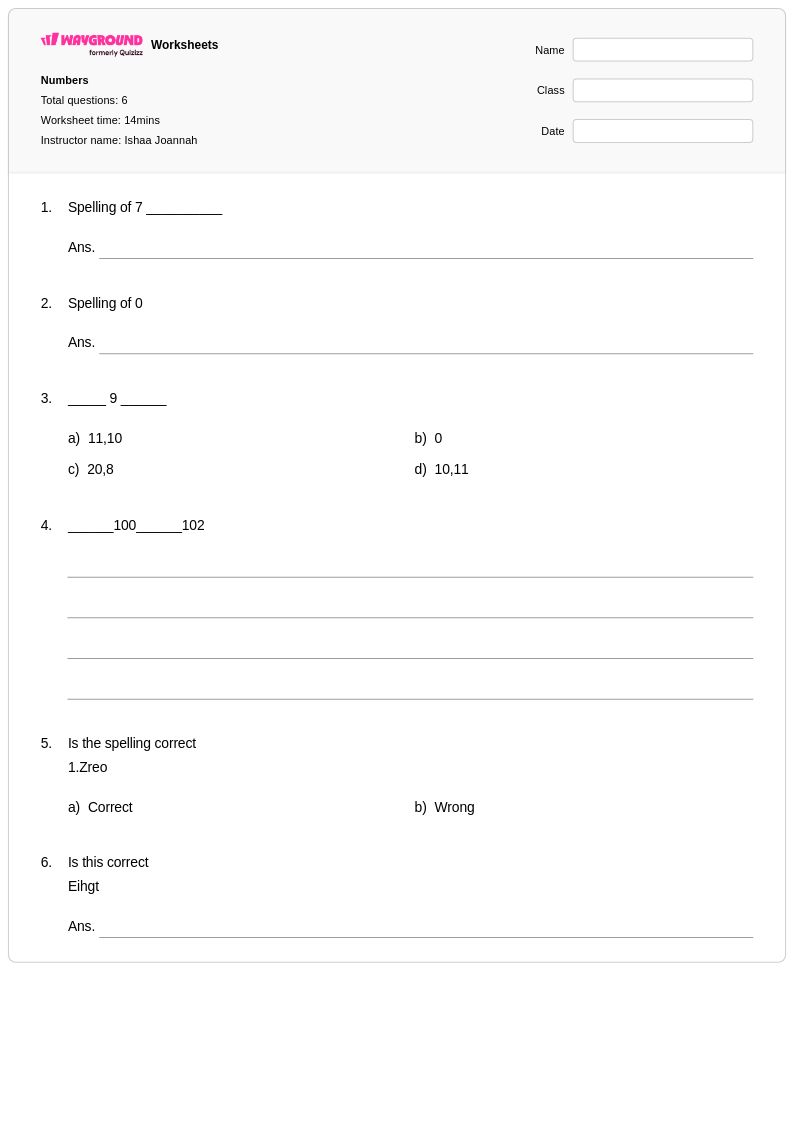
6 Q
KG - 1st
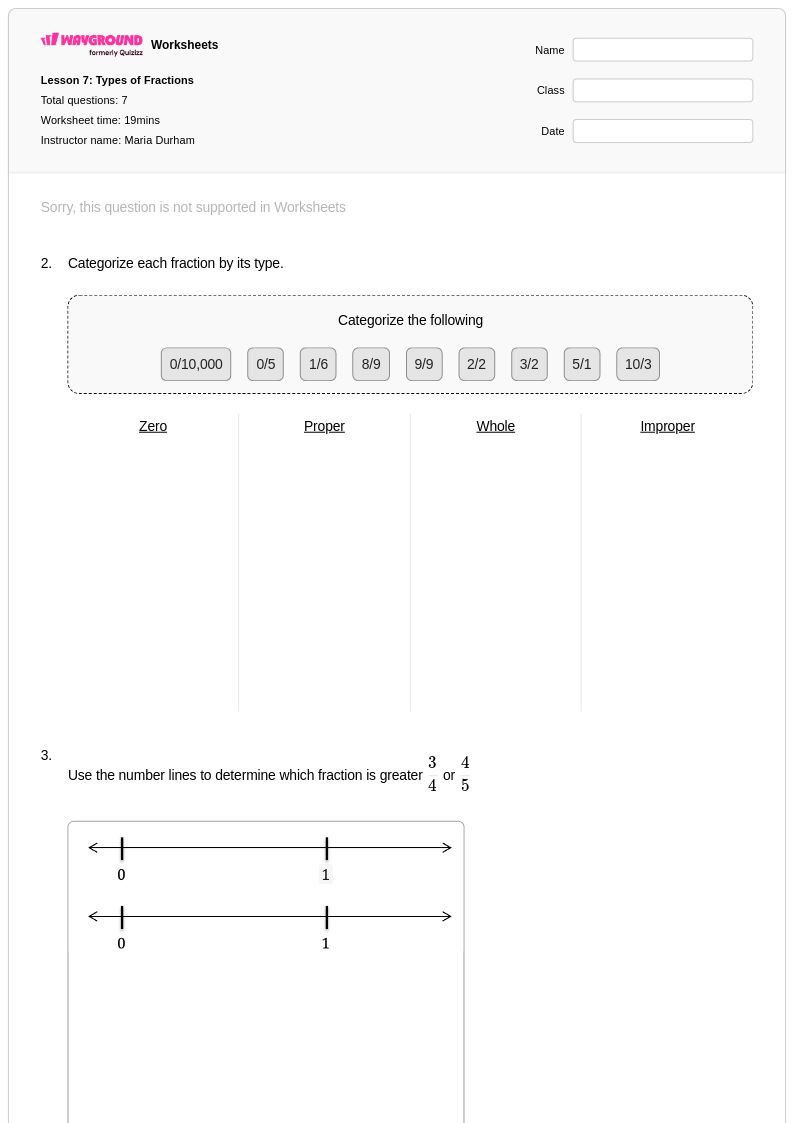
12 Q
1st - 5th
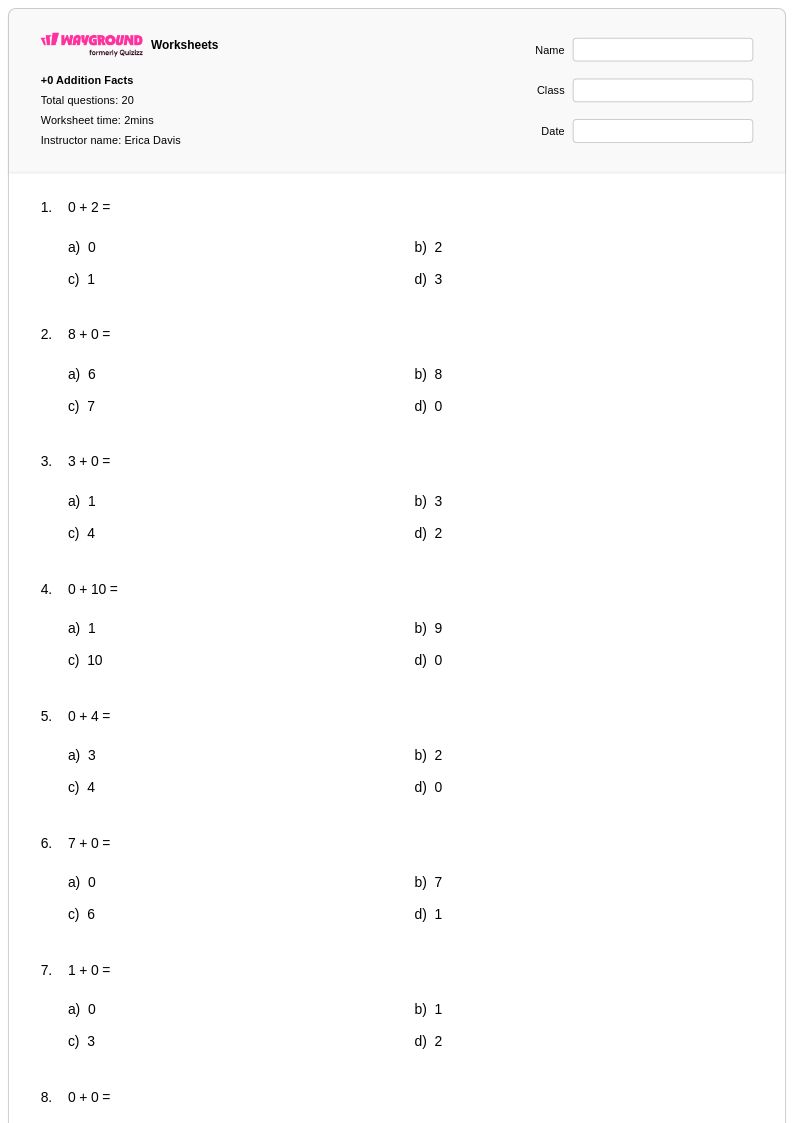
20 Q
KG - 2nd
11 Q
1st - 5th
18 Q
1st - 5th
11 Q
1st - 2nd
14 Q
1st - 5th
15 Q
1st - 2nd
10 Q
1st
13 Q
1st
12 Q
1st - 2nd
41 Q
1st - 5th
11 Q
1st
20 Q
1st
116 Q
1st
16 Q
1st - 5th
13 Q
1st - 2nd
9 Q
1st - 5th
11 Q
1st
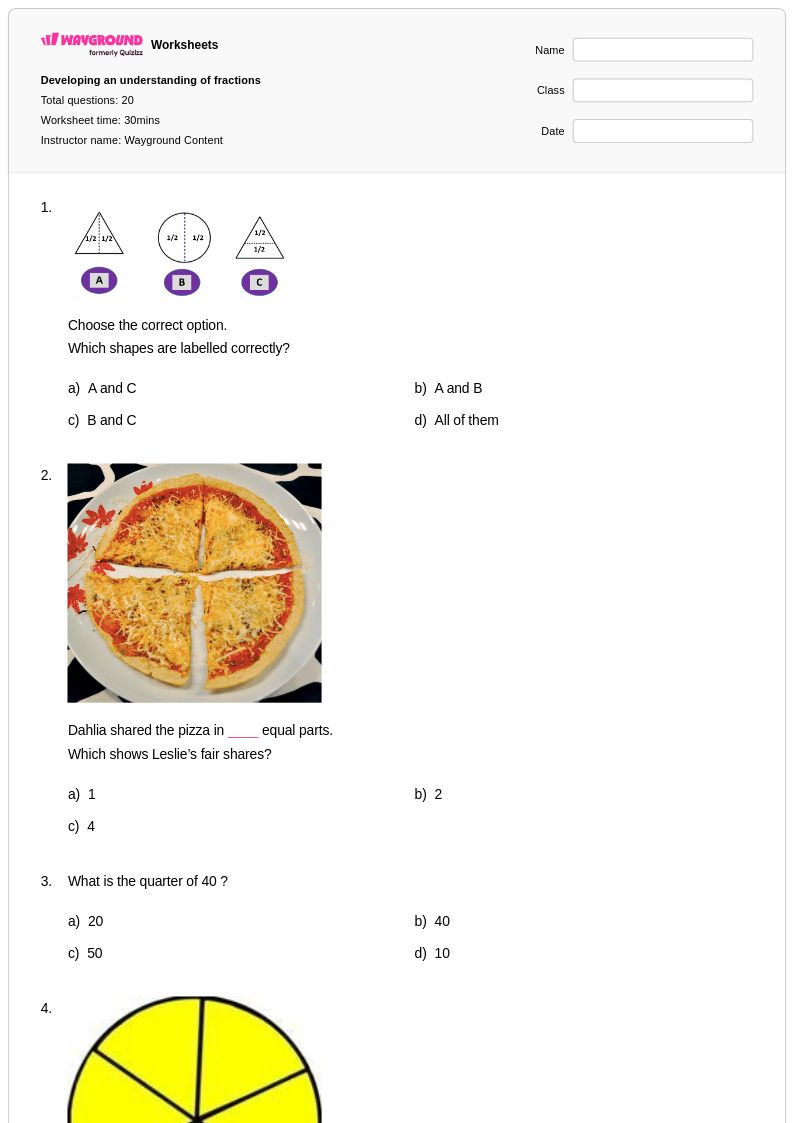
20 Q
1st
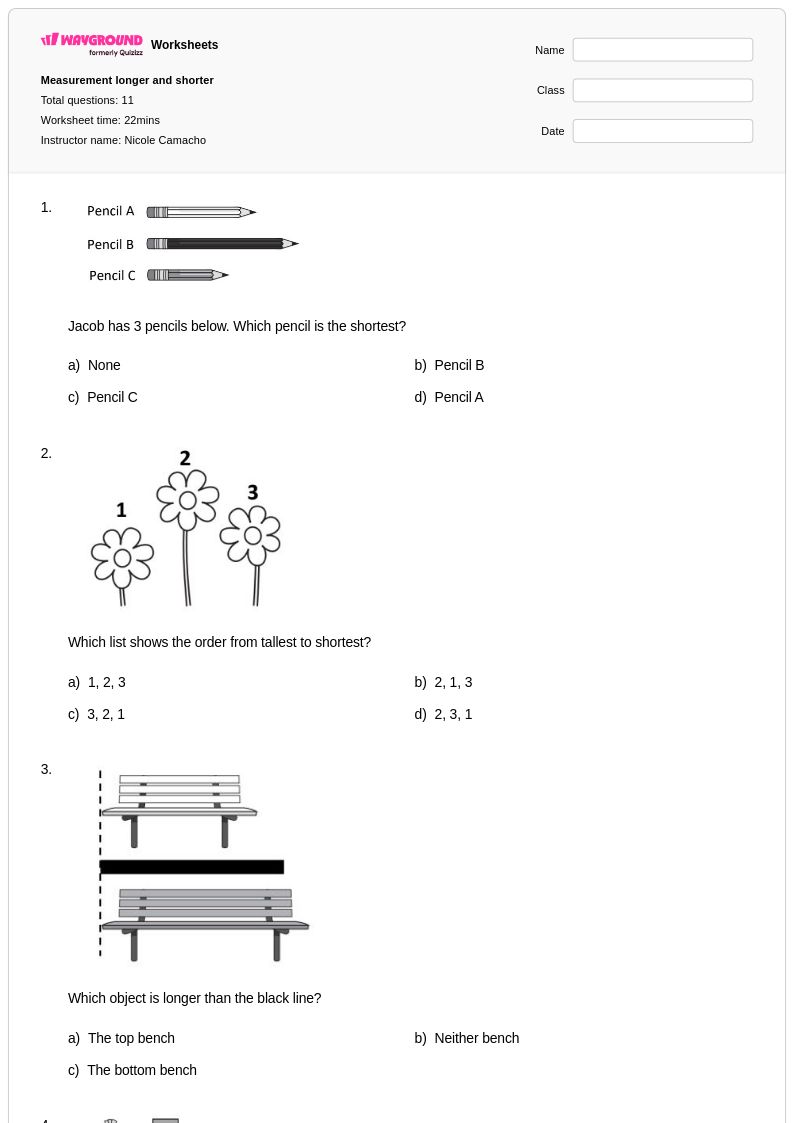
11 Q
1st
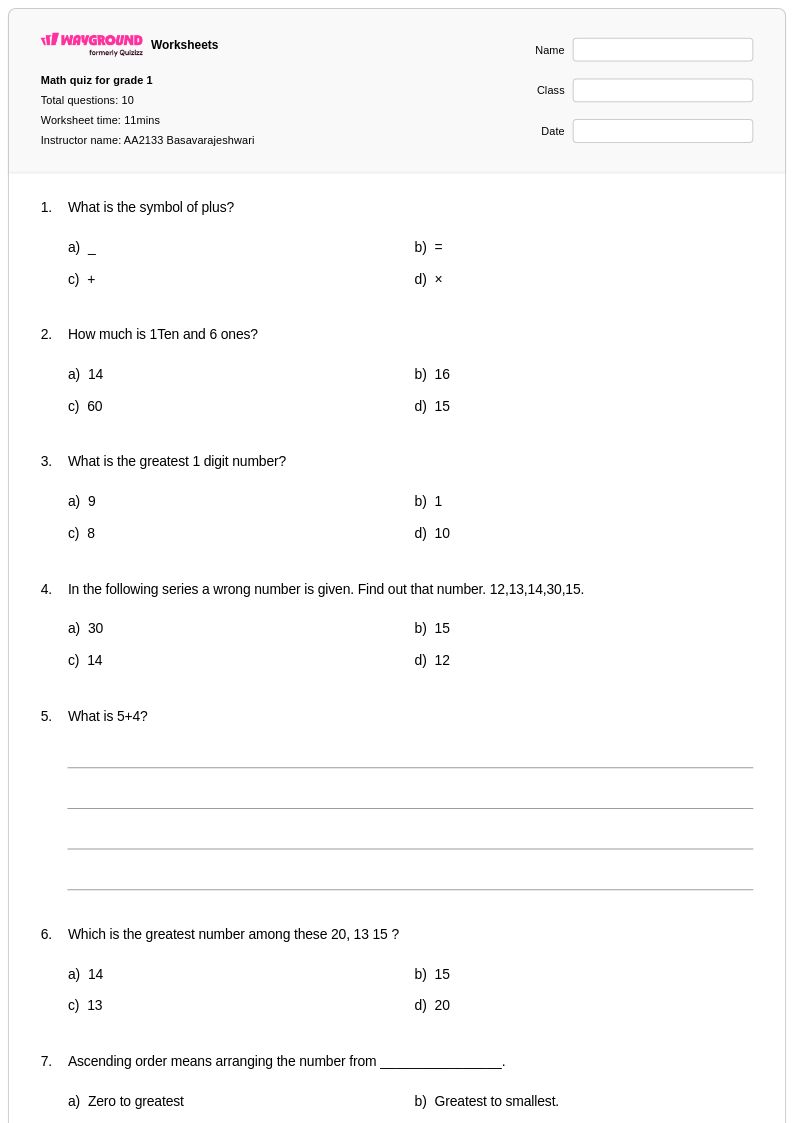
10 Q
1st
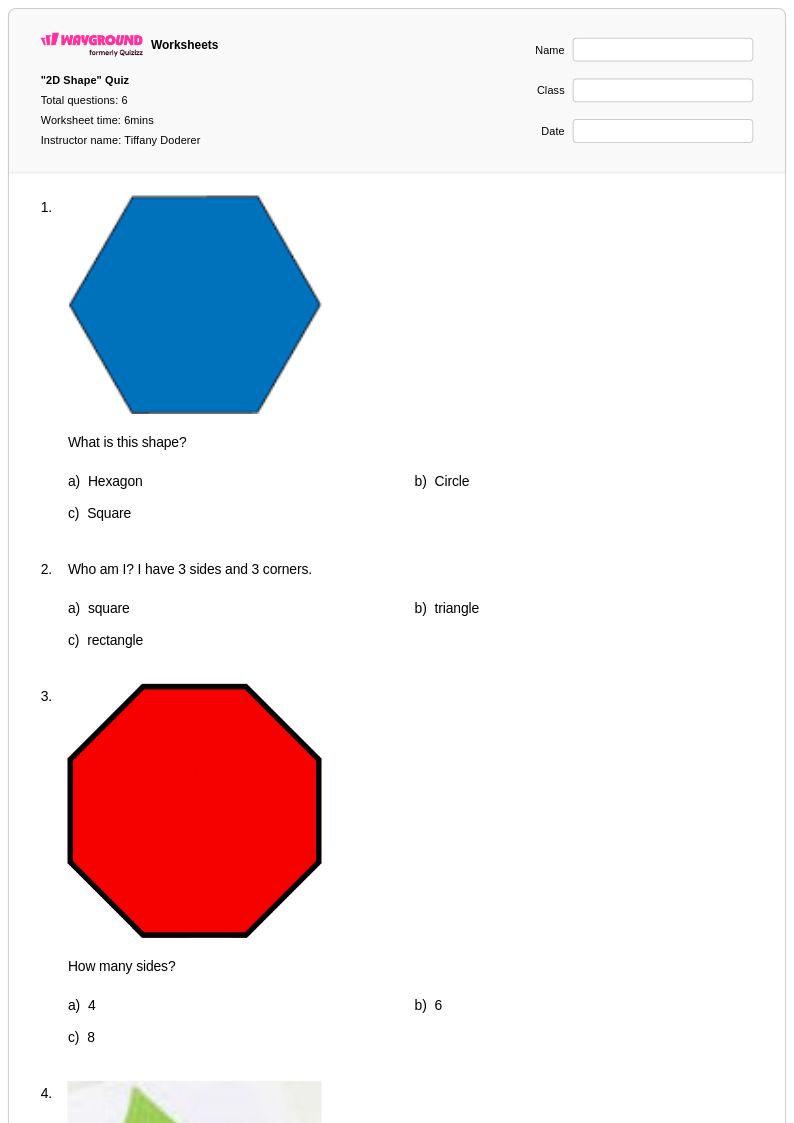
6 Q
1st
Explore Understanding Zero Worksheets by Grades
Explore Other Subject Worksheets for class 1
Explore printable Understanding Zero worksheets for Class 1
Understanding Zero worksheets for Class 1 through Wayground (formerly Quizizz) provide foundational mathematical practice that helps young learners grasp this essential concept in number sense development. These carefully designed worksheets strengthen students' ability to recognize zero as both a number and a placeholder, understand its role in counting sequences, and comprehend that zero represents "nothing" or an empty set. The collection includes diverse practice problems that guide first graders through identifying zero in various contexts, comparing zero to other numbers, and understanding basic addition and subtraction involving zero. Each worksheet comes with a comprehensive answer key, and teachers can access these resources as free printables in convenient pdf format, making classroom implementation seamless and effective for building critical early math skills.
Wayground (formerly Quizizz) empowers educators with millions of teacher-created resources specifically designed to support Class 1 understanding of zero through robust search and filtering capabilities that align with educational standards. The platform's differentiation tools allow teachers to customize worksheets based on individual student needs, whether for remediation of struggling learners or enrichment activities for advanced students. These flexible resources are available in both printable and digital formats, including downloadable pdf versions, enabling seamless integration into diverse learning environments and teaching styles. The comprehensive worksheet collections support systematic lesson planning while providing targeted skill practice opportunities that help teachers address varying proficiency levels within their classrooms, ultimately strengthening students' foundational number sense through consistent, structured mathematical exploration.