
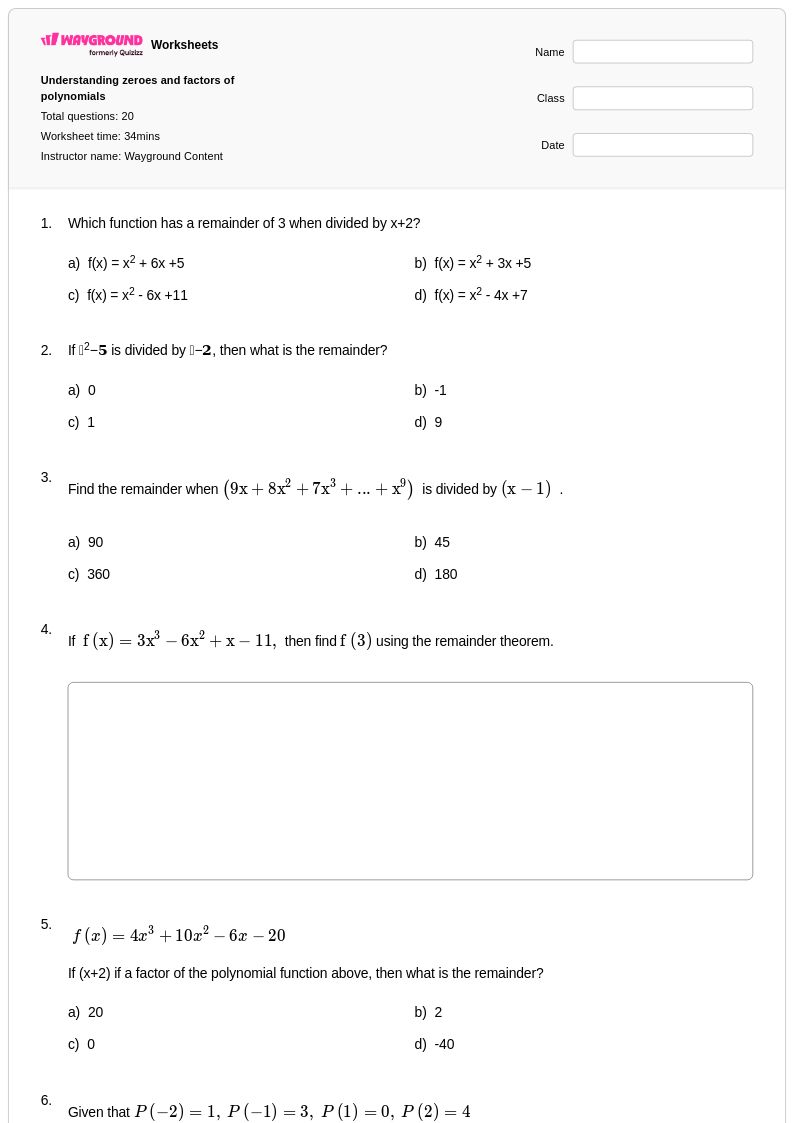
20 Hỏi
9th - 12th
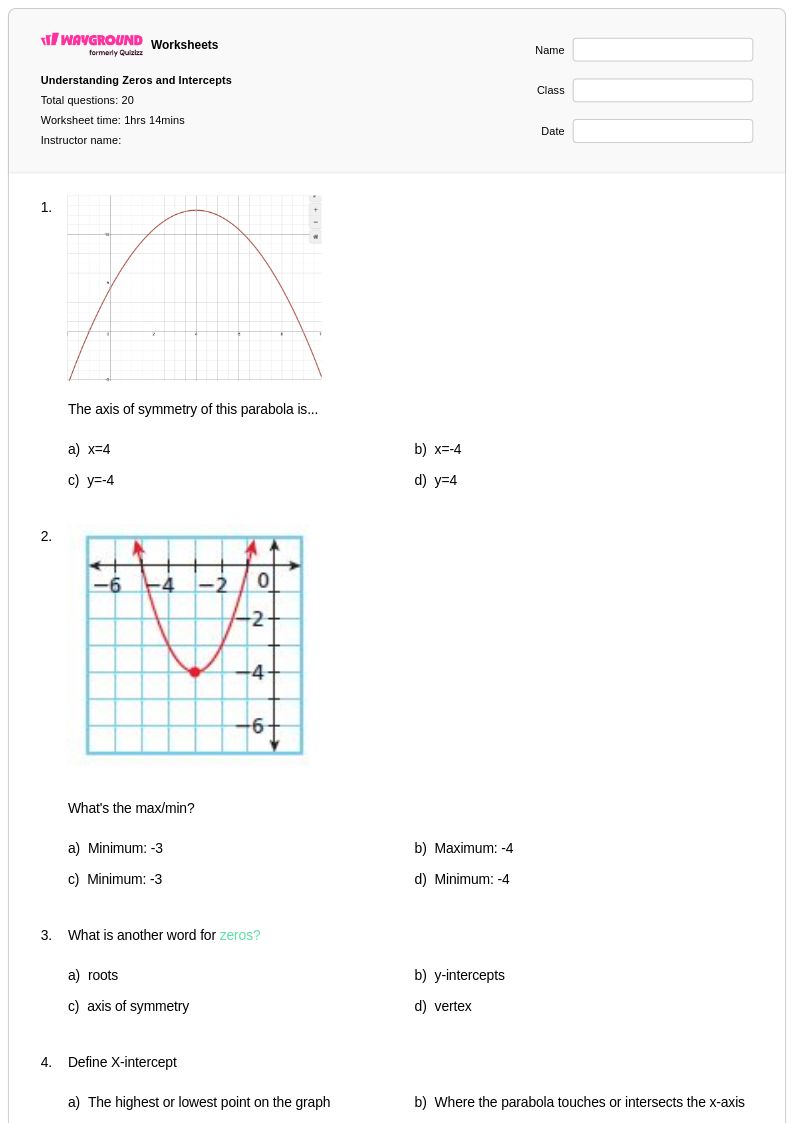
20 Hỏi
11th
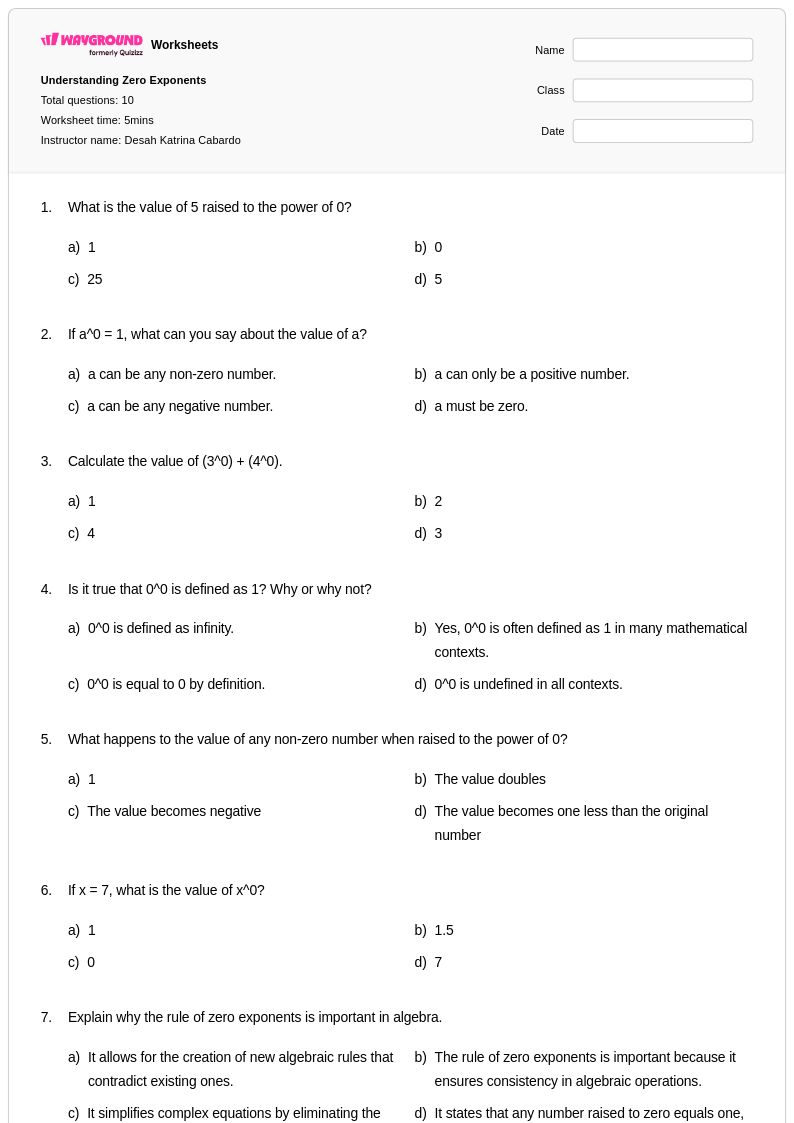
10 Hỏi
9th
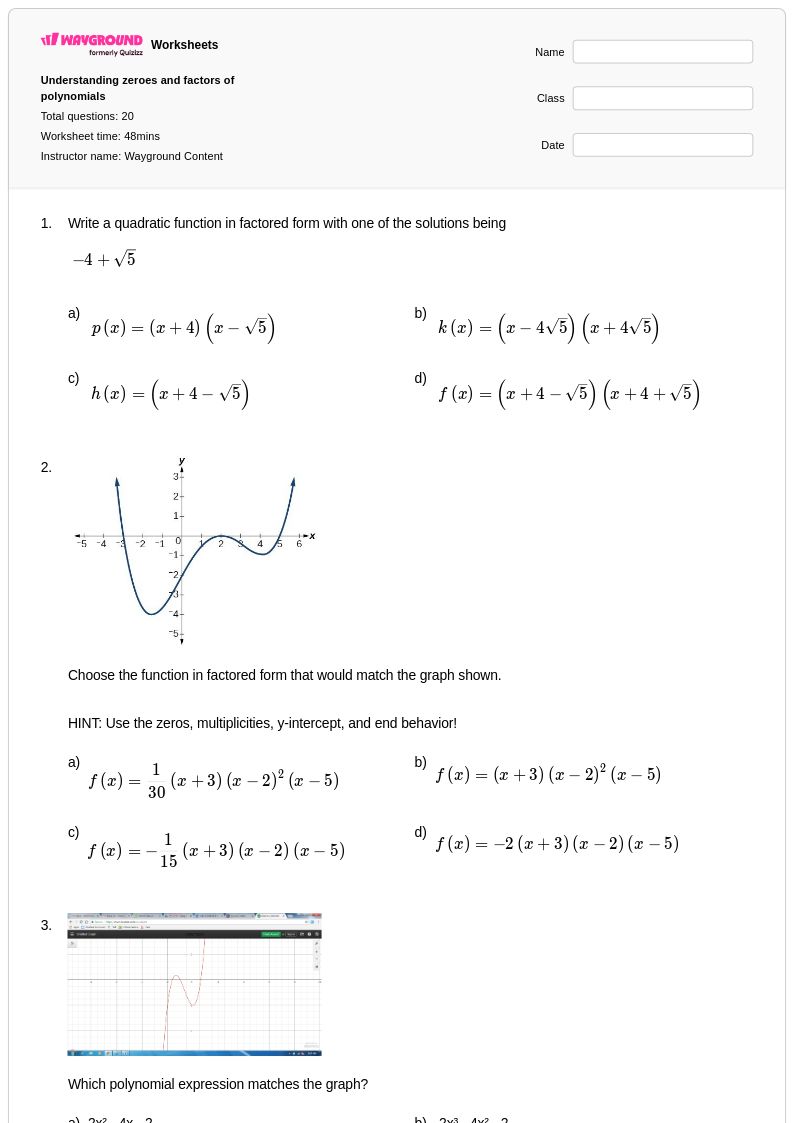
20 Hỏi
9th - 12th
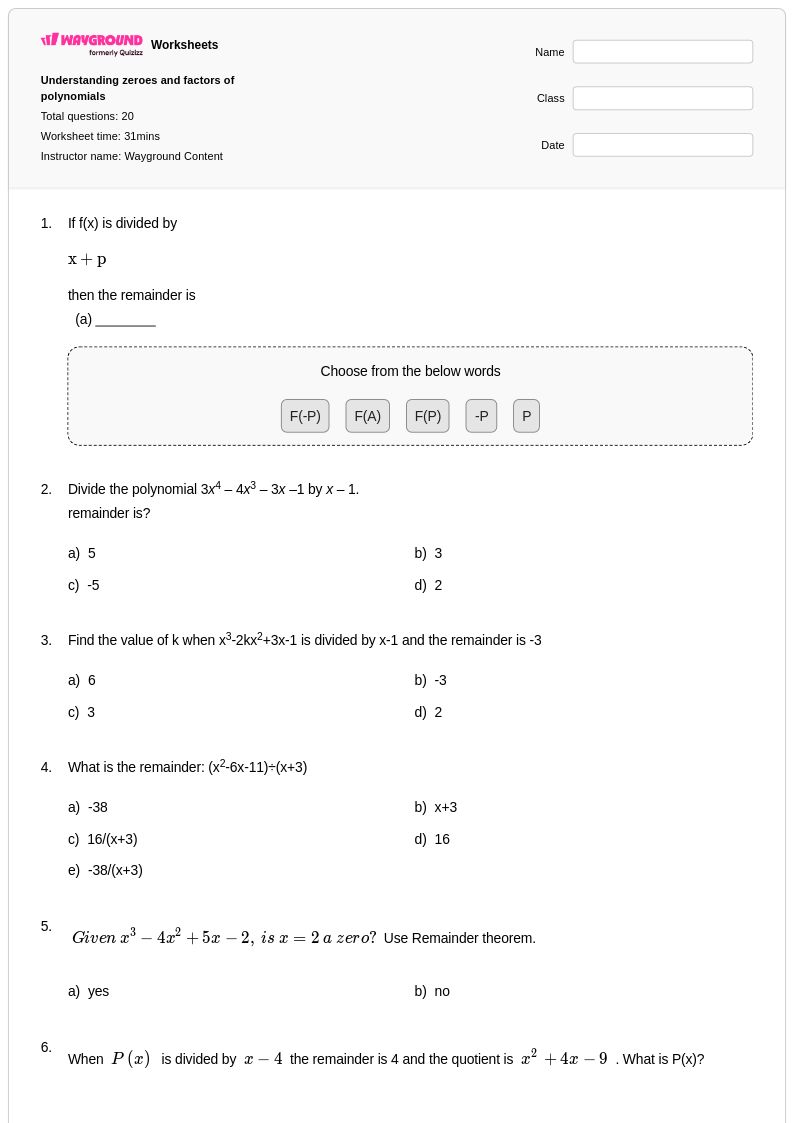
20 Hỏi
9th - 12th
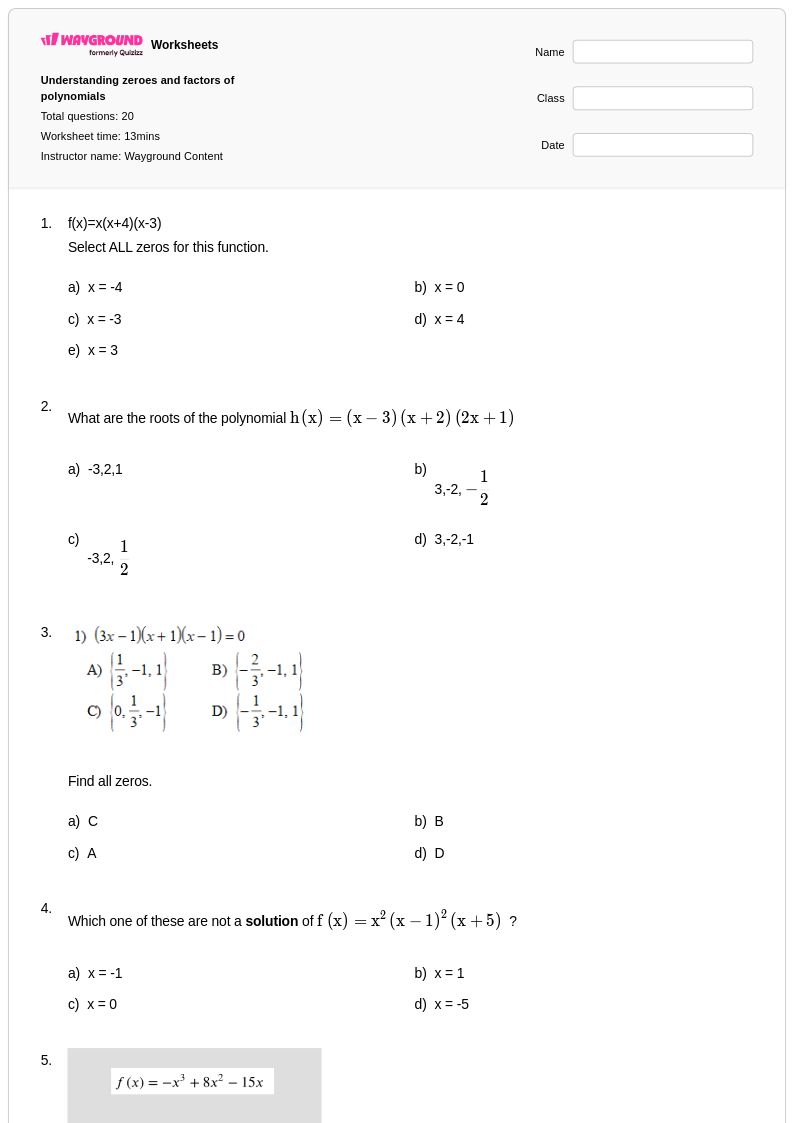
20 Hỏi
9th - 12th
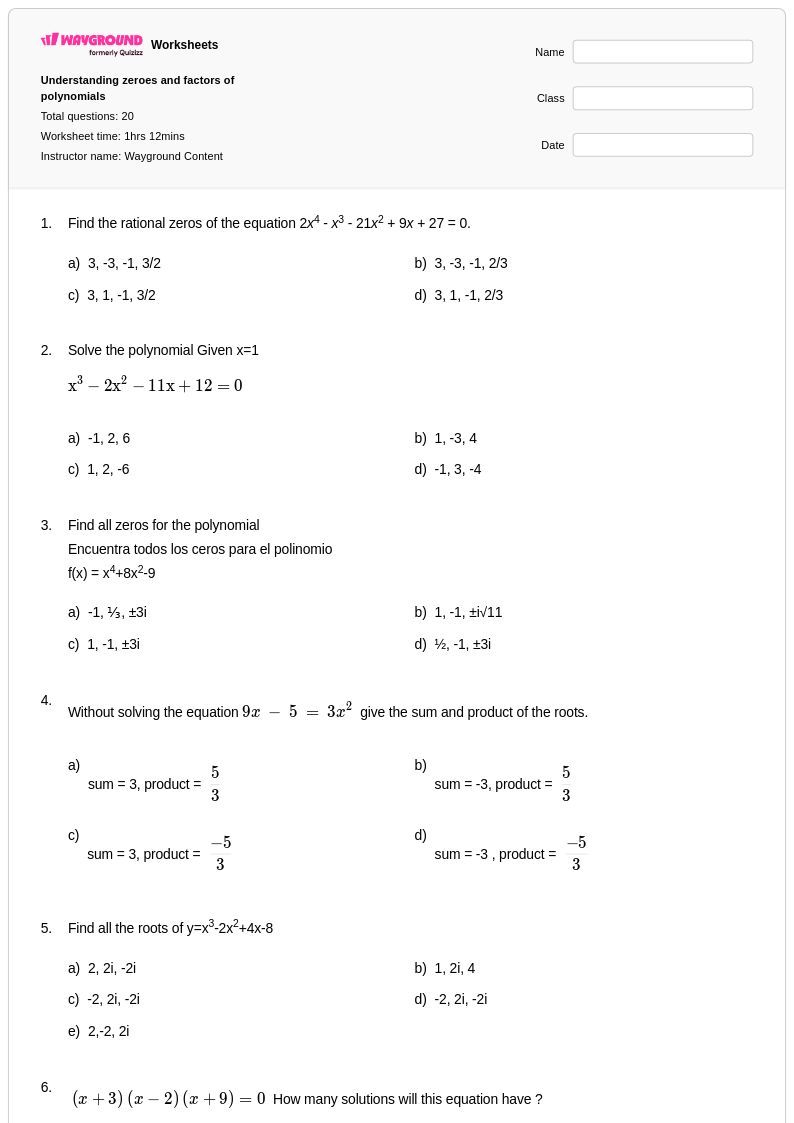
20 Hỏi
KG - 12th
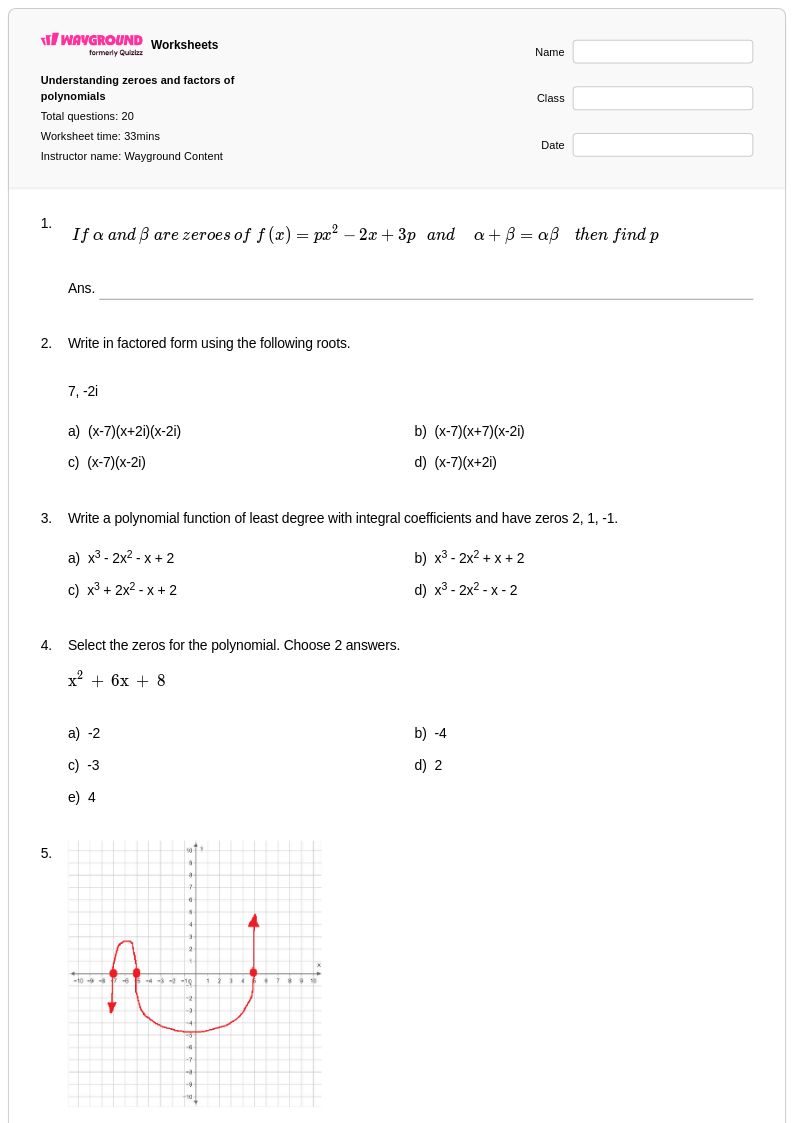
20 Hỏi
9th - 12th
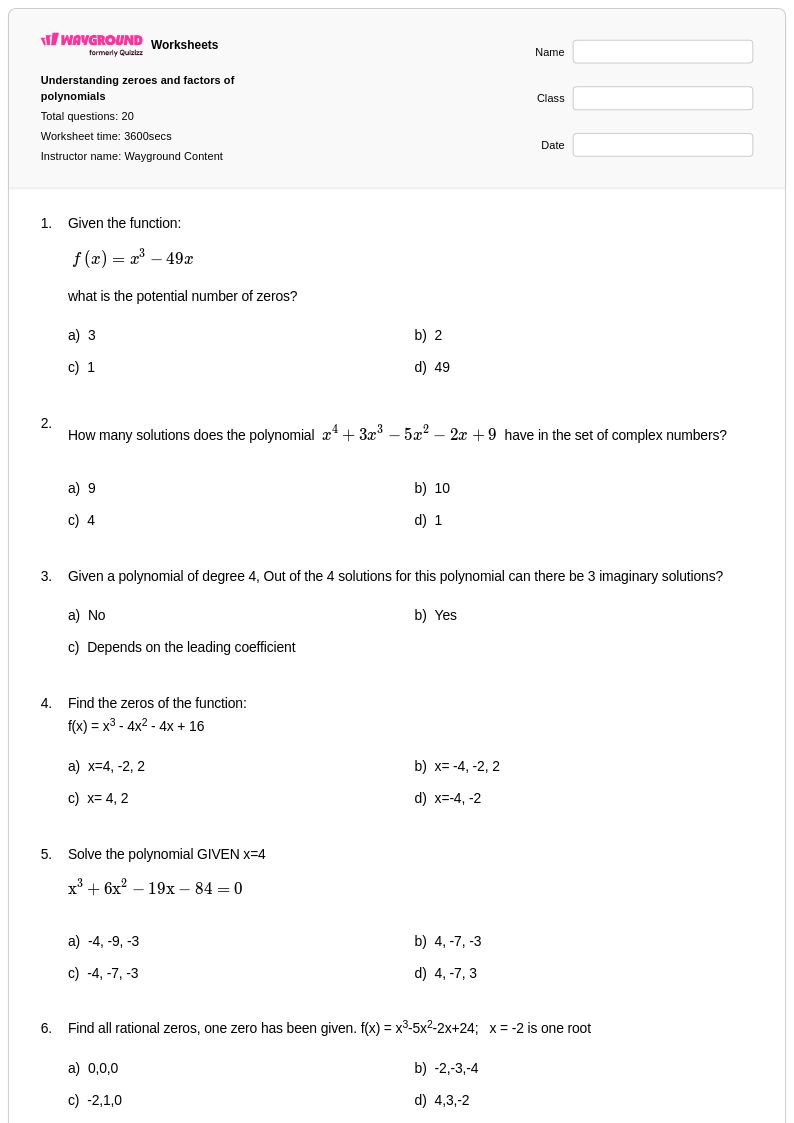
20 Hỏi
KG - 12th
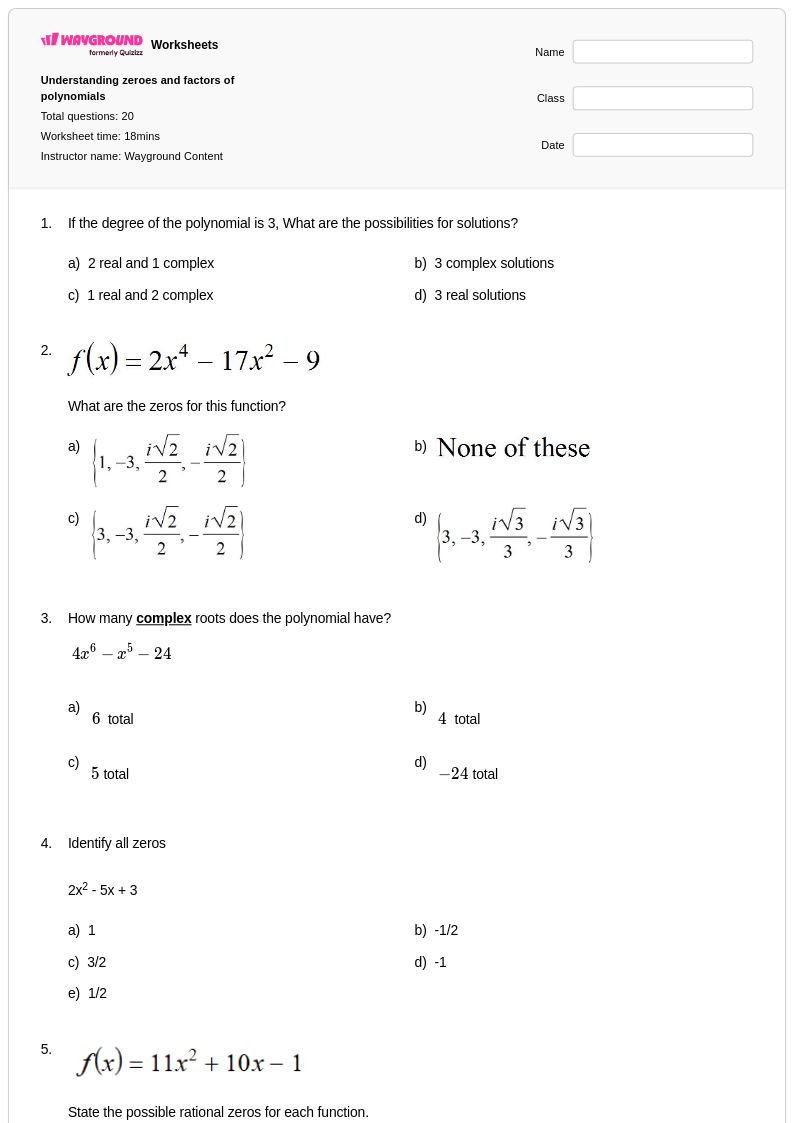
20 Hỏi
KG - 12th
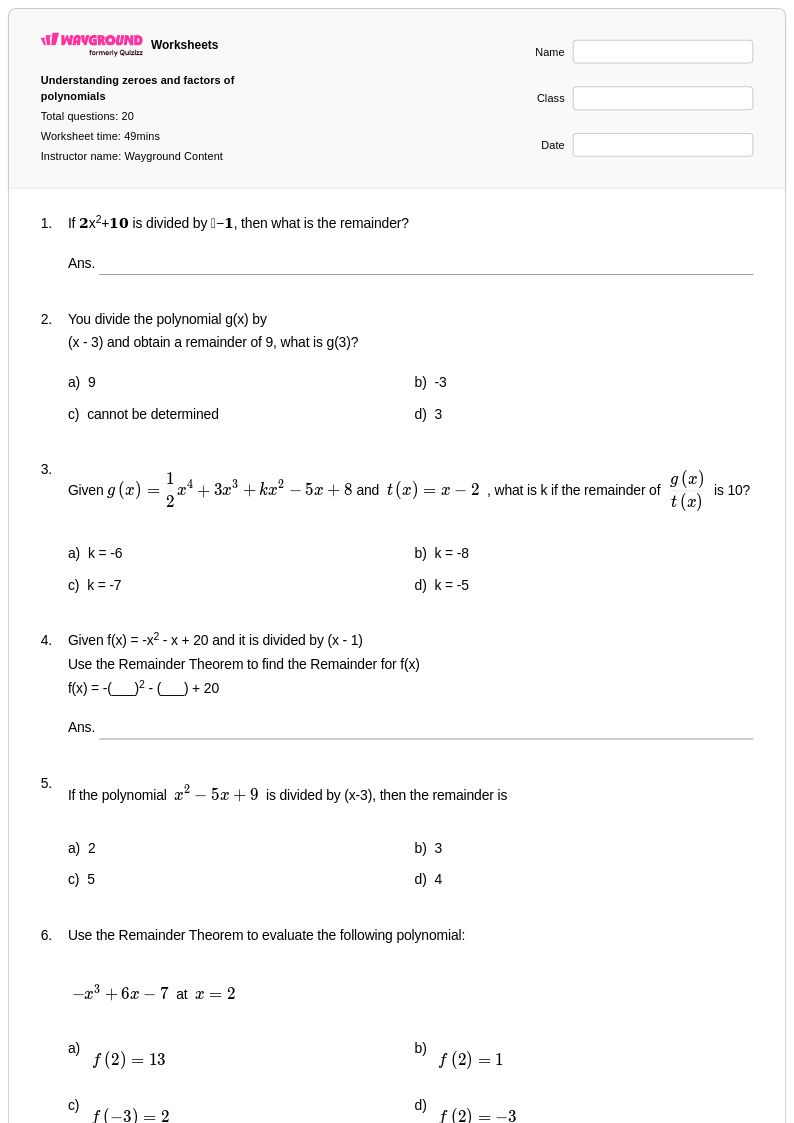
20 Hỏi
9th - 12th
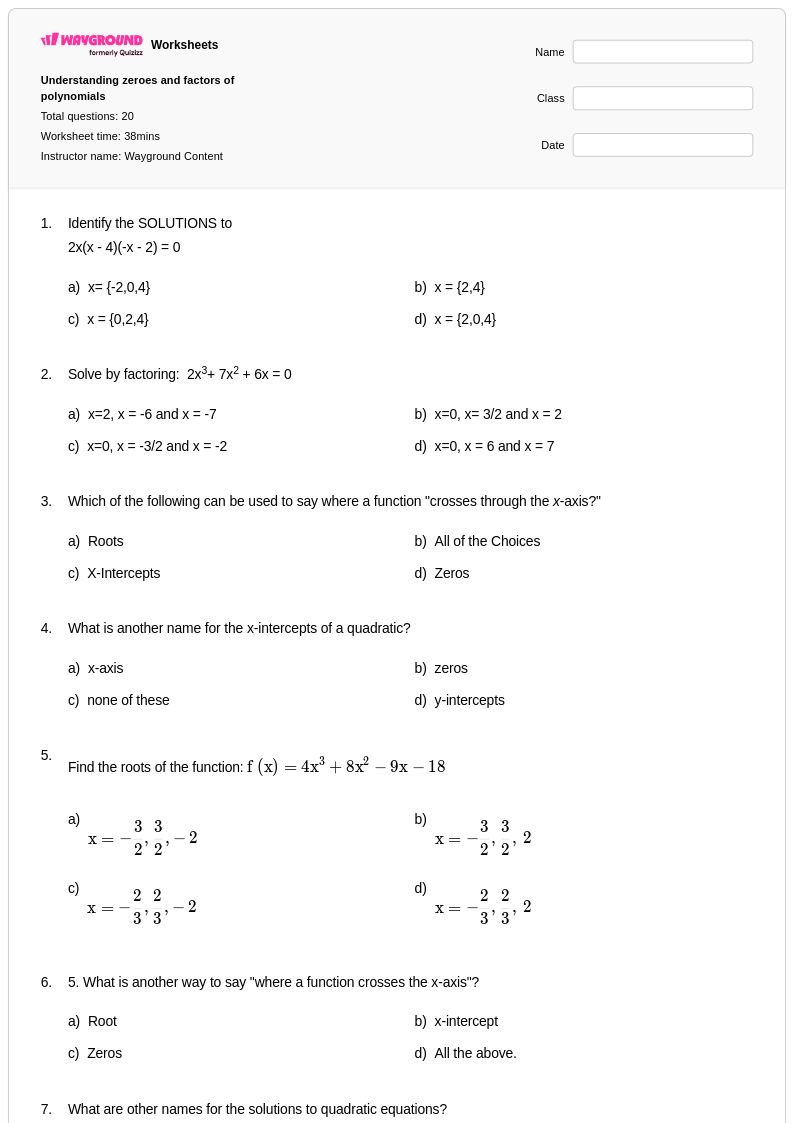
20 Hỏi
9th - 12th
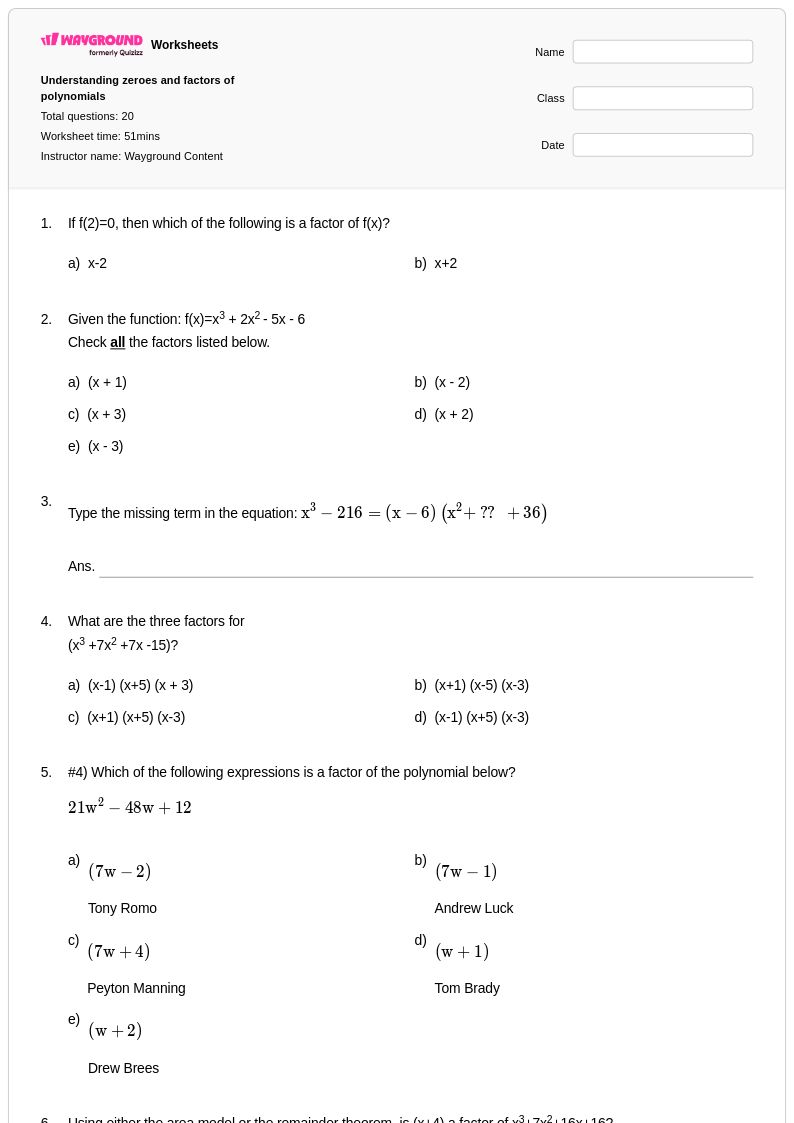
20 Hỏi
9th - 12th
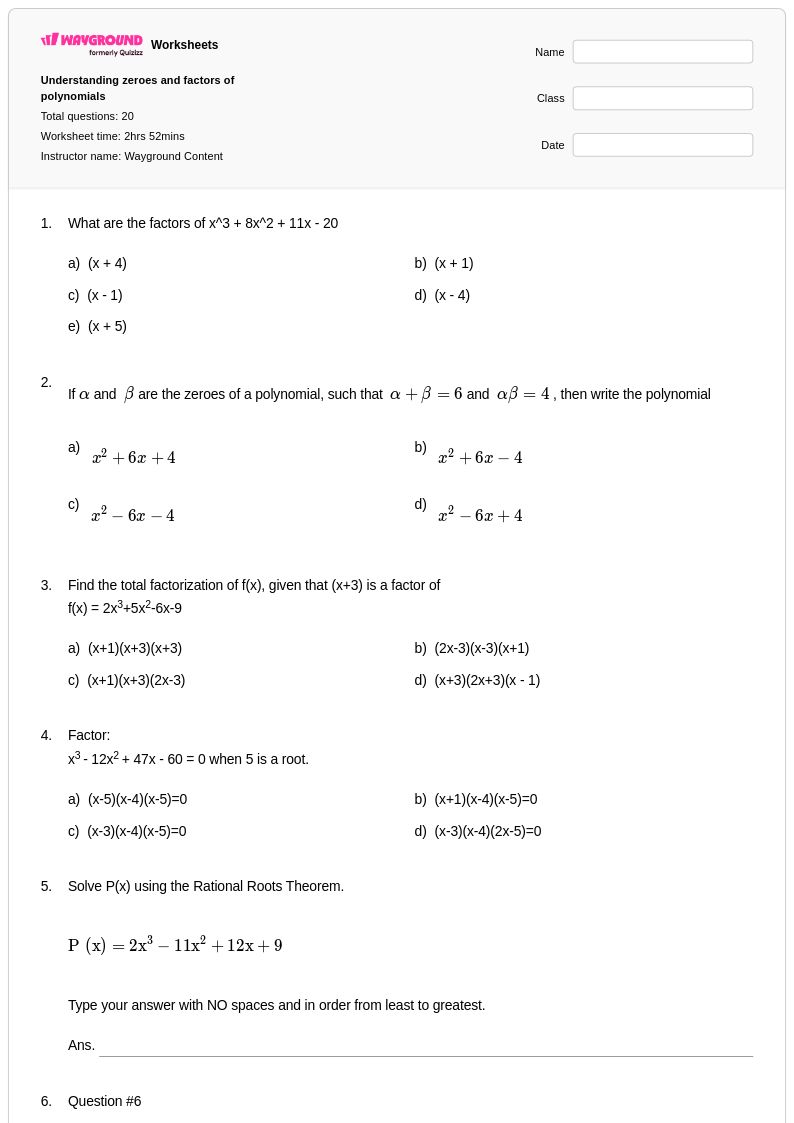
20 Hỏi
9th - 12th
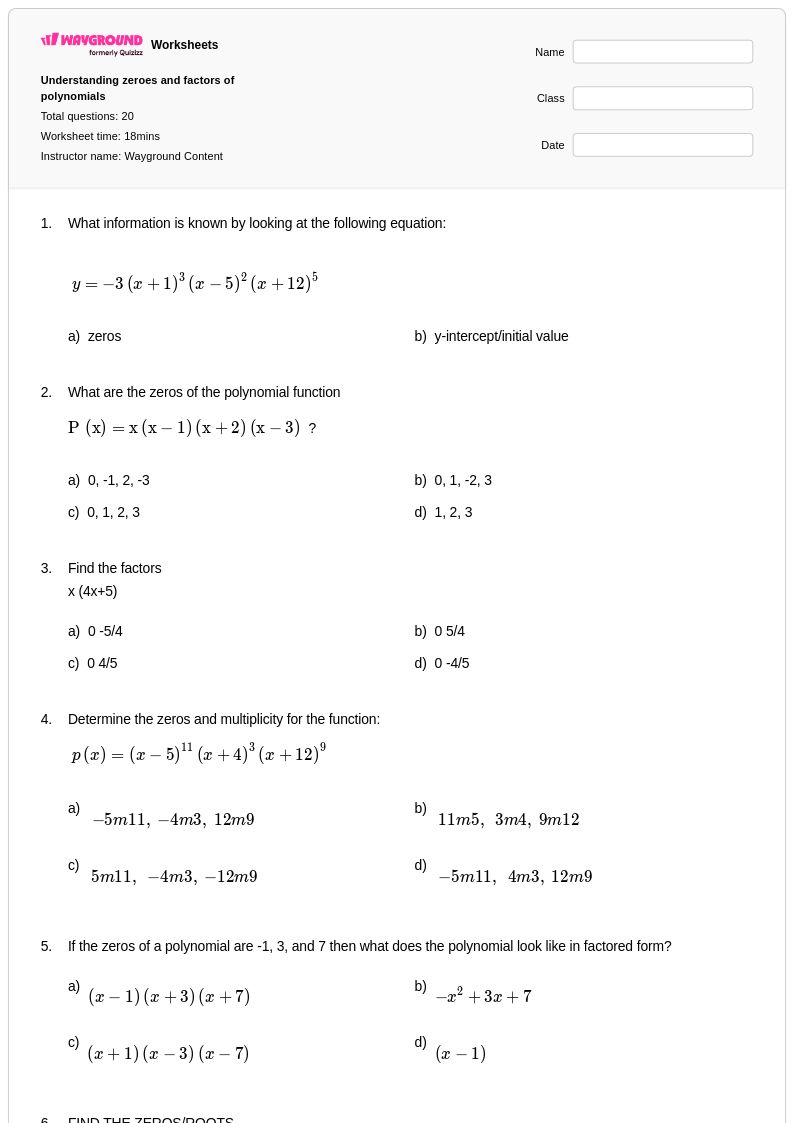
20 Hỏi
9th - 12th
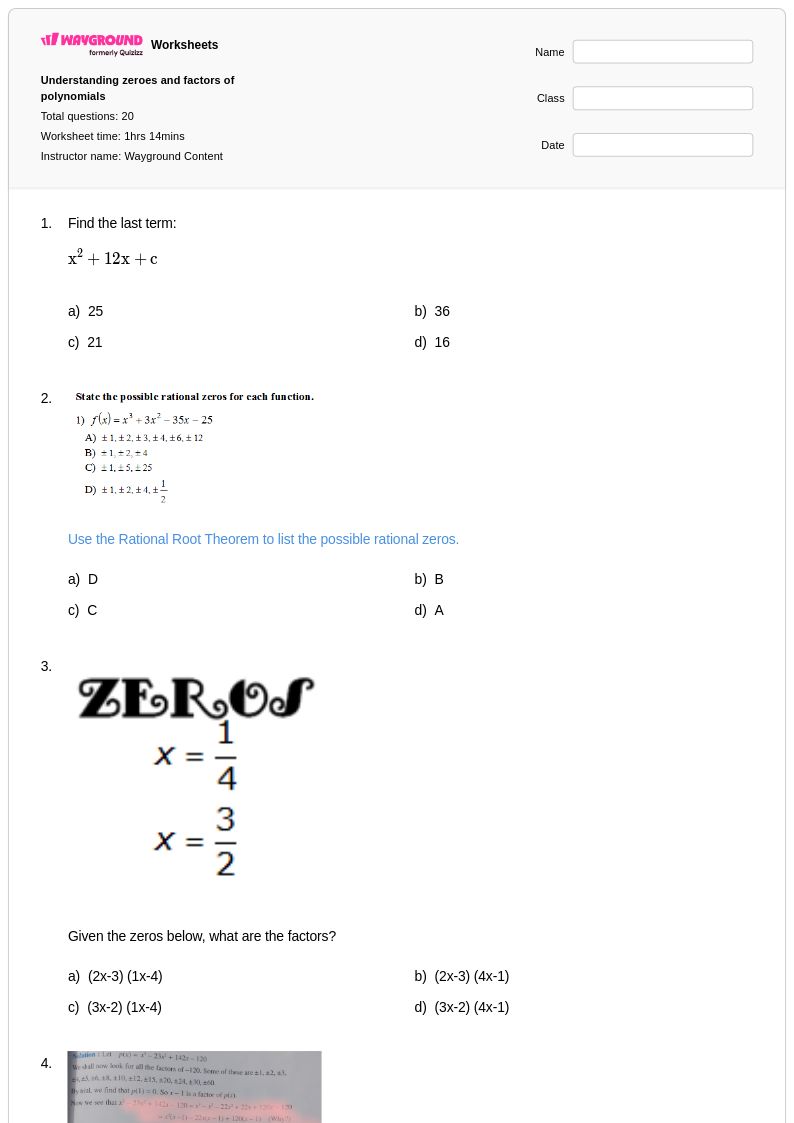
20 Hỏi
9th - 12th
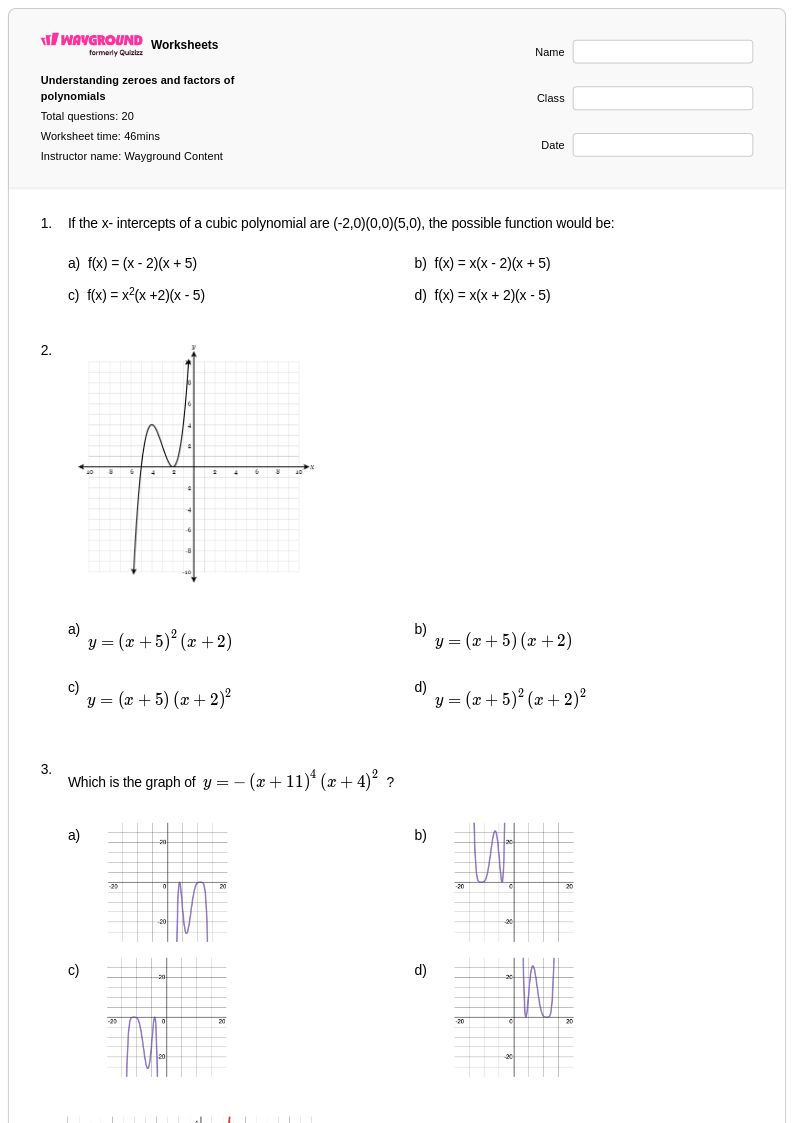
20 Hỏi
9th - 12th
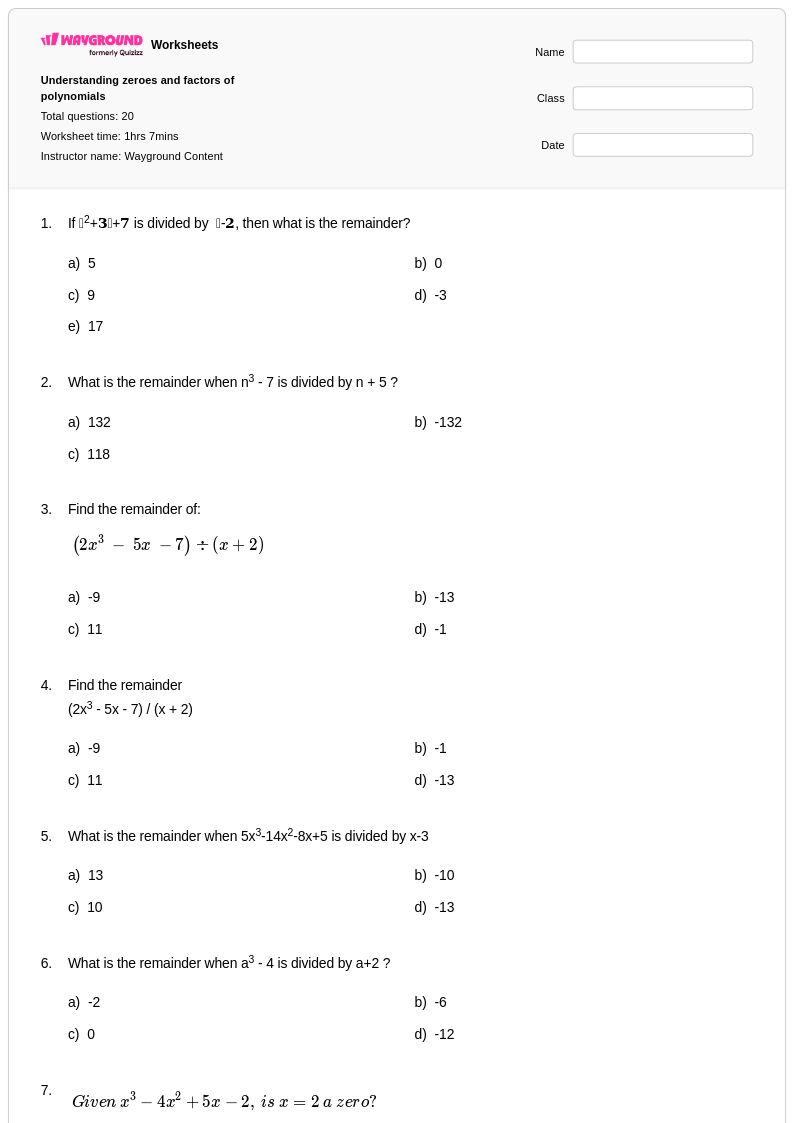
20 Hỏi
9th - 12th
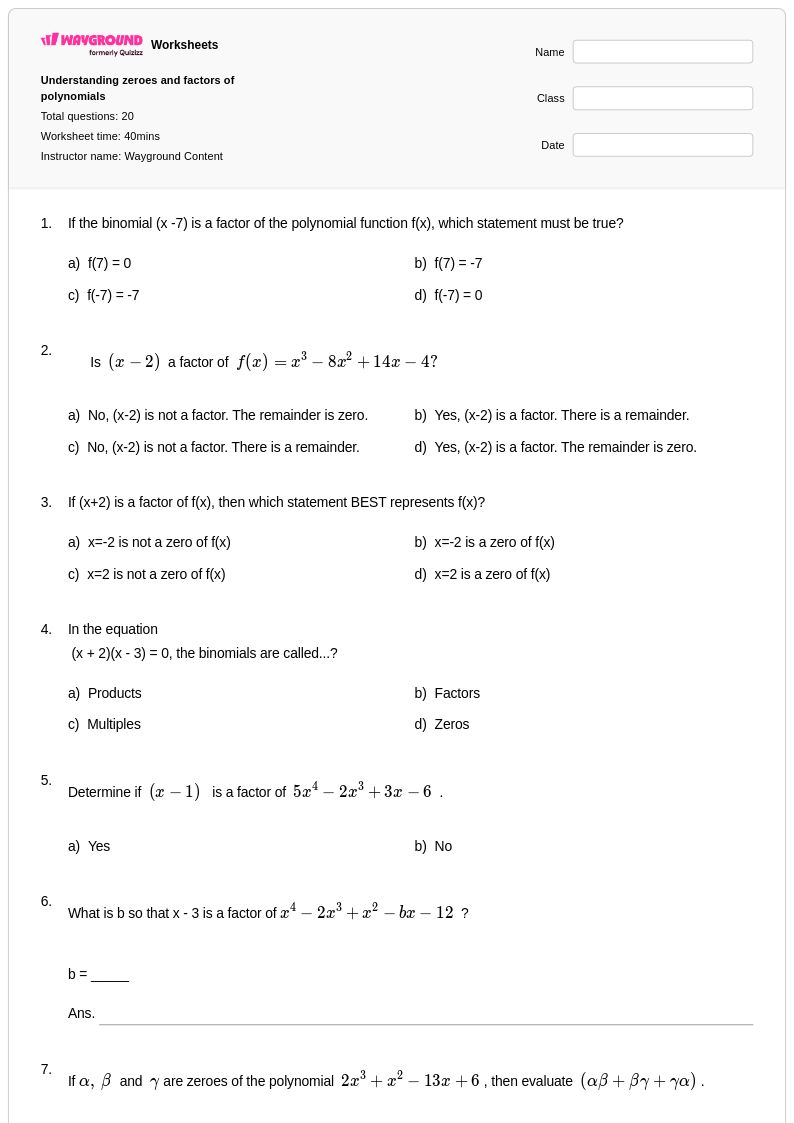
20 Hỏi
9th - 12th
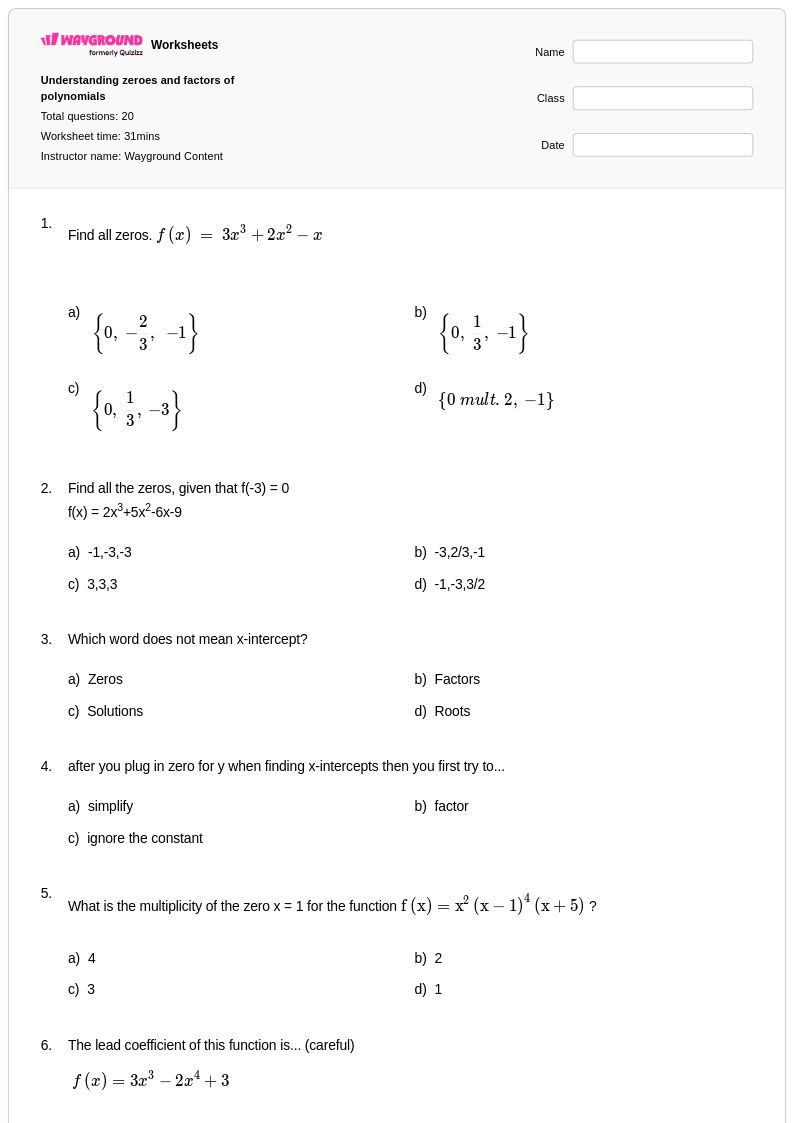
20 Hỏi
9th - 12th
20 Hỏi
9th - 12th
15 Hỏi
8th
20 Hỏi
3rd
18 Hỏi
6th
Khám phá bảng tính theo chủ đề
Explore printable Understanding Zero worksheets
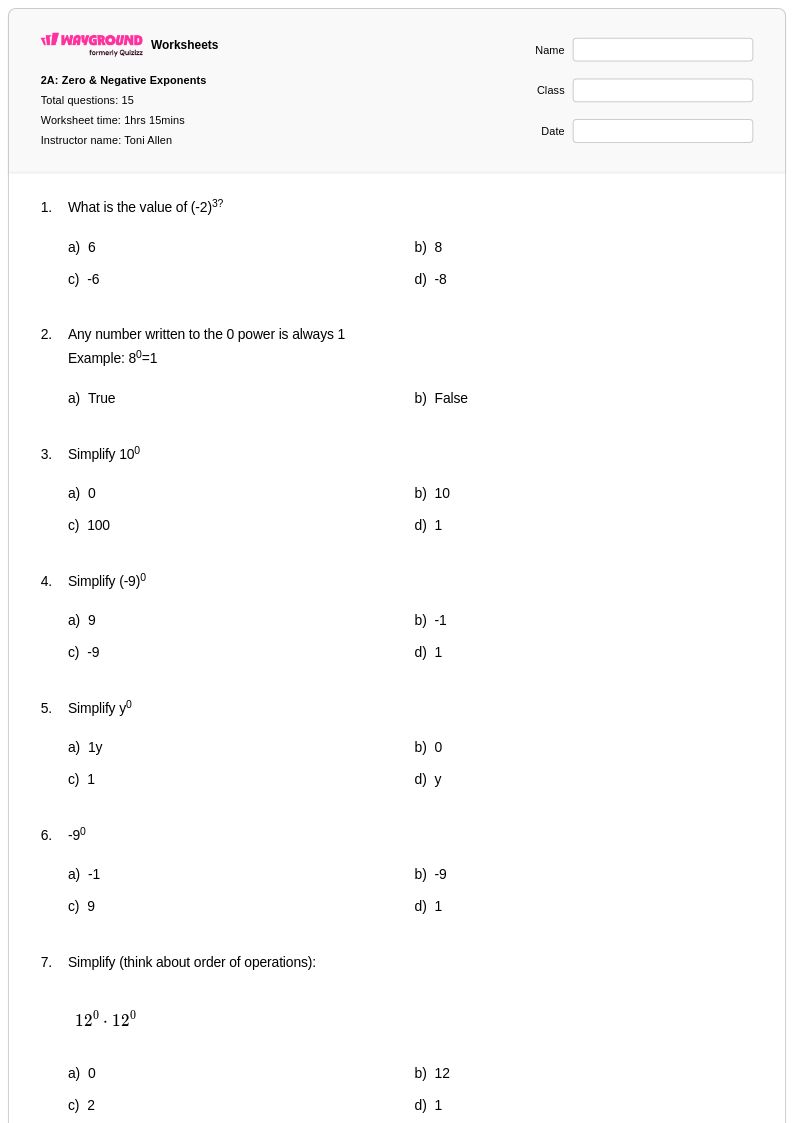
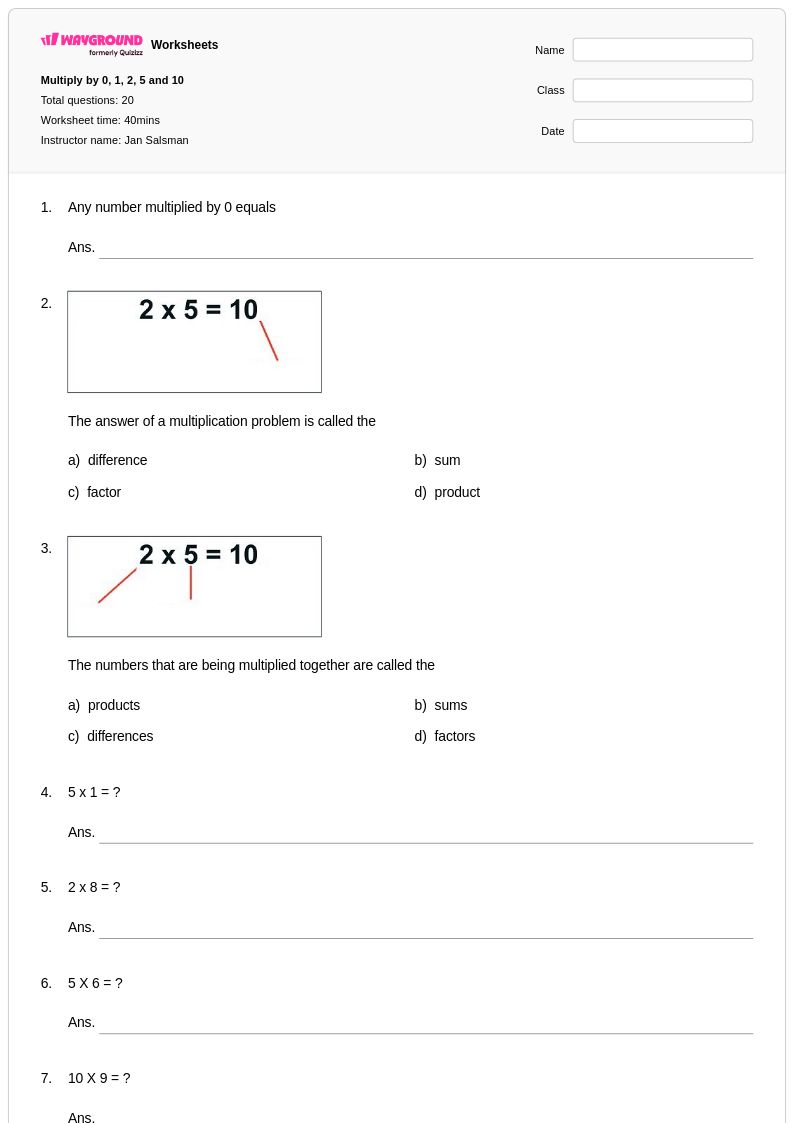
Understanding zero worksheets available through Wayground (formerly Quizizz) provide students with essential foundational practice in grasping one of mathematics' most fundamental concepts. These comprehensive resources help students develop critical number sense skills by exploring zero's unique properties as both a number and a placeholder, its role in addition and subtraction operations, and its behavior in multiplication scenarios. The worksheets systematically guide learners through concepts such as zero as the additive identity, understanding that any number plus zero equals that same number, and recognizing zero's function in place value systems. Each printable resource includes carefully scaffolded practice problems that progress from basic recognition exercises to more complex applications, supported by detailed answer keys that enable both independent learning and instructional support. These free educational materials strengthen students' mathematical reasoning while building confidence in working with zero across various numerical contexts.
Wayground (formerly Quizizz) empowers educators with millions of teacher-created understanding zero worksheets that support diverse instructional needs and learning styles. The platform's robust search and filtering capabilities allow teachers to quickly locate resources that align with specific curriculum standards and match their students' developmental levels, whether for initial instruction, targeted remediation, or enrichment activities. Teachers can customize these digital and printable pdf materials to differentiate instruction, adjusting difficulty levels and problem types to meet individual student needs while maintaining focus on core zero concepts. The extensive collection enables flexible lesson planning by providing varied approaches to teaching zero's mathematical properties, from visual representations and manipulative-based activities to abstract problem-solving exercises. This comprehensive resource library supports continuous skill practice and assessment, helping educators identify gaps in understanding and provide targeted interventions that ensure all students develop solid number sense foundations involving zero.