
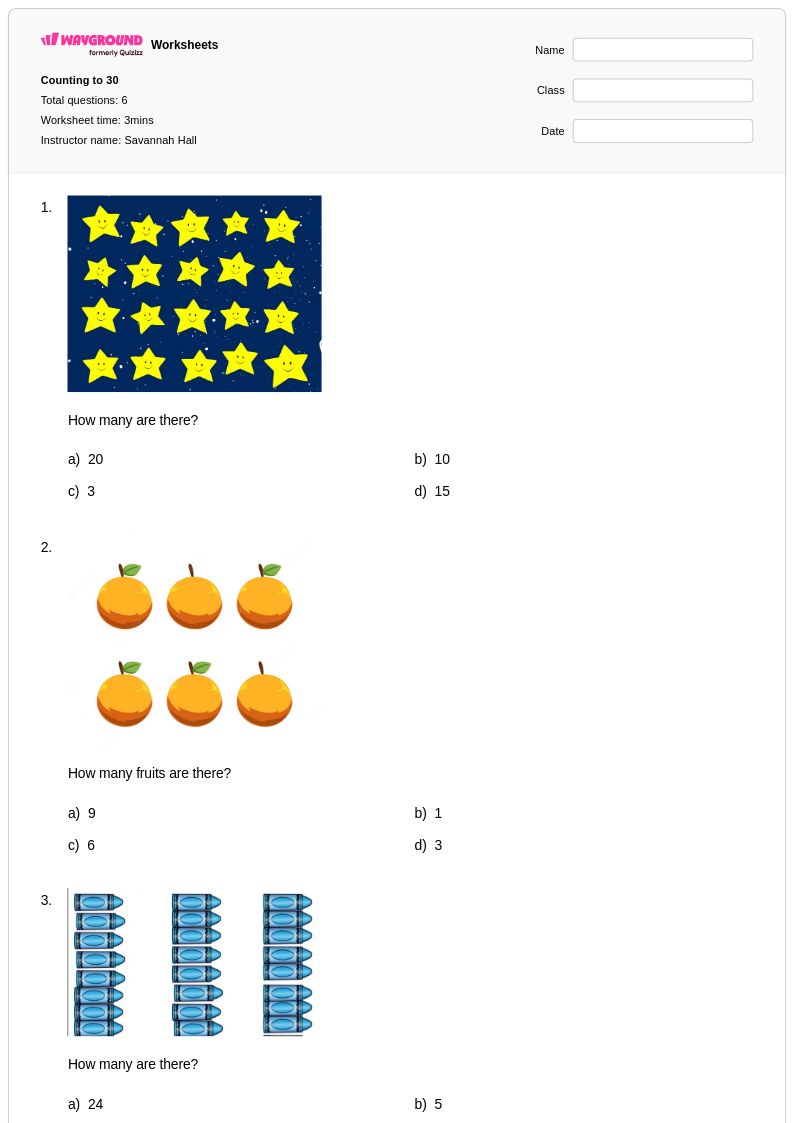
6 Q
KG
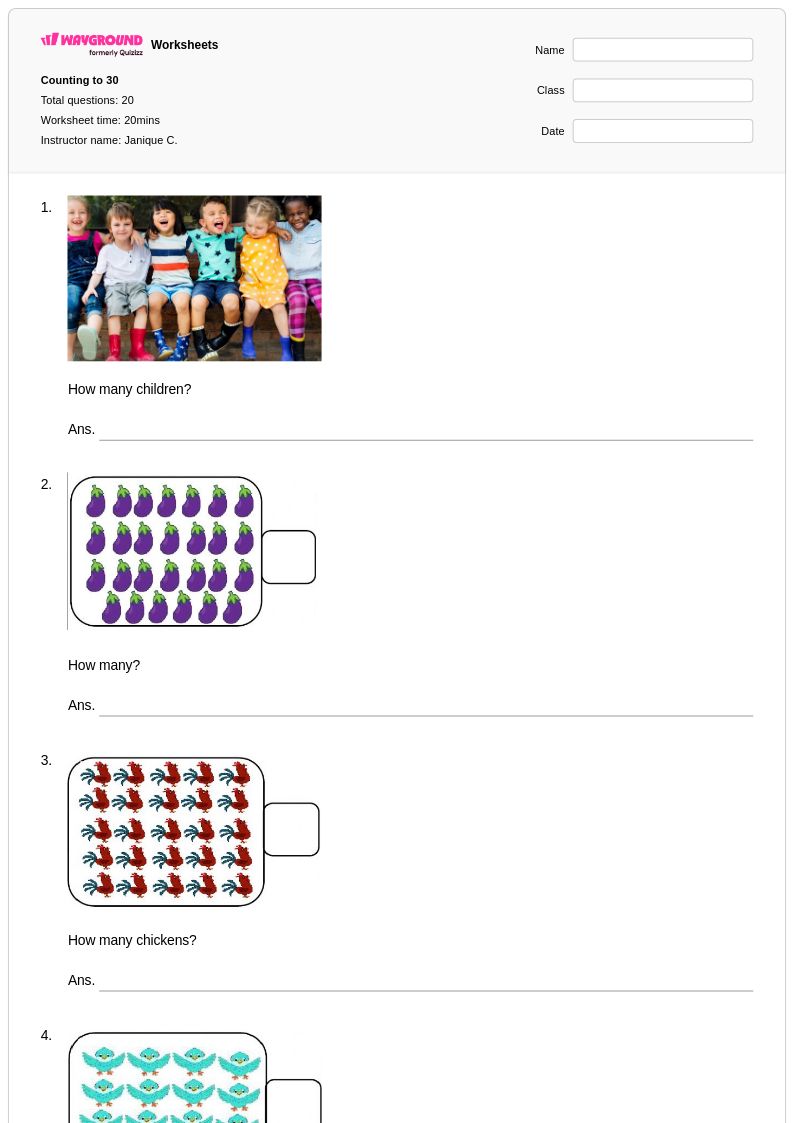
20 Q
KG
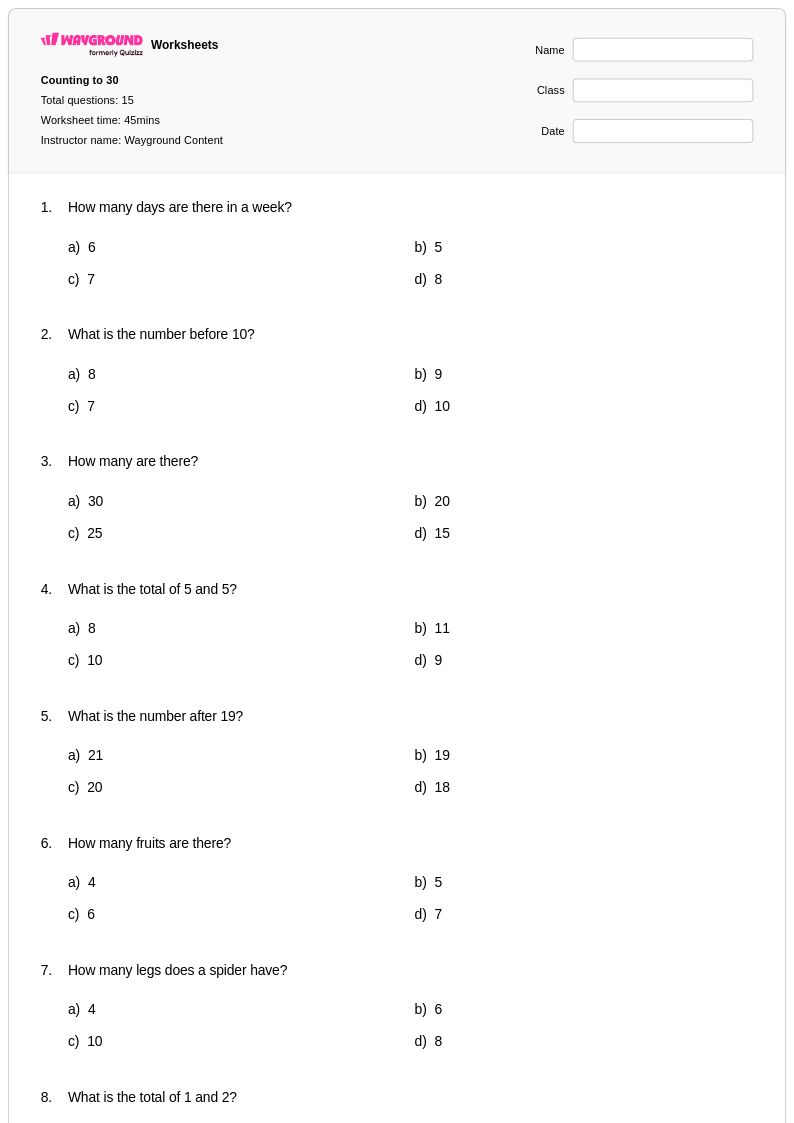
15 Q
KG
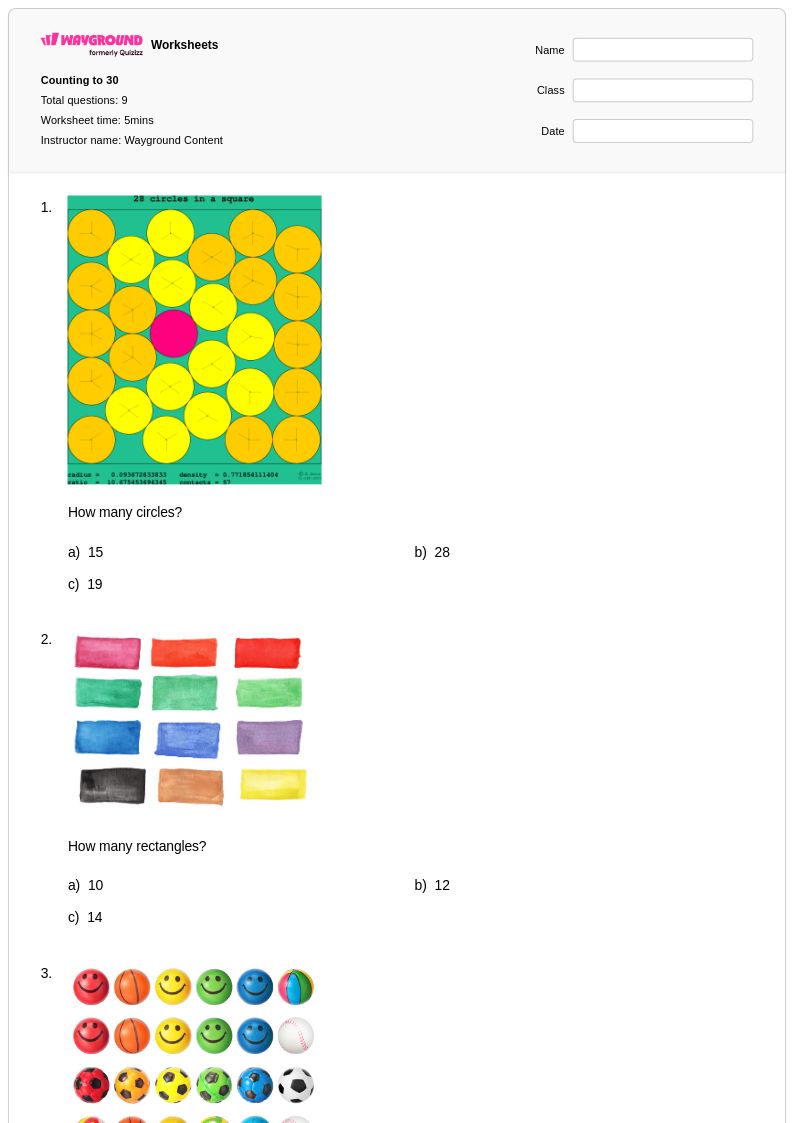
9 Q
KG
14 Q
KG
9 Q
1st
20 Q
1st
12 Q
3rd
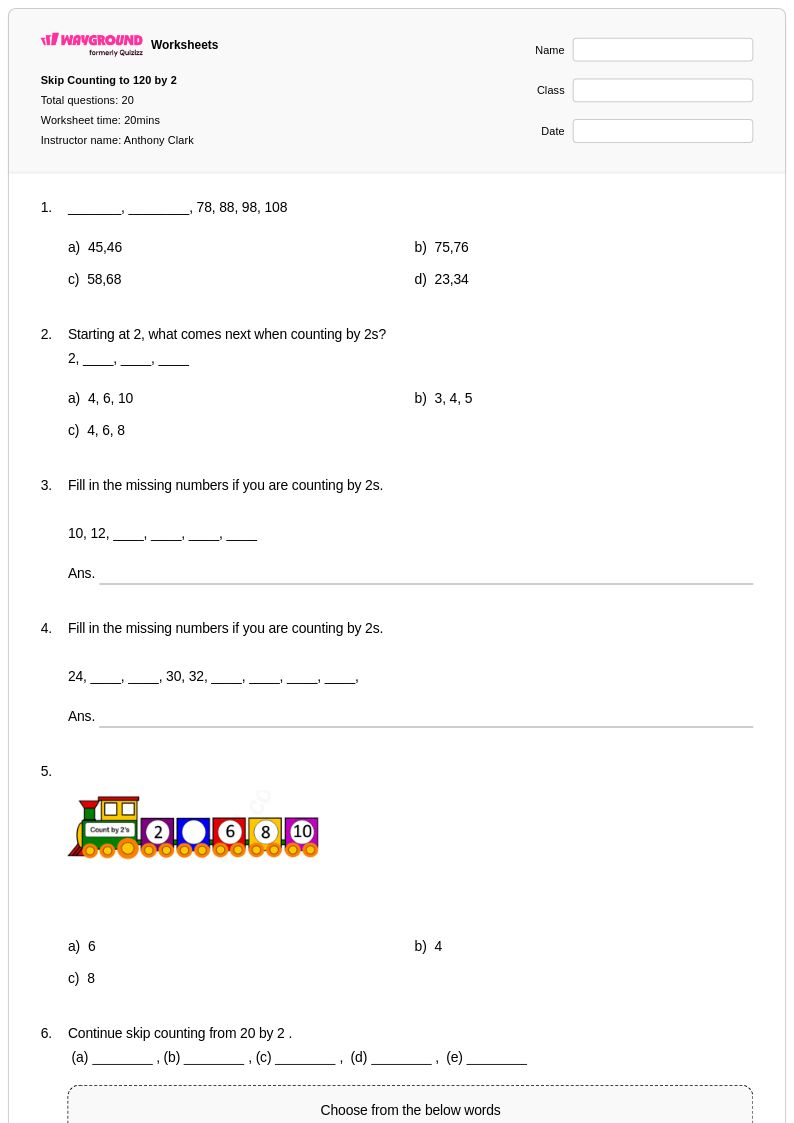
20 Q
2nd - Uni
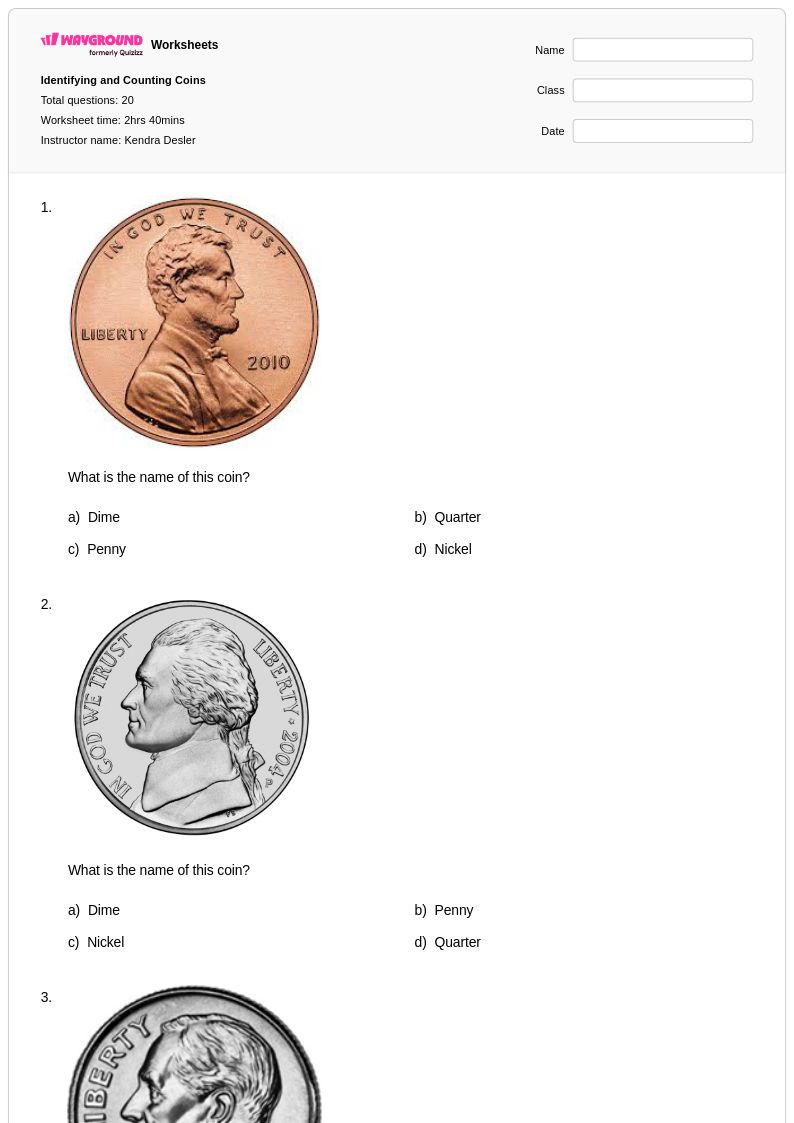
20 Q
2nd
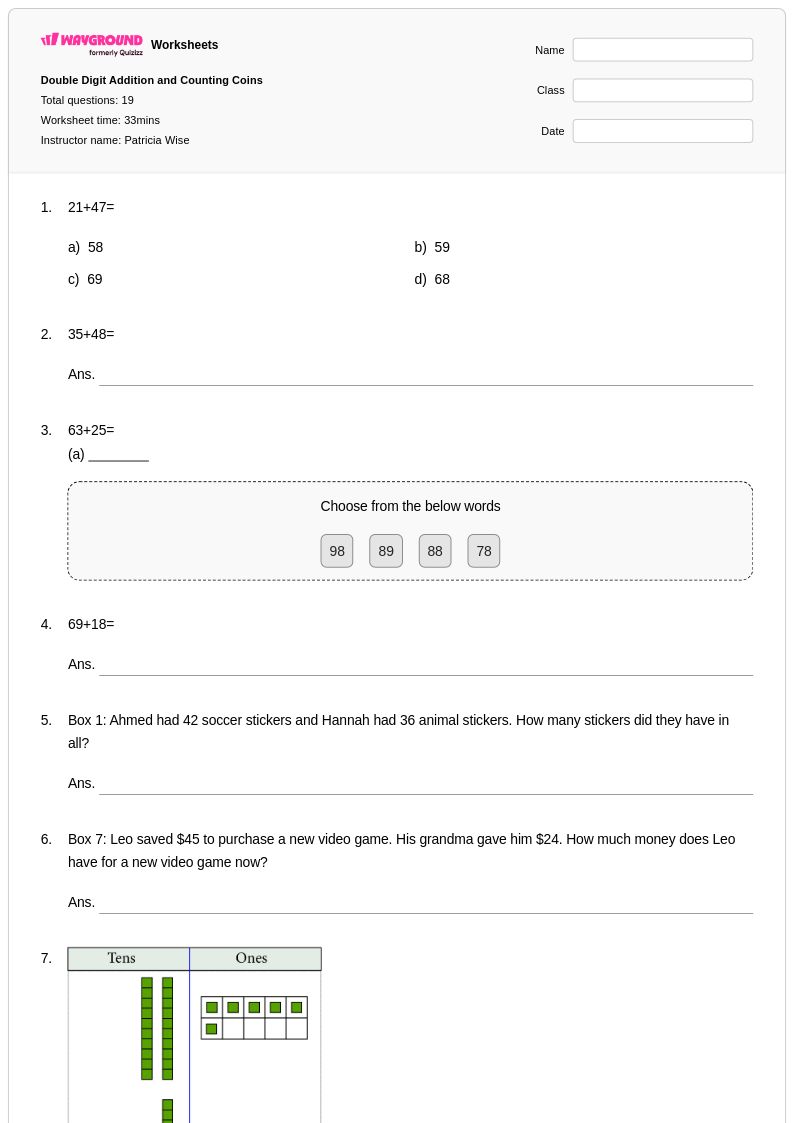
19 Q
2nd
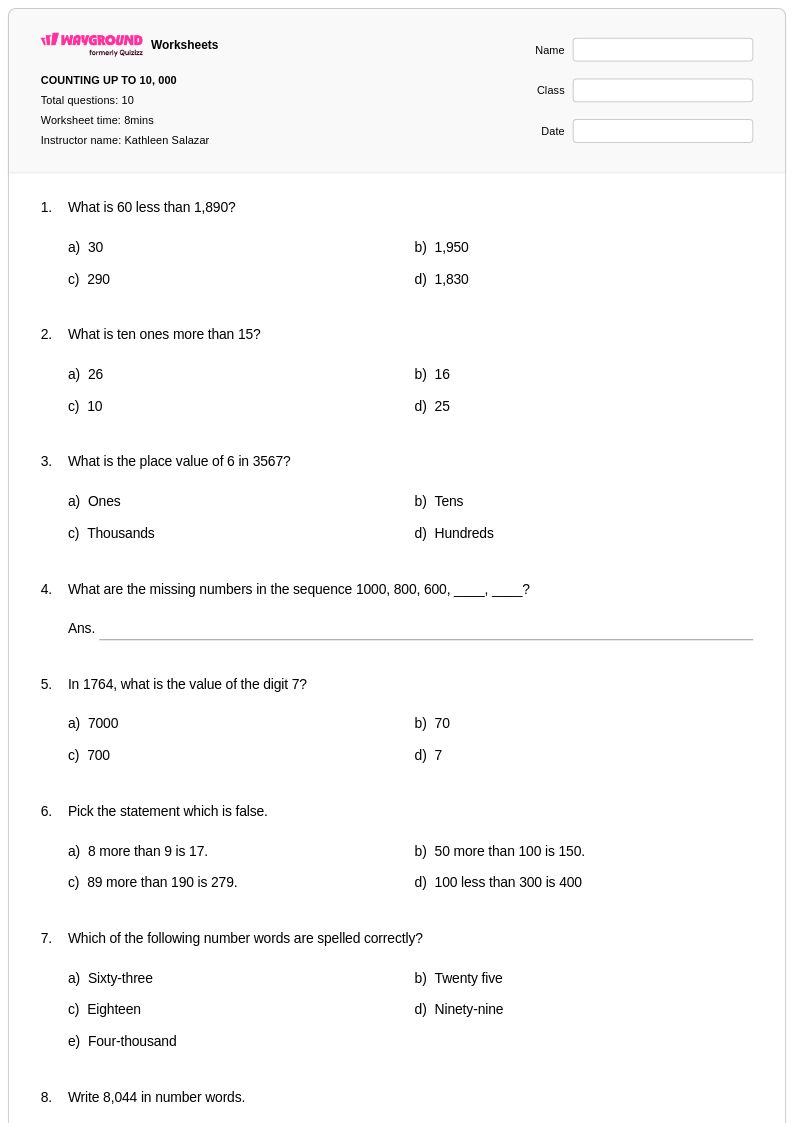
10 Q
1st - 3rd
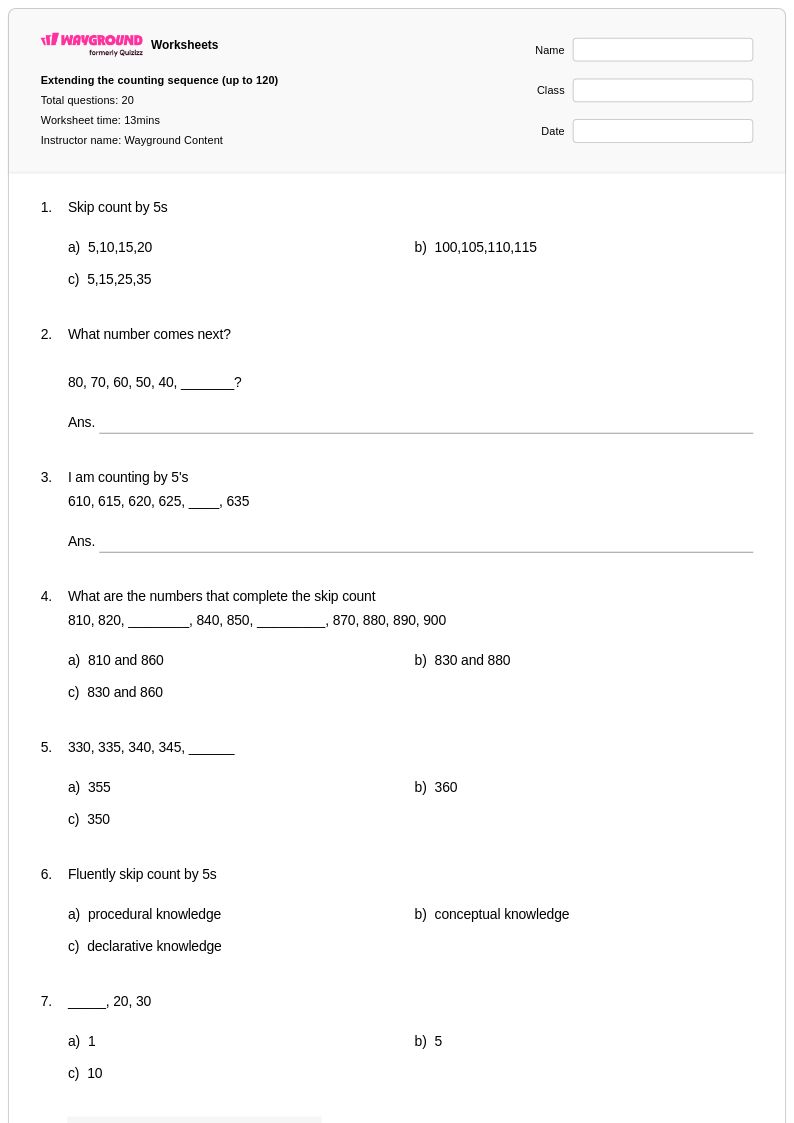
20 Q
1st
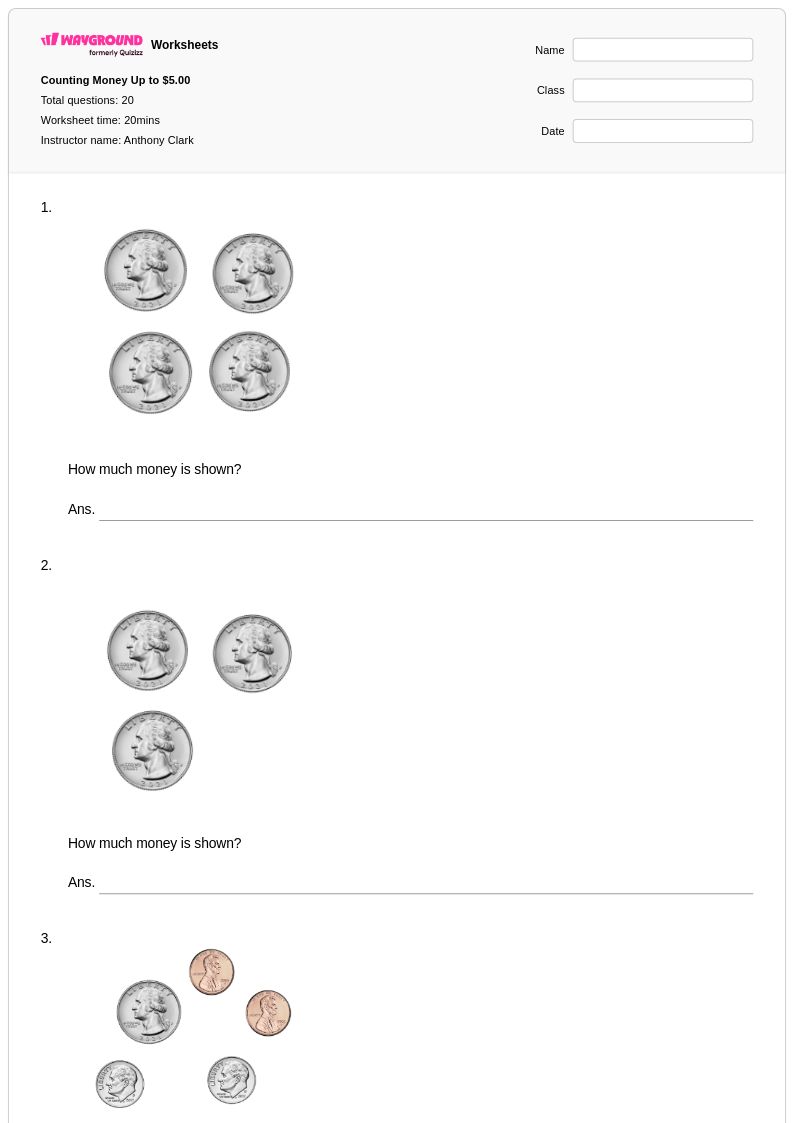
20 Q
2nd - Uni
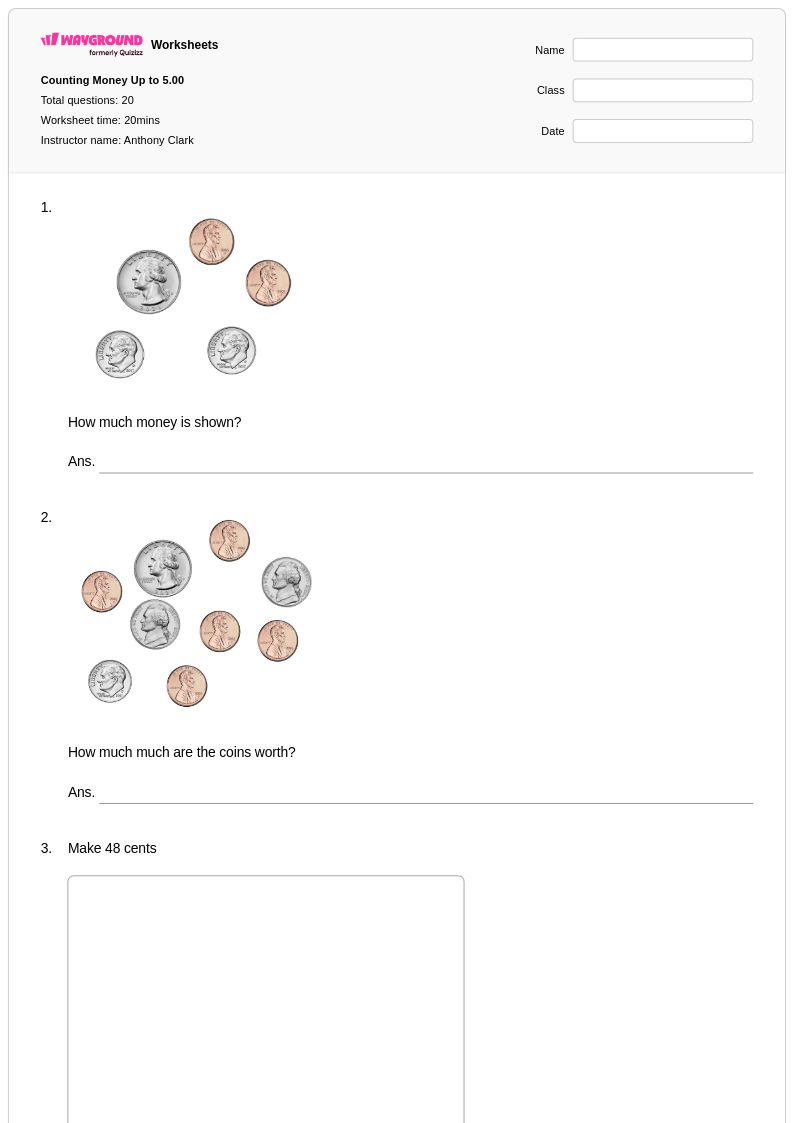
20 Q
2nd - Uni

11 Q
8th
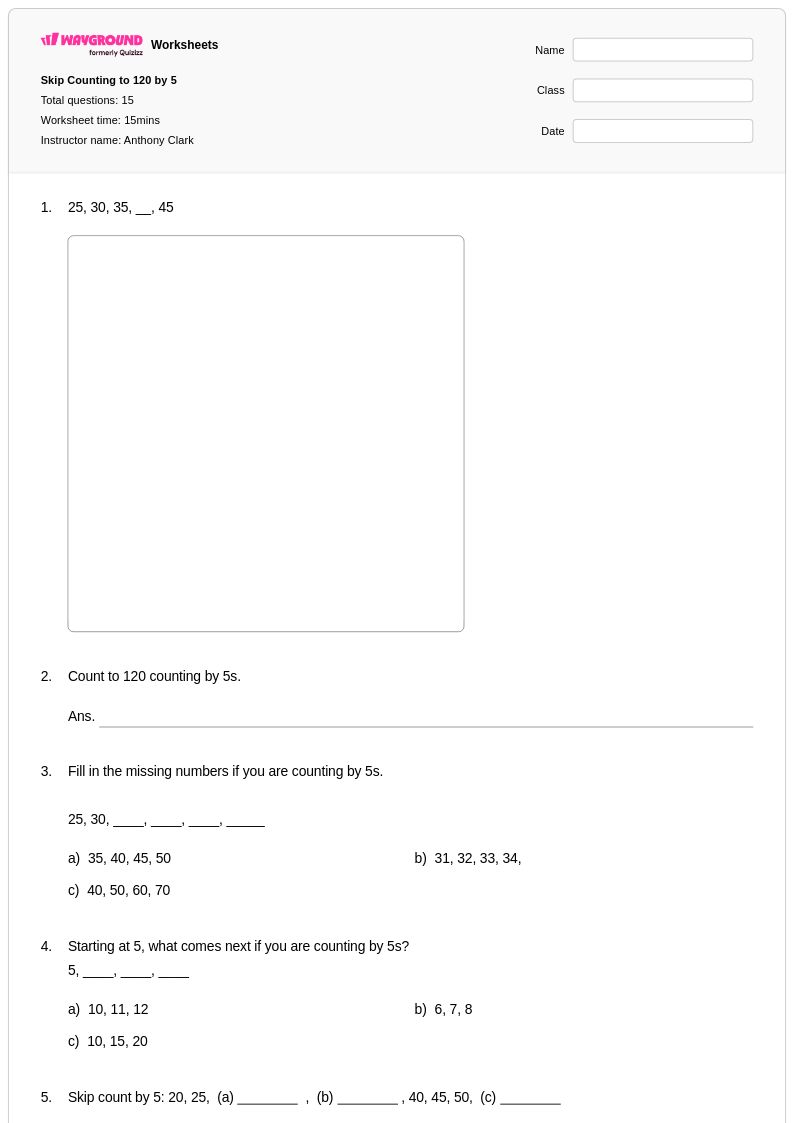
15 Q
2nd - Uni
10 Q
KG
10 Q
2nd
10 Q
KG
11 Q
2nd
20 Q
2nd - Uni
12 Q
2nd
20 Q
5th
Explore Worksheets by Grade
Explore Worksheets by Subjects
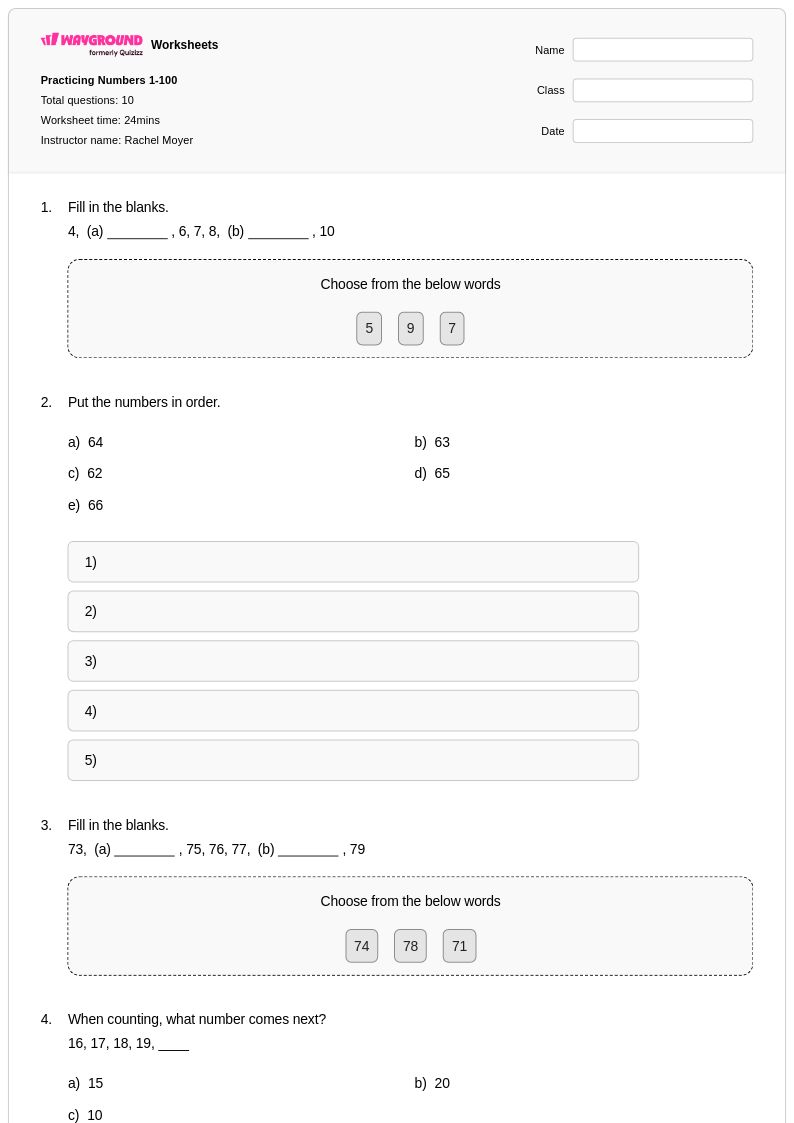
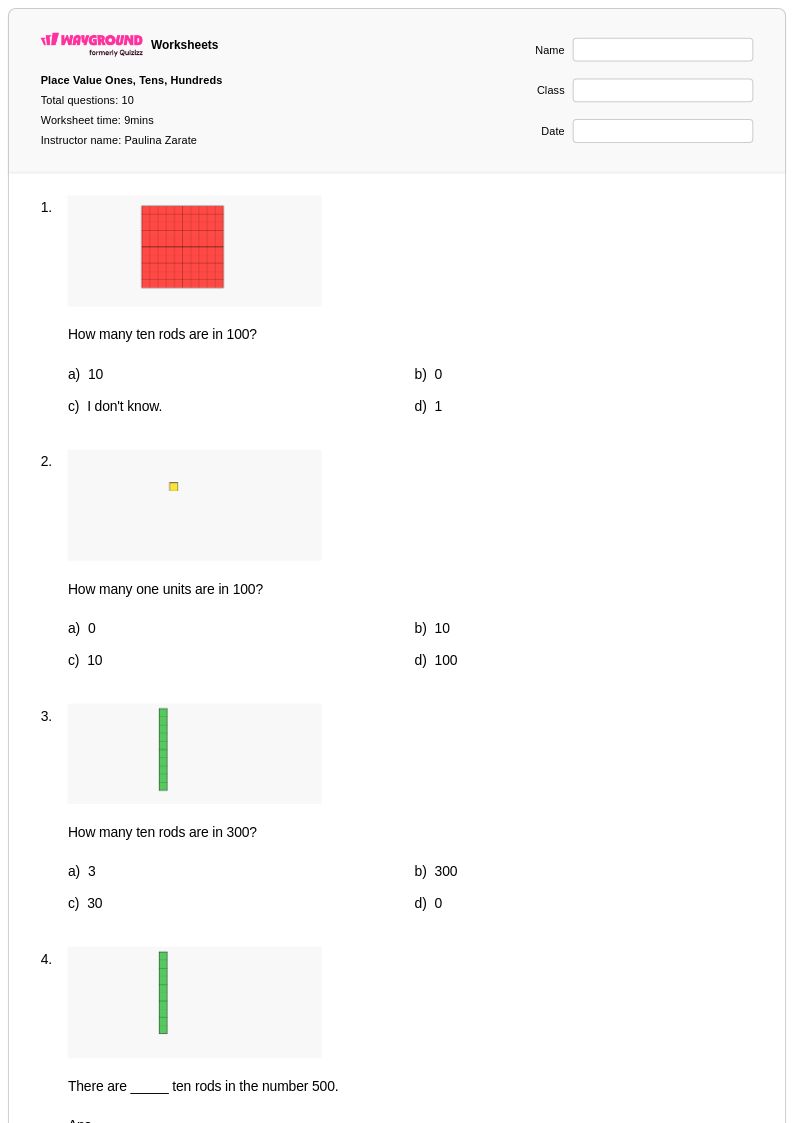
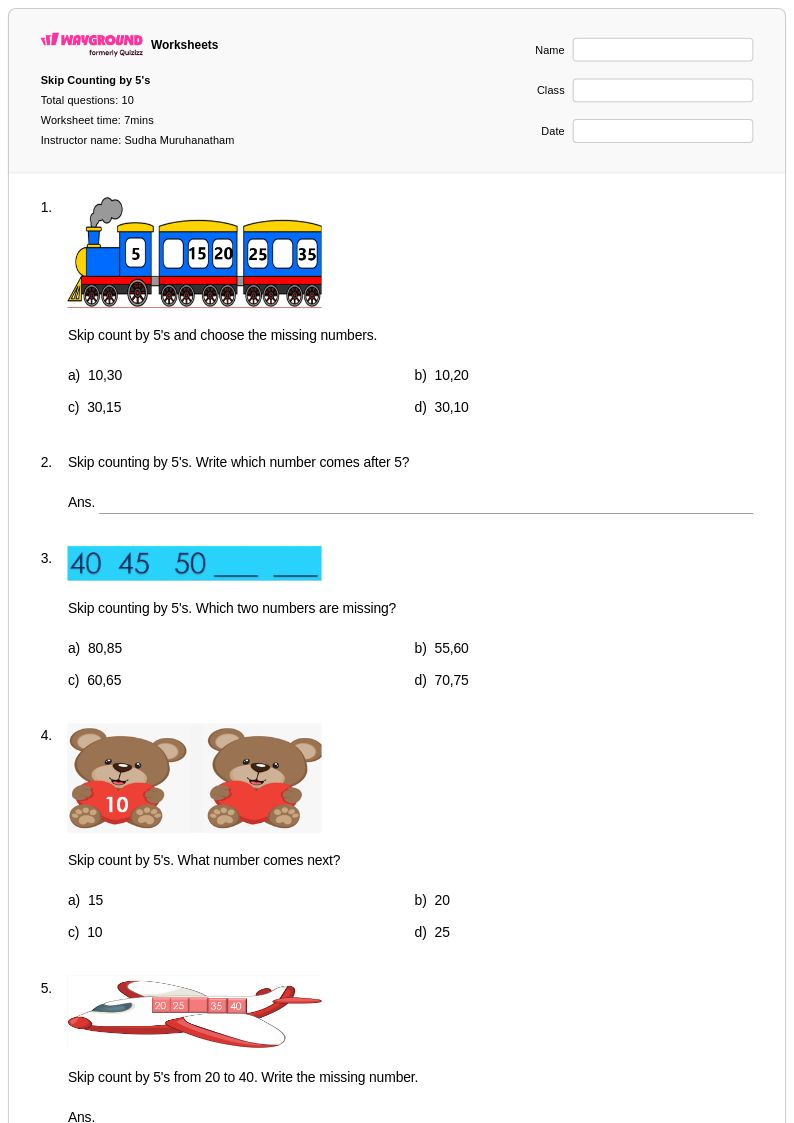
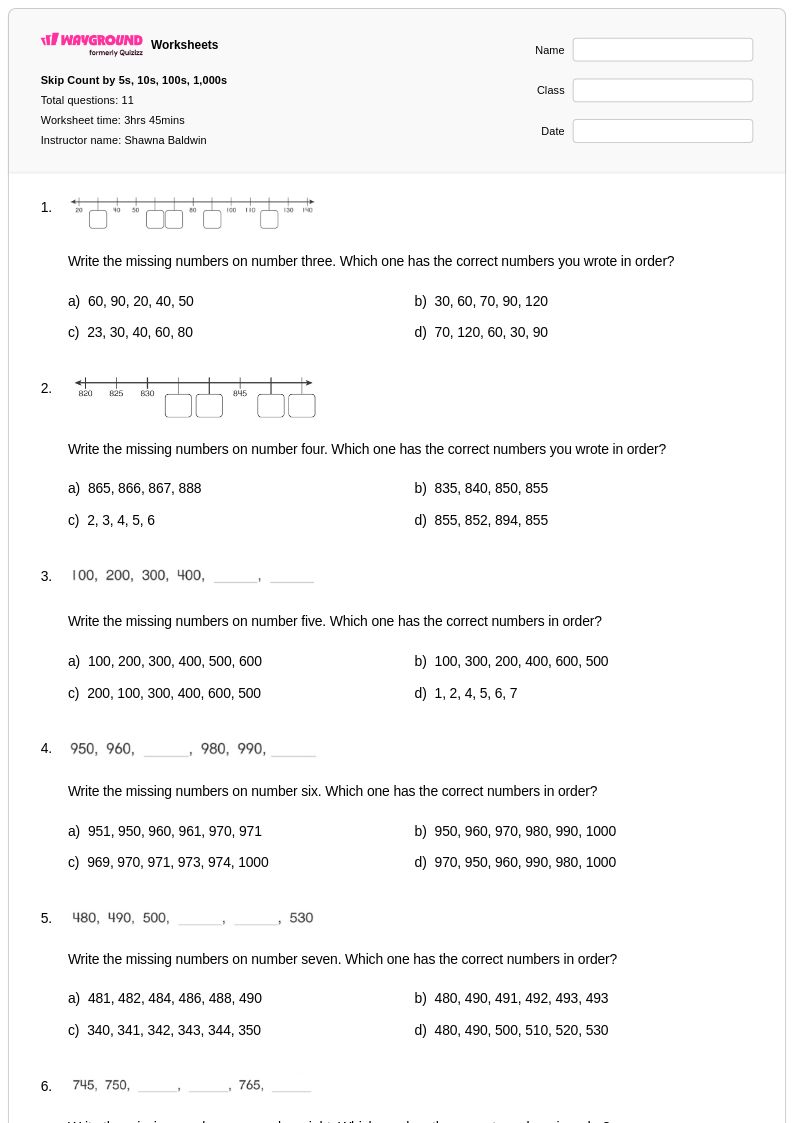
Explore printable Counting to 30 worksheets
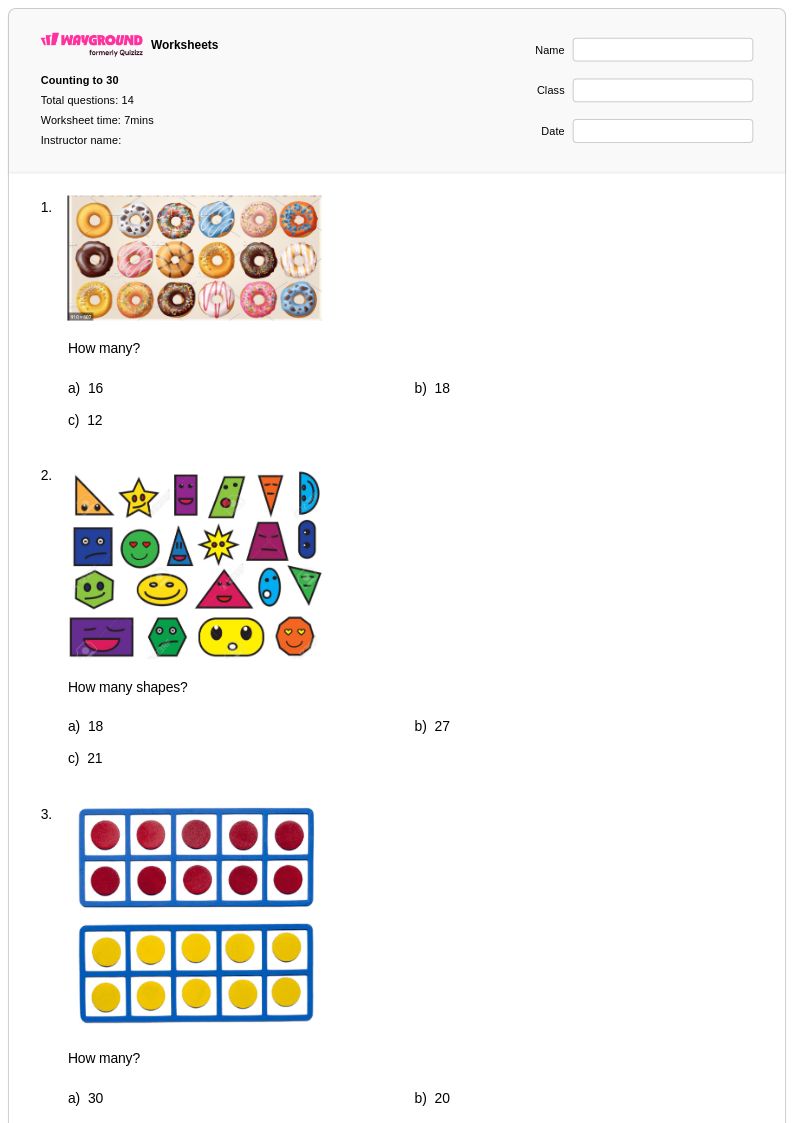
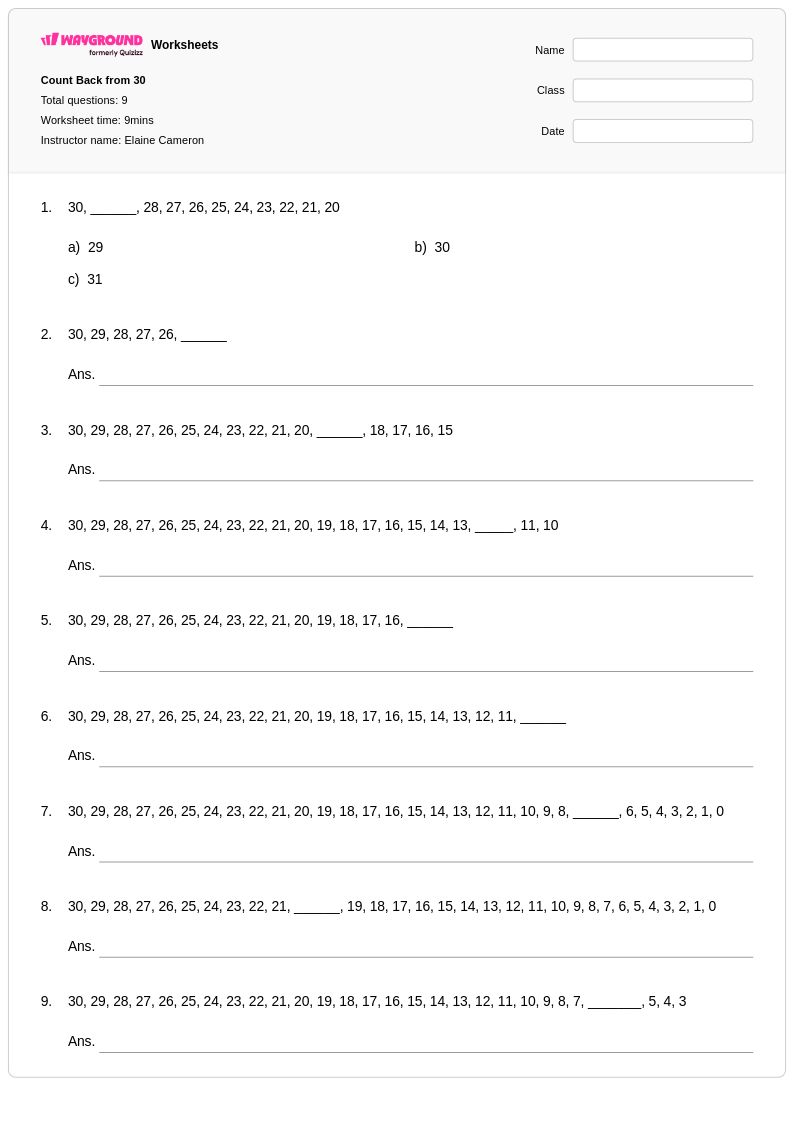
Counting to 30 worksheets available through Wayground (formerly Quizizz) provide essential foundational practice for developing early mathematical thinking and numerical fluency. These comprehensive printable resources strengthen fundamental counting skills by guiding students through systematic number recognition, sequential ordering, and quantity comprehension within the critical 1-30 range. Each worksheet incorporates diverse practice problems that reinforce one-to-one correspondence, number formation, and counting patterns through engaging activities such as dot counting, number line completion, and object enumeration. Teachers can access complete answer keys alongside these free pdf resources, enabling efficient assessment and immediate feedback to support student progress in building solid number sense foundations.
Wayground (formerly Quizizz) empowers educators with millions of teacher-created counting to 30 worksheet collections that feature robust search and filtering capabilities for targeted skill practice. The platform's differentiation tools allow teachers to customize worksheets based on individual student needs, supporting both remediation for struggling learners and enrichment opportunities for advanced students. These resources are available in both printable and digital pdf formats, providing flexibility for classroom instruction, homework assignments, and independent practice sessions. The comprehensive filtering system enables educators to quickly locate standards-aligned materials that match their specific curriculum requirements, streamlining lesson planning while ensuring systematic skill development in early number sense concepts.
FAQs
How do I teach students to count to 30?
What worksheet activities help students practice counting to 30?
What mistakes do students commonly make when counting to 30?
How can I use a counting to 30 worksheet on Wayground?
How does counting to 30 fit into the Common Core math progression?
How can I differentiate counting to 30 practice for mixed-ability learners?