
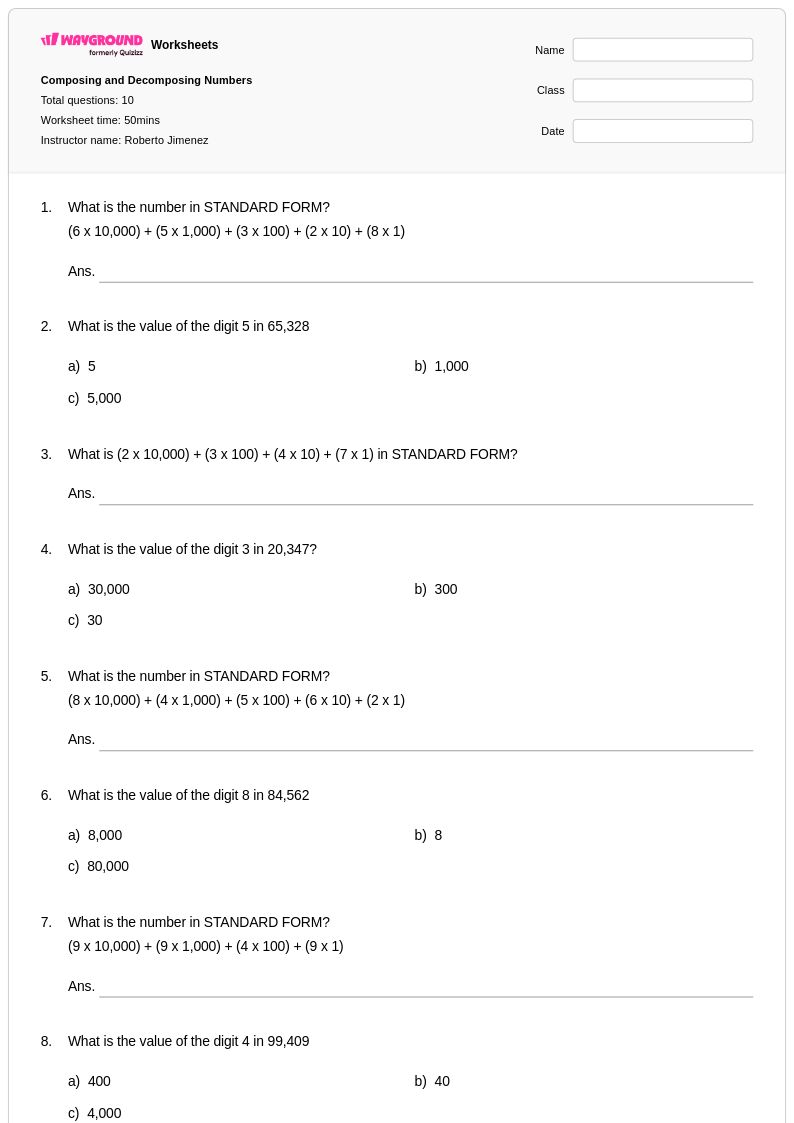
10 Q
3rd
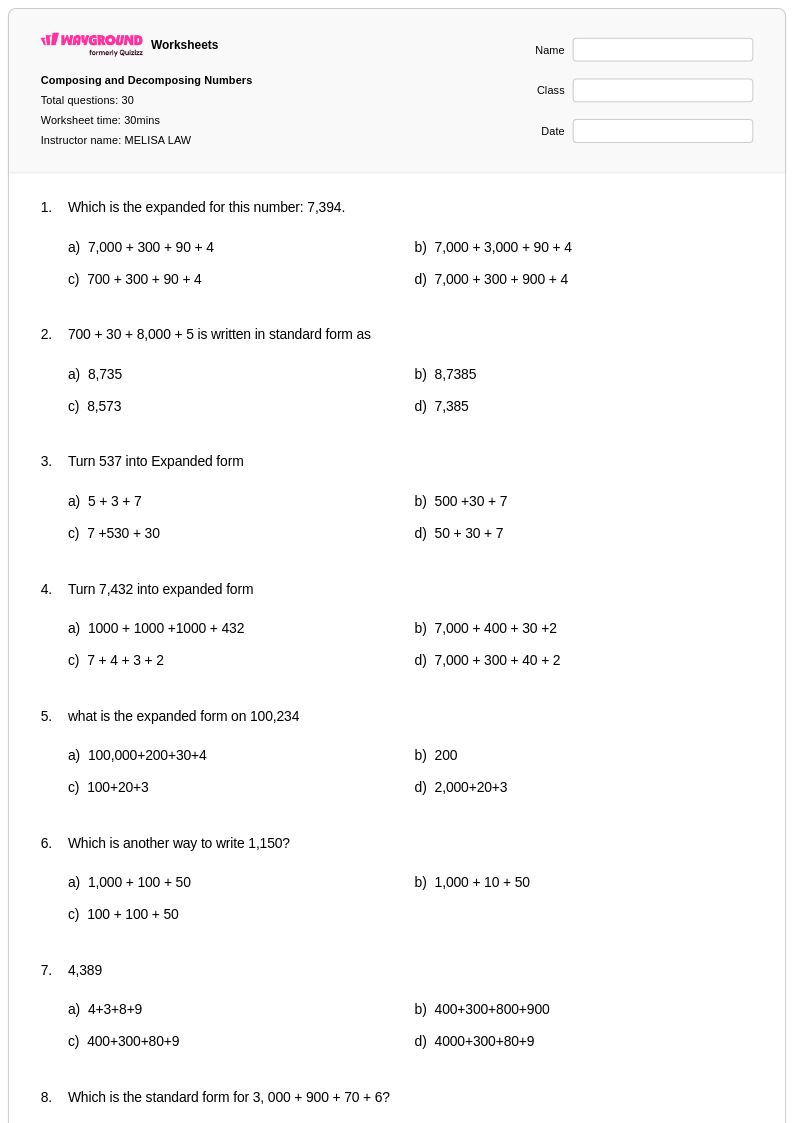
30 Q
3rd
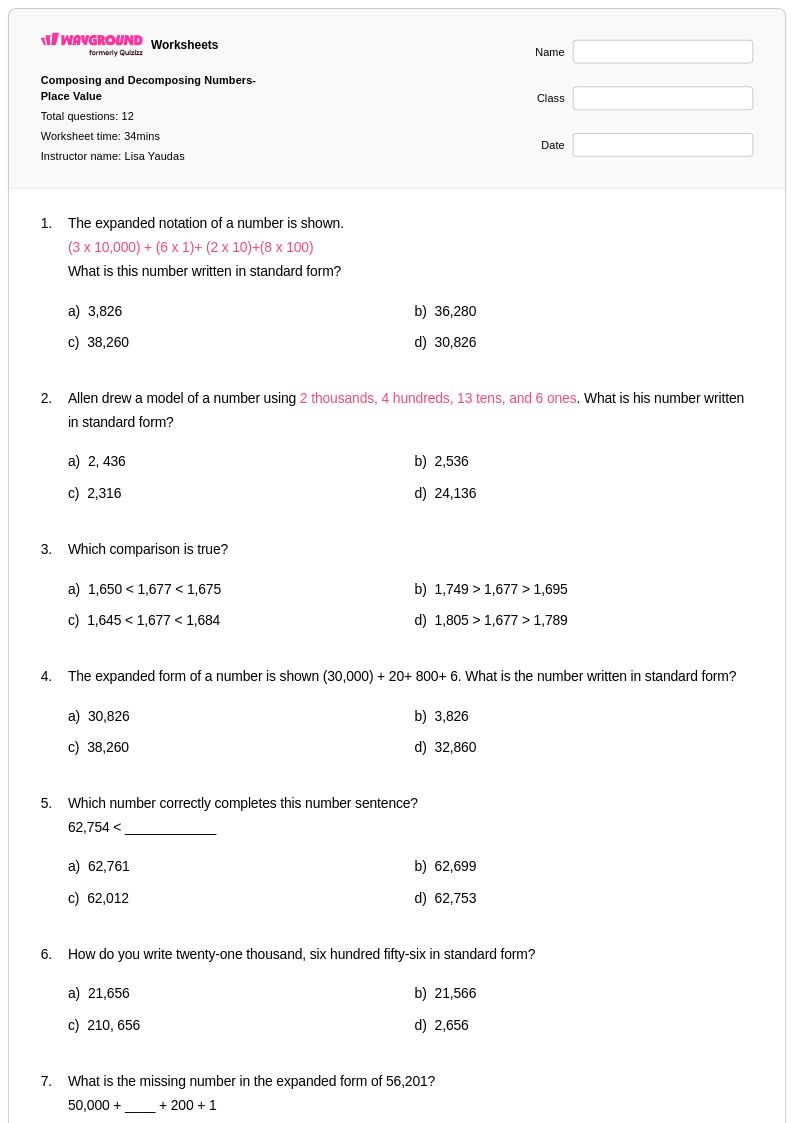
12 Q
3rd
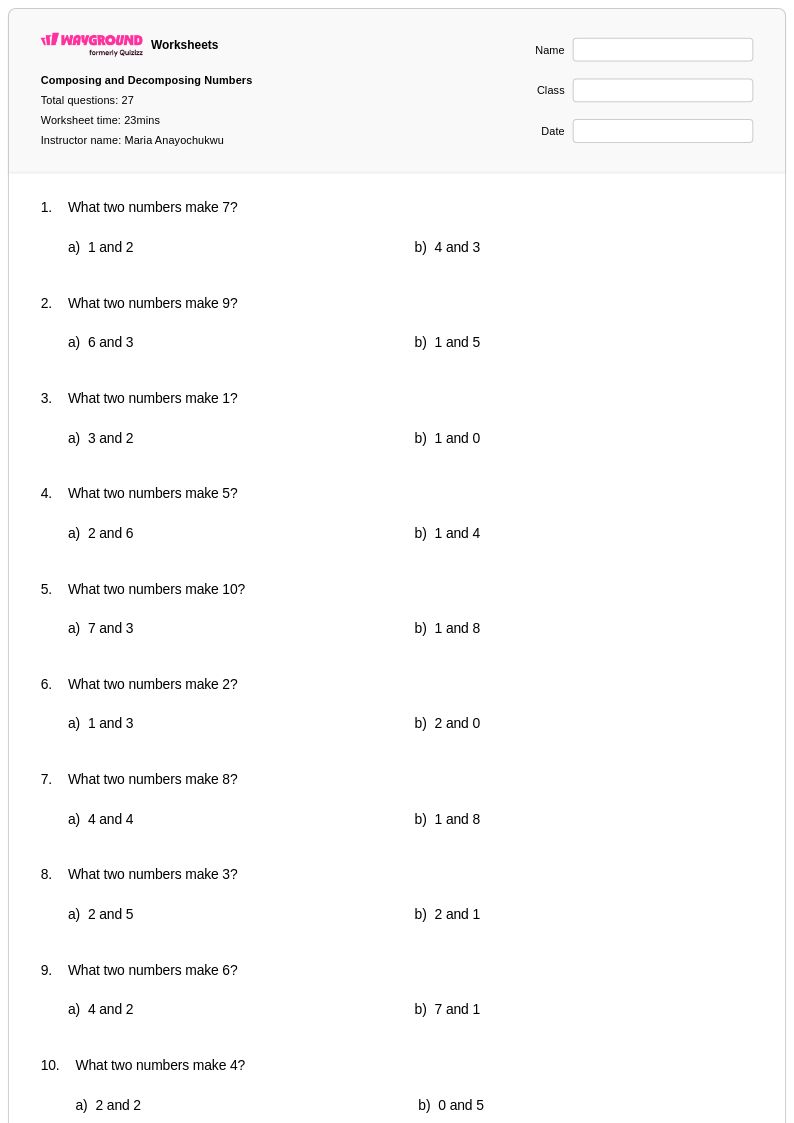
27 Q
3rd
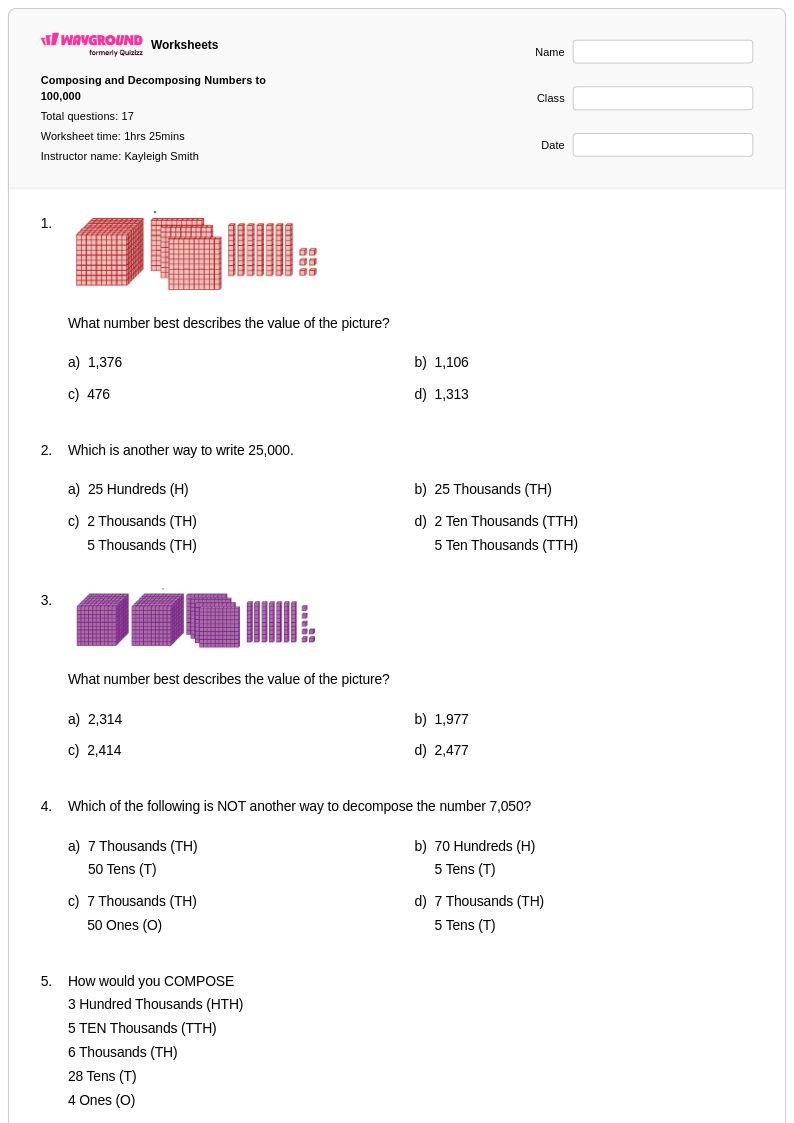
17 Q
3rd
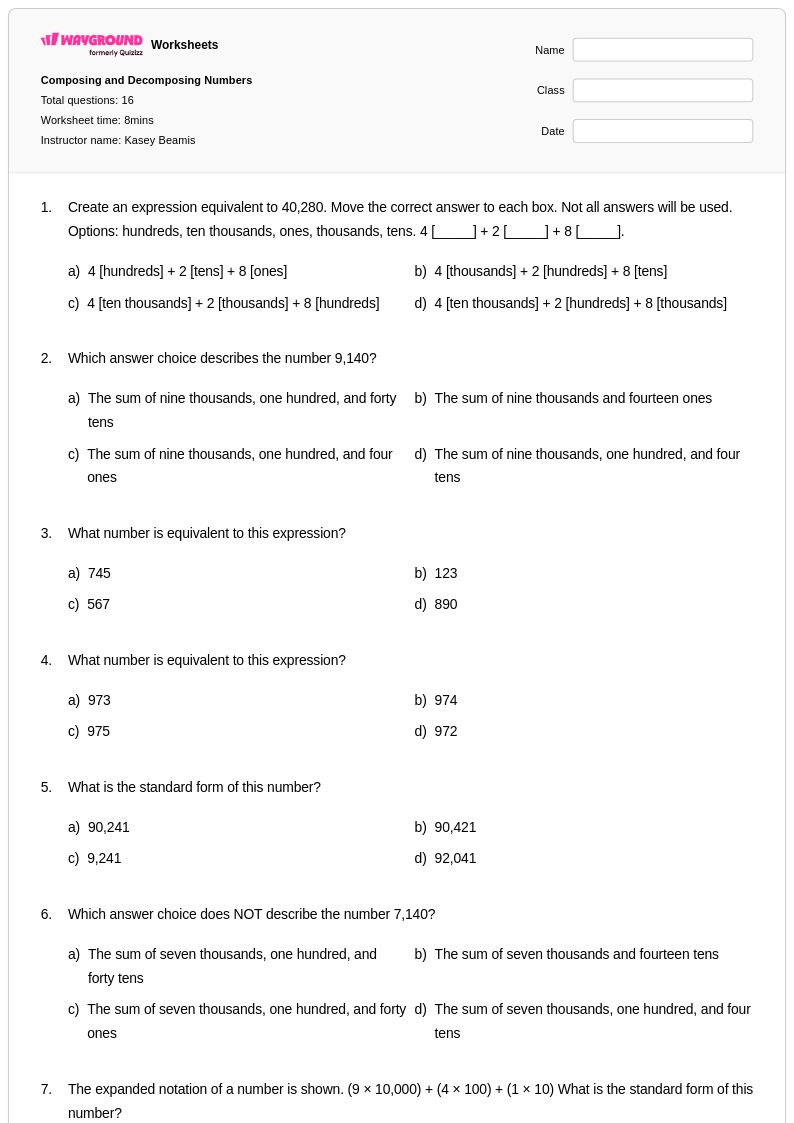
16 Q
3rd
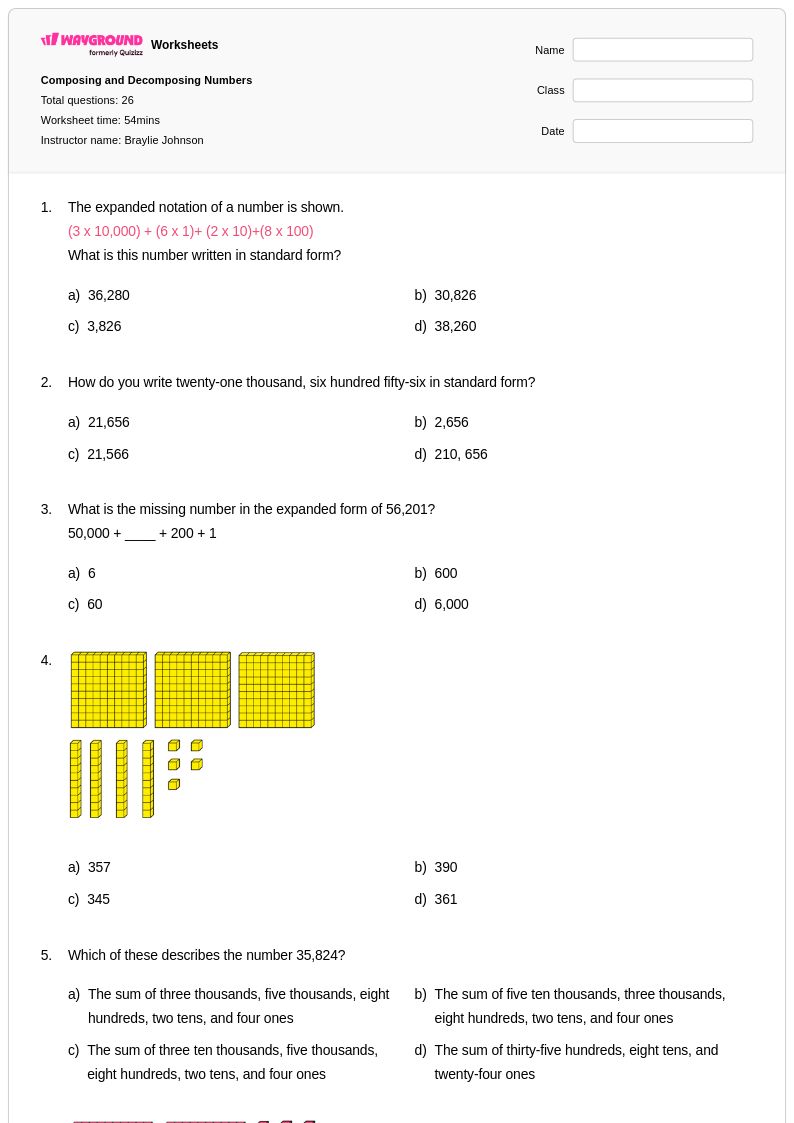
26 Q
2nd - 4th
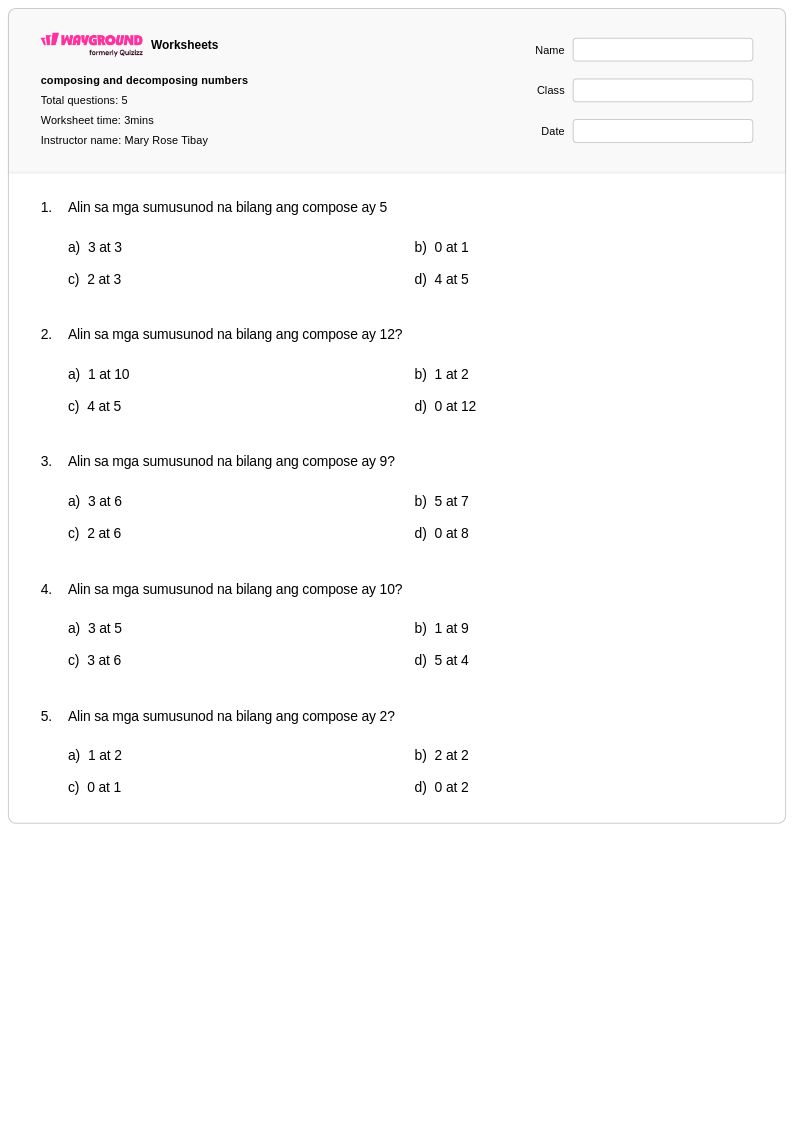
5 Q
KG - 6th
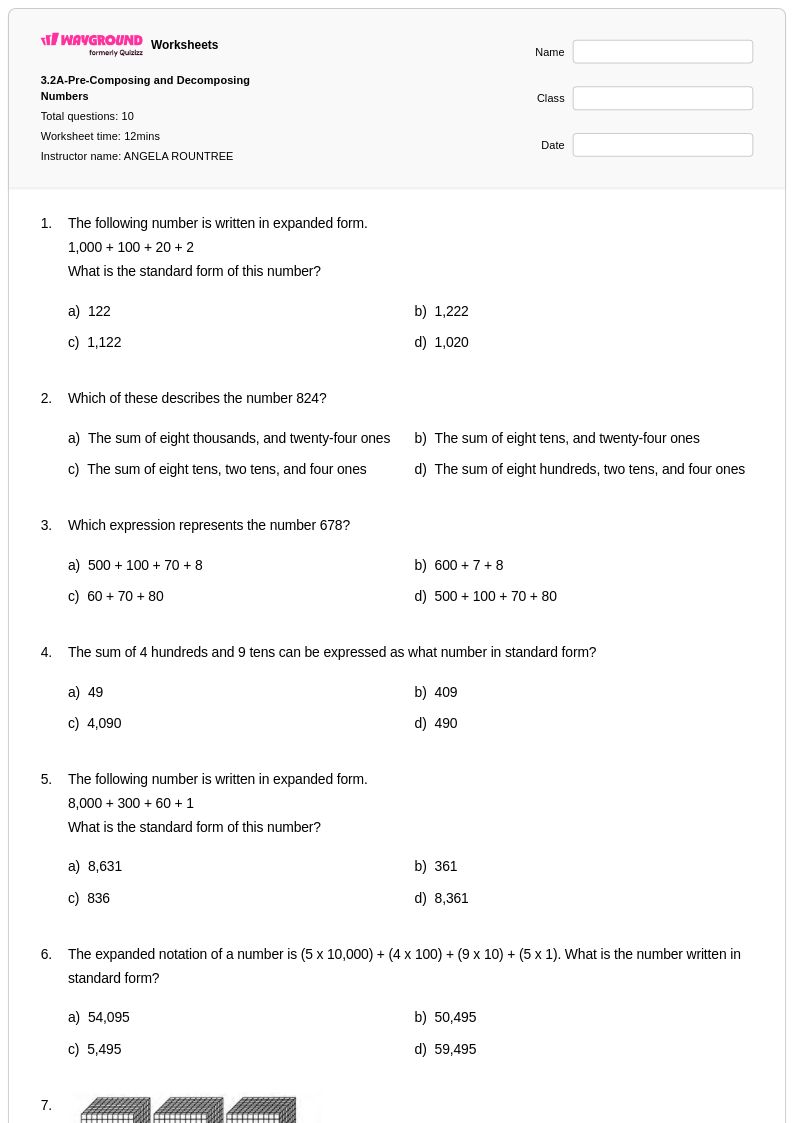
10 Q
3rd
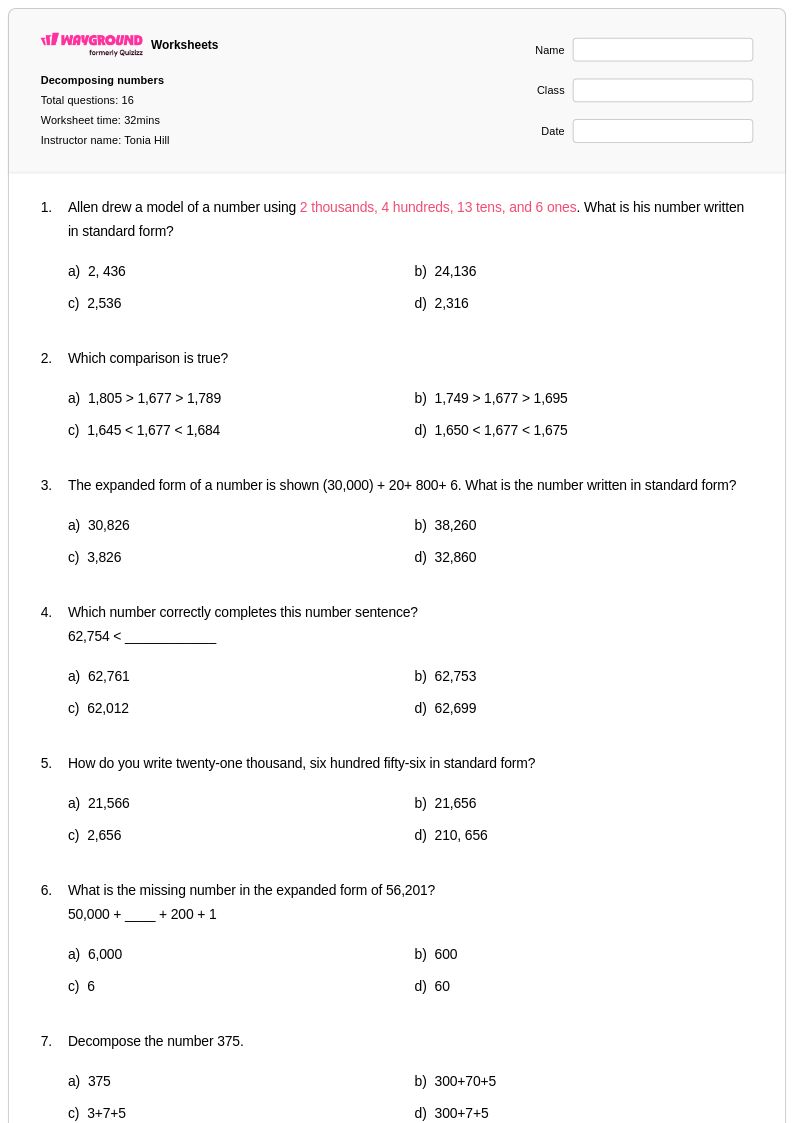
16 Q
3rd
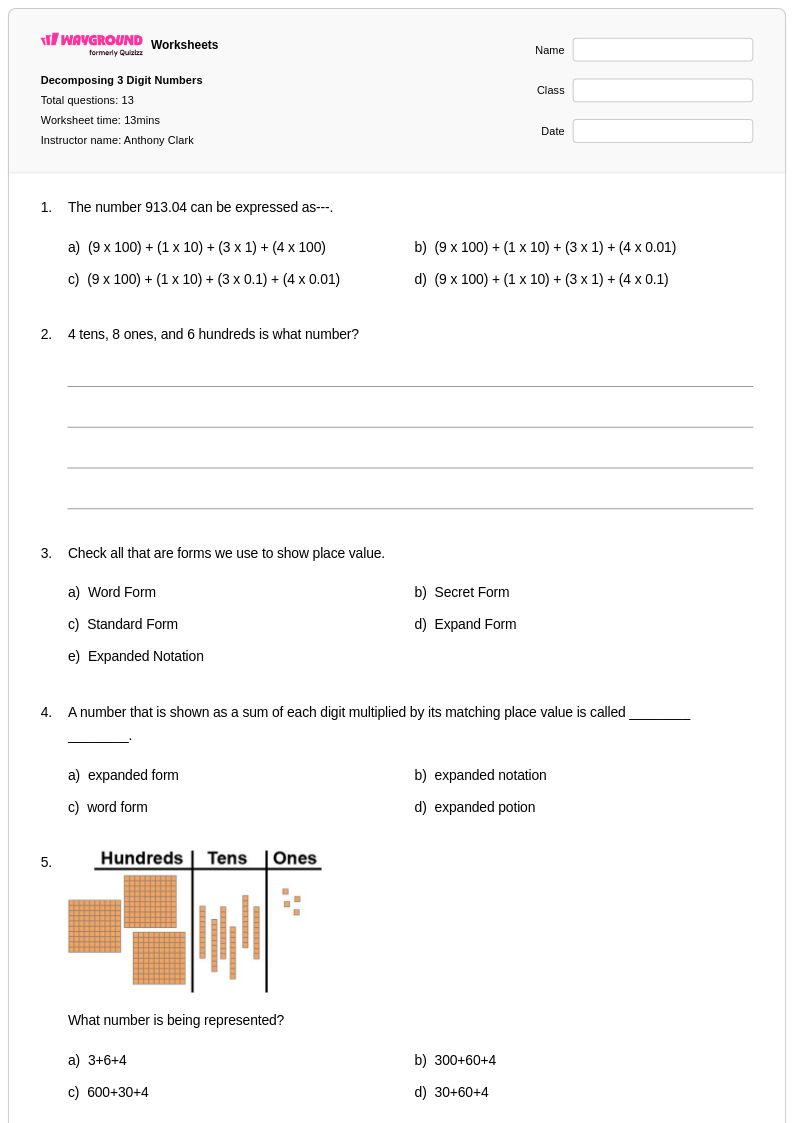
13 Q
3rd - Uni
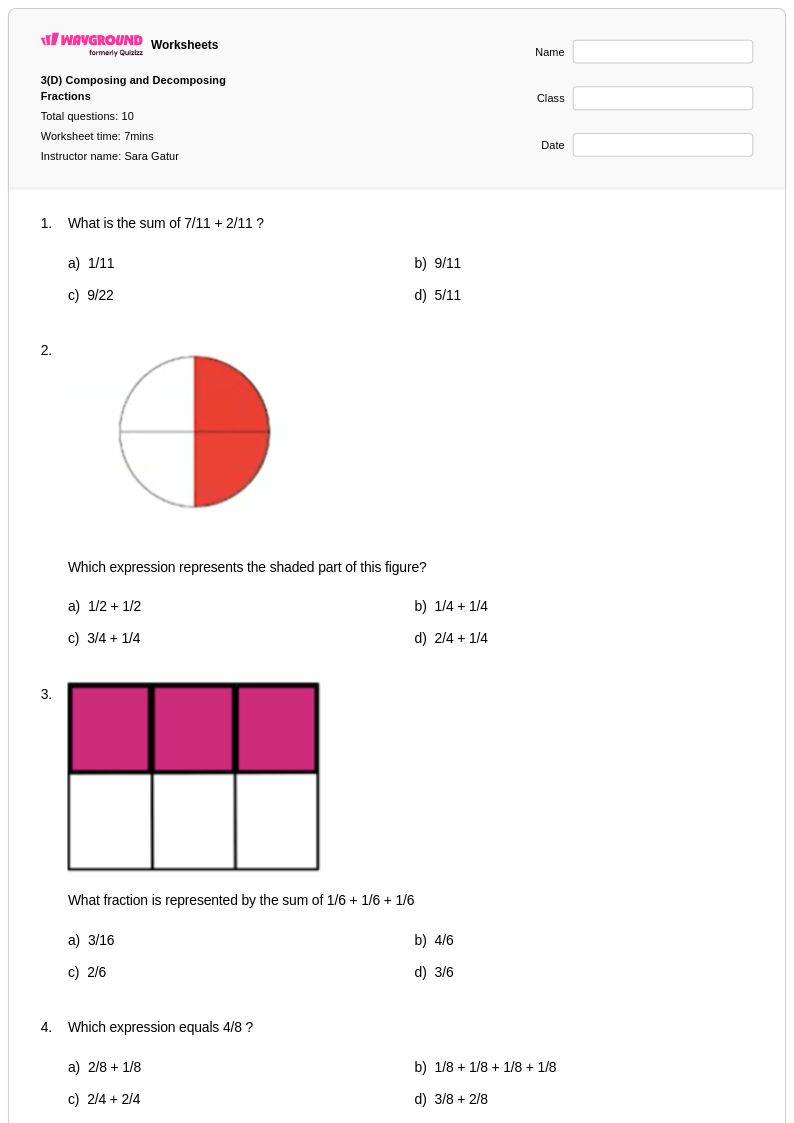
10 Q
3rd
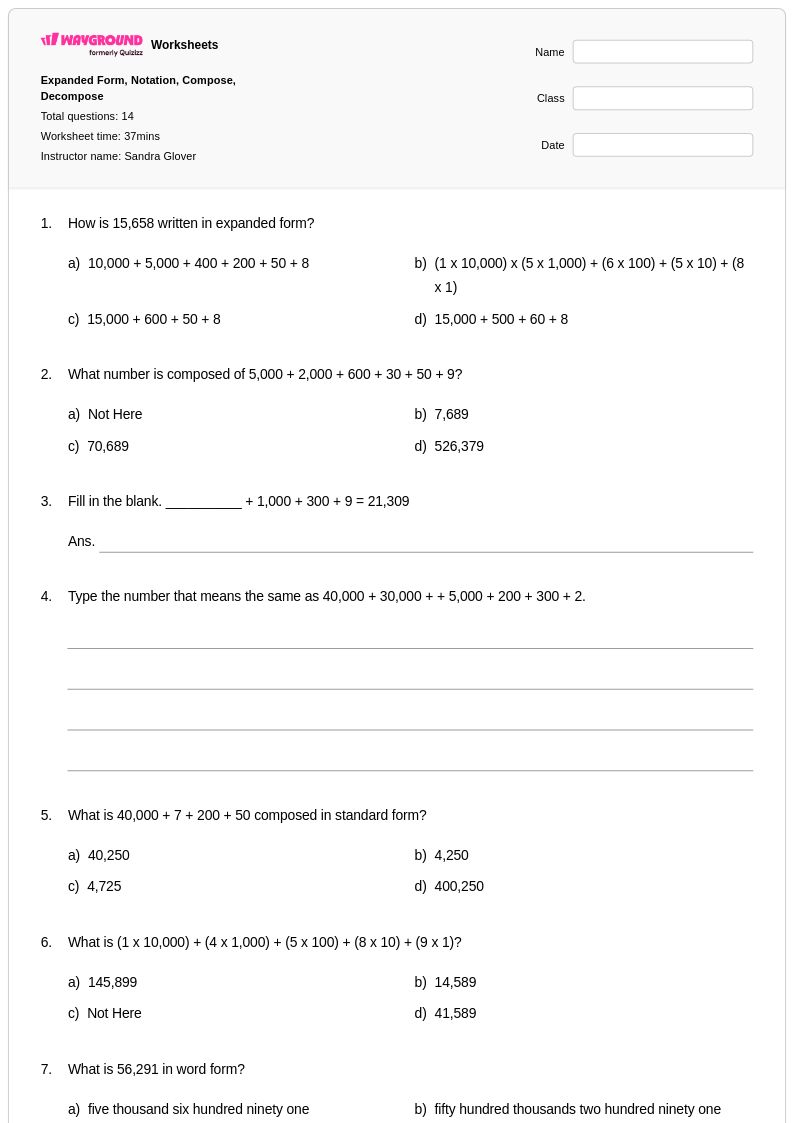
14 Q
3rd
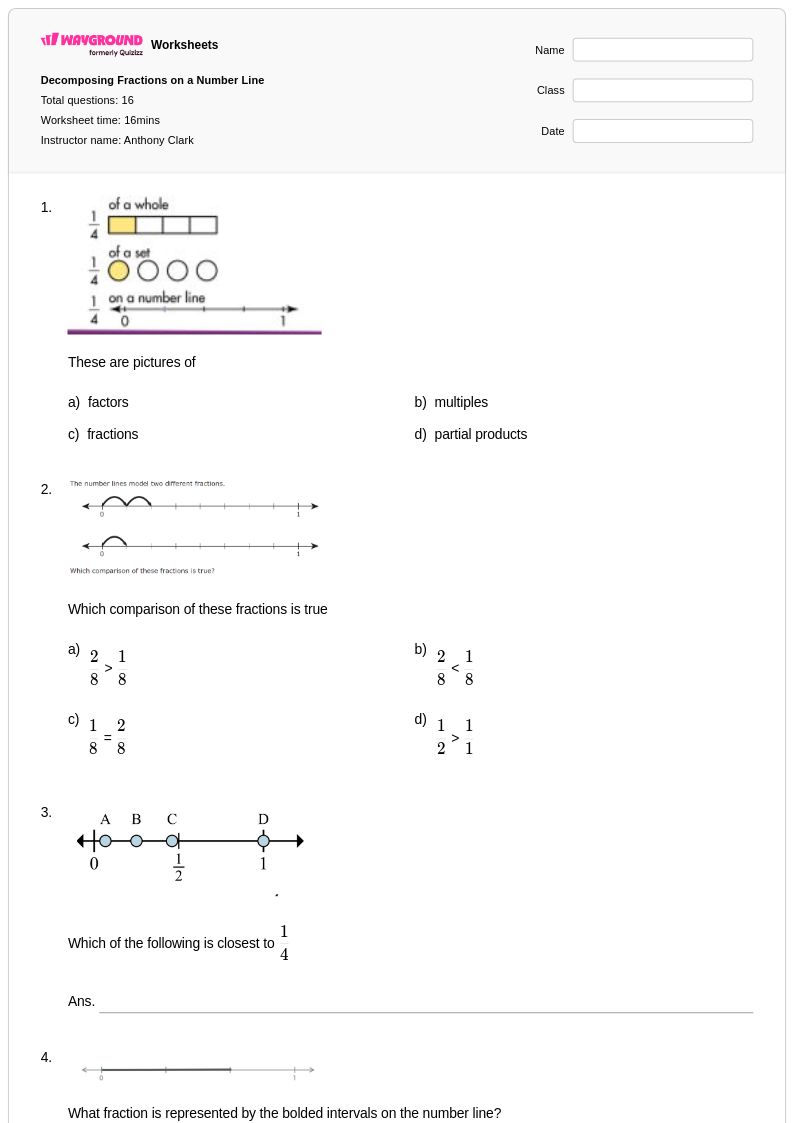
16 Q
3rd - Uni
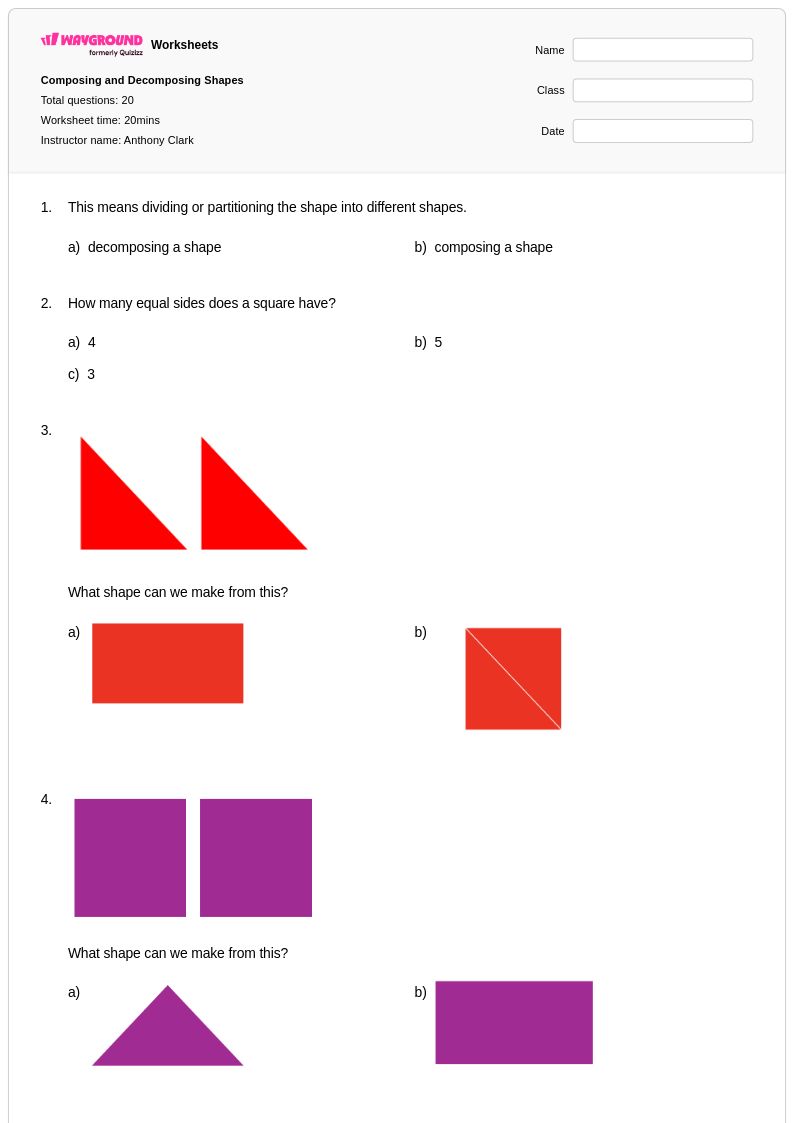
20 Q
1st - Uni
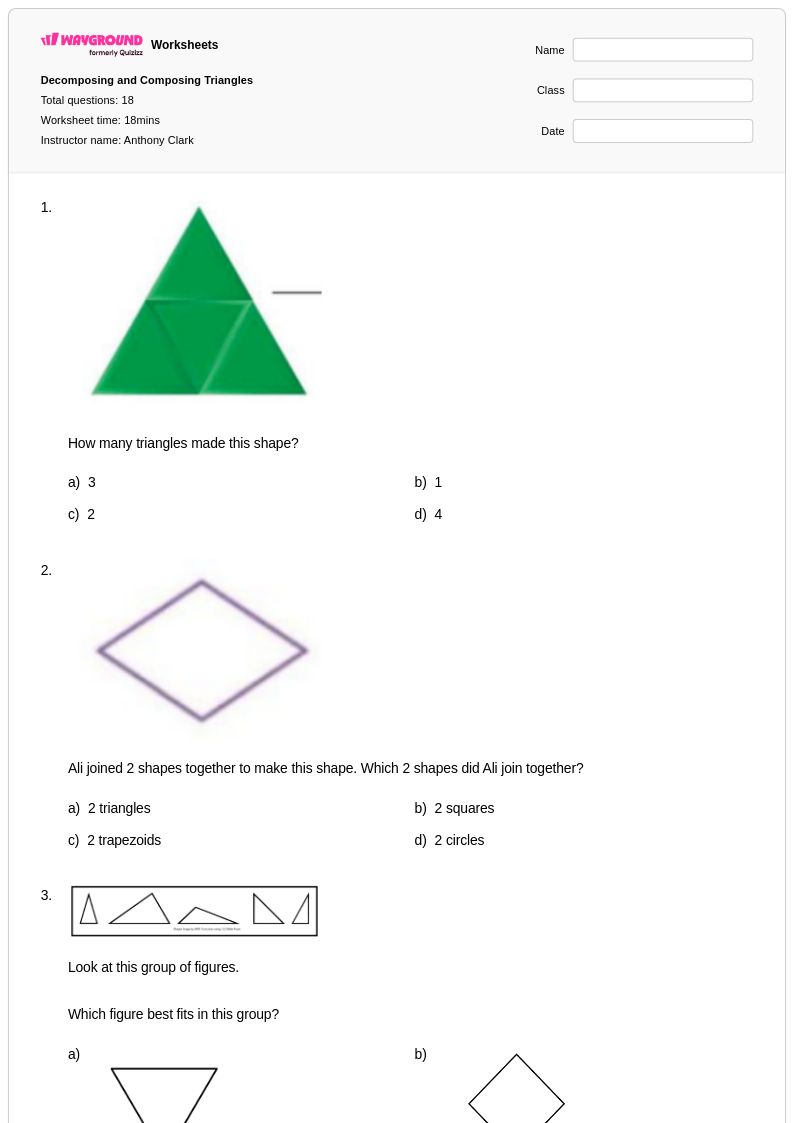
18 Q
1st - Uni
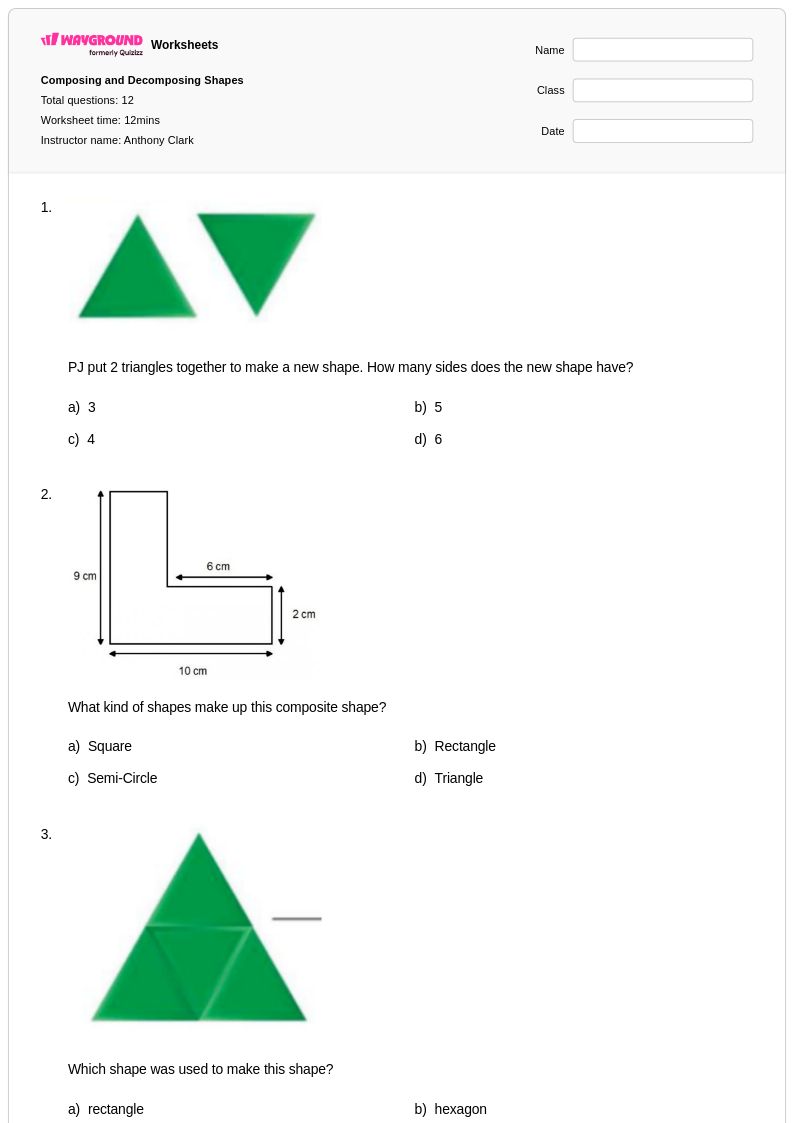
12 Q
1st - Uni
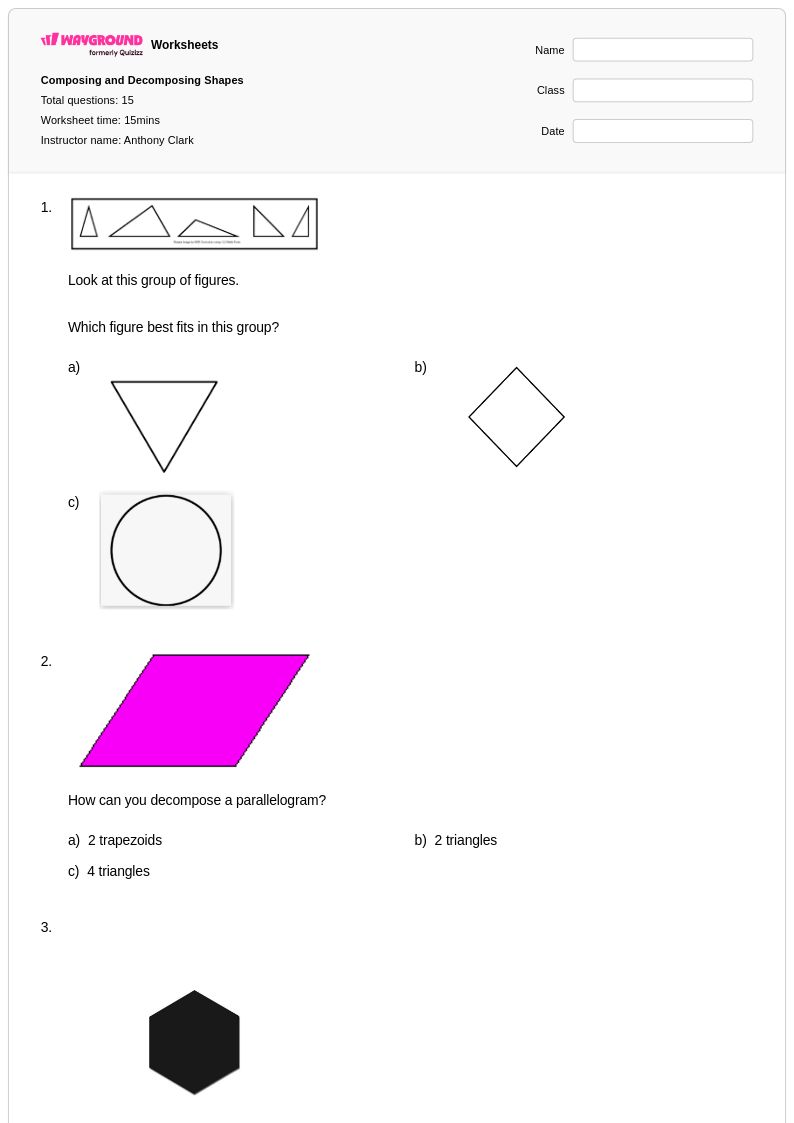
15 Q
1st - Uni
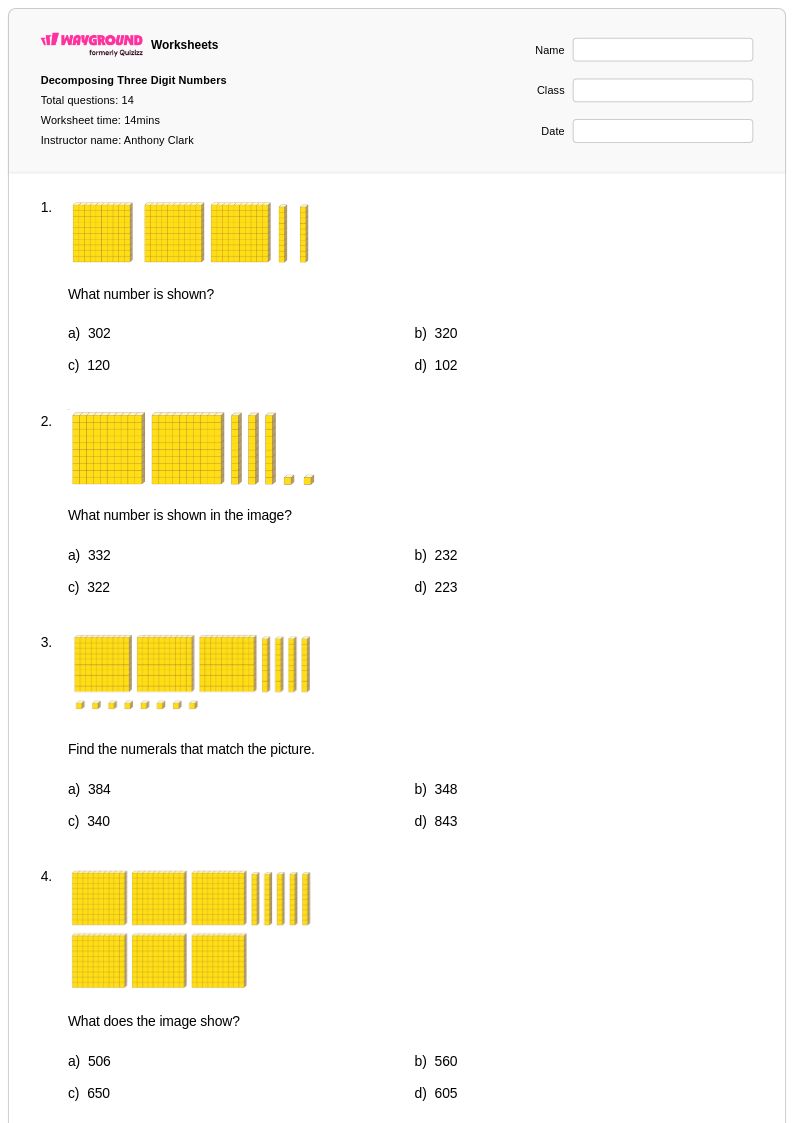
14 Q
2nd - Uni
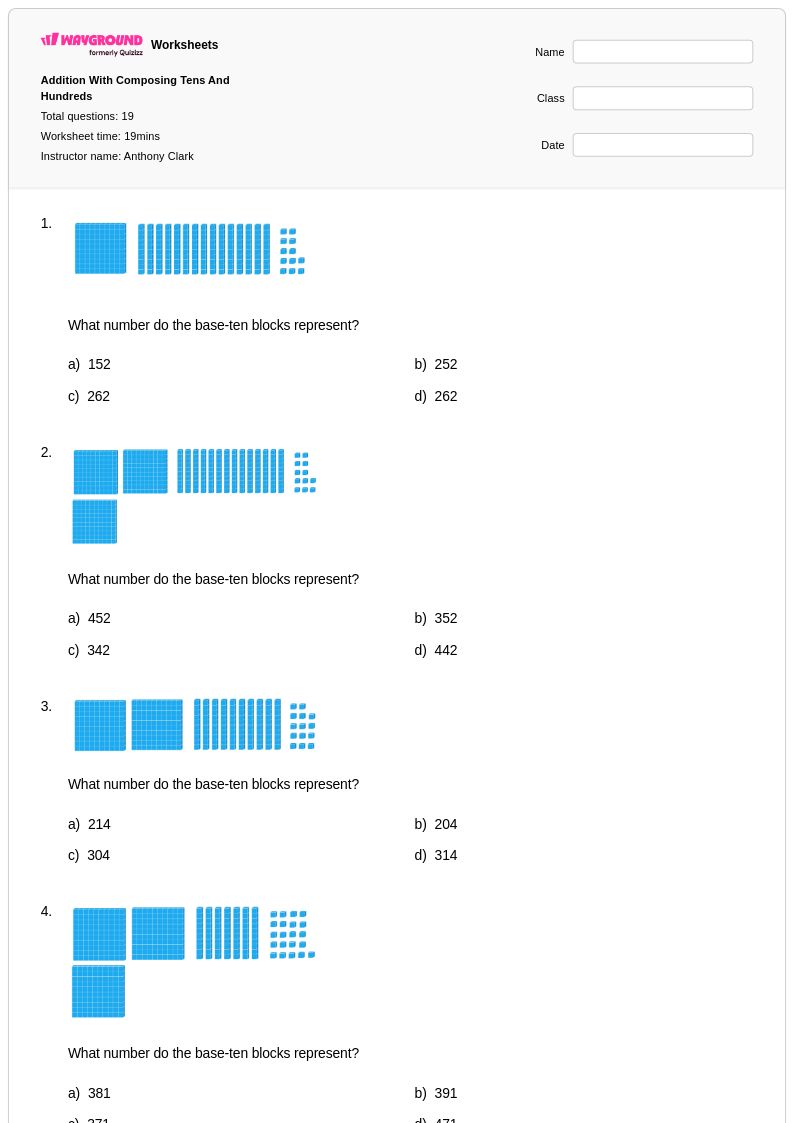
19 Q
2nd - Uni
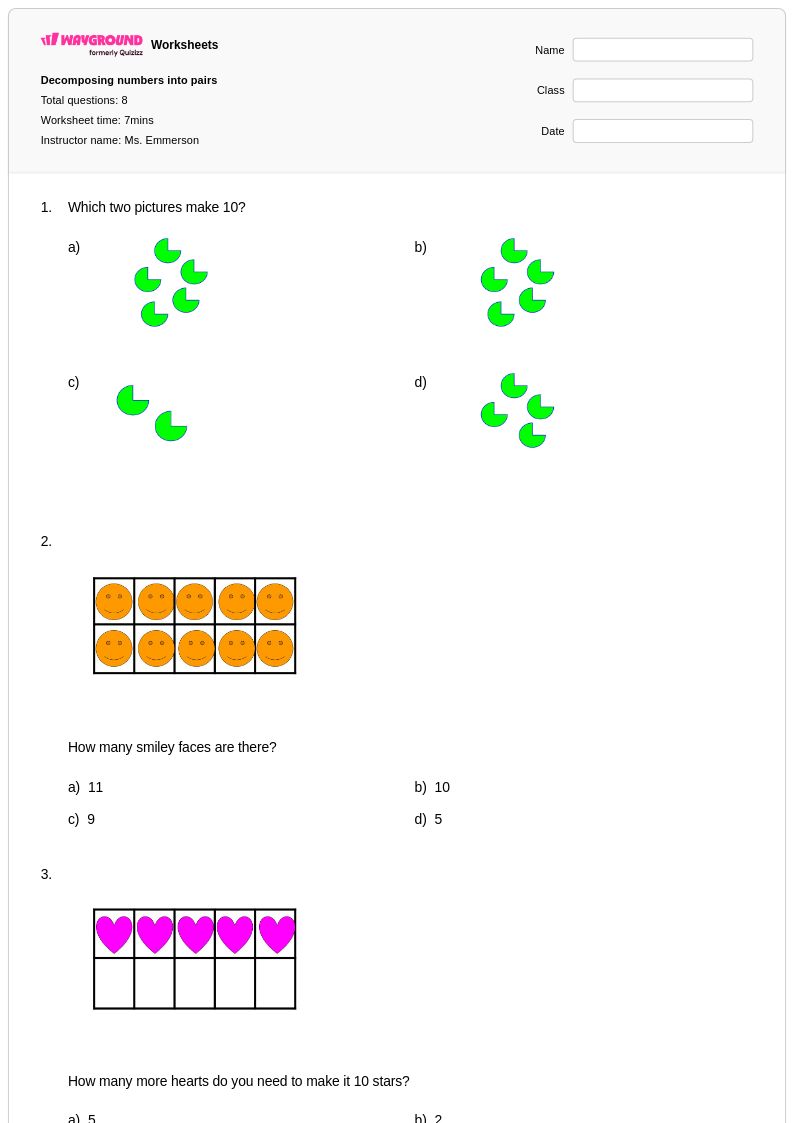
8 Q
KG - 3rd
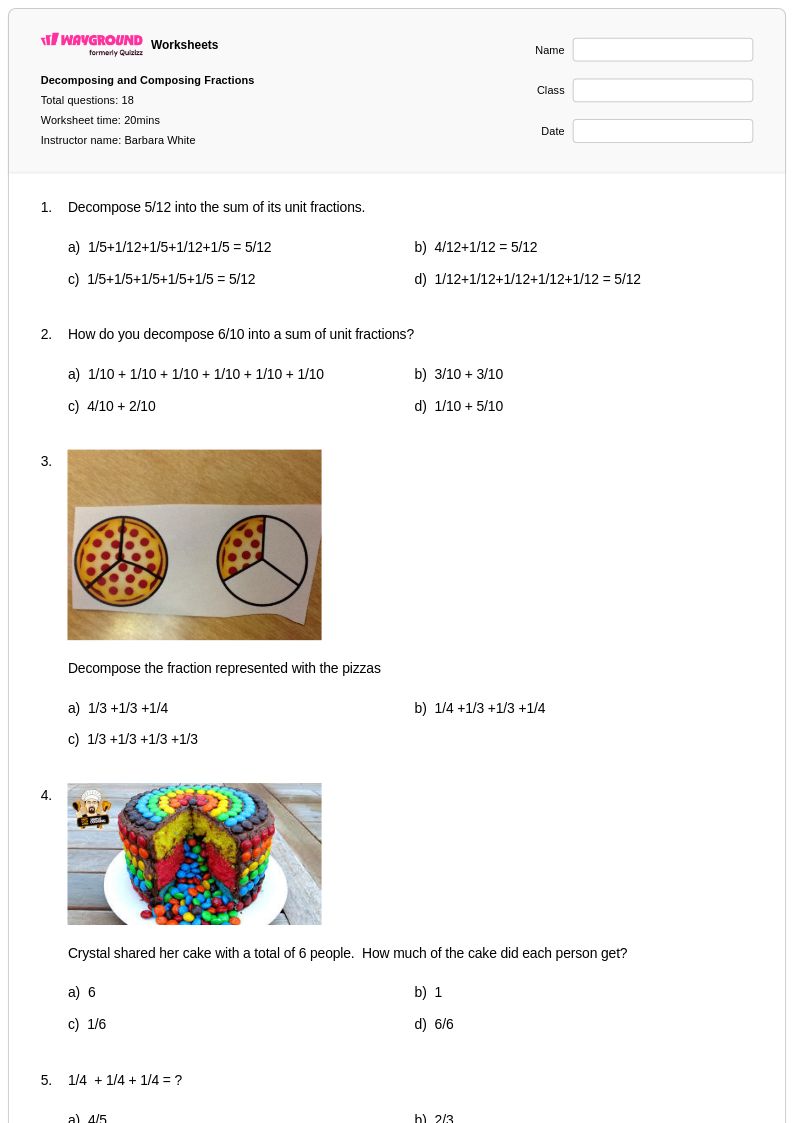
18 Q
3rd - 4th
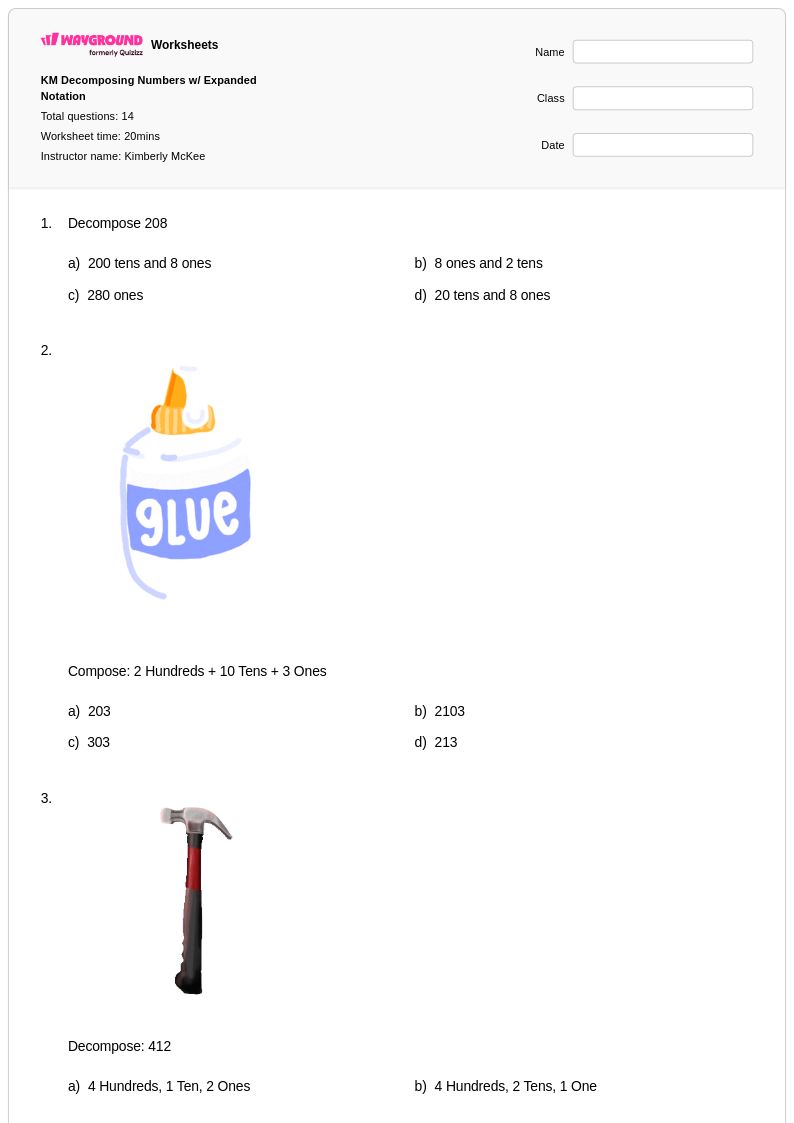
14 Q
3rd
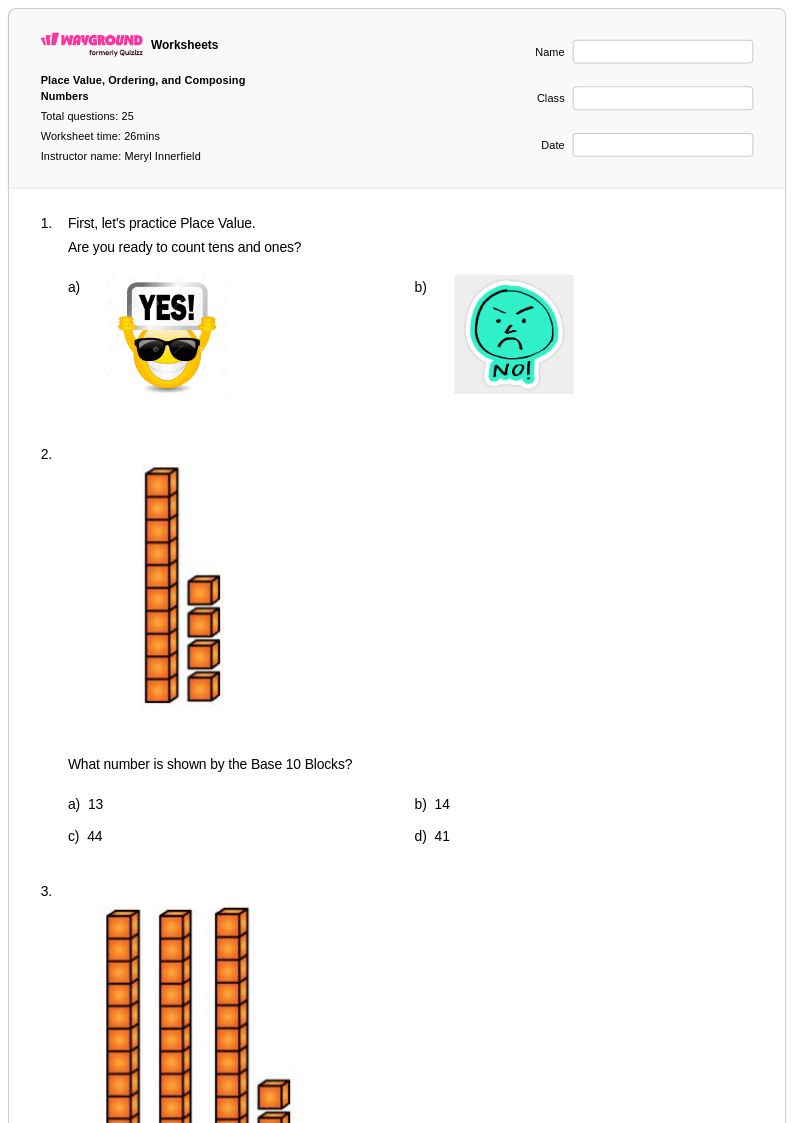
25 Q
1st - 5th
Explore Composing and Decomposing Numbers Worksheets by Grades
Explore Other Subject Worksheets for grade 3
Explore printable Composing and Decomposing Numbers worksheets for Grade 3
Composing and decomposing numbers forms the foundation of mathematical fluency for Grade 3 students, and Wayground's comprehensive worksheet collection provides targeted practice in these essential addition strategies. These carefully designed worksheets guide students through breaking apart numbers into smaller, more manageable parts and then recombining them to solve addition problems efficiently. Students develop critical number sense skills as they explore various decomposition methods, such as breaking numbers into tens and ones or finding friendly number combinations that make mental math easier. Each worksheet includes detailed practice problems that progressively build complexity, accompanied by answer keys that support both independent learning and guided instruction. The free printable resources offer multiple approaches to the same concepts, ensuring students can master composing and decomposing techniques through varied practice opportunities in convenient pdf format.
Wayground, formerly Quizizz, empowers educators with an extensive library of millions of teacher-created resources specifically designed to support composing and decomposing number instruction in Grade 3 mathematics. The platform's robust search and filtering capabilities allow teachers to quickly locate worksheets that align with specific learning standards and match their students' individual skill levels. Advanced differentiation tools enable educators to customize existing worksheets or modify practice problems to provide appropriate challenge levels for diverse learners, whether they need remediation support or enrichment opportunities. Teachers can seamlessly integrate these resources into their lesson planning, utilizing both digital formats for interactive classroom activities and printable pdf versions for traditional worksheet practice. The comprehensive collection supports systematic skill development through carefully sequenced practice problems that help students build confidence and automaticity in essential addition strategies.