
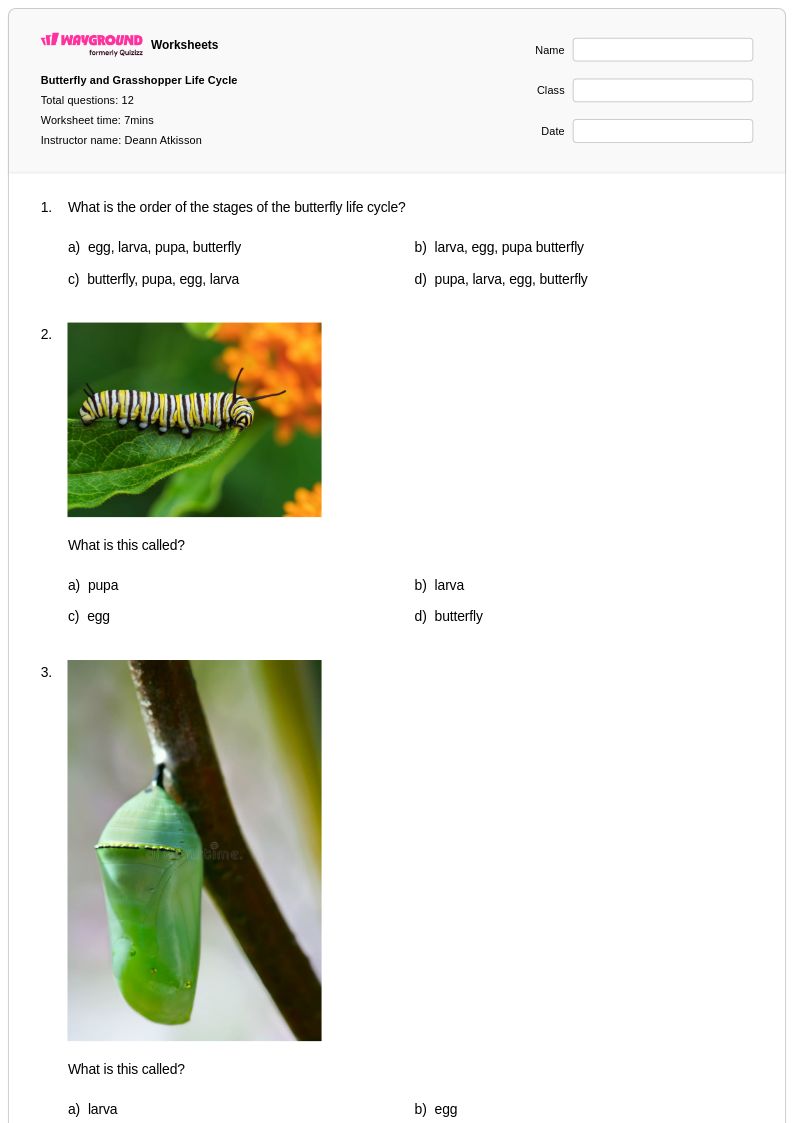
12 Q
2nd
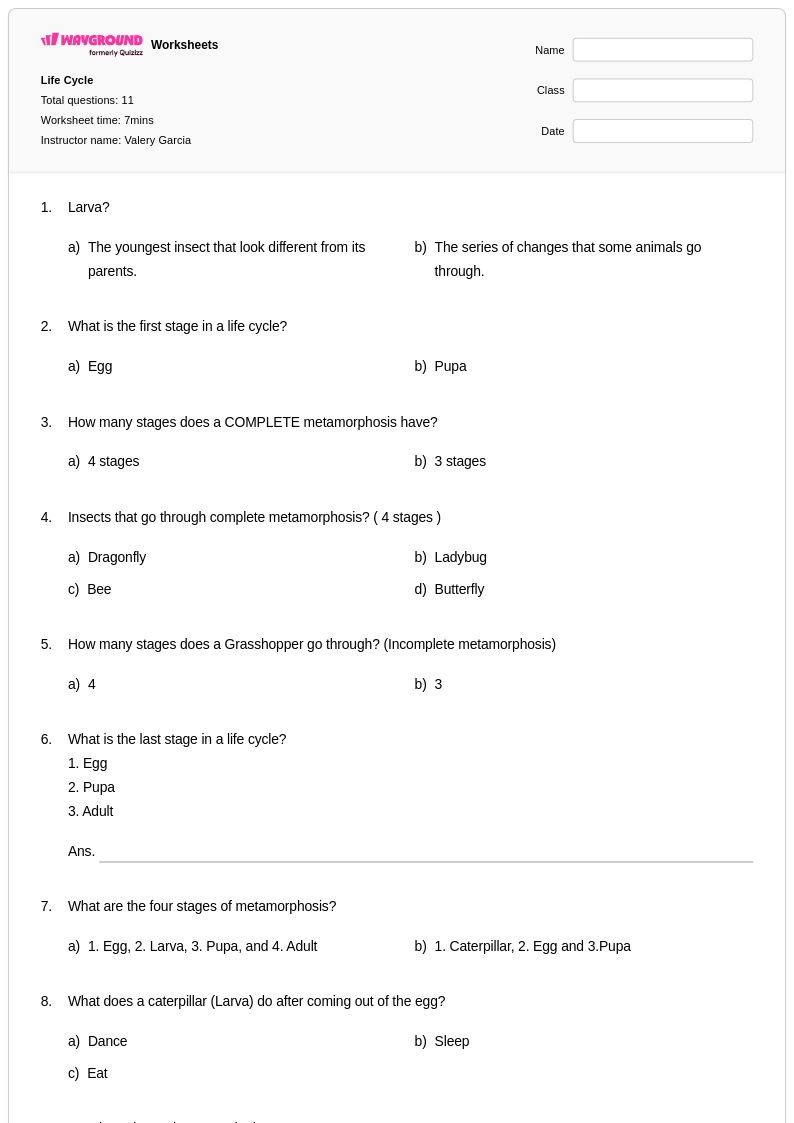
11 Q
2nd
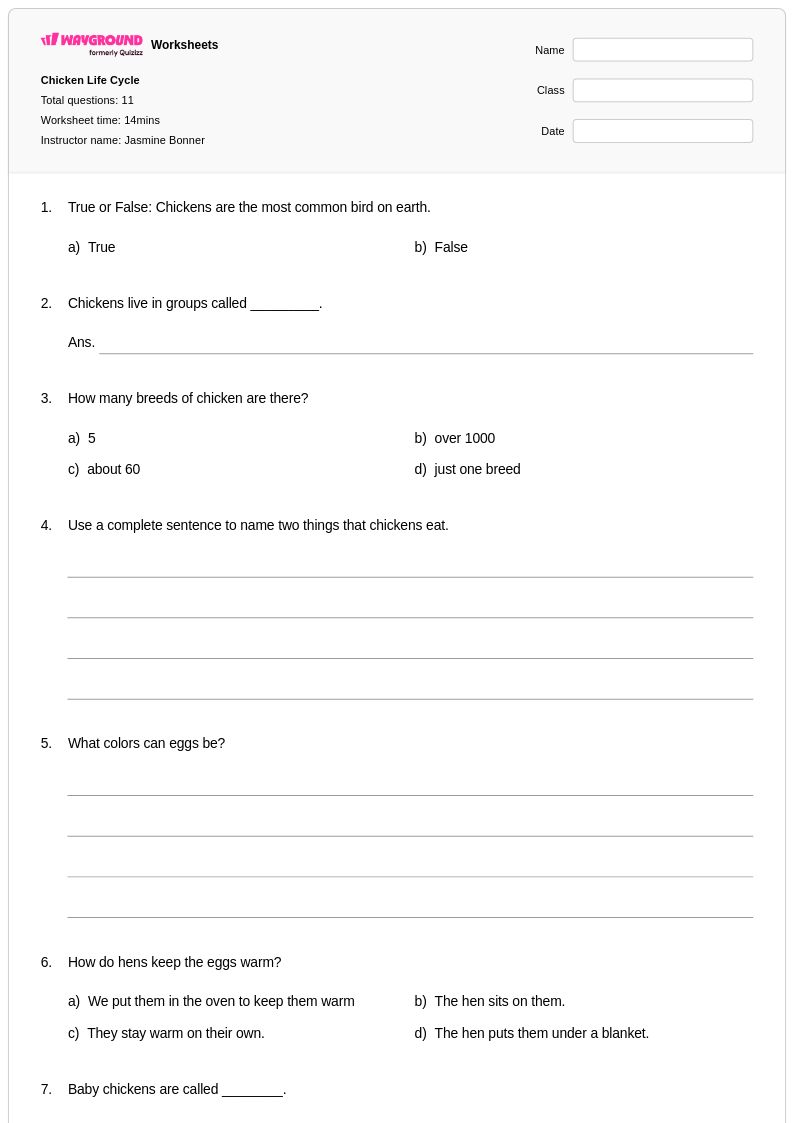
11 Q
2nd
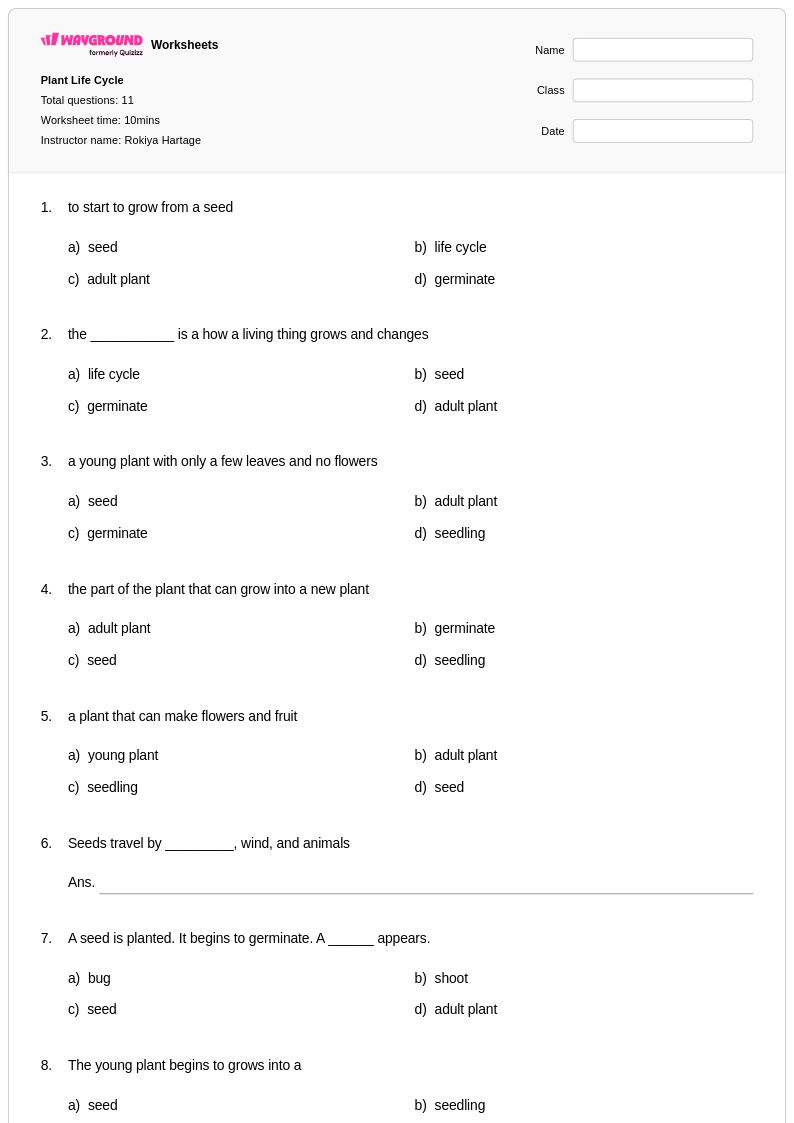
11 Q
2nd
11 Q
2nd
7 Q
1st - 5th
8 Q
2nd
9 Q
2nd
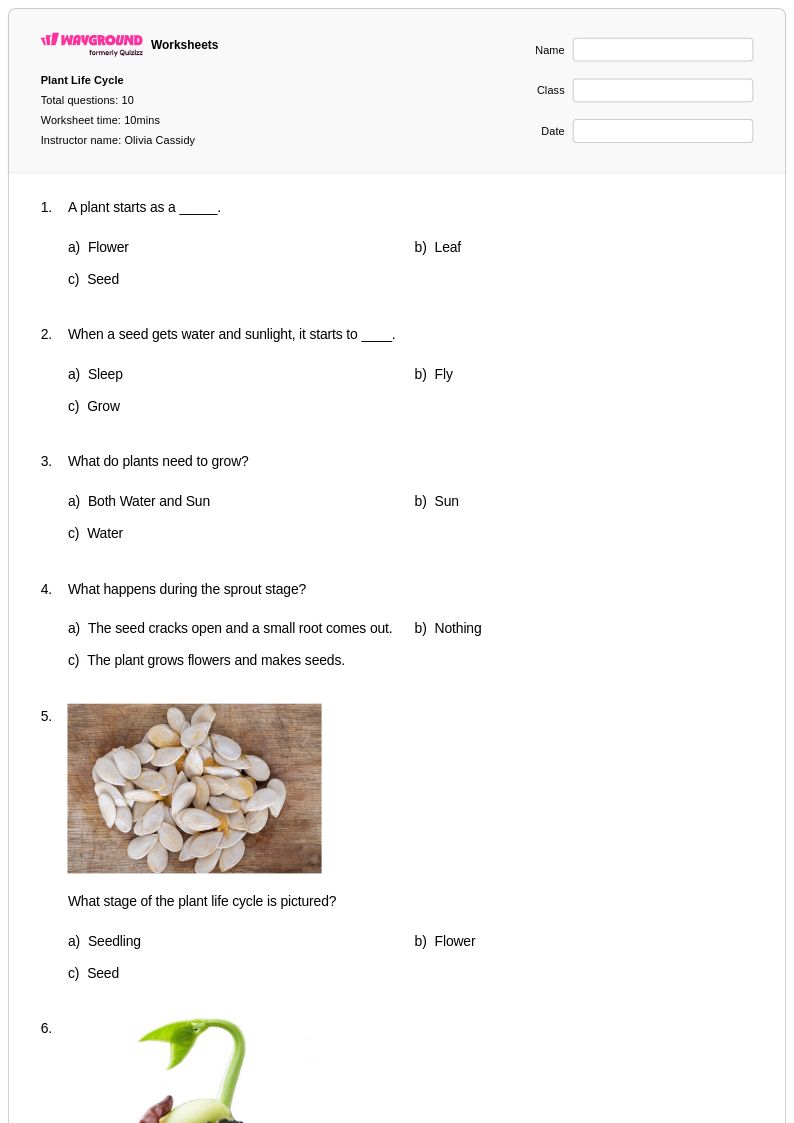
10 Q
2nd
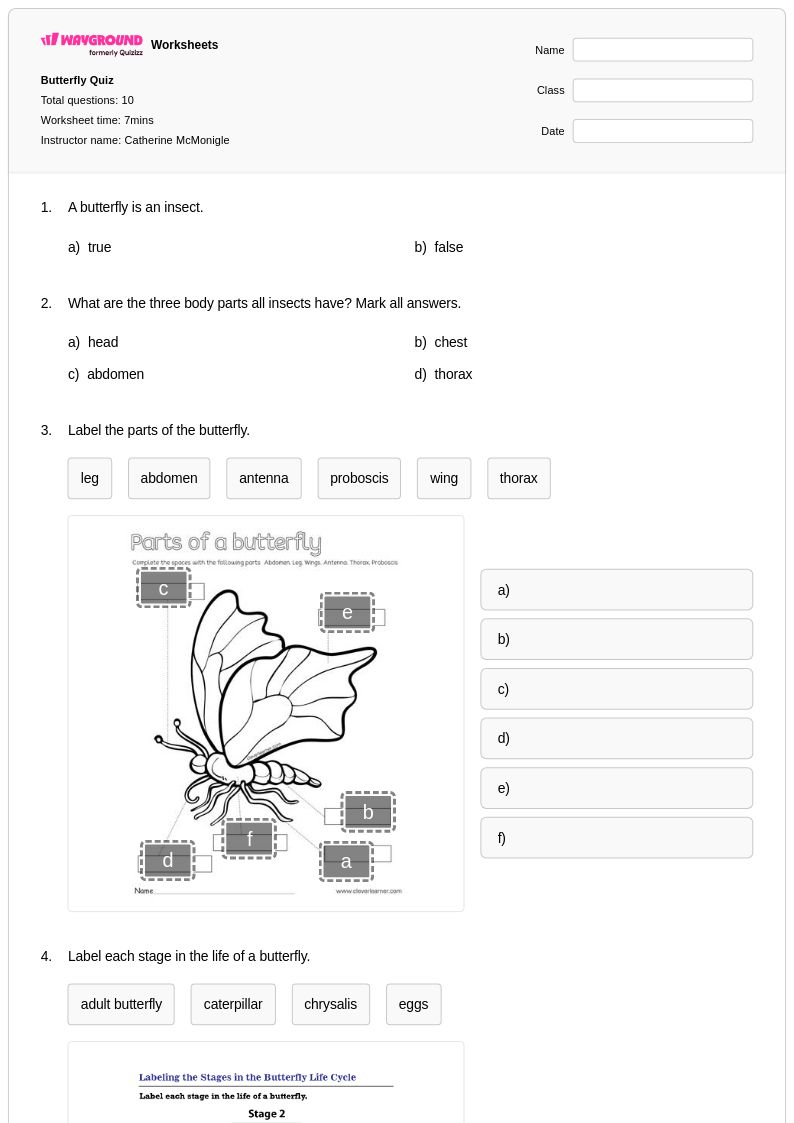
10 Q
2nd
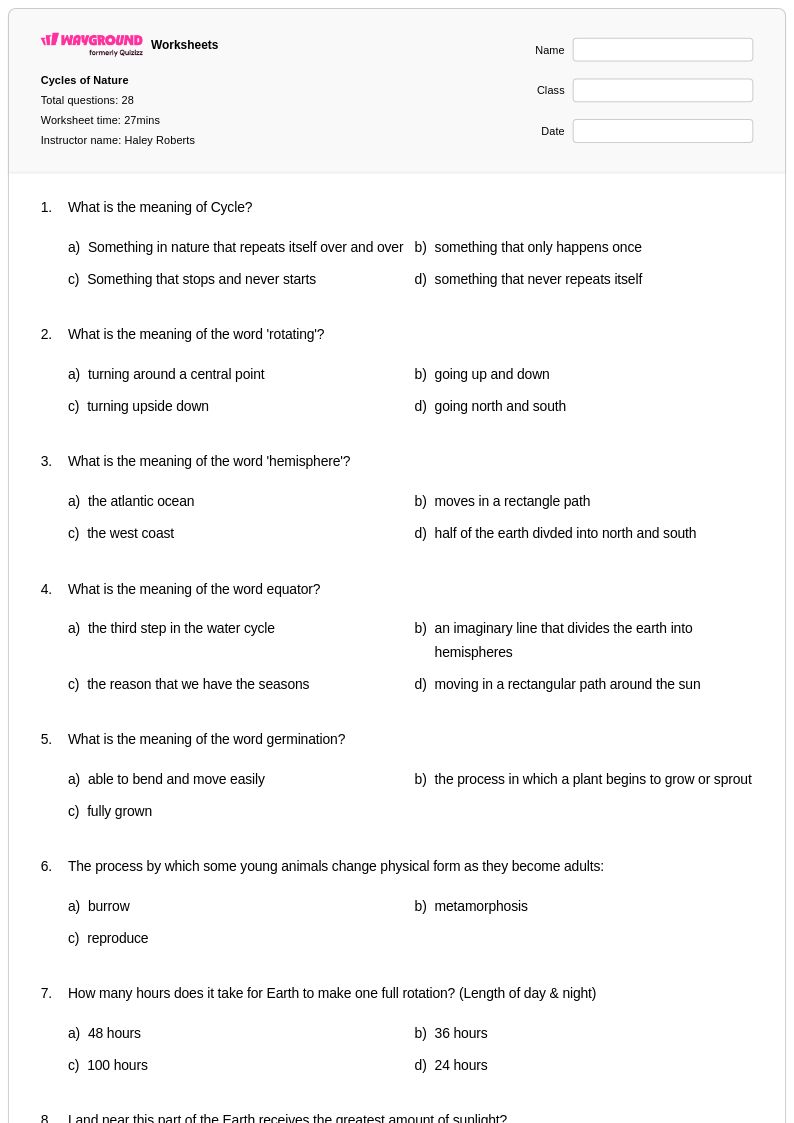
28 Q
2nd
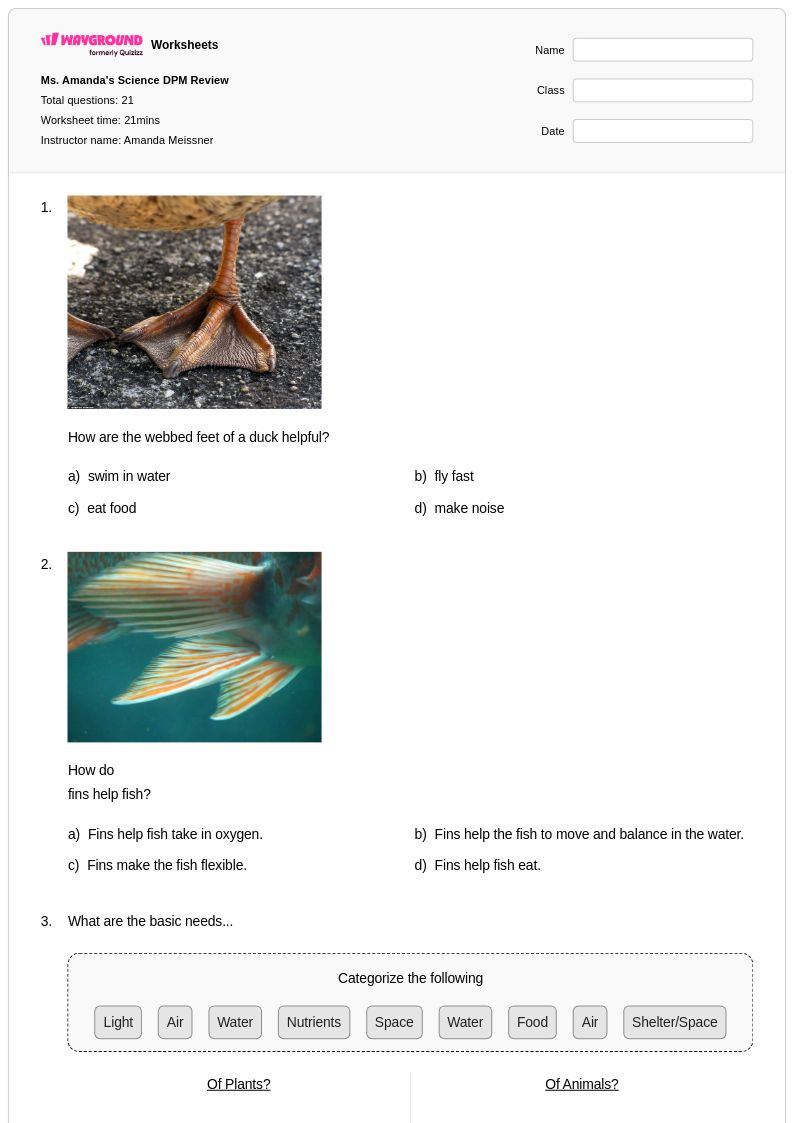
21 Q
2nd
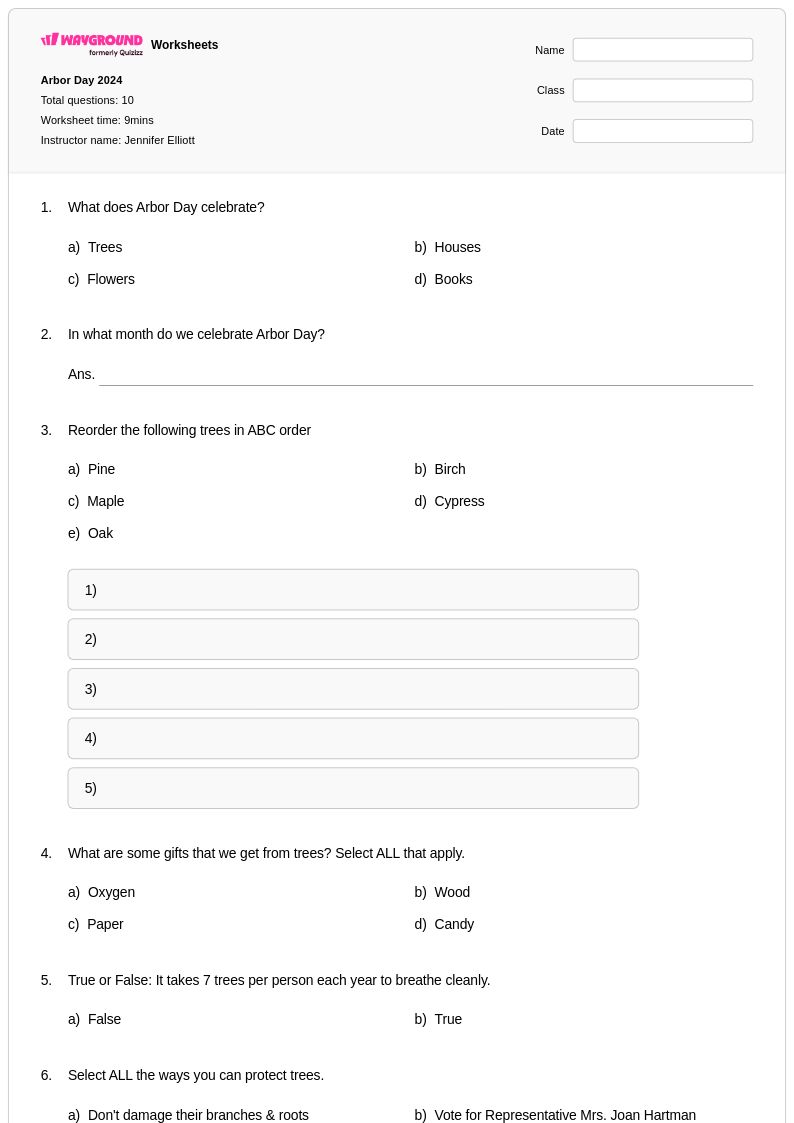
10 Q
2nd
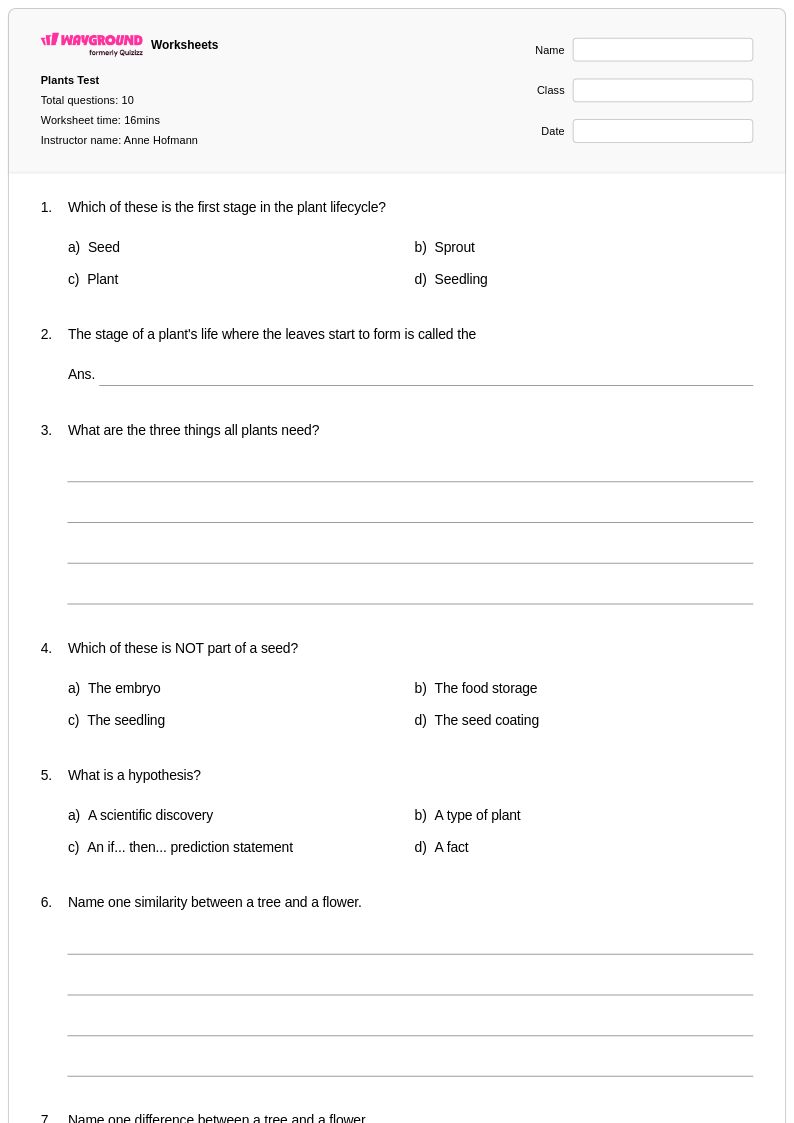
10 Q
2nd
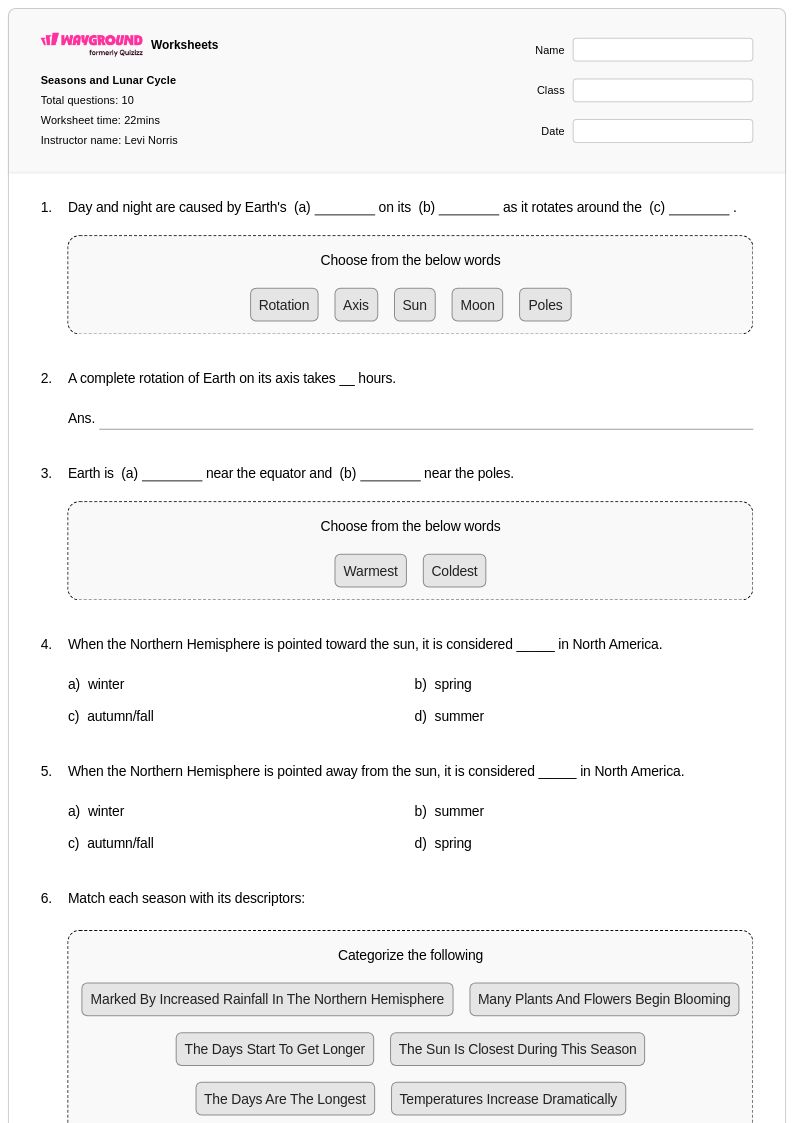
10 Q
1st - 5th
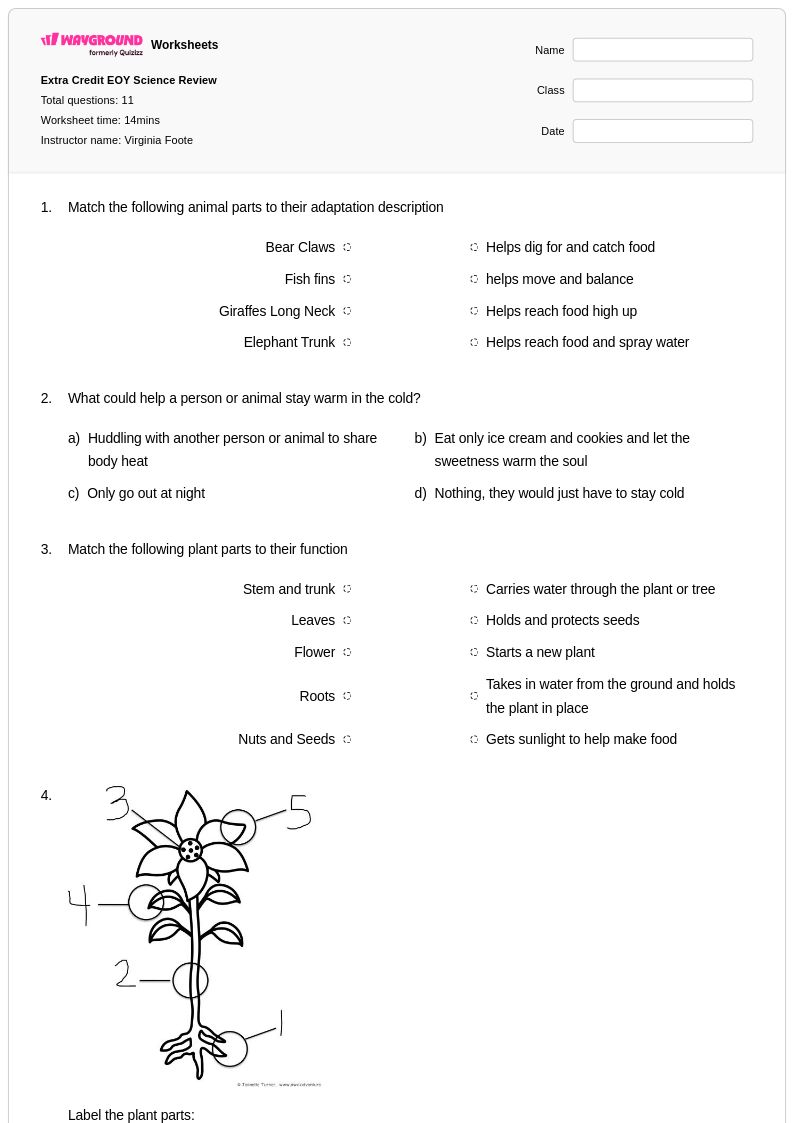
11 Q
2nd
18 Q
2nd
10 Q
2nd
10 Q
2nd
17 Q
1st - 5th
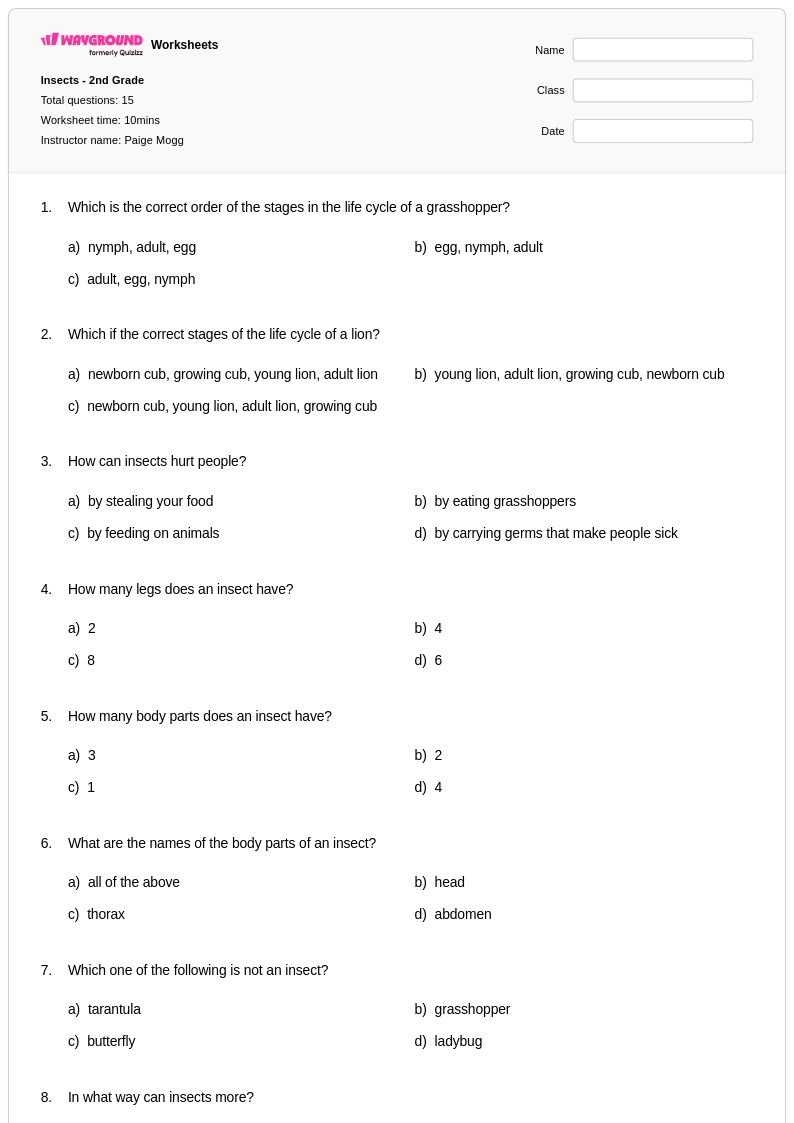
15 Q
2nd
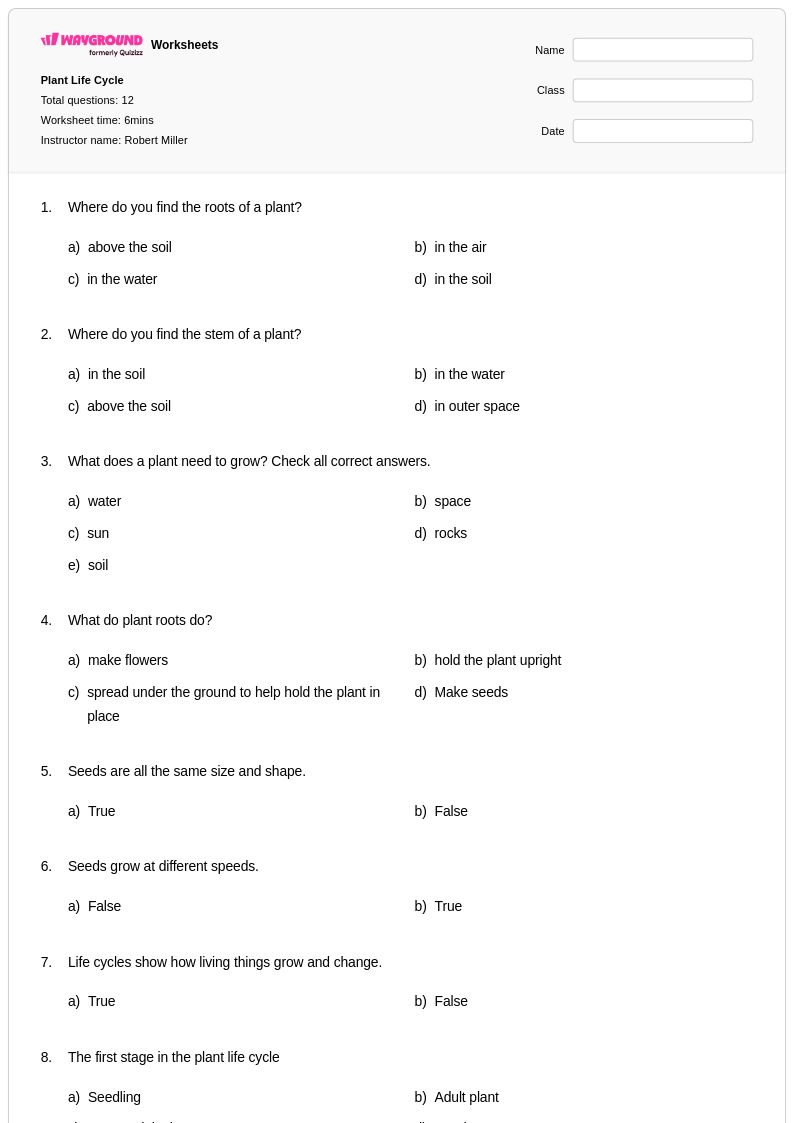
12 Q
2nd
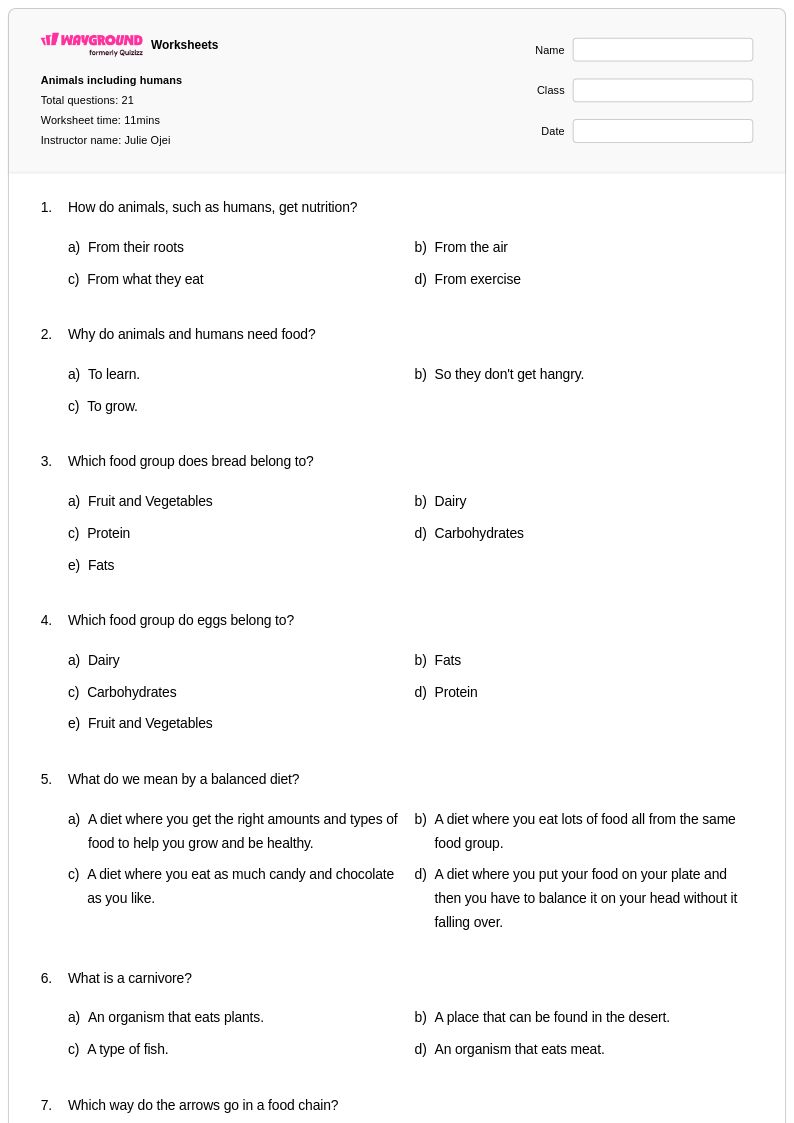
21 Q
2nd
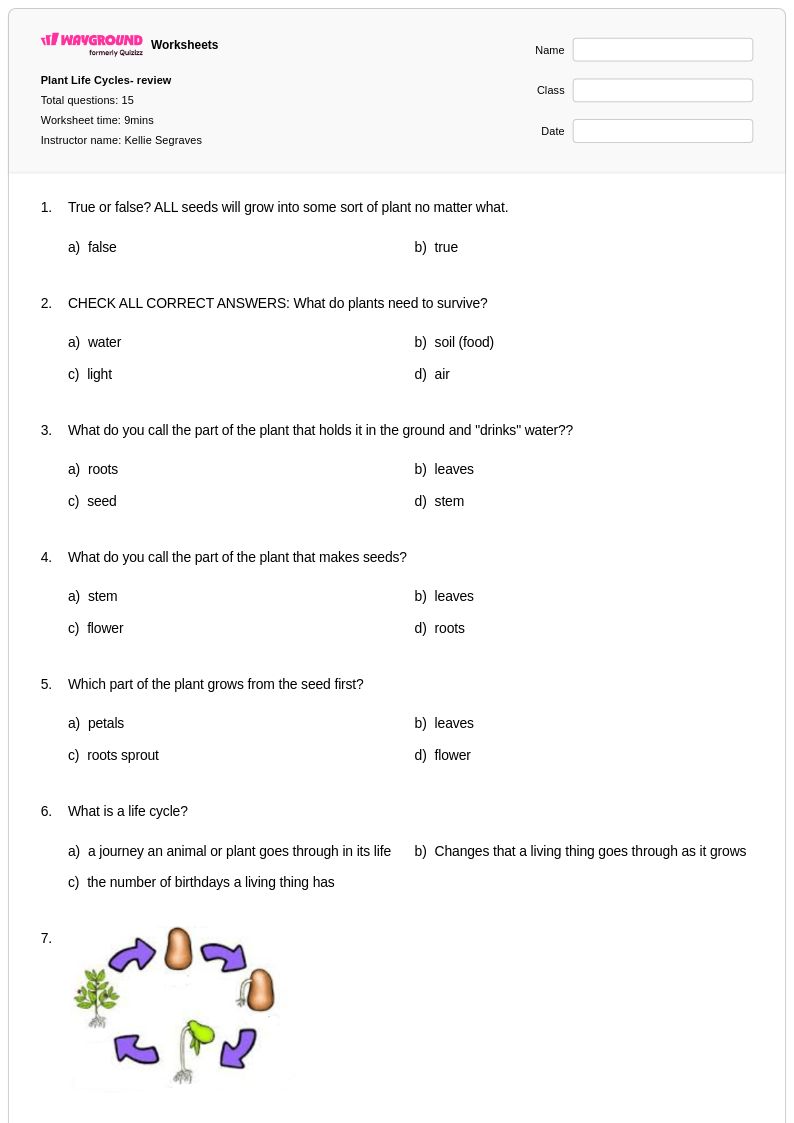
15 Q
2nd
Explore Other Subject Worksheets for grade 2
Explore printable Ant Life Cycle worksheets for Grade 2
Ant life cycle worksheets for Grade 2 students through Wayground (formerly Quizizz) provide young learners with engaging activities that explore the fascinating transformation of ants from egg to adult. These educational resources strengthen critical observation skills, scientific vocabulary development, and sequential thinking as students trace each stage of metamorphosis through carefully designed practice problems. The collection includes diverse worksheet formats featuring visual diagrams, labeling exercises, and sequencing activities that help second graders understand complete metamorphosis in an age-appropriate manner. Teachers can access comprehensive answer keys alongside each printable resource, ensuring efficient grading and immediate feedback opportunities. These free educational materials serve as valuable tools for introducing fundamental life science concepts while building students' ability to recognize patterns and understand biological processes through hands-on learning experiences available in convenient pdf format.
Wayground (formerly Quizizz) empowers educators with millions of teacher-created ant life cycle resources specifically designed to meet Grade 2 learning objectives and align with science education standards. The platform's robust search and filtering capabilities enable teachers to quickly locate worksheets that match their specific curriculum needs, whether for initial concept introduction, skill reinforcement, or assessment preparation. Advanced differentiation tools allow educators to customize content difficulty levels, accommodating diverse learning abilities within the same classroom while maintaining focus on essential life science concepts. These versatile resources are available in both printable and digital formats, supporting flexible lesson planning for in-person instruction, homework assignments, or remote learning scenarios. Teachers utilize these comprehensive worksheet collections for targeted remediation with struggling students, enrichment activities for advanced learners, and systematic skill practice that builds scientific literacy and critical thinking abilities essential for elementary science education.
FAQs
How do I teach the ant life cycle to elementary students?
What activities help students practice the stages of the ant life cycle?
What mistakes do students commonly make when learning the ant life cycle?
How is the ant life cycle different from incomplete metamorphosis?
How do I use Wayground's ant life cycle worksheets in my classroom?
How can I differentiate ant life cycle worksheets for students at different levels?