
20 Q
1st - 2nd
10 Q
2nd
18 Q
1st - 5th
10 Q
1st - 2nd
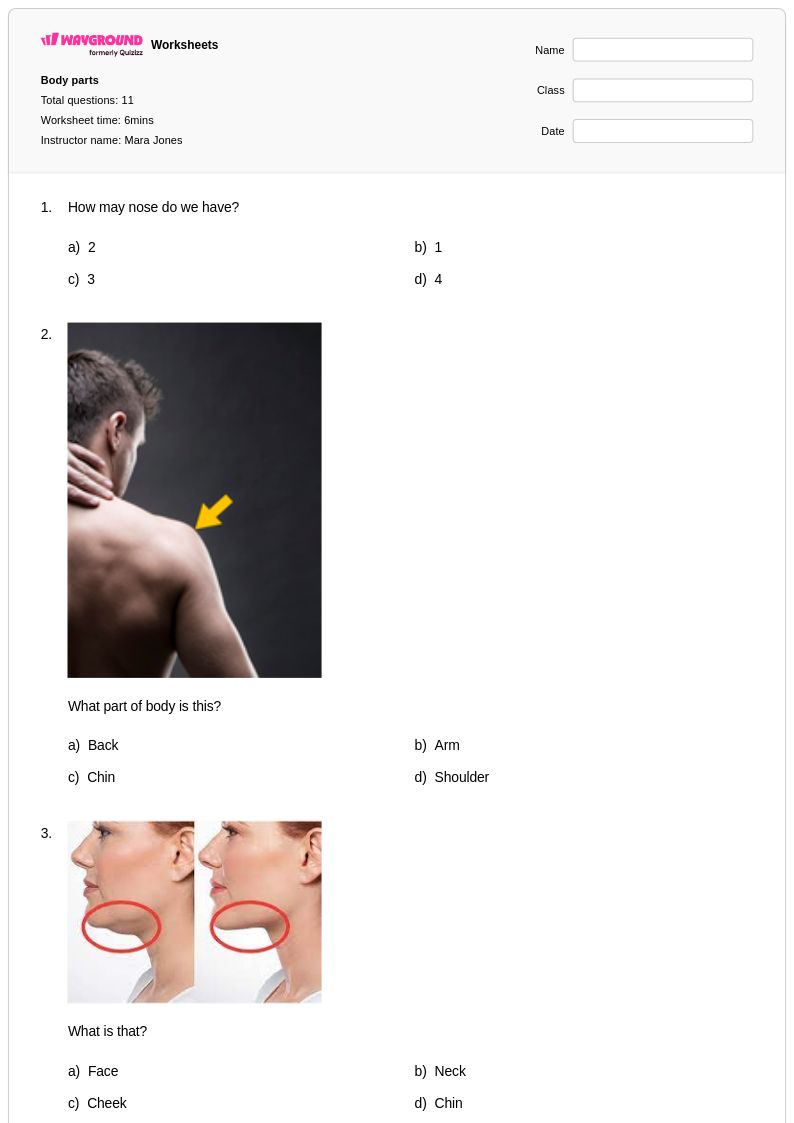
11 Q
KG - 2nd
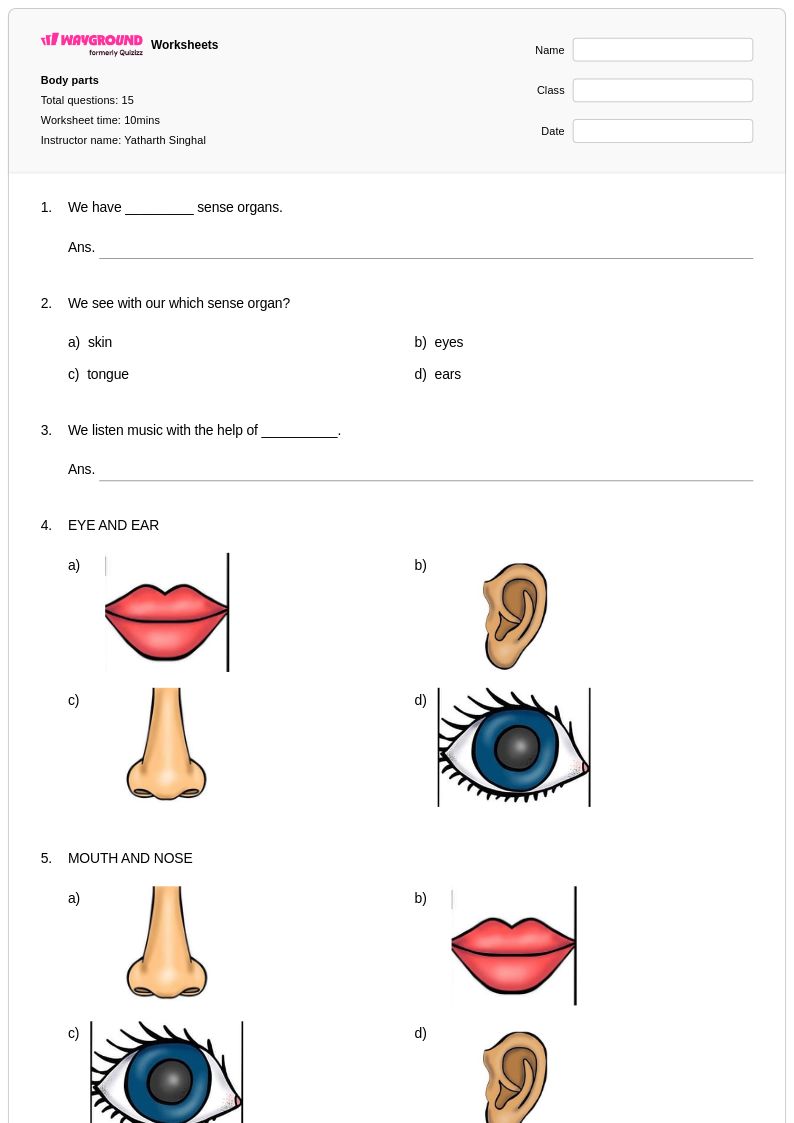
15 Q
1st - 2nd
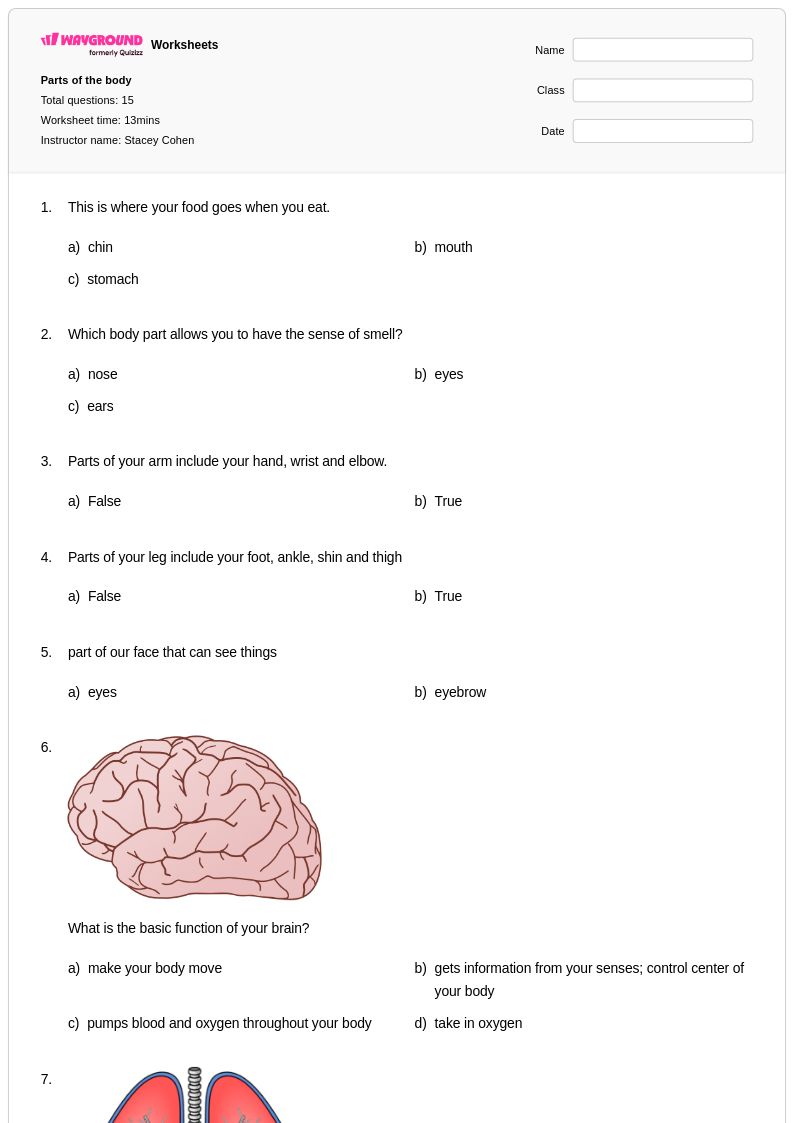
15 Q
2nd
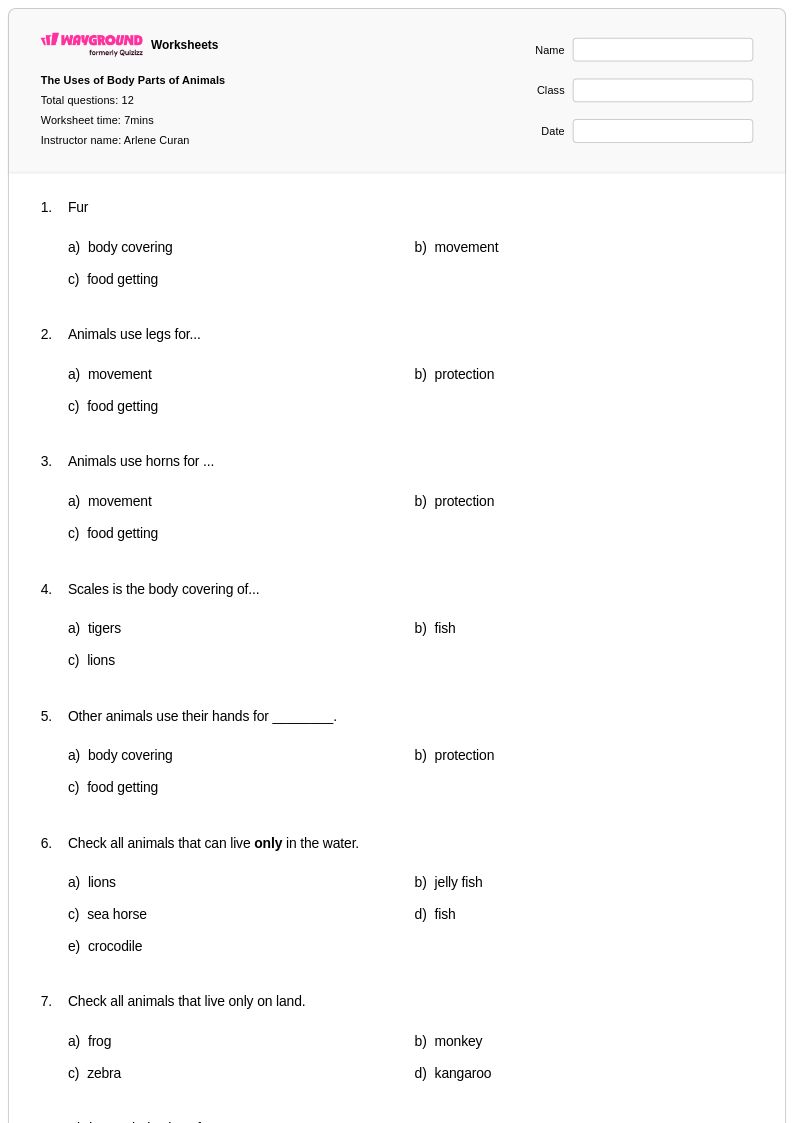
12 Q
2nd
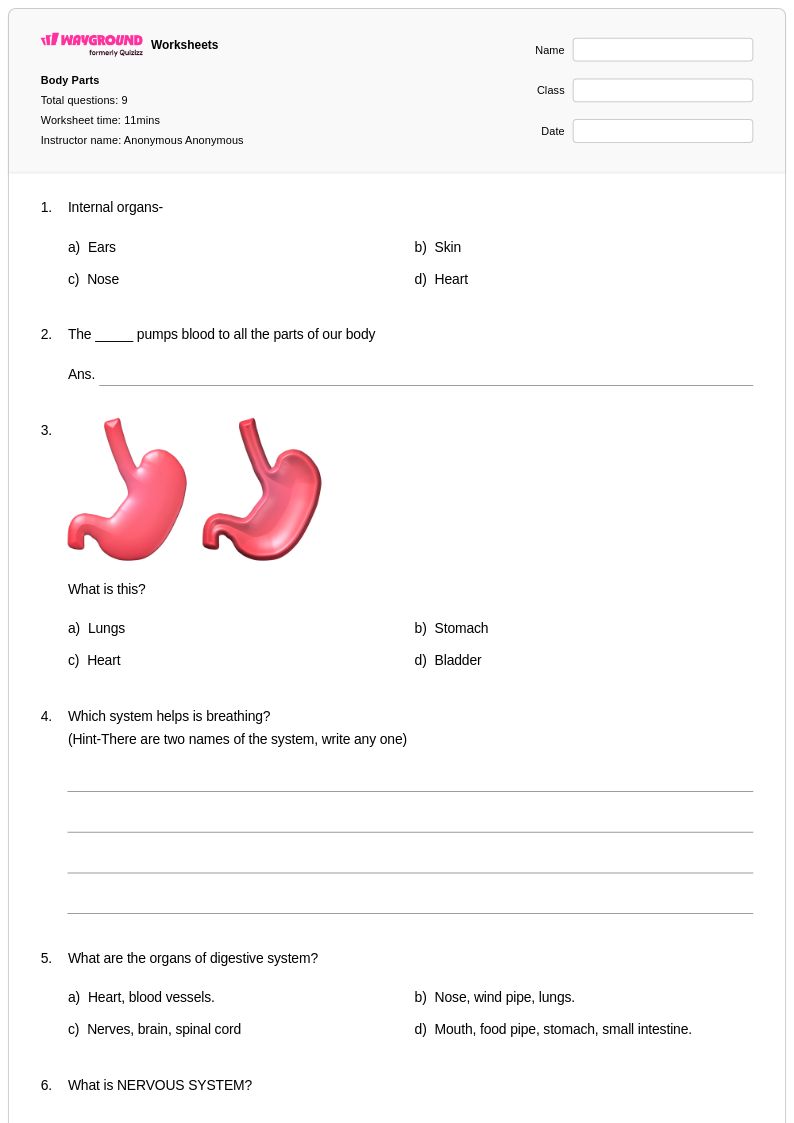
9 Q
2nd - 3rd
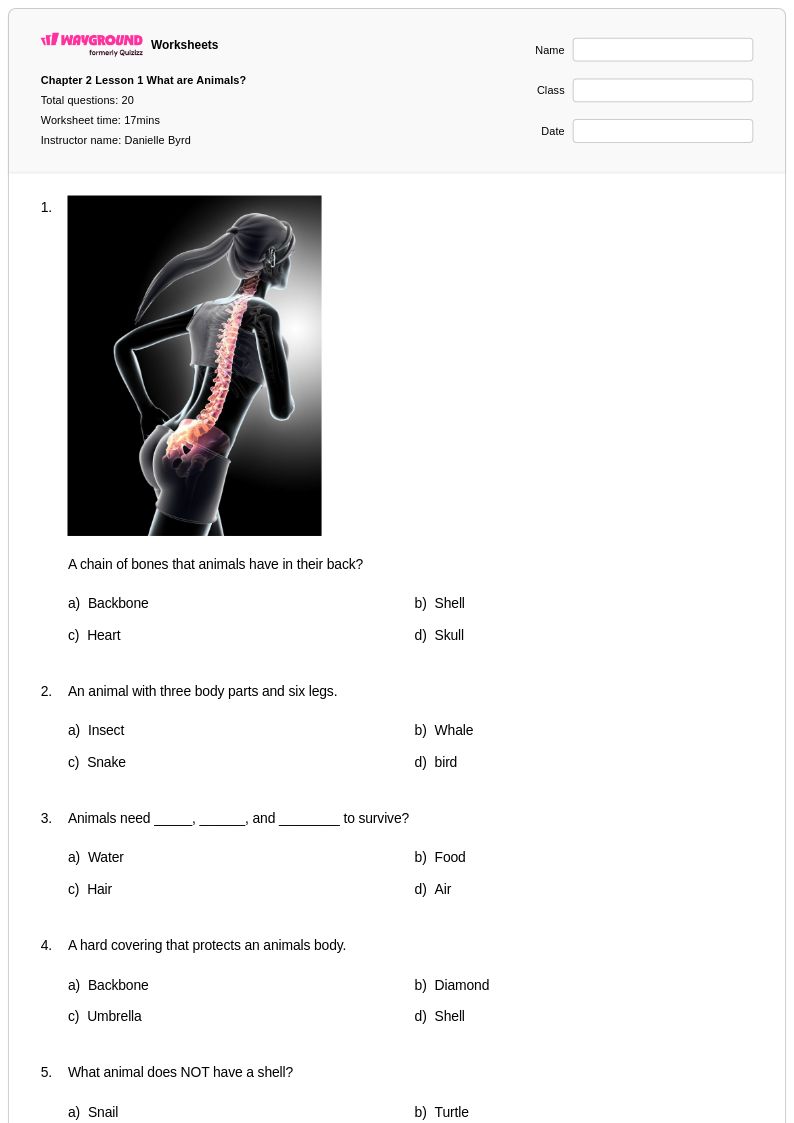
20 Q
1st - 4th
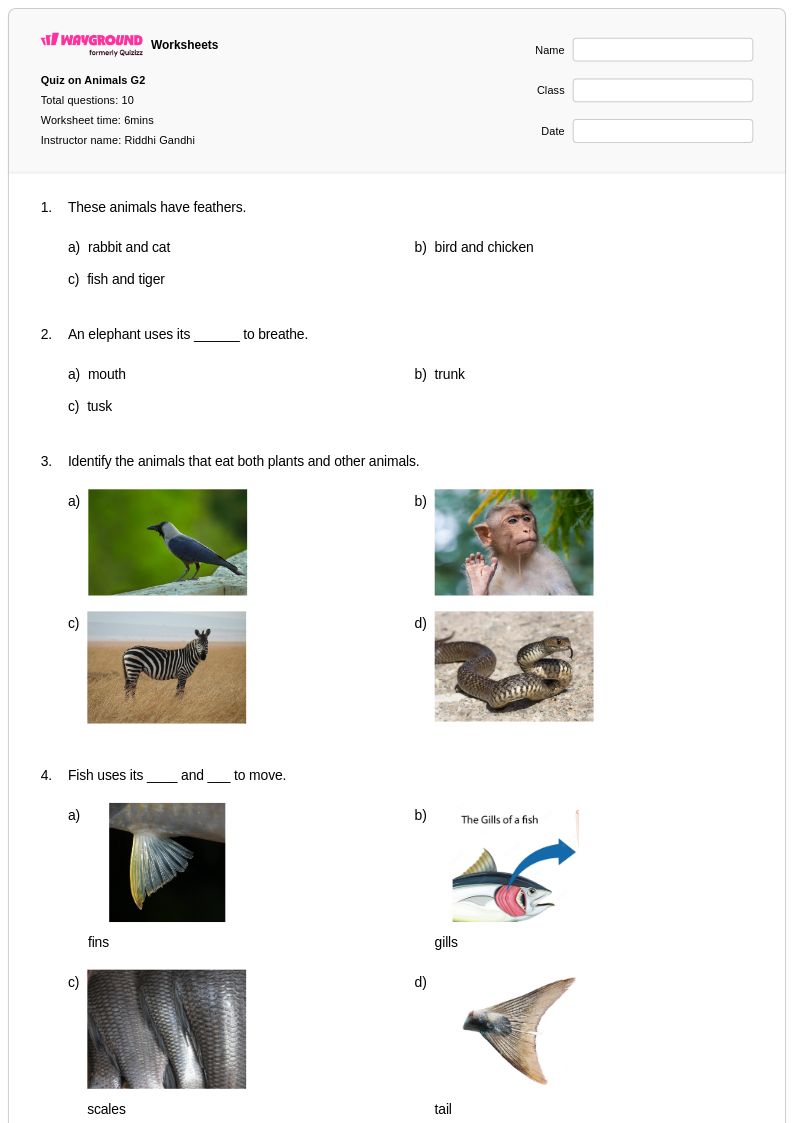
10 Q
2nd
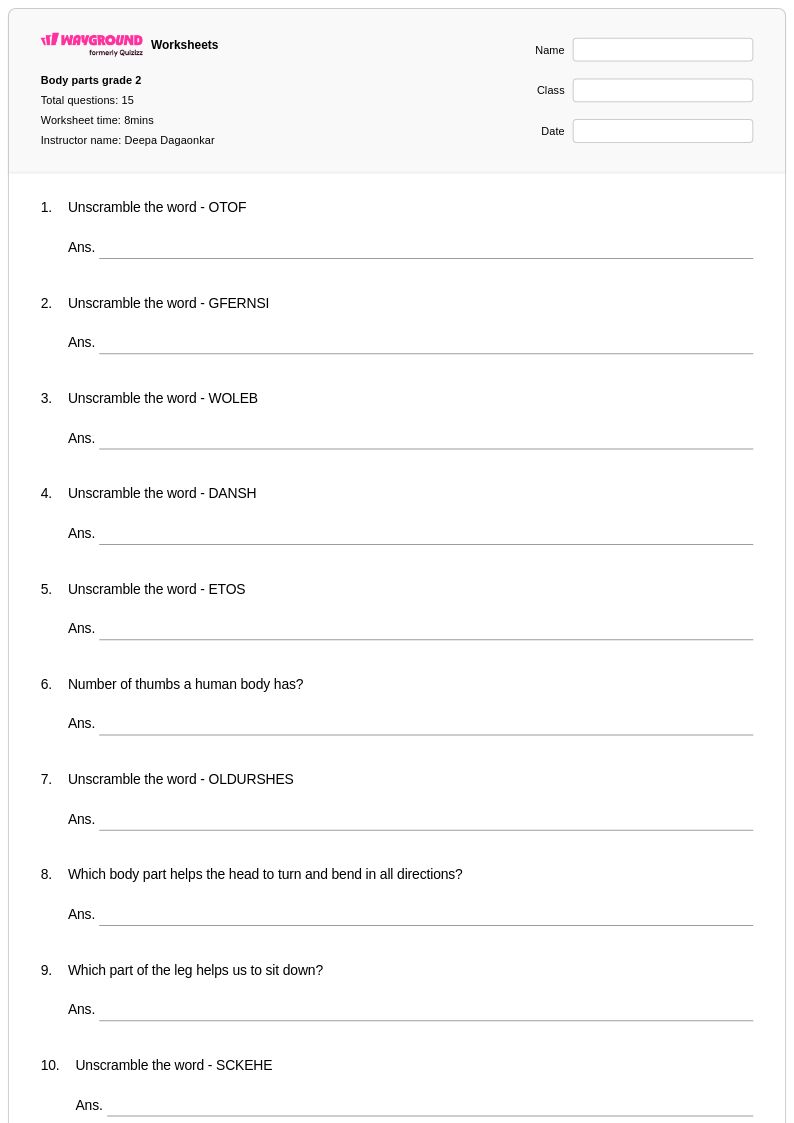
15 Q
1st - 2nd
15 Q
2nd
10 Q
1st - 6th
21 Q
2nd
12 Q
2nd
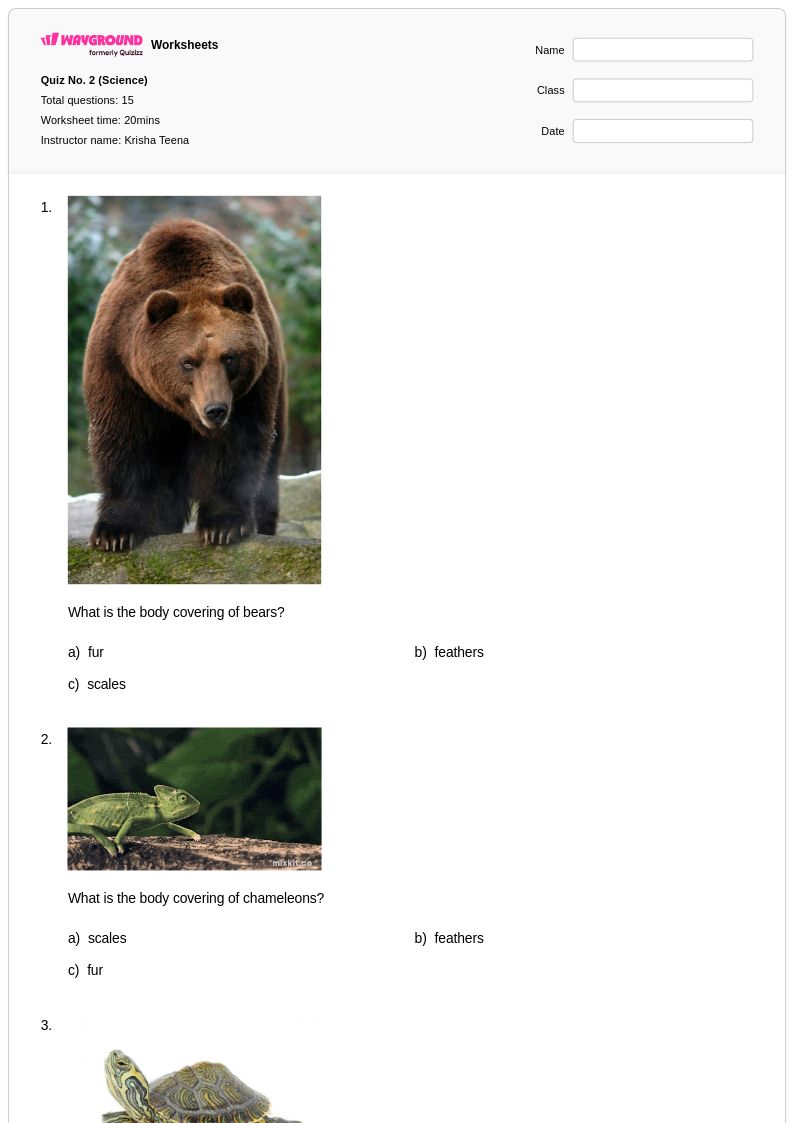
15 Q
2nd
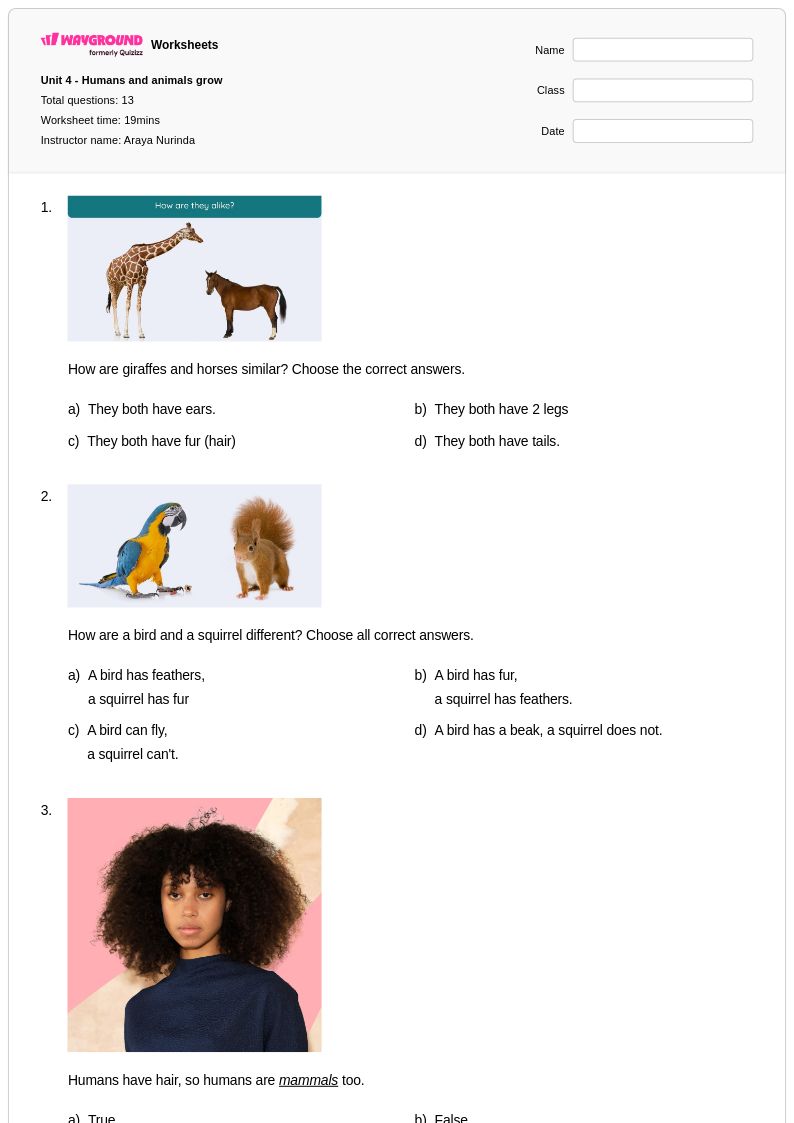
13 Q
2nd
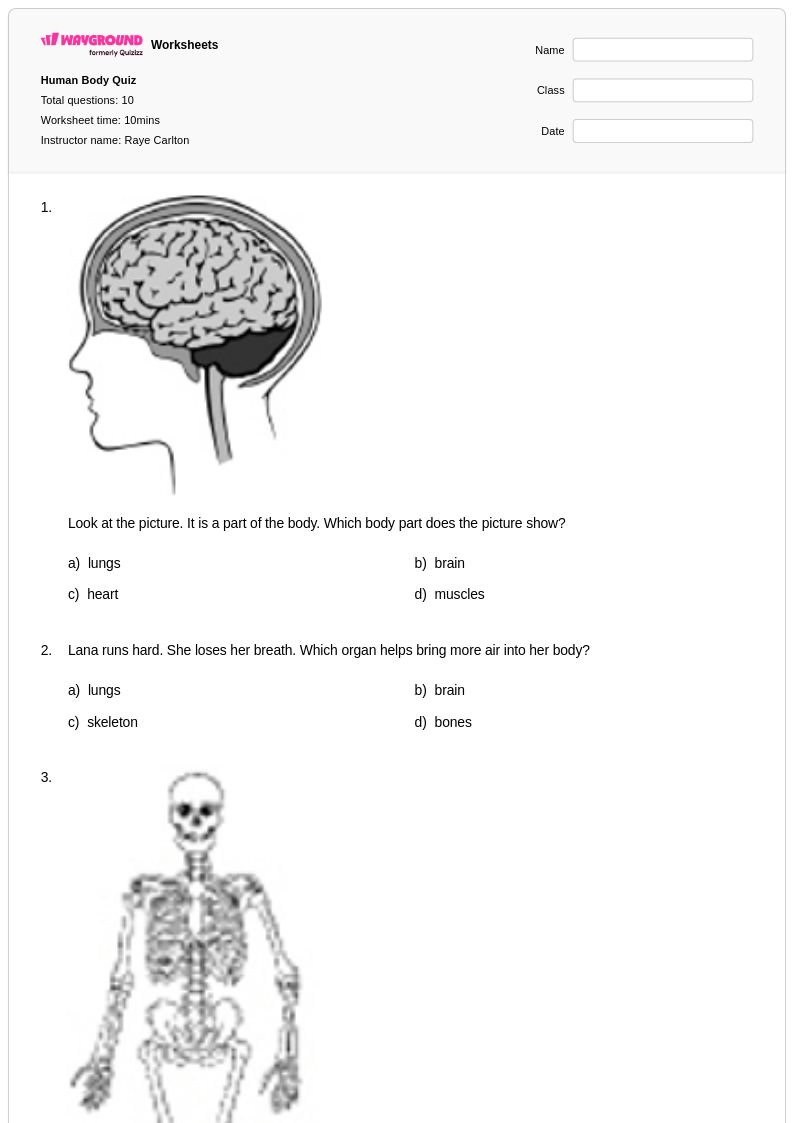
10 Q
2nd
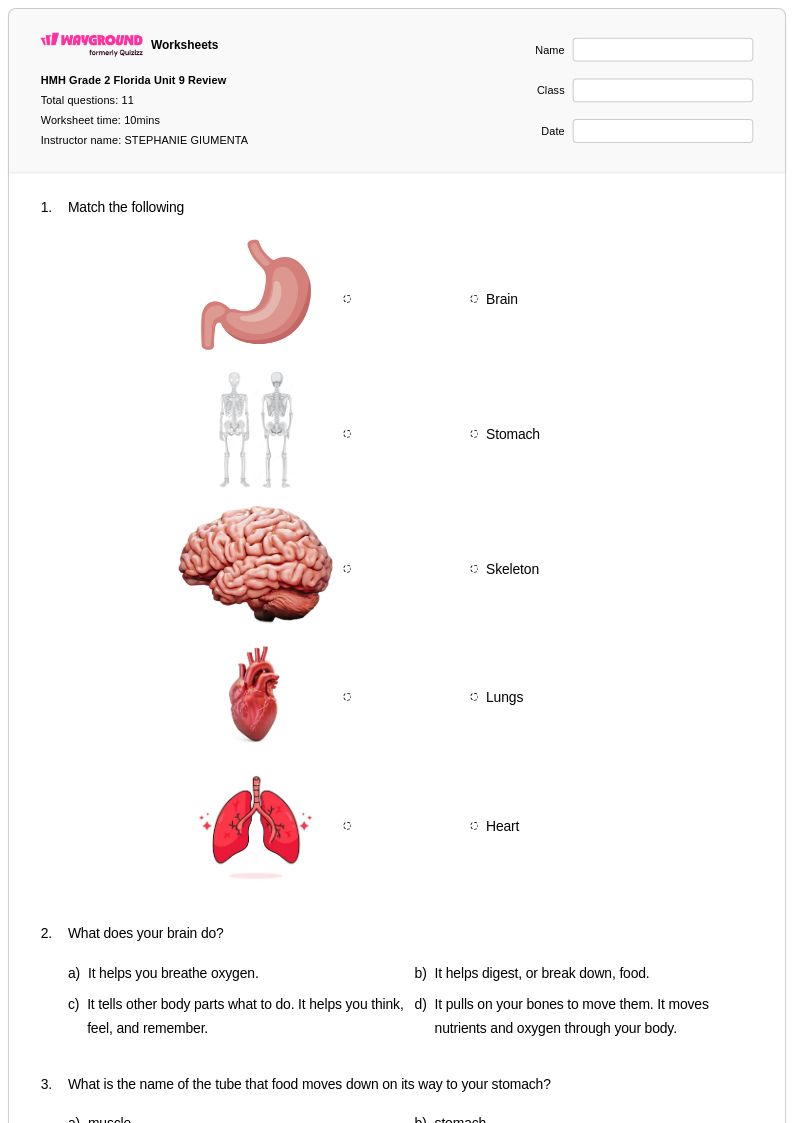
11 Q
2nd
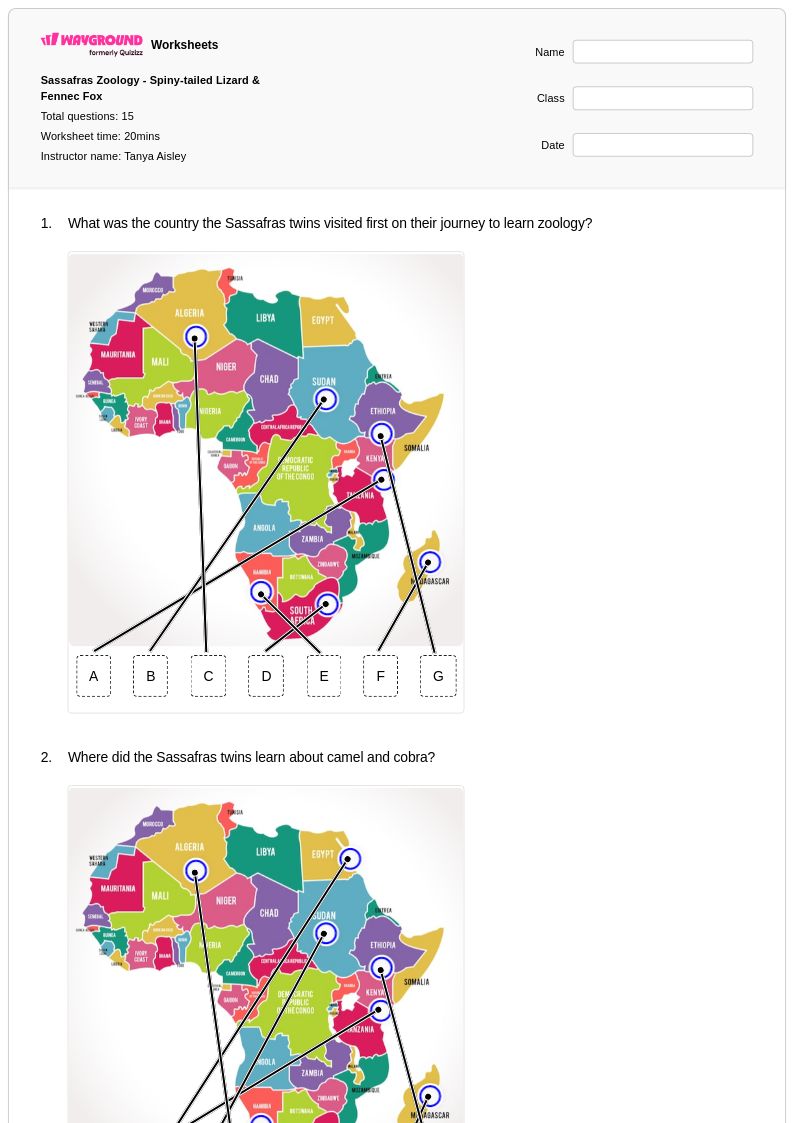
15 Q
1st - 5th
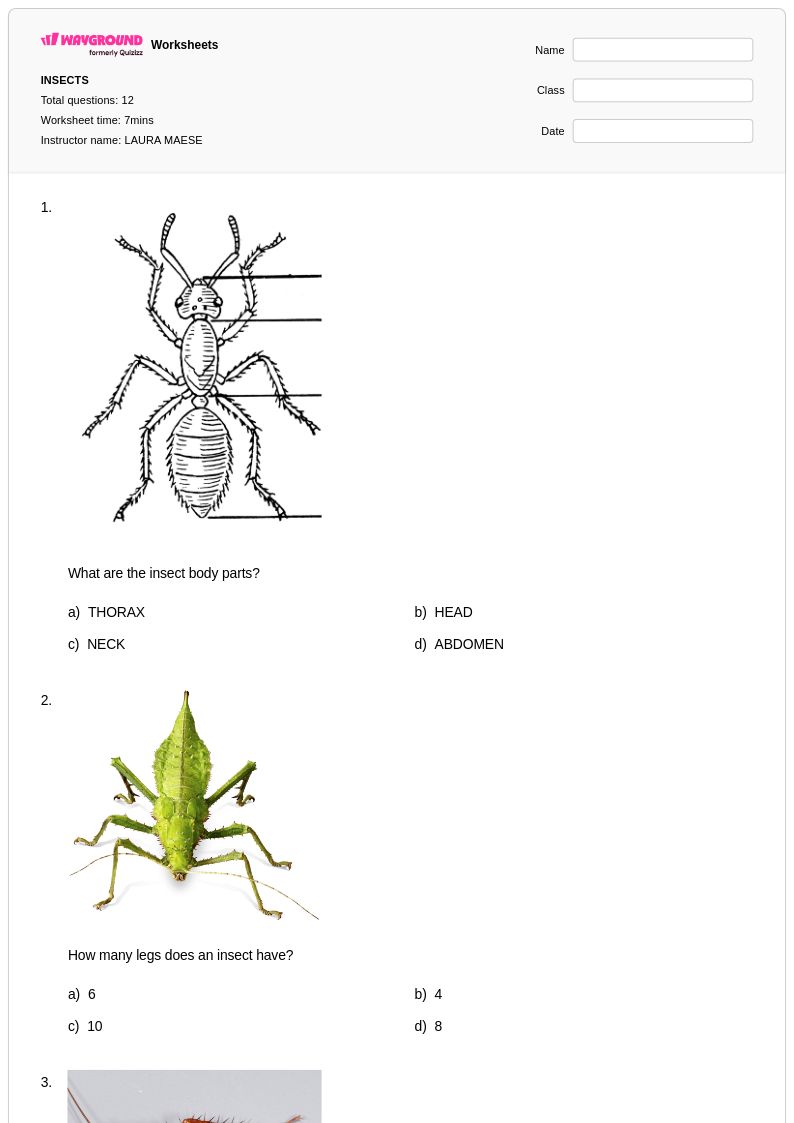
12 Q
2nd
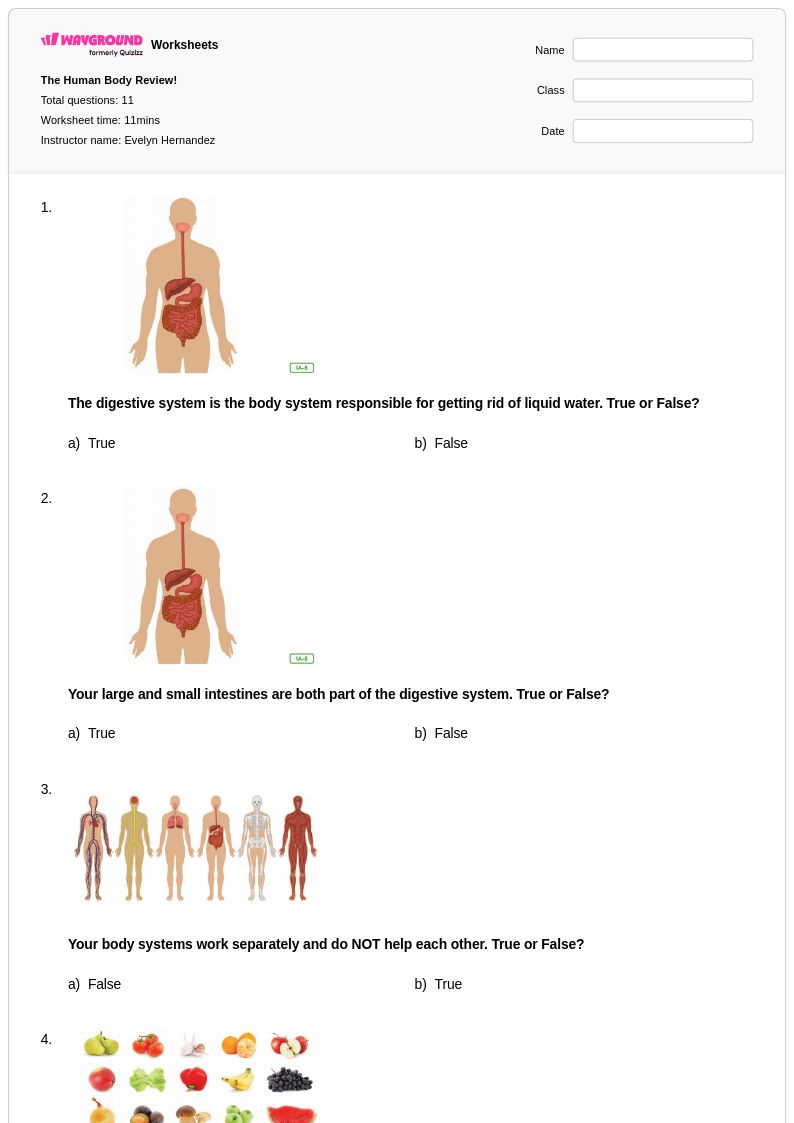
11 Q
2nd
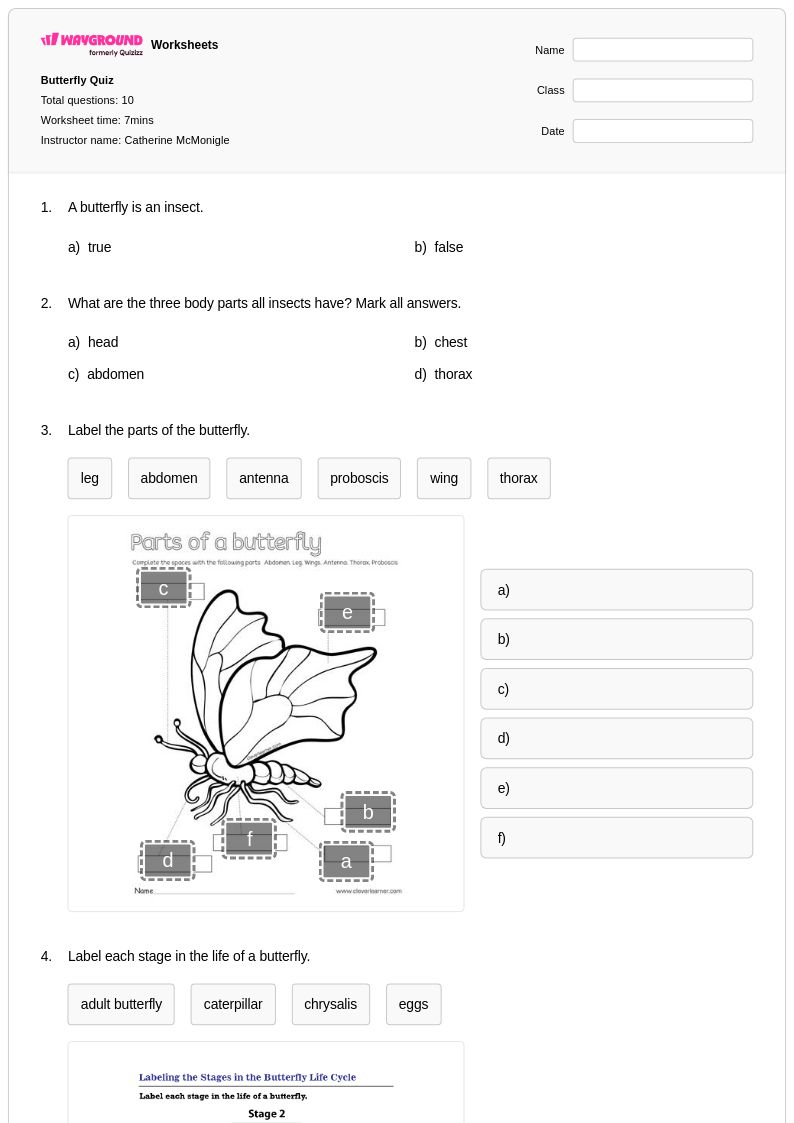
10 Q
2nd
Explore Other Subject Worksheets for grade 2
Explore printable Horse Body Parts worksheets for Grade 2
Grade 2 horse body parts worksheets available through Wayground (formerly Quizizz) provide young learners with engaging educational resources that introduce fundamental anatomical concepts through familiar barnyard animals. These carefully designed worksheets strengthen essential life science skills including vocabulary development, observation abilities, and basic understanding of animal anatomy as students learn to identify key external features such as the mane, tail, hooves, ears, and legs. Each printable resource includes comprehensive practice problems that encourage students to label diagrams, match body parts to their functions, and develop scientific terminology appropriate for their developmental level. Teachers can access complete answer keys alongside these free educational materials, ensuring efficient grading and effective assessment of student comprehension in pdf format.
Wayground (formerly Quizizz) empowers educators with millions of teacher-created resources specifically designed to support life science instruction at the elementary level. The platform's robust search and filtering capabilities allow teachers to quickly locate horse body parts worksheets that align with curriculum standards and meet diverse classroom needs through built-in differentiation tools. These customizable materials are available in both printable and digital formats, including downloadable pdf versions, providing flexibility for various learning environments and technological capabilities. Whether used for initial skill introduction, targeted remediation, enrichment activities, or regular practice sessions, these comprehensive worksheet collections streamline lesson planning while offering educators the adaptability needed to address individual student learning objectives and support diverse academic abilities within the Grade 2 classroom setting.
FAQs
How do I teach horse body parts to students?
What exercises help students practice identifying horse body parts?
What mistakes do students commonly make when learning equine anatomy?
How can I differentiate horse body parts instruction for different skill levels?
How do I use Wayground's horse body parts worksheets in my classroom?