Explore Wayground's free Grade 2 nutrients worksheets and printables that help young learners discover essential vitamins, minerals, and food groups through engaging practice problems with complete answer keys.
Explore printable Nutrients worksheets for Grade 2
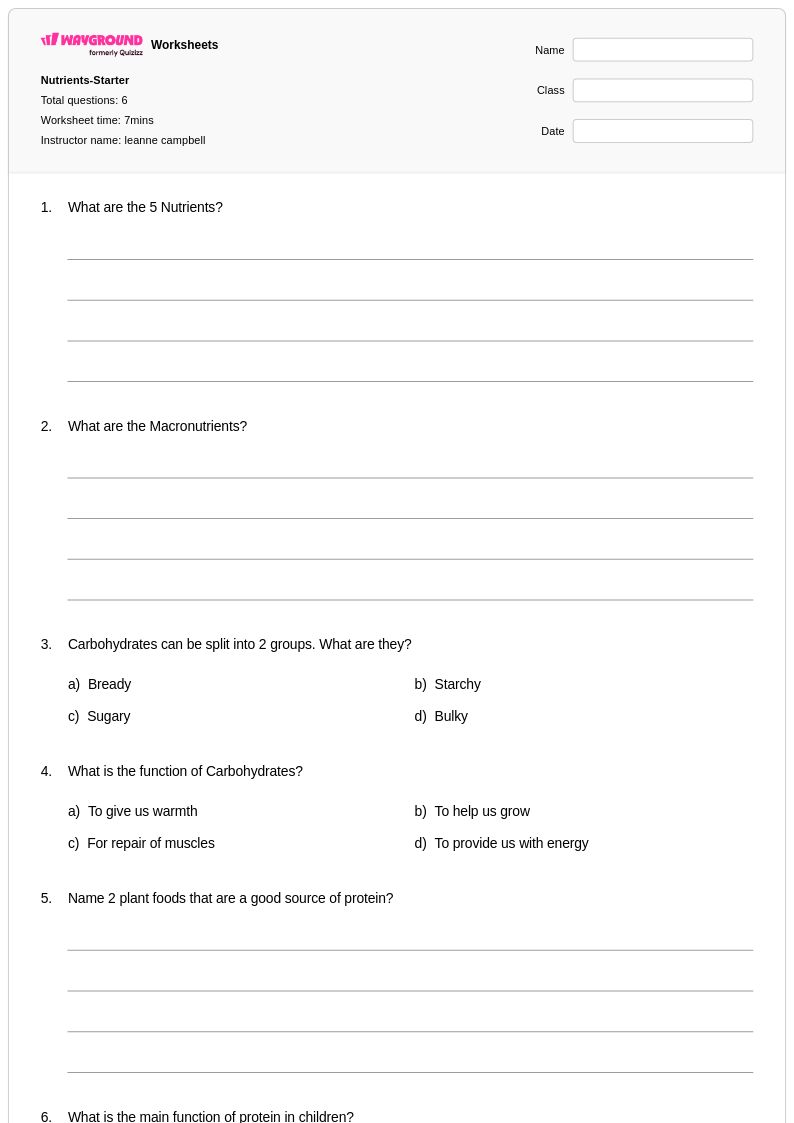
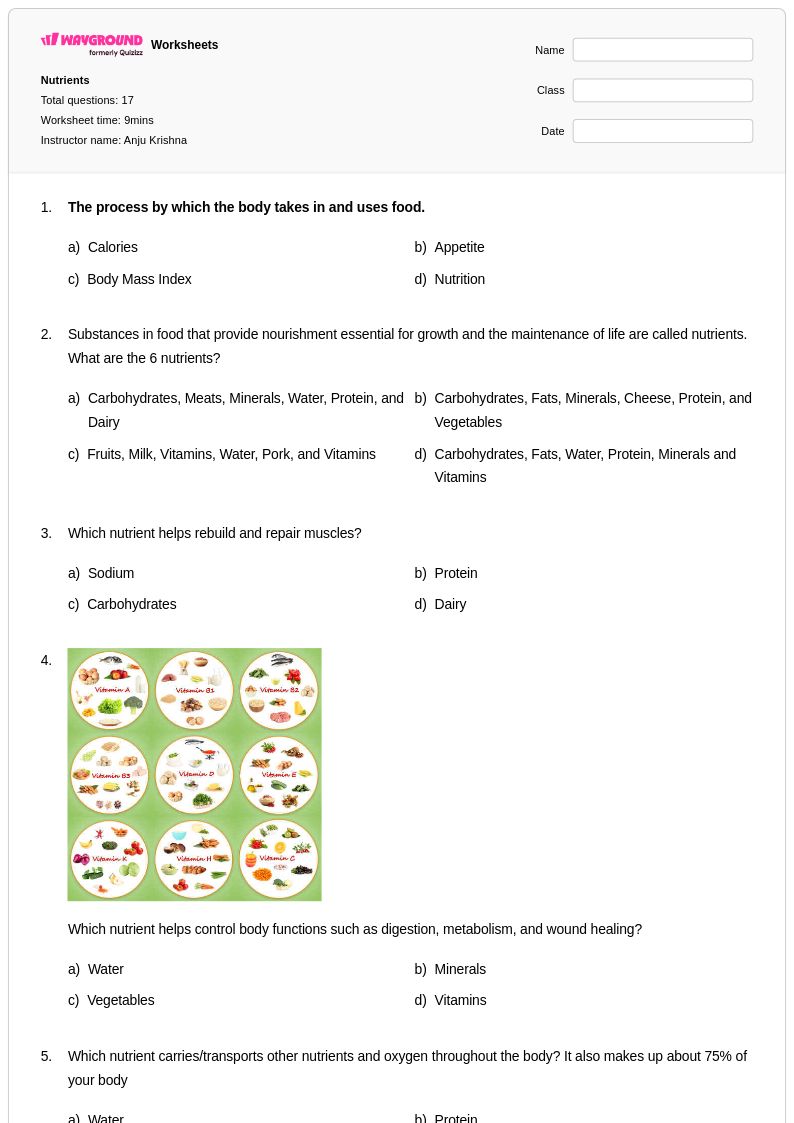
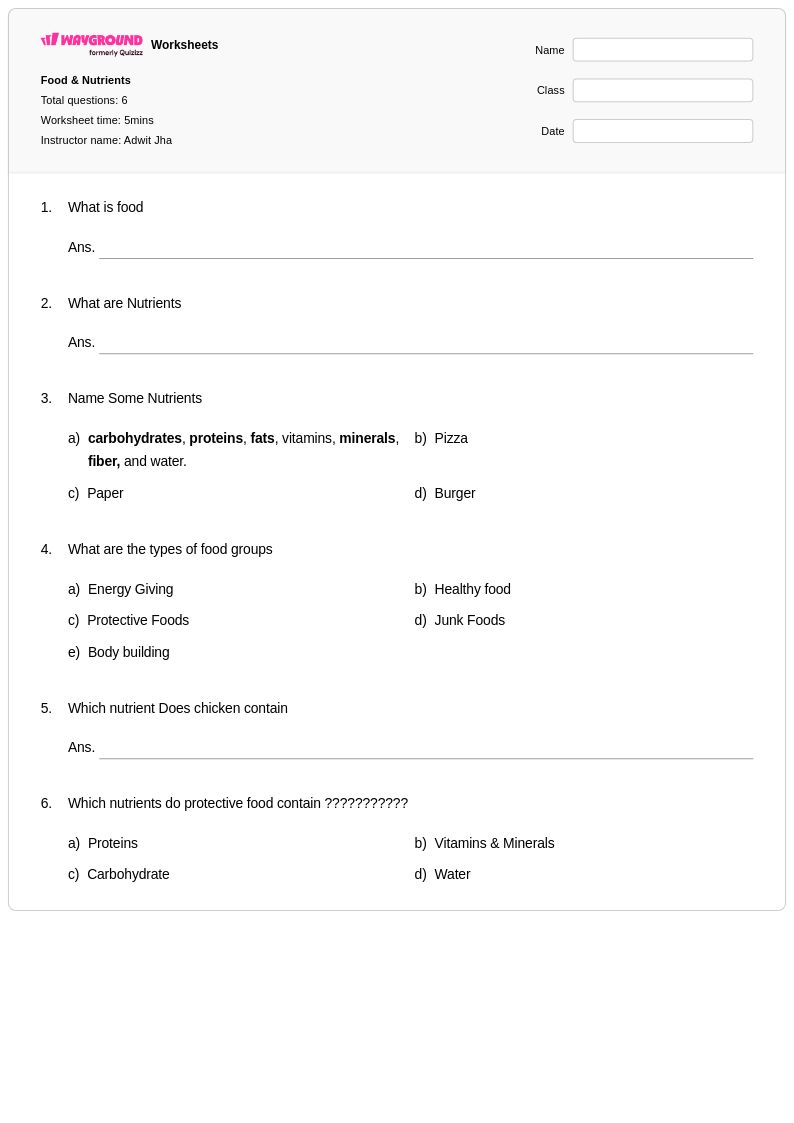
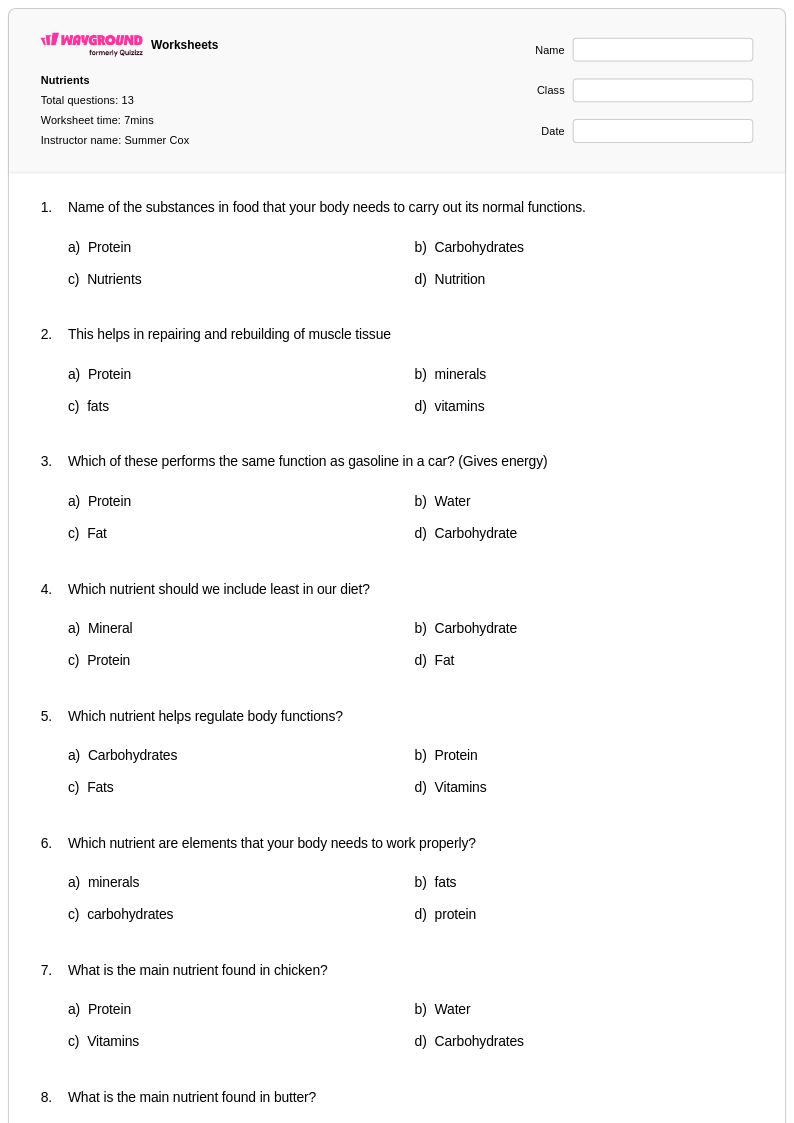
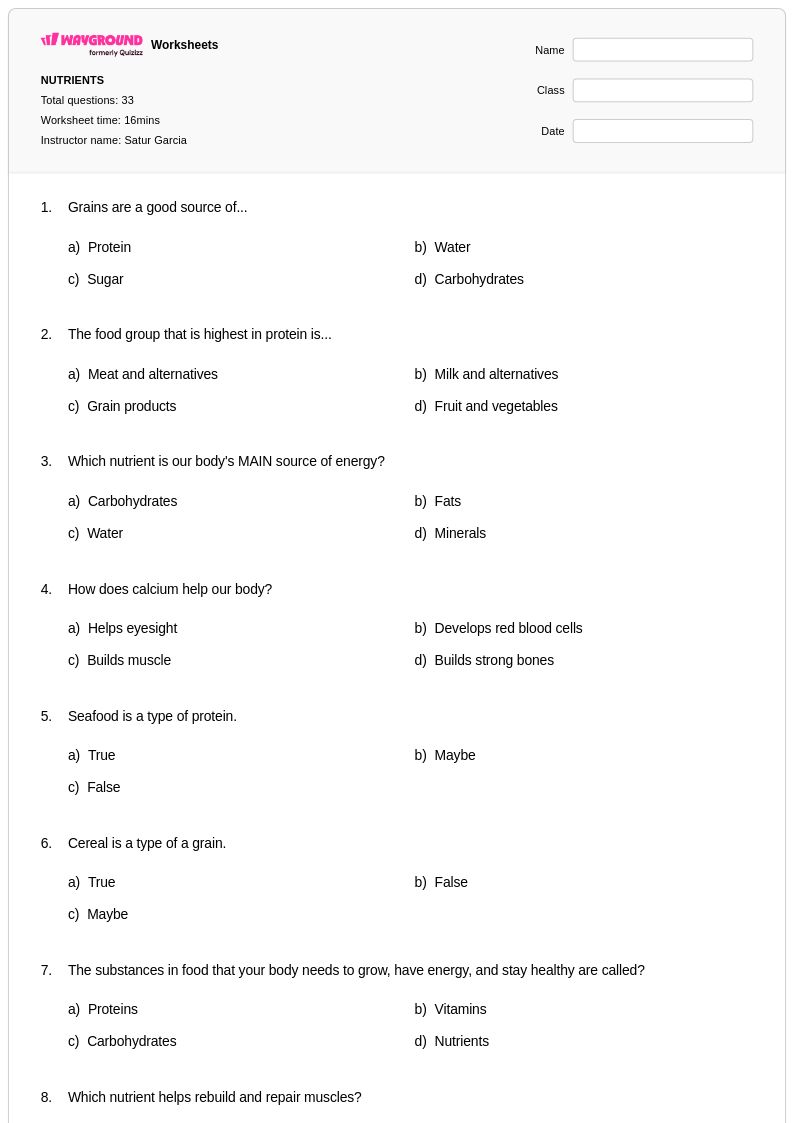
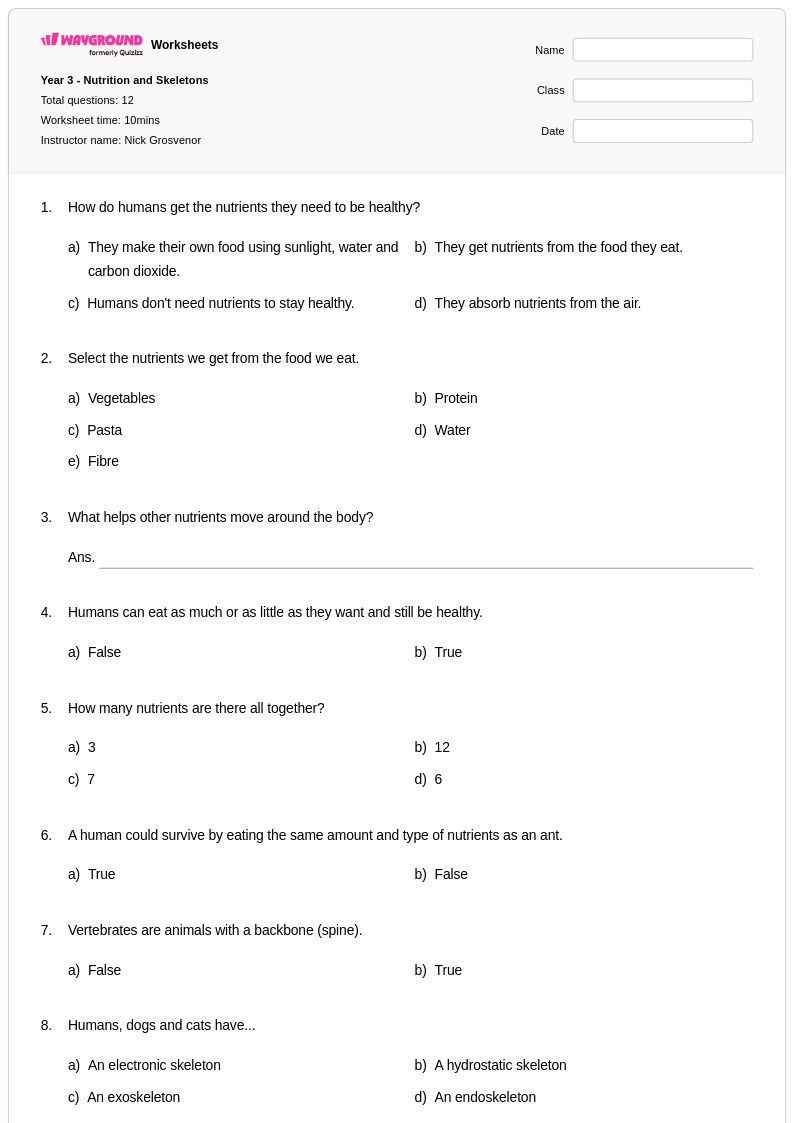
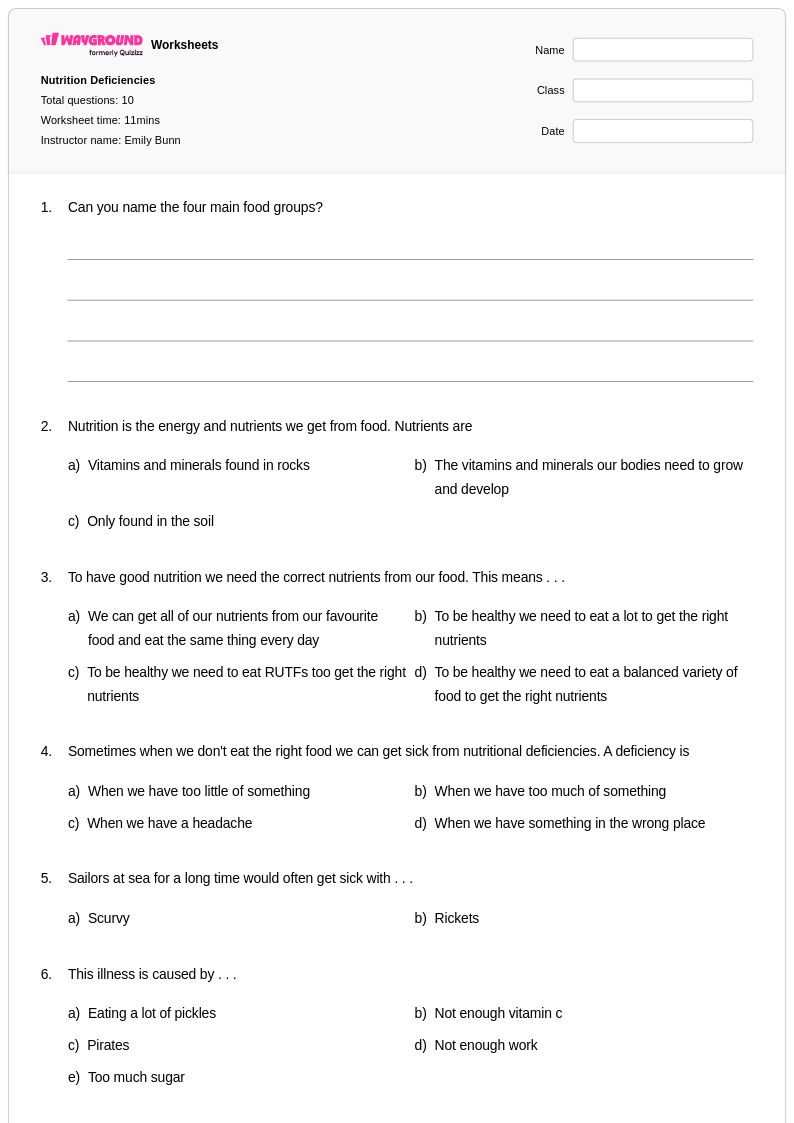
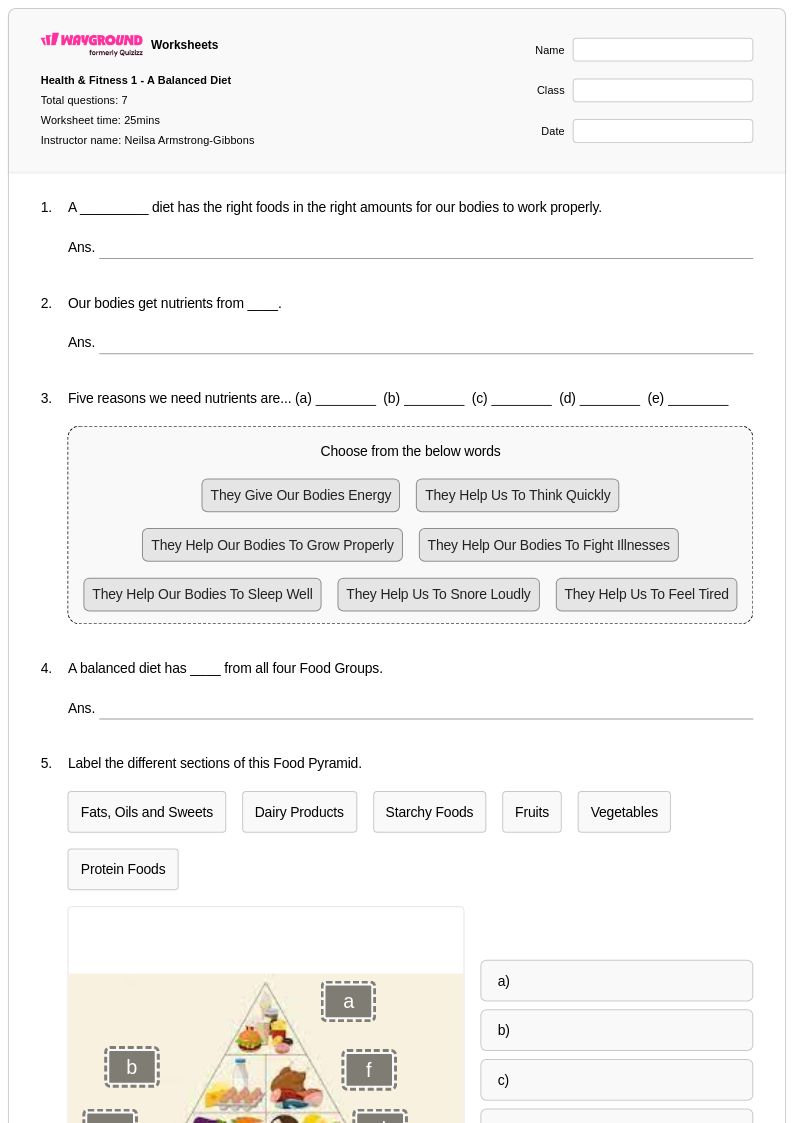
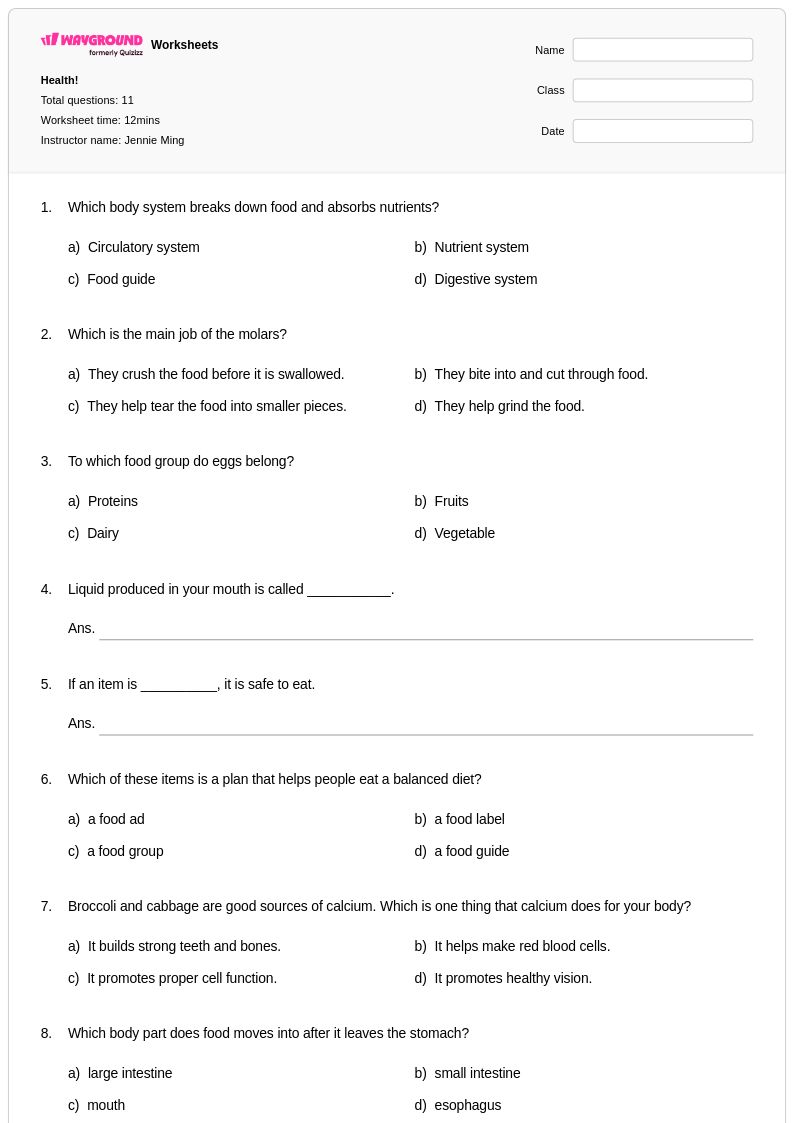
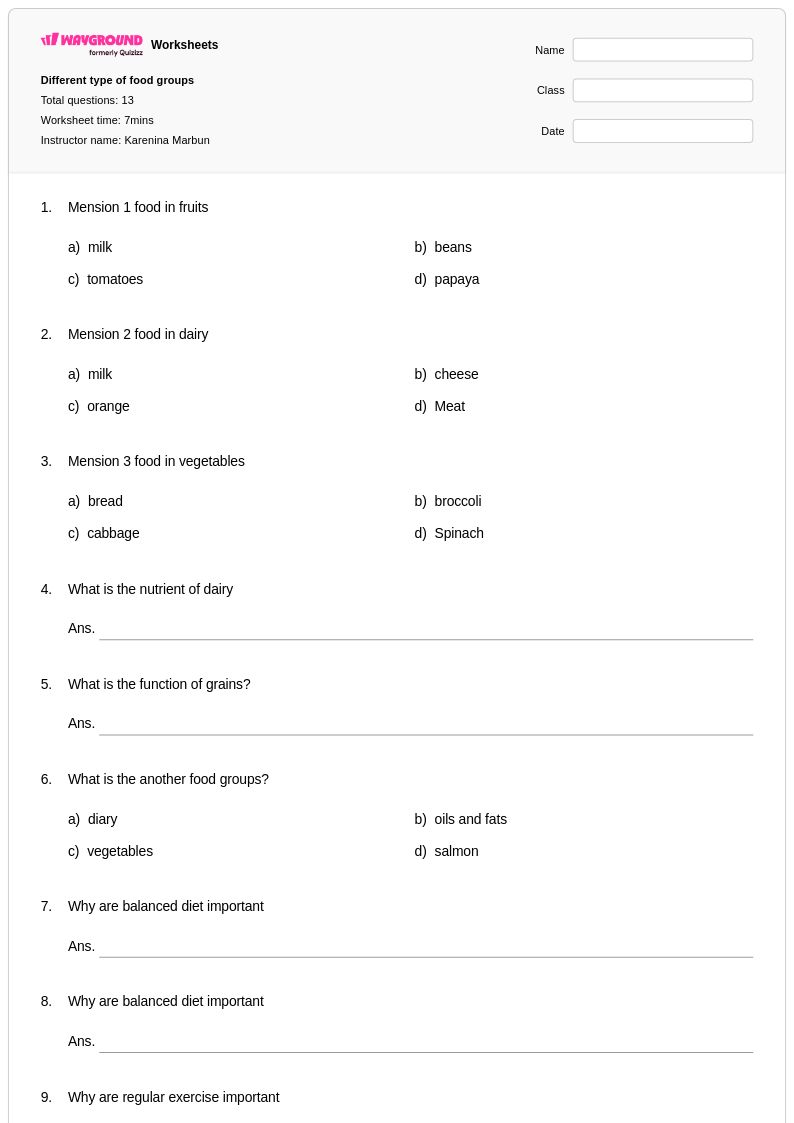
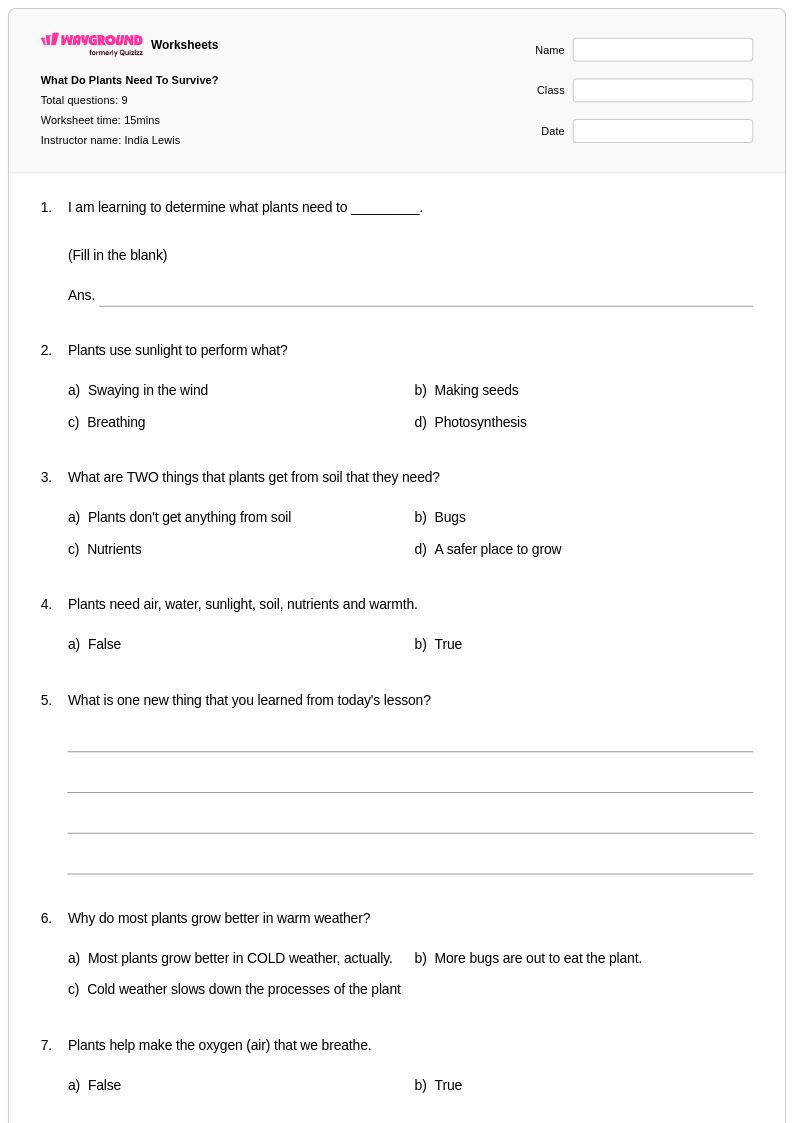
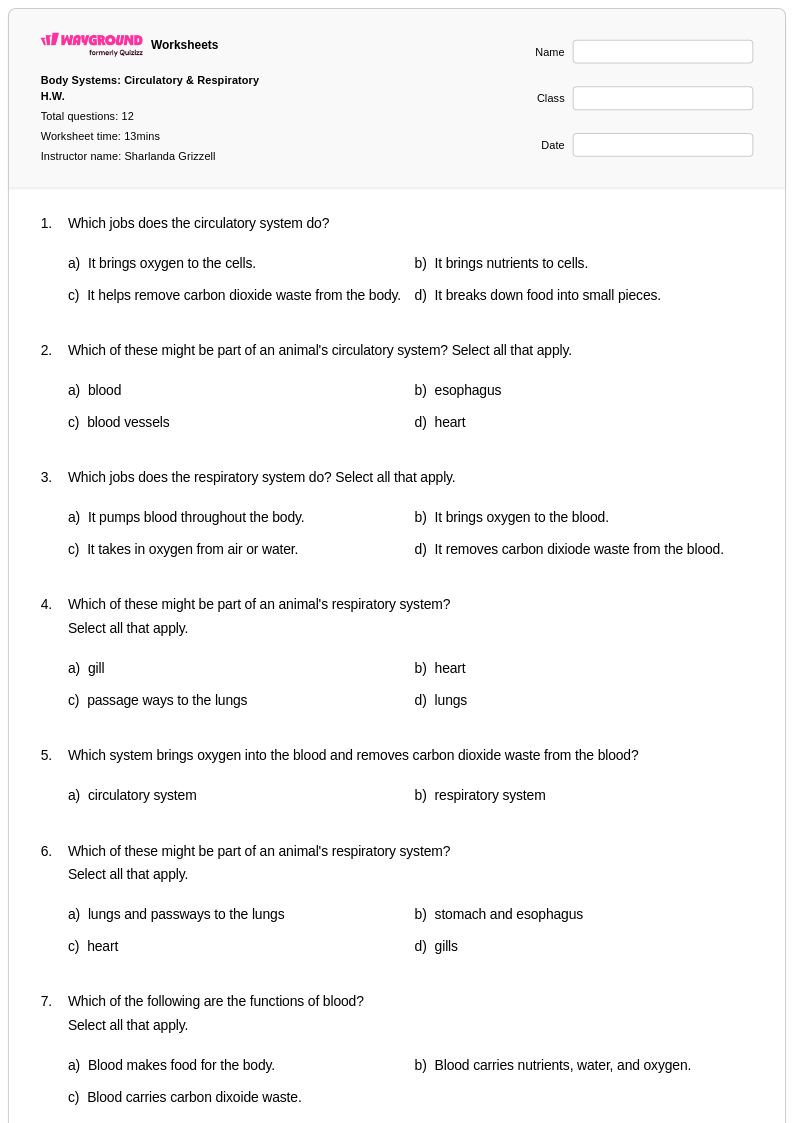
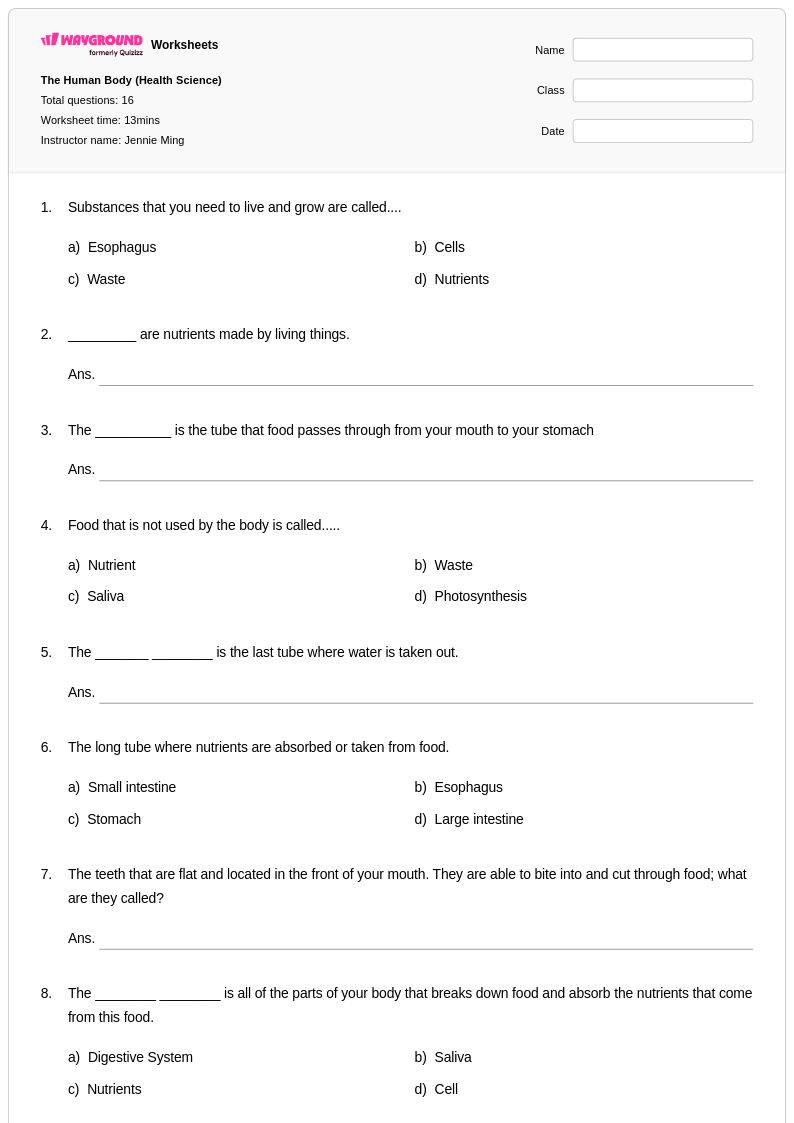
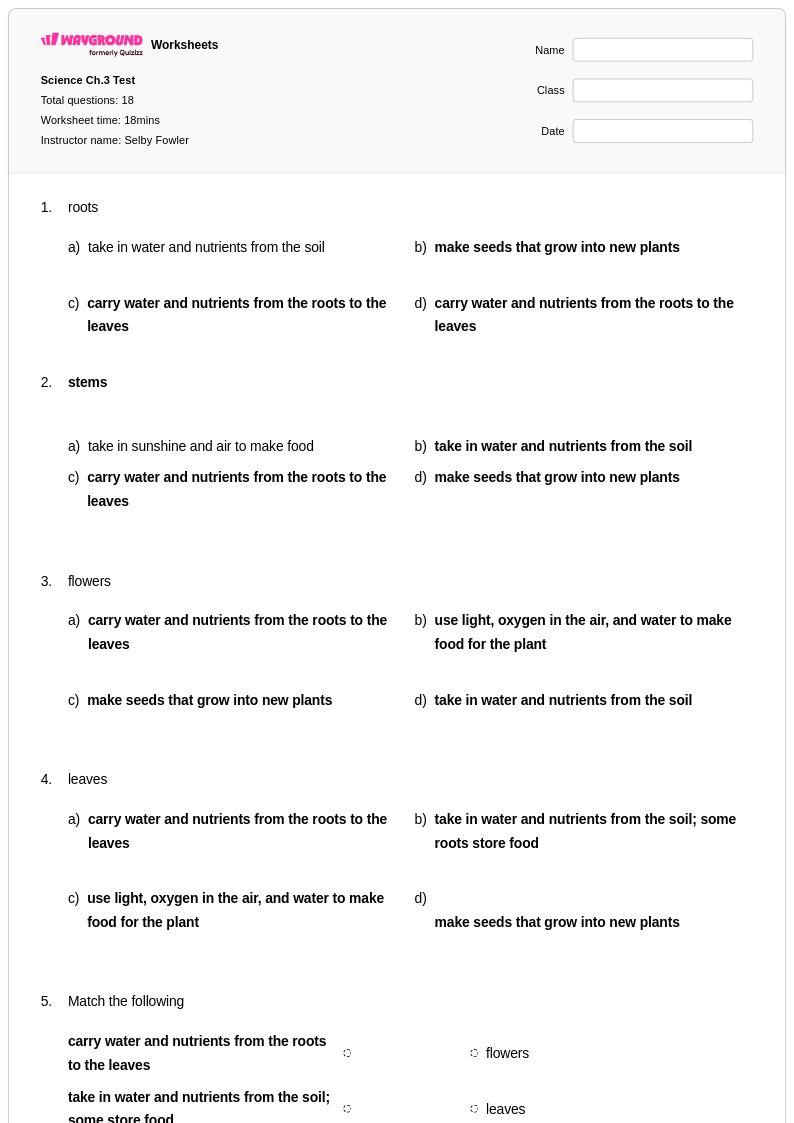
Nutrients worksheets for Grade 2 through Wayground (formerly Quizizz) provide young learners with engaging opportunities to explore the essential building blocks of healthy living. These carefully designed educational materials help second-grade students develop foundational knowledge about the different types of nutrients their bodies need, including proteins, carbohydrates, vitamins, and minerals. The worksheets strengthen critical thinking skills as students learn to identify nutrient-rich foods, understand the role of different nutrients in body functions, and make connections between healthy eating choices and overall wellness. Each printable resource includes comprehensive practice problems that guide students through sorting activities, food group classifications, and simple nutrient identification exercises, with accompanying answer key materials that support both independent learning and teacher-guided instruction. These free educational resources are available in convenient pdf format, making them accessible for both classroom use and home learning environments.
Wayground (formerly Quizizz) empowers educators with an extensive collection of teacher-created nutrients worksheets specifically tailored for Grade 2 science instruction, drawing from millions of high-quality educational resources developed by experienced classroom professionals. The platform's robust search and filtering capabilities enable teachers to quickly locate materials that align with specific learning standards and accommodate diverse student needs through built-in differentiation tools. These customizable worksheet collections support comprehensive lesson planning by offering flexible options for skill practice, targeted remediation for students who need additional support, and enrichment opportunities for advanced learners ready to explore more complex nutritional concepts. Teachers can seamlessly integrate these resources into their instructional approach through both printable pdf formats for traditional classroom activities and digital formats that support interactive learning experiences, ensuring that every student has access to engaging, standards-aligned practice that builds essential life science knowledge about nutrients and healthy living.
FAQs
How do I teach macronutrients and micronutrients to students?
Start by establishing clear definitions: macronutrients (carbohydrates, proteins, and lipids) are needed in large amounts for energy and structural functions, while micronutrients (vitamins and minerals) are required in smaller quantities but are equally critical for cellular processes. Use real-world examples like food labels and dietary case studies to help students connect abstract biochemical concepts to everyday health decisions. Building from classification toward function gives students a logical framework that reduces confusion between the two categories.
What exercises help students practice identifying nutrient functions?
Worksheets that ask students to match each nutrient to its biological role, such as linking proteins to enzyme production or calcium to bone formation, are highly effective for reinforcing function-based understanding. Practice problems that require students to analyze nutrient deficiency scenarios push them to apply their knowledge rather than simply recall it. Combining classification tasks with deficiency analysis gives students a fuller picture of how nutrients operate within living systems.
What mistakes do students commonly make when learning about nutrients?
A frequent misconception is that fats are universally harmful, when in fact lipids are essential for hormone production, cell membrane integrity, and fat-soluble vitamin absorption. Students also commonly conflate vitamins and minerals or assume all micronutrients serve the same function, which weakens their ability to analyze deficiency disorders accurately. Targeted practice problems that require students to distinguish nutrient roles and evaluate dietary adequacy help correct these patterns before they solidify.
How do I use Wayground's nutrients worksheets in my classroom?
Wayground's nutrients worksheets are available as printable PDFs for traditional classroom use and in digital formats for technology-integrated or remote learning environments, so you can deploy them however your instructional setup requires. You can also host them as a quiz directly on Wayground, enabling real-time student responses and immediate feedback. Each worksheet includes a complete answer key, making it straightforward to assess student understanding of nutritional science concepts without additional prep time.
How can I differentiate nutrients instruction for students at different skill levels?
For students who struggle with biochemical vocabulary, Wayground's Read Aloud feature can support access by reading questions aloud, and the reduced answer choices option lowers cognitive load during practice. Advanced learners can be directed toward enrichment activities that examine nutrient metabolism and cellular processes in greater depth. Wayground allows you to apply these accommodations individually per student, so the rest of the class continues with default settings without disruption.
How do nutrient deficiency concepts fit into a life science or biology curriculum?
Nutrient deficiency is a natural extension of any unit on cellular processes, metabolism, or organism health, because it shows students what happens when biochemical systems lack the inputs they require. Teaching deficiency alongside normal nutrient function reinforces why each macronutrient and micronutrient matters, rather than treating them as an isolated list to memorize. This approach also creates clear connections to broader life science standards around homeostasis and biological systems.