
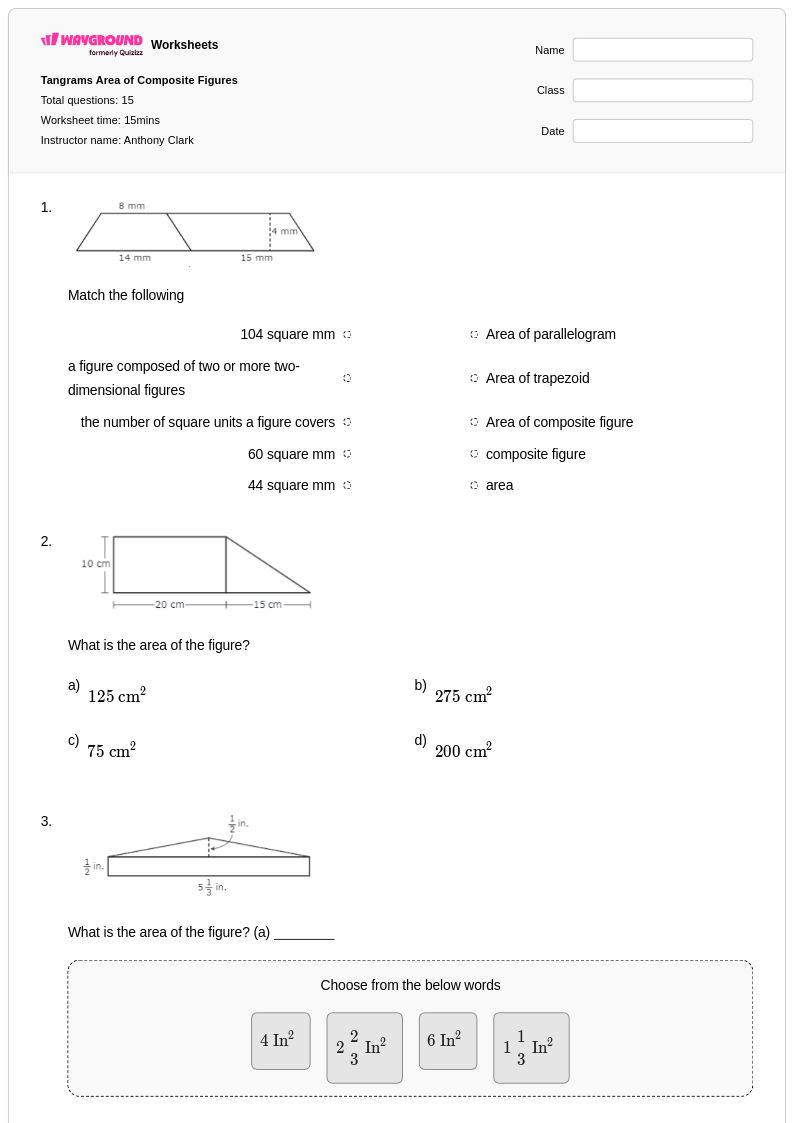
15 Q
7th - Uni
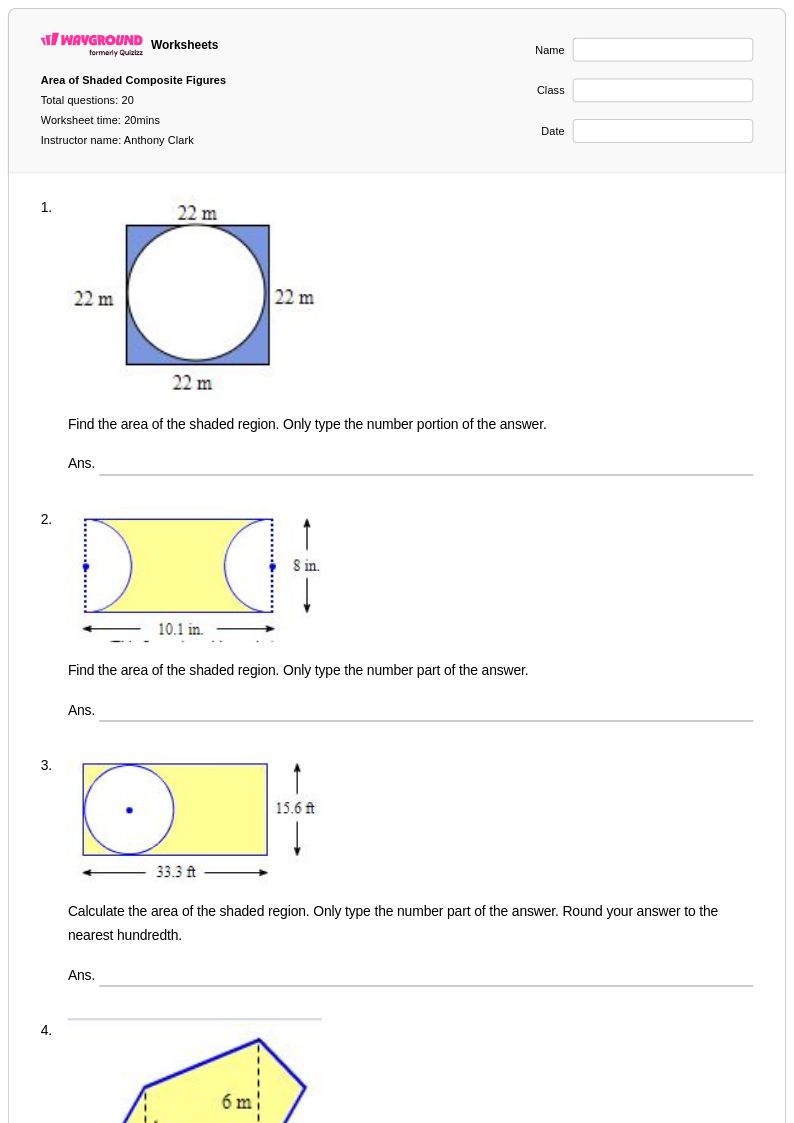
20 Q
7th - Uni
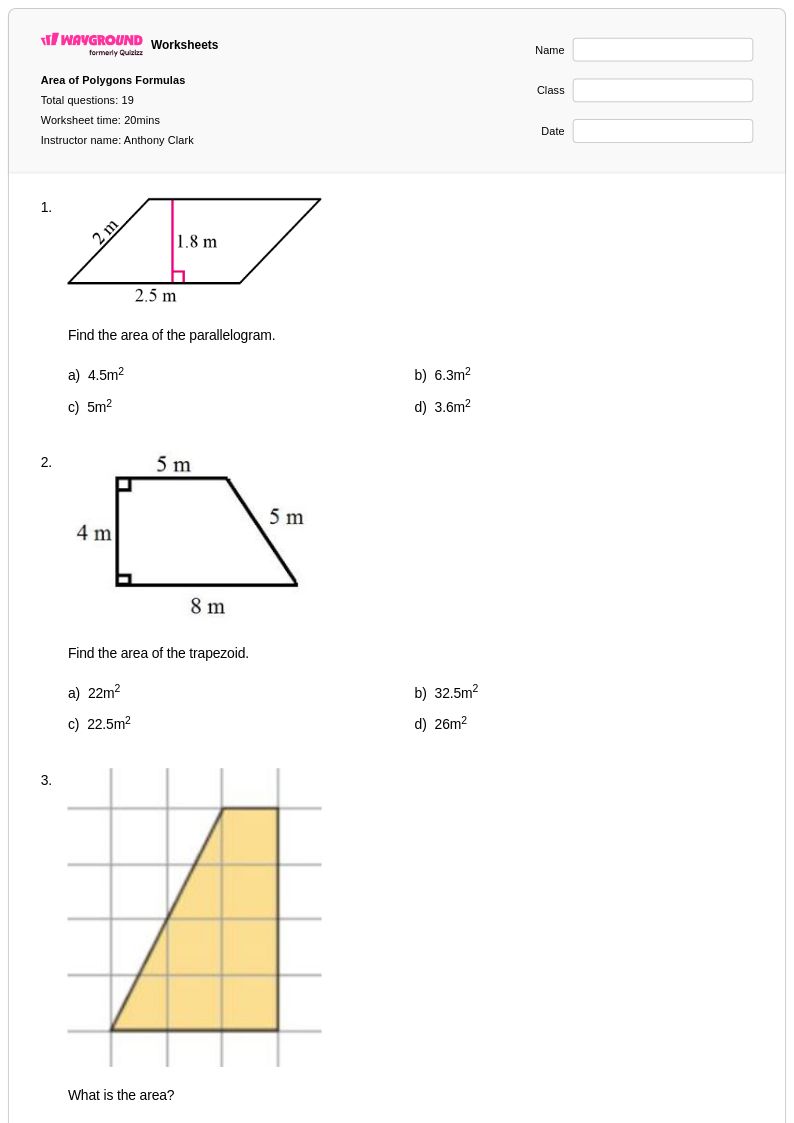
20 Q
6th - Uni
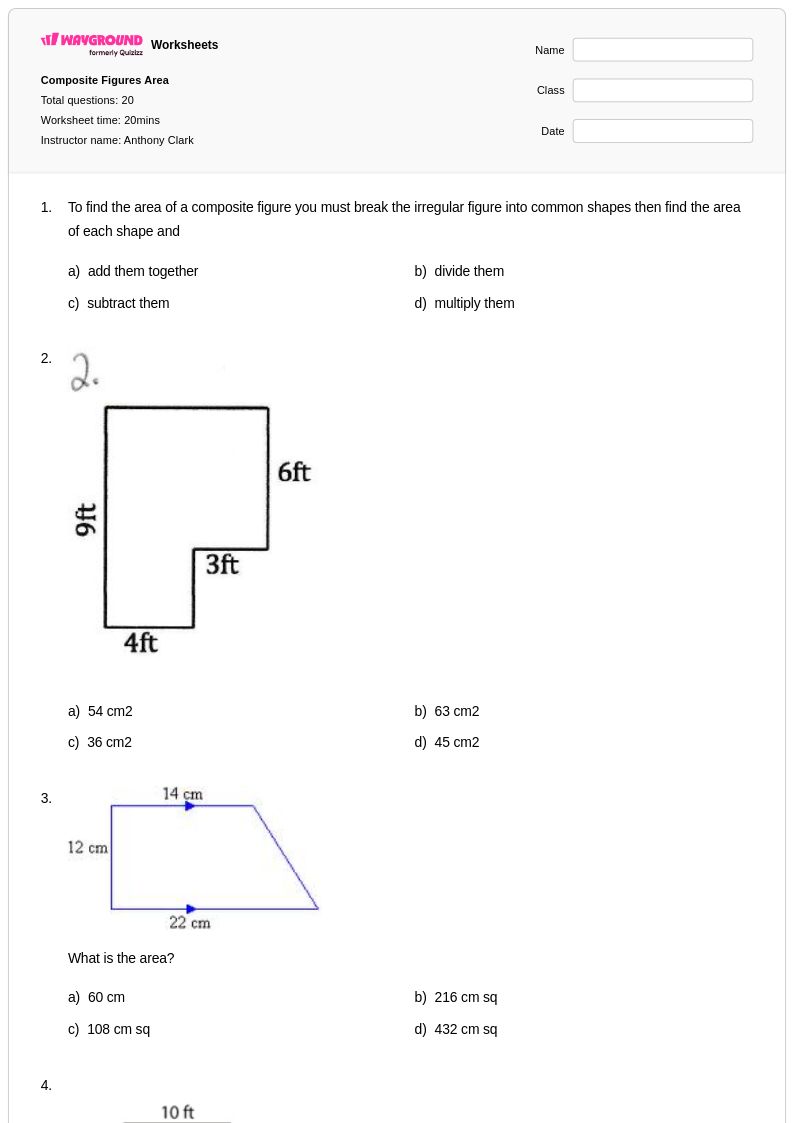
20 Q
7th - Uni
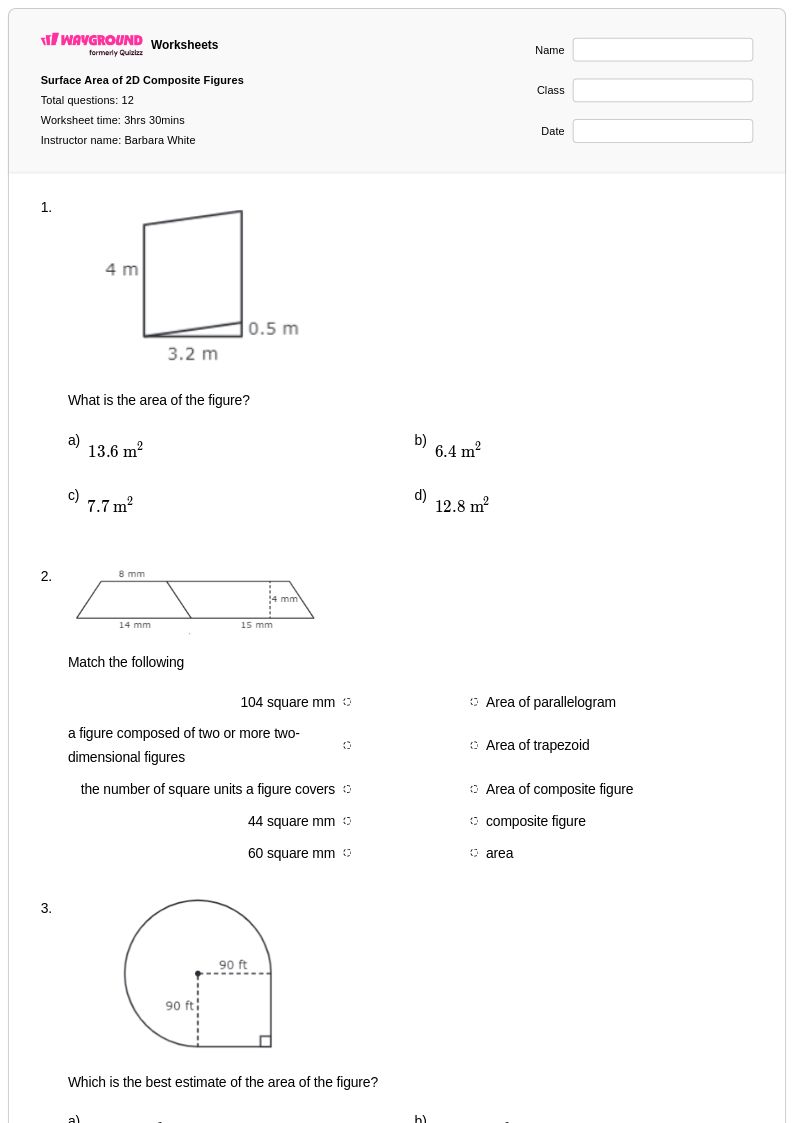
12 Q
11th
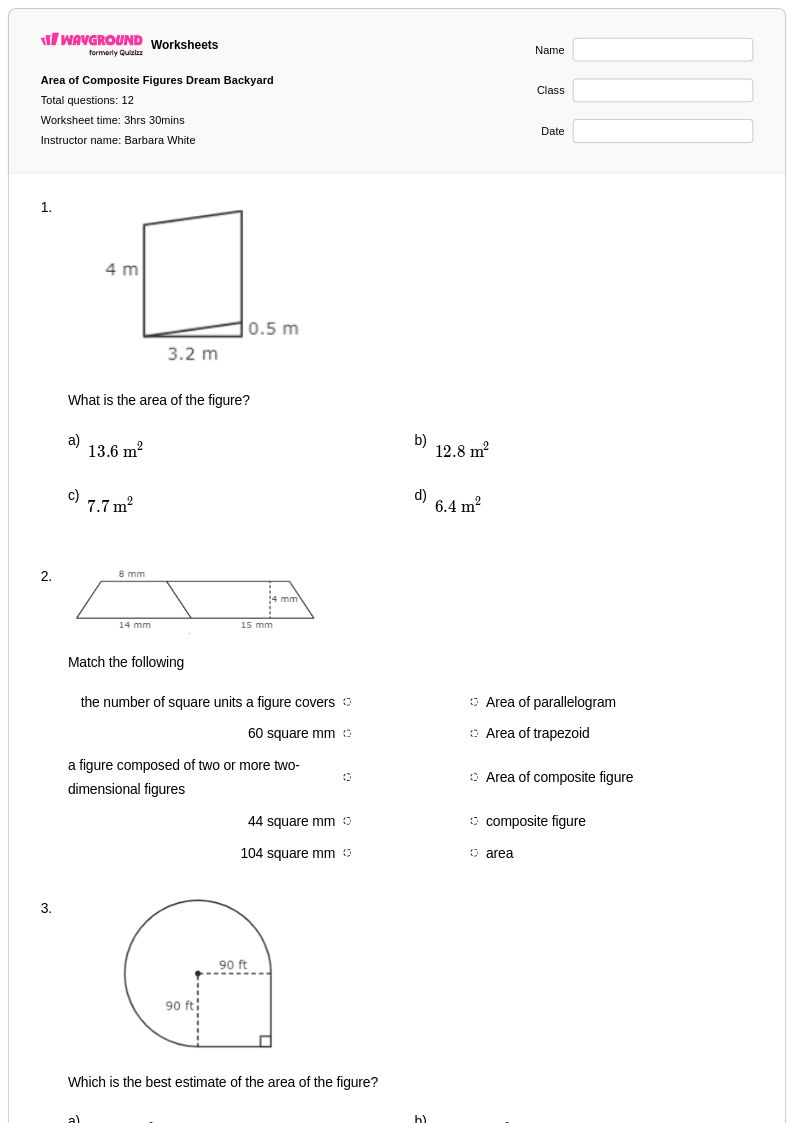
12 Q
11th
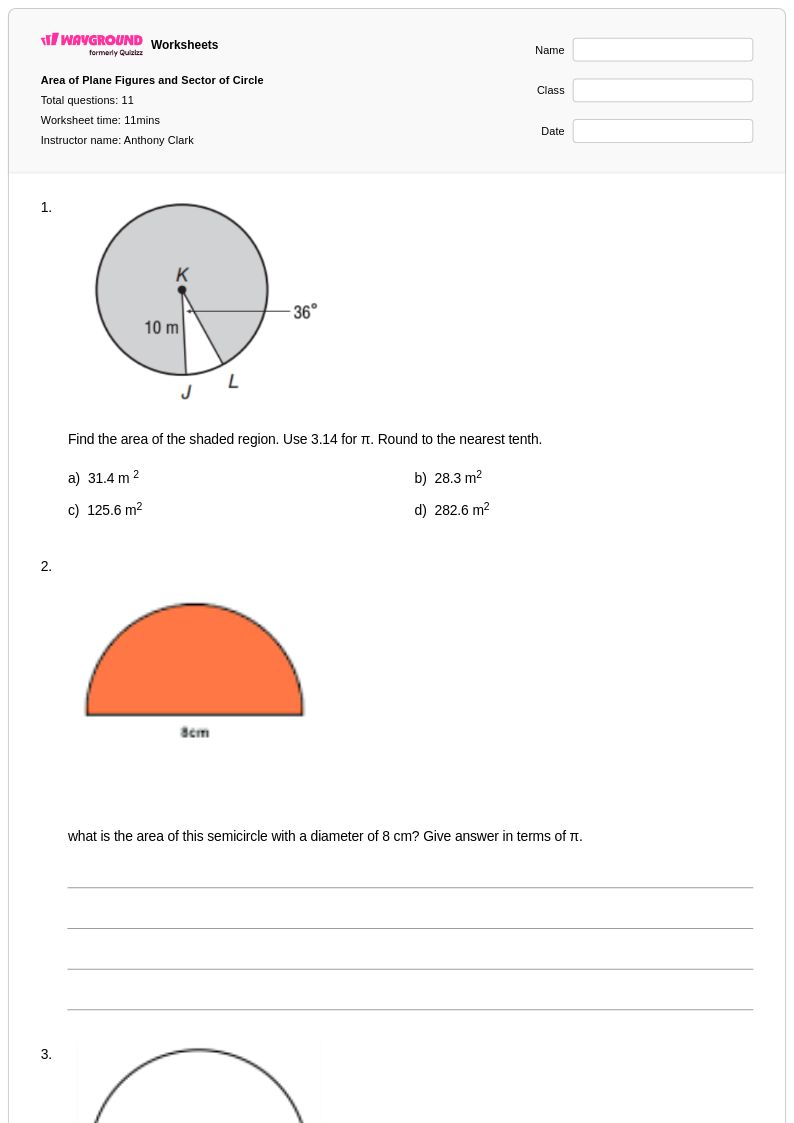
11 Q
9th - Uni
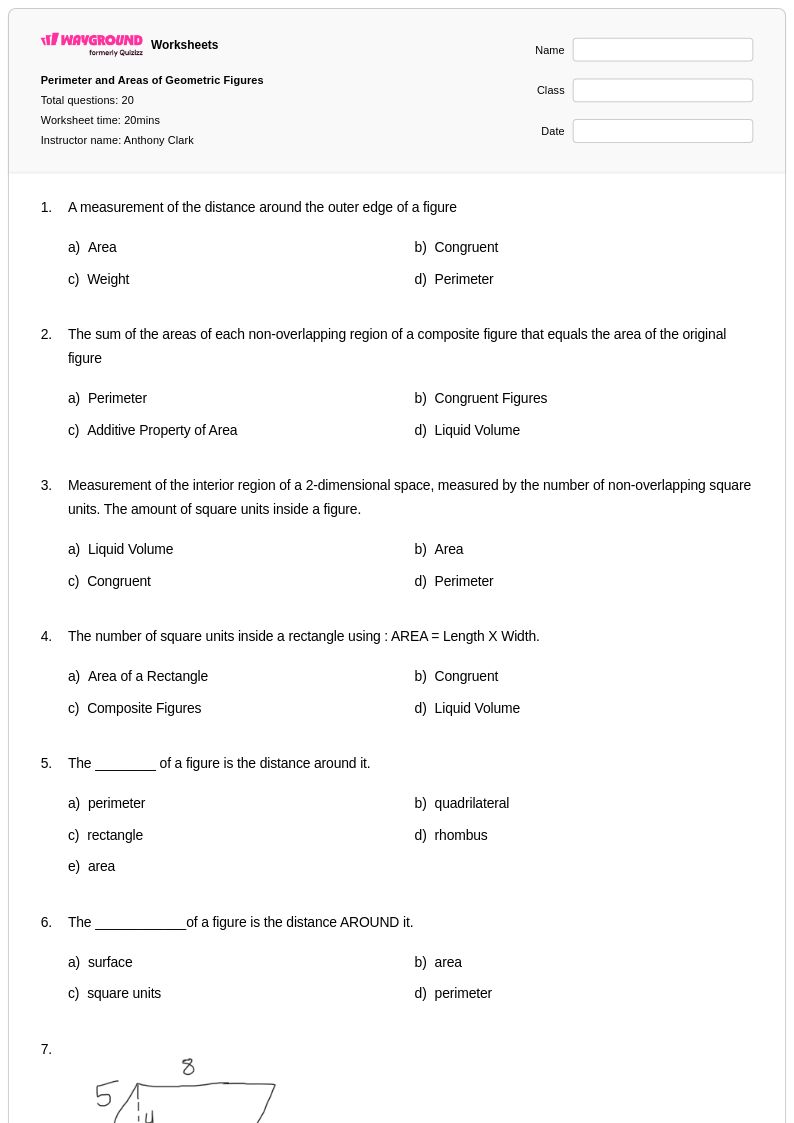
20 Q
3rd - Uni
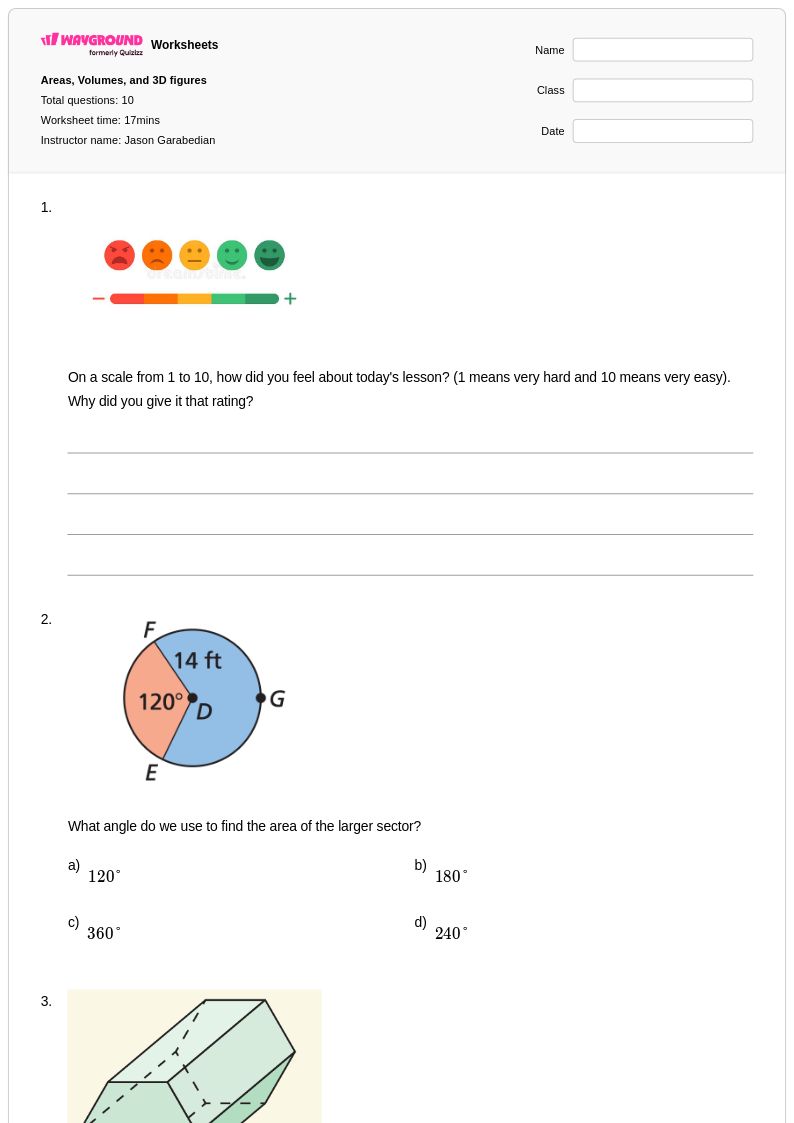
10 Q
9th - 11th
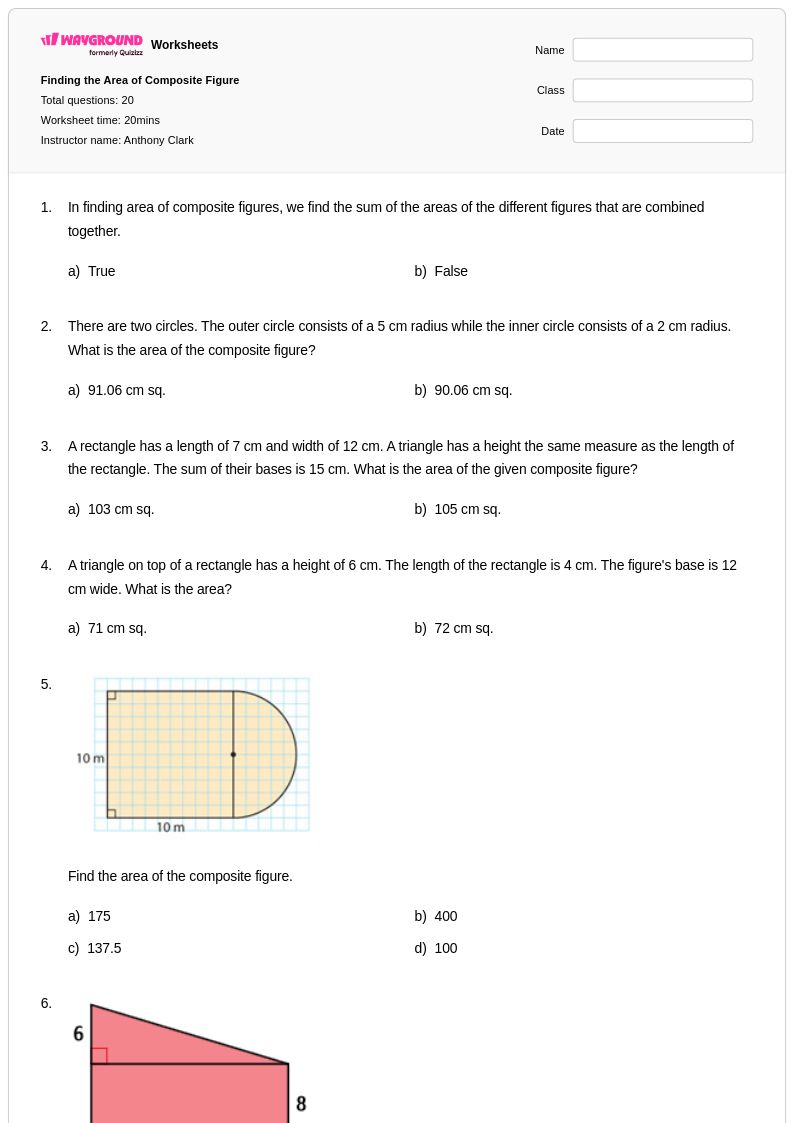
20 Q
7th - Uni
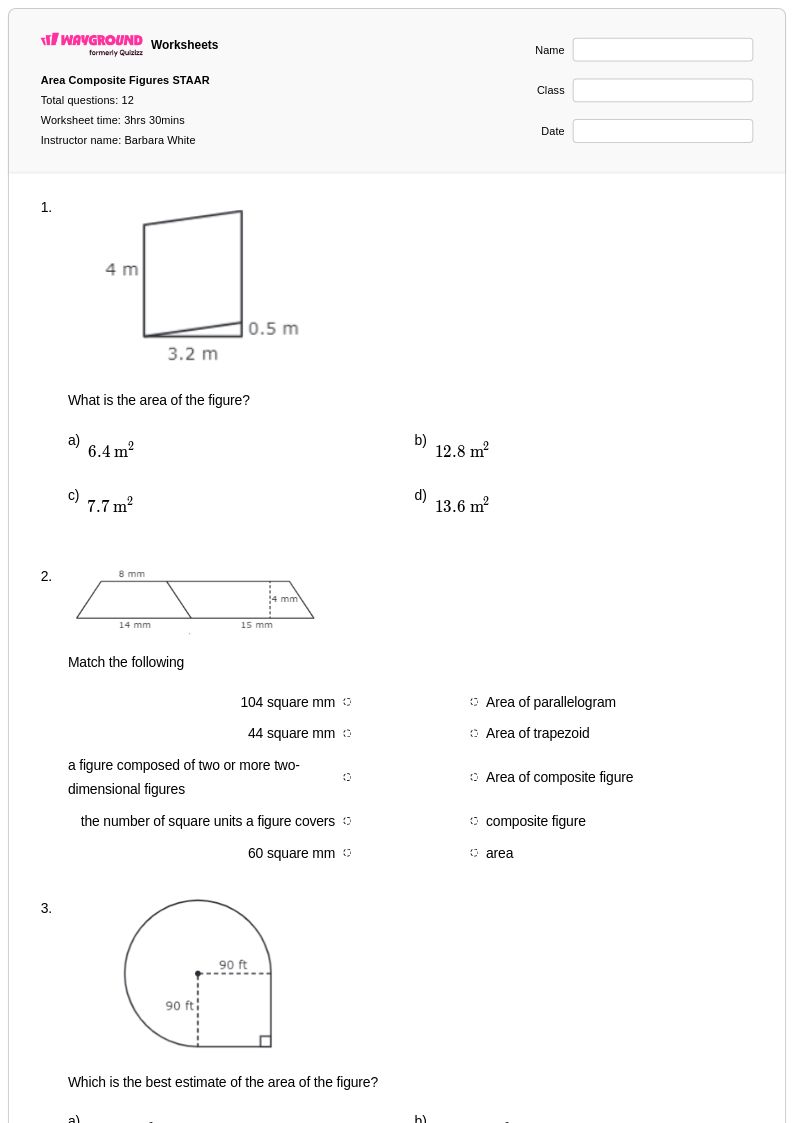
12 Q
11th
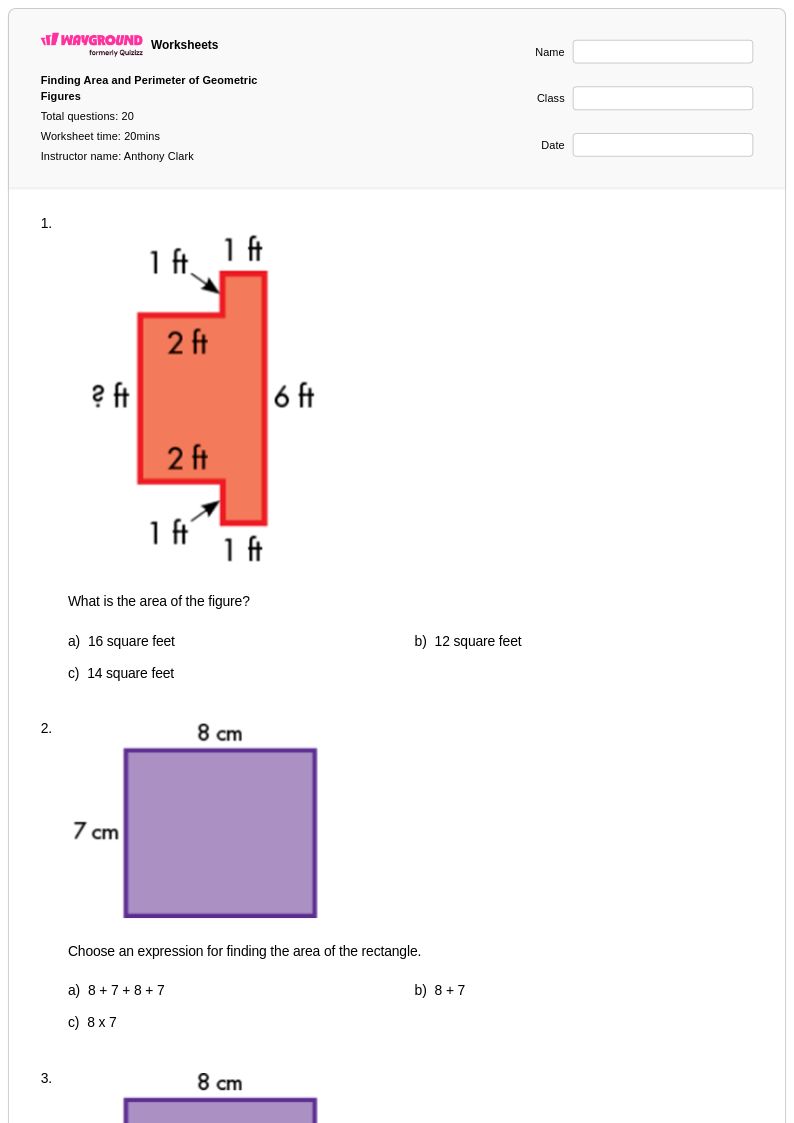
20 Q
4th - Uni
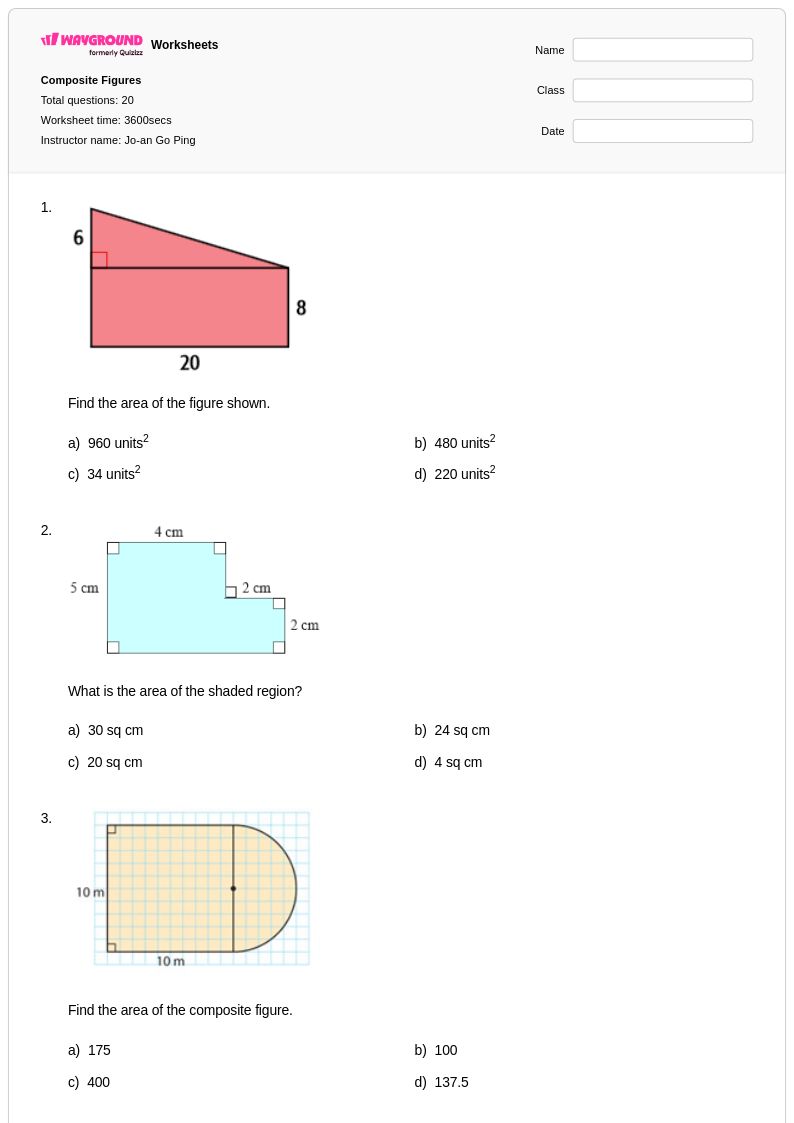
20 Q
7th - Uni
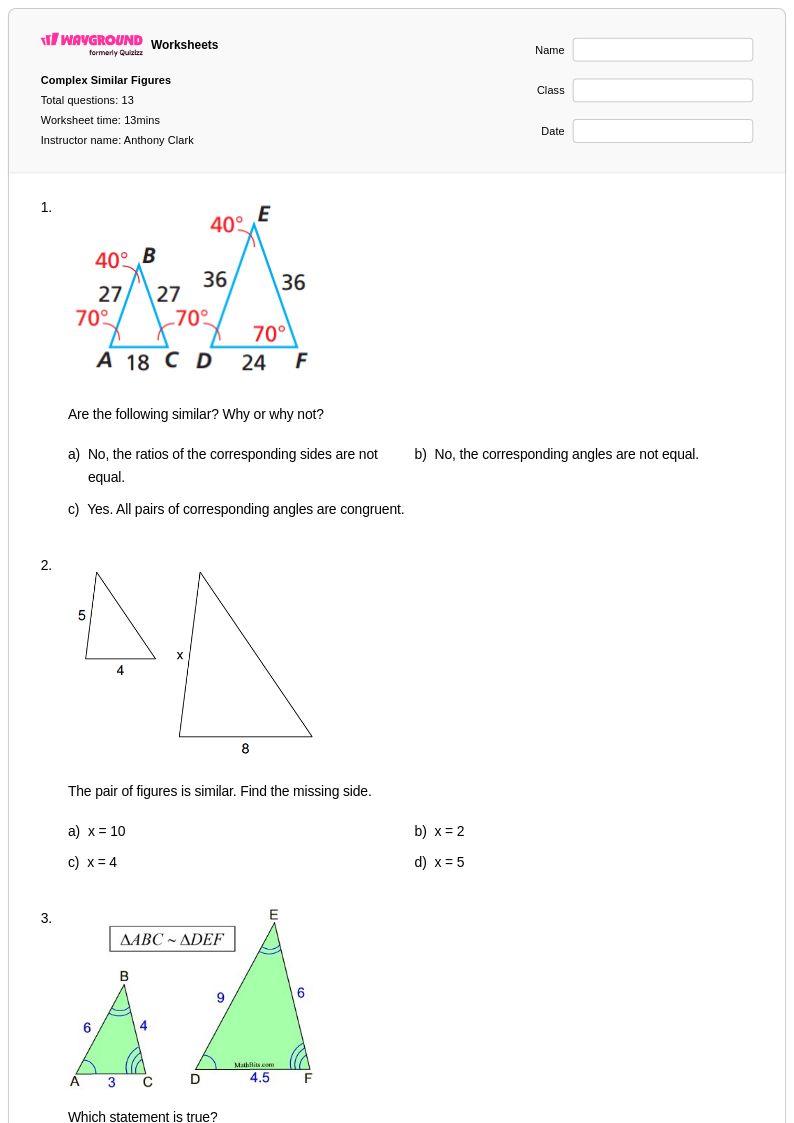
13 Q
7th - Uni
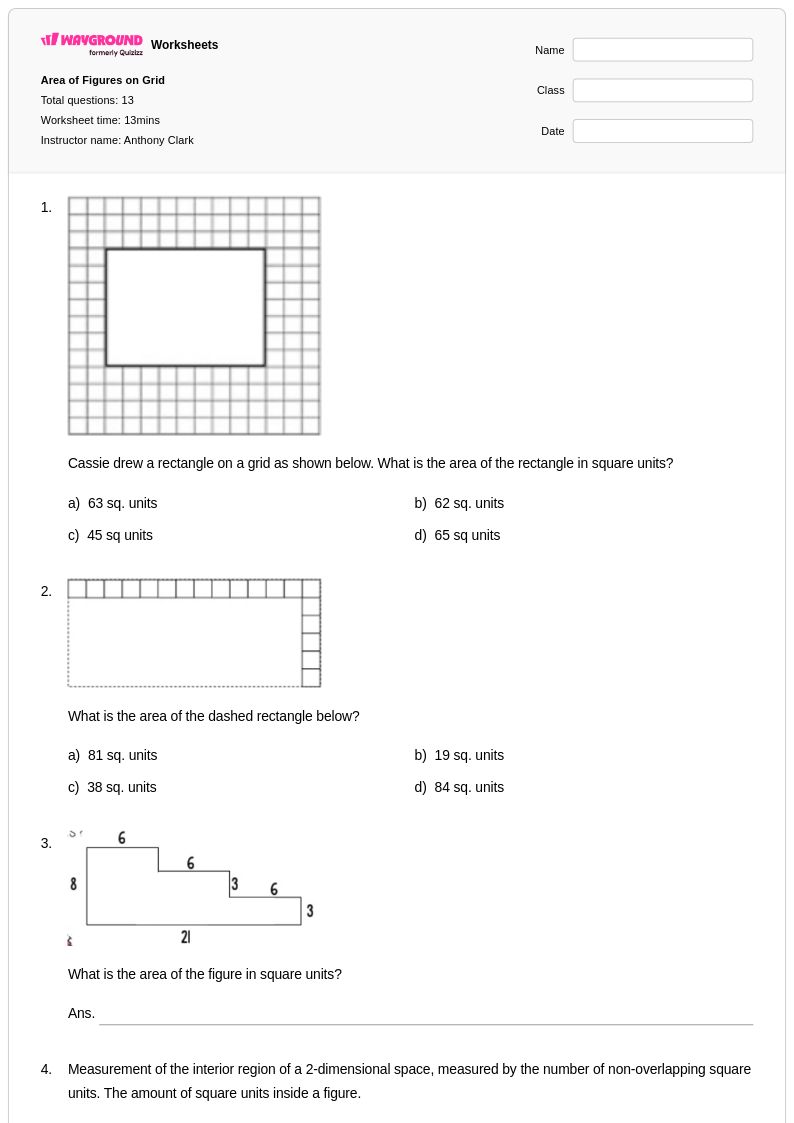
13 Q
3rd - Uni
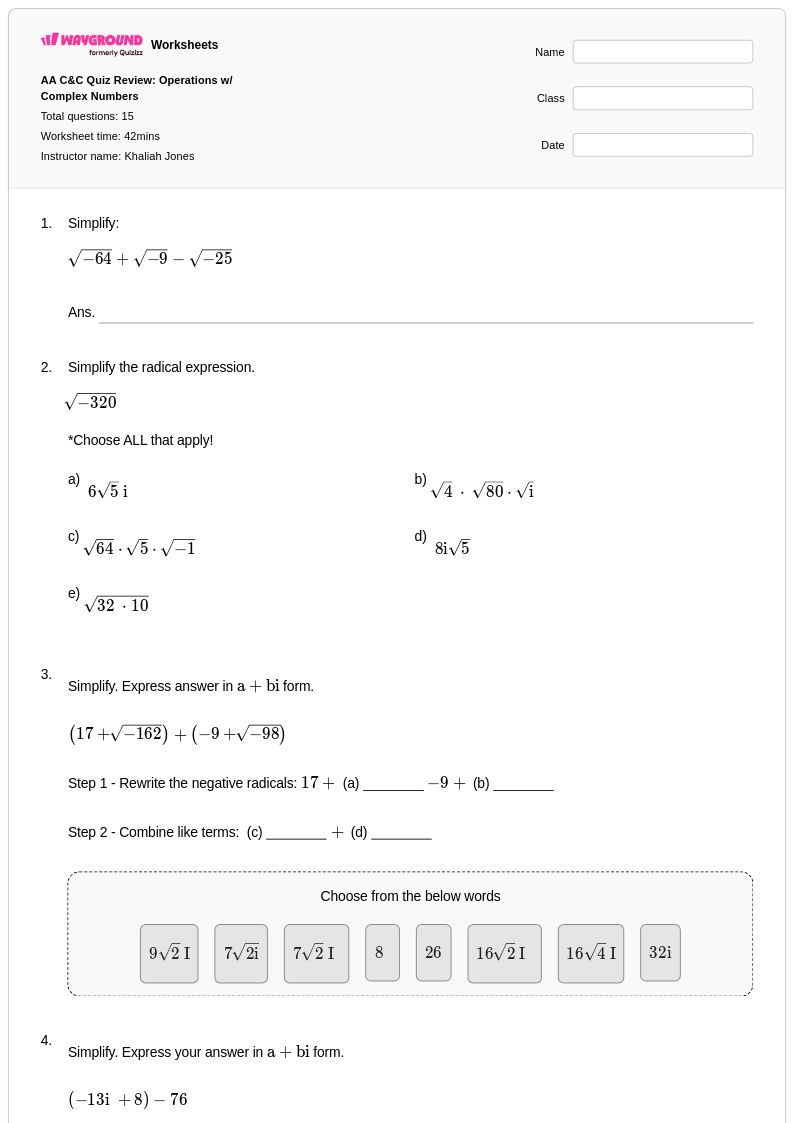
15 Q
11th
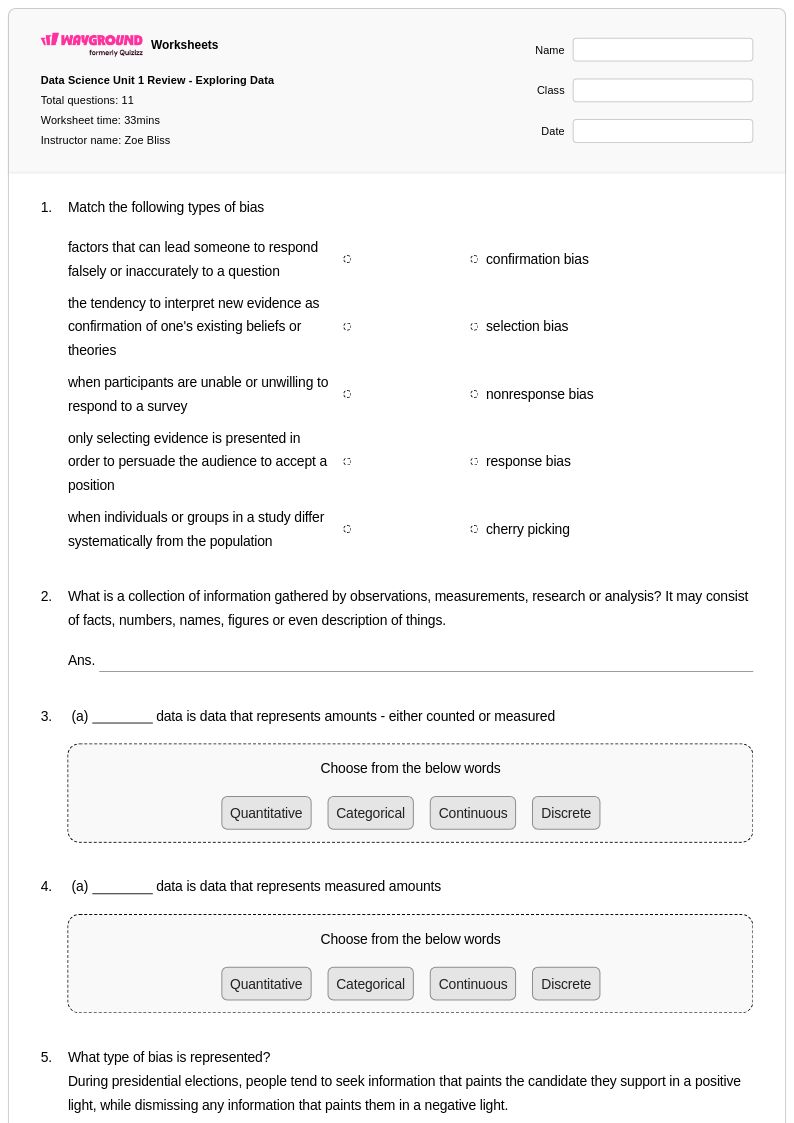
11 Q
11th
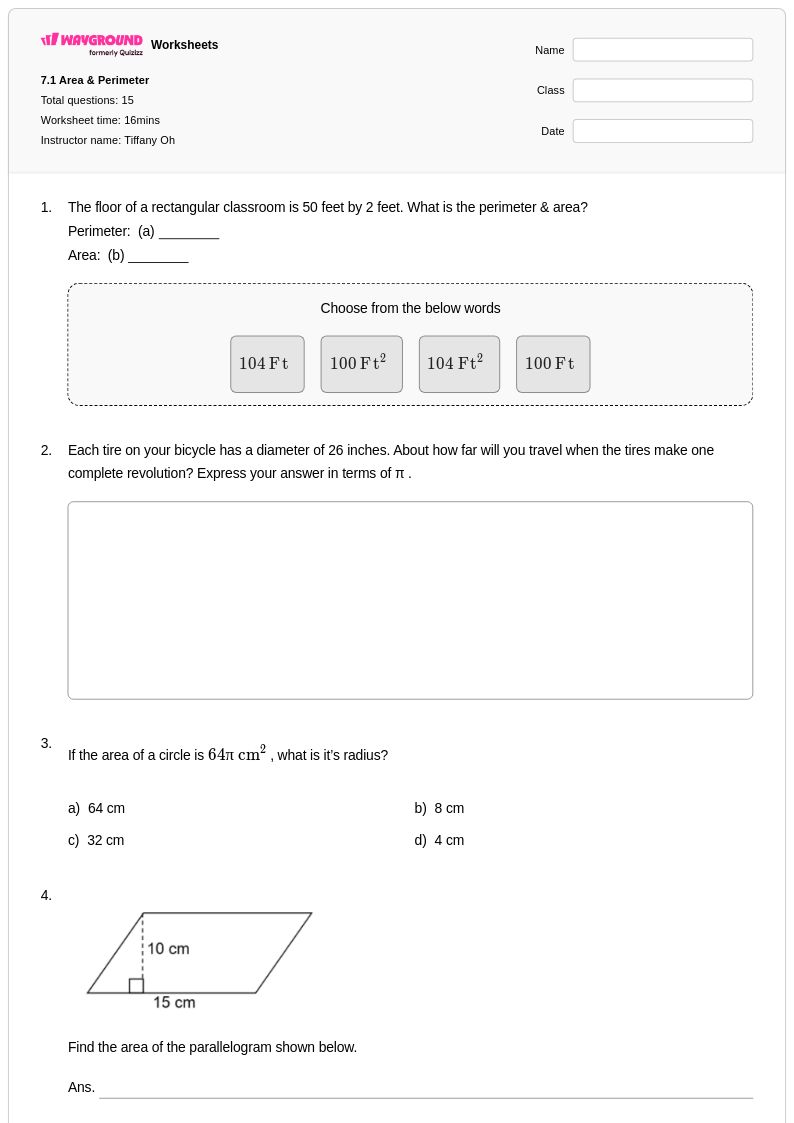
15 Q
11th
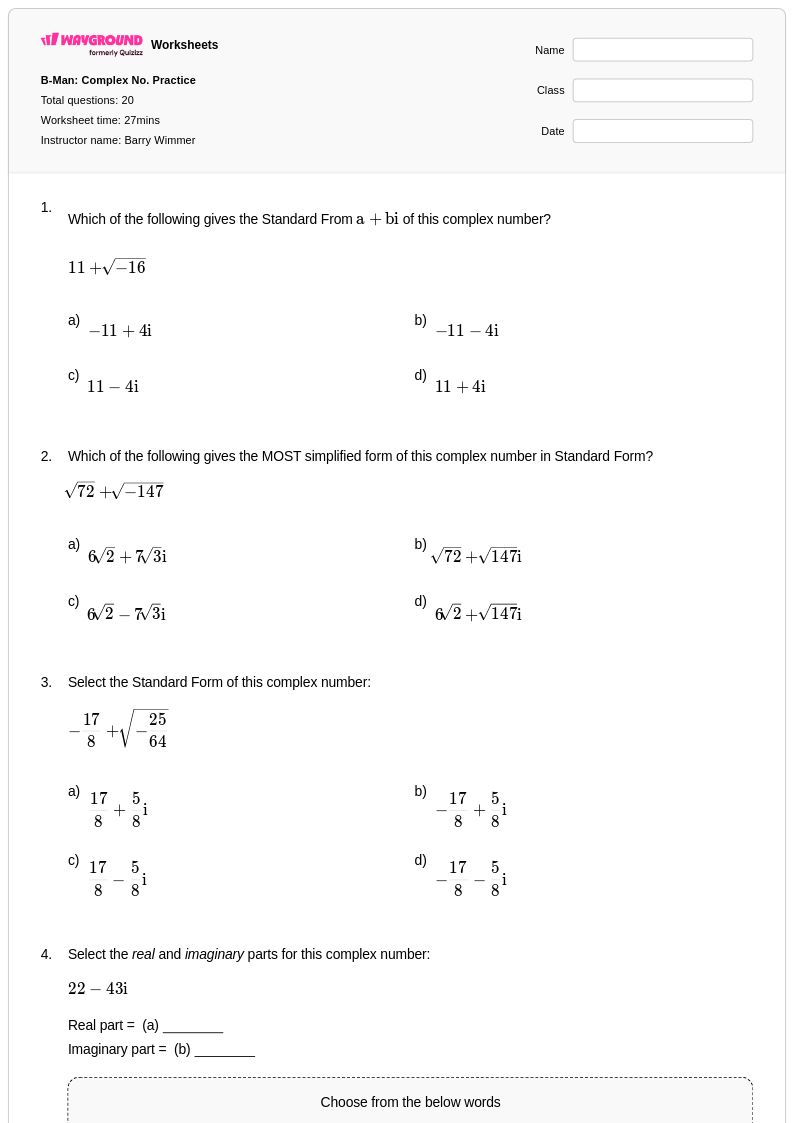
20 Q
11th
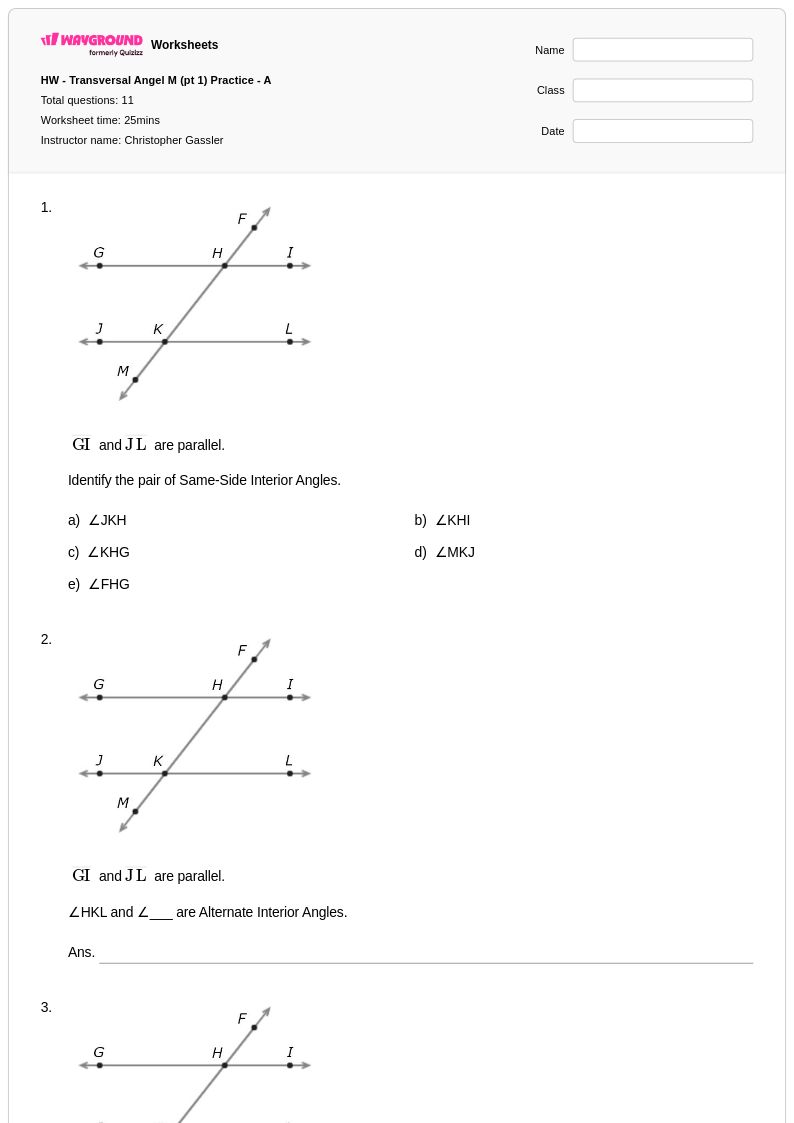
16 Q
9th - Uni
40 Q
9th - 12th
20 Q
9th - 12th
25 Q
9th - 12th
19 Q
9th - 12th
Explore Area of Complex Figures Worksheets by Grades
Explore Other Subject Worksheets for grade 11
Explore printable Area of Complex Figures worksheets for Grade 11
Area of Complex Figures worksheets for Grade 11 students available through Wayground (formerly Quizizz) provide comprehensive practice in calculating the areas of composite shapes that combine multiple geometric forms. These expertly designed worksheets strengthen critical mathematical skills including decomposition strategies, where students break down irregular polygons into familiar shapes like rectangles, triangles, and circles, then apply appropriate area formulas to find total measurements. The collection includes varied practice problems that challenge students to work with L-shaped figures, shapes with cutouts, and combinations of curved and straight-edged regions, with each worksheet featuring a complete answer key and available as free printable pdf resources that support both classroom instruction and independent study.
Wayground (formerly Quizizz) empowers mathematics educators with an extensive library of millions of teacher-created resources specifically designed for Grade 11 geometry instruction, including comprehensive area of complex figures materials that align with curriculum standards. The platform's advanced search and filtering capabilities allow teachers to quickly locate worksheets that match their specific instructional needs, whether for initial skill introduction, targeted remediation, or advanced enrichment activities. These customizable resources are available in both printable and digital formats, including downloadable pdf versions, enabling flexible implementation across diverse learning environments while supporting differentiated instruction that addresses varying student skill levels and learning preferences in geometric problem-solving.
FAQs
How do I teach Grade 11 students to find the area of complex figures?
What exercises help students practice the area of complex figures?
What mistakes do students make when calculating the area of composite shapes?
How can I use these Area of Complex Figures worksheets with my class?
Do Area of Complex Figures worksheets support Common Core geometry goals?
How can I differentiate composite-area practice for mixed-ability students?
What grade level are these Area of Complex Figures worksheets for?