
17 Q
1st
17 Q
1st
12 Q
1st
17 Q
1st
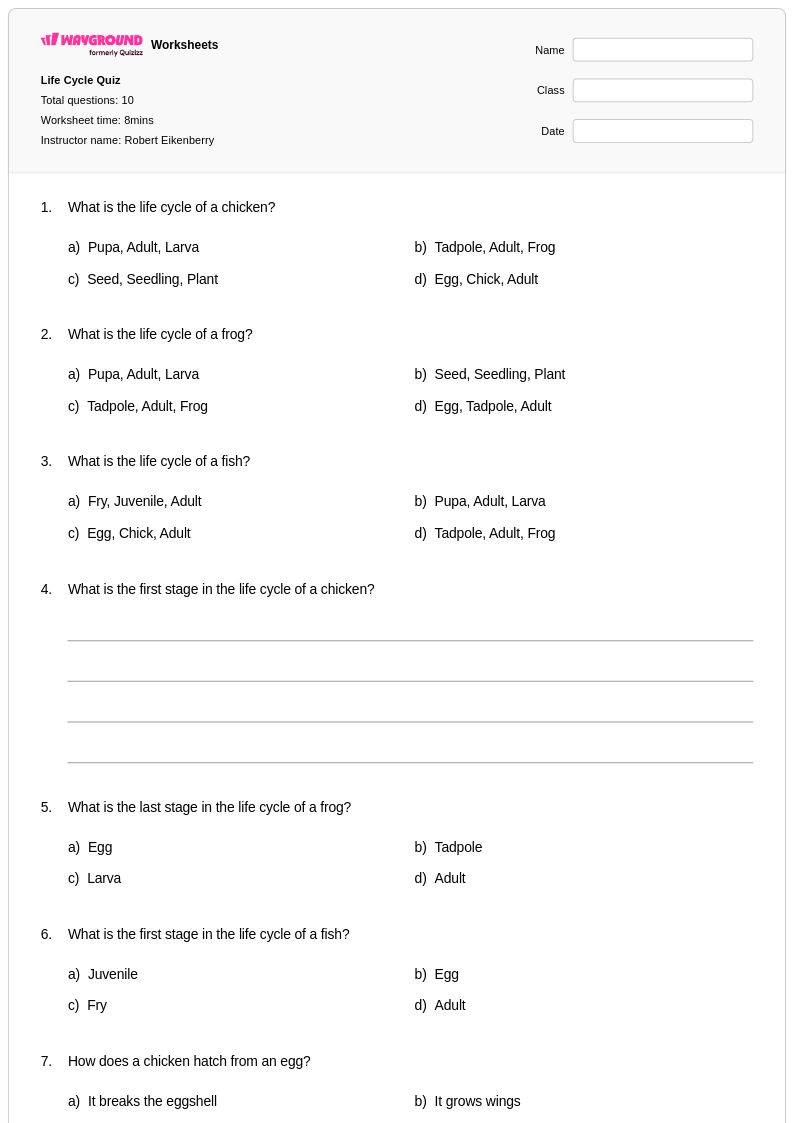
10 Q
1st
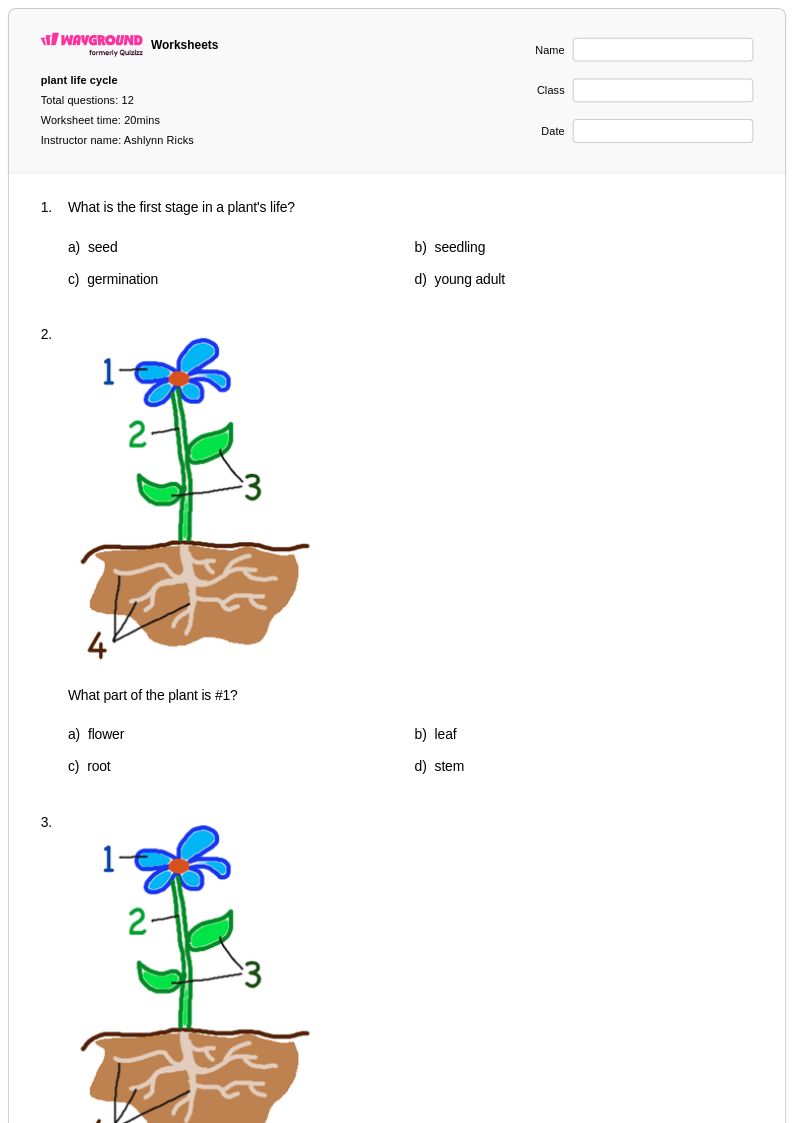
12 Q
1st - 2nd
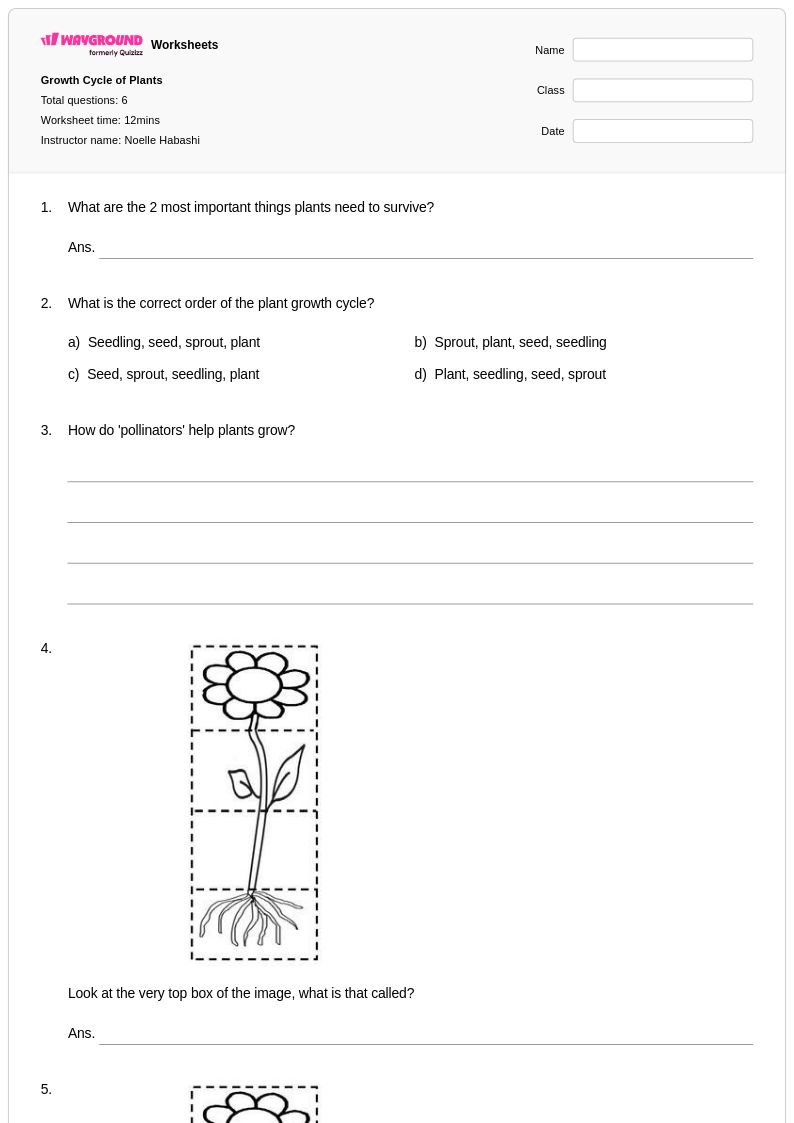
6 Q
1st - 2nd
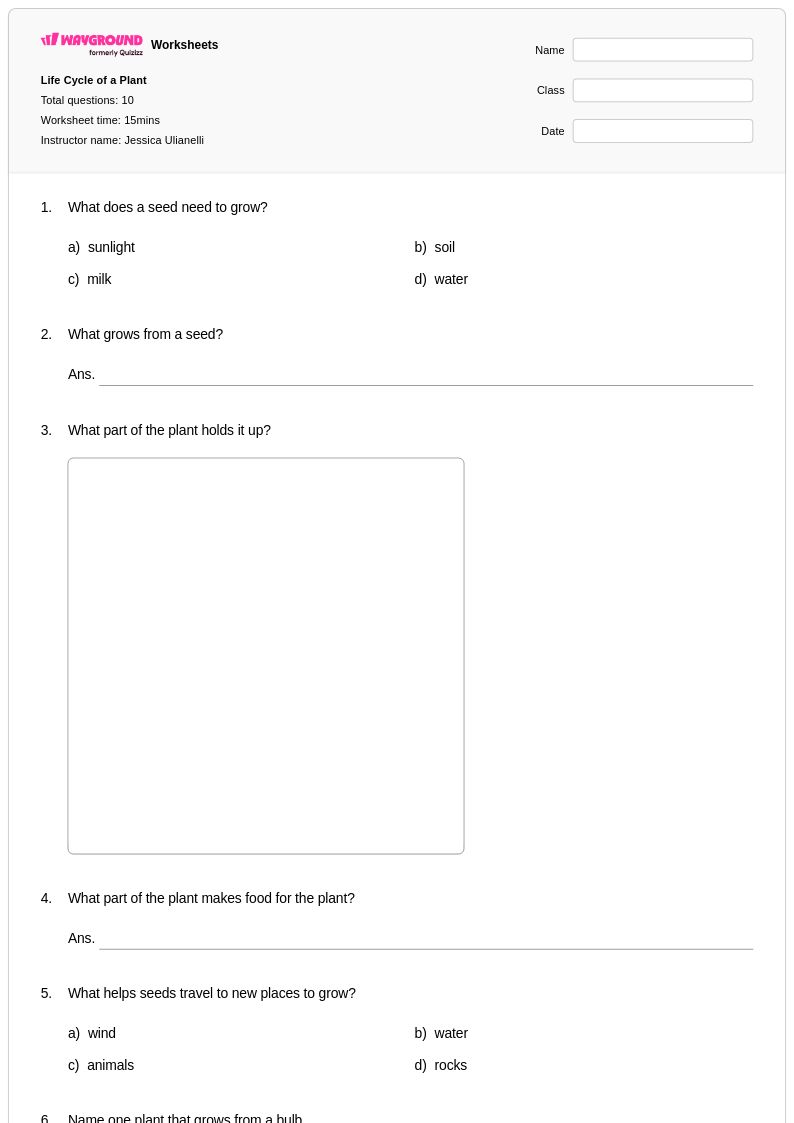
10 Q
1st
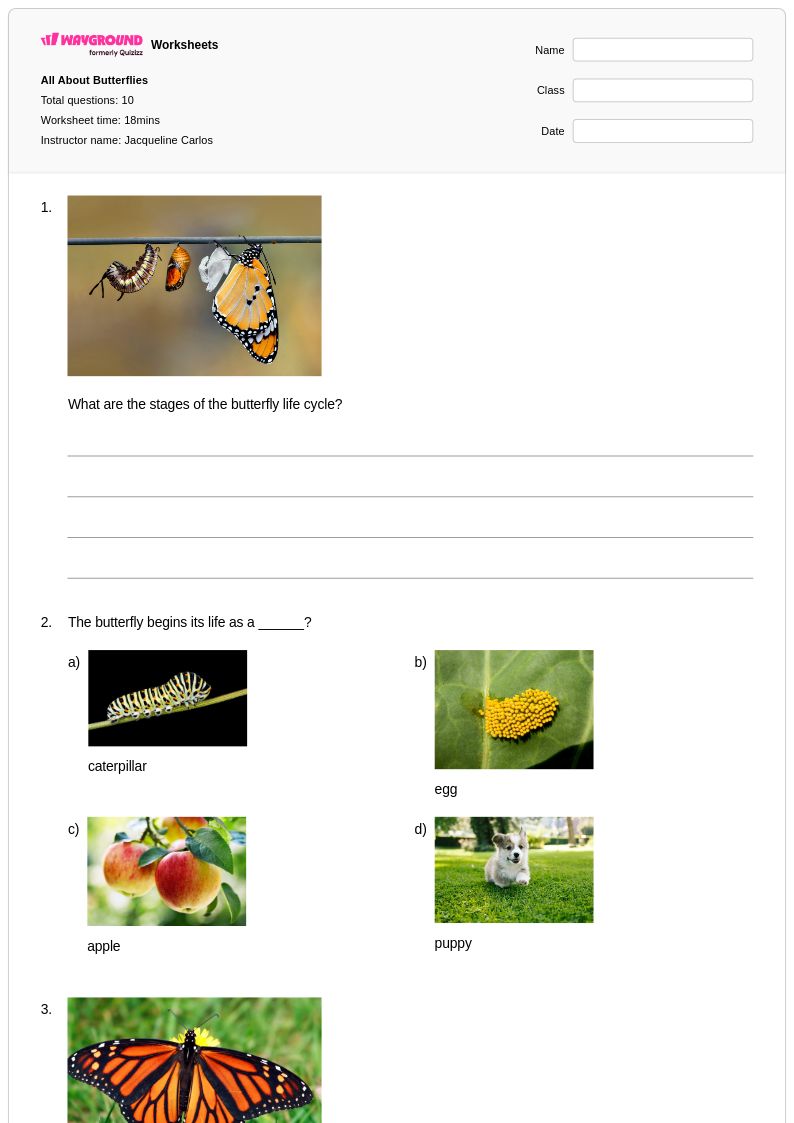
10 Q
1st
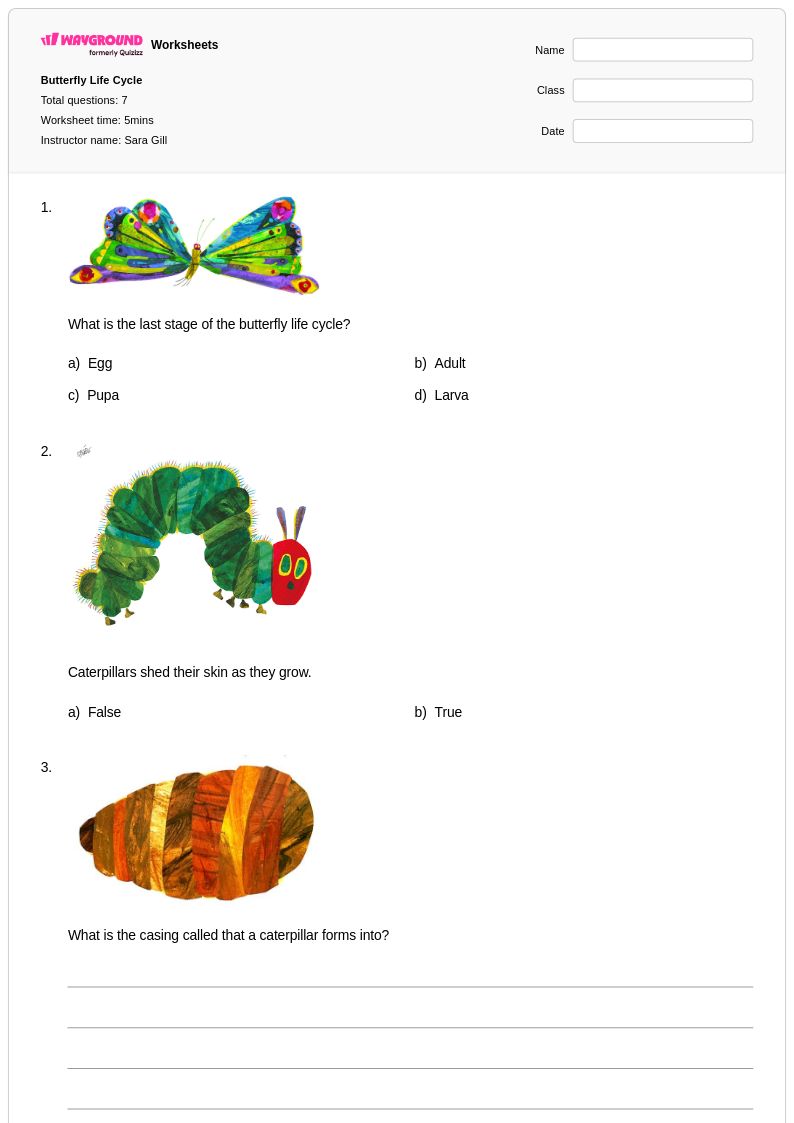
7 Q
1st - 5th
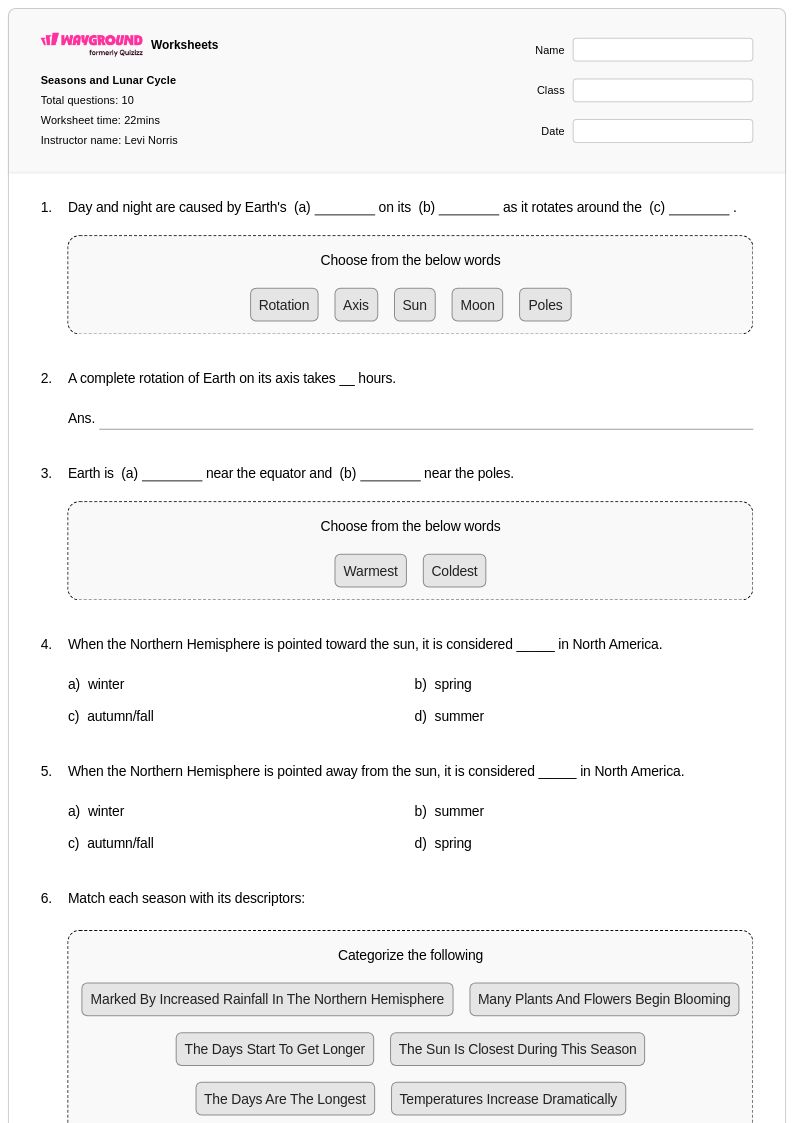
10 Q
1st - 5th
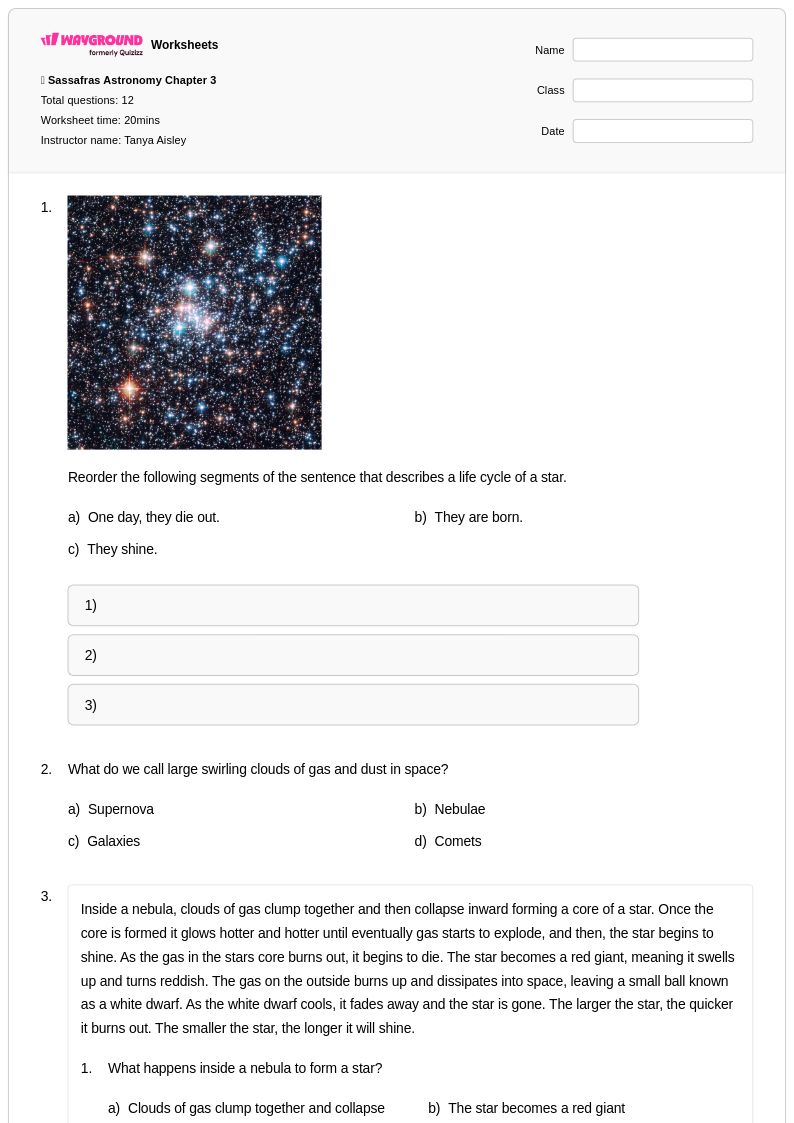
17 Q
1st - 5th
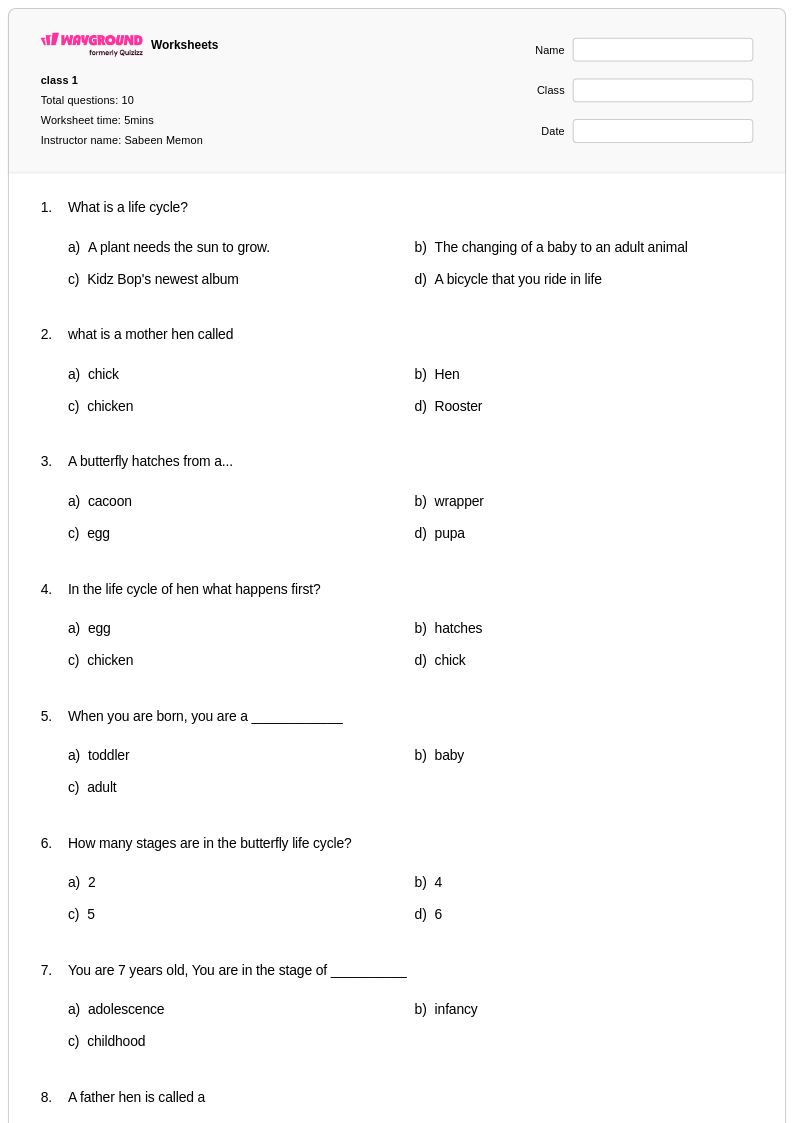
10 Q
1st
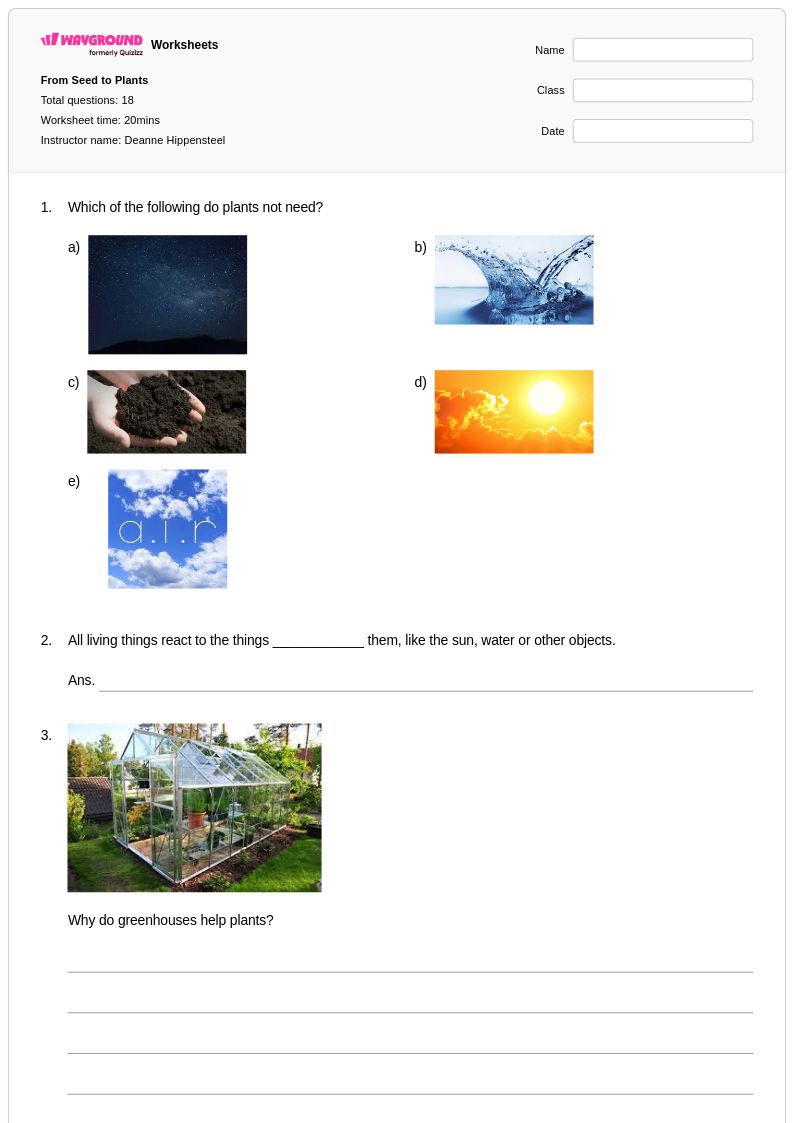
18 Q
1st
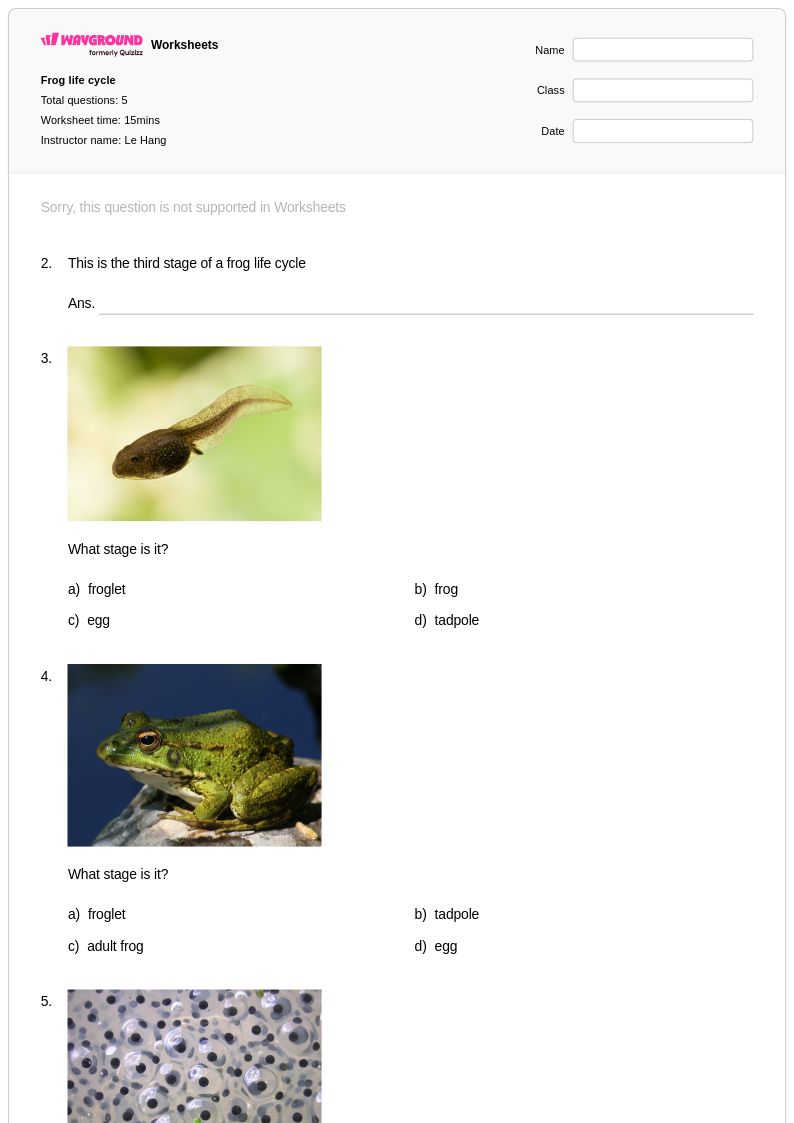
17 Q
1st - 5th
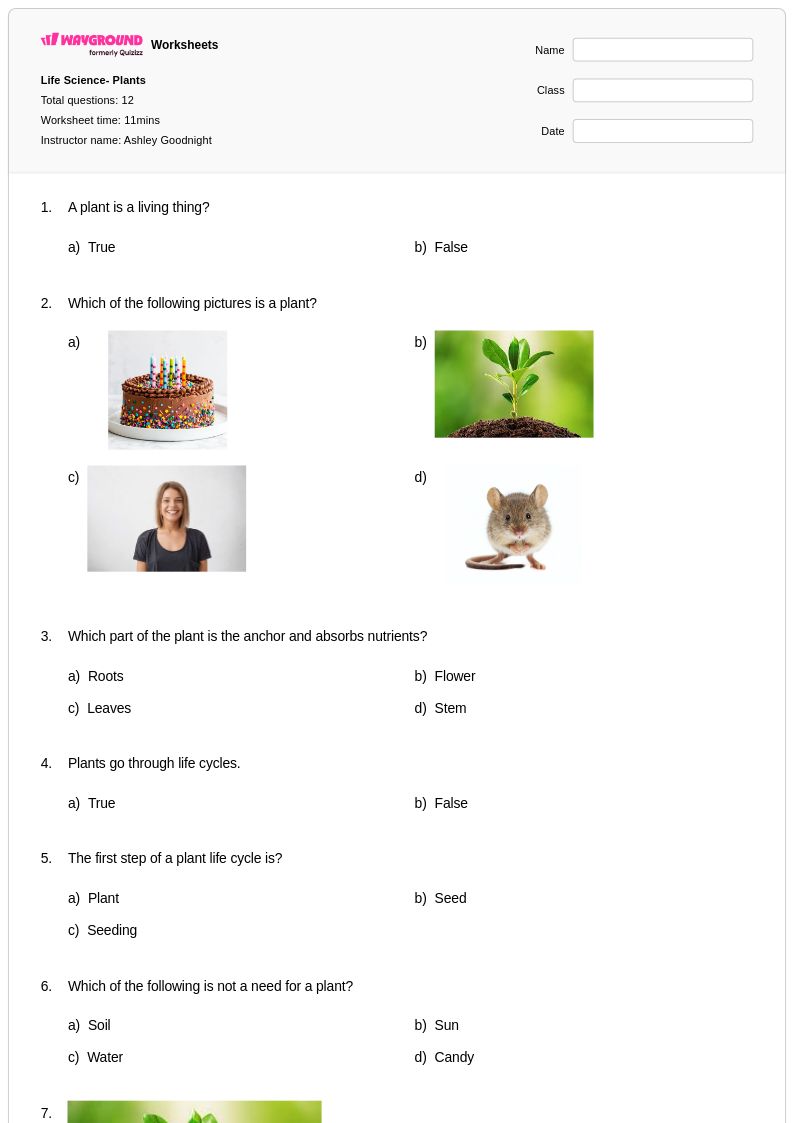
12 Q
1st
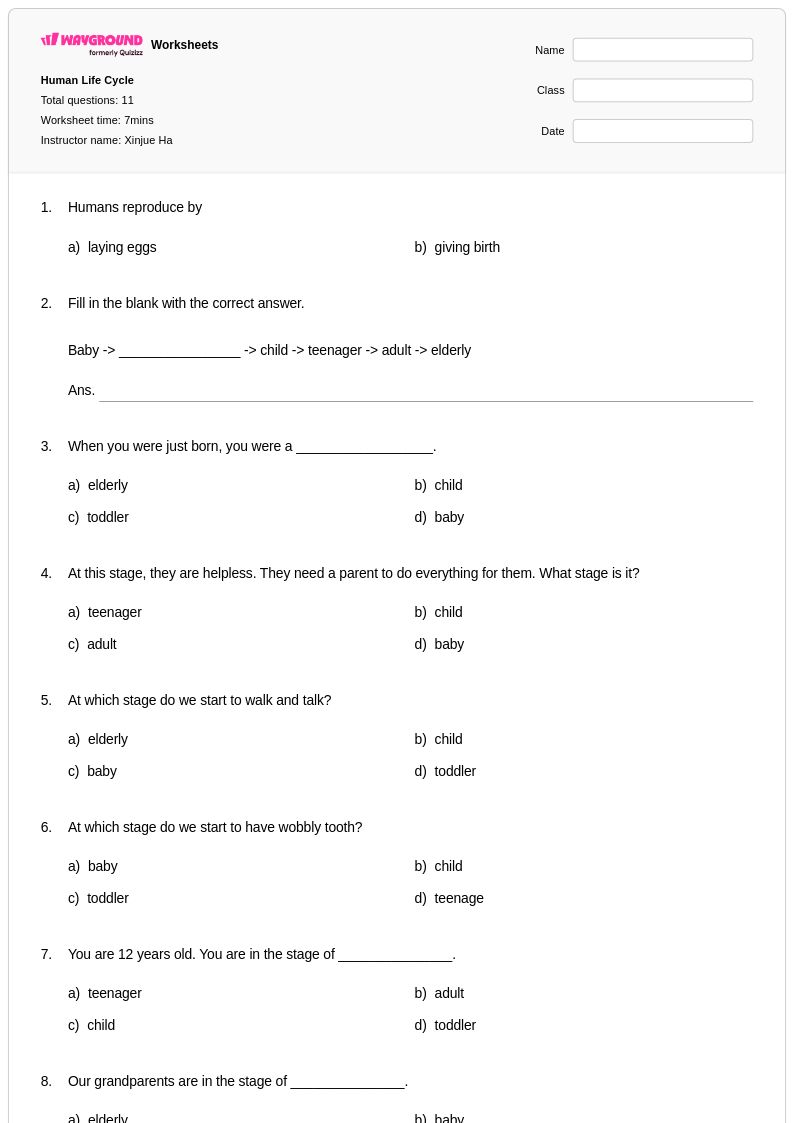
11 Q
1st - 2nd
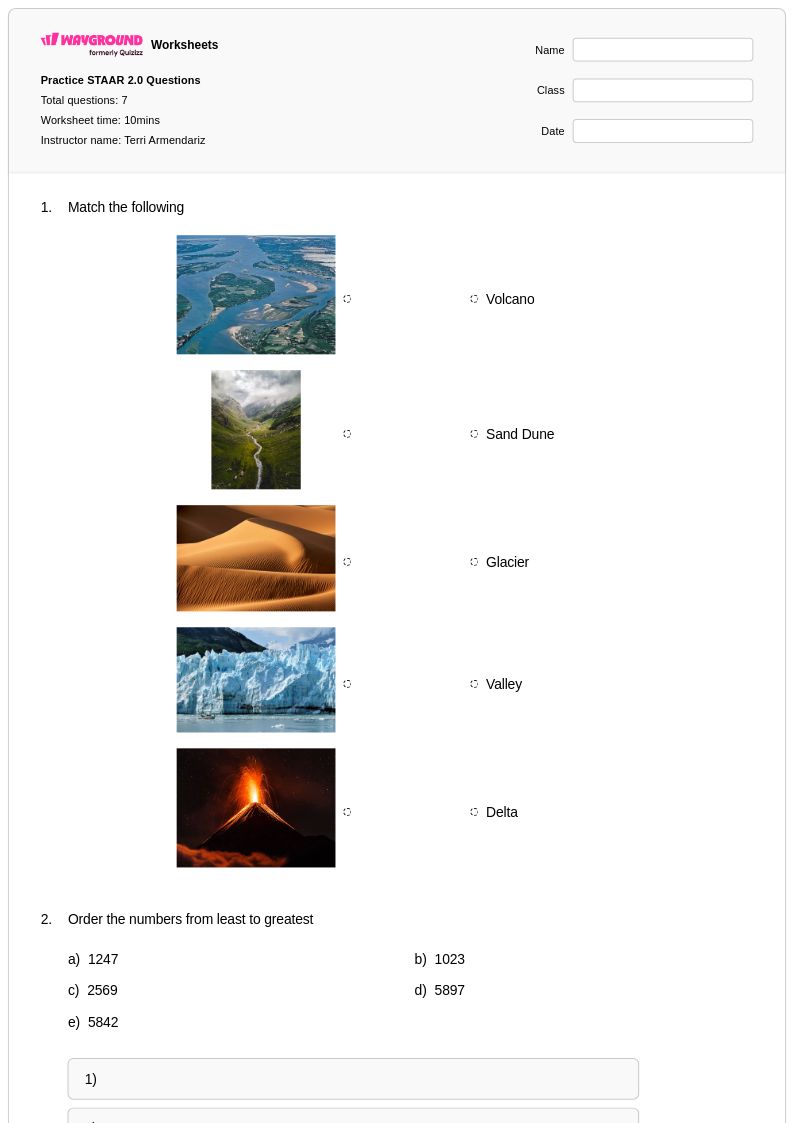
7 Q
1st - 5th
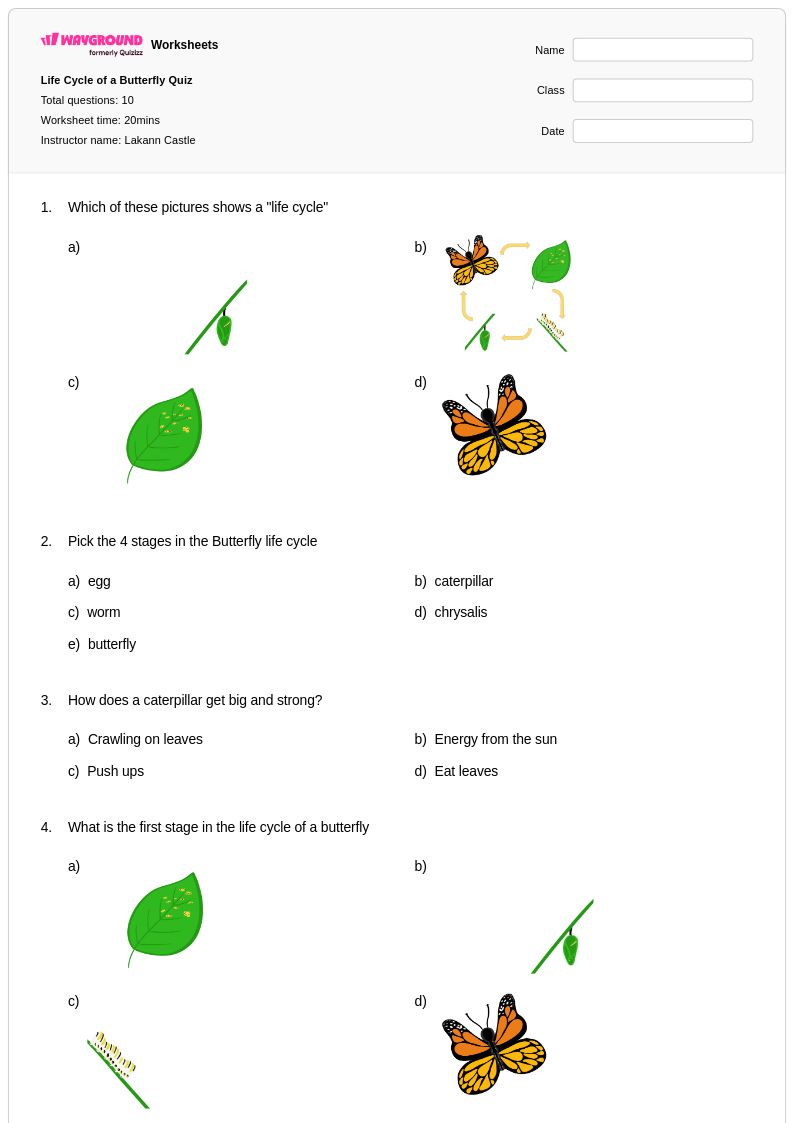
10 Q
1st - 3rd
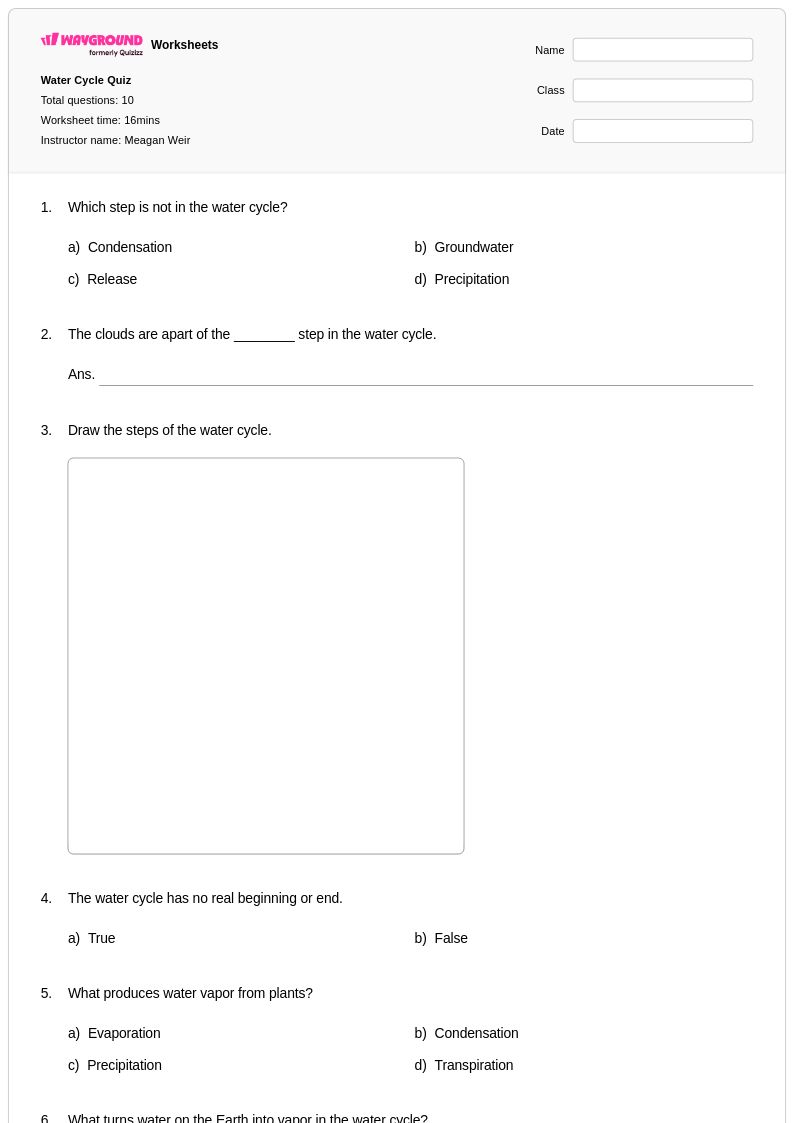
10 Q
1st - 5th
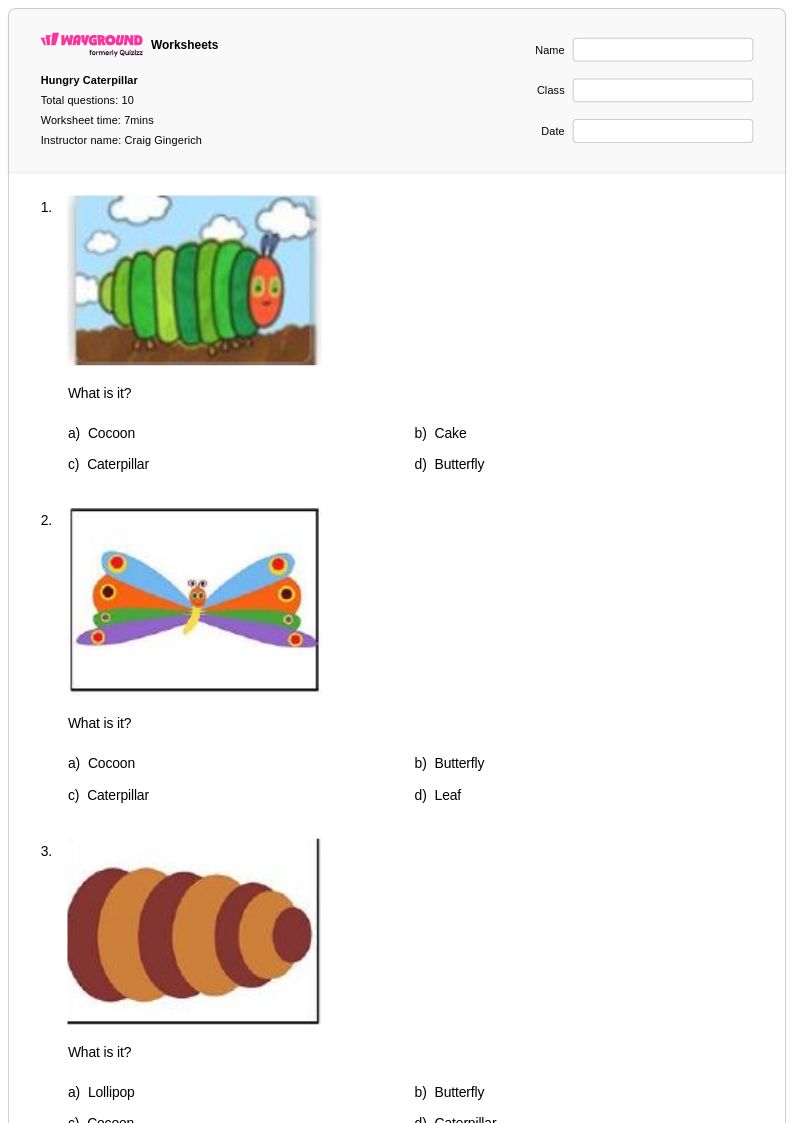
10 Q
1st
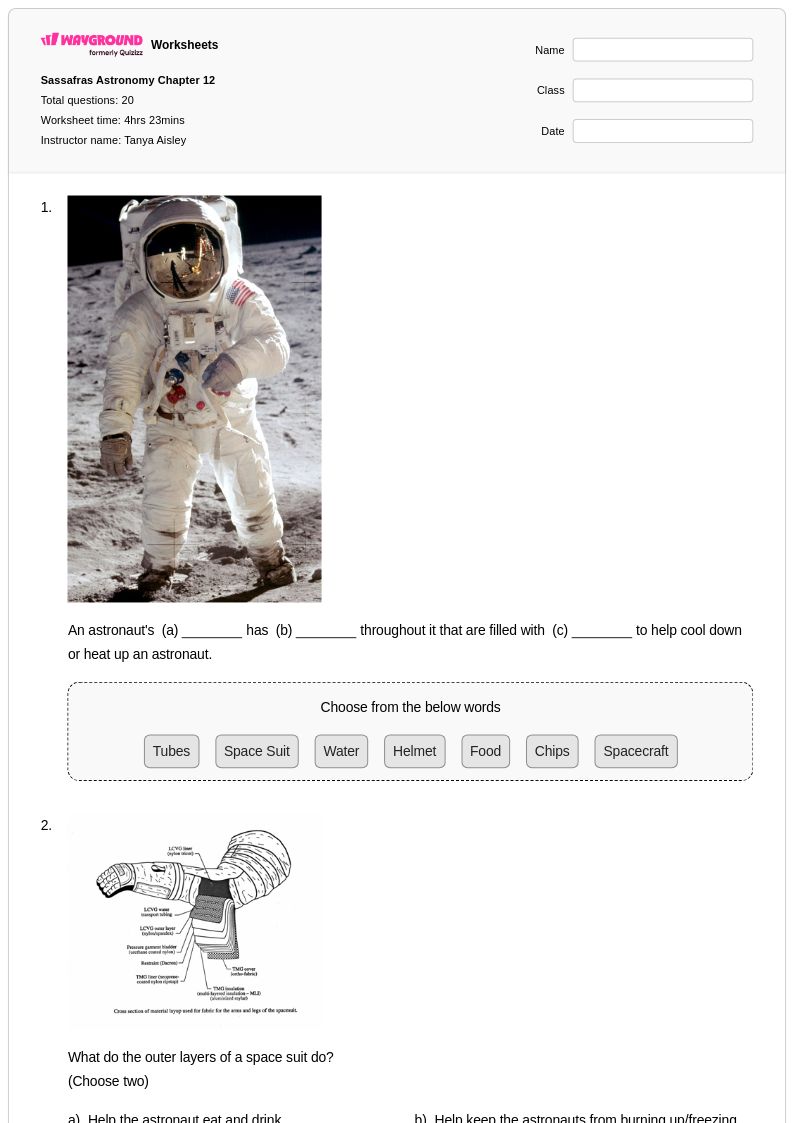
20 Q
1st - 5th
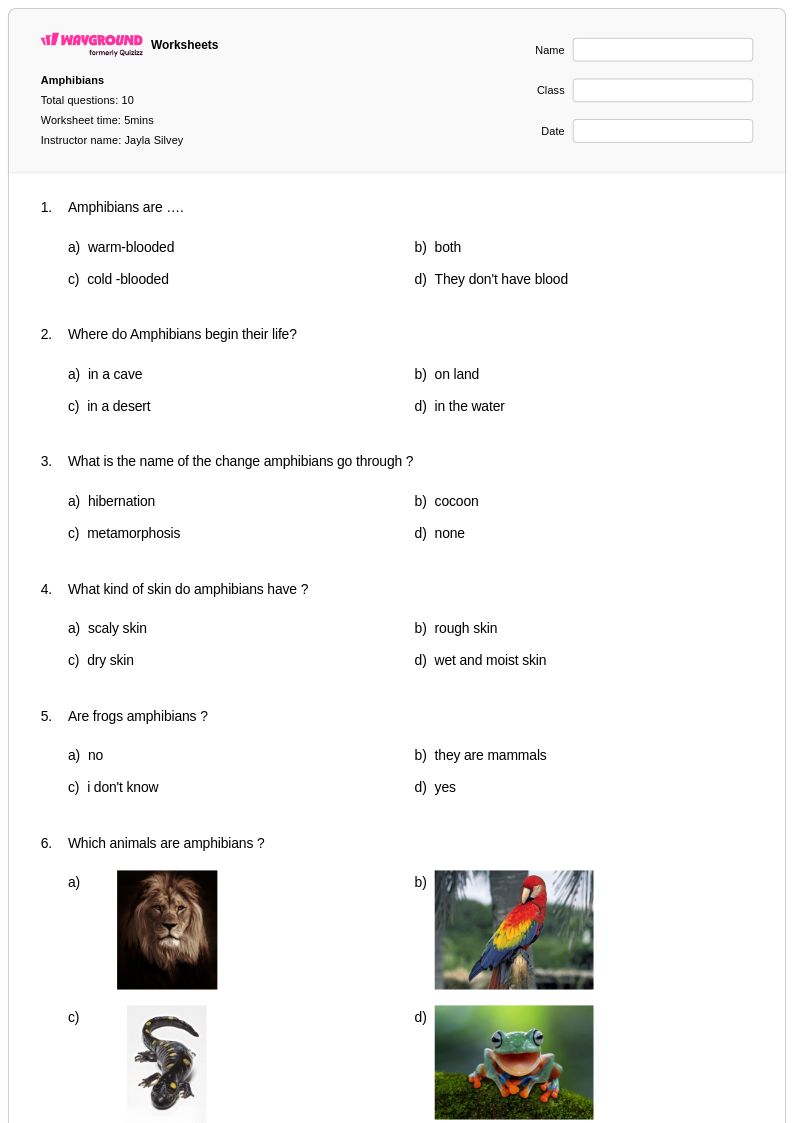
10 Q
KG - 1st
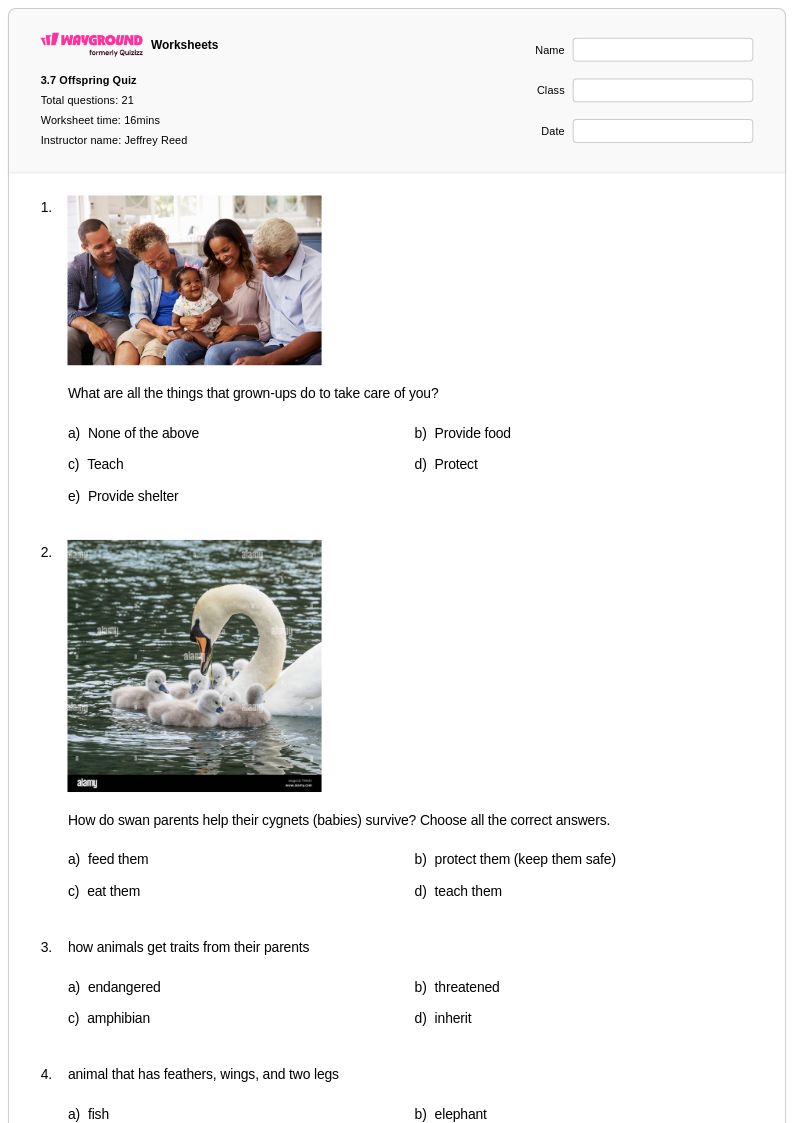
21 Q
1st - 5th
Explore Other Subject Worksheets for grade 1
Explore printable Chick Life Cycle worksheets for Grade 1
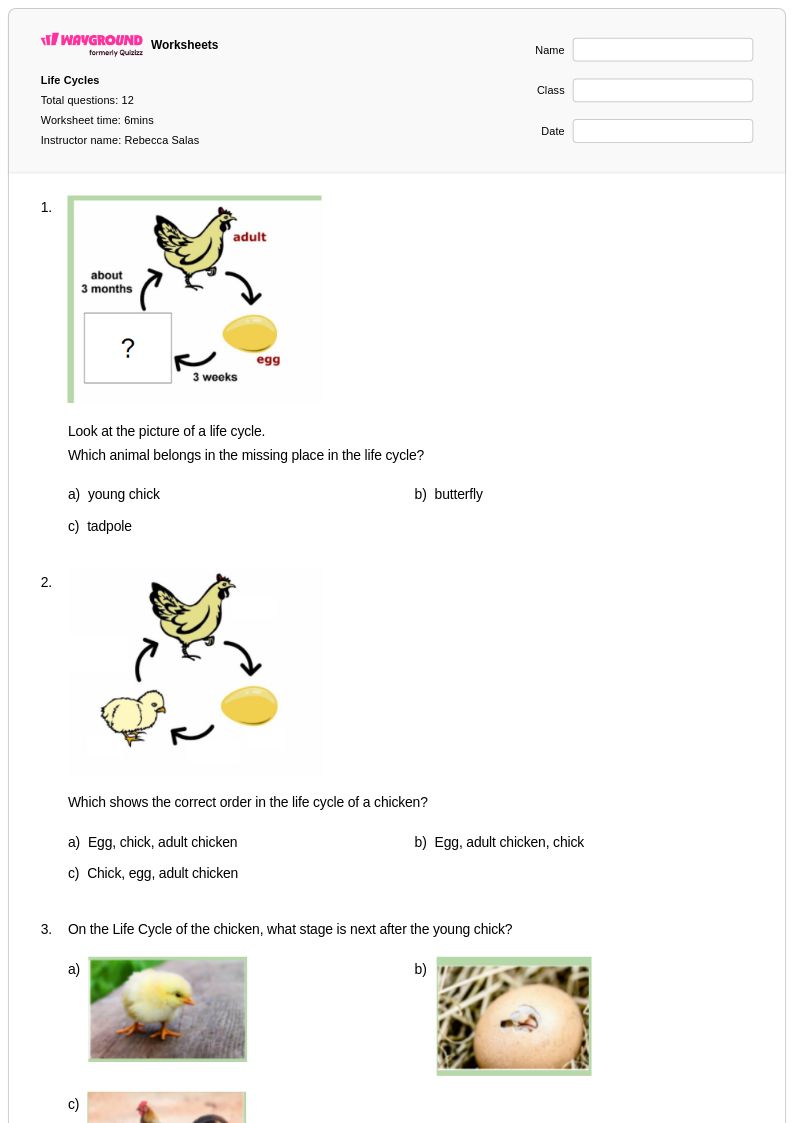
Grade 1 chick life cycle worksheets available through Wayground (formerly Quizizz) provide young learners with engaging, age-appropriate materials to explore one of nature's most fascinating transformations. These carefully designed worksheets guide first-grade students through the sequential stages of a chick's development, from egg to hatching to fully grown chicken, helping them understand fundamental concepts of growth, change, and animal life cycles. The collection strengthens essential scientific observation skills, sequencing abilities, and vocabulary development as students learn terms like embryo, incubation, and hatching. Each worksheet includes clear visual representations and simple text that supports emerging readers, with comprehensive answer keys and free printable formats that make implementation seamless. The practice problems encourage students to identify, order, and describe the distinct phases of chick development while building foundational life science knowledge.
Wayground (formerly Quizizz) empowers educators with millions of teacher-created resources specifically designed to support Grade 1 life science instruction, including extensive chick life cycle worksheet collections that accommodate diverse learning needs. The platform's robust search and filtering capabilities allow teachers to quickly locate materials aligned with specific standards and learning objectives, while built-in differentiation tools enable customization for varying ability levels within the classroom. Available in both printable PDF formats and interactive digital versions, these worksheets support flexible lesson planning whether used for whole-group instruction, small group activities, or individual practice sessions. Teachers can easily adapt content for remediation by selecting simpler sequencing activities or provide enrichment through more detailed observation exercises, ensuring every first-grade student develops a solid understanding of biological processes through systematic skill practice and scientific inquiry.
FAQs
How do I teach the chick life cycle to elementary students?
What activities help students practice sequencing the stages of a chick's life cycle?
What vocabulary do students need to know for the chick life cycle?
What mistakes do students commonly make when learning about the chick life cycle?
How can I use chick life cycle worksheets in both print and digital classroom settings?
How do I differentiate chick life cycle instruction for students with different learning needs?