Free Printable Cloze Activity Worksheets for Grade 3
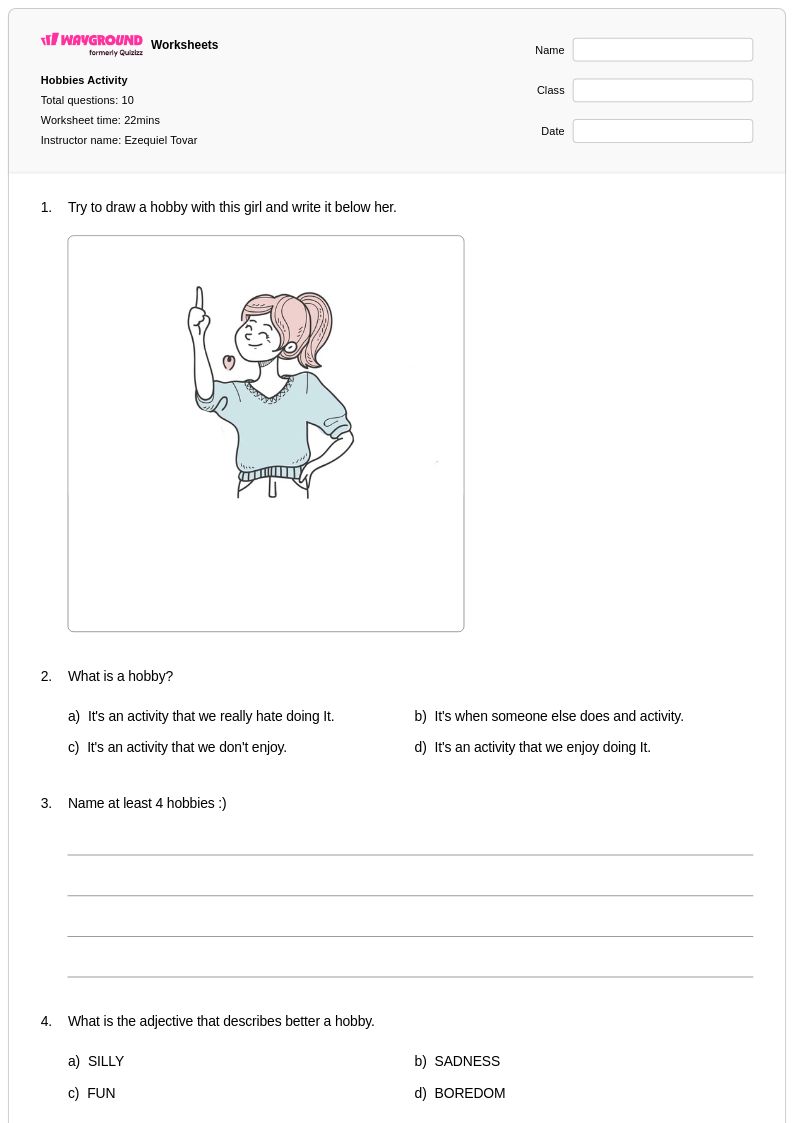
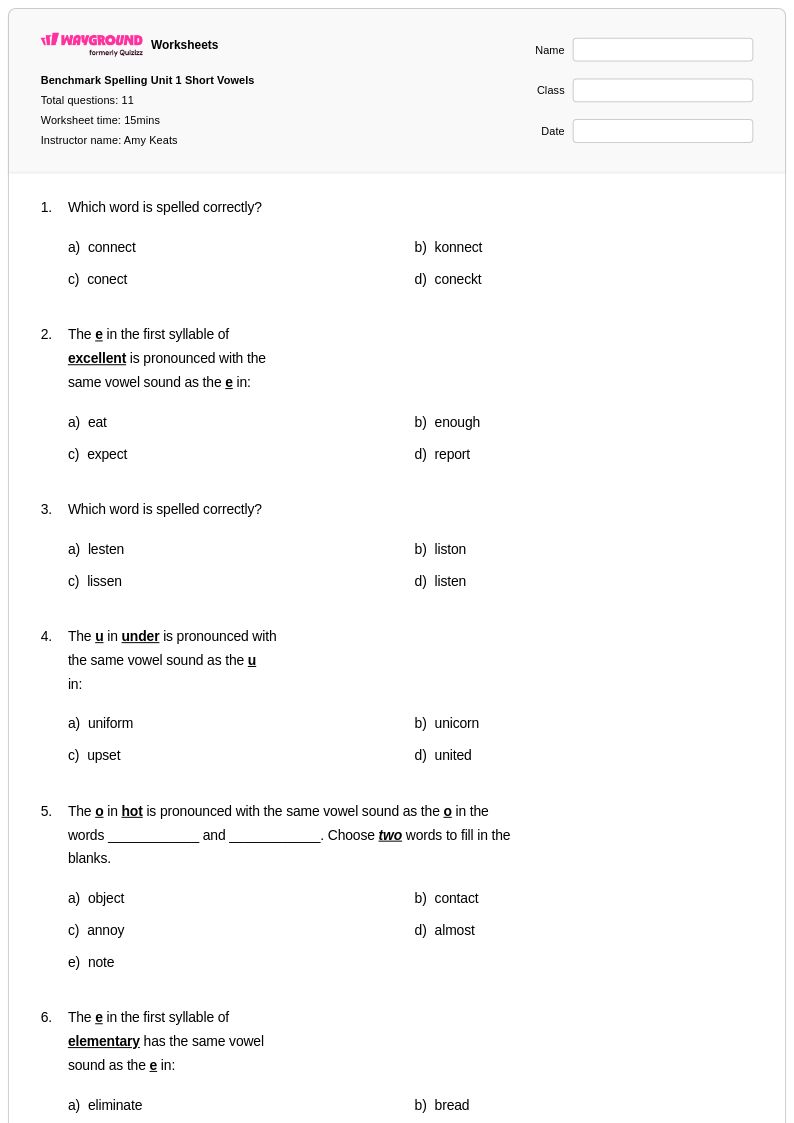
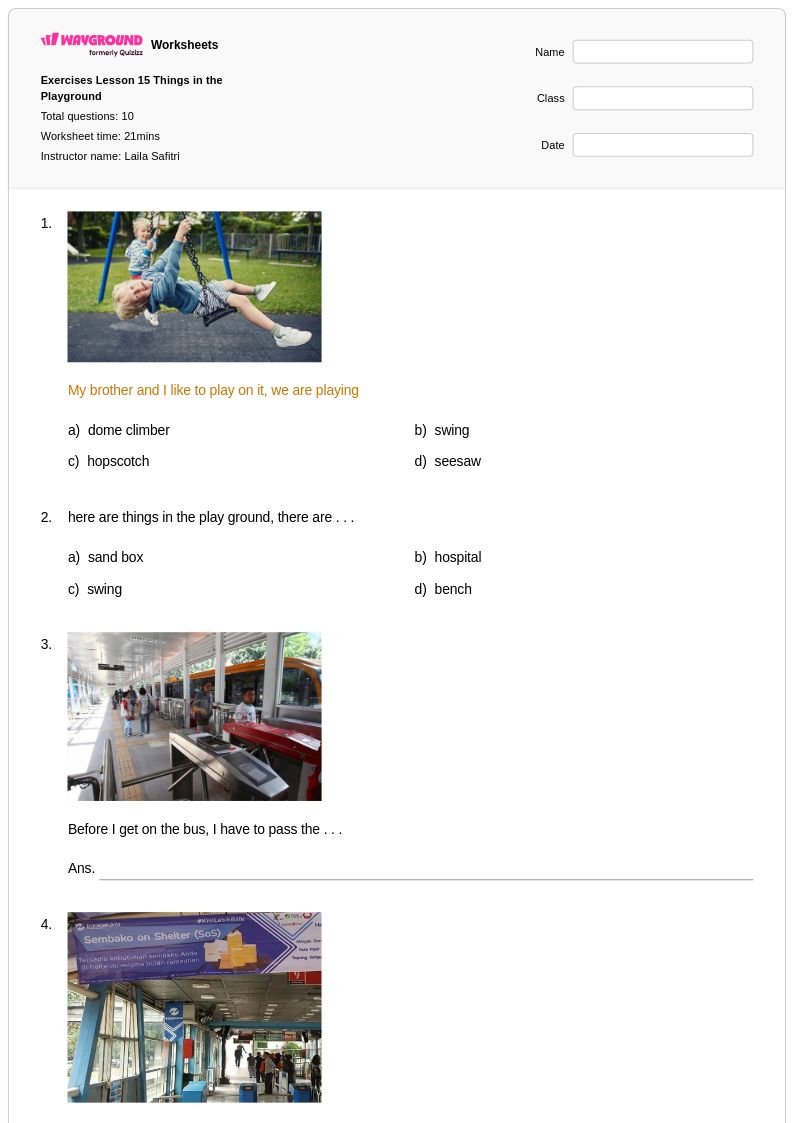
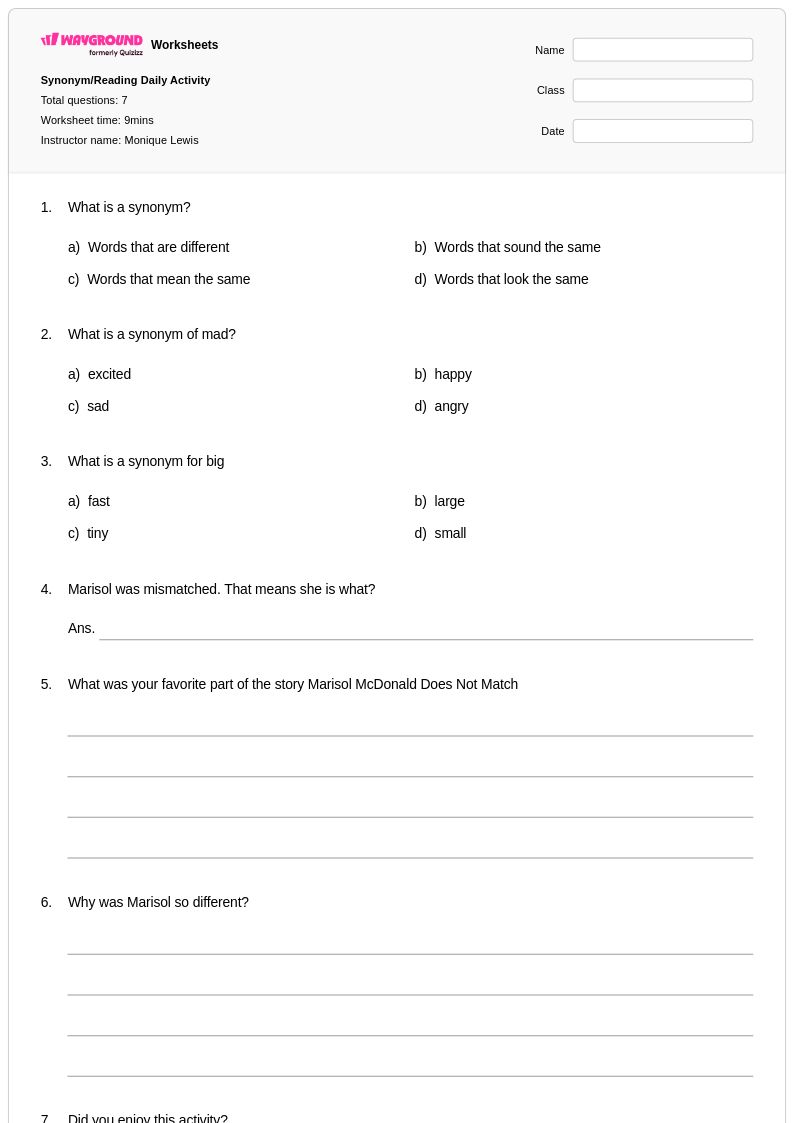
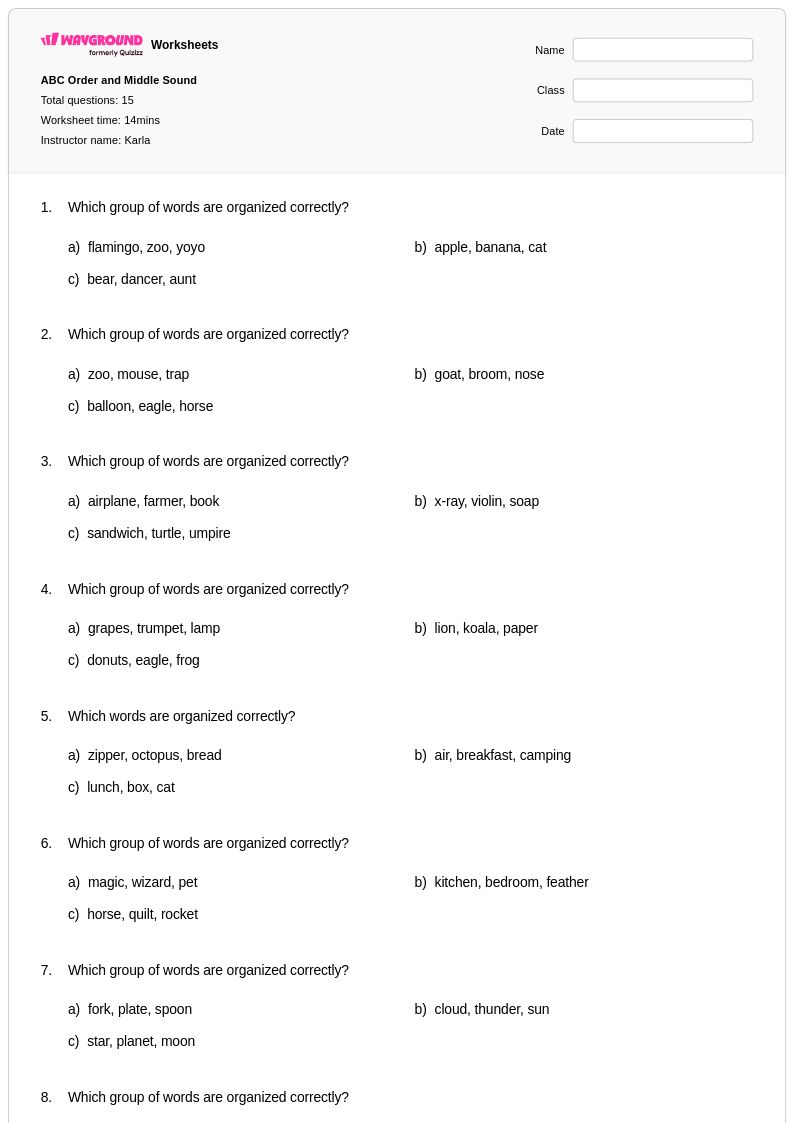
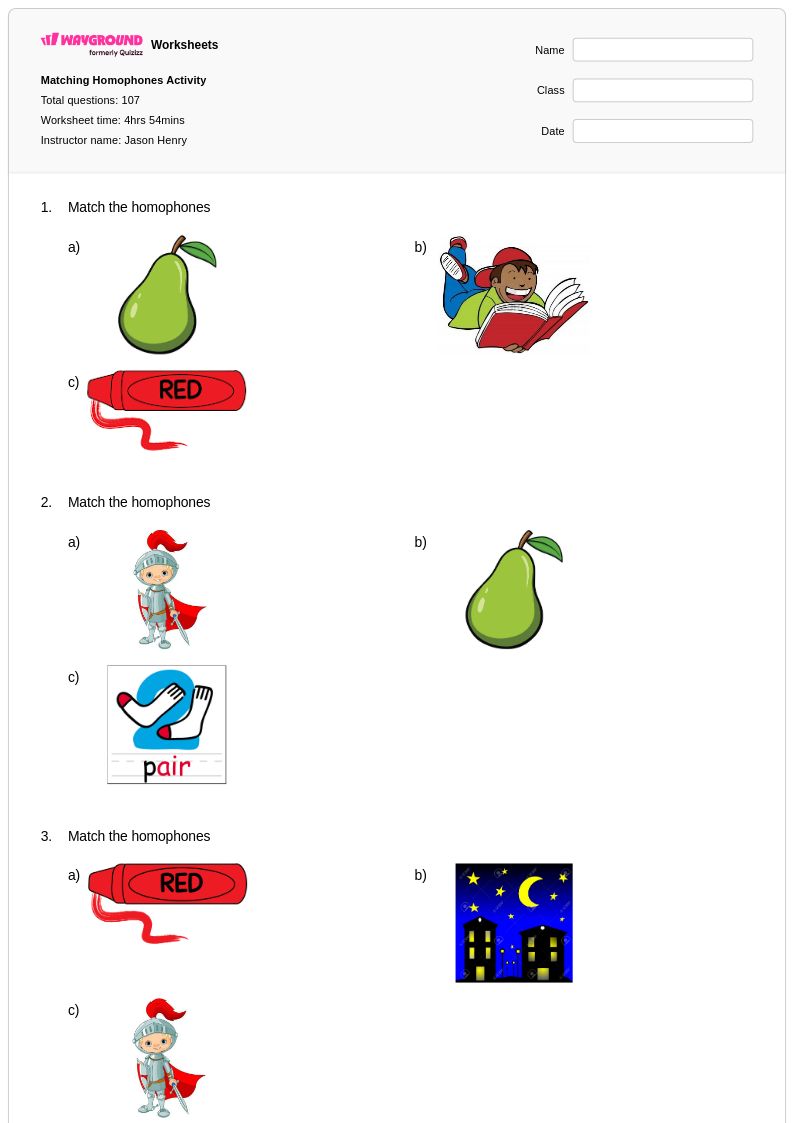
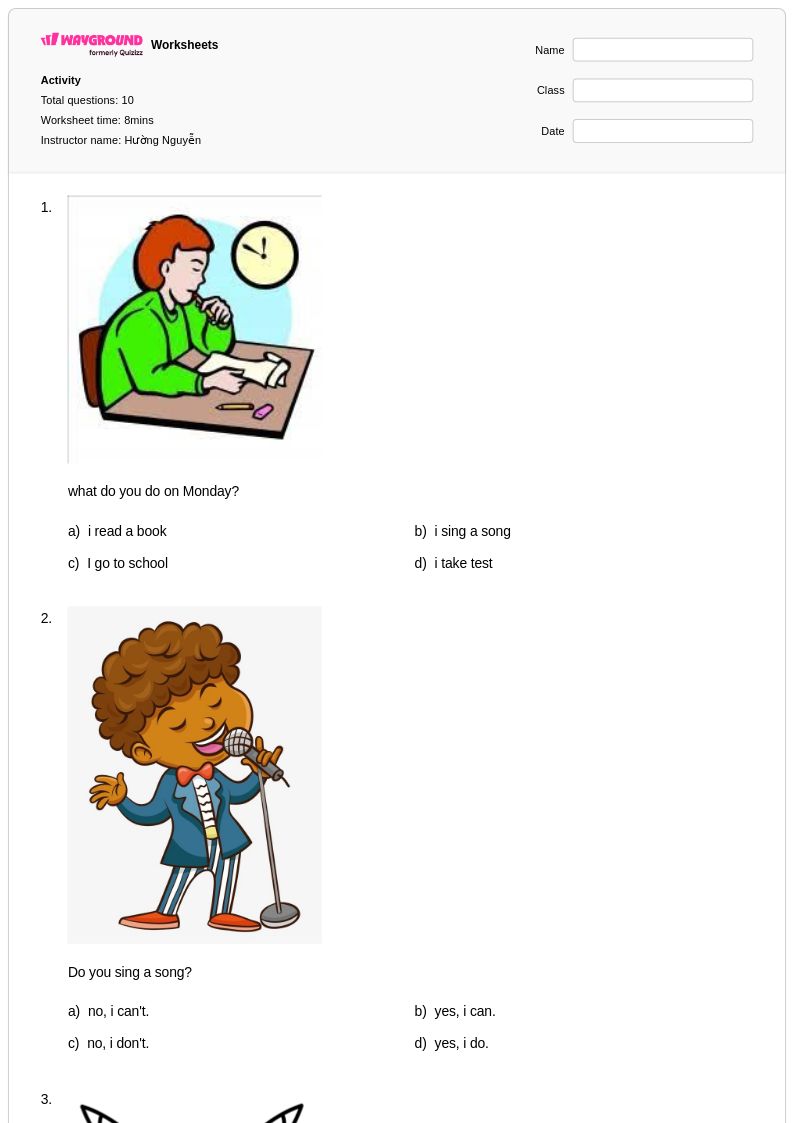
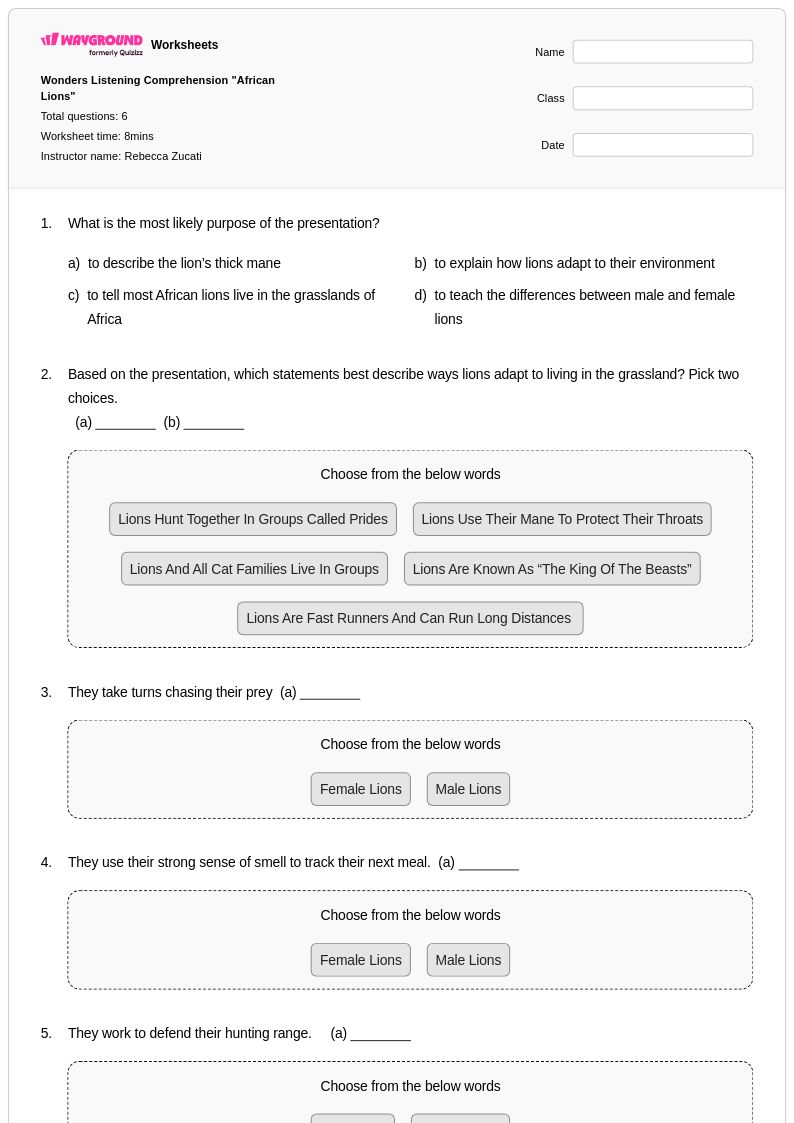
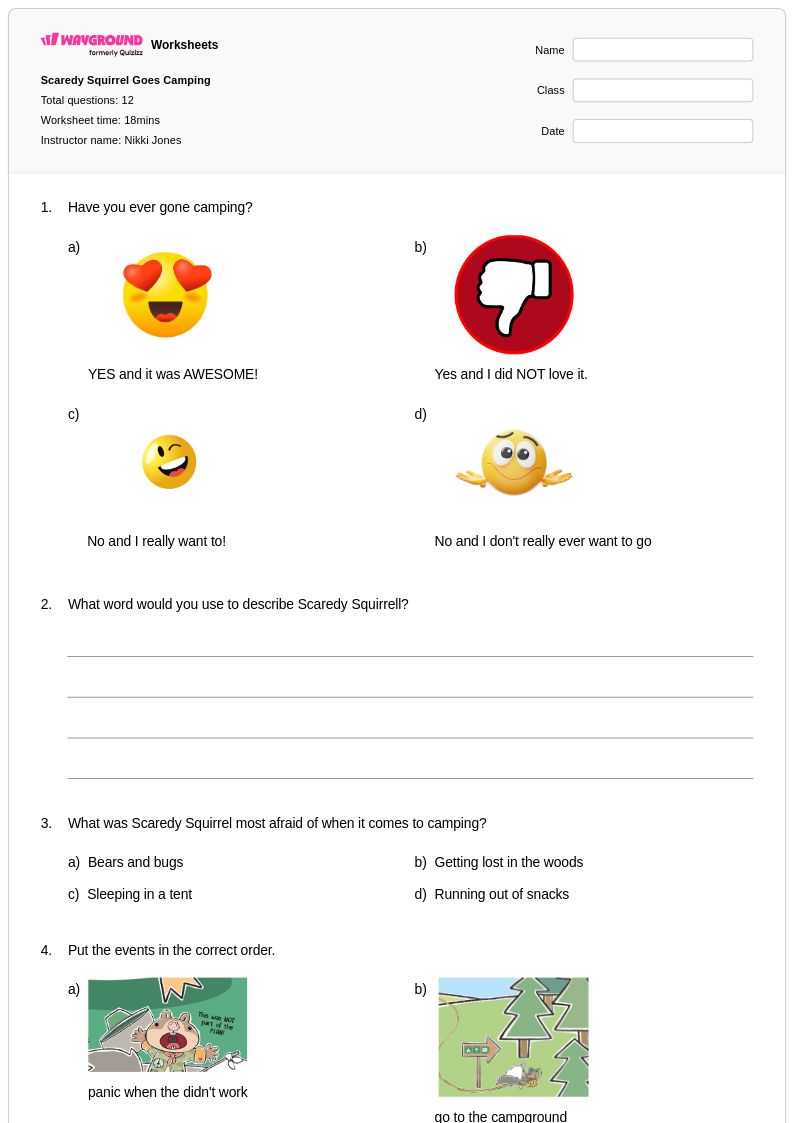
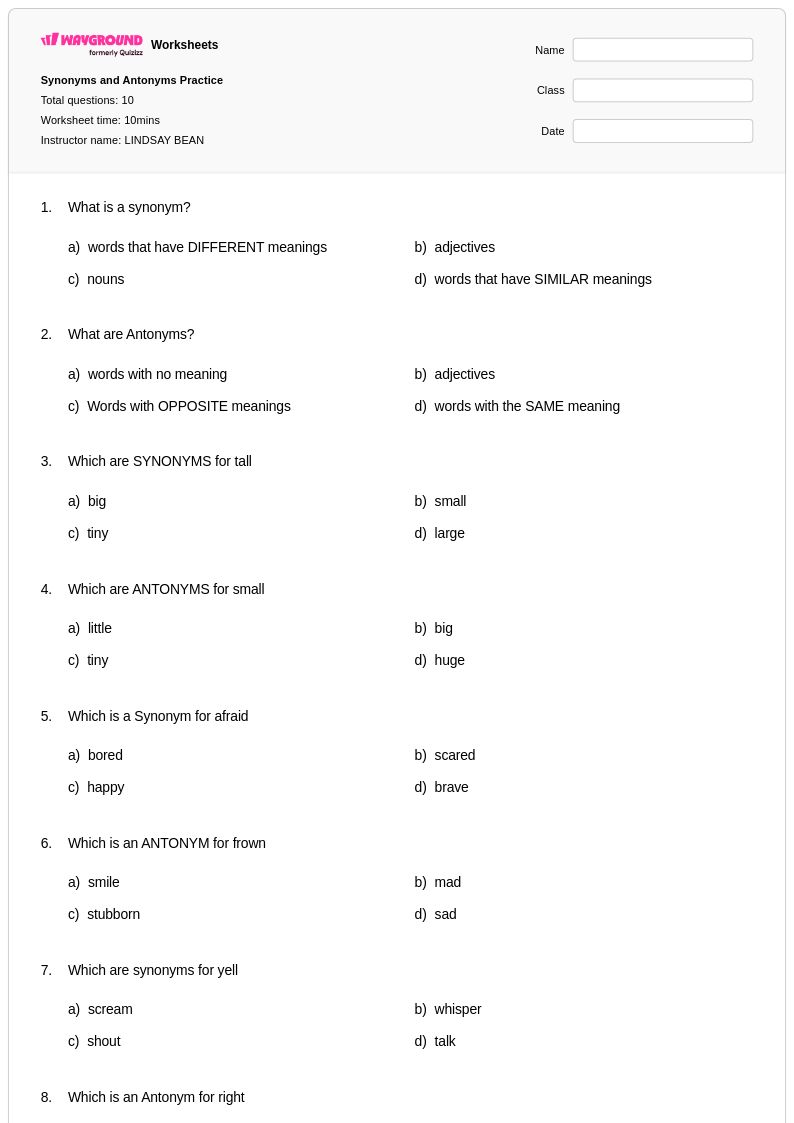
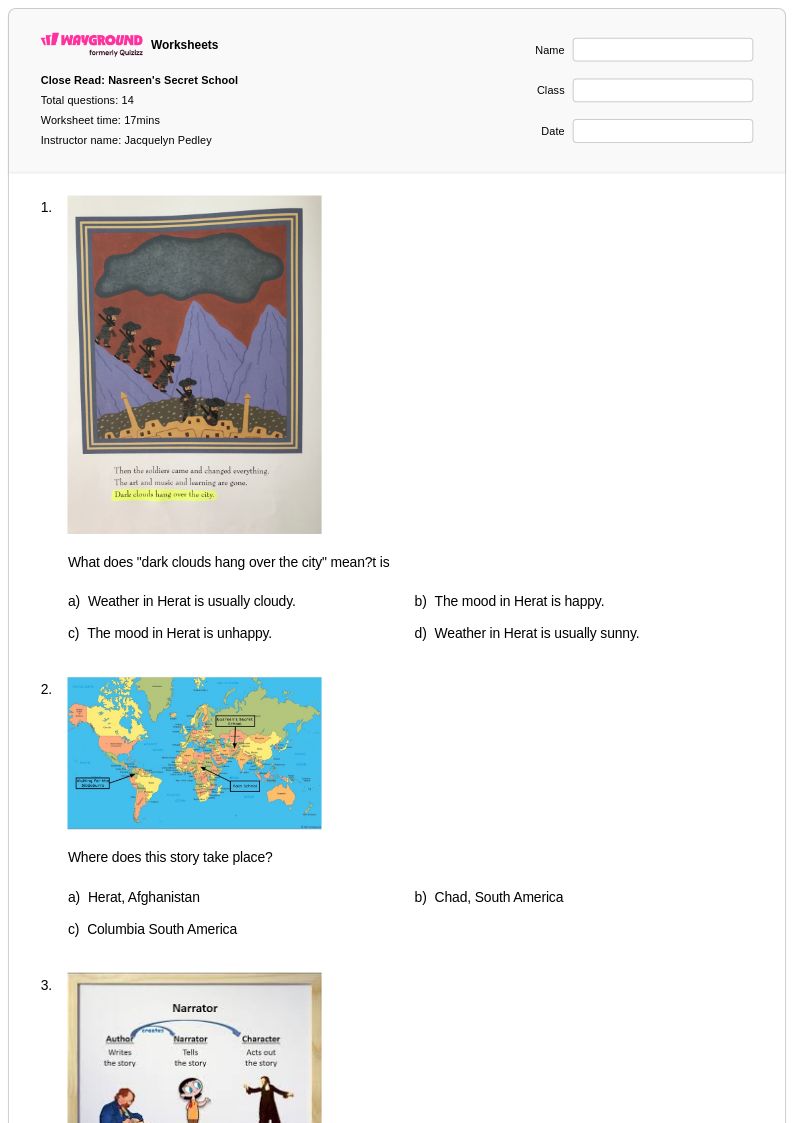
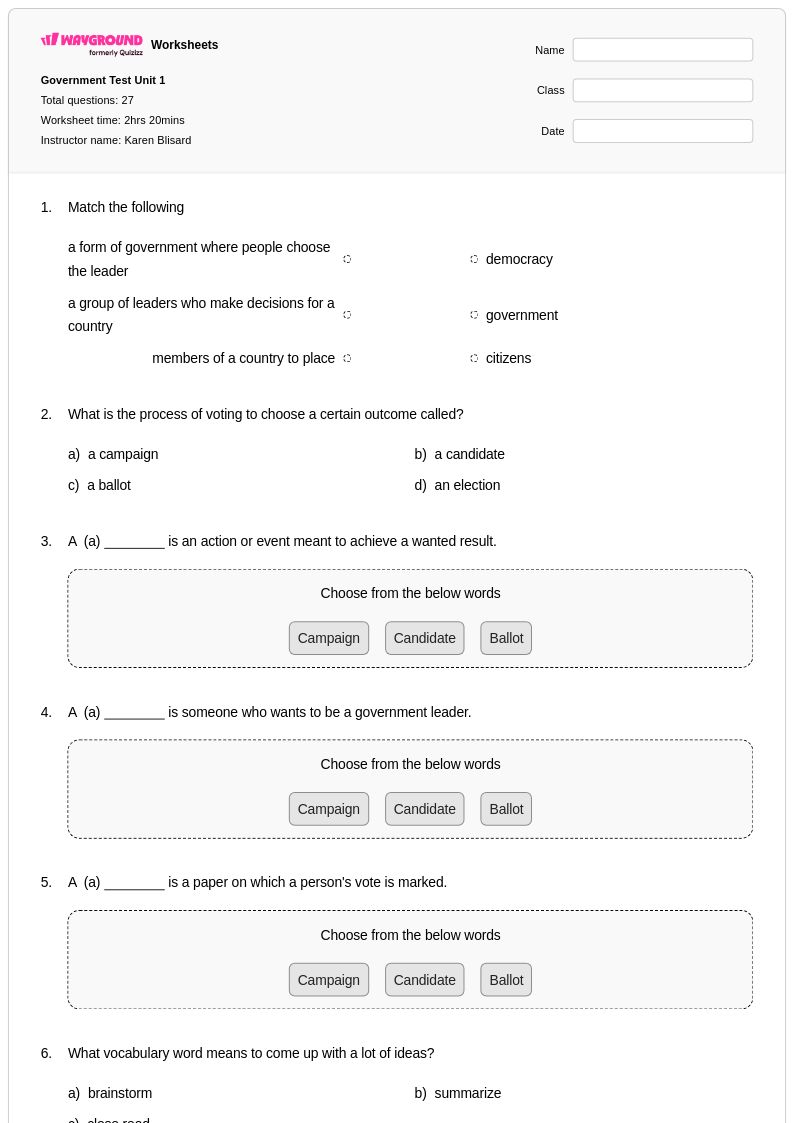
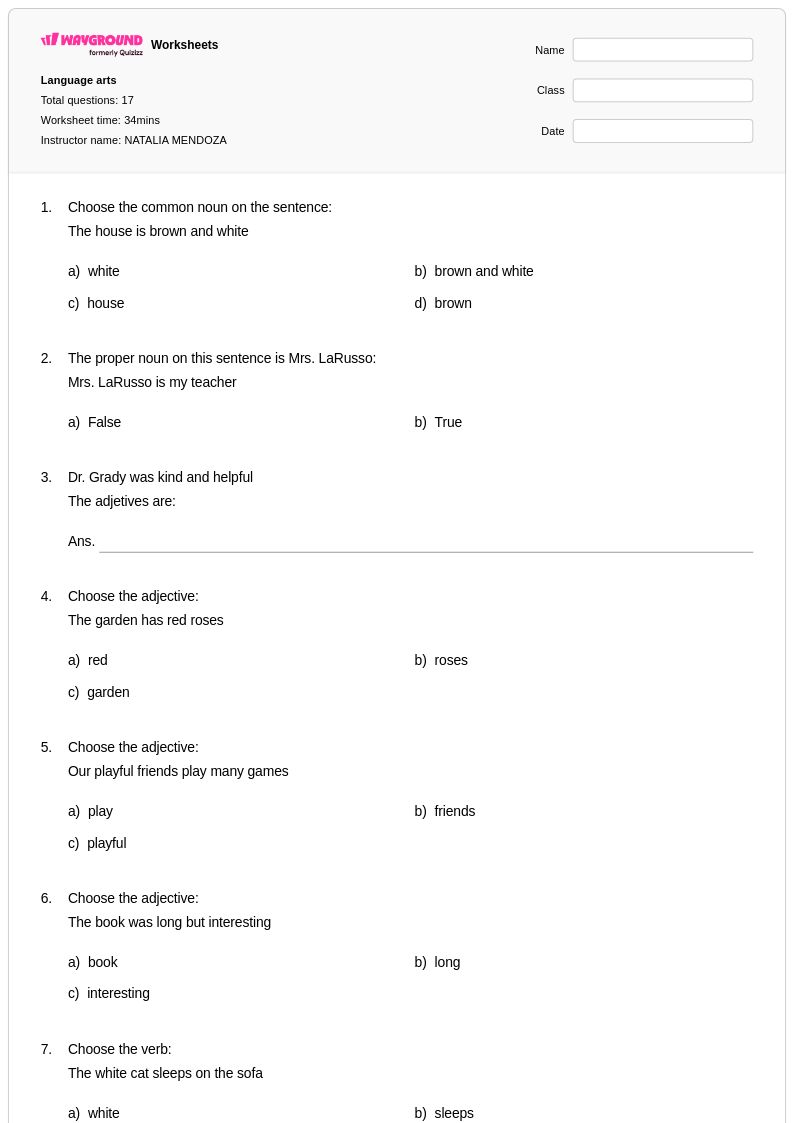
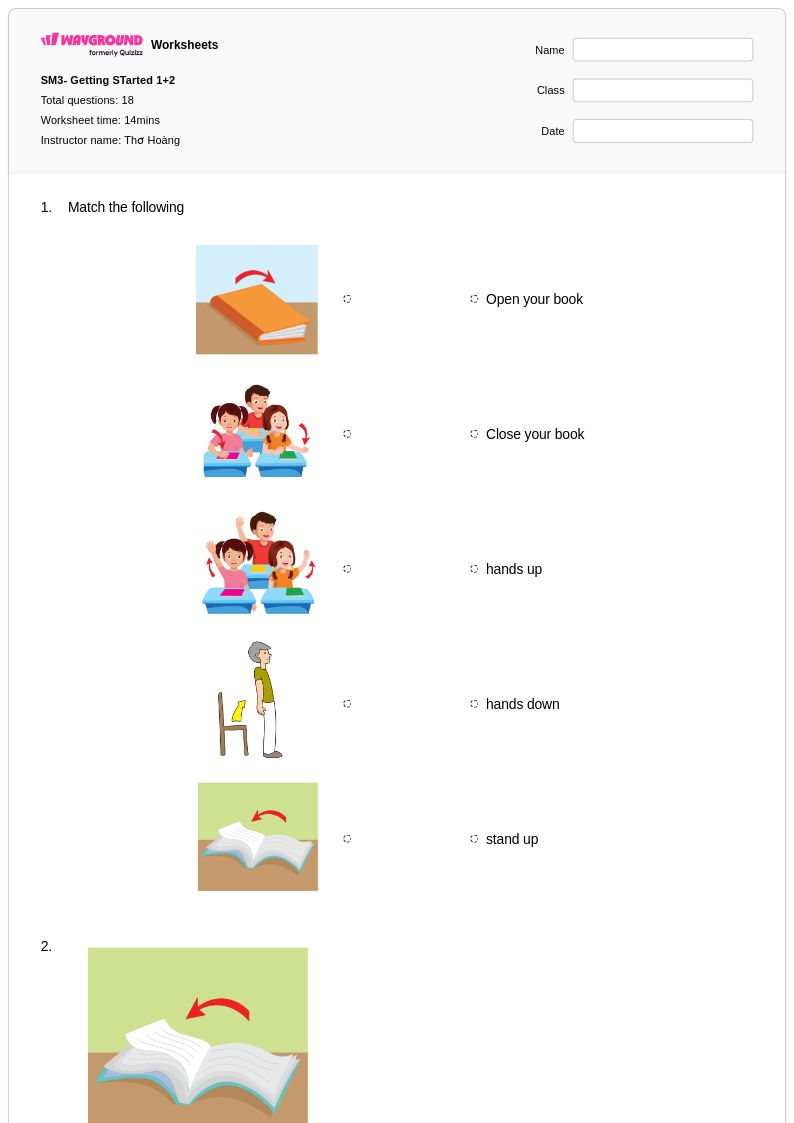
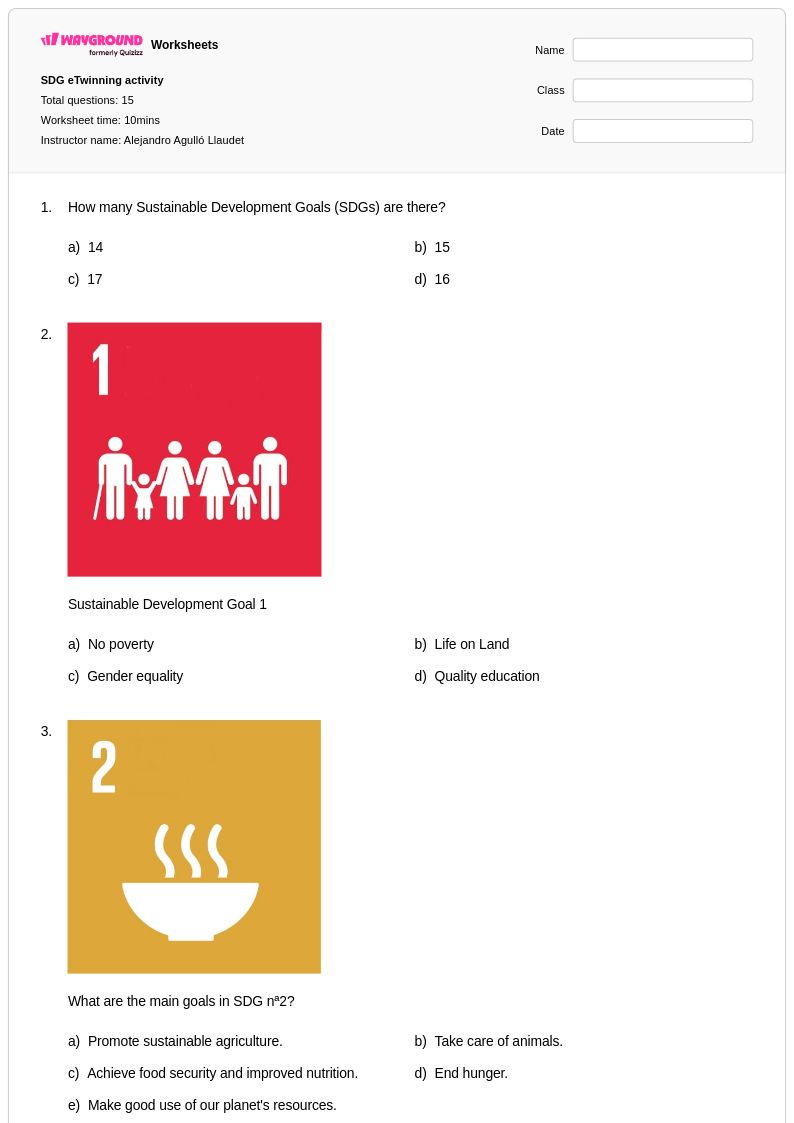
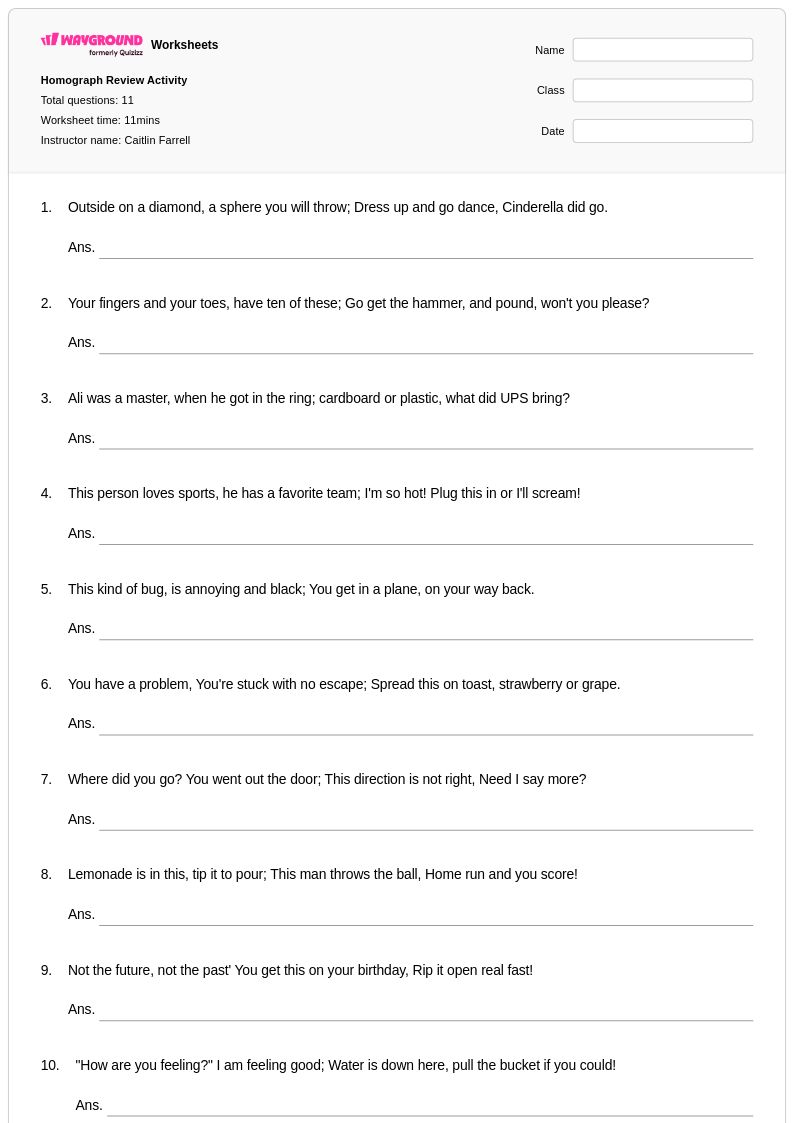
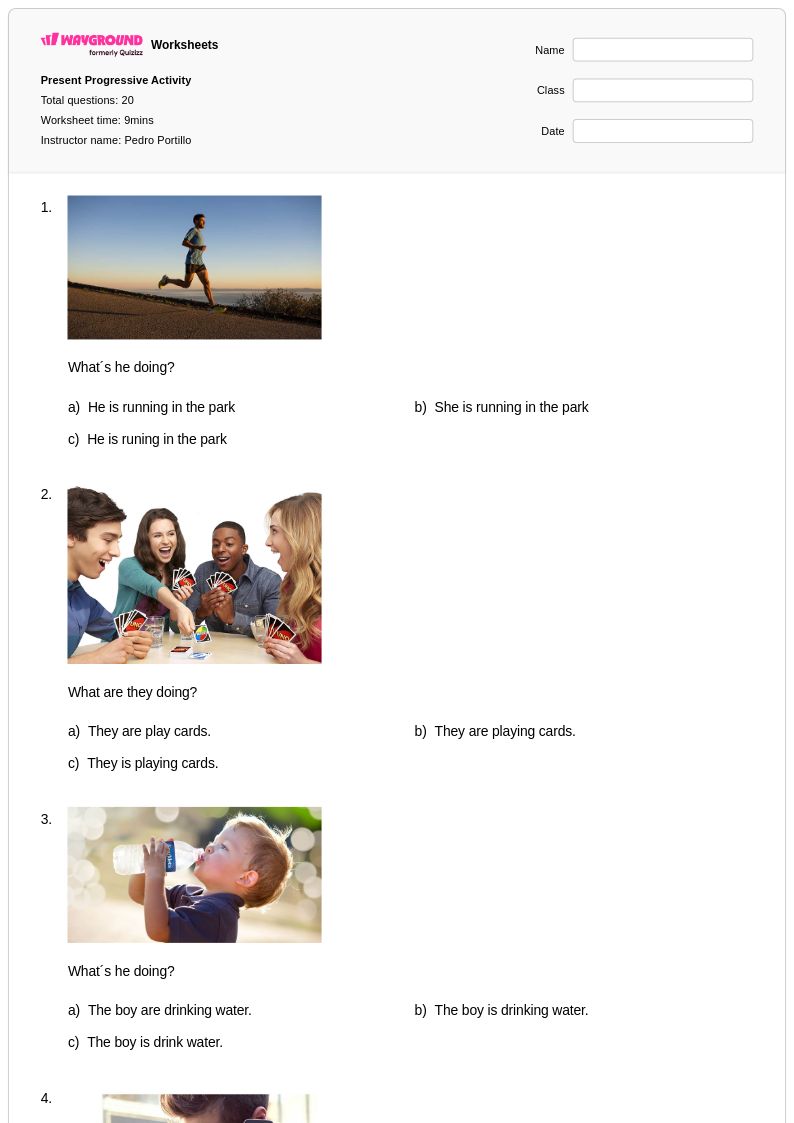
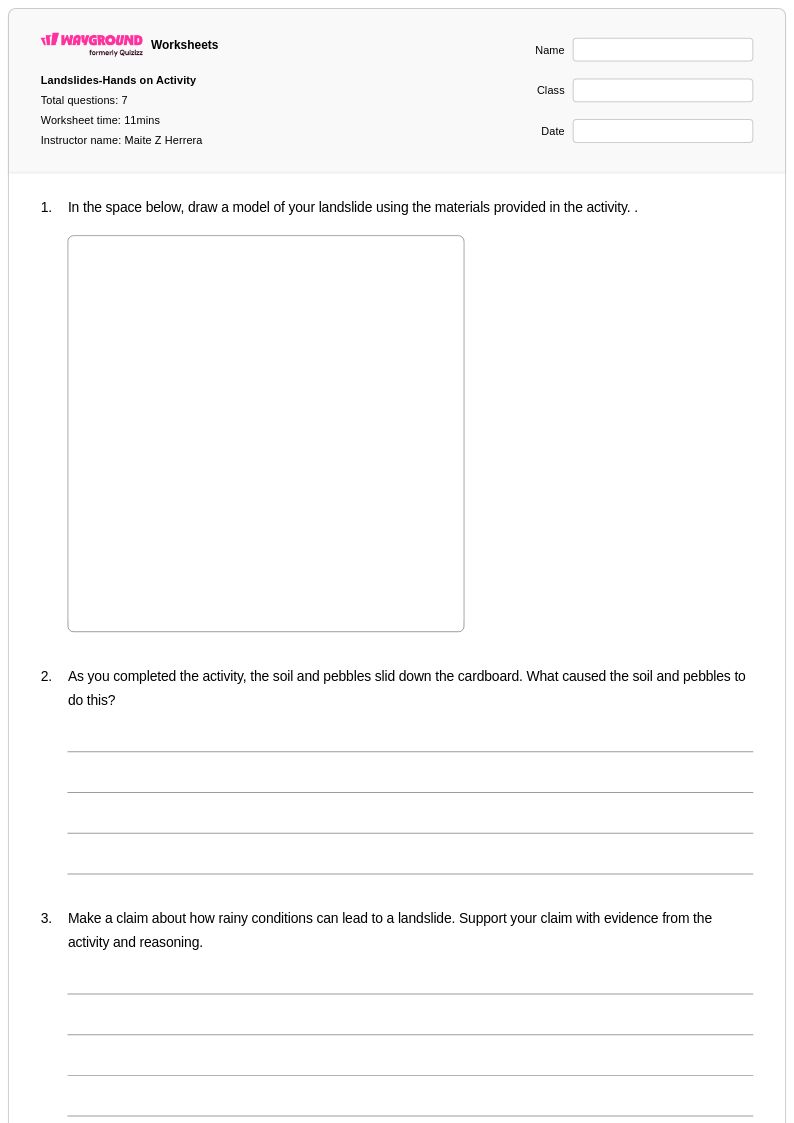
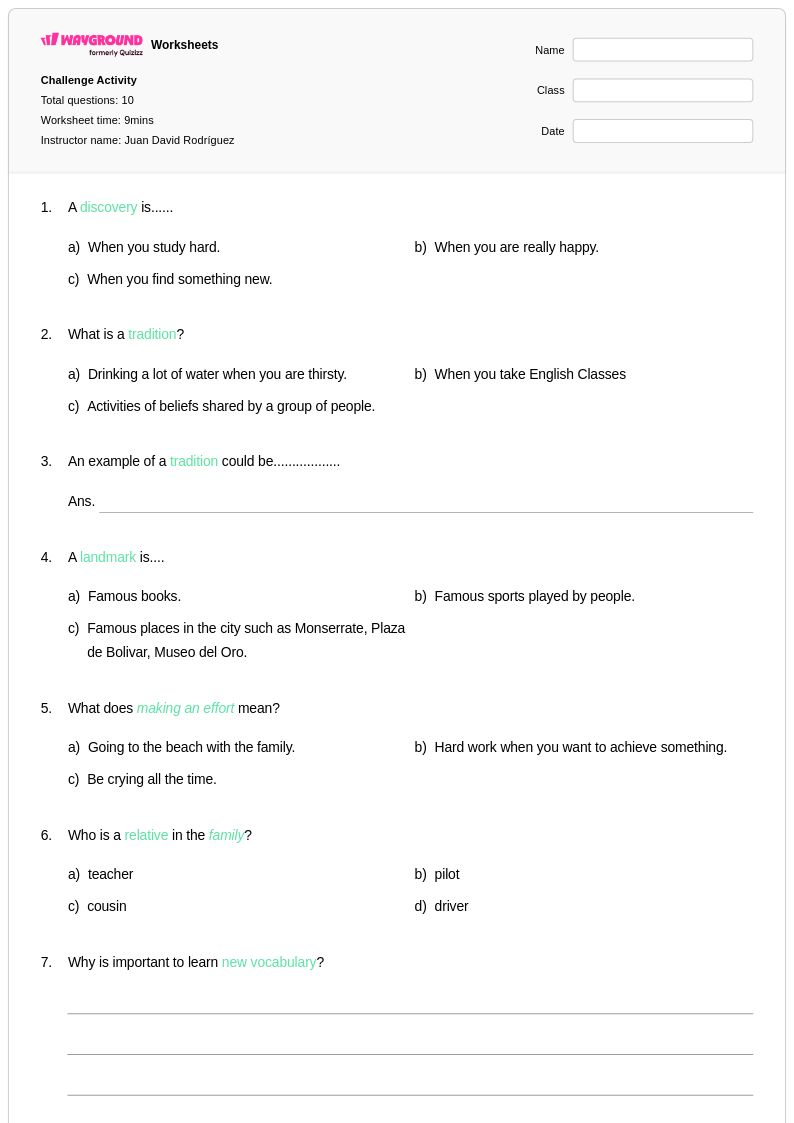
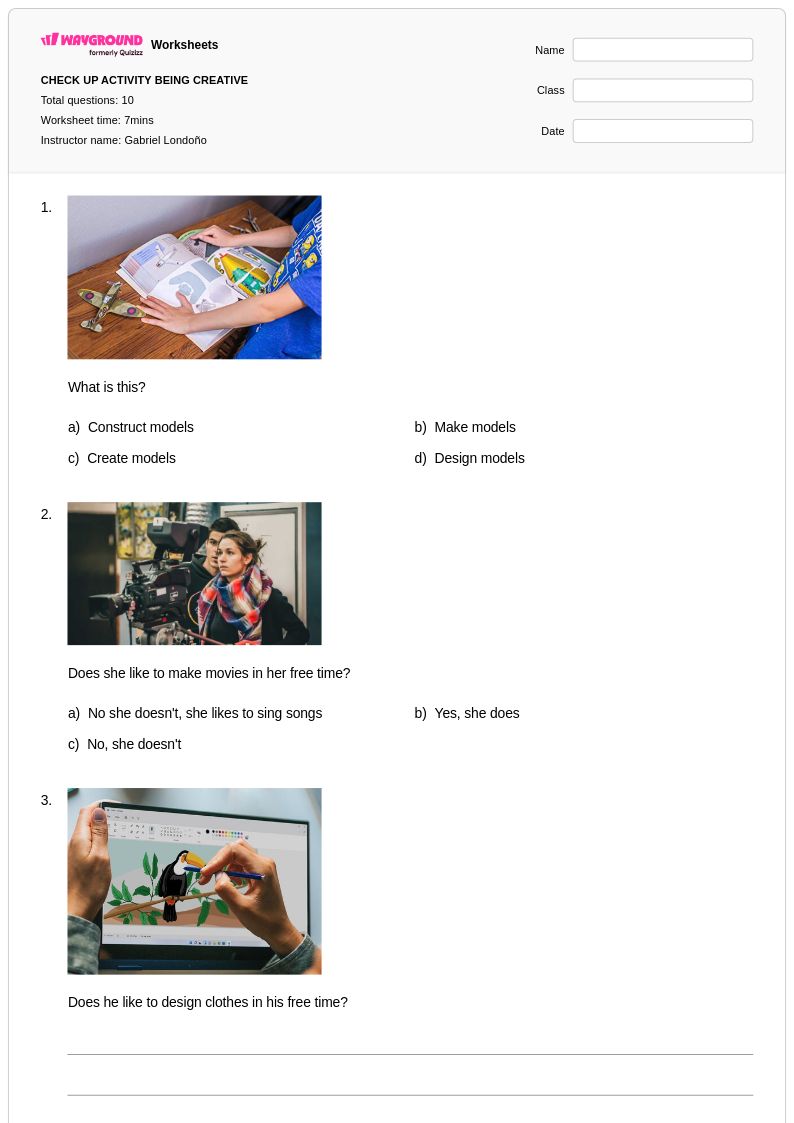
Grade 3 cloze activity worksheets from Wayground help students strengthen reading comprehension by filling in missing words, featuring engaging printable PDFs with answer keys for effective practice.
Explore printable Cloze Activity worksheets for Grade 3
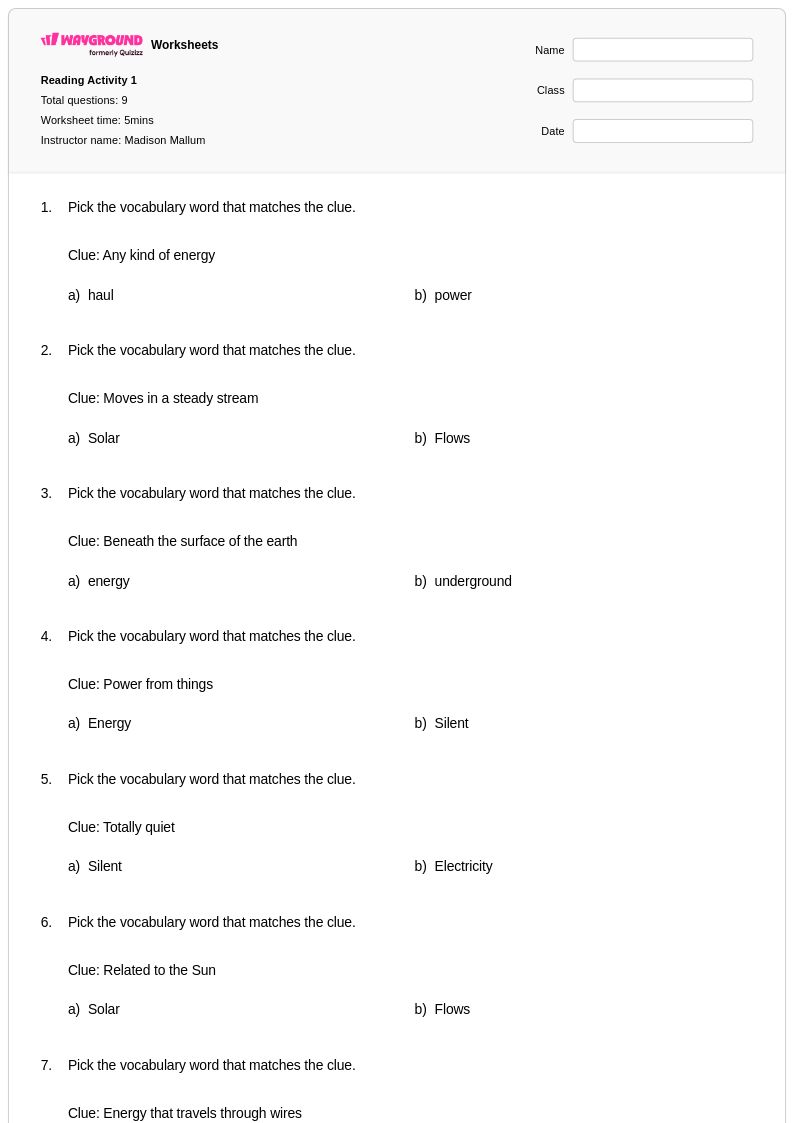
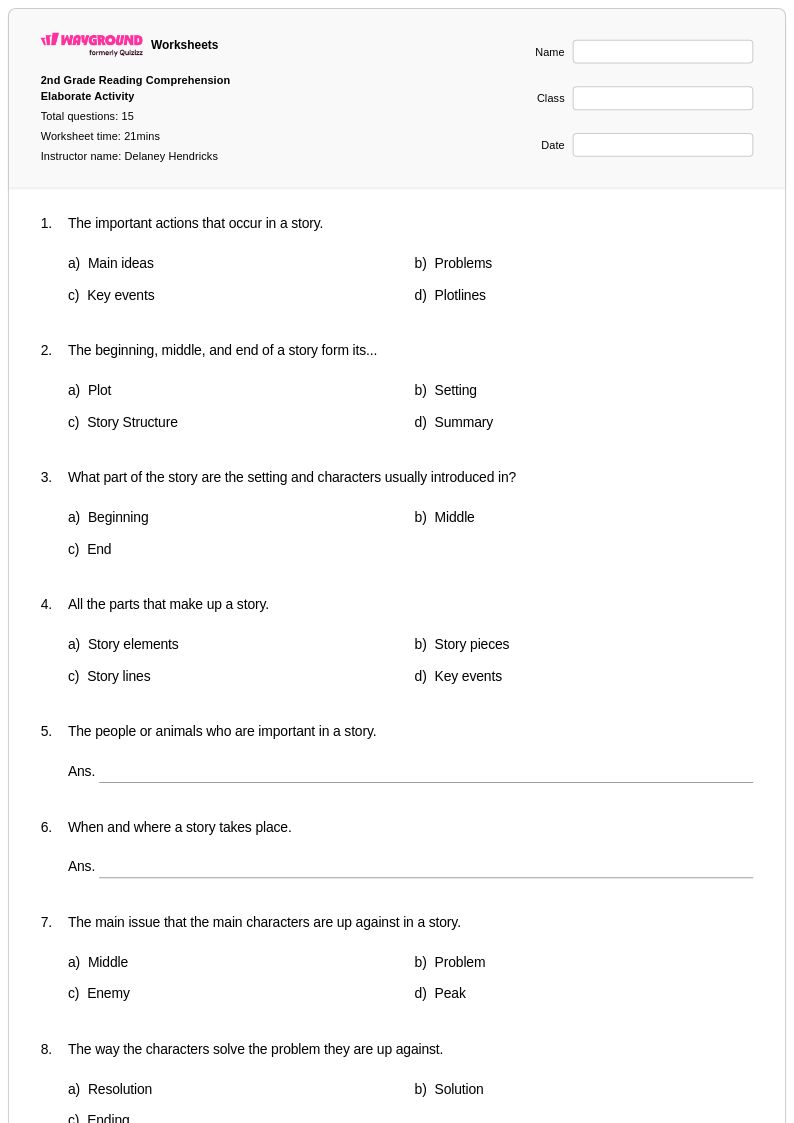
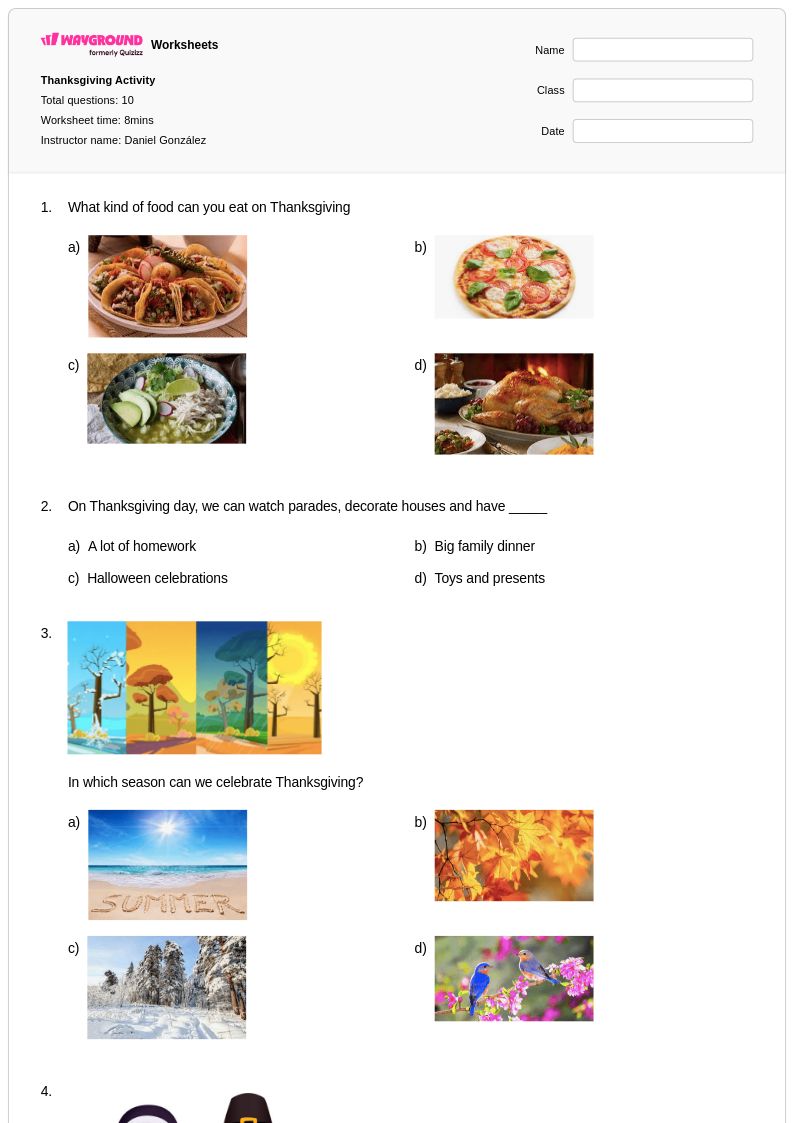
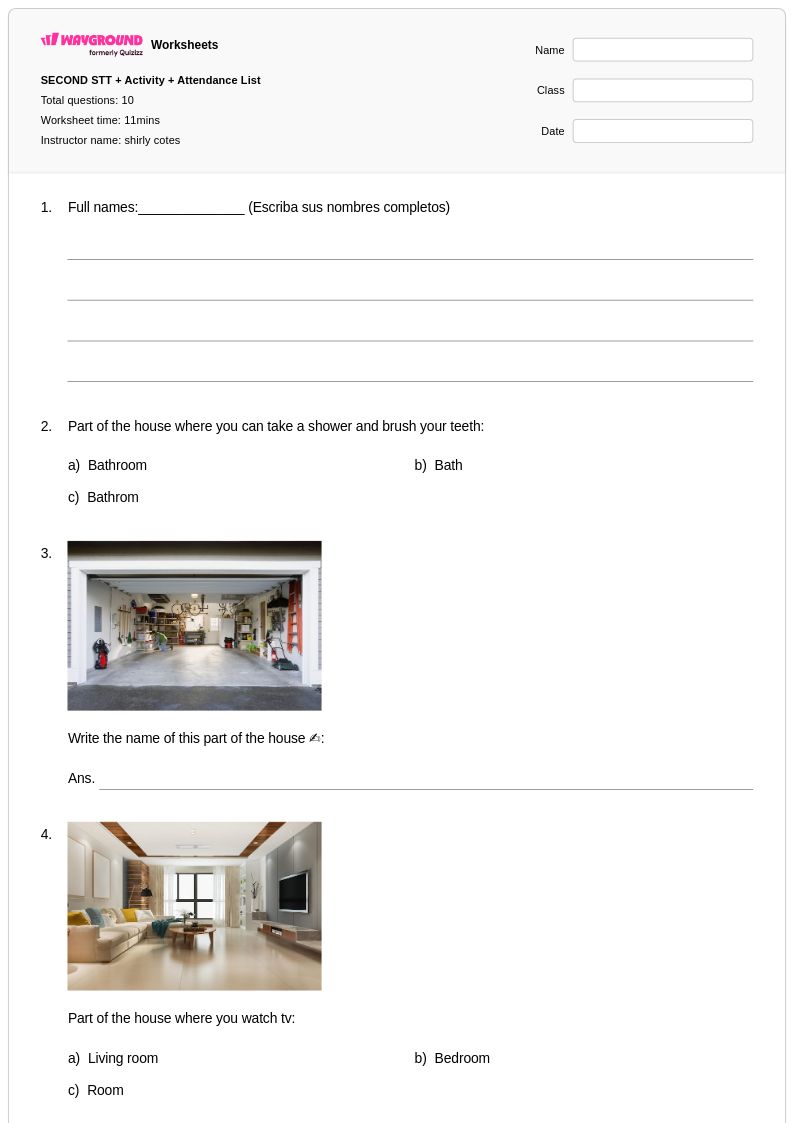
Grade 3 cloze activity worksheets from Wayground (formerly Quizizz) provide educators with comprehensive resources designed to strengthen students' reading comprehension and contextual reasoning abilities. These carefully crafted worksheets present passages with strategically omitted words, challenging third-grade students to use context clues, vocabulary knowledge, and comprehension skills to complete the text accurately. Each printable worksheet includes practice problems that progressively build students' ability to infer meaning from surrounding text, develop vocabulary in context, and demonstrate understanding of sentence structure and grammar patterns. Teachers can access these free resources in pdf format, complete with answer keys that facilitate quick assessment and provide immediate feedback opportunities for both individual and classroom instruction.
Wayground's extensive collection draws from millions of teacher-created resources, offering educators robust search and filtering capabilities to locate cloze activities that align with specific learning objectives and curriculum standards. The platform's differentiation tools enable teachers to customize worksheets based on individual student needs, adjusting difficulty levels and content focus to support both remediation and enrichment goals. These versatile materials are available in both printable and digital formats, allowing for seamless integration into various instructional settings and learning environments. Teachers can efficiently plan targeted skill practice sessions, design intervention activities for struggling readers, or create extension opportunities for advanced learners, all while maintaining alignment with grade-appropriate reading comprehension expectations and academic standards.
FAQs
How do I teach cloze activities effectively in the classroom?
Effective cloze instruction begins with modeling — walk students through a passage aloud, demonstrating how to use surrounding context clues, sentence structure, and prior knowledge to predict missing words before committing to an answer. Start with every fifth or seventh word deleted for standard cloze, or use content-specific deletions to target vocabulary and comprehension goals. As students gain confidence, gradually reduce scaffolding so they rely less on teacher prompting and more on independent reading strategies.
What reading skills do cloze activities help students practice?
Cloze activities develop contextual comprehension, vocabulary acquisition, and inferential thinking by requiring students to reconstruct meaning from incomplete text. Because students must analyze syntax, semantics, and surrounding information simultaneously, the format strengthens both word-level decoding and passage-level understanding. This makes cloze exercises particularly effective for reinforcing reading comprehension strategies across subject areas, not just English Language Arts.
What mistakes do students commonly make when completing cloze exercises?
The most common error is substituting a word that is grammatically plausible but semantically inconsistent with the broader passage — for example, filling in a synonym that fits the sentence but contradicts the paragraph's meaning. Students also frequently ignore punctuation and sentence-level grammar cues, which often signal the required part of speech. Teaching students to re-read the full sentence and the surrounding sentences before answering significantly reduces these errors.
How can I differentiate cloze activities for struggling readers or English language learners?
For struggling readers and ELLs, provide a word bank so students can focus on contextual placement rather than word retrieval. You can also reduce the frequency of deletions, use shorter or more familiar texts, and pair cloze exercises with pre-reading vocabulary instruction. On Wayground, teachers can apply student-level accommodations such as Read Aloud, which has audio reading of questions and content, and reduced answer choices, which lowers cognitive load for students who need additional support, without affecting the experience of the rest of the class.
How do I use Wayground's cloze activity worksheets in my classroom?
Wayground's cloze activity worksheets are available as free printable PDFs for traditional classroom use and in digital formats for technology-integrated environments, including the ability to host them as a quiz directly on the Wayground platform. Teachers can search and filter resources by reading standard or skill objective to quickly find materials that match their lesson goals. Each worksheet includes a complete answer key, making them ready to distribute with minimal preparation time.
How do I assess whether students are benefiting from cloze practice?
Track accuracy rates across multiple cloze sessions to identify whether students are improving at using context clues or continuing to guess at random. Pay attention to error patterns — consistent substitution of words from the same semantic category may indicate vocabulary gaps, while grammatical errors suggest students need more work on sentence-level comprehension. Brief post-activity discussions where students explain their word choices are also a reliable formative assessment tool, revealing reasoning quality that a score alone cannot capture.