

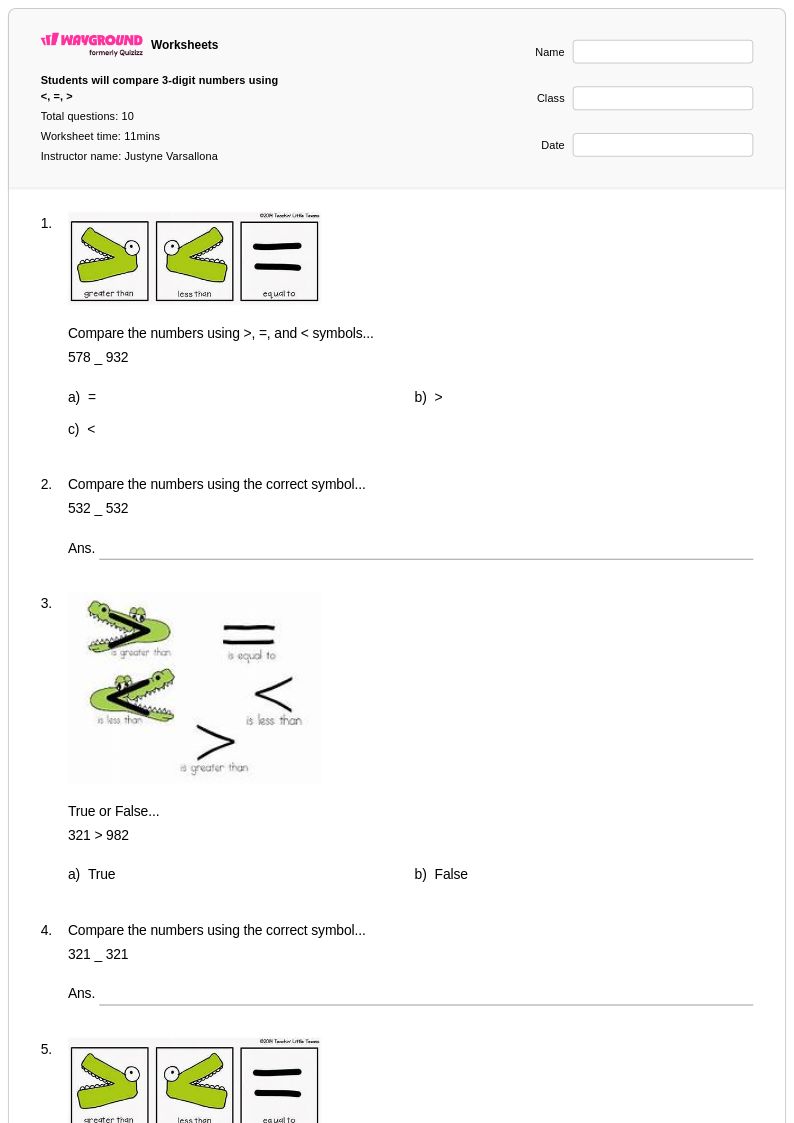
10 Q
1st - 2nd
10 Q
2nd
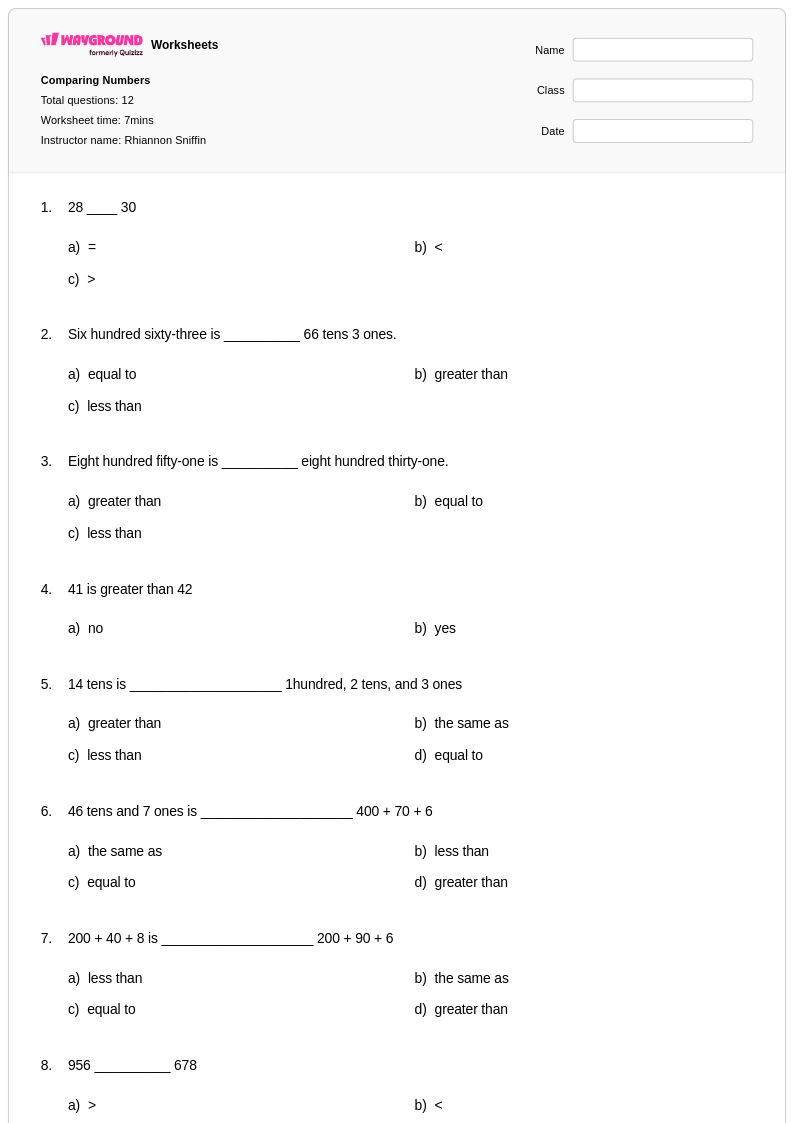
12 Q
2nd
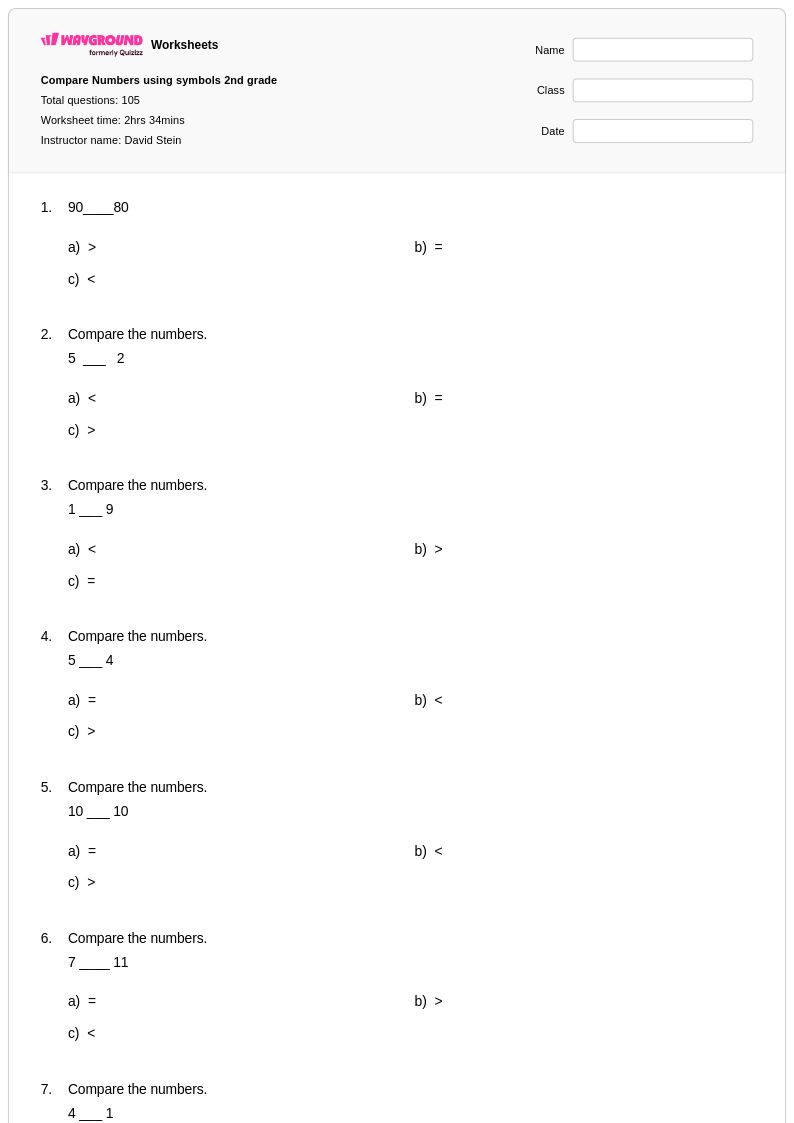
105 Q
2nd
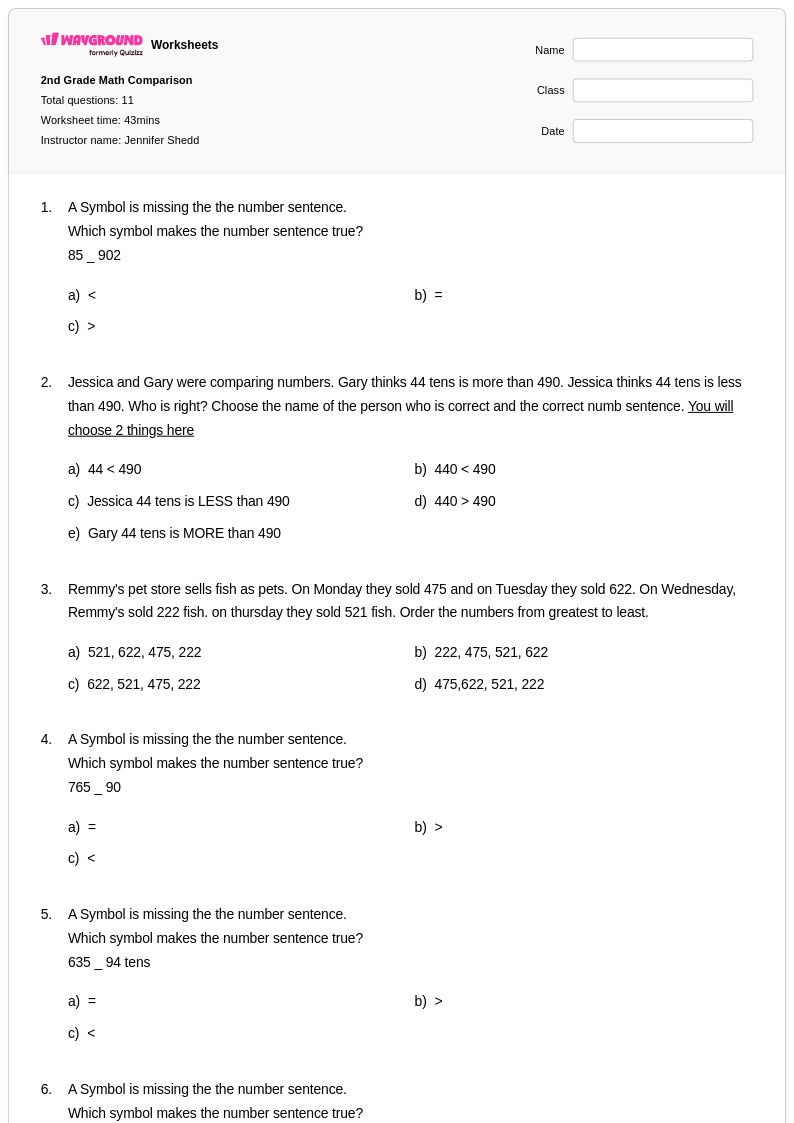
11 Q
2nd
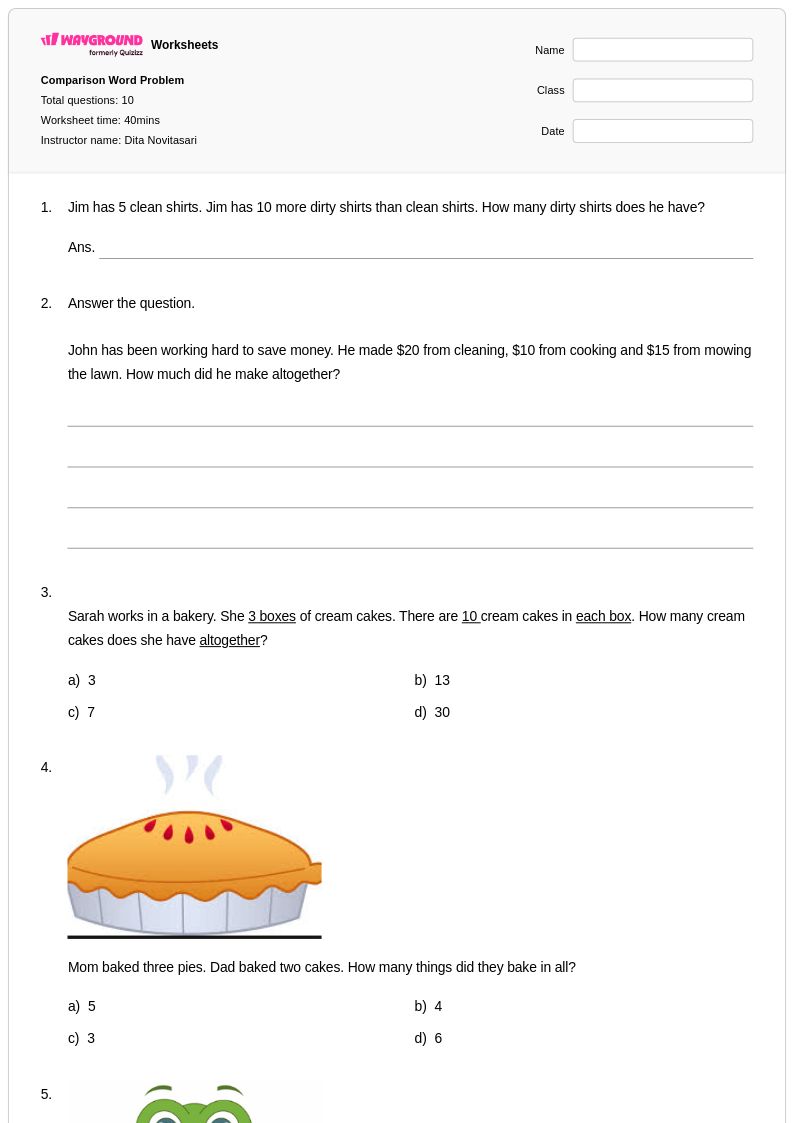
10 Q
2nd
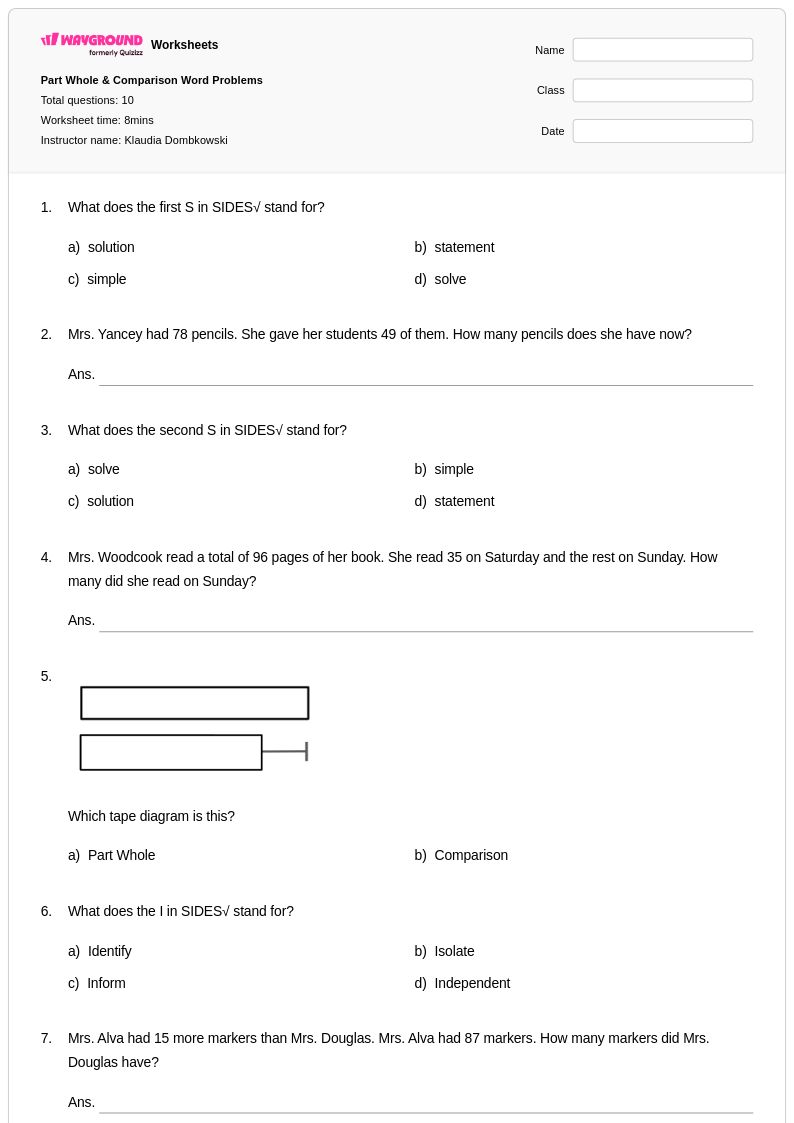
10 Q
2nd
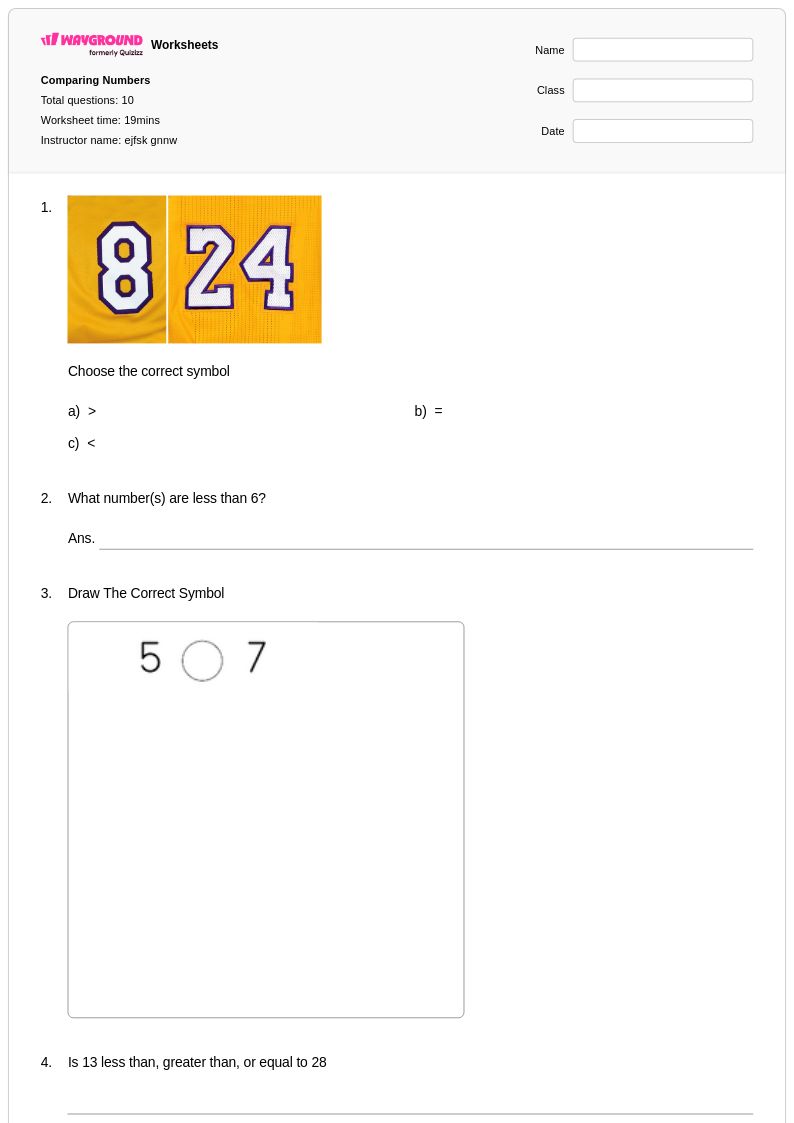
10 Q
1st - 2nd
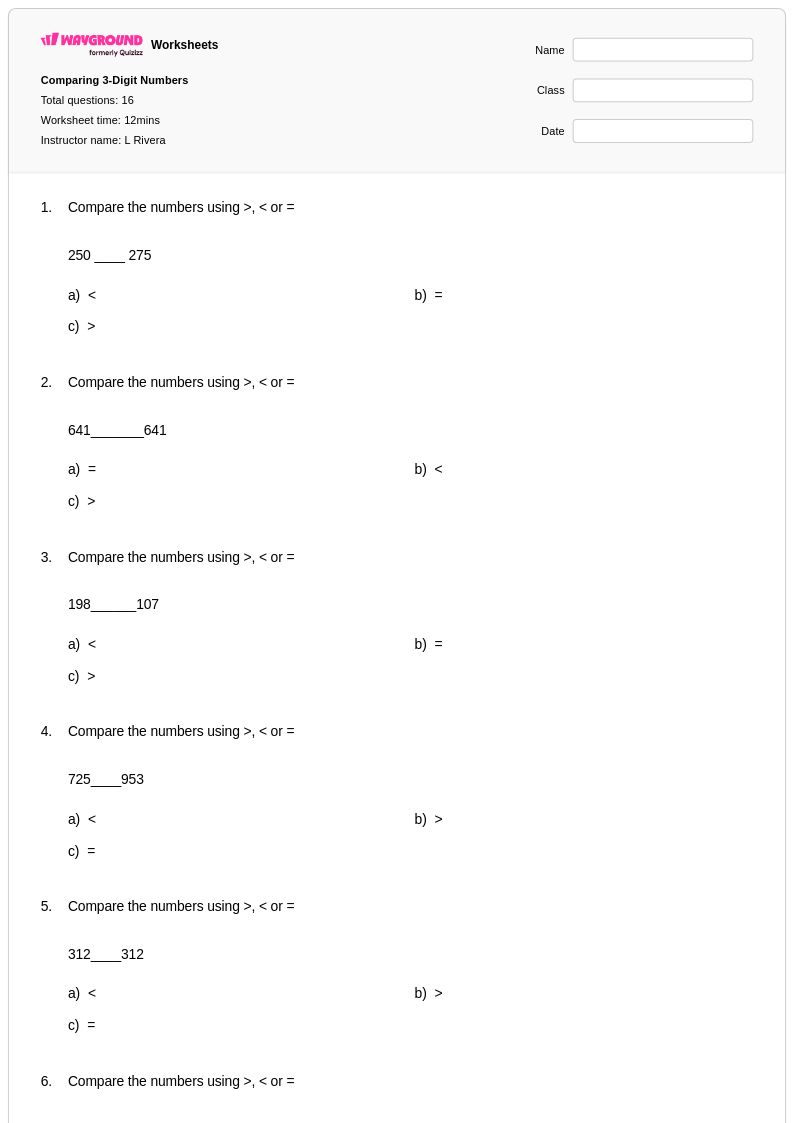
16 Q
1st - 2nd
19 Q
2nd
11 Q
2nd
20 Q
2nd
13 Q
2nd
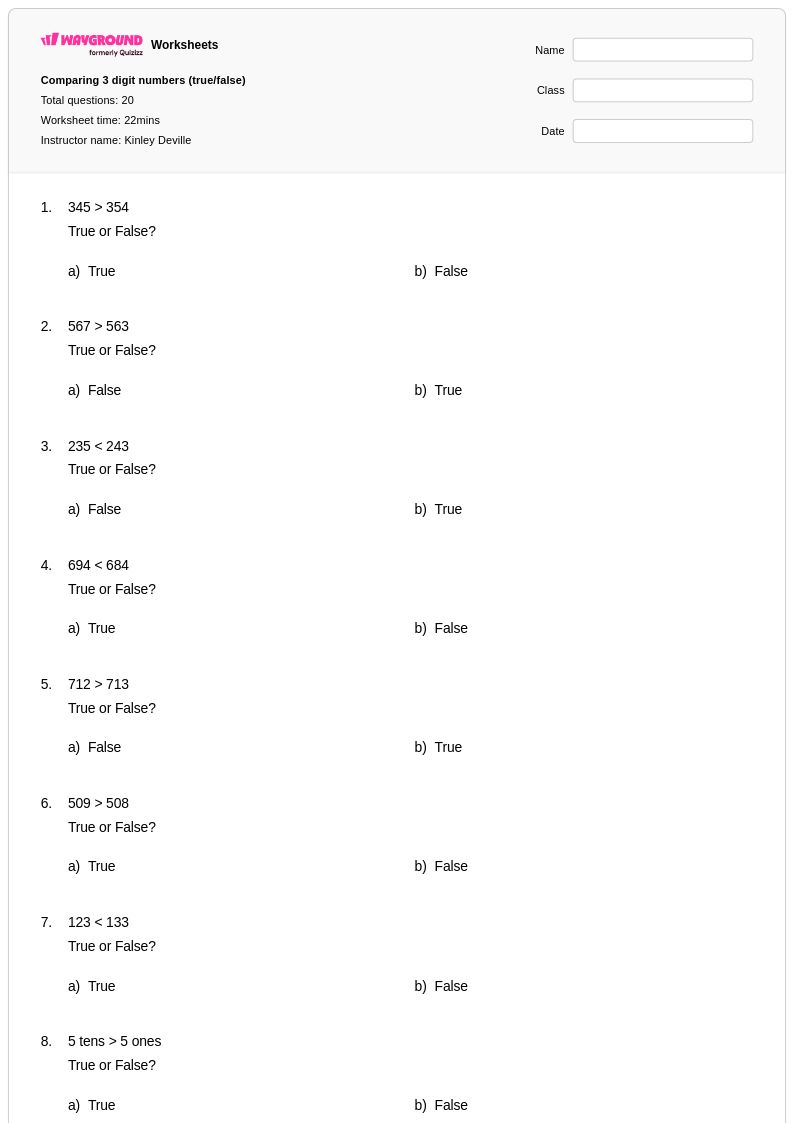
20 Q
2nd
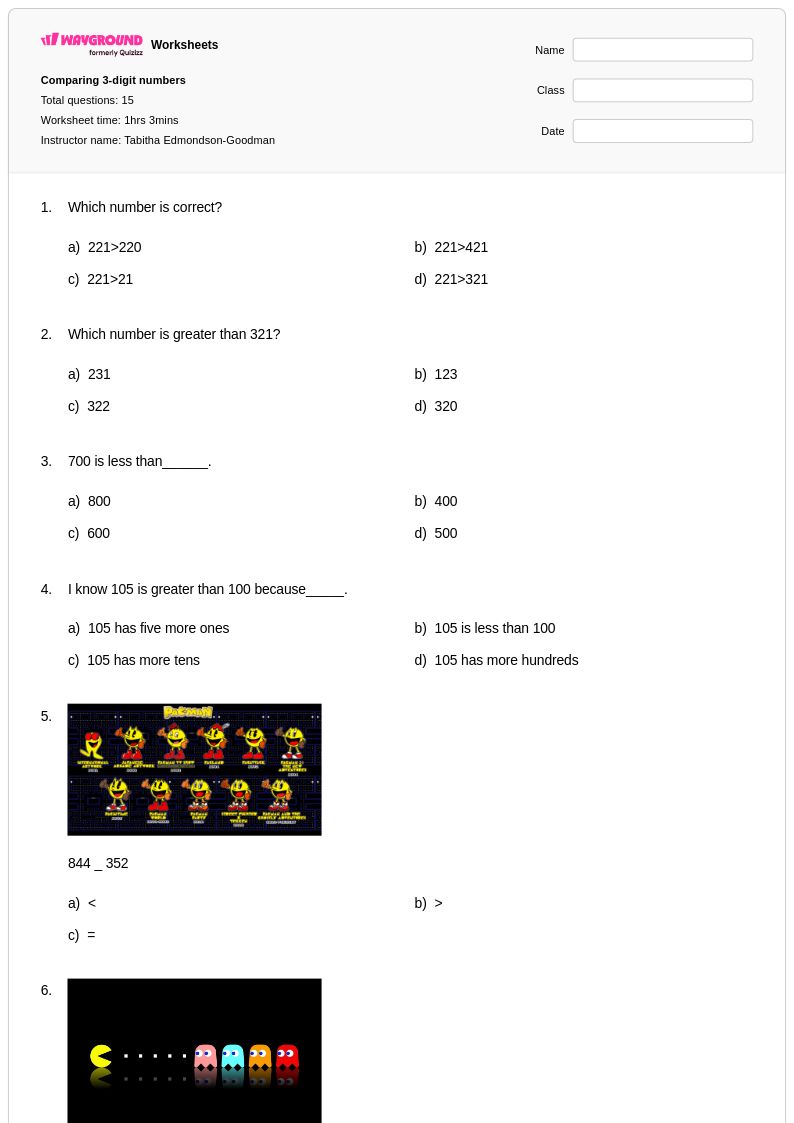
15 Q
2nd
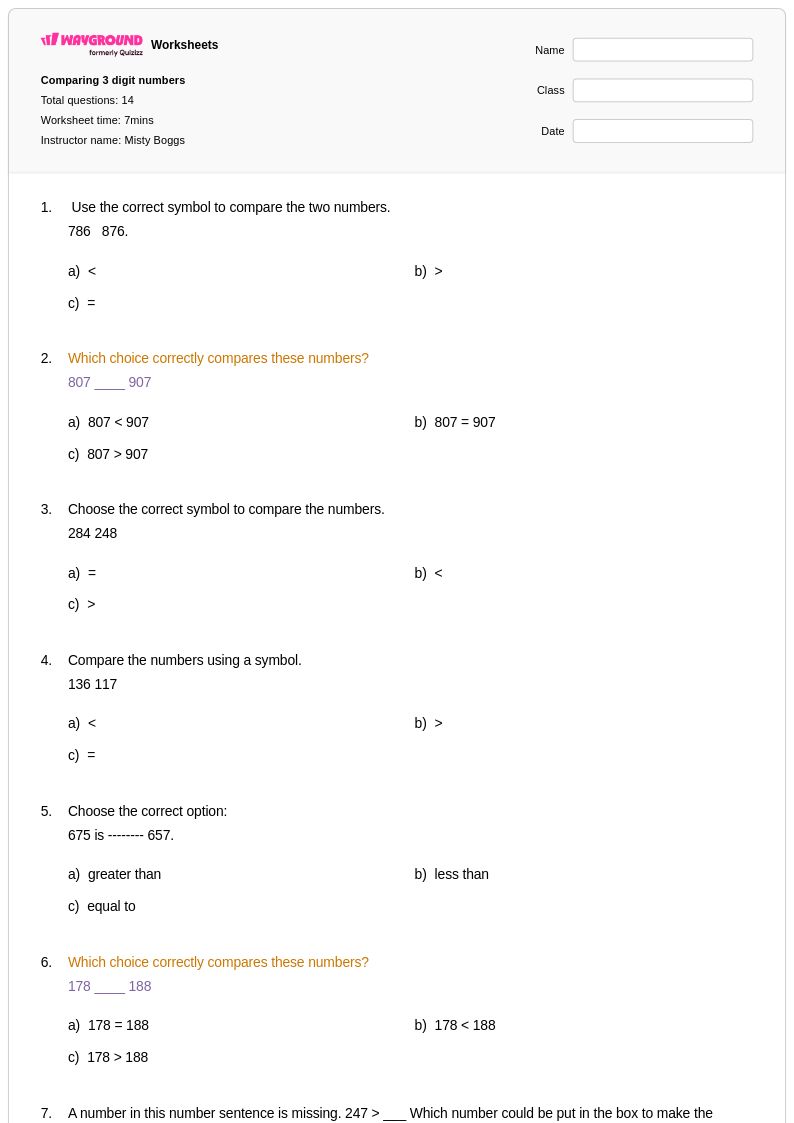
14 Q
2nd
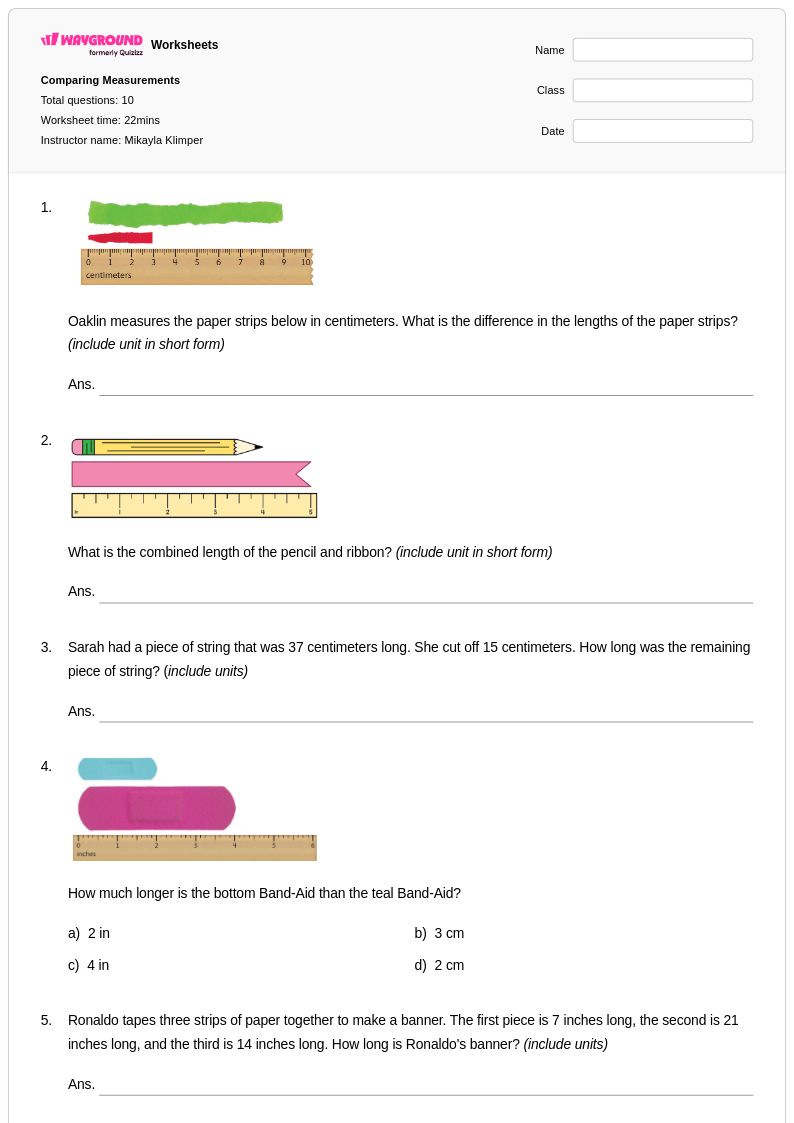
10 Q
2nd
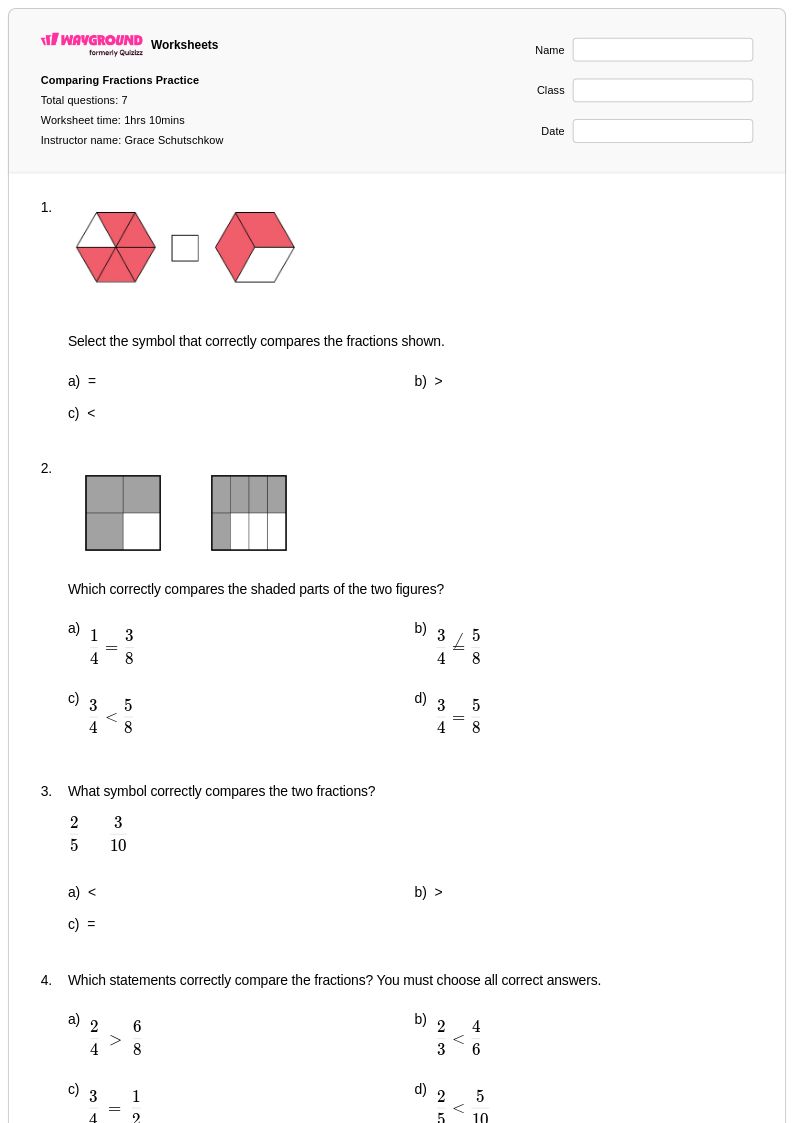
7 Q
2nd
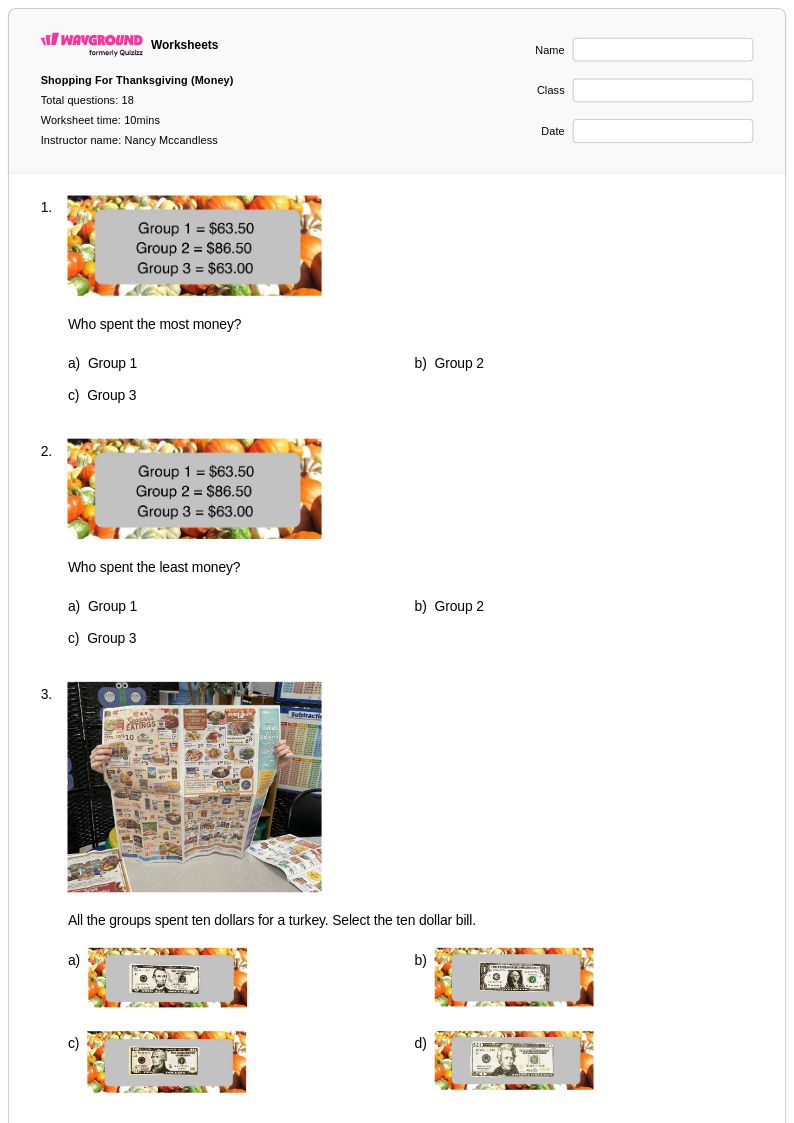
18 Q
2nd
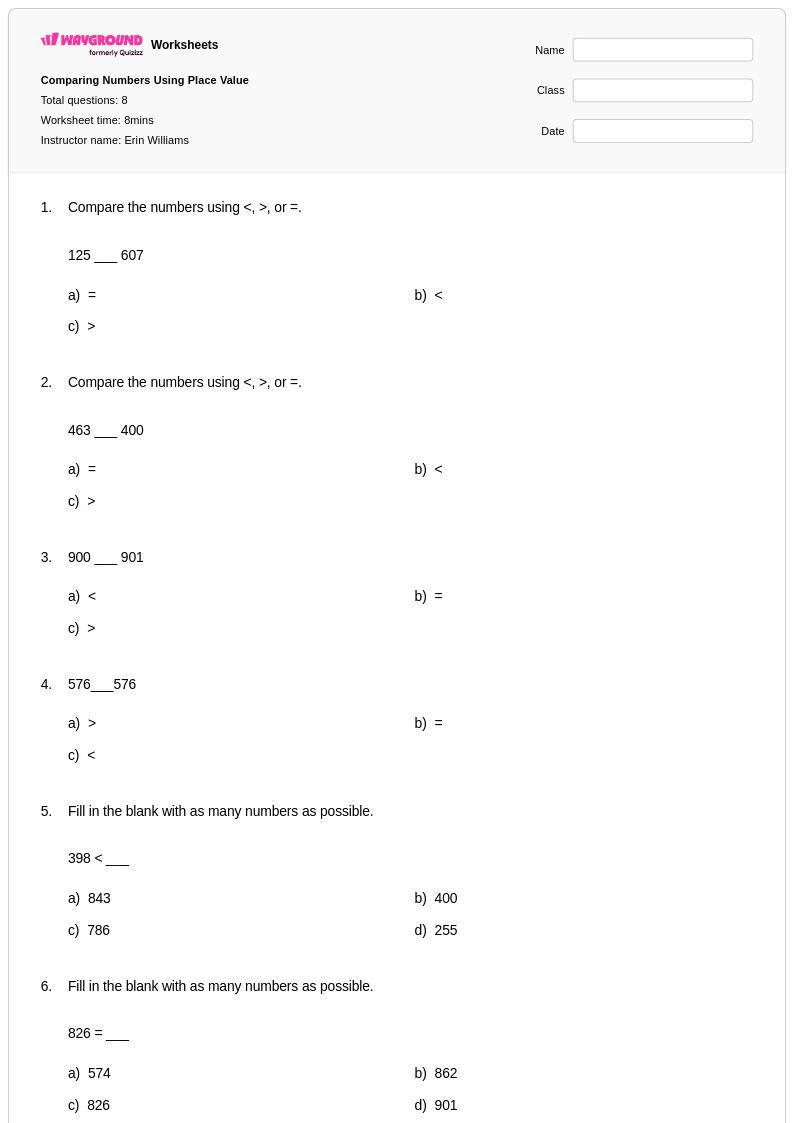
8 Q
2nd - 3rd
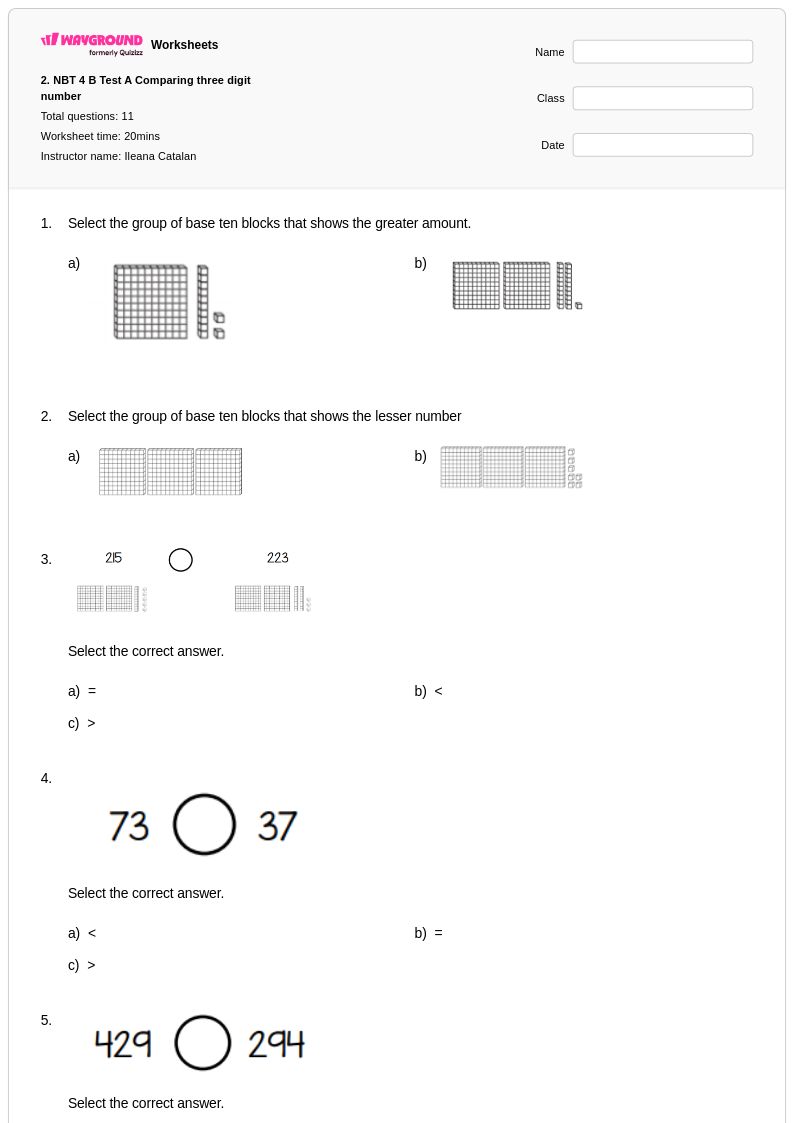
11 Q
2nd
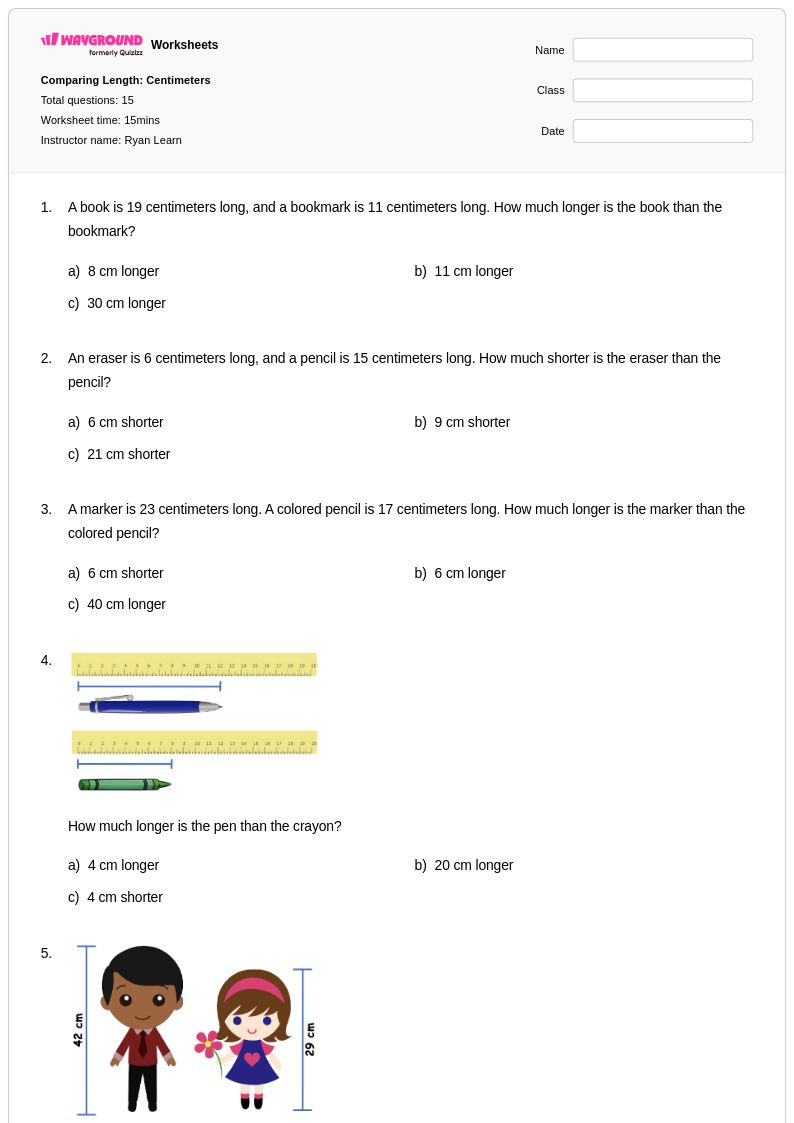
15 Q
1st - 3rd
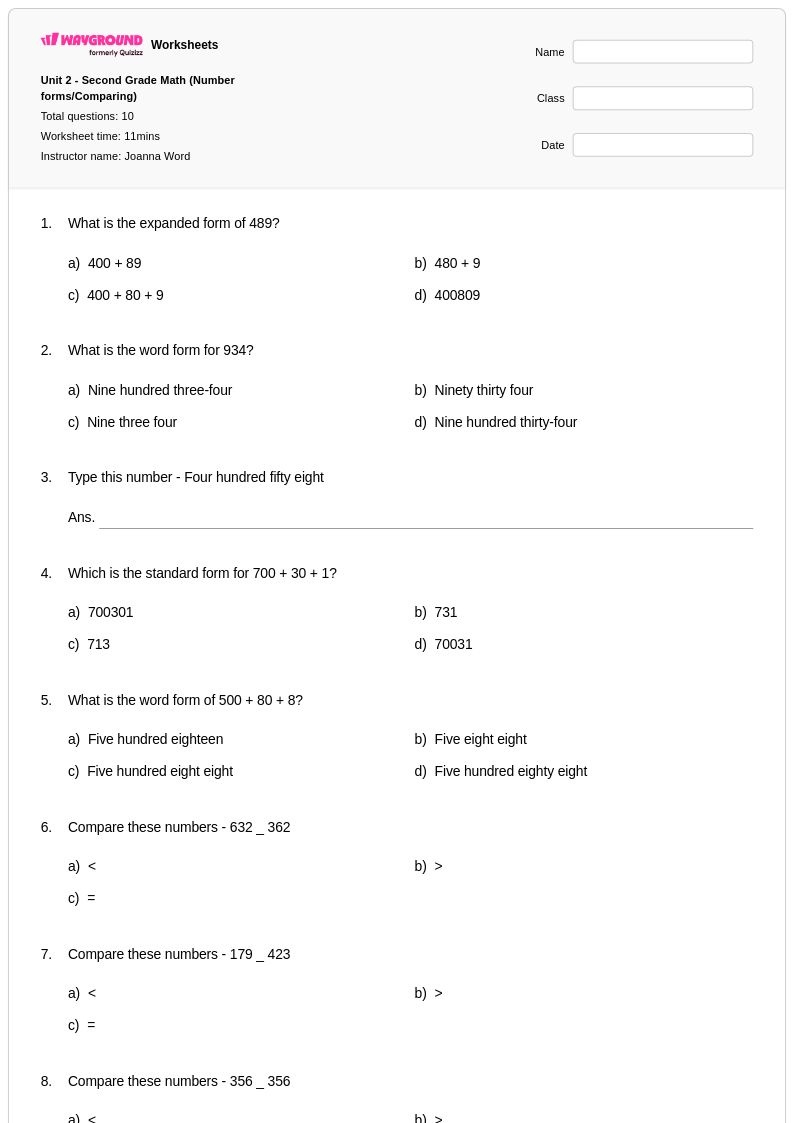
10 Q
2nd - 3rd
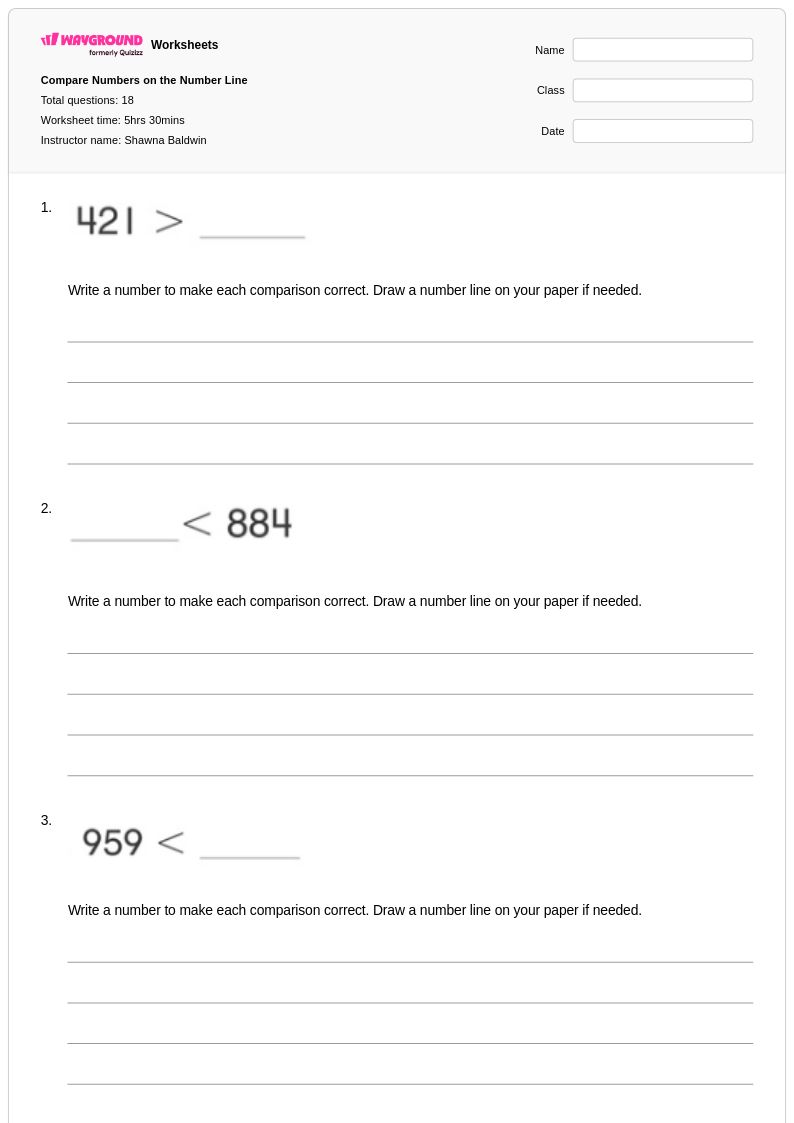
18 Q
2nd
Explore Other Subject Worksheets for grade 2
Explore printable Comparison Shopping worksheets for Grade 2
Comparison shopping worksheets for Grade 2 students through Wayground (formerly Quizizz) introduce young learners to essential money management skills by teaching them how to evaluate prices and make informed purchasing decisions. These carefully designed printables help second graders develop critical thinking abilities as they compare costs across different stores, analyze the best deals for common items, and understand the value of smart shopping choices. Each worksheet includes practice problems that guide students through real-world scenarios, such as determining which store offers the better price for school supplies or snacks, while building foundational mathematical skills in addition, subtraction, and number comparison. The accompanying answer key ensures teachers can quickly assess student understanding and provide targeted feedback on these fundamental financial literacy concepts.
Wayground (formerly Quizizz) empowers educators with millions of teacher-created resources specifically designed to support Grade 2 comparison shopping instruction through comprehensive search and filtering capabilities that align with mathematical and financial literacy standards. Teachers can easily customize these pdf worksheets to match their students' varying ability levels, incorporating differentiation tools that provide appropriate challenges for both remediation and enrichment purposes. The platform's flexible format options allow educators to seamlessly integrate these materials into their lesson planning, whether distributing printable versions for hands-on practice or utilizing digital formats for interactive learning experiences. This extensive collection enables teachers to provide consistent skill practice while helping young students develop the analytical thinking necessary for making wise financial decisions throughout their lives.
FAQs
How do I teach comparison shopping to second graders?
What exercises help Grade 2 students practice comparison shopping?
What mistakes do second graders make when comparing prices?
How can I use Wayground Grade 2 comparison shopping worksheets?
How does Grade 2 comparison shopping connect to Common Core math?
What grade level is comparison shopping taught at?
How can I differentiate Grade 2 comparison shopping worksheets?