
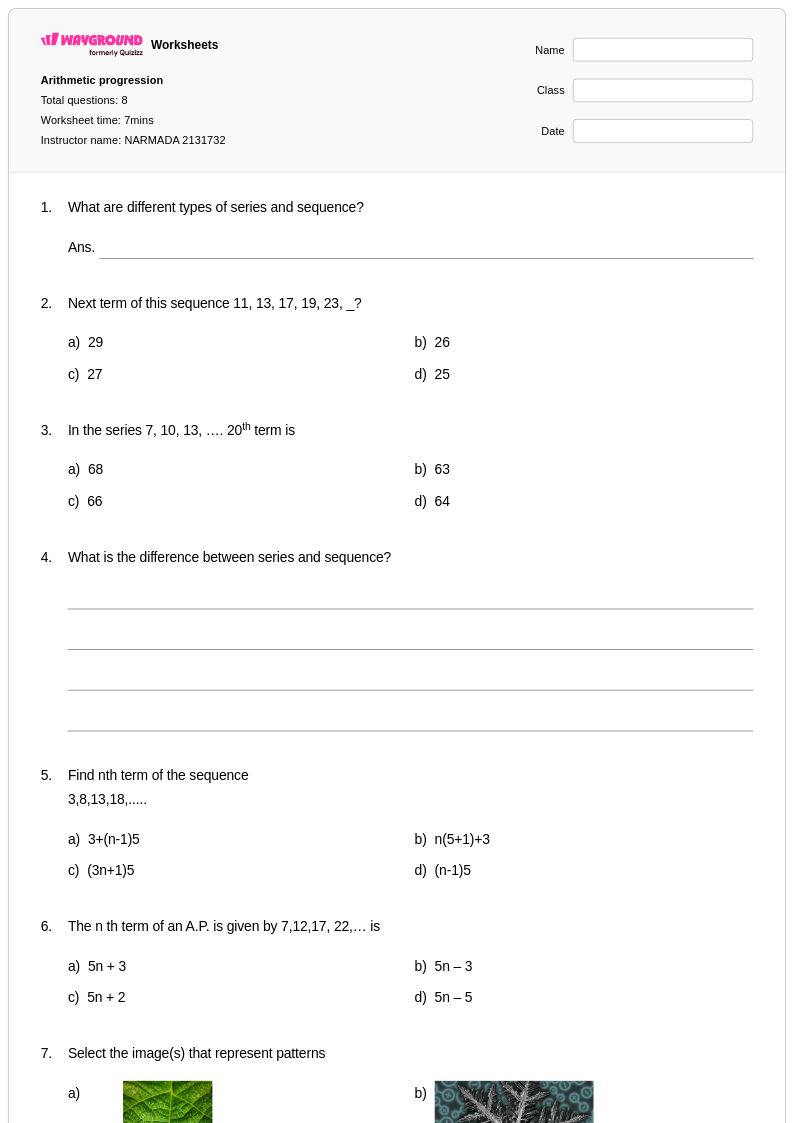
8 Q
10th - 12th
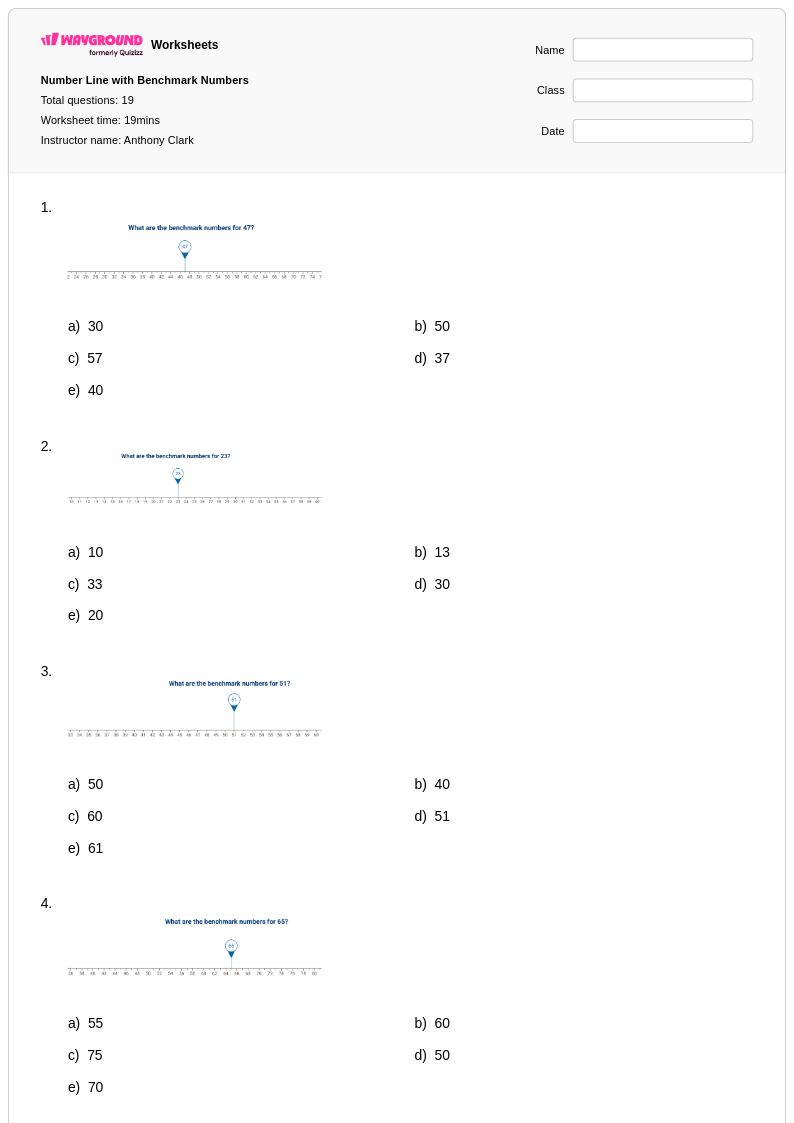
19 Q
4th - Uni
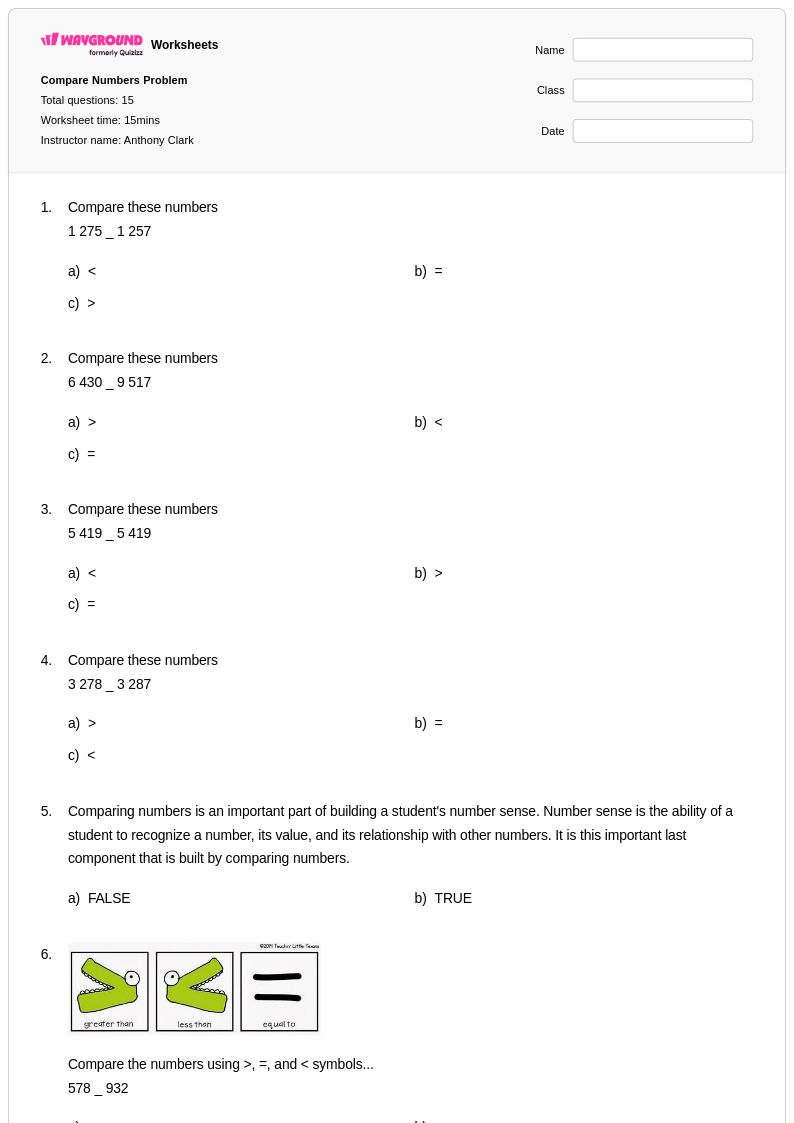
15 Q
4th - Uni
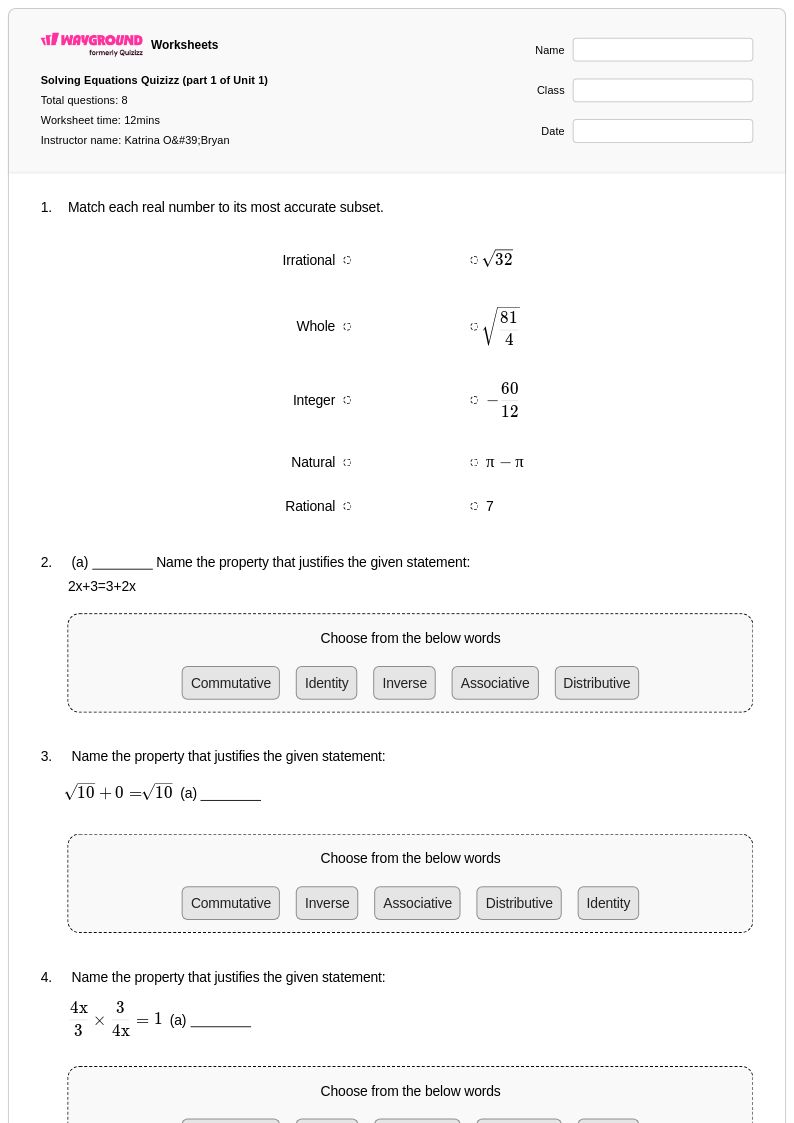
8 Q
11th
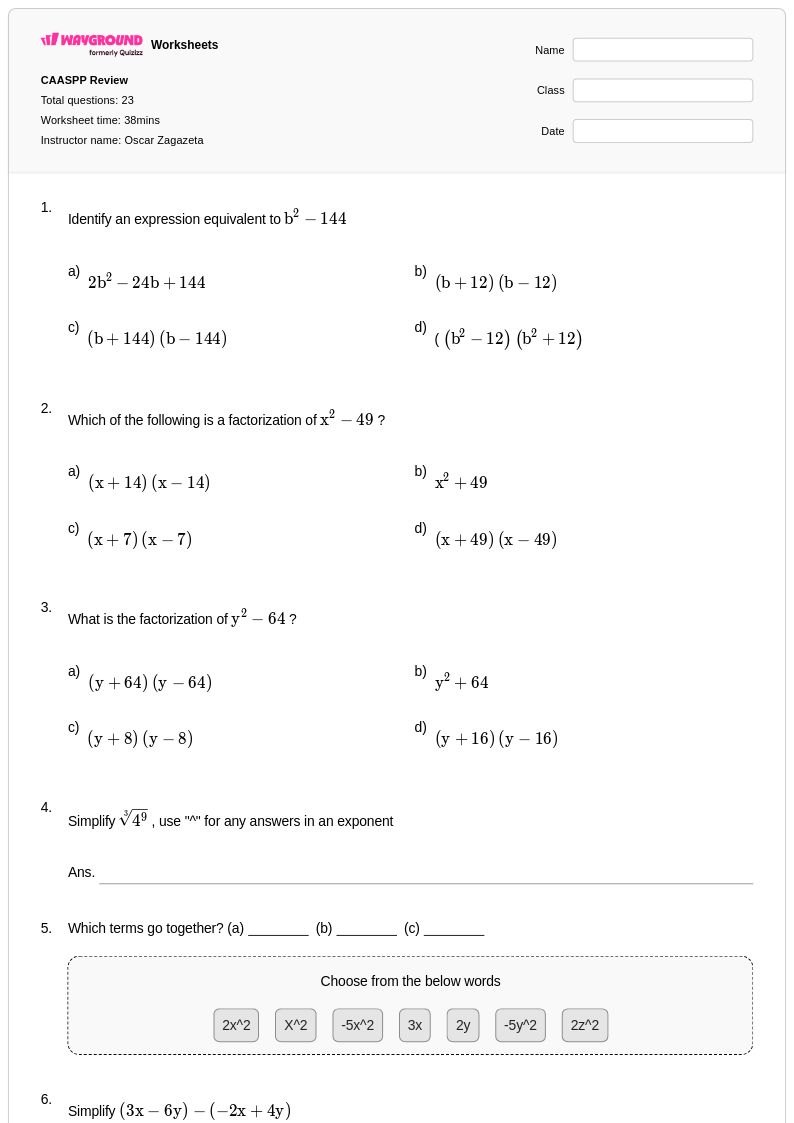
23 Q
11th
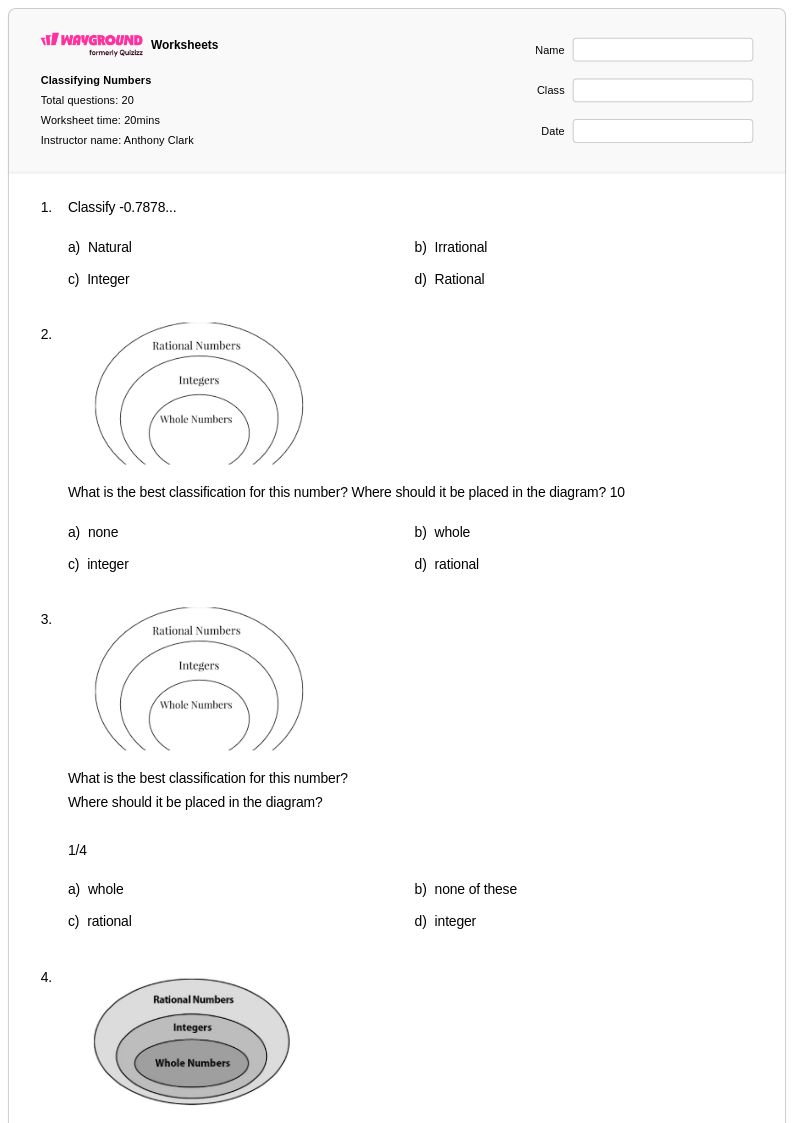
20 Q
7th - Uni
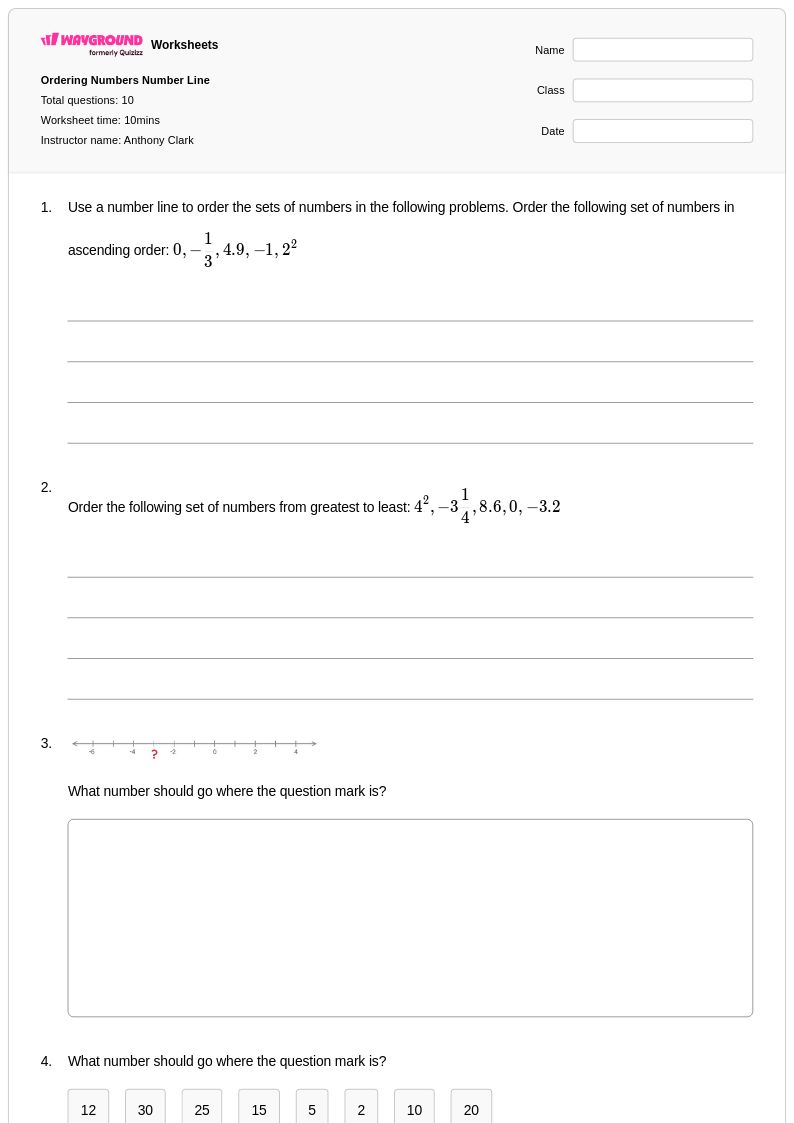
10 Q
8th - Uni
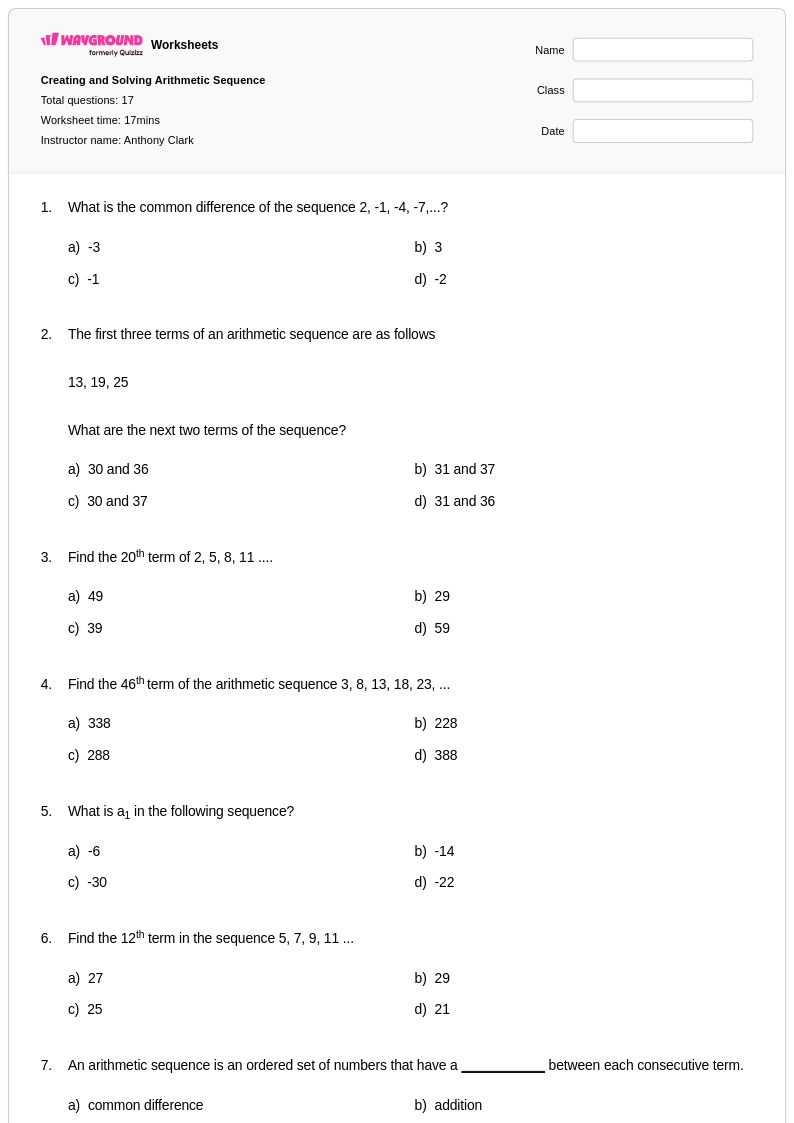
17 Q
9th - Uni
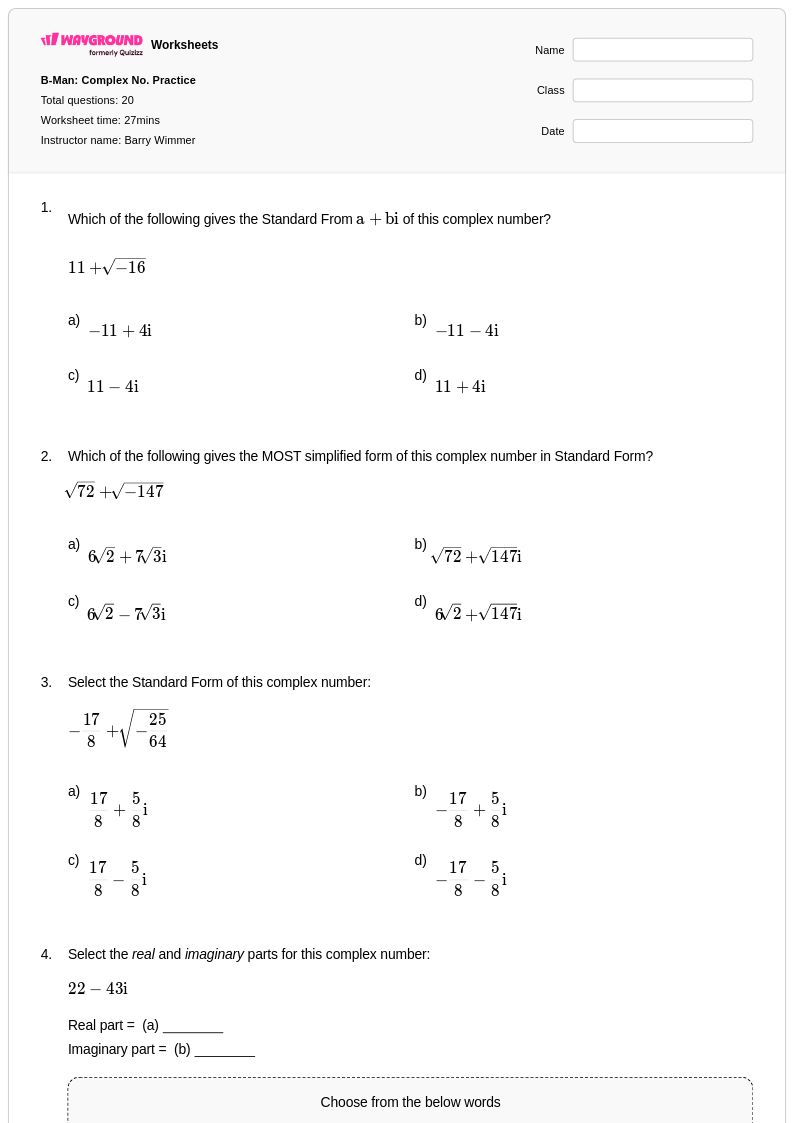
20 Q
11th
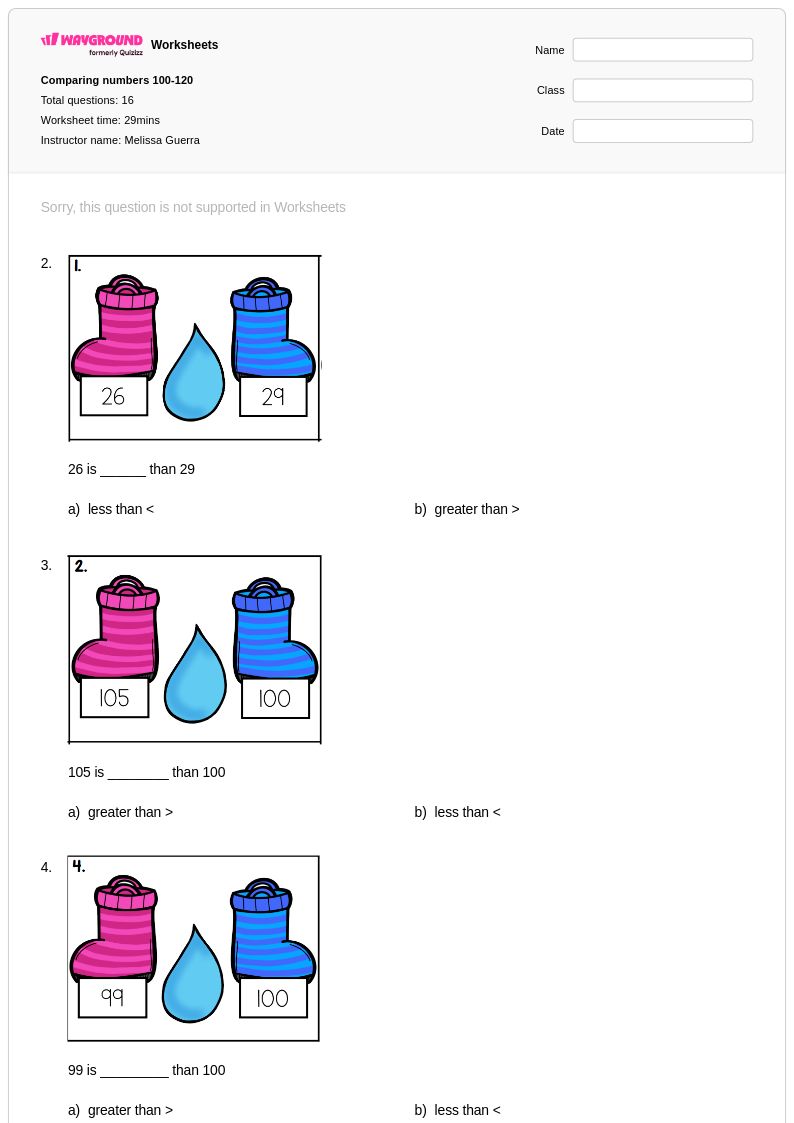
17 Q
1st - Uni
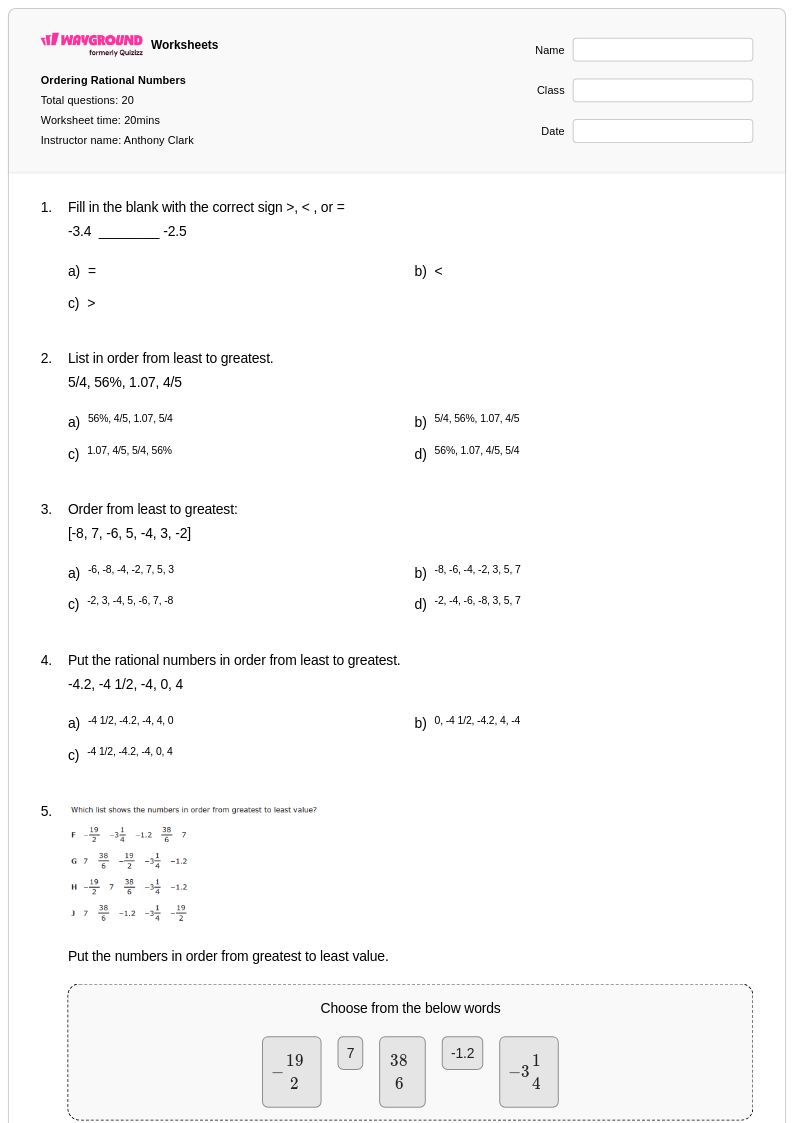
20 Q
6th - Uni
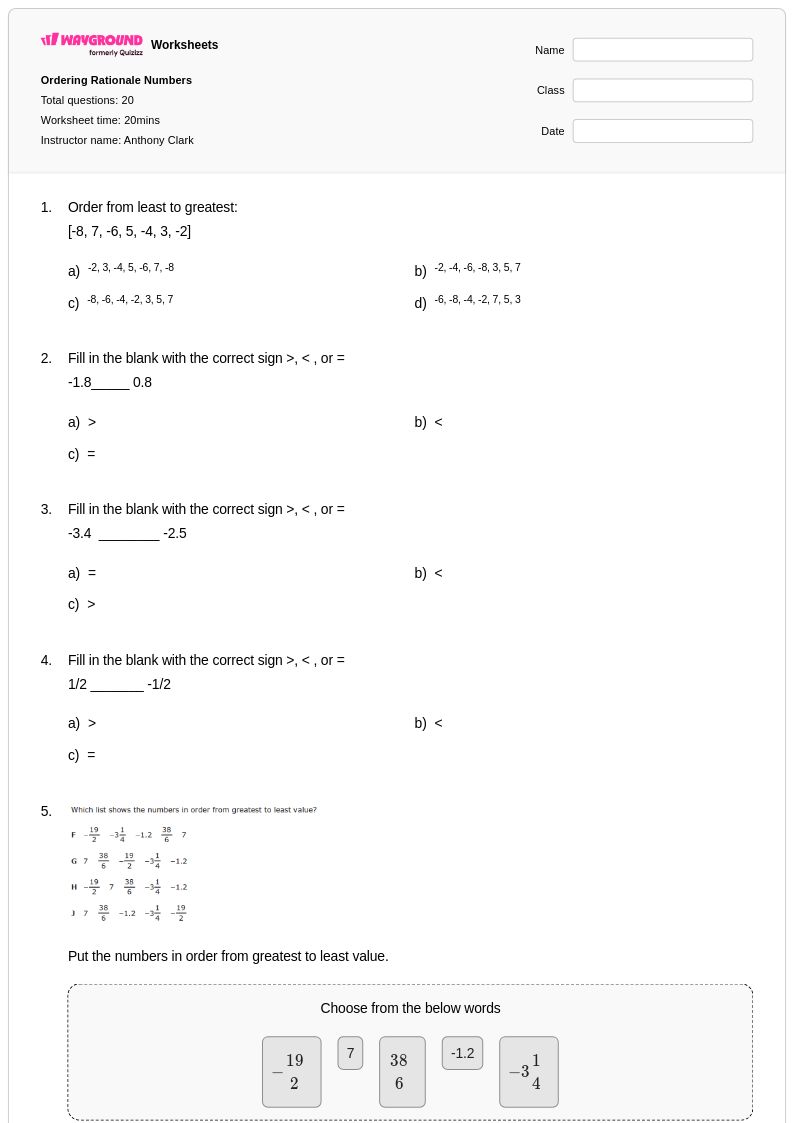
20 Q
6th - Uni
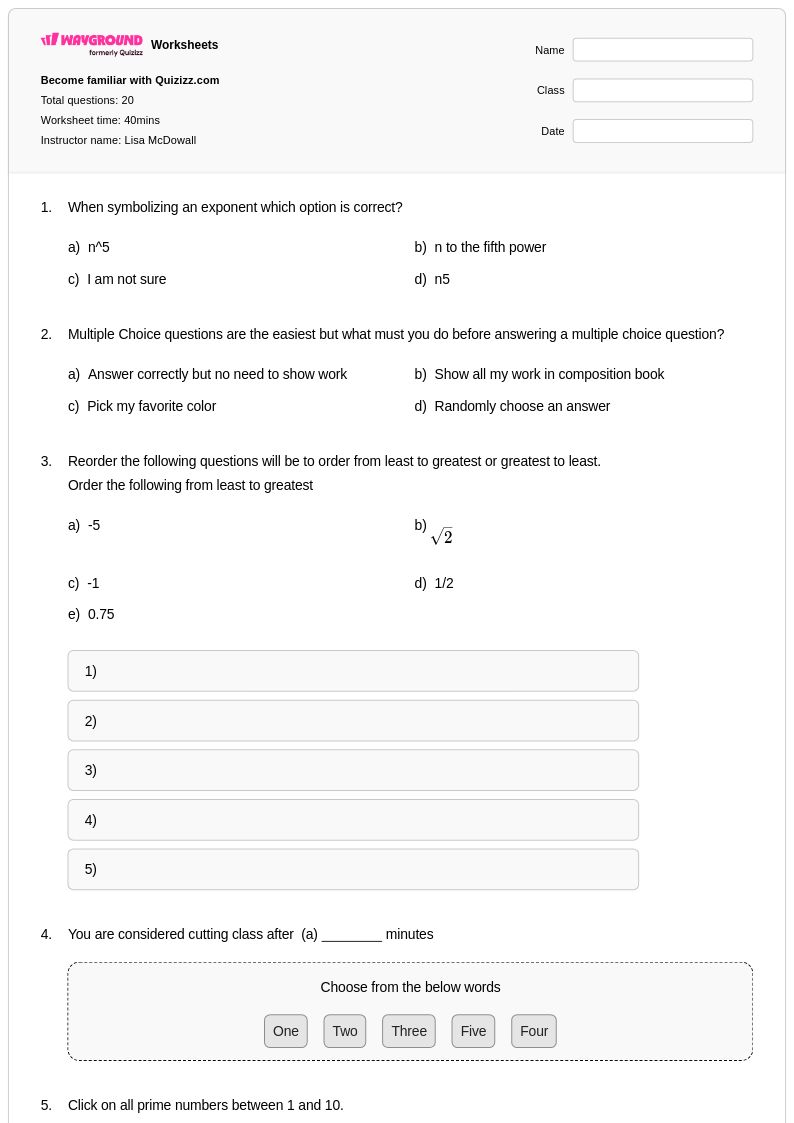
20 Q
9th - 12th
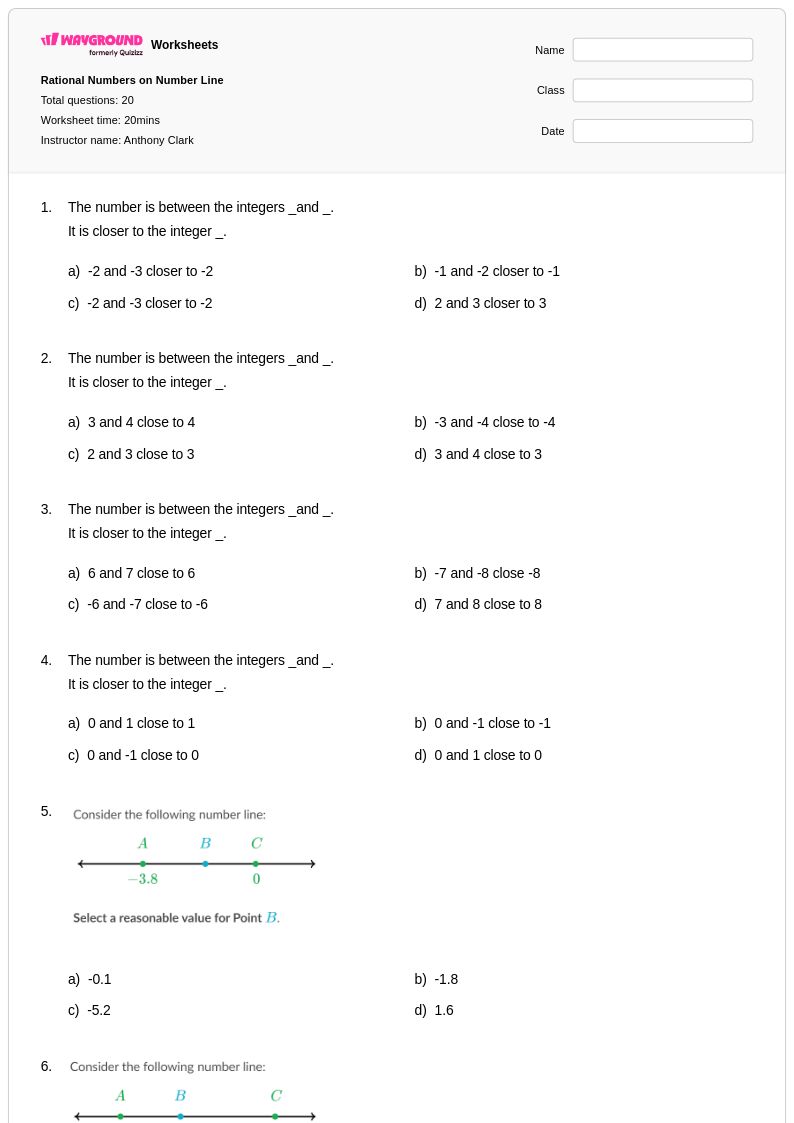
20 Q
6th - Uni
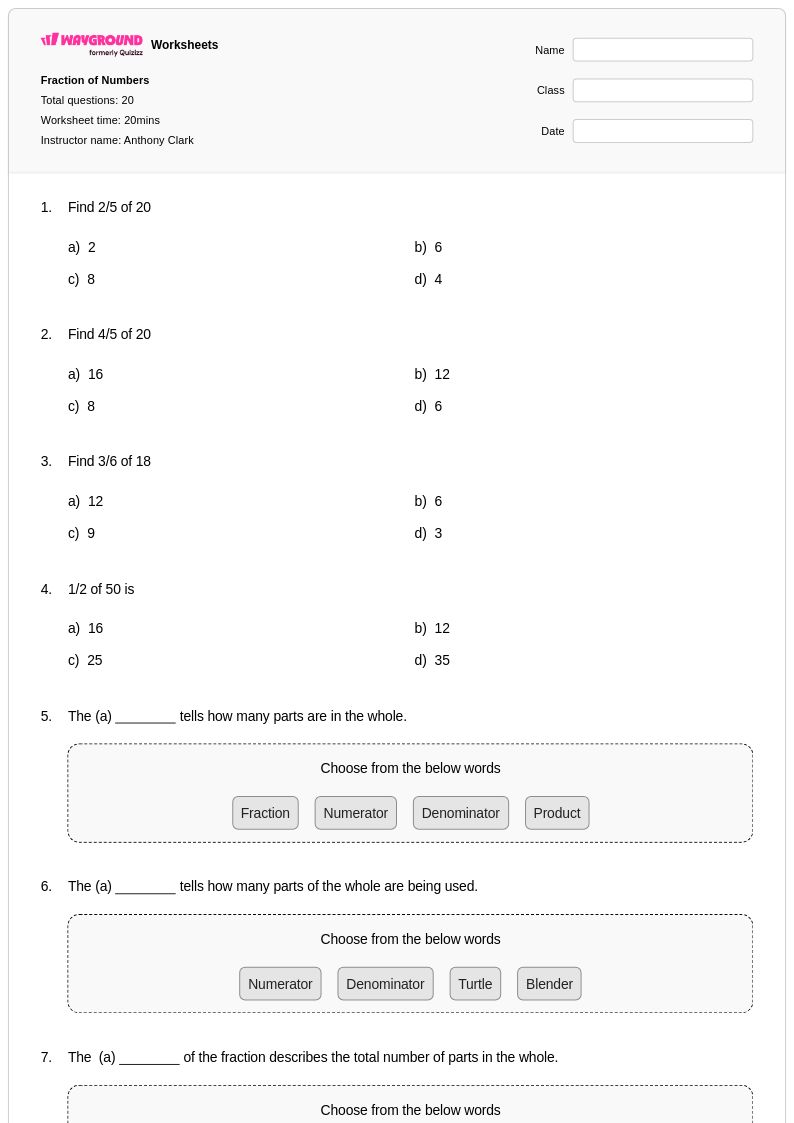
20 Q
5th - Uni
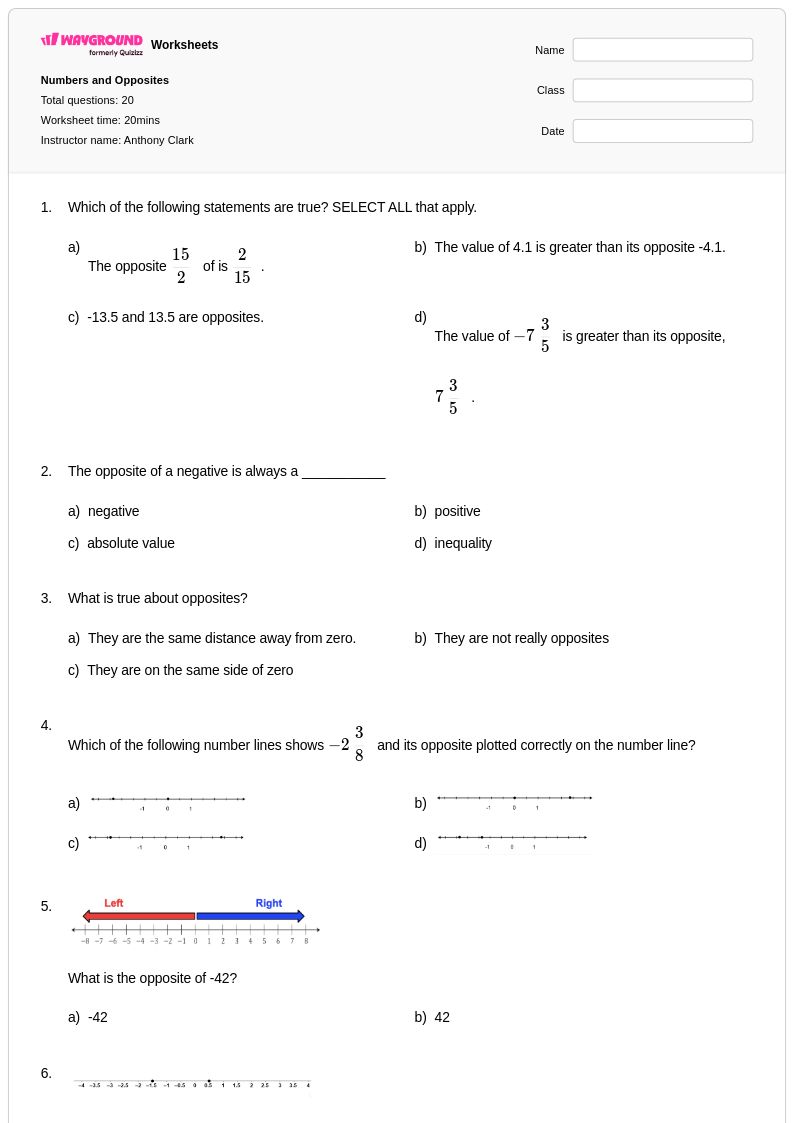
20 Q
6th - Uni
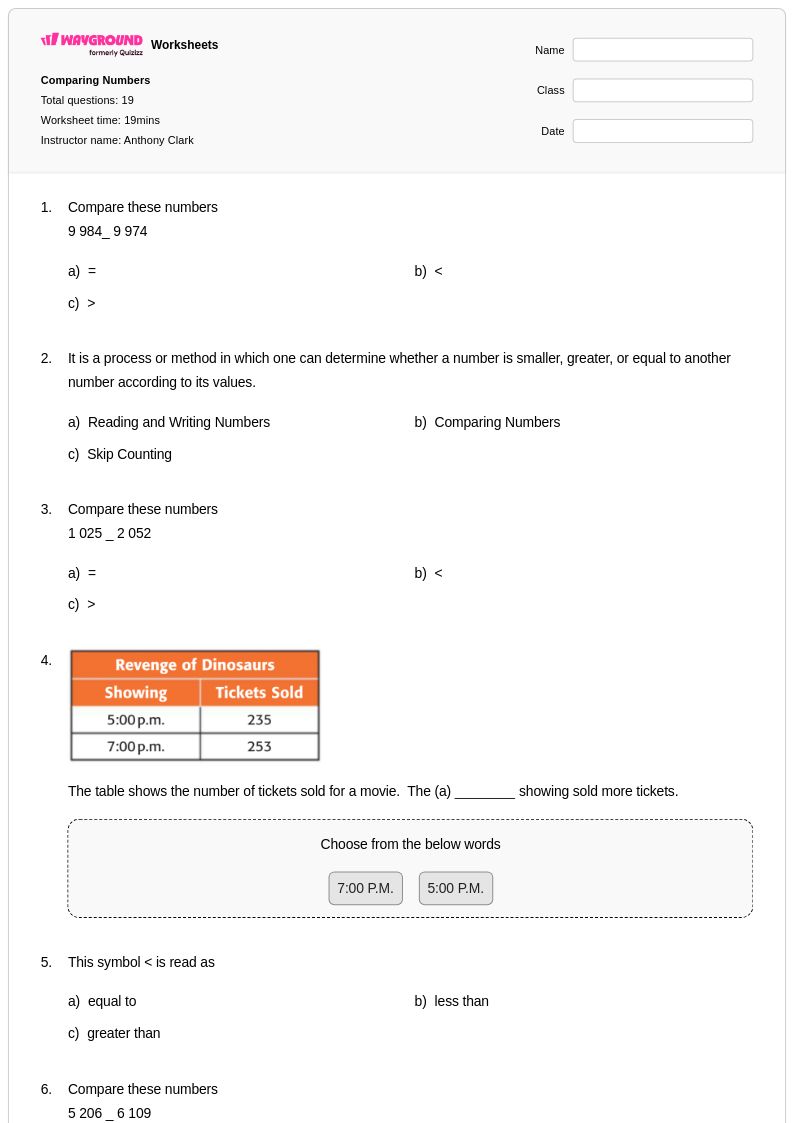
19 Q
2nd - Uni
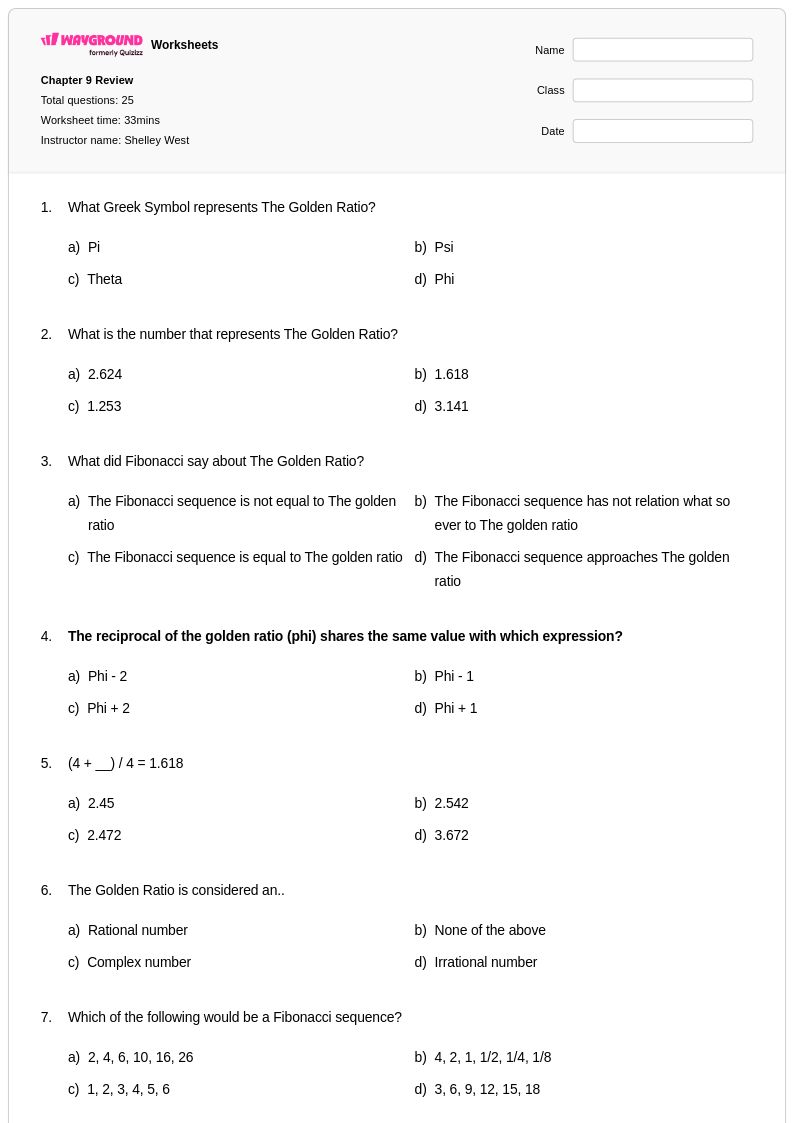
25 Q
9th - 12th
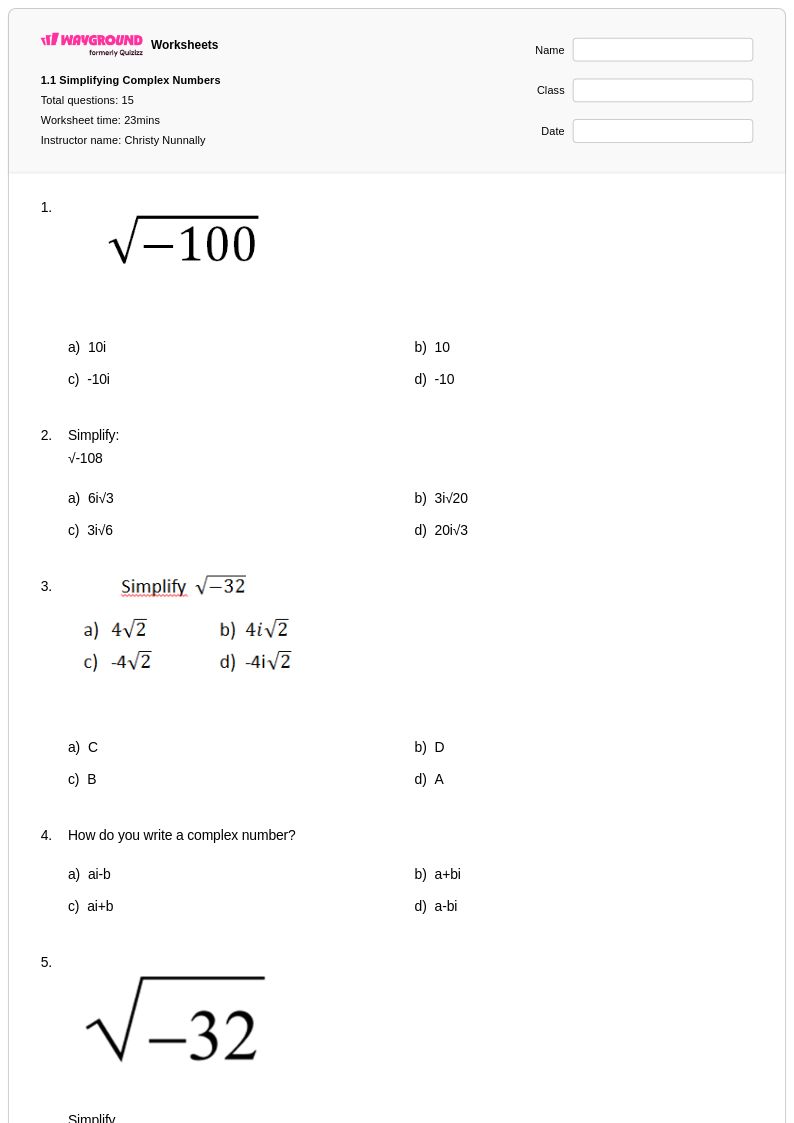
15 Q
9th - 11th
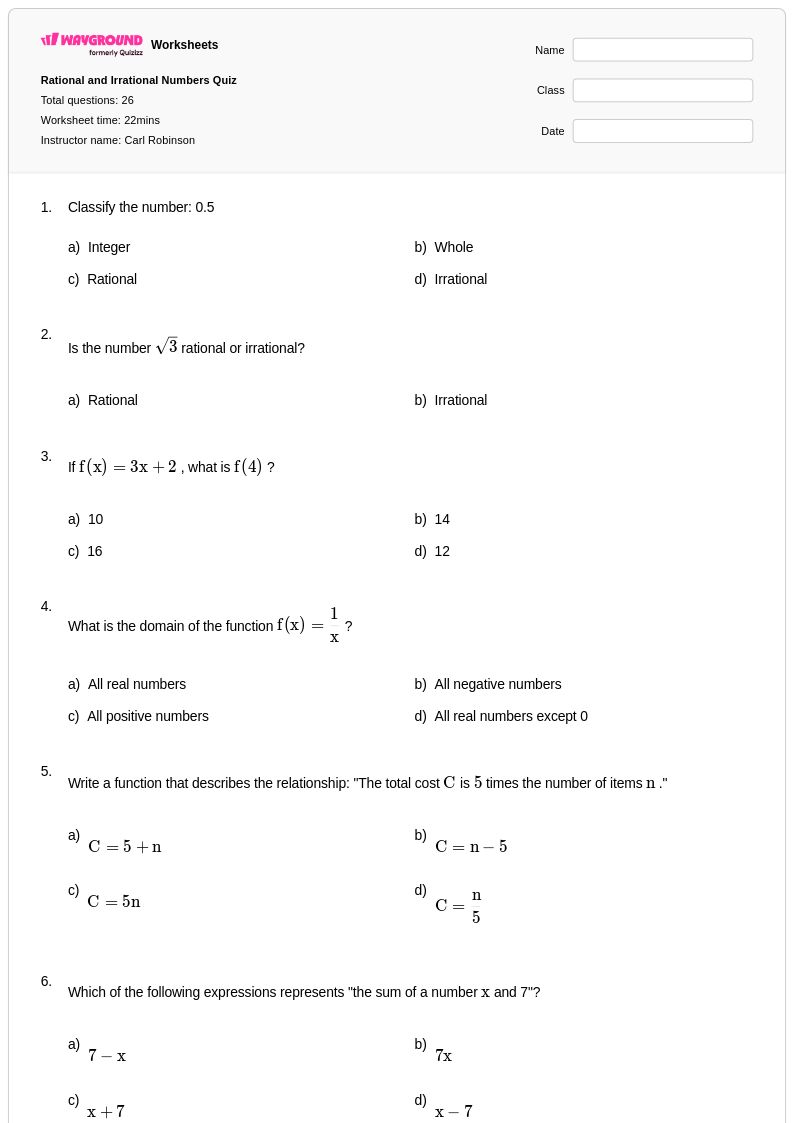
26 Q
9th - Uni
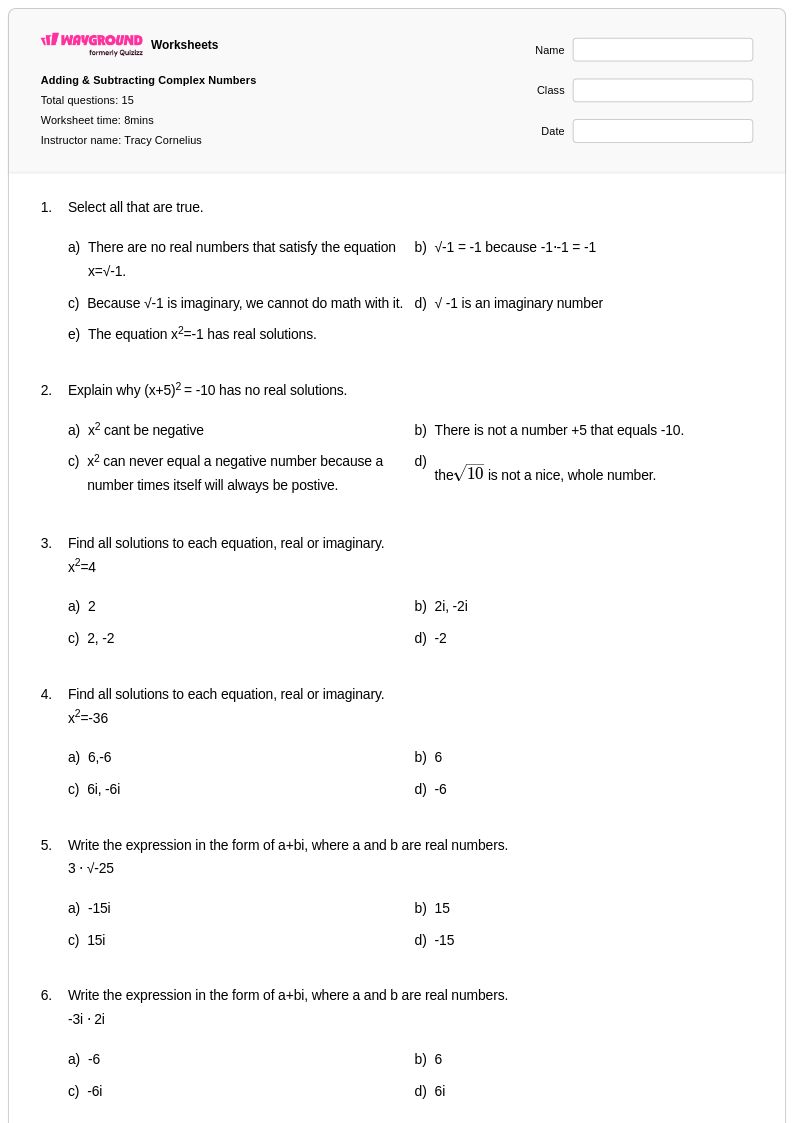
15 Q
11th
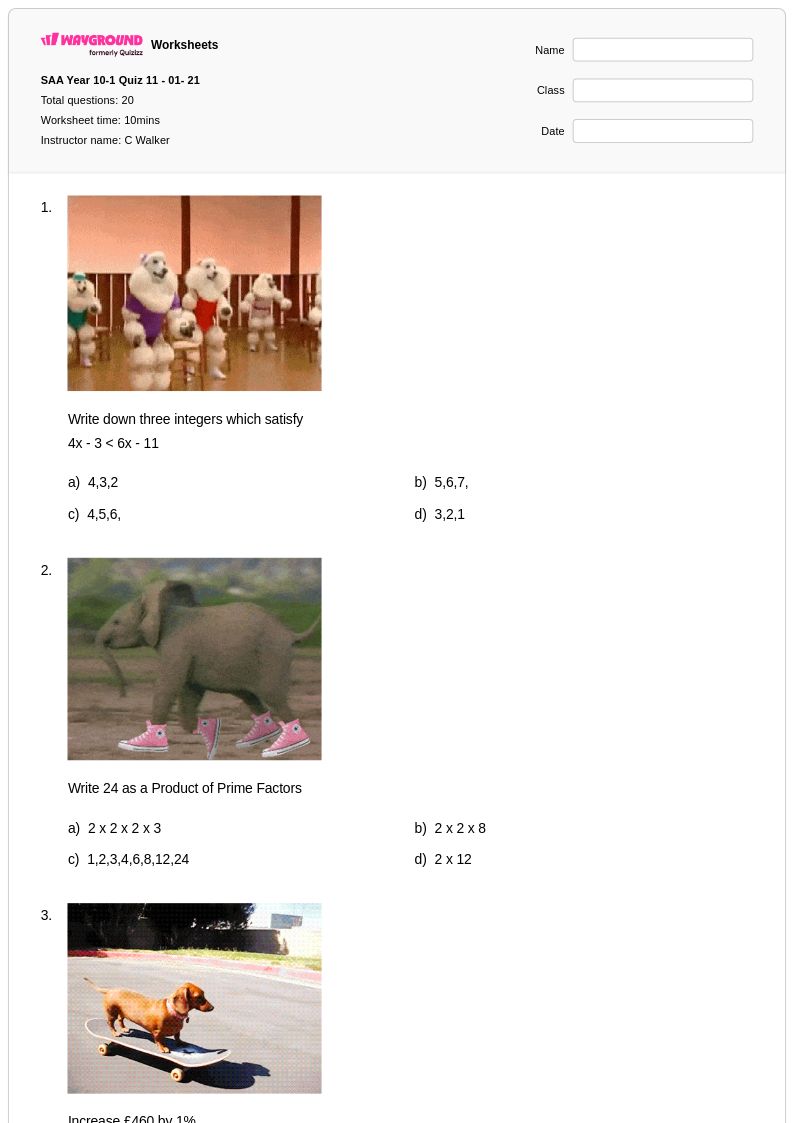
20 Q
11th
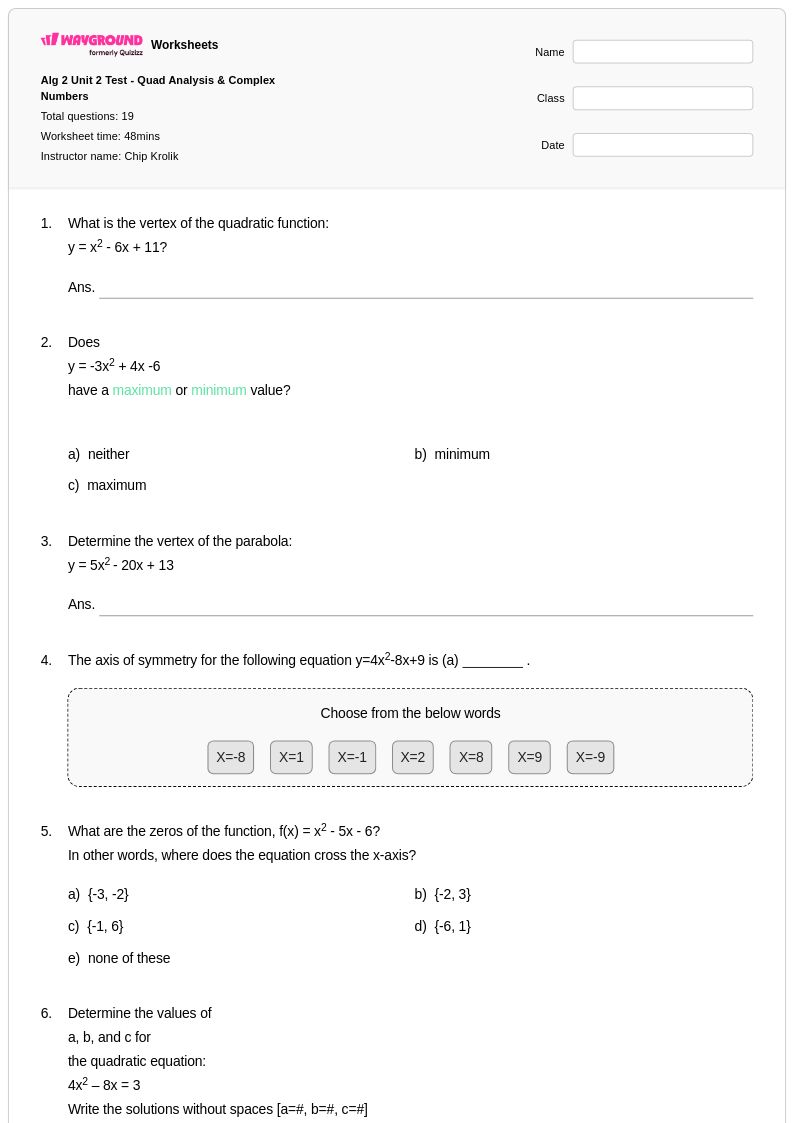
19 Q
9th - 12th
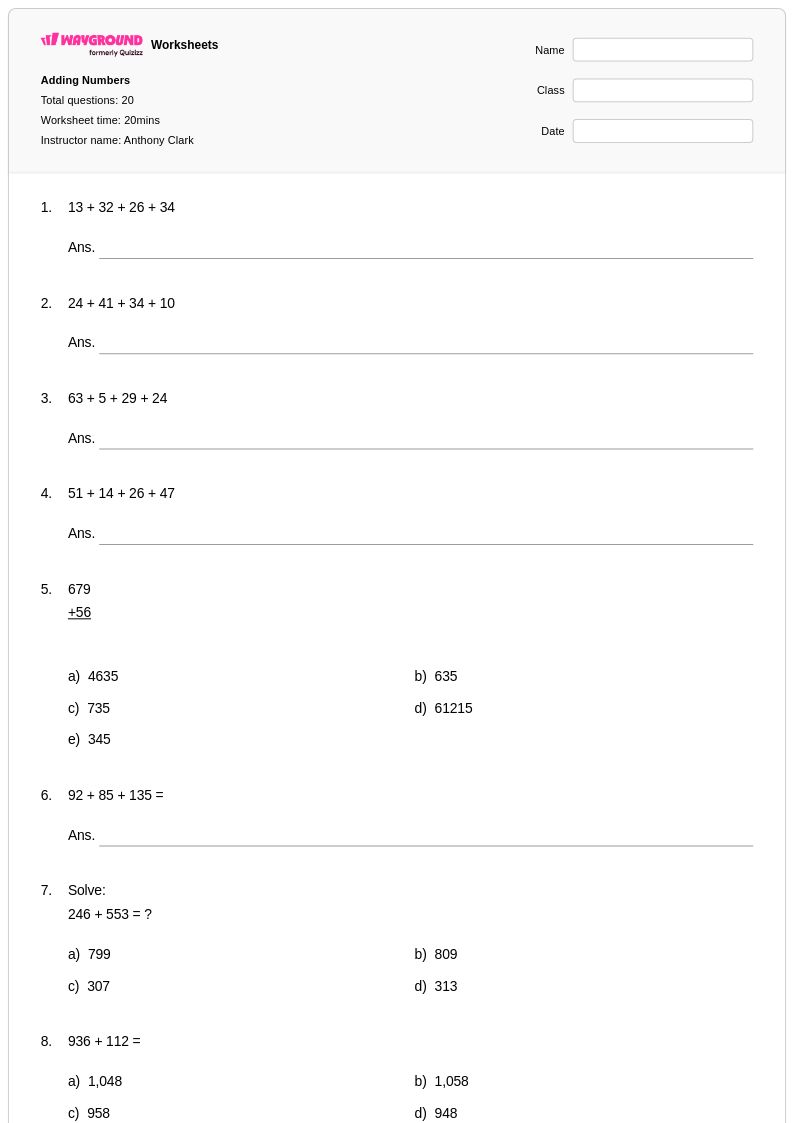
20 Q
2nd - Uni
Explore Fibonacci Numbers Worksheets by Grades
Explore Other Subject Worksheets for grade 11
Explore printable Fibonacci Numbers worksheets for Grade 11
Fibonacci Numbers worksheets available through Wayground (formerly Quizizz) provide Grade 11 students with comprehensive practice exploring one of mathematics' most fascinating sequences. These carefully designed resources help students understand the fundamental properties of the Fibonacci sequence, including its recursive definition, mathematical relationships, and real-world applications in nature and art. The worksheets strengthen essential skills in pattern recognition, algebraic reasoning, and mathematical modeling while building connections between sequences, golden ratio concepts, and geometric applications. Each printable resource includes detailed answer keys and structured practice problems that guide students from basic sequence generation through advanced analytical thinking about Fibonacci relationships and their broader mathematical significance.
Wayground (formerly Quizizz) supports mathematics educators with an extensive collection of teacher-created Fibonacci Numbers resources, drawing from millions of high-quality worksheets and activities specifically aligned to Grade 11 mathematical standards. The platform's robust search and filtering capabilities enable teachers to quickly locate materials matching their specific curriculum requirements and student ability levels, while differentiation tools allow for seamless customization to support diverse learning needs. These resources are available in both printable pdf formats and interactive digital versions, providing flexibility for classroom instruction, independent practice, remediation sessions, and enrichment activities. Teachers can efficiently plan comprehensive lessons that build conceptual understanding while ensuring students develop strong foundational skills in advanced sequence analysis and mathematical reasoning.
FAQs
How should I teach Fibonacci numbers to Grade 11 students?
What exercises deepen Grade 11 students' understanding of Fibonacci sequences?
What mistakes do students make in advanced Fibonacci sequence problems?
How can I use this Grade 11 Fibonacci worksheet for instruction or assessment?
How do Fibonacci sequences fit the Common Core Grade 11 math progression?
How can I differentiate advanced Fibonacci practice?
What grade level is appropriate for advanced Fibonacci sequence analysis?