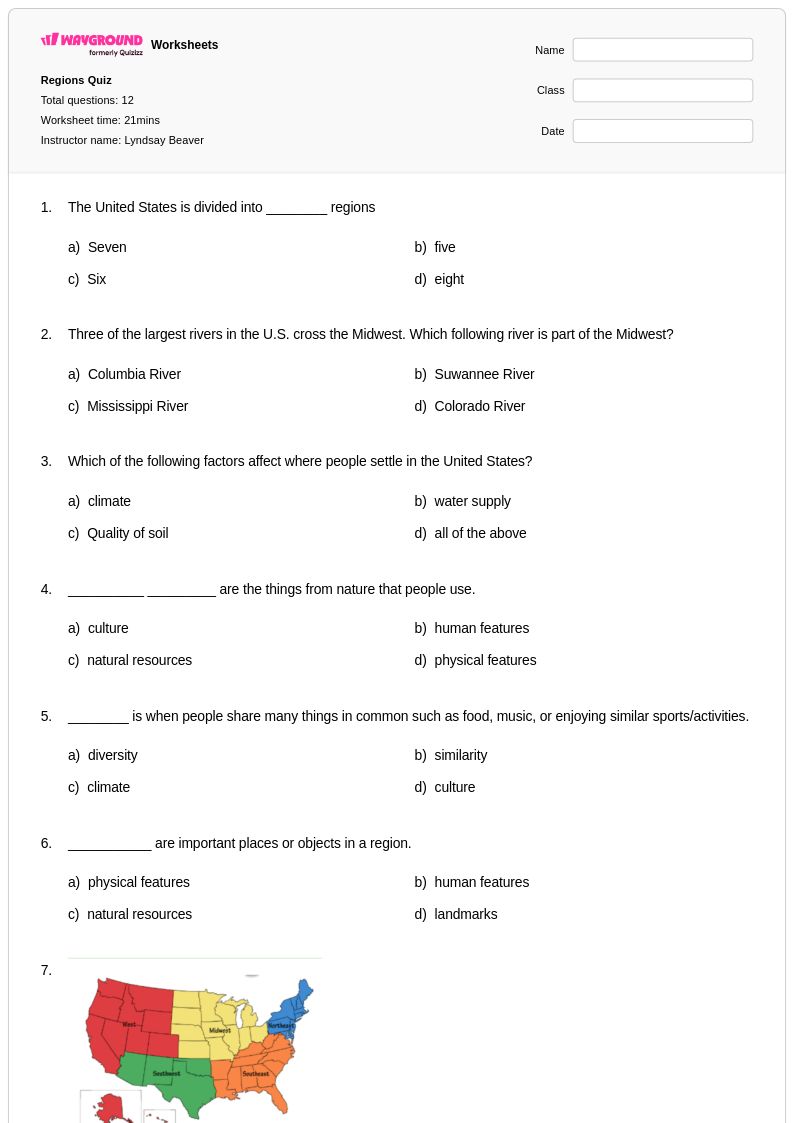
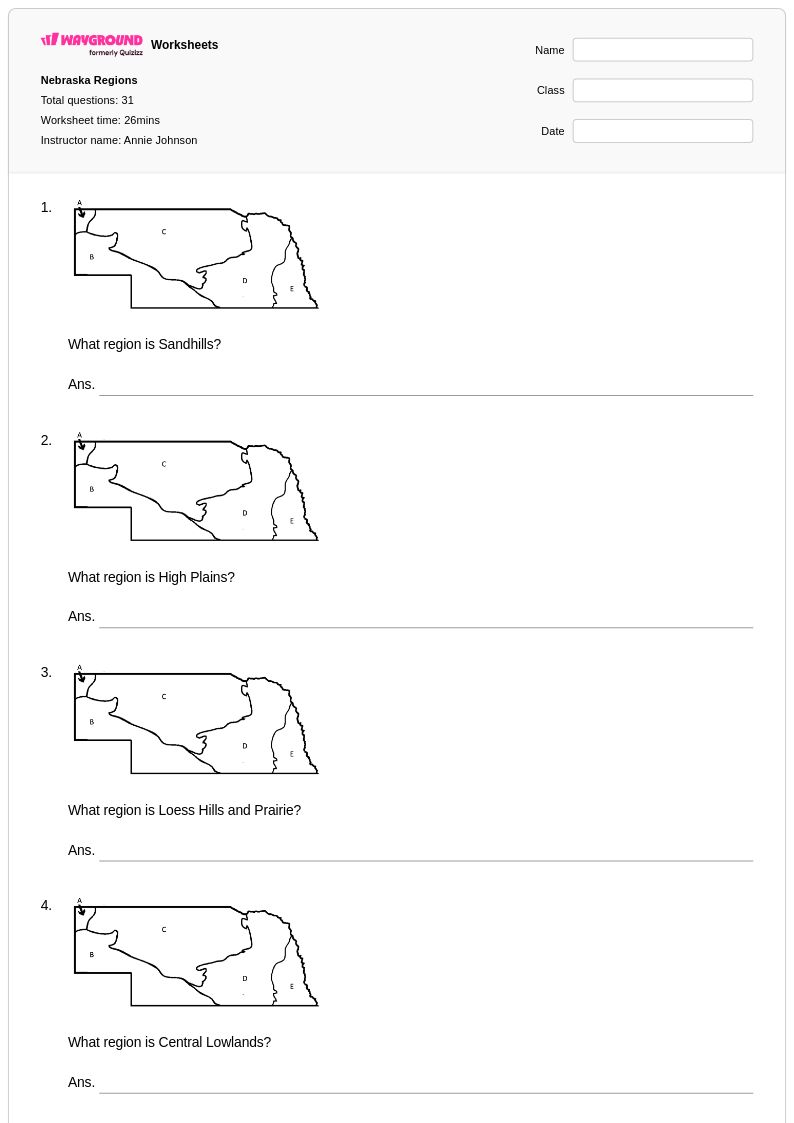
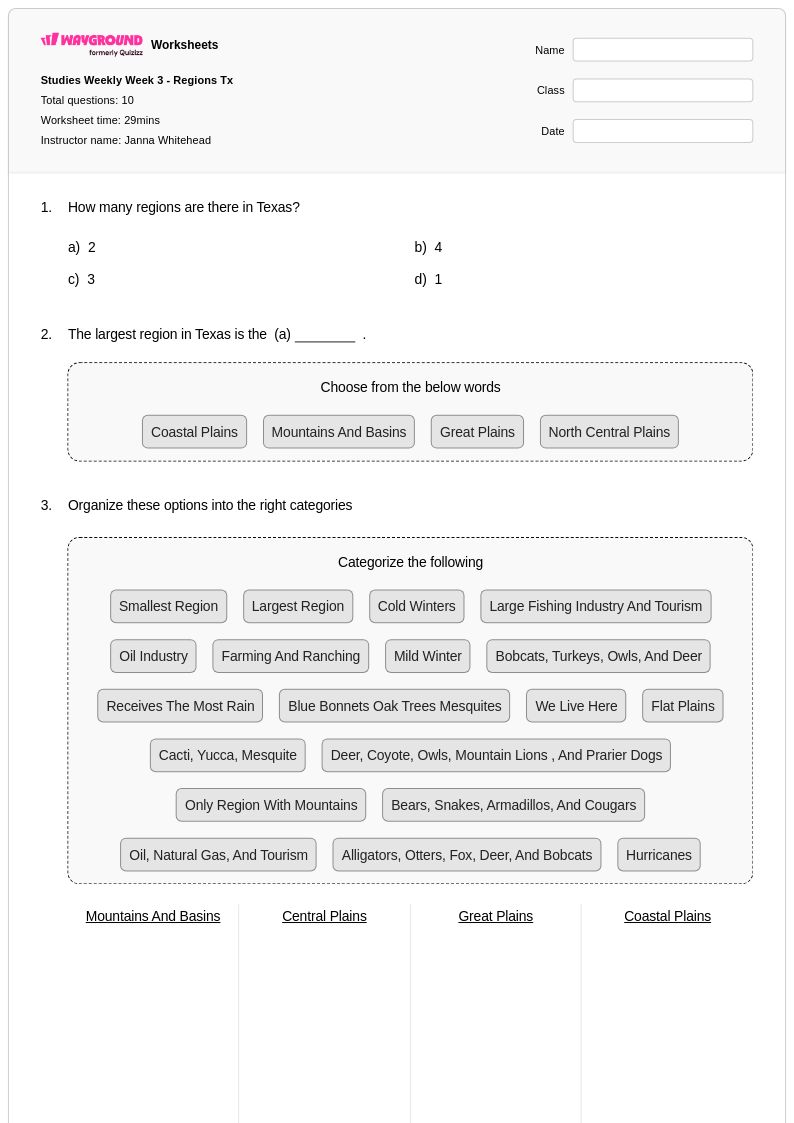
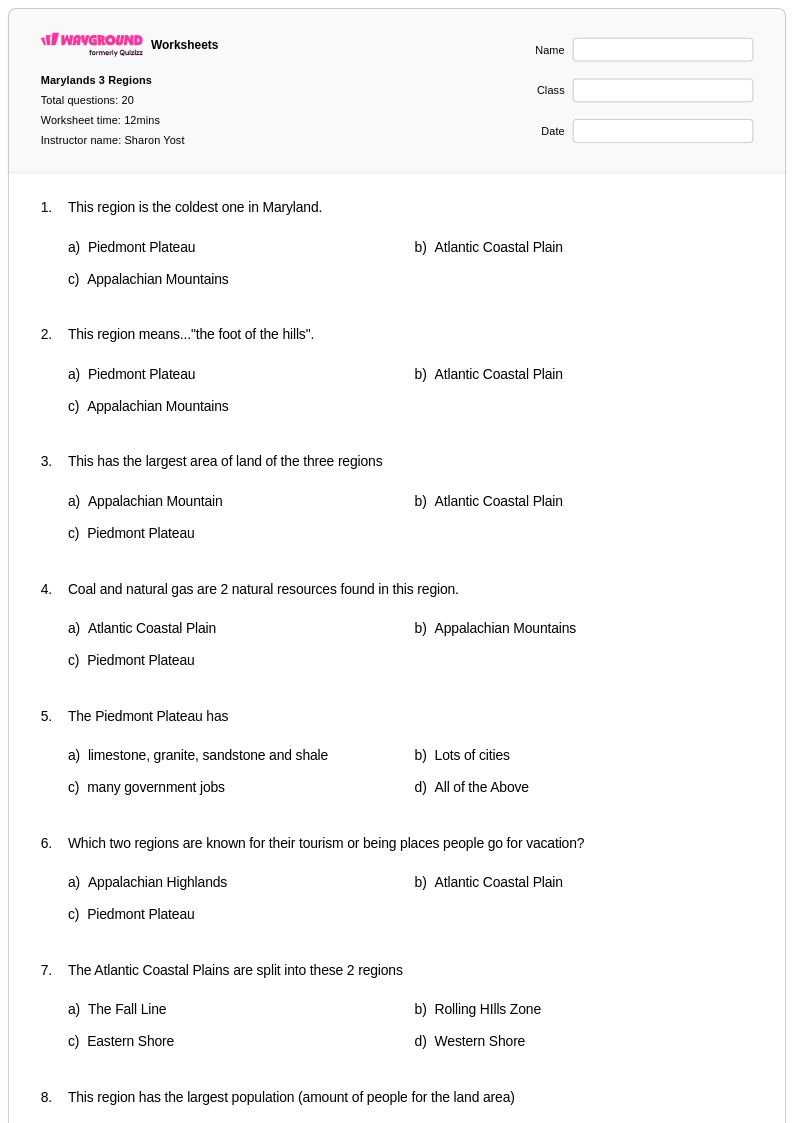
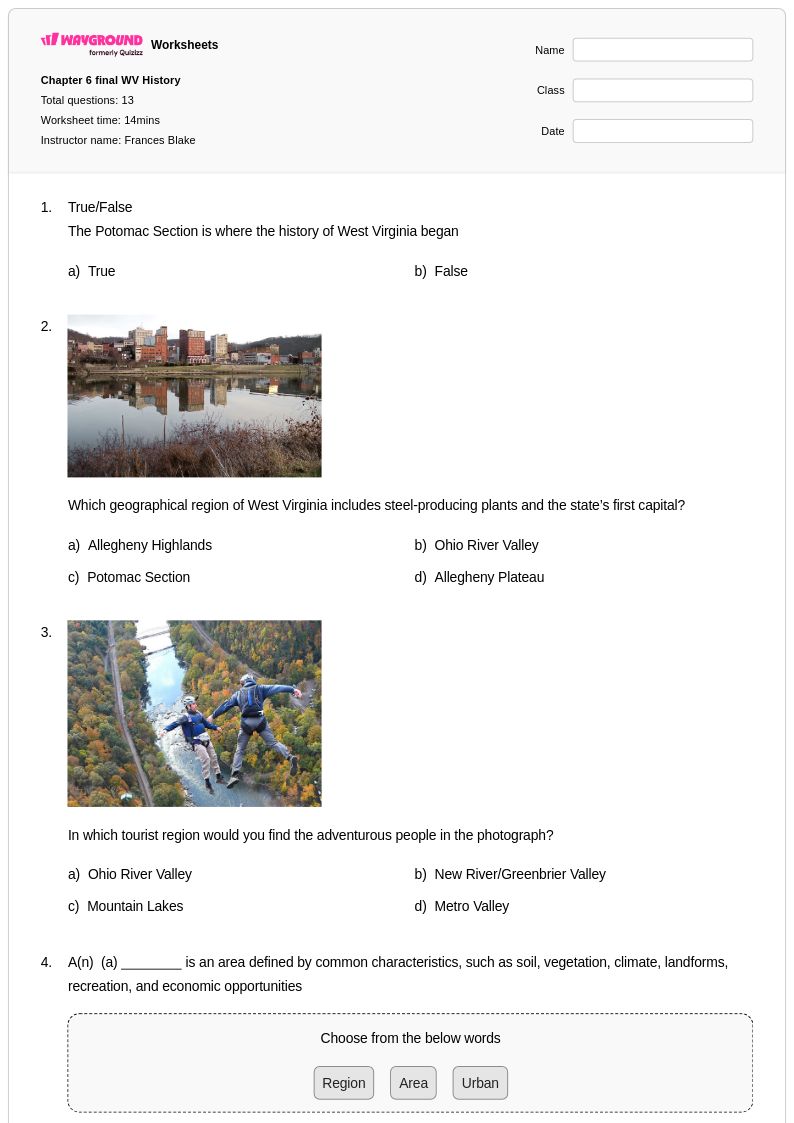
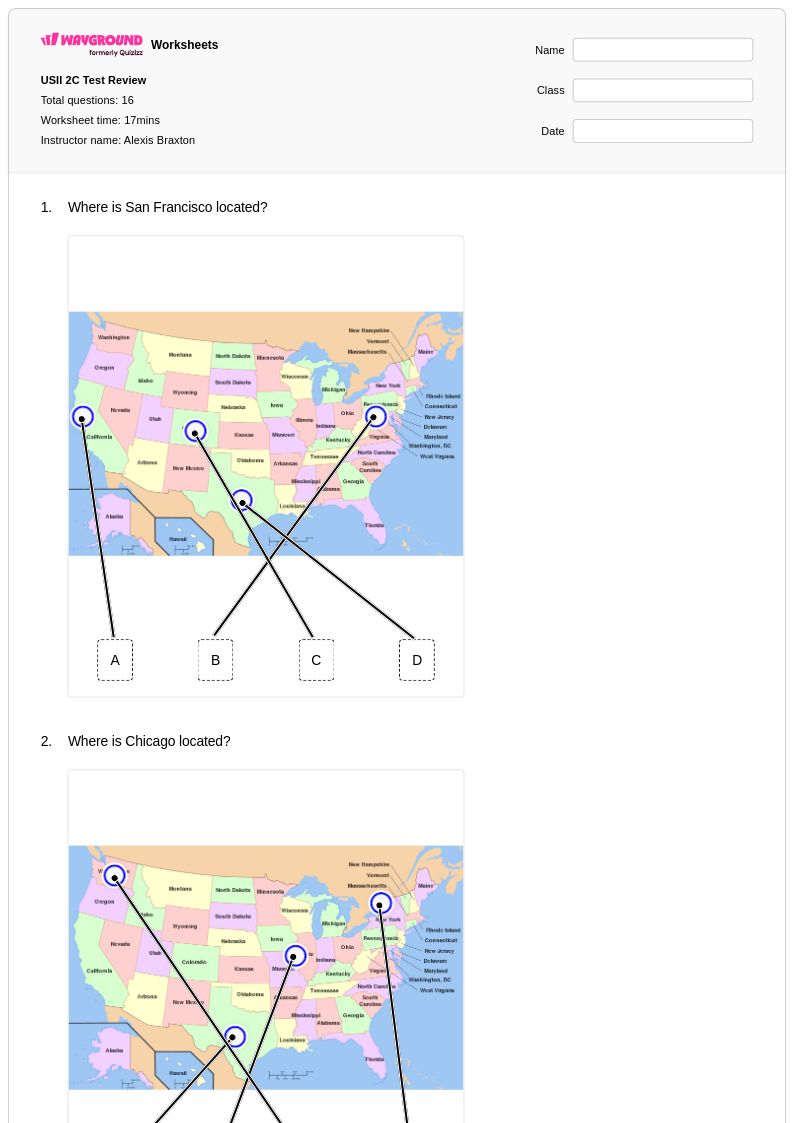
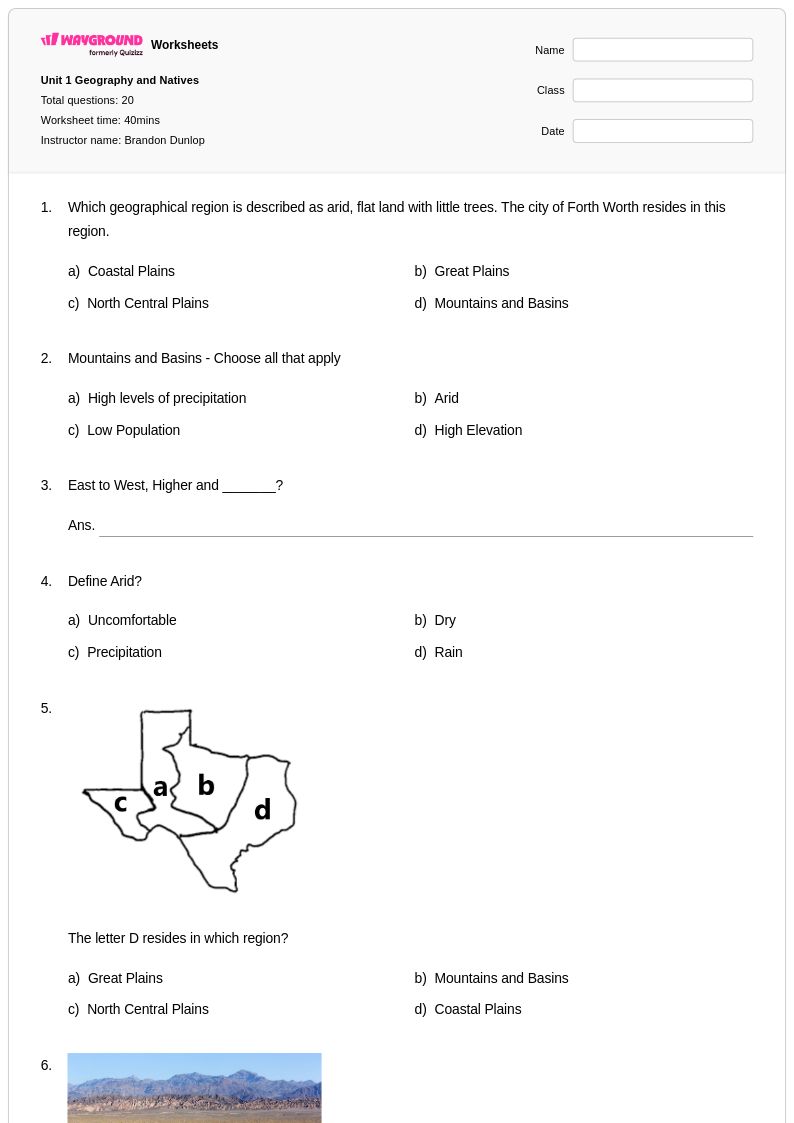
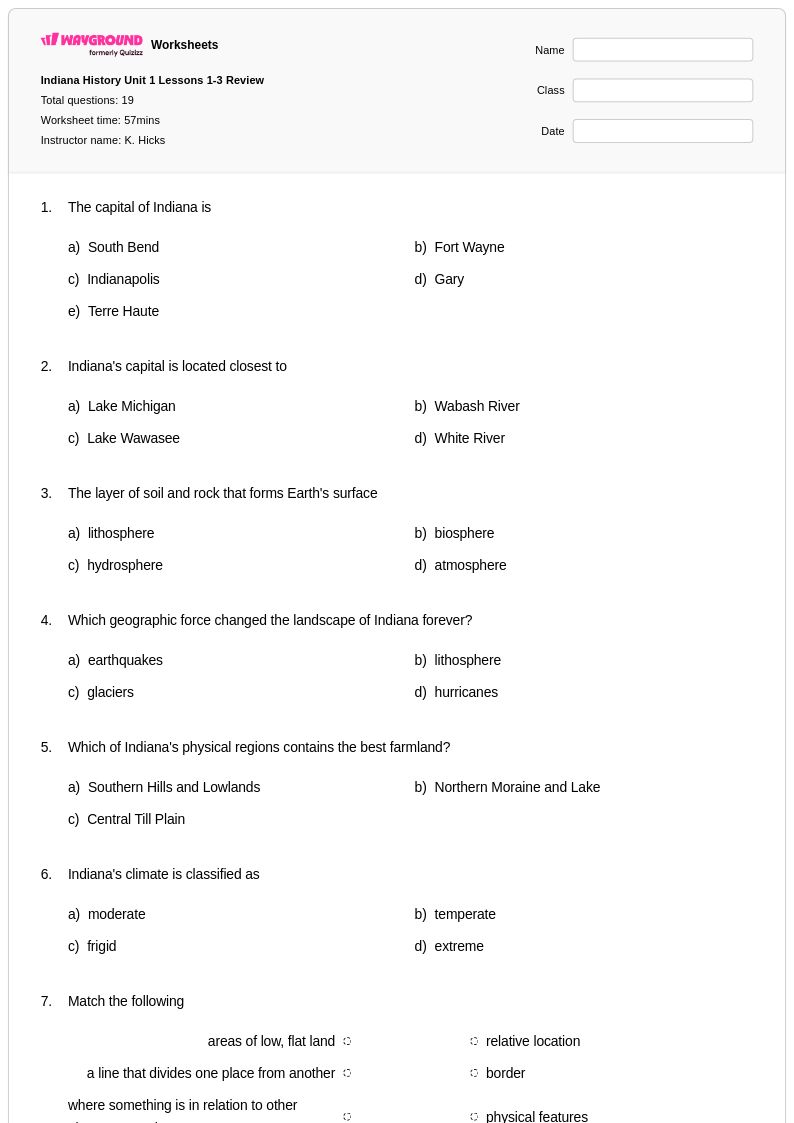
Explore free geographical regions worksheets and printables that help students learn about different world regions through engaging practice problems, complete with answer keys and downloadable PDFs from Wayground.
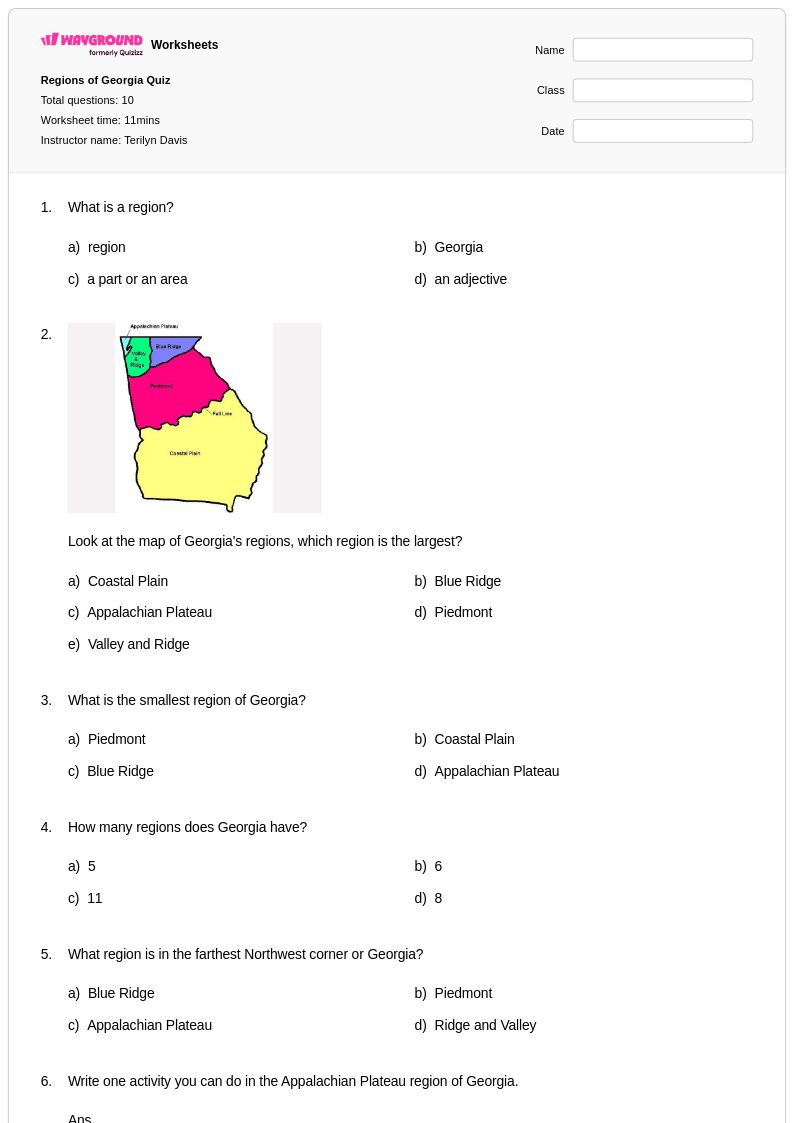
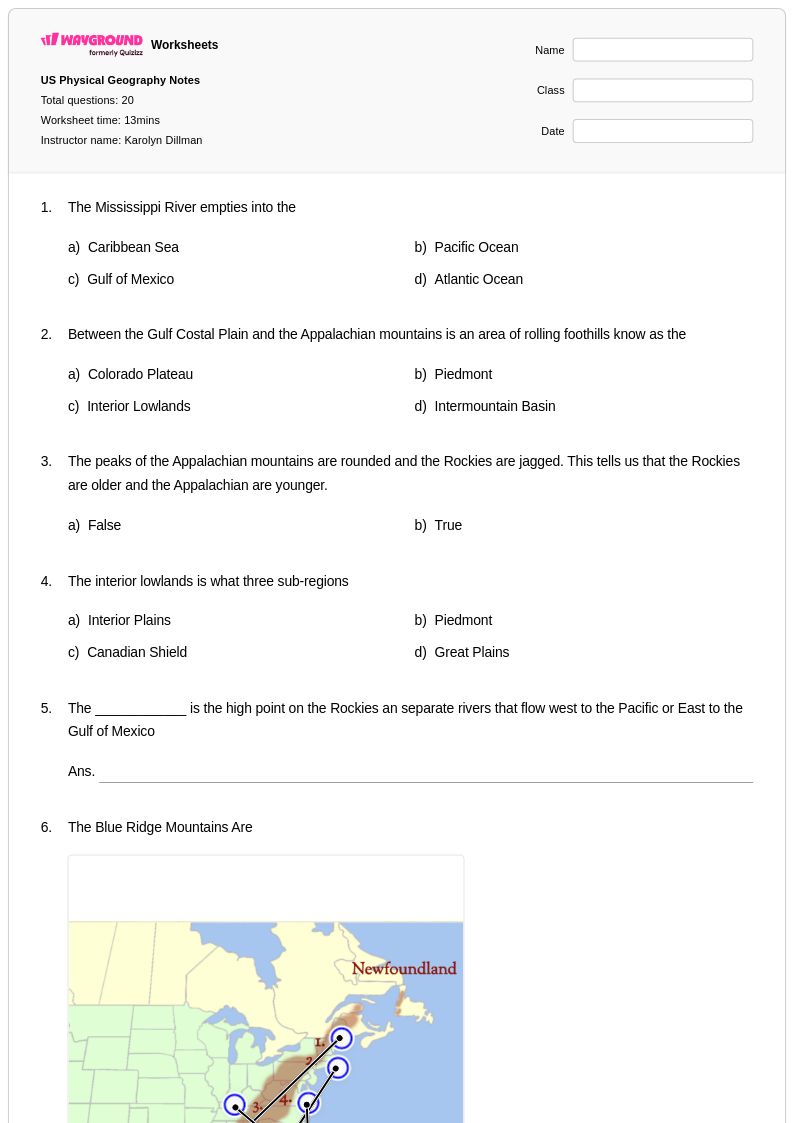
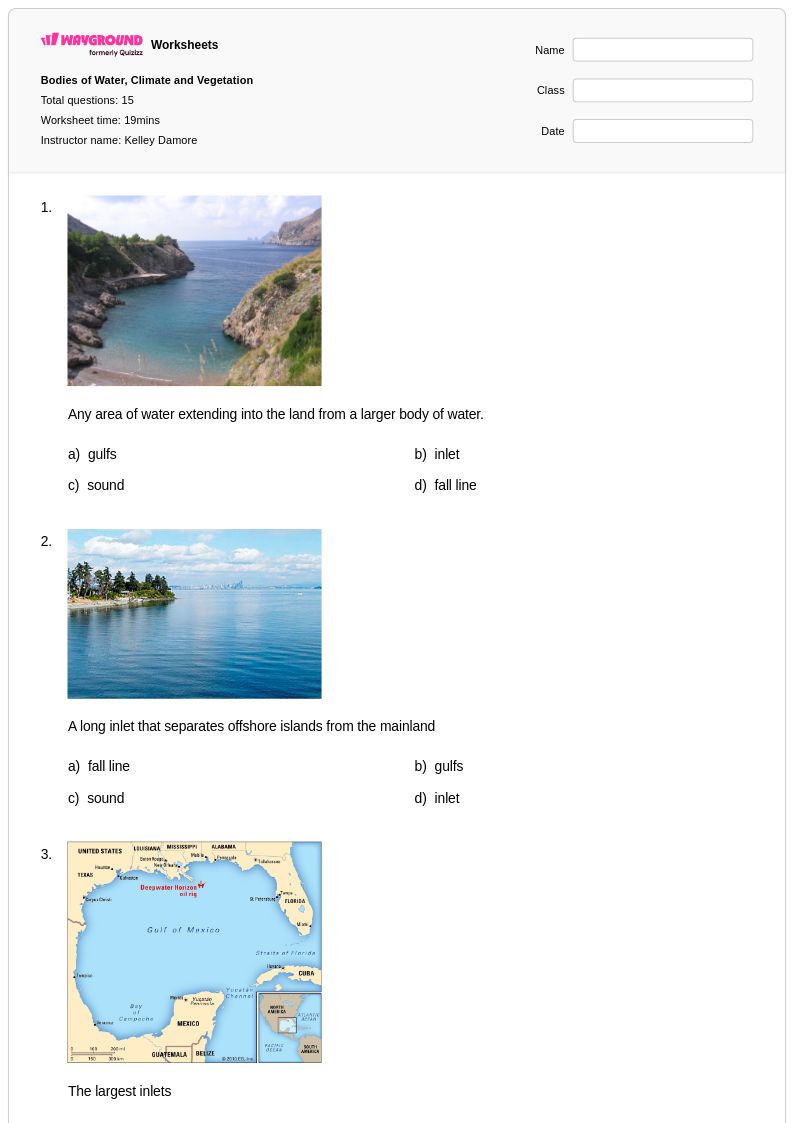
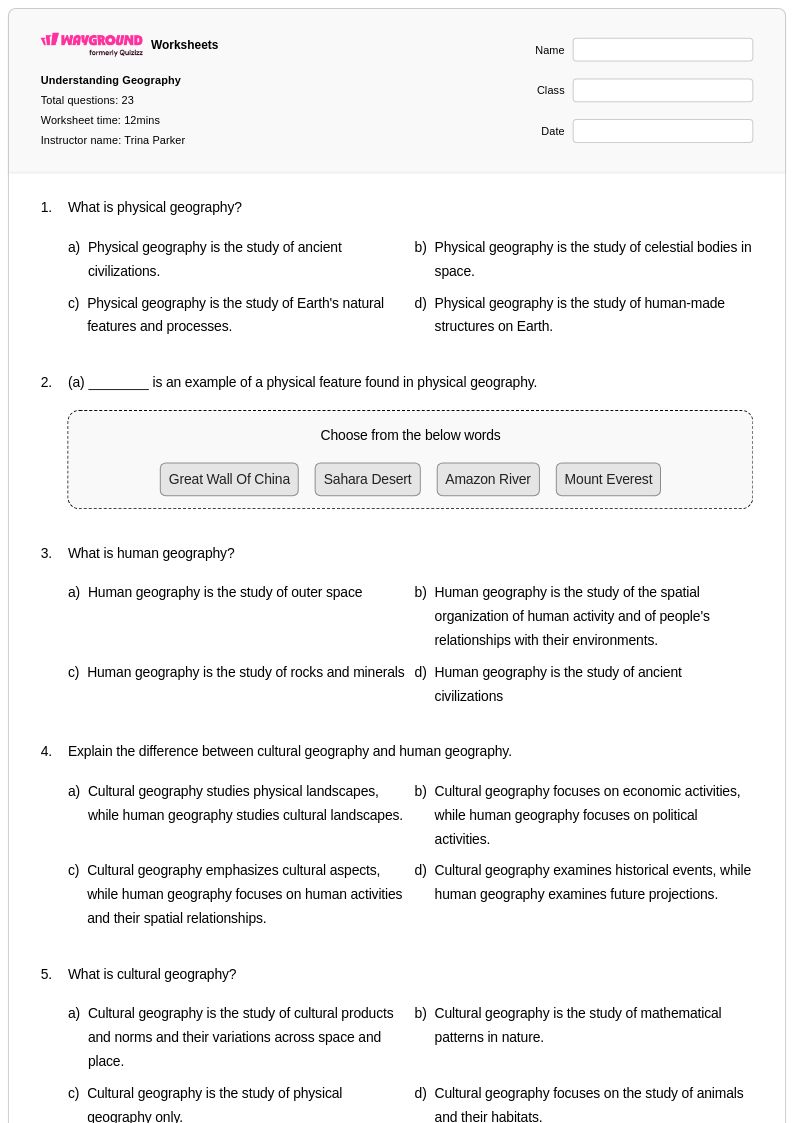
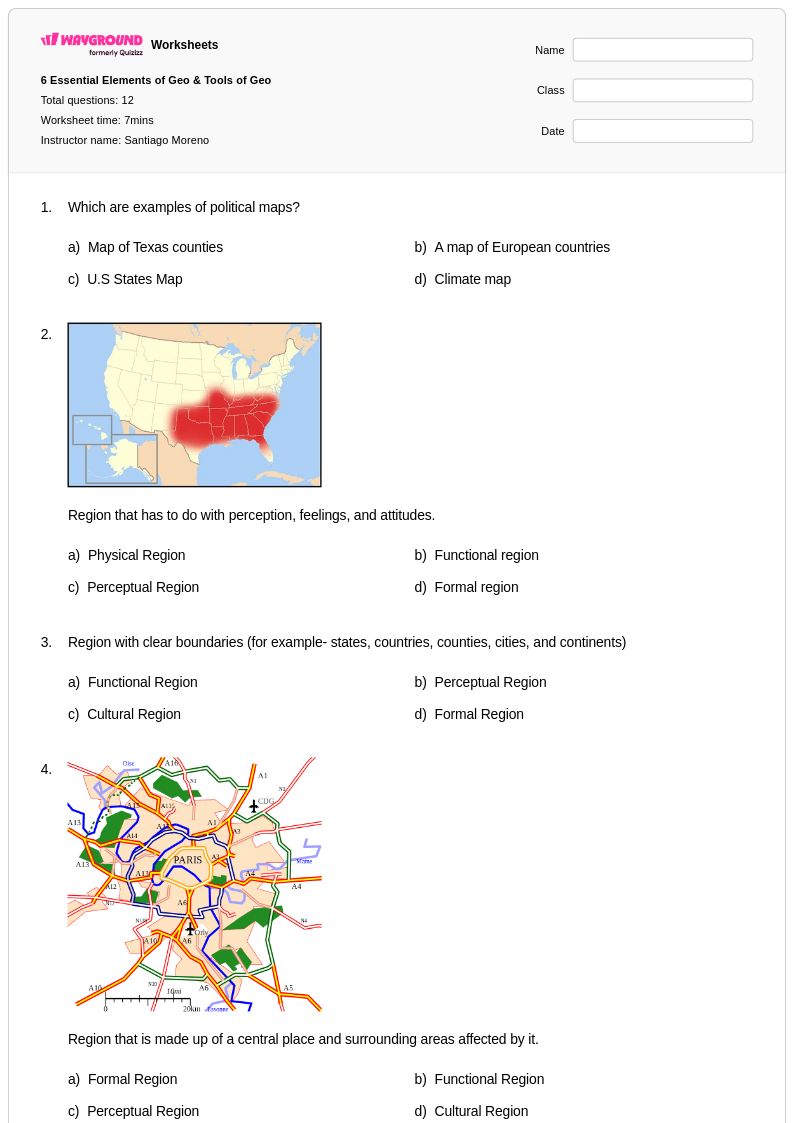
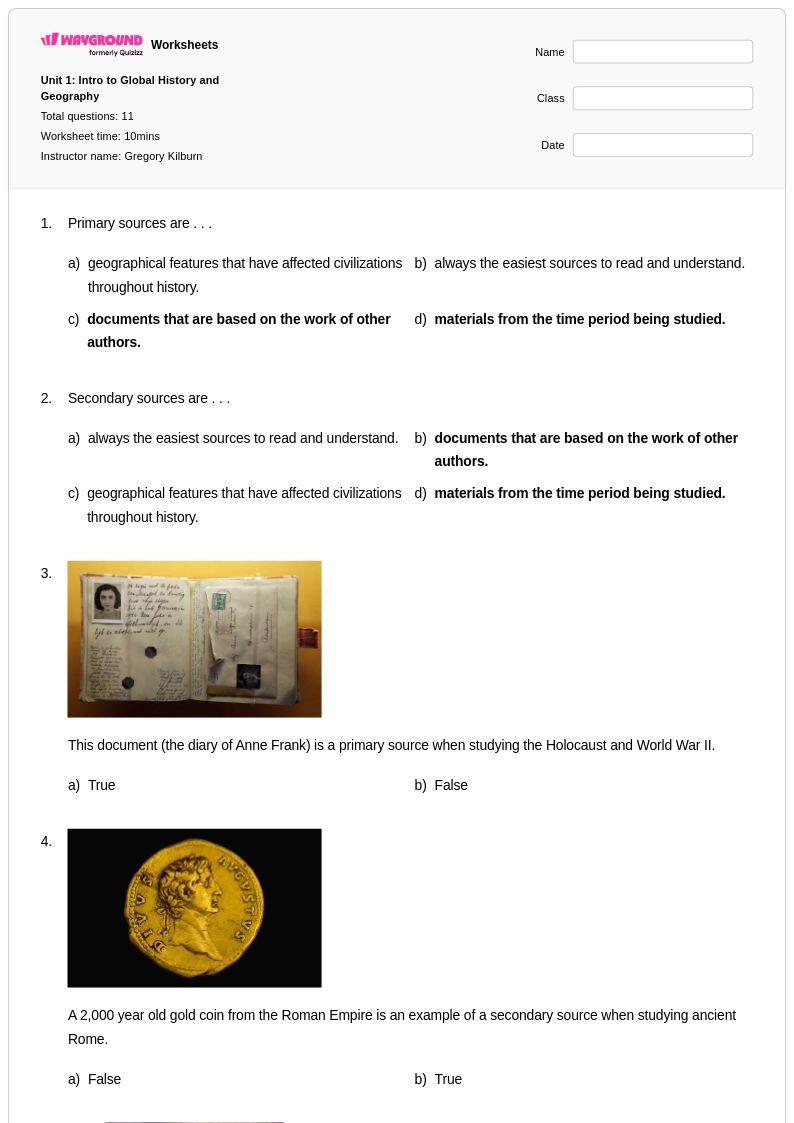
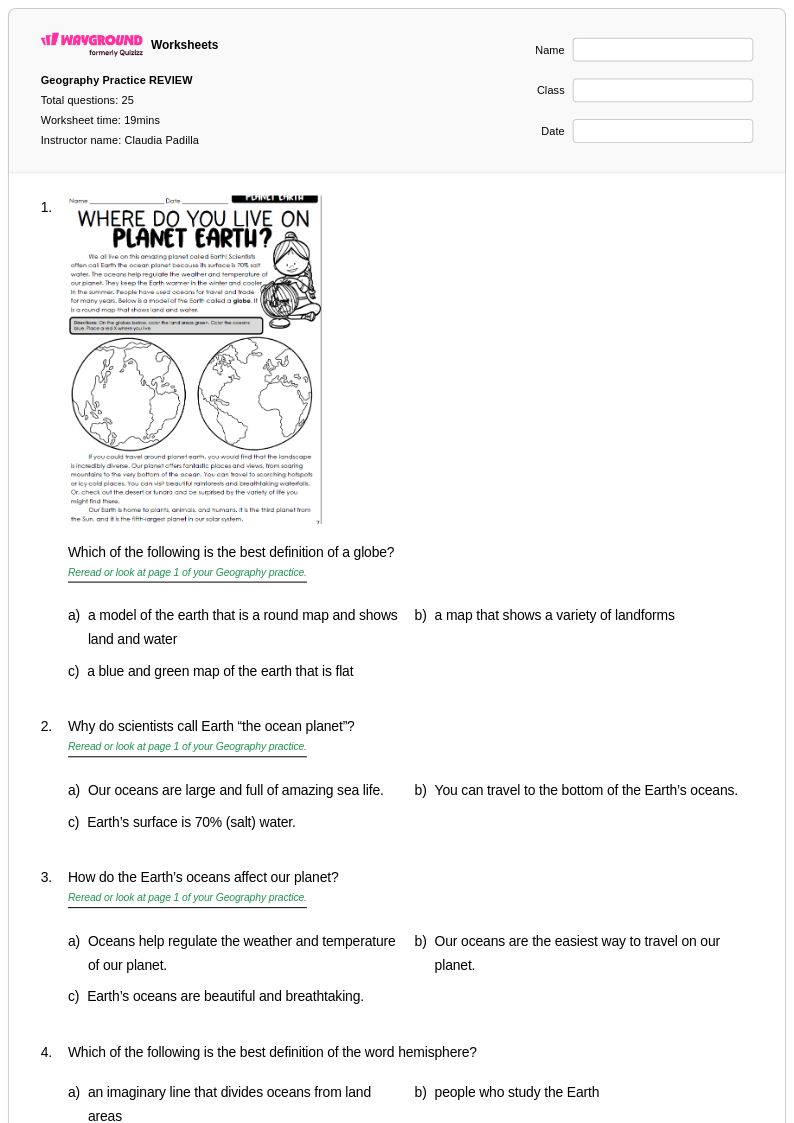
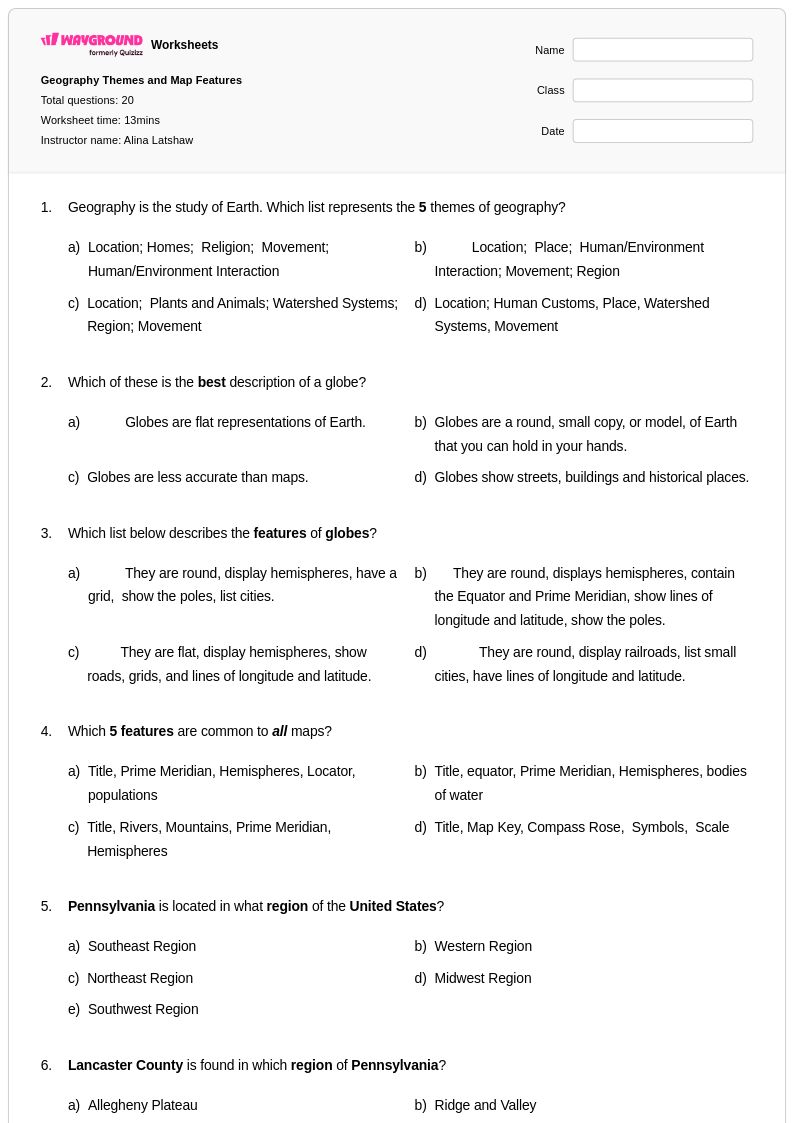
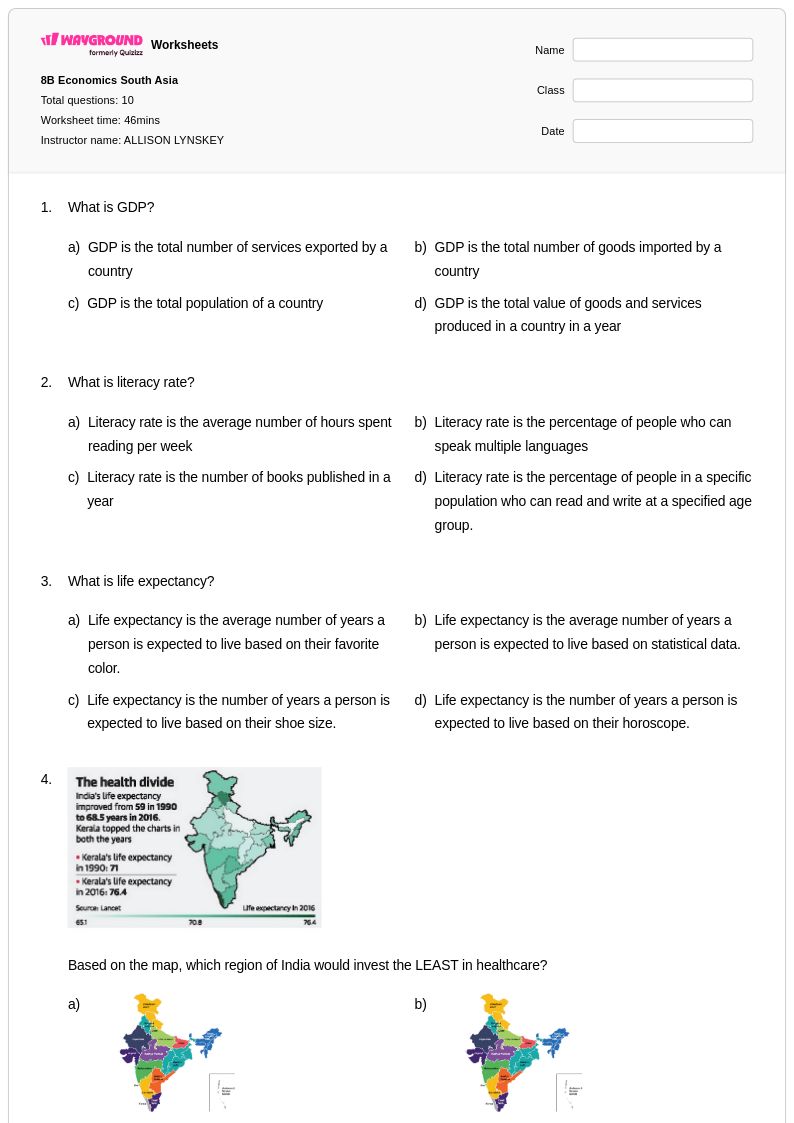
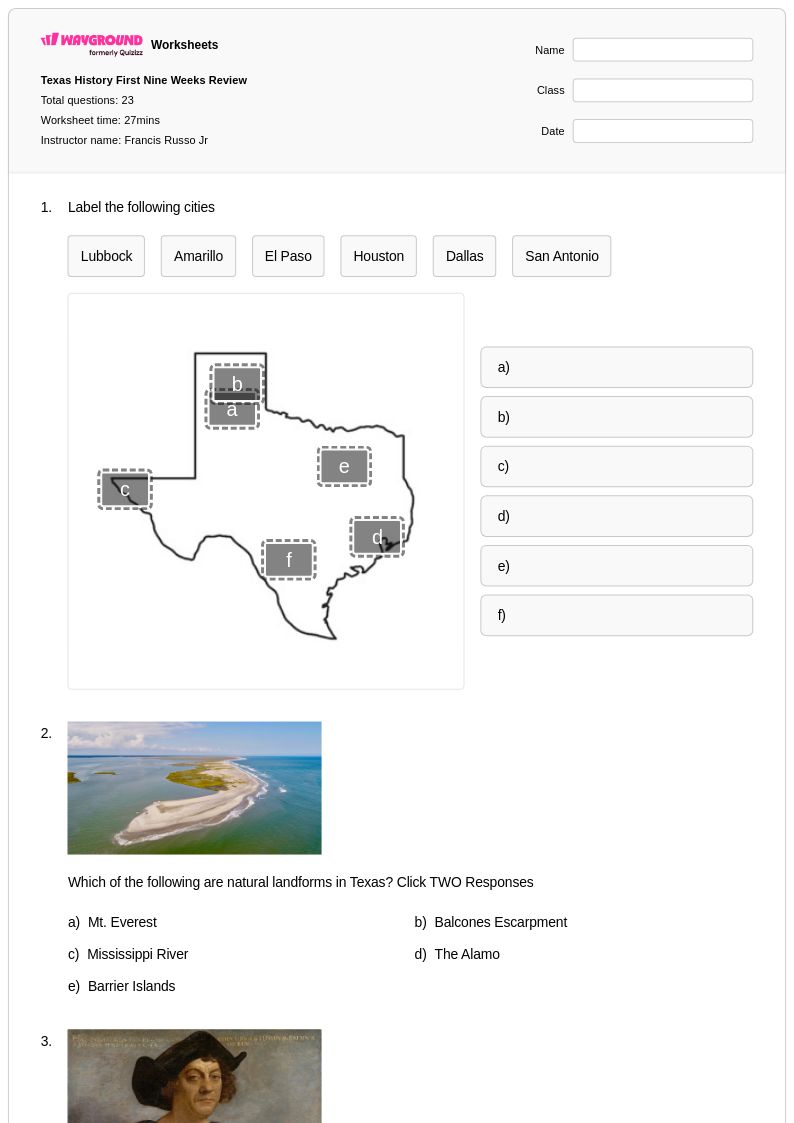
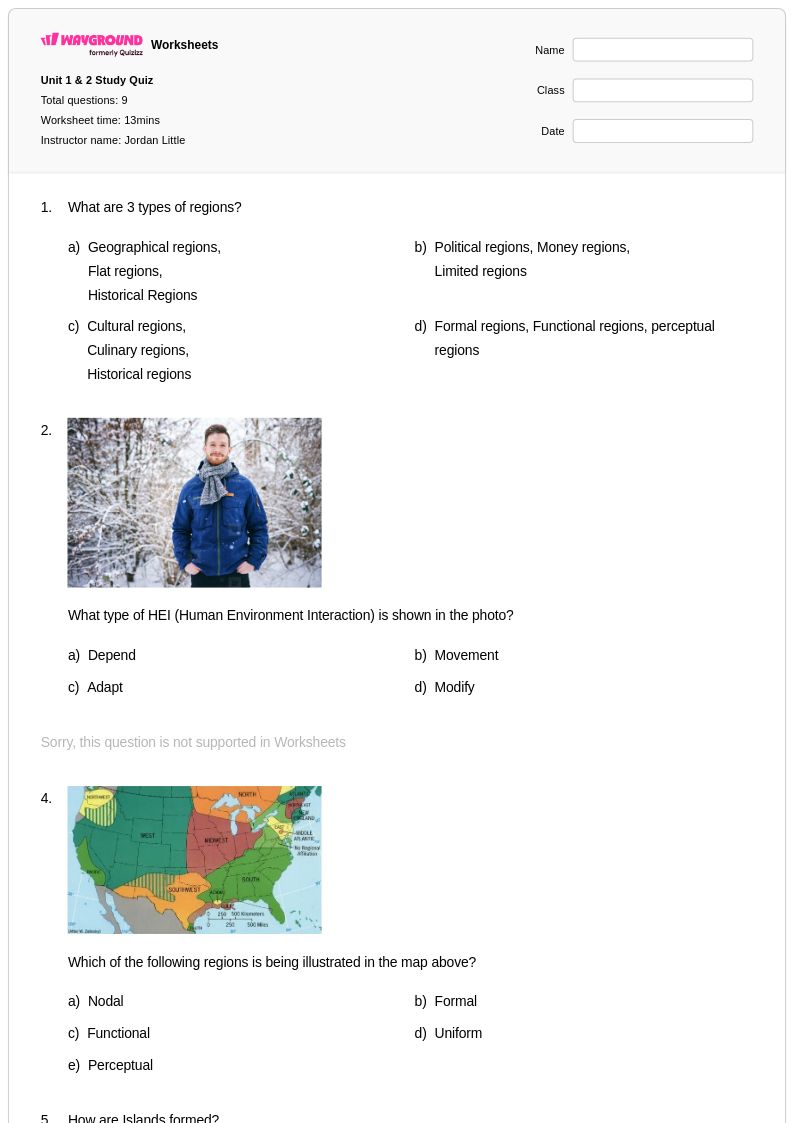
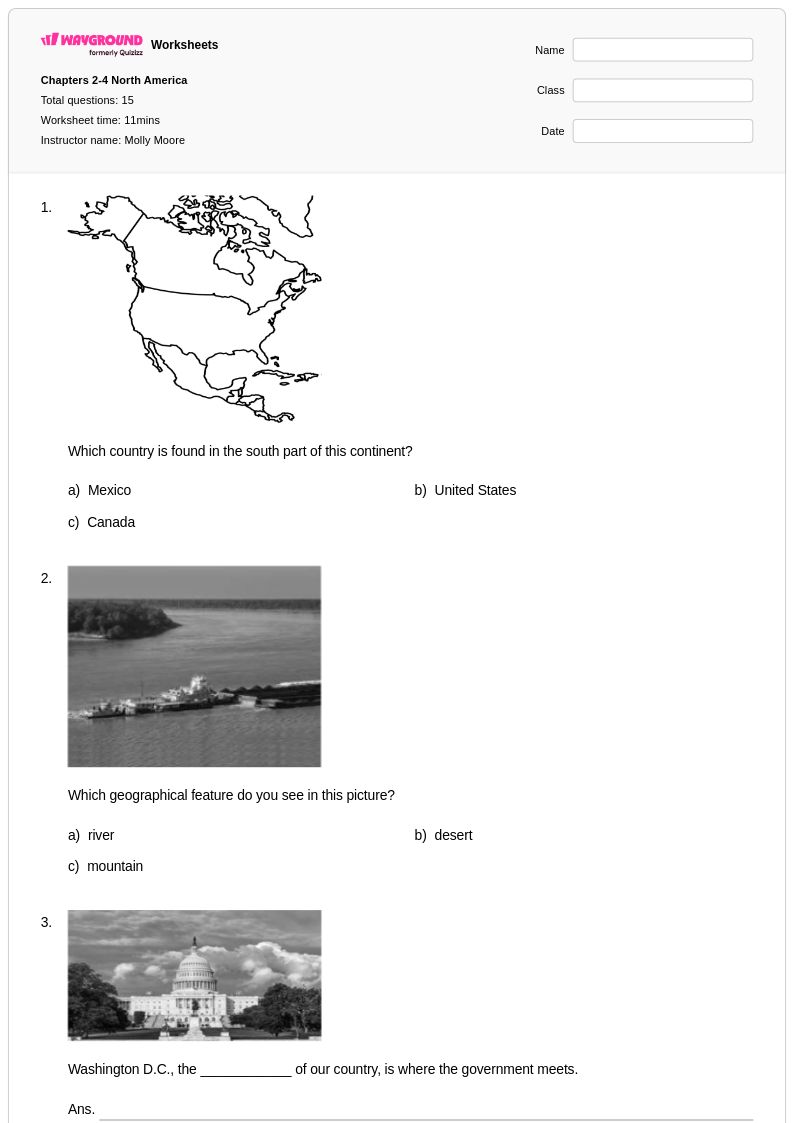
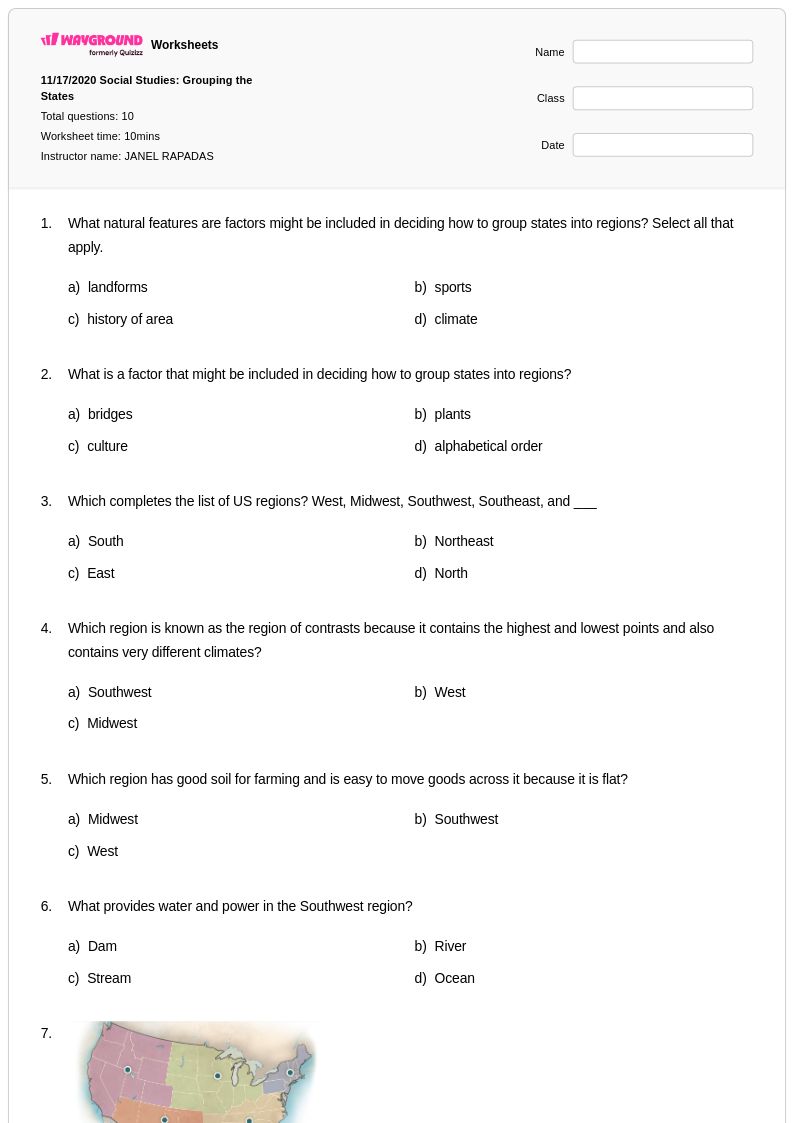
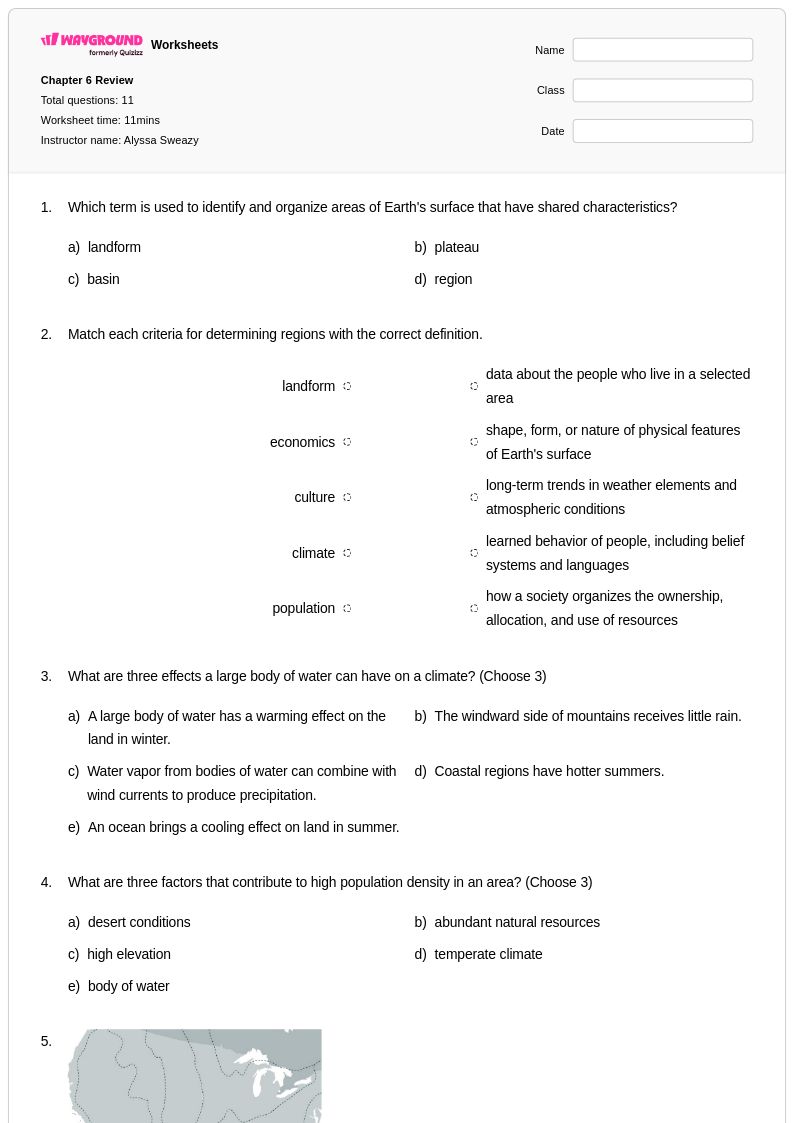
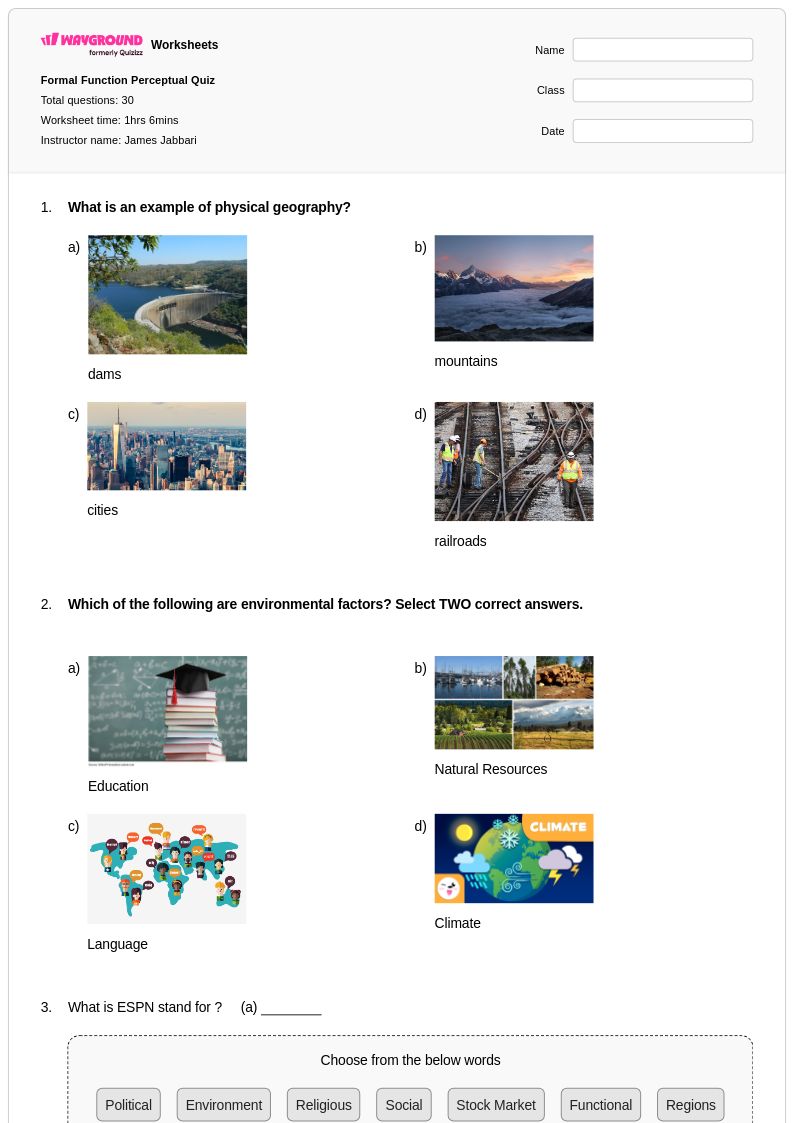
Geographical regions worksheets available through Wayground provide students with comprehensive practice materials that develop critical spatial thinking and geographic literacy skills. These educational resources help learners identify, analyze, and compare different types of regions including physical regions defined by natural features, cultural regions shaped by human characteristics, and economic regions determined by trade and industry patterns. Students work through practice problems that strengthen their ability to read maps, interpret geographic data, and understand how regions are interconnected through various systems. Each worksheet comes with a complete answer key, and teachers can access these materials as free printables in convenient pdf format, making it easy to incorporate region-based learning into classroom instruction and homework assignments.
Wayground's extensive collection draws from millions of teacher-created resources specifically designed to support geographic education across diverse learning environments. The platform's robust search and filtering capabilities allow educators to quickly locate worksheets that align with curriculum standards and match their students' specific learning needs. Teachers can easily differentiate instruction by selecting materials at various complexity levels, customize content to focus on particular regional characteristics, and choose between printable pdf versions for traditional classroom use or digital formats for interactive learning experiences. These versatile tools prove invaluable for lesson planning, providing targeted remediation for struggling students, offering enrichment opportunities for advanced learners, and delivering consistent skill practice that reinforces students' understanding of how geographical regions shape human activity and environmental patterns.
FAQs
How do I teach geographical regions to students?
Teaching geographical regions effectively starts with helping students understand the three core region types: physical regions defined by landforms and natural features, cultural regions shaped by human characteristics like language and religion, and economic regions tied to trade and industry. Use maps as anchor tools throughout instruction, asking students to identify, label, and compare regions before moving into analysis. Building from concrete examples (e.g., the Amazon Basin as a physical region) to abstract comparisons helps students develop genuine spatial thinking rather than simple memorization.
What exercises help students practice identifying geographical regions?
The most effective practice activities for geographical regions require students to read maps, interpret geographic data, and compare regions across multiple criteria simultaneously. Exercises that ask students to classify a region as physical, cultural, or economic, and then justify their reasoning, build stronger geographic literacy than simple labeling tasks. Practice problems that show how regions overlap or change over time are especially valuable because they push students beyond rote identification toward analytical thinking.
What mistakes do students commonly make when learning about geographical regions?
A common misconception is that regions have fixed, universally agreed-upon boundaries, when in reality region boundaries are often defined differently depending on the criteria used. Students also frequently conflate physical and political boundaries, assuming that natural features like mountain ranges always align with country borders. Another frequent error is treating regions as isolated units rather than understanding how physical, cultural, and economic regions are interconnected through trade, migration, and environmental systems.
How can I use geographical regions worksheets to differentiate instruction?
Geographical regions worksheets can be assigned at varying complexity levels, from basic region identification to comparative analysis of how different region types overlap in the same area. On Wayground, teachers can apply student-level accommodations such as read aloud support, reduced answer choices, and extended time to individual students without affecting the rest of the class. These settings are reusable across sessions, making it practical to consistently support students with different learning needs throughout a regional geography unit.
How do I use Wayground's geographical regions worksheets in my classroom?
Wayground's geographical regions worksheets are available as printable PDFs for traditional classroom use and in digital formats for technology-integrated environments, giving teachers flexibility across in-person, hybrid, and remote settings. Teachers can also host worksheets as a live quiz directly on Wayground, turning individual practice into a whole-class activity. Each worksheet includes a complete answer key, reducing prep time and making it straightforward to review student work or assign materials for independent practice and homework.