Free Printable Heat Vs Temperature Worksheets for Grade 9
Grade 9 heat vs temperature free worksheets and printables help students master the fundamental physics concepts through engaging practice problems with complete answer keys available as downloadable PDFs.
Explore printable Heat Vs Temperature worksheets for Grade 9
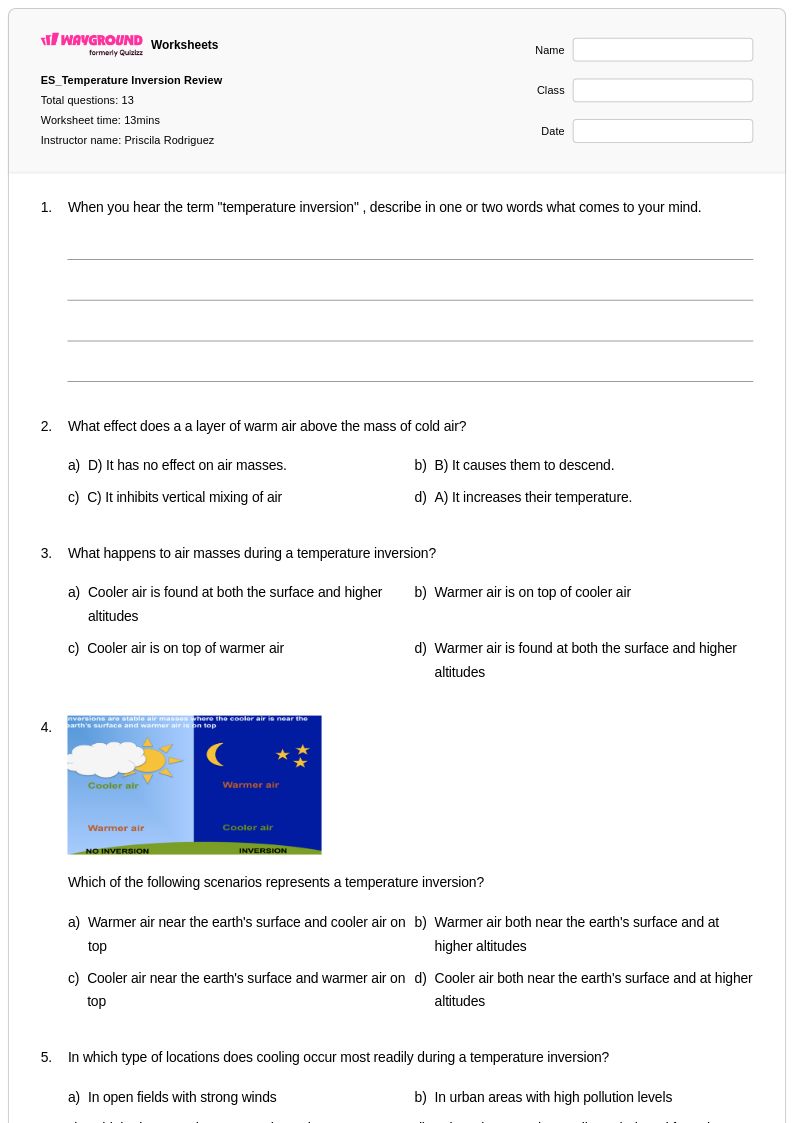
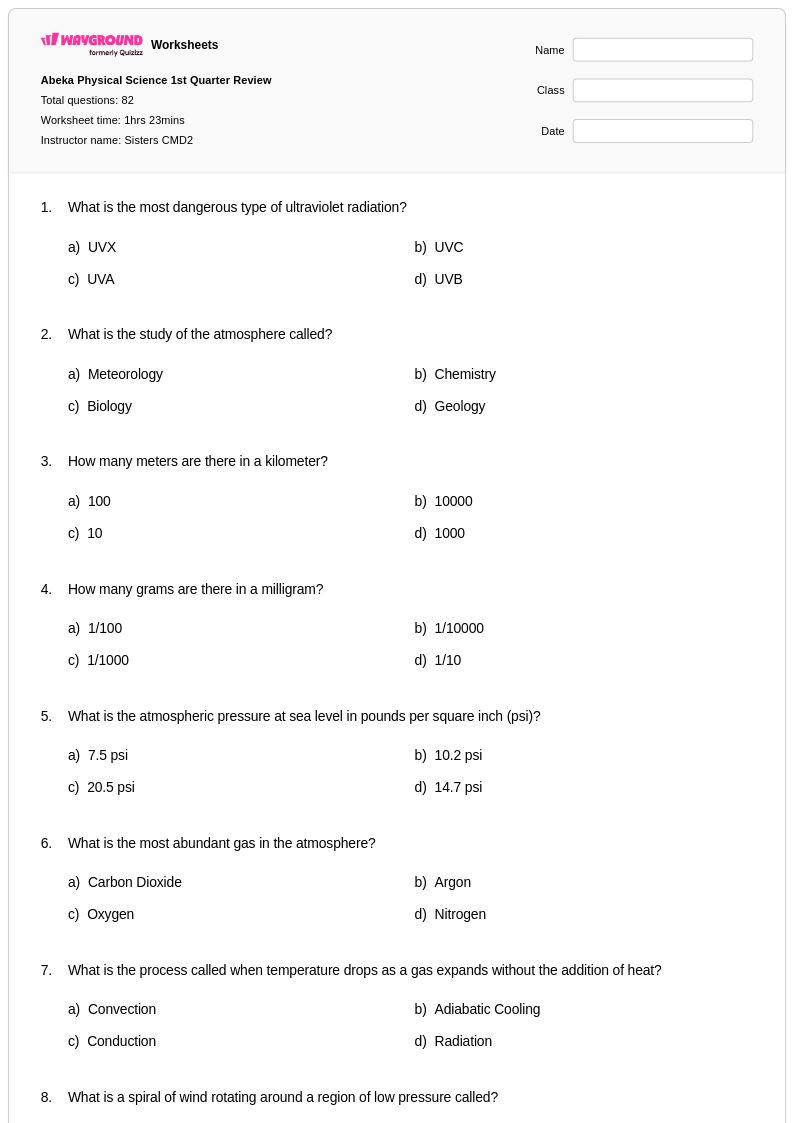
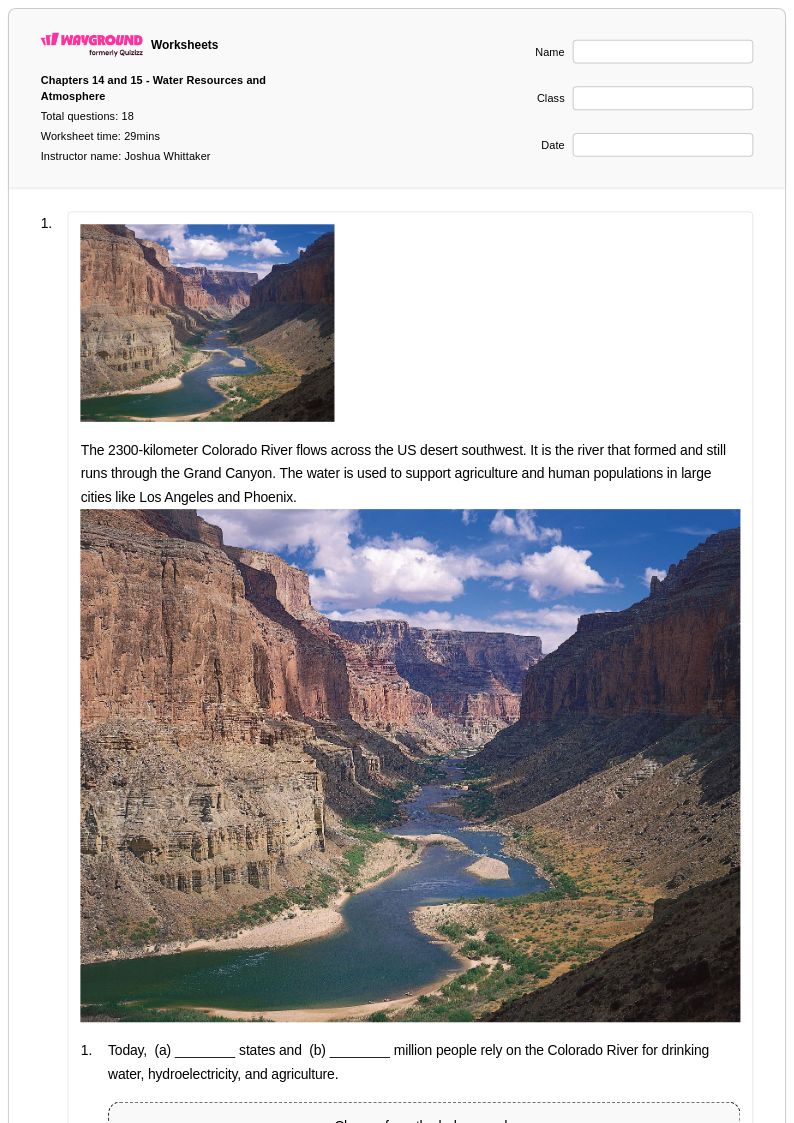
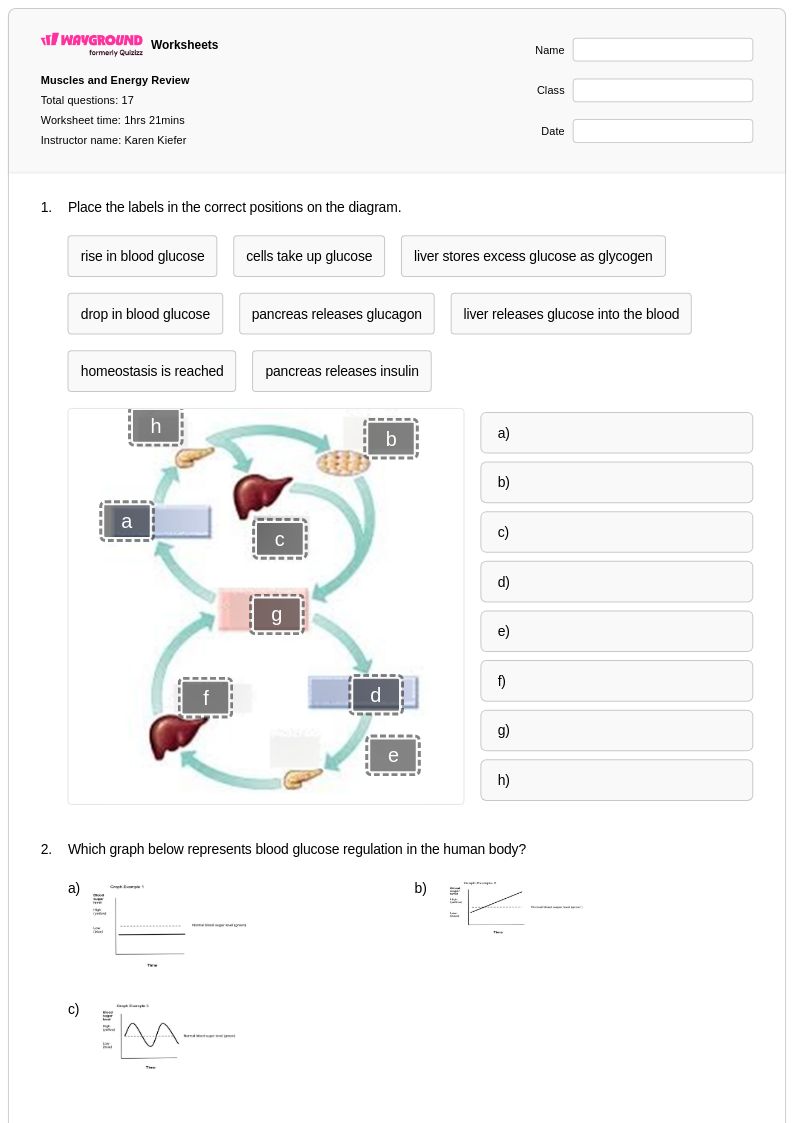
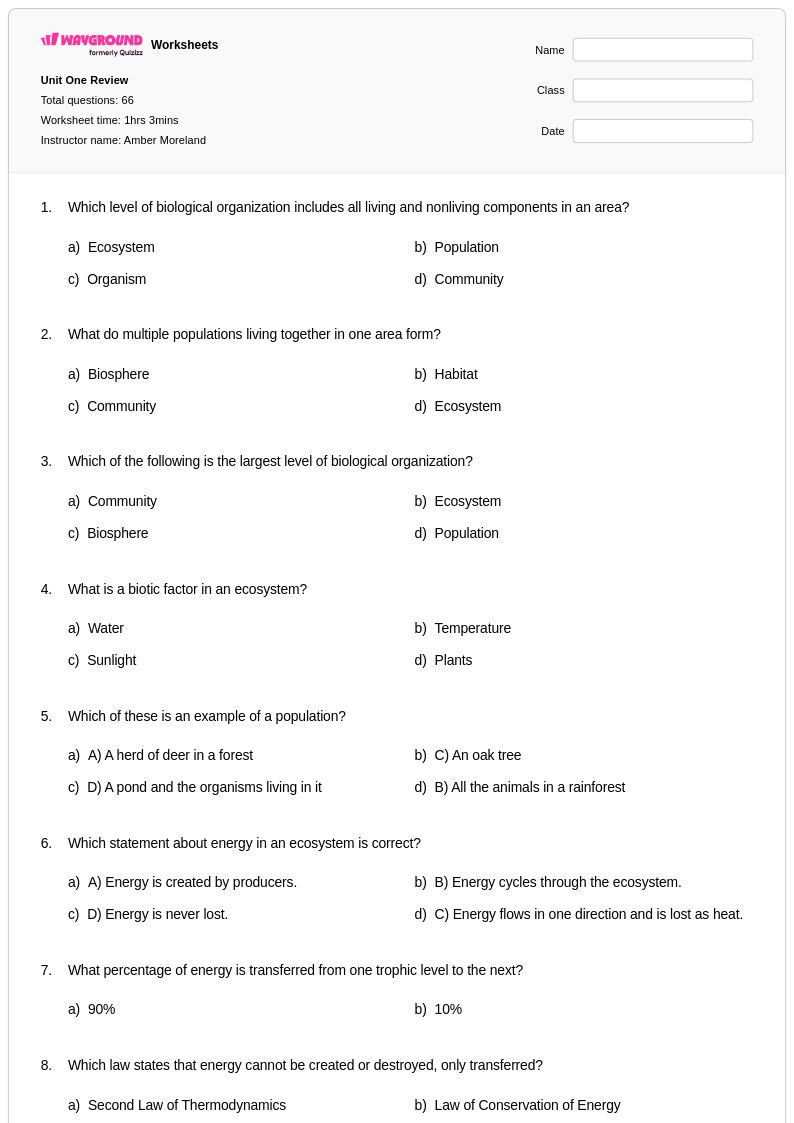
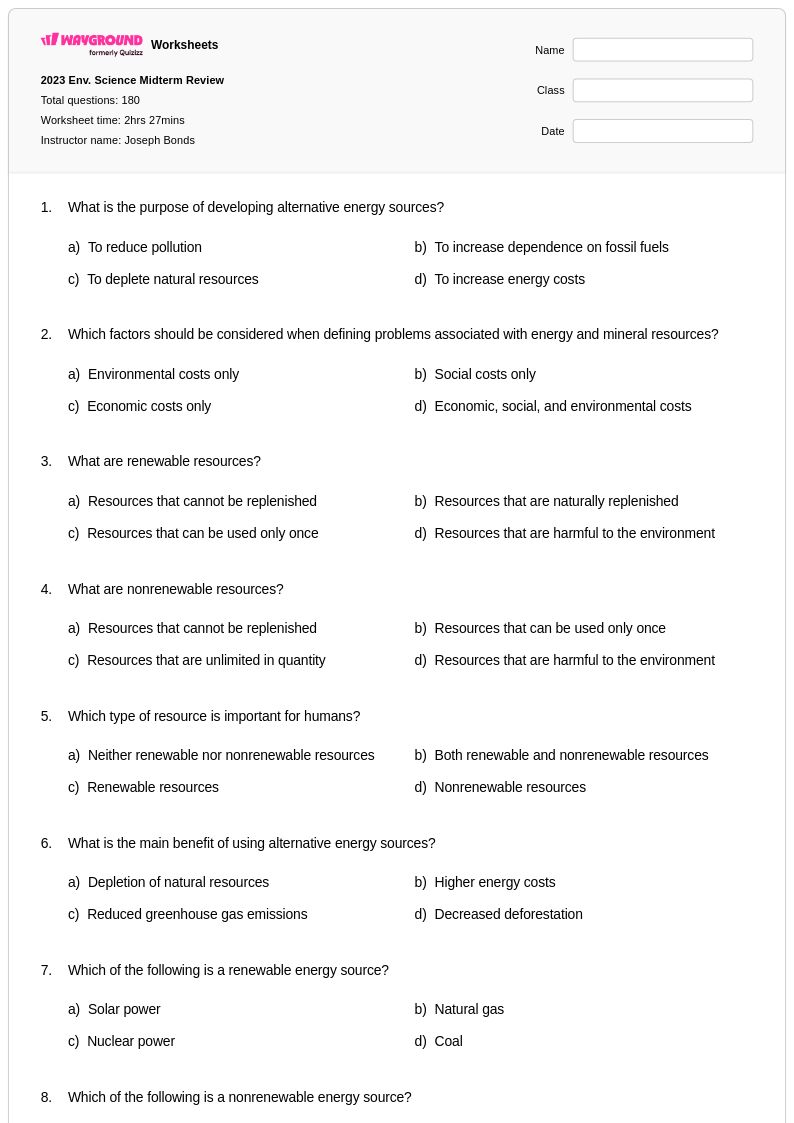
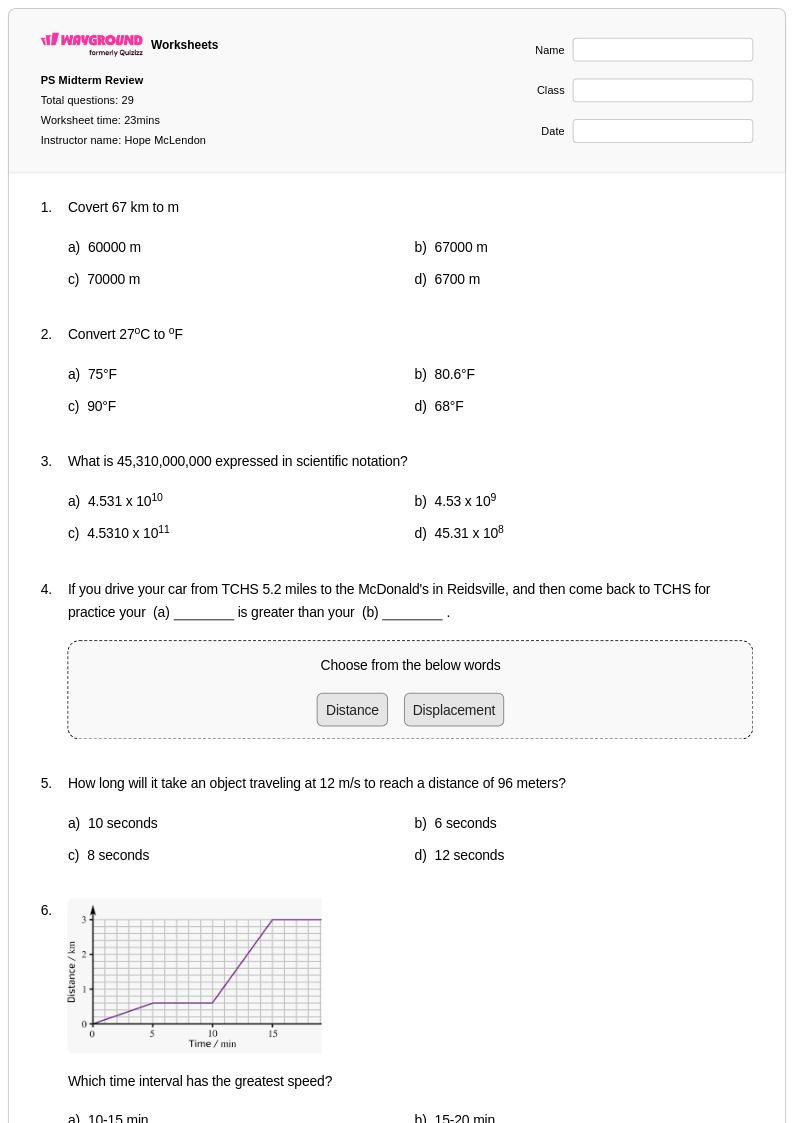
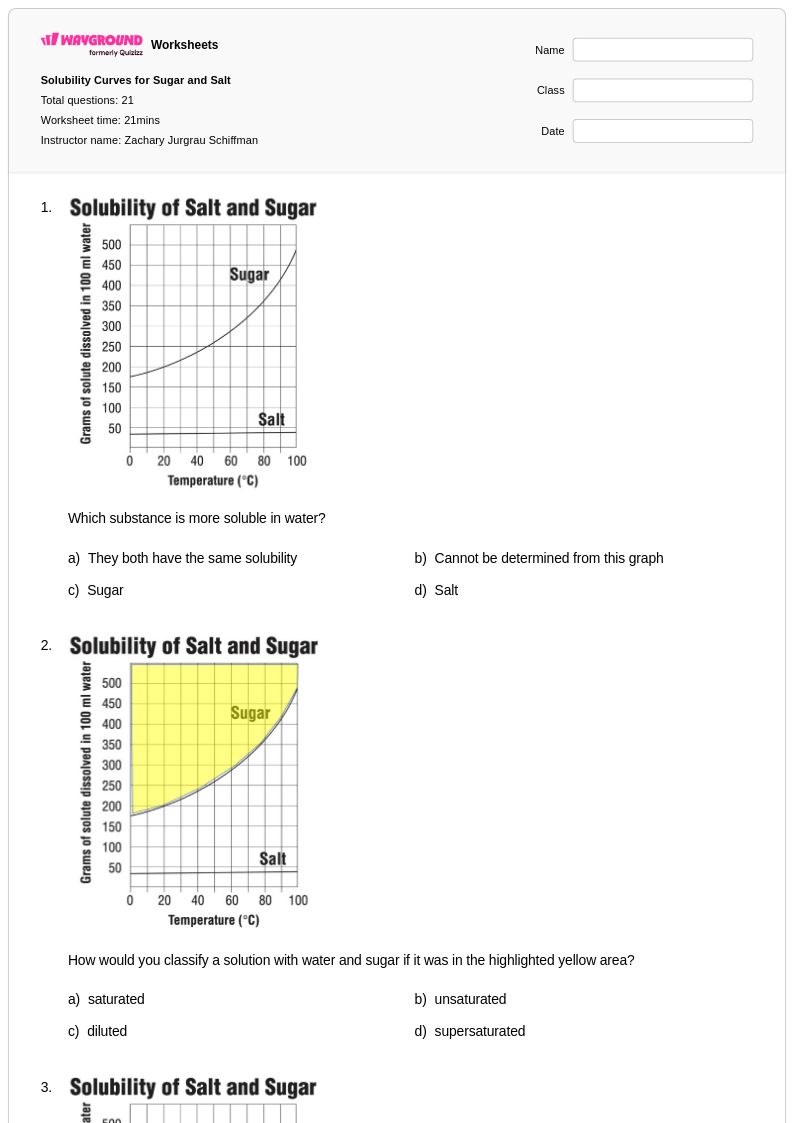
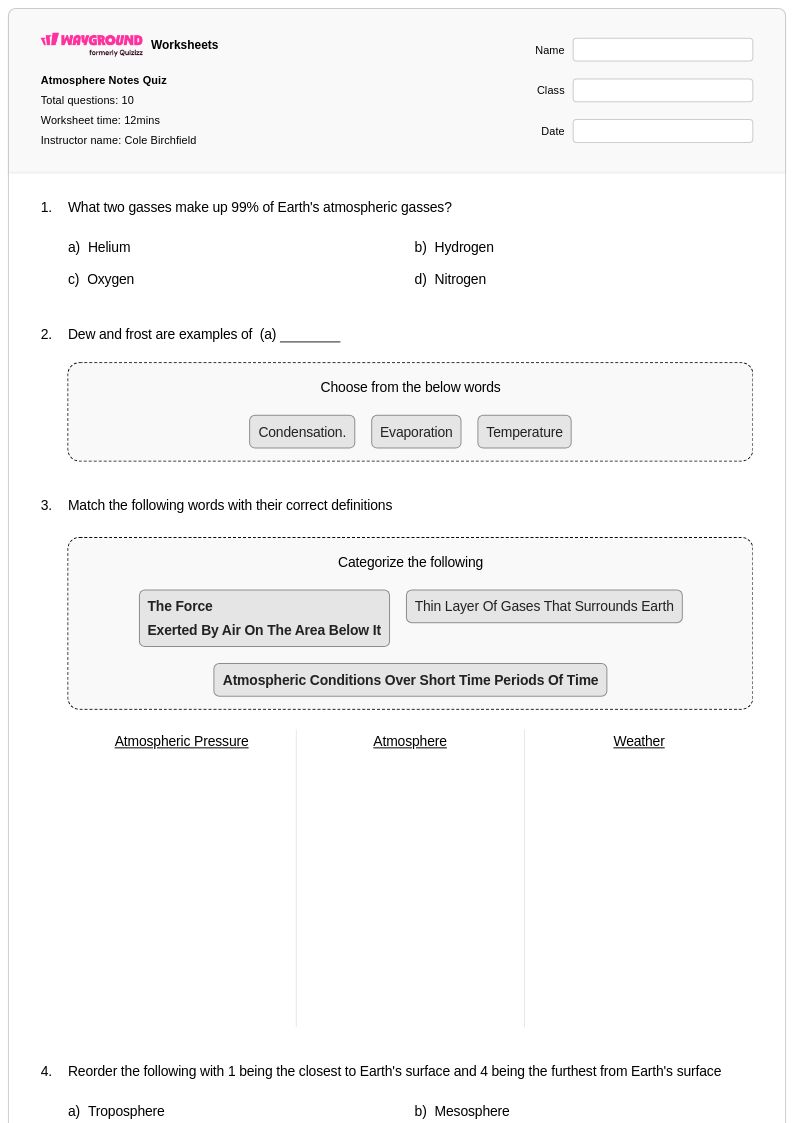
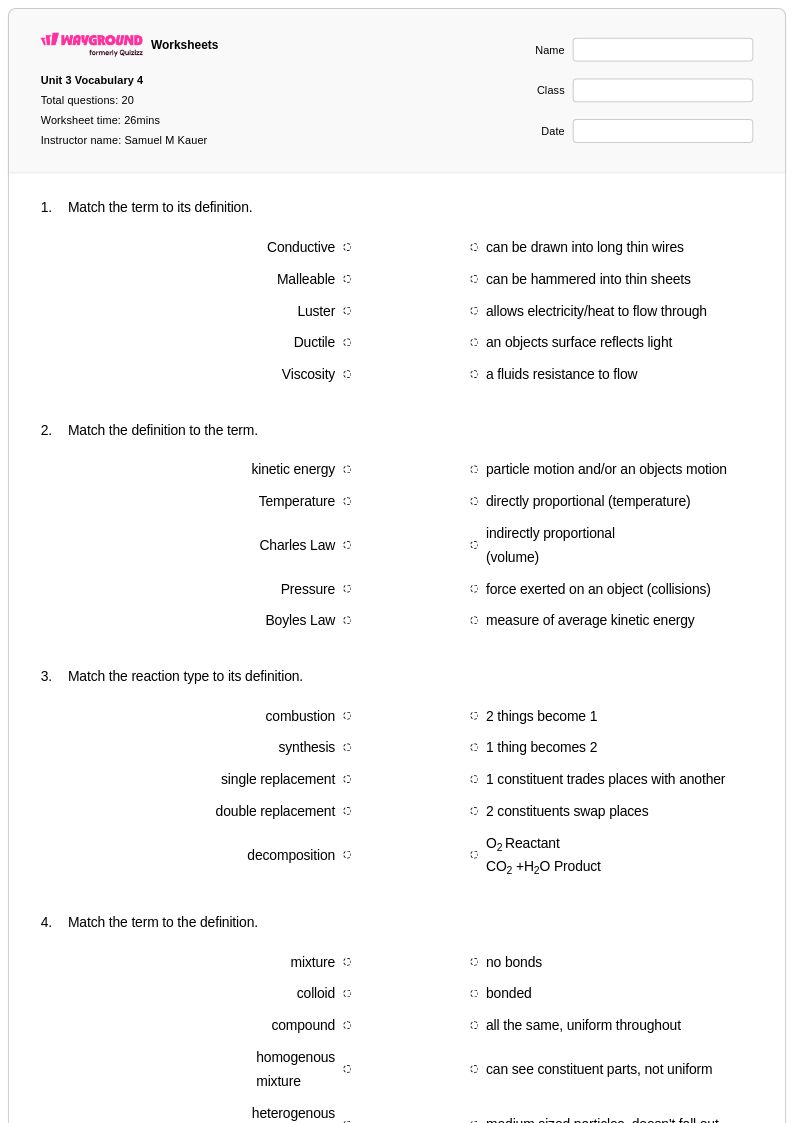
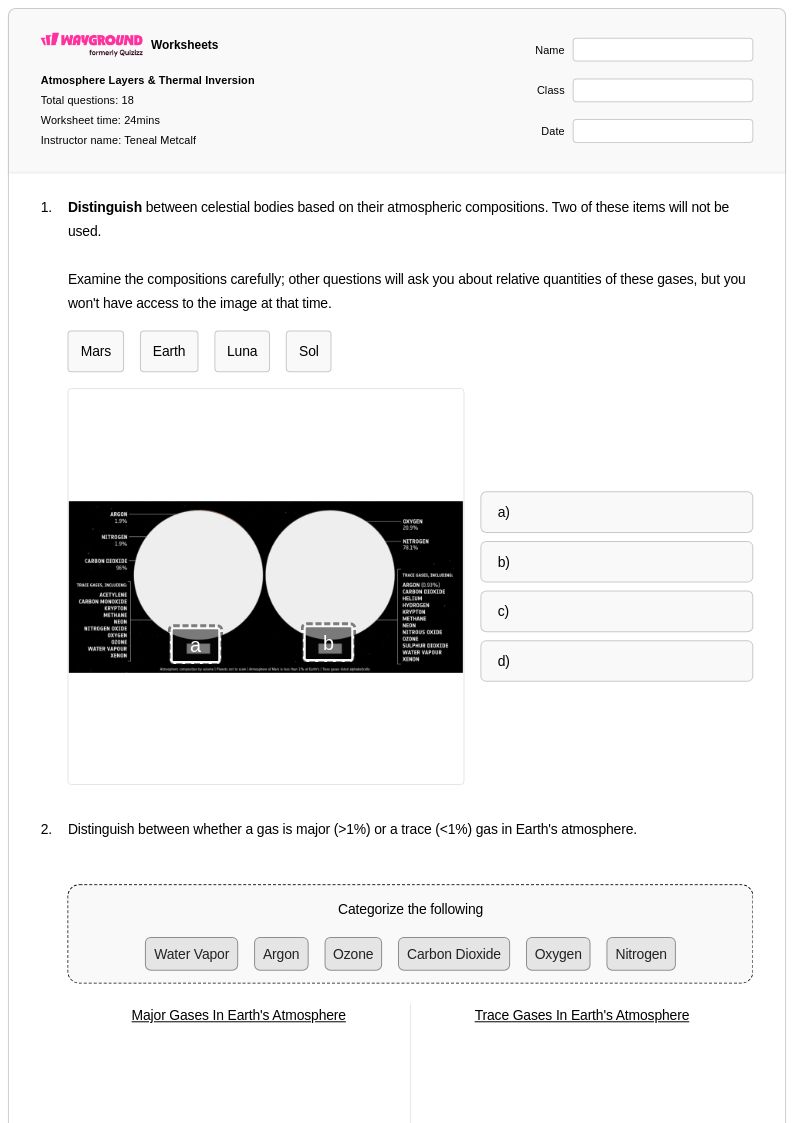
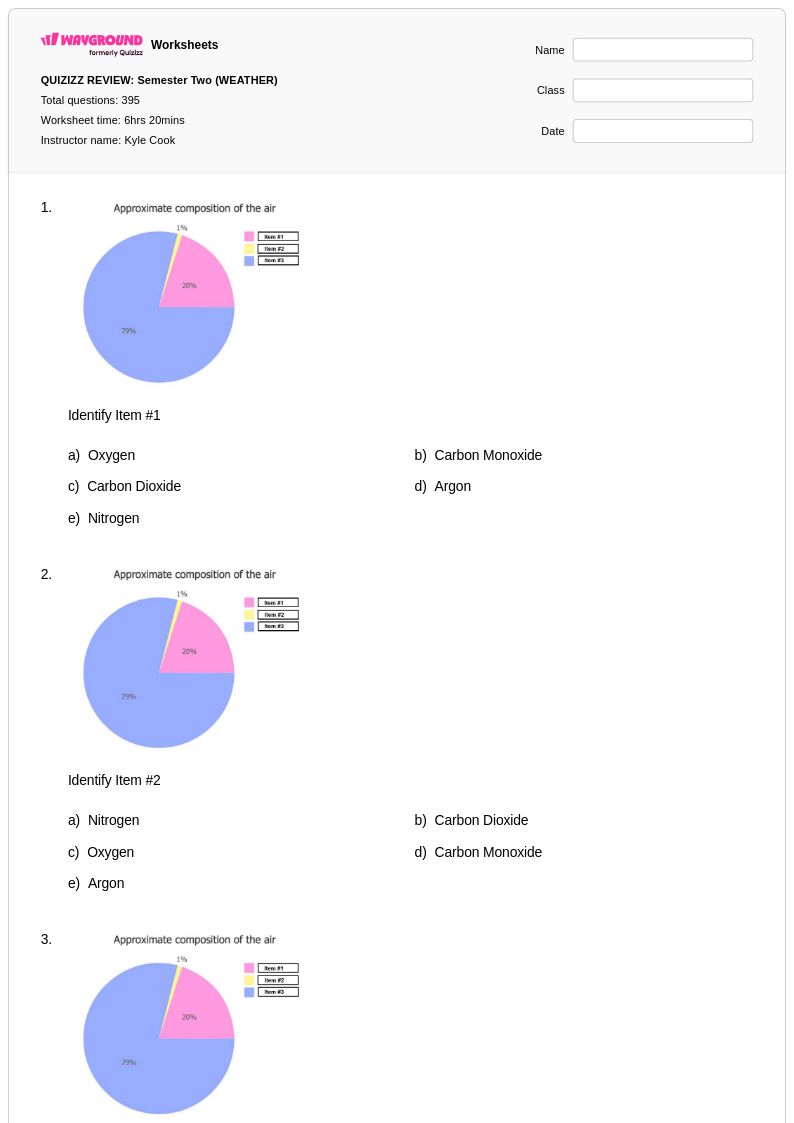
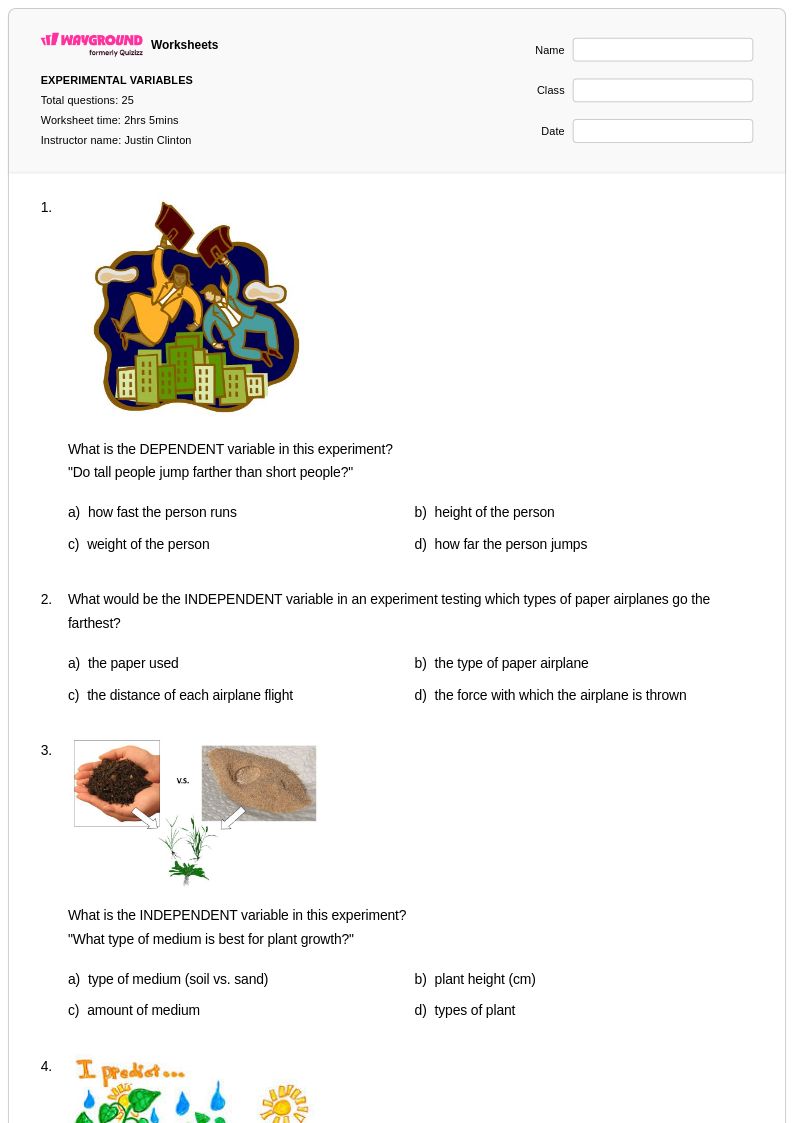
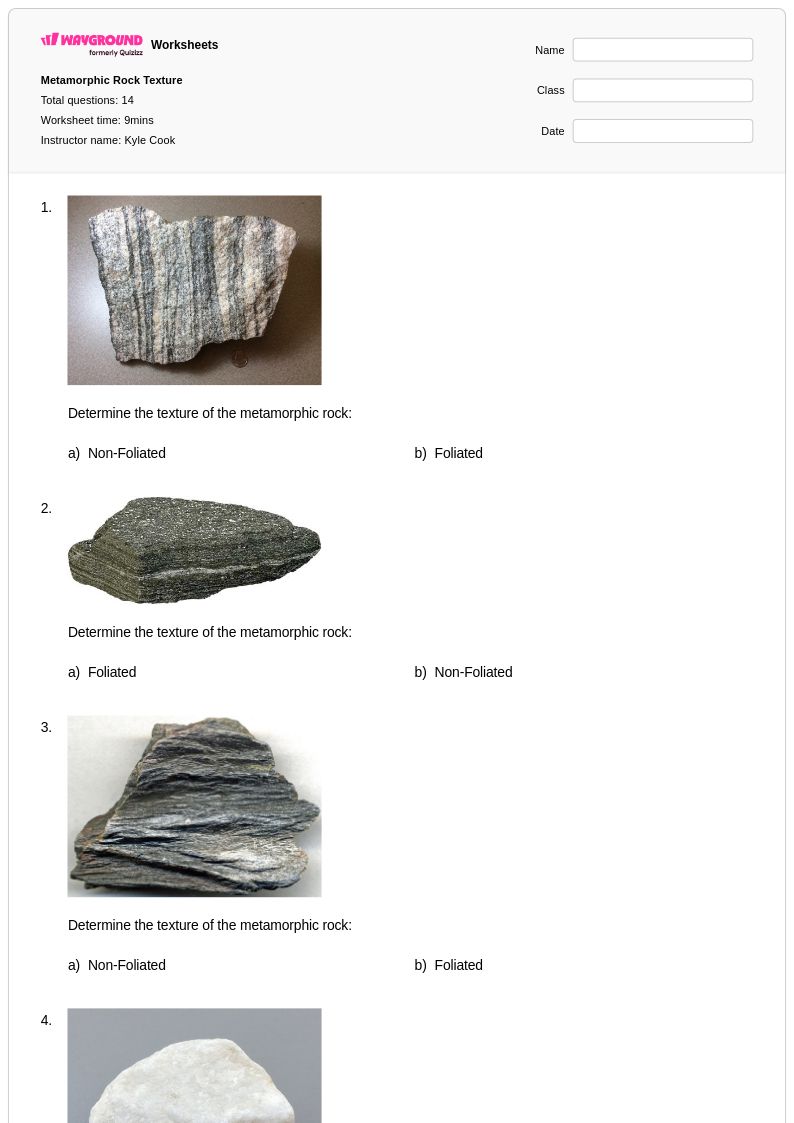
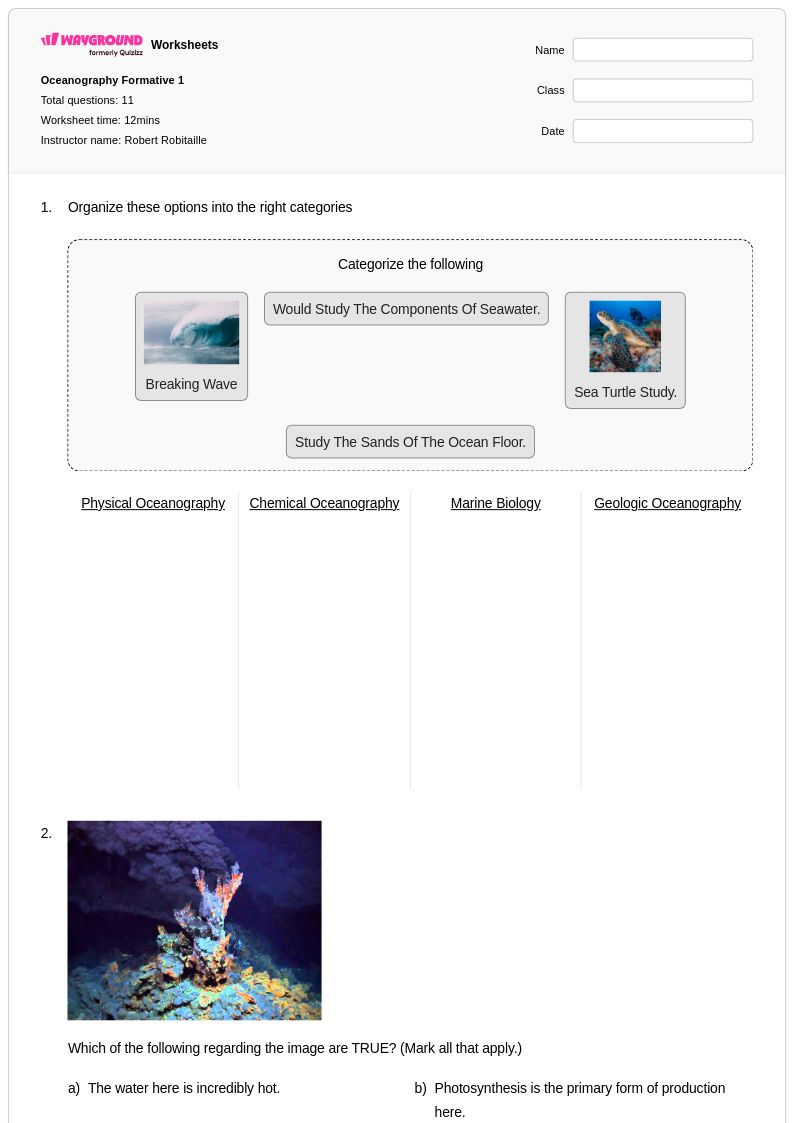
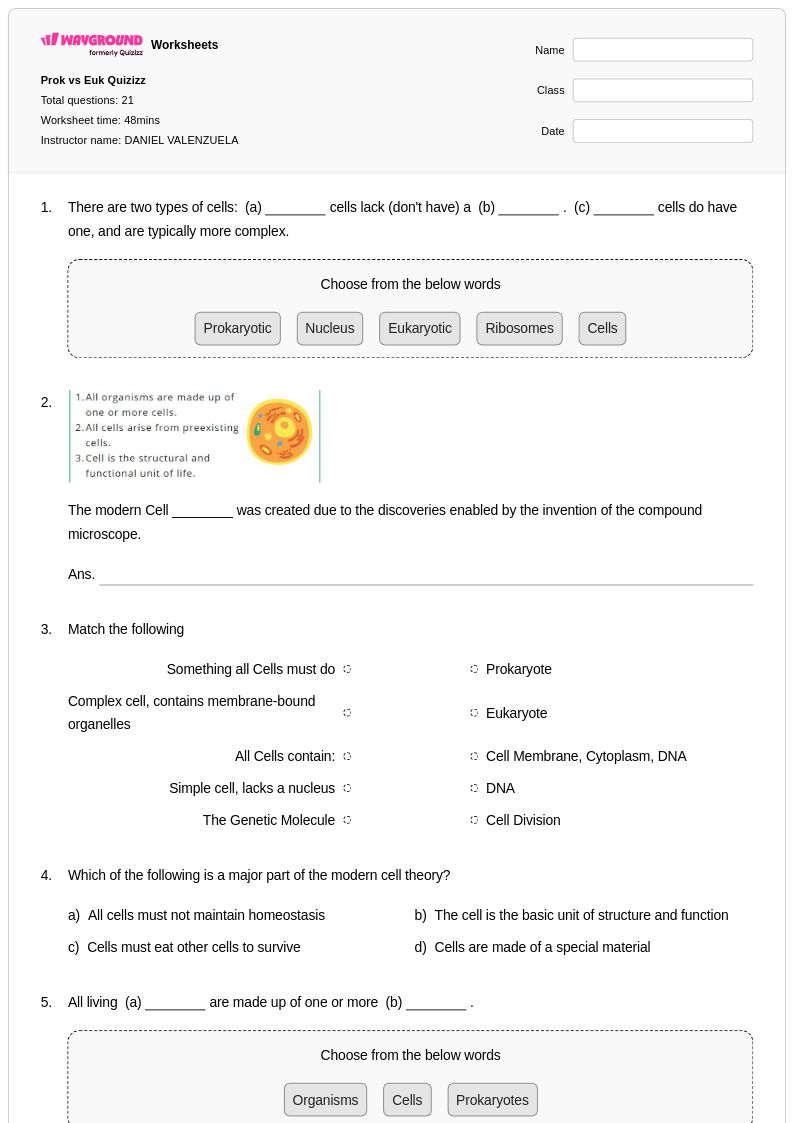
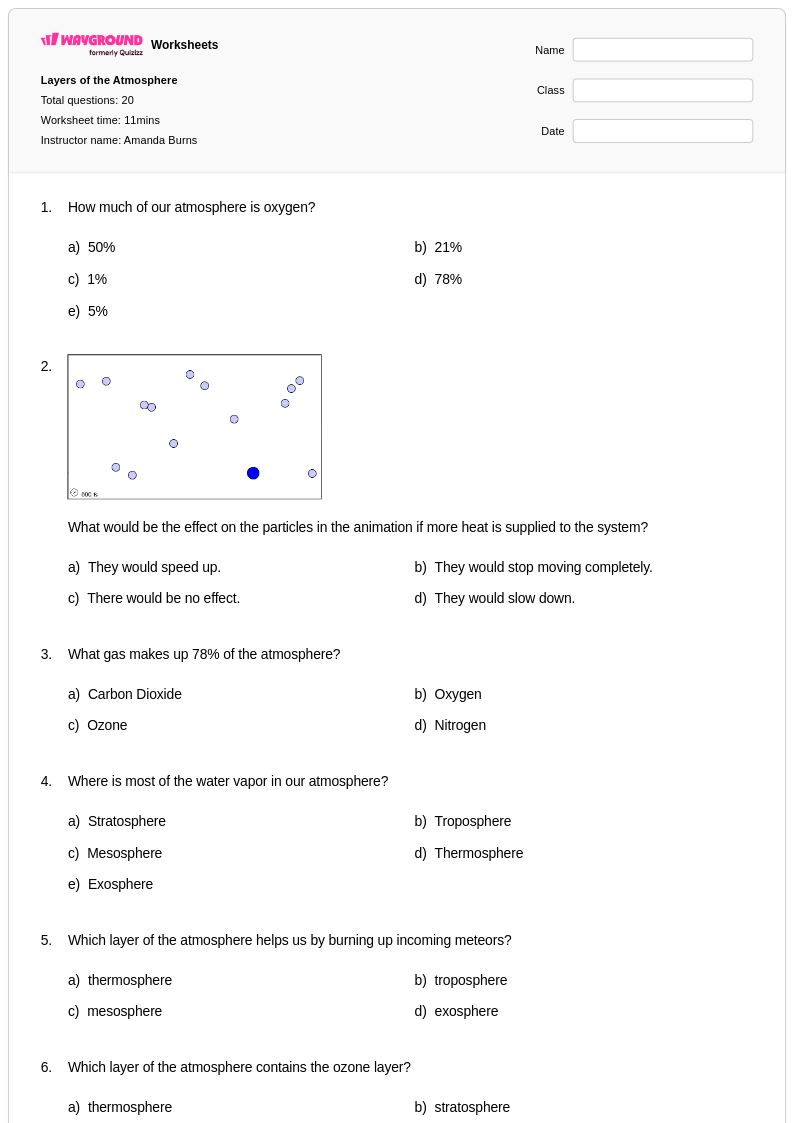
Heat versus temperature worksheets for Grade 9 physics students available through Wayground (formerly Quizizz) provide comprehensive practice materials that help students master one of the most fundamental yet commonly misunderstood concepts in thermal physics. These carefully designed worksheets guide students through the critical distinctions between heat as energy transfer and temperature as a measure of average kinetic energy, strengthening essential skills in scientific reasoning, data interpretation, and conceptual analysis. Students work through practice problems that explore real-world scenarios involving thermal equilibrium, specific heat capacity, and energy conservation, while comprehensive answer keys support independent learning and self-assessment. The free printables cover everything from basic definitions and unit conversions to complex calculations involving heat transfer mechanisms, ensuring students develop both conceptual understanding and mathematical proficiency in thermal physics.
Wayground (formerly Quizizz) empowers teachers with millions of teacher-created resources specifically designed for heat versus temperature instruction, featuring robust search and filtering capabilities that allow educators to quickly locate materials aligned with specific physics standards and learning objectives. The platform's differentiation tools enable teachers to customize worksheets for varying skill levels within their Grade 9 classrooms, while flexible formatting options provide both printable pdf versions for traditional assignments and digital formats for interactive learning experiences. These comprehensive worksheet collections support effective lesson planning by offering ready-to-use materials for skill practice, targeted remediation for students struggling with thermal concepts, and enrichment activities that challenge advanced learners to apply heat and temperature principles to complex problem-solving scenarios, ultimately helping teachers create more engaging and effective physics instruction.
FAQs
How do I teach students the difference between heat and temperature?
Start by addressing the common misconception that heat and temperature are the same thing. Teach students that temperature measures the average kinetic energy of particles in a substance, while heat refers to the transfer of thermal energy between objects. Use concrete examples like comparing a large pot of lukewarm water to a small cup of boiling water — the cup has a higher temperature, but the pot contains more thermal energy due to its greater mass. Connecting abstract definitions to tangible, real-world scenarios helps students build durable conceptual understanding.
What exercises help students practice distinguishing heat from temperature?
Practice problems that require students to compare two objects of different masses at different temperatures are especially effective, as they force students to apply both concepts simultaneously rather than in isolation. Exercises involving thermal equilibrium scenarios, heat transfer calculations, and specific heat capacity problems reinforce the quantitative relationship between heat, mass, and temperature change. Worksheet-based practice is particularly useful because students can work through step-by-step problems and check their reasoning against provided answer keys.
What mistakes do students commonly make when learning about heat vs temperature?
The most persistent misconception is treating heat and temperature as synonymous — students often assume the hotter object always contains more heat energy, ignoring the role of mass and specific heat capacity. Another common error is confusing heat transfer direction, with students incorrectly assuming heat flows from cold to hot objects. Students also frequently struggle with thermal equilibrium, misunderstanding that two objects at equilibrium share the same temperature, not the same total thermal energy.
How can I use heat vs temperature worksheets in my physics classroom?
Heat vs temperature worksheets work well as guided practice during instruction, independent review after a lesson, or formative assessment checkpoints before a unit test. They are available as printable PDFs for traditional classroom use and in digital formats for technology-integrated or remote learning environments, including the option to host them as a quiz on Wayground. The included answer keys make them easy to use for self-paced student work or quick teacher review of common errors.
How does specific heat capacity relate to the difference between heat and temperature?
Specific heat capacity is the amount of energy required to raise the temperature of one gram of a substance by one degree Celsius, which is why two objects at the same temperature can hold very different amounts of thermal energy. Teaching specific heat capacity alongside heat vs temperature helps students understand why materials like water resist temperature change even when large amounts of heat are added. Including specific heat capacity problems in worksheet practice deepens students' understanding of why heat and temperature cannot be treated as equivalent.
How do I support students who are still struggling to distinguish heat from temperature after initial instruction?
For students who continue to conflate heat and temperature, targeted remediation should focus on the particle-level explanation — using diagrams or animations showing how particle speed relates to temperature, and how energy transfer relates to heat. Reducing cognitive load during practice is also effective; on Wayground, teachers can assign accommodations such as reduced answer choices or read-aloud support to individual students without alerting the rest of the class. Revisiting real-world examples and having students explain their reasoning in writing can also surface and correct lingering misconceptions.