
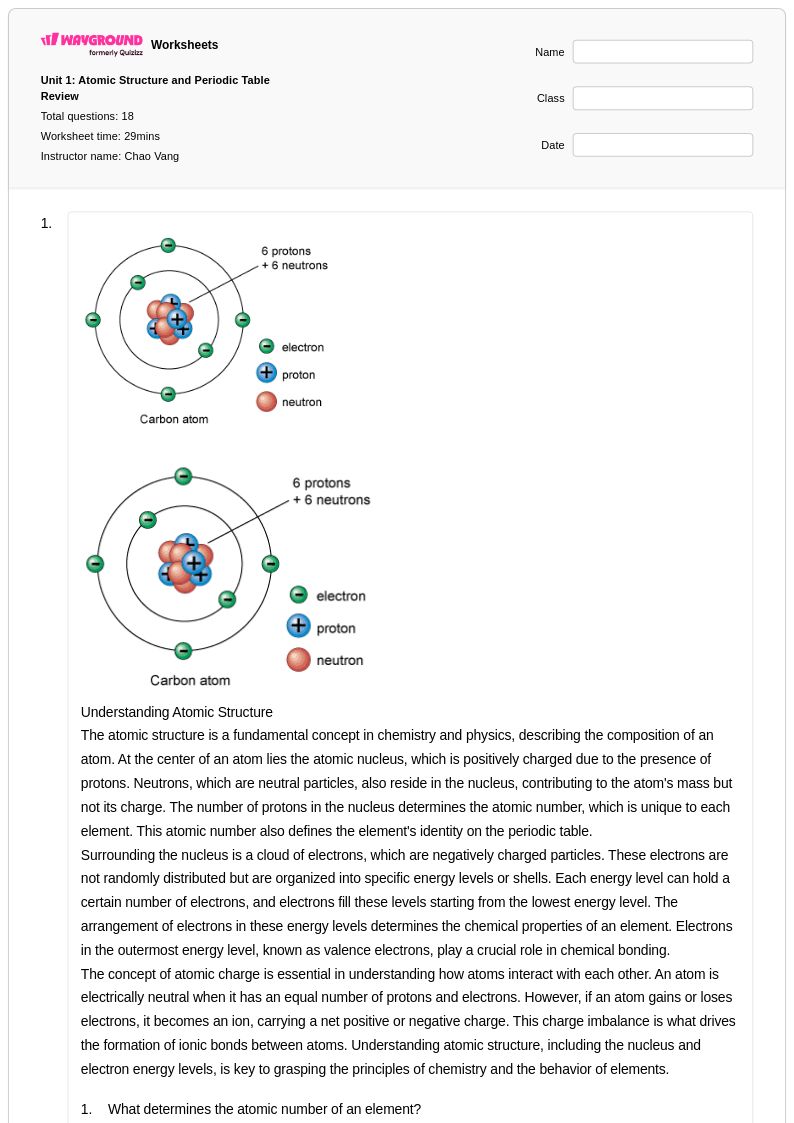
23 Q
9th
13 Q
9th - 12th
16 Q
9th
20 Q
9th
21 Q
9th
12 Q
9th - 12th
20 Q
8th - Uni
14 Q
9th - 12th
38 Q
9th - 12th
16 Q
9th - 12th
20 Q
9th - 10th
18 Q
9th
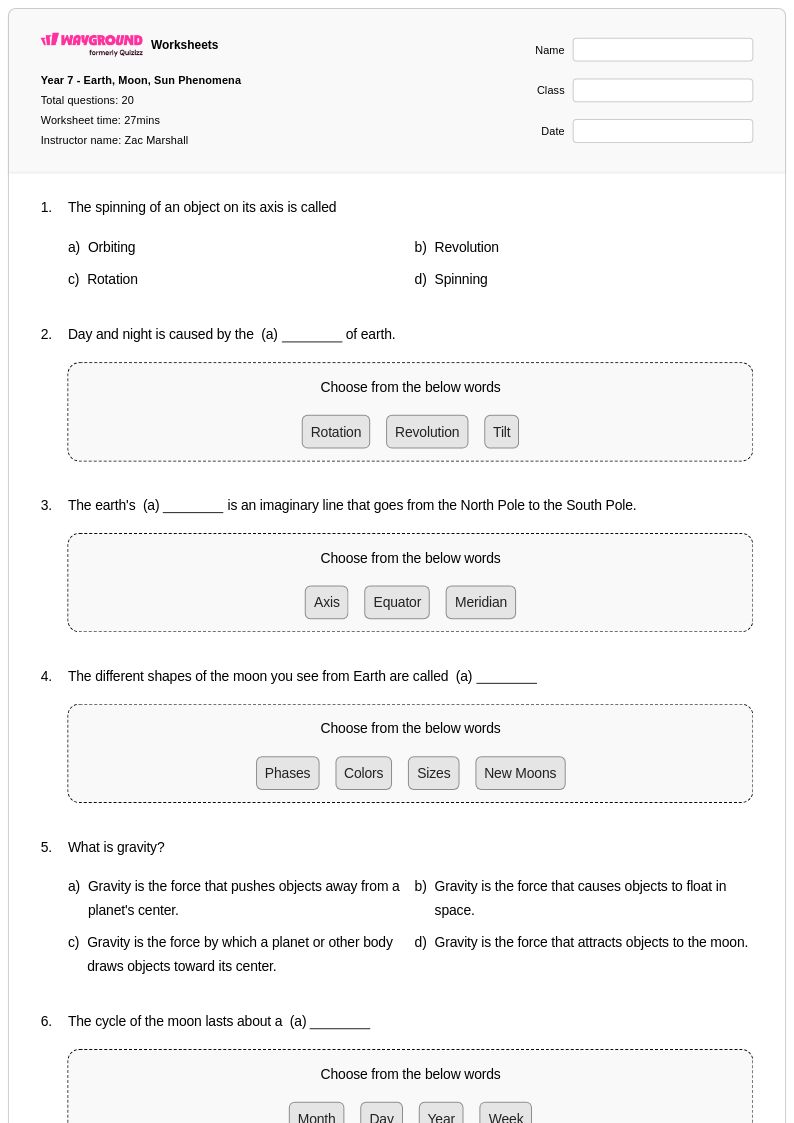
20 Q
9th - 12th
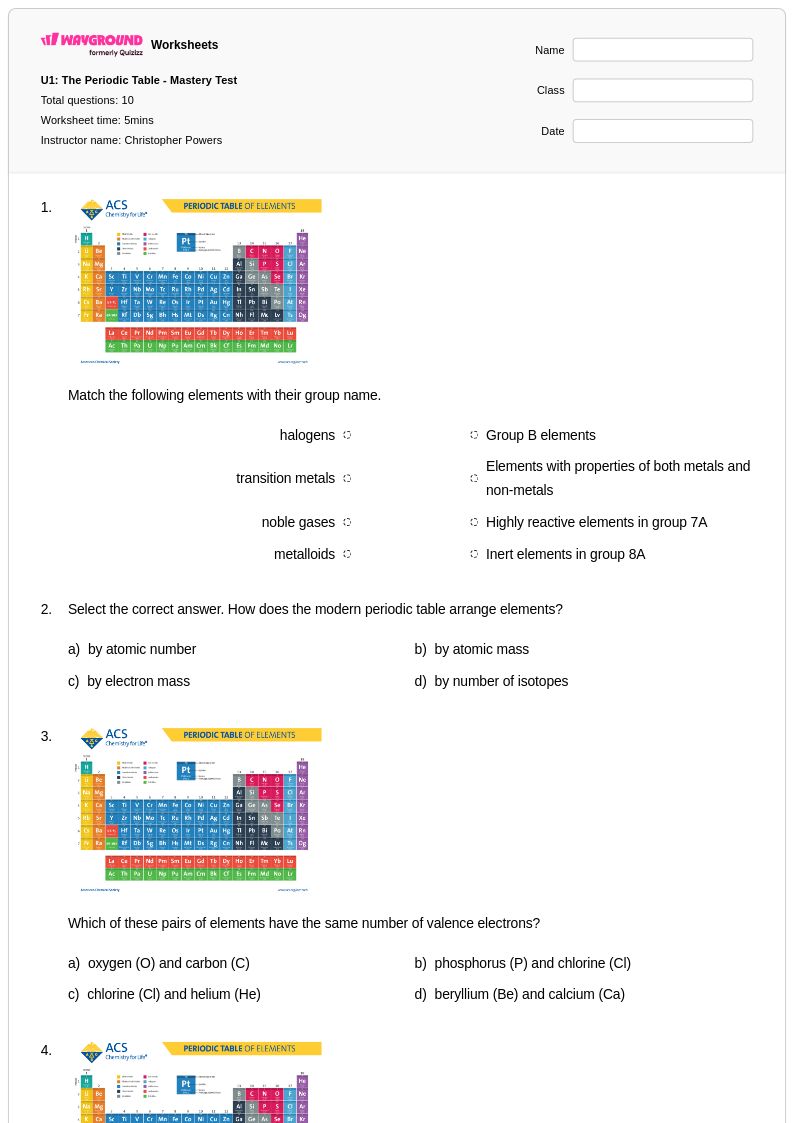
10 Q
9th
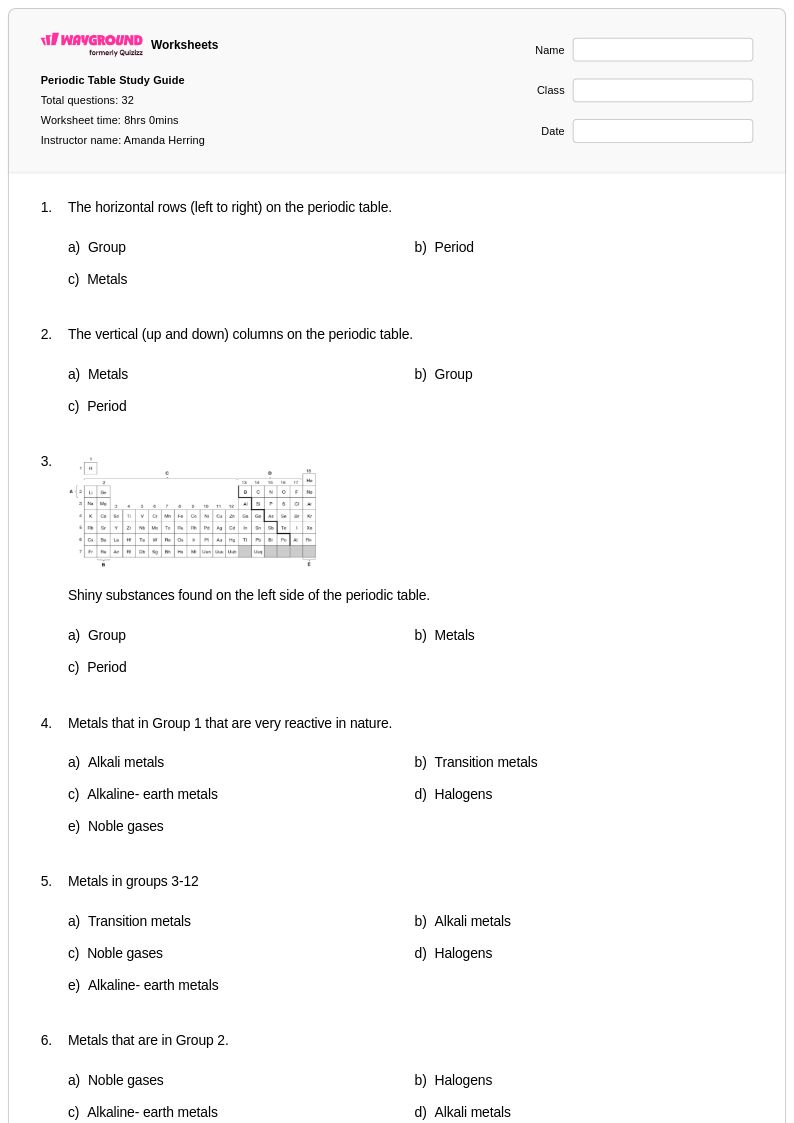
32 Q
9th - 12th
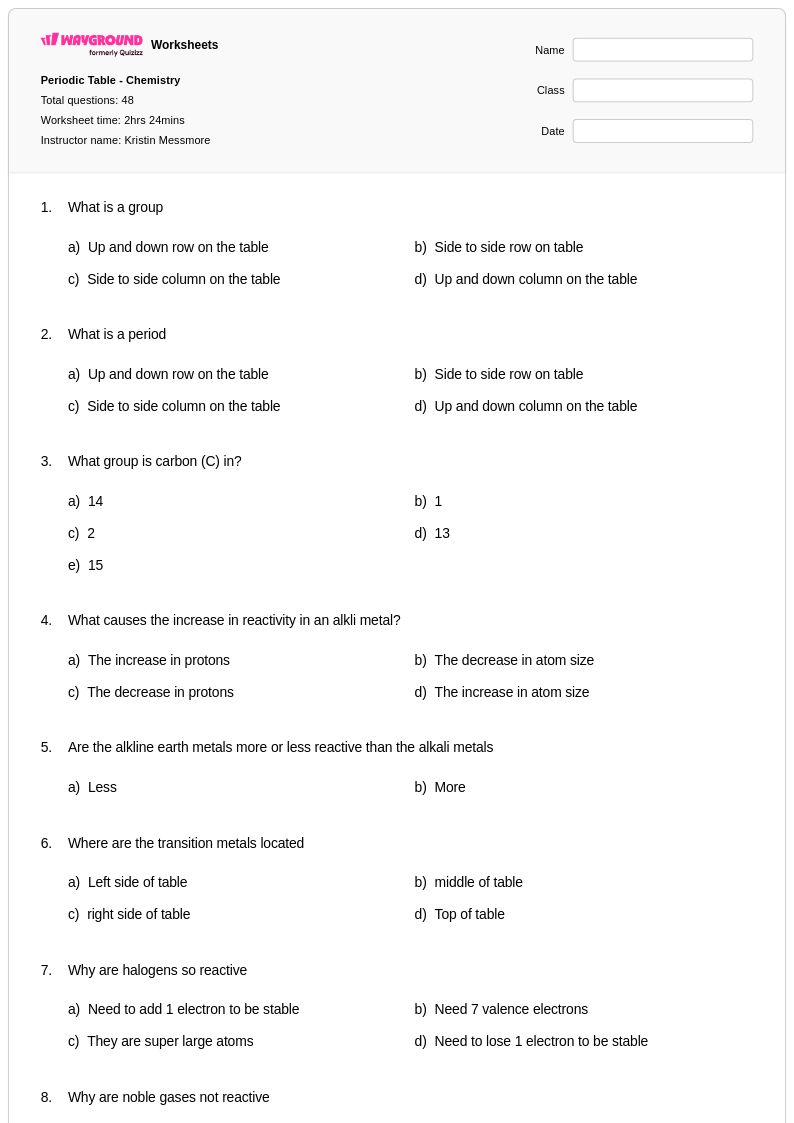
48 Q
9th
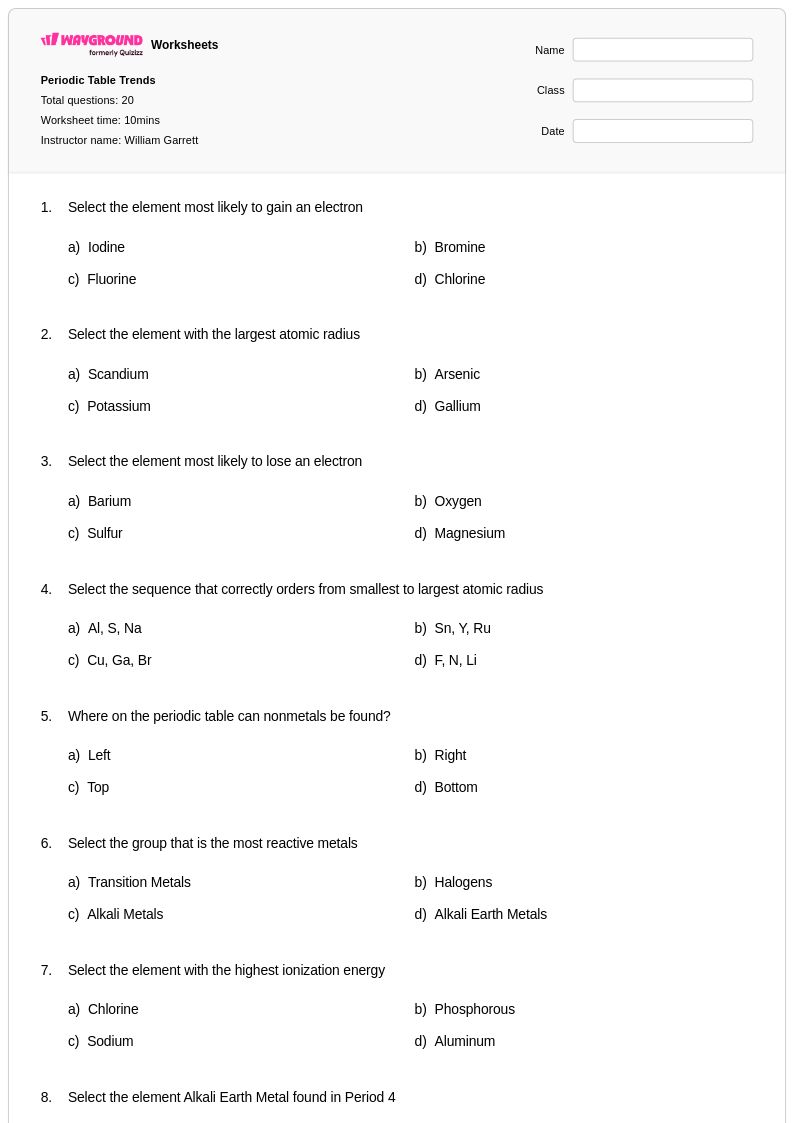
20 Q
9th
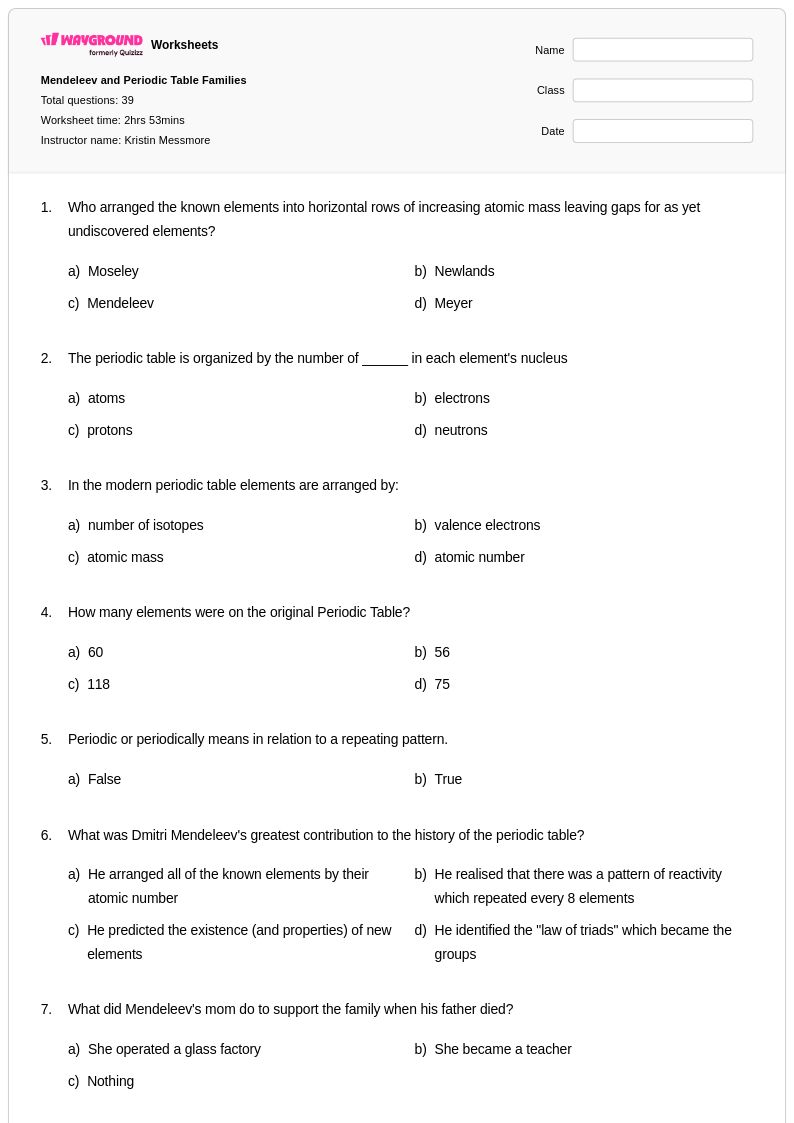
39 Q
9th
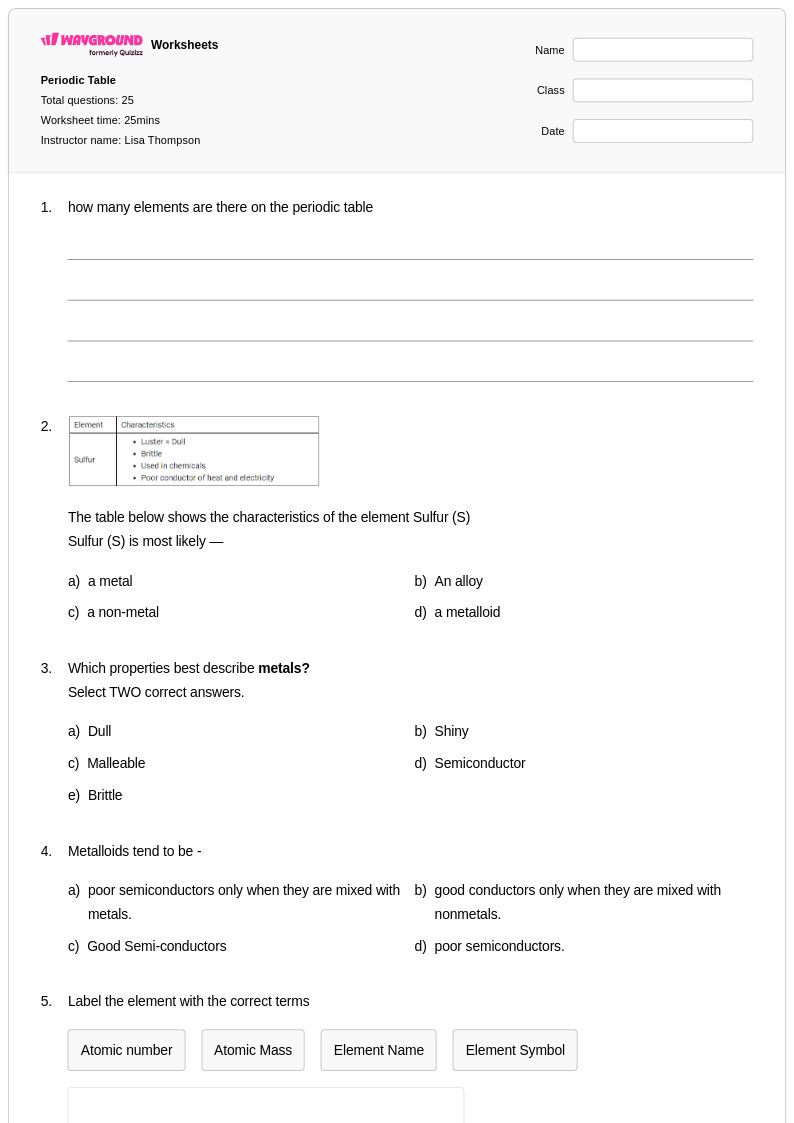
25 Q
6th - Uni
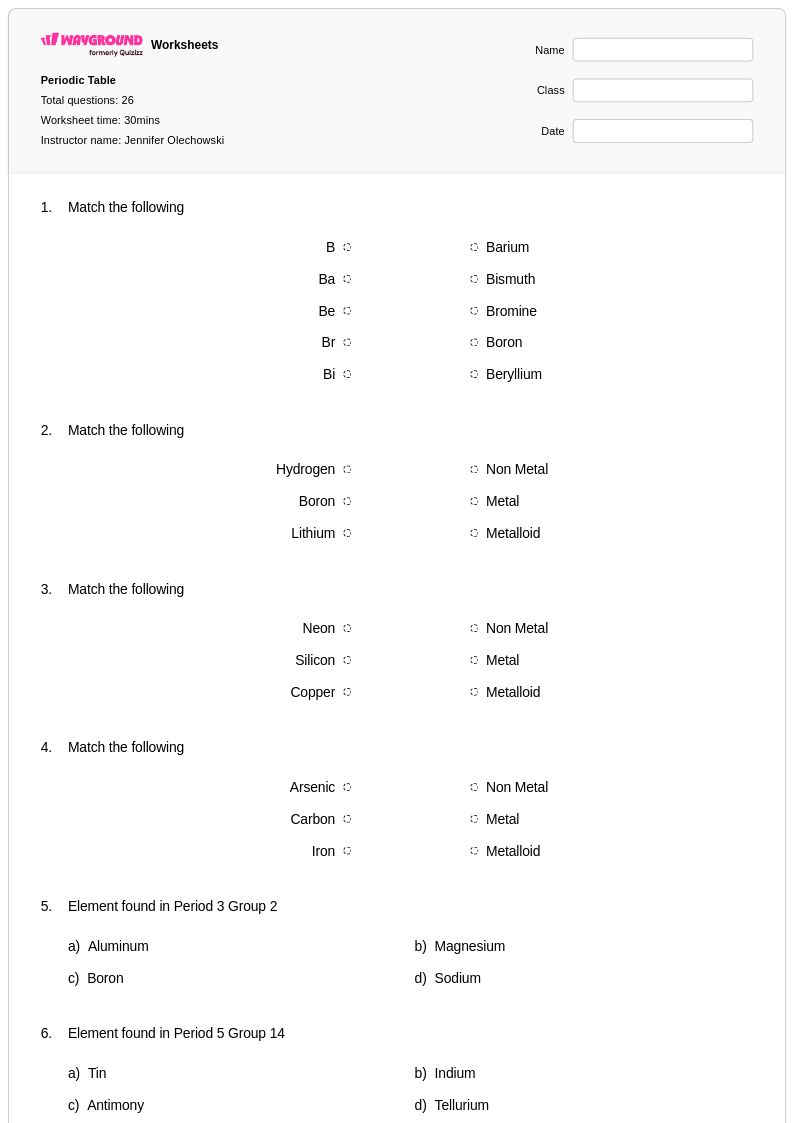
26 Q
9th - 12th
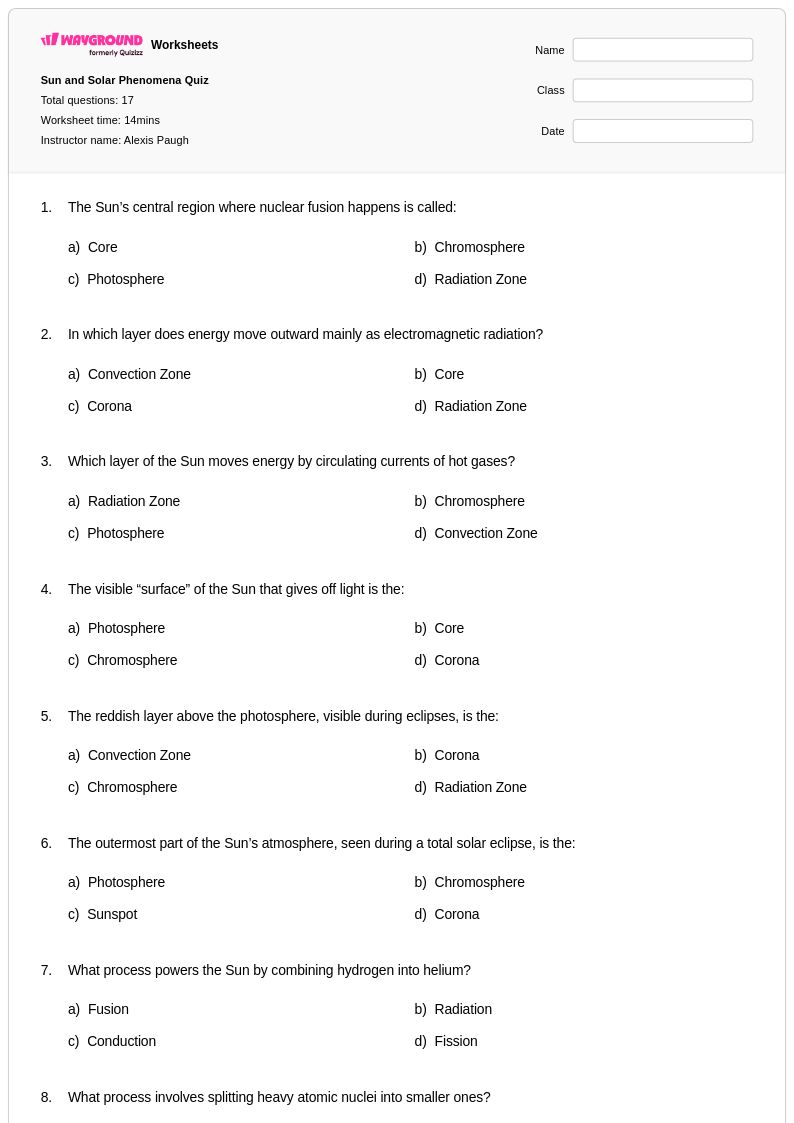
17 Q
9th
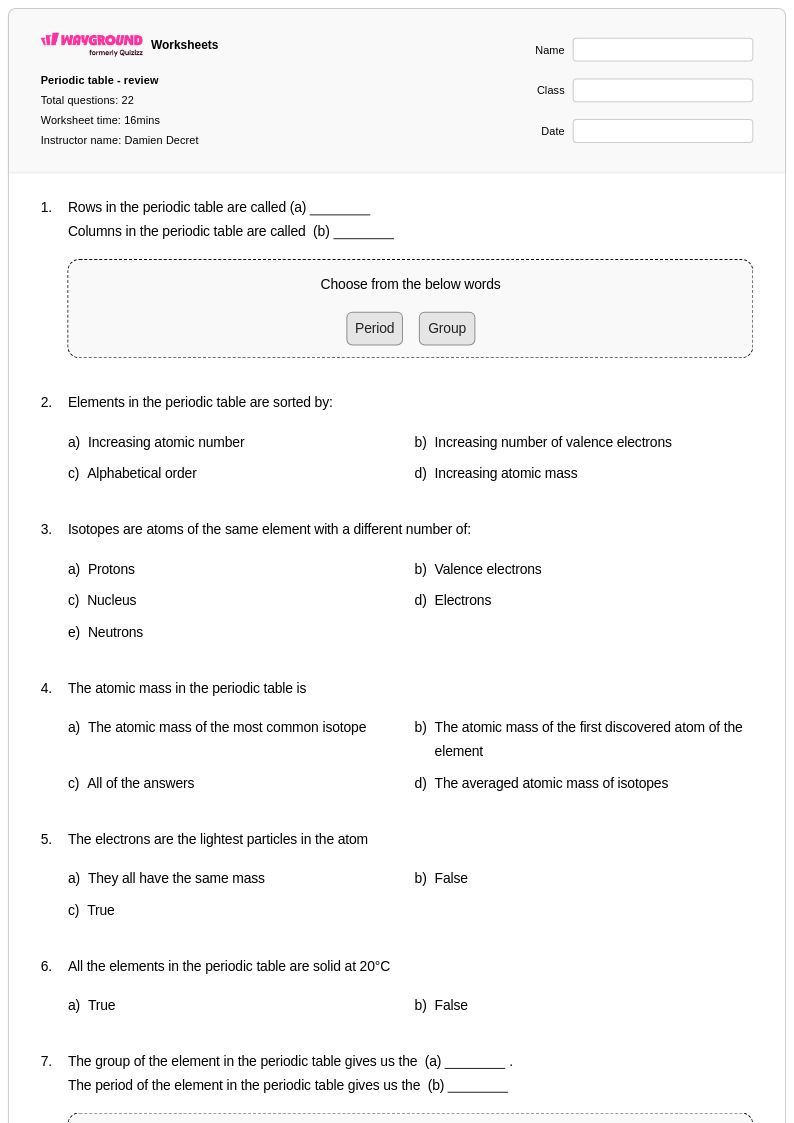
26 Q
9th
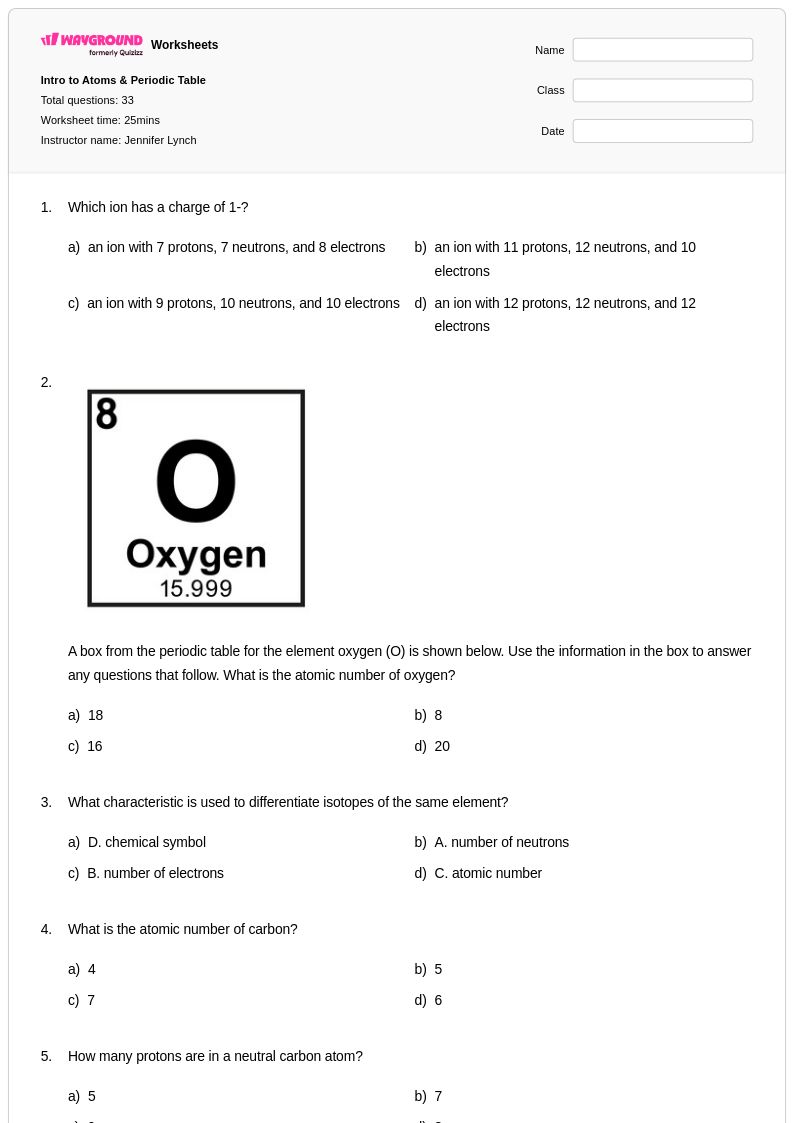
33 Q
9th
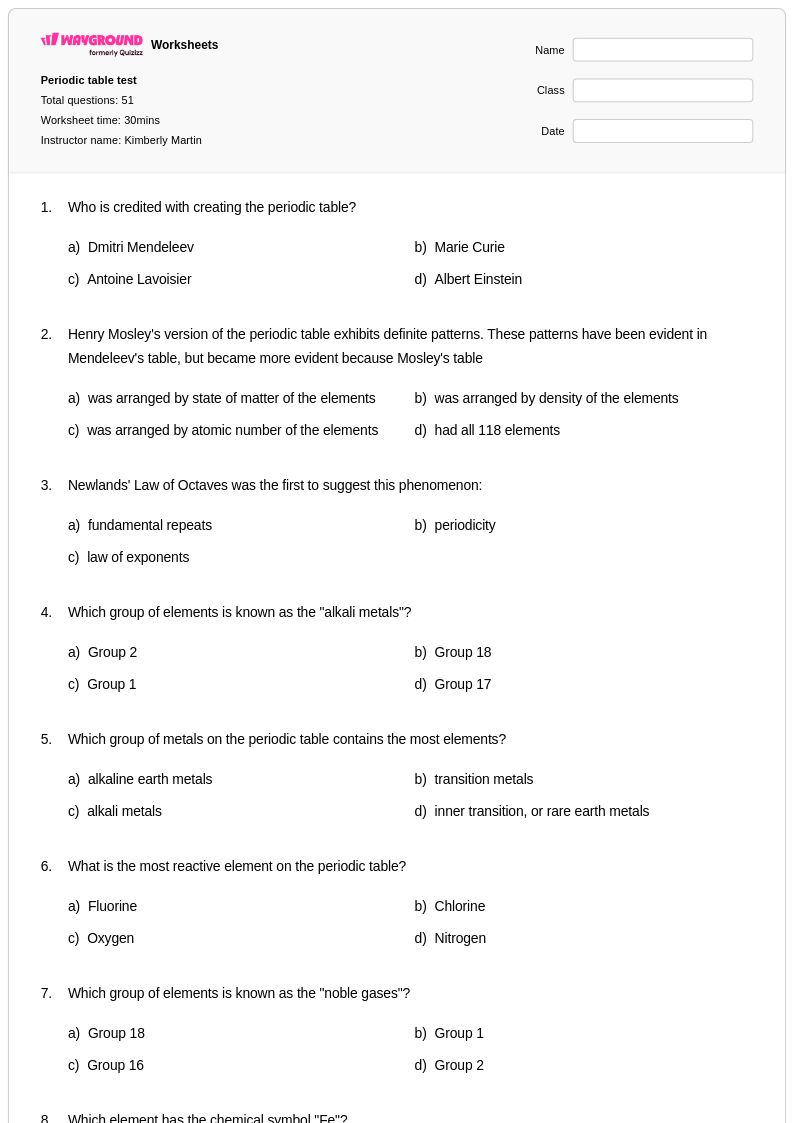
58 Q
9th
Explore Periodic Phenomena Worksheets by Grades
Explore Other Subject Worksheets for grade 9
Explore printable Periodic Phenomena worksheets for Grade 9
Periodic phenomena worksheets for Grade 9 students available through Wayground (formerly Quizizz) provide comprehensive coverage of recurring patterns in physics, including wave motion, oscillations, simple harmonic motion, and periodic functions. These educational resources strengthen students' analytical skills by engaging them with practice problems that explore frequency, amplitude, period, and phase relationships in various physical systems. The worksheets feature detailed answer keys that guide students through complex calculations involving pendulums, springs, sound waves, and electromagnetic radiation, while printable pdf formats ensure accessibility for both classroom instruction and independent study. Students develop critical thinking abilities as they analyze periodic graphs, calculate wave properties, and connect mathematical relationships to real-world phenomena such as tidal patterns, musical instruments, and planetary motion.
Wayground (formerly Quizizz) empowers educators with millions of teacher-created periodic phenomena resources that support diverse instructional needs through advanced search and filtering capabilities aligned with physics education standards. Teachers can easily differentiate instruction by customizing worksheets to match individual student skill levels, selecting from comprehensive collections that range from introductory wave concepts to advanced harmonic analysis. The platform's flexible digital and printable formats enable seamless integration into lesson planning, whether educators need quick remediation exercises for struggling learners or enrichment activities for advanced students exploring complex periodic relationships. These adaptable resources streamline classroom preparation while providing targeted skill practice opportunities that help students master the mathematical and conceptual foundations essential for understanding periodic phenomena in Grade 9 physics curricula.
FAQs
How do I teach periodic phenomena in a physics class?
What exercises help students practice oscillations and wave calculations?
What mistakes do students commonly make when learning periodic phenomena?
How do I differentiate periodic phenomena instruction for students at different skill levels?
How can I use periodic phenomena worksheets to assess student understanding formatively?
How do I use Wayground's periodic phenomena worksheets in my classroom?