Free Printable Hieroglyphics Worksheets for Grade 8
Grade 8 hieroglyphics worksheets from Wayground help students decode ancient Egyptian writing systems through engaging printables, practice problems, and comprehensive answer keys that make learning this fascinating communication method both accessible and fun.
Explore printable Hieroglyphics worksheets for Grade 8
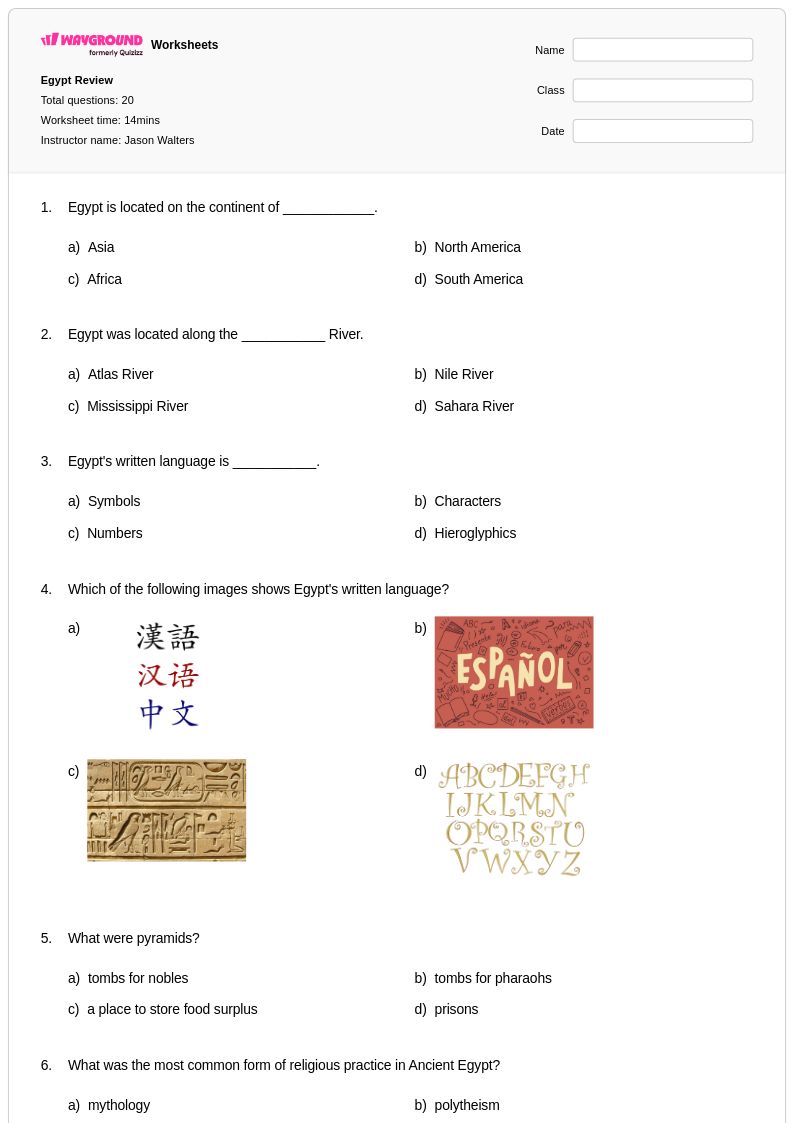
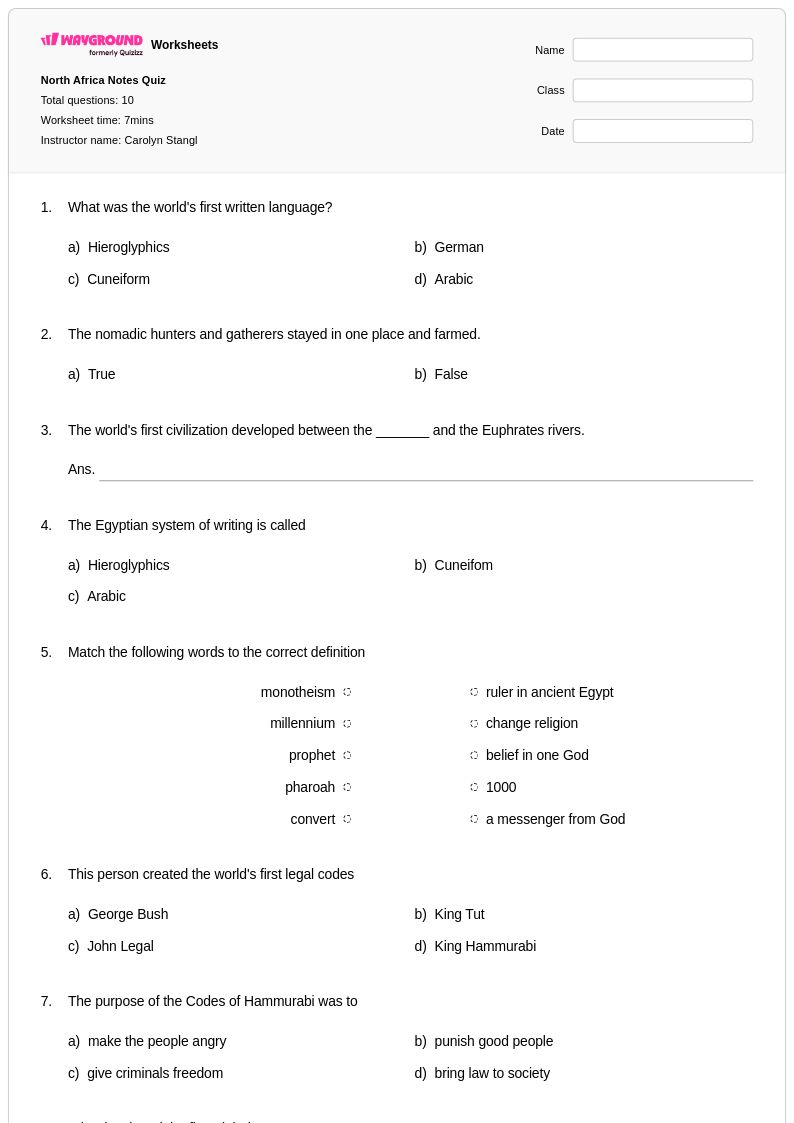
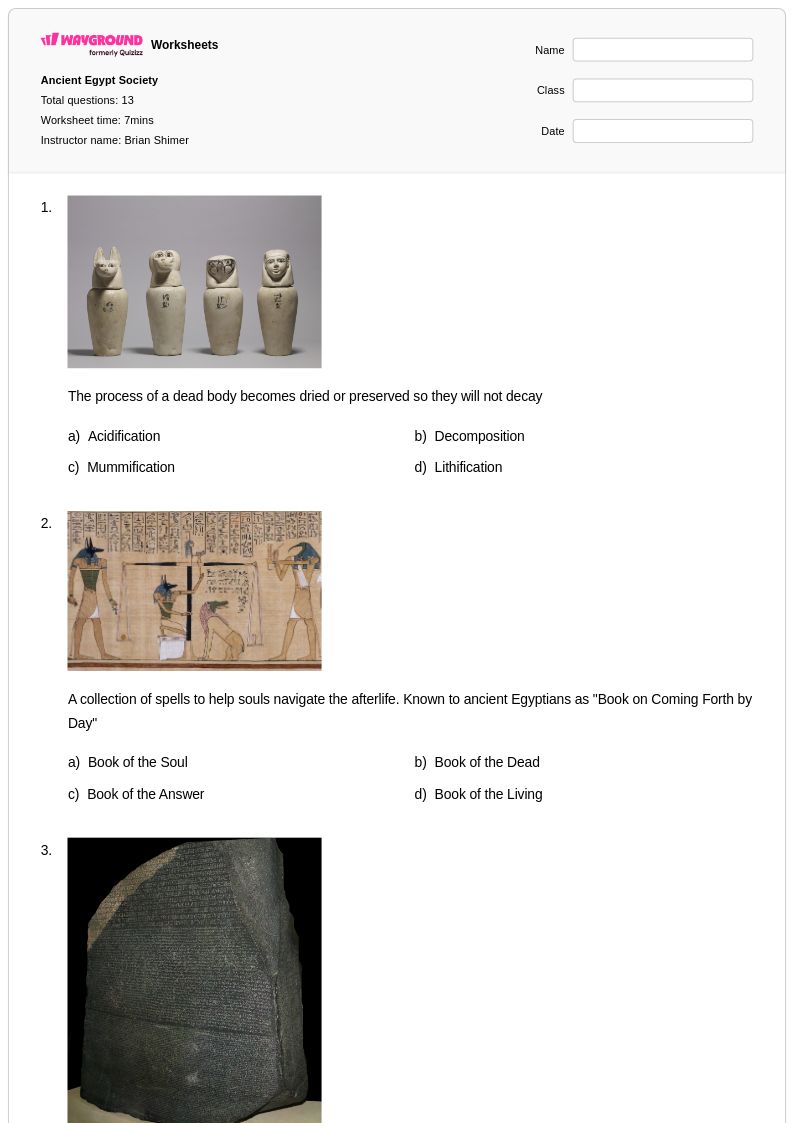
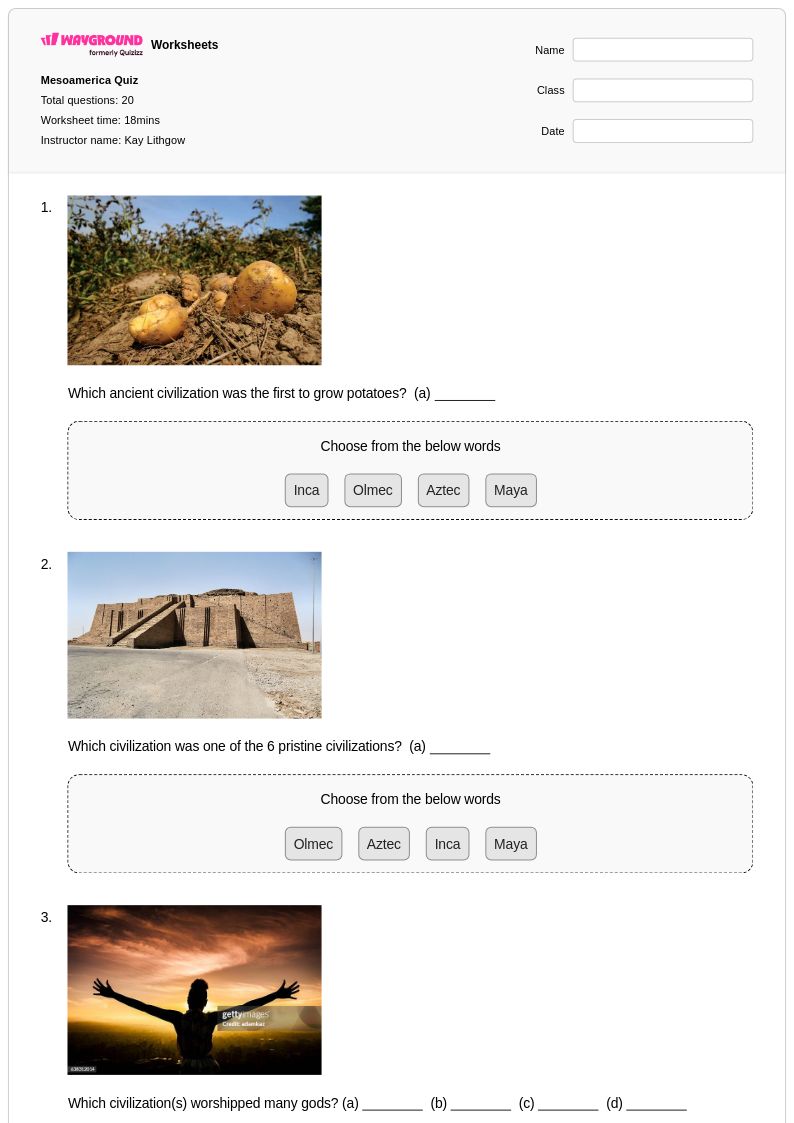
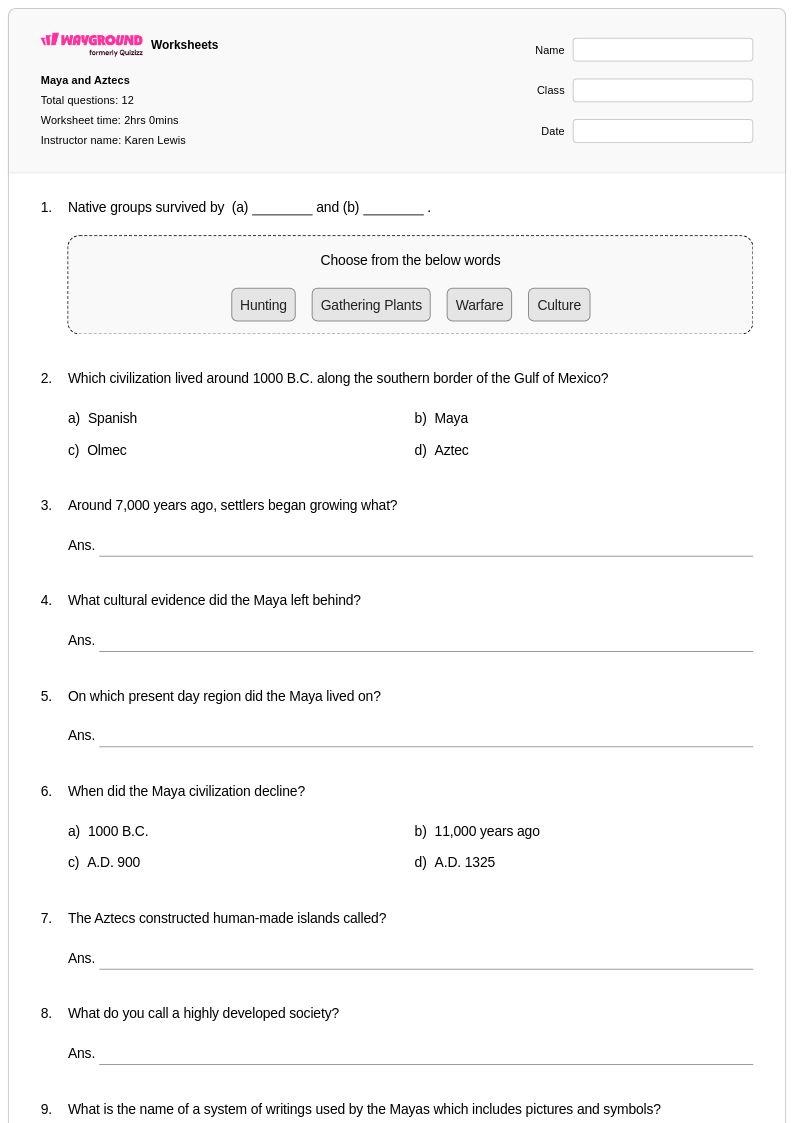
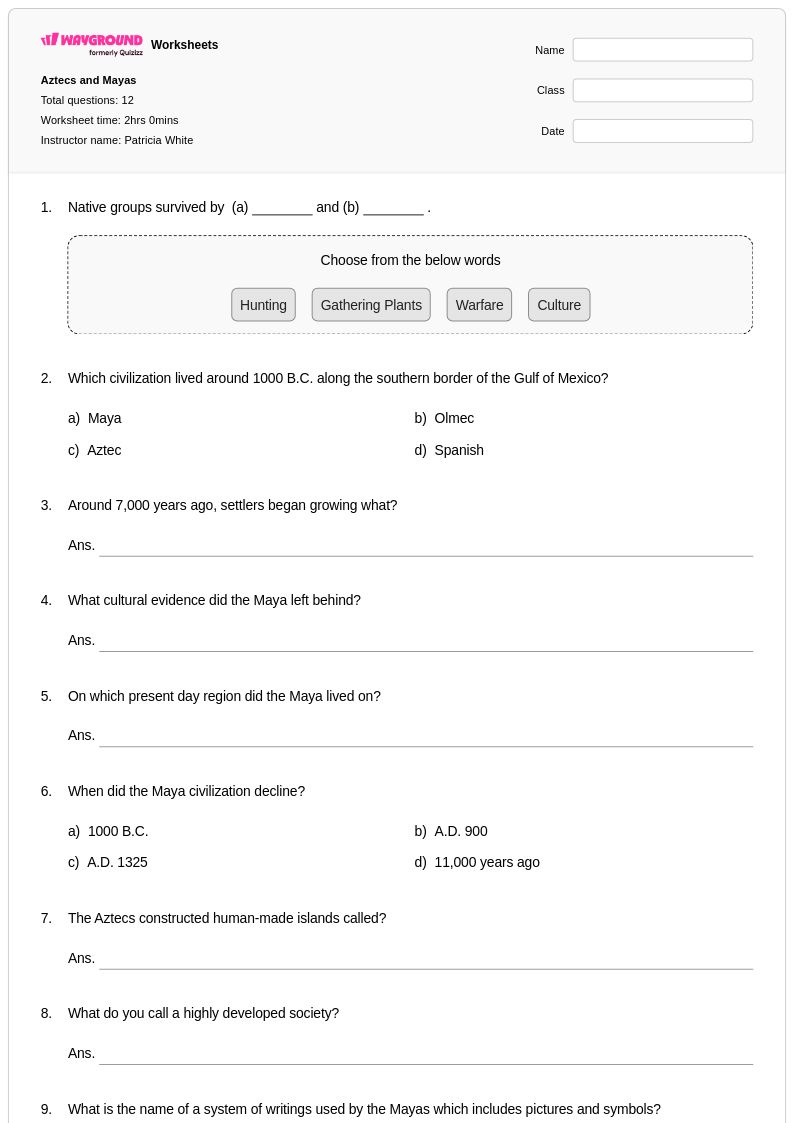
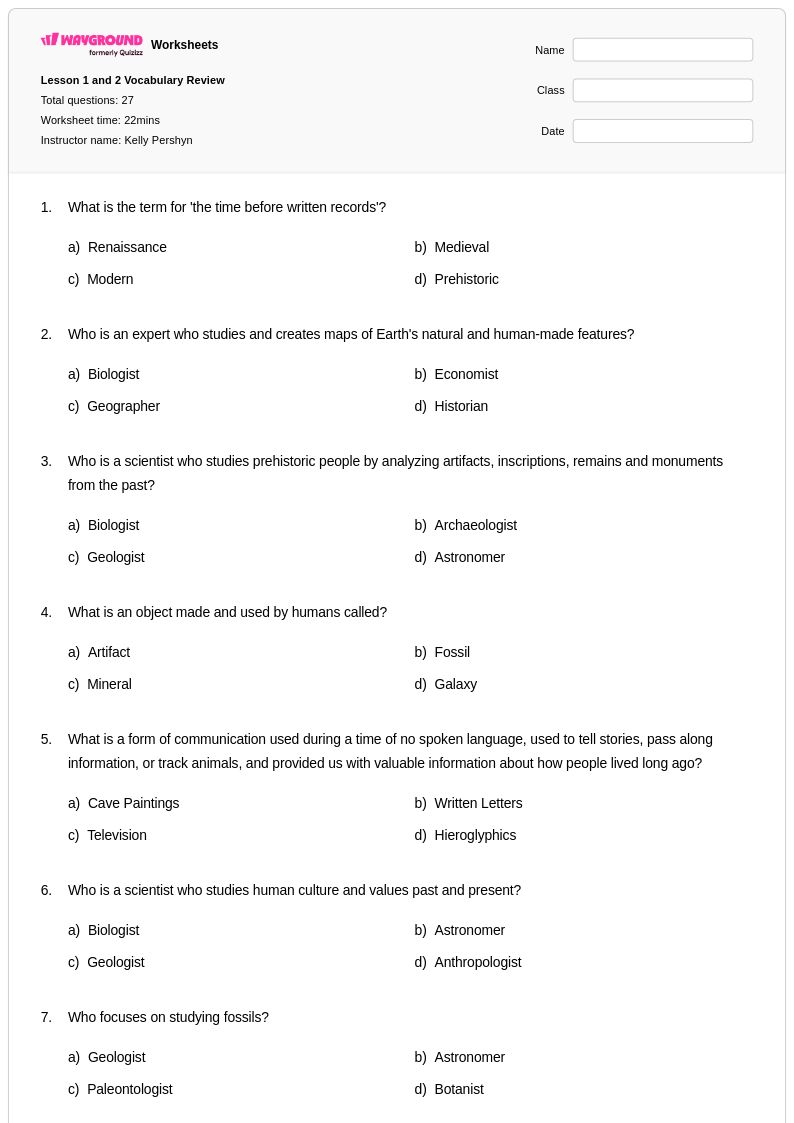
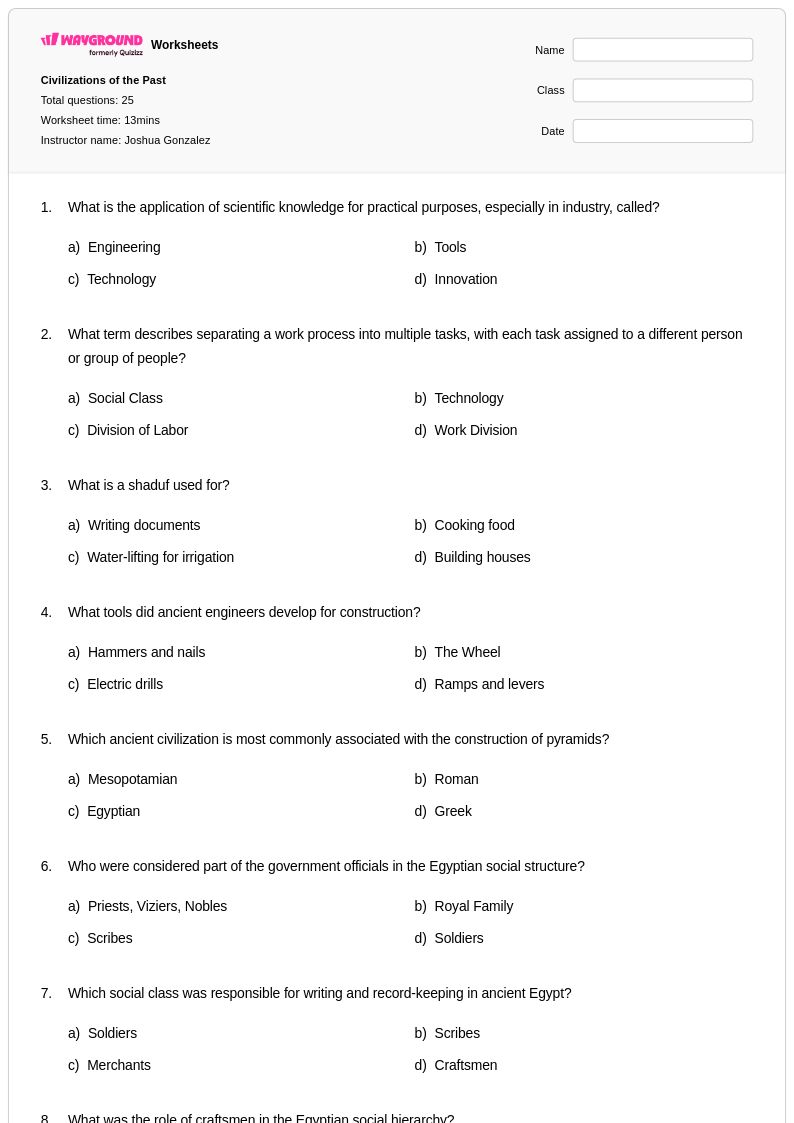
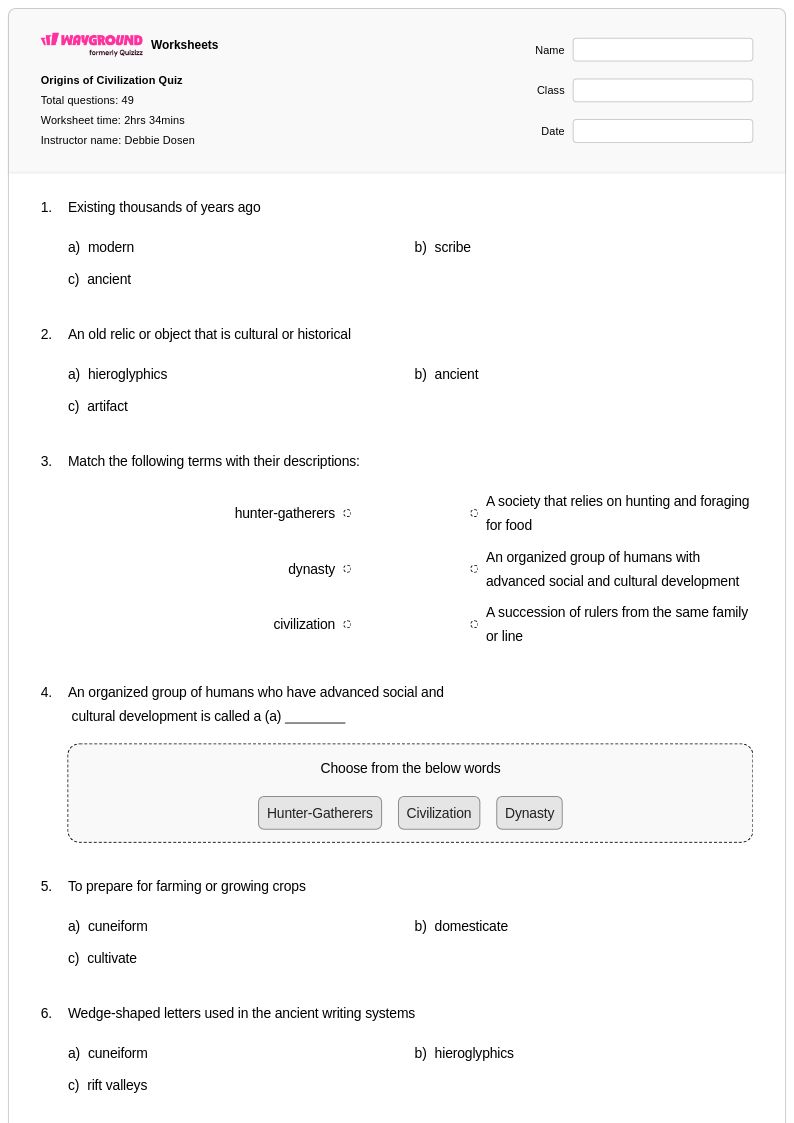
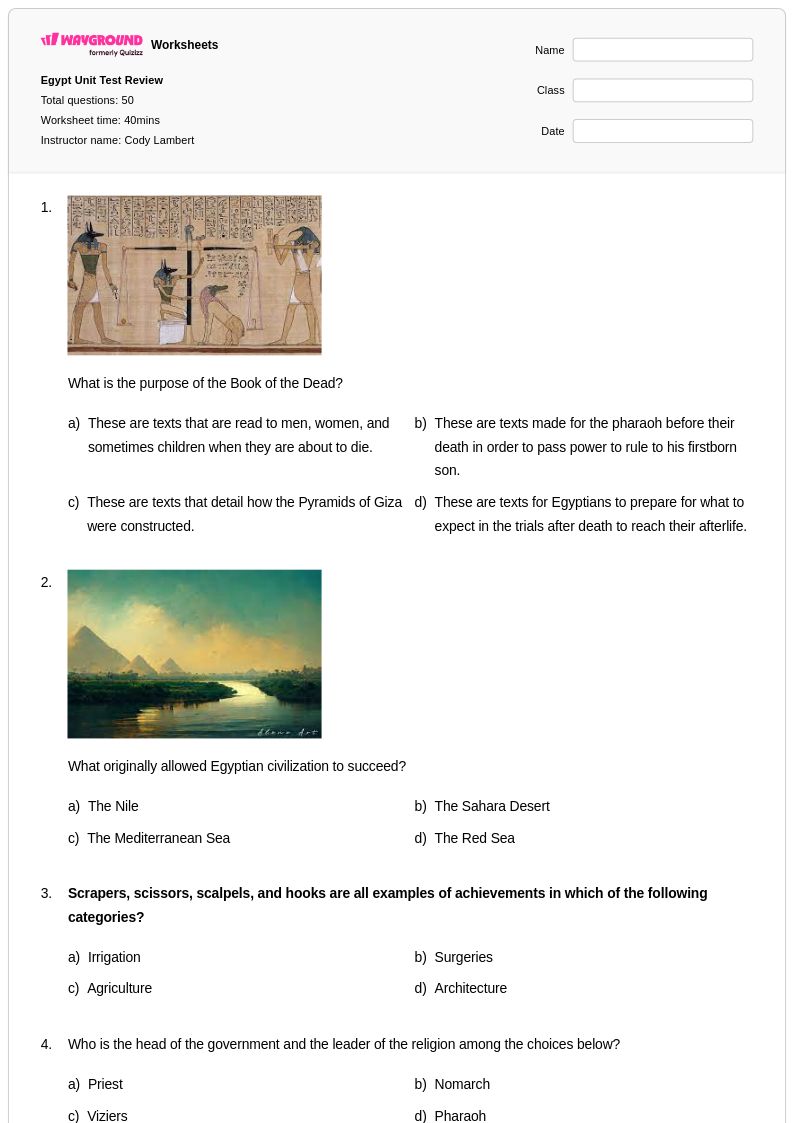
Grade 8 hieroglyphics worksheets available through Wayground (formerly Quizizz) provide students with comprehensive practice in decoding and understanding ancient Egyptian writing systems. These carefully designed educational resources strengthen critical thinking skills as students analyze symbolic representations, decode messages, and explore the cultural significance of hieroglyphic communication in ancient civilizations. The worksheets feature authentic hieroglyphic examples, translation exercises, and symbol identification activities that help eighth-grade students develop visual literacy and historical interpretation skills. Each printable worksheet includes detailed answer keys that support independent learning and allow teachers to efficiently assess student comprehension of this complex ancient writing system. Students engage with free practice problems that range from basic symbol recognition to more advanced translation challenges, building confidence in their ability to interpret primary historical sources.
Wayground (formerly Quizizz) empowers educators with an extensive collection of teacher-created hieroglyphics resources, featuring millions of worksheets that can be easily located through robust search and filtering capabilities. The platform's standards-aligned materials support differentiated instruction by offering multiple difficulty levels and varied activity types to meet diverse learning needs in Grade 8 social studies classrooms. Teachers benefit from flexible customization tools that allow them to modify existing worksheets or combine elements from different resources to create targeted practice opportunities for their students. Available in both printable pdf format and interactive digital versions, these hieroglyphics worksheets facilitate seamless lesson planning while providing effective options for remediation, enrichment, and ongoing skill practice. The comprehensive collection ensures that educators have access to high-quality materials that support deep exploration of ancient Egyptian culture and writing systems throughout their curriculum units.
FAQs
How do I teach hieroglyphics to students who have no background in ancient Egypt?
Start by grounding students in context: explain that hieroglyphics were a writing system used in ancient Egypt for over 3,000 years, combining logographic and alphabetic elements. Introduce the concept of the Rosetta Stone as the key that allowed modern scholars to decode the script, then move into symbol recognition using the standard hieroglyphic alphabet. Beginning with students' own names written in cartouches is a highly effective hook because it makes abstract symbols immediately personal and memorable.
What exercises help students practice reading and writing hieroglyphics?
Symbol-to-letter matching activities build foundational decoding skills, while translation exercises that move from simple words to short phrases develop fluency with the writing system. Having students encode their own messages using the hieroglyphic alphabet and exchange them with peers adds a problem-solving dimension that reinforces retention. Comparative analysis tasks, where students place hieroglyphic text alongside its modern English equivalent, also strengthen their ability to recognize recurring symbols in context.
What mistakes do students commonly make when decoding hieroglyphics?
The most common error is treating hieroglyphics as a purely phonetic alphabet, when in fact many symbols function as logograms or determinatives that modify meaning without contributing a sound. Students also frequently read hieroglyphs strictly left to right, missing the rule that direction is determined by which way the figures face. Another persistent misconception is assuming a one-to-one correspondence between hieroglyphic symbols and modern English letters, which breaks down quickly with symbols that represent consonant clusters or have no direct English equivalent.
How can I differentiate hieroglyphics instruction for students at different skill levels?
Scaffold the content by separating symbol identification from translation: beginners work on recognizing individual glyphs and matching them to phonetic equivalents, while more advanced students tackle full sentence decoding or analyze authentic cartouches from historical artifacts. On Wayground, teachers can apply accommodations such as reduced answer choices for students who need less cognitive load, or enable Read Aloud for students who benefit from audio support. These settings can be assigned to individual students so the rest of the class receives standard materials without disruption.
How do I use Wayground's hieroglyphics worksheets in my classroom?
Wayground's hieroglyphics worksheets are available as printable PDFs for traditional classroom use and in digital formats for technology-integrated environments, making them flexible for in-person, hybrid, or remote instruction. Teachers can also host the worksheets as a live quiz directly on Wayground, which allows real-time participation and immediate feedback. Each worksheet includes complete answer keys, so grading symbol recognition and translation exercises requires minimal preparation time.
Where do hieroglyphics fit in the K-12 curriculum?
Hieroglyphics are most commonly taught as part of ancient civilizations units in social studies or world history courses, typically at the 6th grade level but also appearing in 4th and 5th grade ancient Egypt studies. The topic also connects naturally to language arts discussions about writing systems, communication, and the development of literacy. Cross-curricular connections to art history are strong, since hieroglyphic inscriptions appear extensively in Egyptian architecture, tomb paintings, and artifacts.