
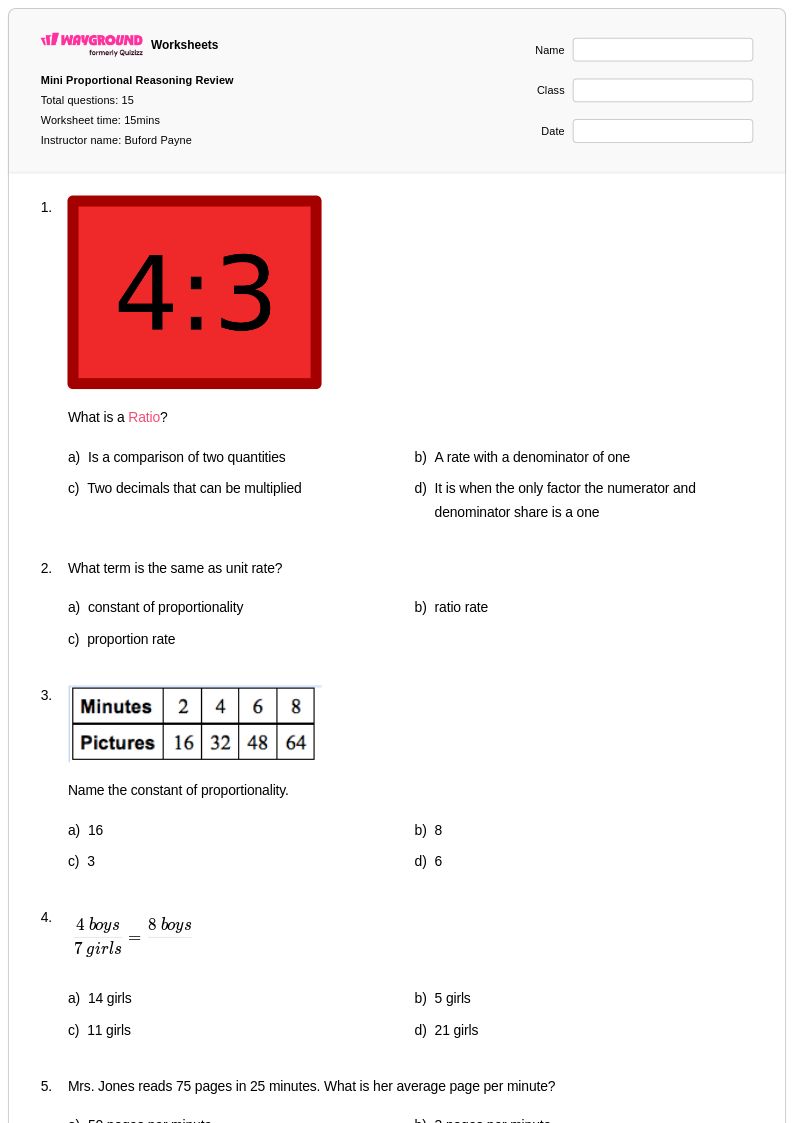
15 Q
6th - 8th
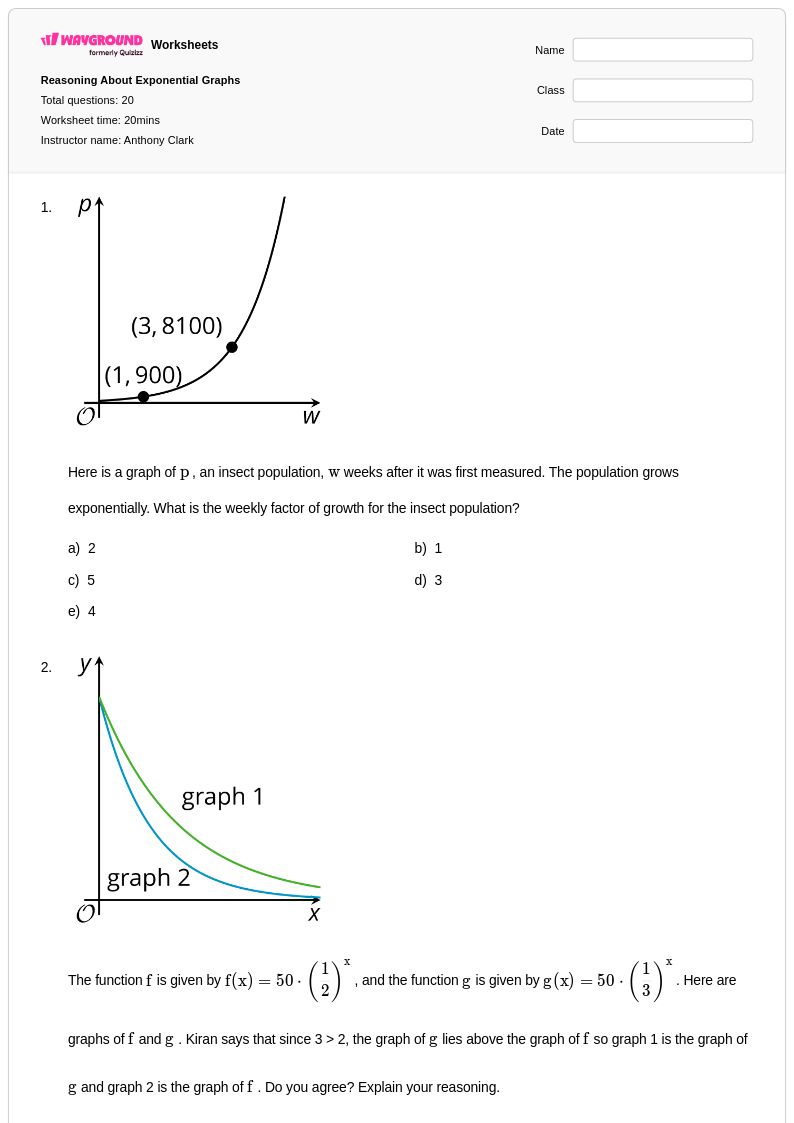
20 Q
6th - Uni
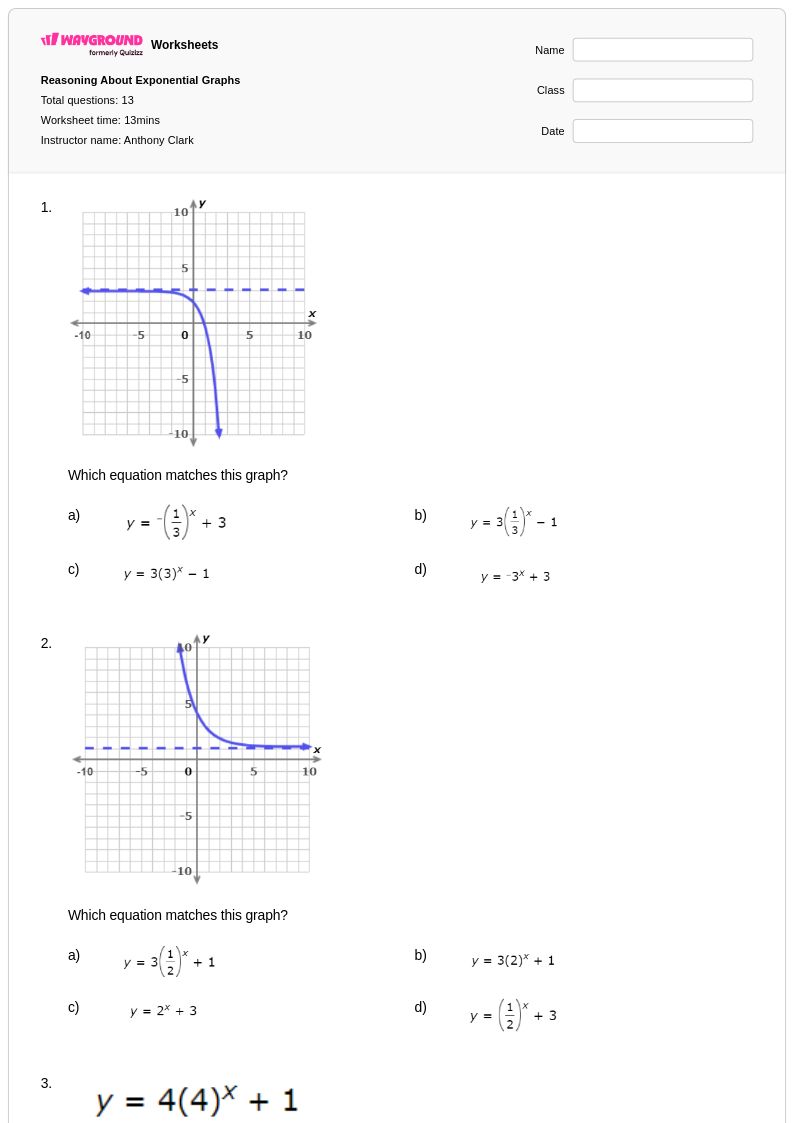
13 Q
6th - Uni
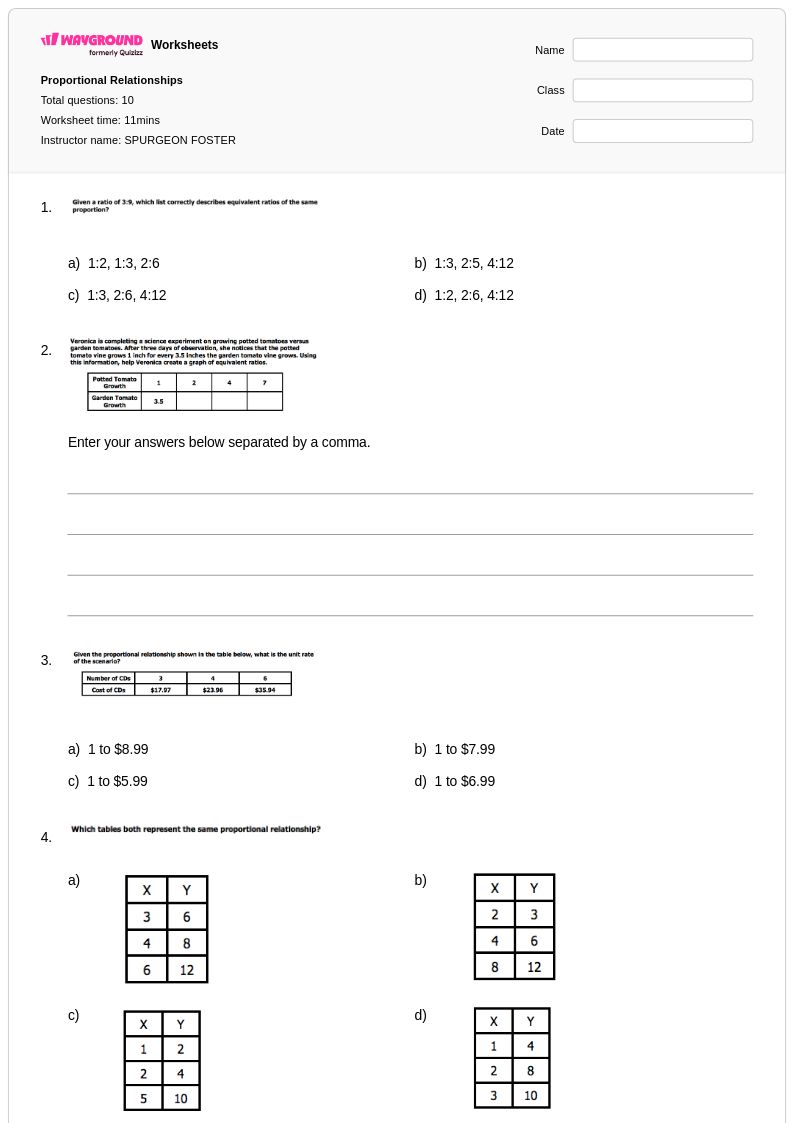
10 Q
6th - 7th
15 Q
6th
20 Q
6th
10 Q
6th
14 Q
5th - 7th
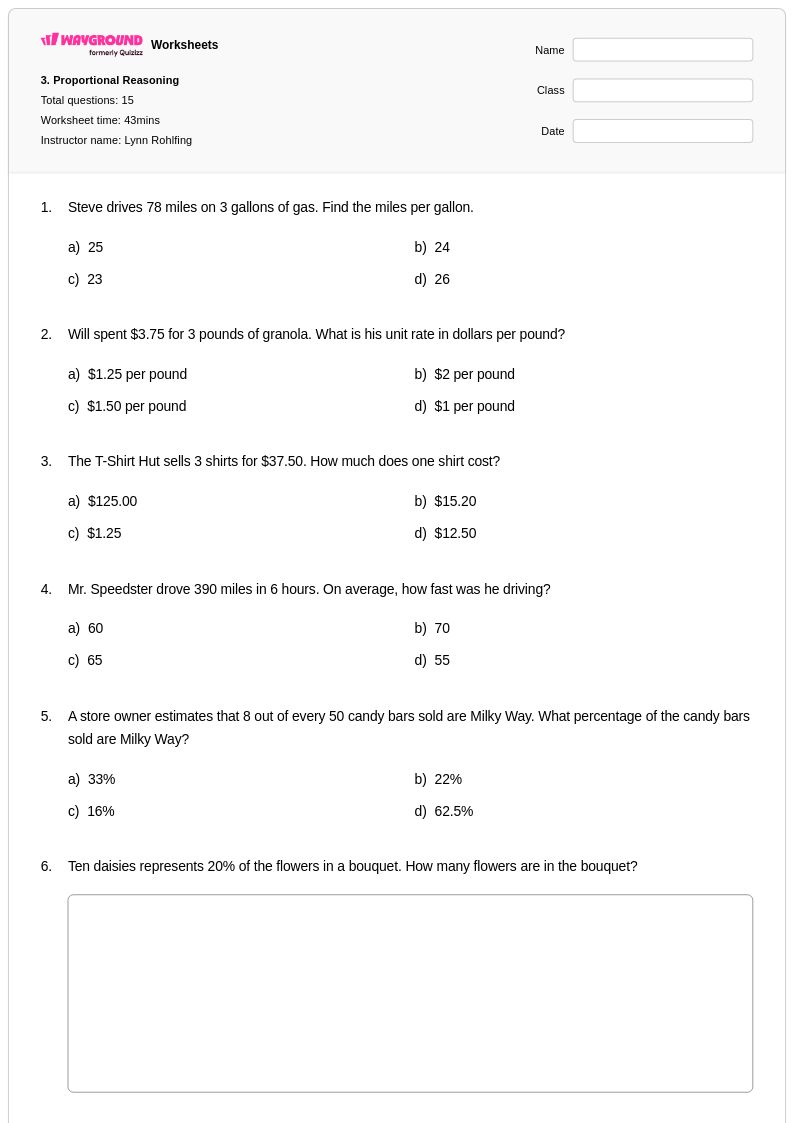
15 Q
6th
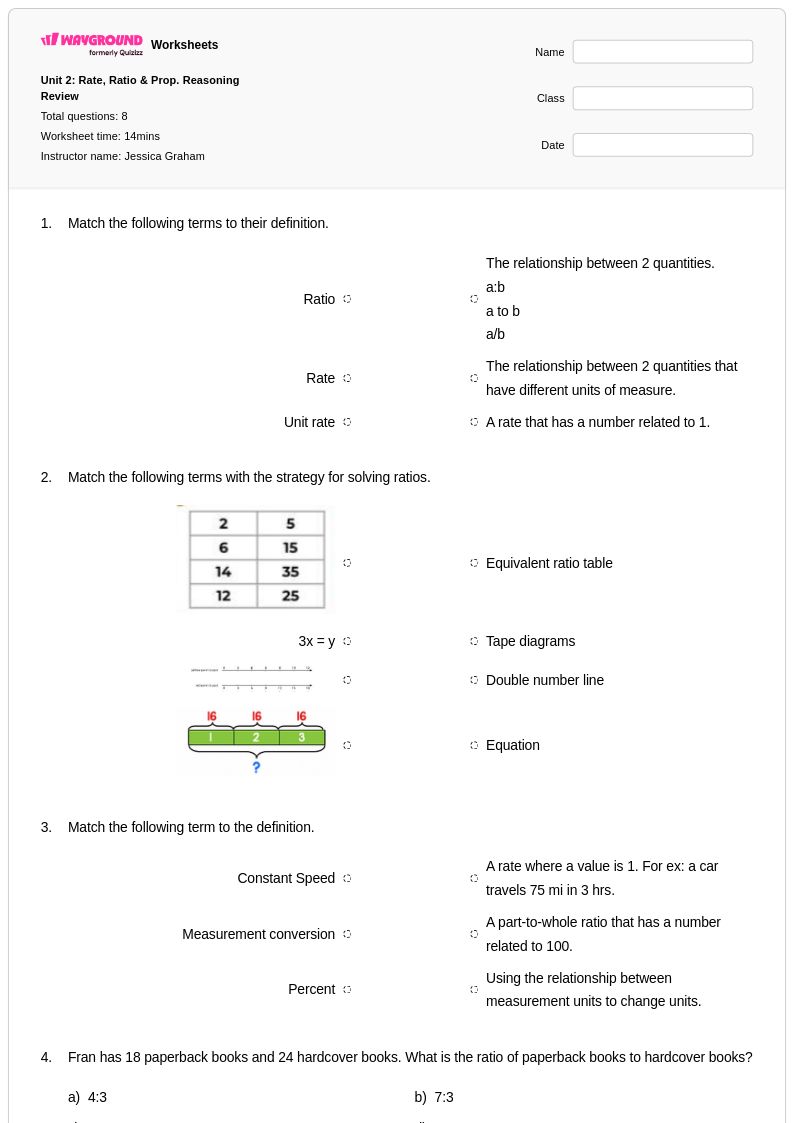
8 Q
6th
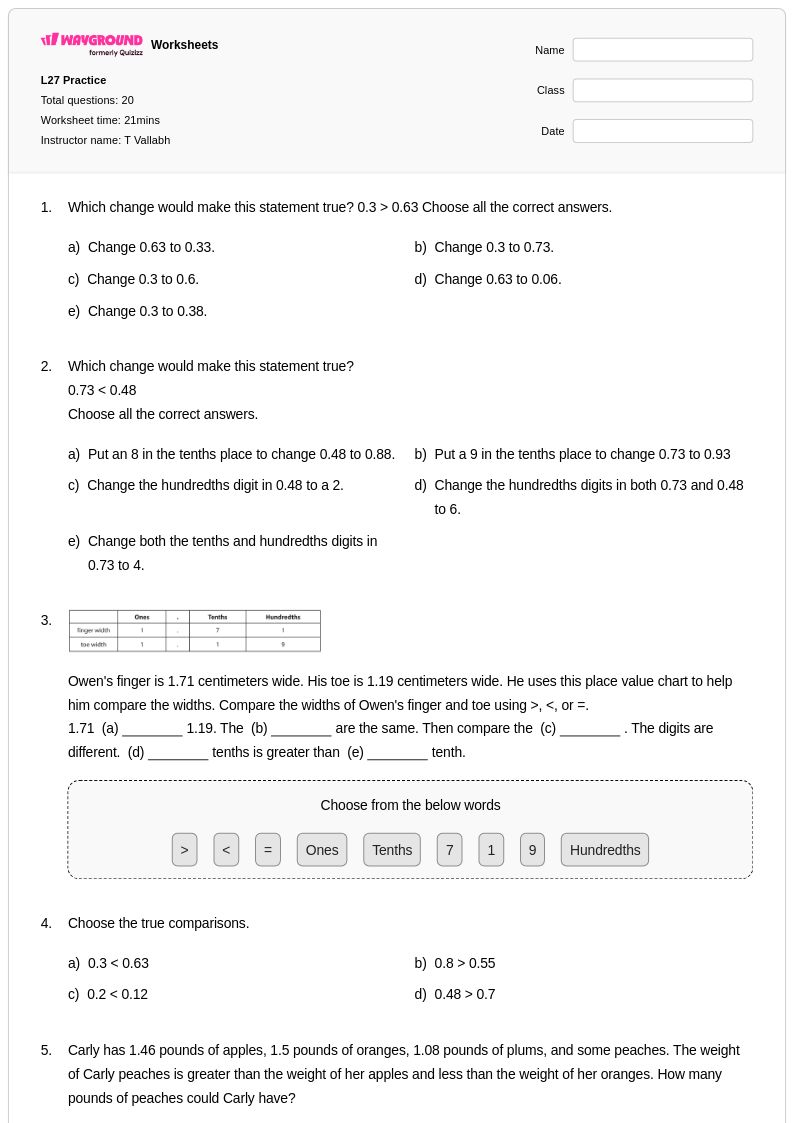
20 Q
4th - Uni
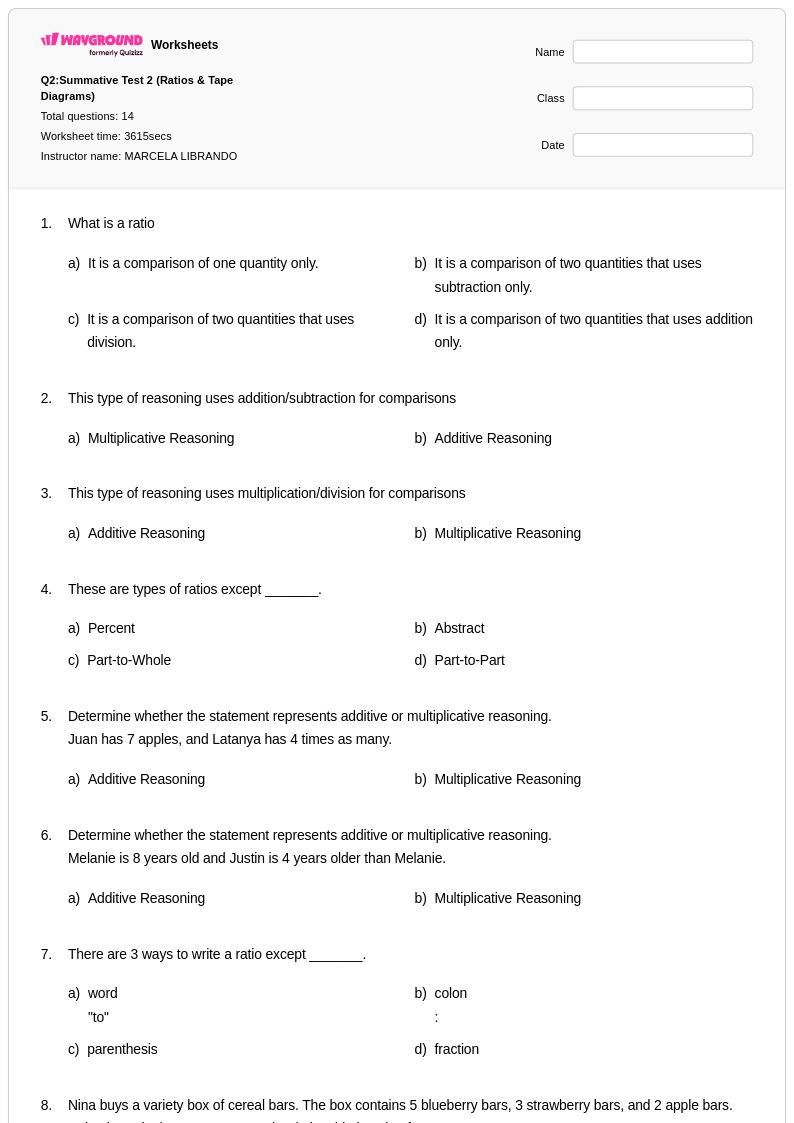
14 Q
6th
15 Q
6th
16 Q
6th - Uni
15 Q
6th
6 Q
6th
10 Q
6th
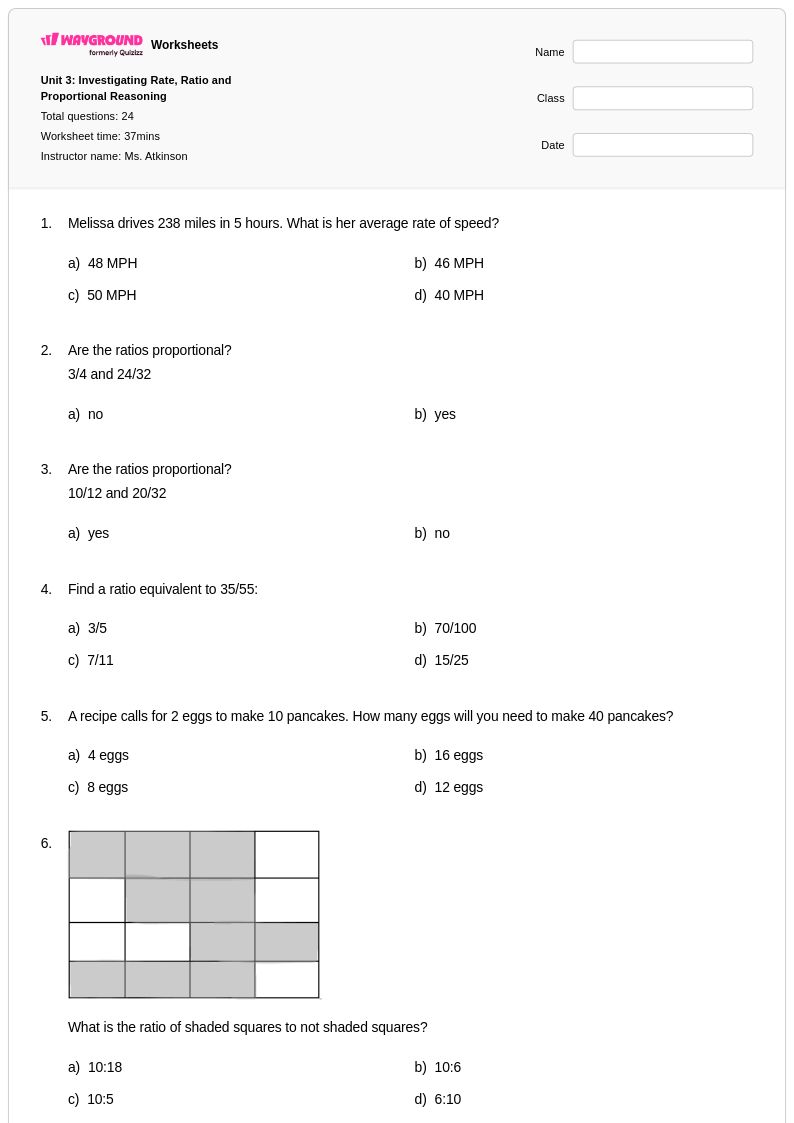
24 Q
6th
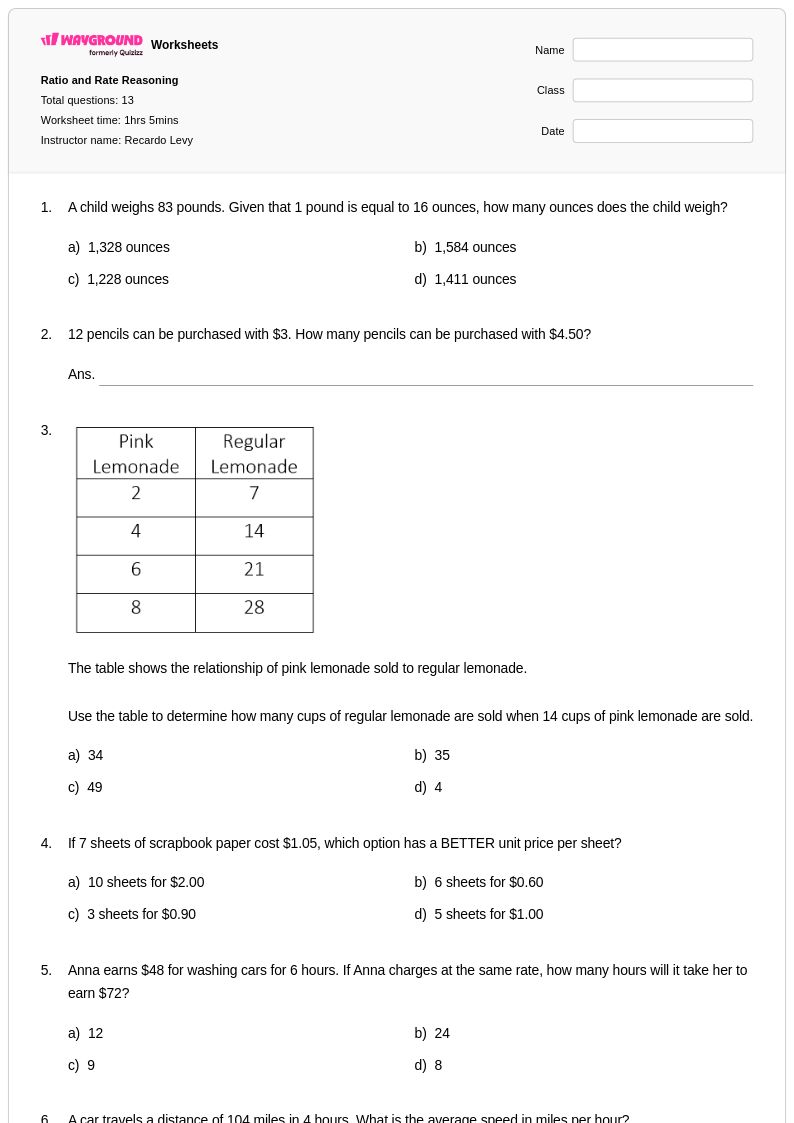
13 Q
6th
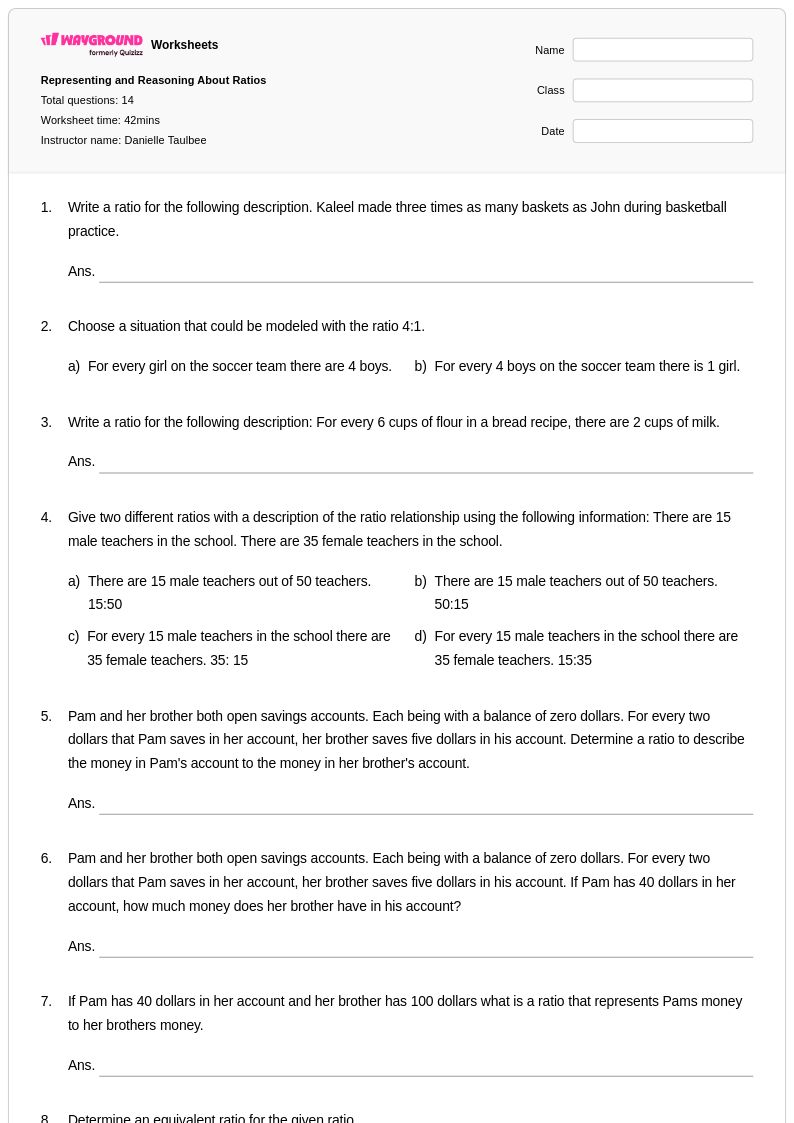
14 Q
6th
10 Q
6th
8 Q
6th
18 Q
6th
18 Q
6th
Explore Inductive Reasoning Worksheets by Grades
Explore Other Subject Worksheets for grade 6
Explore printable Inductive Reasoning worksheets for Grade 6
Inductive reasoning worksheets for Grade 6 students available through Wayground (formerly Quizizz) provide essential practice in developing logical thinking skills that form the foundation of algebraic concepts. These comprehensive resources guide sixth graders through the process of observing patterns, making conjectures, and drawing general conclusions from specific examples—critical skills that prepare them for more advanced mathematical reasoning. The practice problems systematically build students' ability to identify number patterns, geometric sequences, and algebraic relationships while strengthening their capacity to articulate mathematical thinking. Each worksheet includes detailed answer keys that support both independent study and classroom instruction, with free printable pdf formats ensuring accessibility for diverse learning environments.
Wayground (formerly Quizizz) empowers educators with millions of teacher-created inductive reasoning resources specifically designed for Grade 6 mathematics instruction. The platform's robust search and filtering capabilities allow teachers to quickly locate worksheets aligned with curriculum standards while utilizing differentiation tools to meet diverse student needs. Flexible customization options enable educators to modify existing materials or create targeted practice sets for remediation and enrichment activities. Available in both printable and digital formats including downloadable pdfs, these resources streamline lesson planning while providing multiple pathways for skill practice, whether students are working to master foundational pattern recognition or extending their understanding to more complex algebraic thinking challenges.
FAQs
What do 6th graders learn about inductive reasoning?
How can I teach inductive reasoning to 6th graders?
What are good practice exercises for 6th graders?
What are common misconceptions for 6th graders with this topic?
How do I use this Grade 6 inductive reasoning worksheet?
How does this topic connect to the 6th-grade curriculum?