
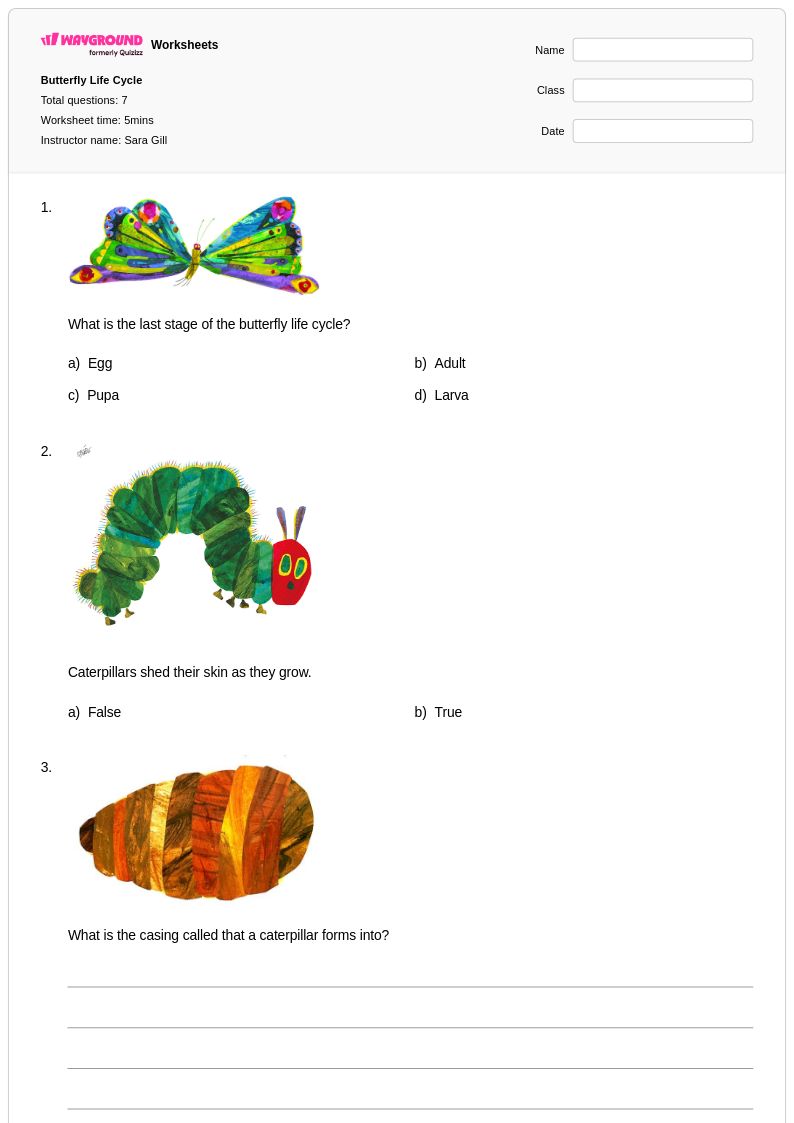
7 T
1st - 5th
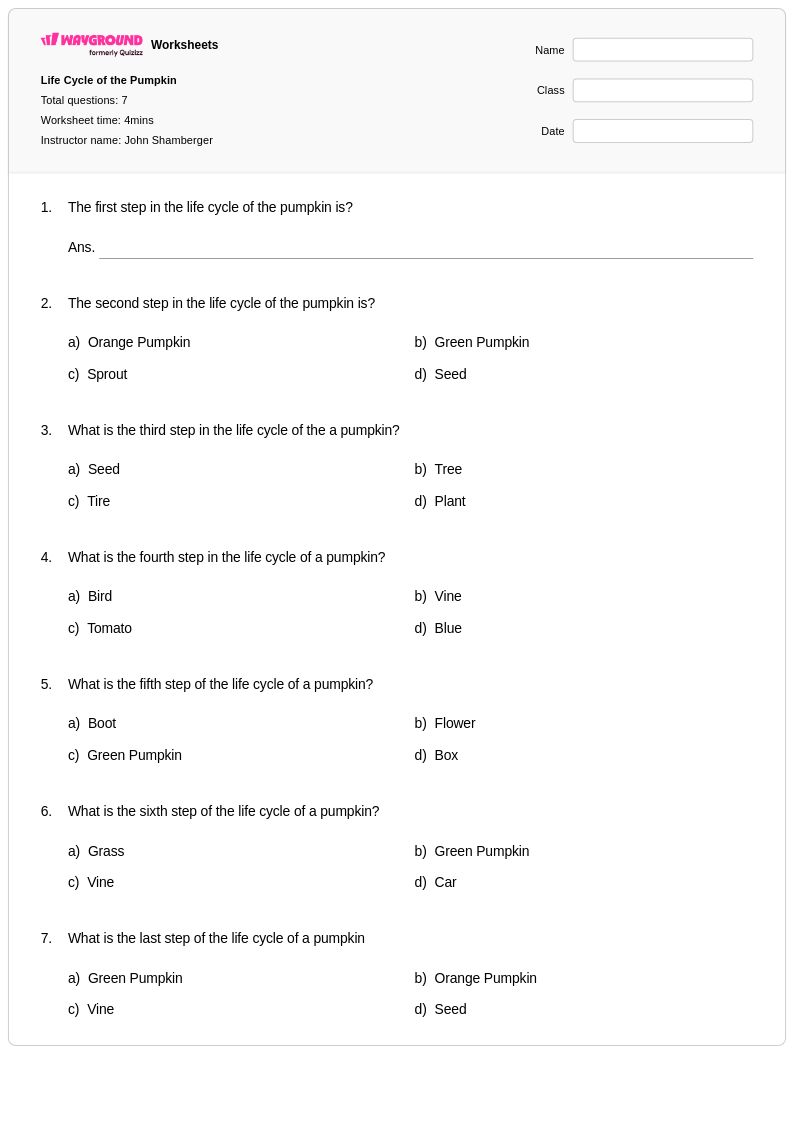
7 T
1st
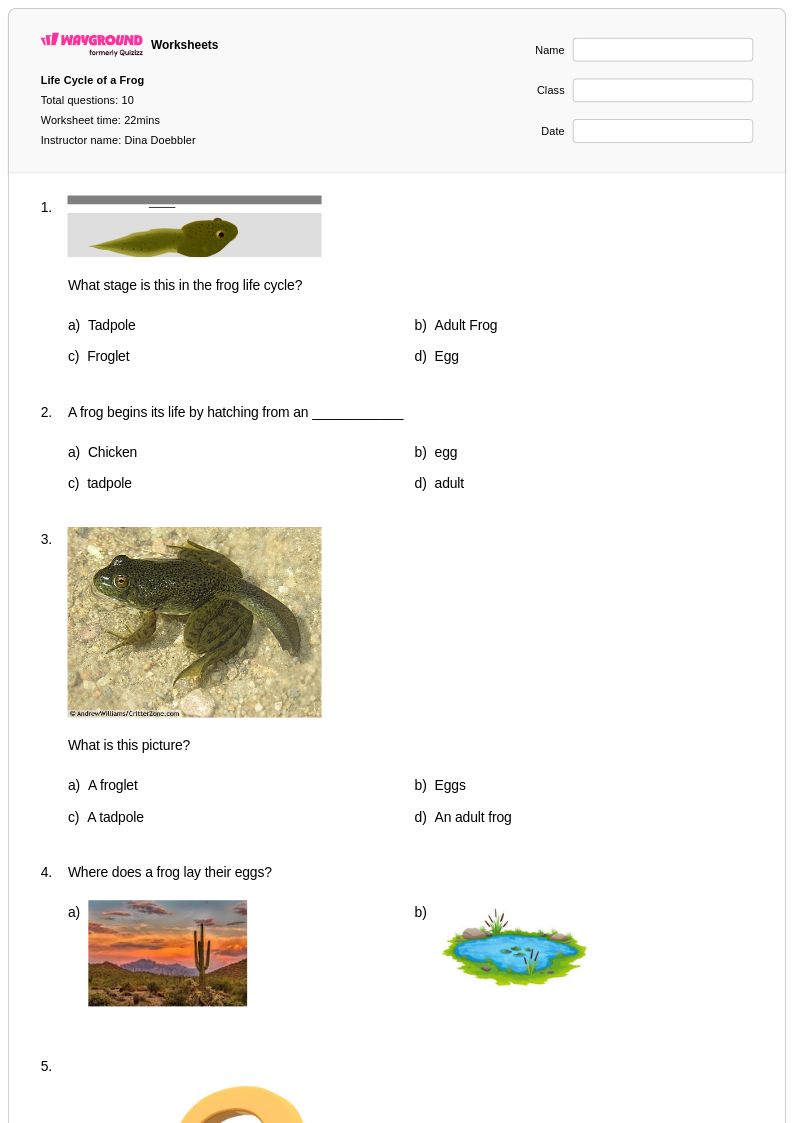
10 T
1st - 5th
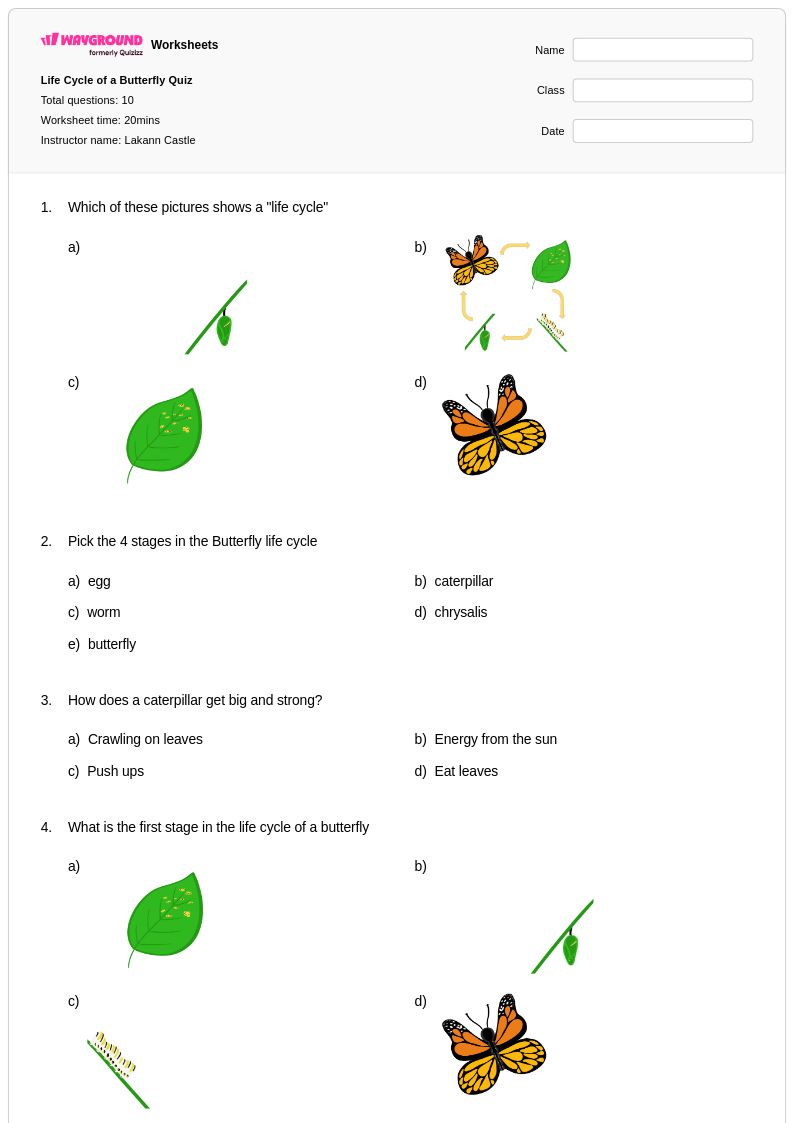
10 T
1st - 3rd
18 T
1st
12 T
1st
10 T
1st
10 T
1st - 3rd
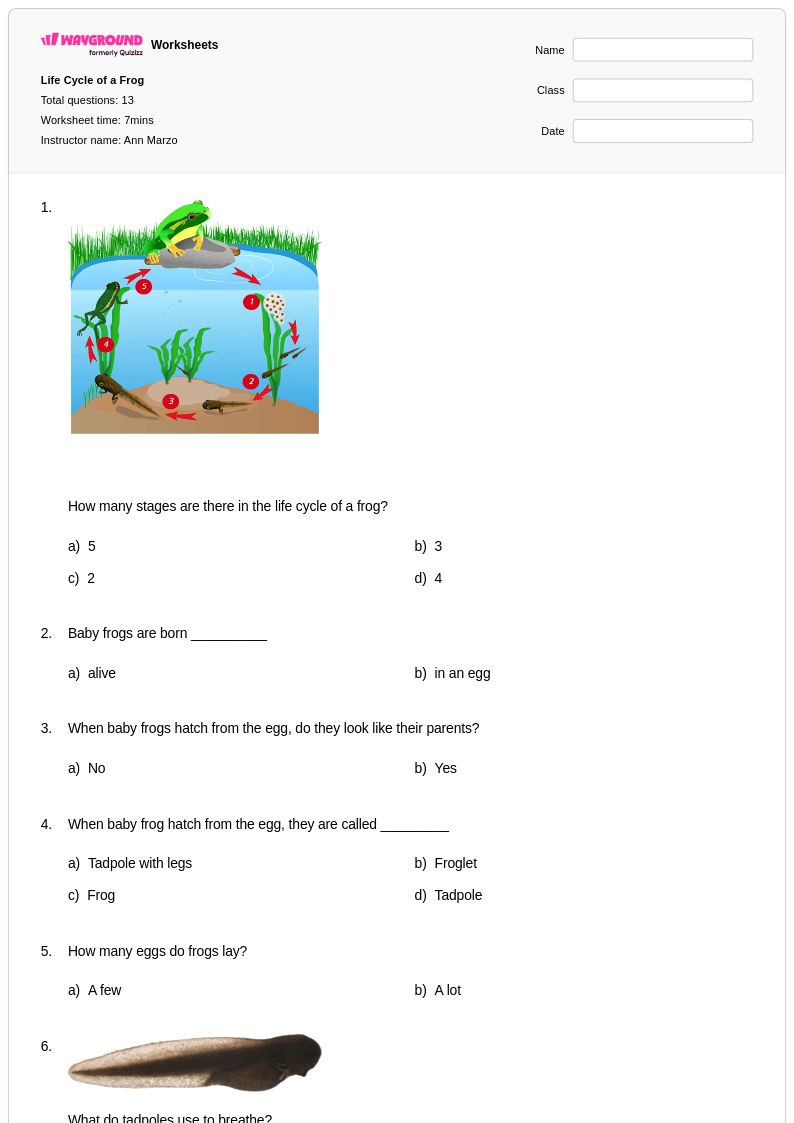
13 T
1st
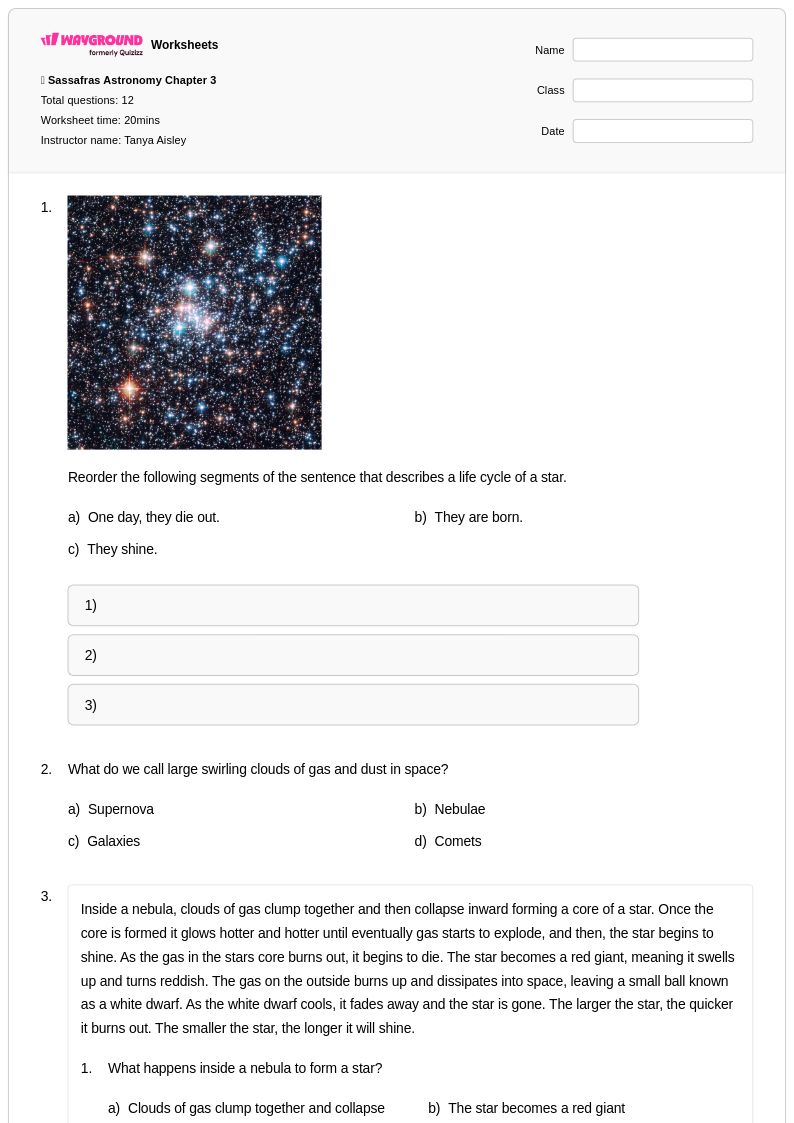
17 T
1st - 5th
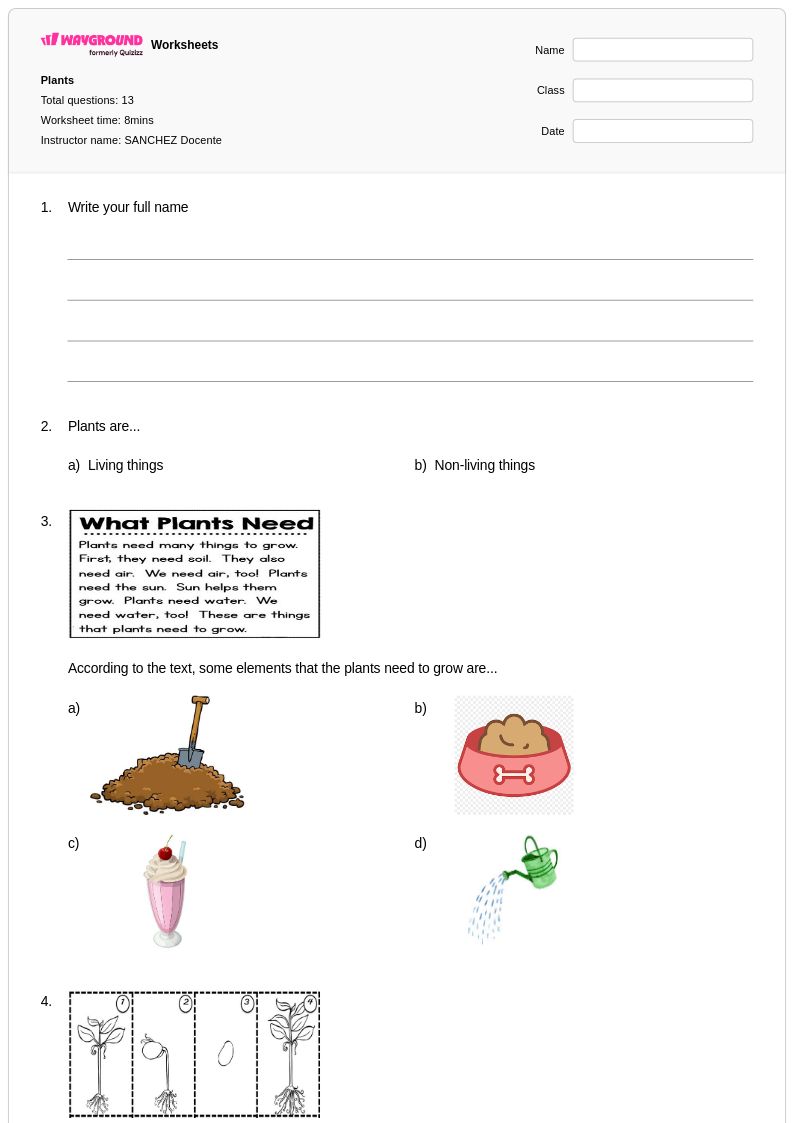
13 T
1st
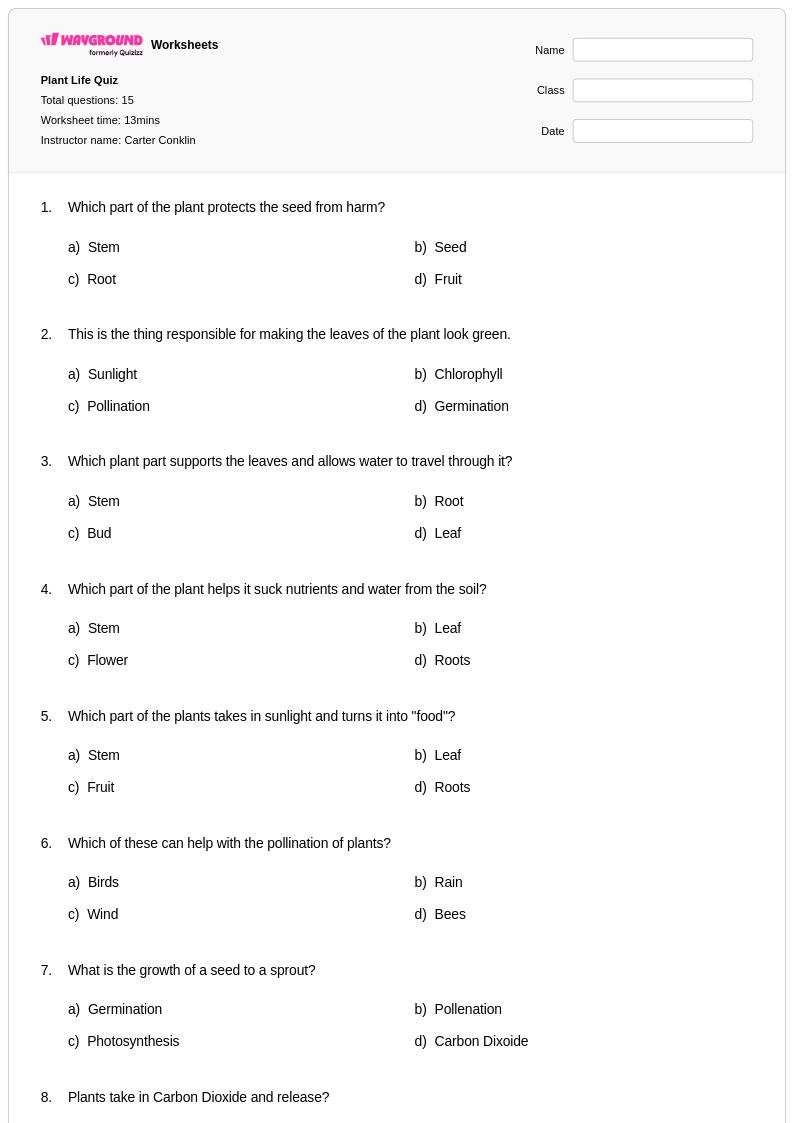
15 T
1st
10 T
1st - 5th
20 T
1st - 5th
7 T
1st - 5th
10 T
KG - 1st
10 T
1st
11 T
1st - 2nd
10 T
1st - 5th
80 T
1st - 5th
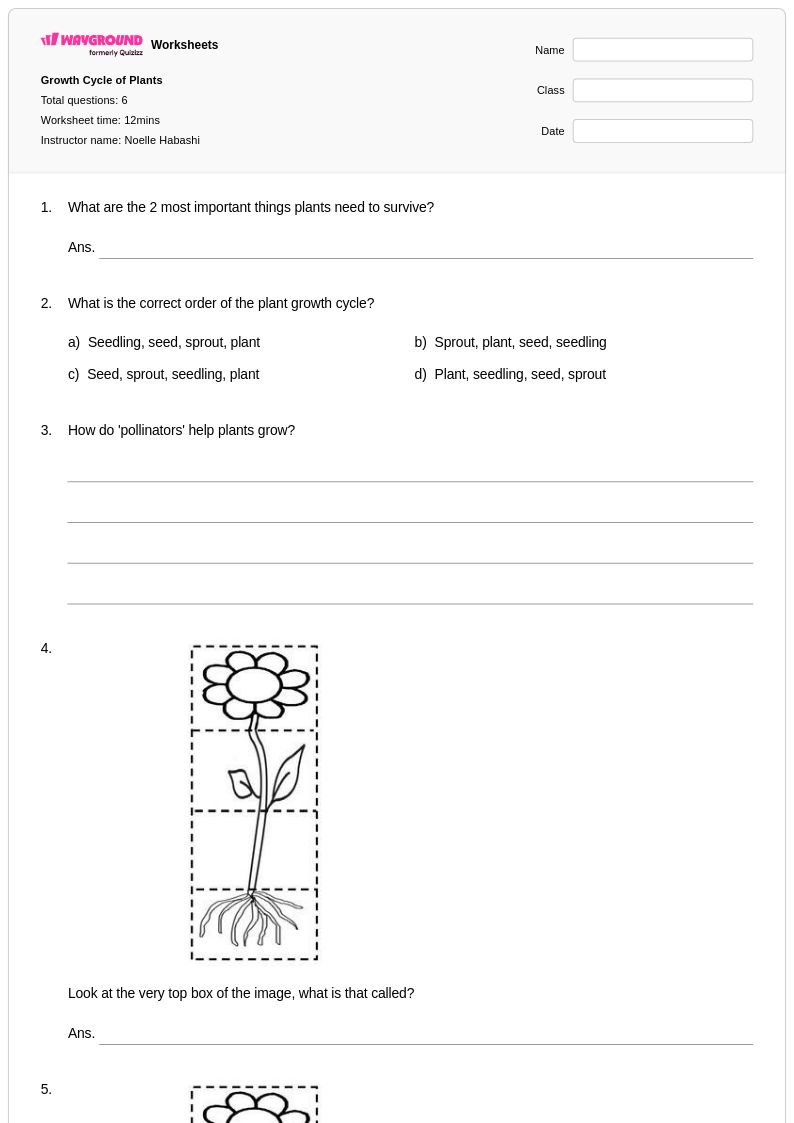
6 T
1st - 2nd
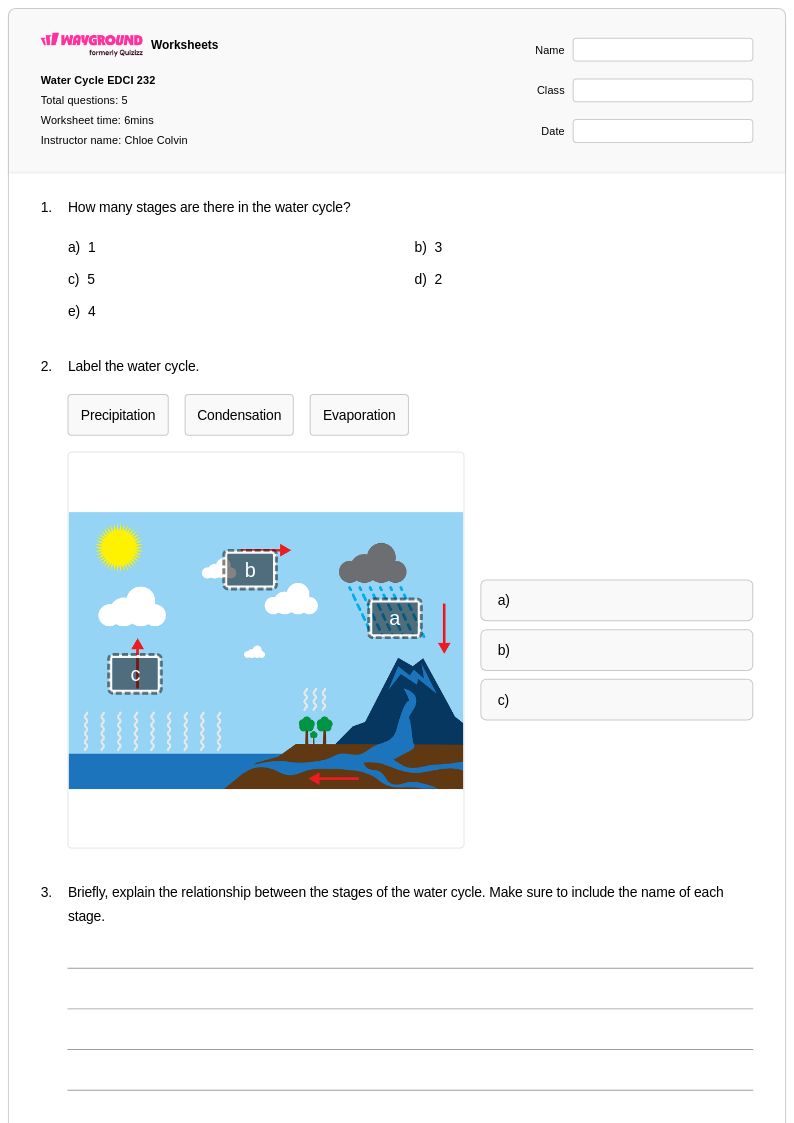
5 T
1st - 5th
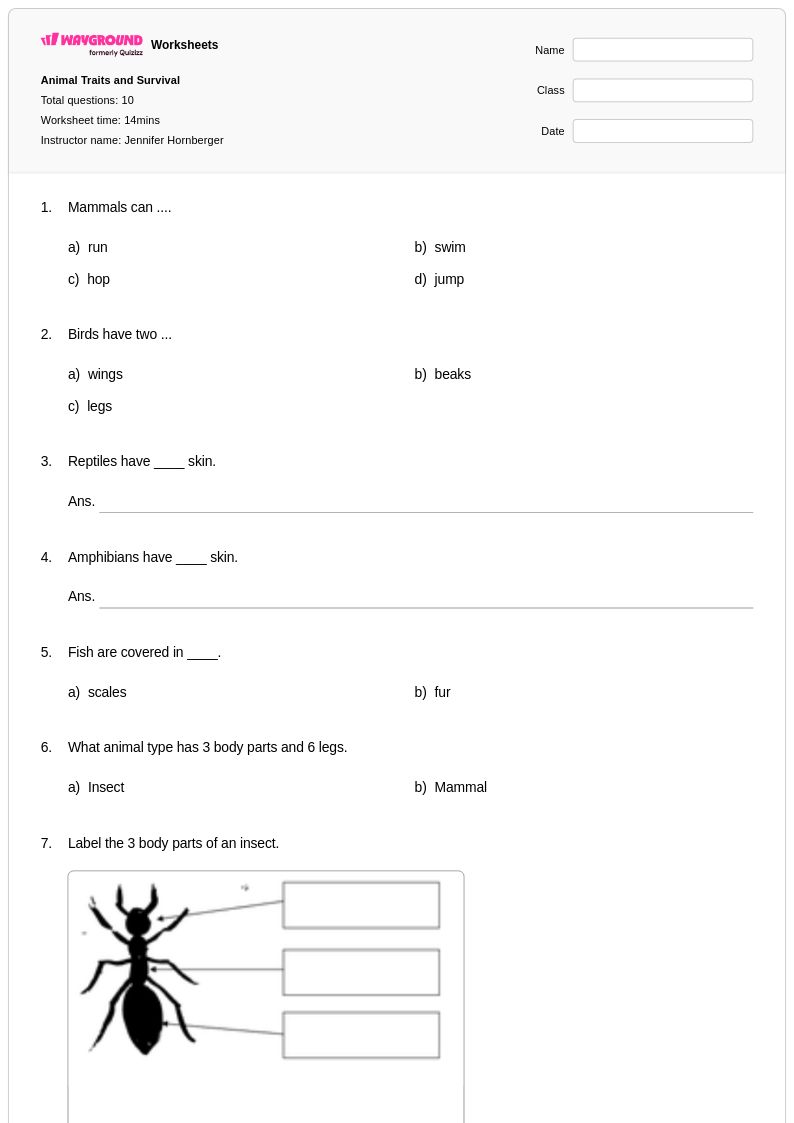
10 T
1st
Jelajahi Life Cycle of Bees Lembar Kerja berdasarkan Nilai
Jelajahi Lembar Kerja Mata Pelajaran Lainnya untuk grade 1
Explore printable Life Cycle of Bees worksheets for Grade 1
Life cycle of bees worksheets for Grade 1 students available through Wayground provide young learners with engaging, age-appropriate materials to explore the fascinating transformation of these essential pollinators. These educational resources help first-grade students develop fundamental scientific observation skills while learning about the four distinct stages of bee development: egg, larva, pupa, and adult bee. The worksheets incorporate visual elements, sequencing activities, and simple labeling exercises that strengthen reading comprehension, vocabulary development, and critical thinking abilities. Teachers can access free printables with comprehensive answer keys, making assessment and instruction seamless, while students benefit from varied practice problems that reinforce their understanding of this important biological process through hands-on learning experiences.
Wayground's extensive collection of millions of teacher-created resources ensures educators have access to high-quality life cycle of bees materials that can be easily customized to meet diverse classroom needs. The platform's robust search and filtering capabilities allow teachers to quickly locate Grade 1 appropriate content that aligns with science standards, while differentiation tools enable seamless adaptation for students requiring additional support or enrichment opportunities. These versatile worksheets are available in both printable pdf formats for traditional classroom use and digital versions for technology-integrated learning environments, providing flexibility for various teaching situations. Whether used for initial skill introduction, targeted remediation, or comprehensive review, these scientifically accurate resources support effective lesson planning and help students build a solid foundation in life science concepts through structured, developmentally appropriate practice.