Free Printable Marine Animals Worksheets for Grade 3
Discover free Grade 3 marine animals worksheets and printables that help students explore ocean life through engaging practice problems, complete with answer keys and downloadable PDFs from Wayground.
Explore printable Marine Animals worksheets for Grade 3
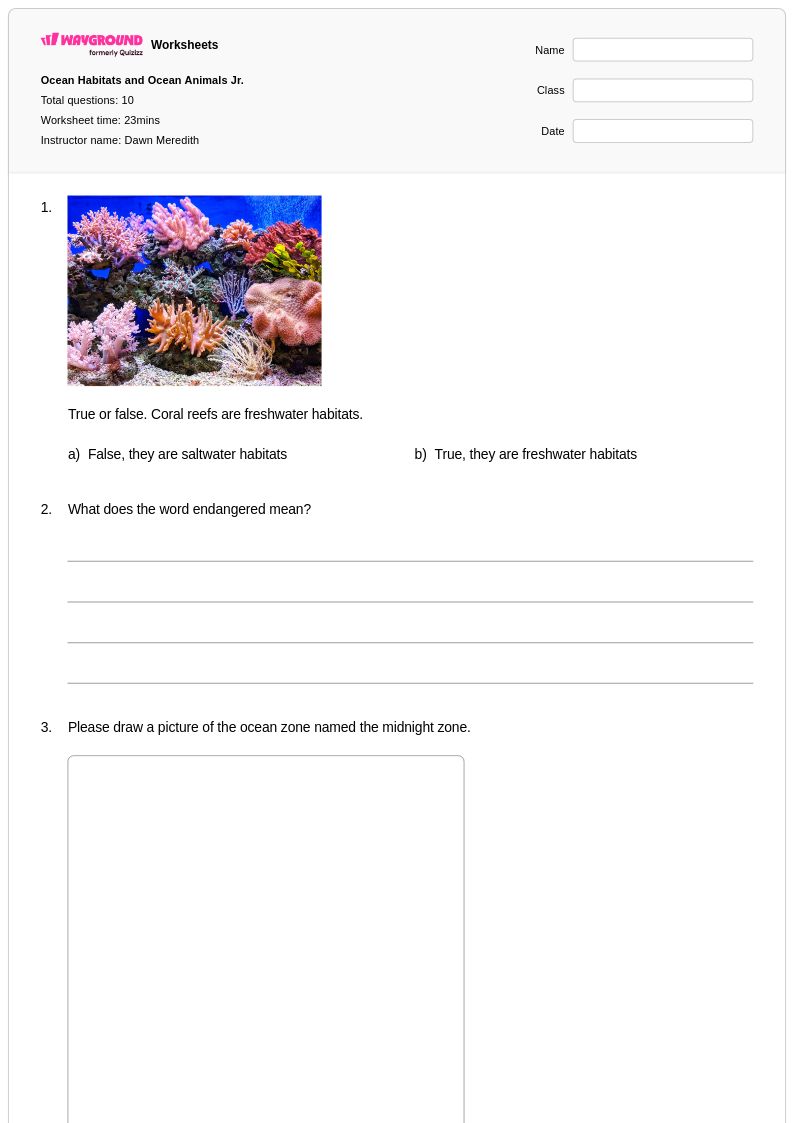
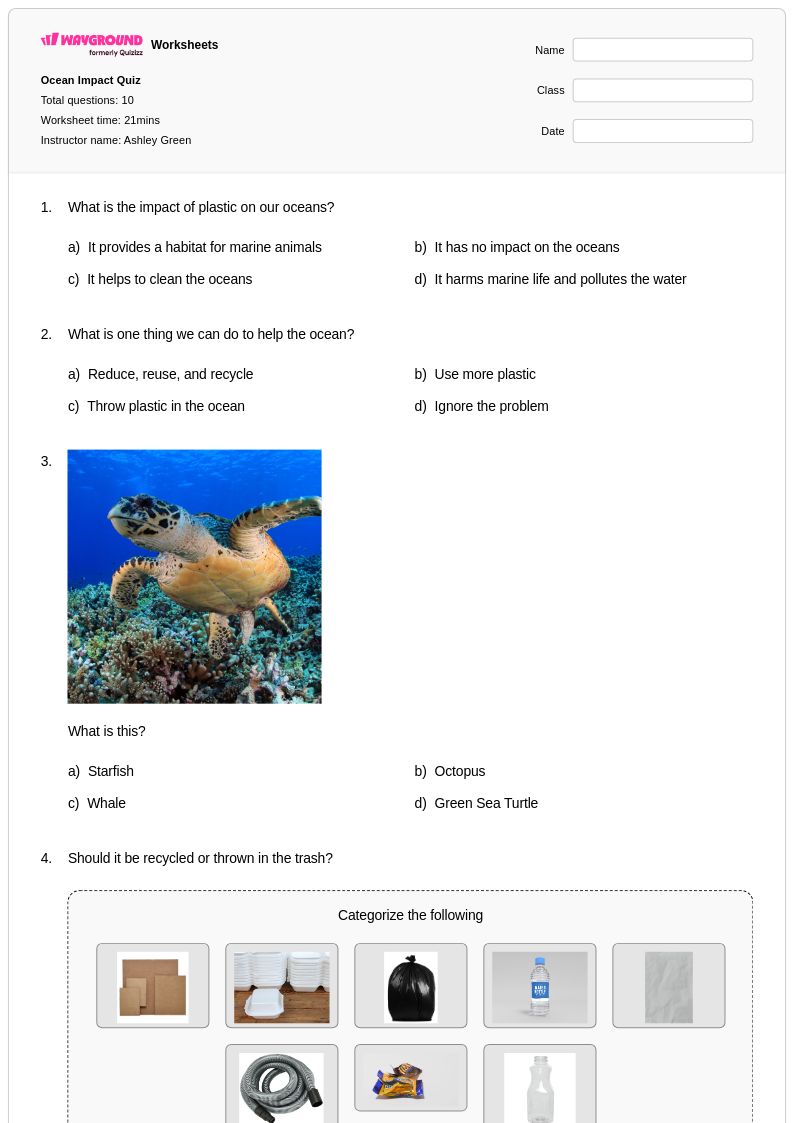
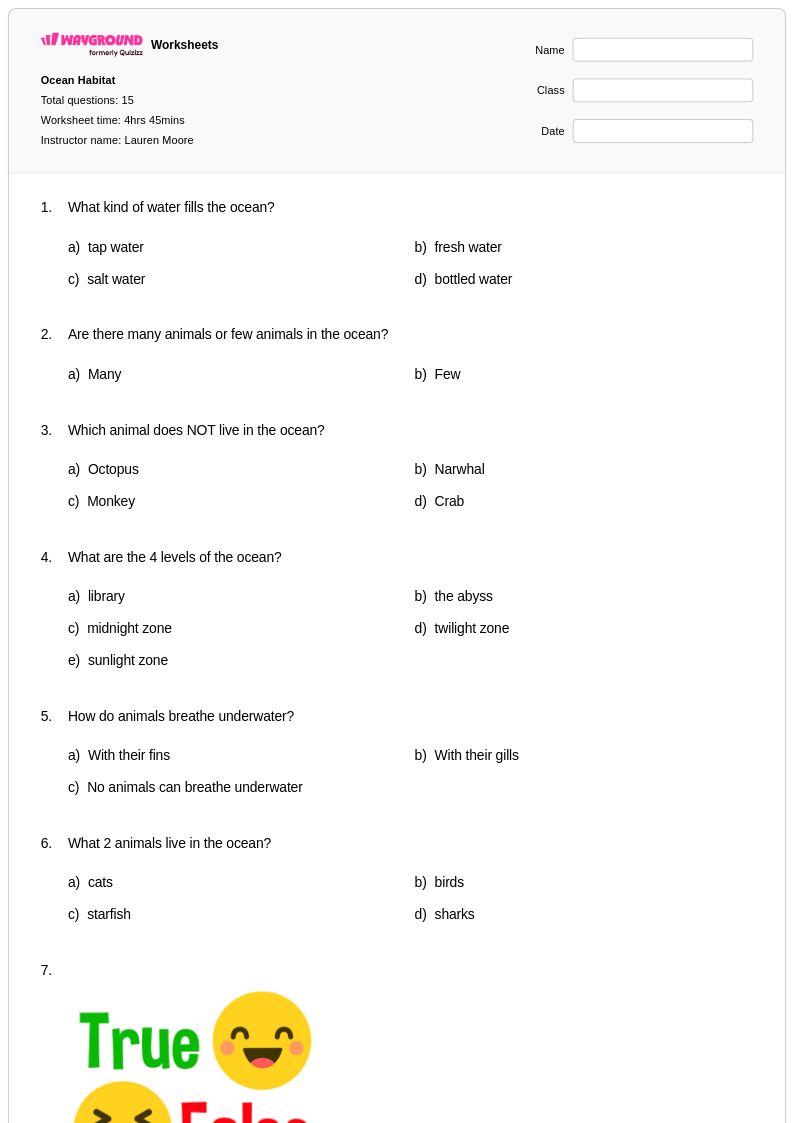
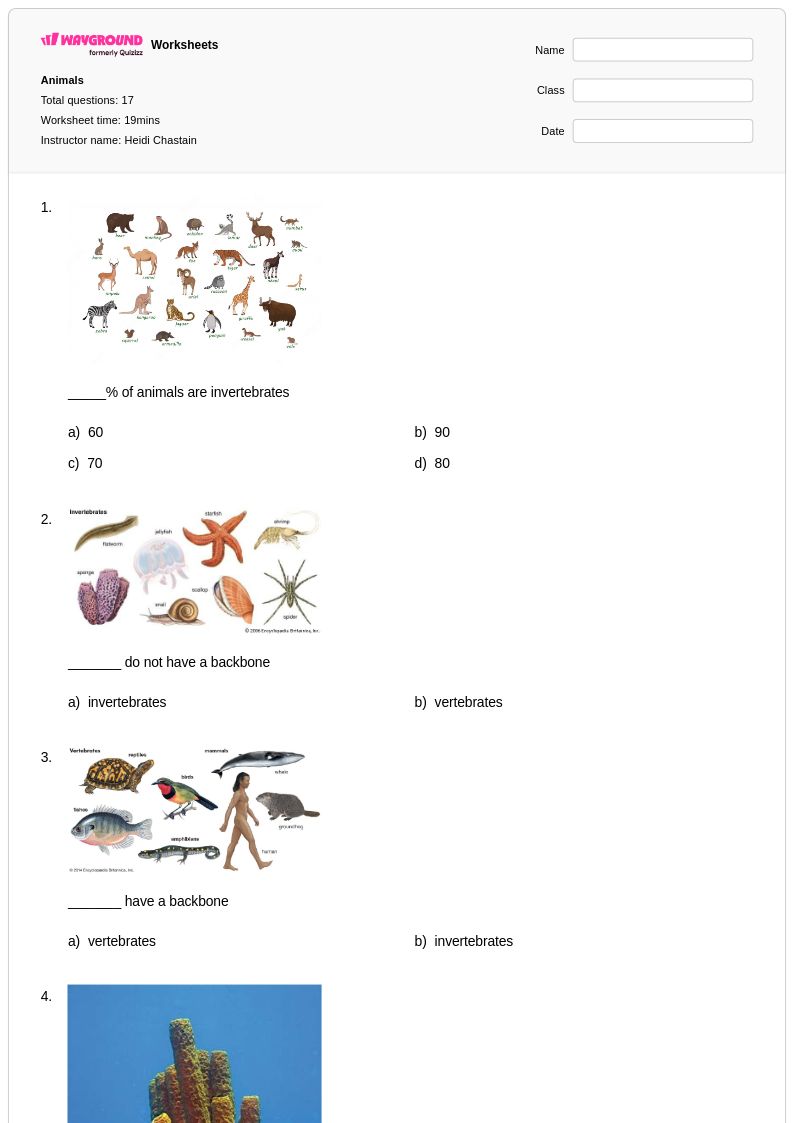
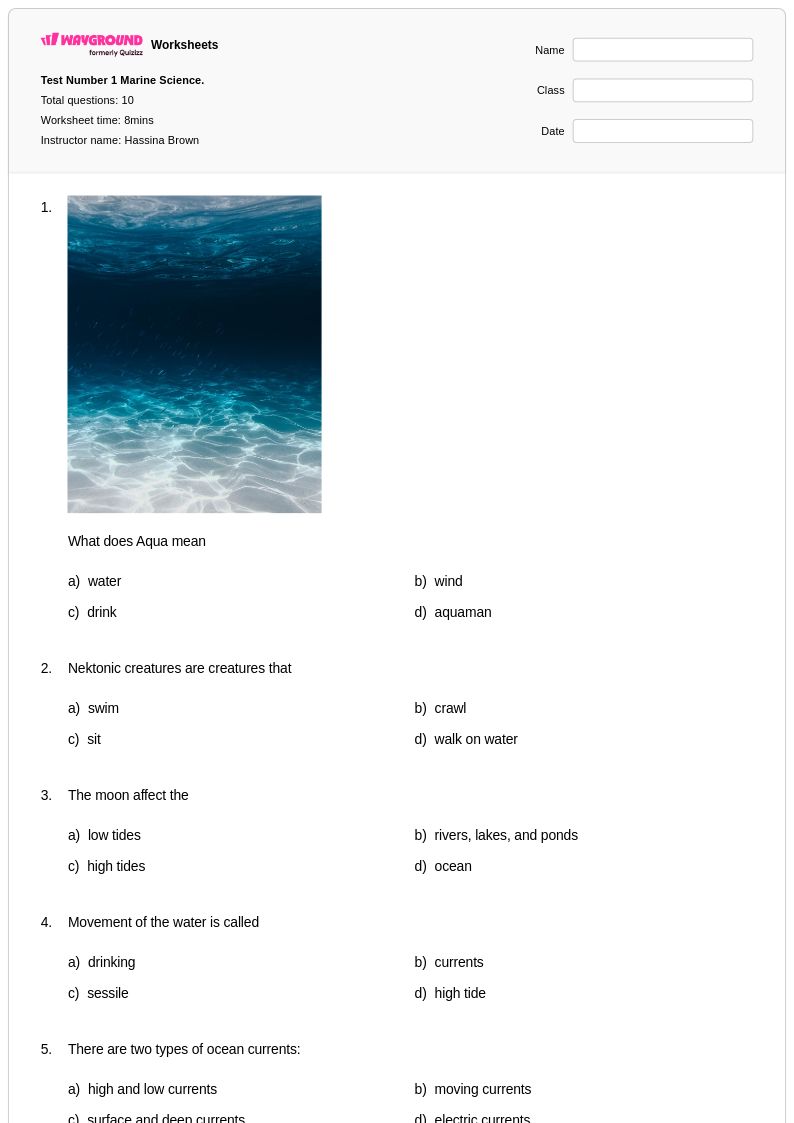
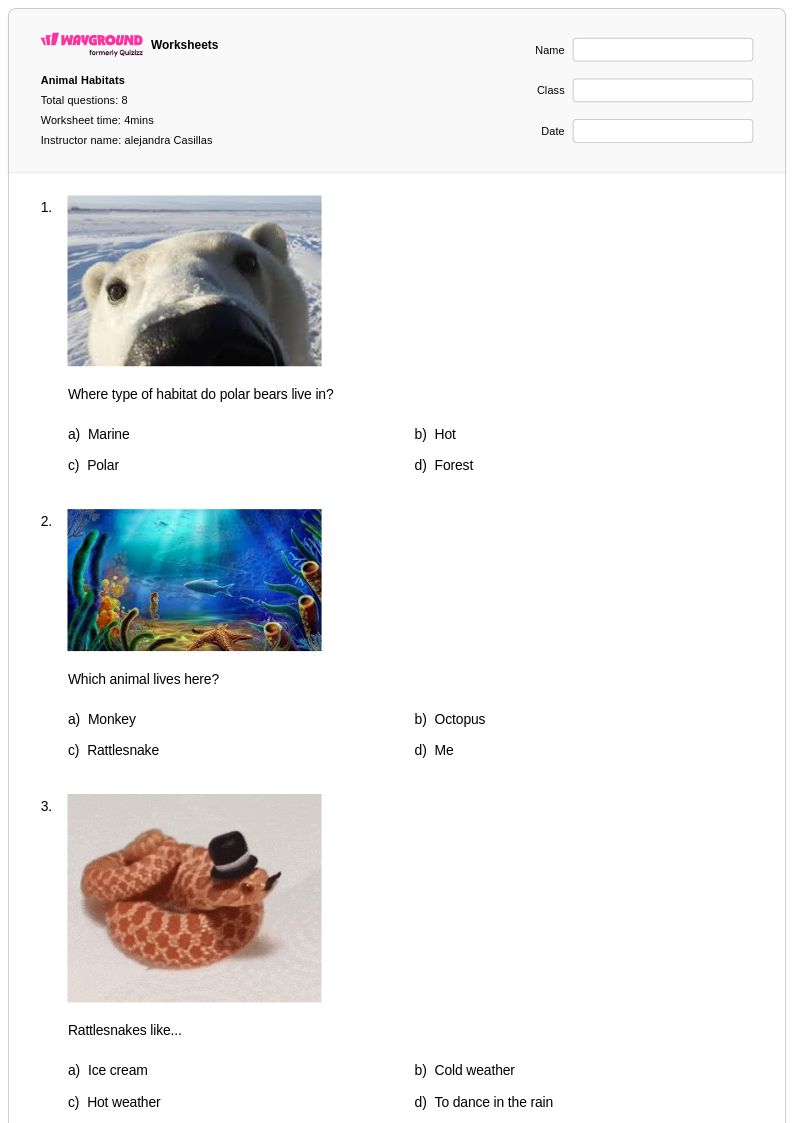
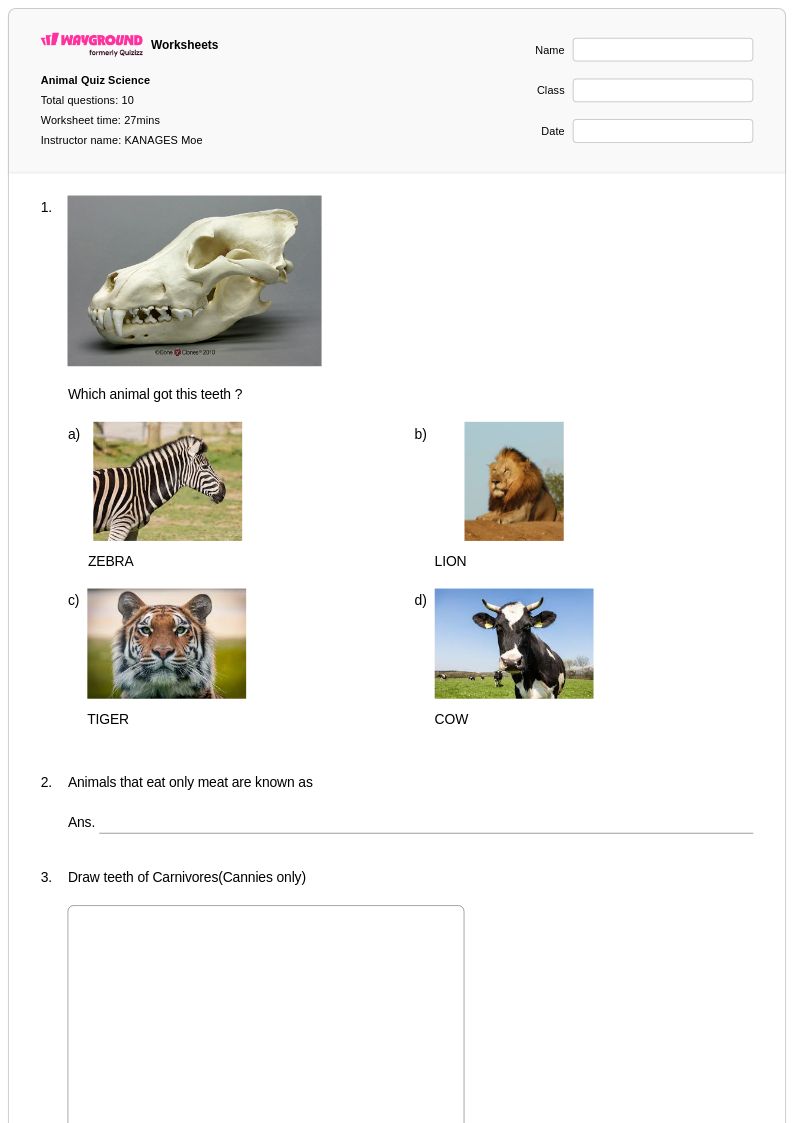
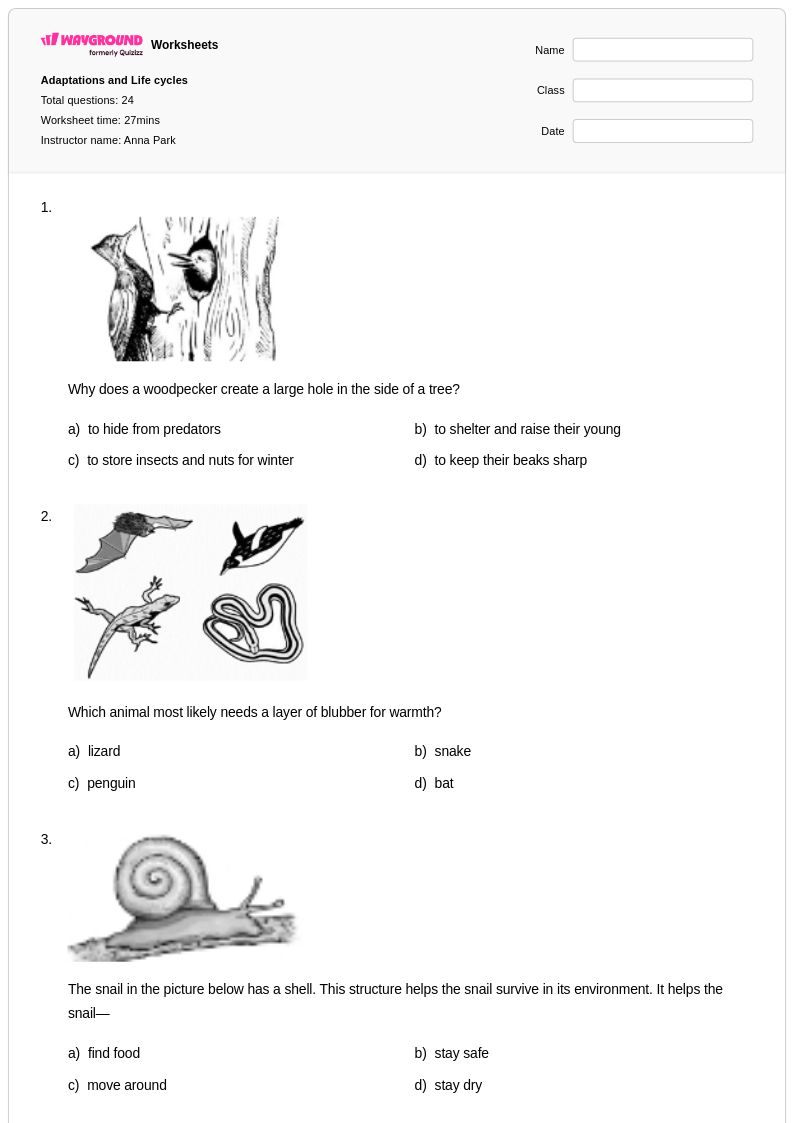
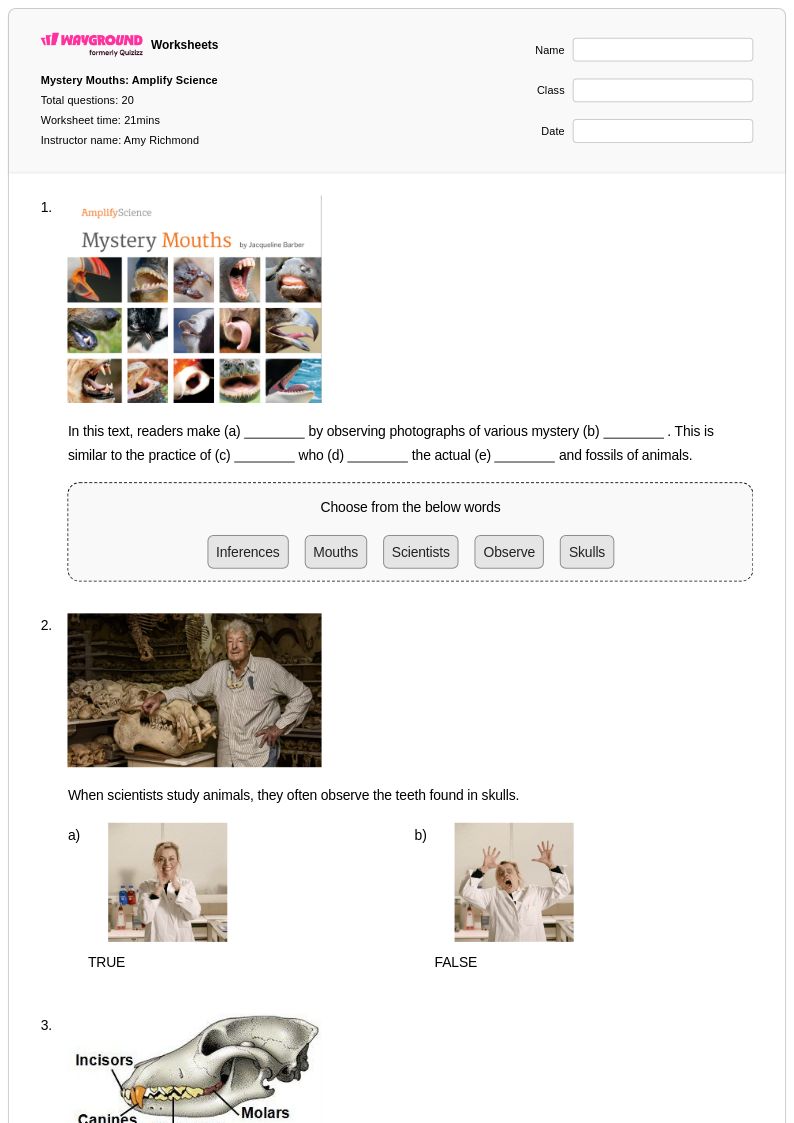
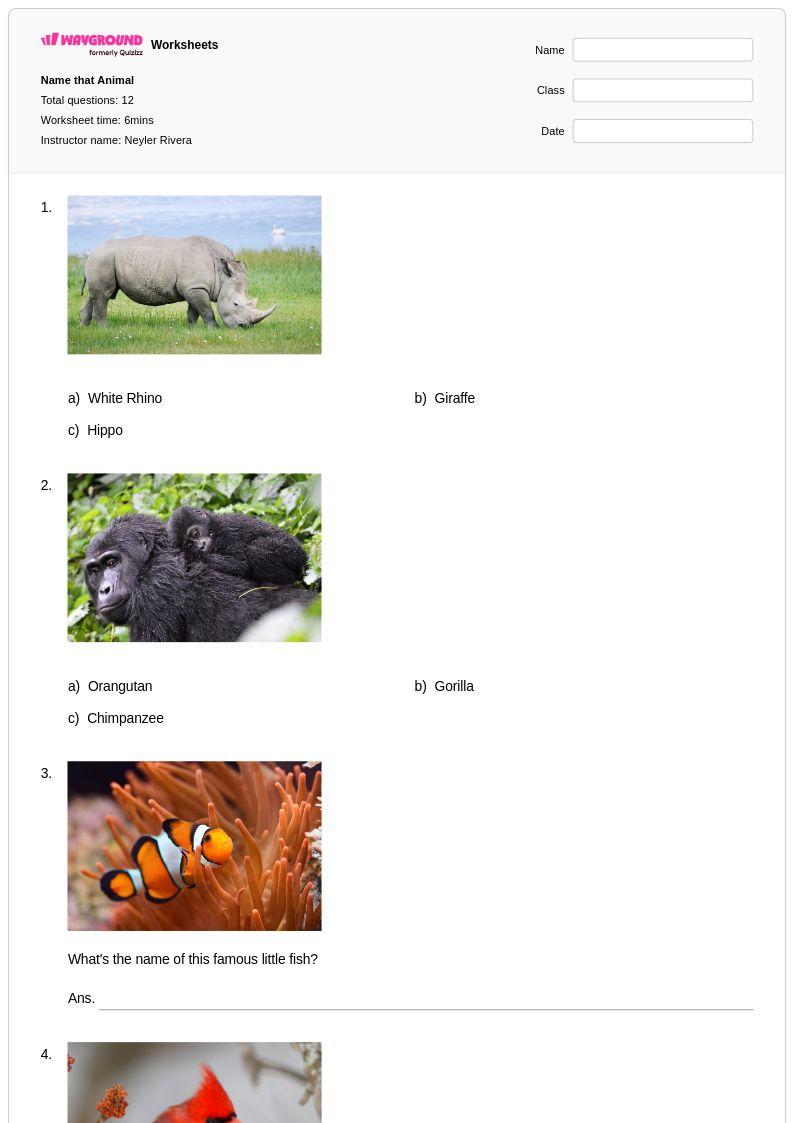
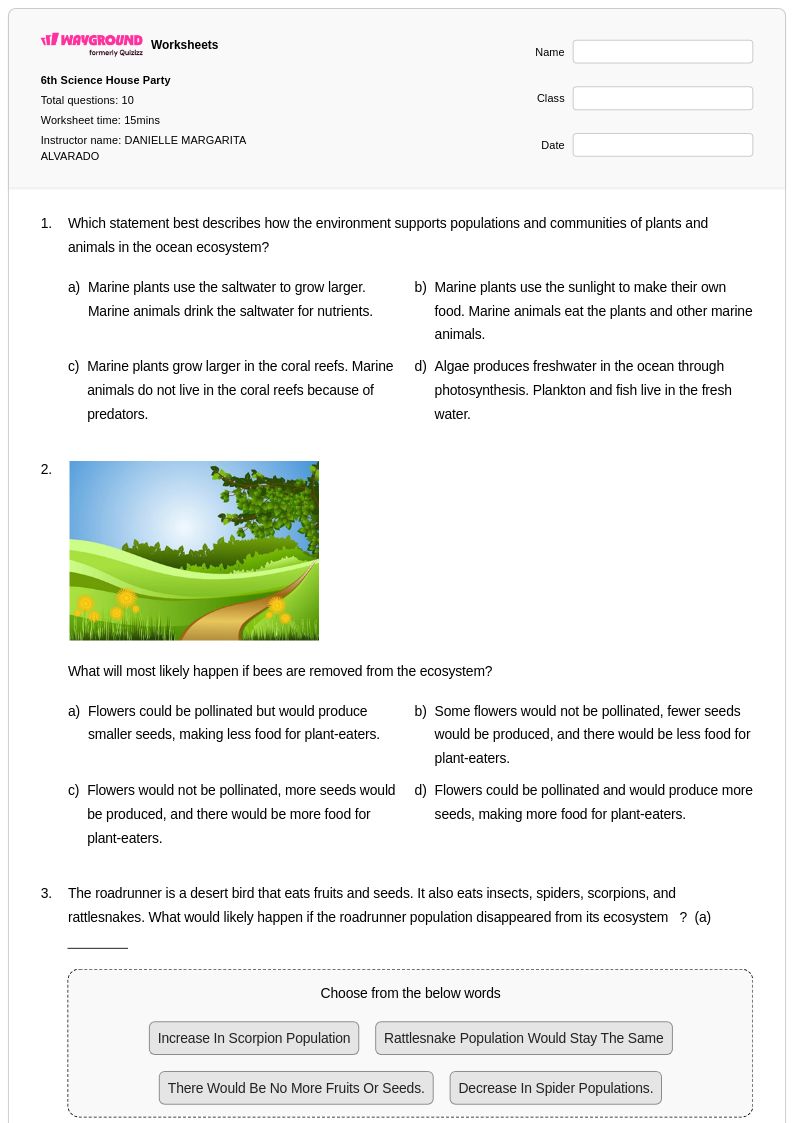
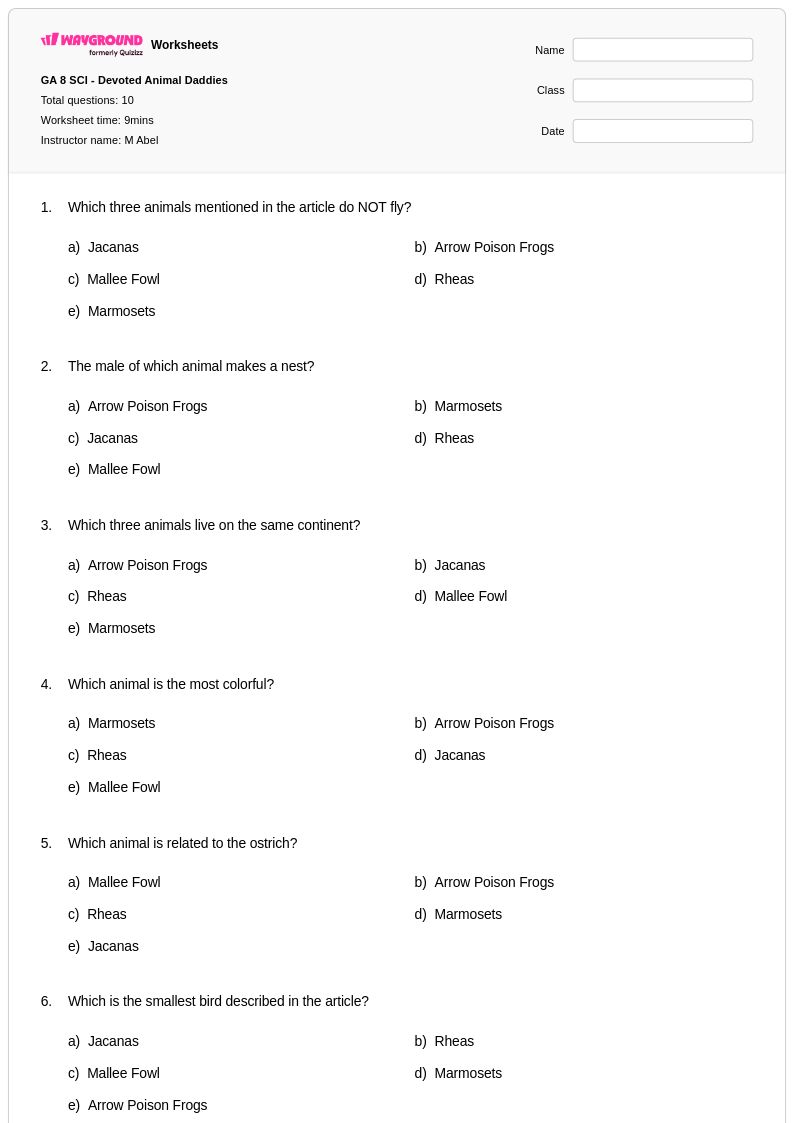
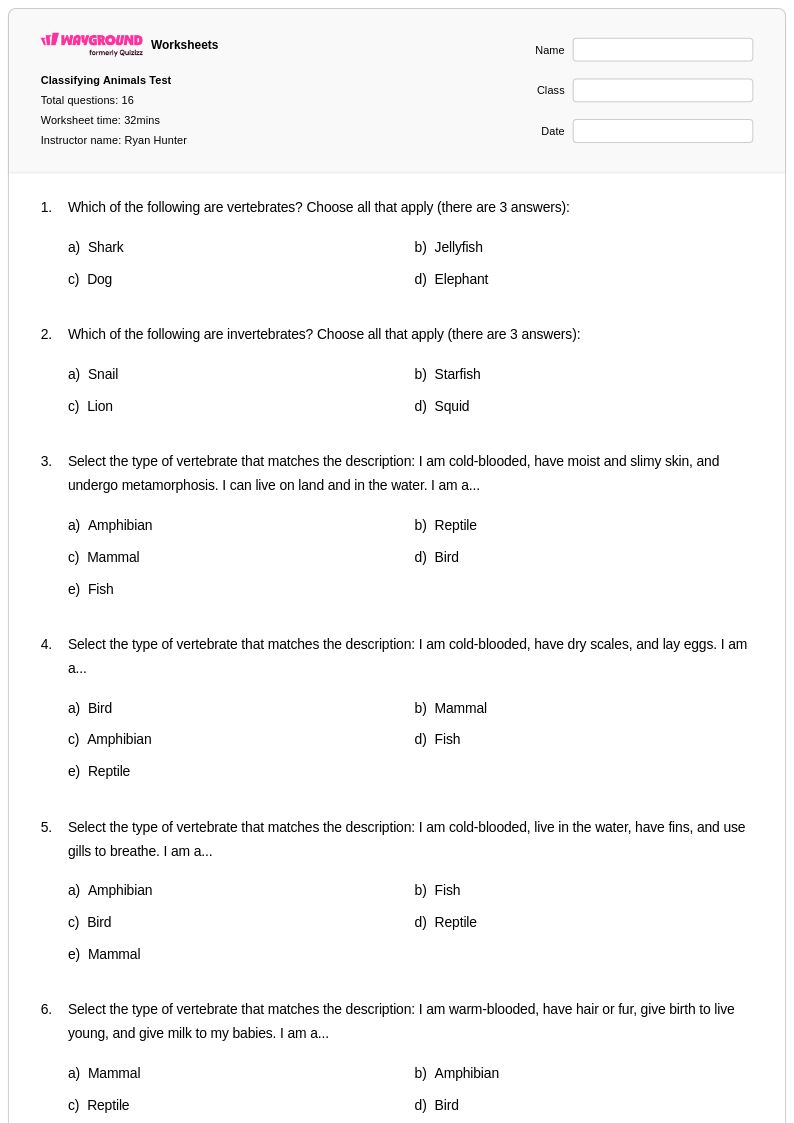
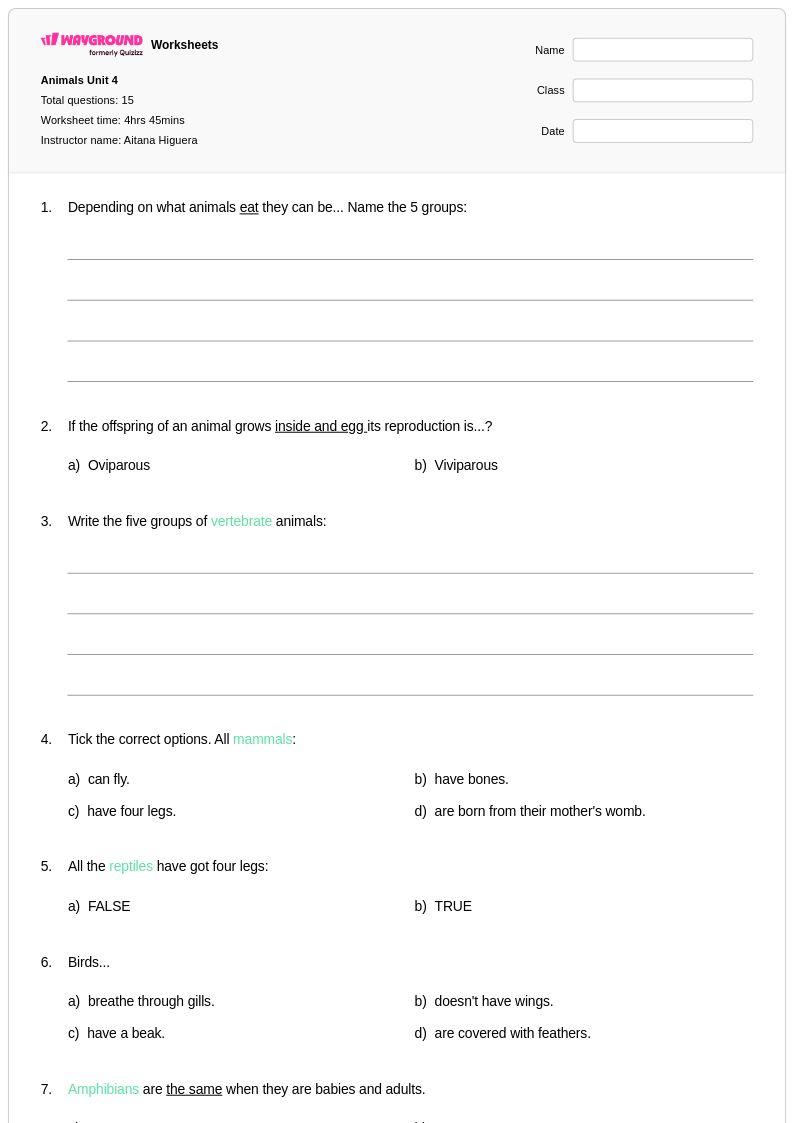
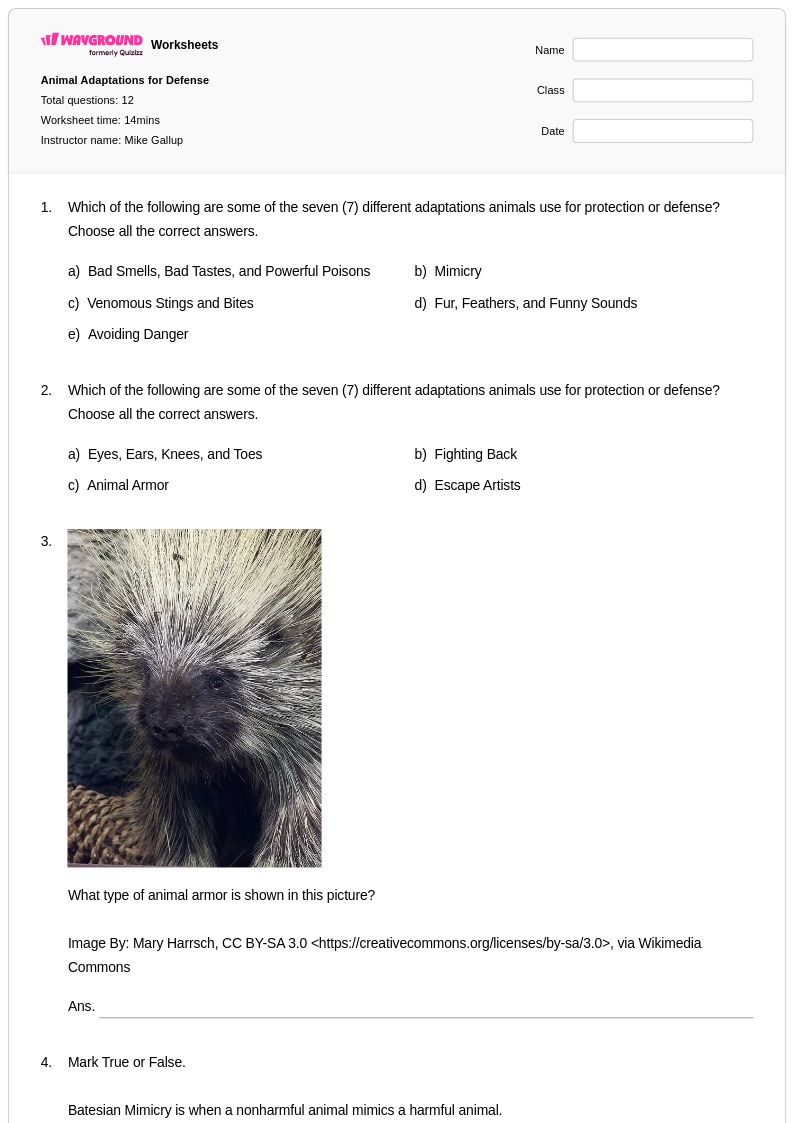
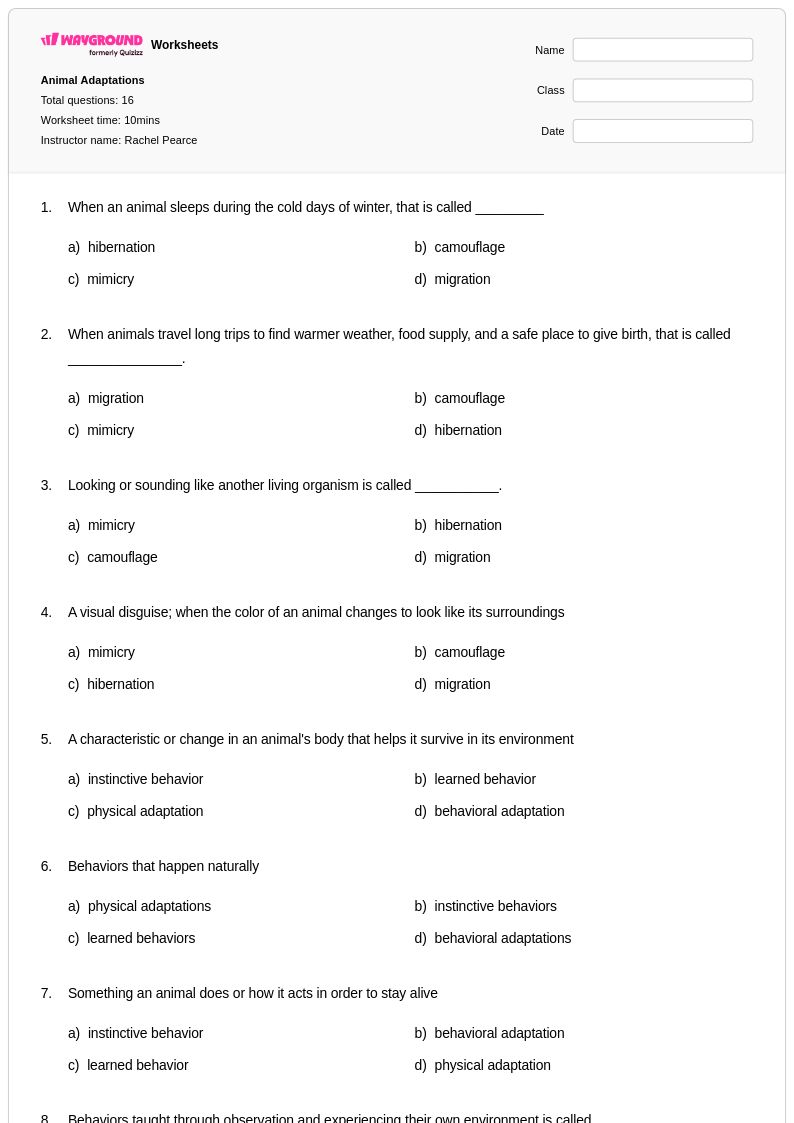
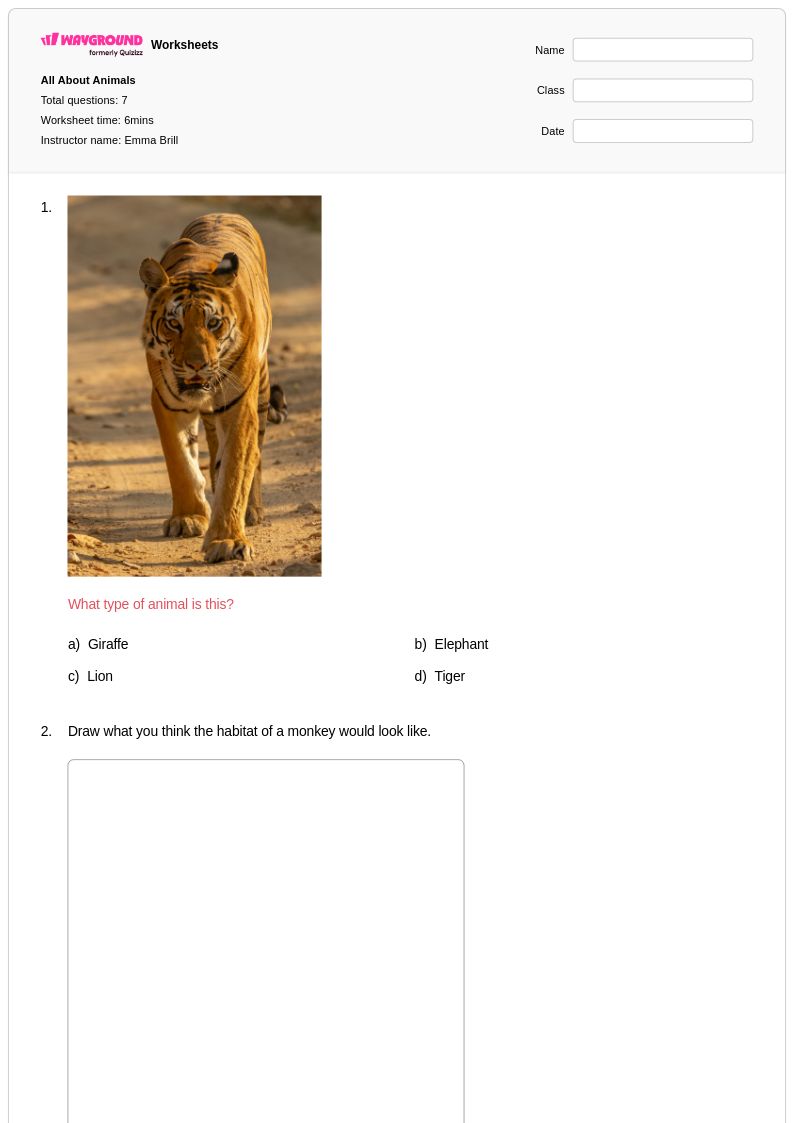
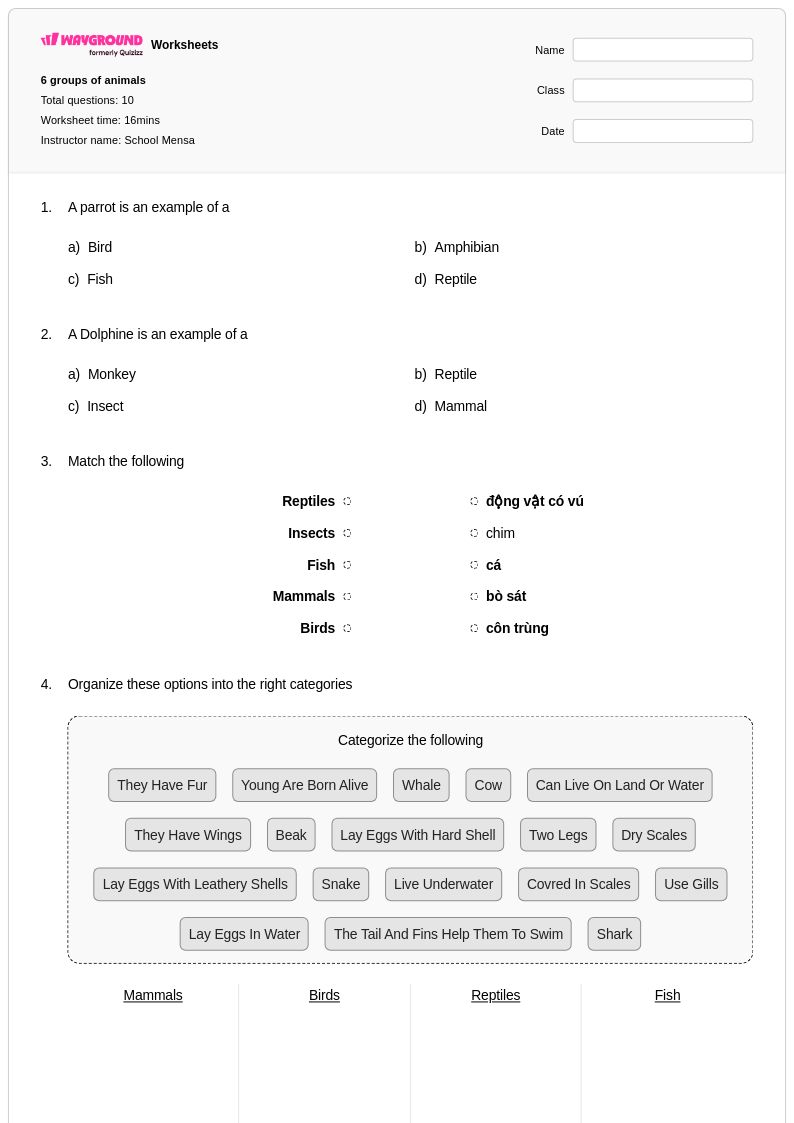
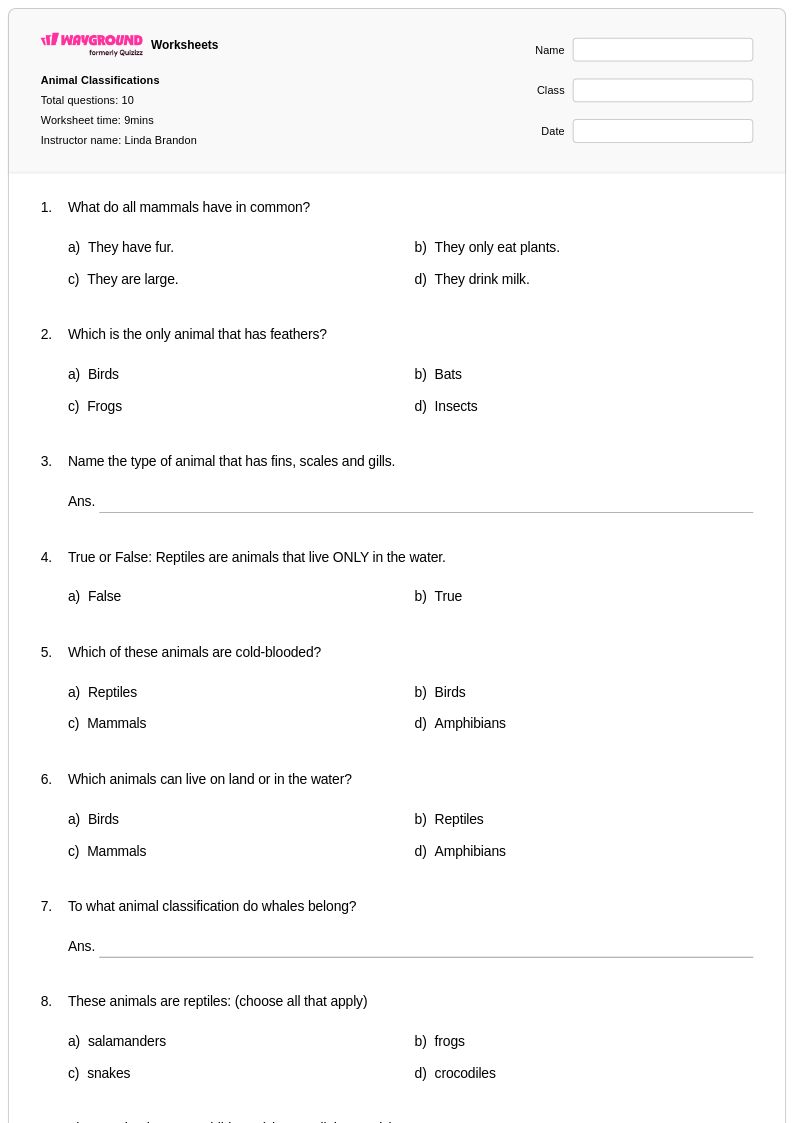
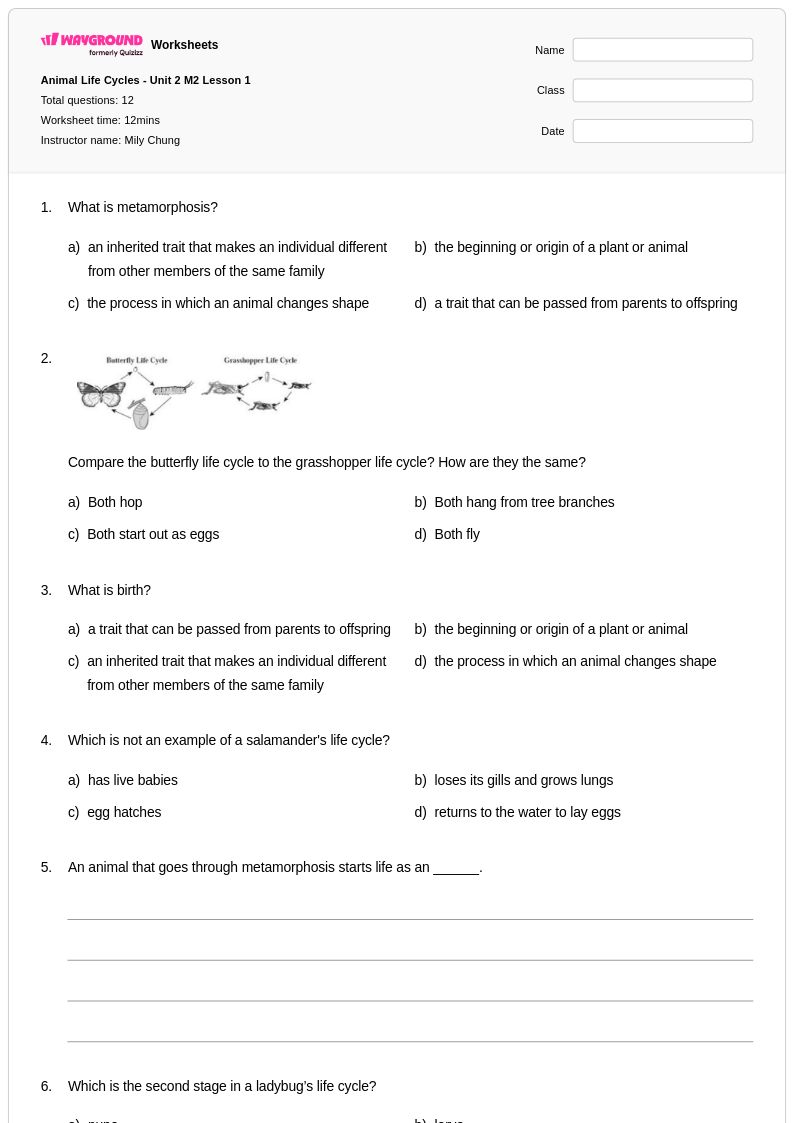
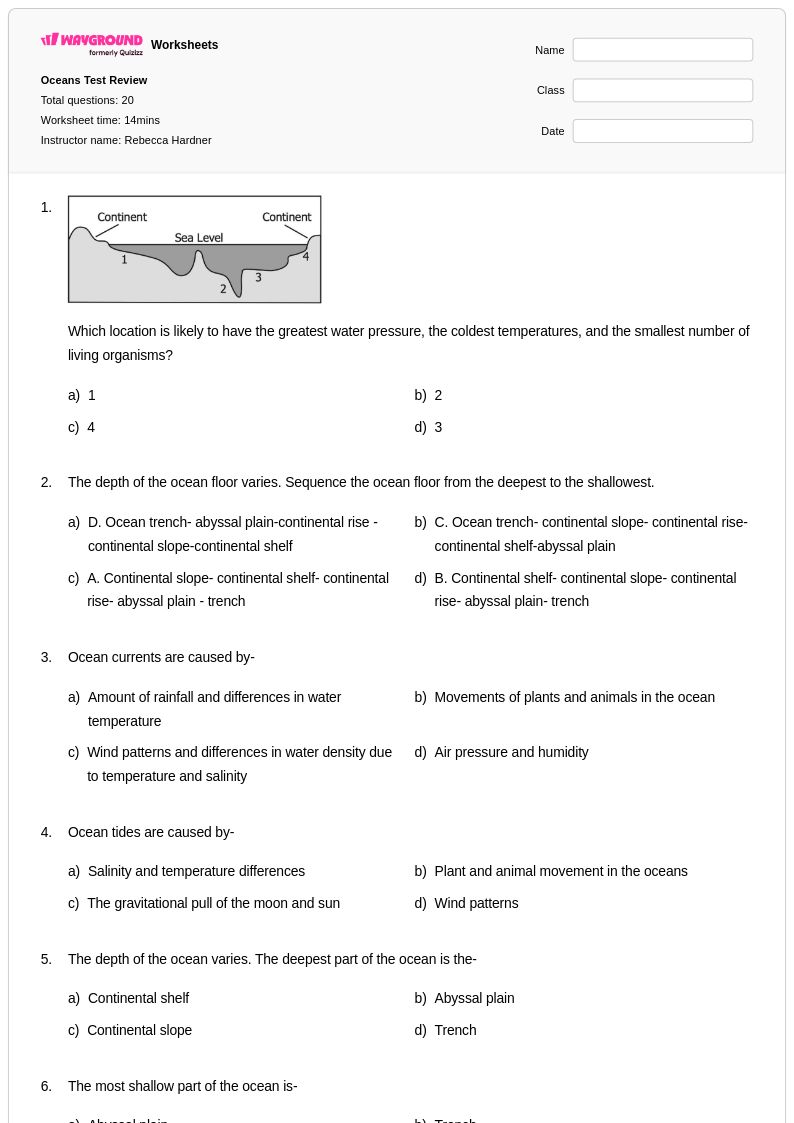
Marine animals worksheets for Grade 3 students available through Wayground (formerly Quizizz) provide comprehensive educational resources that introduce young learners to the fascinating world of ocean life. These carefully designed worksheets focus on building foundational knowledge about various sea creatures, their habitats, adaptations, and behaviors while strengthening essential scientific observation and classification skills. Students engage with age-appropriate content that covers topics such as fish anatomy, marine food chains, coral reef ecosystems, and the differences between mammals, fish, and invertebrates that live in ocean environments. Each worksheet collection includes detailed answer keys to support accurate assessment, and the free printables offer flexible practice problems that reinforce key concepts through drawing activities, labeling exercises, matching games, and simple research tasks that make marine biology accessible and engaging for third-grade learners.
Wayground (formerly Quizizz) empowers educators with an extensive library of millions of teacher-created marine animals resources specifically designed for Grade 3 science instruction. The platform's robust search and filtering capabilities allow teachers to quickly locate worksheets that align with specific learning standards and curriculum requirements, while built-in differentiation tools enable customization for diverse learning needs and abilities. These comprehensive worksheet collections are available in both printable pdf formats for traditional classroom use and digital formats for interactive learning experiences, giving educators maximum flexibility in lesson planning and delivery. Teachers can seamlessly integrate these resources into their marine biology units for initial instruction, targeted remediation, enrichment activities, or ongoing skill practice, ensuring that all students develop a solid understanding of ocean ecosystems and the remarkable creatures that inhabit them.
FAQs
How do I teach marine animals to elementary and middle school students?
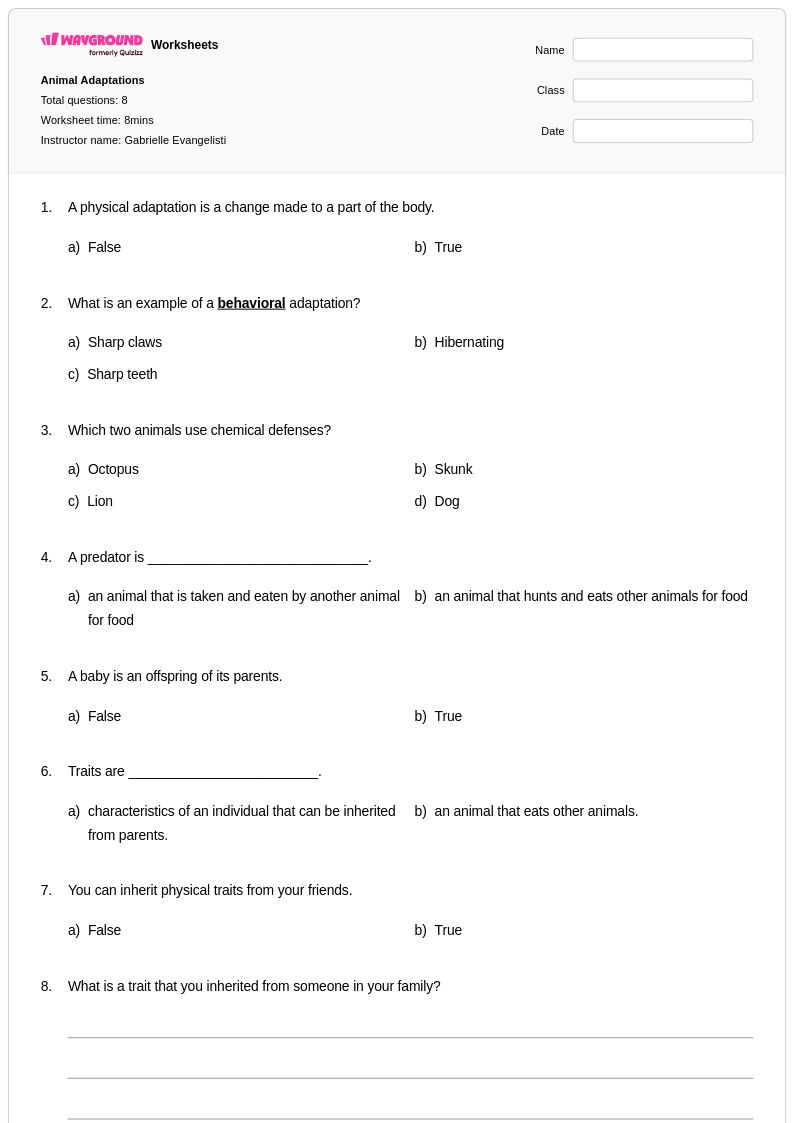
Start by anchoring instruction in familiar animals like dolphins, sharks, and sea turtles before introducing less familiar organisms such as cephalopods or echinoderms. Use classification activities to group marine animals by vertebrate type, habitat zone, or feeding strategy, which builds schema students can apply to new species. Connecting adaptations to specific environmental pressures, such as bioluminescence in deep-sea zones or blubber in polar species, helps students understand evolution in a concrete, engaging context.
What types of practice activities help students learn marine animal adaptations?
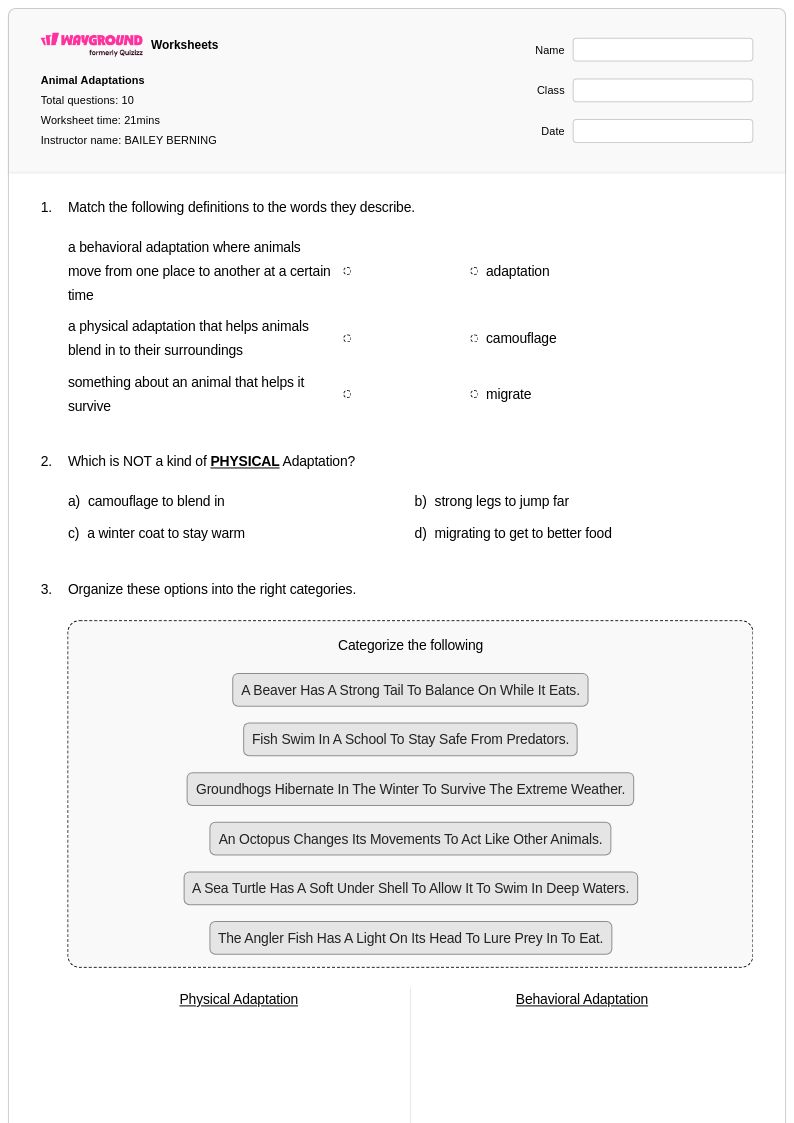
Worksheets that ask students to match specific adaptations to environmental conditions are especially effective for building conceptual understanding of how marine animals survive. Comparative reasoning tasks, such as contrasting how a reef fish and a deep-sea fish obtain oxygen or avoid predators, push students beyond memorization into analytical thinking. Practice problems that incorporate food web diagrams and biodiversity data also reinforce how individual adaptations connect to broader ecosystem function.
What misconceptions do students commonly have about marine animals?
A frequent misconception is that all large marine animals are fish, which leads students to incorrectly classify marine mammals like whales, dolphins, and seals. Students also often confuse marine invertebrates with plants, particularly sessile organisms like sea anemones and coral polyps. Another common error is assuming all ocean zones share similar conditions, which causes students to overgeneralize adaptations without accounting for differences in pressure, light, and temperature across habitats.
How can I use marine animals worksheets to build food web and ecology skills?
Marine ecosystems offer rich material for food web instruction because they include clearly defined trophic levels, from phytoplankton and zooplankton up through apex predators like orca and great white sharks. Worksheets that ask students to trace energy flow, identify producers and consumers, or predict the impact of removing a species help develop systems thinking. These tasks directly support ecology standards around interdependence, energy transfer, and the consequences of biodiversity loss.
How do I use Wayground's marine animals worksheets in my classroom?
Wayground's marine animals worksheets are available as printable PDFs for traditional classroom use and in digital formats for technology-integrated or remote learning environments. Teachers can also host worksheets as an interactive quiz on Wayground, allowing students to complete them online with immediate feedback. All worksheets include answer keys, reducing prep time and making them practical for independent practice, homework, or formative assessment.
How can I differentiate marine animals worksheets for students at different skill levels?
On Wayground, teachers can apply student-level accommodations including reduced answer choices to lower cognitive load for struggling learners, and read aloud support for students who benefit from audio delivery of questions. Extended time settings can be configured per student, ensuring assessments remain accessible without disrupting the experience for the rest of the class. These accommodations are saved and reusable across sessions, making differentiation sustainable rather than a one-time adjustment.