
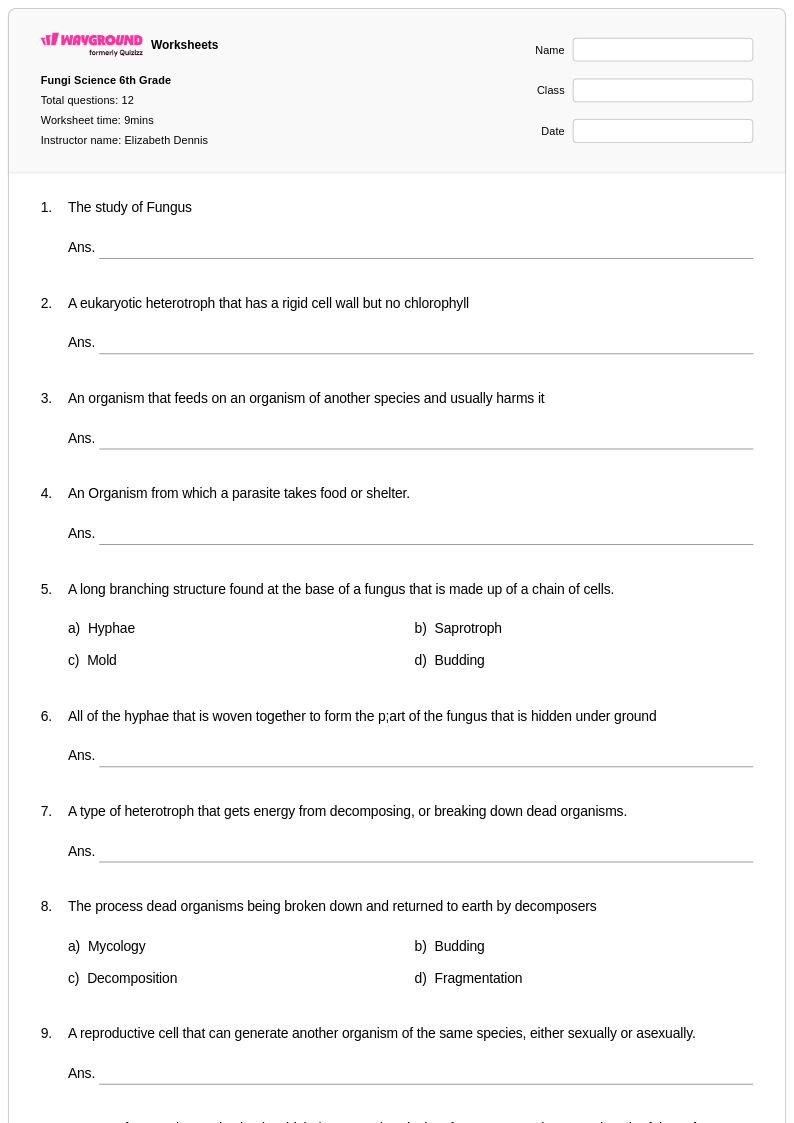
12 Q
3rd - 9th
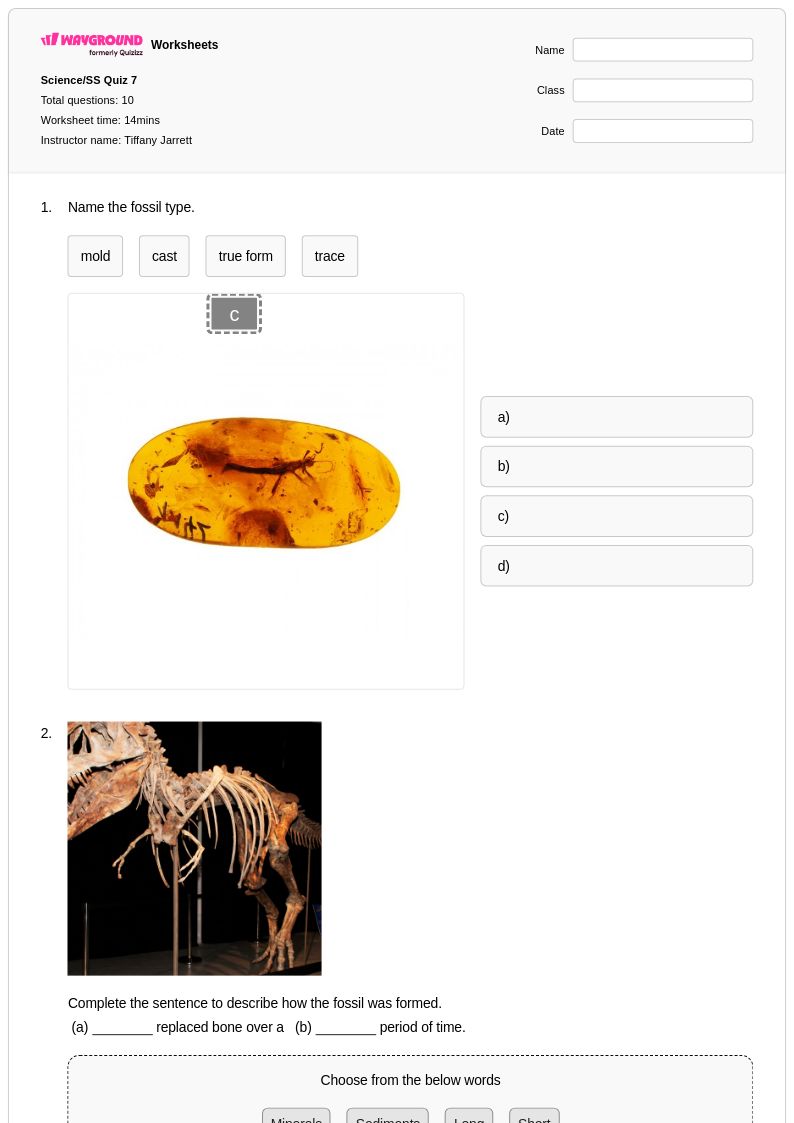
10 Q
3rd
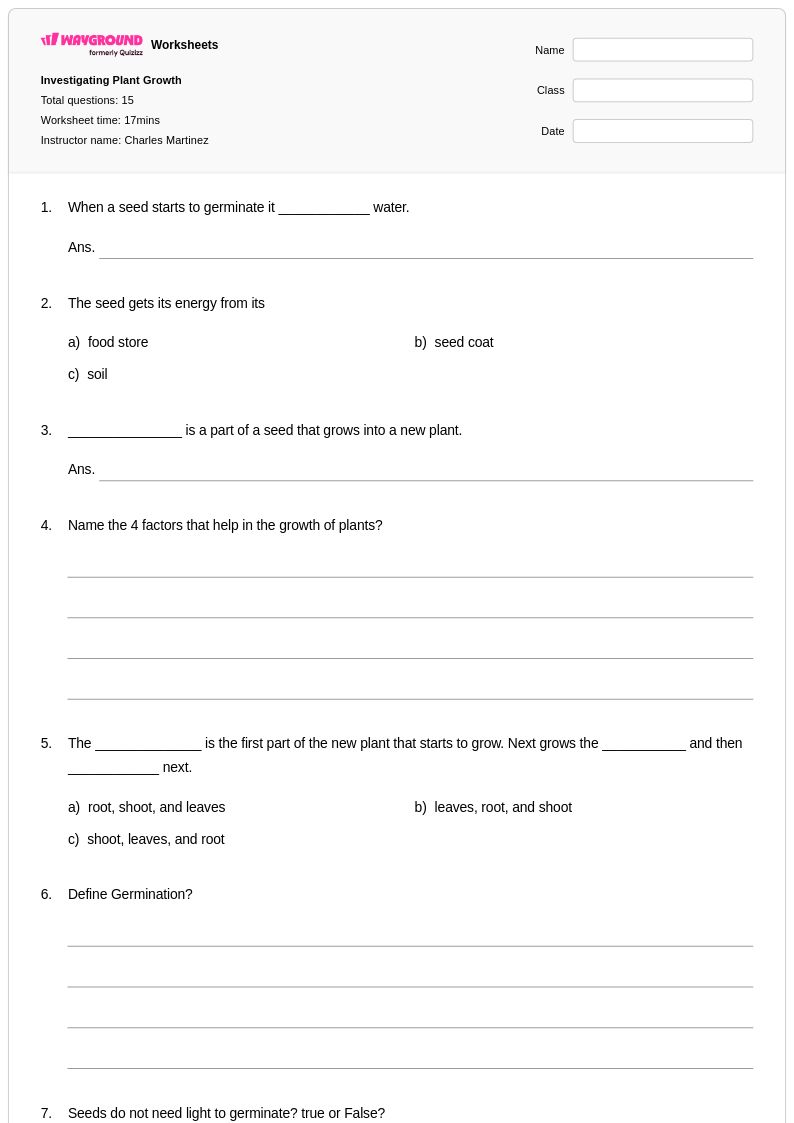
15 Q
3rd - 5th
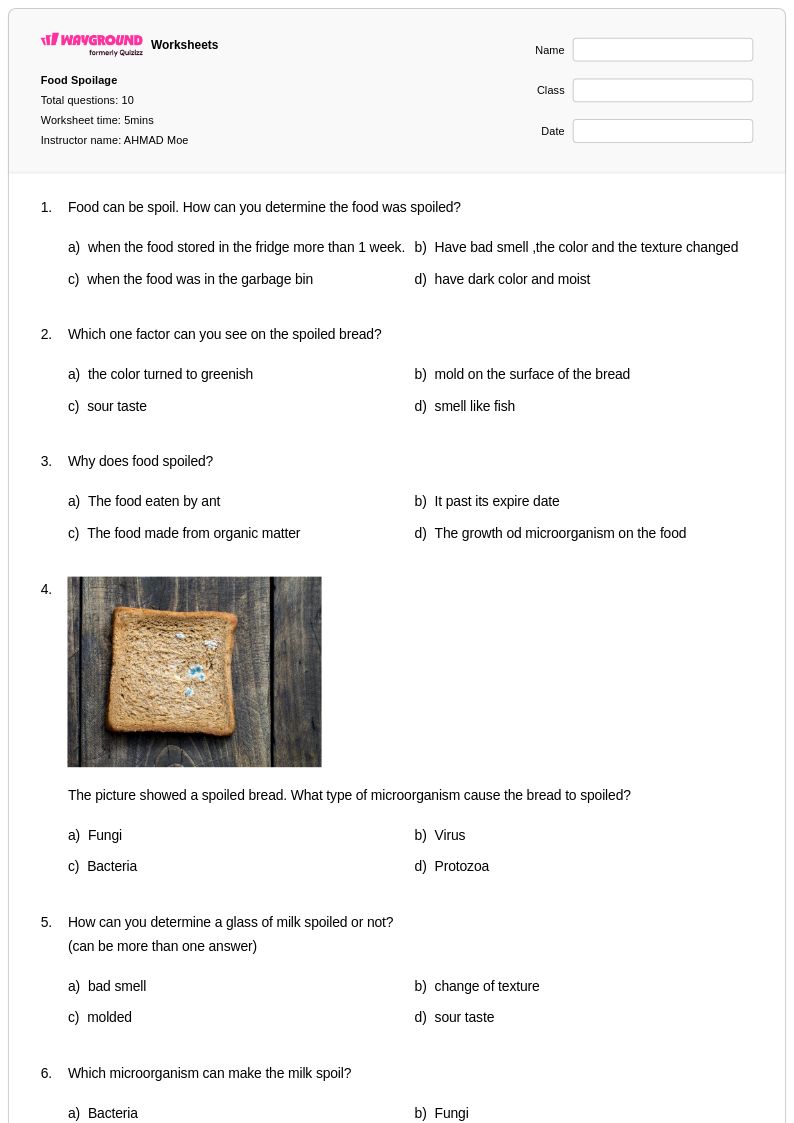
10 Q
1st - 10th
13 Q
3rd
19 Q
3rd
21 Q
3rd
20 Q
3rd - 5th
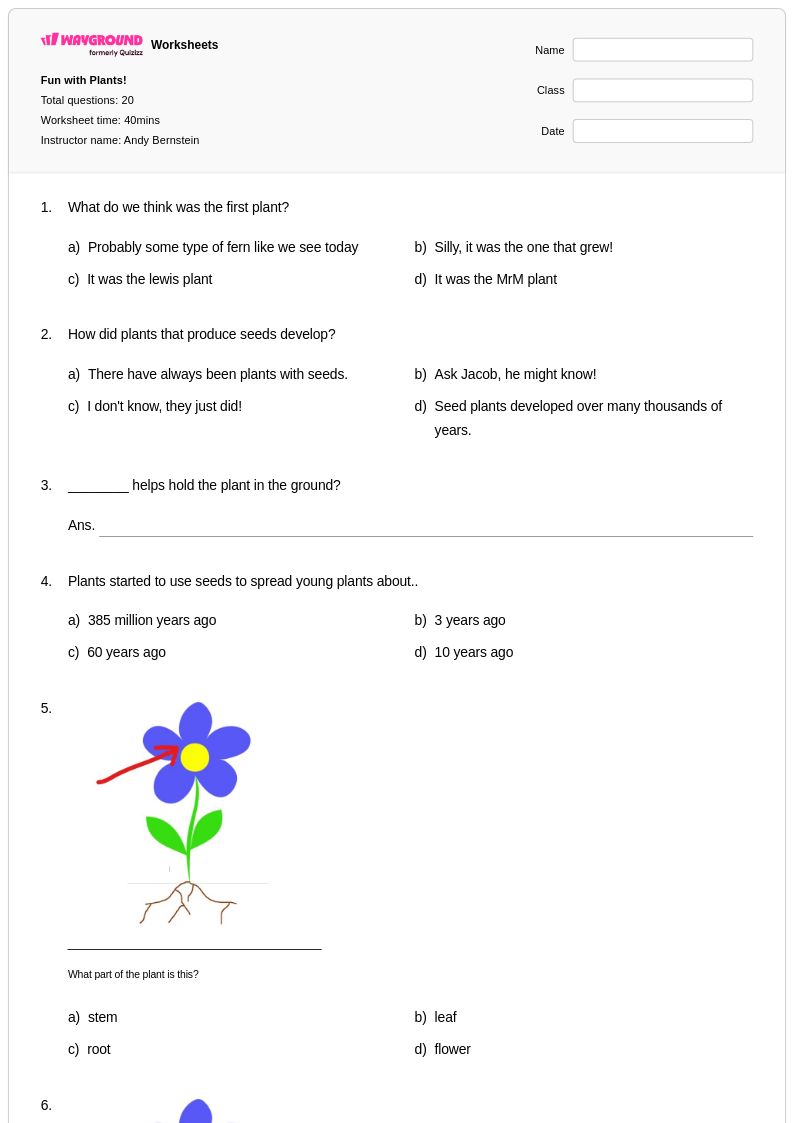
20 Q
2nd - 3rd
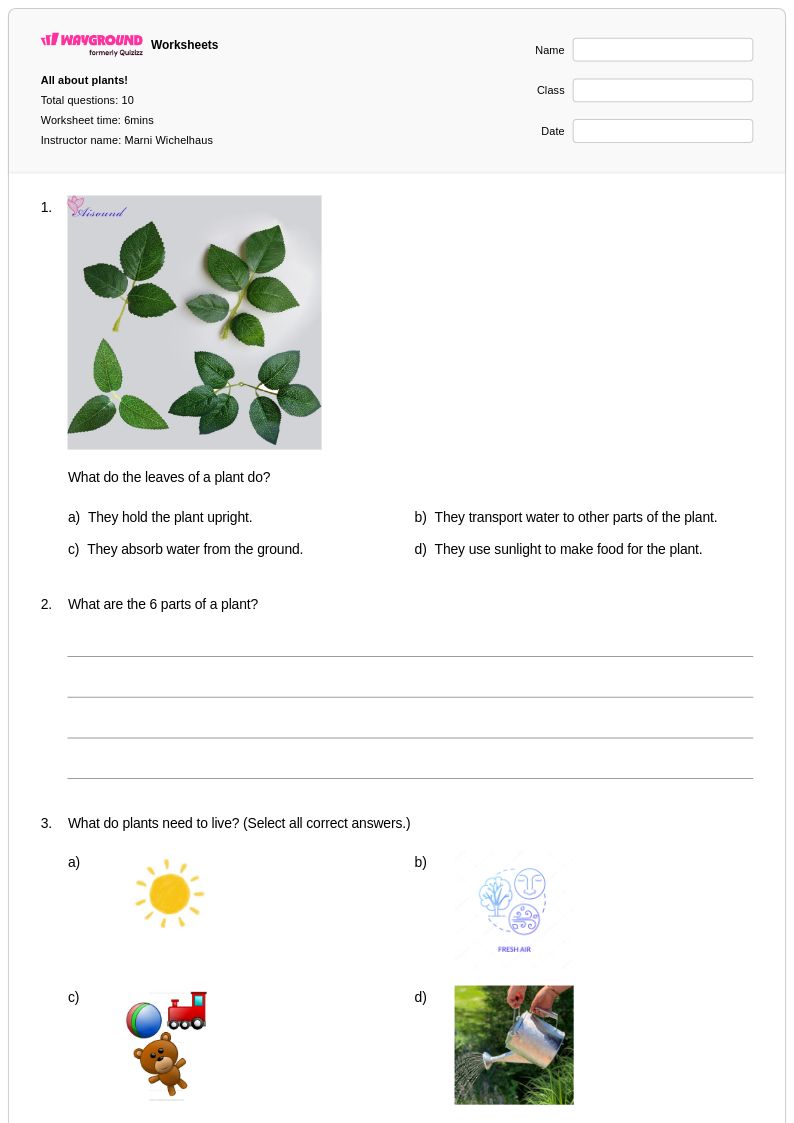
10 Q
2nd - 3rd
9 Q
3rd
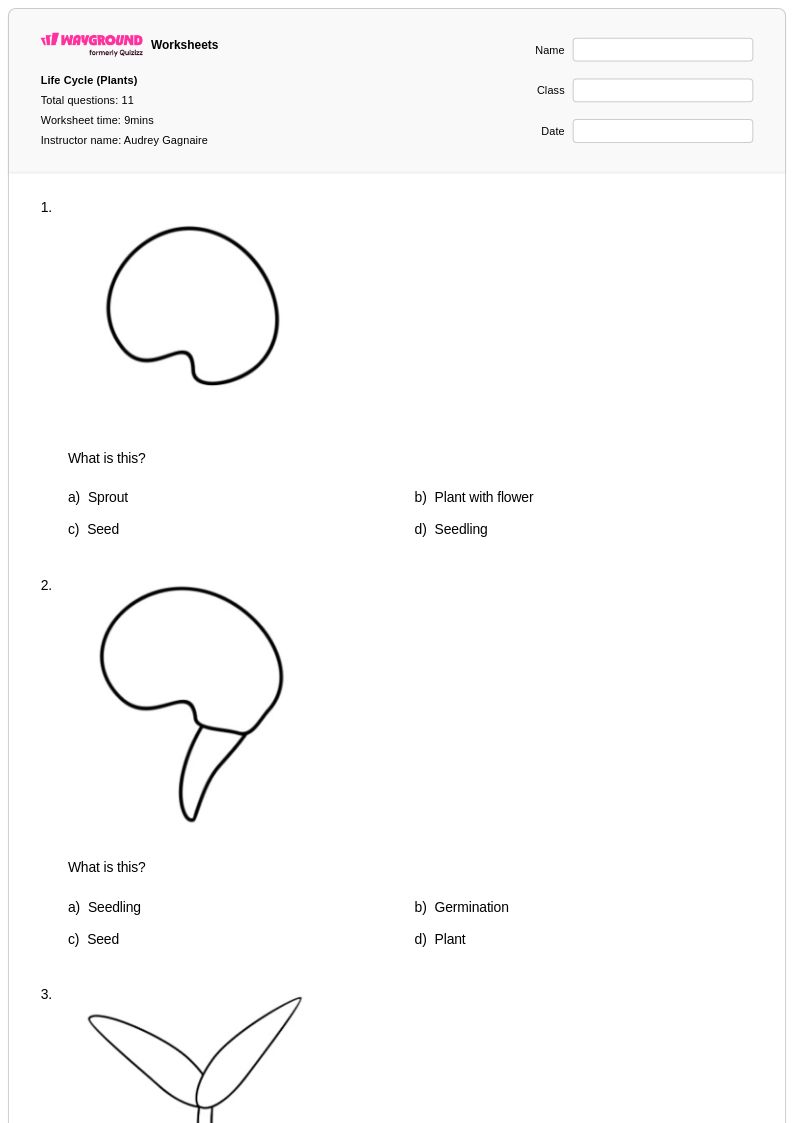
11 Q
3rd
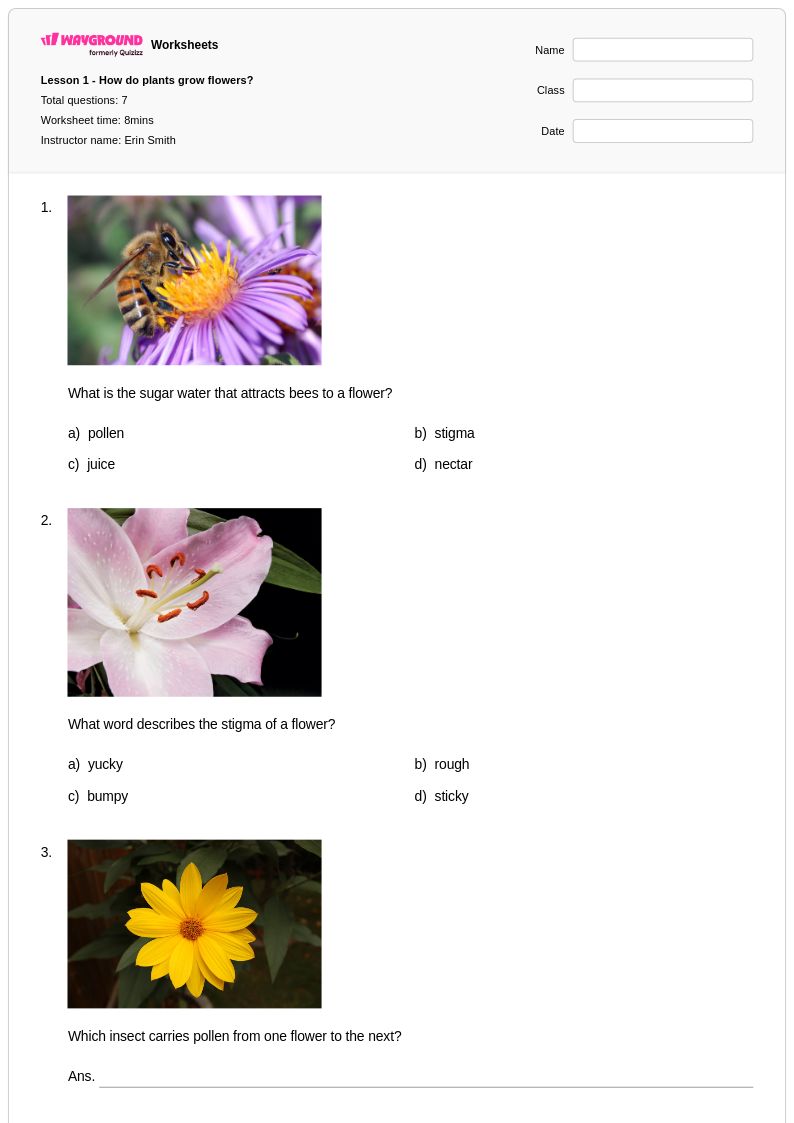
7 Q
3rd
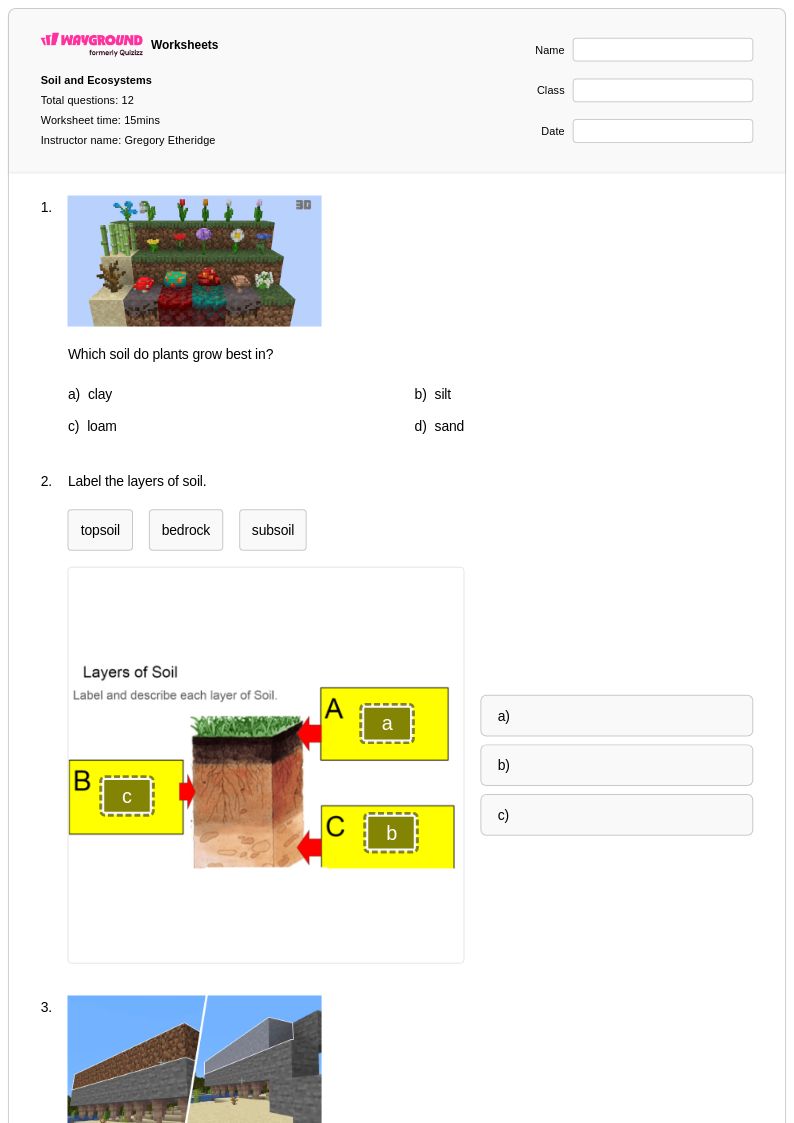
12 Q
3rd
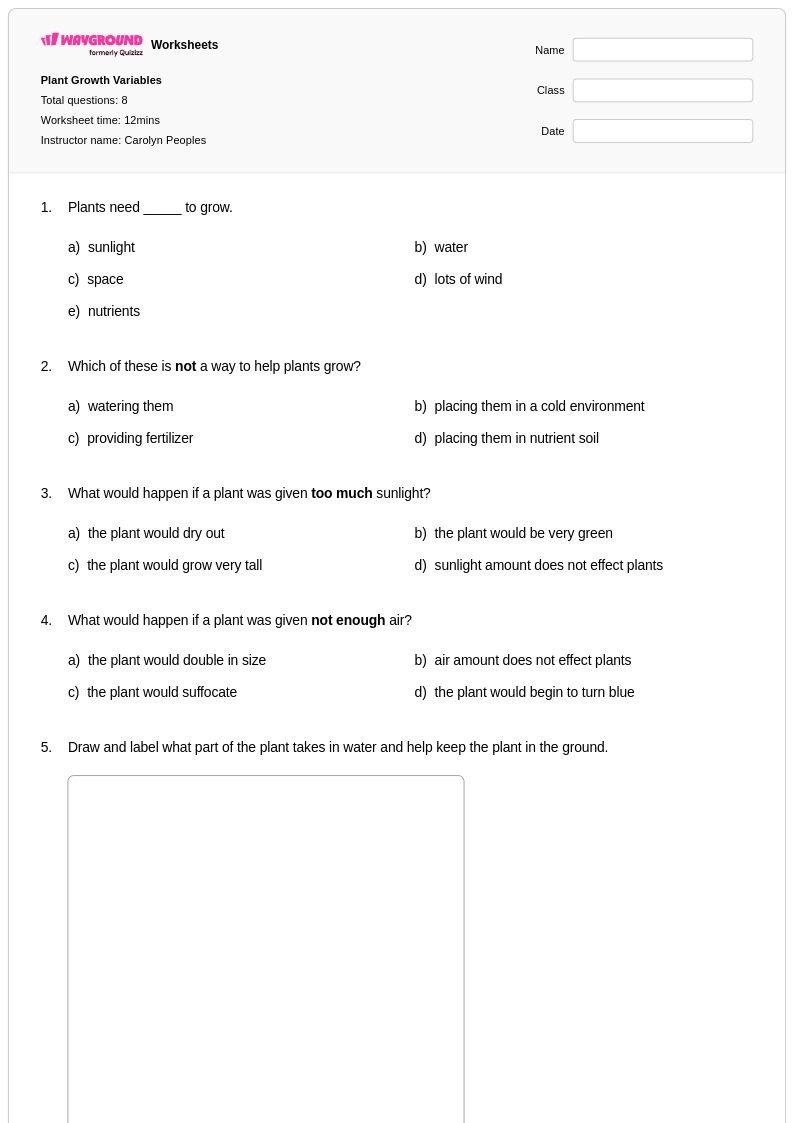
8 Q
2nd - Uni
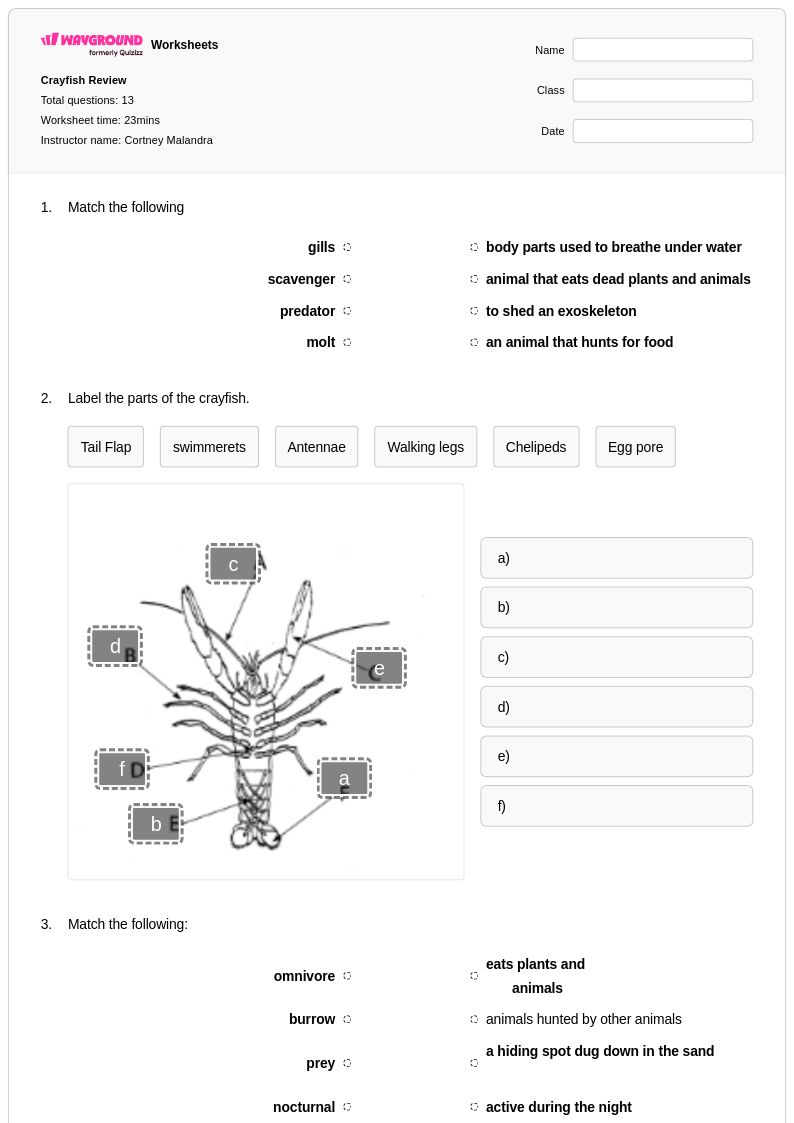
13 Q
3rd
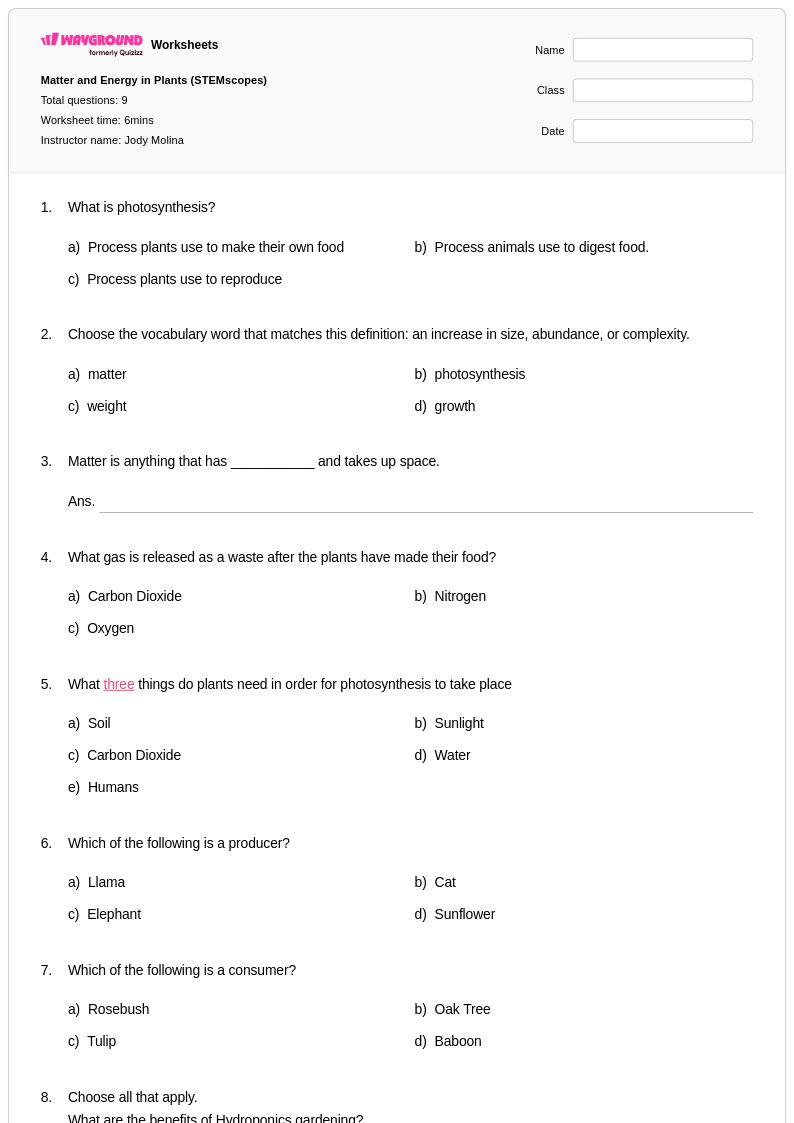
9 Q
3rd - 5th
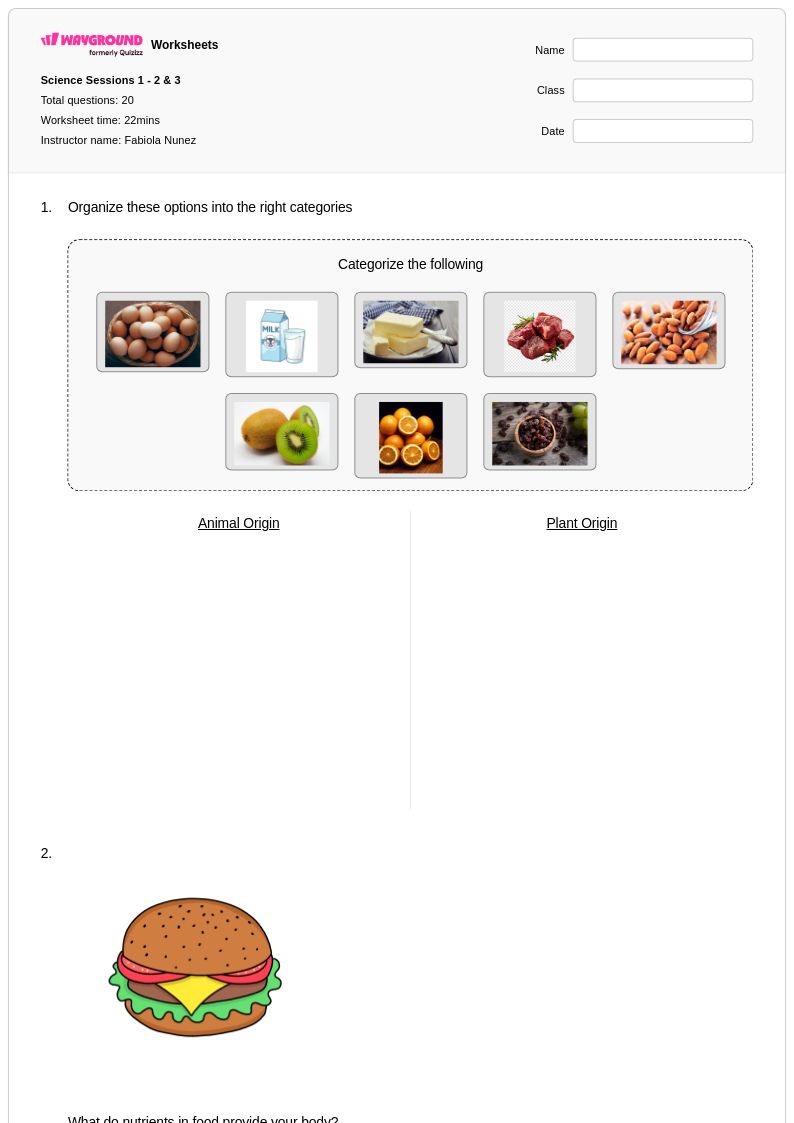
20 Q
3rd
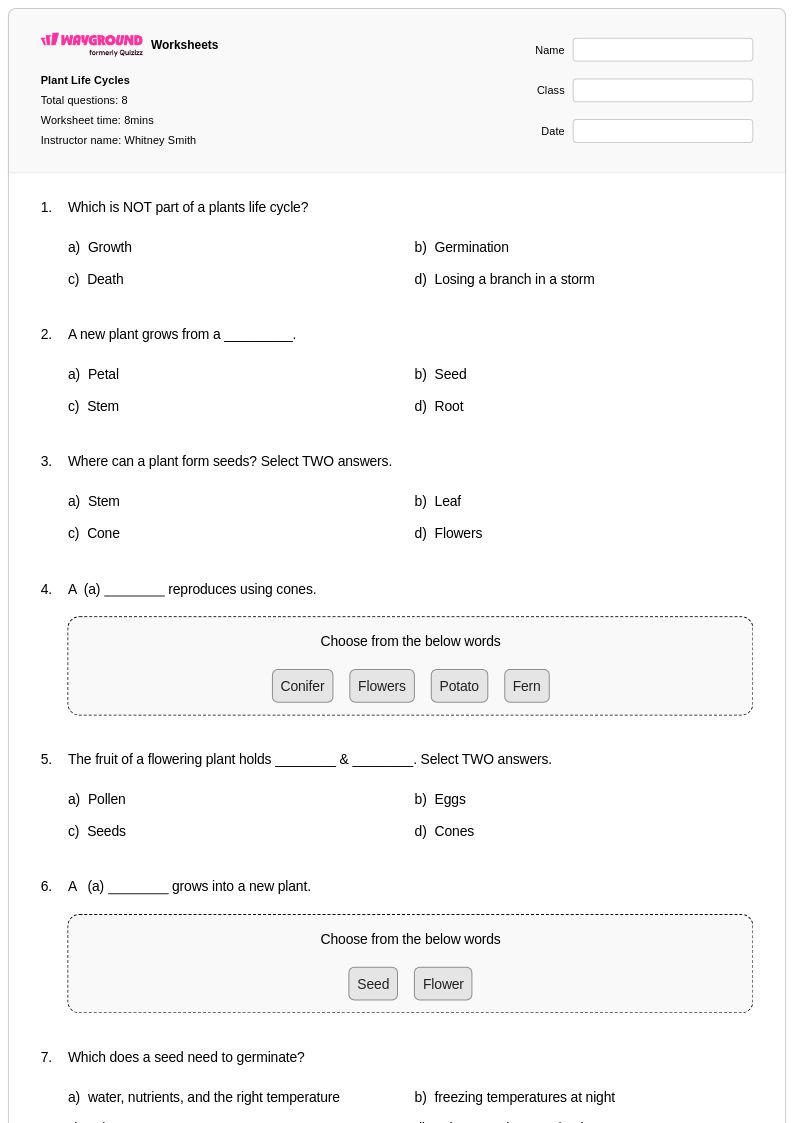
8 Q
3rd
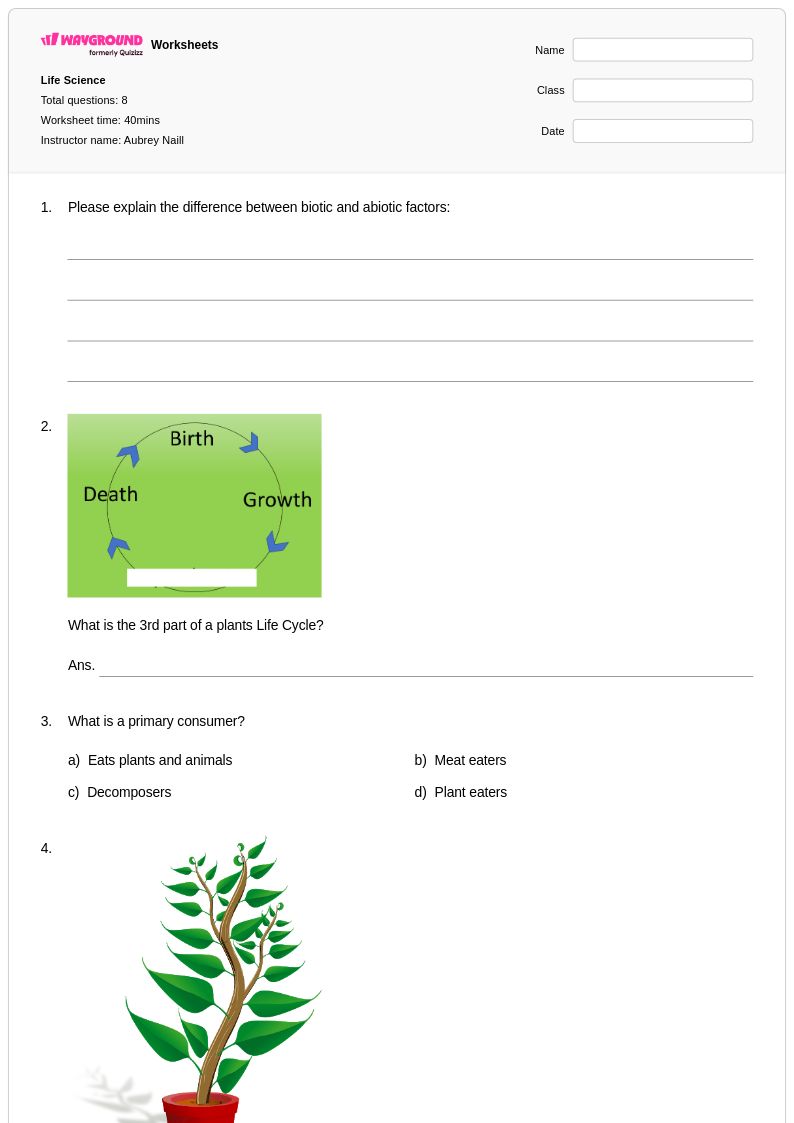
8 Q
3rd
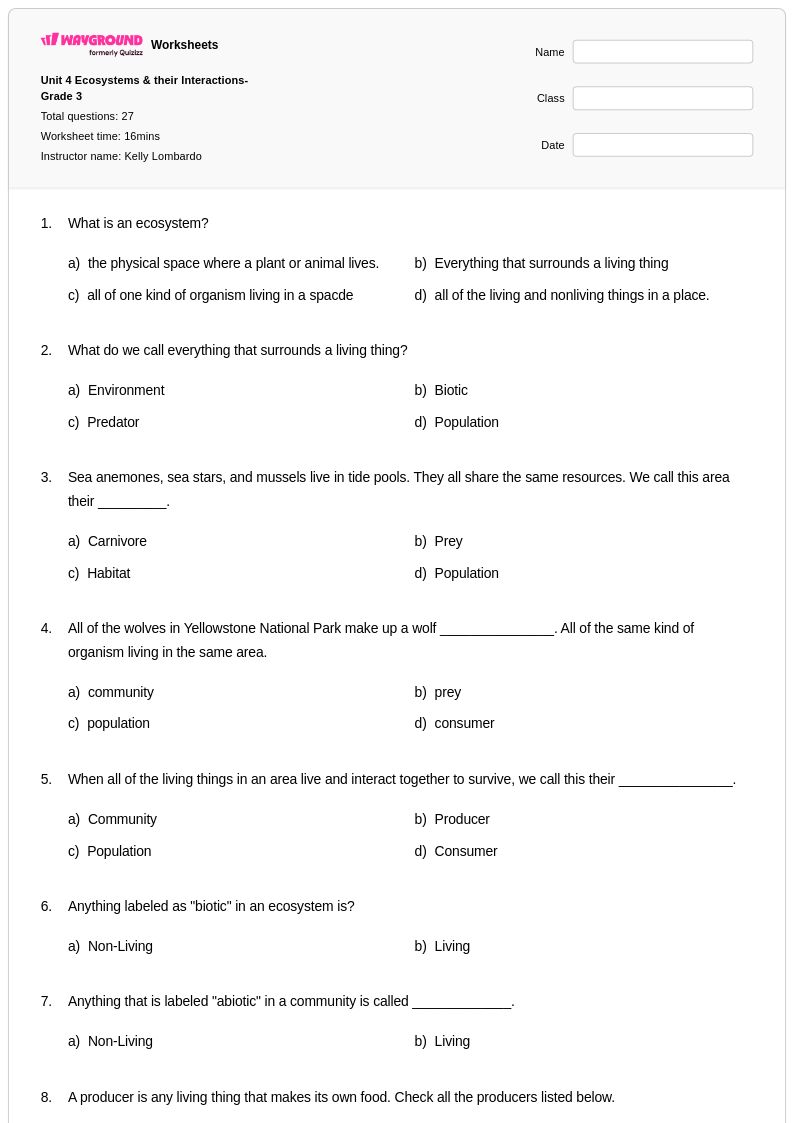
27 Q
3rd
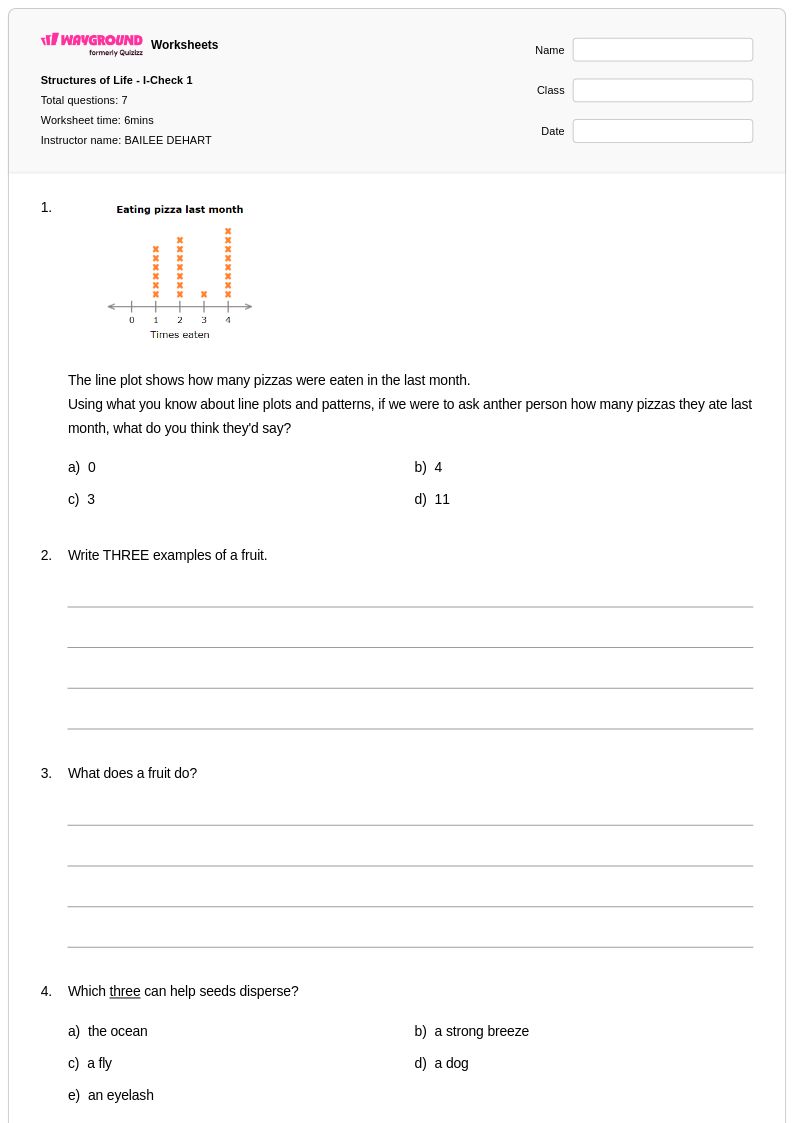
7 Q
3rd
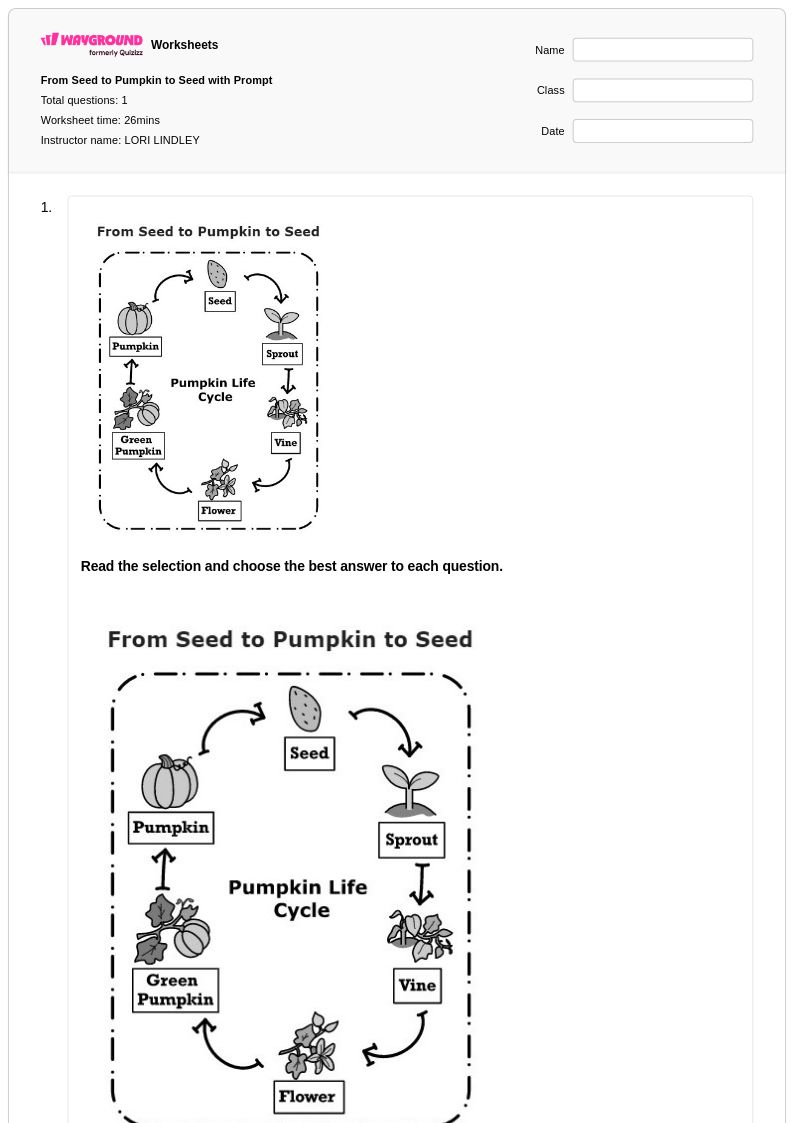
14 Q
3rd
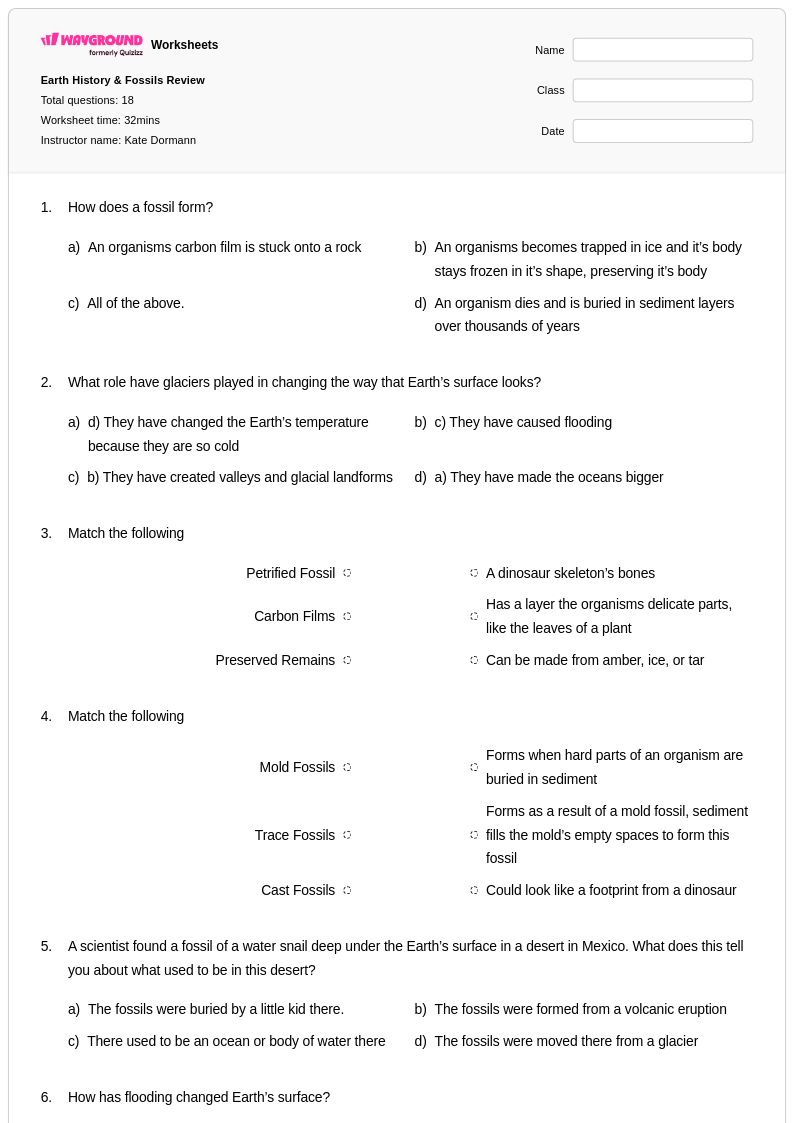
18 Q
3rd - 6th
Explore Mold Growth Worksheets by Grades
Explore Other Subject Worksheets for grade 3
Explore printable Mold Growth worksheets for Grade 3
Grade 3 mold growth worksheets available through Wayground (formerly Quizizz) introduce young scientists to the fascinating world of fungi and decomposition through age-appropriate activities and observations. These educational resources strengthen fundamental biology skills by guiding students through hands-on investigations of how mold develops on different materials, the conditions that promote fungal growth, and the important role decomposers play in natural ecosystems. The comprehensive collection includes practice problems that encourage scientific thinking, observation recording sheets, and experiments designed to build understanding of basic life science concepts. Teachers can access free printables with accompanying answer keys, ensuring effective assessment and instruction while students explore concepts like moisture, temperature, and organic matter as factors in mold development.
Wayground (formerly Quizizz) empowers educators with millions of teacher-created resources specifically designed to support mold growth instruction at the elementary level. The platform's robust search and filtering capabilities allow teachers to quickly locate materials aligned with science standards, while differentiation tools enable customization for diverse learning needs within the classroom. These worksheet collections are available in both printable pdf formats and digital versions, providing flexibility for various teaching environments and learning preferences. The extensive resource library supports comprehensive lesson planning by offering materials suitable for initial concept introduction, skill practice sessions, remediation activities for struggling learners, and enrichment opportunities for advanced students ready to explore more complex biological processes and scientific methodology.