
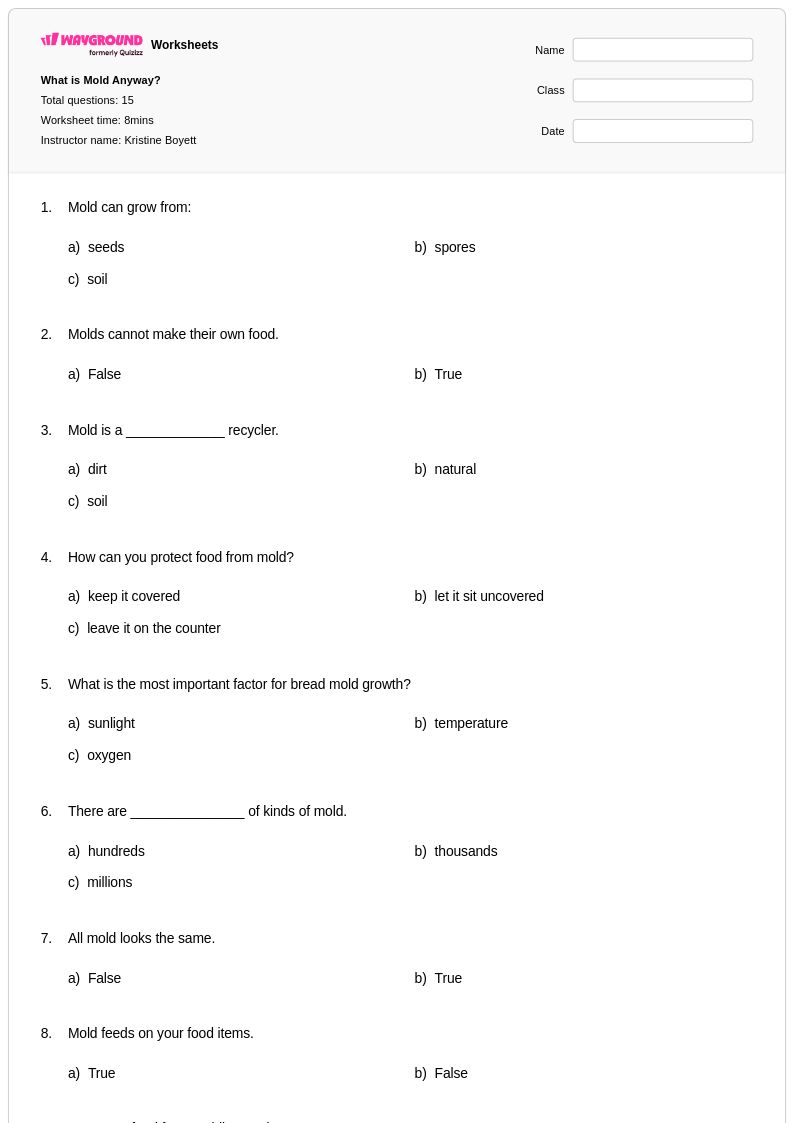
15 Q
5th
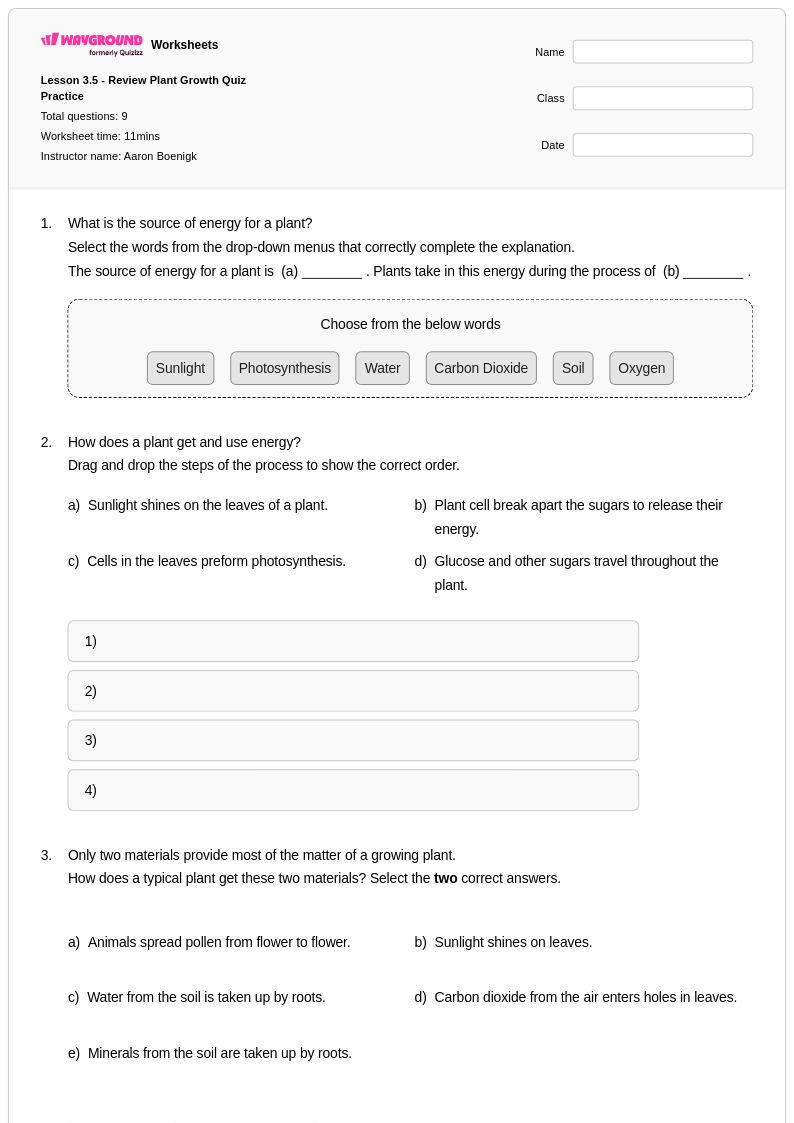
9 Q
5th
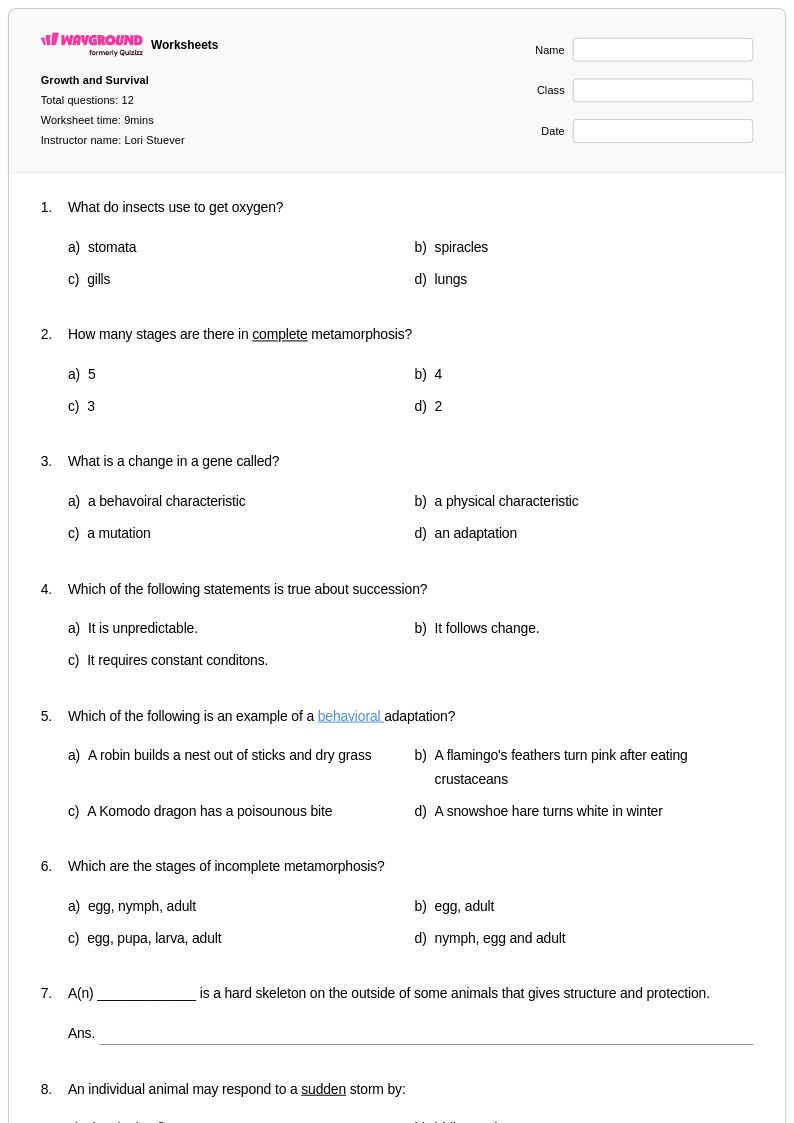
12 Q
4th - 5th
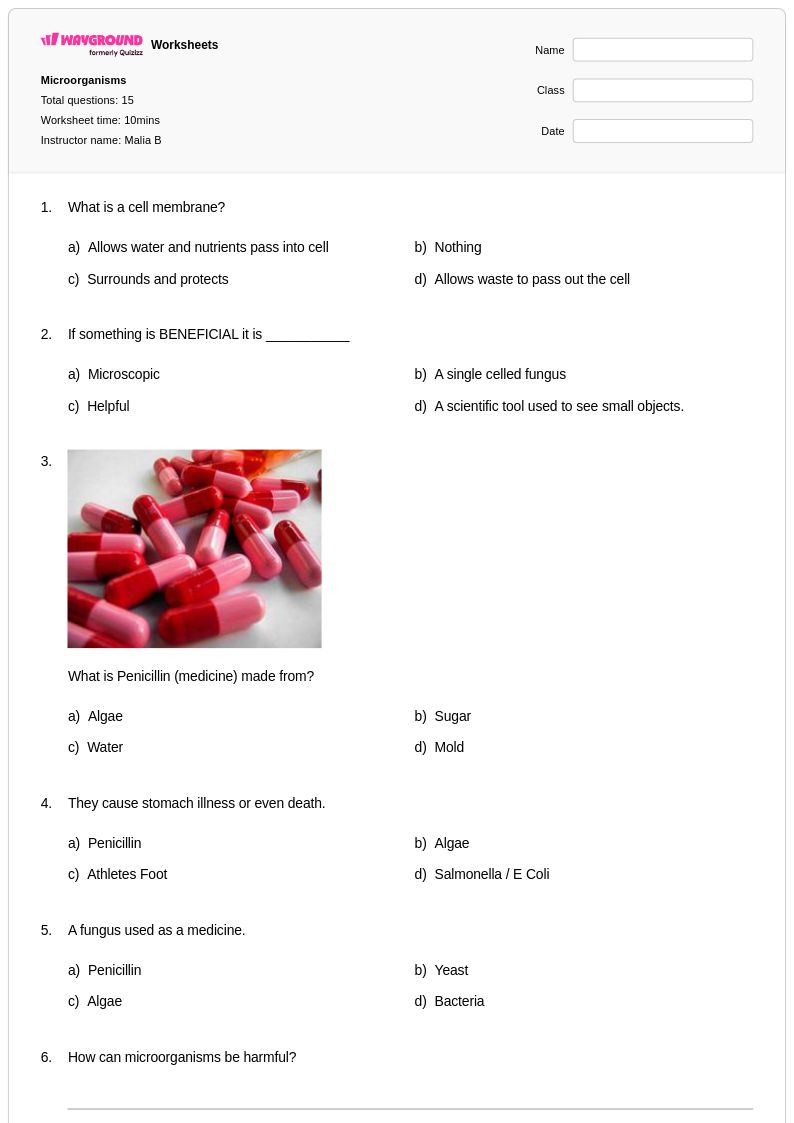
15 Q
5th
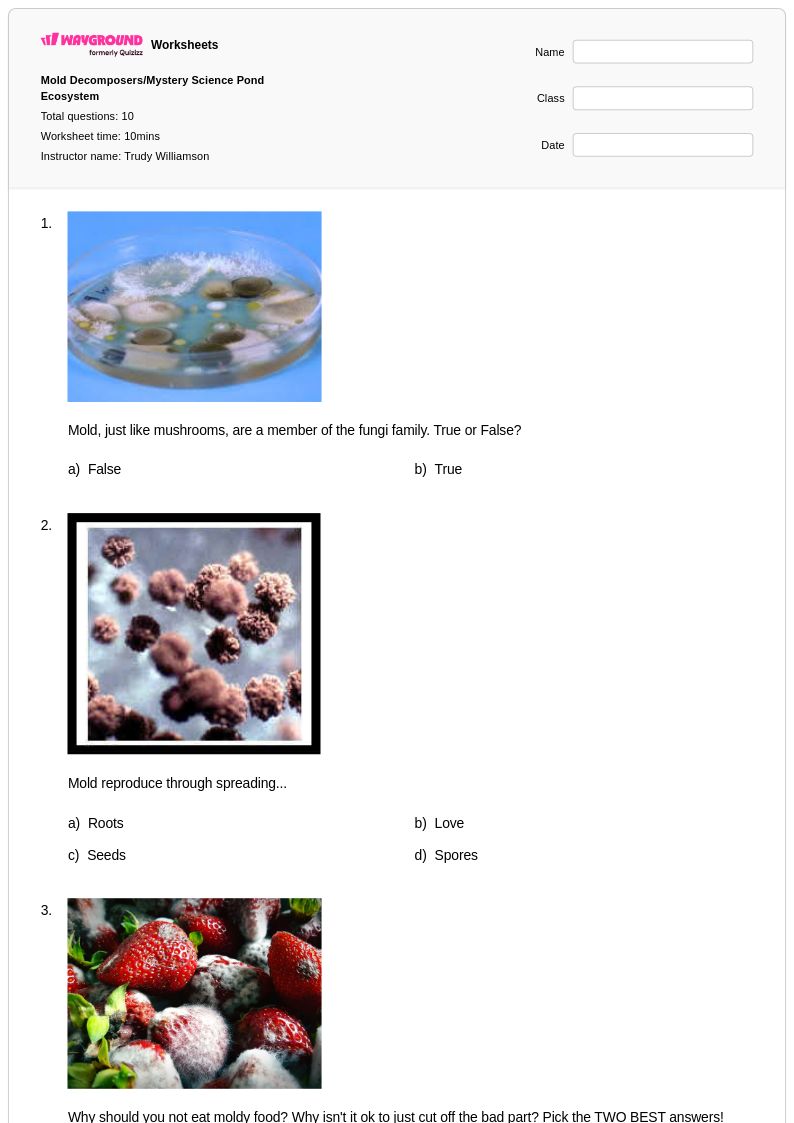
10 Q
4th - 5th
12 Q
3rd - 9th
10 Q
5th
17 Q
5th
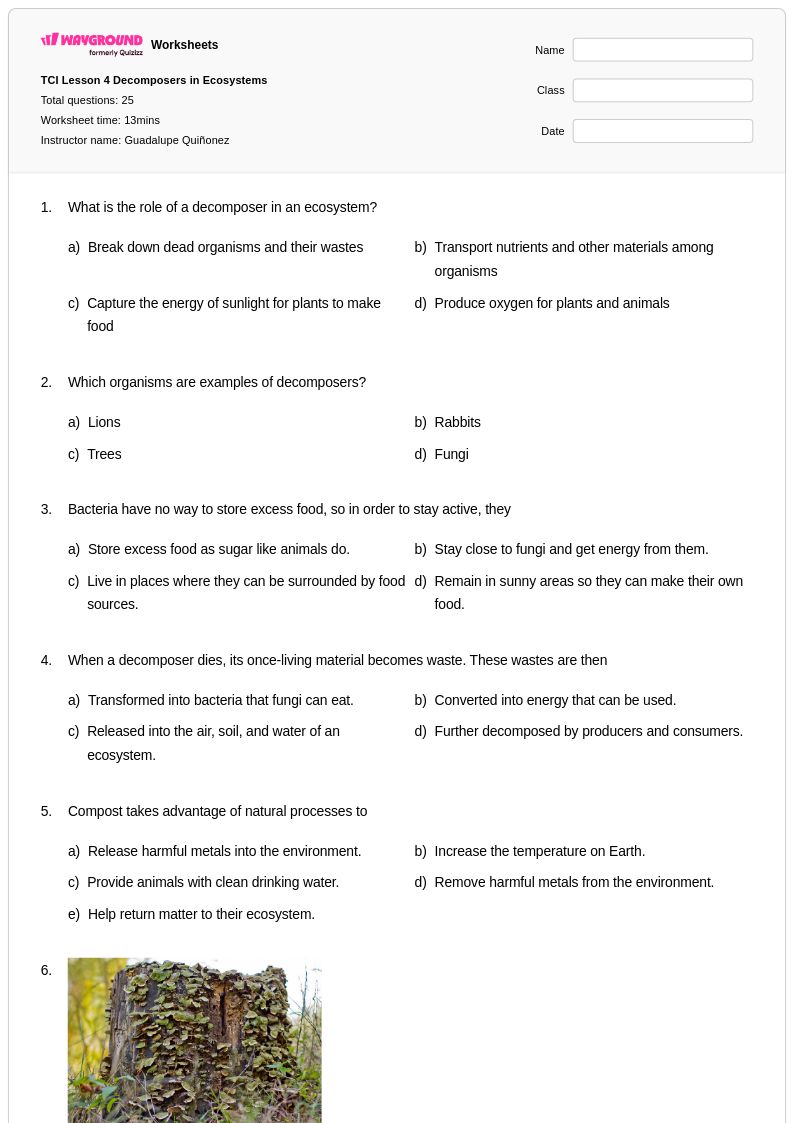
25 Q
5th
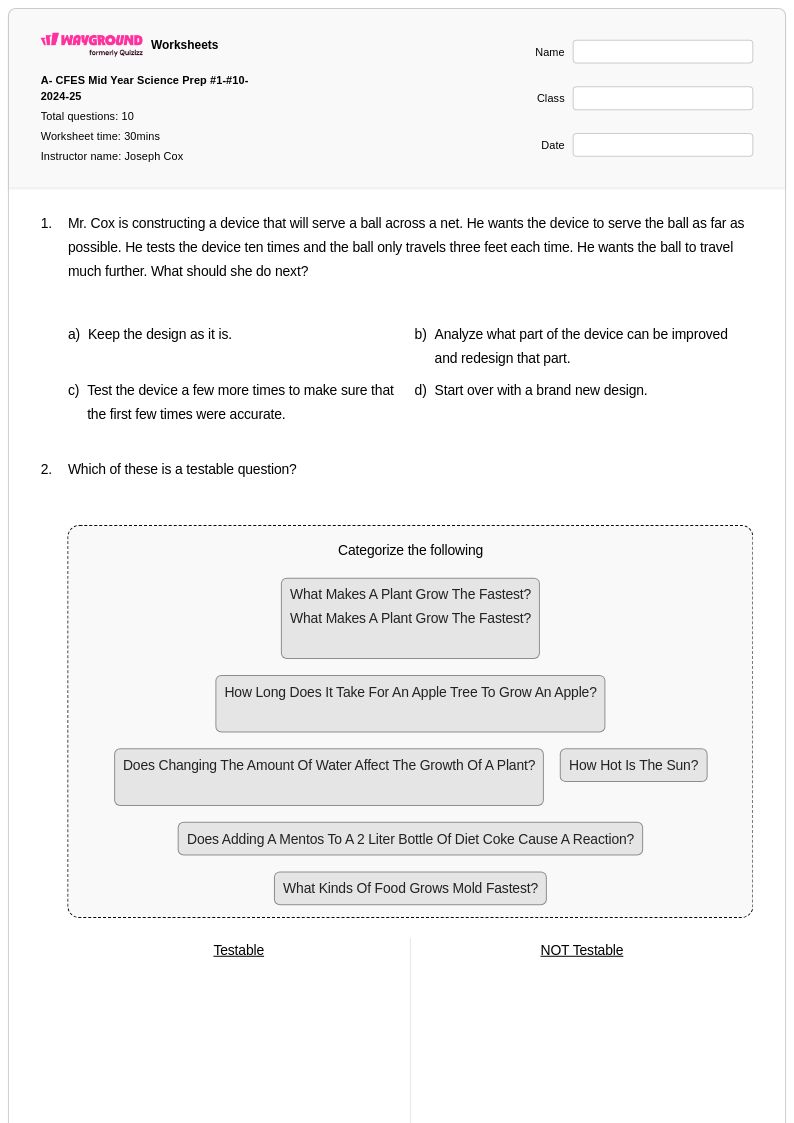
10 Q
5th
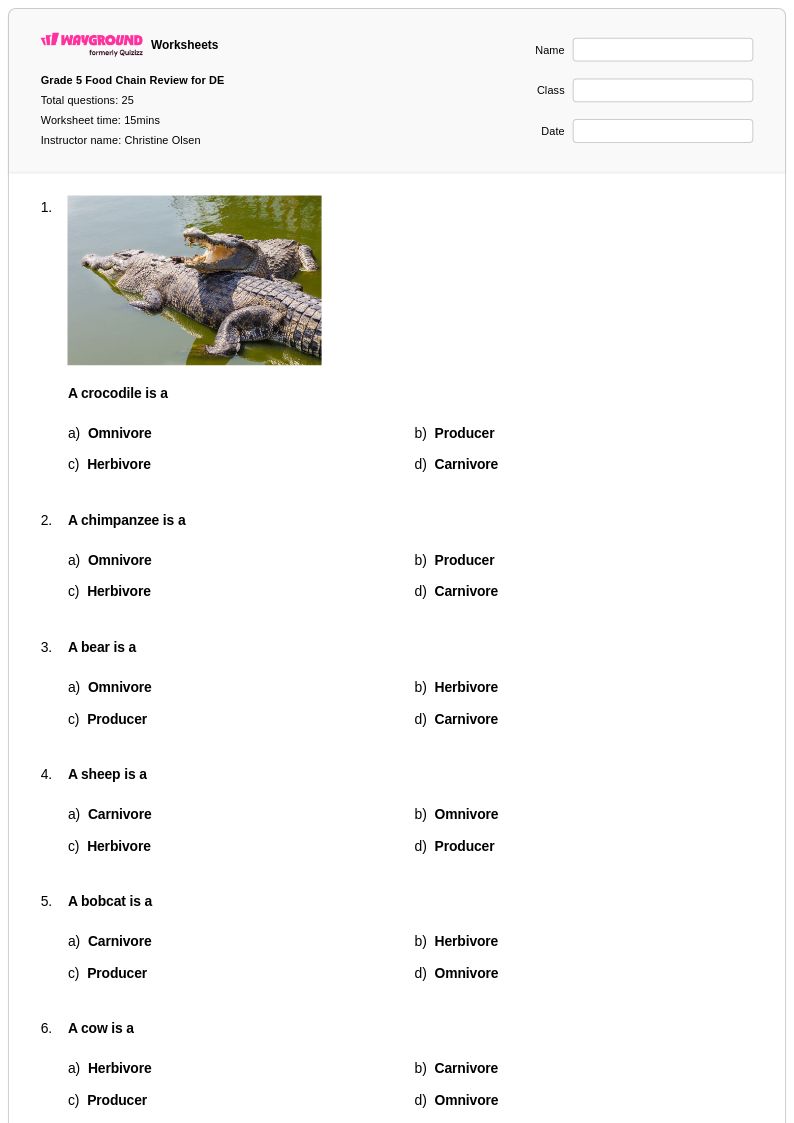
25 Q
5th
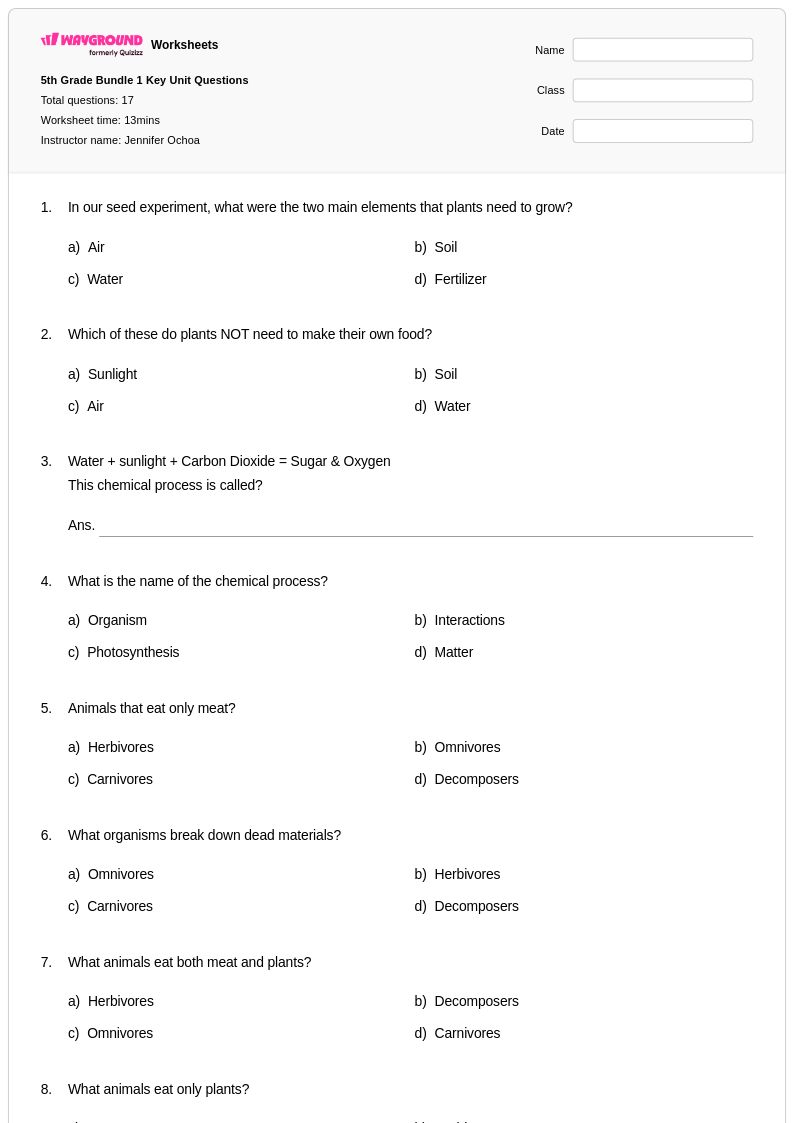
17 Q
5th
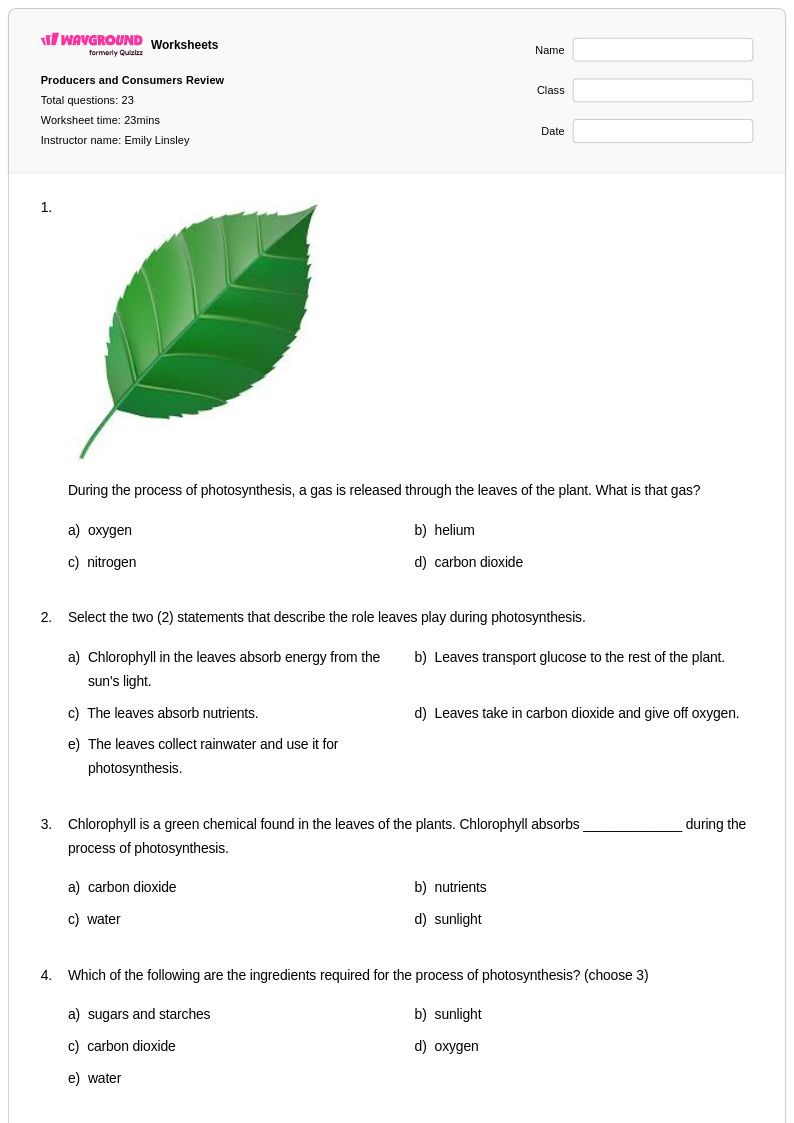
23 Q
5th
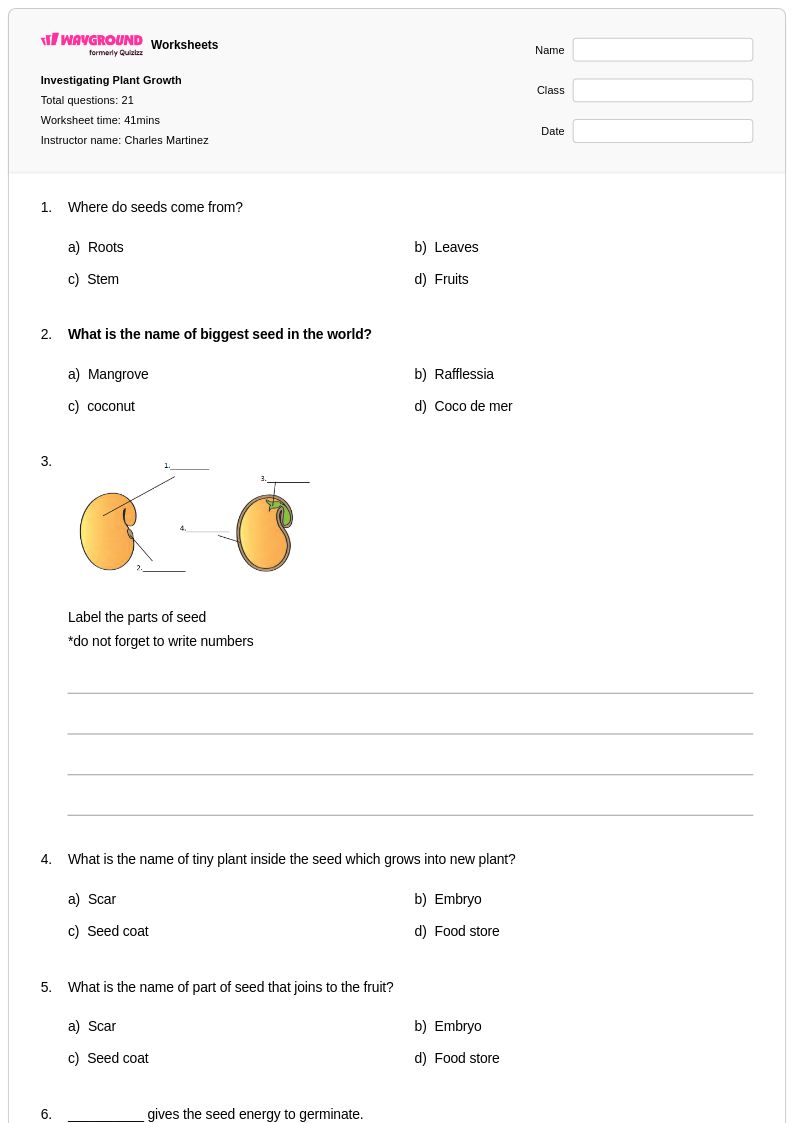
21 Q
5th
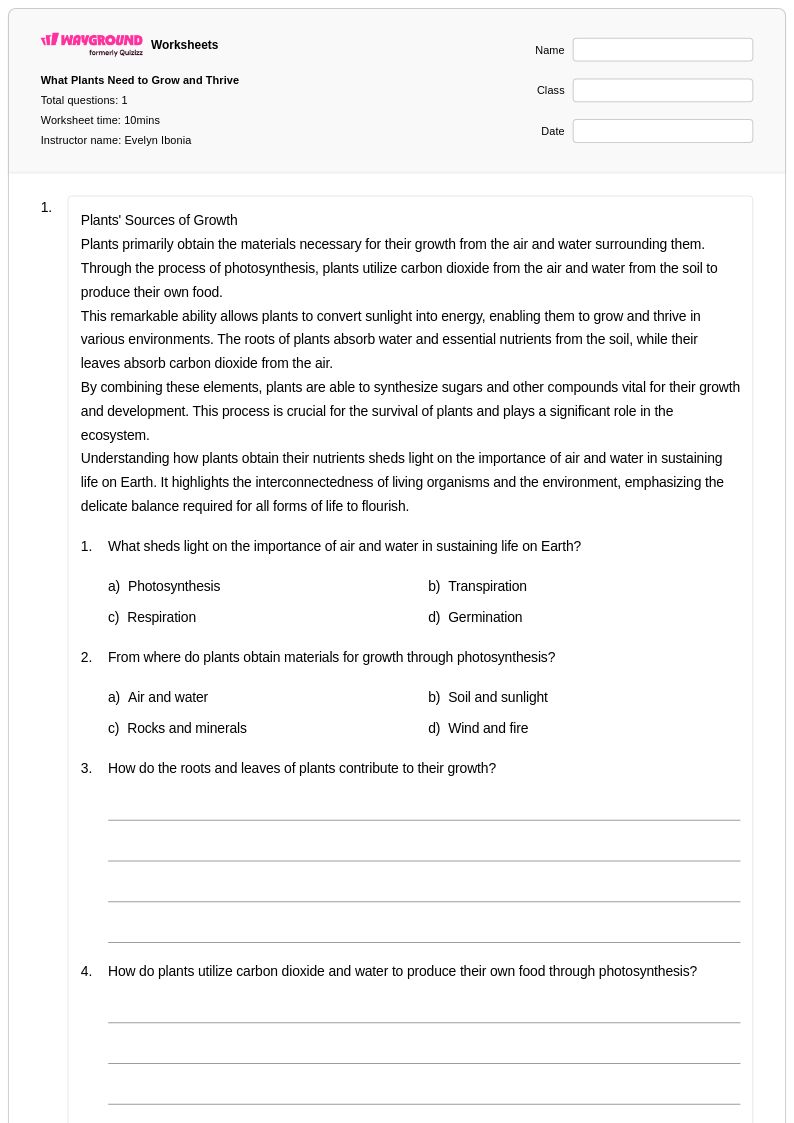
6 Q
5th
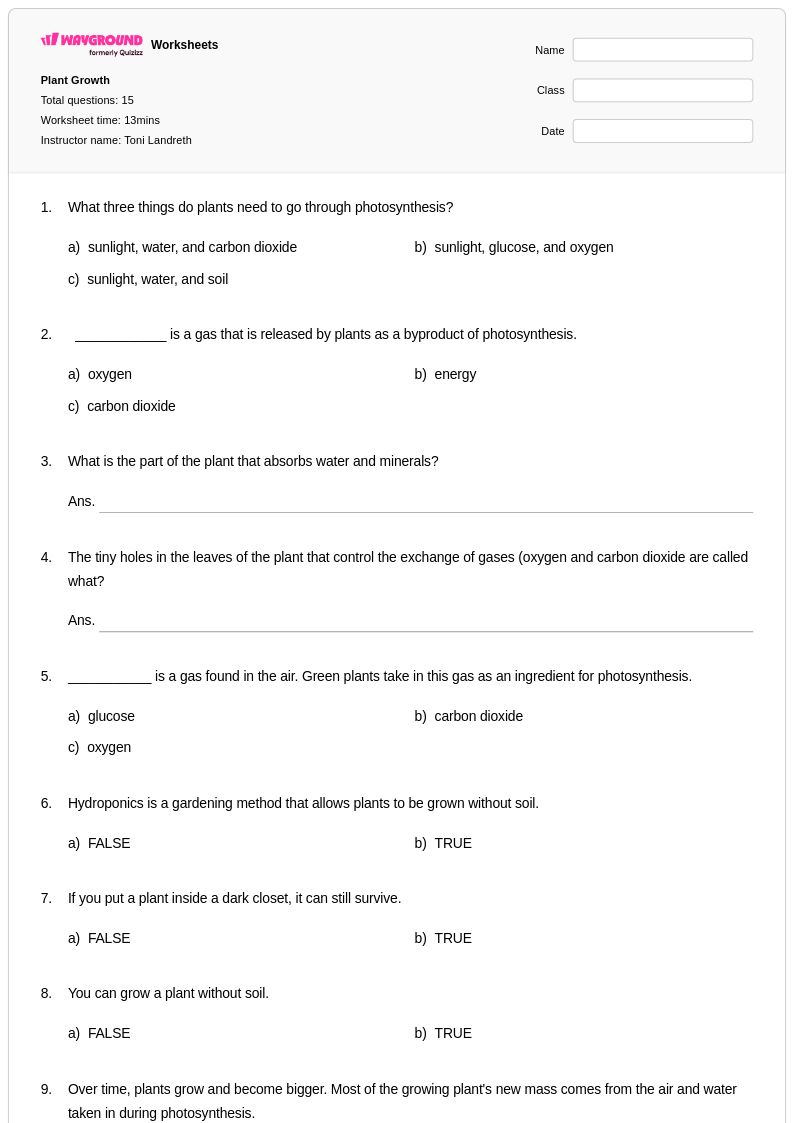
15 Q
5th
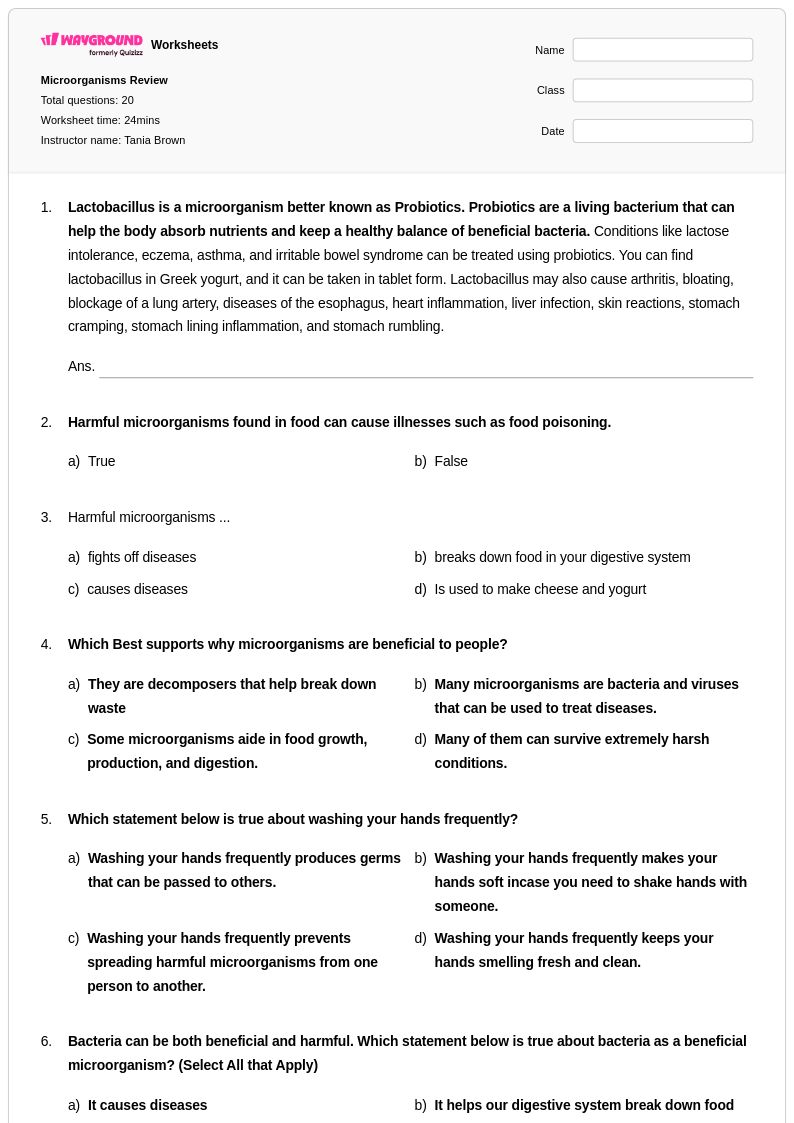
20 Q
5th
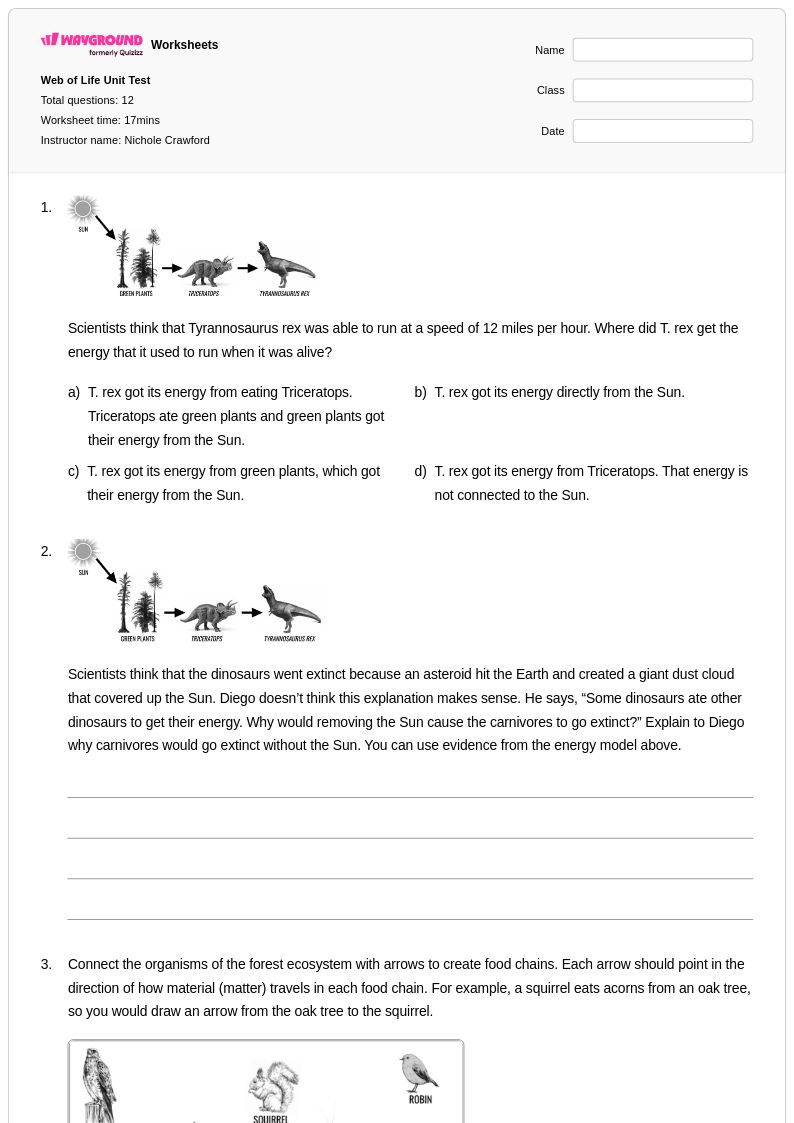
12 Q
5th
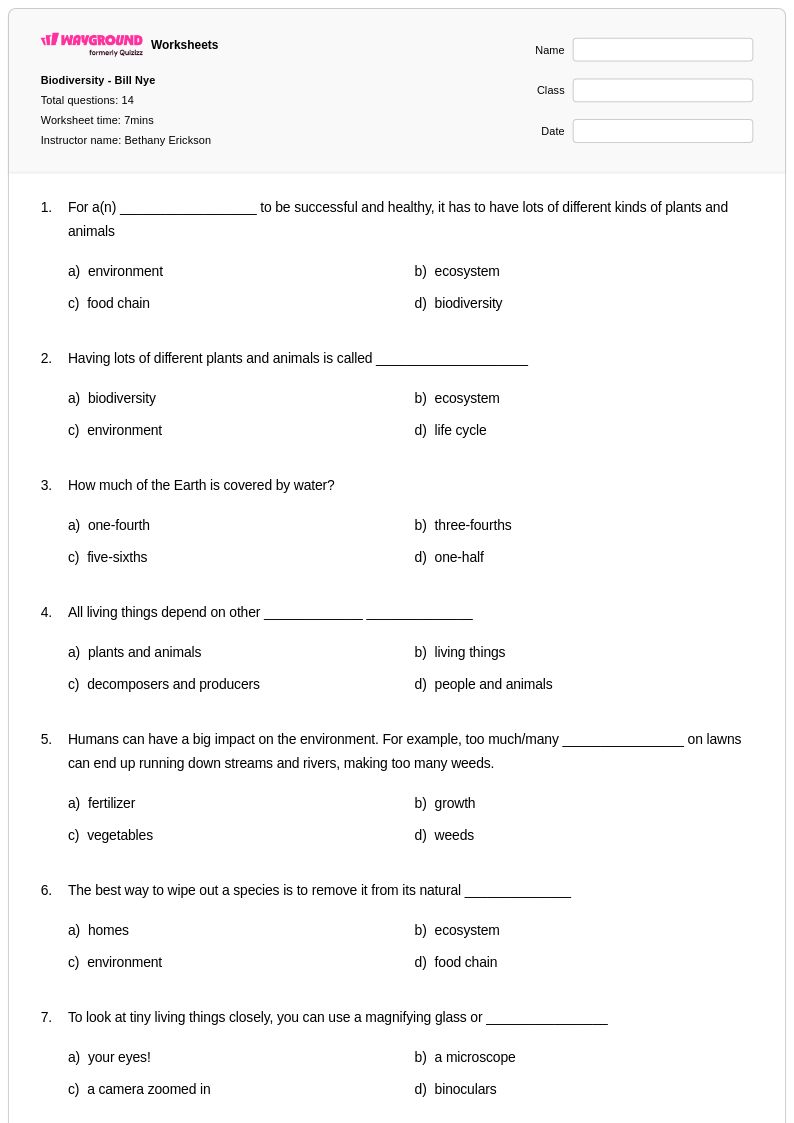
14 Q
5th
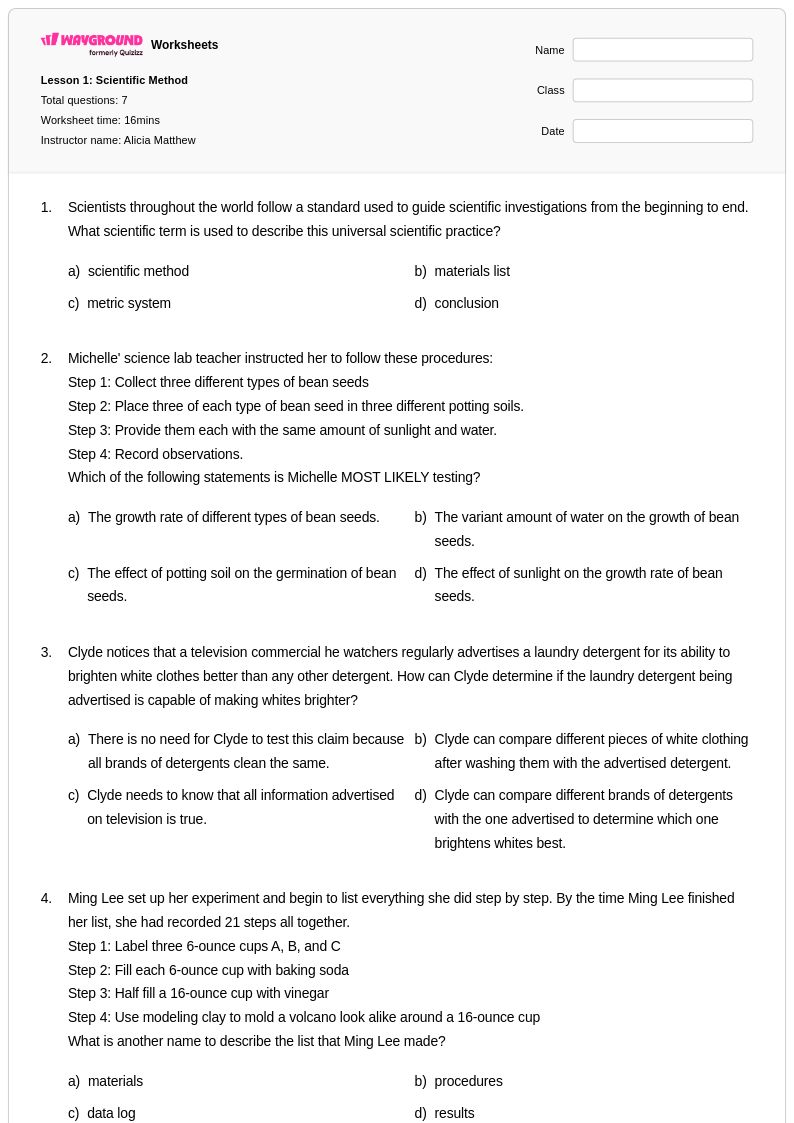
7 Q
5th
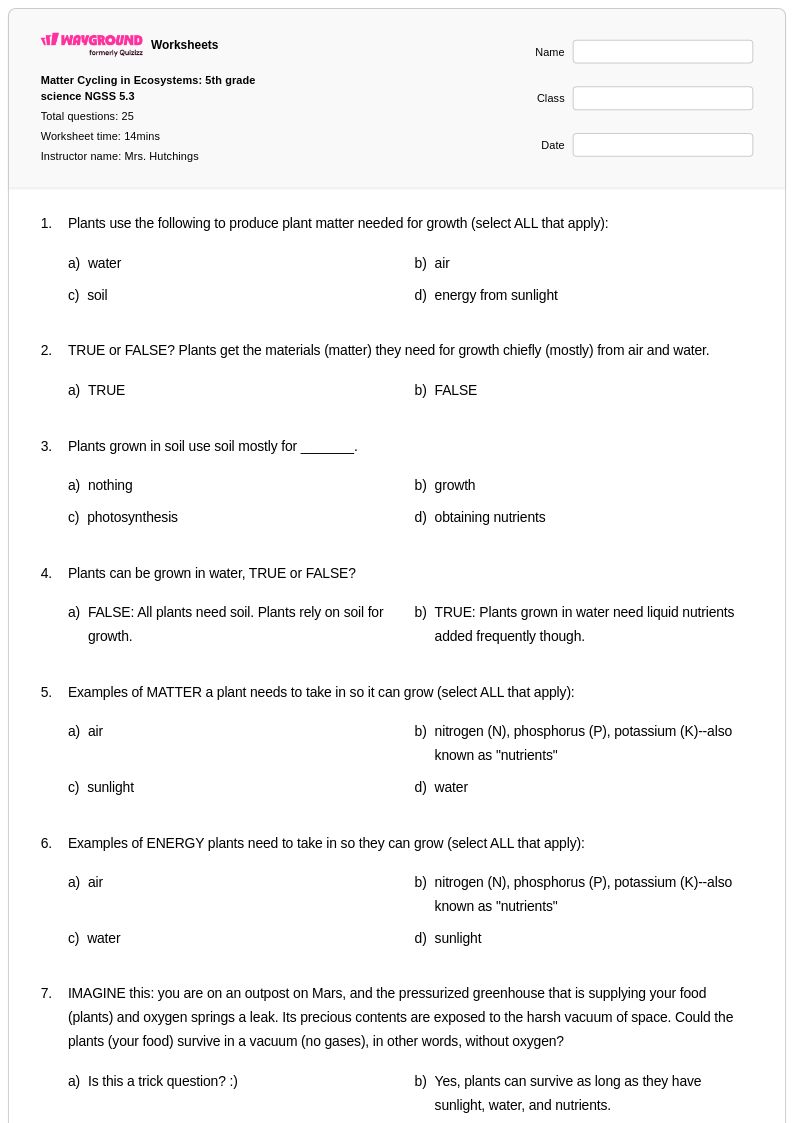
25 Q
5th
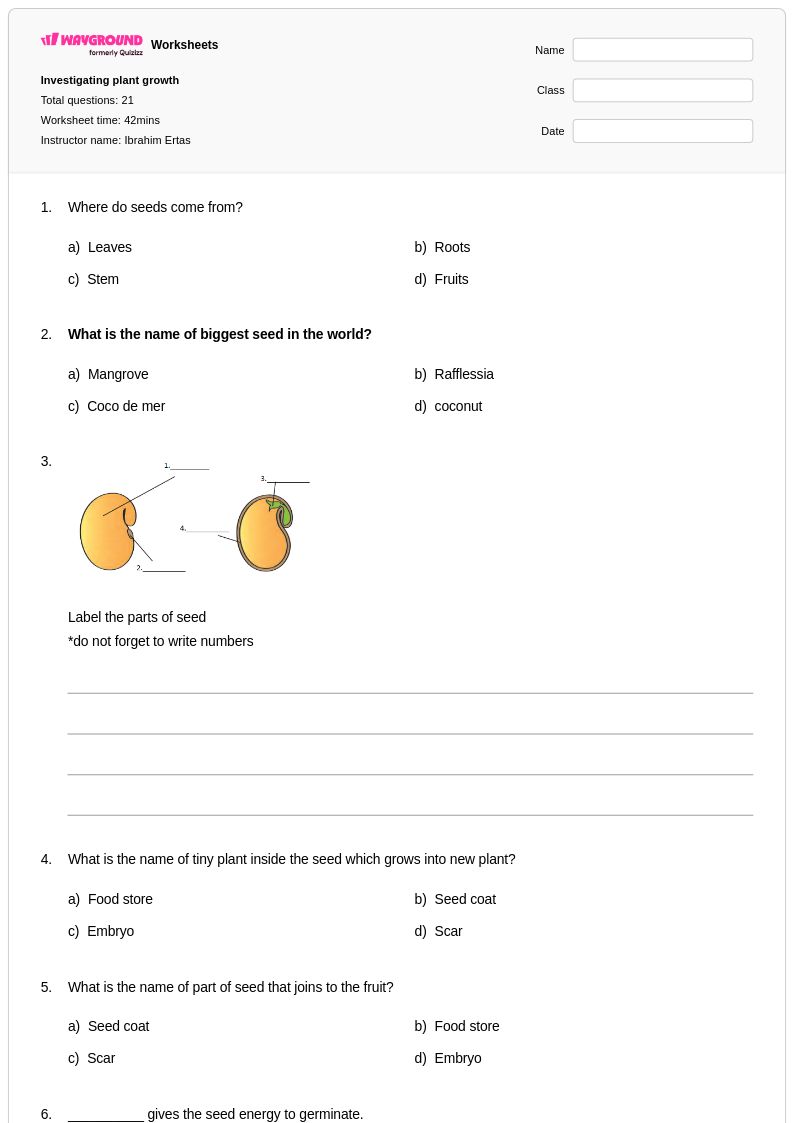
21 Q
5th
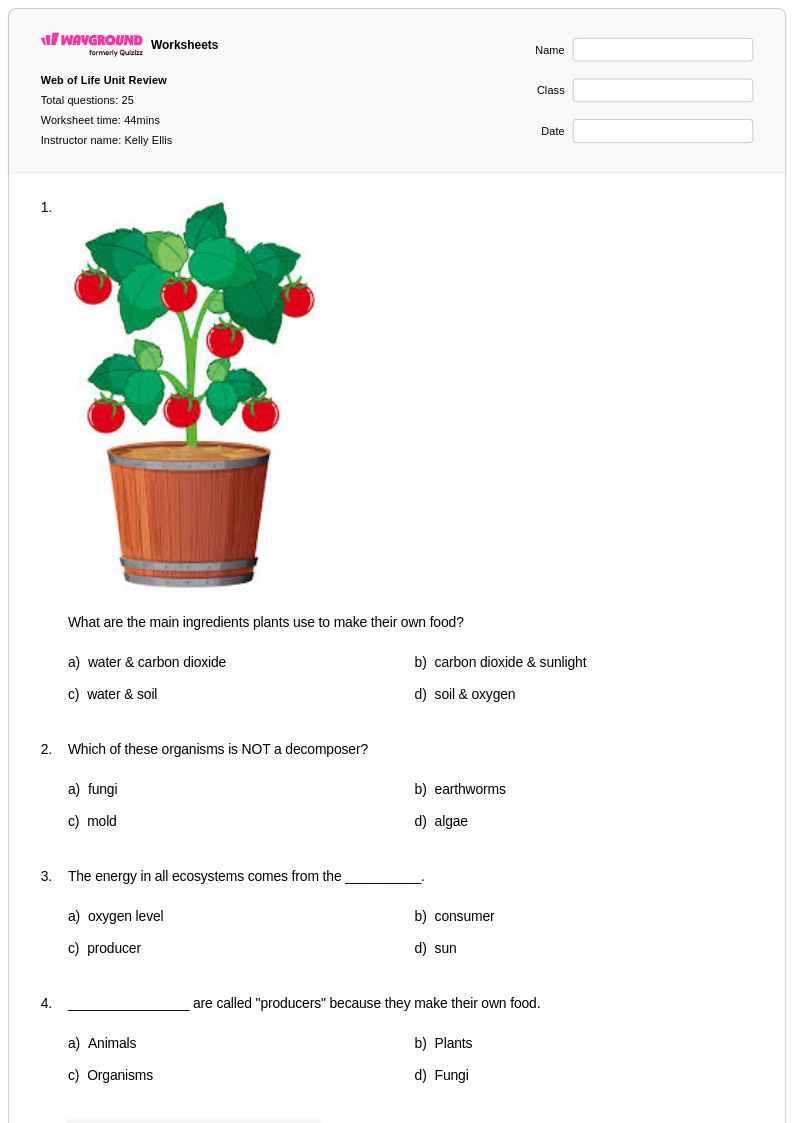
25 Q
5th
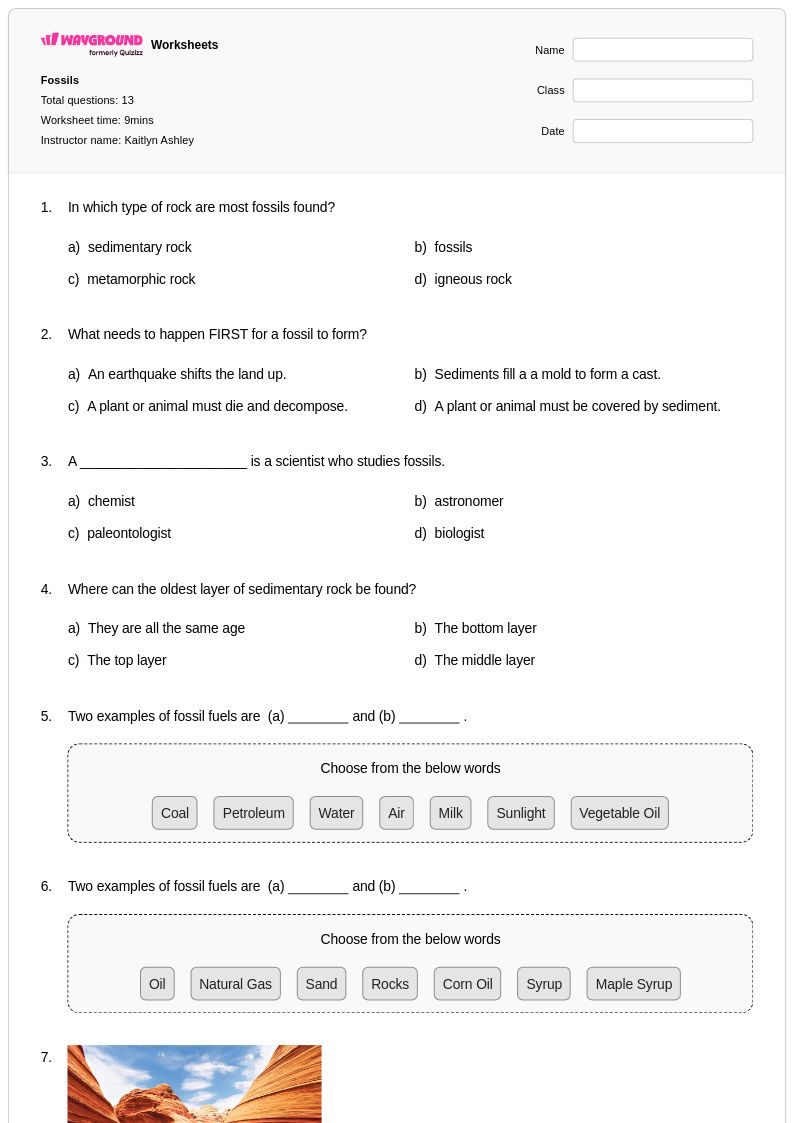
13 Q
5th
Explore Mold Growth Worksheets by Grades
Explore Other Subject Worksheets for grade 5
Explore printable Mold Growth worksheets for Grade 5
Mold growth worksheets for Grade 5 students available through Wayground (formerly Quizizz) provide essential hands-on learning experiences that introduce young scientists to the fascinating world of fungi and microorganisms. These comprehensive educational materials guide fifth-grade learners through the scientific process of observing, documenting, and understanding how mold develops under different environmental conditions. Students engage with practice problems that challenge them to identify optimal growth conditions, compare mold development across various substrates, and analyze the factors that influence fungal reproduction. Each worksheet collection includes detailed answer keys that support both independent learning and teacher-guided instruction, while free printable resources ensure accessibility for all classroom environments. The pdf format materials strengthen critical thinking skills, scientific observation techniques, and data collection abilities essential for developing scientific literacy at the elementary level.
Wayground (formerly Quizizz) empowers educators with millions of teacher-created mold growth resources specifically designed to meet Grade 5 science curriculum standards and learning objectives. The platform's robust search and filtering capabilities allow teachers to quickly locate materials that align with specific learning goals, whether focusing on basic fungal biology, environmental science connections, or laboratory safety protocols. Differentiation tools enable instructors to customize worksheets for diverse learning needs, providing both remediation support for struggling students and enrichment opportunities for advanced learners. Teachers can seamlessly transition between printable and digital formats, utilizing pdf downloads for traditional classroom activities or interactive online versions for technology-enhanced learning experiences. This flexibility supports comprehensive lesson planning while providing targeted skill practice opportunities that reinforce scientific methodology, enhance observational abilities, and deepen student understanding of biological processes through systematic investigation and analysis.