
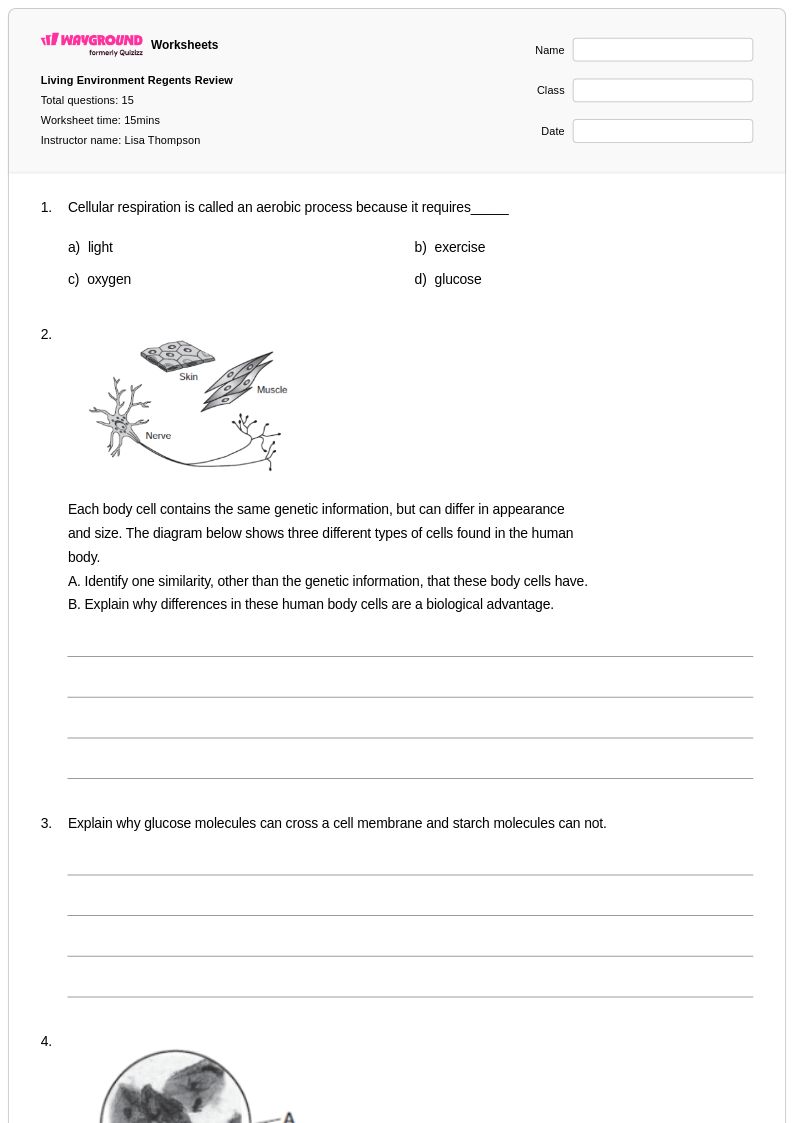
15 Q
9th - Uni
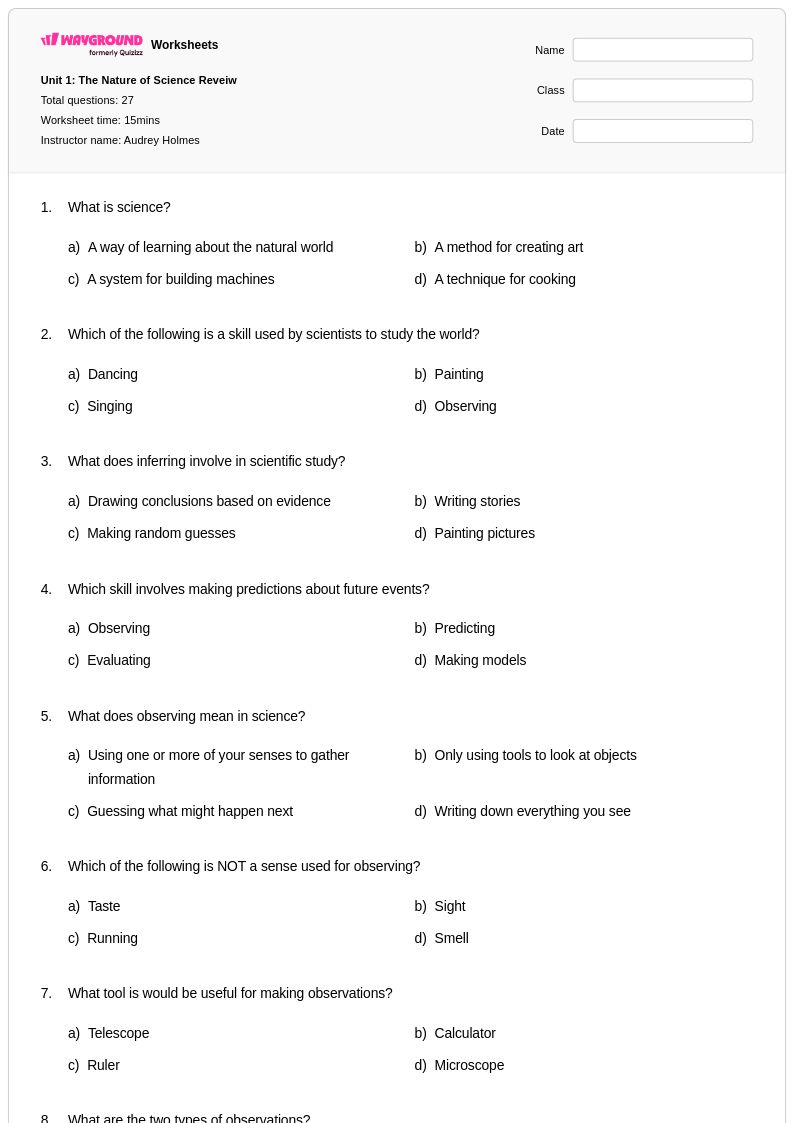
27 Q
6th - Uni
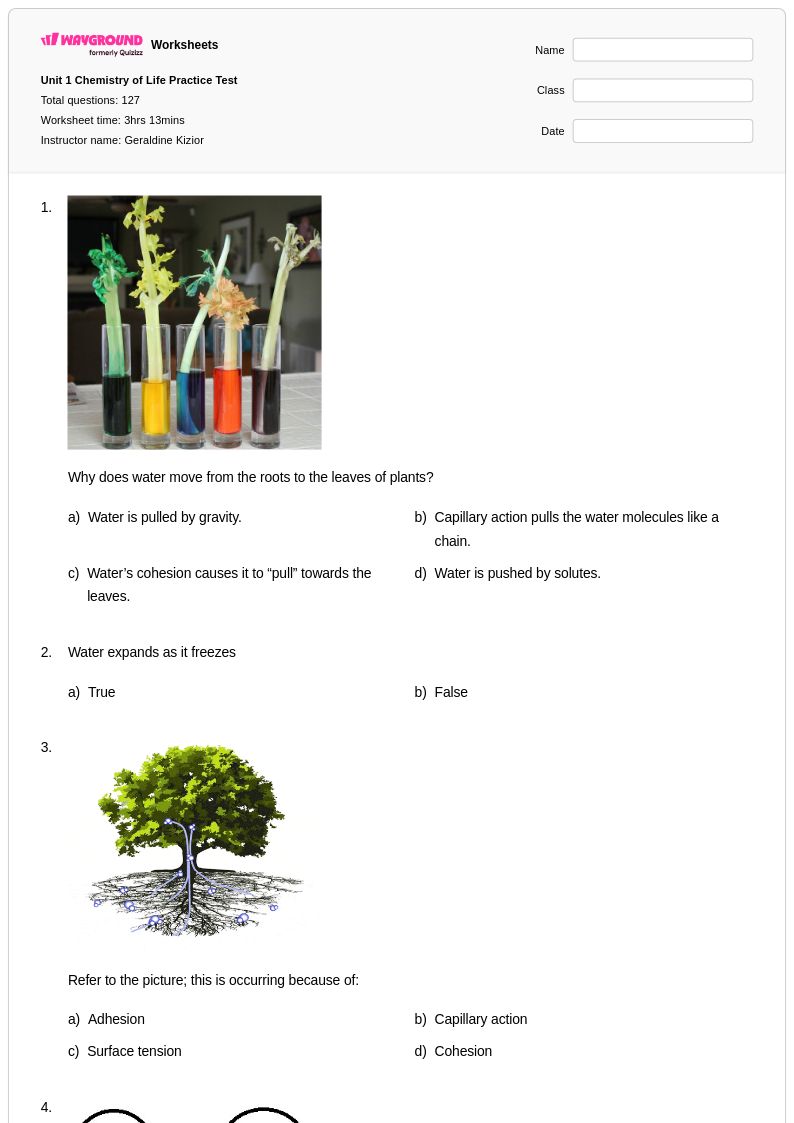
127 Q
9th - 12th
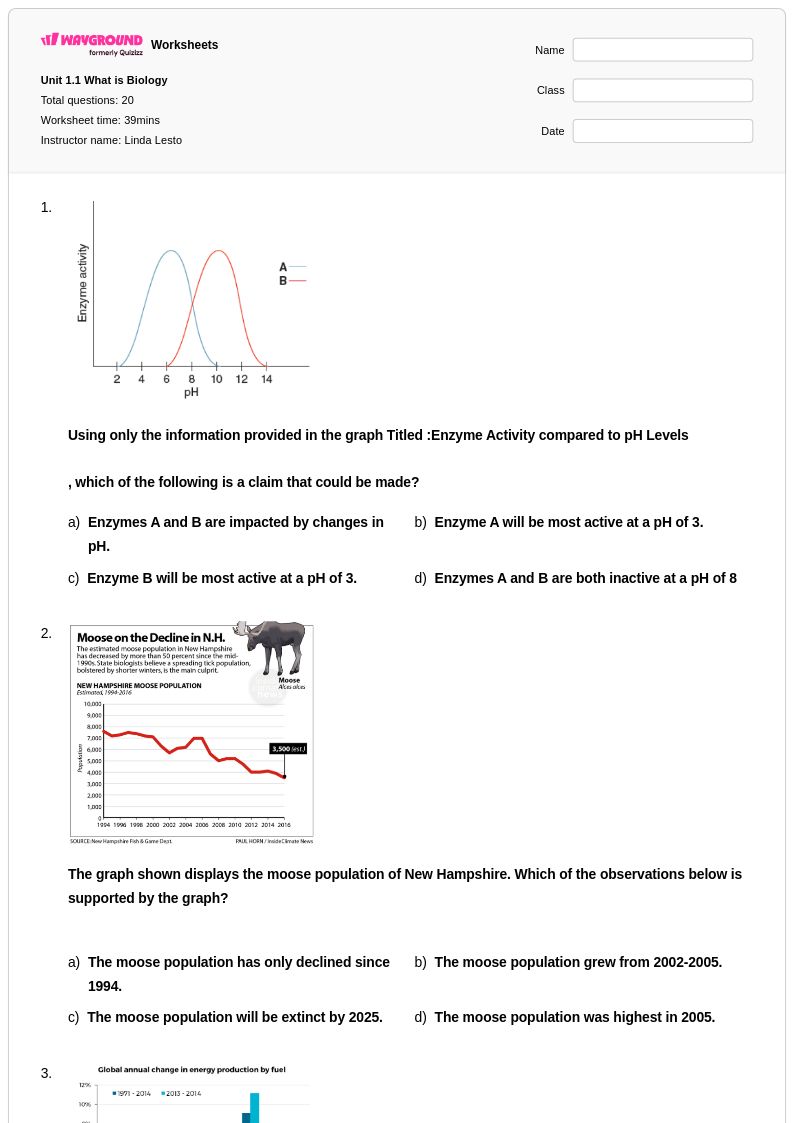
20 Q
9th - 12th
20 Q
9th - 12th
8 Q
5th - Uni
15 Q
12th - Uni
15 Q
9th - Uni
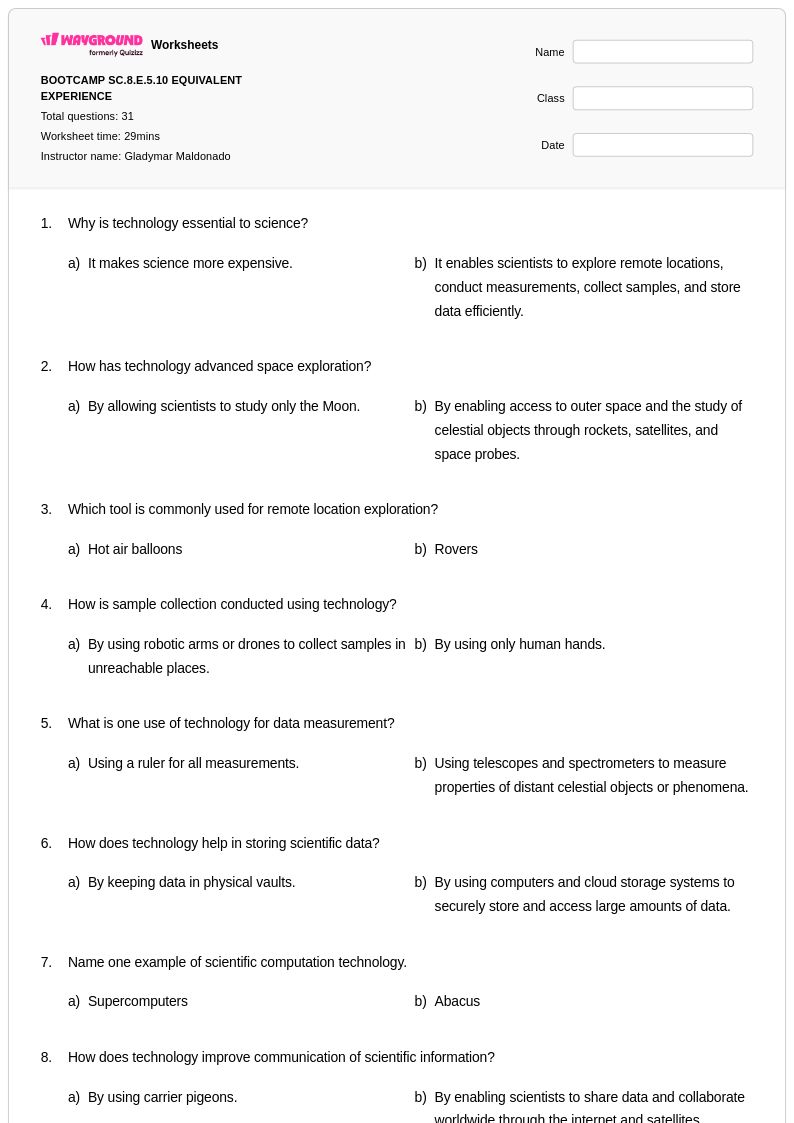
31 Q
6th - Uni
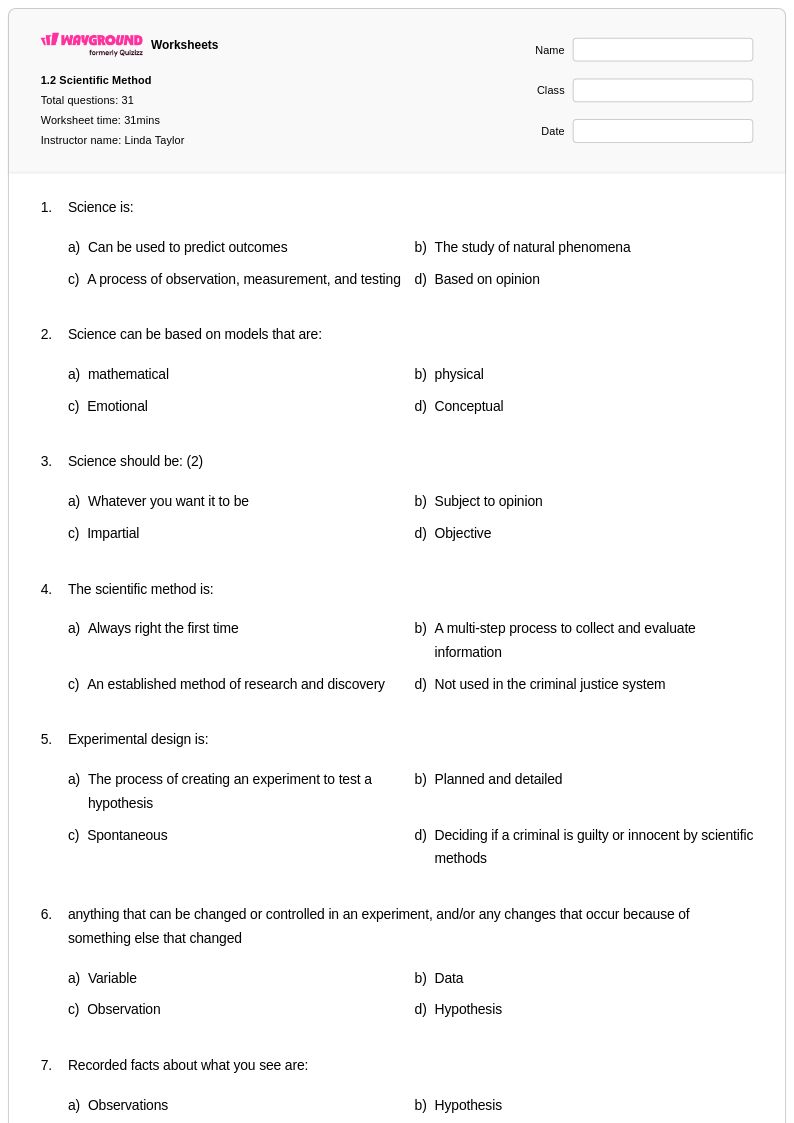
31 Q
11th - 12th
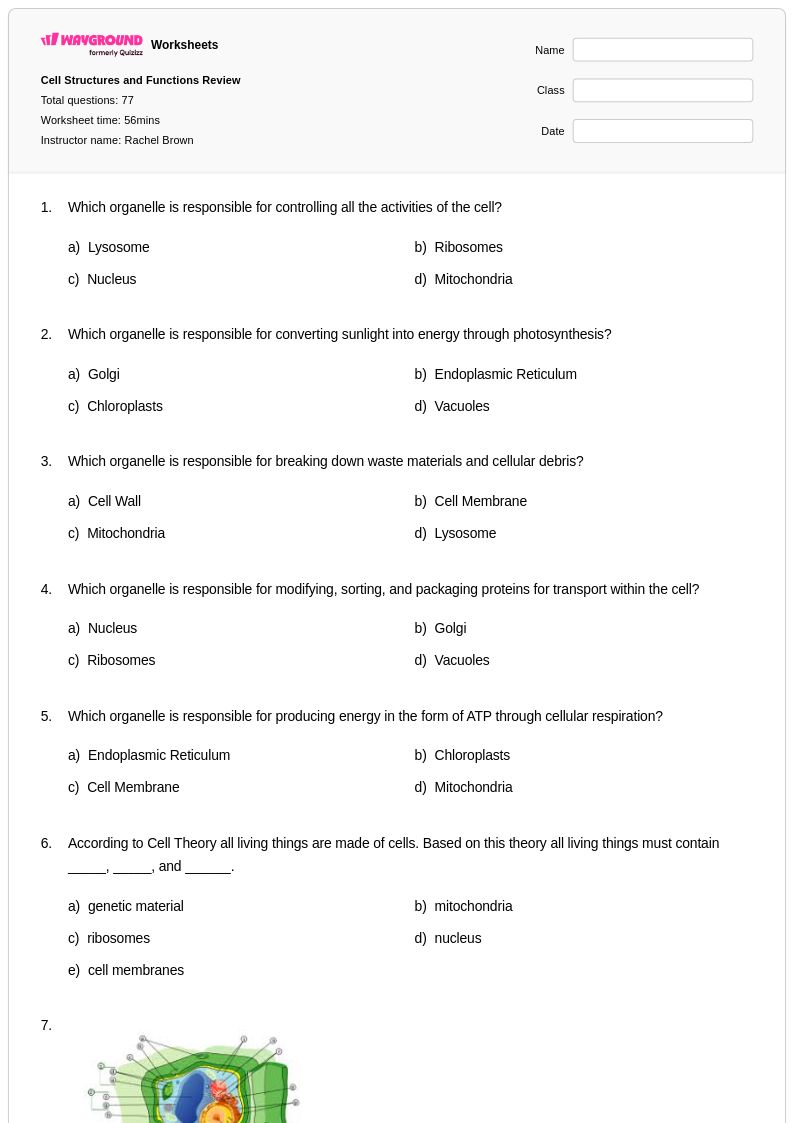
77 Q
9th - 12th
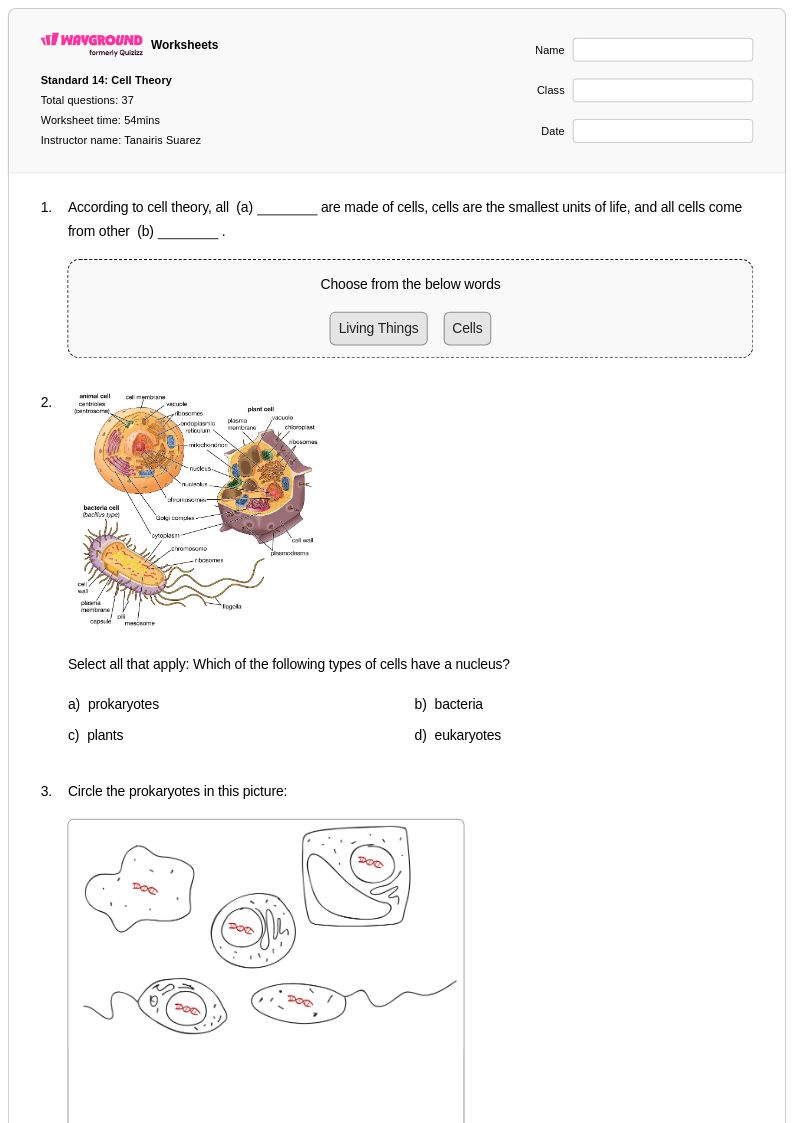
37 Q
9th - 12th
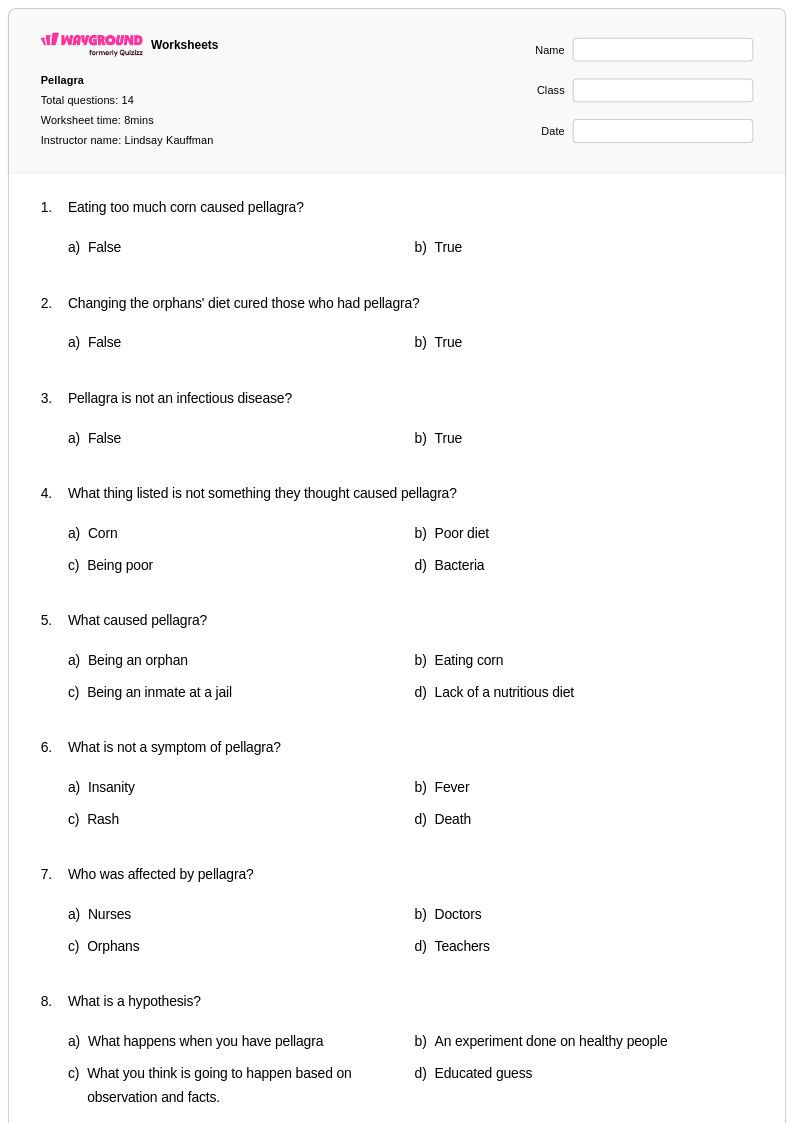
14 Q
6th - Uni
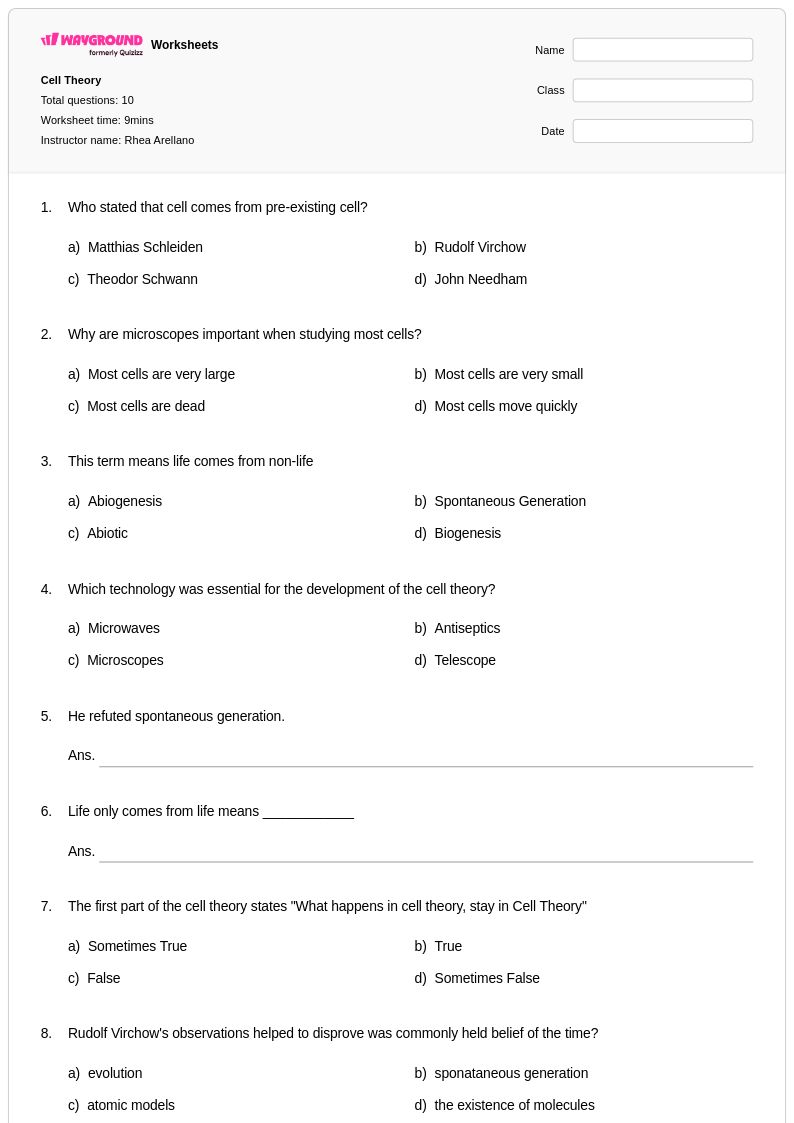
10 Q
11th - 12th
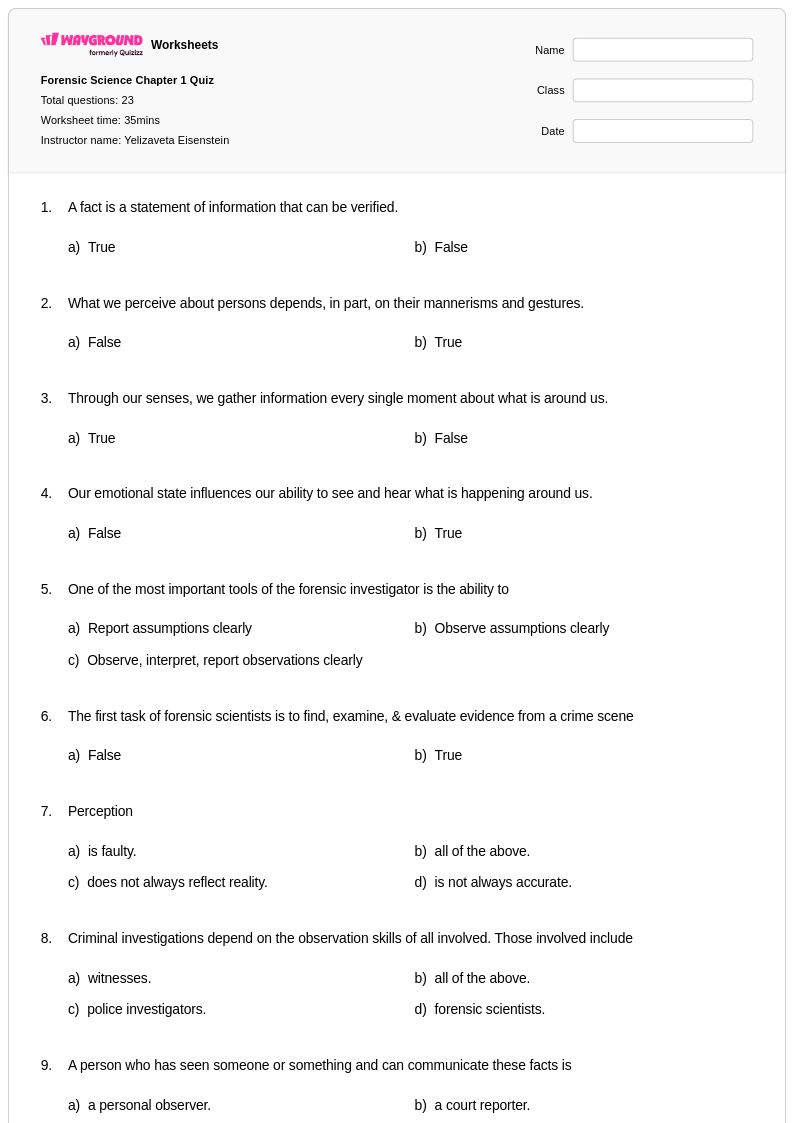
23 Q
12th
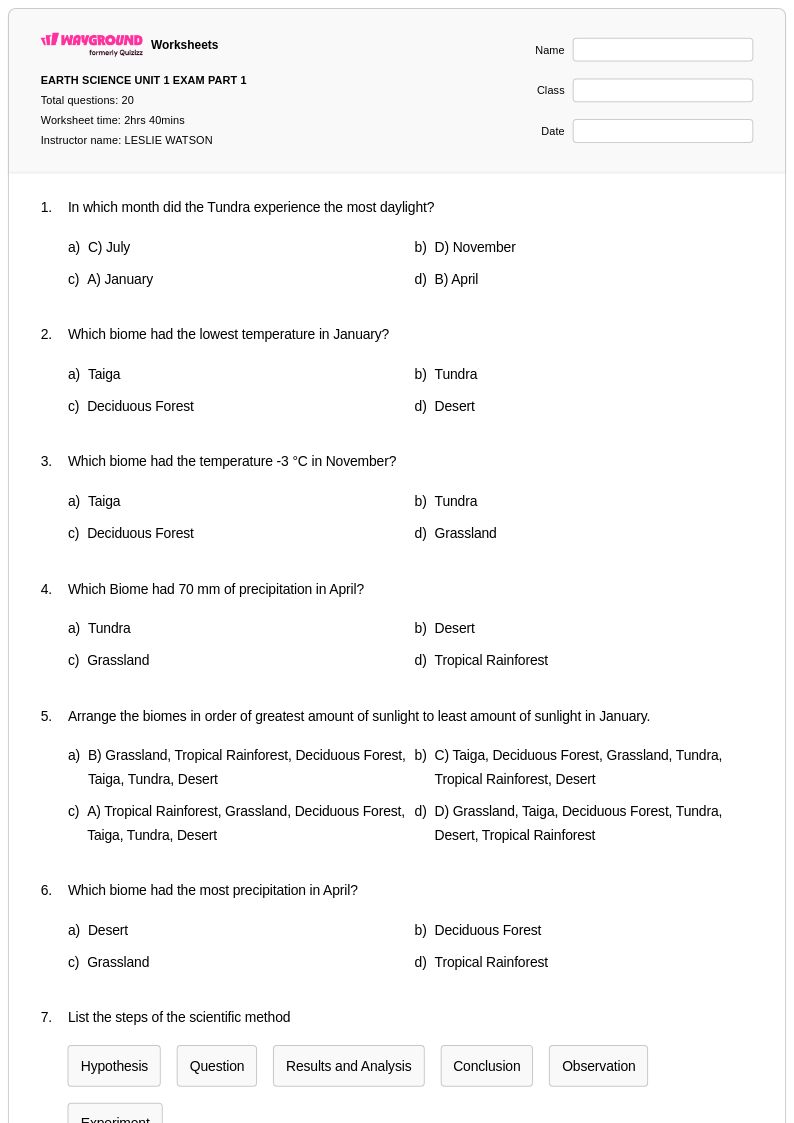
20 Q
9th - 12th
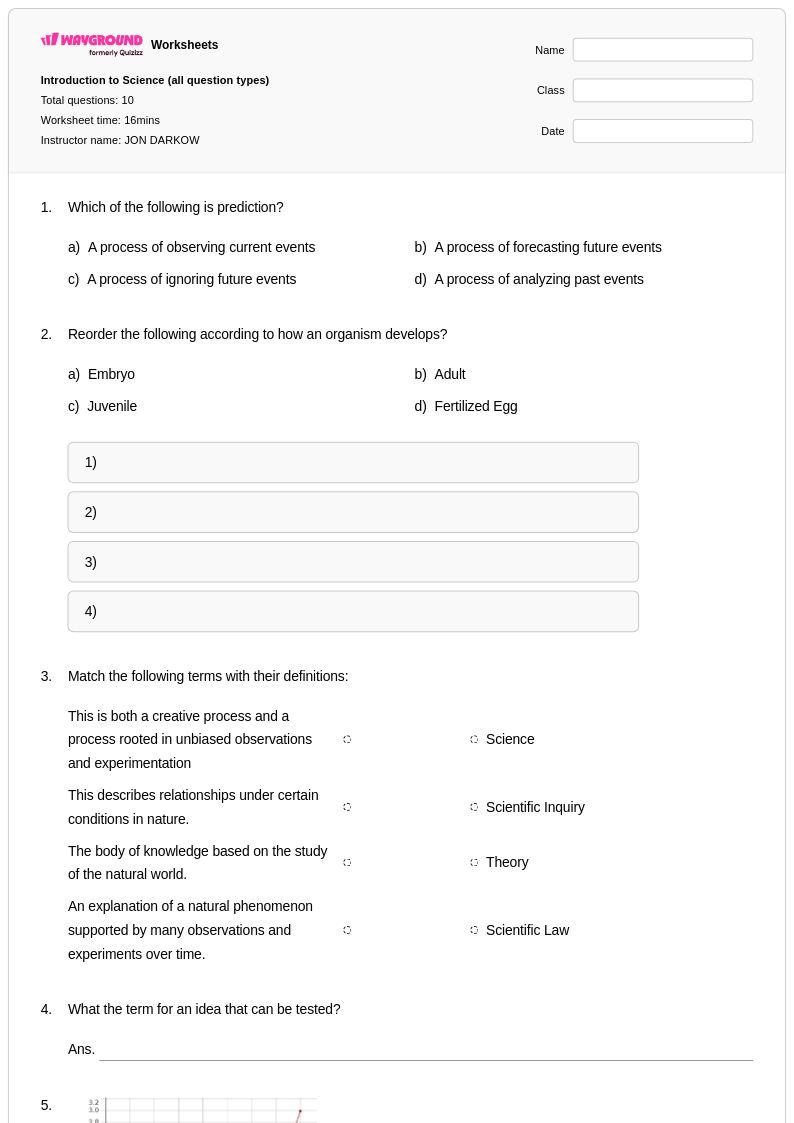
10 Q
9th - 12th
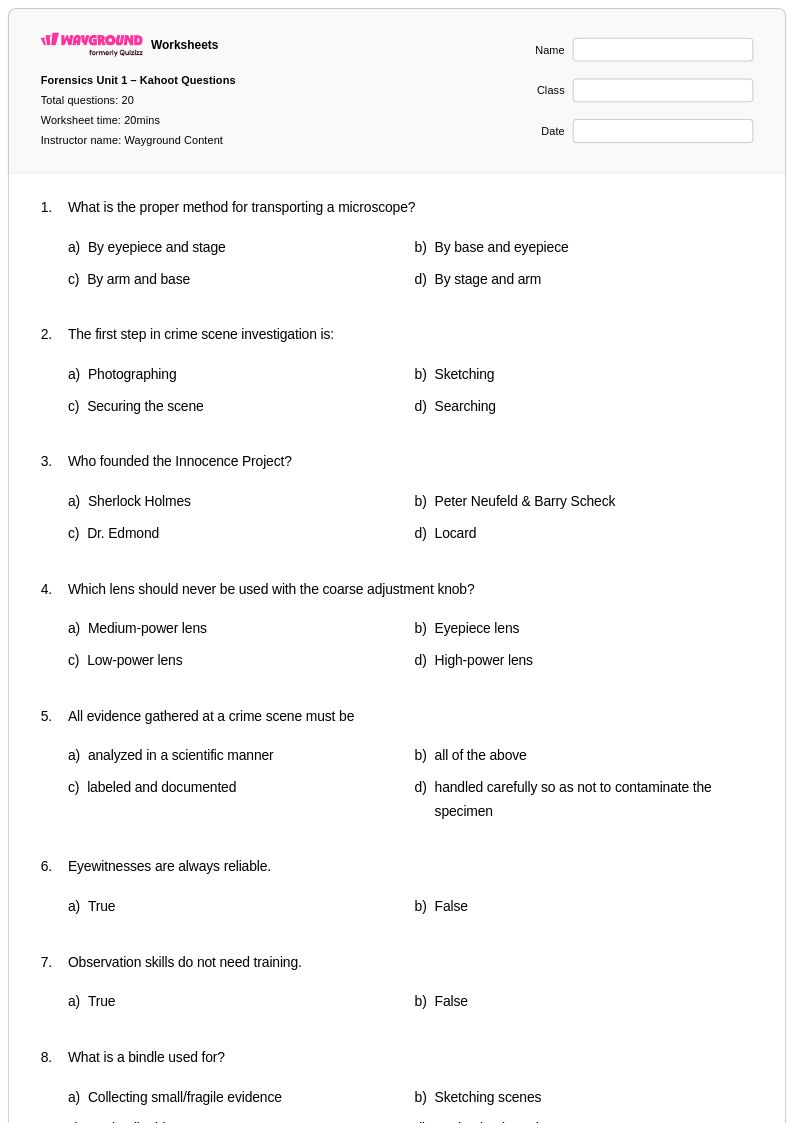
20 Q
12th
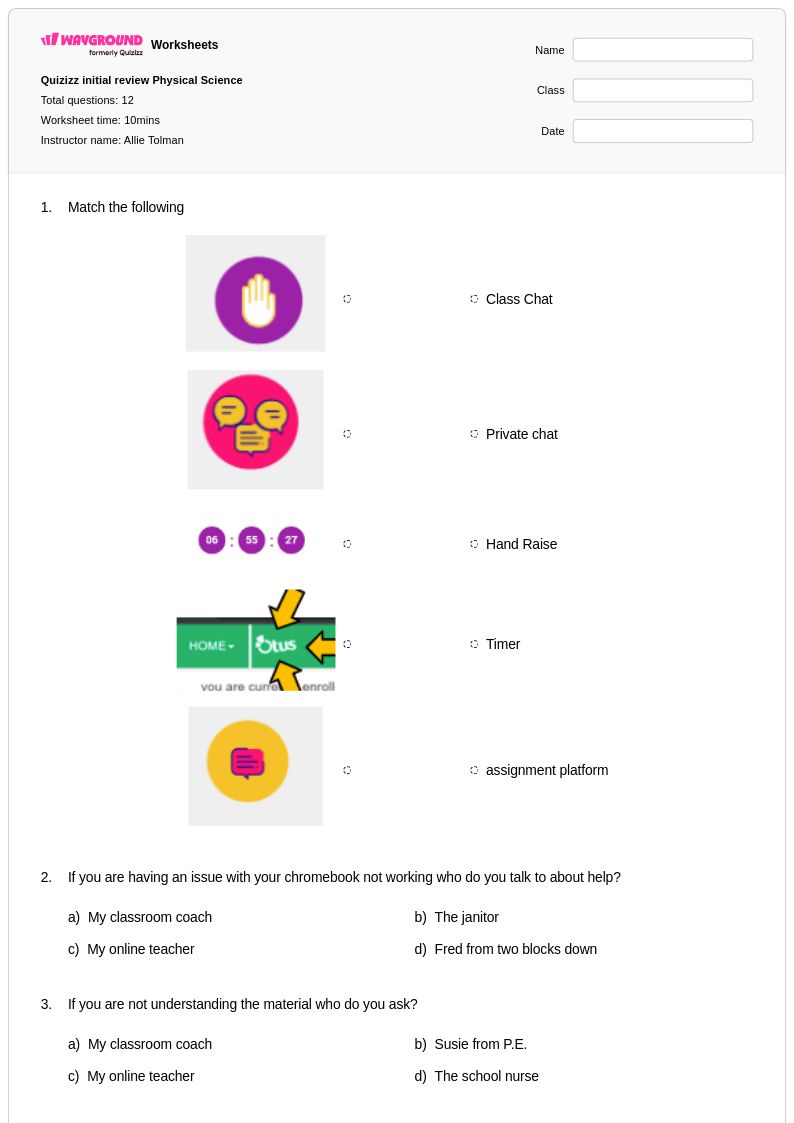
12 Q
12th
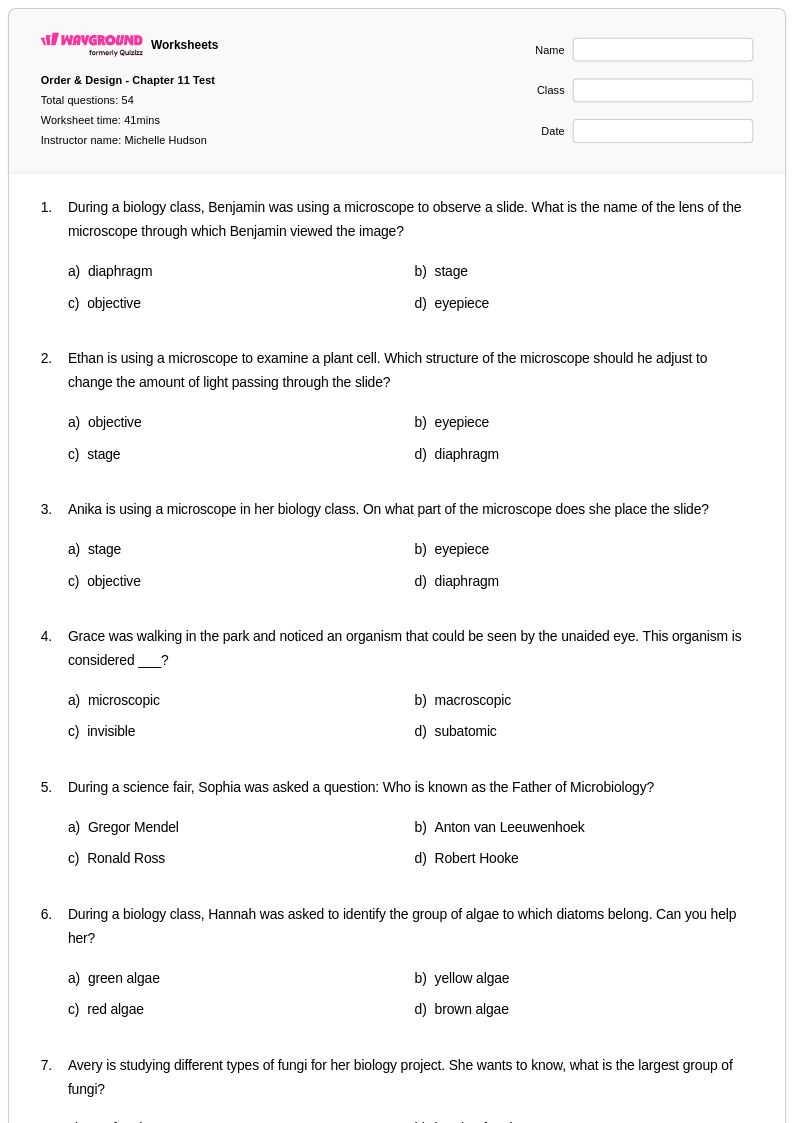
54 Q
7th - Uni
40 Q
9th - Uni
158 Q
10th - 12th
15 Q
11th - Uni
10 Q
9th - 12th
Explore Microscope Observation Worksheets by Grades
Explore Other Subject Worksheets for grade 12
Explore printable Microscope Observation worksheets for Grade 12
Grade 12 microscope observation worksheets available through Wayground (formerly Quizizz) provide advanced high school biology students with comprehensive practice in essential laboratory microscopy techniques and cellular analysis skills. These expertly designed worksheets strengthen critical competencies including proper microscope operation, specimen preparation, magnification calculations, field of view measurements, and detailed biological drawing techniques. Students develop proficiency in distinguishing between prokaryotic and eukaryotic cell structures, identifying organelles at various magnifications, and analyzing tissue samples from both plant and animal sources. The collection includes practice problems covering advanced microscopy concepts such as resolution limits, depth of field, and specialized staining techniques, with accompanying answer keys that support independent learning and self-assessment. These free printable resources serve as invaluable tools for reinforcing laboratory experiences and preparing students for college-level biological research methodologies.
Wayground (formerly Quizizz) empowers biology educators with an extensive library of millions of teacher-created microscope observation worksheets specifically curated for Grade 12 instruction. The platform's sophisticated search and filtering capabilities enable teachers to quickly locate resources aligned with specific curriculum standards and learning objectives, whether focusing on basic microscopy skills or advanced cellular analysis techniques. Comprehensive differentiation tools allow educators to customize worksheets for varying skill levels within their classrooms, supporting both remediation for struggling students and enrichment opportunities for advanced learners. Available in both printable pdf format and interactive digital versions, these resources seamlessly integrate into diverse teaching environments and learning management systems. Teachers can efficiently plan laboratory follow-up activities, create targeted skill practice sessions, and develop formative assessments that reinforce proper microscopy techniques and enhance students' observational and analytical capabilities in biological sciences.
FAQs
How do I teach microscope observation skills to biology students?
What exercises help students practice microscope observation and magnification calculations?
What mistakes do students commonly make when recording microscope observations?
How do I differentiate microscope observation worksheets for students at different skill levels?
How can I use Wayground's microscope observation worksheets in my classroom?