

10 Q
1st - 2nd
10 Q
1st - 5th
20 Q
2nd - Uni
10 Q
2nd
18 Q
2nd
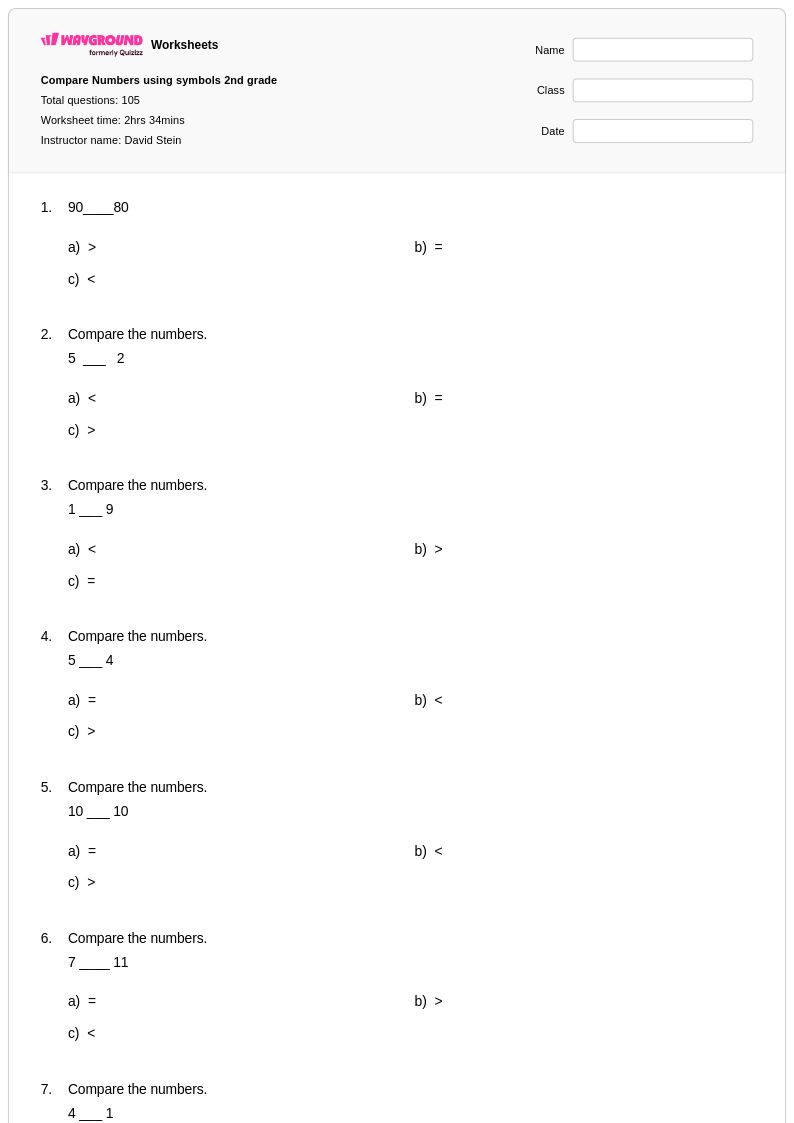
105 Q
2nd
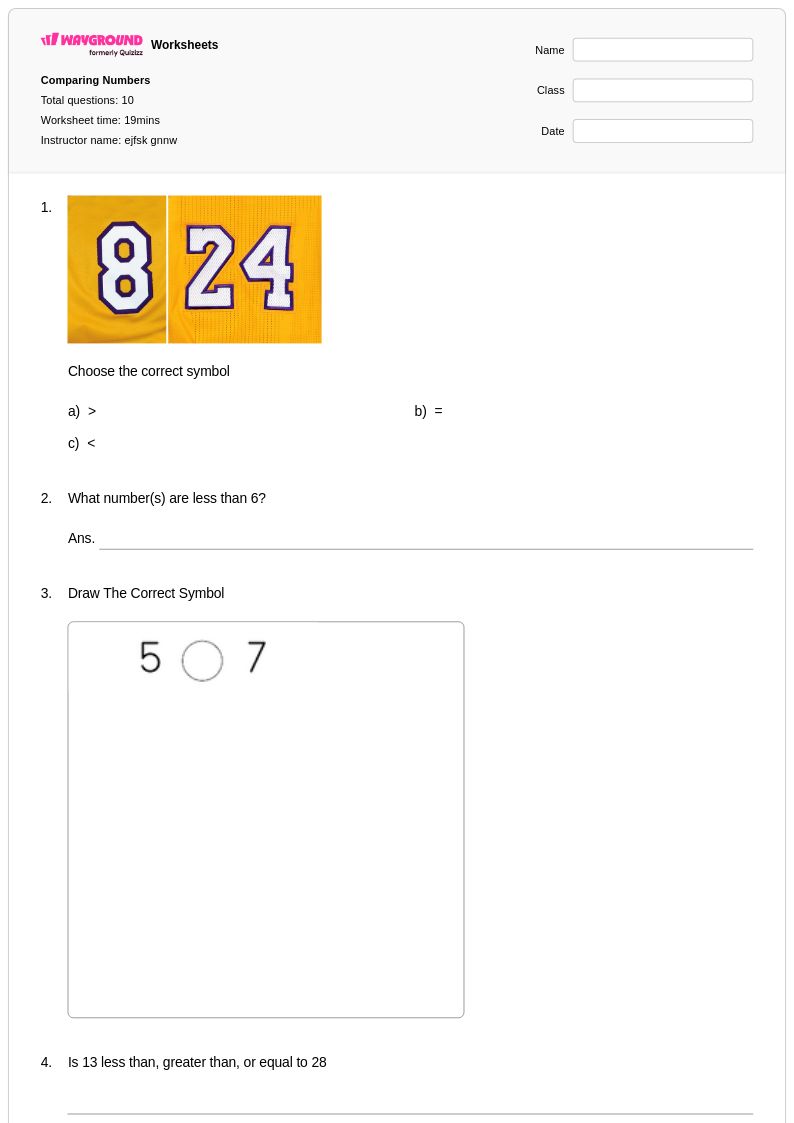
10 Q
1st - 2nd
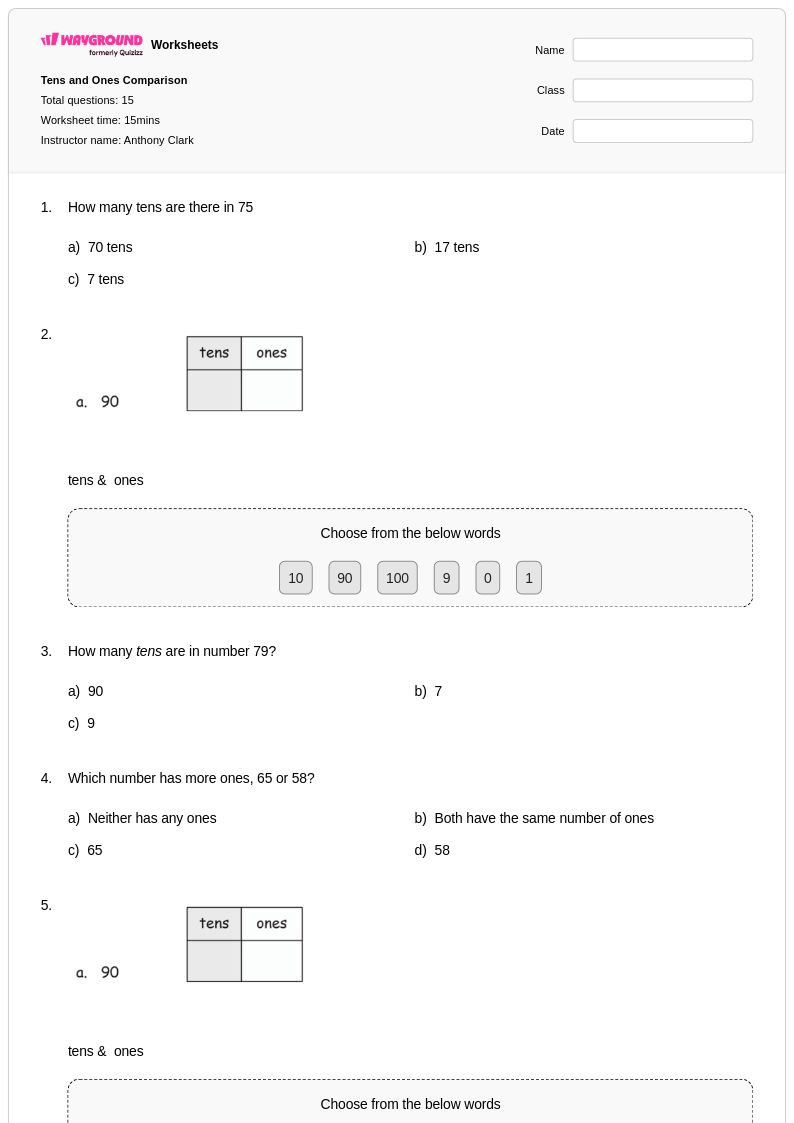
15 Q
2nd - Uni
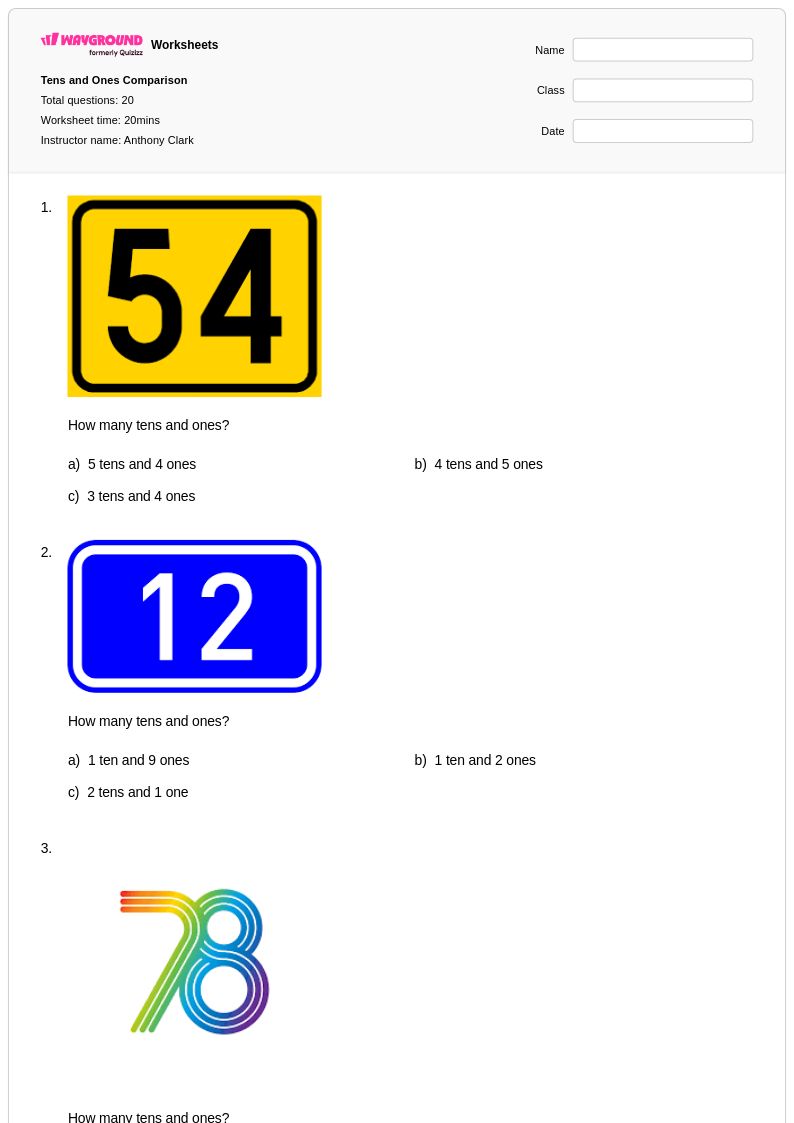
20 Q
2nd - Uni
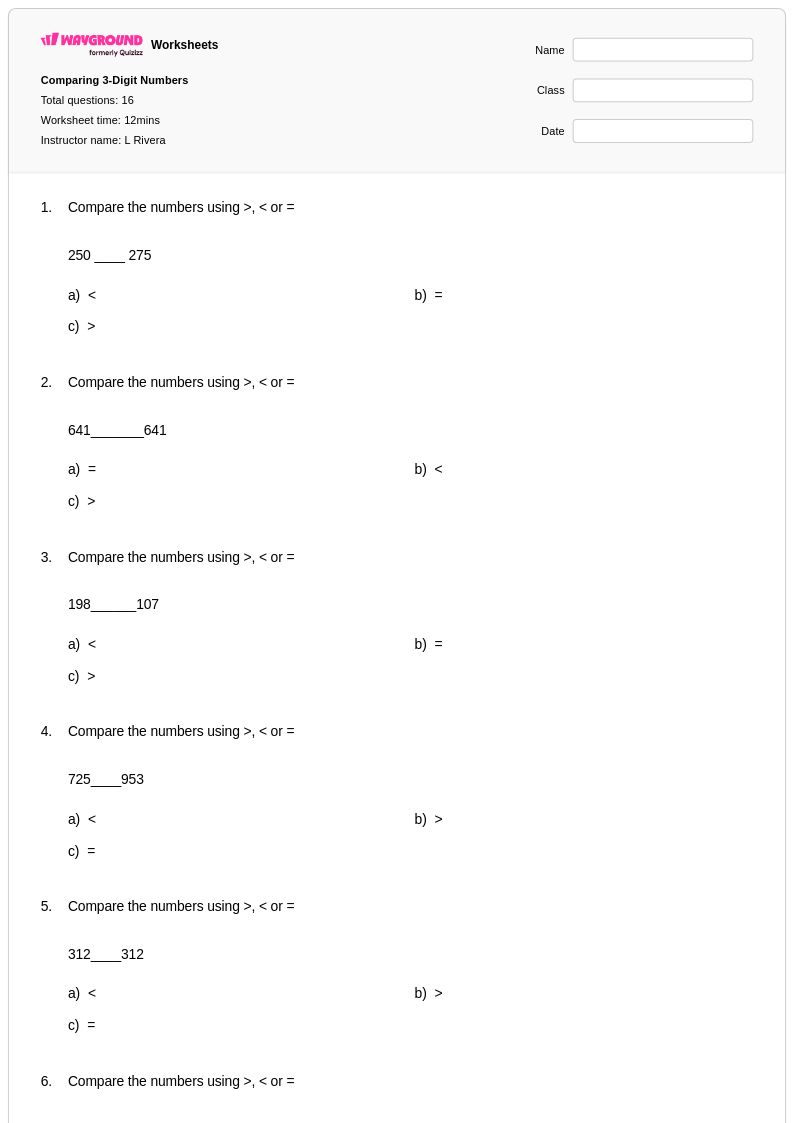
16 Q
1st - 2nd
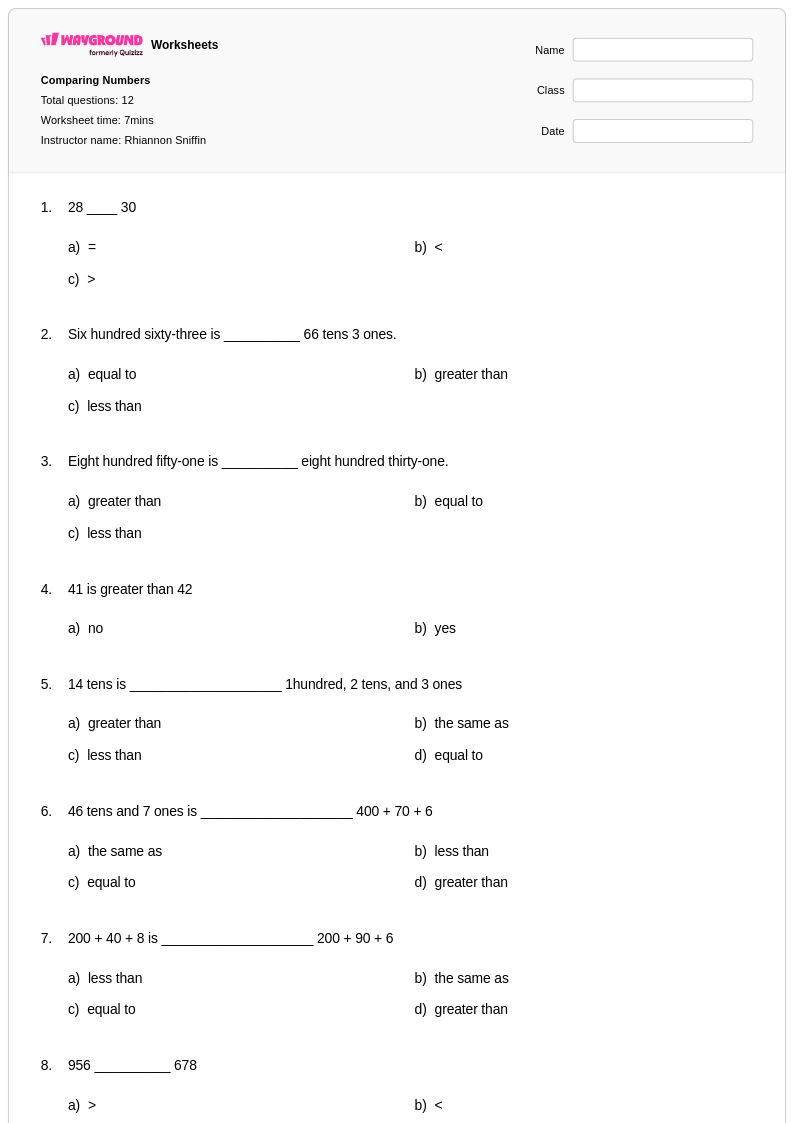
12 Q
2nd
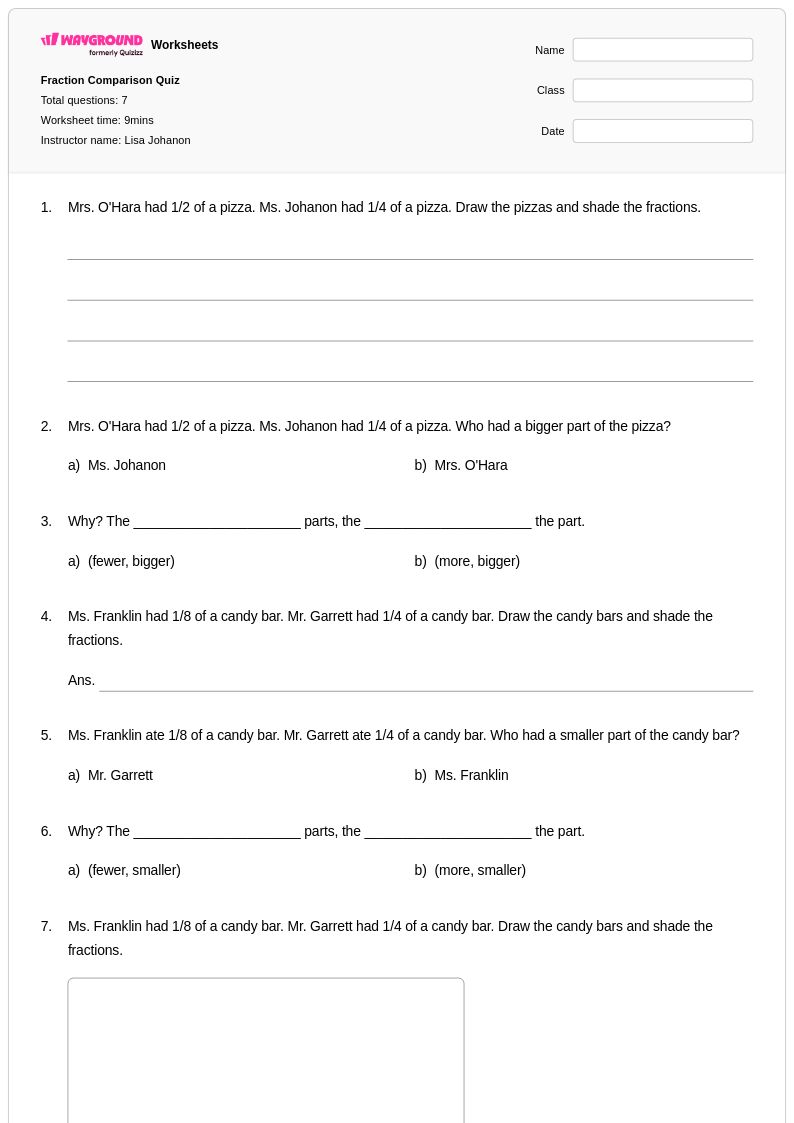
7 Q
2nd
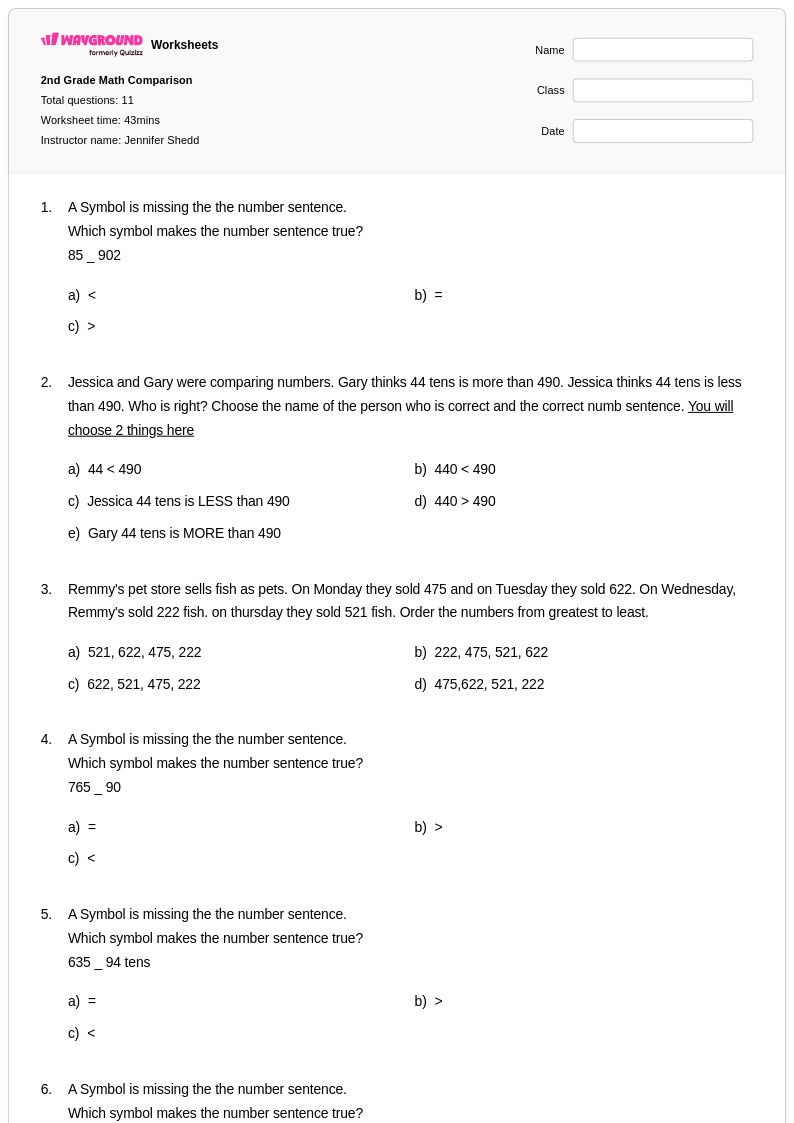
11 Q
2nd
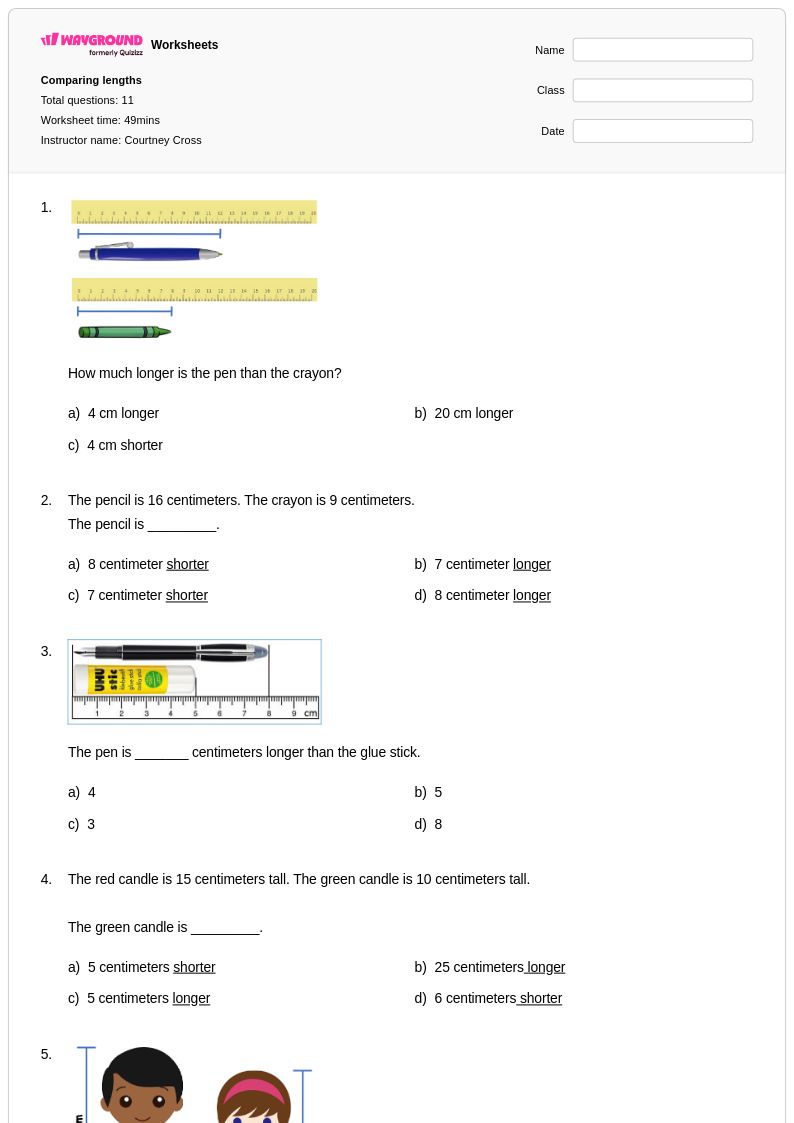
11 Q
2nd
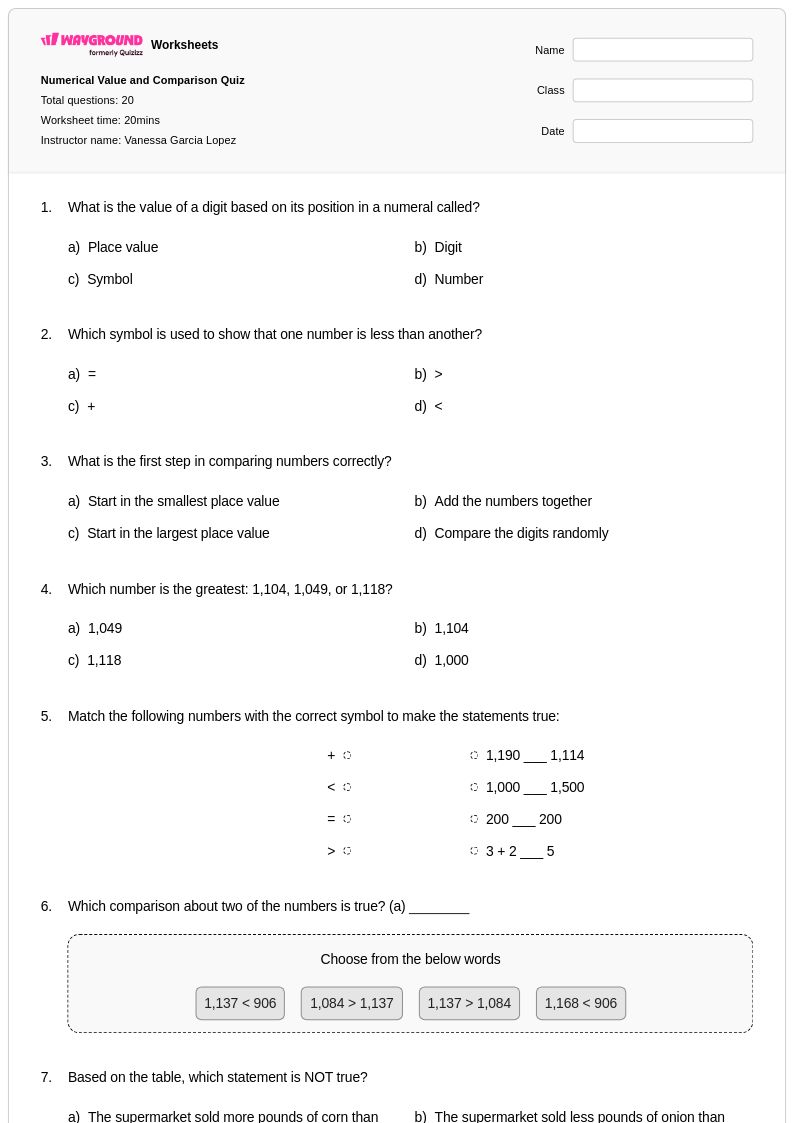
20 Q
2nd
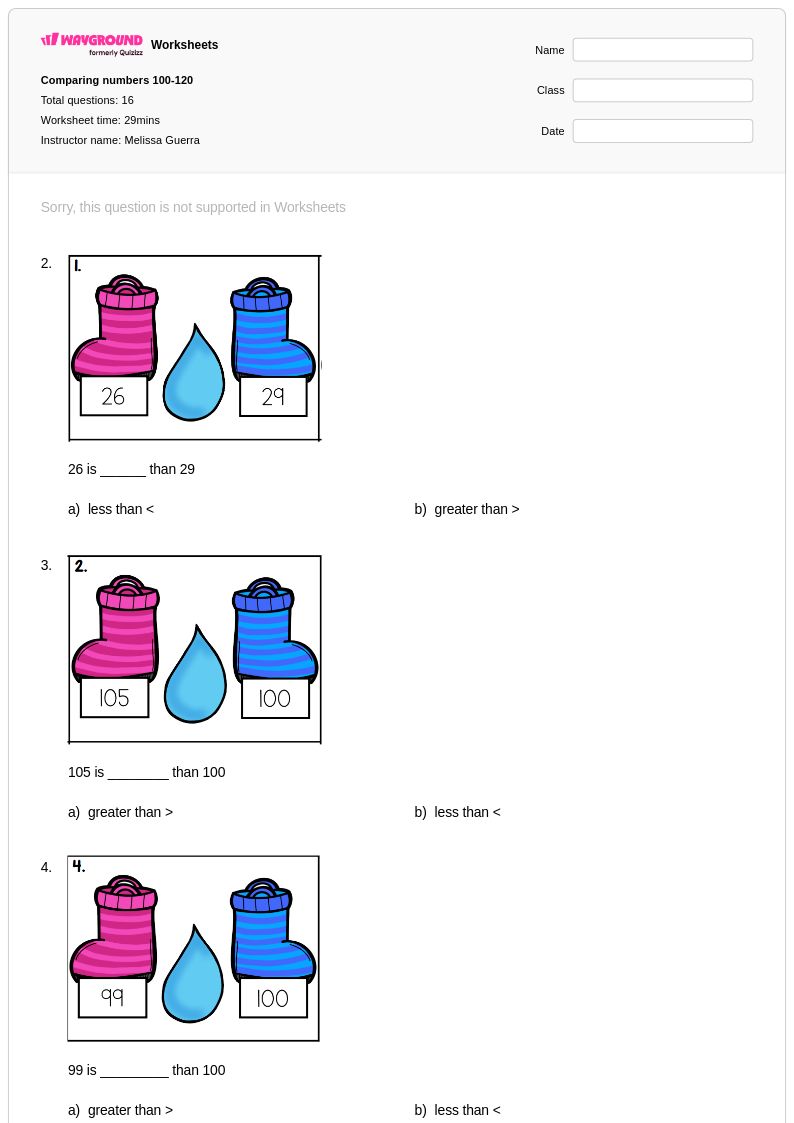
17 Q
1st - Uni
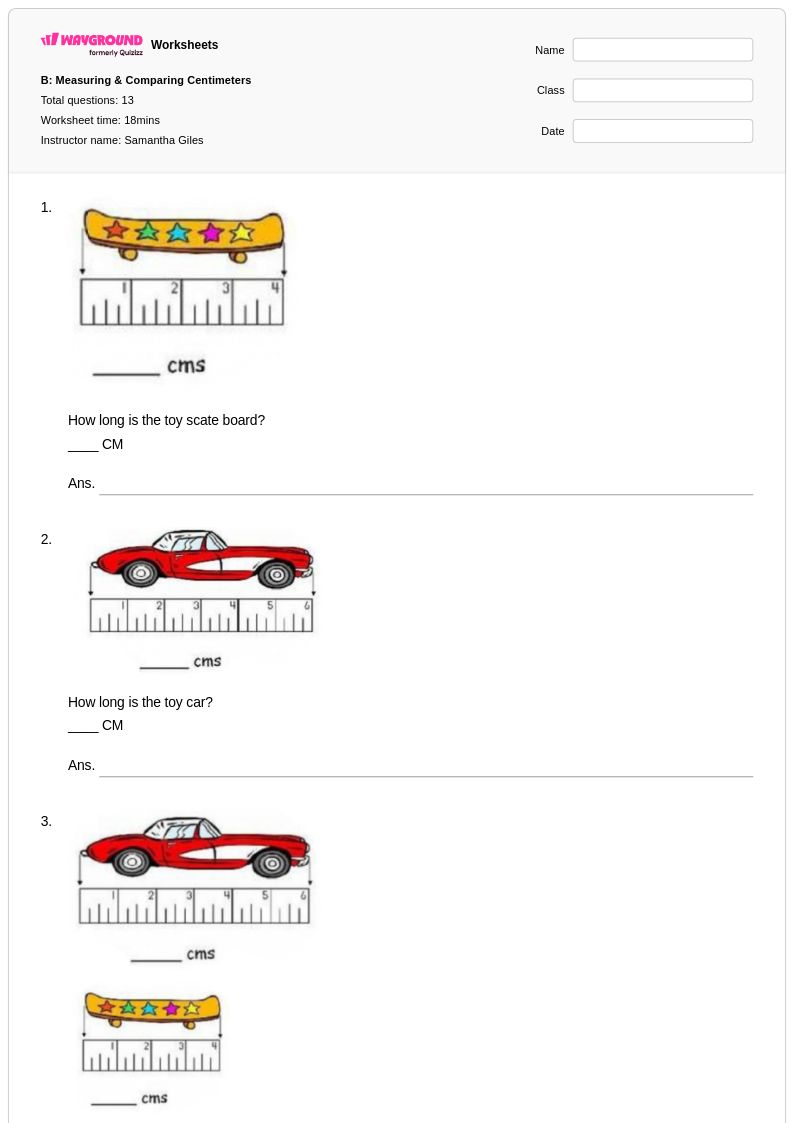
13 Q
2nd
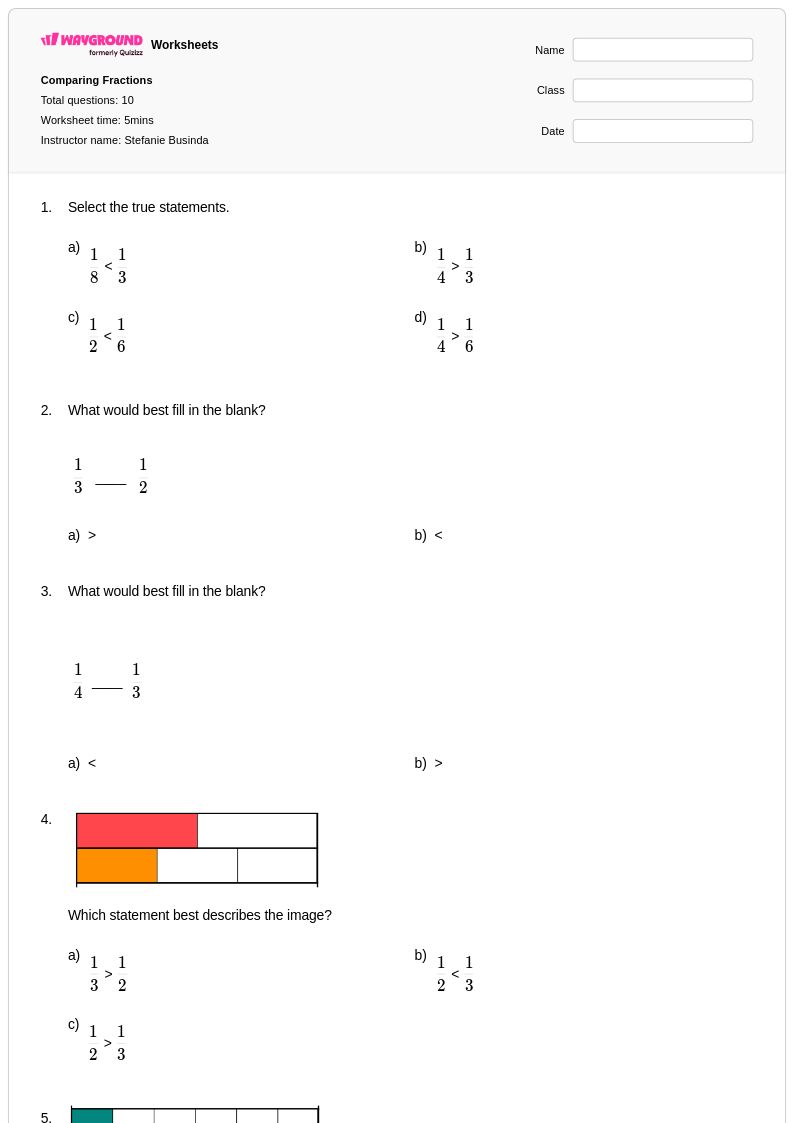
10 Q
1st - 3rd
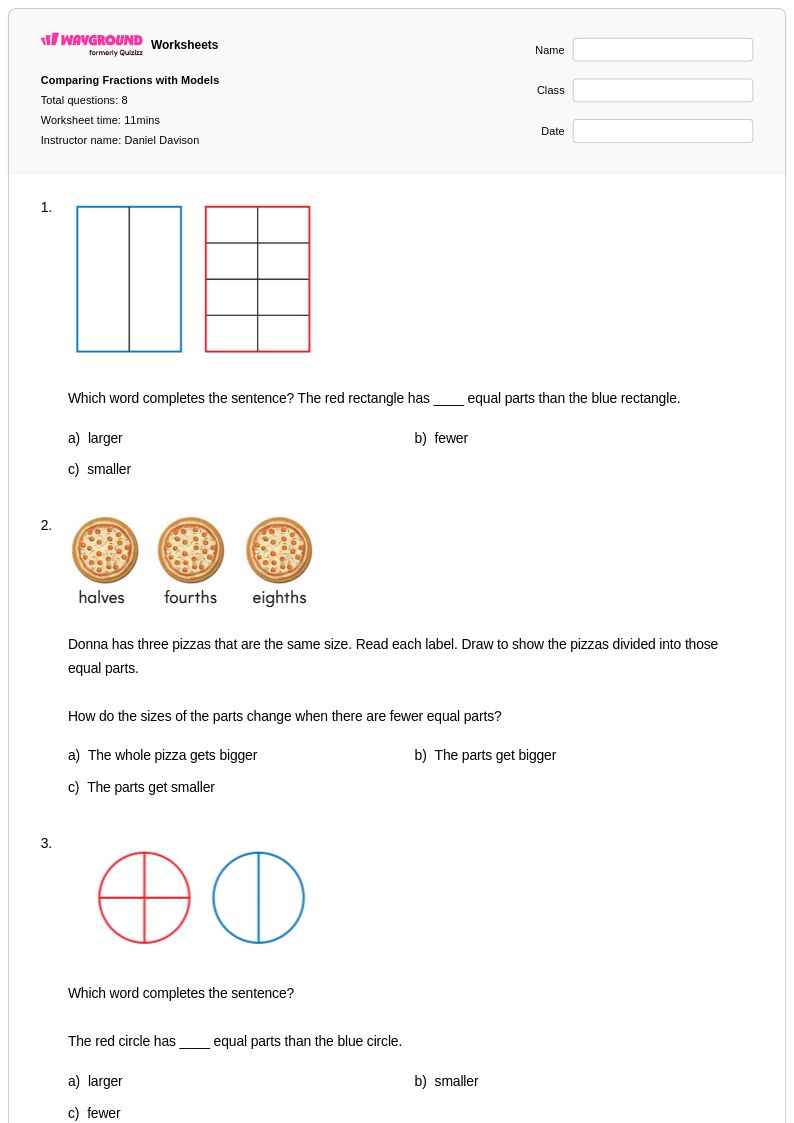
8 Q
2nd
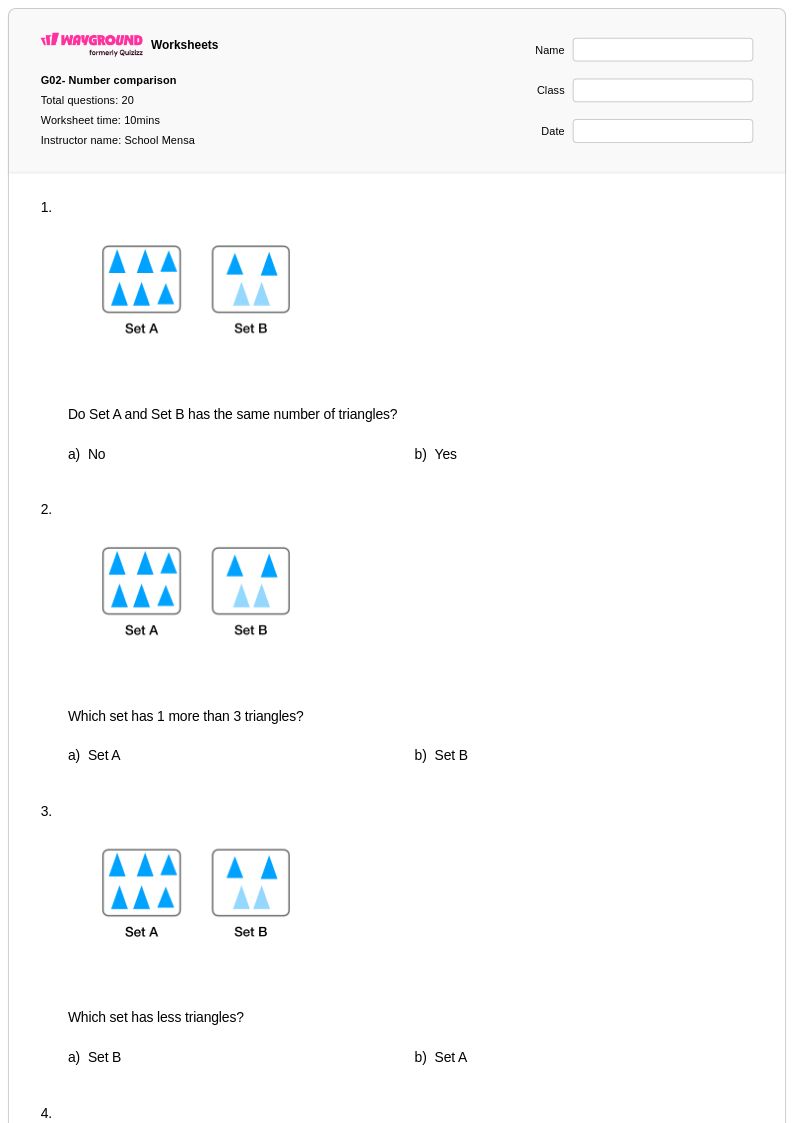
20 Q
2nd
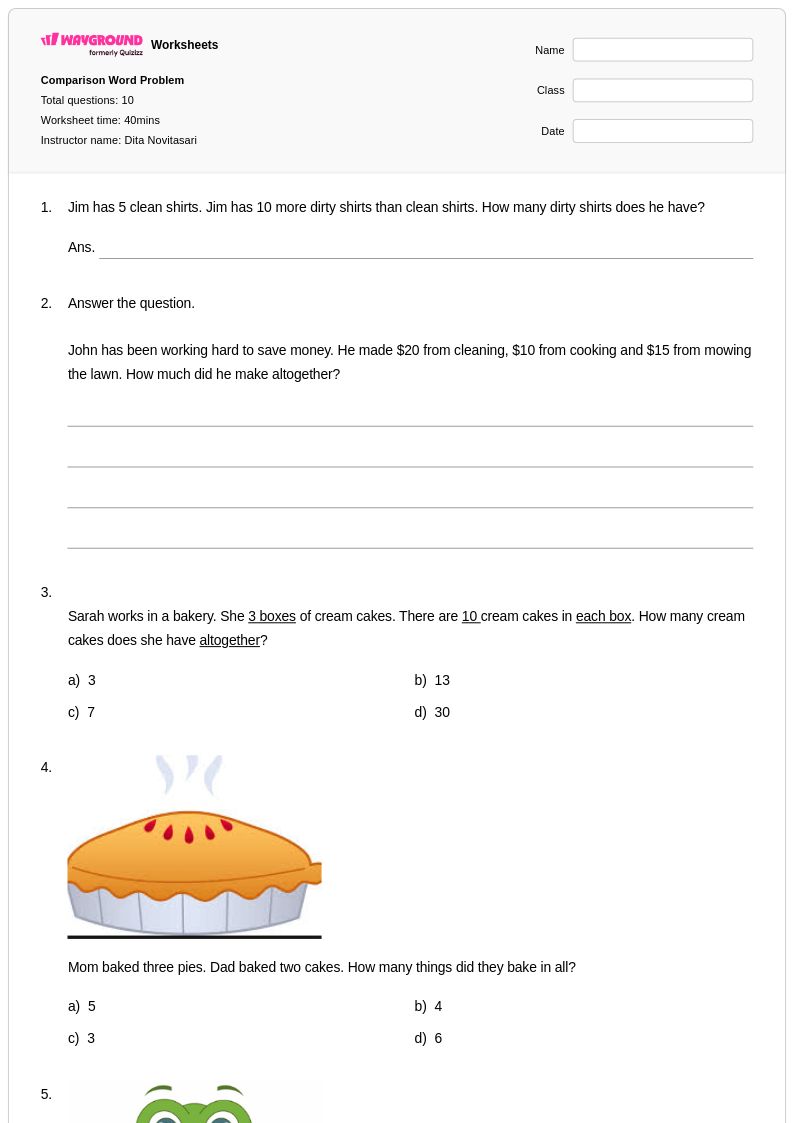
10 Q
2nd
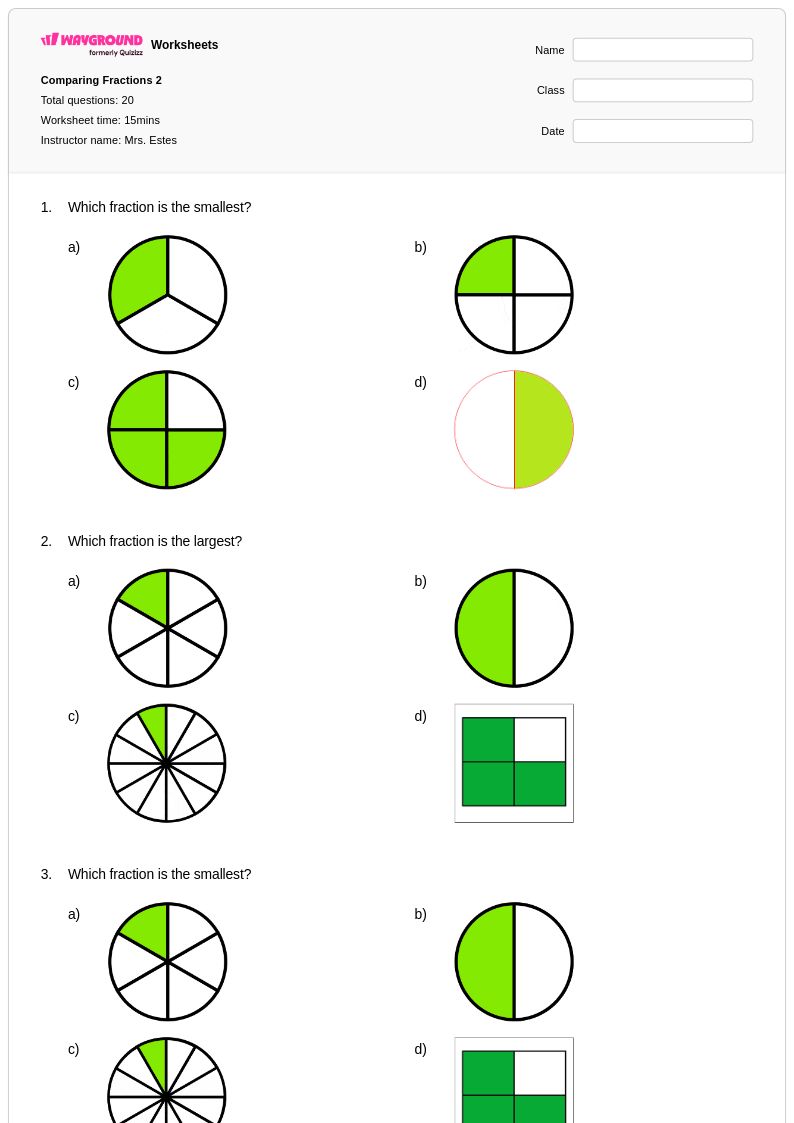
20 Q
2nd - 4th
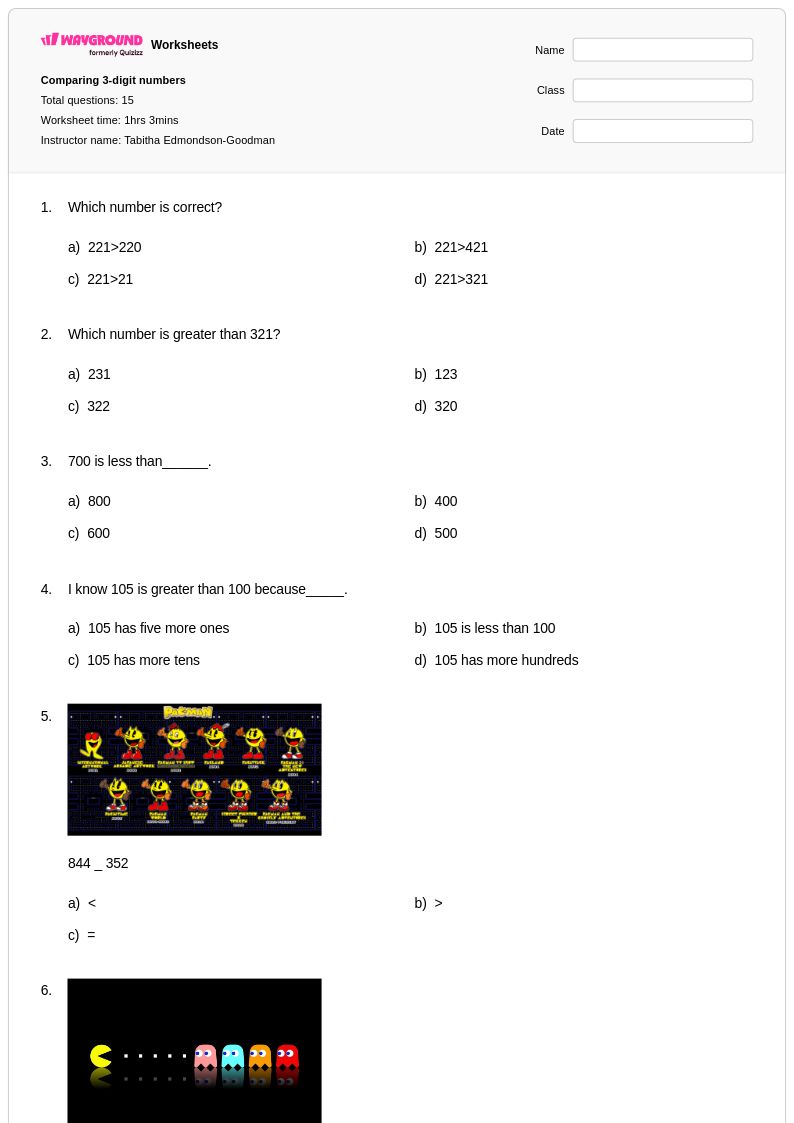
15 Q
2nd
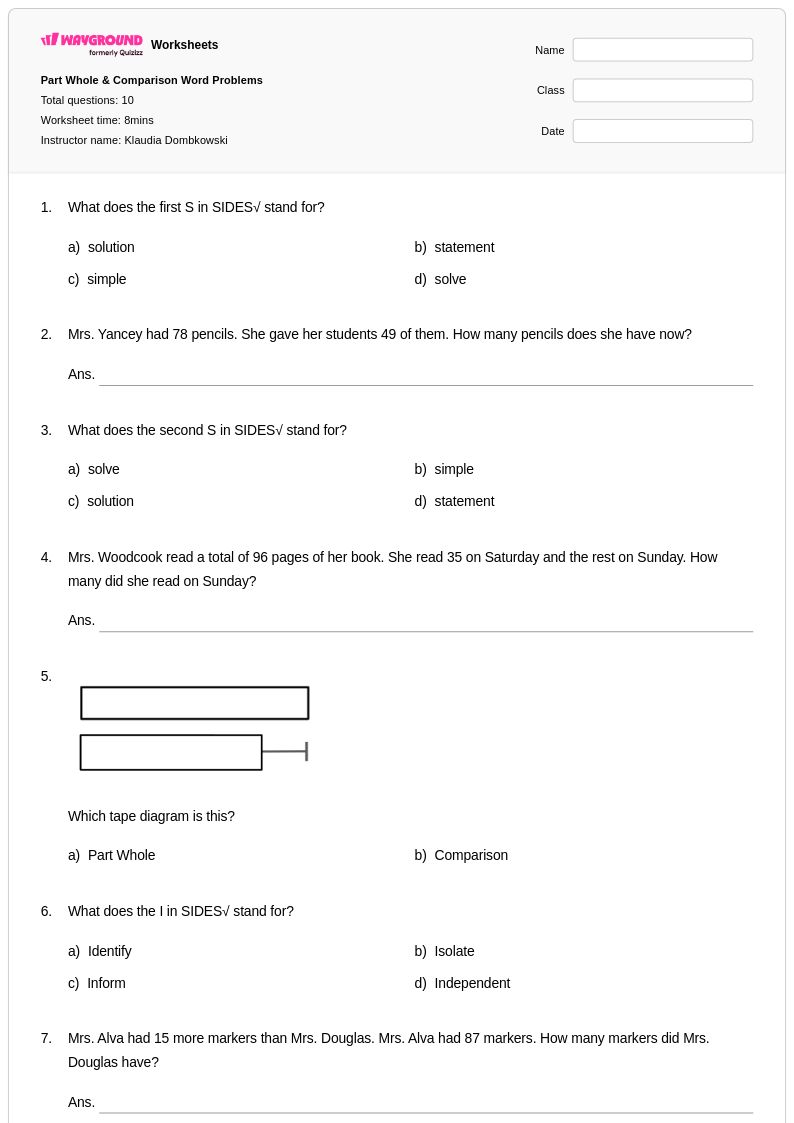
10 Q
2nd
Explore Other Subject Worksheets for grade 2
Explore printable Size Comparison worksheets for Grade 2
Size comparison worksheets for Grade 2 students available through Wayground (formerly Quizizz) provide essential foundational practice in developing spatial reasoning and measurement skills. These comprehensive printables focus on helping young learners distinguish between objects based on dimensions such as length, height, width, and overall size through engaging visual comparisons and hands-on activities. Students work through practice problems that require them to identify which objects are bigger, smaller, taller, shorter, longer, or wider, building critical analytical skills that form the basis for more advanced measurement concepts. Each worksheet includes a complete answer key and is available as a free pdf download, making it easy for educators to incorporate systematic size comparison exercises into their mathematics instruction while supporting students in mastering these fundamental measurement relationships.
Wayground (formerly Quizizz) empowers teachers with access to millions of teacher-created size comparison resources specifically designed for Grade 2 mathematics instruction. The platform's robust search and filtering capabilities allow educators to quickly locate worksheets that align with specific curriculum standards and match their students' developmental needs. Teachers can easily differentiate instruction by selecting from various difficulty levels and formats, customizing existing materials, or adapting content to address individual learning gaps through targeted remediation or enrichment activities. These versatile resources are available in both printable and digital formats, including downloadable pdf versions, giving educators the flexibility to seamlessly integrate size comparison practice into classroom lessons, homework assignments, or independent skill-building sessions while ensuring comprehensive coverage of essential measurement concepts.
FAQs
How should I teach size comparison in Grade 2?
What new concepts do these Grade 2 size comparison worksheets introduce?
What is a common misconception for second graders when comparing measurements?
What formats are these Grade 2 worksheets available in?
How does size comparison in Grade 2 align with Common Core standards?
What measurement skills are taught in 2nd grade?