
20 Q
7th - Uni
13 Q
7th - Uni
15 Q
7th - Uni
14 Q
8th
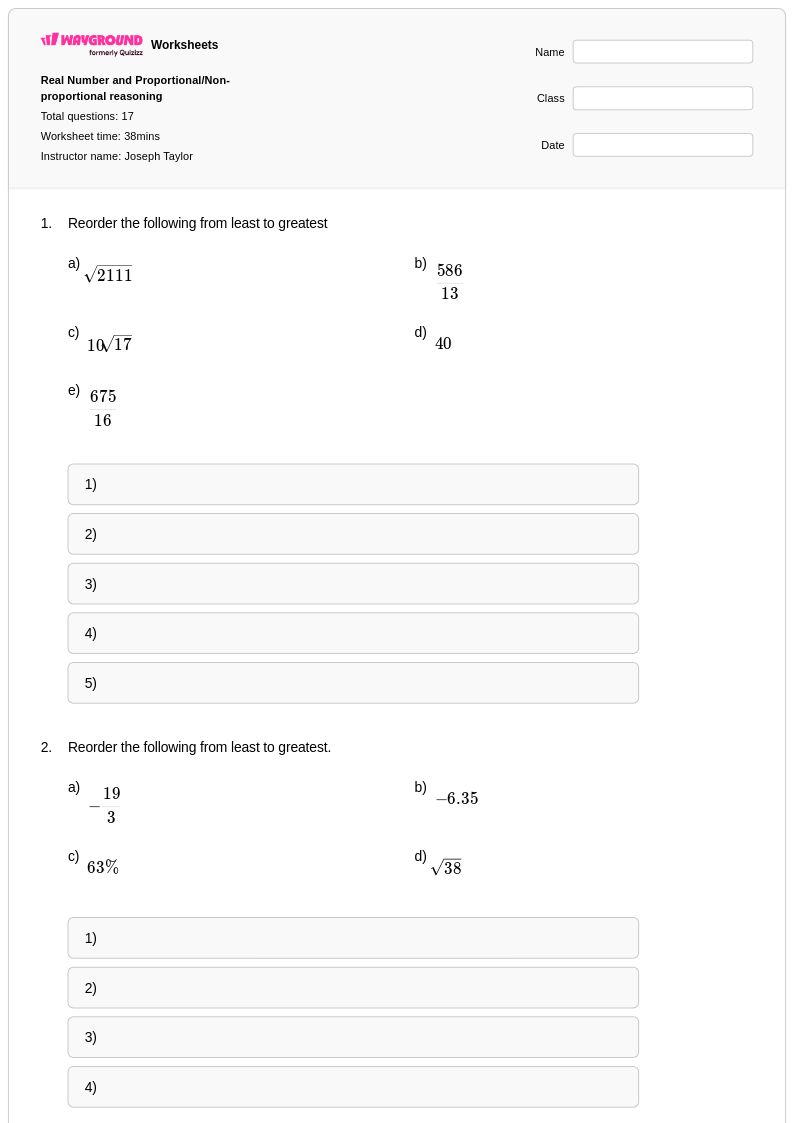
17 Q
8th
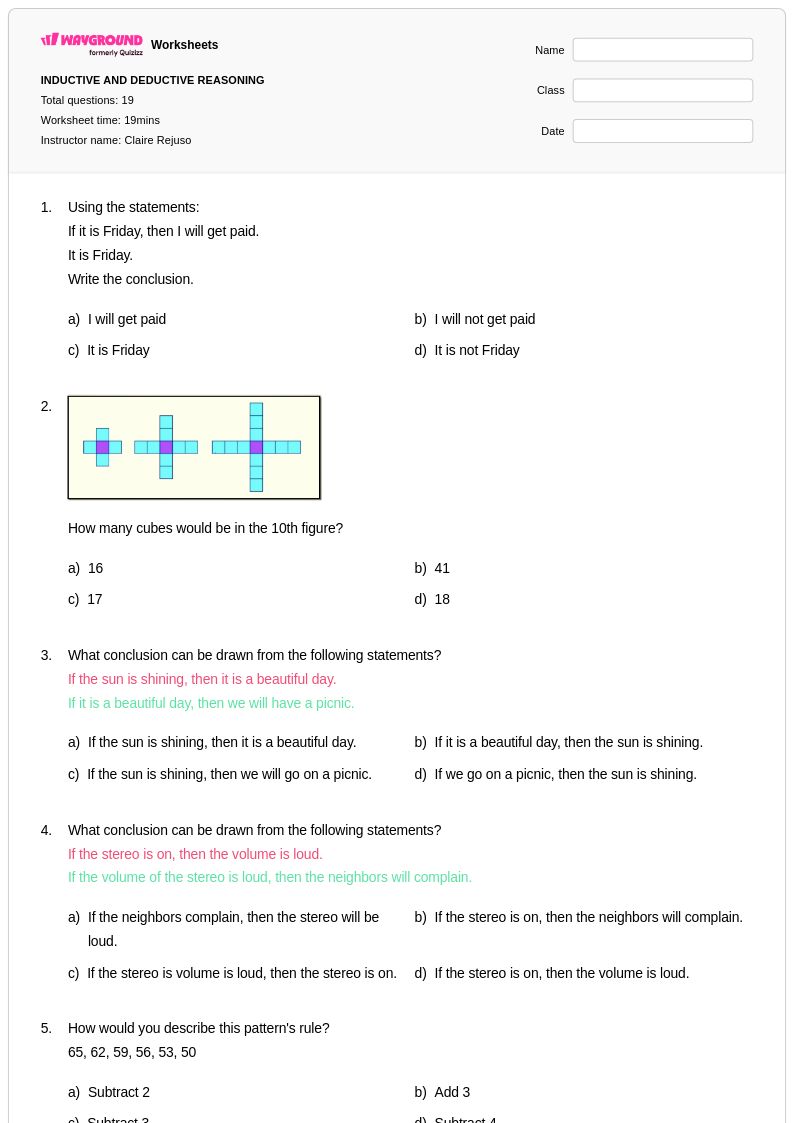
19 Q
8th
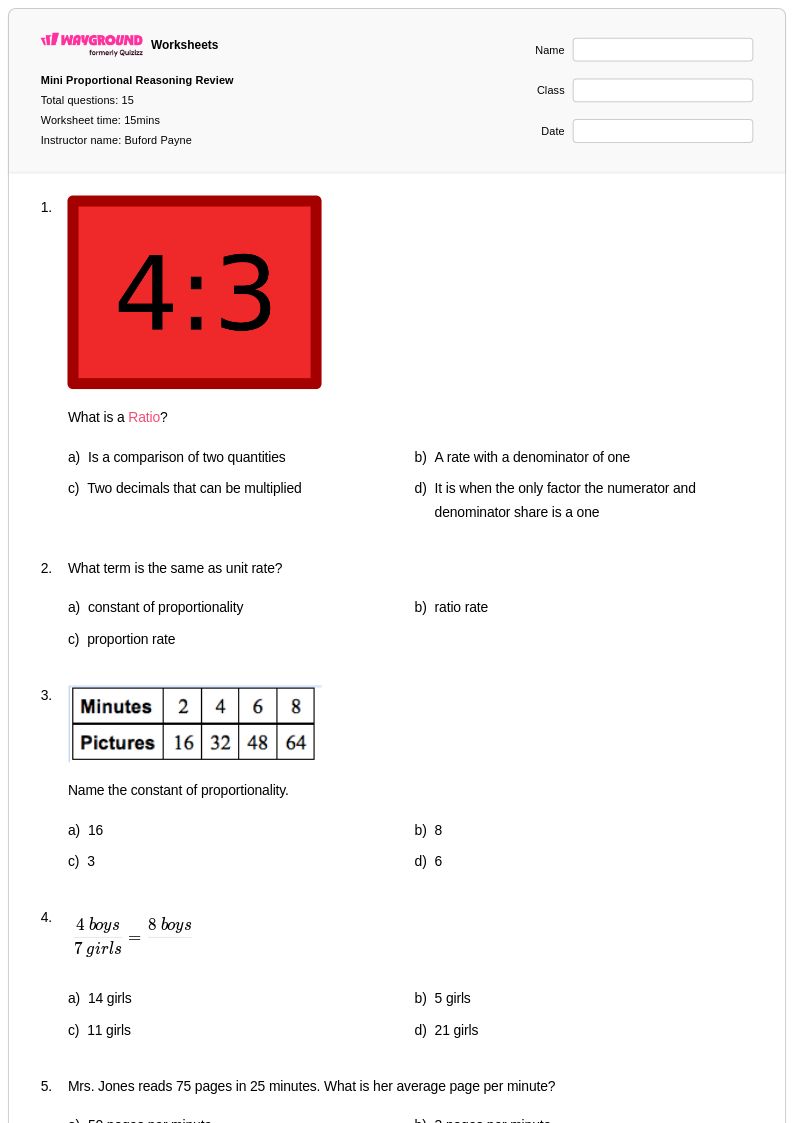
15 Q
6th - 8th
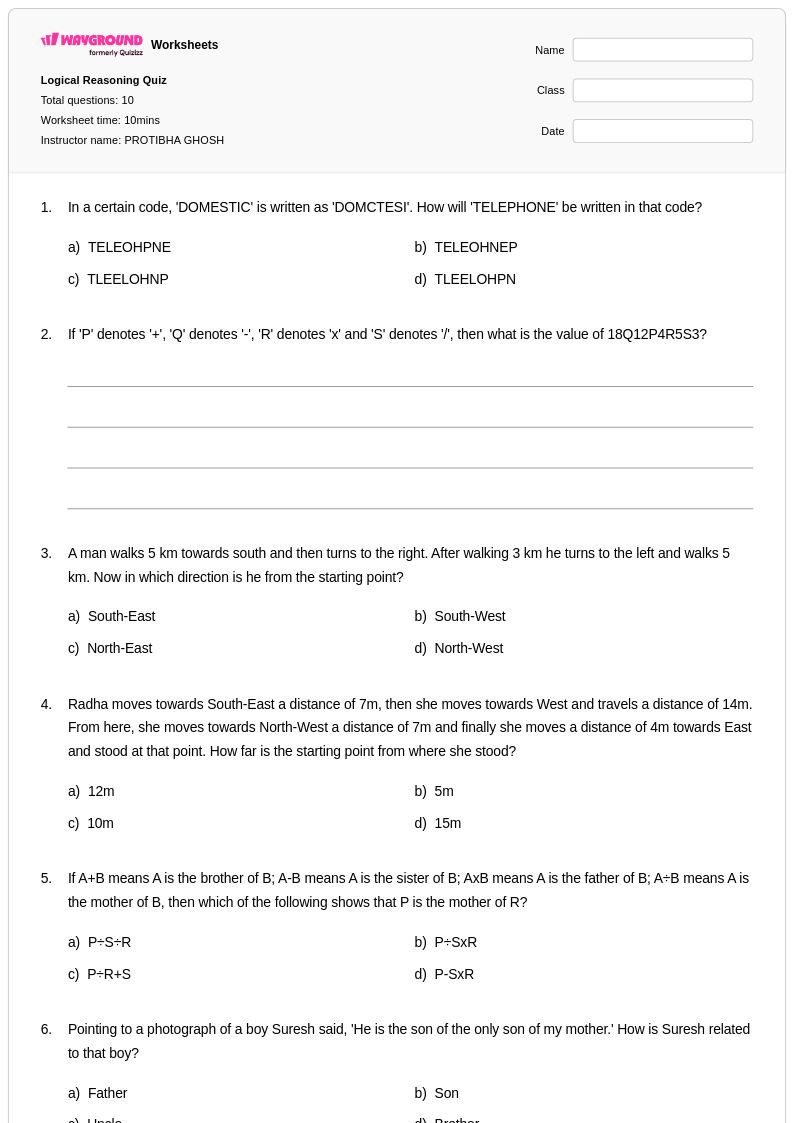
10 Q
8th
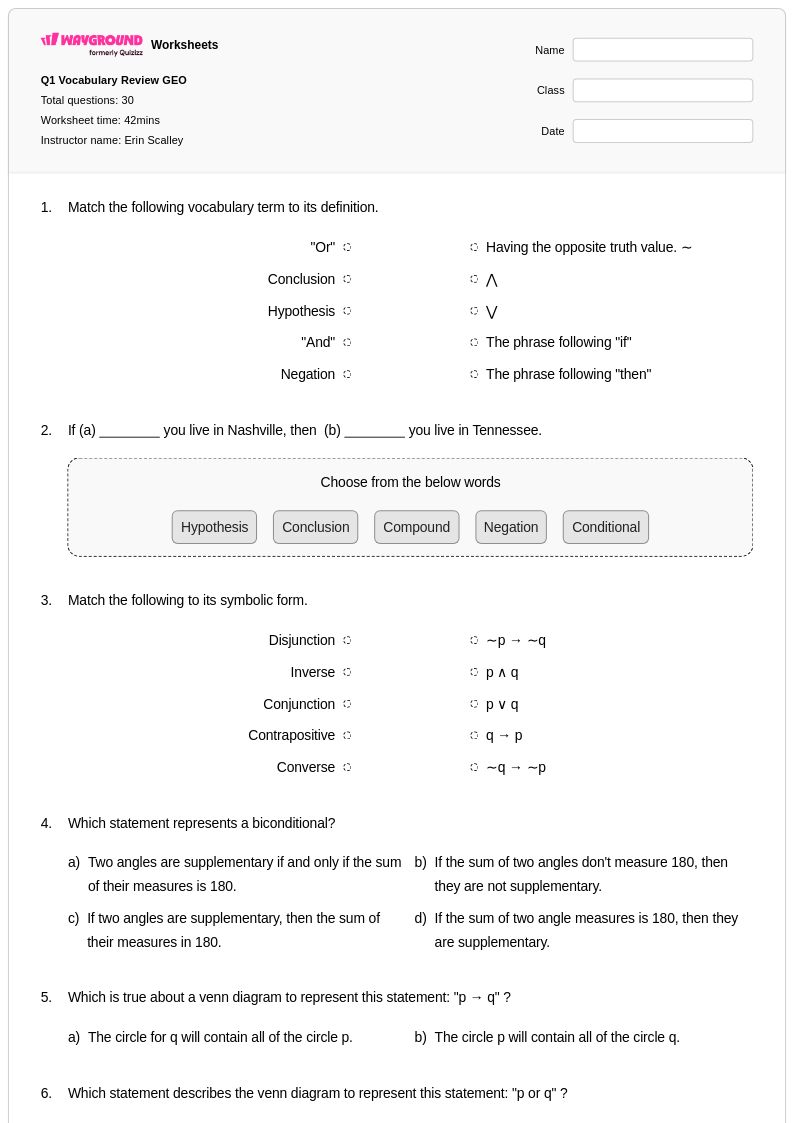
30 Q
8th
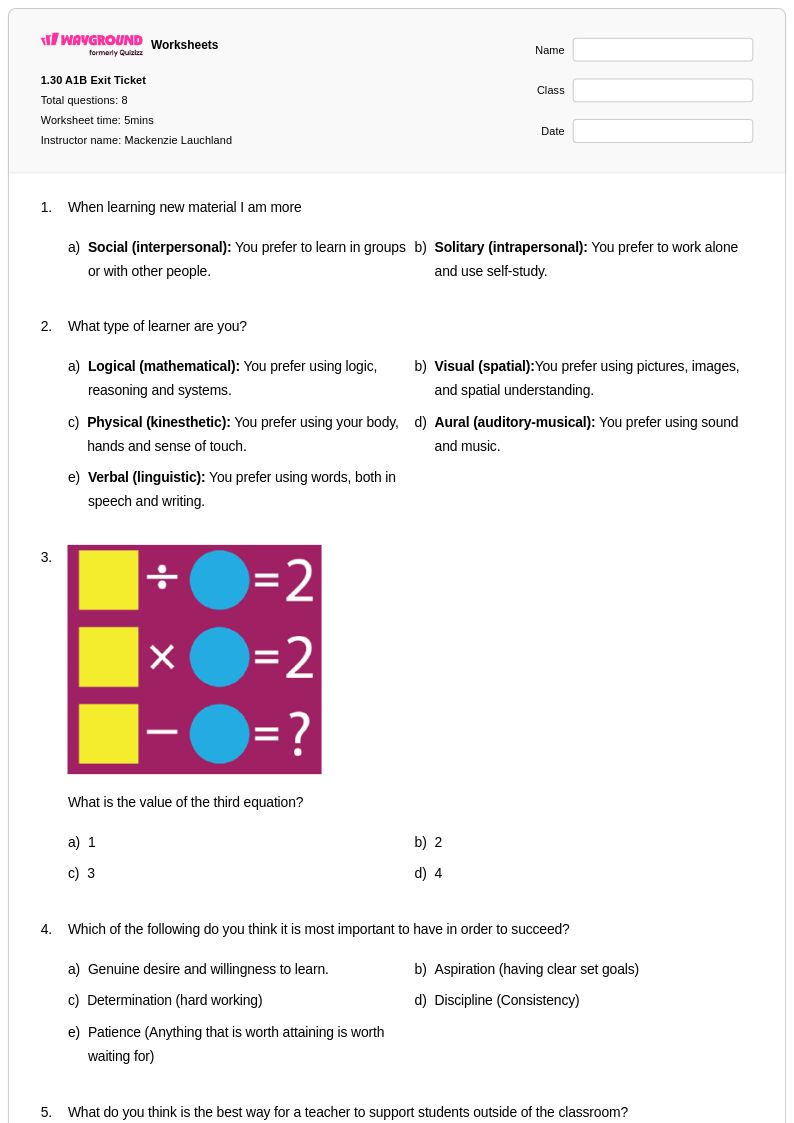
8 Q
8th
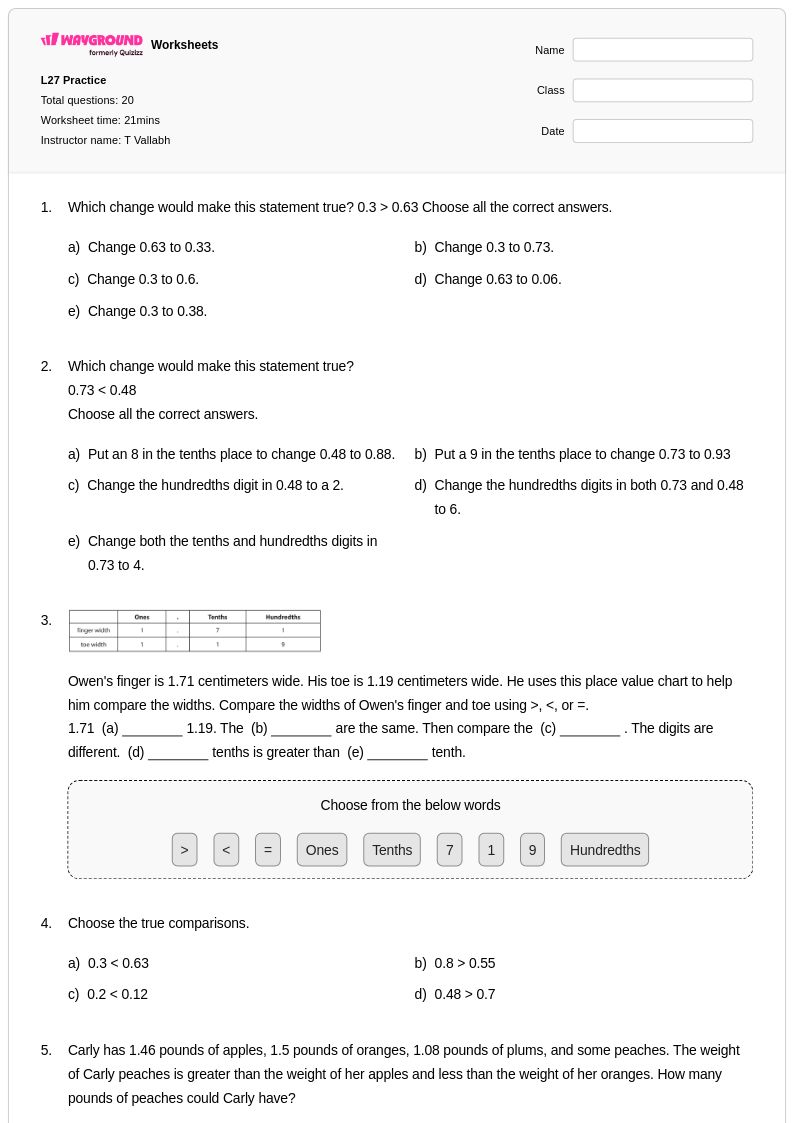
20 Q
4th - Uni
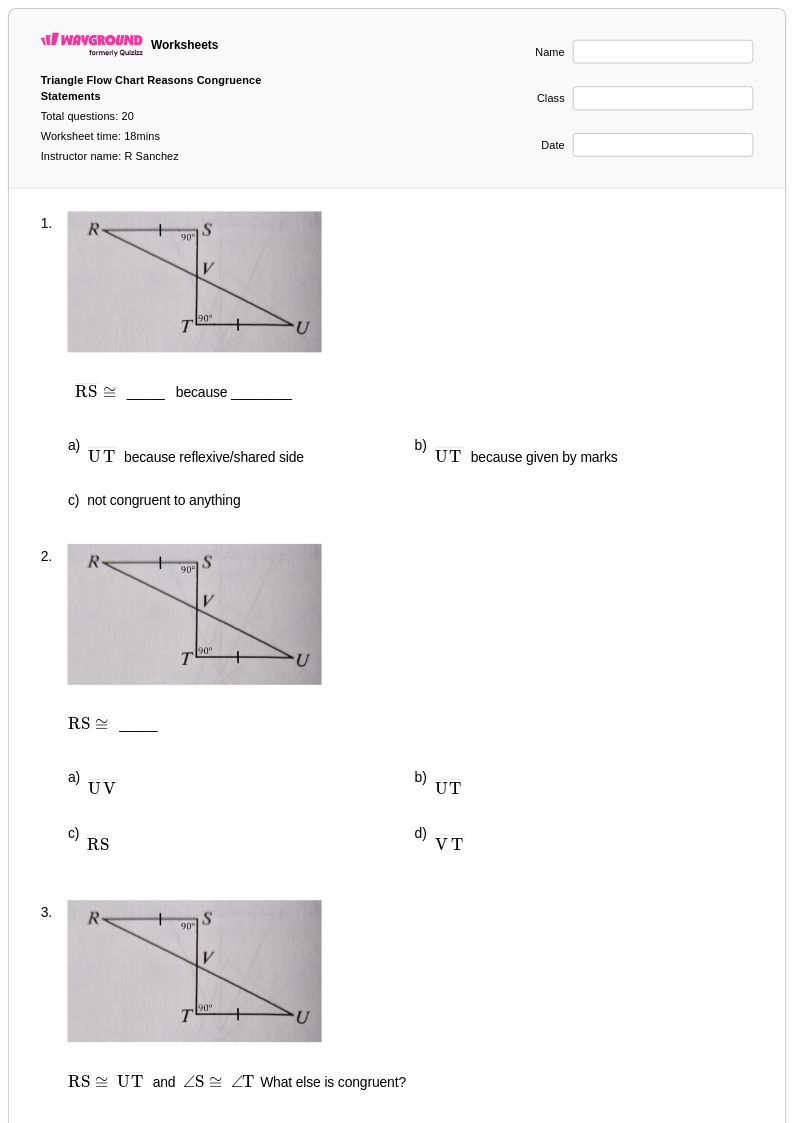
20 Q
8th - 9th
19 Q
7th - 8th
20 Q
6th - 8th
20 Q
7th - Uni
20 Q
8th
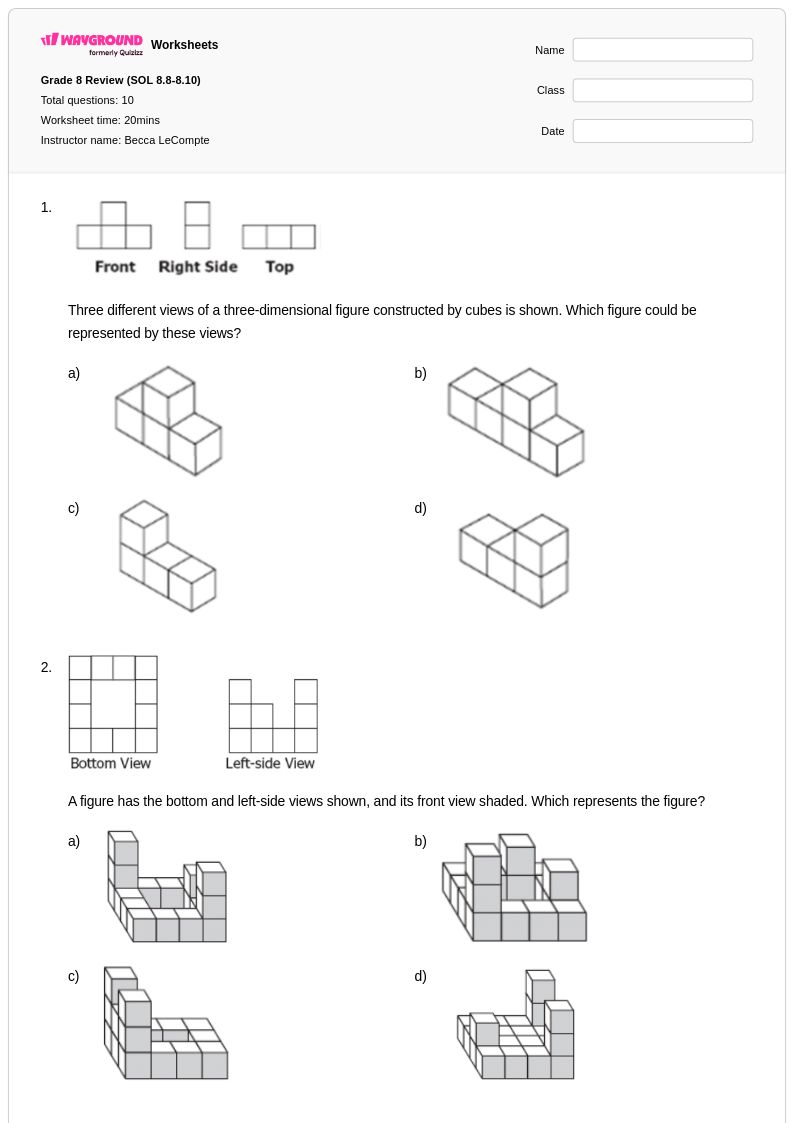
10 Q
6th - 8th
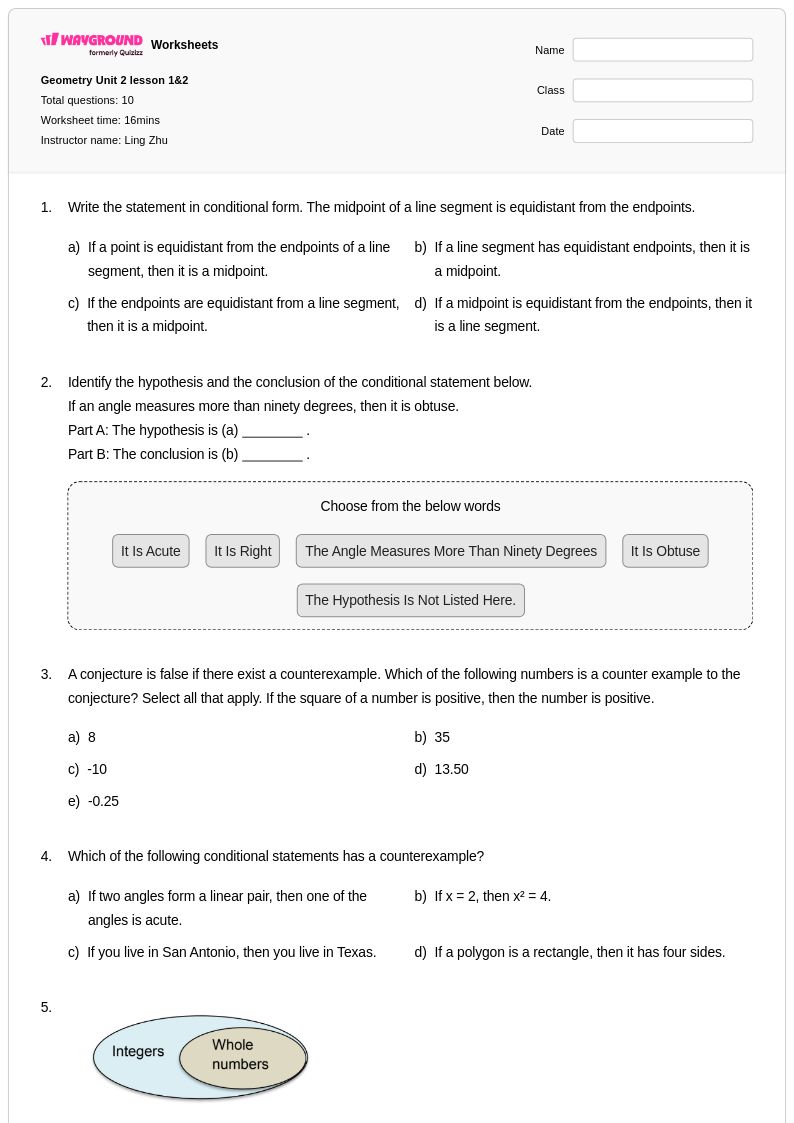
10 Q
8th - Uni
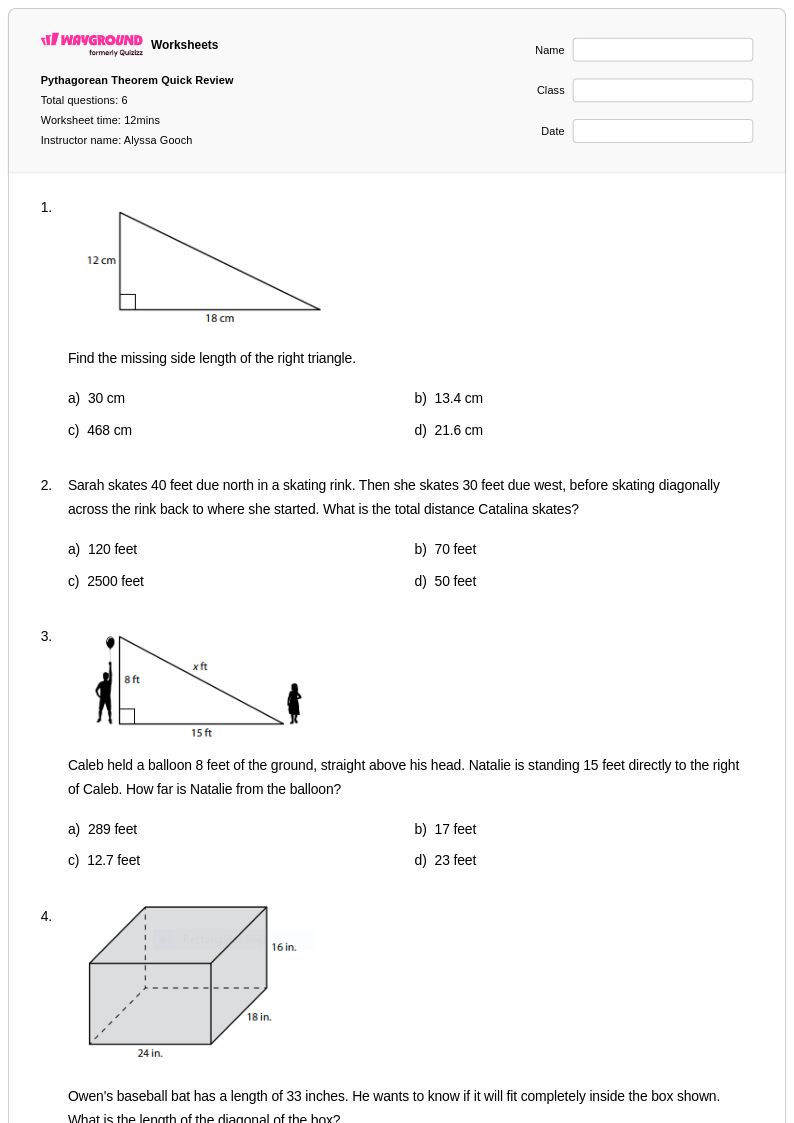
6 Q
8th
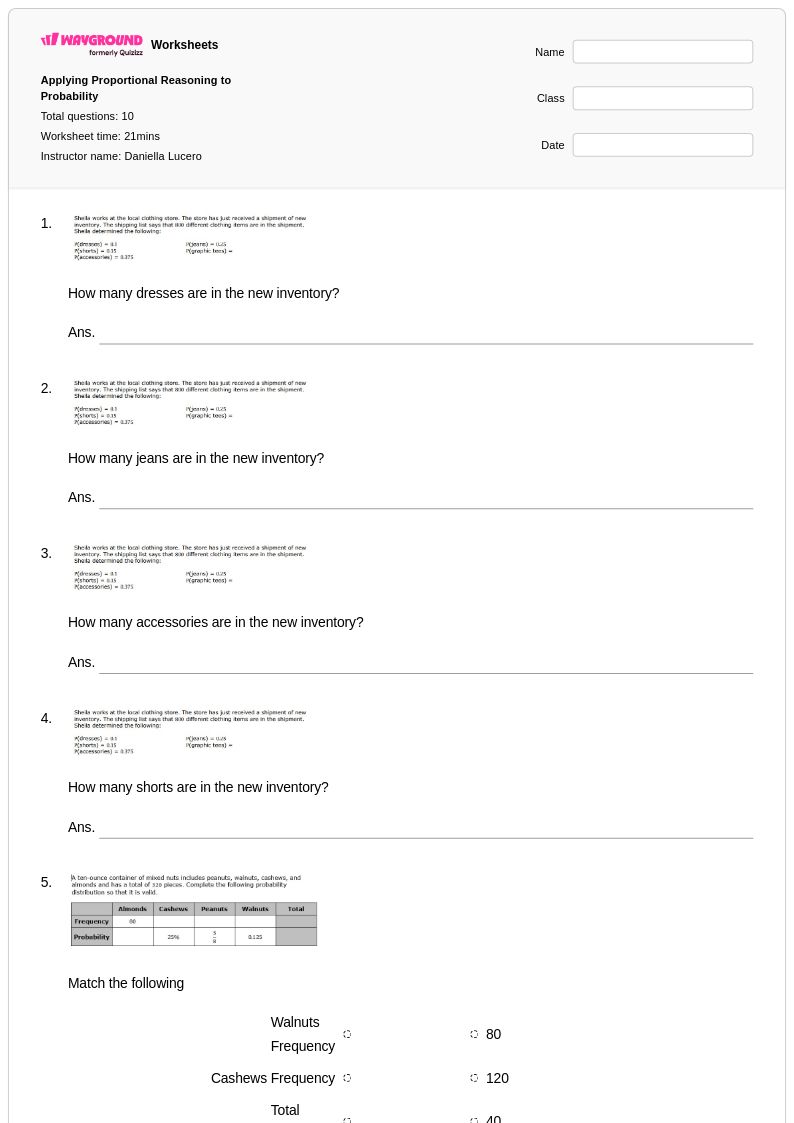
10 Q
8th
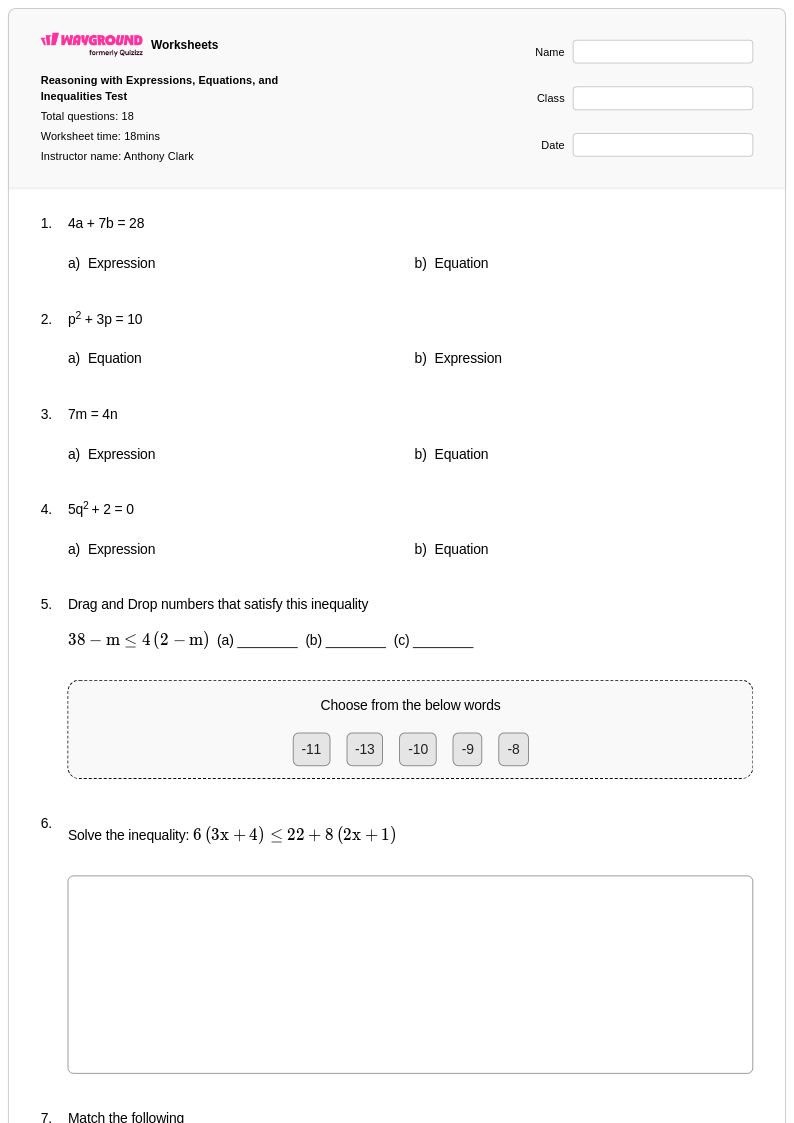
18 Q
6th - Uni
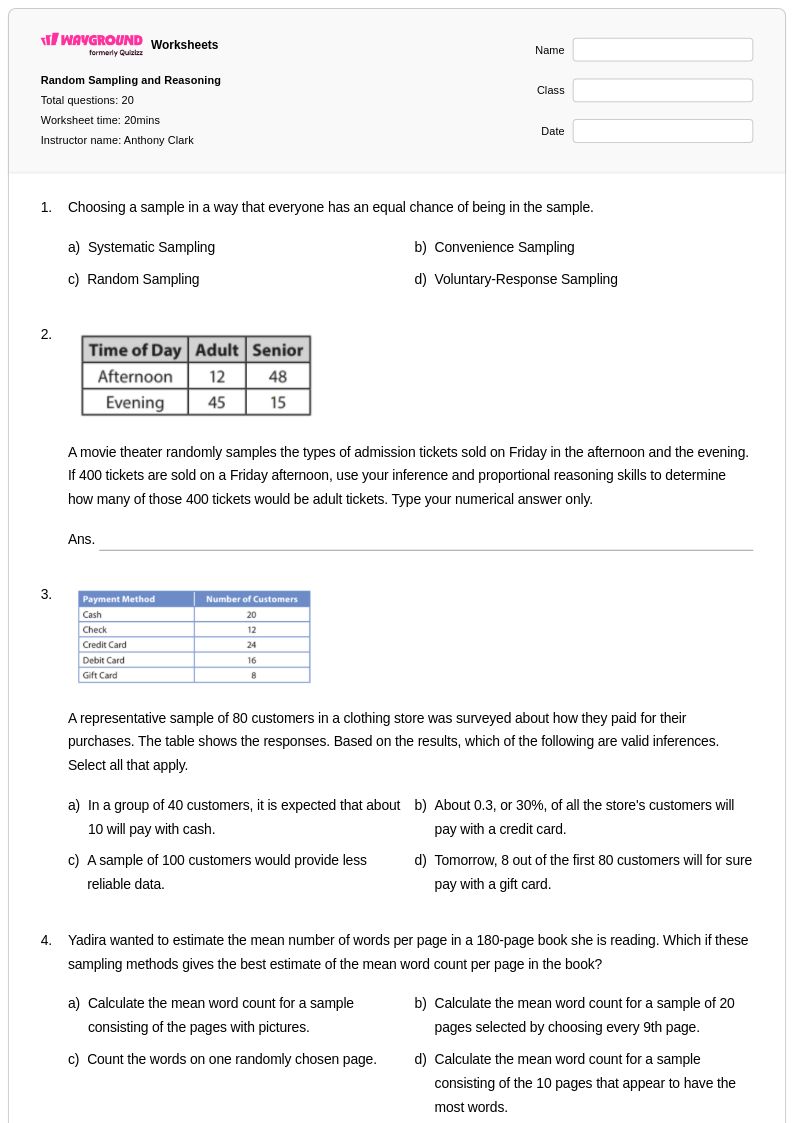
20 Q
7th - Uni
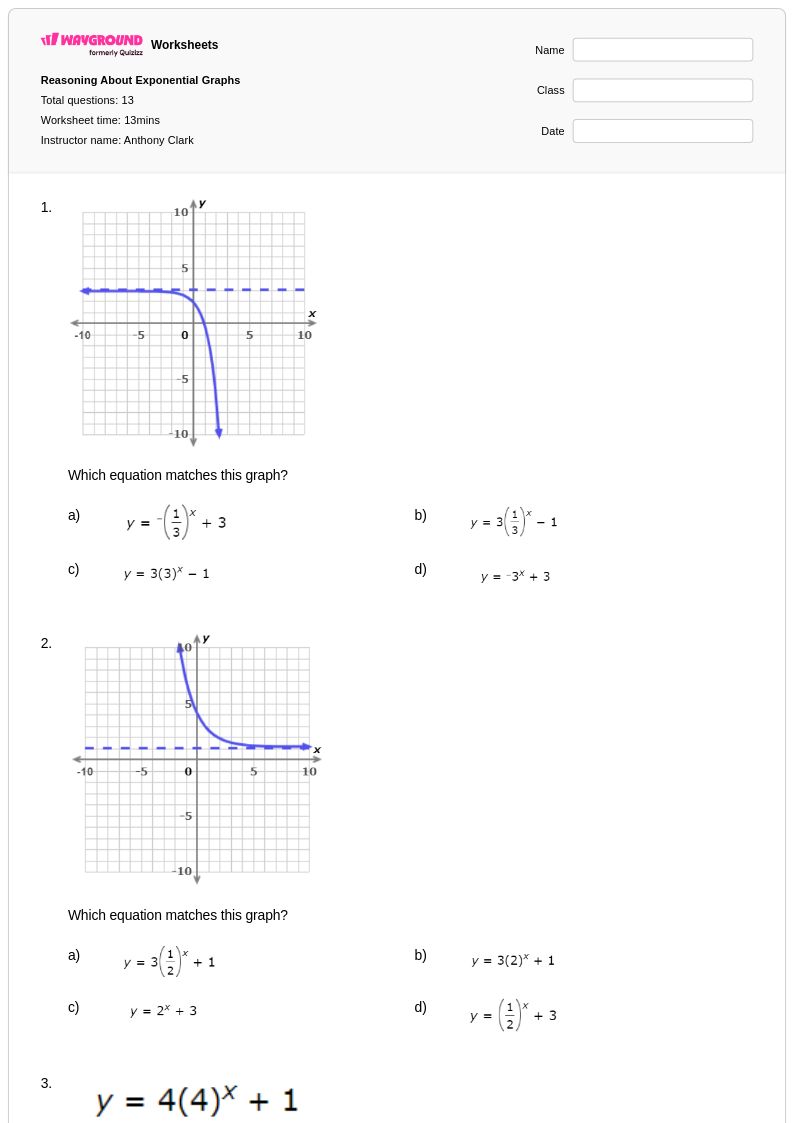
13 Q
6th - Uni
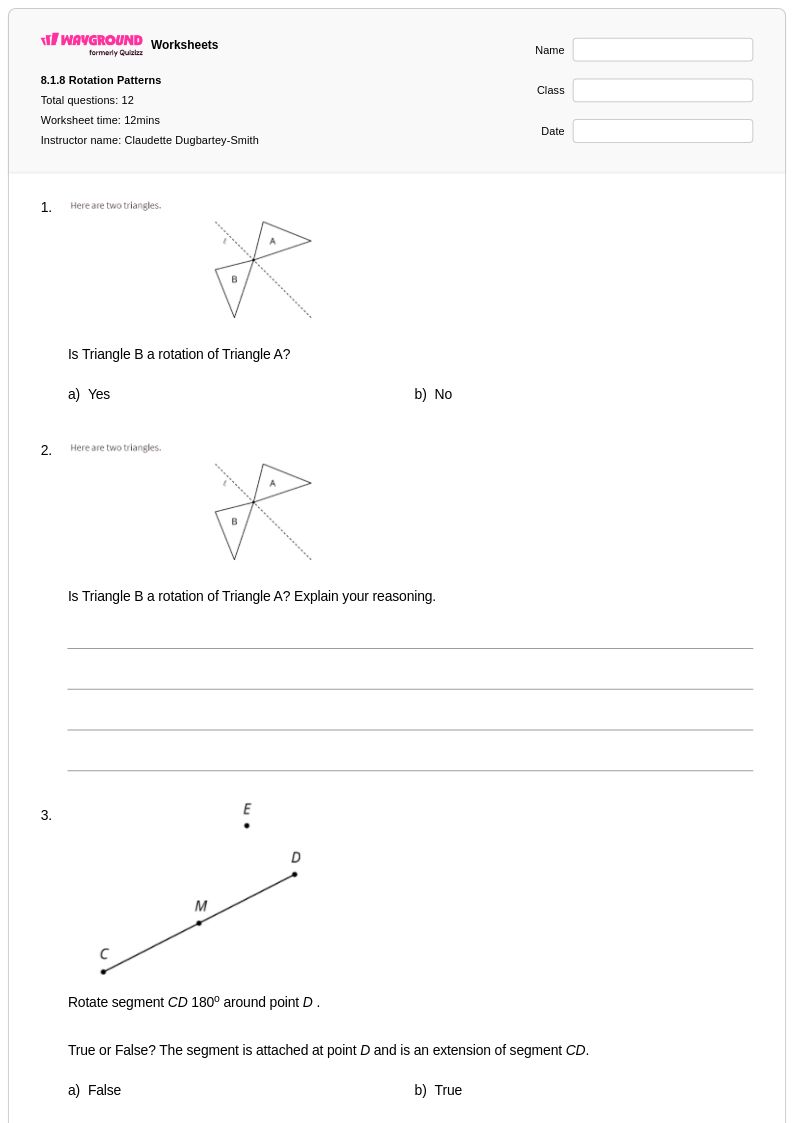
12 Q
8th
Explore Spatial Reasoning Worksheets by Grades
Explore Other Subject Worksheets for grade 8
Explore printable Spatial Reasoning worksheets for Grade 8
Spatial reasoning worksheets for Grade 8 mathematics available through Wayground (formerly Quizizz) provide comprehensive practice in developing three-dimensional thinking and visualization skills essential for advanced geometric understanding. These carefully designed resources strengthen students' ability to mentally manipulate shapes, understand cross-sections of solids, analyze geometric transformations in space, and solve problems involving perspective and spatial relationships. Each worksheet collection includes practice problems that progress from basic spatial orientation tasks to complex multi-step challenges, complete with detailed answer keys that support both independent learning and classroom instruction. Teachers can access these free printables in convenient pdf format, making it easy to distribute materials that target specific spatial reasoning concepts while building the foundational skills necessary for success in higher-level mathematics and STEM fields.
Wayground (formerly Quizizz) empowers educators with access to millions of teacher-created spatial reasoning resources specifically aligned with Grade 8 mathematics standards and curriculum requirements. The platform's robust search and filtering capabilities allow teachers to quickly locate worksheets that match their students' specific learning needs, whether for initial concept introduction, skill reinforcement, or advanced enrichment activities. These differentiation tools enable instructors to customize spatial reasoning practice for diverse learning styles and ability levels, while the flexible format options support both traditional printable worksheets and interactive digital assignments. Teachers can seamlessly integrate these resources into their lesson planning workflow, using the comprehensive collections for targeted remediation of struggling students, regular skill practice for the entire class, and challenging extension activities for advanced learners ready to explore complex spatial relationships and geometric problem-solving strategies.