
10 Q
1st - 5th
10 Q
1st - Uni
15 Q
2nd - 5th
17 Q
2nd - 5th
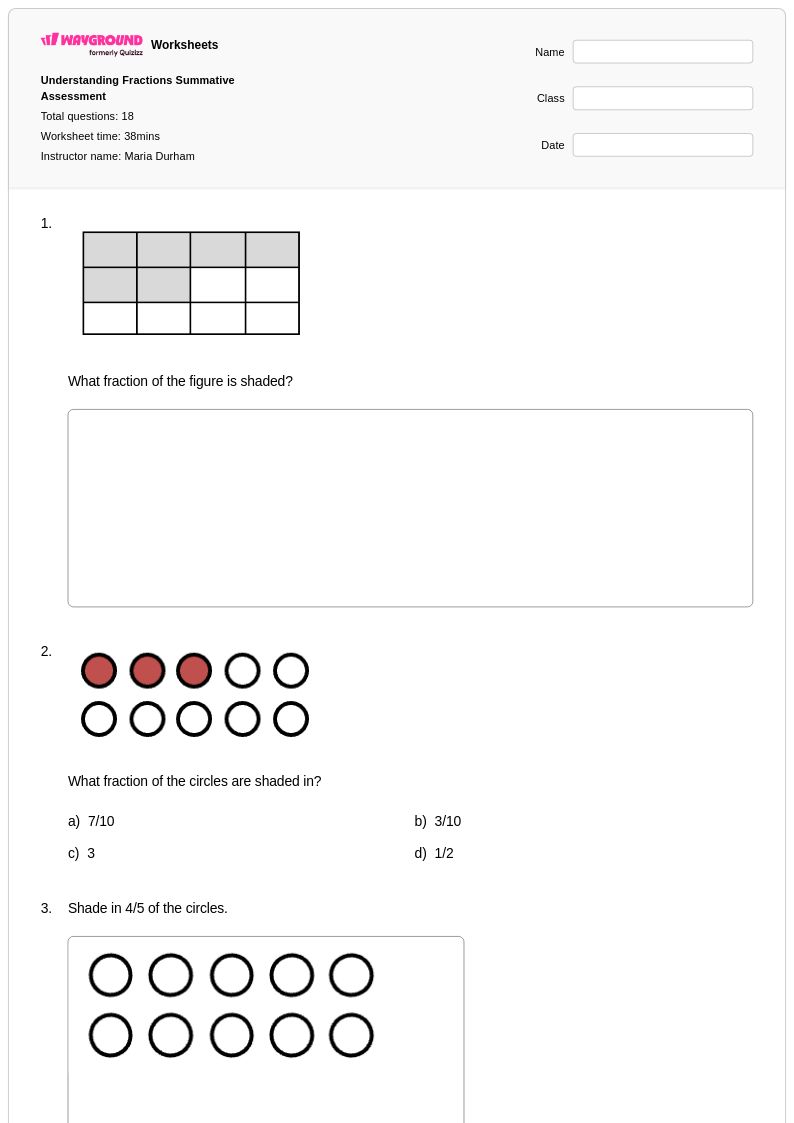
18 Q
1st - 5th
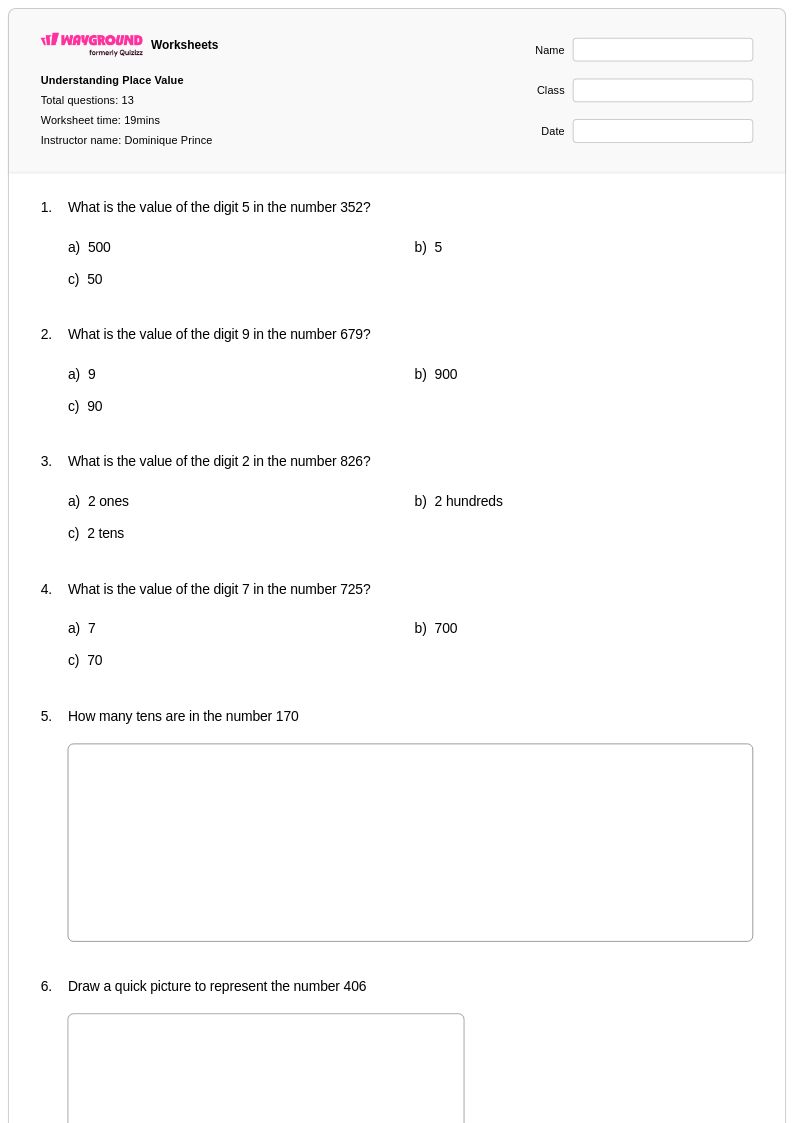
13 Q
2nd
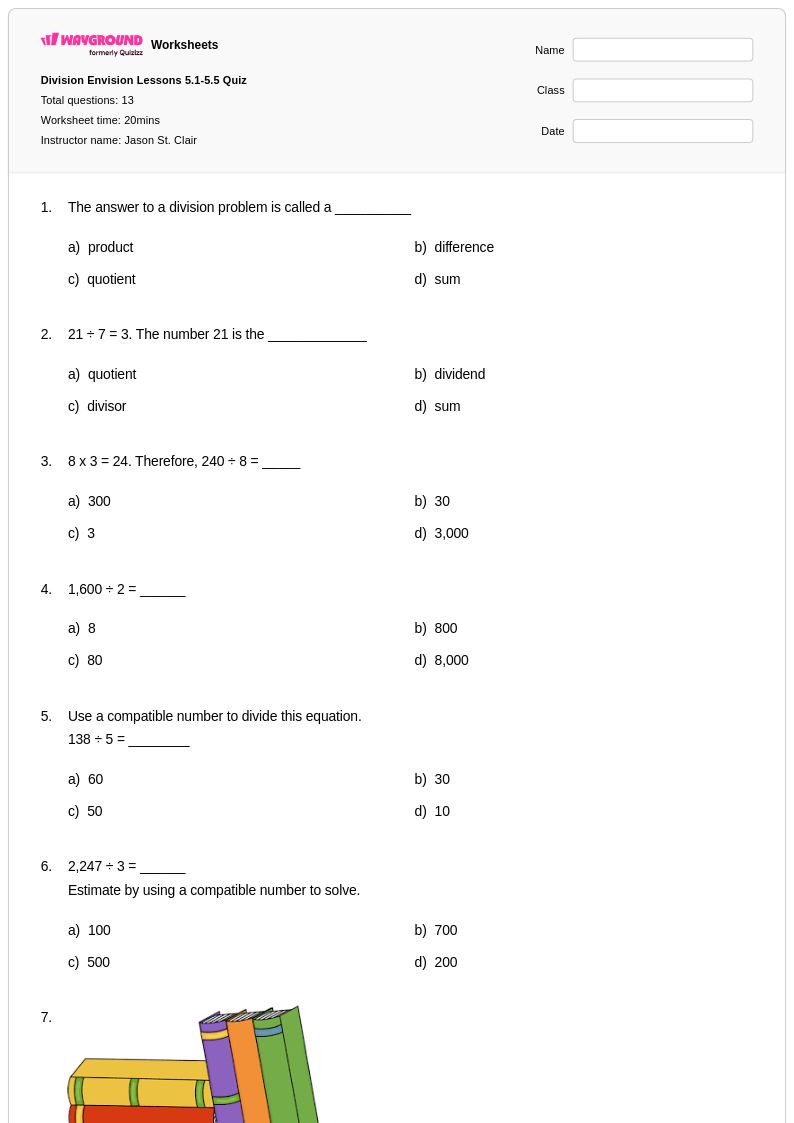
13 Q
2nd
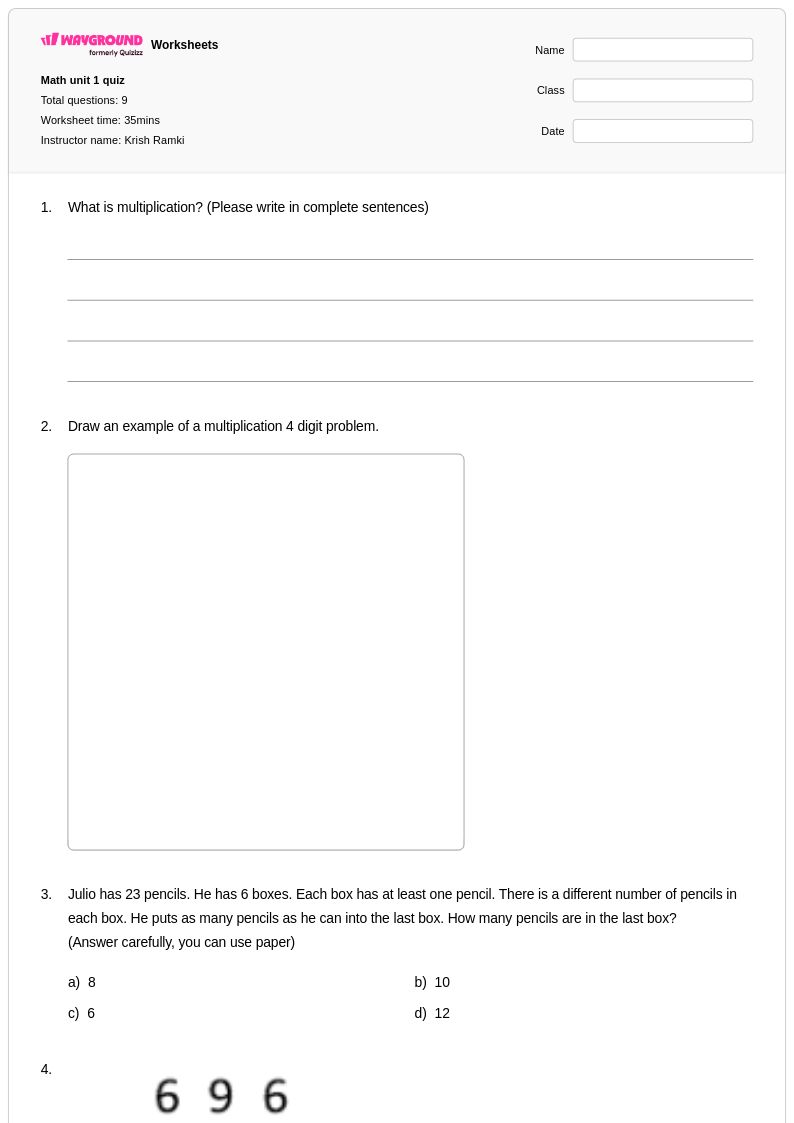
9 Q
1st - 5th
17 Q
1st - 5th
20 Q
1st - 5th
16 Q
1st - 5th
20 Q
1st - 5th
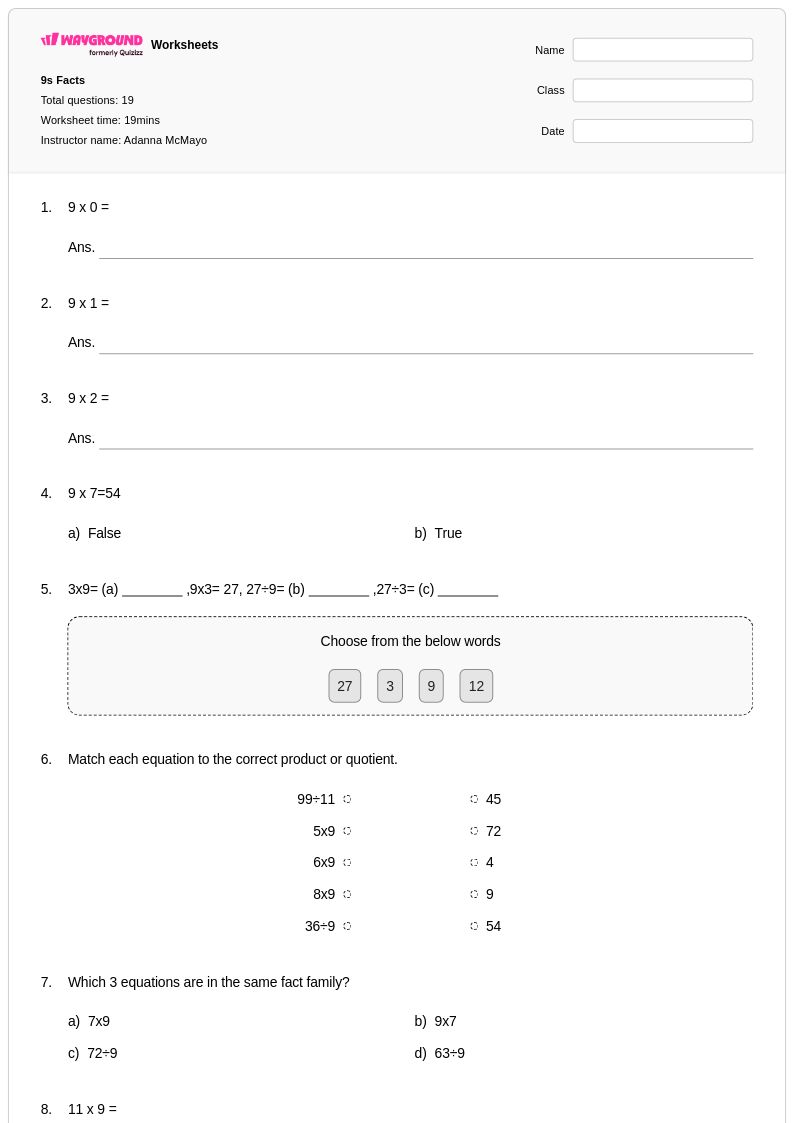
19 Q
1st - Uni
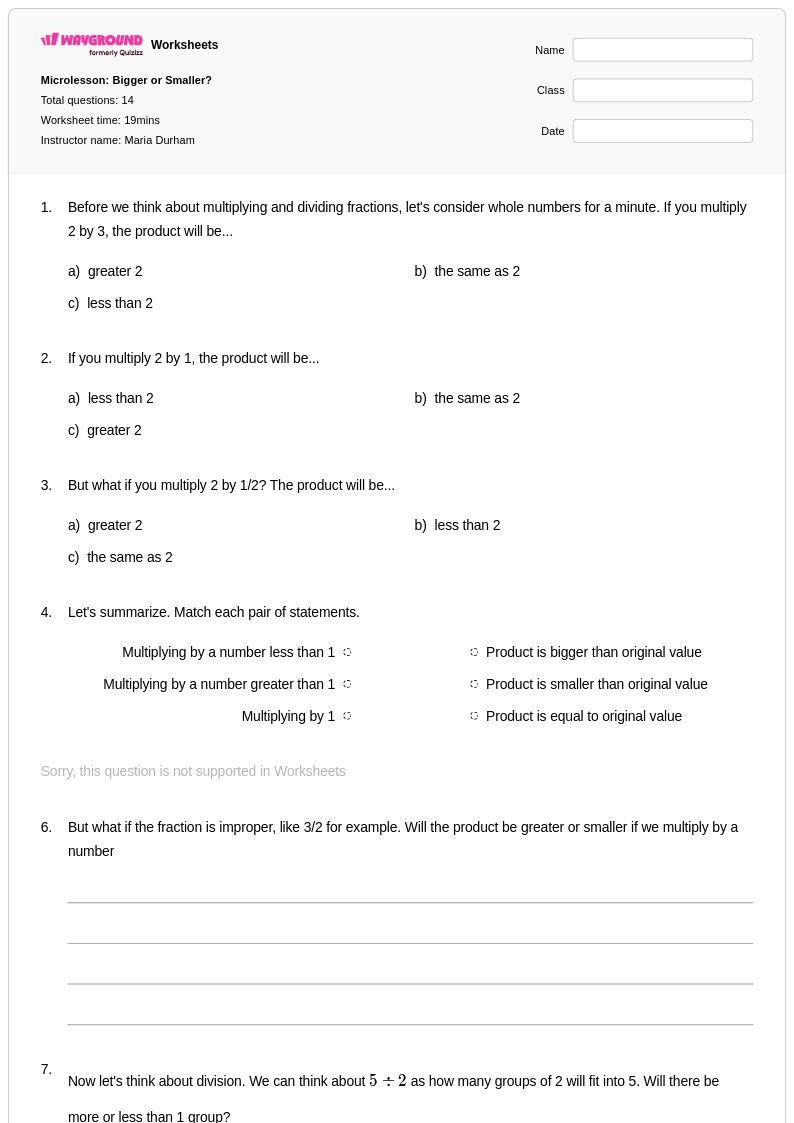
15 Q
1st - 5th
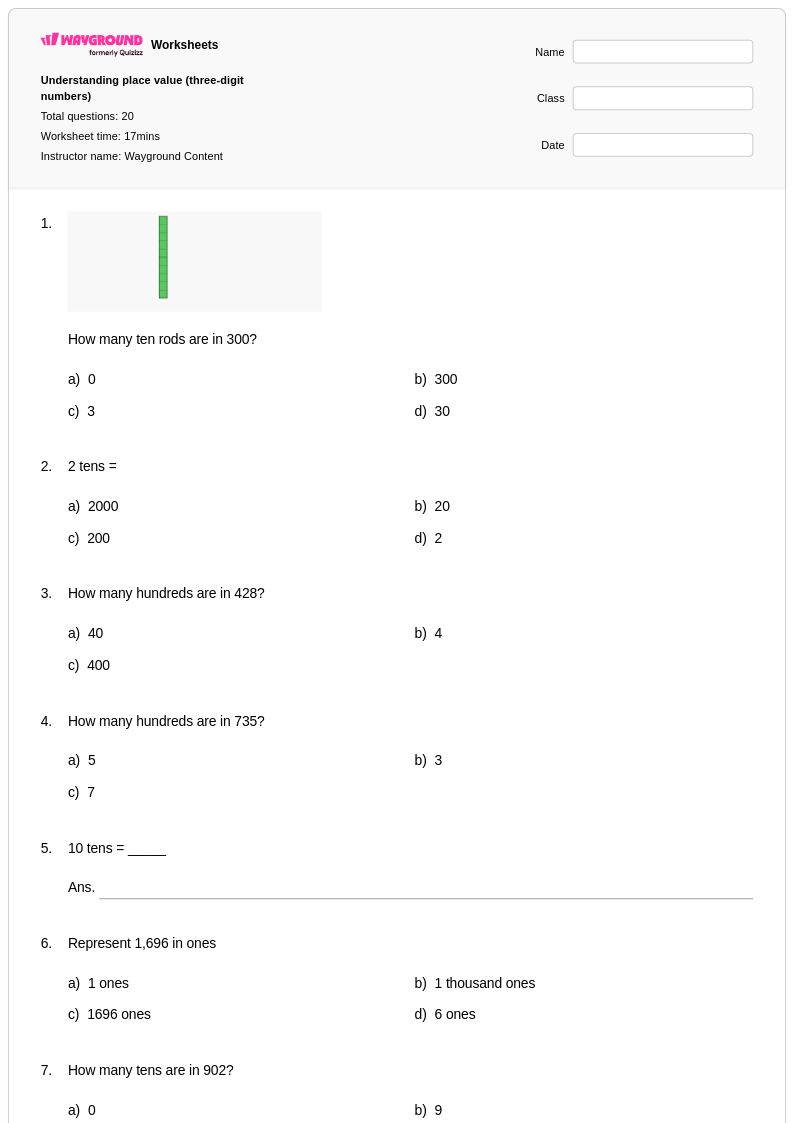
20 Q
2nd
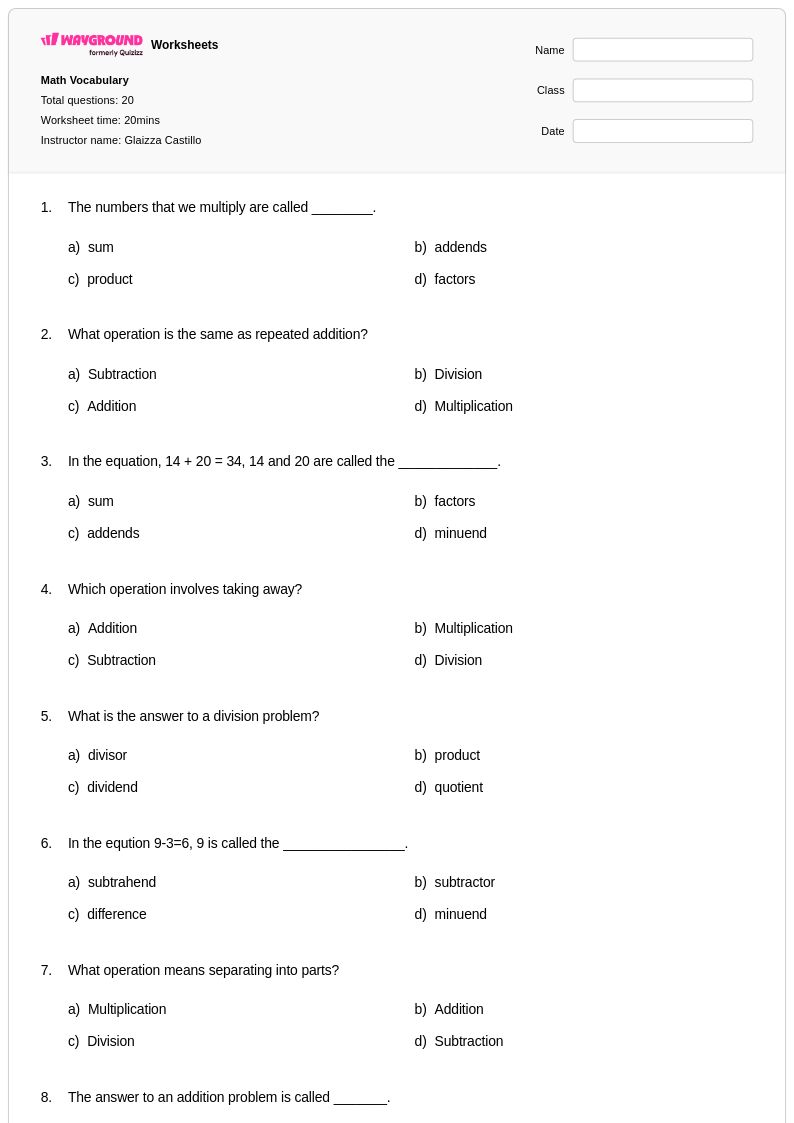
20 Q
2nd - 5th
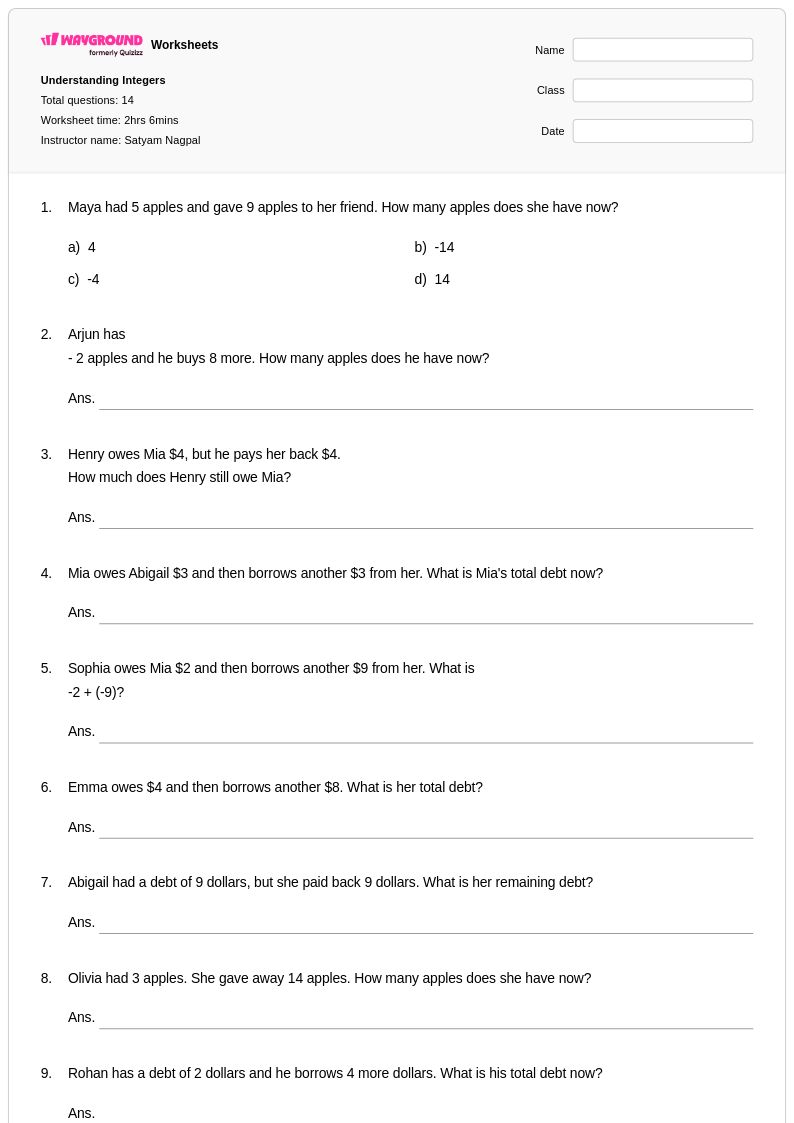
19 Q
2nd
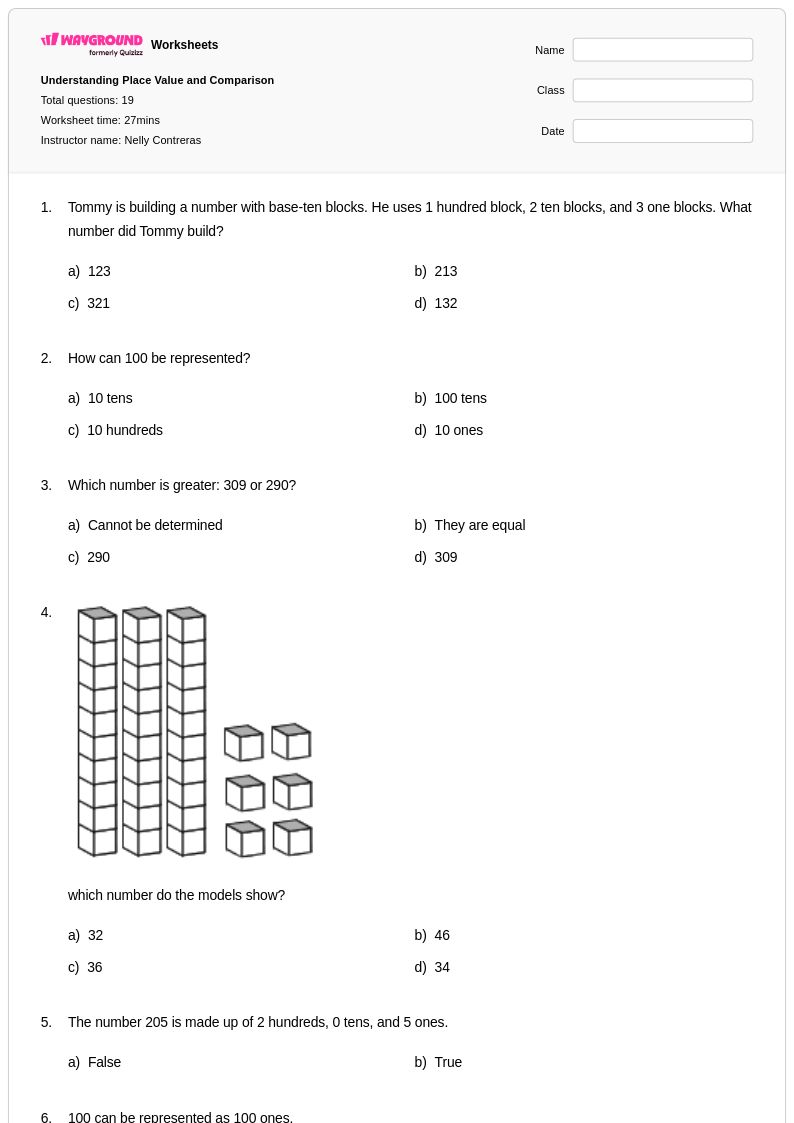
19 Q
2nd
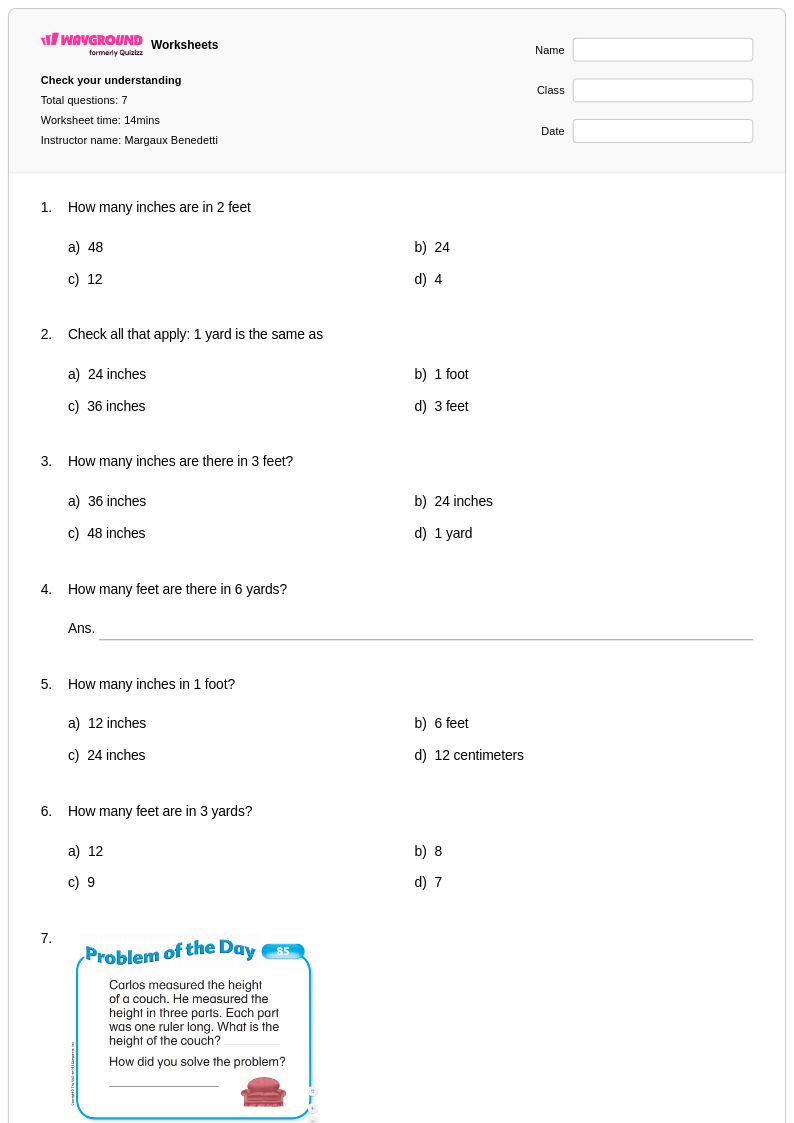
7 Q
2nd
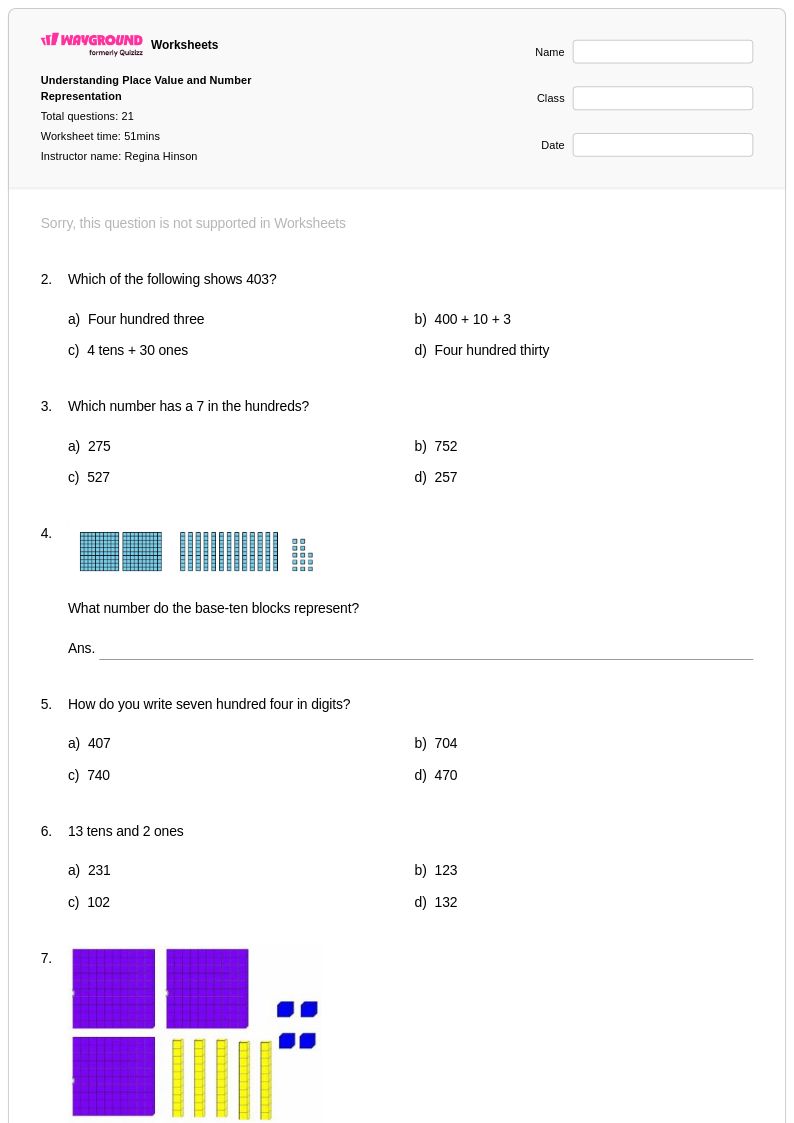
23 Q
2nd
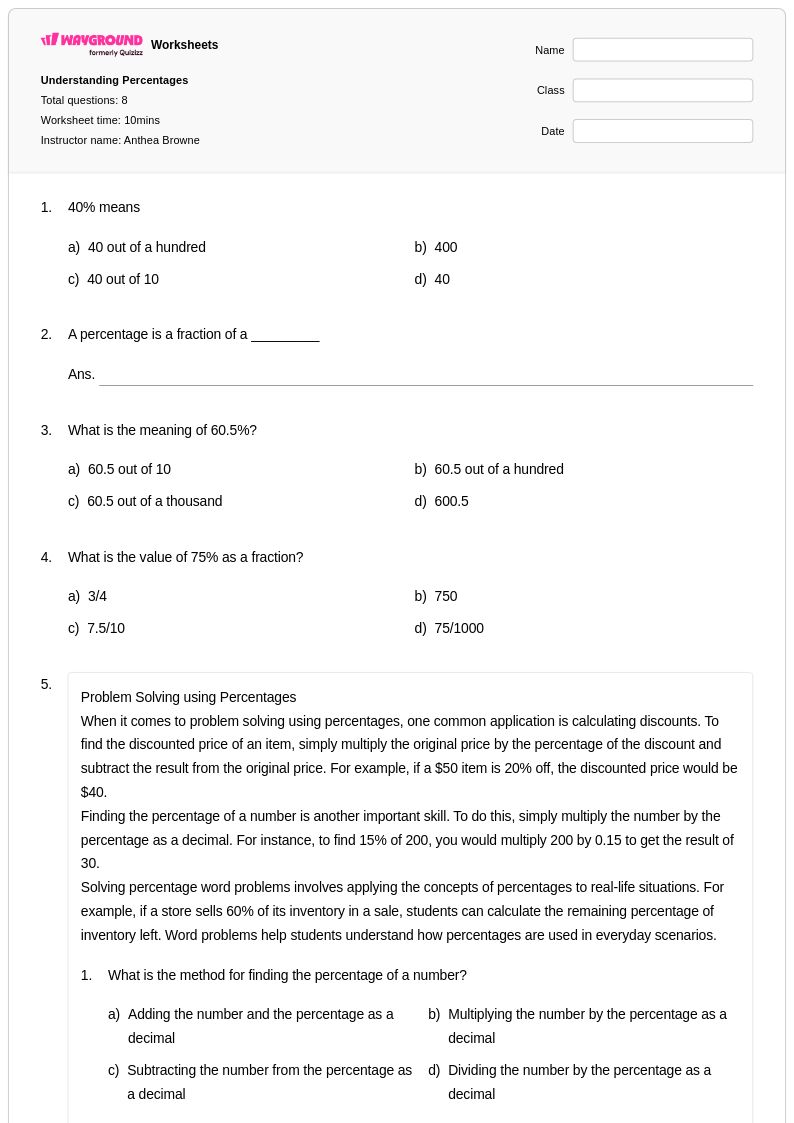
11 Q
1st - 5th
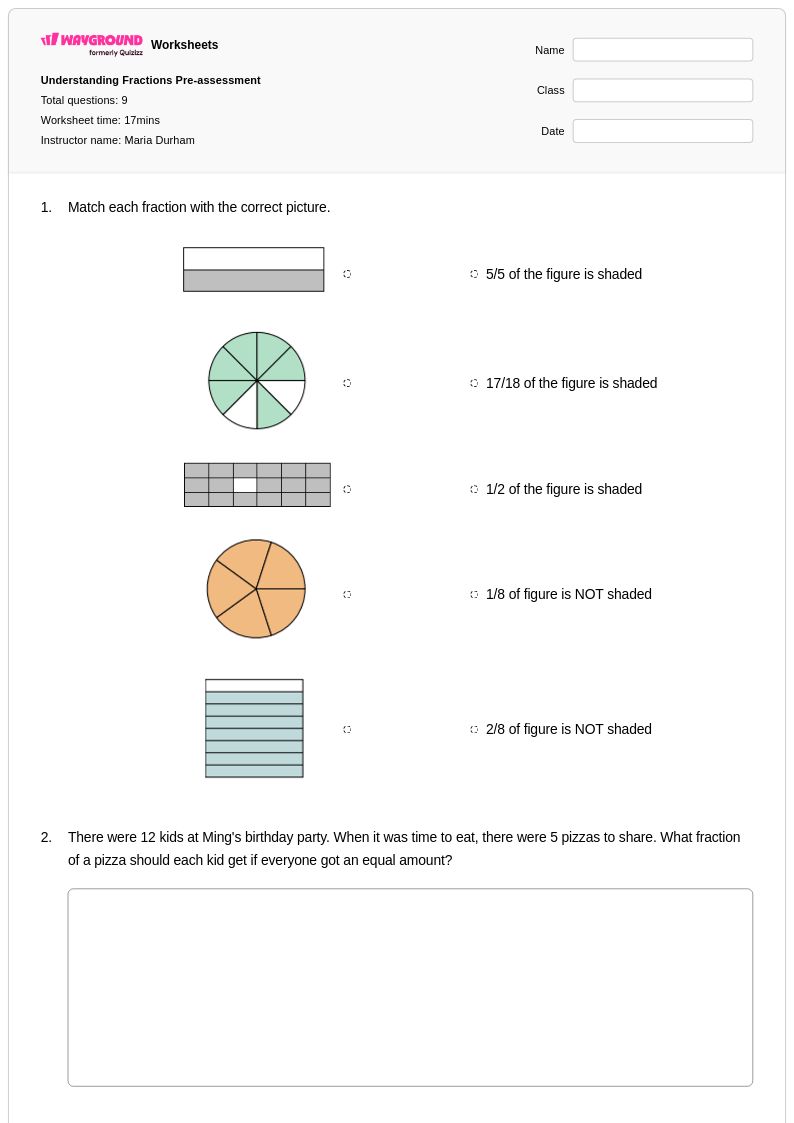
9 Q
1st - 5th
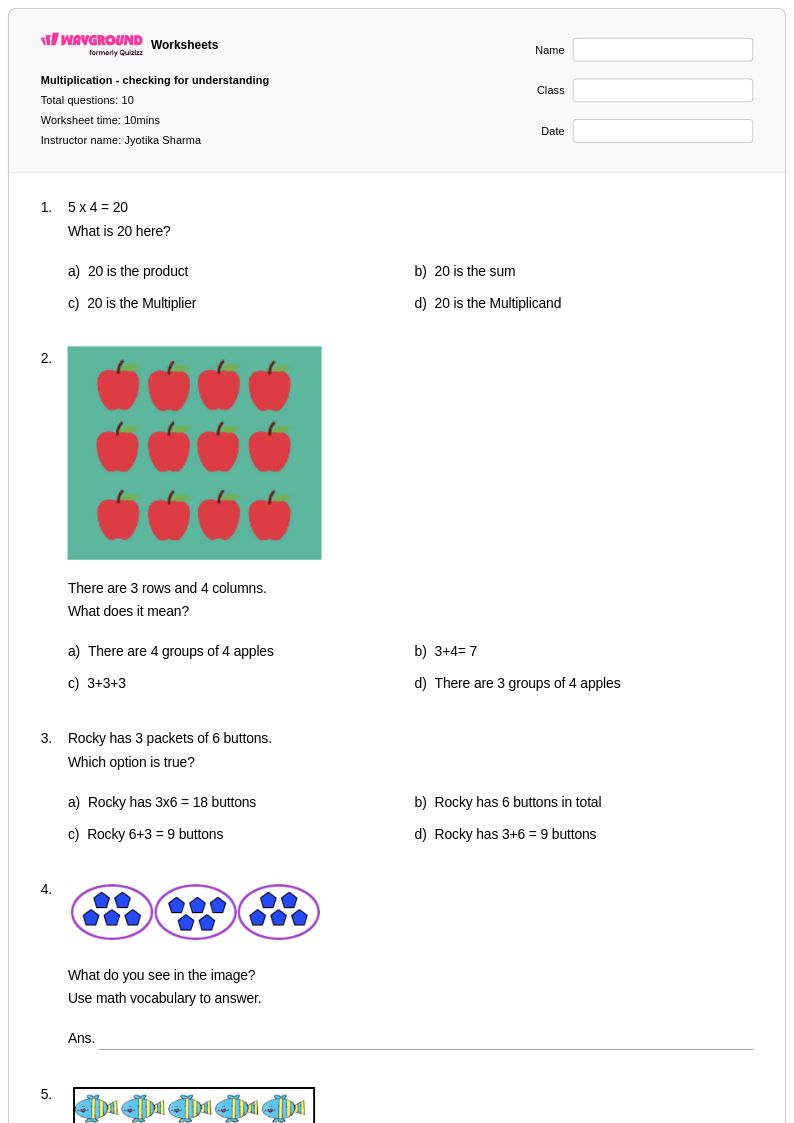
10 Q
2nd
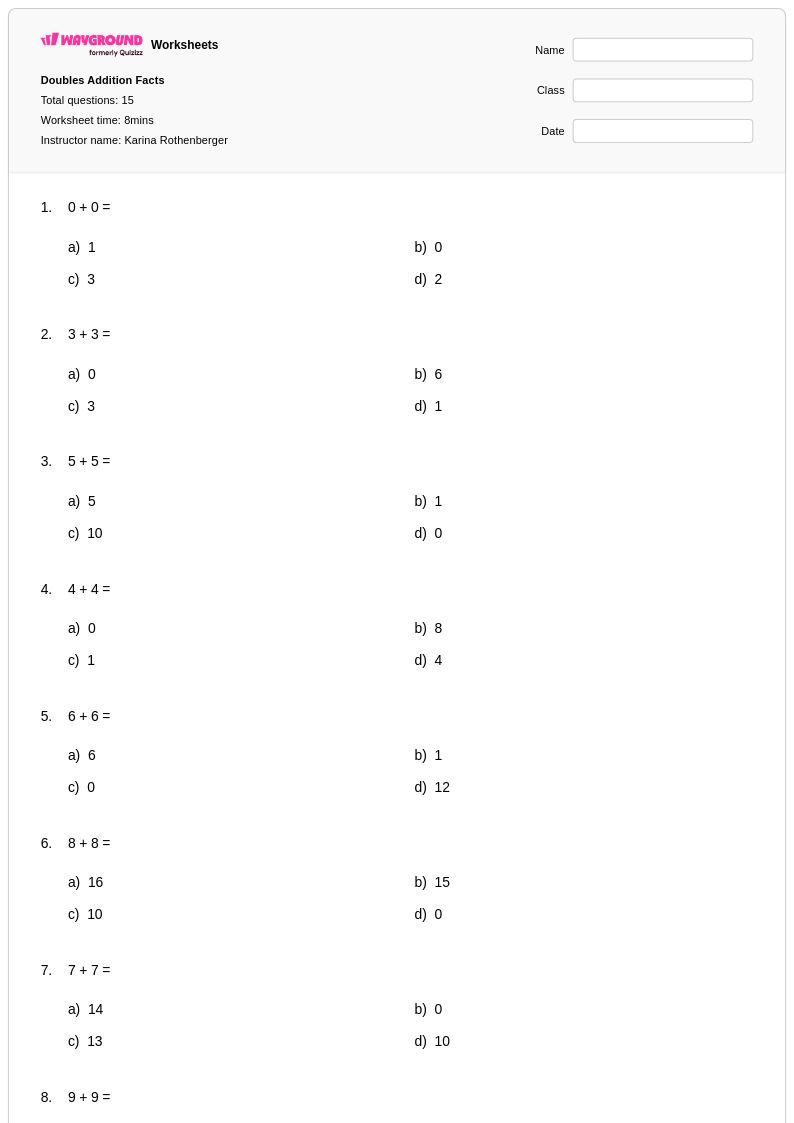
15 Q
2nd - 4th
Explore Understanding Quotients Worksheets by Grades
Explore Other Subject Worksheets for grade 2
Explore printable Understanding Quotients worksheets for Grade 2
Understanding quotients represents a fundamental milestone in Grade 2 mathematics education, serving as the bridge between basic counting concepts and more sophisticated division operations. Wayground's comprehensive collection of understanding quotients worksheets provides young learners with structured opportunities to grasp how division problems relate to equal grouping and sharing scenarios. These carefully designed practice problems help second-grade students visualize division as the process of determining how many groups can be formed or how many items belong in each group when quantities are divided equally. Each worksheet includes clear answer keys that enable teachers and parents to provide immediate feedback, while the free printable format ensures accessibility for both classroom instruction and home practice sessions.
Wayground, formerly Quizizz, empowers educators with millions of teacher-created resources specifically designed to support Grade 2 understanding of quotients through robust search and filtering capabilities that align with state mathematics standards. Teachers can easily locate worksheets that match their students' current skill levels and customize content to address individual learning needs, whether for remediation of struggling learners or enrichment activities for advanced students. The platform's flexible delivery options include both printable pdf formats for traditional paper-based learning and digital versions for interactive classroom experiences. These differentiation tools streamline lesson planning while providing educators with diverse approaches to reinforce quotient concepts, enabling systematic skill practice that builds student confidence in foundational division understanding.