Free Printable Verb Conjugation Worksheets for Grade 6
Master Grade 6 verb conjugation with Wayground's comprehensive collection of free worksheets, printables, and practice problems that help students learn proper verb forms across different tenses, complete with answer keys and downloadable PDFs.
Explore printable Verb Conjugation worksheets for Grade 6
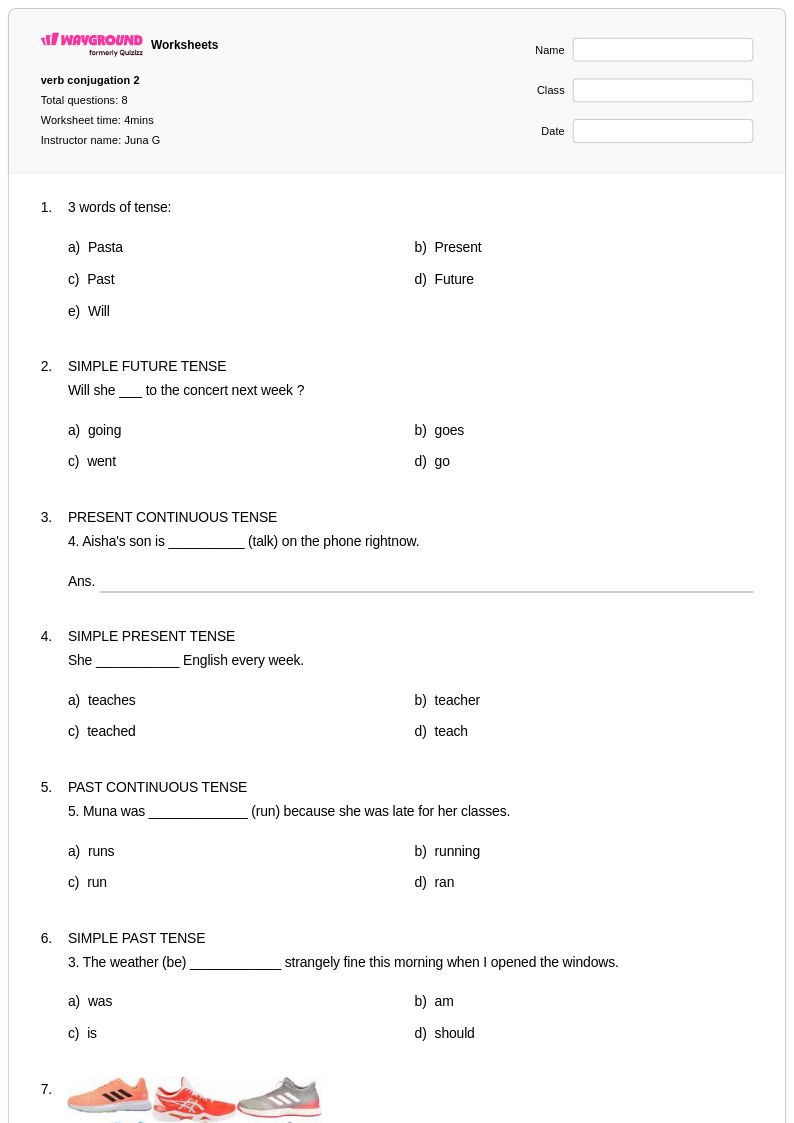
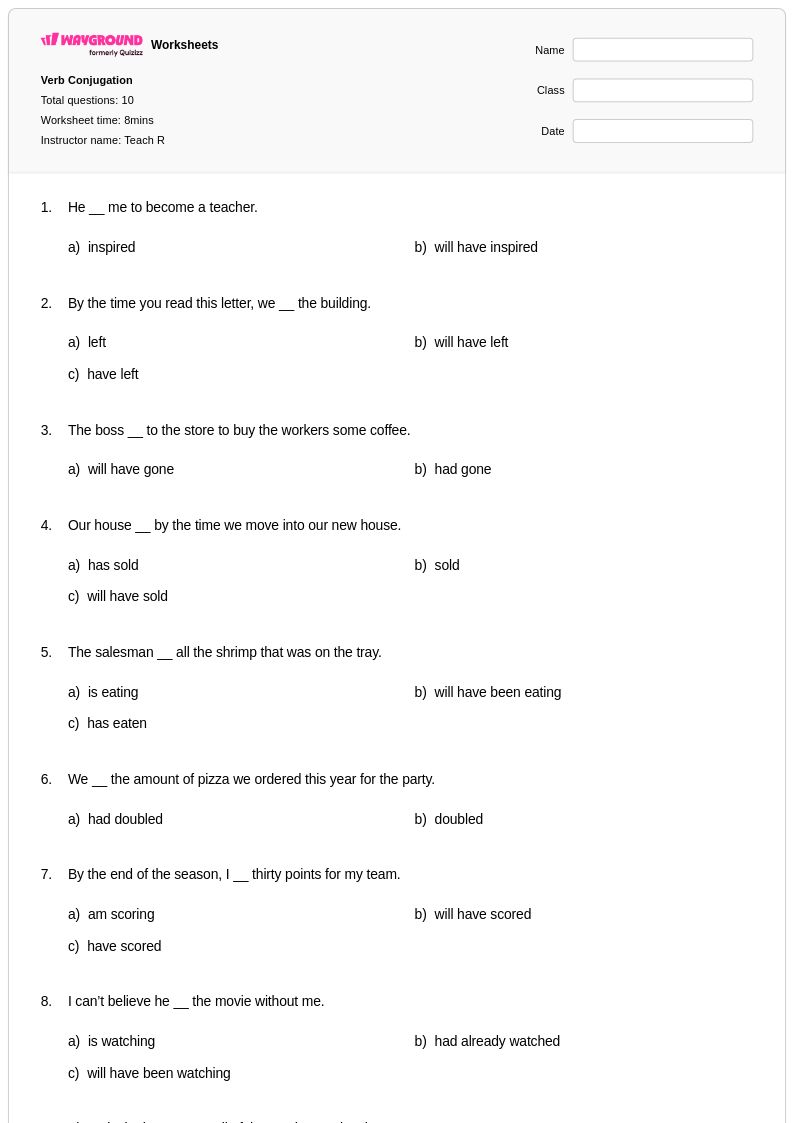
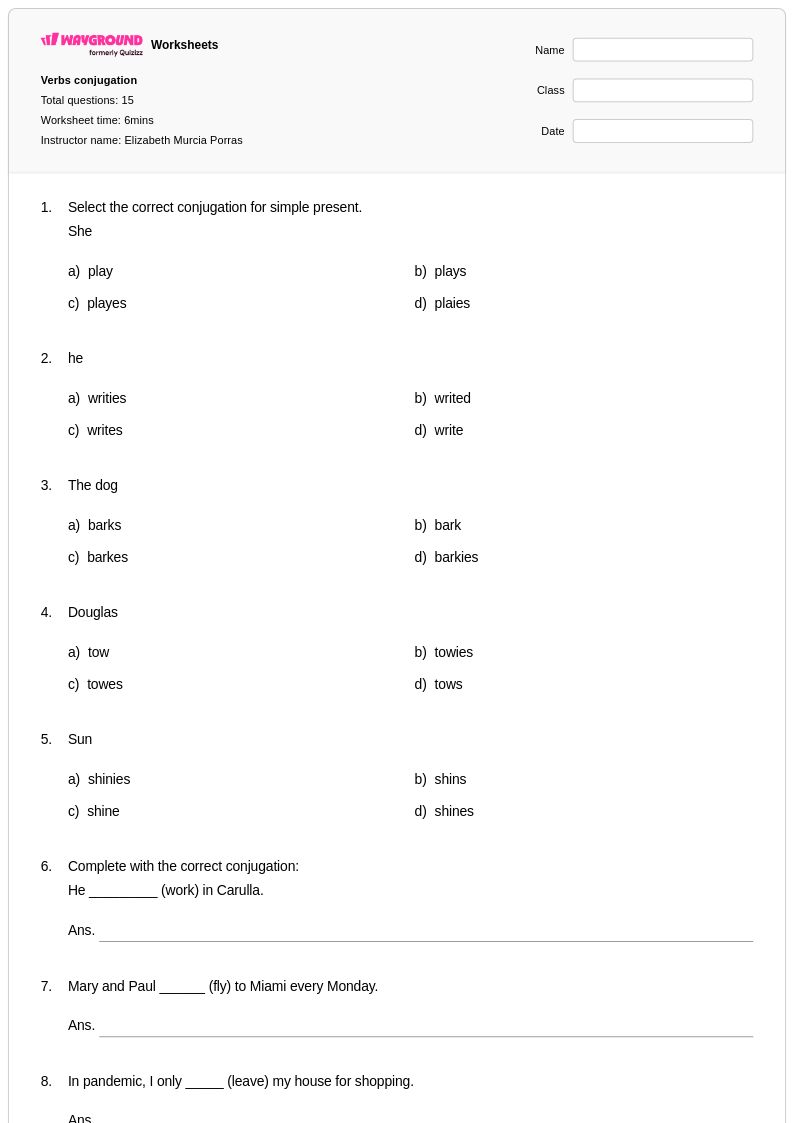
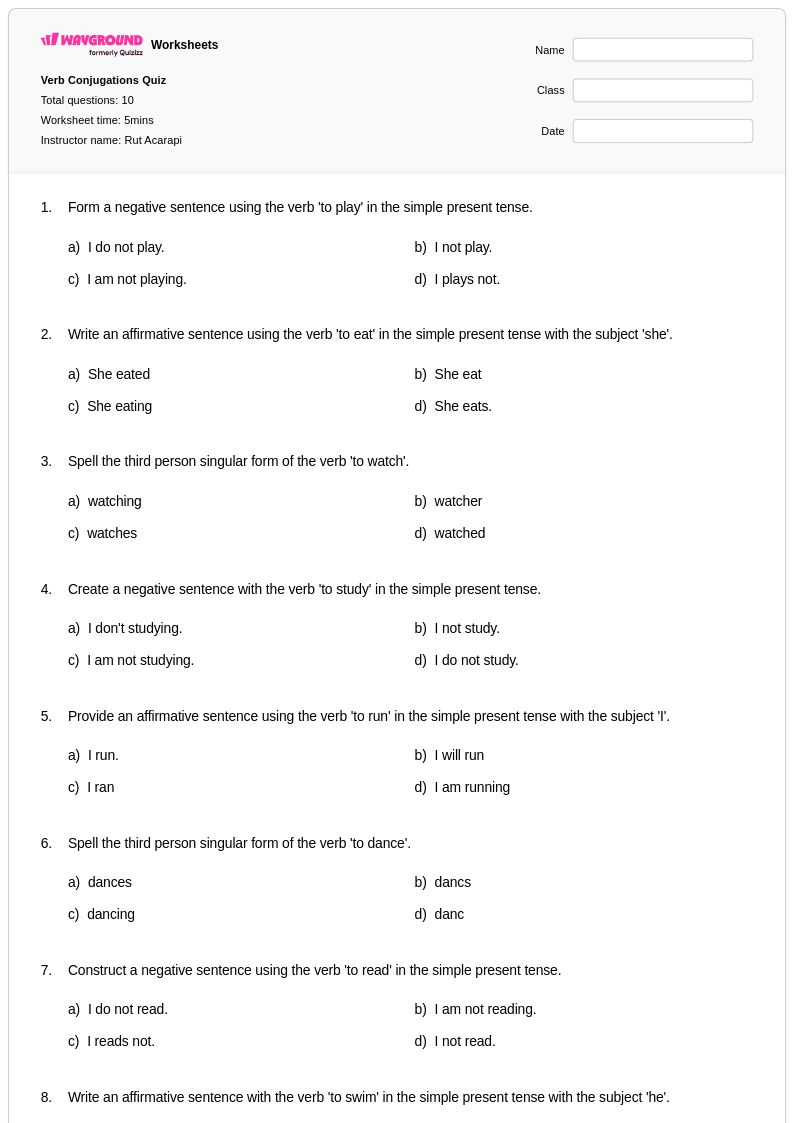
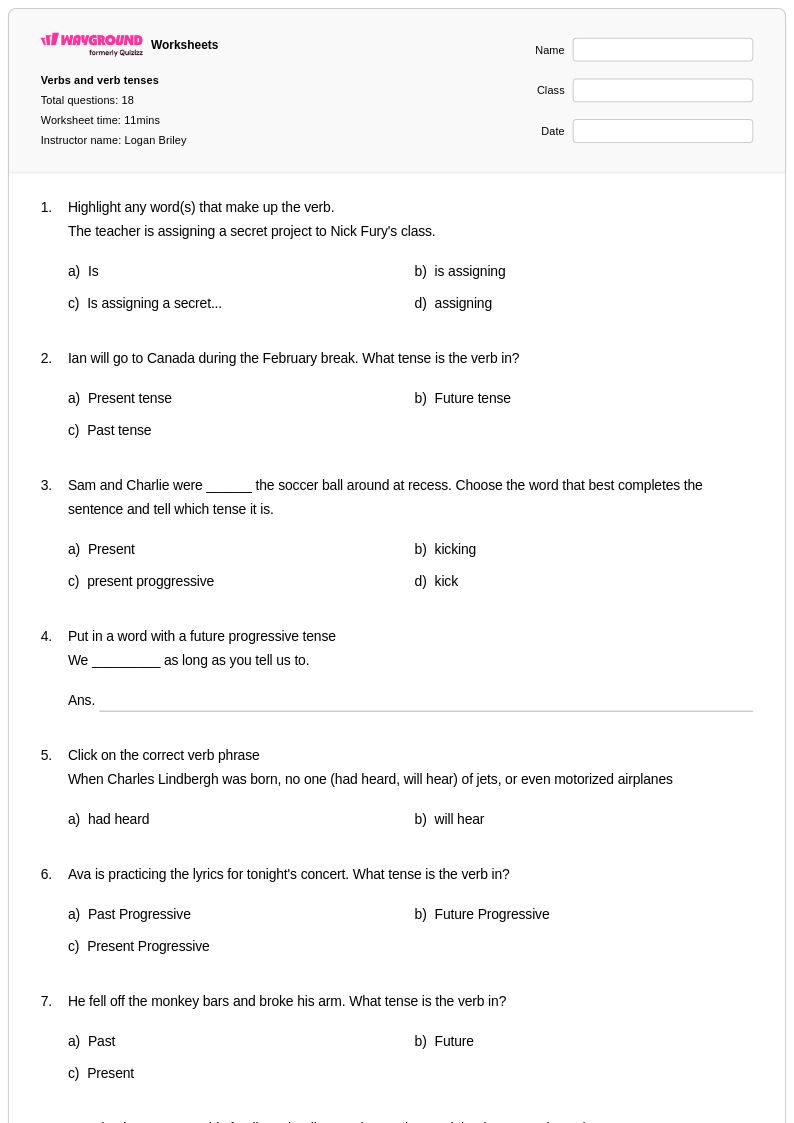
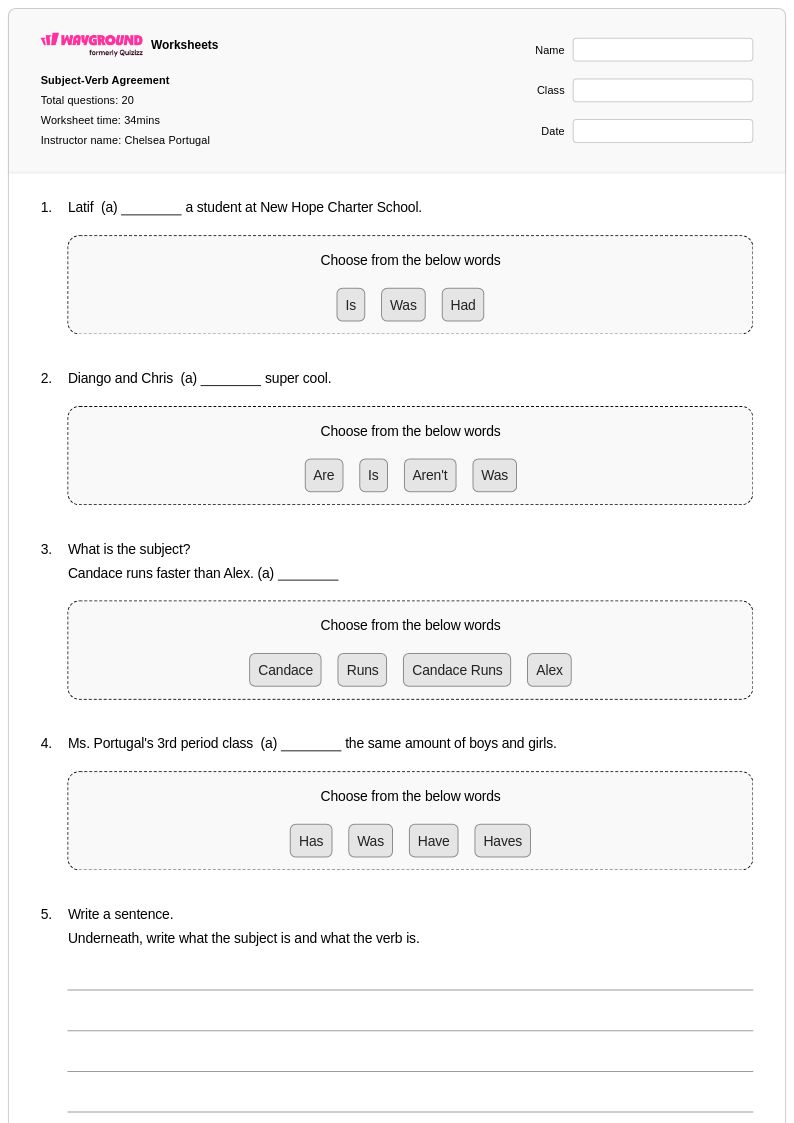
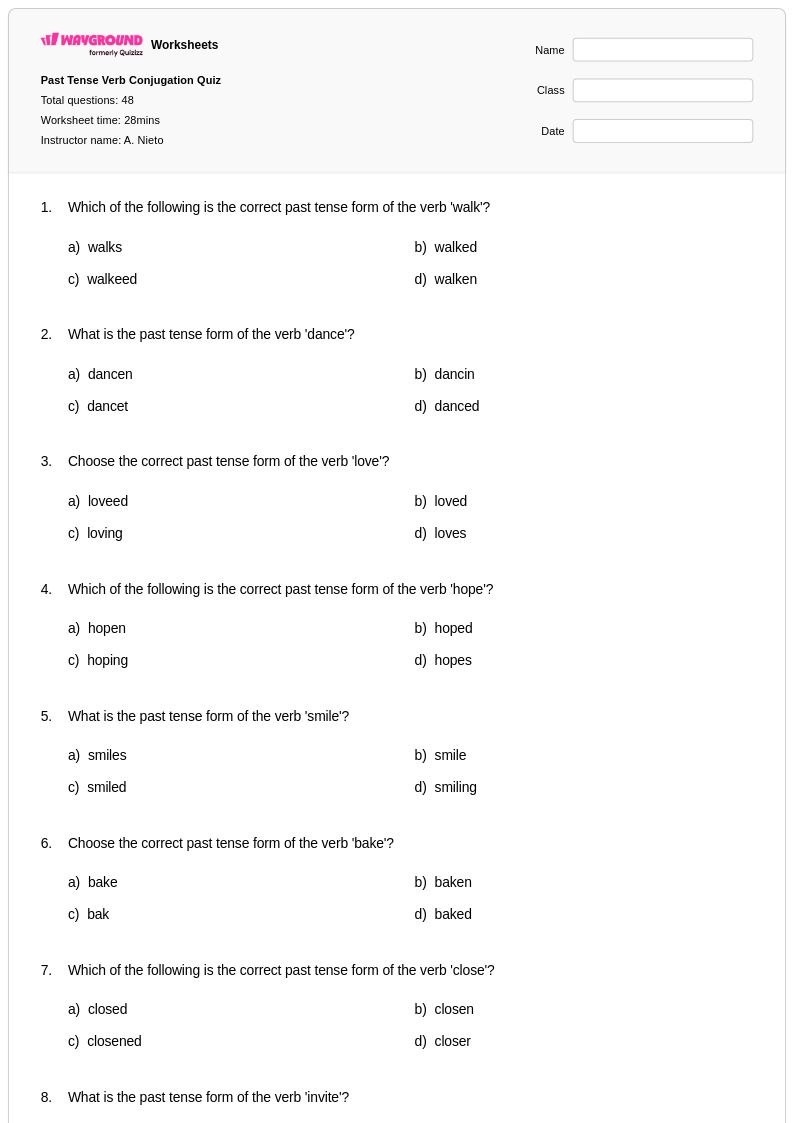
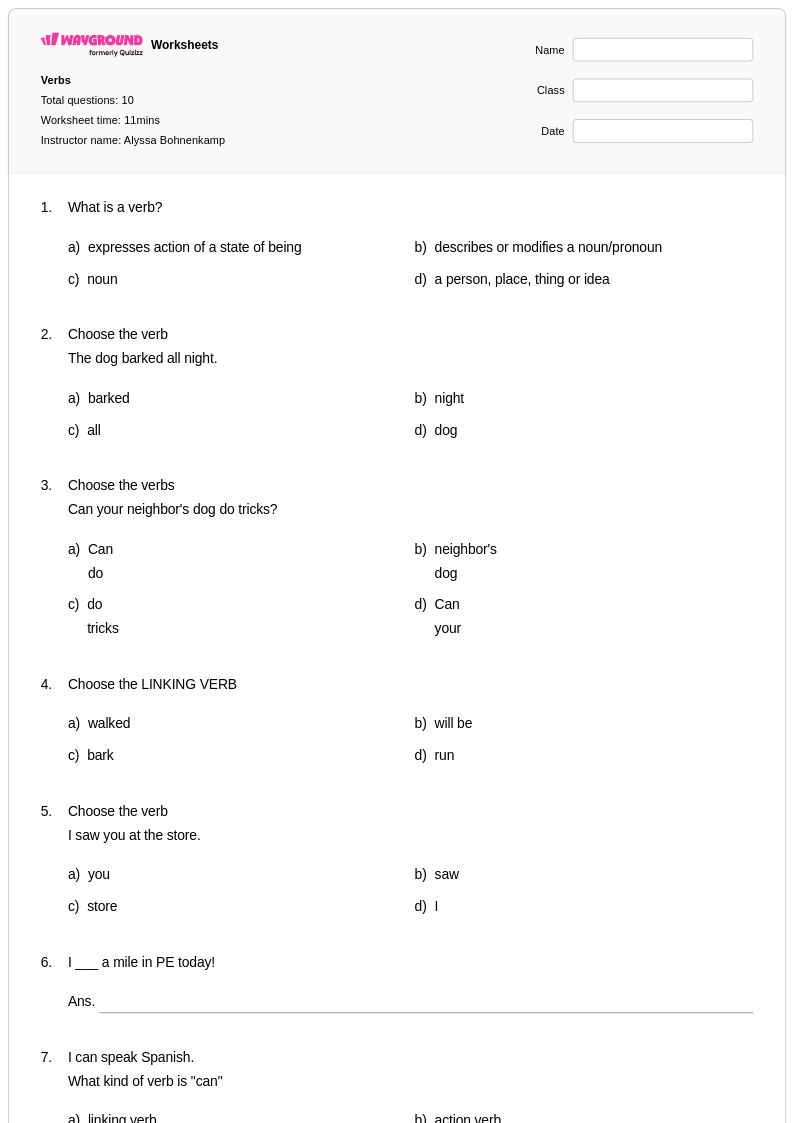
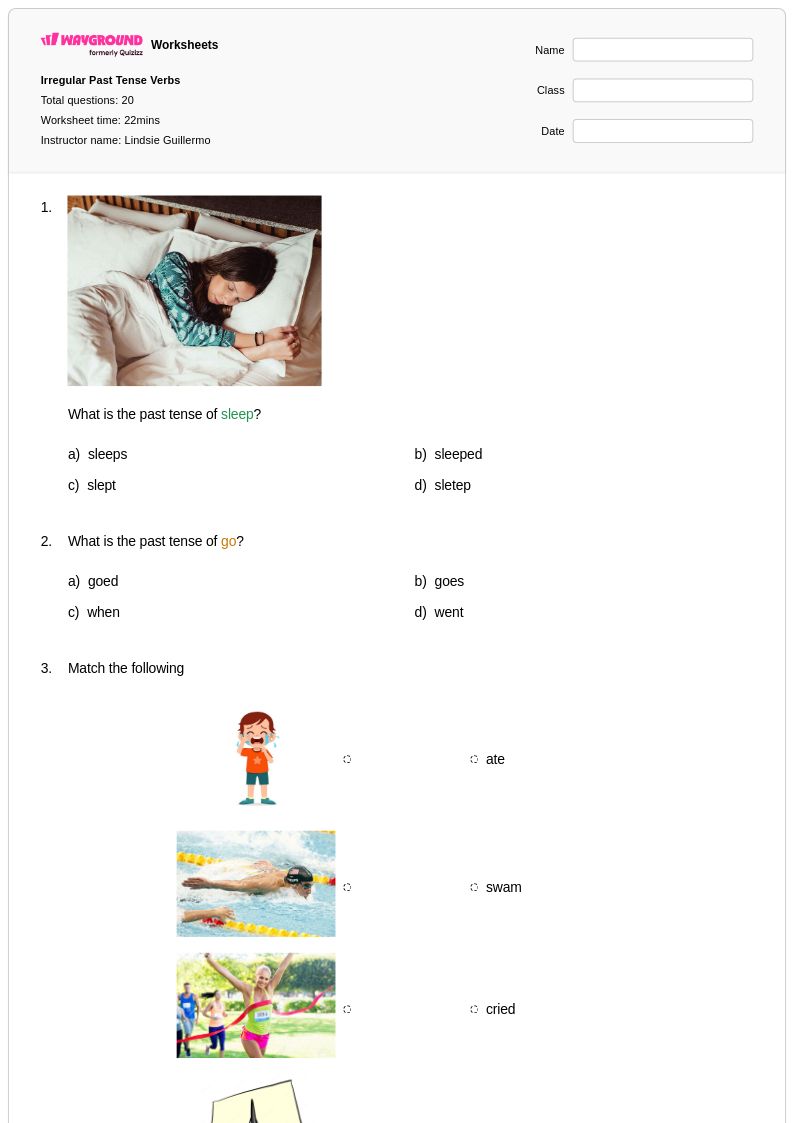
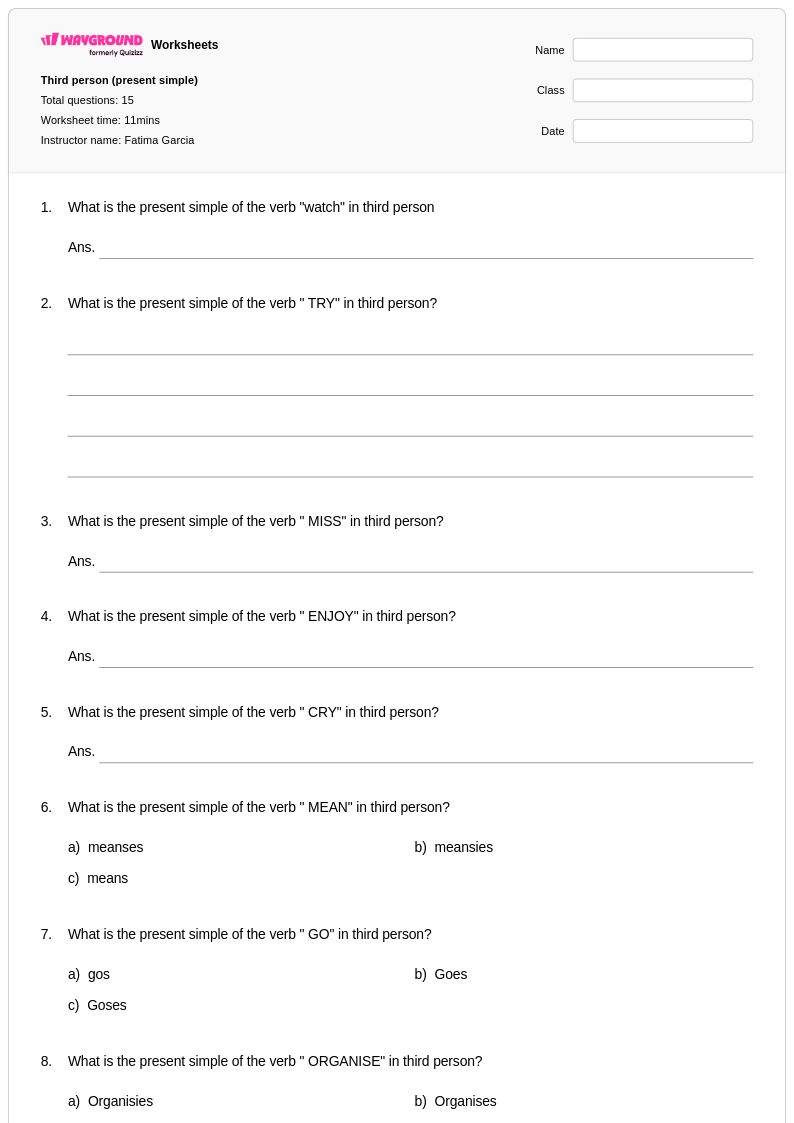
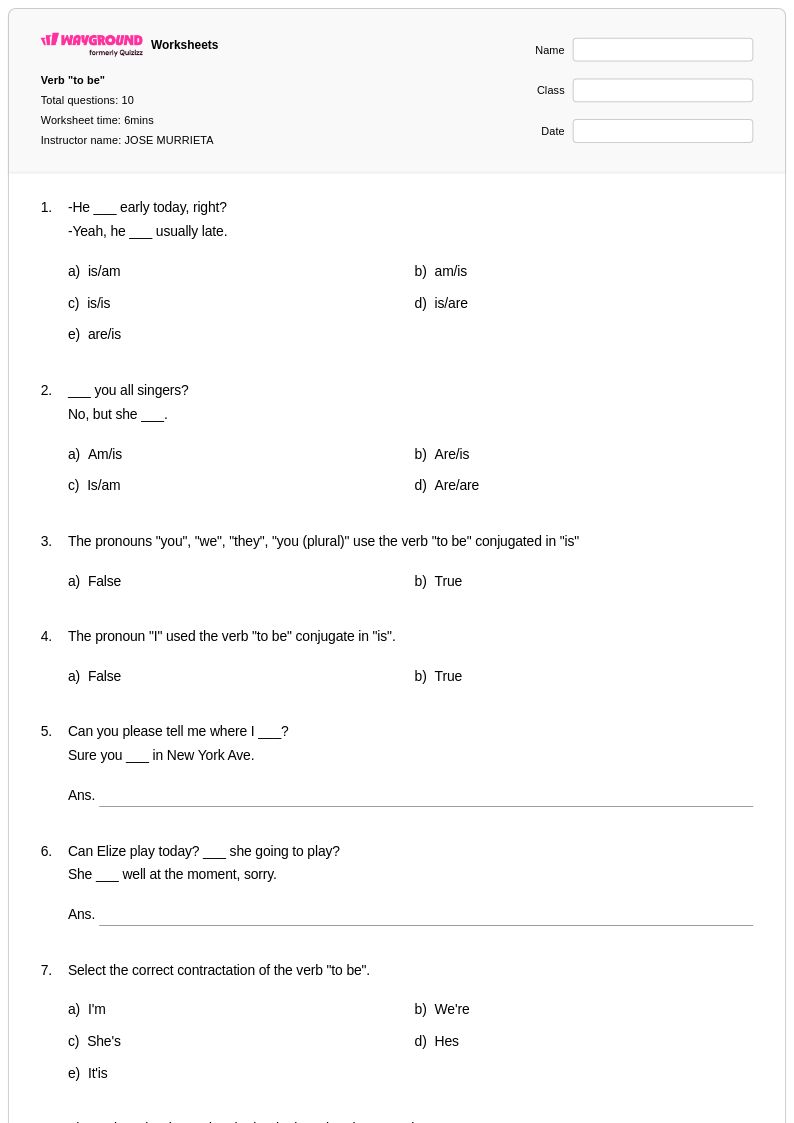
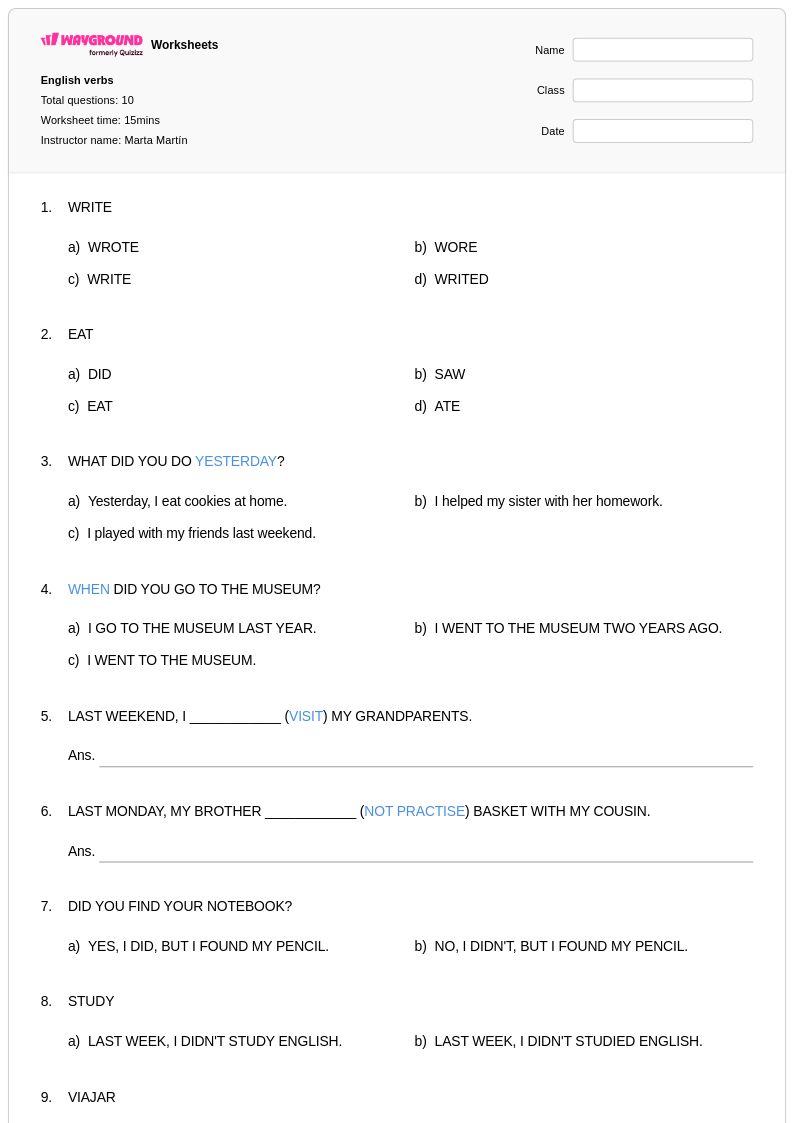
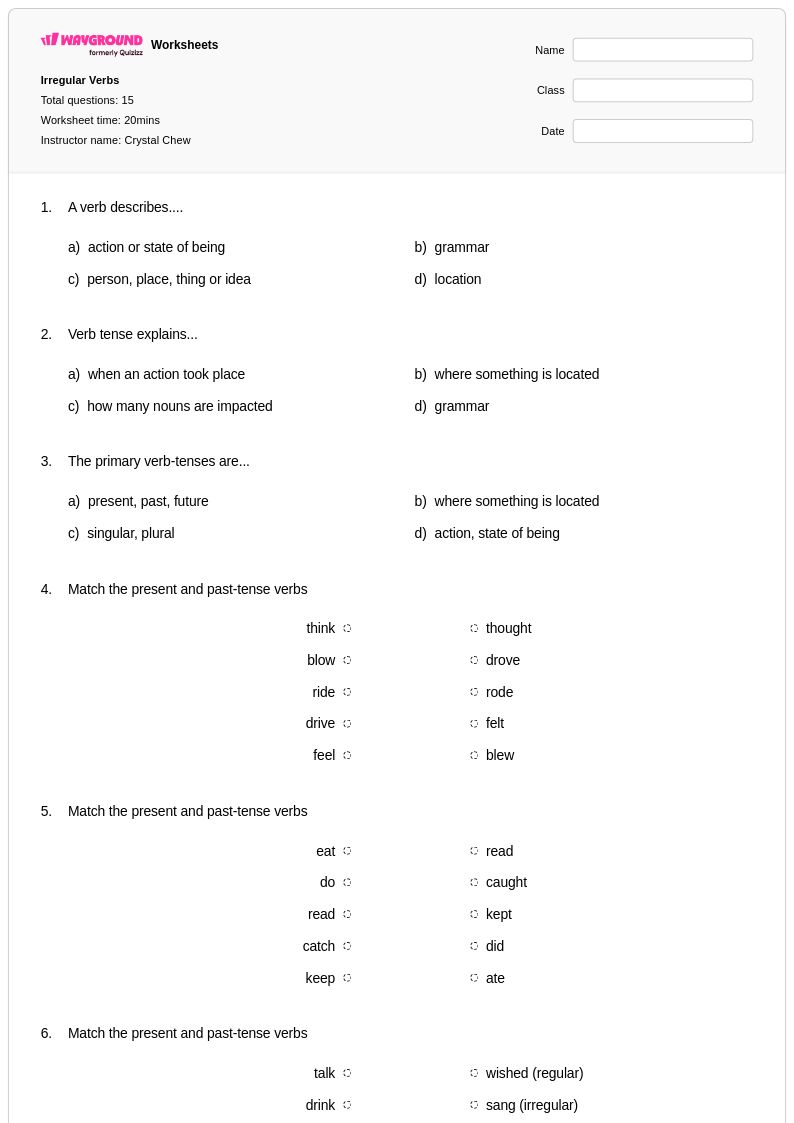
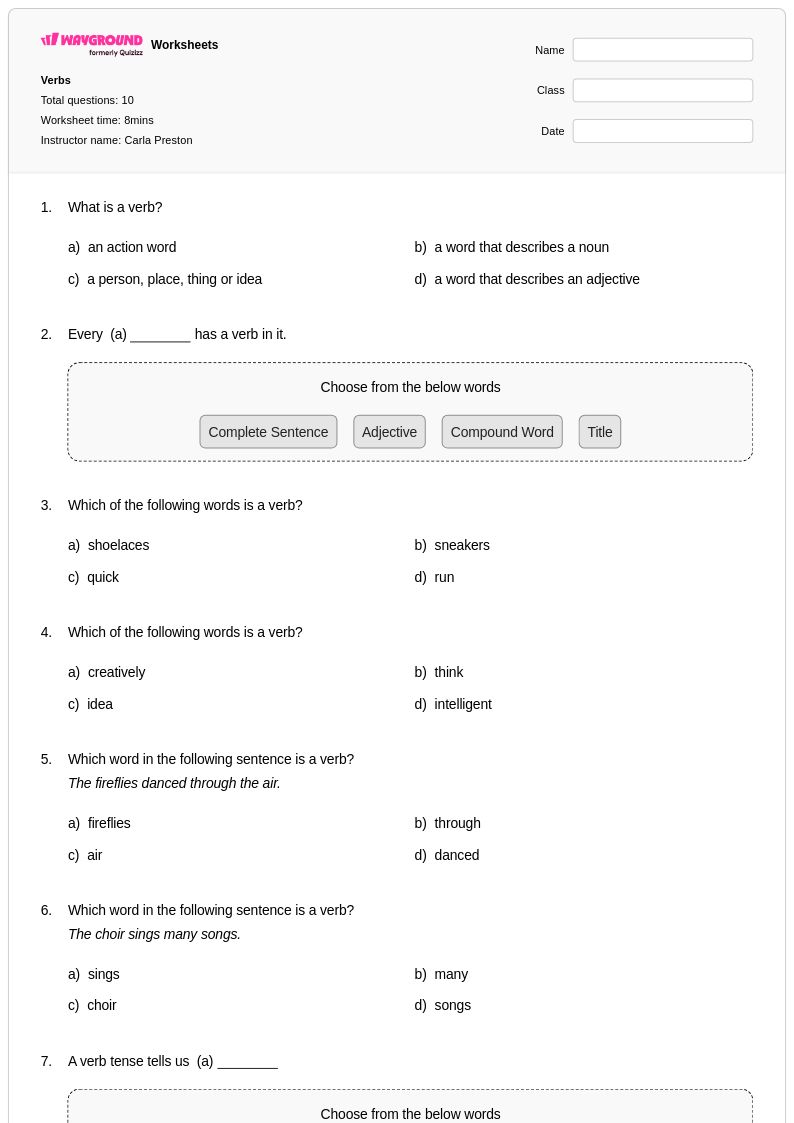
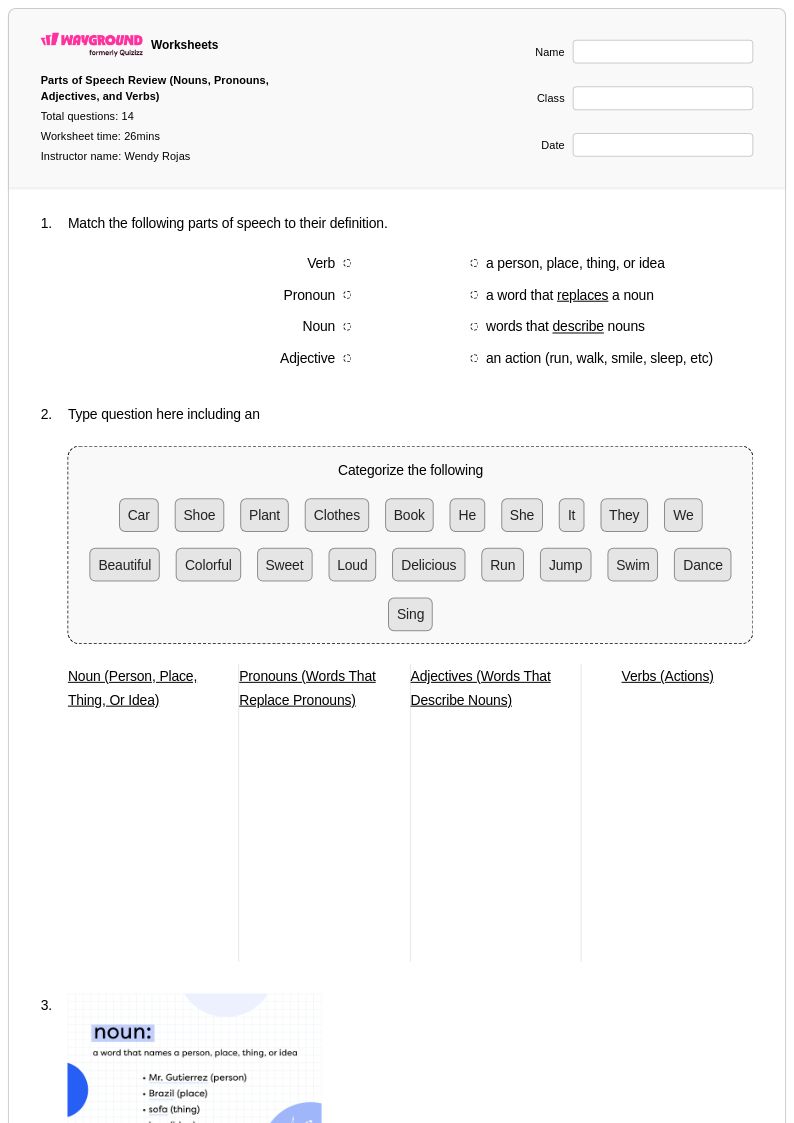
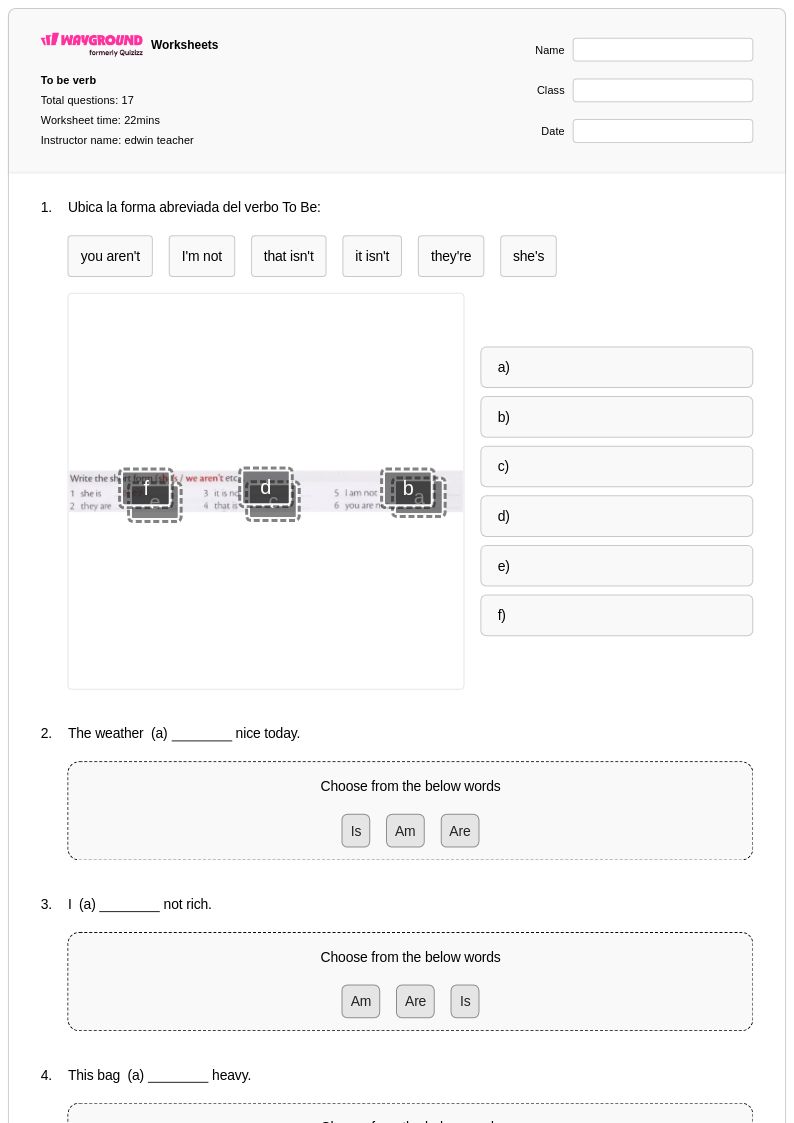
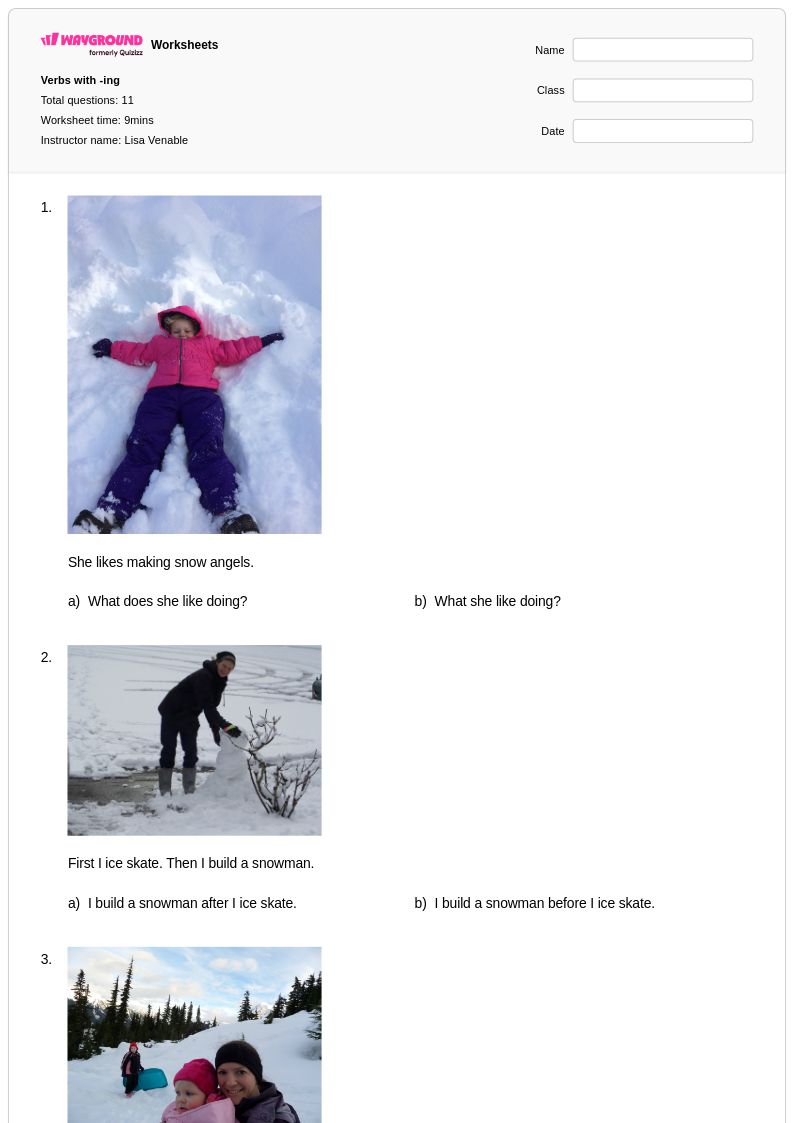
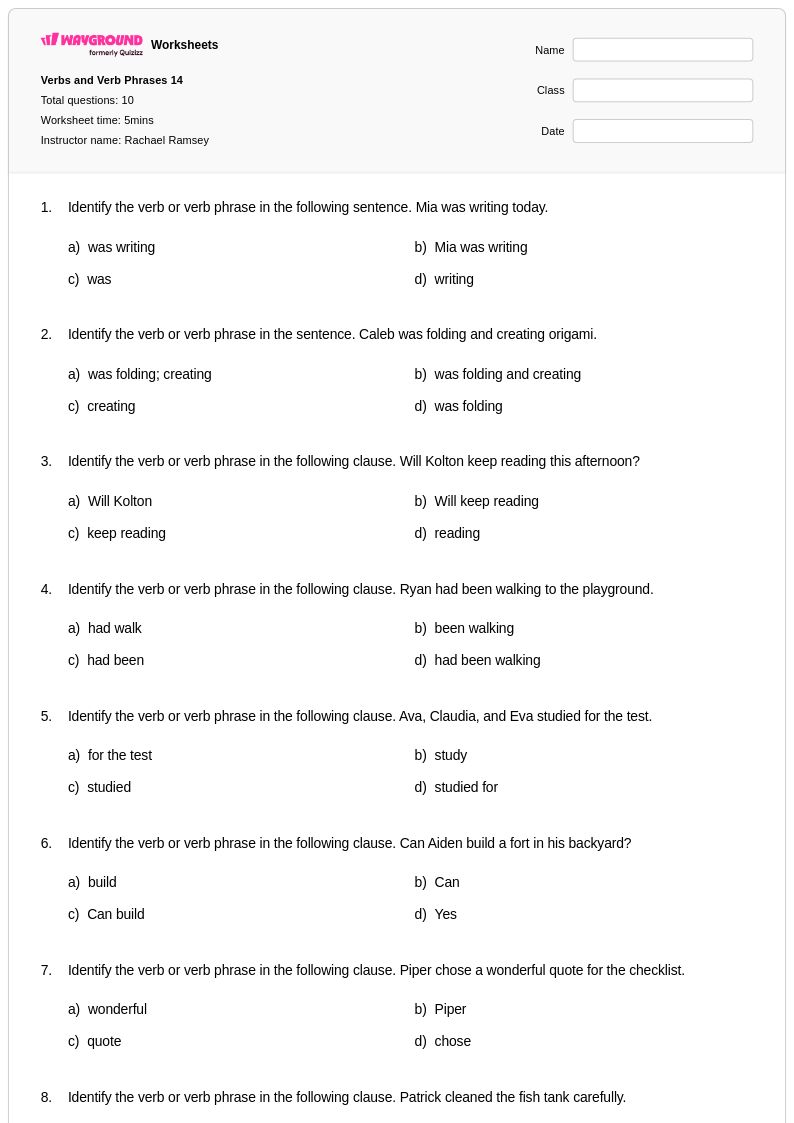
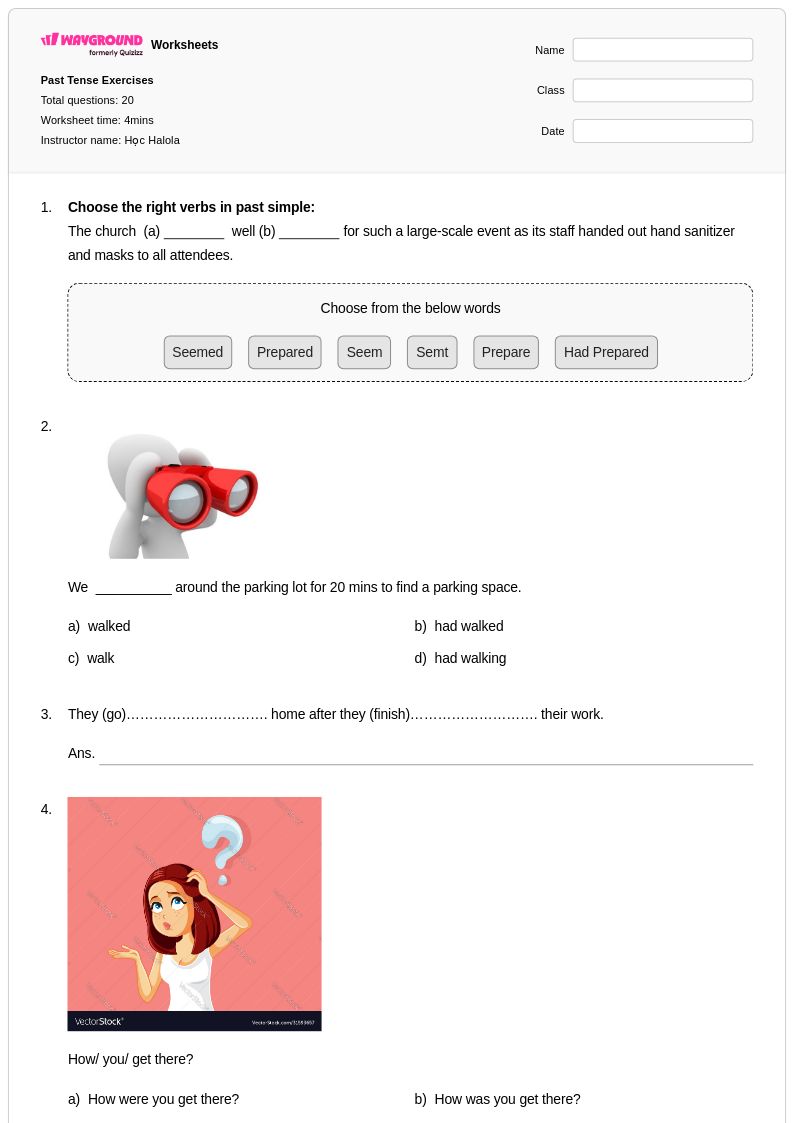
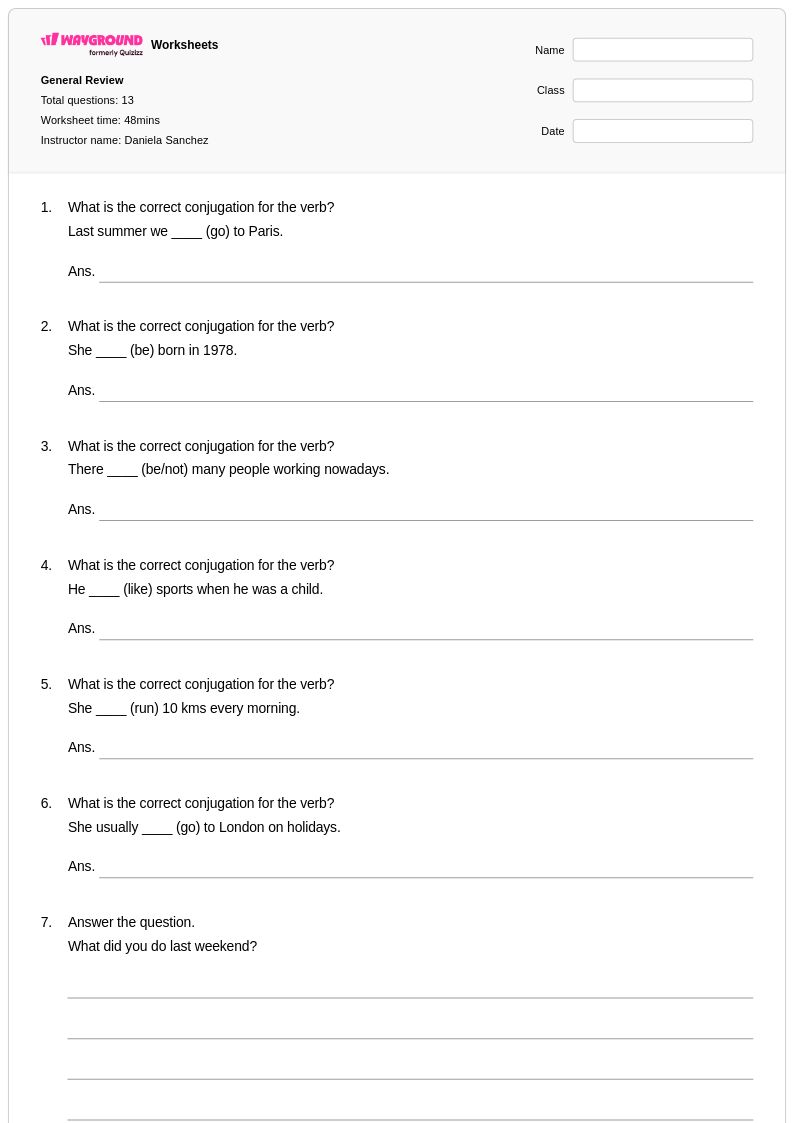
Grade 6 verb conjugation worksheets available through Wayground (formerly Quizizz) provide essential practice for students mastering this fundamental grammar skill. These comprehensive resources focus on helping sixth graders understand how verbs change form to indicate tense, person, and number, covering regular and irregular verb patterns that form the foundation of clear written and spoken communication. The worksheets strengthen students' ability to recognize correct verb forms in context, apply conjugation rules consistently, and avoid common errors that can undermine their academic writing. Each printable resource includes structured practice problems that progress from basic identification exercises to more complex application tasks, with accompanying answer keys that enable independent learning and immediate feedback on student progress.
Wayground's extensive collection of verb conjugation materials draws from millions of teacher-created resources, offering educators powerful search and filtering capabilities to locate worksheets perfectly matched to their Grade 6 curriculum needs. The platform's standards alignment ensures that selected materials support required learning objectives, while built-in differentiation tools allow teachers to customize content for varying skill levels within their classrooms. These free, high-quality printables are available in both pdf format for traditional instruction and digital formats for online learning environments, providing the flexibility educators need for effective lesson planning. Whether used for initial skill introduction, targeted remediation, or enrichment activities, these verb conjugation worksheets serve as invaluable tools for reinforcing grammatical concepts and building the language mechanics skills essential for sixth-grade academic success.
FAQs
How do I teach verb conjugation to students who are struggling with tense consistency?
Start by anchoring students to a single reference tense, typically simple present, before introducing shifts in time. Use conjugation charts that display subject pronouns alongside their corresponding verb forms so students can see the pattern rather than memorize isolated examples. Once students demonstrate consistency in one tense, introduce one new tense at a time with direct comparison to the tense they already know, emphasizing what changes and what stays the same.
What exercises are most effective for practicing irregular verb conjugation?
Irregular verbs require repeated retrieval practice rather than rule application, so fill-in-the-blank and sentence-completion exercises work better than multiple choice for building automaticity. Grouping irregular verbs by shared patterns, such as verbs that follow the sing/sang/sung vowel shift, reduces the memory load and gives students a framework to apply. Timed drills and conjugation tables that require students to produce all principal parts of a verb are especially effective for committing irregular forms to long-term memory.
What are the most common mistakes students make when conjugating verbs?
The most frequent errors involve subject-verb agreement failures, particularly when the subject and verb are separated by a prepositional phrase or when collective nouns are involved. Students also commonly overapply regular conjugation patterns to irregular verbs, writing 'runned' instead of 'ran' or 'goed' instead of 'went.' A third persistent error is tense inconsistency within a single piece of writing, where students shift between past and present without intentional cause.
How do I differentiate verb conjugation practice for students at different skill levels?
For emerging learners, limit practice to high-frequency regular verbs in the simple present and past tenses before introducing irregular forms or complex tenses. On-level students benefit from mixed exercises that require them to identify and correct conjugation errors in context rather than working from isolated sentences. Advanced students can be challenged with mood-based conjugation, including subjunctive and conditional constructions, and with activities that require them to explain why a particular verb form is correct. On Wayground, teachers can assign reduced answer choices to students who need additional support, lowering cognitive load while keeping the practice aligned to the same learning objective.
How can I use Wayground's verb conjugation worksheets in my classroom?
Wayground's verb conjugation worksheets are available as printable PDFs, making them easy to distribute for in-class practice, homework, or structured review sessions. They are also available in digital formats, which means teachers can assign them for independent online completion or host them as a quiz directly on Wayground, giving students immediate feedback and giving teachers actionable data on which verb forms or tenses need reteaching. The included answer keys support self-assessment and allow these materials to function effectively in both teacher-led and independent study contexts.
How do I help students understand when to use which verb tense in writing?
Tense choice is a matter of establishing a narrative time frame and maintaining it consistently, so teach students to identify the 'base tense' of a passage before they begin writing or editing. Provide mentor texts with annotated tense marking so students can see how professional writers signal time shifts deliberately and purposefully. Follow up with revision-focused exercises where students audit a piece of their own writing for unintentional tense shifts, which builds both editing skill and metacognitive awareness of their own conjugation habits.