
60 Q
12th
10 Q
9th - 12th
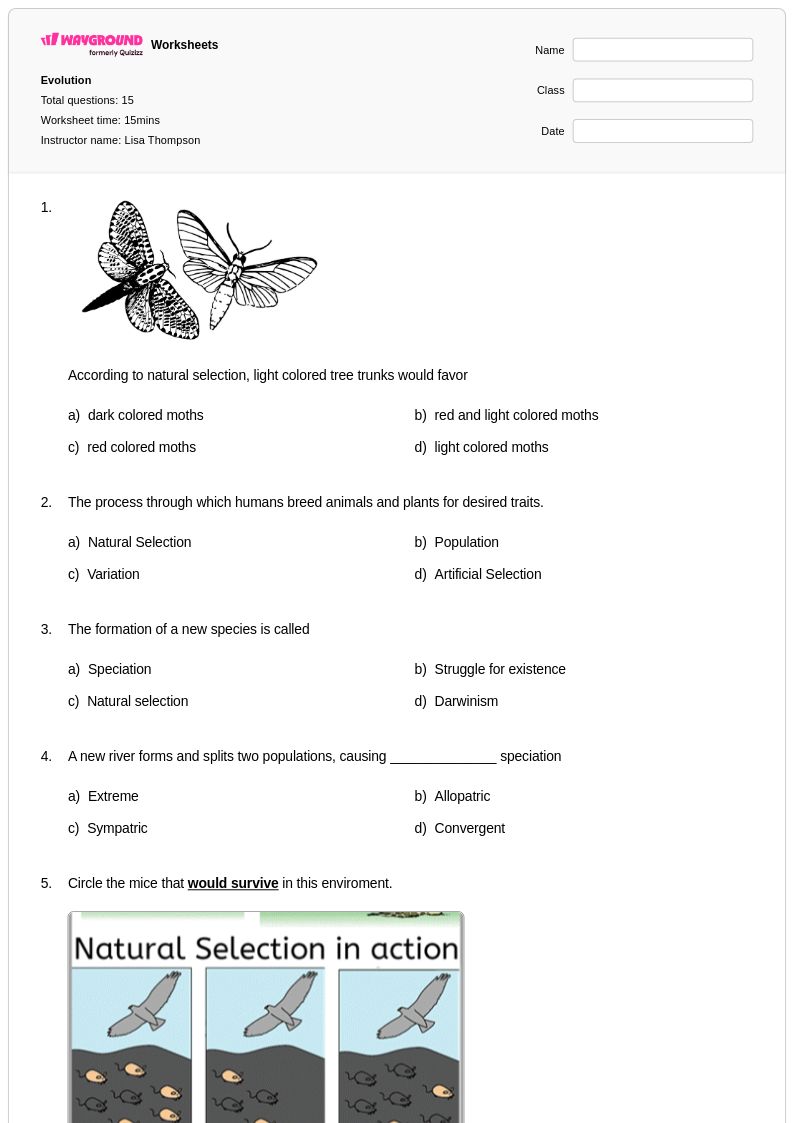
15 Q
8th - Uni
45 Q
9th - 12th
40 Q
9th - 12th
10 Q
9th - 12th
30 Q
12th
8 Q
10th - 12th
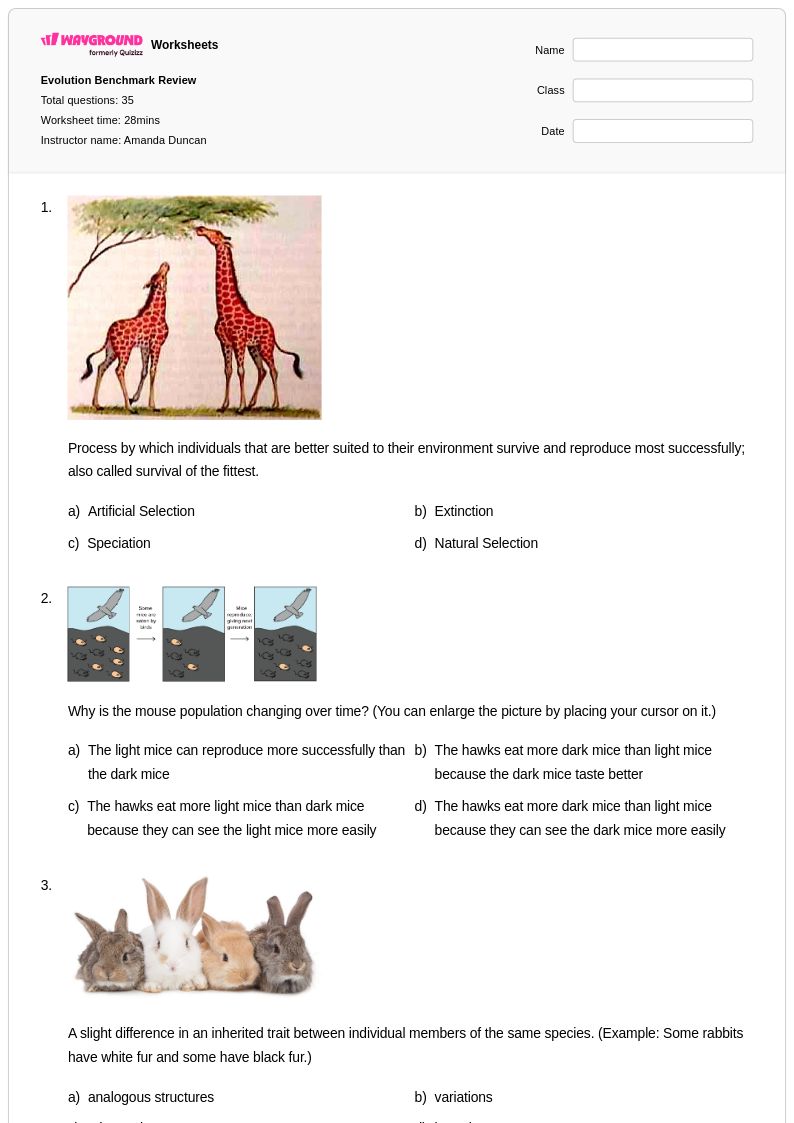
35 Q
9th - 12th
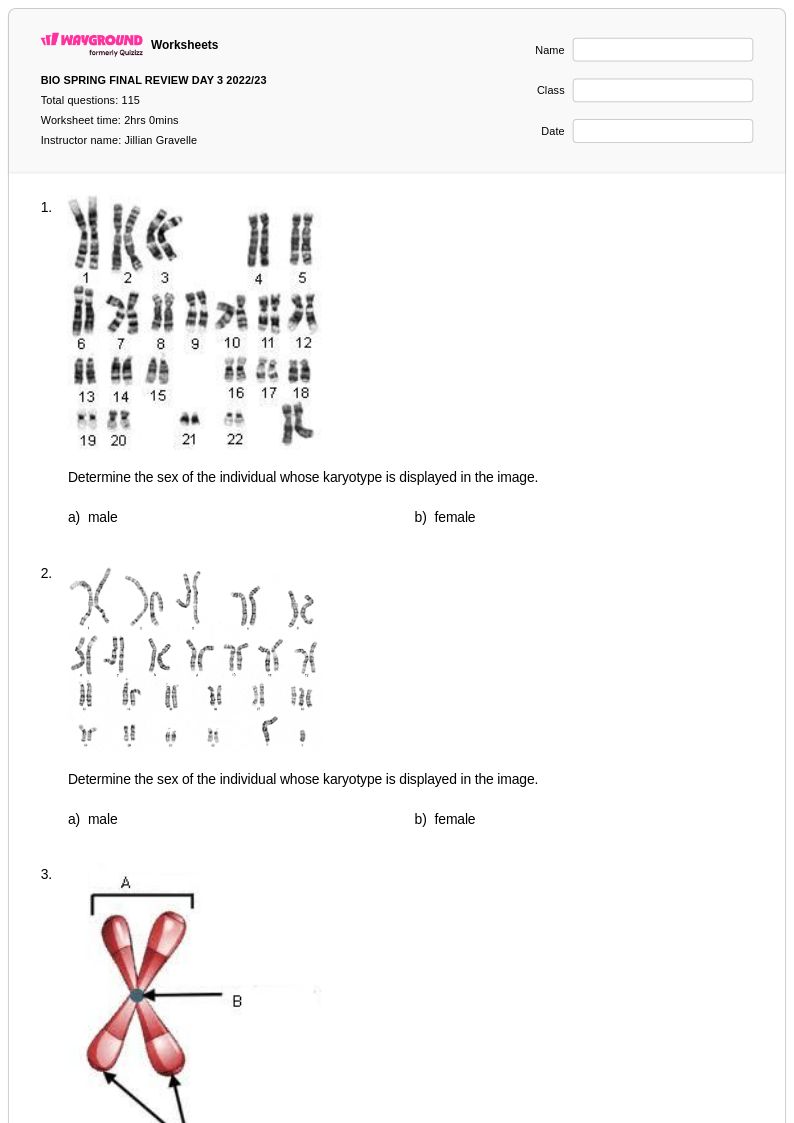
115 Q
9th - 12th
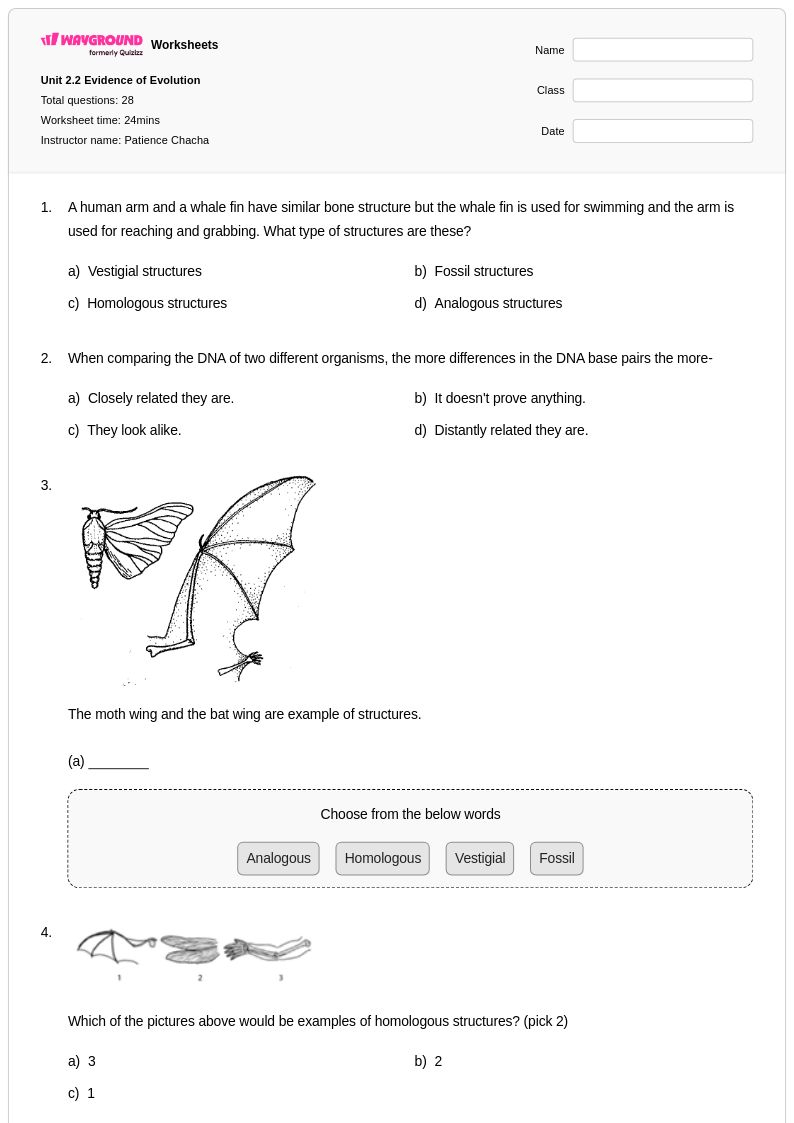
28 Q
9th - 12th
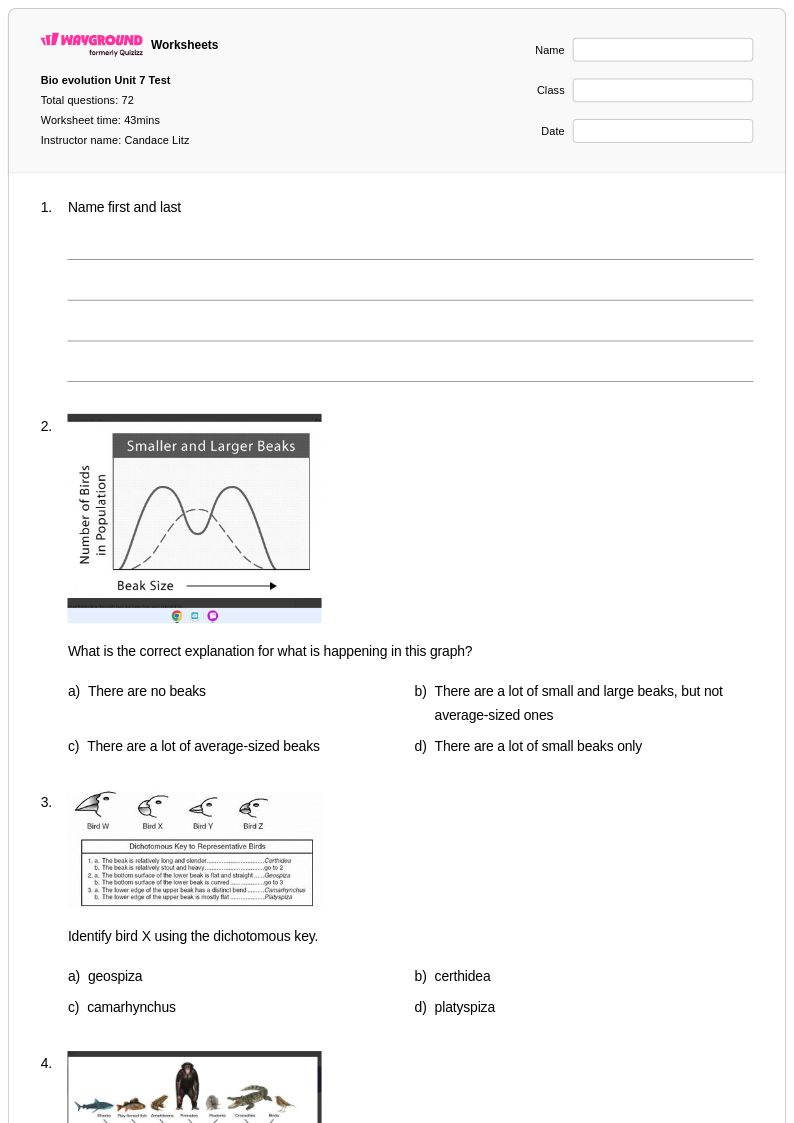
72 Q
9th - 12th
19 Q
12th
40 Q
9th - 12th
39 Q
12th
17 Q
12th
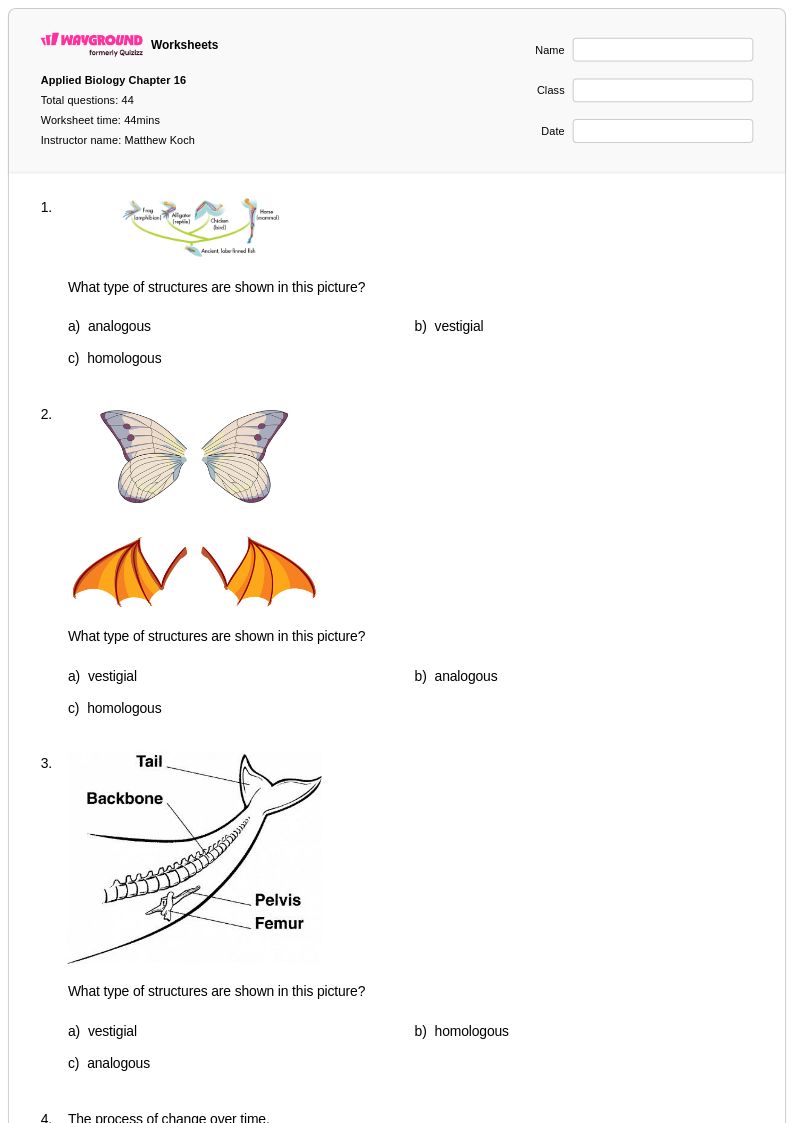
44 Q
11th - 12th
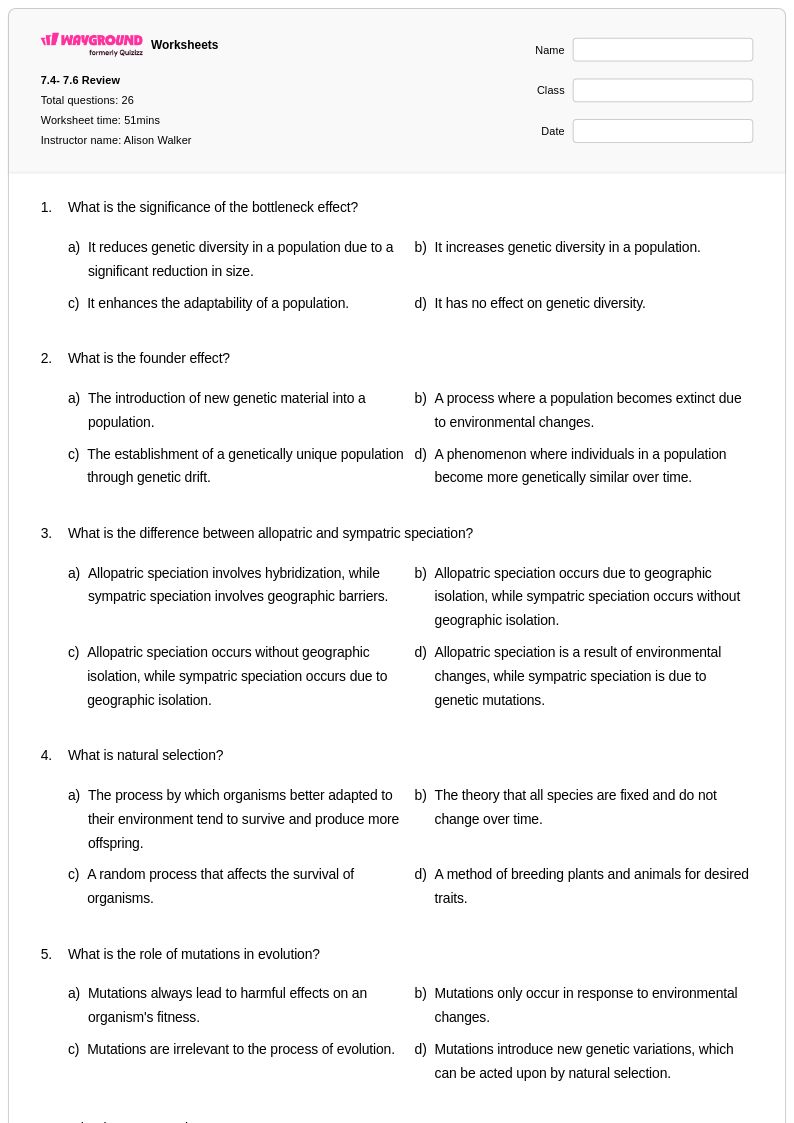
26 Q
9th - 12th
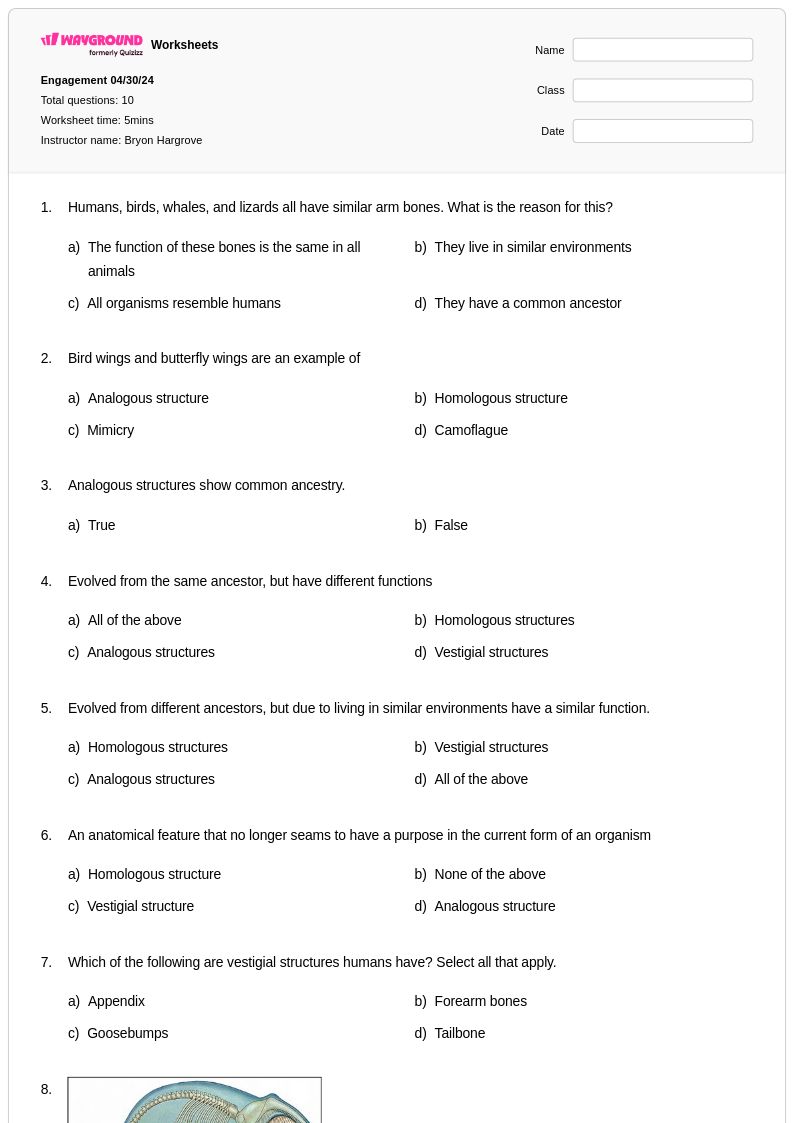
10 Q
9th - 12th
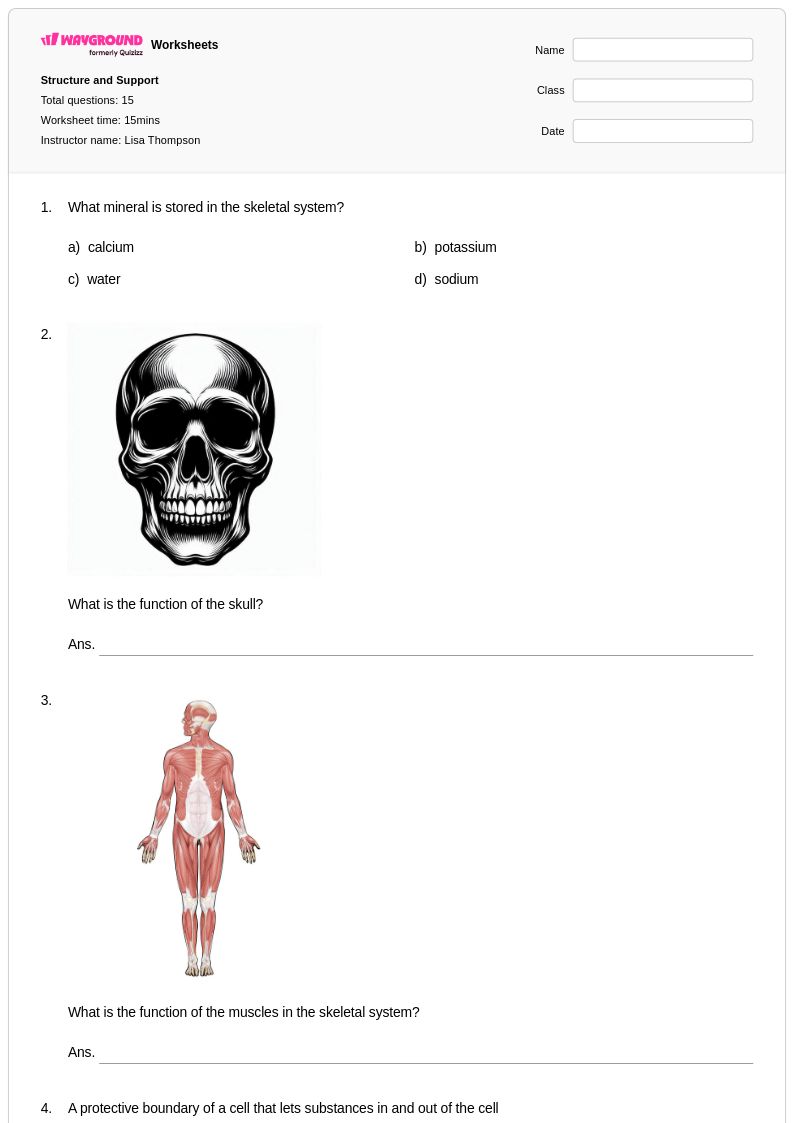
15 Q
6th - Uni
25 Q
8th - Uni
236 Q
9th - 12th
40 Q
9th - 12th
18 Q
12th
Explore Vestigial Structures Worksheets by Grades
Explore Other Subject Worksheets for grade 12
Explore printable Vestigial Structures worksheets for Grade 12
Vestigial structures represent compelling evidence for evolutionary theory, and Grade 12 students can deepen their understanding through comprehensive worksheets available on Wayground (formerly Quizizz). These expertly designed resources guide advanced biology students through detailed analysis of anatomical remnants that have lost their original function through evolutionary processes, including the human appendix, whale pelvic bones, snake leg remnants, and flightless bird wing structures. Students develop critical thinking skills by examining comparative anatomy, interpreting fossil evidence, and connecting vestigial features to common ancestry while strengthening their ability to construct evidence-based arguments about evolutionary relationships. Each worksheet includes detailed answer keys and practice problems that challenge students to identify vestigial structures across different species, analyze their evolutionary origins, and explain how these features support Darwin's theory of descent with modification. These free printable resources in pdf format provide structured opportunities for students to apply their knowledge of natural selection, genetic drift, and evolutionary time scales to real-world examples.
Wayground (formerly Quizizz) empowers educators with an extensive collection of teacher-created worksheets covering vestigial structures and evolutionary biology, drawn from millions of high-quality resources developed by experienced science educators worldwide. The platform's sophisticated search and filtering capabilities allow teachers to quickly locate materials aligned with specific curriculum standards while offering powerful differentiation tools to accommodate diverse learning needs within Grade 12 classrooms. Teachers can seamlessly customize existing worksheets or combine multiple resources to create targeted practice sessions for remediation, enrichment, or skill reinforcement, with content available in both printable pdf format and interactive digital versions. This flexibility proves invaluable for lesson planning, whether educators need quick formative assessments, comprehensive review materials, or specialized practice problems that bridge vestigial structures to broader evolutionary concepts, ensuring that all students can access appropriately challenging content that builds their scientific reasoning abilities.
FAQs
How do I teach vestigial structures to my biology students?
What worksheets or exercises help students practice identifying vestigial structures?
What common mistakes do students make when learning about vestigial structures?
How do vestigial structures serve as evidence for evolution?
How do I use vestigial structures worksheets from Wayground in my classroom?
How can I differentiate vestigial structures instruction for students with different learning needs?