Free Printable Animal Homes Worksheets for Class 2
Explore Wayground's free Class 2 animal homes worksheets and printables that help young learners discover where different animals live, featuring engaging practice problems and complete answer keys in convenient PDF format.
Explore printable Animal Homes worksheets for Class 2
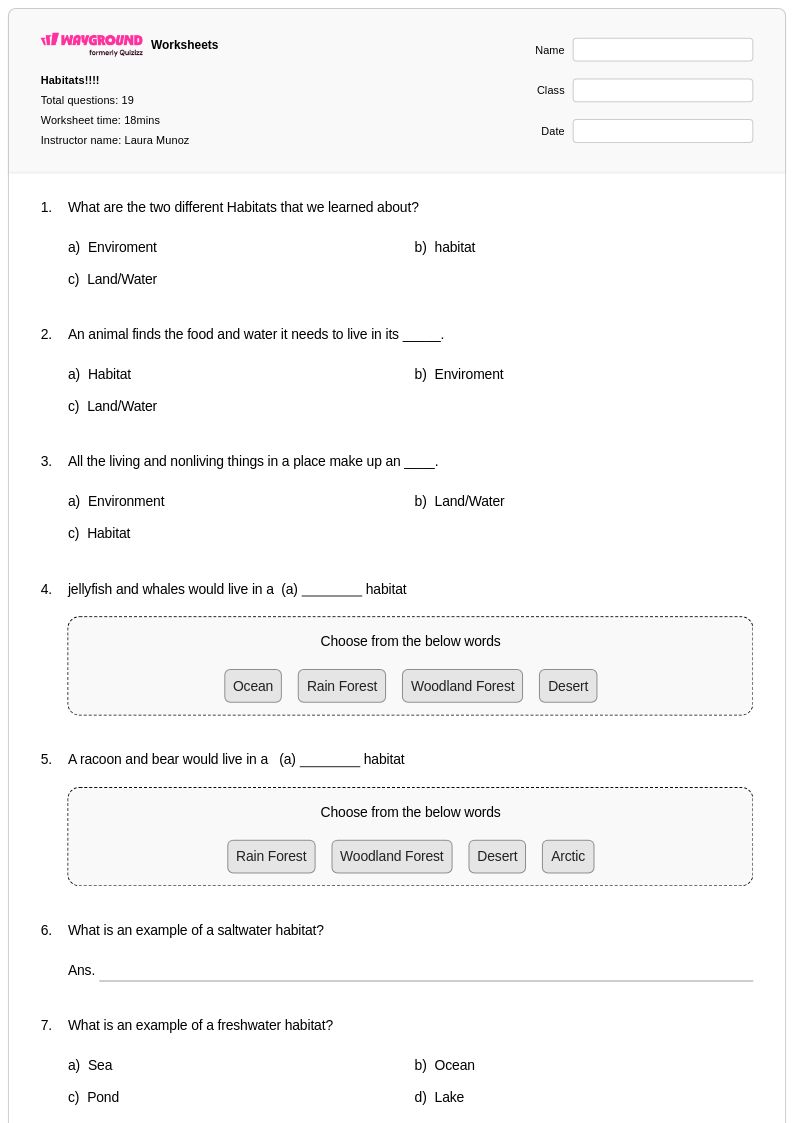
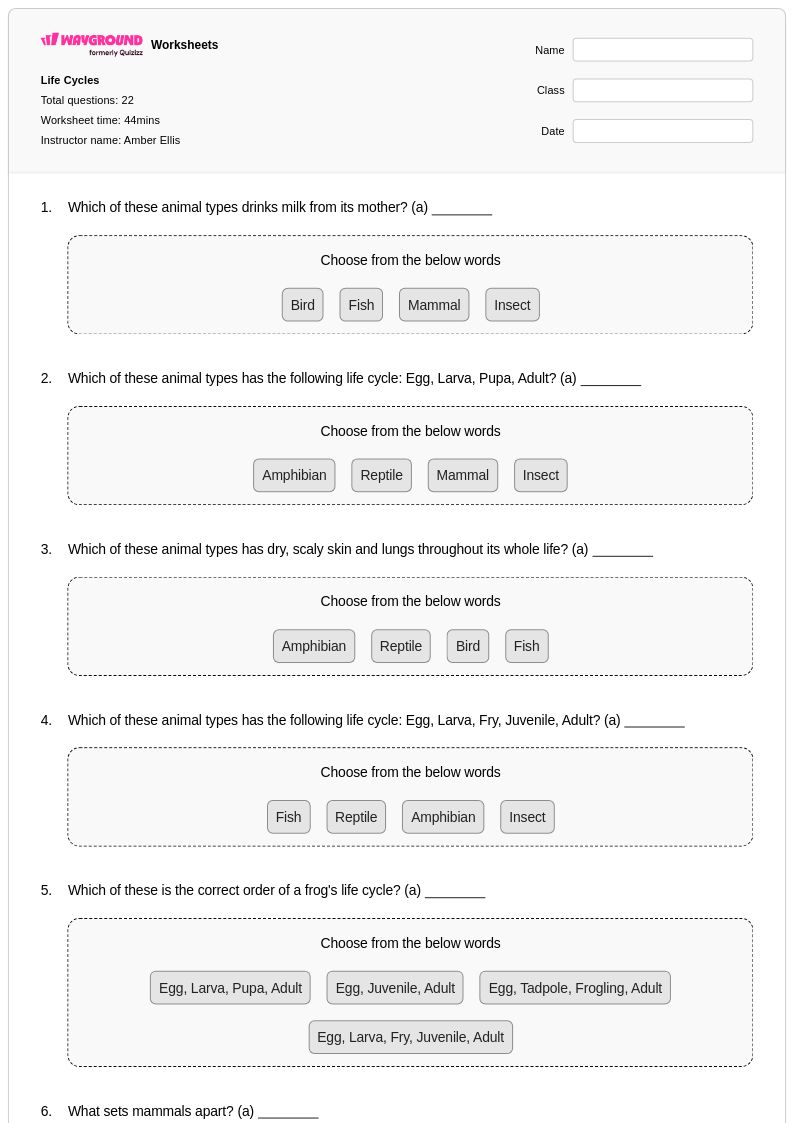
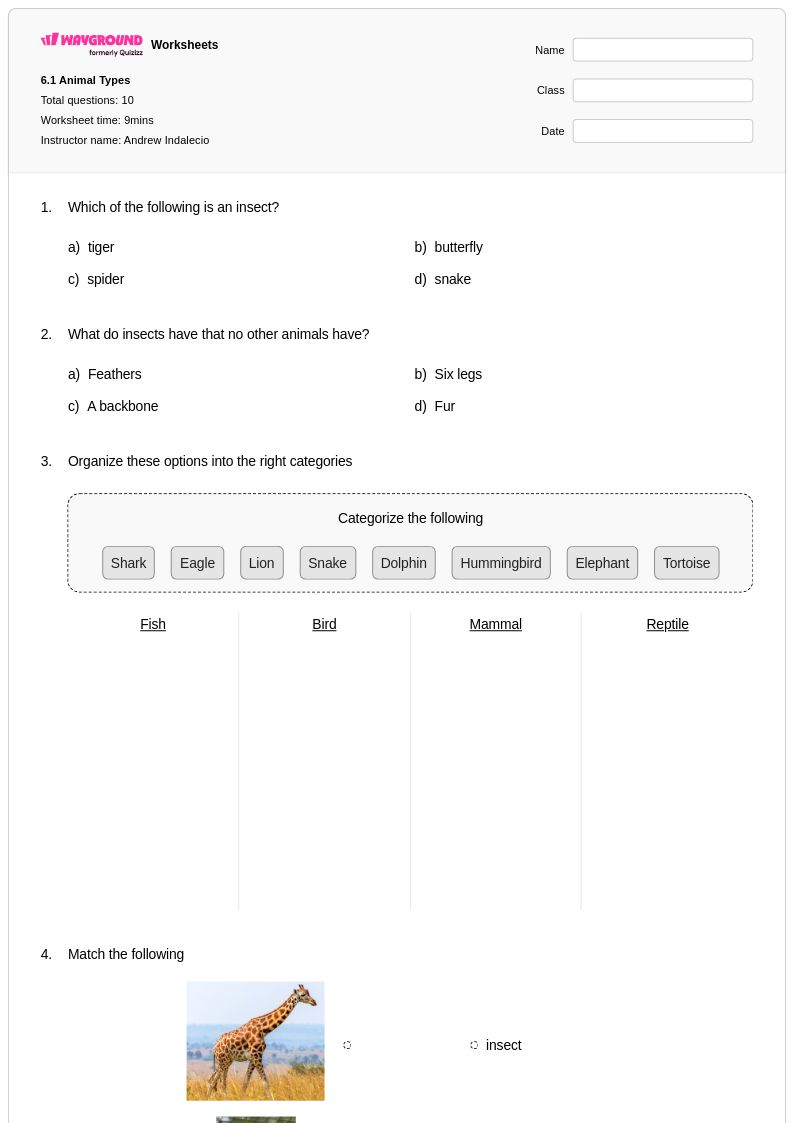
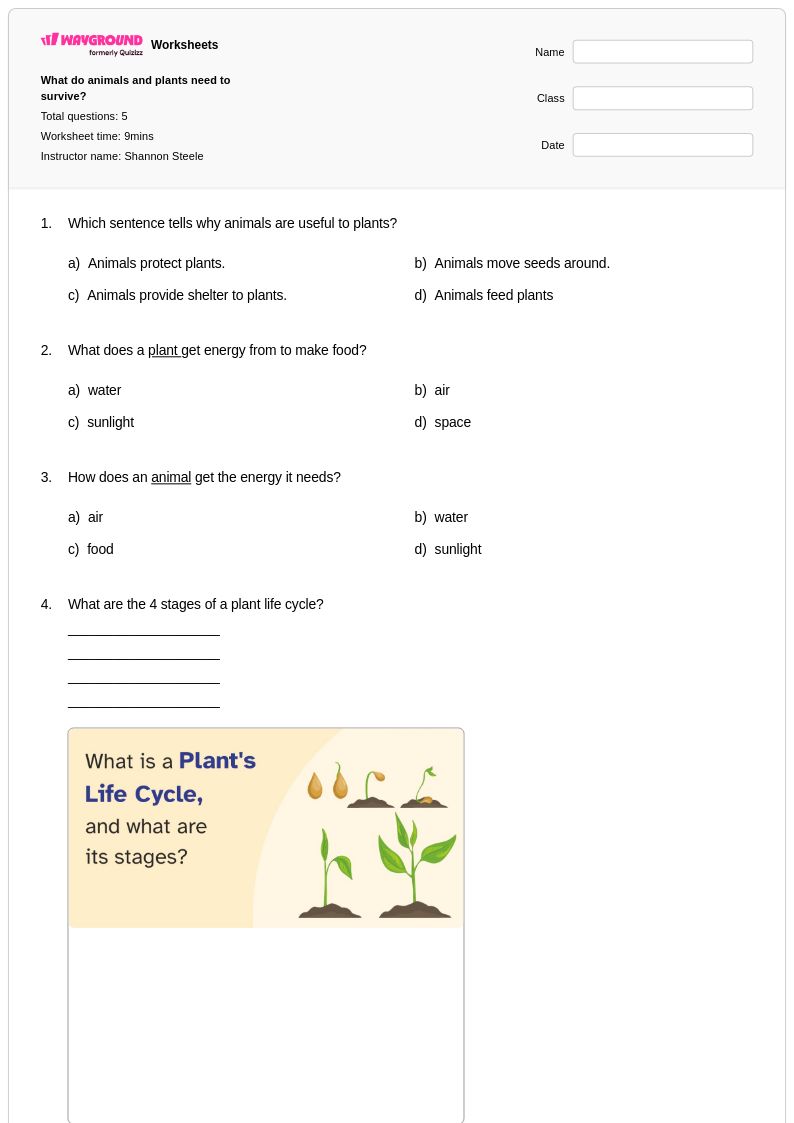
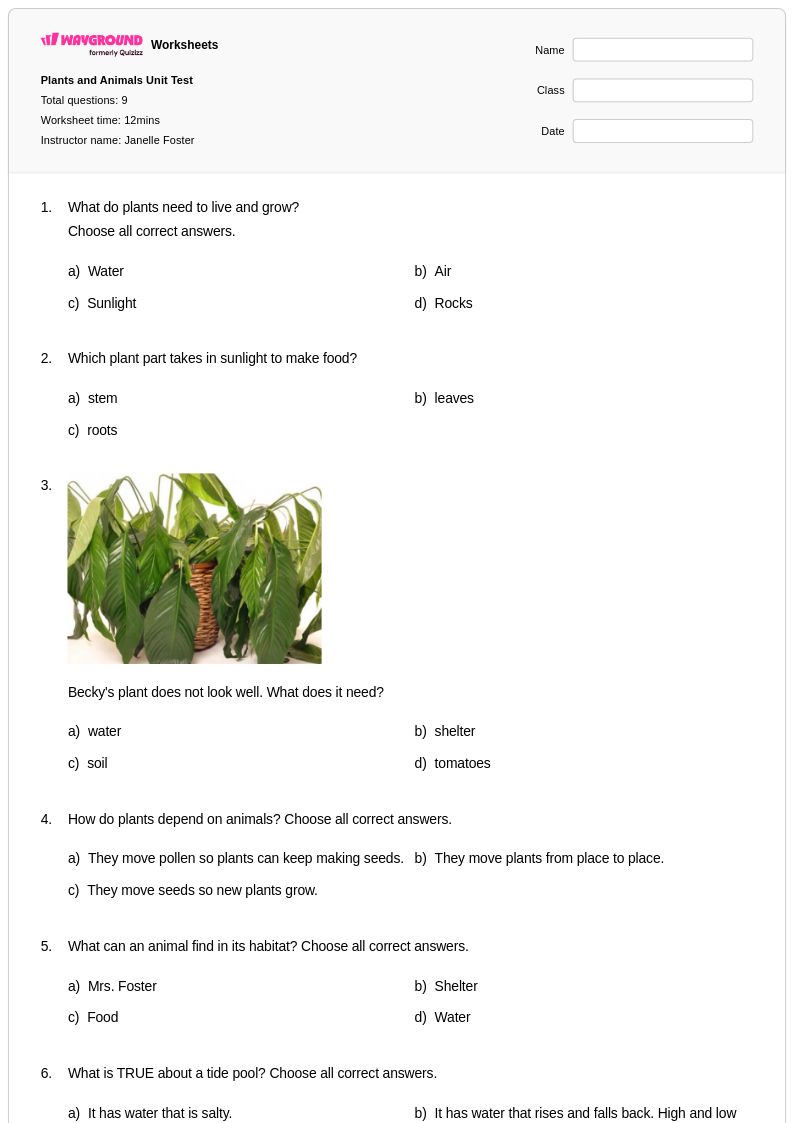
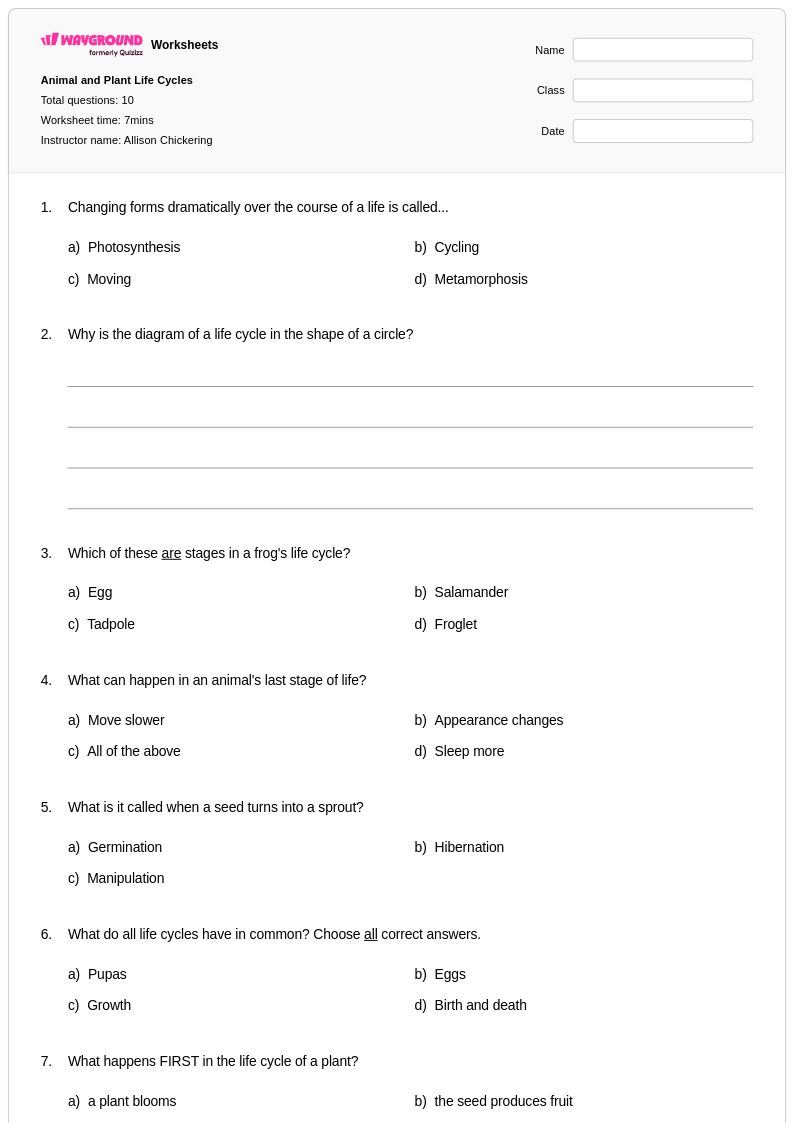
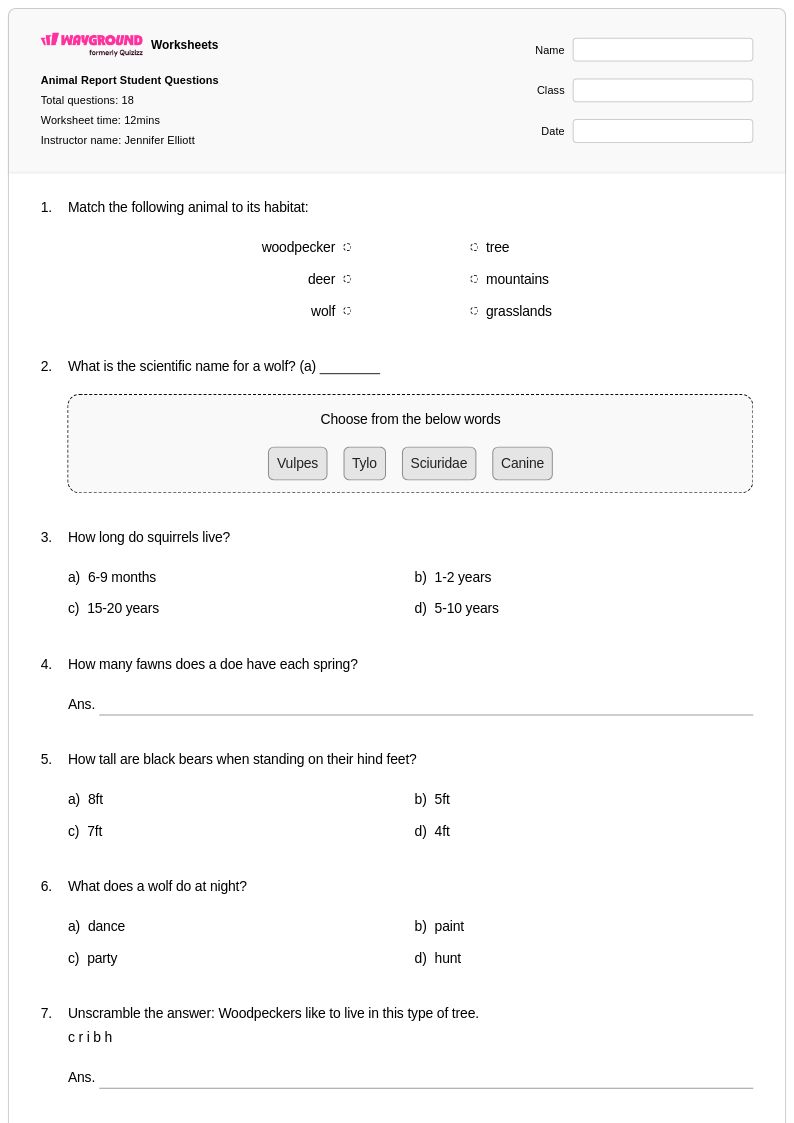
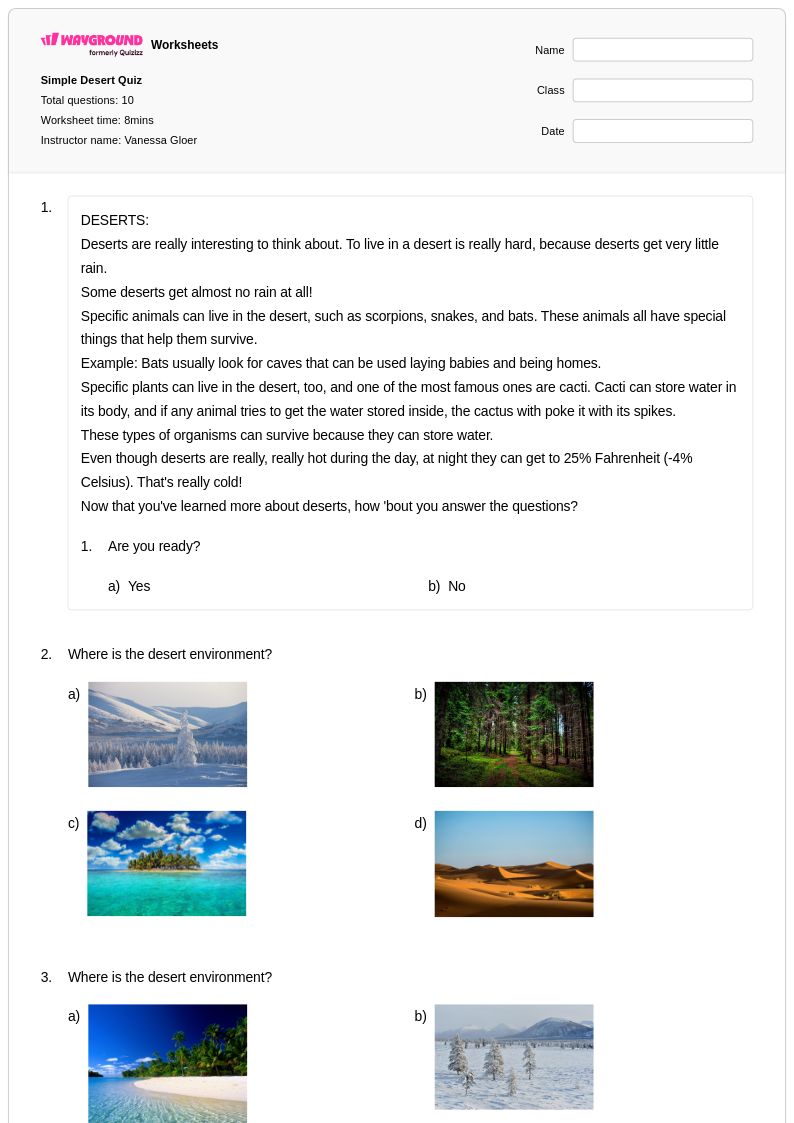
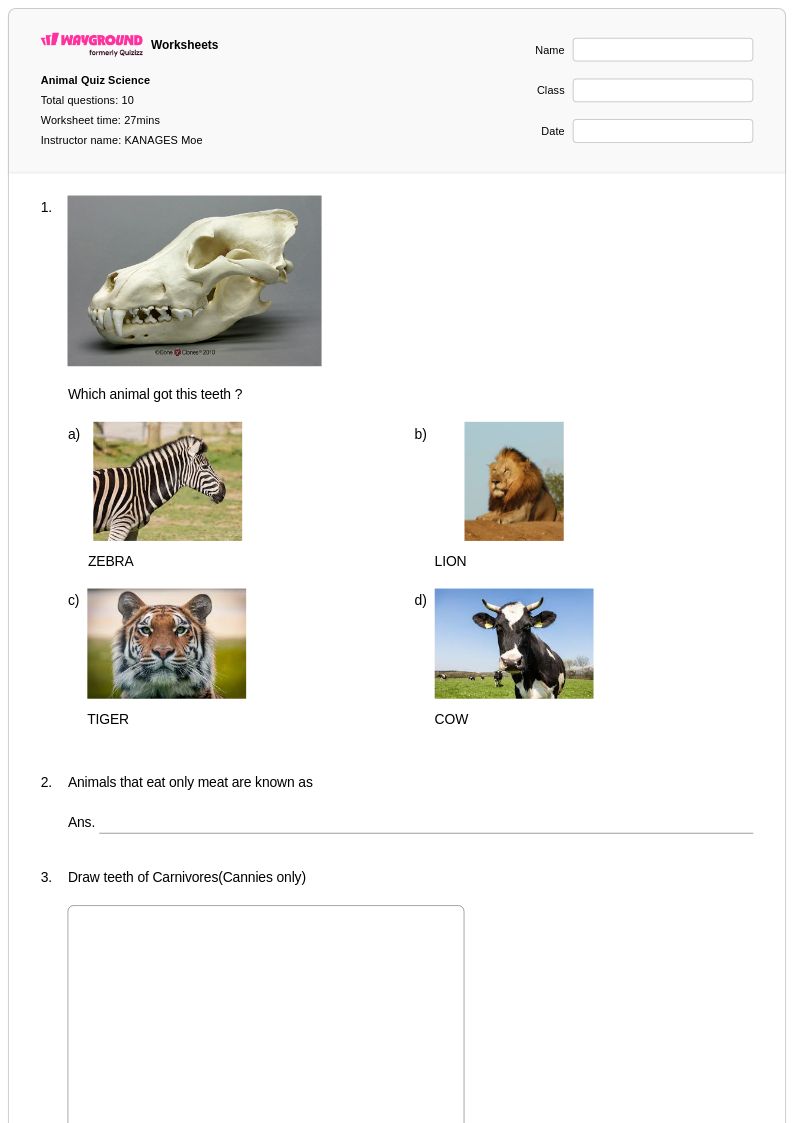
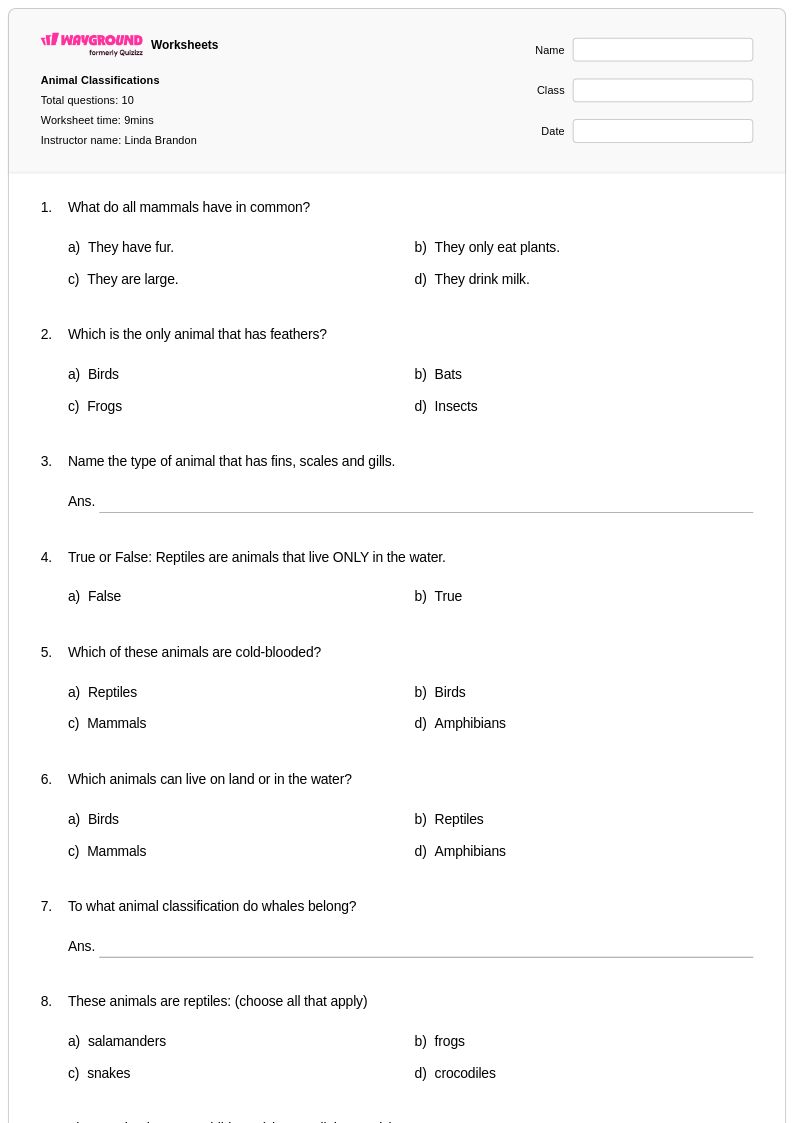
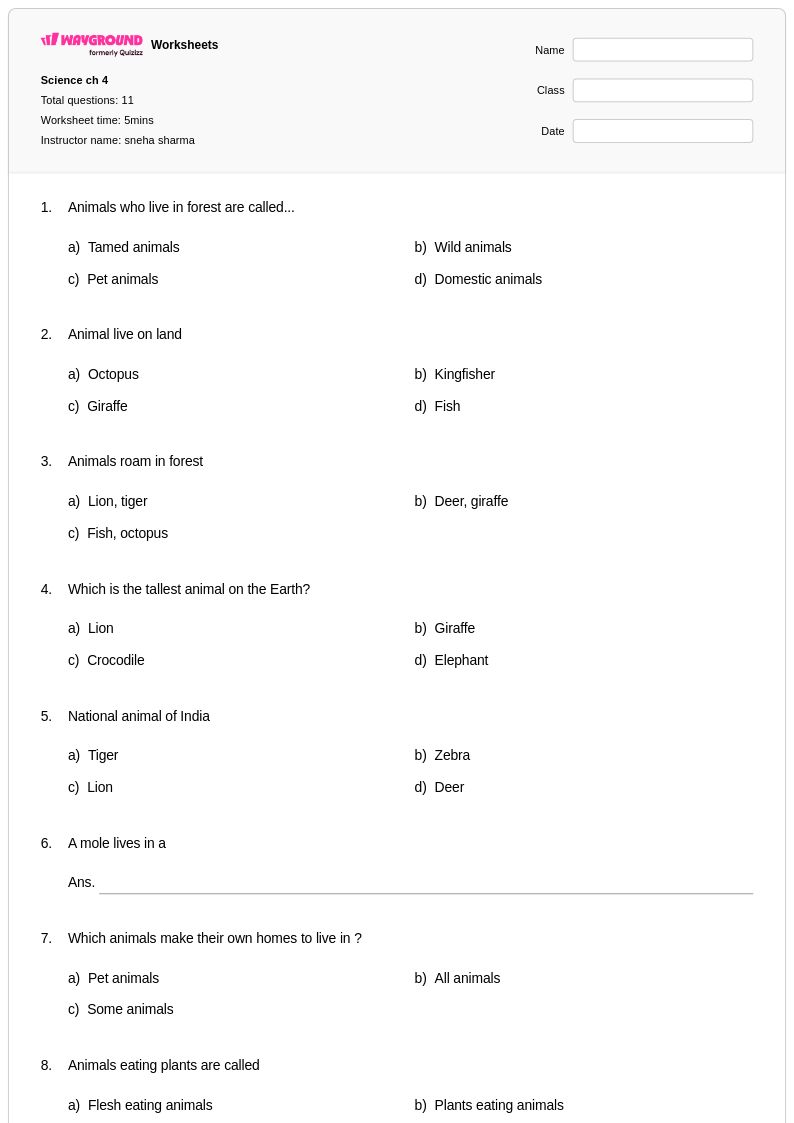
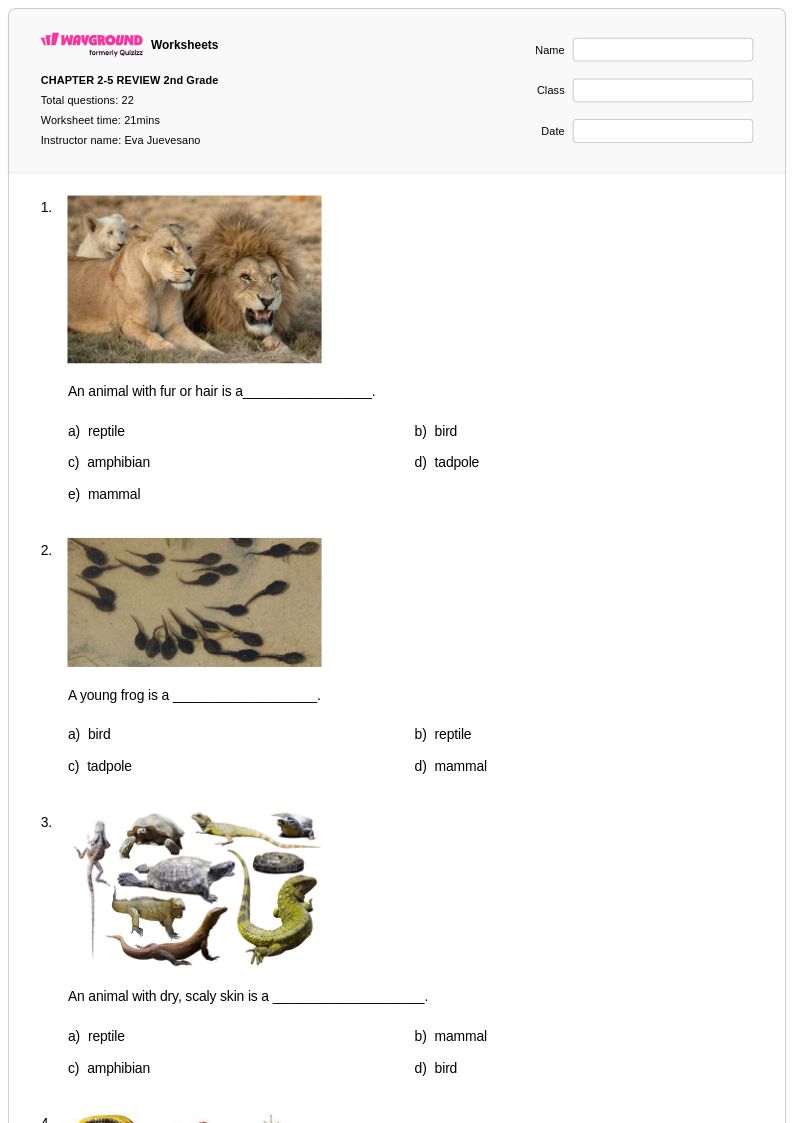
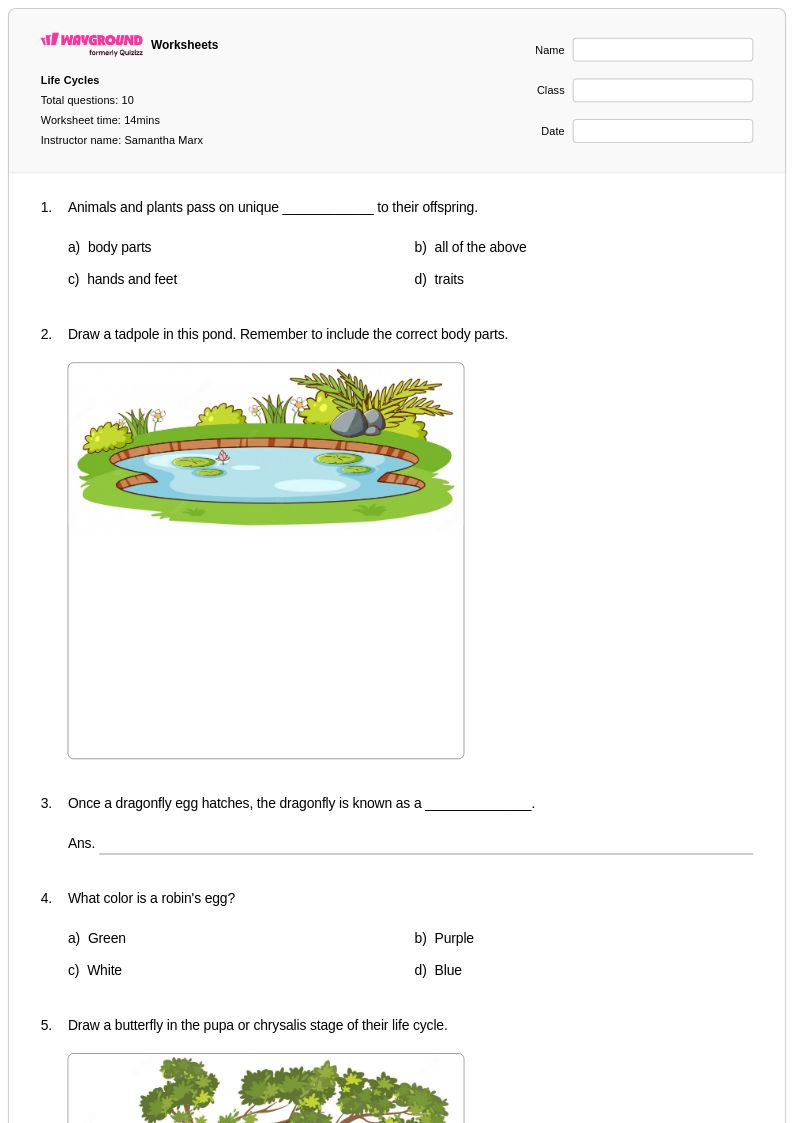
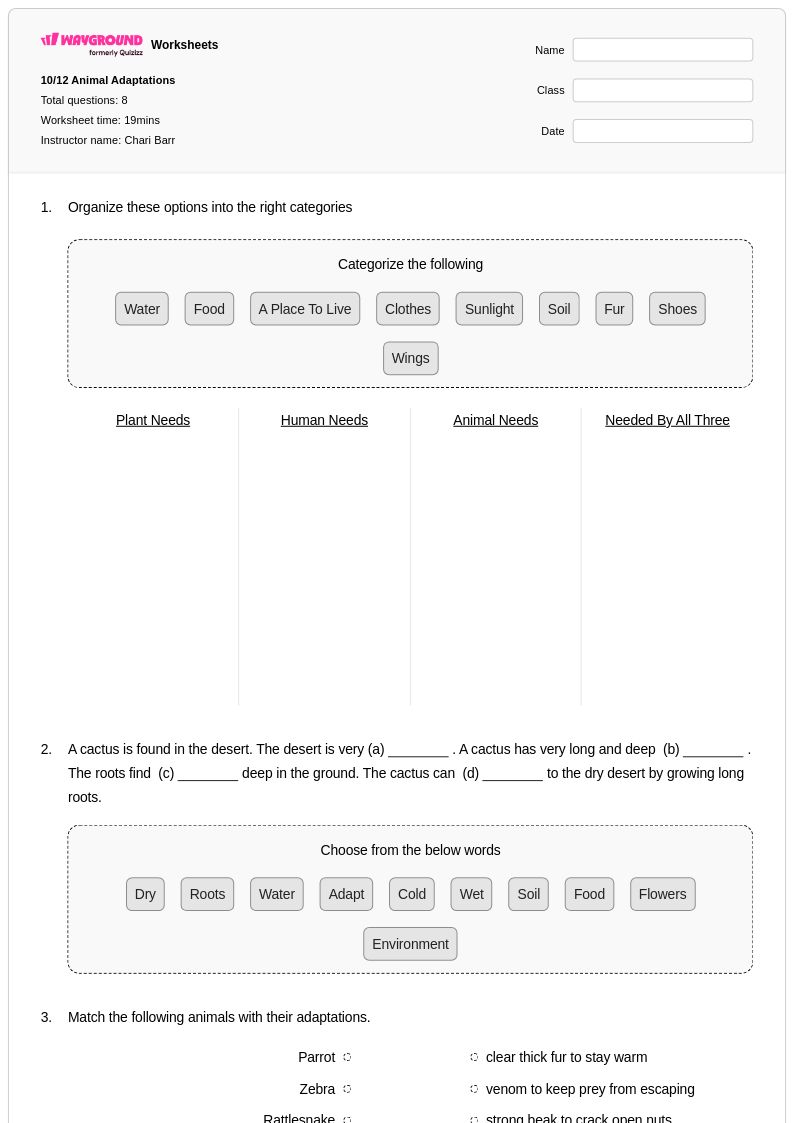
Animal homes worksheets for Class 2 students available through Wayground (formerly Quizizz) provide young learners with engaging opportunities to explore where different animals live and how these habitats meet their survival needs. These carefully designed printables strengthen essential observation and classification skills as students match animals to their appropriate homes, identify habitat characteristics, and understand the relationship between animal adaptations and their living environments. The comprehensive collection includes answer keys and practice problems that help students distinguish between various animal dwellings such as nests, burrows, dens, and hives, while building foundational vocabulary related to animal behavior and environmental science. These free pdf resources support hands-on learning through activities that encourage students to compare and contrast different types of animal shelters and explain why specific animals choose particular locations for their homes.
Wayground (formerly Quizizz) empowers teachers with millions of educator-created animal homes worksheets specifically designed for Class 2 learners, featuring robust search and filtering capabilities that make it easy to locate resources aligned with specific learning objectives and standards. The platform's differentiation tools allow teachers to customize worksheets based on individual student needs, offering both printable and digital formats including downloadable pdfs that support flexible classroom implementation. These comprehensive worksheet collections facilitate effective lesson planning by providing teachers with ready-to-use materials for skill practice, targeted remediation for struggling learners, and enrichment opportunities for advanced students, all while maintaining focus on helping young scientists develop critical thinking skills about animal adaptations and habitat relationships. The platform's extensive library ensures teachers can access varied question types and activity formats that keep Class 2 students engaged while building their understanding of how animals create and select their homes in nature.
FAQs
How do I teach animal homes to elementary students?
Start by grounding students in the idea that every animal has specific survival needs, and its home is shaped by those needs. Use real-world examples across habitat types, such as bird nests, underground burrows, beaver dams, and coral reefs, to show how anatomy and behavior drive dwelling choices. Comparing contrasting habitats side by side helps students build classification skills and understand the relationship between environment and adaptation.
What exercises help students practice identifying animal homes?
Matching activities that pair animals with their habitat types are effective for building recognition and recall. Classification tasks, where students sort habitats by features such as location, materials, or climate zone, develop deeper analytical thinking. Worksheets that ask students to explain why a specific animal lives in a particular home push beyond memorization into reasoning about anatomy and environmental demands.
What misconceptions do students commonly have about animal homes?
A common misconception is that all animals actively build their homes, when many species simply occupy existing structures like tree hollows, rock crevices, or abandoned burrows. Students also frequently conflate habitat and home, treating the broader ecosystem and the specific dwelling as interchangeable. Addressing these distinctions explicitly, with examples that contrast a bird's nest versus the forest it lives in, helps students develop more precise scientific vocabulary.
How can I use animal homes worksheets to support different skill levels in my class?
For students still building foundational knowledge, worksheets focused on simple matching and visual identification of common habitats provide accessible entry points. More advanced students benefit from tasks that require them to analyze how an animal's physical traits or behaviors make a specific home type functional for survival and reproduction. On Wayground, teachers can apply accommodations such as reduced answer choices or read-aloud support to individual students, allowing the same worksheet set to serve a range of learners without singling anyone out.
How do I use Wayground's animal homes worksheets in my classroom?
Wayground's animal homes worksheets are available as printable PDFs, making them easy to distribute in a traditional classroom setting, and in digital formats for technology-integrated environments. Teachers can also host worksheets as a quiz directly on Wayground, enabling real-time student responses and instant feedback. The included answer keys support independent student work as well as teacher-led review sessions.
How does studying animal homes connect to broader science standards?
Animal homes is a gateway concept for understanding ecosystems, adaptation, and interdependence in life science curricula. When students examine how habitat structure meets an animal's needs for shelter, reproduction, and protection from predators, they are applying core ideas about organism-environment relationships found in Next Generation Science Standards and similar frameworks. This topic also builds observational and classification skills that transfer to broader scientific inquiry.