Free Printable Ash Wednesday Worksheets for Class 2
Explore Class 2 Ash Wednesday worksheets and printables from Wayground that help students learn about this important cultural tradition through engaging practice problems, free PDF activities, and comprehensive answer keys.
Explore printable Ash Wednesday worksheets for Class 2
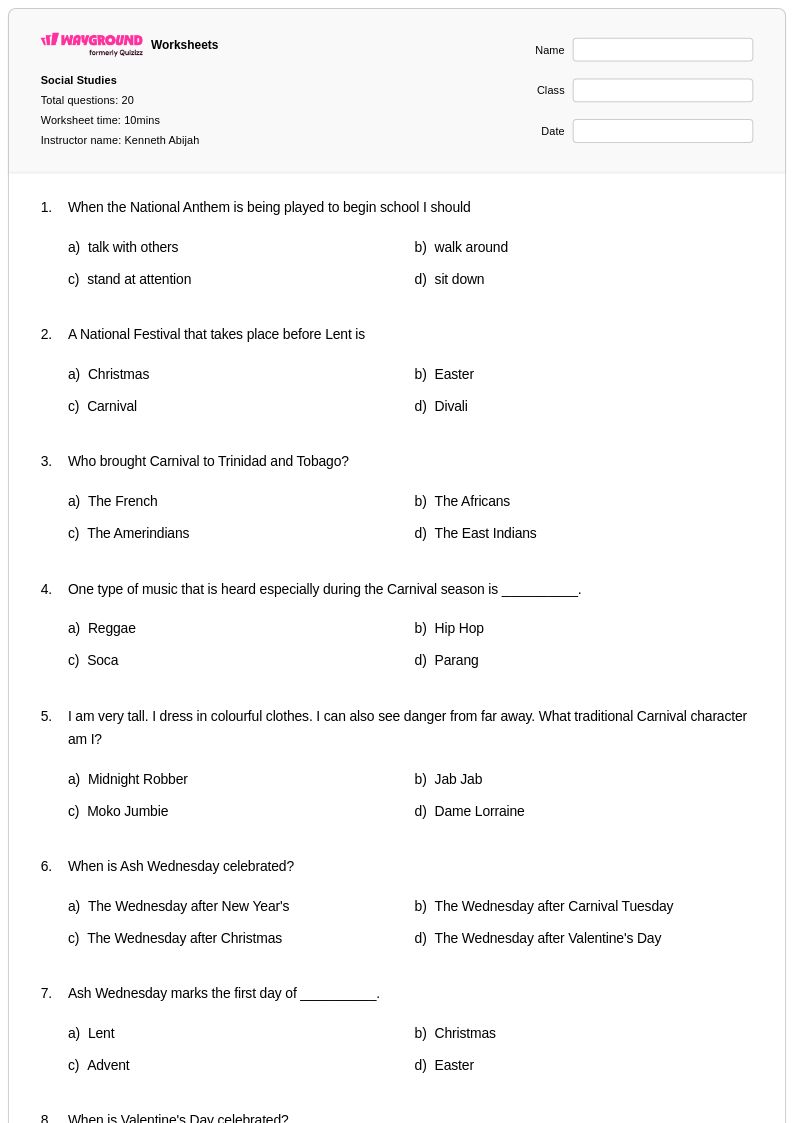
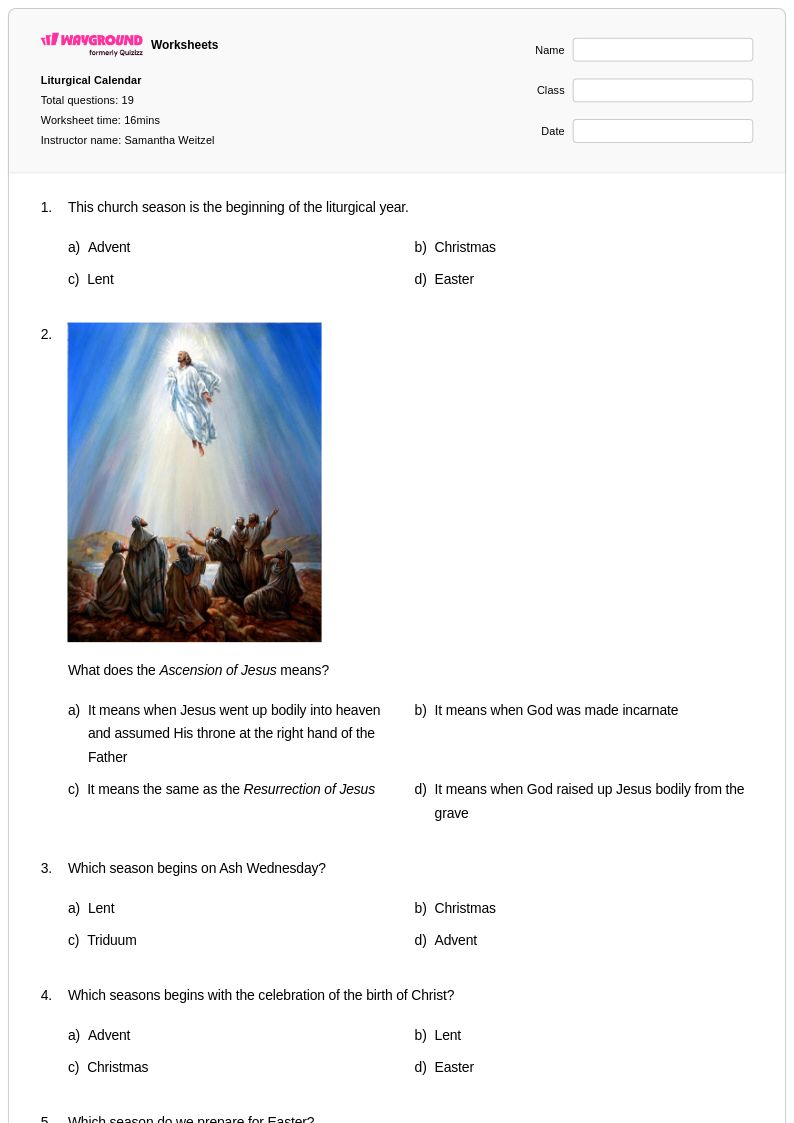
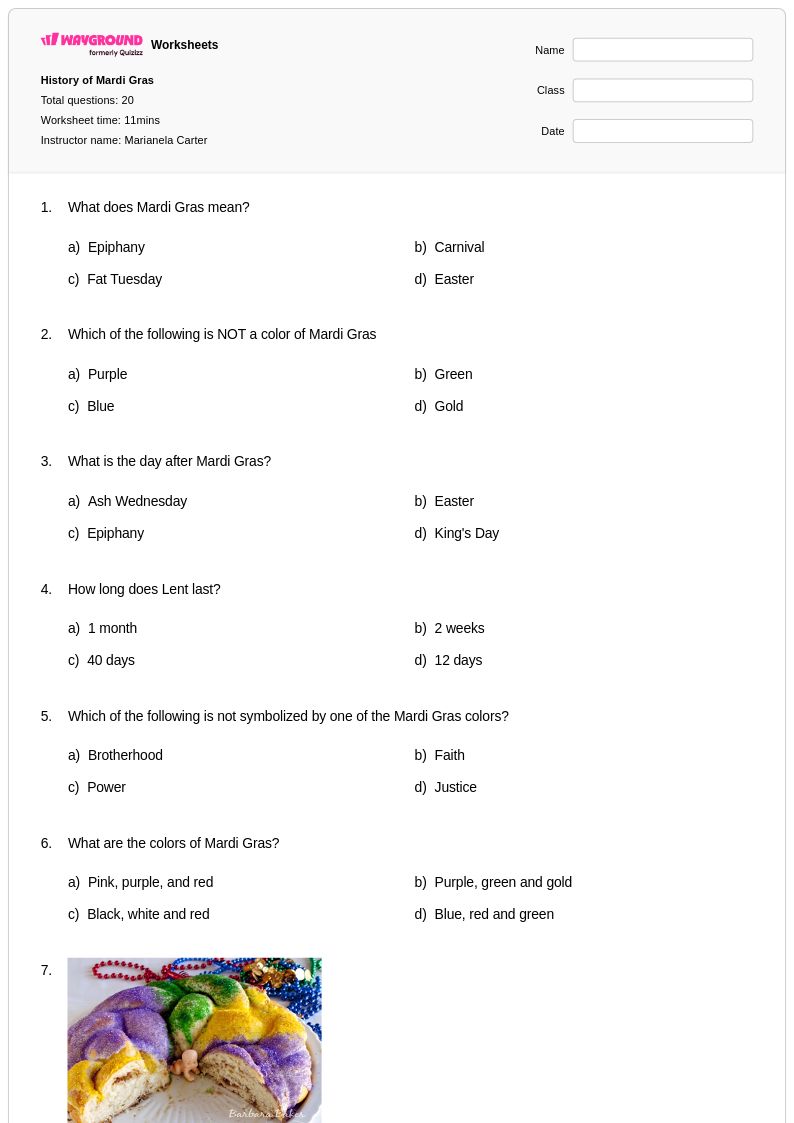
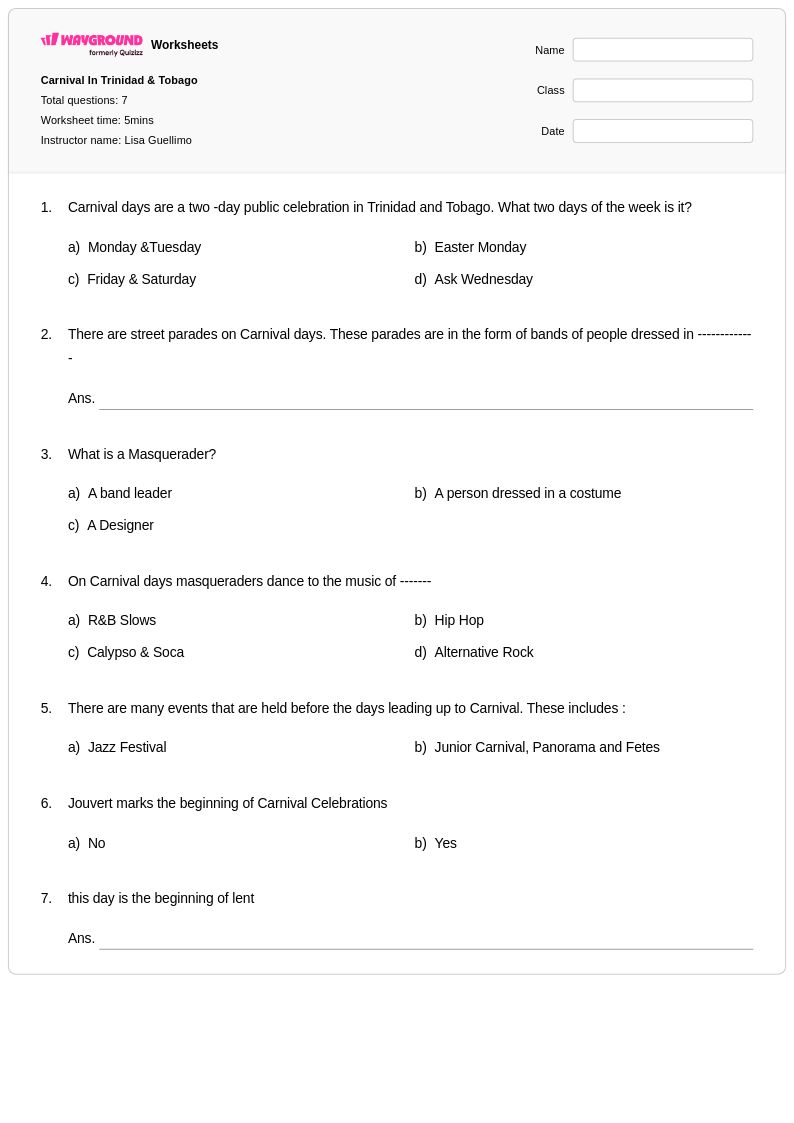
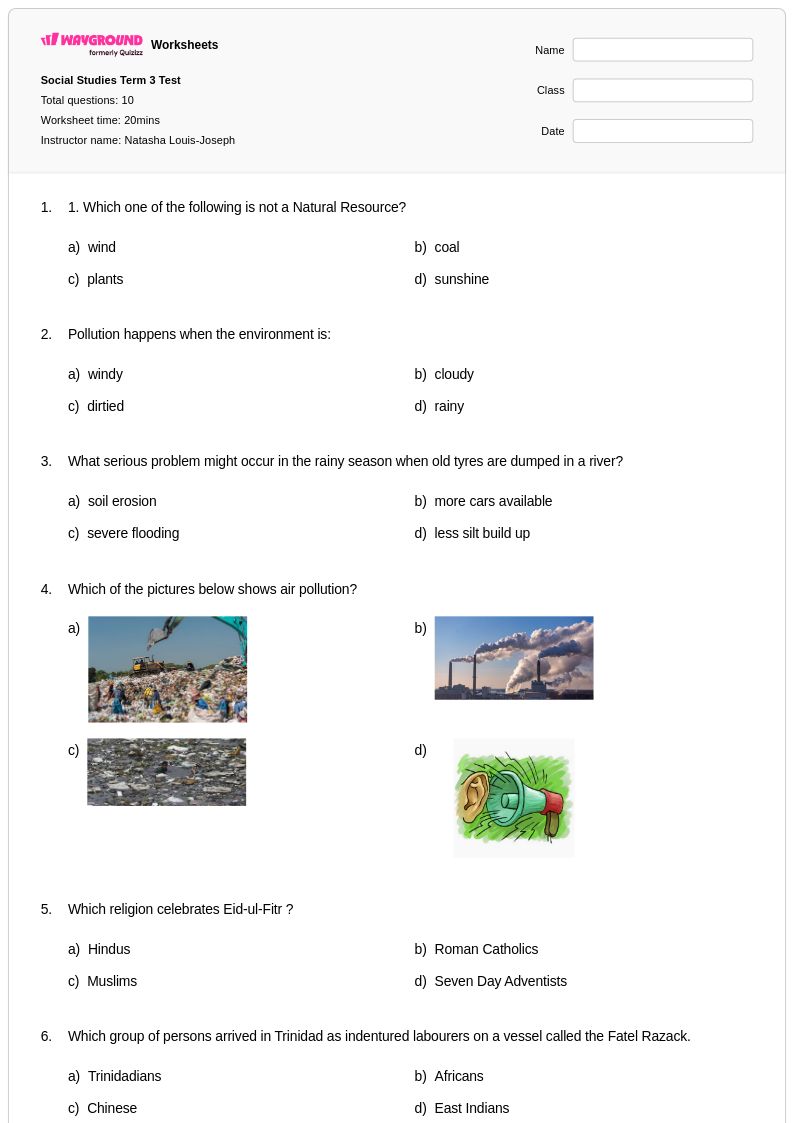
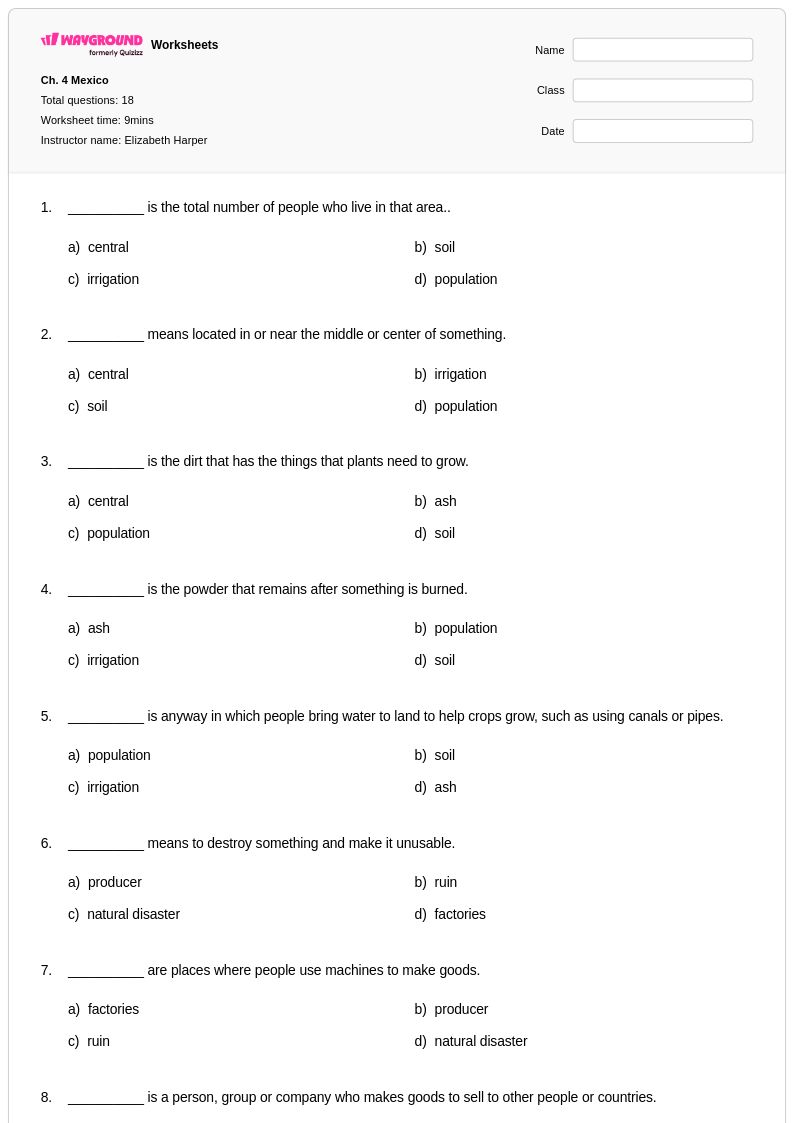
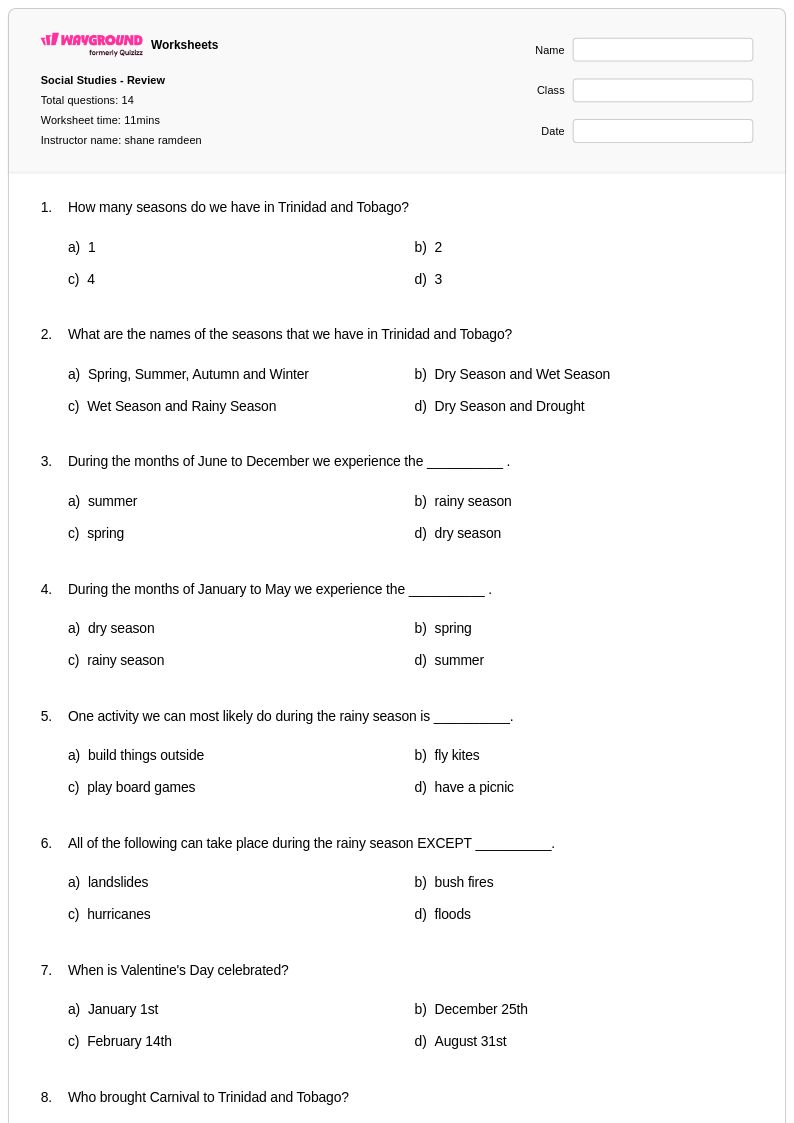
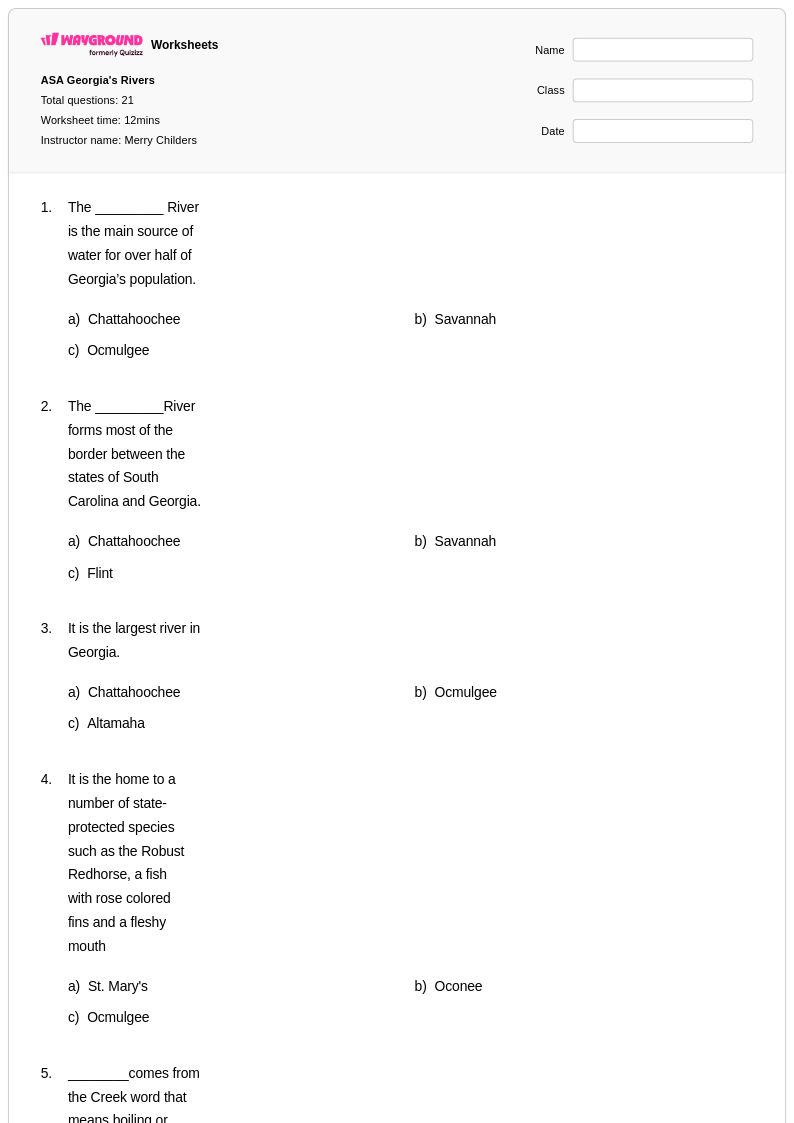
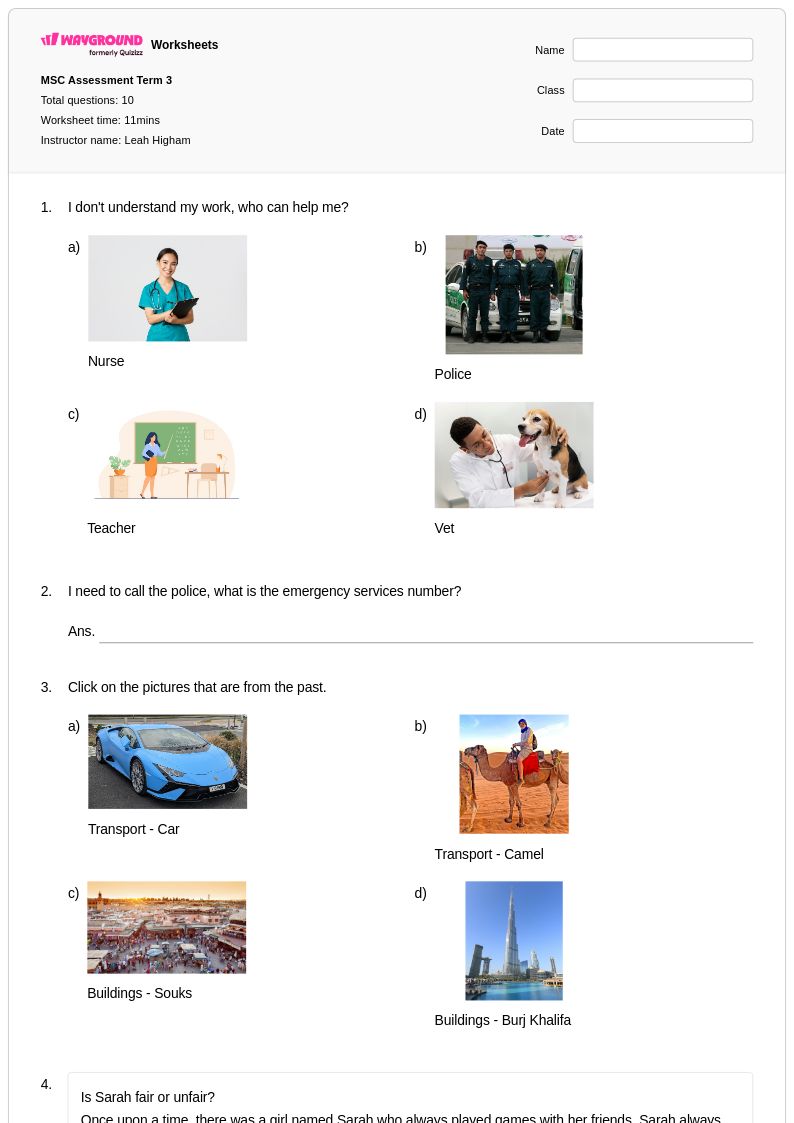
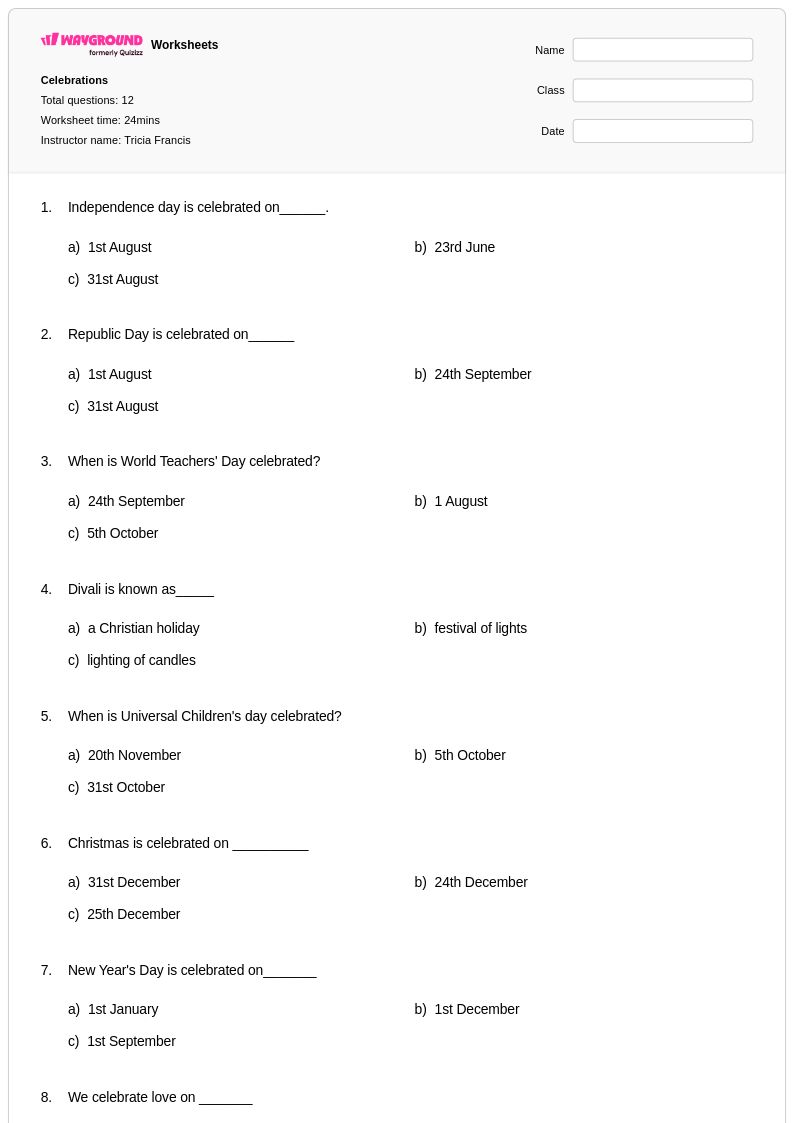
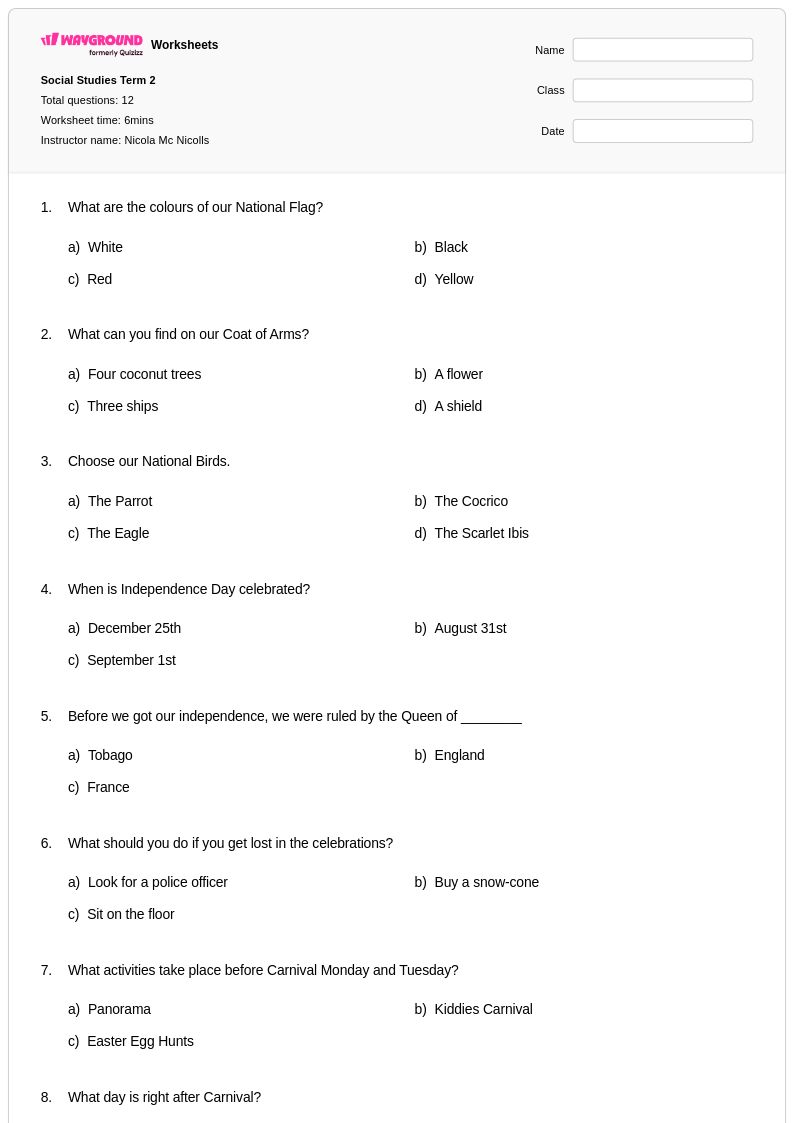
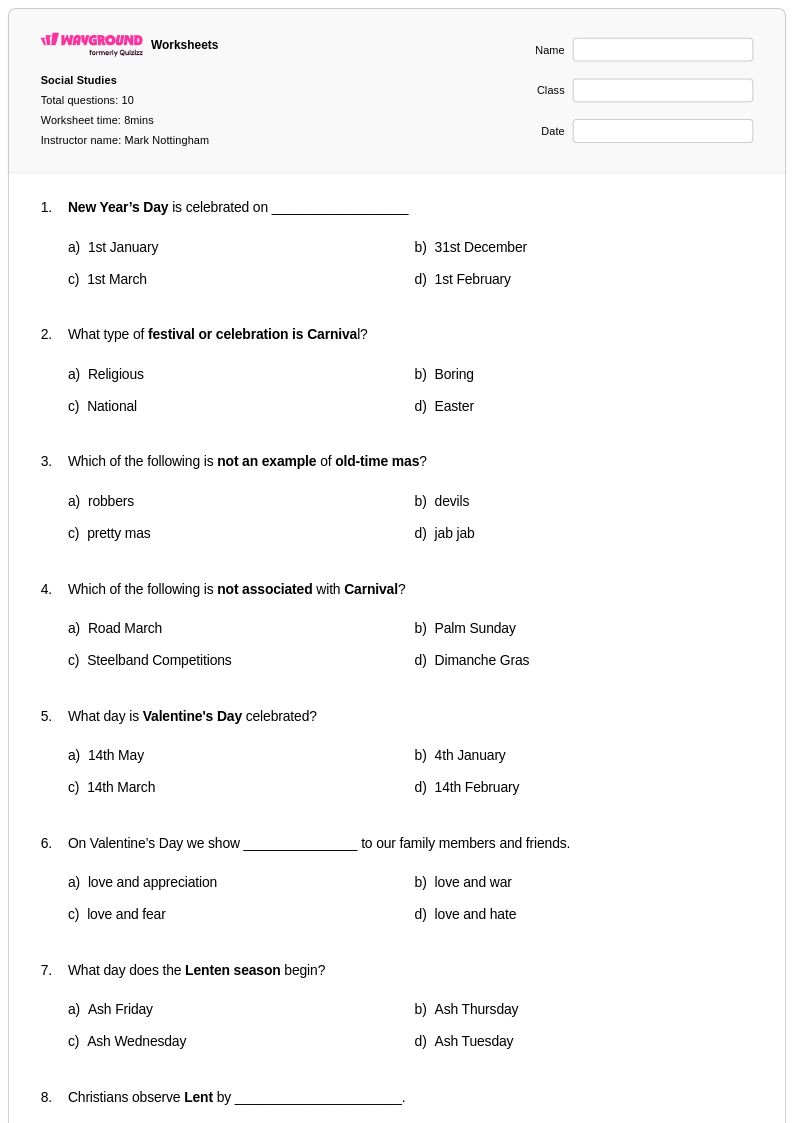
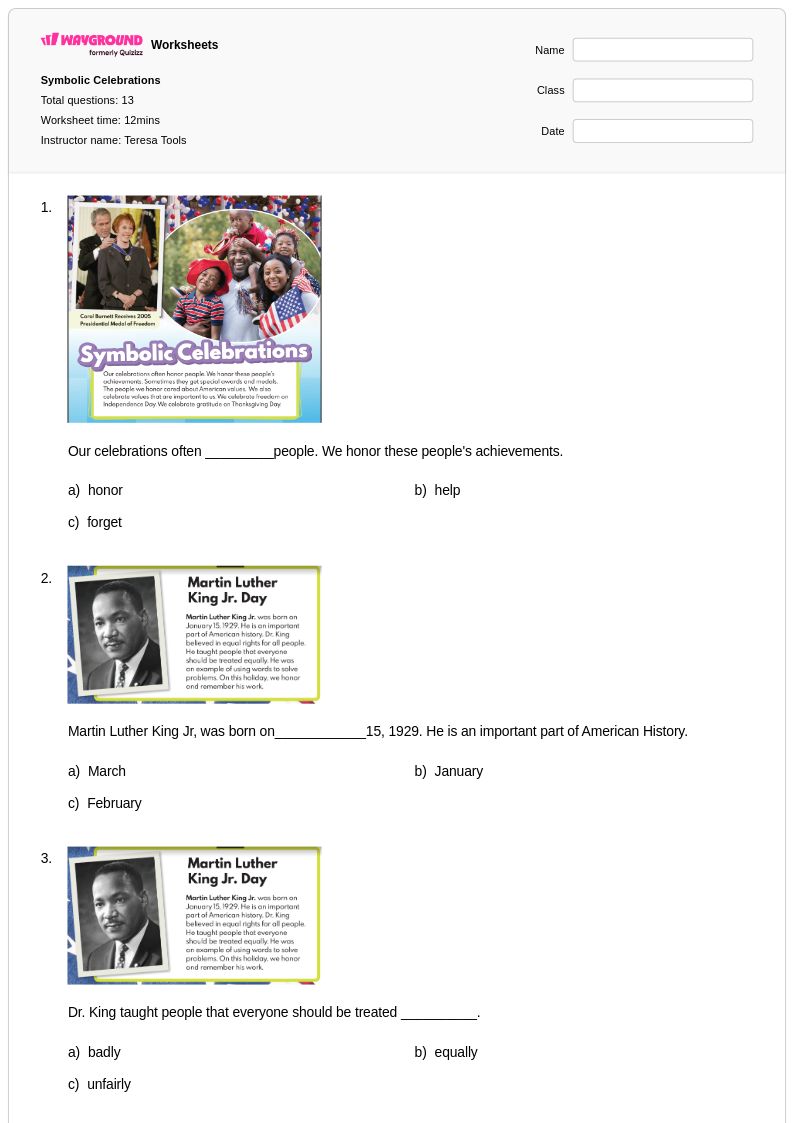
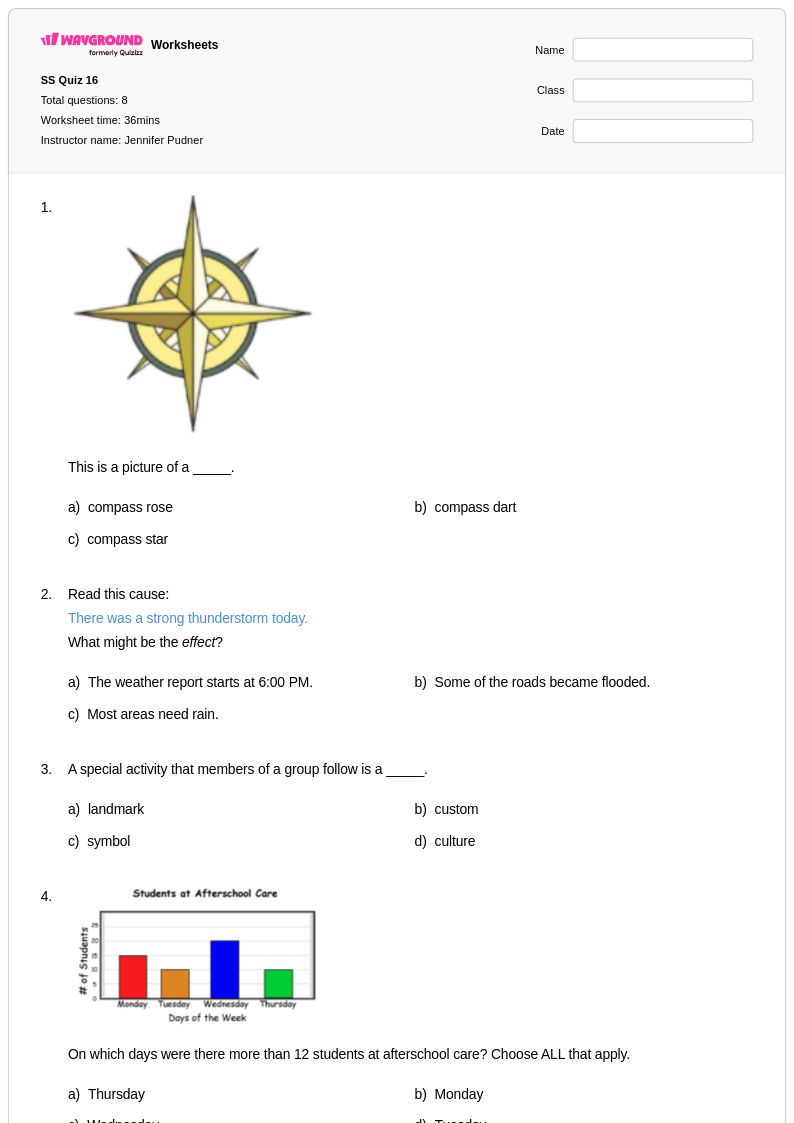
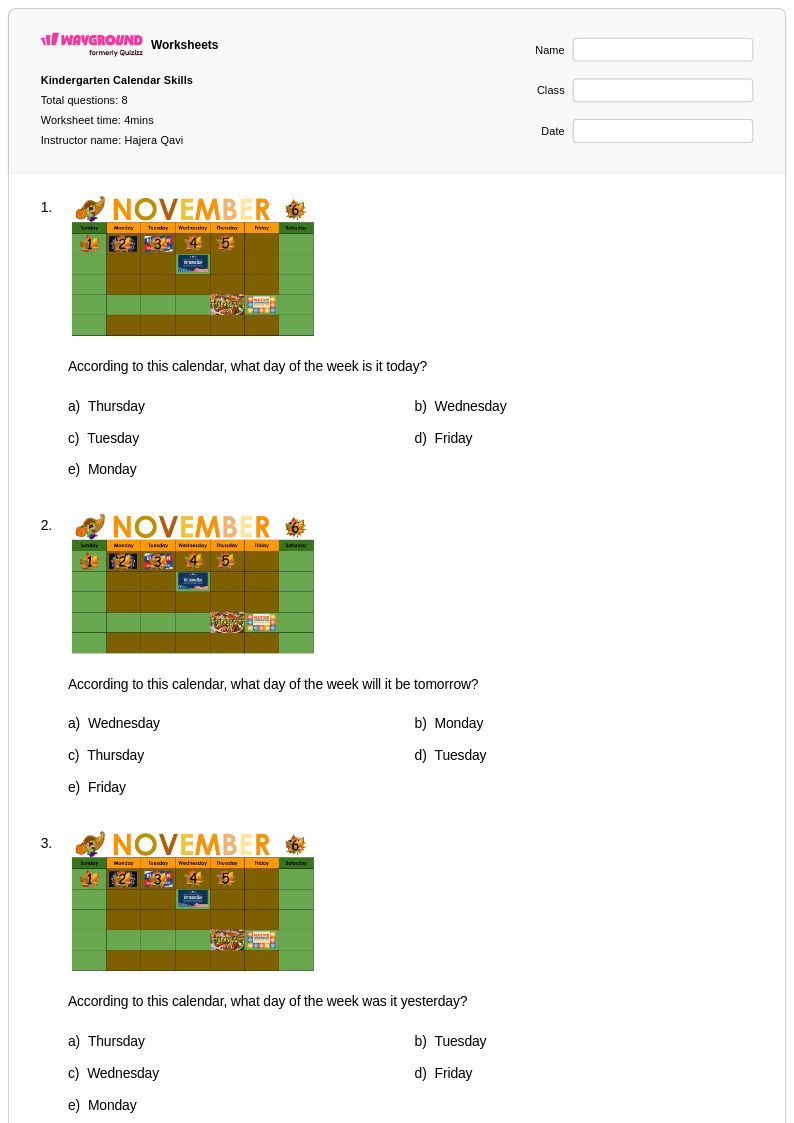
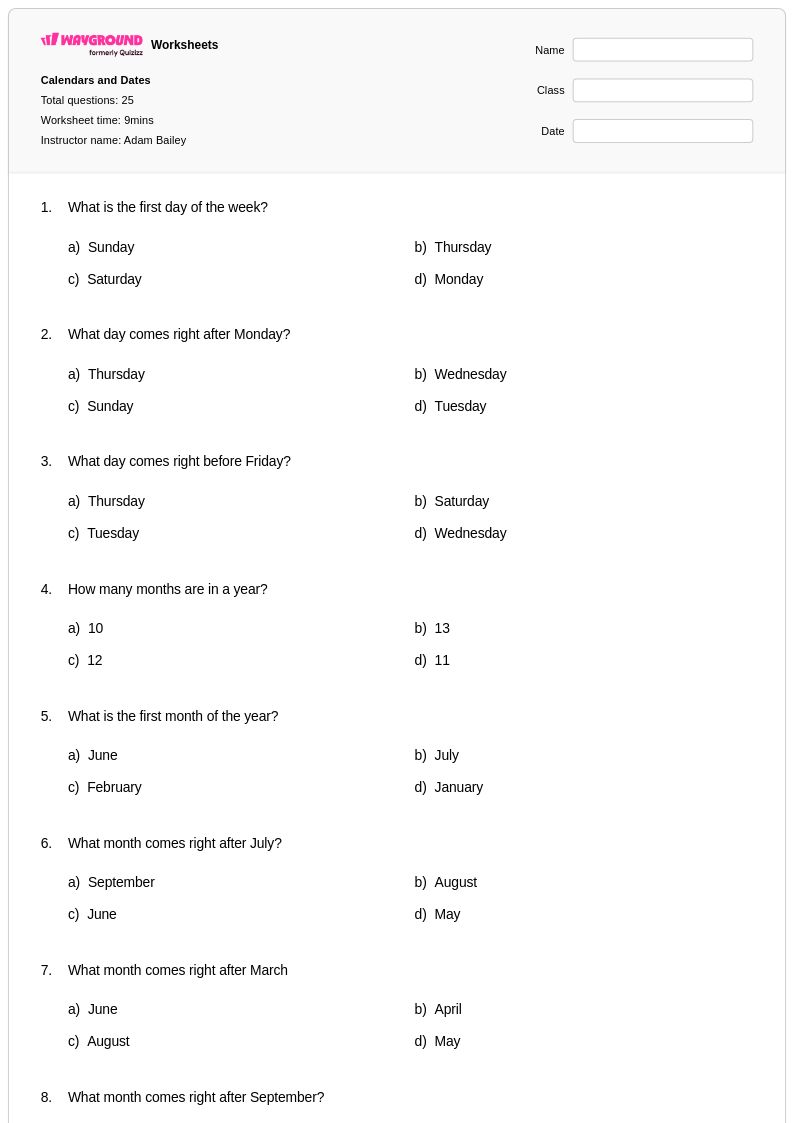
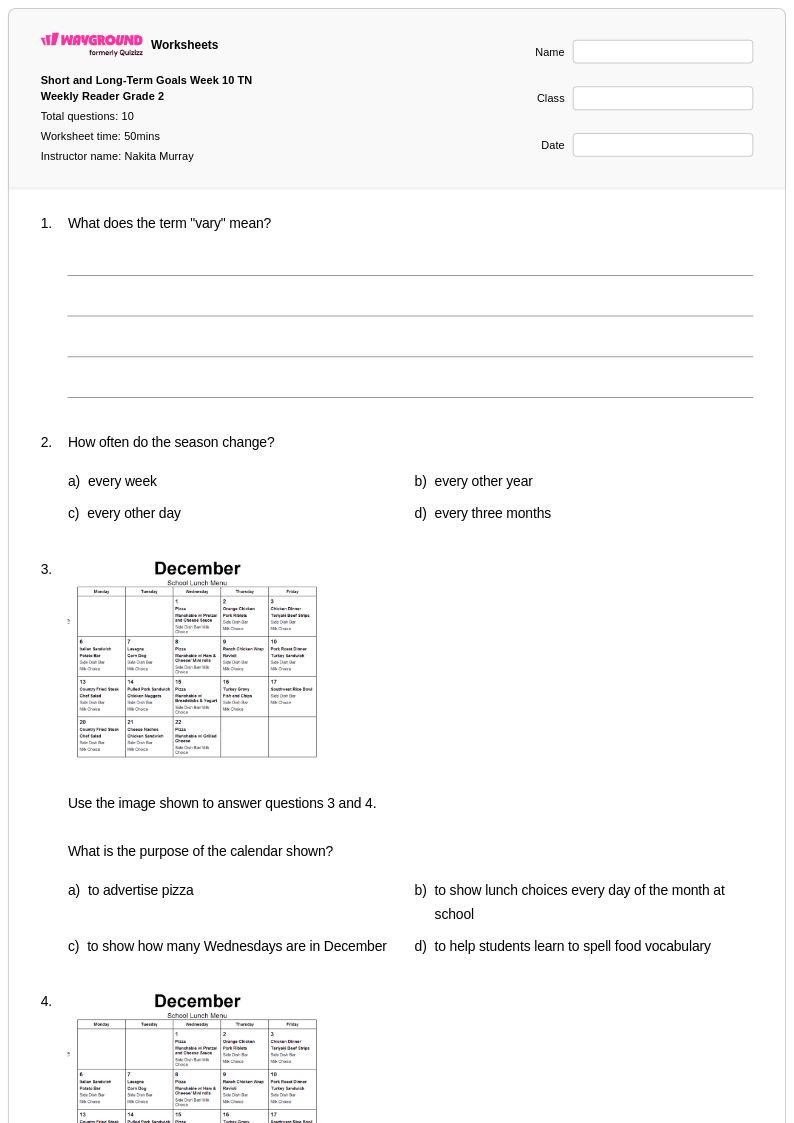
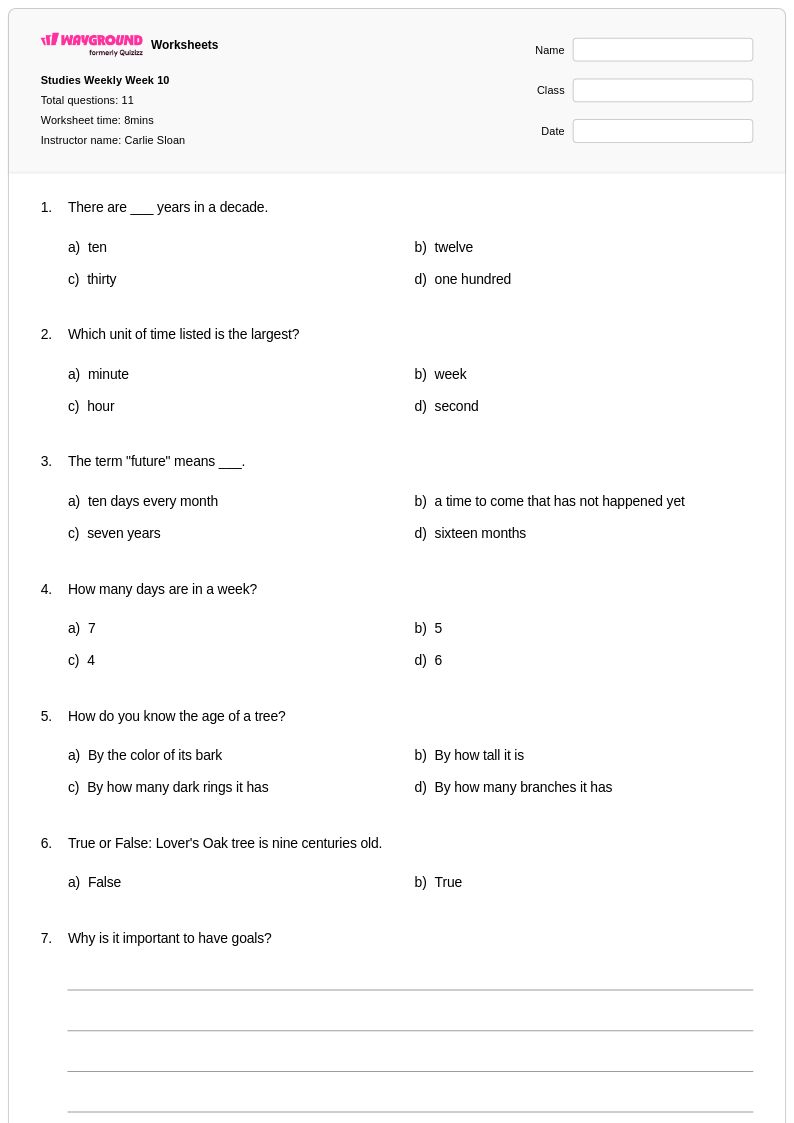
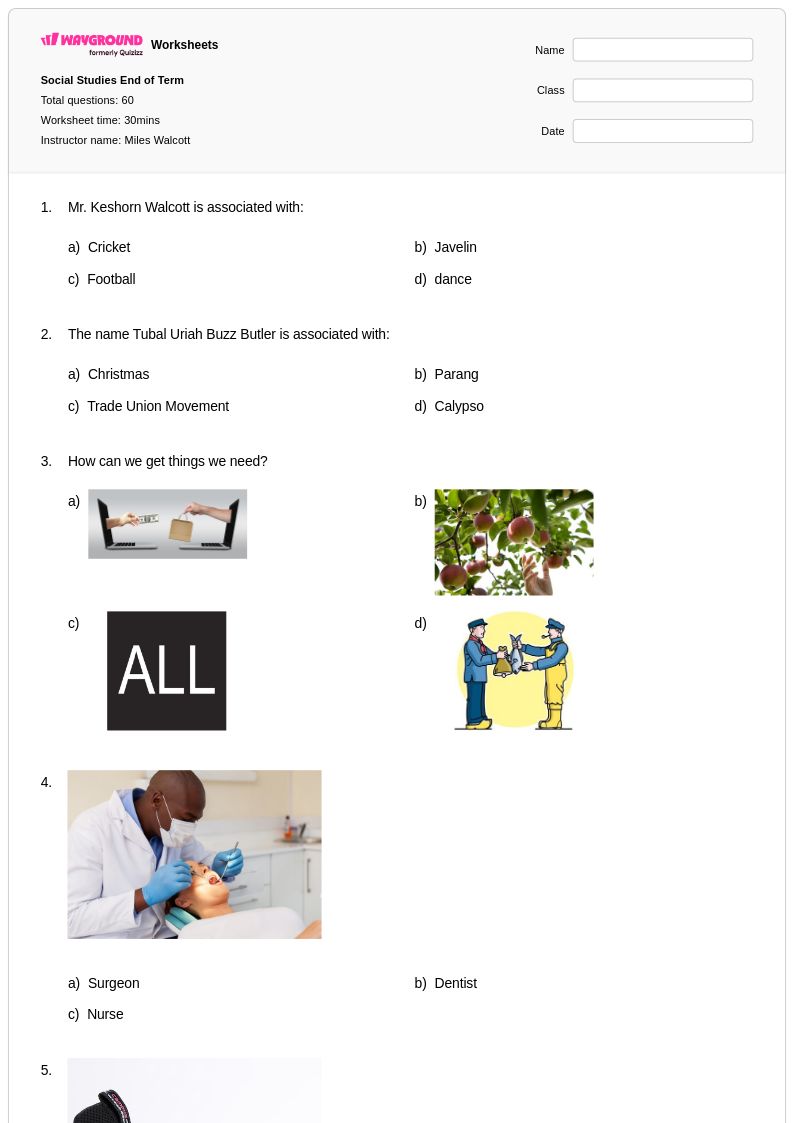
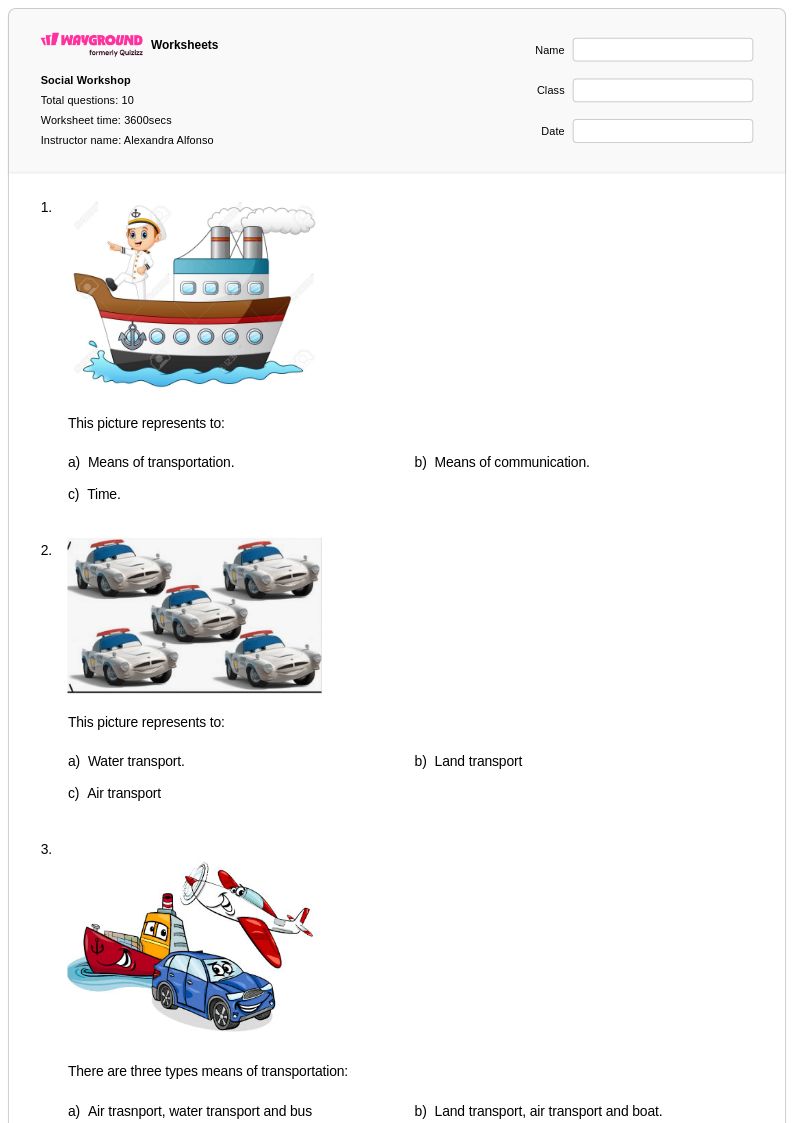
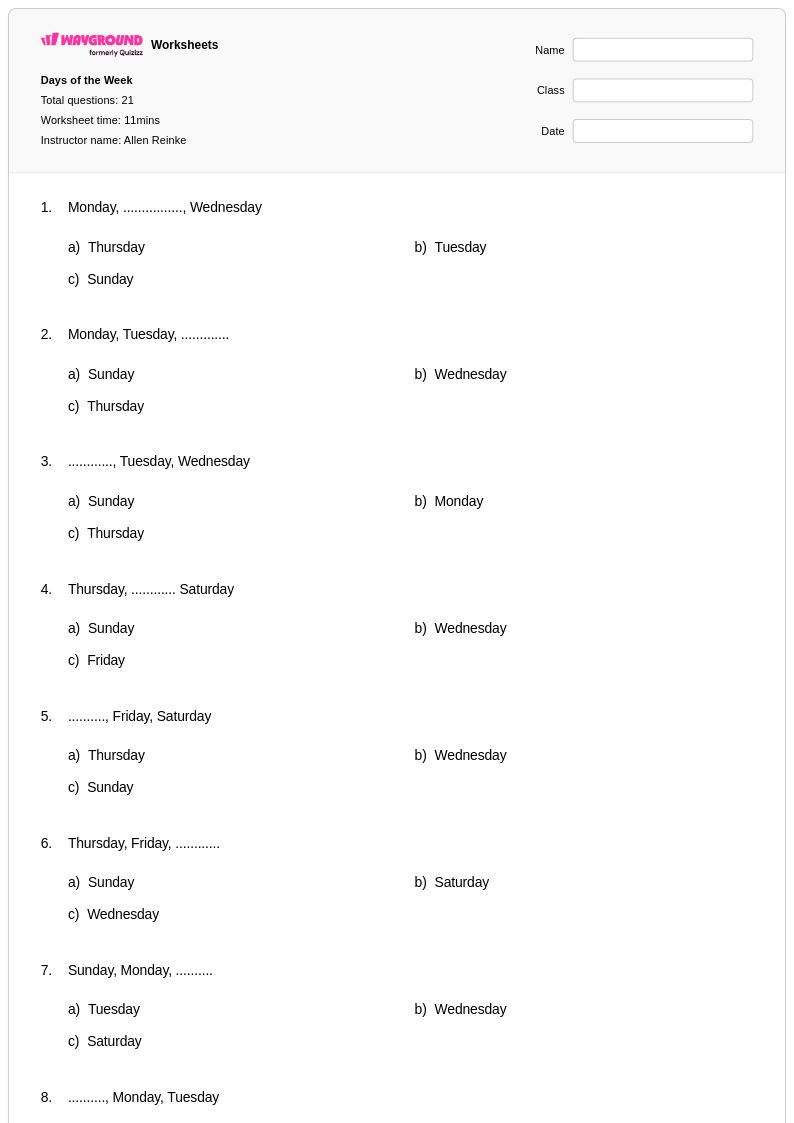
Ash Wednesday worksheets for Class 2 students provide an essential introduction to this significant religious observance within community and cultural studies. These educational materials help young learners understand the traditions, symbols, and meaning behind Ash Wednesday as it relates to different communities around the world. The worksheets strengthen critical thinking skills through age-appropriate practice problems that explore cultural diversity, religious traditions, and community celebrations. Students engage with printable activities that include matching exercises, simple comprehension questions, and creative drawing tasks, all designed to build cultural awareness and respect for different practices. Each worksheet comes with a comprehensive answer key, making it easy for educators to assess student understanding, and the free pdf format ensures accessibility for classroom use and home reinforcement.
Wayground, formerly Quizizz, supports Class 2 educators with an extensive collection of Ash Wednesday and cultural studies worksheets created by millions of teachers worldwide. The platform's robust search and filtering capabilities allow teachers to quickly locate materials that align with curriculum standards and match their students' specific learning needs. These resources offer exceptional differentiation tools, enabling educators to customize content for various ability levels within their classrooms, from remediation support for struggling learners to enrichment activities for advanced students. Available in both printable pdf format and interactive digital versions, these worksheets provide flexibility for diverse teaching environments and learning preferences. Teachers can efficiently plan engaging lessons that promote cultural understanding while using these resources for targeted skill practice, assessment preparation, and meaningful cross-curricular connections between social studies and character development.
FAQs
How do I teach Ash Wednesday in a classroom setting?
When teaching Ash Wednesday, ground the lesson in its historical and theological origins within Christianity before broadening to its cultural expressions across denominations and global communities. Framing the observance through the lens of ritual, symbolism, and community identity helps students connect the religious practice to larger social studies concepts like cultural literacy and tradition. Avoid presenting it as doctrine — instead, treat it as a case study in how religious observances shape and reflect community values.
What are good classroom activities for learning about Ash Wednesday?
Effective activities include comparative analysis tasks where students examine how different Christian denominations observe Ash Wednesday, as well as symbol-interpretation exercises that unpack the meaning of ash, fasting, and penitence. Discussion prompts that ask students to connect religious ritual to broader themes of community identity and cultural practice work well for building religious literacy without crossing into religious instruction. Worksheets that combine reading comprehension with reflection questions are particularly useful for reinforcing these concepts.
What common misconceptions do students have about Ash Wednesday?
A frequent misconception is that Ash Wednesday is universally observed by all Christians — in reality, the practice is most common in Catholic, Anglican, Lutheran, and some Methodist traditions, but not across all denominations. Students also often misunderstand the symbolism of ash, conflating it with mourning alone rather than recognizing its dual meaning of mortality and renewal. Addressing these misconceptions early helps students engage more accurately with cross-cultural comparisons of faith traditions.
How can I use Ash Wednesday worksheets to build cultural competency?
Ash Wednesday worksheets that ask students to compare ritual practices across denominations and regions help develop the analytical habits central to cultural competency — observing difference without judgment, identifying shared human patterns, and contextualizing belief within community. Pairing these worksheets with brief primary or secondary source readings deepens the exercise from surface-level identification to genuine critical thinking. This approach aligns naturally with social studies standards around cultures and community.
How do I use Ash Wednesday worksheets from Wayground in my class?
Ash Wednesday worksheets on Wayground are available as printable PDFs for traditional classroom use and in digital formats for technology-integrated environments, including the option to host them as a quiz directly on the Wayground platform. Answer keys are included with each worksheet, supporting both guided instruction and independent or homework-based learning. Teachers can use the platform's search and filtering tools to find materials that align with specific curriculum standards, and built-in differentiation tools allow customization for students at different ability levels.