Free Printable Seven Gifts of the Holy Spirit Worksheets for Class 2
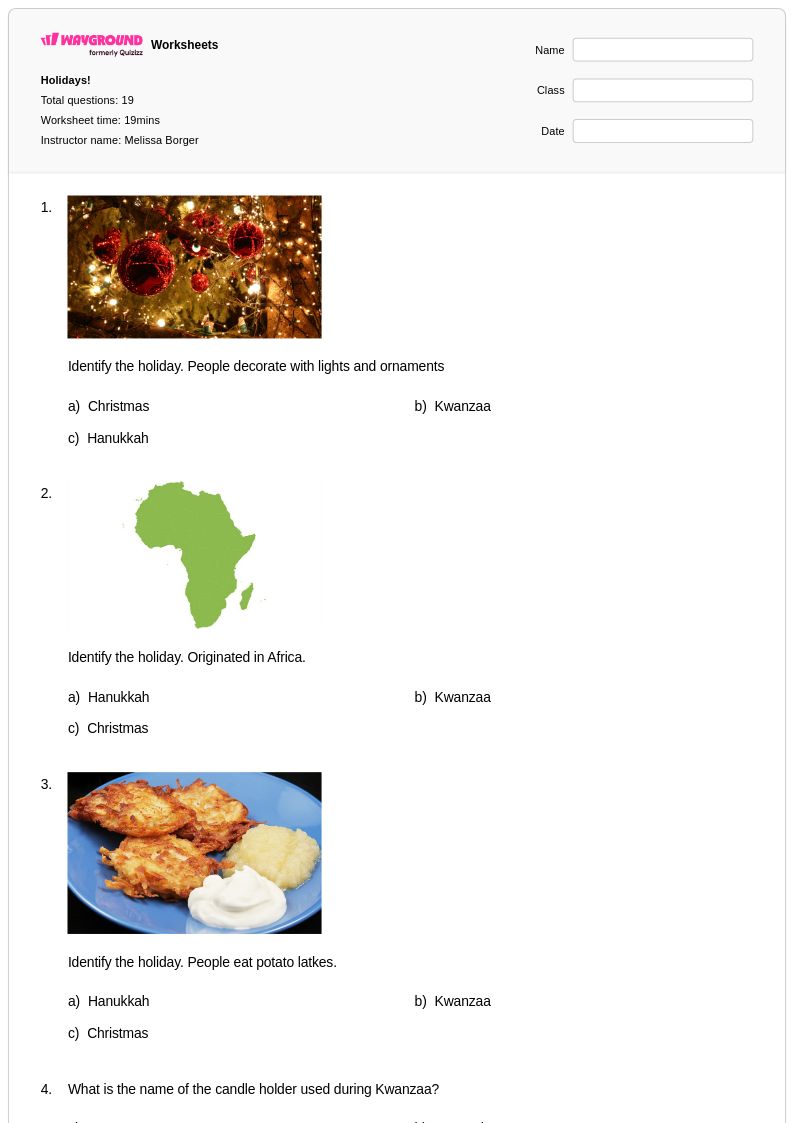
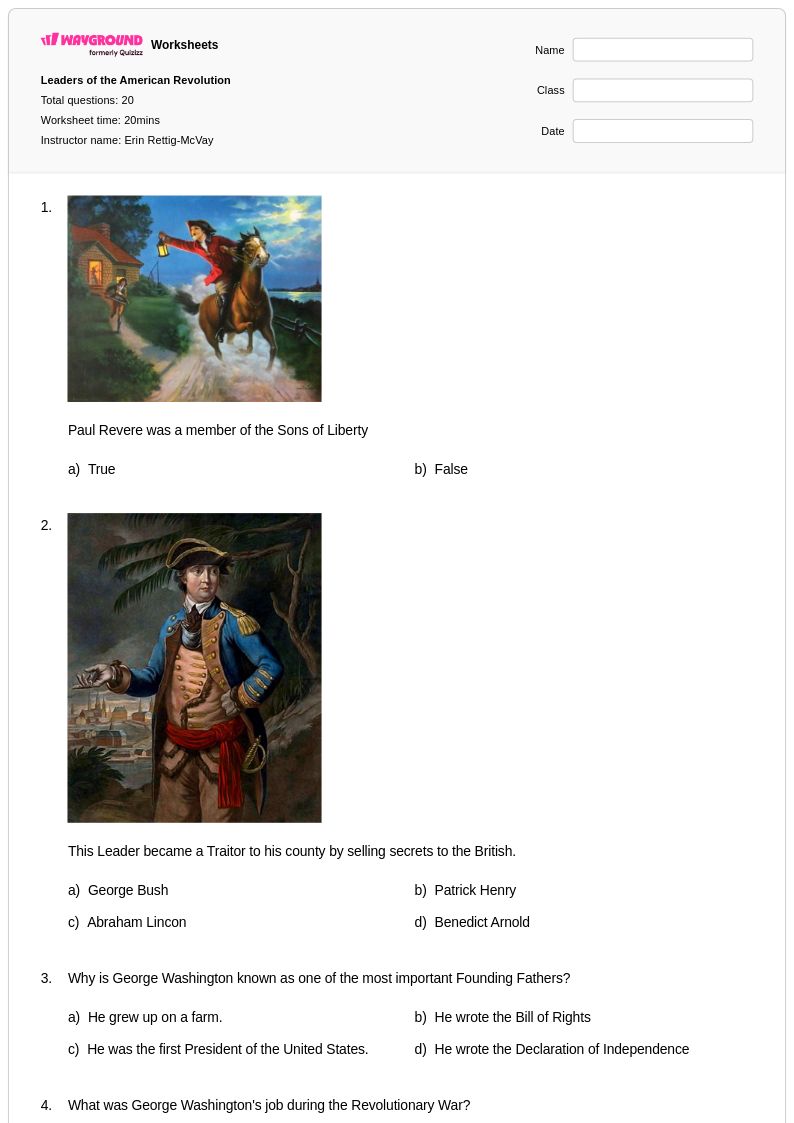
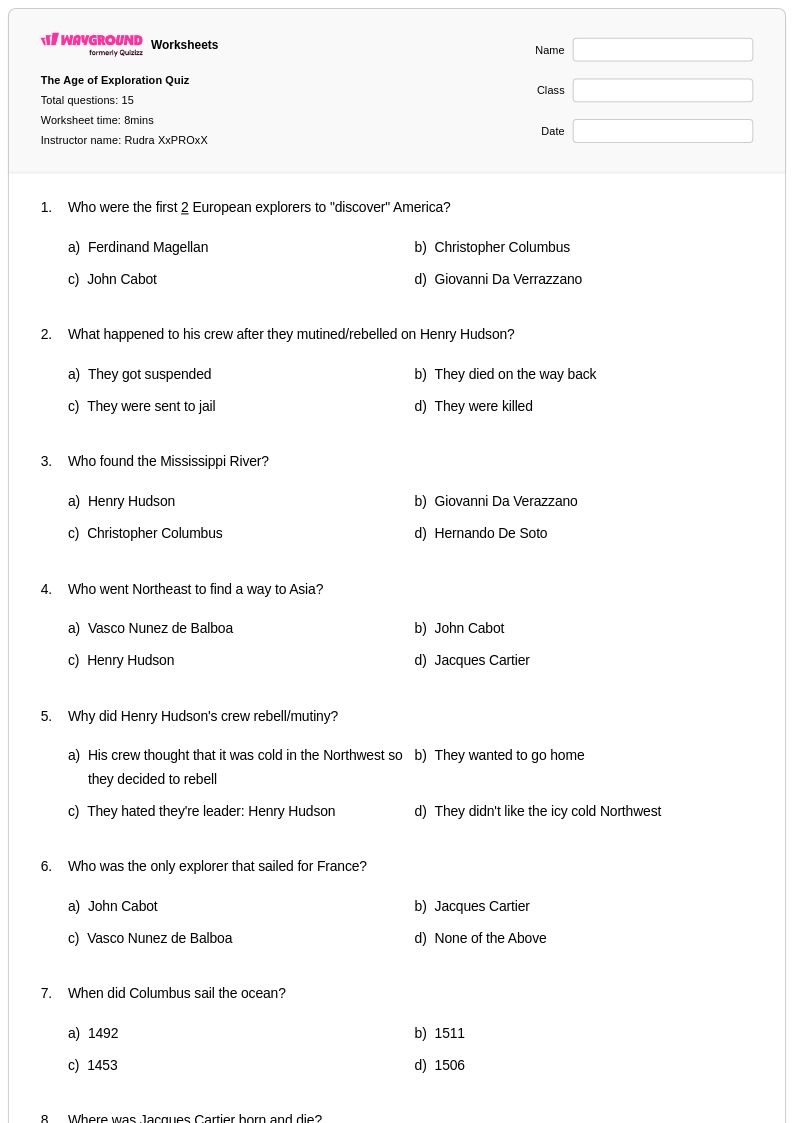
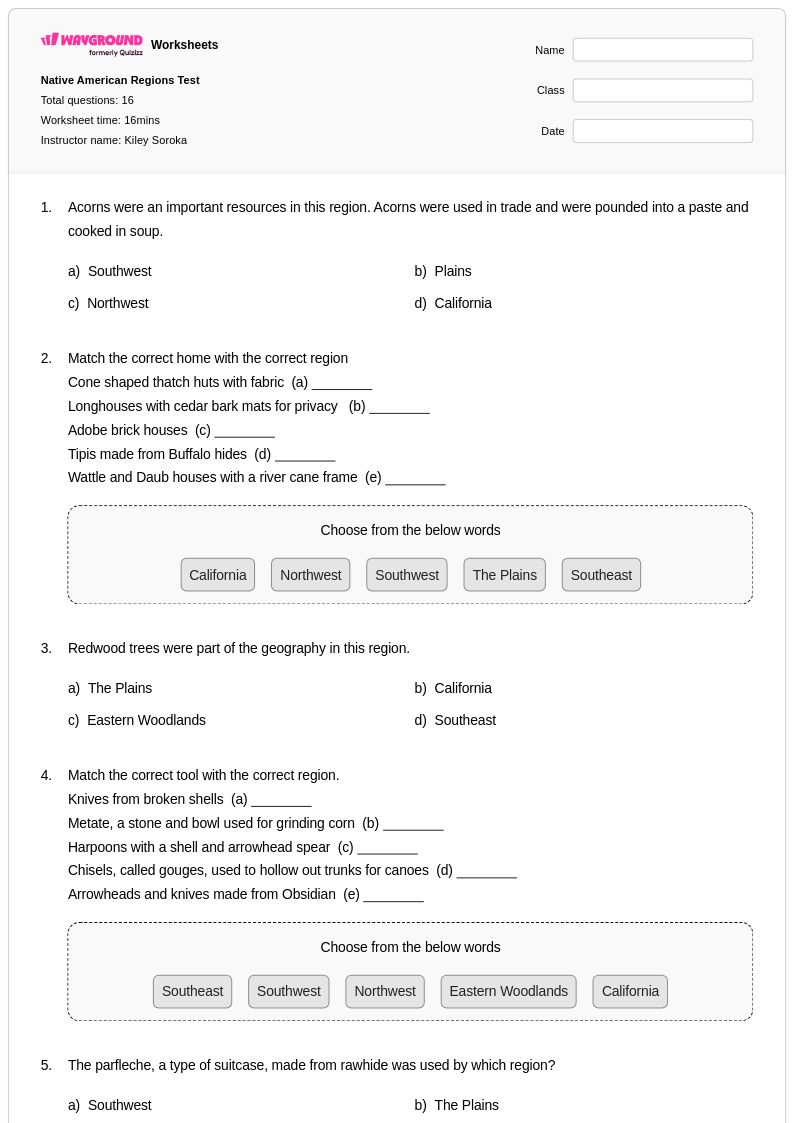
Discover free Class 2 Seven Gifts of the Holy Spirit worksheets and printables from Wayground that help students explore these sacred spiritual gifts through engaging practice problems and activities with complete answer keys.
Explore printable Seven Gifts of the Holy Spirit worksheets for Class 2
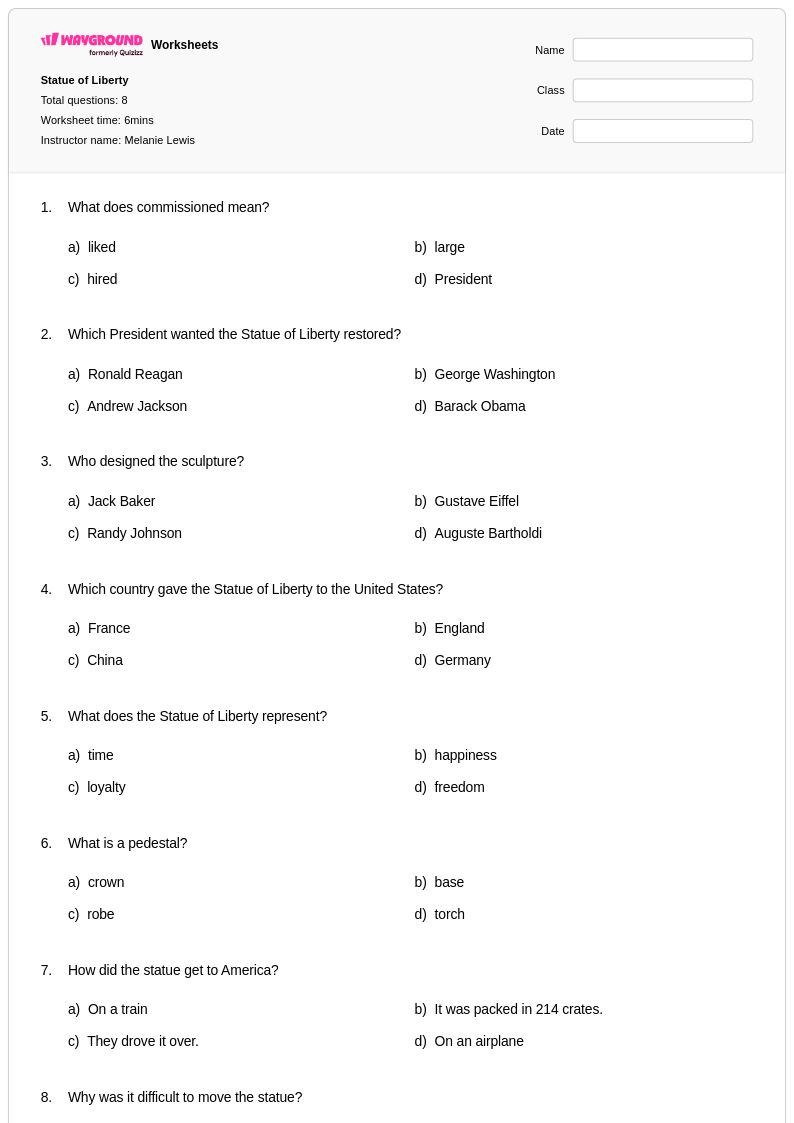
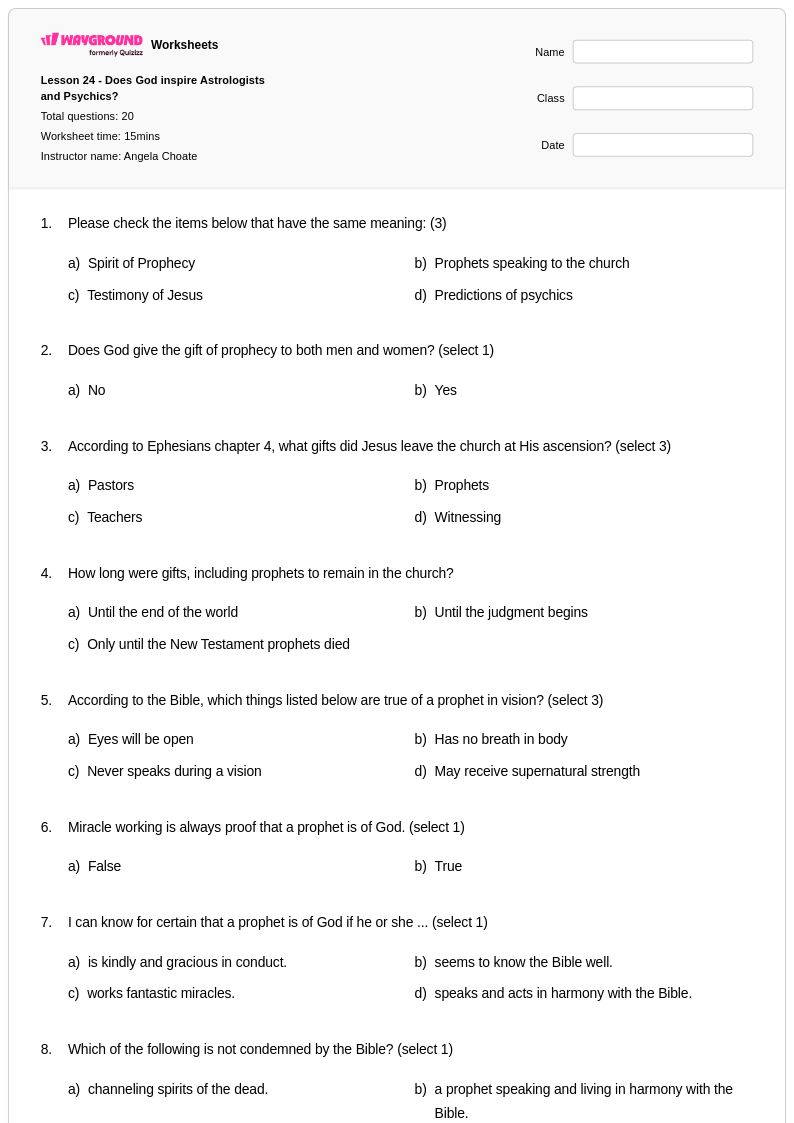
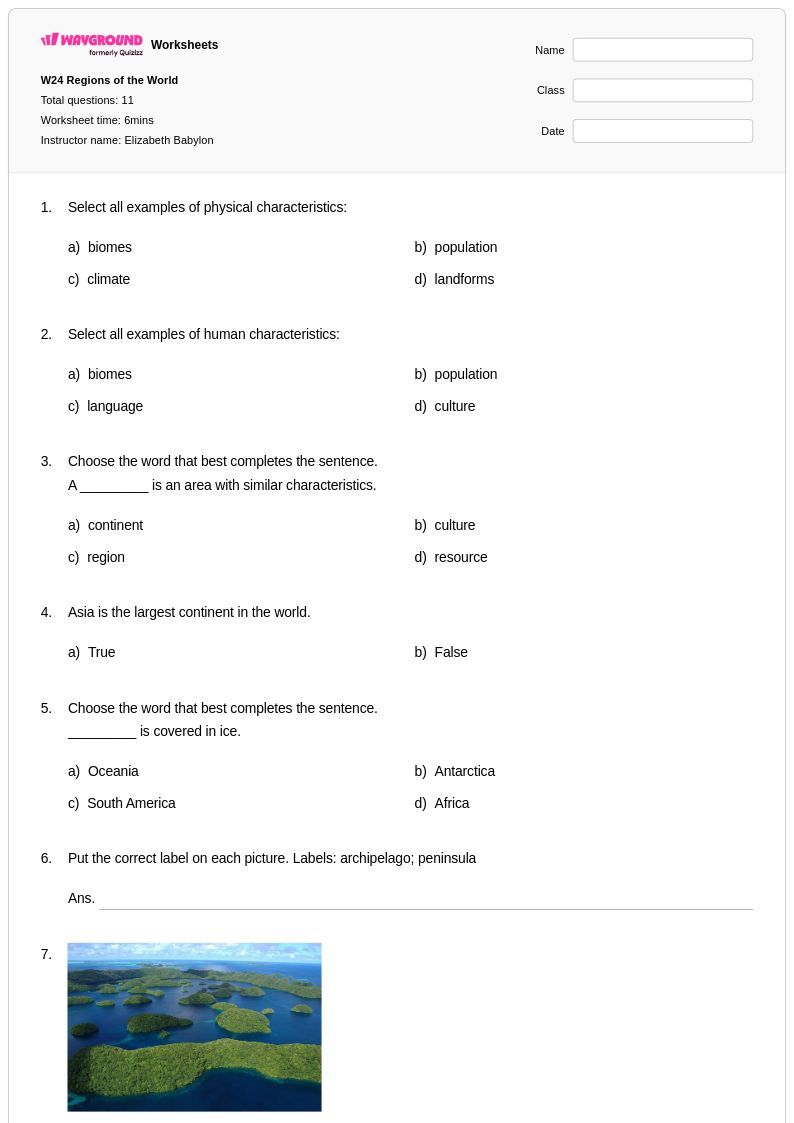
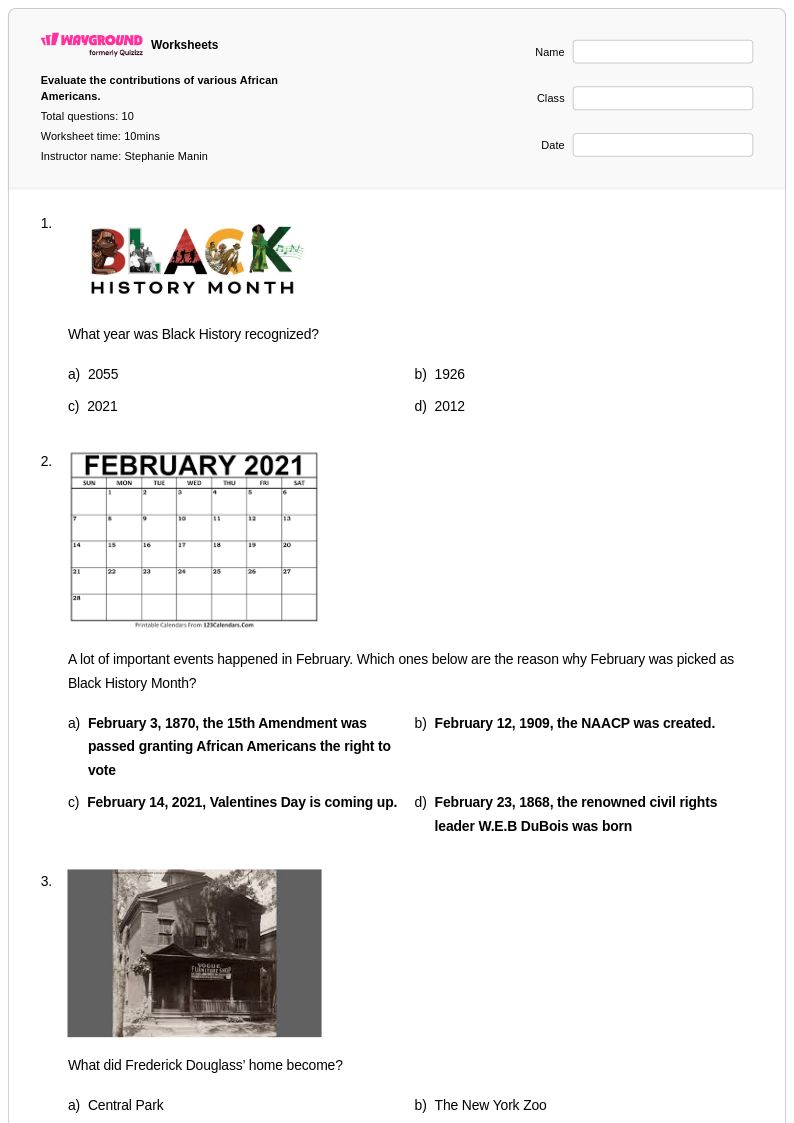
The Seven Gifts of the Holy Spirit worksheets for Class 2 students available through Wayground provide an engaging introduction to this foundational Catholic teaching within the broader context of community and cultures study. These carefully designed printables help young learners identify and understand the seven gifts of wisdom, understanding, counsel, fortitude, knowledge, piety, and fear of the Lord while connecting these spiritual concepts to their everyday lives and communities. The worksheets strengthen essential skills including reading comprehension, vocabulary development, and critical thinking as students explore how these divine gifts manifest in different cultural contexts and community relationships. Each resource includes comprehensive answer keys and practice problems that allow teachers to assess student understanding while providing free access to high-quality educational materials that support both religious education and social studies curriculum objectives.
Wayground's extensive collection of teacher-created resources supports educators with millions of differentiated materials specifically designed for Seven Gifts of the Holy Spirit instruction across various learning levels and cultural backgrounds. The platform's robust search and filtering capabilities enable teachers to quickly locate standards-aligned worksheets that can be customized to meet diverse classroom needs, whether for remediation, enrichment, or regular skill practice. These flexible resources are available in both printable pdf formats for traditional classroom use and digital formats for interactive learning experiences, making lesson planning more efficient and accessible. Teachers can easily adapt these materials to accommodate different learning styles and cultural perspectives, ensuring that all Class 2 students can successfully engage with this important religious and cultural content while developing their understanding of how spiritual gifts strengthen communities across different traditions and backgrounds.
FAQs
How do I teach the Seven Gifts of the Holy Spirit to students?
Teaching the Seven Gifts of the Holy Spirit is most effective when each gift is examined individually before connecting them as a unified framework for Christian living. Start by defining each gift — wisdom, understanding, counsel, fortitude, knowledge, piety, and fear of the Lord — and then ask students to identify real-life examples of each in action within their community or in scripture. Connecting each gift to character traits and relational values helps students internalize why these gifts matter beyond theological memorization.
What exercises help students practice and remember the Seven Gifts of the Holy Spirit?
Structured worksheets that ask students to match each gift to its definition, identify examples in scripture or daily life, and reflect on how each gift shapes personal and community behavior are among the most effective practice formats. Fill-in-the-blank activities and short-answer reflection prompts reinforce retention while encouraging deeper engagement with the meaning behind each gift. Repeated low-stakes practice across multiple formats helps students move from memorization to genuine understanding.
What mistakes do students commonly make when learning the Seven Gifts of the Holy Spirit?
A frequent misconception is confusing the Seven Gifts of the Holy Spirit with the Fruits of the Holy Spirit — students often conflate the two lists or treat them interchangeably. Another common error is treating the gifts as abstract theological terms rather than active dispositions that shape character and decision-making. Teachers should address both misunderstandings directly by clearly distinguishing the two lists and consistently anchoring each gift to concrete, relatable examples.
How does studying the Seven Gifts of the Holy Spirit connect to community and cultural values?
The Seven Gifts of the Holy Spirit are understood in Catholic tradition not only as personal spiritual endowments but as dispositions that shape how individuals relate to others and contribute to community life. Gifts like counsel, piety, and fortitude directly influence how people navigate relationships, moral decisions, and cultural responsibilities. Worksheets that situate the gifts within community and cultures studies help students see how spiritual values intersect with civic and interpersonal life across different cultural contexts.
How can I use Seven Gifts of the Holy Spirit worksheets in my classroom?
Seven Gifts of the Holy Spirit worksheets on Wayground are available as printable PDFs for traditional classroom use and in digital formats for technology-integrated or hybrid learning environments, including the option to host them as a quiz on Wayground. Teachers can use these materials for direct instruction, independent practice, small group discussion, or formative assessment. For students who need additional support, Wayground's accommodation tools — including read aloud, extended time, and reduced answer choices — can be applied individually so every student accesses the content appropriately.
How do I differentiate Seven Gifts of the Holy Spirit instruction for students at different skill levels?
Differentiation for this topic typically means adjusting the complexity of reflection prompts and the level of scaffolding provided — some students may need definitions pre-filled while others benefit from open-ended analysis tasks. On Wayground, teachers can apply student-level accommodations such as reduced answer choices to lower cognitive load for struggling learners, or extended time for students who need additional processing support. These settings are saved per student and reusable across future sessions, making differentiation sustainable rather than one-time.