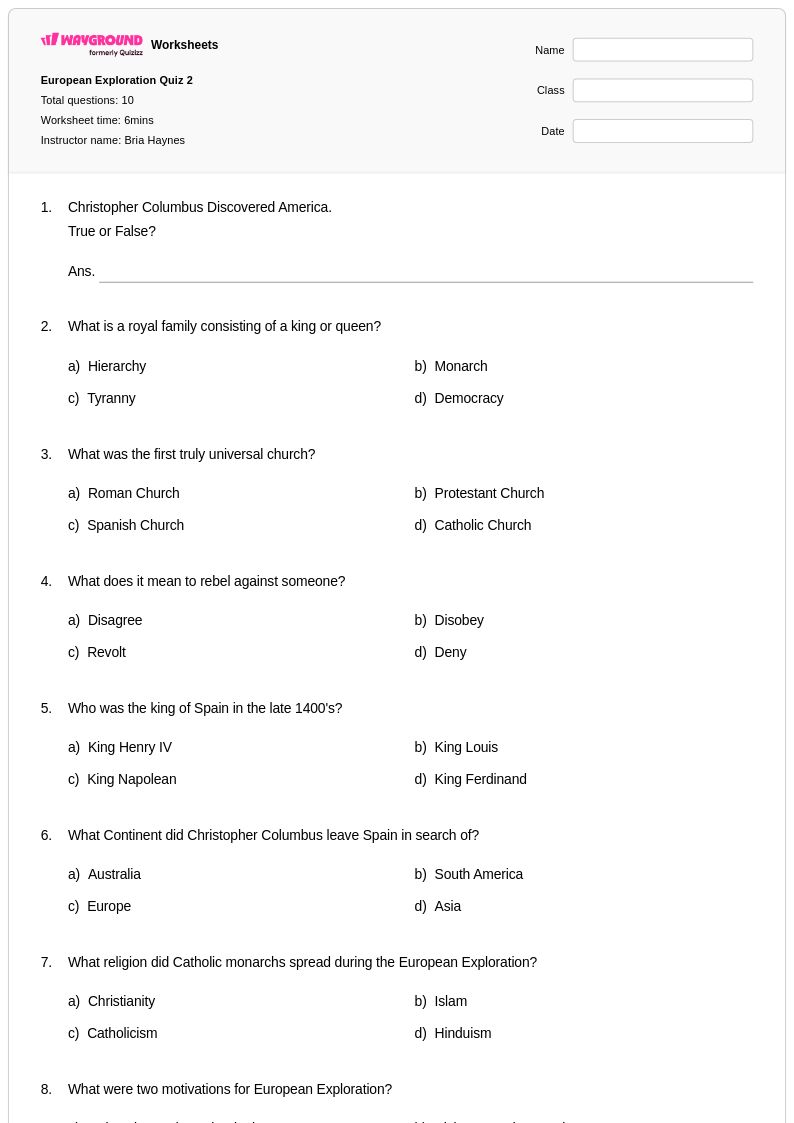
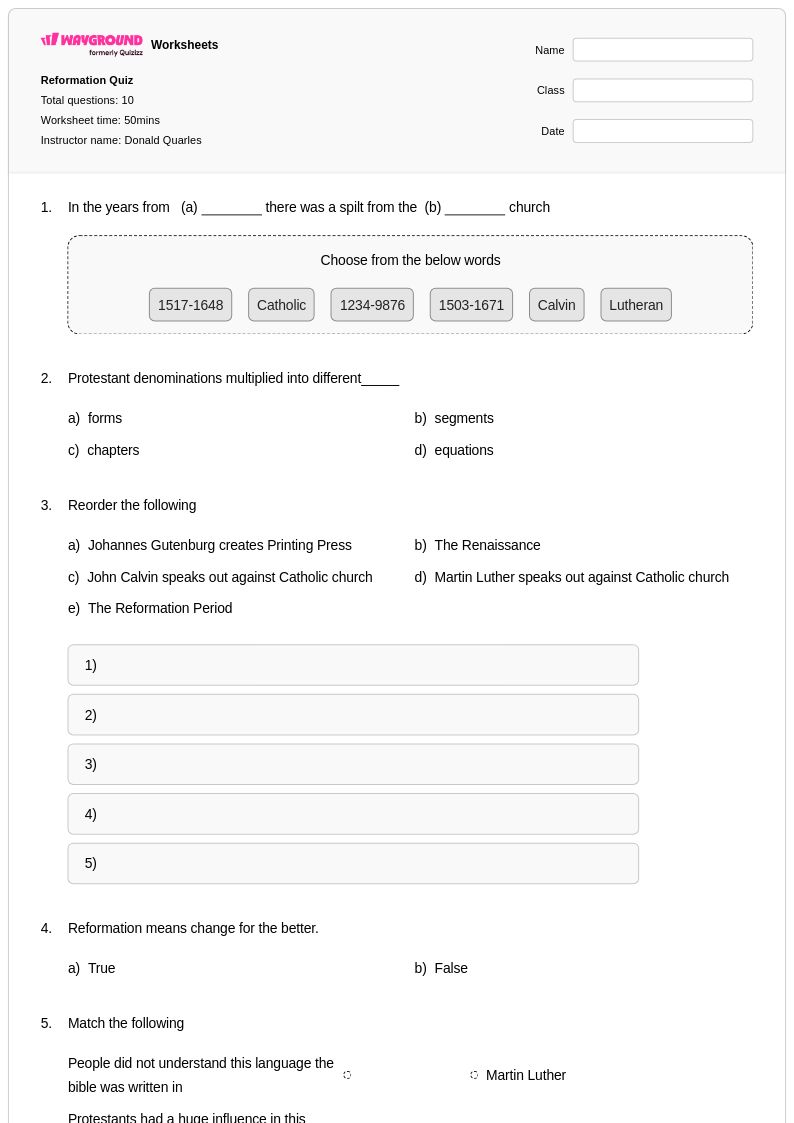
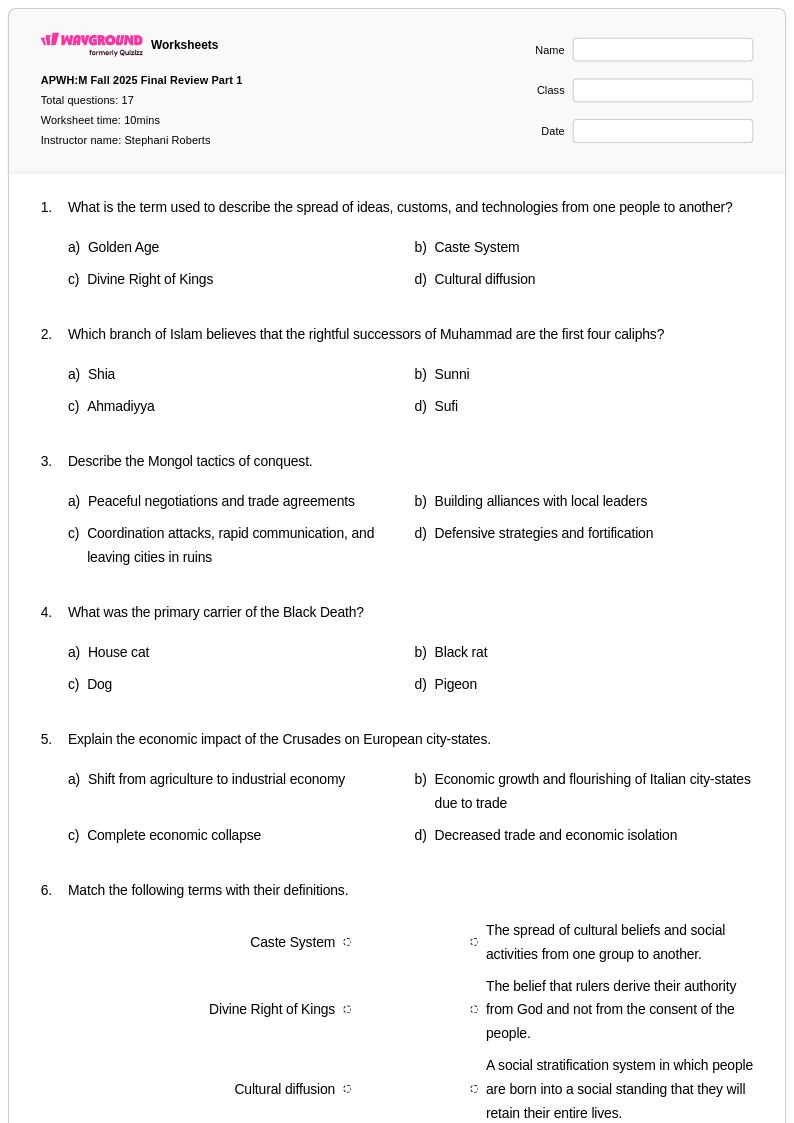
Free Printable Catholic Church Hierarchy worksheets
Explore Wayground's free Catholic Church Hierarchy worksheets and printables that help students understand religious organizational structures, leadership roles, and ecclesiastical systems through engaging practice problems with comprehensive answer keys.
Explore printable Catholic Church Hierarchy worksheets
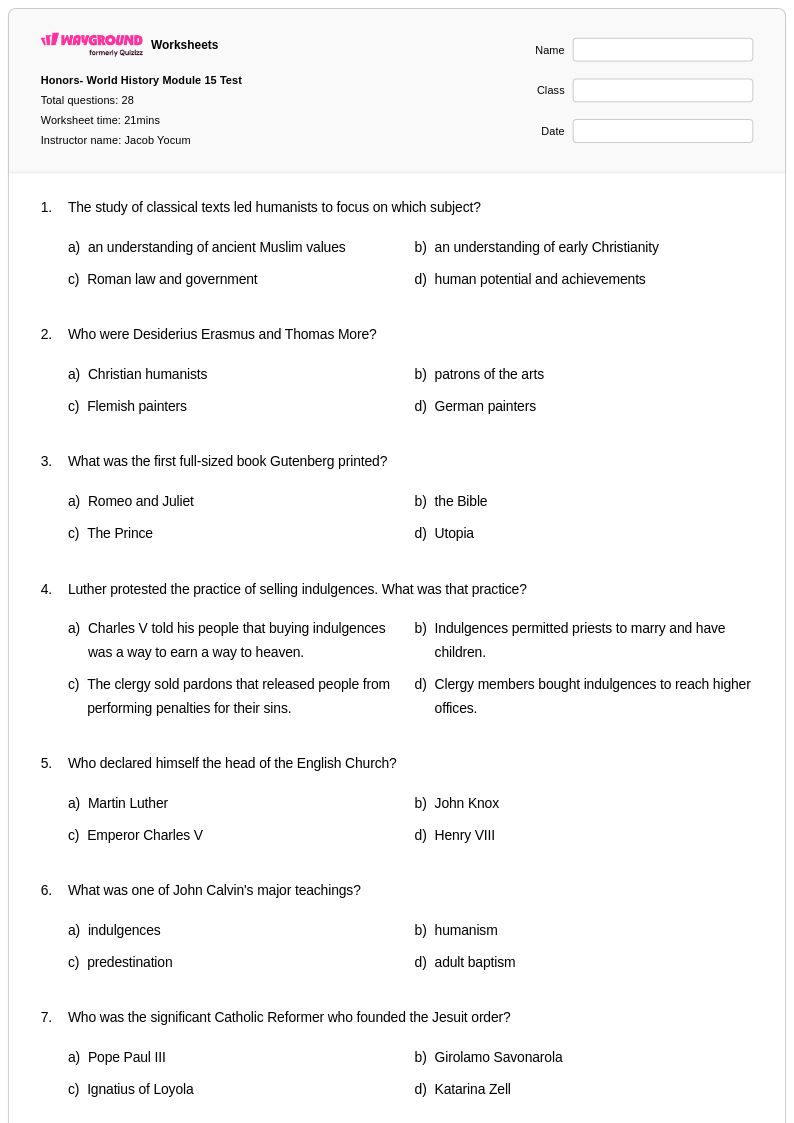
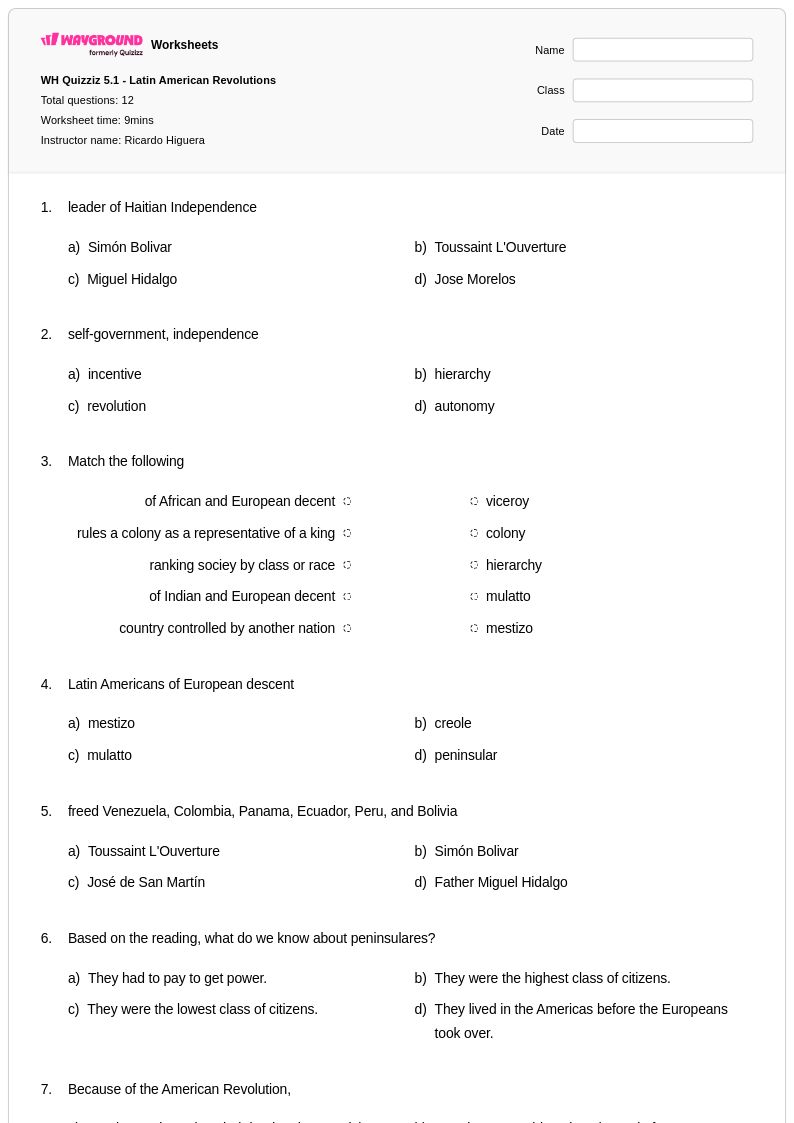
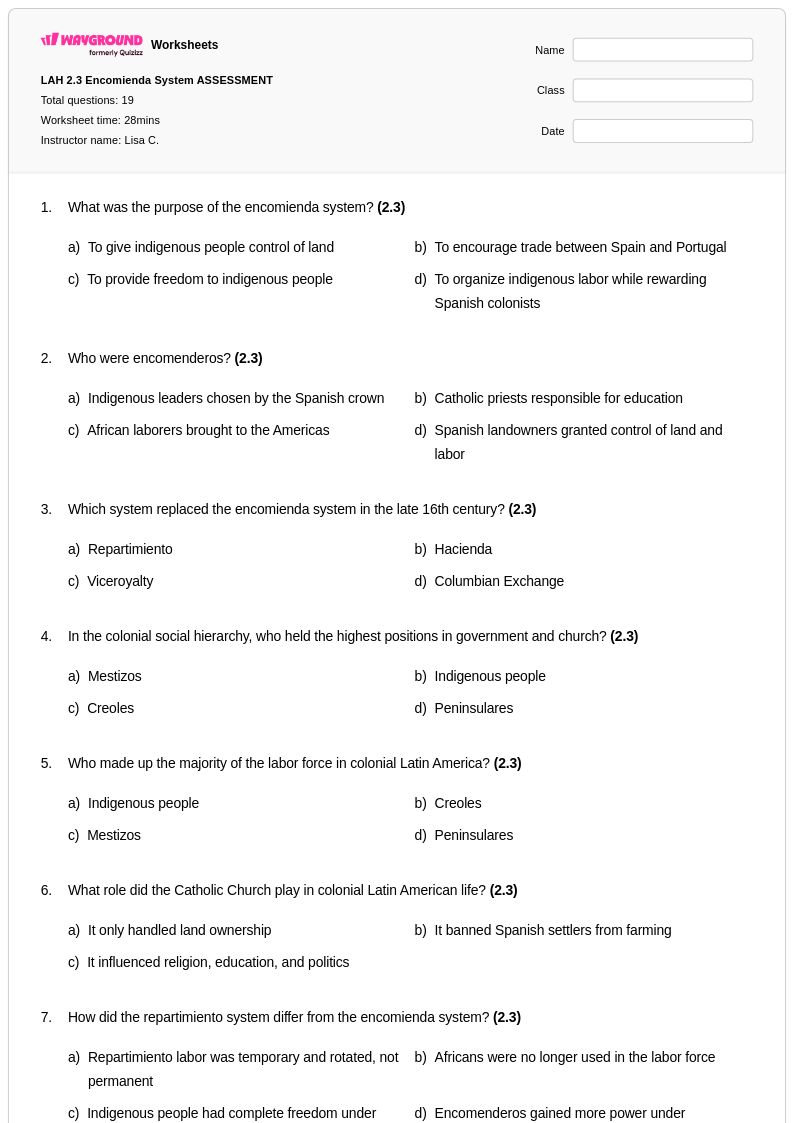
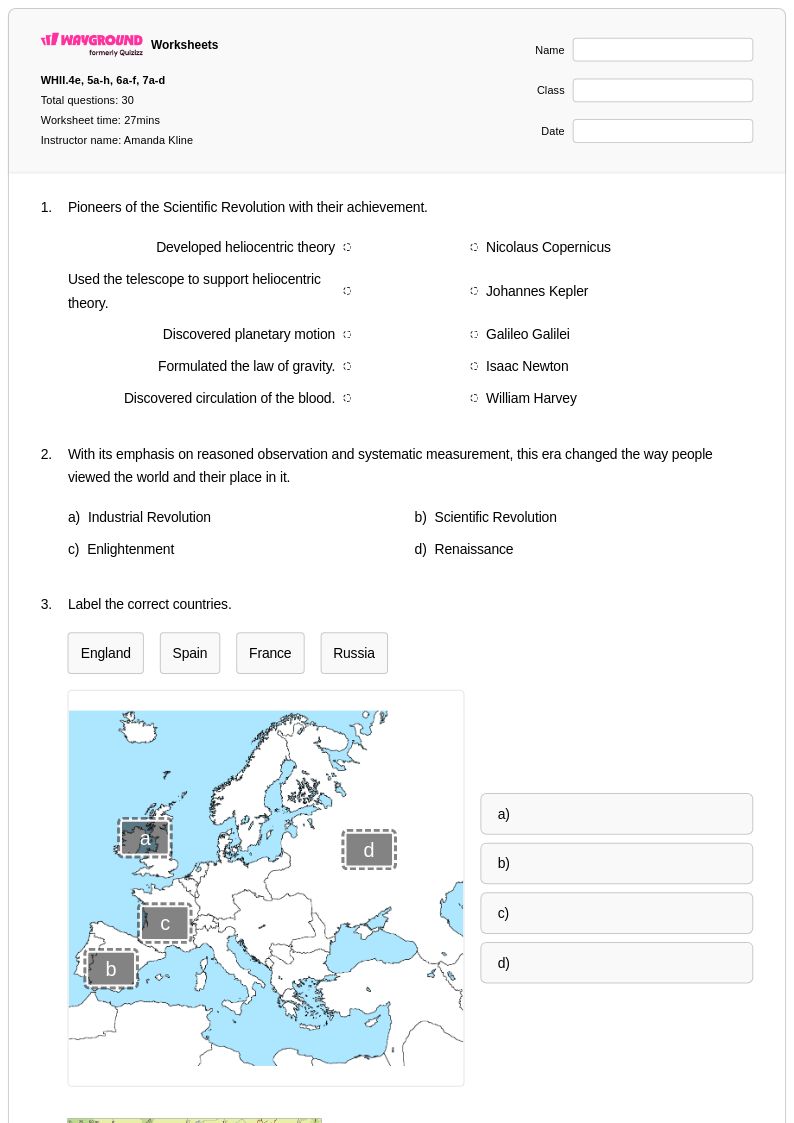
Catholic Church Hierarchy worksheets available through Wayground (formerly Quizizz) provide comprehensive educational resources that help students understand the complex organizational structure of the Roman Catholic Church within social studies curricula. These expertly designed worksheets guide learners through the various levels of church leadership, from the Pope and Cardinals down to parish priests and deacons, enabling students to grasp how religious institutions function as influential social and cultural organizations. The practice problems incorporated into these materials strengthen critical thinking skills as students analyze the roles, responsibilities, and relationships between different positions in the ecclesiastical hierarchy. Each worksheet comes with a detailed answer key to support both independent study and classroom instruction, and the free printables are available in convenient PDF format for immediate classroom use.
Wayground (formerly Quizizz) empowers educators with access to millions of teacher-created resources focused on Catholic Church Hierarchy, complete with robust search and filtering capabilities that allow instructors to quickly locate materials aligned with specific learning objectives and educational standards. The platform's differentiation tools enable teachers to customize worksheets for varying ability levels, ensuring that all students can engage meaningfully with concepts related to religious organizational structures and their impact on communities and cultures. These flexible resources are available in both printable and digital formats, including downloadable PDFs, making them ideal for diverse classroom environments and teaching approaches. Whether used for initial instruction, skill practice, remediation, or enrichment activities, these Catholic Church Hierarchy worksheets support comprehensive lesson planning while helping students develop a nuanced understanding of how religious institutions shape social and cultural dynamics throughout history and in contemporary society.
FAQs
How do I teach Catholic Church hierarchy in a social studies class?
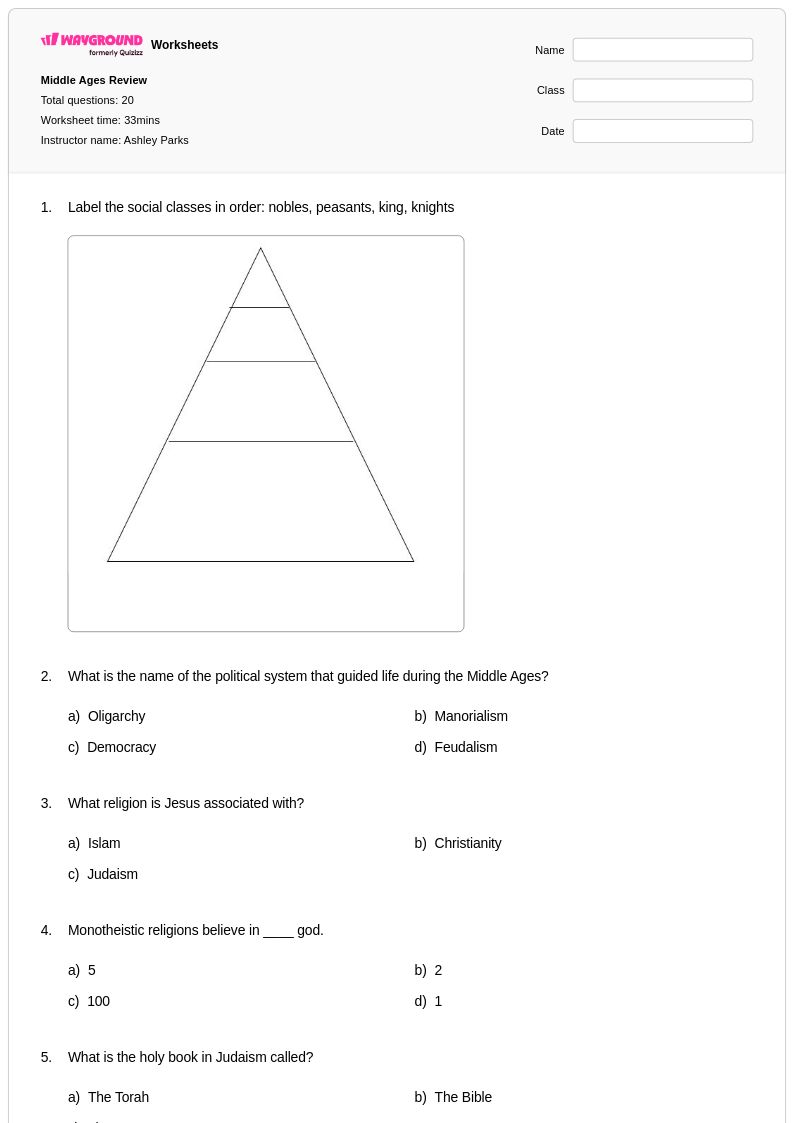
Teaching Catholic Church hierarchy works best when students can visualize the organizational structure as a pyramid, starting with the Pope at the apex and moving down through Cardinals, Bishops, Priests, and Deacons. Connecting each leadership role to a concrete responsibility, such as the Pope's authority over doctrine or a Bishop's oversight of a diocese, helps students understand why the structure exists rather than just memorizing titles. Pairing this with comparisons to other hierarchical institutions, like government or military structures, builds transferable analytical skills in social studies contexts.
What exercises help students practice identifying levels of the Catholic Church hierarchy?
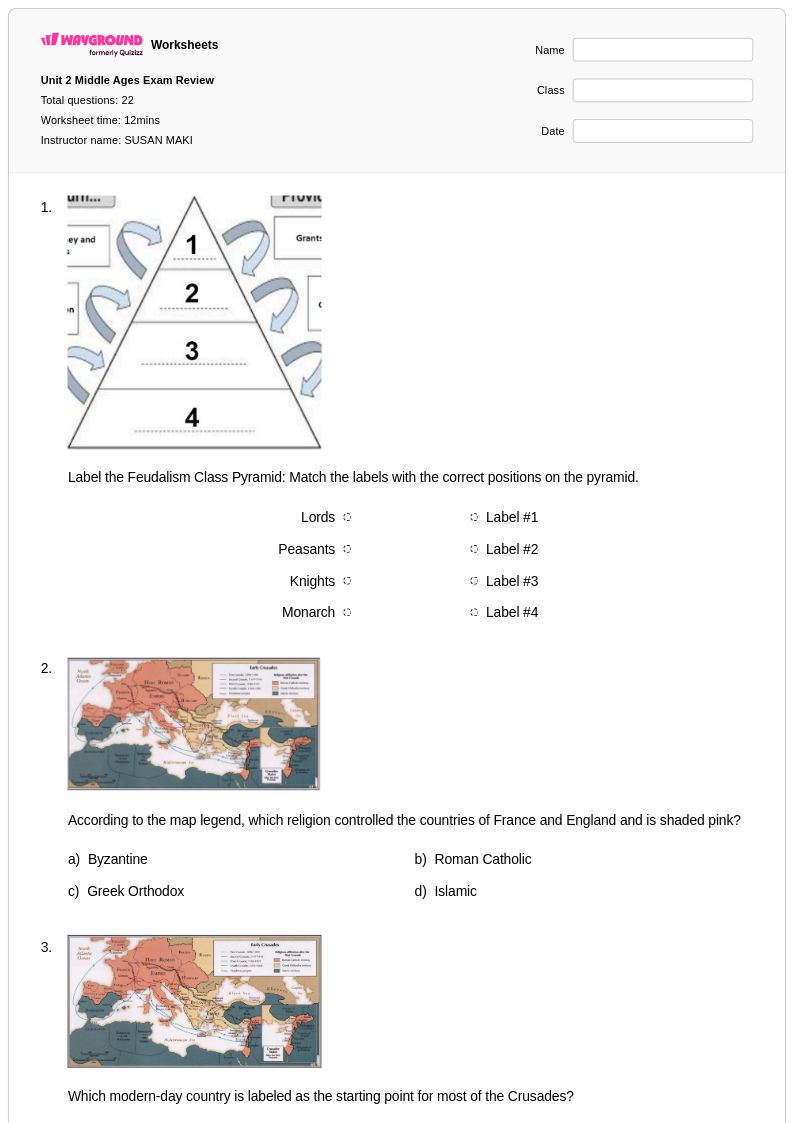
Labeling diagrams of the ecclesiastical pyramid, matching leadership titles to their roles and responsibilities, and sequencing levels from highest to lowest authority are all effective practice formats for this topic. Fill-in-the-blank exercises that require students to recall the function of each position, not just its name, push beyond rote memorization toward conceptual understanding. These worksheet-based activities give students repeated exposure to the vocabulary and structure needed to analyze religious institutions as social and cultural organizations.
What common mistakes do students make when learning about Catholic Church hierarchy?
Students frequently conflate titles that sound similar, such as confusing the roles of Cardinals and Bishops, or mistakenly assuming all Bishops hold equal authority without accounting for the distinction between Archbishops and regional Bishops. Another common error is treating the hierarchy as purely administrative rather than understanding that each level carries theological significance and defined spiritual responsibilities. Students also tend to underestimate the scope of the Pope's authority, often limiting it to ceremonial functions rather than recognizing his doctrinal and jurisdictional role over the global Church.
How can I use Catholic Church hierarchy worksheets to support different ability levels in my classroom?
Differentiation is essential when teaching ecclesiastical structures because the vocabulary and organizational complexity can be a barrier for struggling learners while advanced students may need more analytical challenge. Wayground supports student-level accommodations including Read Aloud for students who need audio support, reduced answer choices to lower cognitive load for selected students, and extended time settings that can be applied individually without alerting the rest of the class. These settings are reusable across sessions and can be configured from the Students tab or Classes tab, making it practical to maintain differentiated instruction consistently.
How do I use Catholic Church hierarchy worksheets from Wayground in my classroom?
Wayground's Catholic Church Hierarchy worksheets are available as printable PDFs for traditional classroom use and in digital formats for technology-integrated environments, including the option to host them as a live quiz directly on the Wayground platform. Teachers can assign worksheets for direct instruction, independent practice, or review, and each worksheet includes a complete answer key to streamline grading and support self-directed learning. The platform's search and filtering tools make it straightforward to locate materials aligned with specific learning objectives within social studies curricula.
Why is understanding Catholic Church hierarchy important in social studies?
The organizational structure of the Catholic Church is one of the longest-standing institutional hierarchies in human history, making it a meaningful case study for understanding how religious organizations function as social and cultural forces. Analyzing the roles of the Pope, Cardinals, Bishops, and parish-level clergy helps students see how centralized authority, regional governance, and local community leadership interact within a single institution. This understanding builds transferable analytical skills that apply to studying other religious, governmental, and civic organizations across world history and contemporary society.