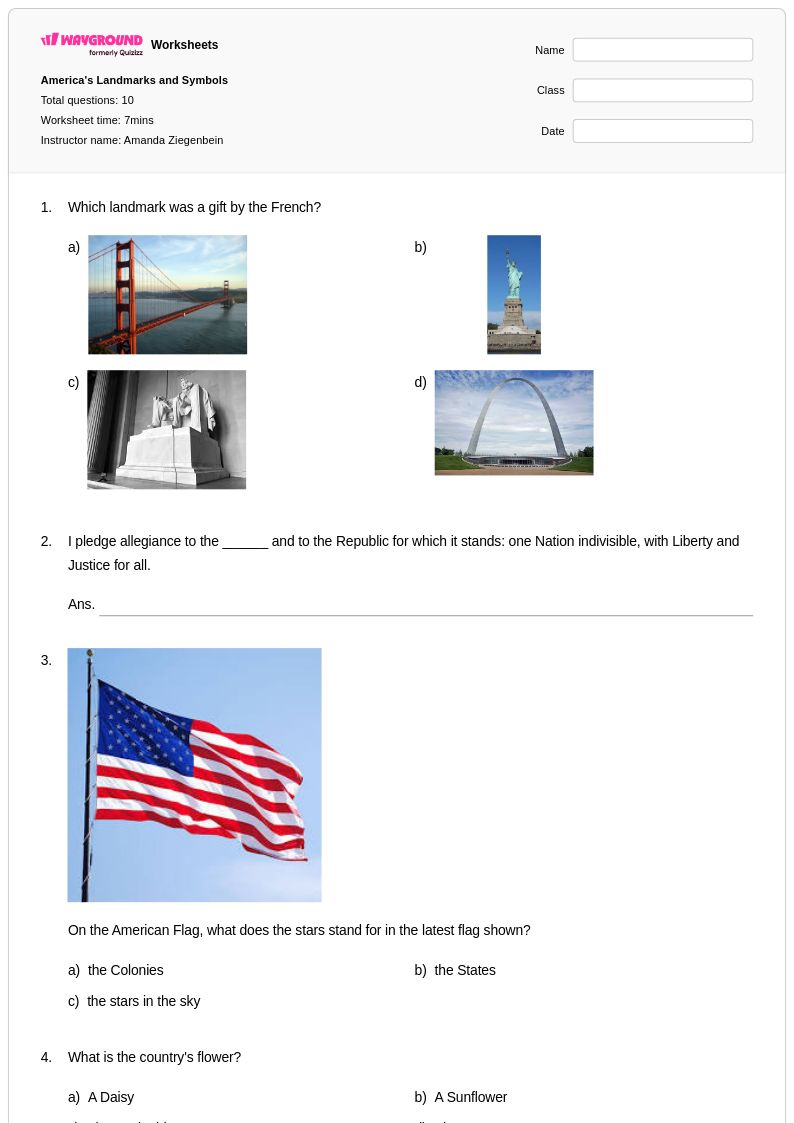
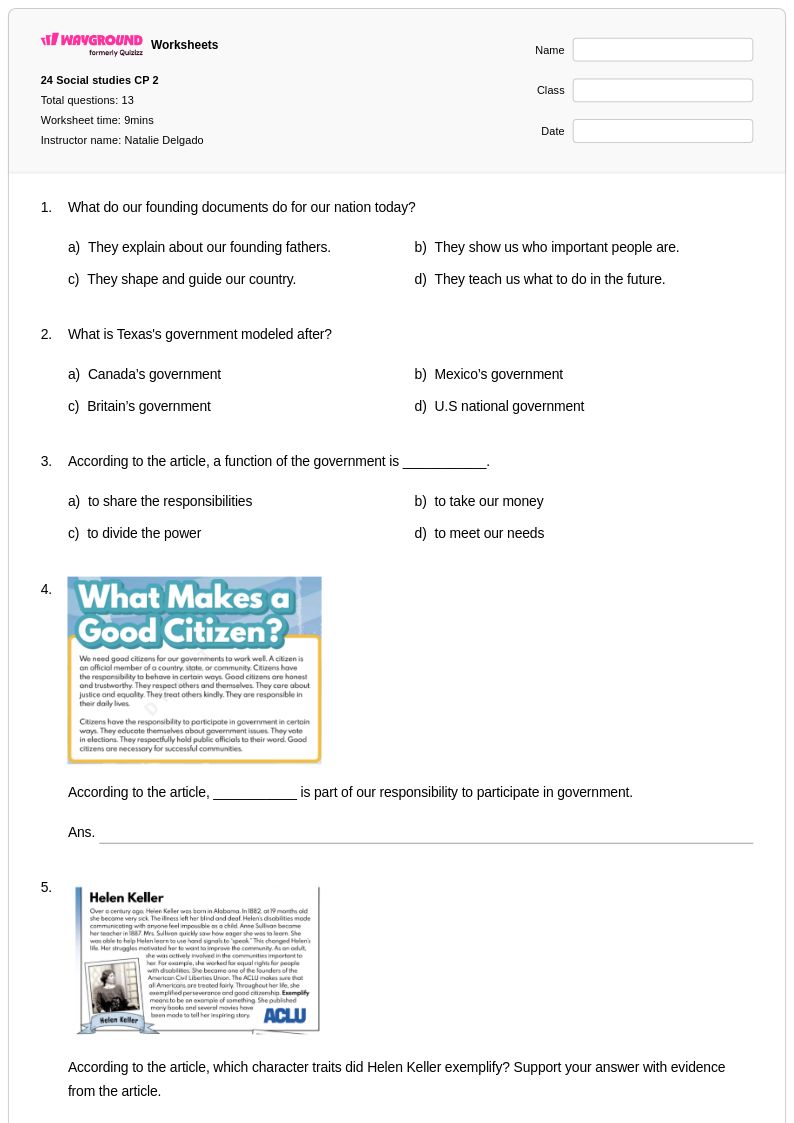
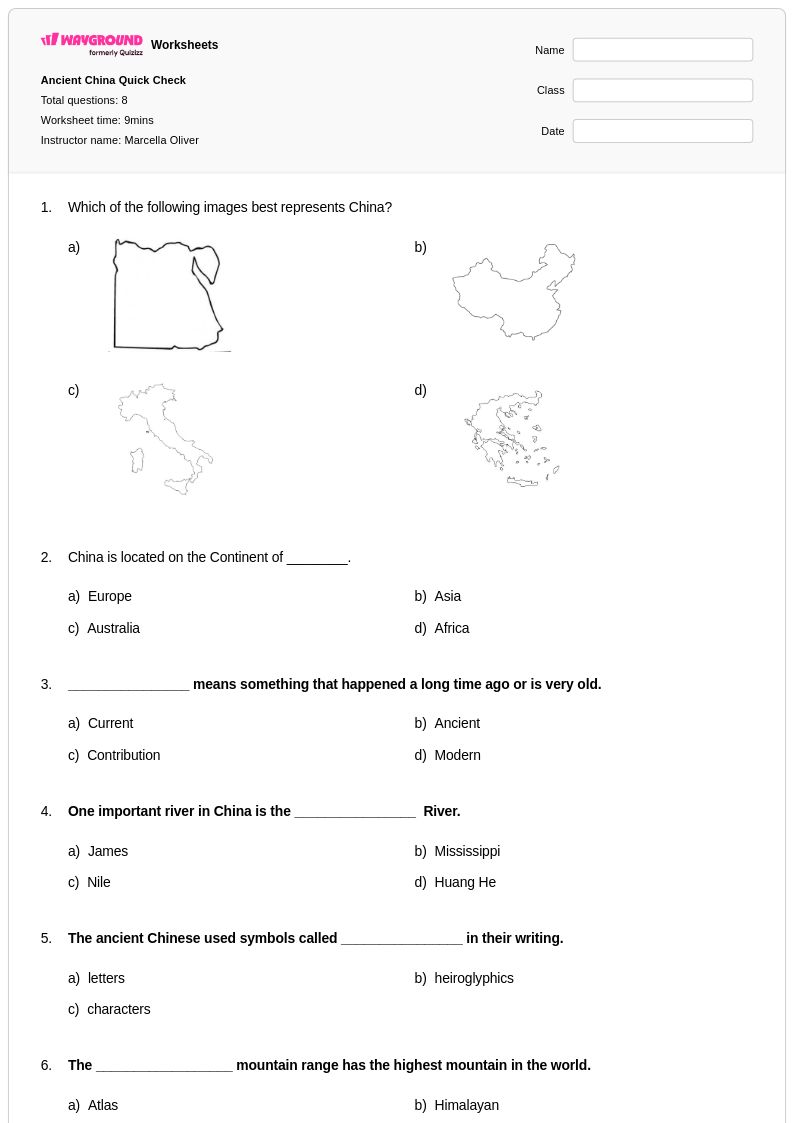
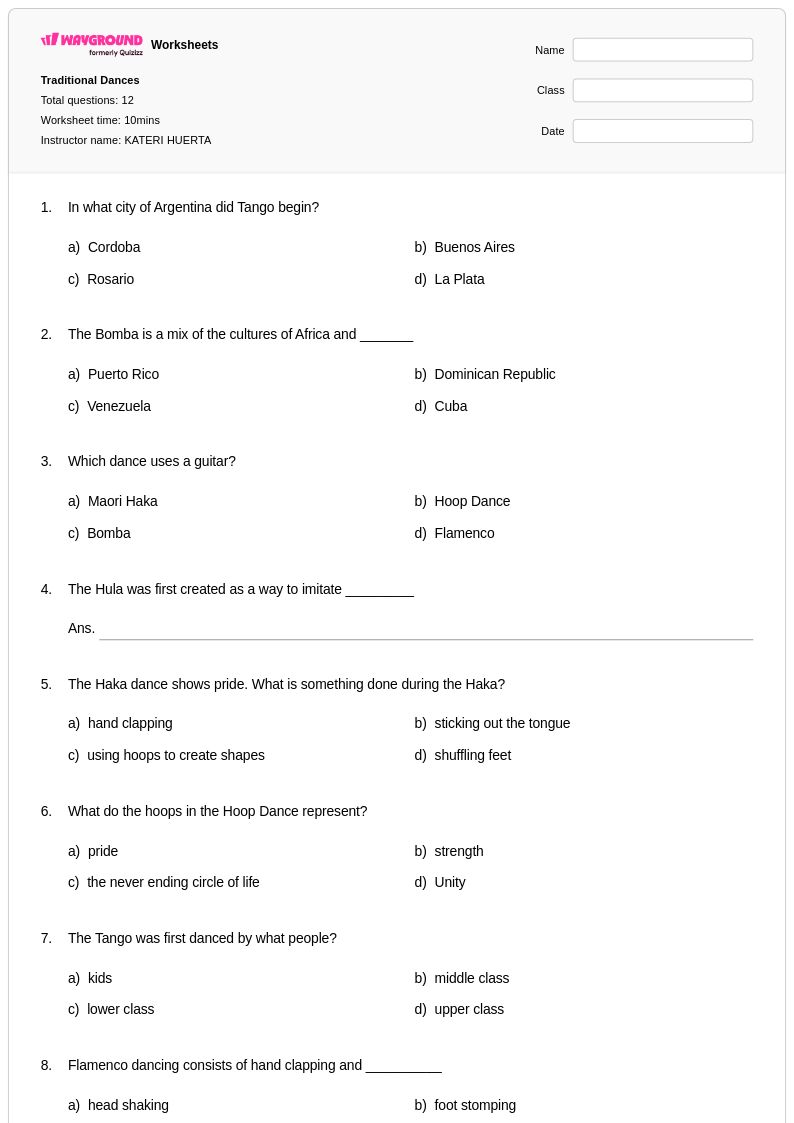
Free Printable Character Strengths Worksheets for Class 3
Explore Class 3 character strengths worksheets and printables that help students identify and develop positive traits like honesty, kindness, and responsibility through engaging practice problems with answer keys.
Explore printable Character Strengths worksheets for Class 3
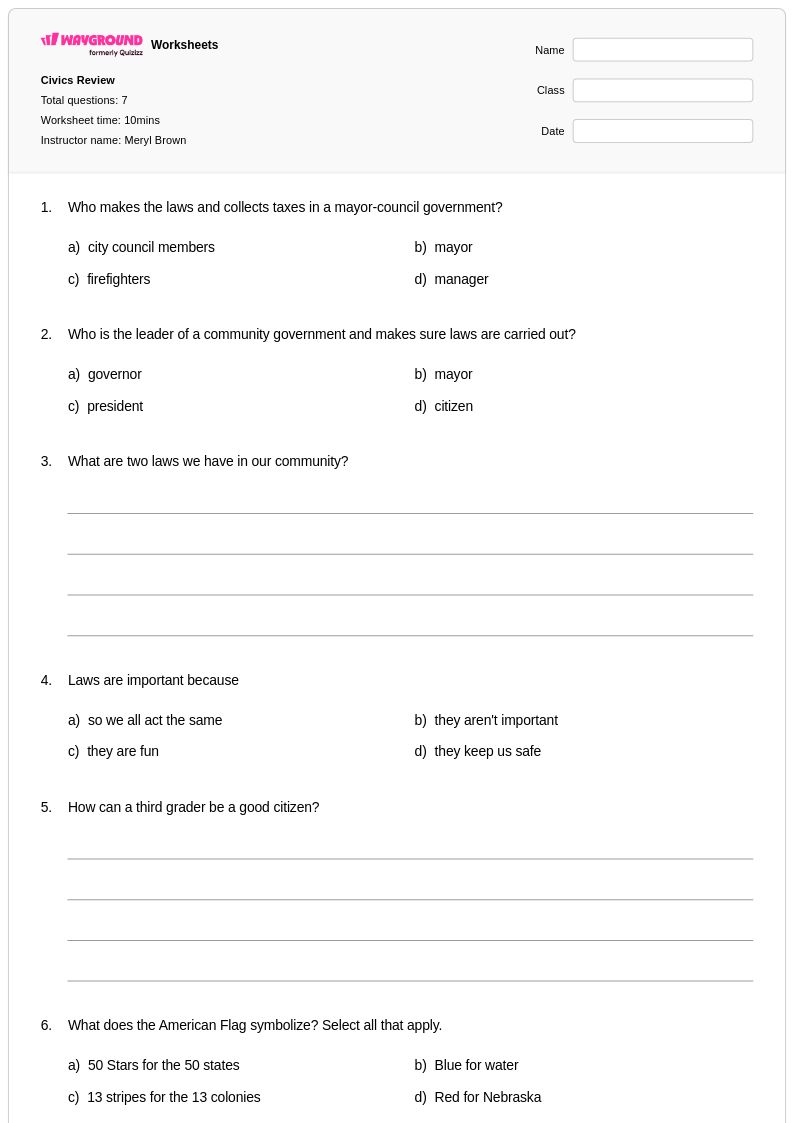
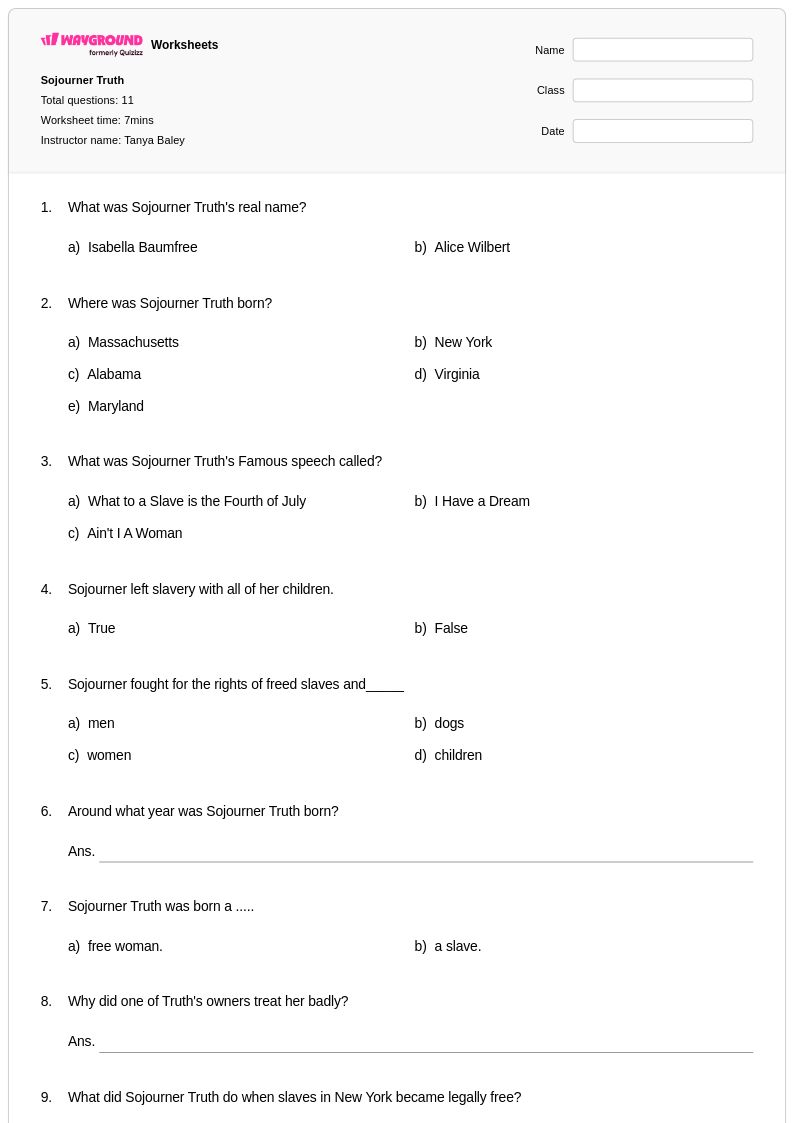
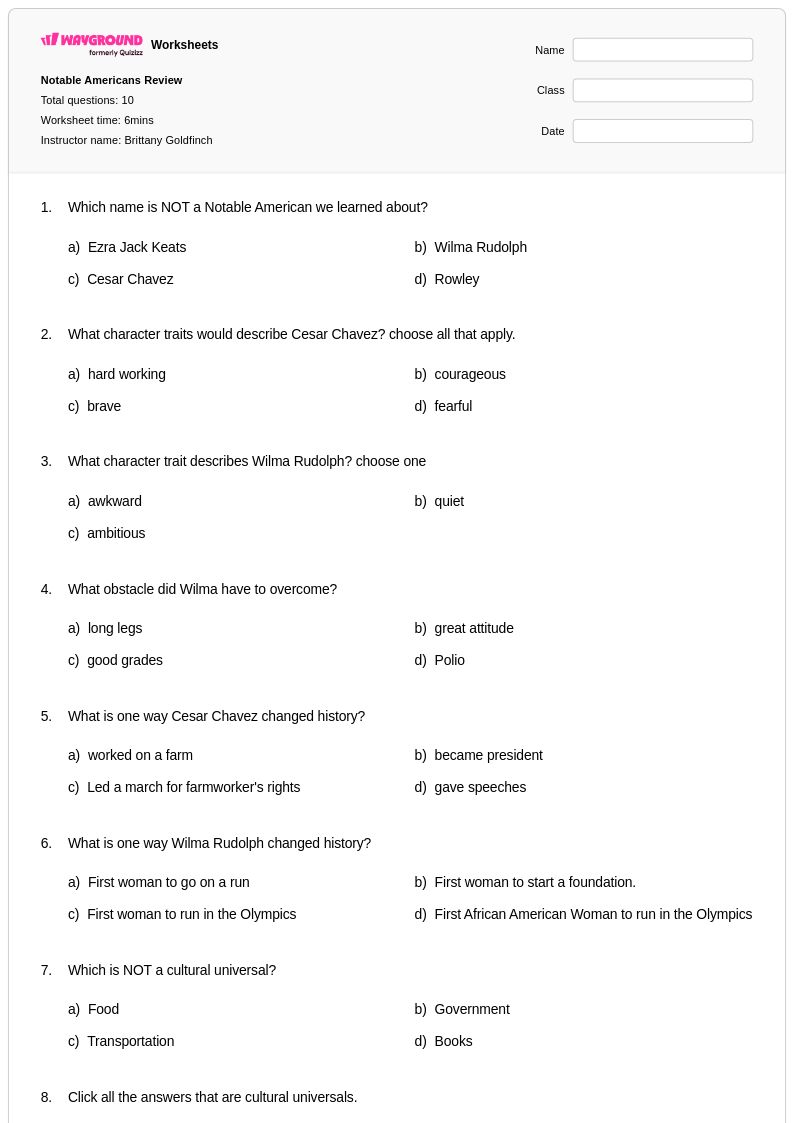
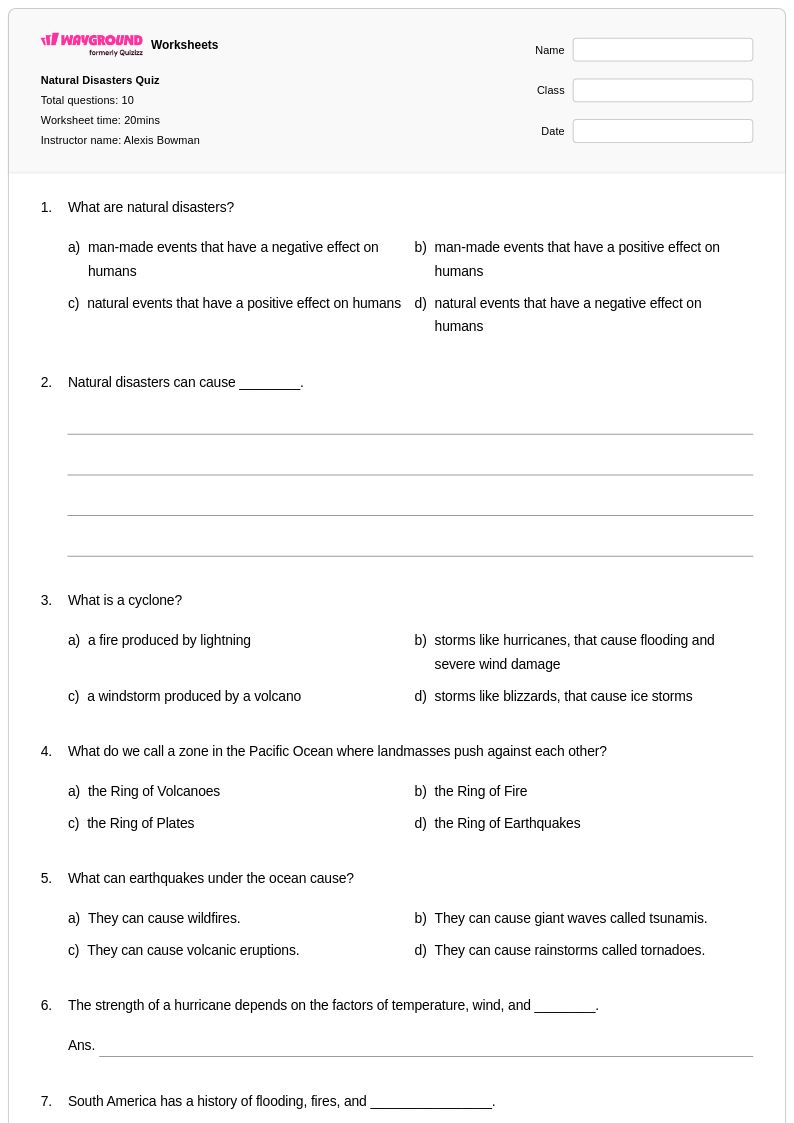
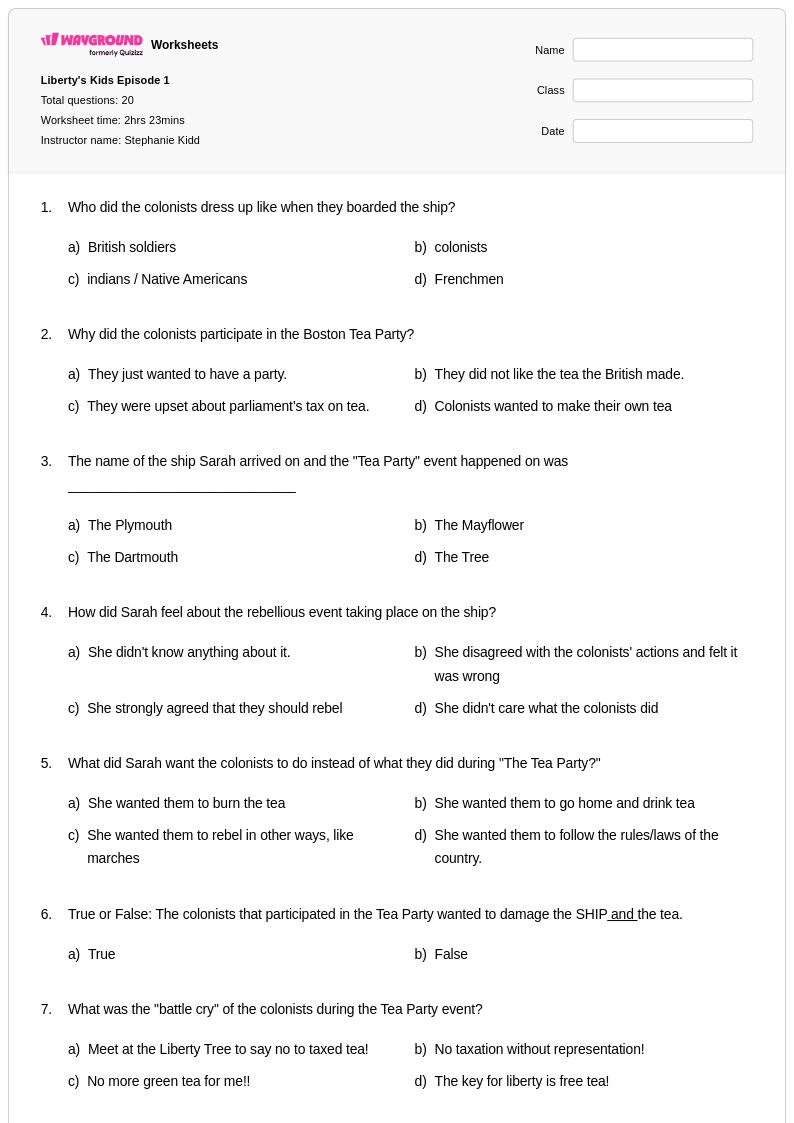
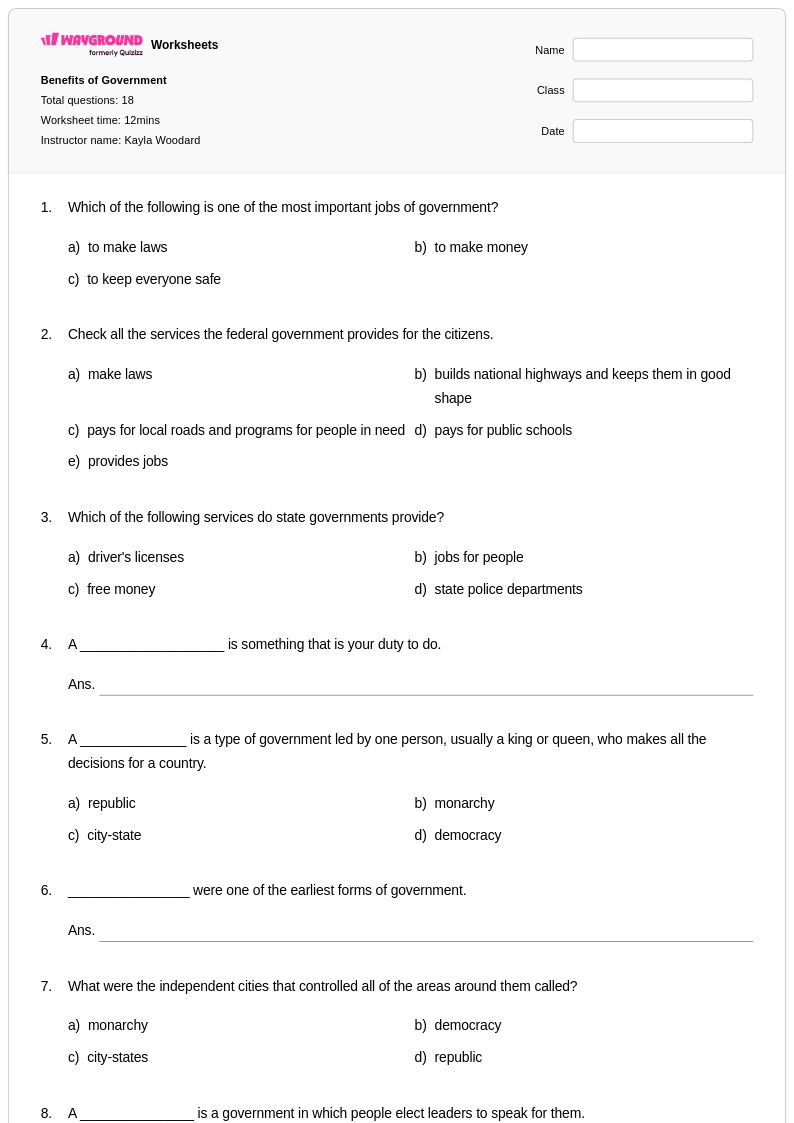
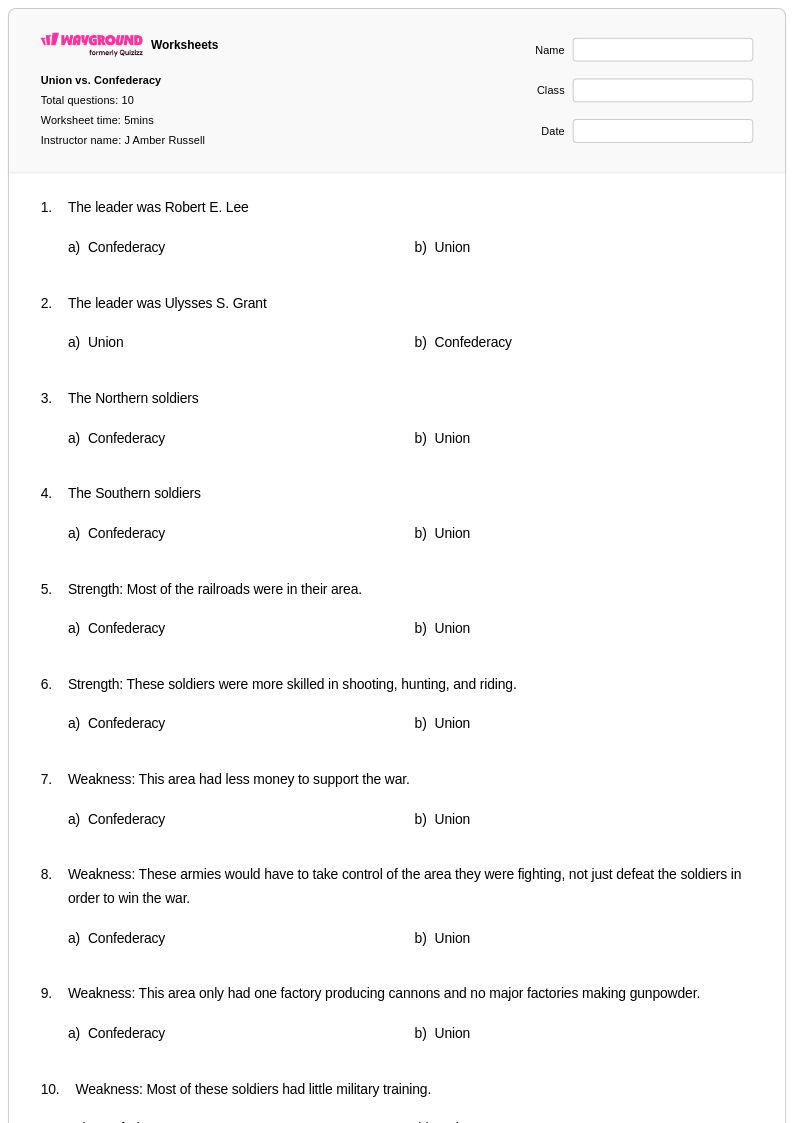
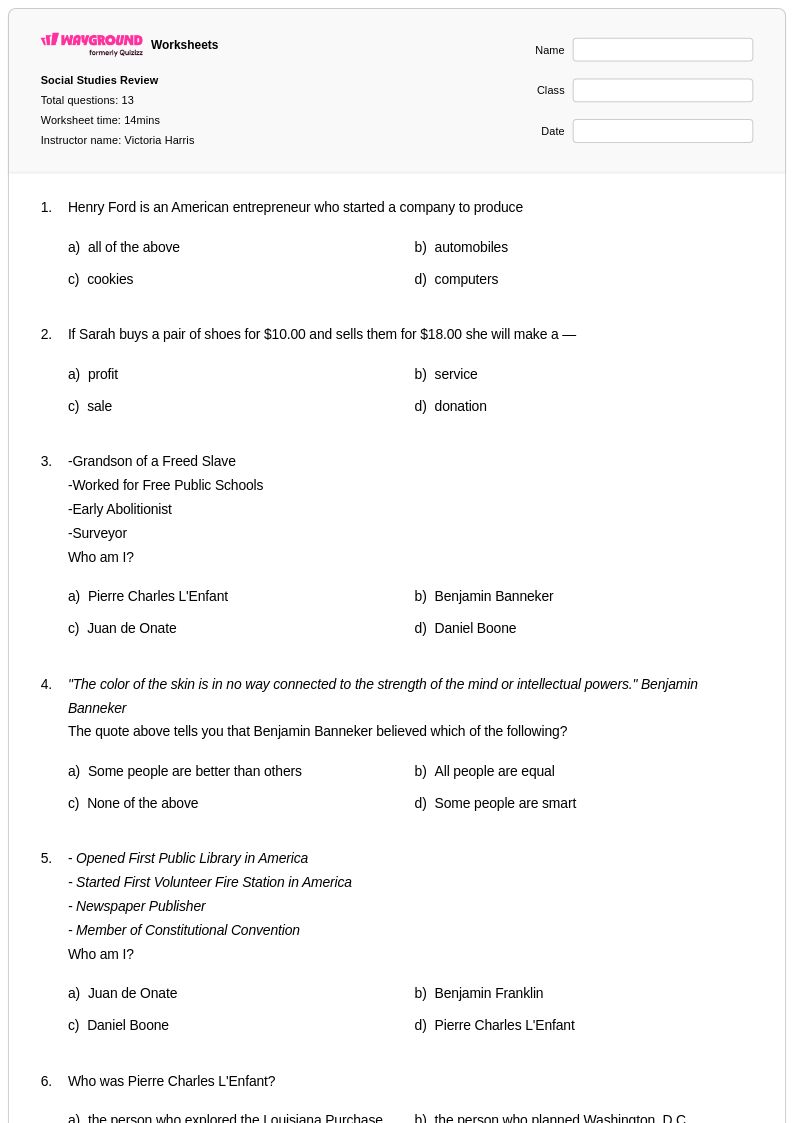
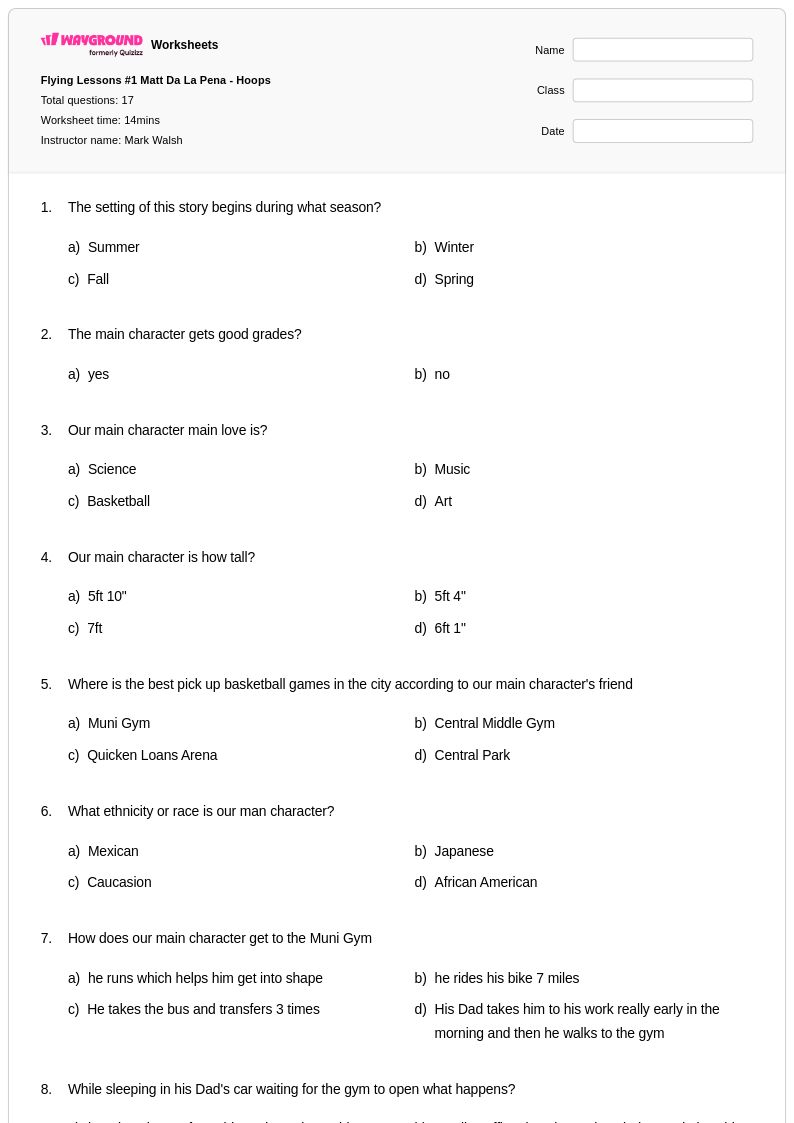
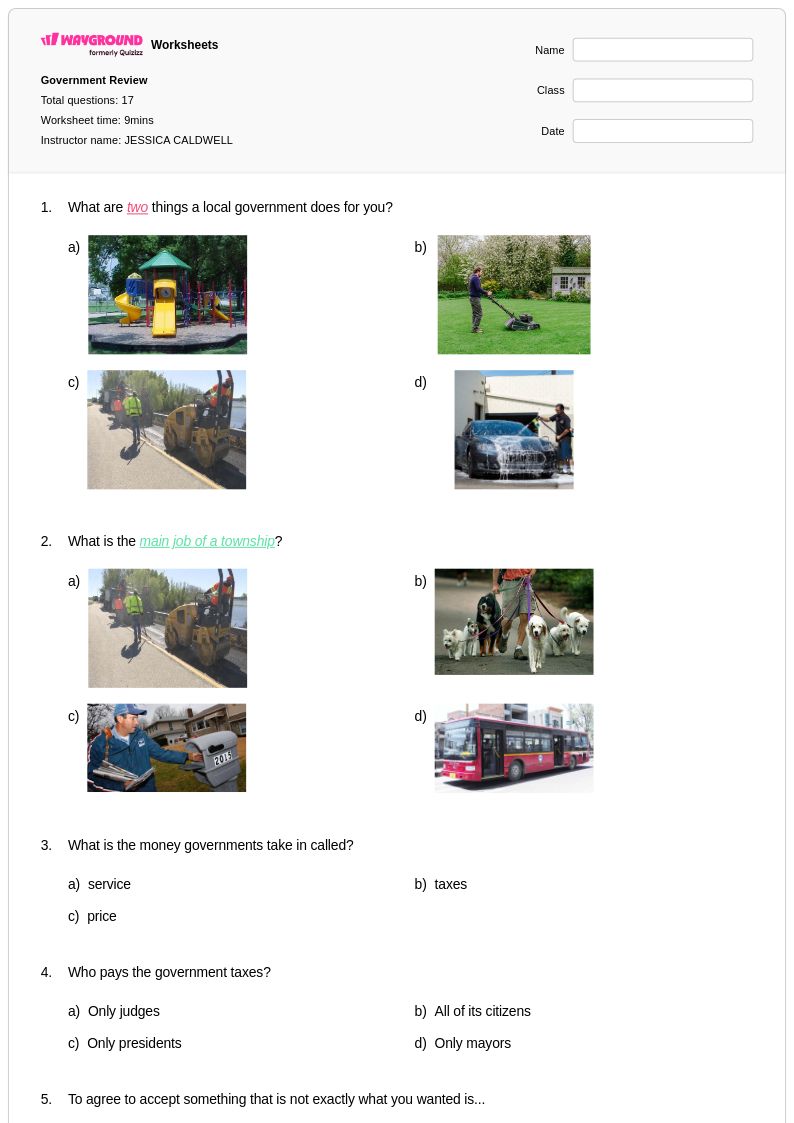
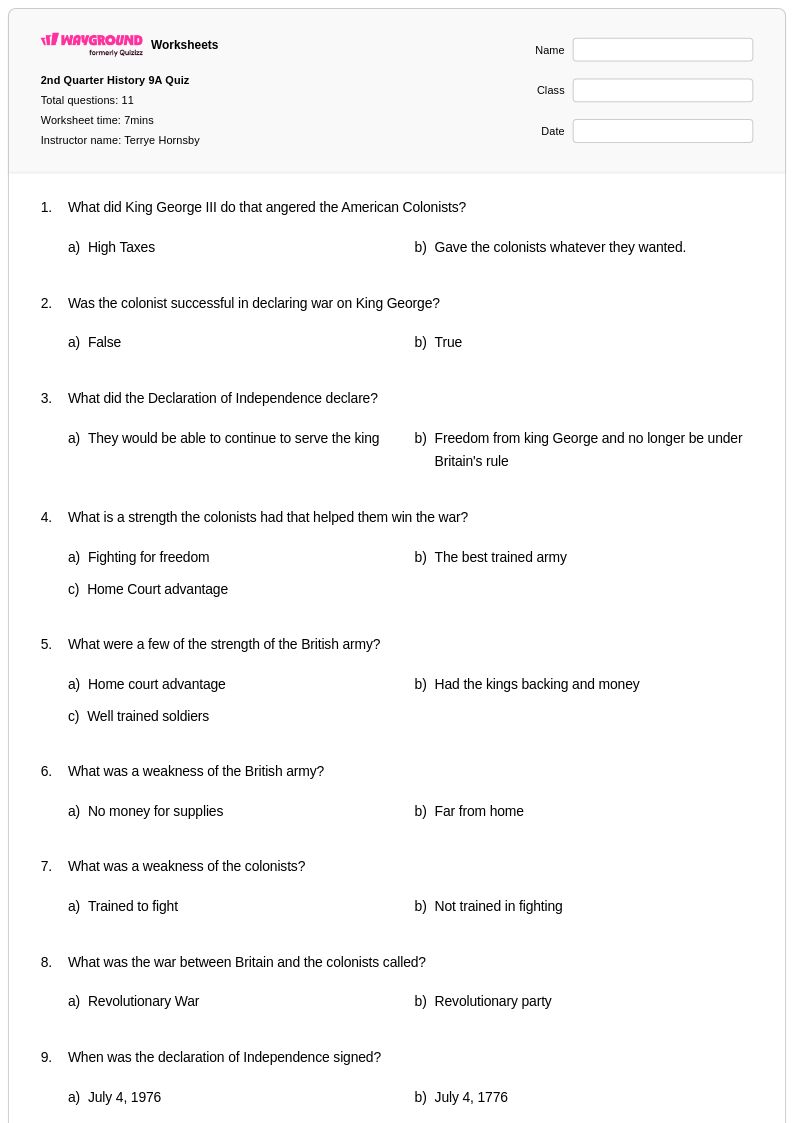
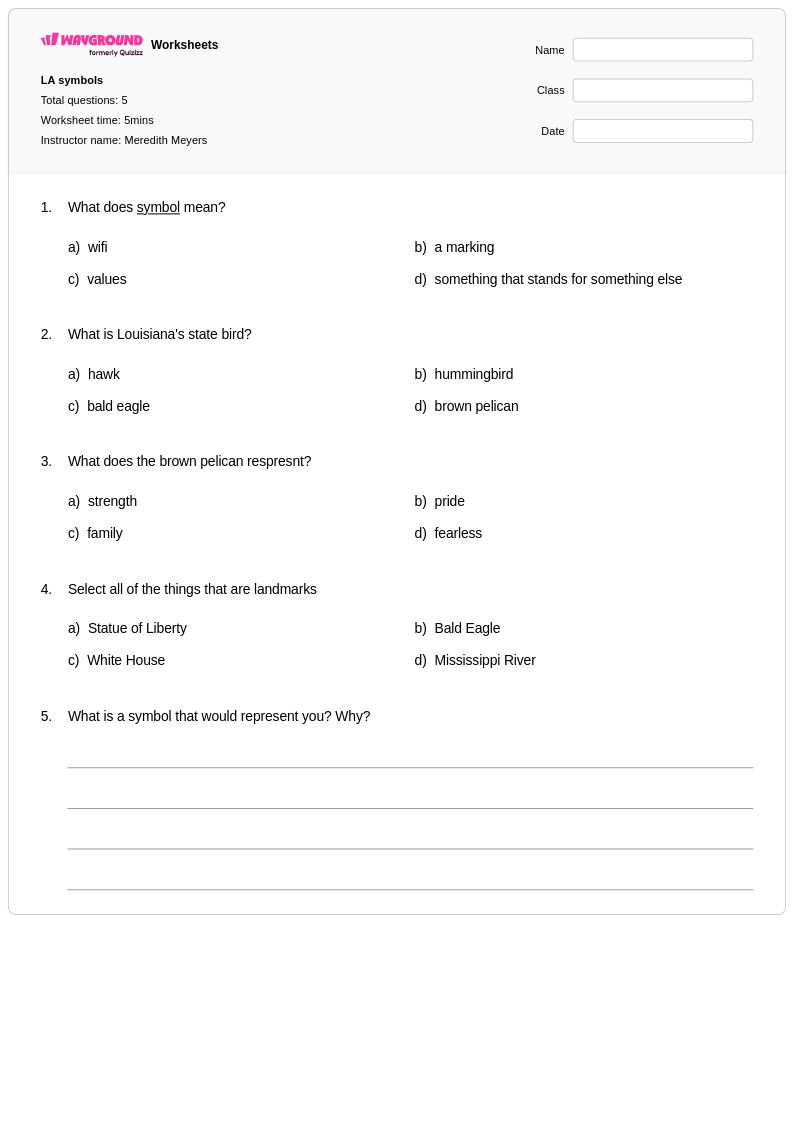
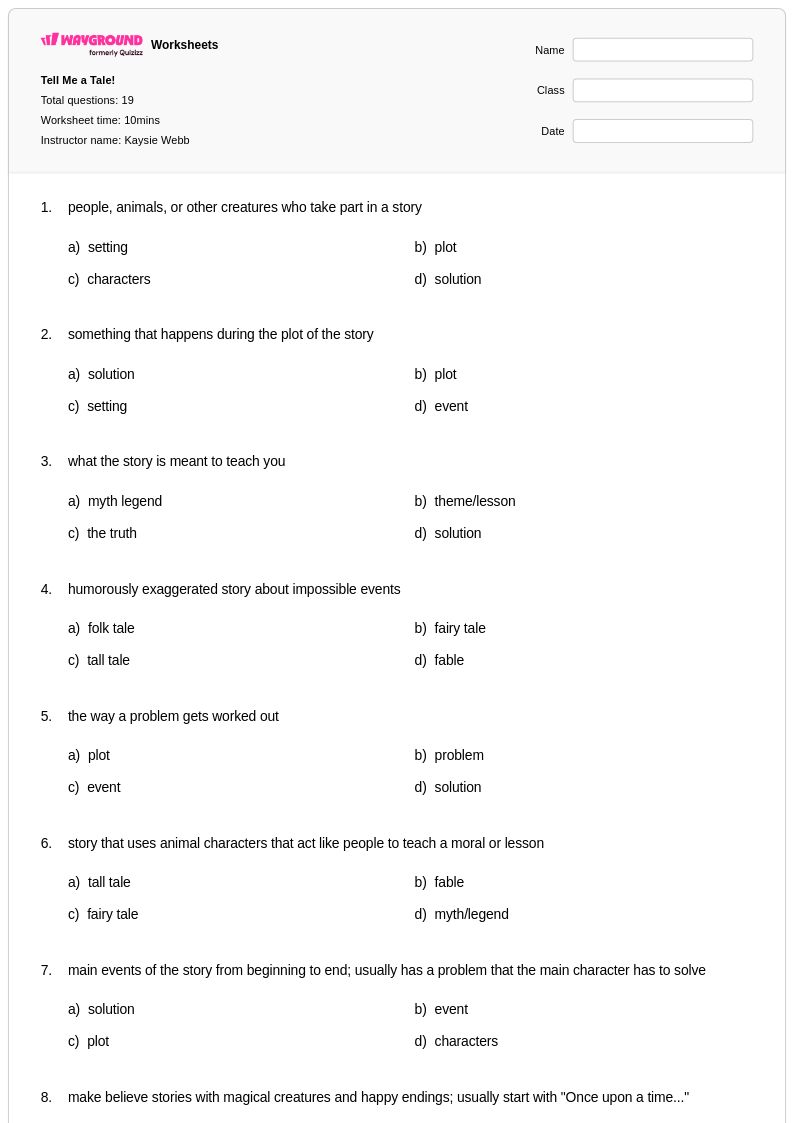
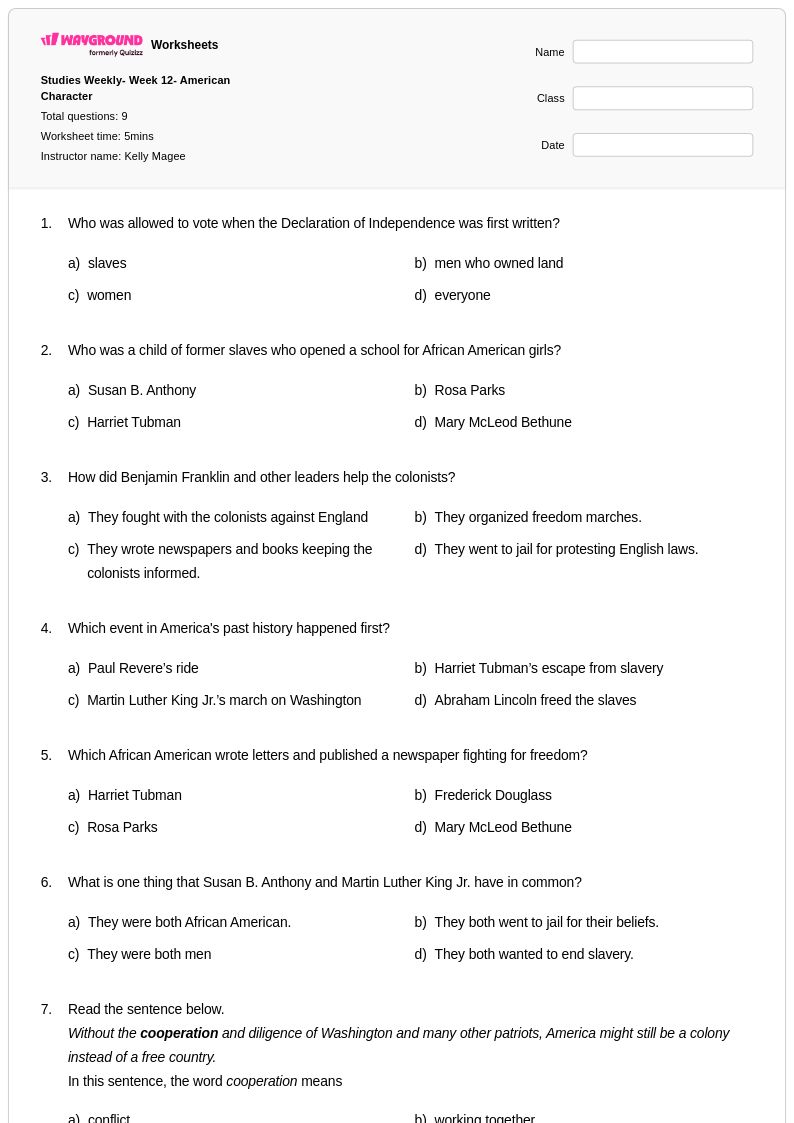
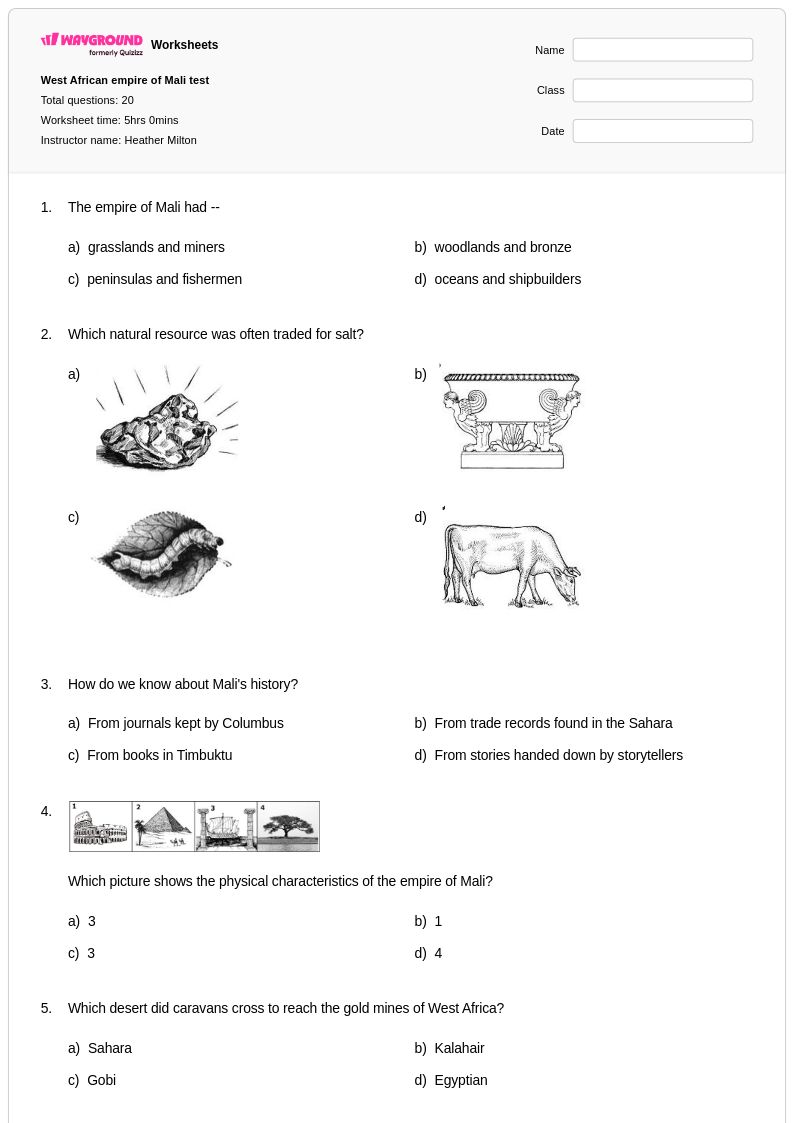
Character strengths worksheets for Class 3 students available through Wayground (formerly Quizizz) provide essential social studies instruction that helps young learners identify, understand, and develop positive character traits such as honesty, kindness, responsibility, and perseverance. These comprehensive printables engage third-grade students through age-appropriate activities including character trait identification exercises, real-world scenario analysis, and reflection prompts that connect personal experiences to core values. Each worksheet collection includes detailed answer keys and practice problems designed to strengthen students' ability to recognize character strengths in themselves and others, while building vocabulary related to positive social behaviors. The free pdf resources systematically guide students through exploring how character traits influence decision-making, relationships, and community participation, making abstract concepts concrete and personally meaningful for elementary learners.
Wayground (formerly Quizizz) empowers educators with access to millions of teacher-created character strengths resources specifically designed for Class 3 social studies instruction, featuring robust search and filtering capabilities that allow teachers to quickly locate materials aligned with specific learning objectives and curriculum standards. The platform's differentiation tools enable instructors to customize worksheets for diverse learning needs, while flexible formatting options provide both printable pdf versions for traditional classroom use and digital formats for technology-integrated lessons. These comprehensive collections support effective lesson planning by offering varied approaches to character education, from introductory skill-building activities for foundational learning to enrichment materials that challenge advanced students to apply character strengths in complex social situations. Teachers can seamlessly integrate these resources into remediation programs, daily character education routines, or extended social studies units, ensuring consistent skill practice that reinforces positive character development throughout the academic year.
FAQs
How do I teach character strengths in the classroom?
Teaching character strengths begins with helping students build a shared vocabulary around traits like courage, honesty, kindness, perseverance, and gratitude. Effective strategies include real-world scenario analysis, where students examine how a character trait plays out in a story or situation, followed by reflective writing prompts that ask students to connect those traits to their own experiences. Pairing direct instruction with structured self-reflection activities deepens students' self-awareness and makes character development feel personally relevant rather than abstract.
What activities help students practice identifying character strengths?
Character trait identification exercises are among the most effective tools for practice — students examine behaviors or decisions and name the underlying strength being demonstrated. Reflective writing prompts that ask students to describe a time they showed a specific trait, or to identify strengths in a peer or role model, reinforce both vocabulary and self-awareness. Scenario-based activities, where students decide how someone with a particular strength might respond to a challenge, build critical thinking alongside character development.
What misconceptions do students commonly have about character strengths?
A common misconception is that character strengths are fixed — students often believe they either have a trait like courage or they don't, rather than understanding that strengths can be practiced and developed over time. Students also tend to conflate character traits with personality types, missing the idea that strengths are behaviors and choices, not just innate qualities. Addressing these misconceptions explicitly through scenario analysis and reflective discussion helps students internalize a growth-oriented view of their own character.
How can I use character strengths worksheets to support social-emotional learning?
Character strengths worksheets integrate naturally into SEL instruction by giving students structured opportunities to examine their own values, recognize strengths in others, and practice the vocabulary needed for self-reflection and social awareness. Activities like scenario analysis and reflective writing prompts connect directly to SEL competencies such as self-awareness, responsible decision-making, and relationship skills. Using these worksheets consistently throughout the year reinforces positive character development as an ongoing practice rather than a one-time lesson.
How do I use Wayground's character strengths worksheets in my classroom?
Wayground's character strengths worksheets are available as printable PDFs for traditional classroom use and in digital formats for technology-integrated learning environments, giving teachers flexibility across instructional settings. Teachers can also host worksheets as a quiz directly on Wayground, making it easy to assign character development activities for independent practice or formative assessment. Complete answer keys are included with every worksheet, reducing teacher prep time and supporting consistent, meaningful feedback.
How can I differentiate character strengths activities for students with different learning needs?
Differentiation for character strengths activities can include adjusting the complexity of scenario prompts, offering sentence starters for reflective writing, or reducing answer choices to lower cognitive load for students who need additional support. On Wayground, teachers can apply individual accommodations such as extended time, read-aloud support, and reduced answer choices to specific students without affecting the experience of the rest of the class. These settings are saved and reusable, making it practical to maintain consistent support across multiple sessions.