Free Printable Community Signs Worksheets for Class 3
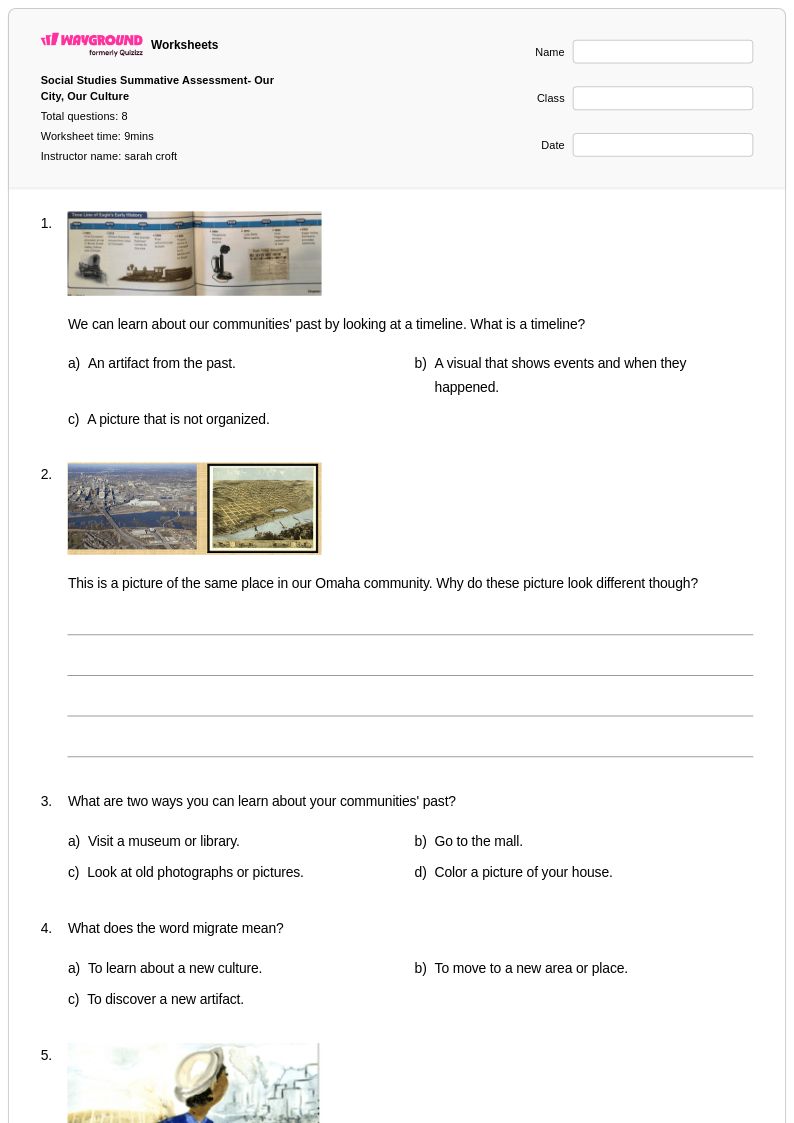
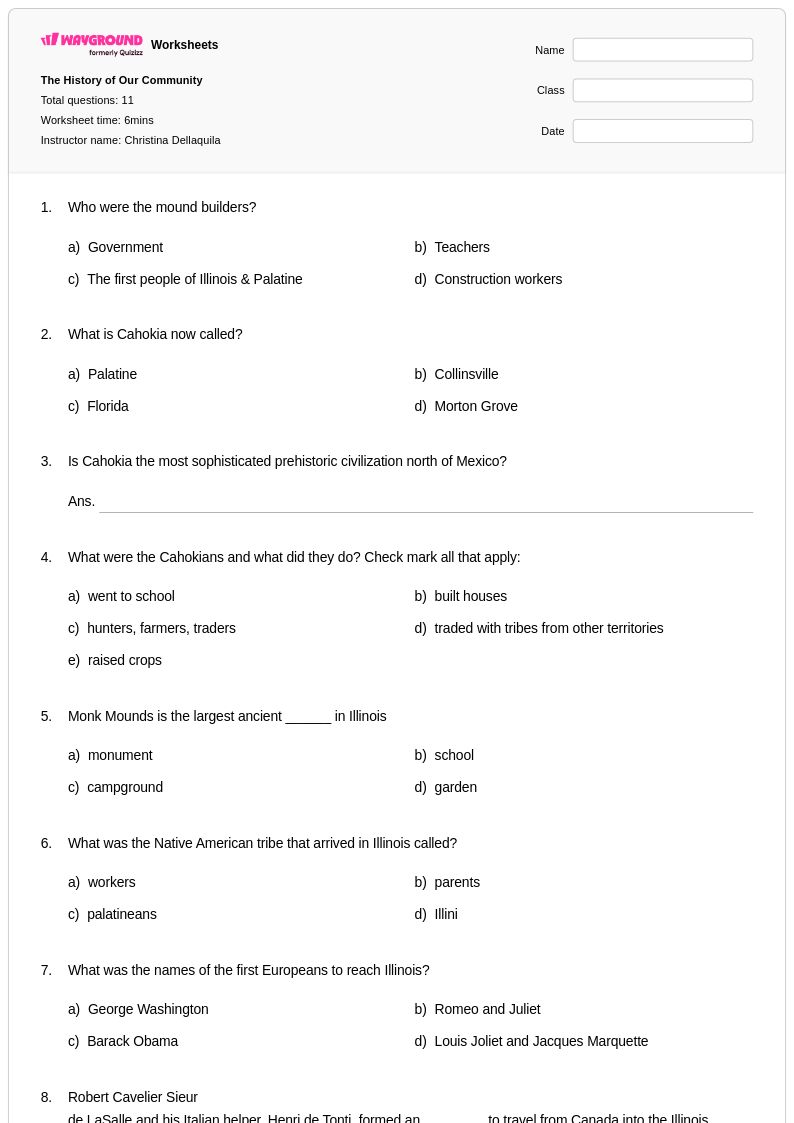
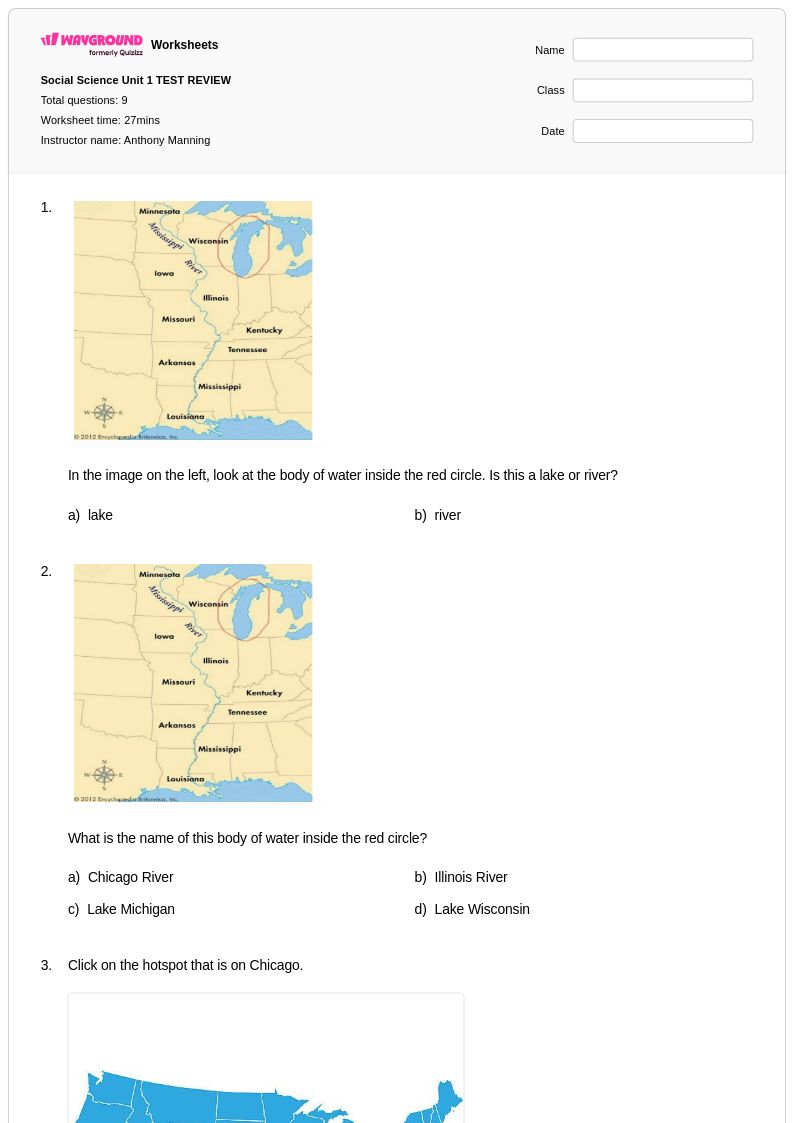
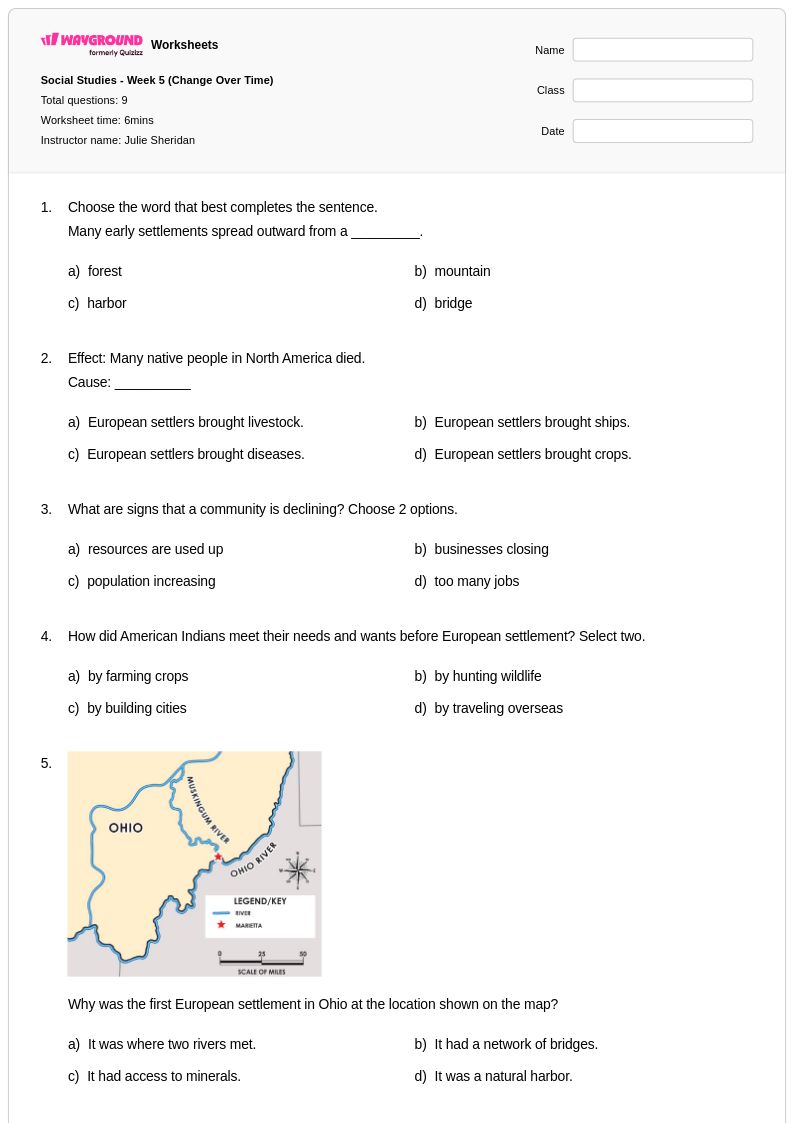
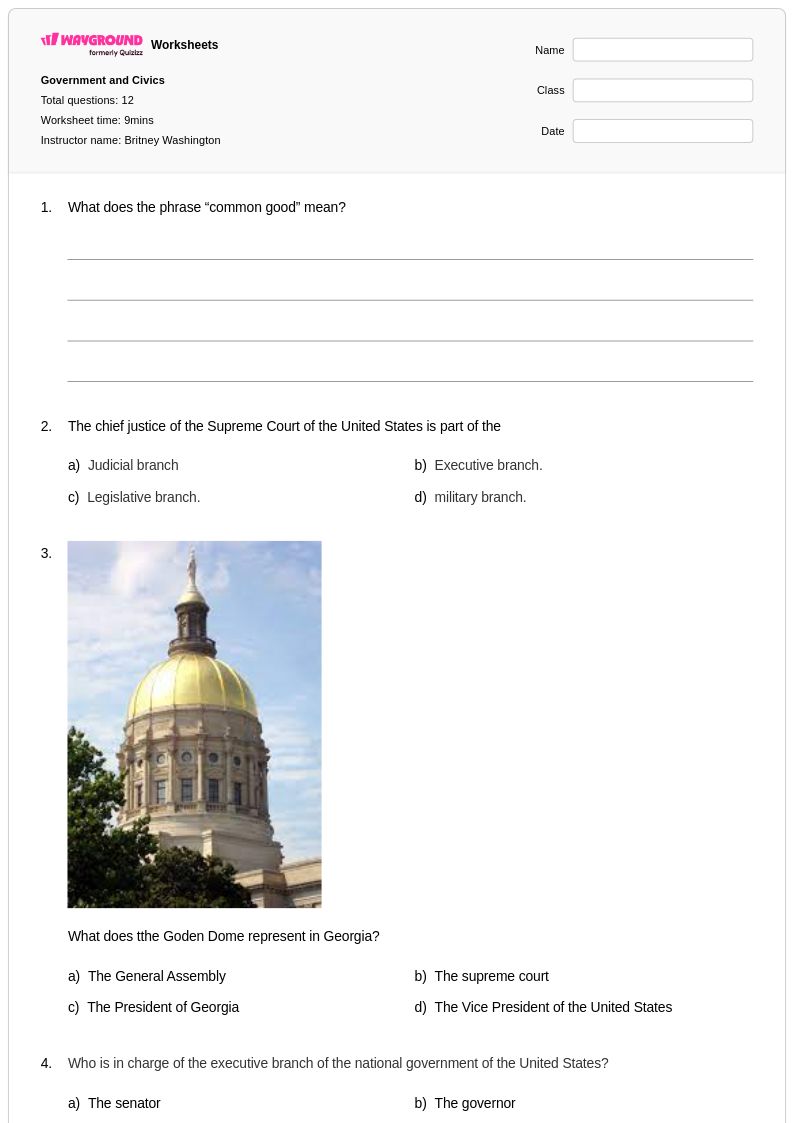
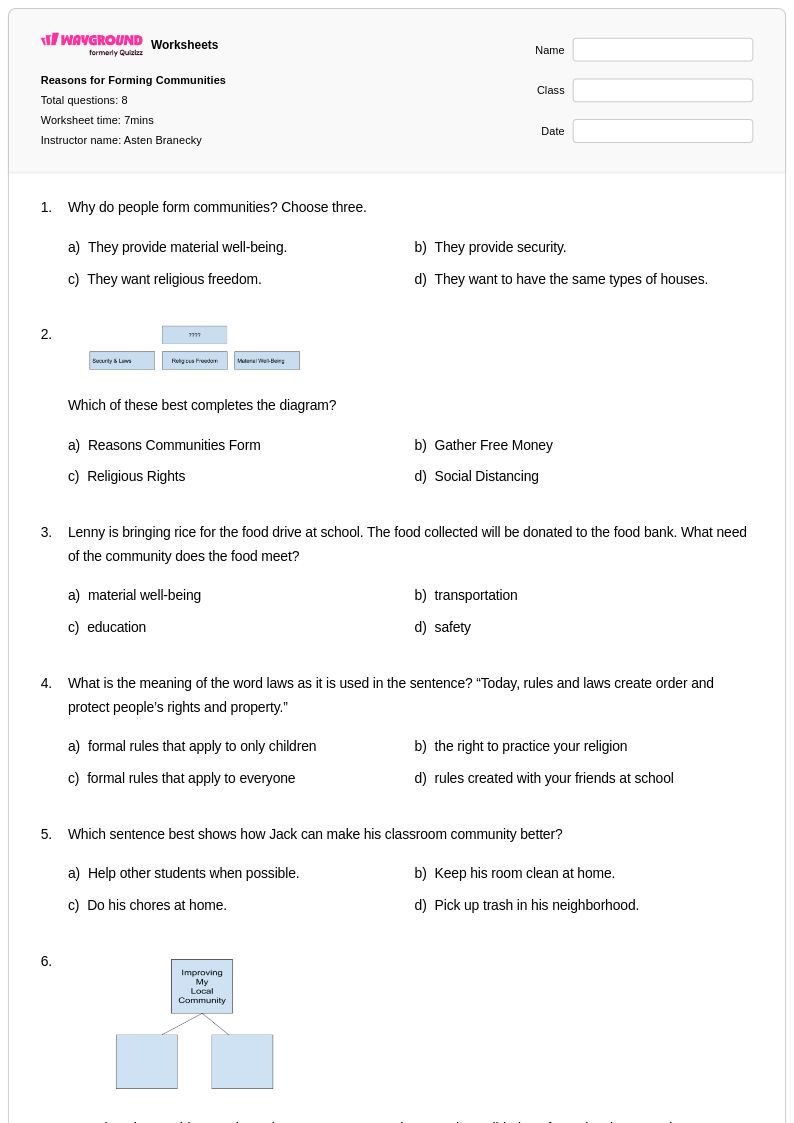
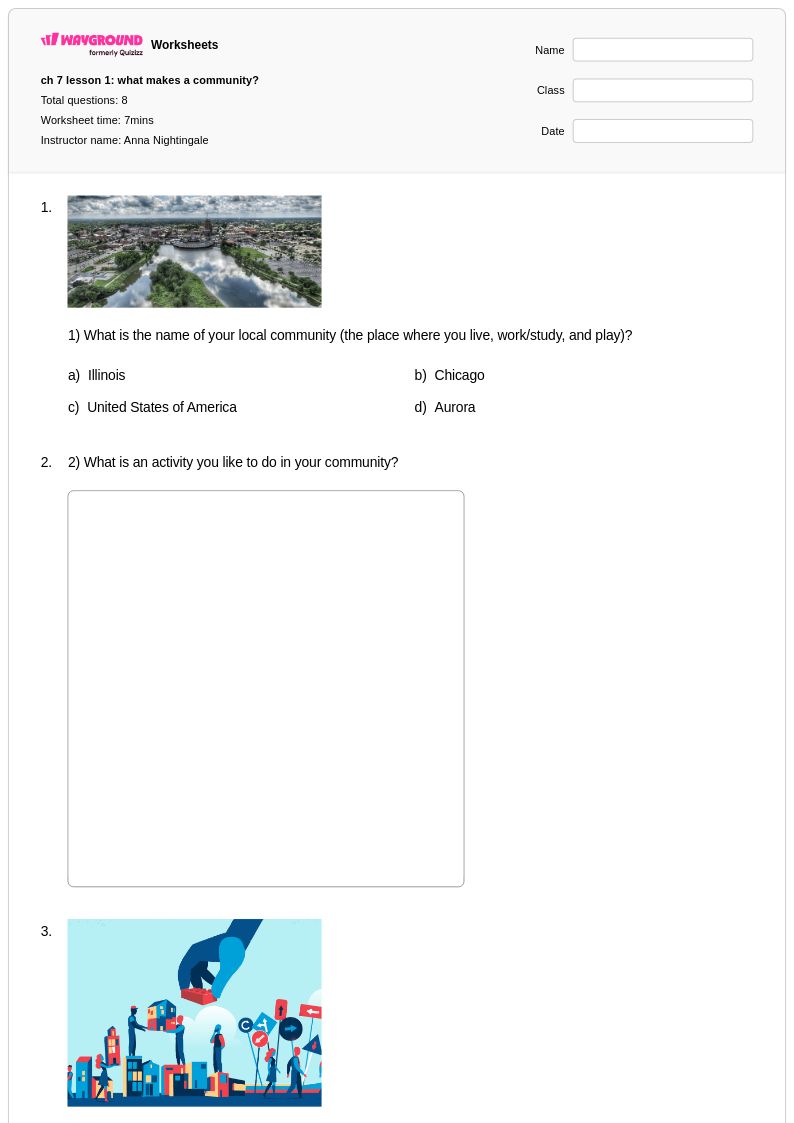
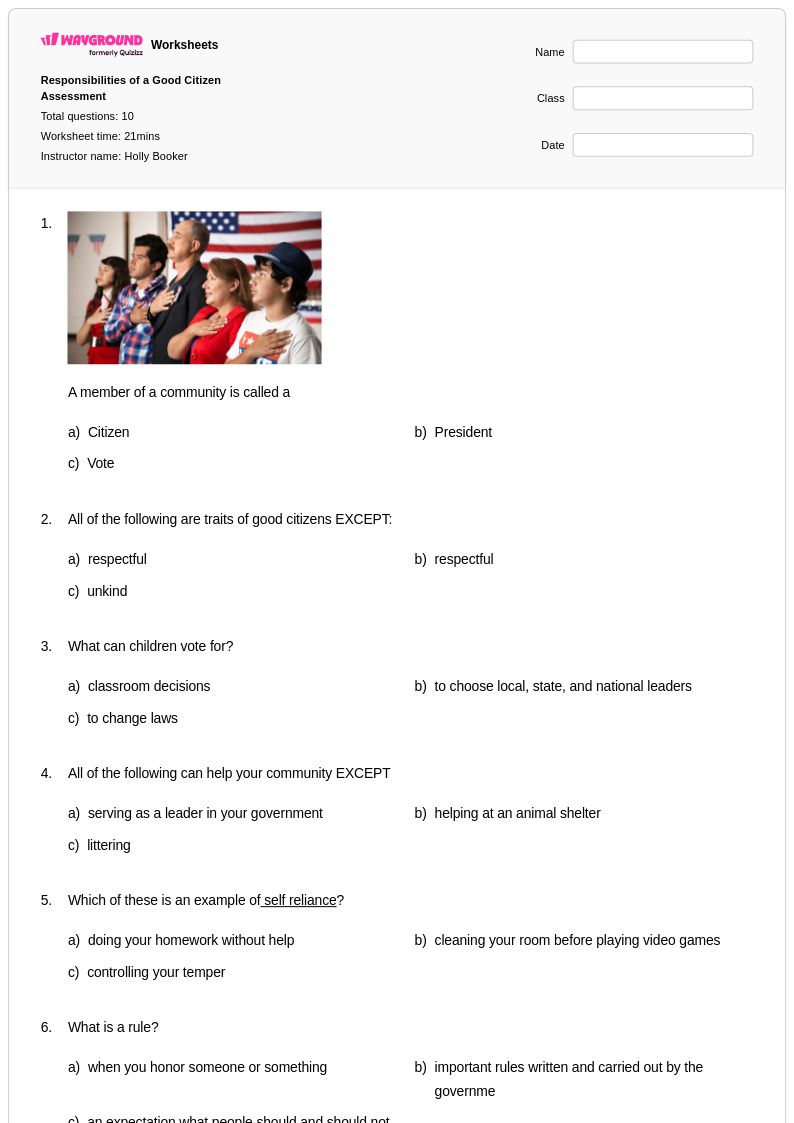
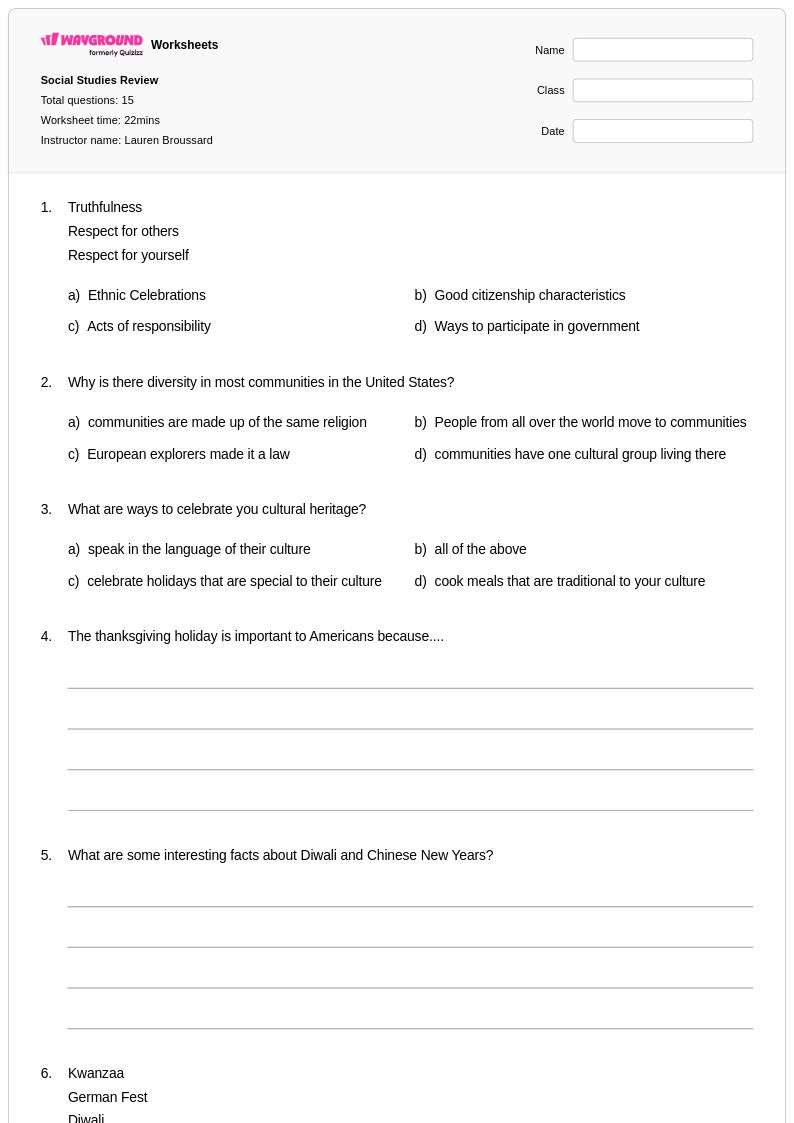
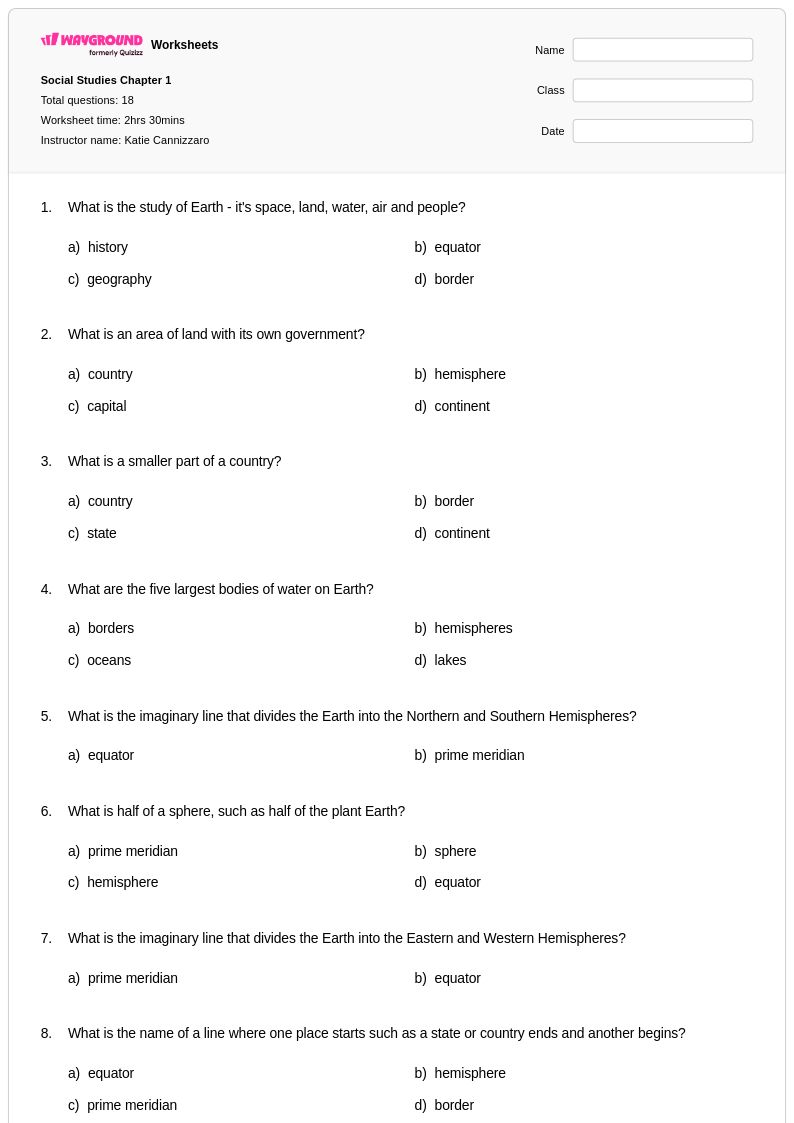
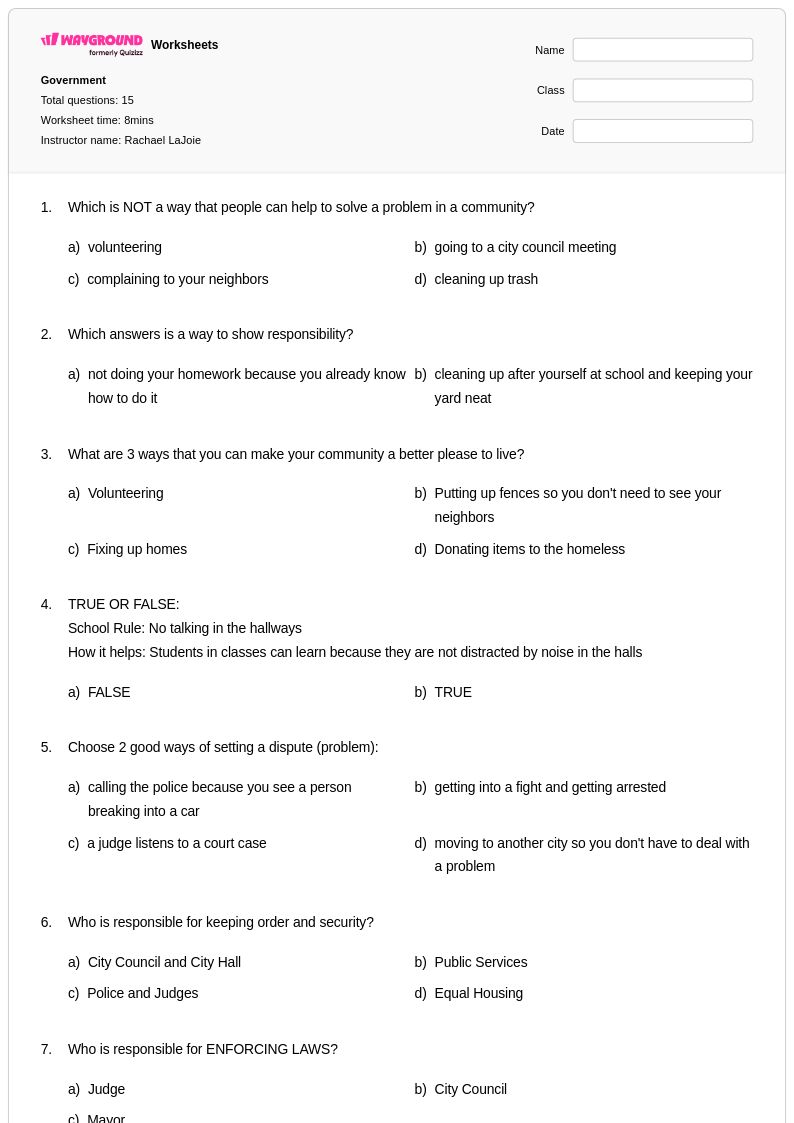
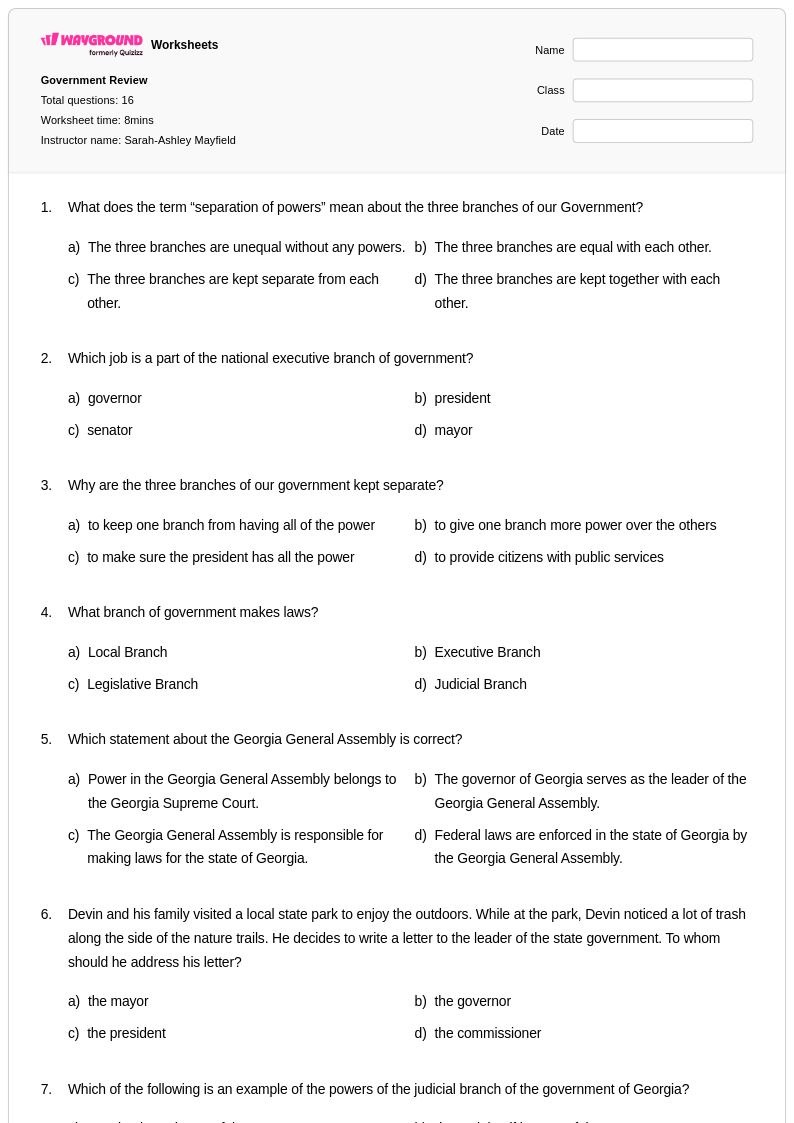
Class 3 community signs worksheets and printables help students identify and understand important signs in their neighborhoods through engaging practice problems with answer keys available as free PDF downloads.
Explore printable Community Signs worksheets for Class 3
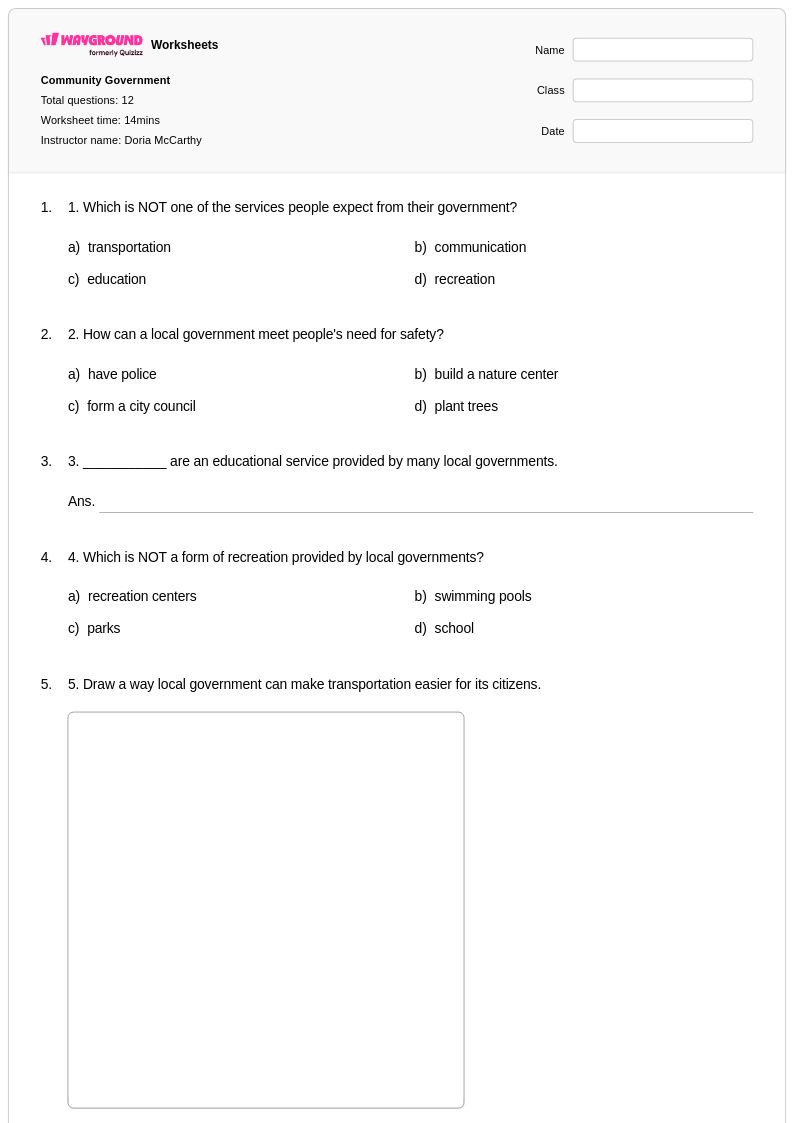
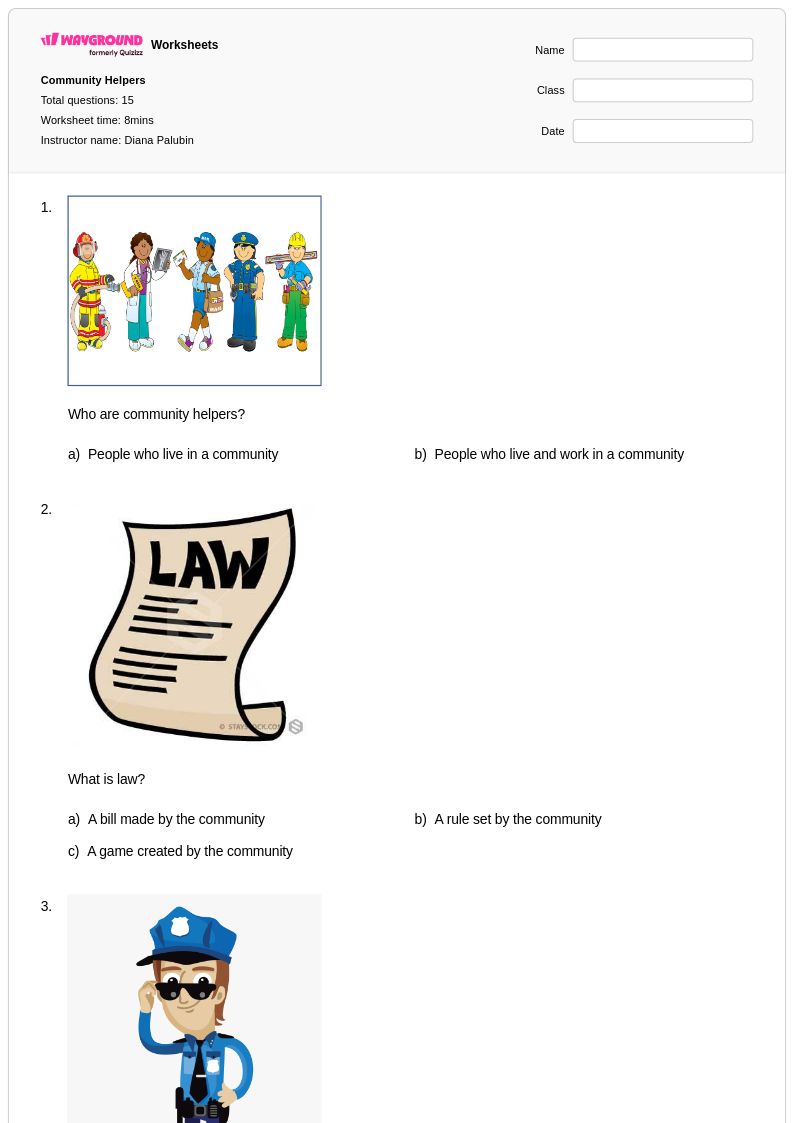
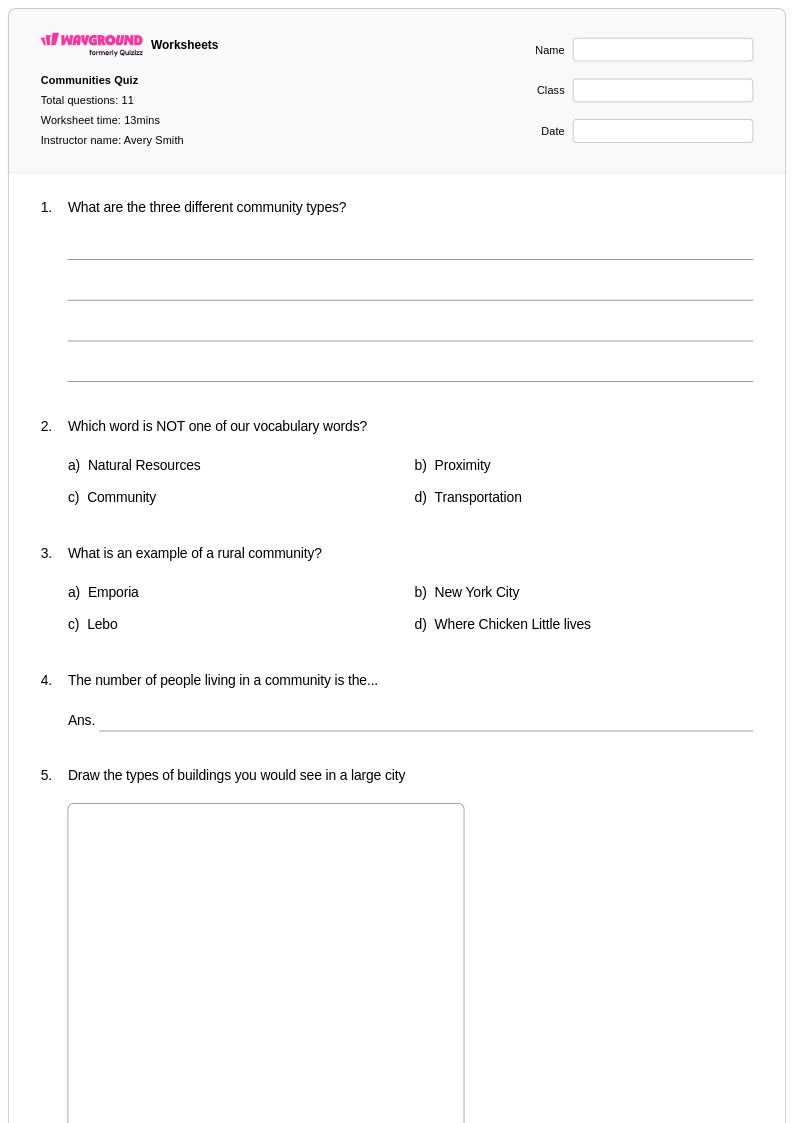
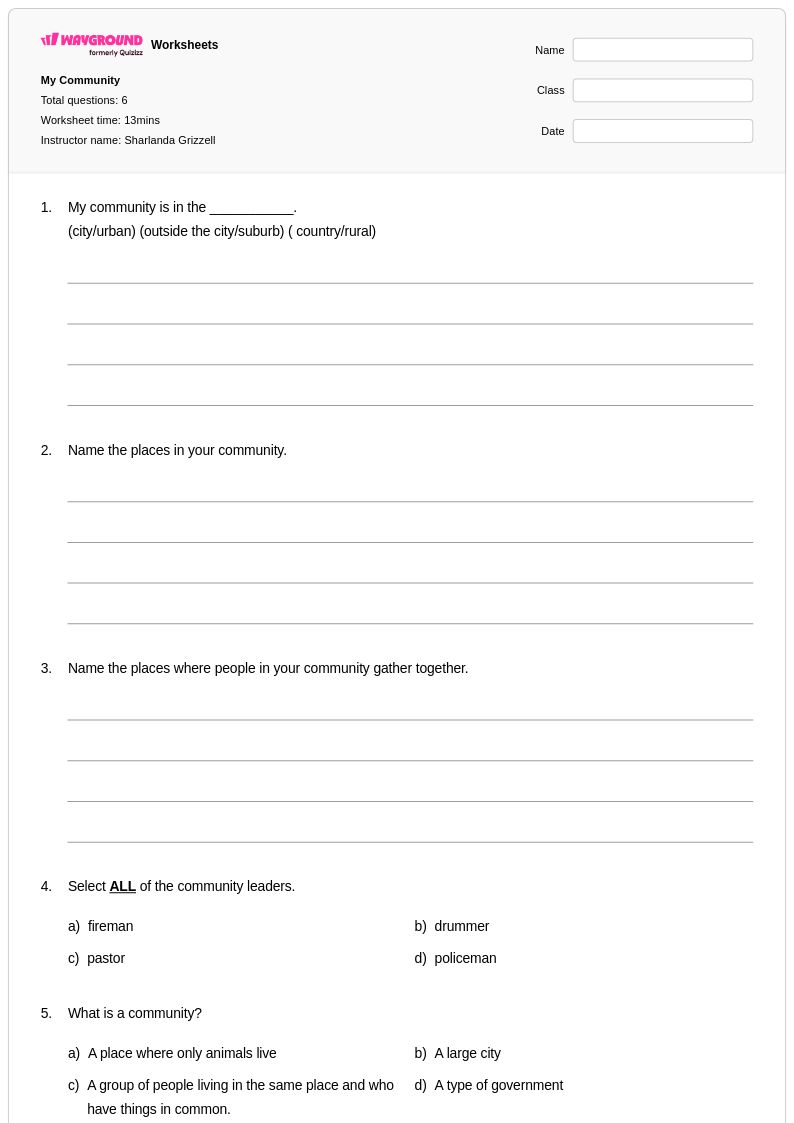
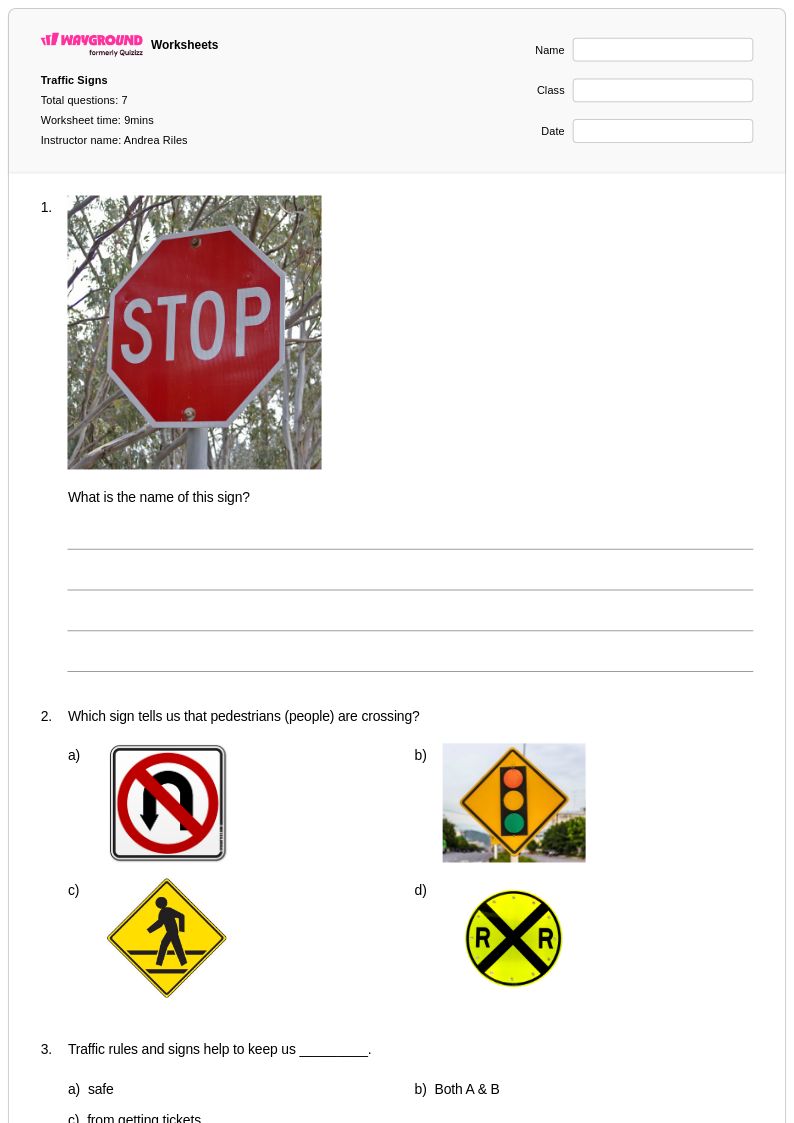
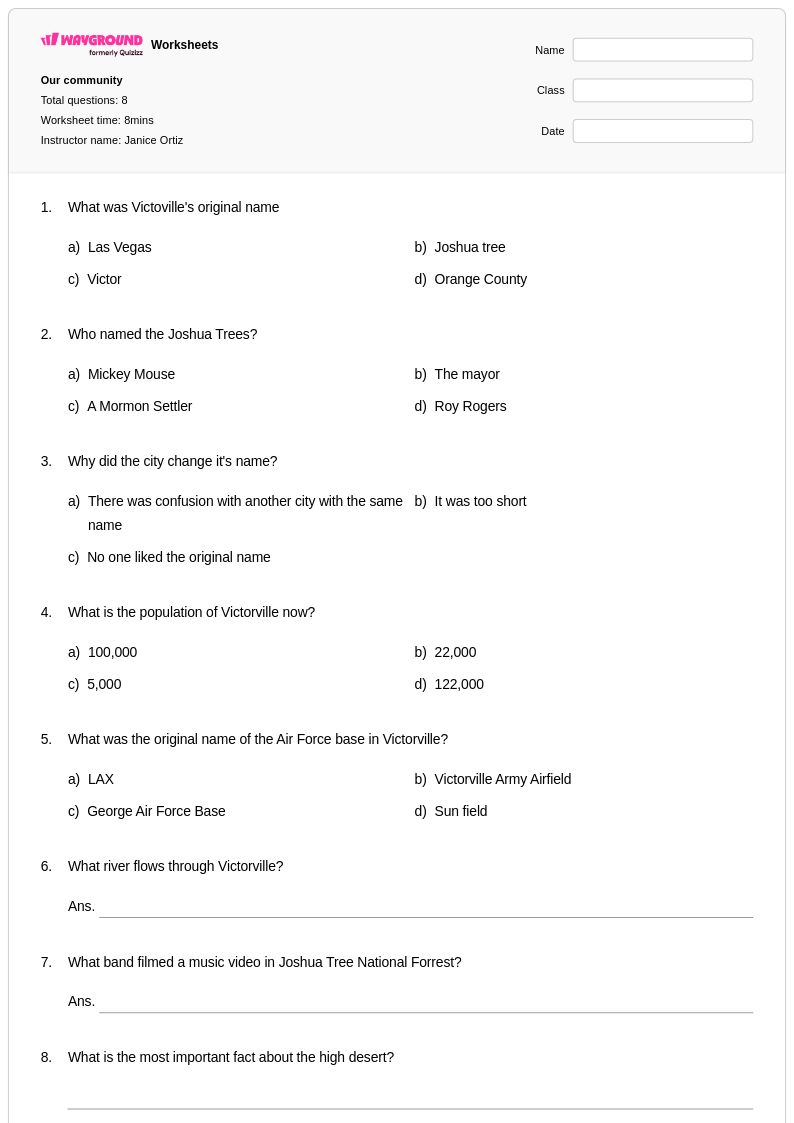
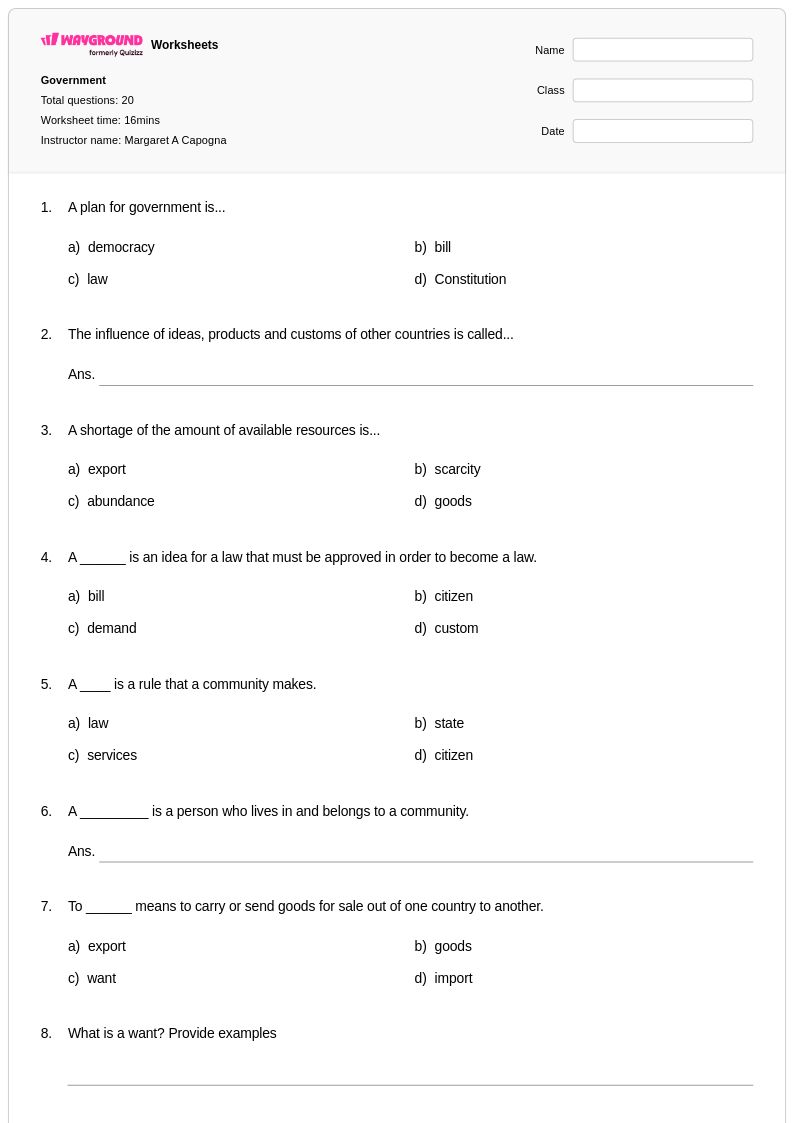
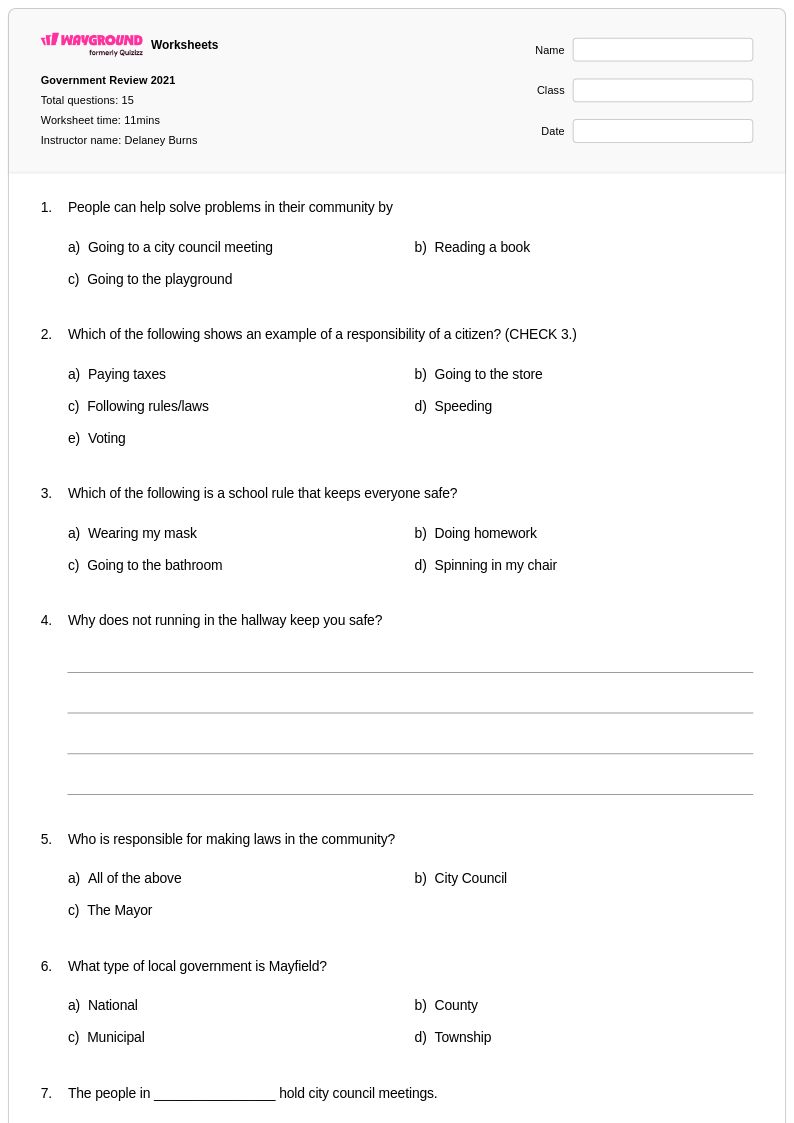
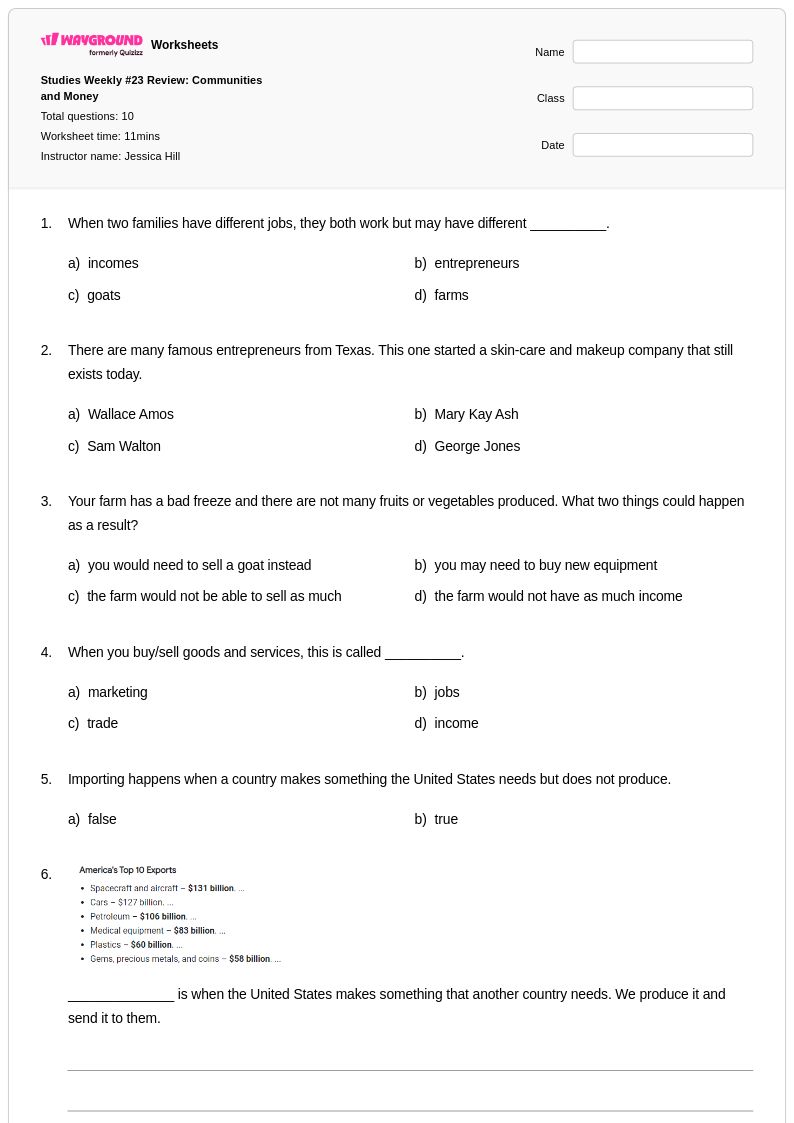
Community signs serve as essential learning tools for Class 3 students developing their understanding of how neighborhoods and communities function. Wayground's comprehensive collection of community signs worksheets helps young learners identify, interpret, and understand the various signs they encounter in their daily lives, from traffic signals and street signs to store advertisements and public notices. These educational resources strengthen critical thinking skills as students learn to decode visual symbols, understand community organization, and recognize how signs help people navigate shared spaces safely and effectively. The printable worksheets include engaging practice problems that challenge students to match signs with their meanings, categorize different types of community signage, and explain the purpose behind various neighborhood markers, with accompanying answer keys provided in convenient pdf format for easy assessment and independent learning support.
Wayground, formerly Quizizz, empowers educators with an extensive library of millions of teacher-created resources specifically designed to enhance community signs instruction for Class 3 classrooms. The platform's robust search and filtering capabilities allow teachers to quickly locate worksheets that align with curriculum standards and match their students' specific learning needs, whether for initial skill introduction, targeted remediation, or advanced enrichment activities. Teachers can seamlessly customize these materials to accommodate diverse learning styles and ability levels, accessing both digital interactive formats and traditional printable versions that support flexible lesson planning and differentiated instruction. This comprehensive approach enables educators to provide consistent practice opportunities while building students' foundational knowledge of community structures and cultural symbols that define their local environments.
FAQs
How do I teach community signs to elementary students?
Start by introducing high-frequency signs students encounter daily, such as STOP, EXIT, RESTROOM, and NO PARKING, grouping them by category: safety, navigation, and services. Use real photographs or physical examples before moving to printed worksheets so students connect abstract symbols to lived experience. Building from recognition to interpretation helps students understand that signs communicate rules and expectations without words, which is a foundational civic literacy skill.
What activities help students practice recognizing community signs?
Matching exercises, fill-in-the-blank identification tasks, and categorization activities are among the most effective formats for practicing community sign recognition. Students benefit from sorting signs by function, such as warning, informational, or directional, because it builds conceptual understanding alongside visual recall. Worksheets that ask students to explain a sign's meaning in their own words push beyond rote identification toward genuine comprehension.
What mistakes do students commonly make when learning community signs?
A frequent error is confusing signs that look visually similar, such as mixing up WARNING and CAUTION signs or misidentifying YIELD as STOP due to their shared red-and-white color scheme. Students also commonly overgeneralize, assuming all red signs mean stop or all blue signs indicate services, rather than reading the specific symbol or text. Targeted practice that addresses these visual and categorical confusions directly helps students build more accurate mental schemas.
How can I use community signs worksheets to support diverse learners?
Community signs worksheets work well for differentiation because the topic spans a wide range of complexity, from basic symbol recognition to nuanced interpretation of regulatory signage. On Wayground, teachers can enable accommodations such as Read Aloud so students hear question text, extended time for students who need additional processing time, and reduced answer choices to lower cognitive load for selected students. These settings can be applied to individual students without alerting the rest of the class, making inclusive practice seamless.
How do I use Wayground's community signs worksheets in my classroom?
Wayground's community signs worksheets are available as printable PDFs for traditional classroom use and in digital formats for technology-integrated environments, including the option to host them as a quiz directly on Wayground. Teachers can print and distribute them as independent practice, assign them digitally for homework or remote learning, or use the quiz format for a quick formative check. The included answer keys make grading efficient whether the worksheet is completed on paper or on screen.
At what grade level are community signs worksheets most appropriate?
Community signs are most commonly taught in early elementary grades, particularly kindergarten through second grade, as part of social studies, life skills, or community helpers units. However, the topic also appears in special education settings and ELL instruction at higher grade levels, where functional literacy and real-world navigation skills are prioritized. Selecting worksheets by complexity level ensures the material is appropriately challenging regardless of the grade or learner context.