Free Printable Cost of Living Worksheets for Class 12
Class 12 Cost of Living worksheets and printables help students analyze housing, transportation, and everyday expenses through practice problems, free PDF resources, and comprehensive answer keys for economic literacy development.
Explore printable Cost of Living worksheets for Class 12
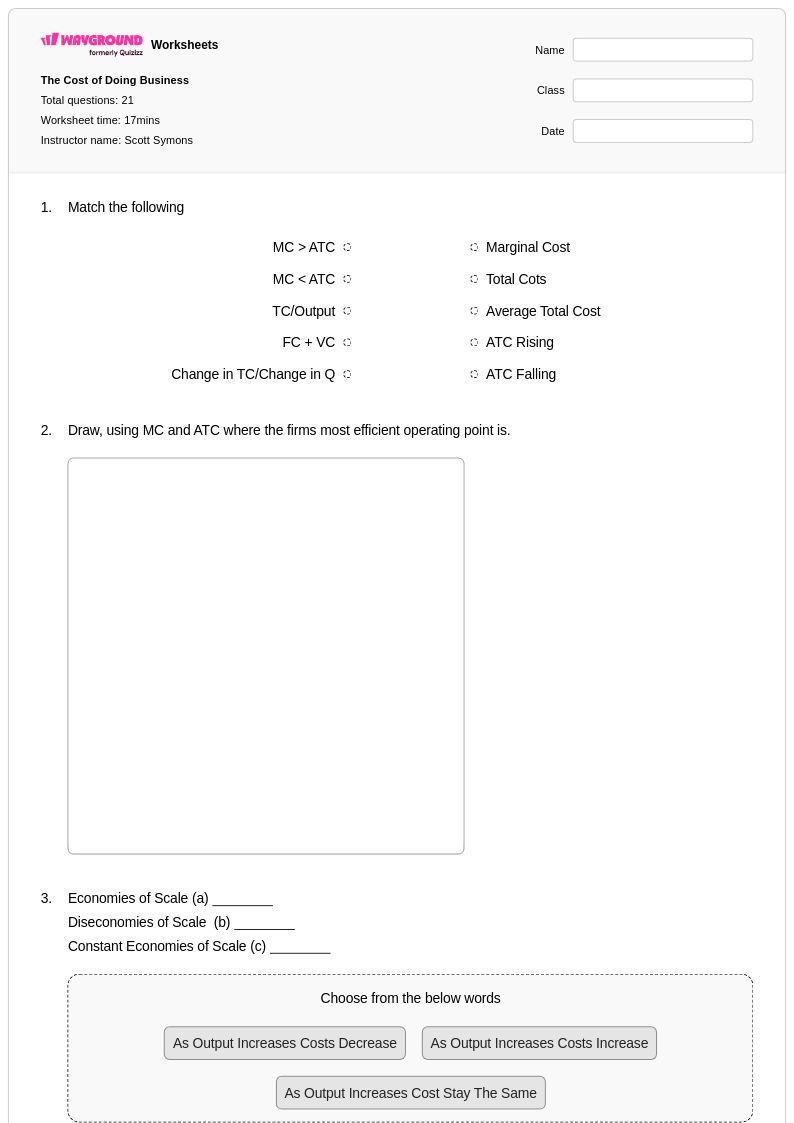
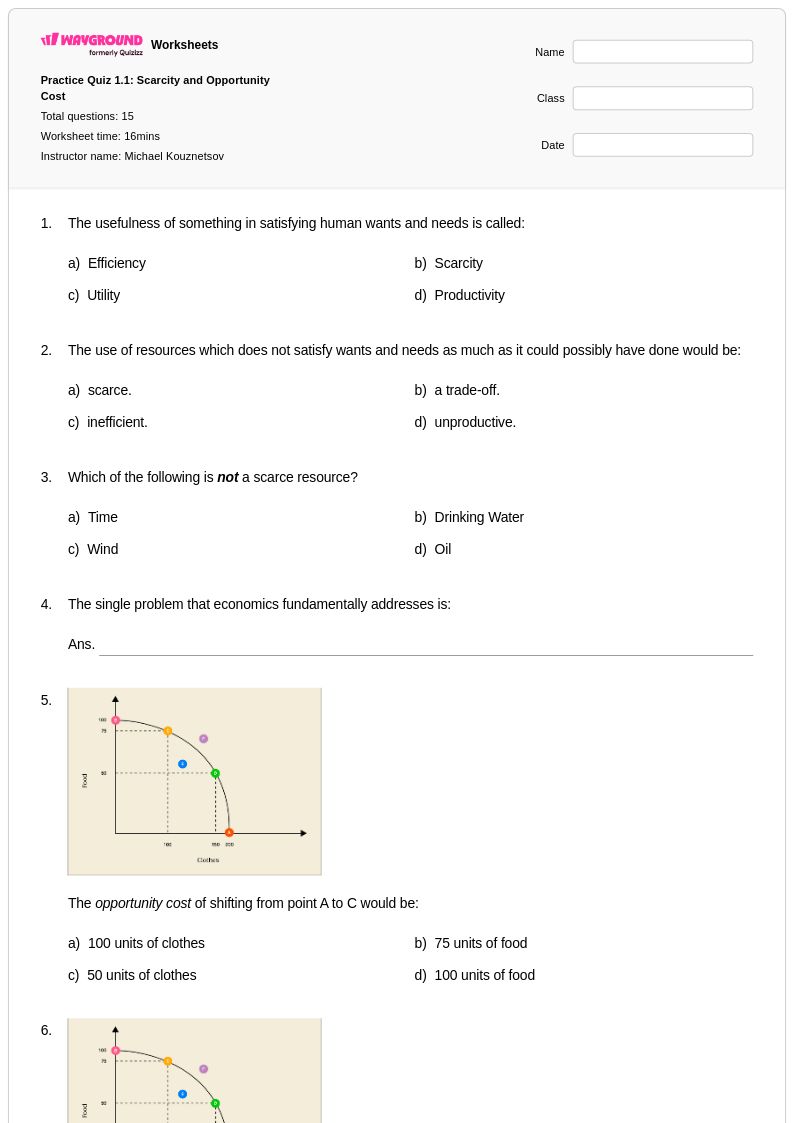
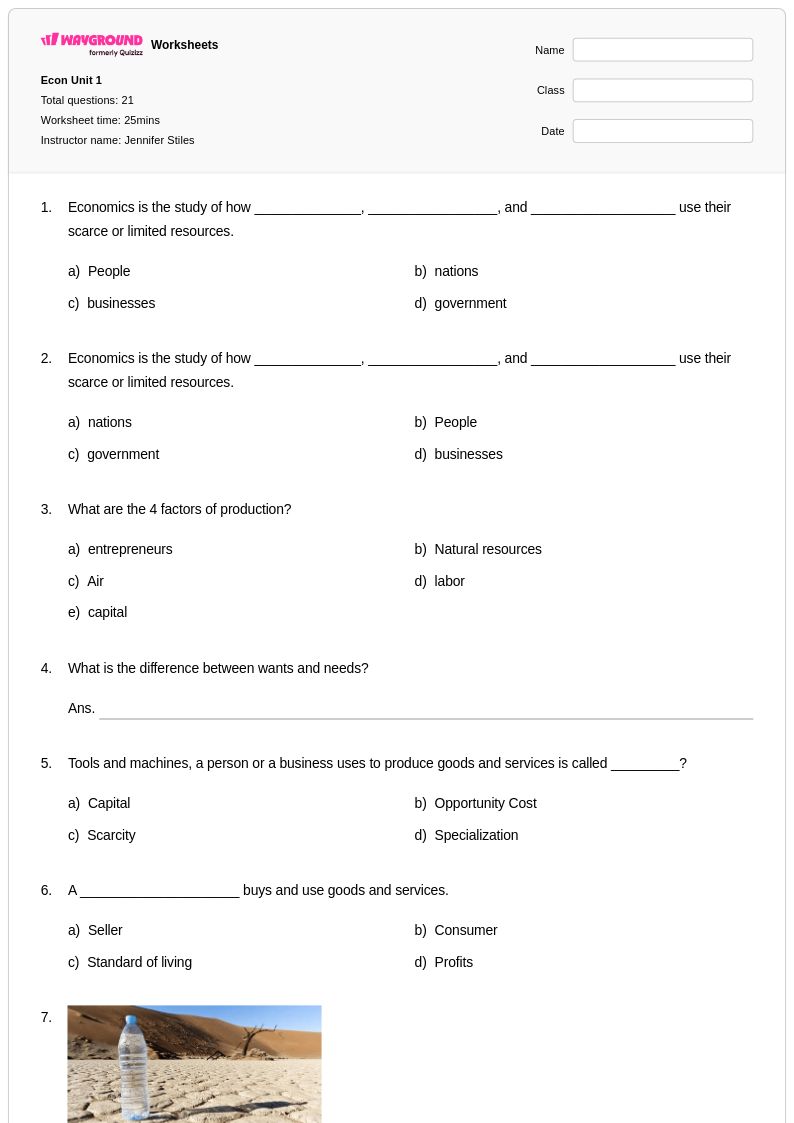
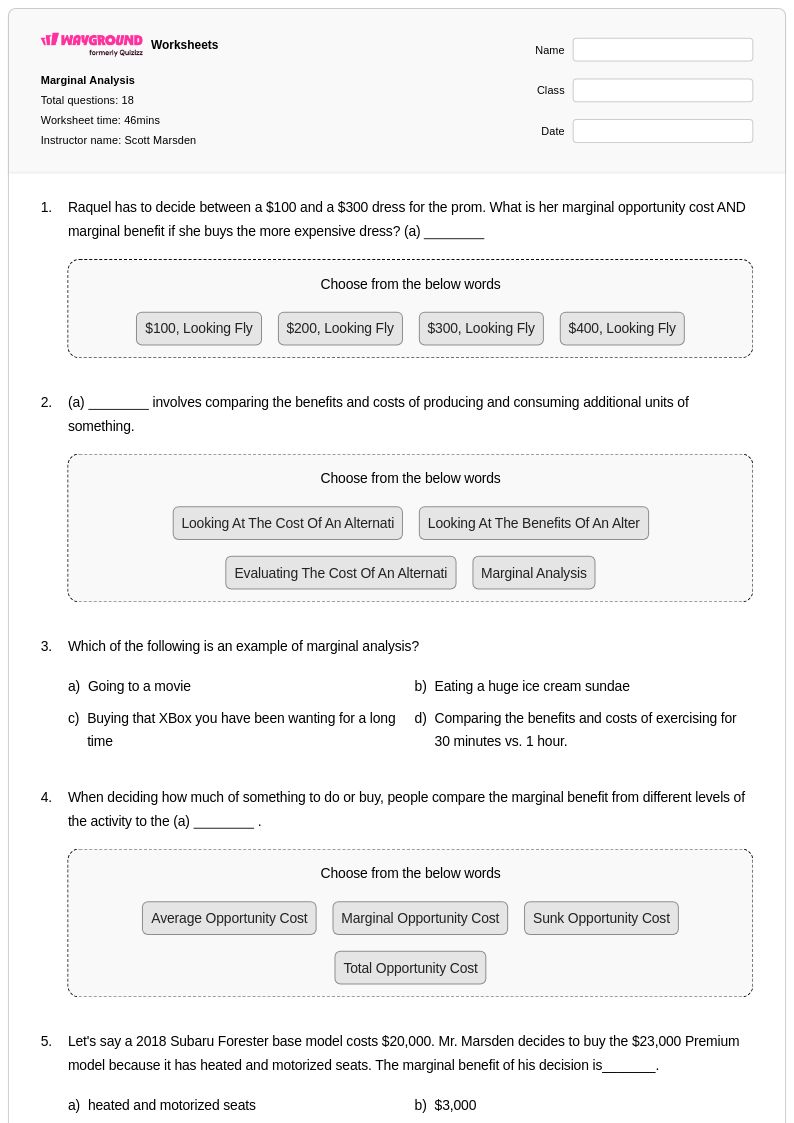
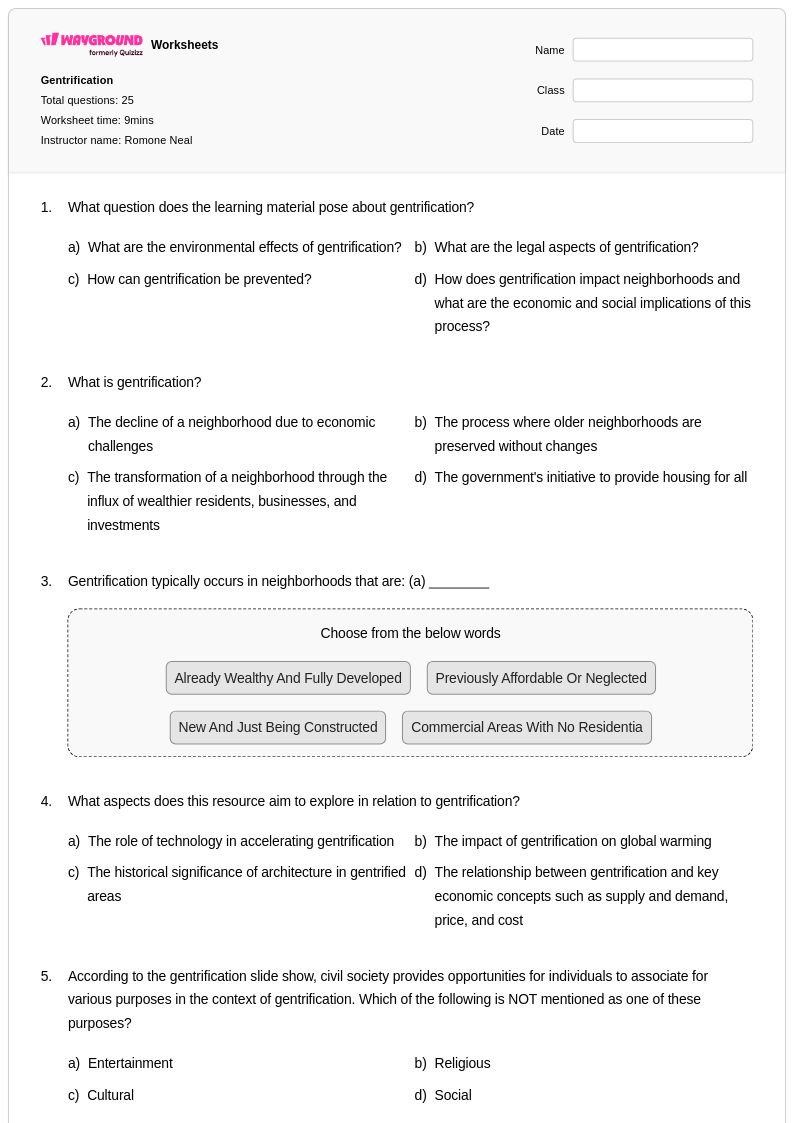
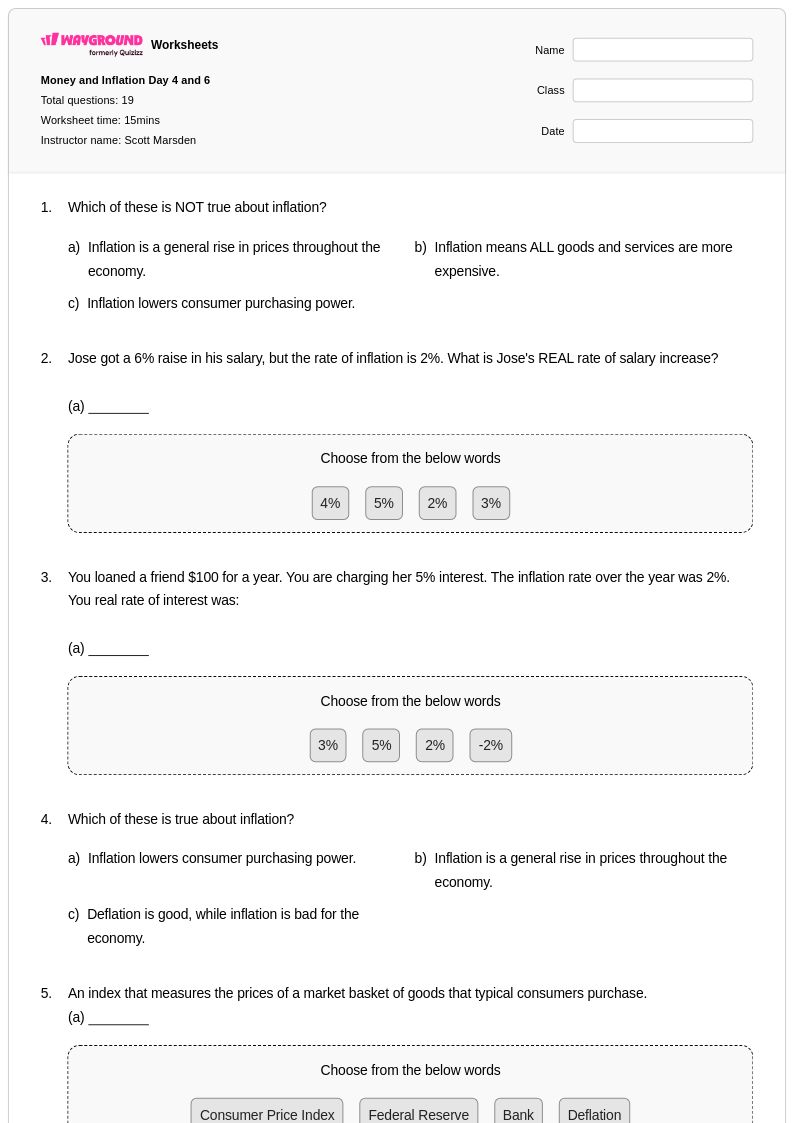
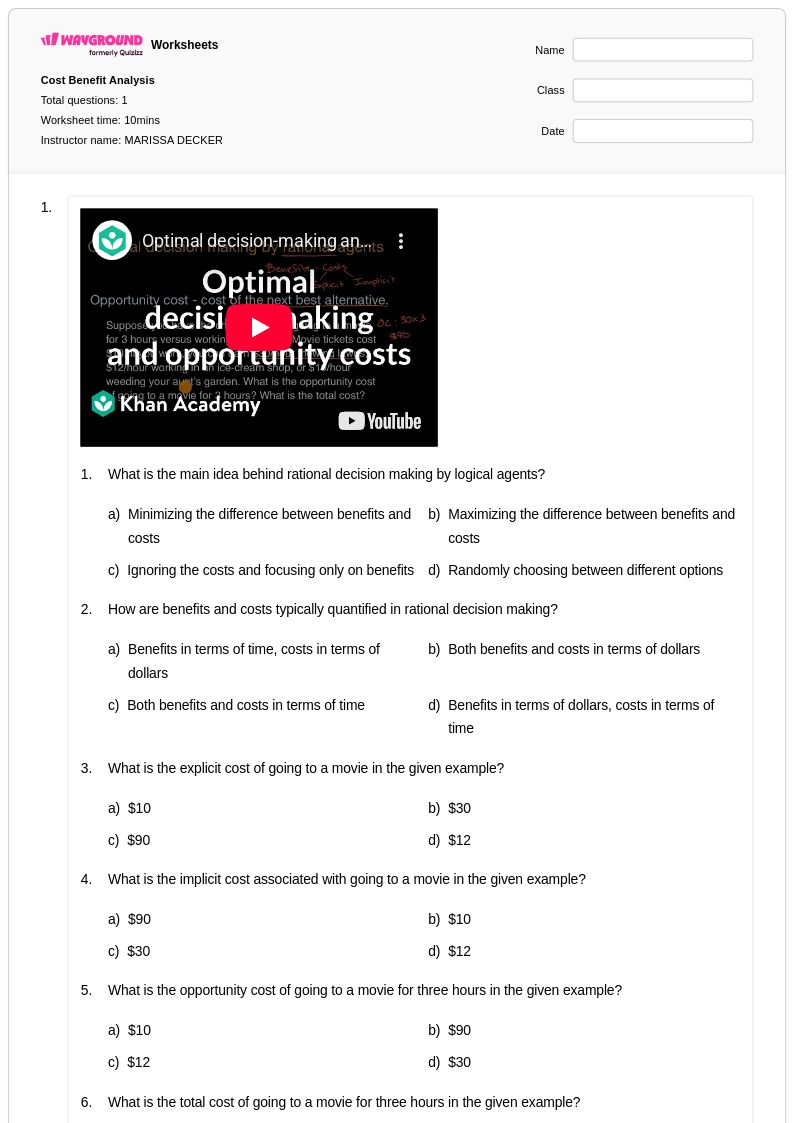
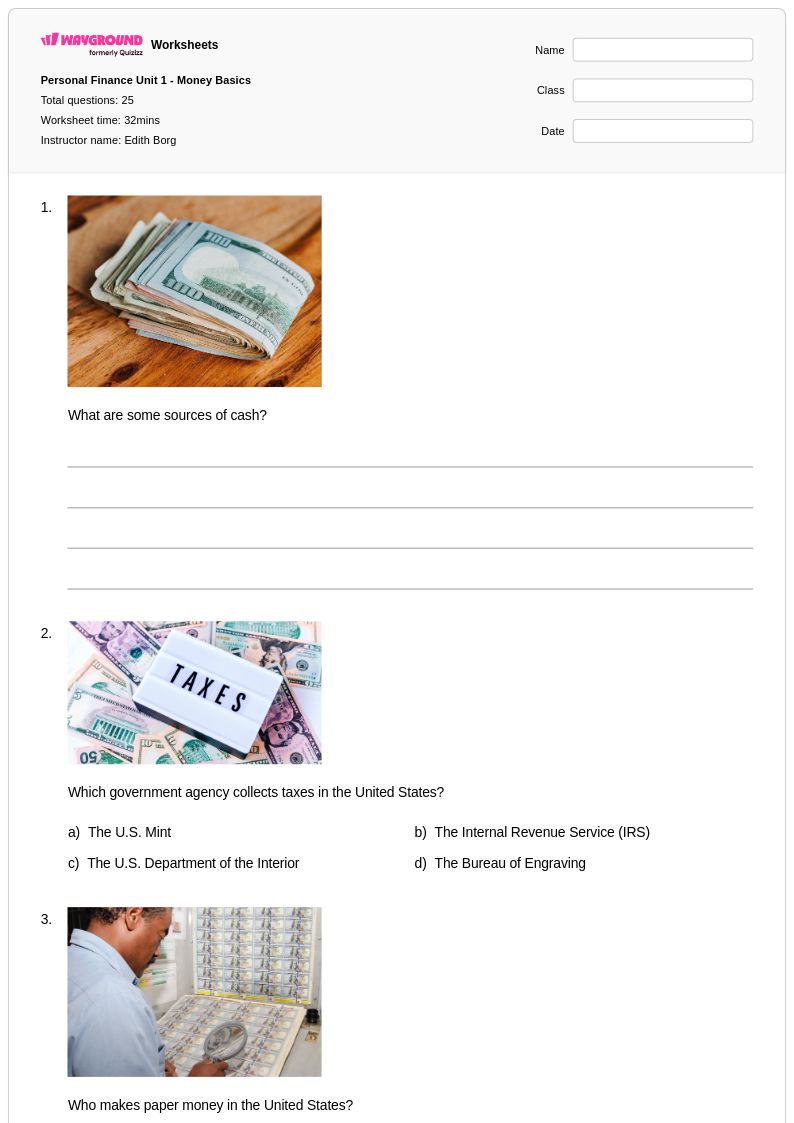
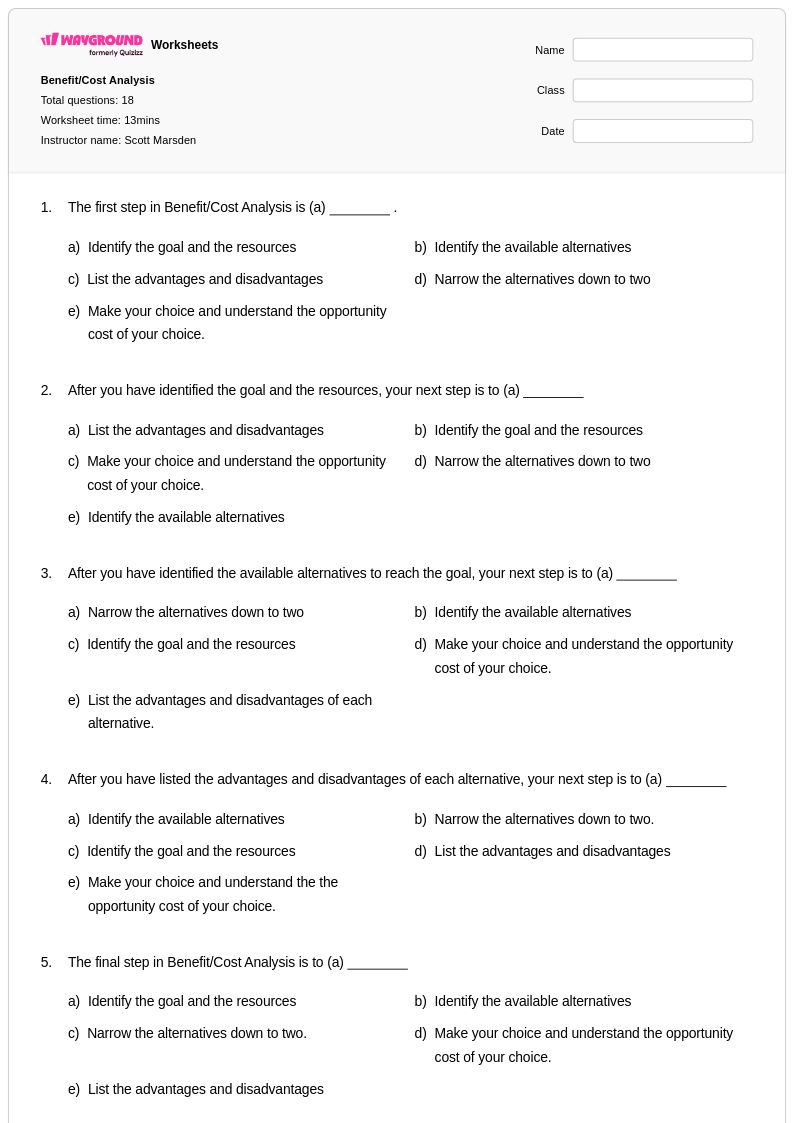
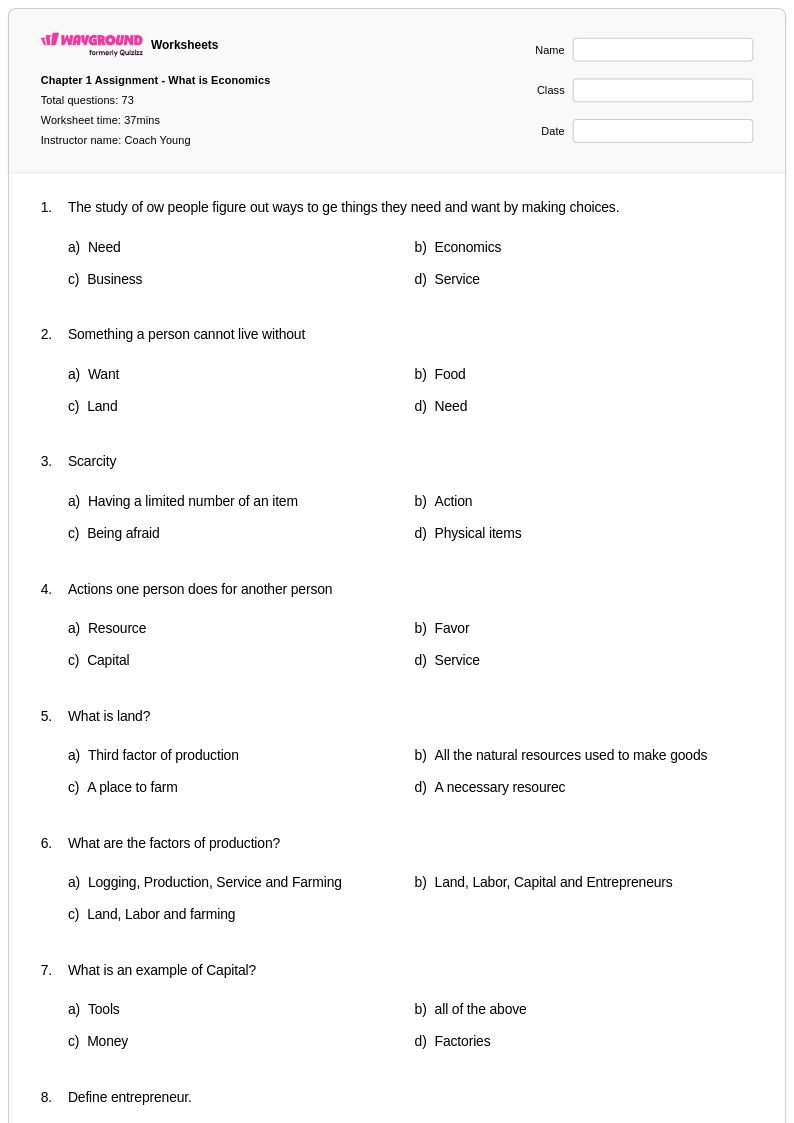
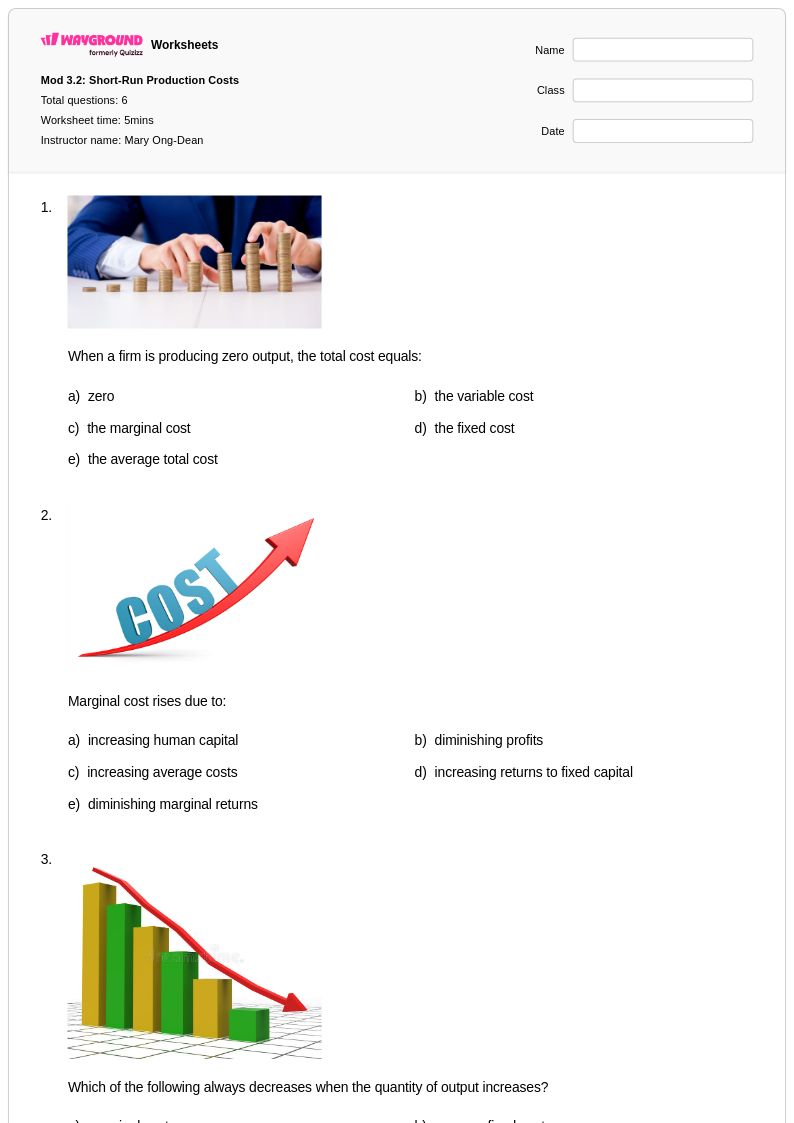
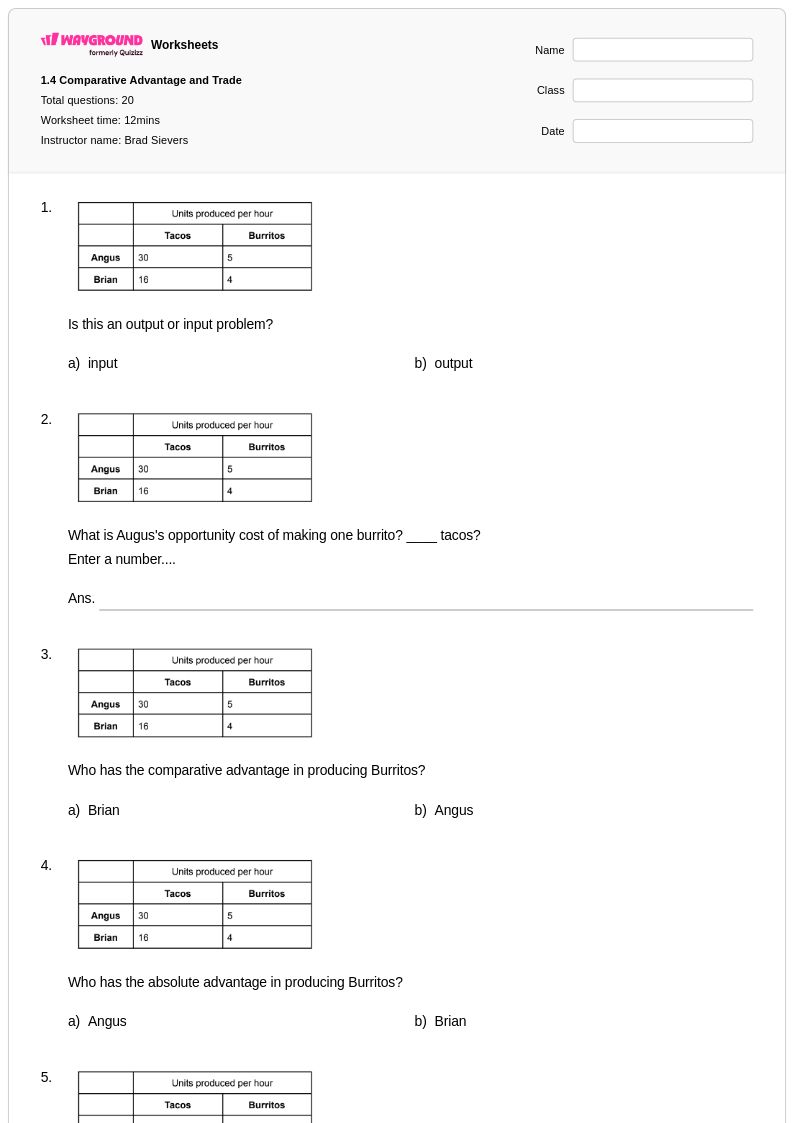
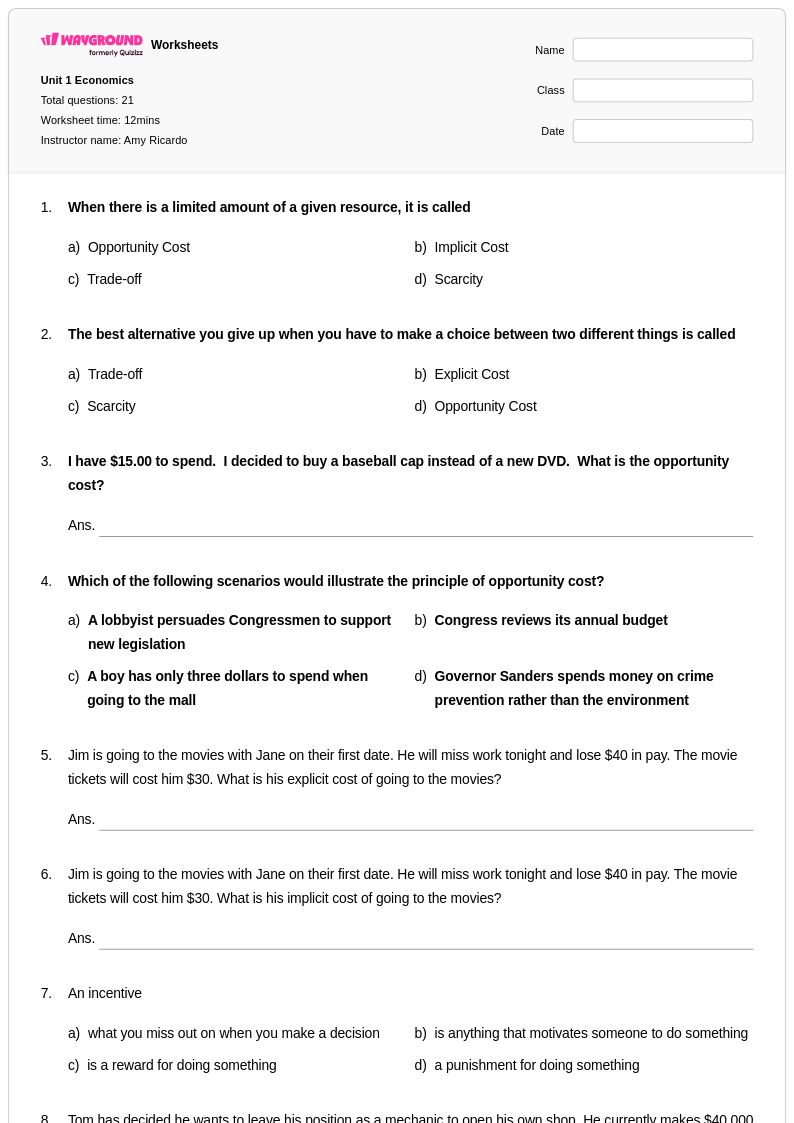
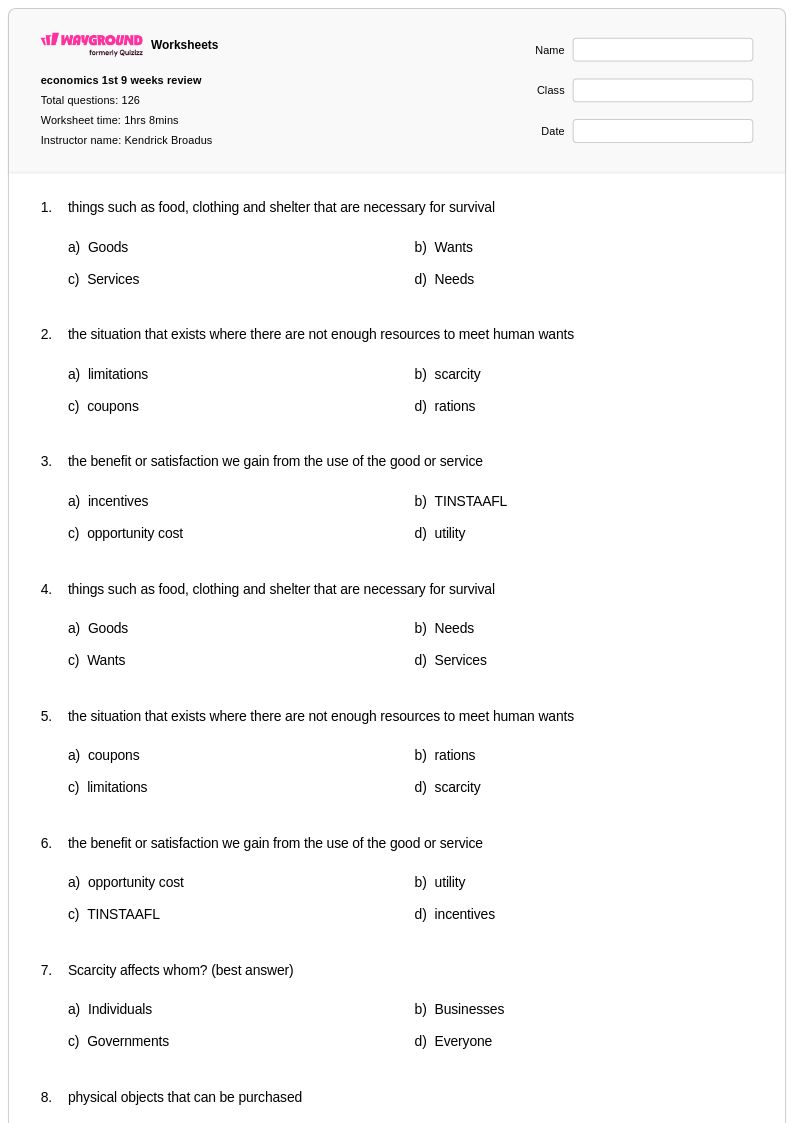
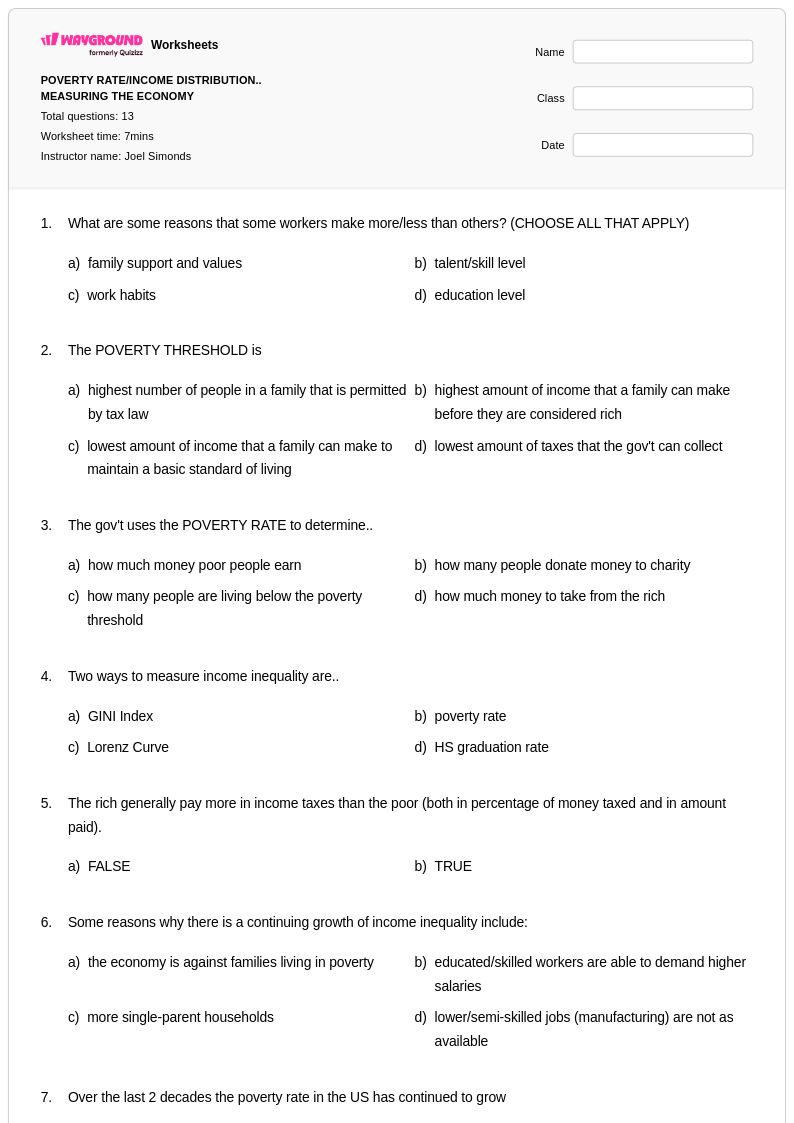
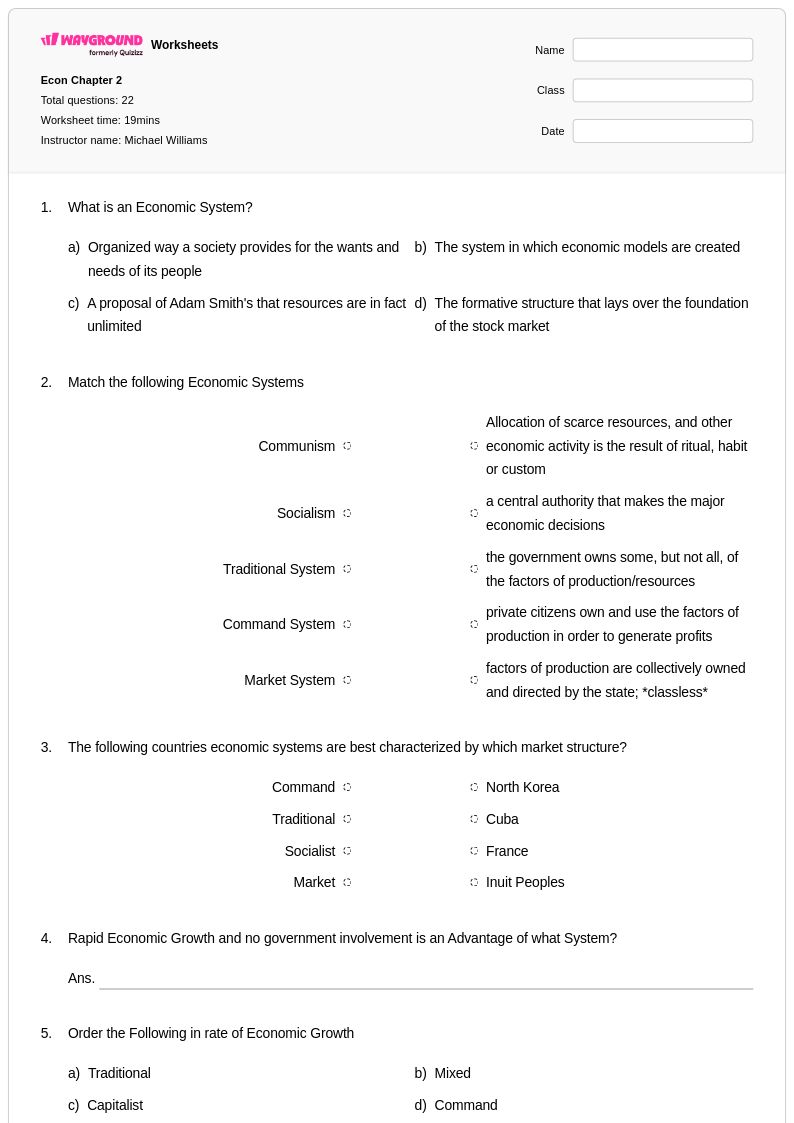
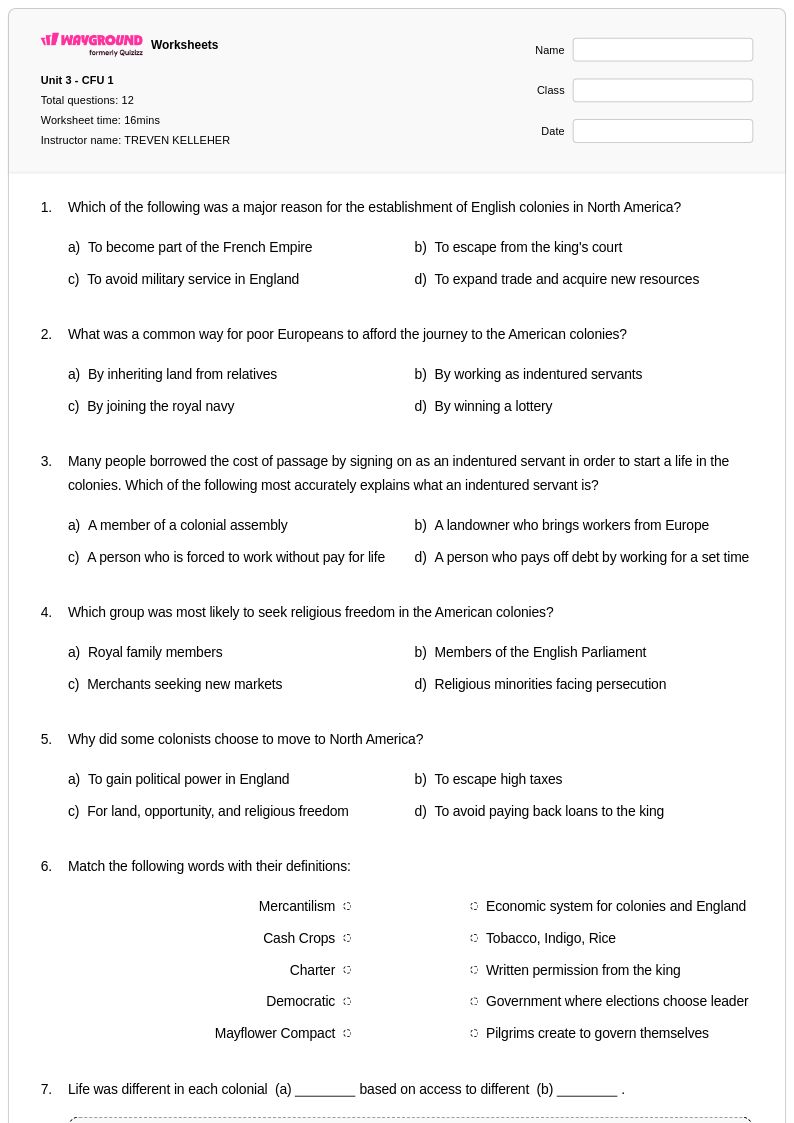
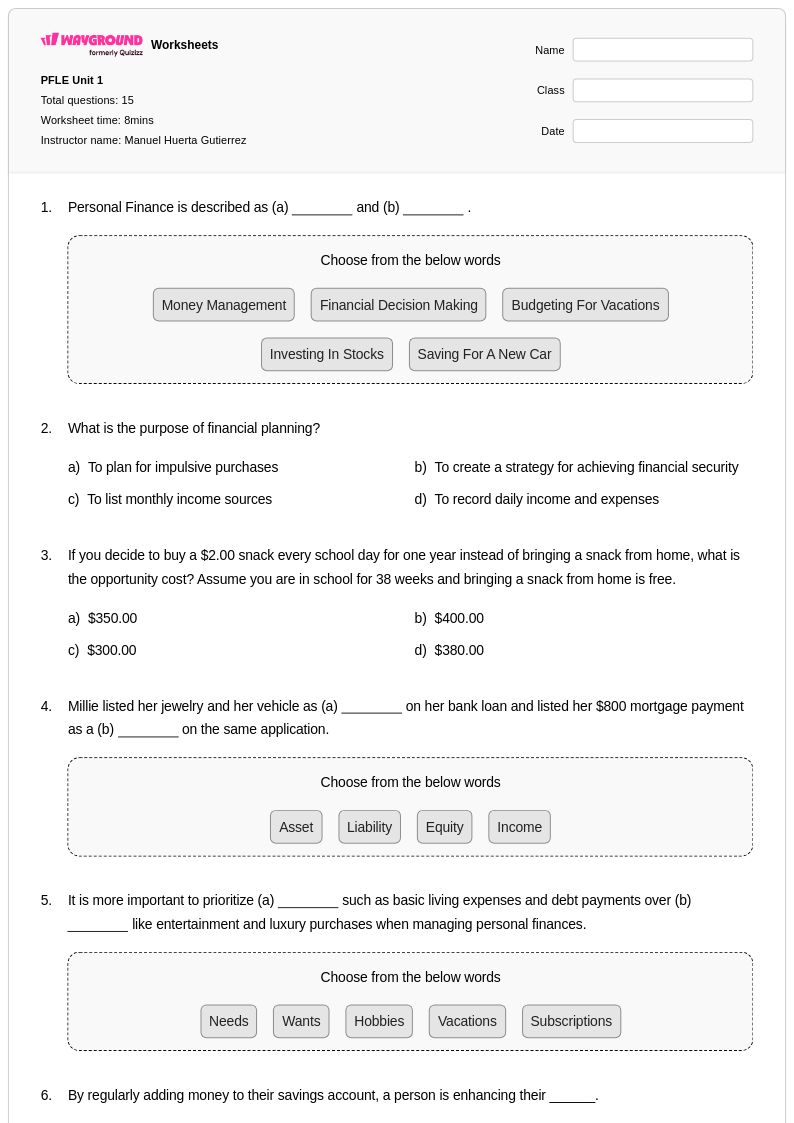
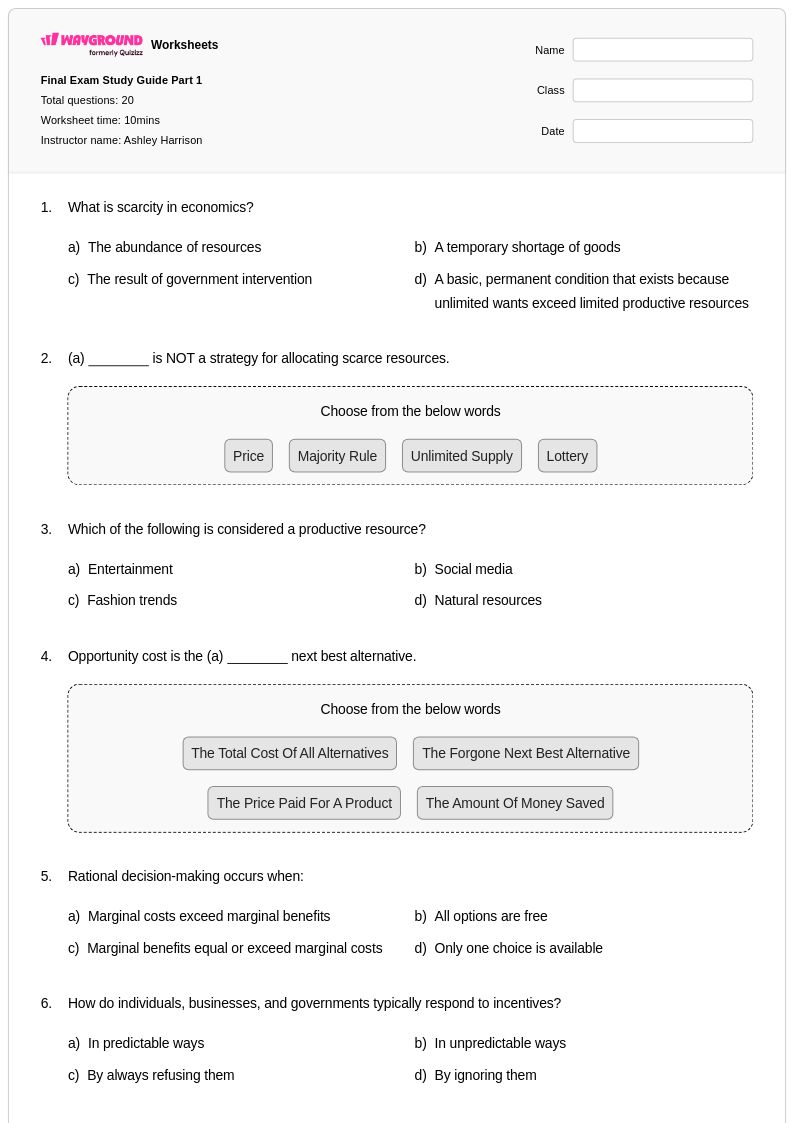
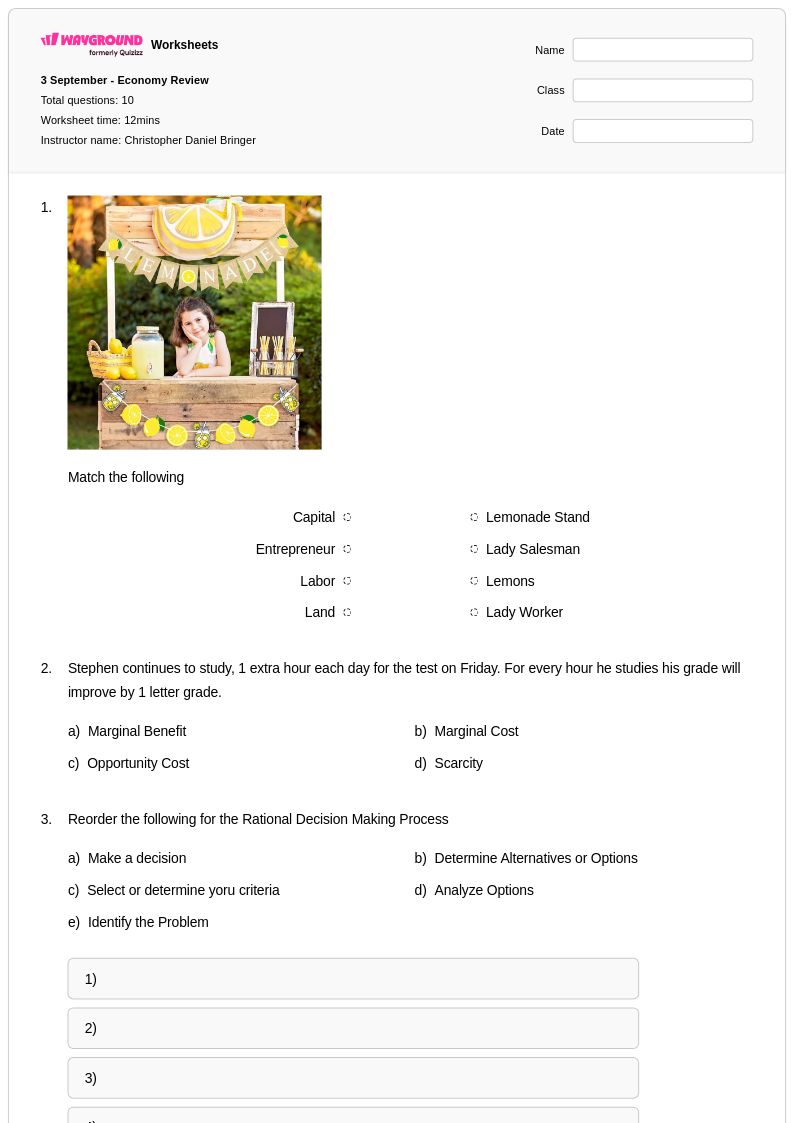
Cost of living worksheets for Class 12 students available through Wayground (formerly Quizizz) provide comprehensive resources for understanding how economic factors impact household budgets and regional price variations. These expertly designed worksheets strengthen critical analytical skills by guiding students through real-world scenarios involving housing costs, transportation expenses, food prices, and regional economic disparities. Students engage with practice problems that require them to calculate cost of living indexes, compare expenses across different geographic areas, and analyze how factors like inflation, employment rates, and local economic conditions influence daily expenses. Each worksheet includes detailed answer keys that help students verify their calculations and understand complex economic relationships, while the printable pdf format ensures easy classroom distribution and individual study sessions.
Wayground's extensive collection of cost of living worksheets draws from millions of teacher-created resources specifically developed for Class 12 economics instruction. The platform's advanced search and filtering capabilities allow educators to quickly locate materials aligned with specific curriculum standards and learning objectives, while differentiation tools enable teachers to customize content for varying skill levels within their classrooms. These free printables can be seamlessly integrated into lesson plans for initial instruction, targeted remediation sessions, or enrichment activities for advanced learners. Teachers benefit from the flexible digital and printable formats that support both in-person and remote learning environments, making it simple to provide consistent, high-quality practice opportunities that reinforce essential economic literacy concepts and prepare students for post-secondary financial decision-making.
FAQs
How do I teach cost of living to middle or high school students?
Start by grounding the concept in students' immediate experience — ask them to estimate monthly costs for rent, food, and transportation in your city before introducing regional comparisons. From there, introduce cost of living indices as a tool for making those comparisons measurable and objective. Connecting abstract economic data to real household decisions helps students see why cost of living matters beyond the classroom.
What kinds of practice problems help students understand cost of living concepts?
Effective practice problems ask students to calculate cost of living indices, compare the purchasing power of the same salary in two different cities, and analyze how inflation affects household budgets over time. Problems that require interpreting real or realistic economic data — such as comparing housing costs, food prices, and transportation expenses across regions — build both quantitative skills and economic reasoning. Worksheets that sequence these problem types from simple comparisons to multi-variable analyses are especially effective.
What mistakes do students commonly make when analyzing cost of living data?
A common error is treating a higher nominal salary as automatically better without accounting for regional price differences — students often need explicit instruction on how to adjust for cost of living before comparing wages across locations. Another frequent misconception is conflating cost of living with inflation; students may not realize that inflation is a change over time, while cost of living reflects a snapshot comparison across places. Requiring students to show their reasoning step-by-step in calculations helps surface and correct both errors.
How can I use cost of living worksheets to connect economics to students' real lives?
Use worksheets that ask students to build or analyze a sample household budget for a local area, then compare it to another city or region. This grounds abstract economic concepts — like price indices and wage purchasing power — in decisions students will actually face as adults. When students see how cost of living affects career choices, housing decisions, and savings goals, engagement with the material increases significantly.
How do I use Wayground's cost of living worksheets in my classroom?
Wayground's cost of living worksheets are available as printable PDFs for traditional classroom use and in digital formats for technology-integrated environments, making them flexible for in-person, hybrid, or remote instruction. Teachers can also host them as a quiz directly on Wayground, and each worksheet includes a complete answer key to support efficient grading and student self-review. Wayground also supports student-level accommodations such as extended time, read aloud, and reduced answer choices, which can be assigned individually so that students with different needs receive appropriate support without disruption to the rest of the class.
How do I differentiate cost of living instruction for students at different skill levels?
For students who are still developing economic literacy, start with straightforward comparisons — two cities, a fixed set of expenses, and a guided calculation structure. Advanced students can work with multi-variable problems that incorporate inflation rates, wage data, and regional economic conditions simultaneously. On Wayground, teachers can assign accommodations like reduced answer choices or read aloud to individual students, allowing the same core activity to serve diverse learners without requiring separate lesson plans.