
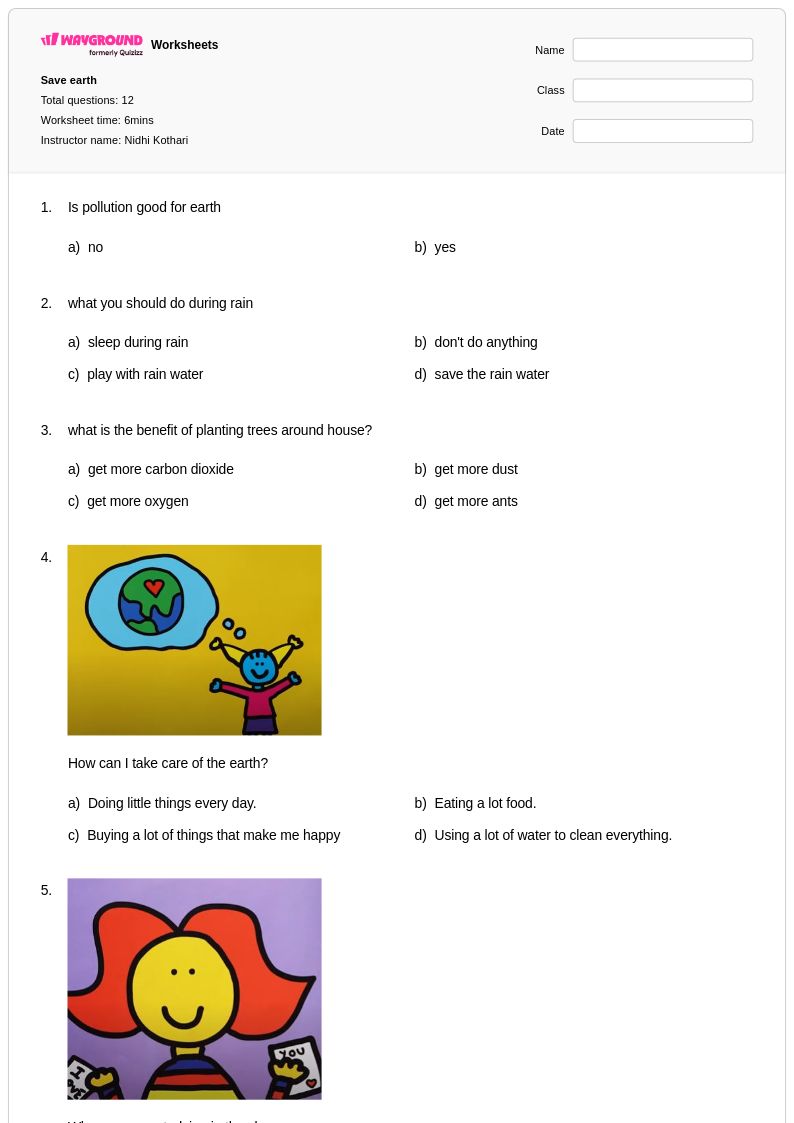
12 Q
1st - 3rd
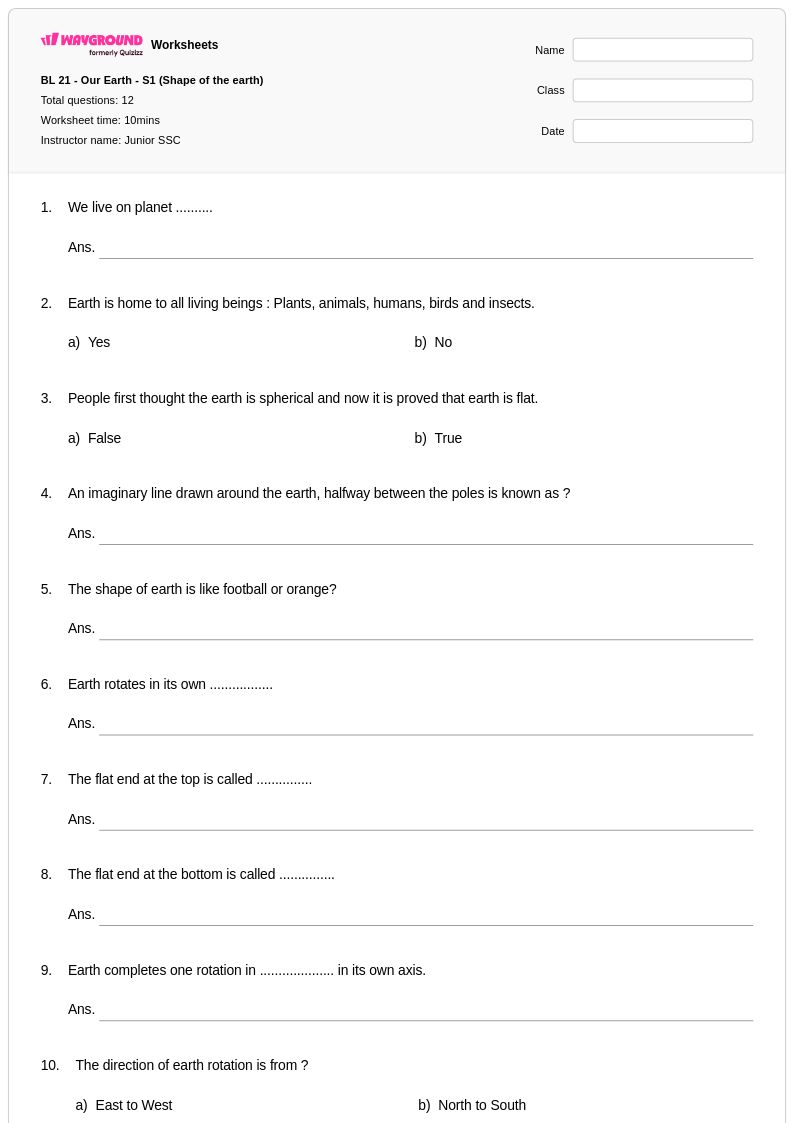
12 Q
3rd
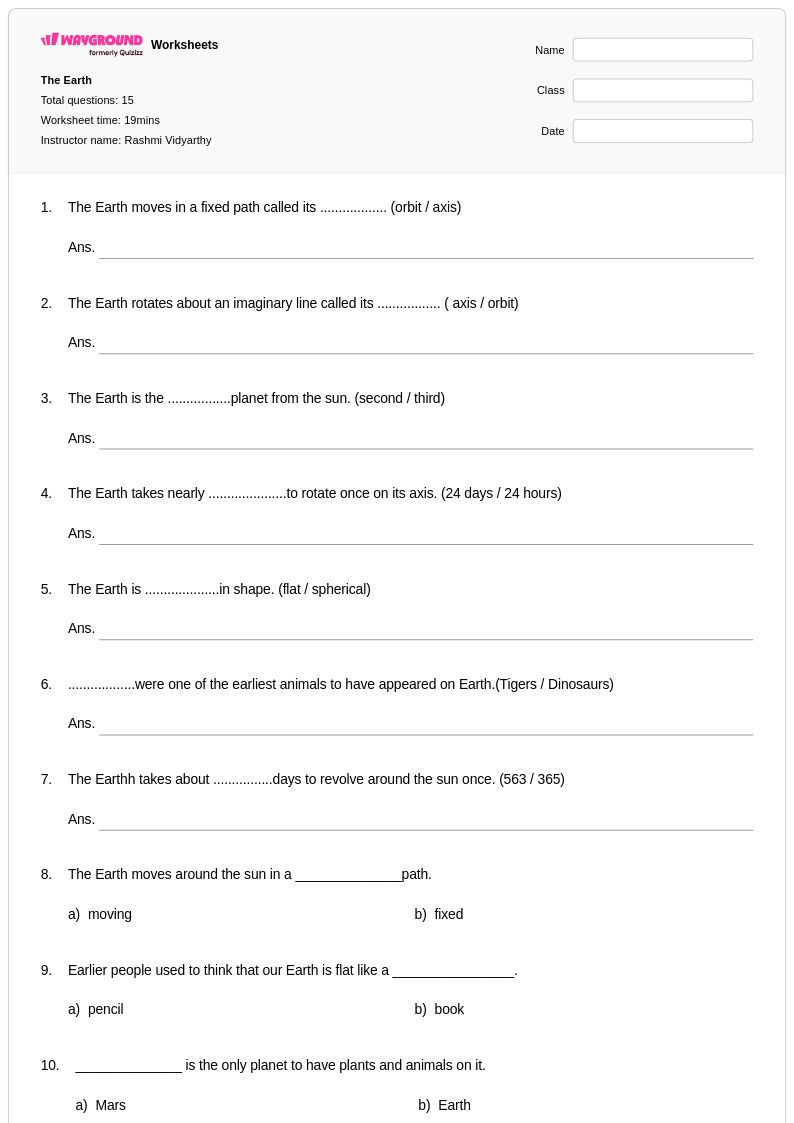
15 Q
3rd
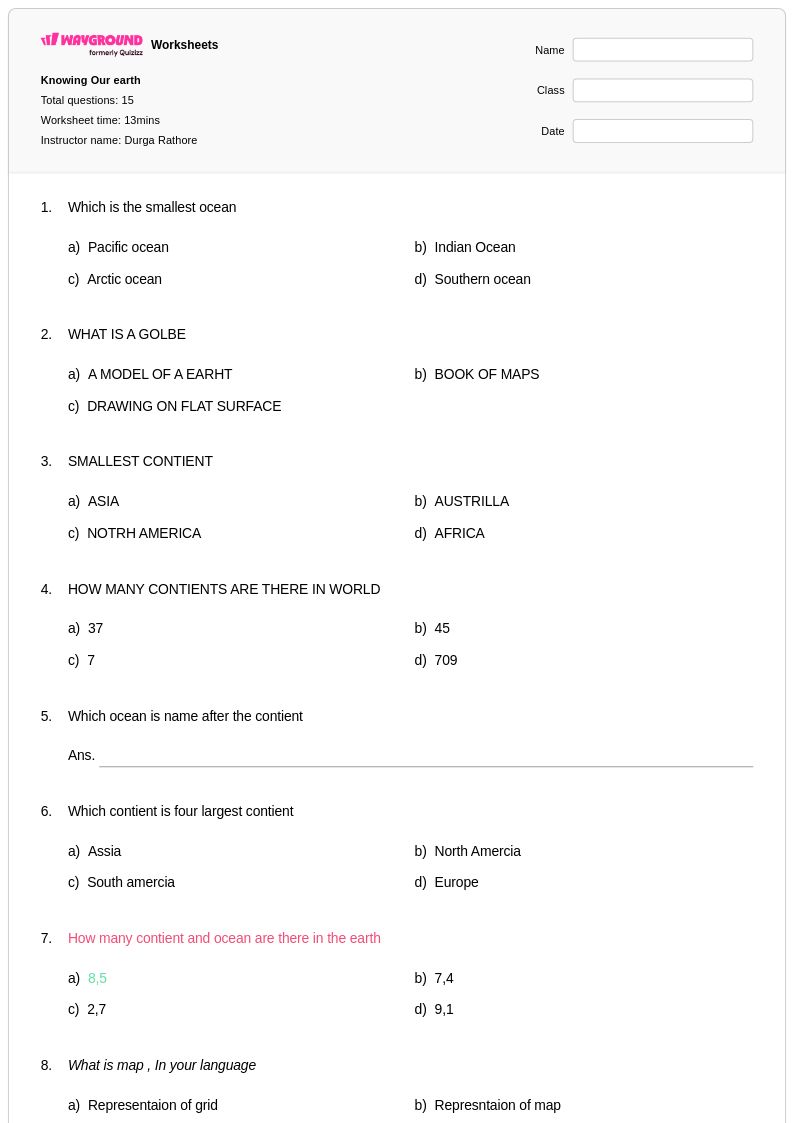
15 Q
3rd
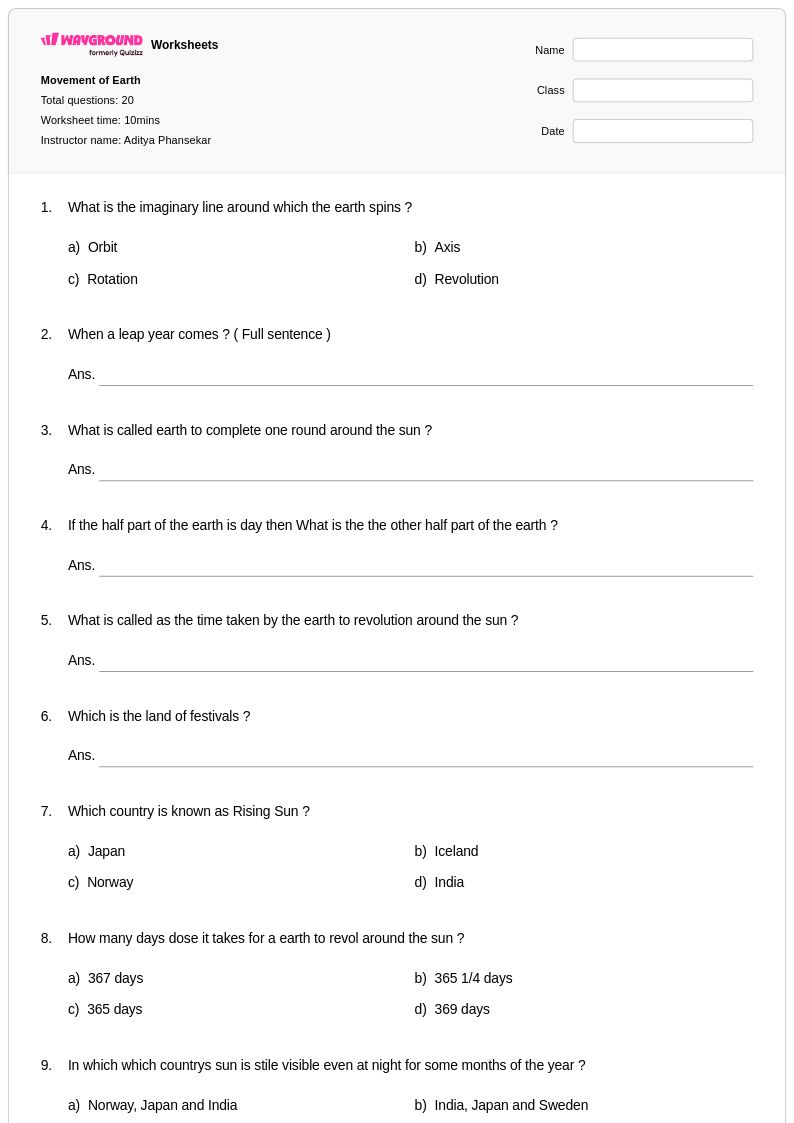
20 Q
3rd - 4th
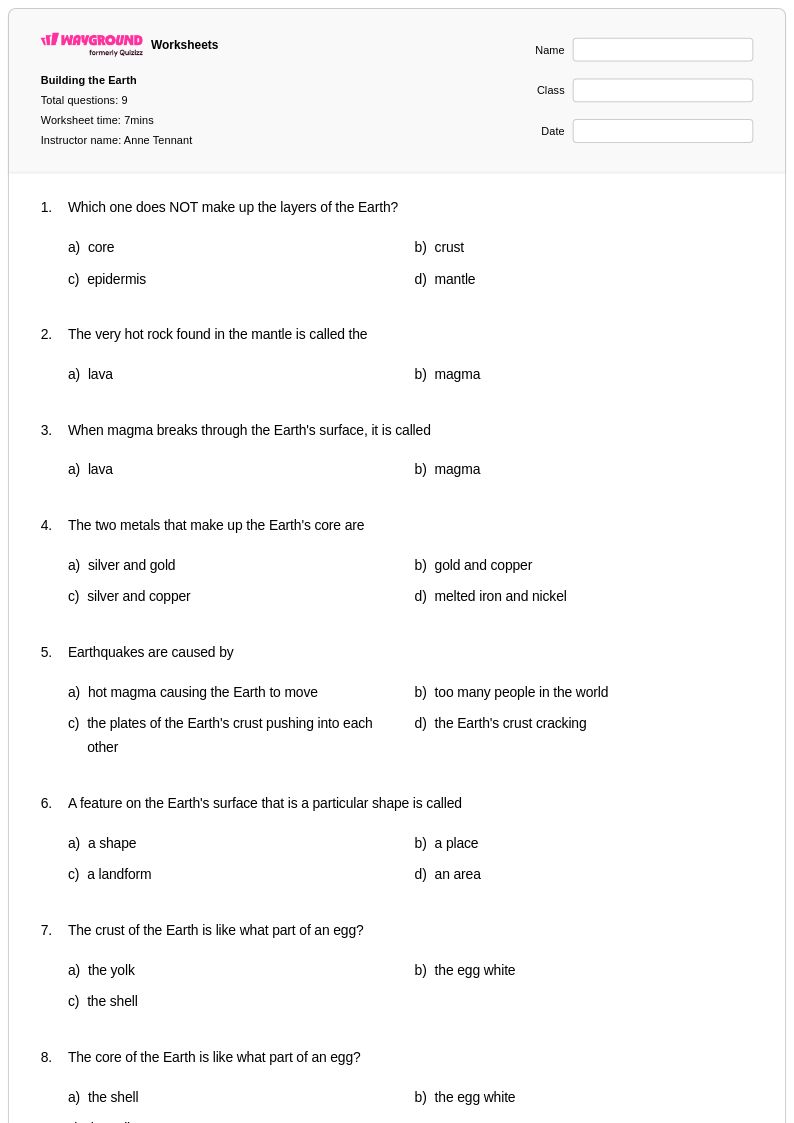
9 Q
3rd
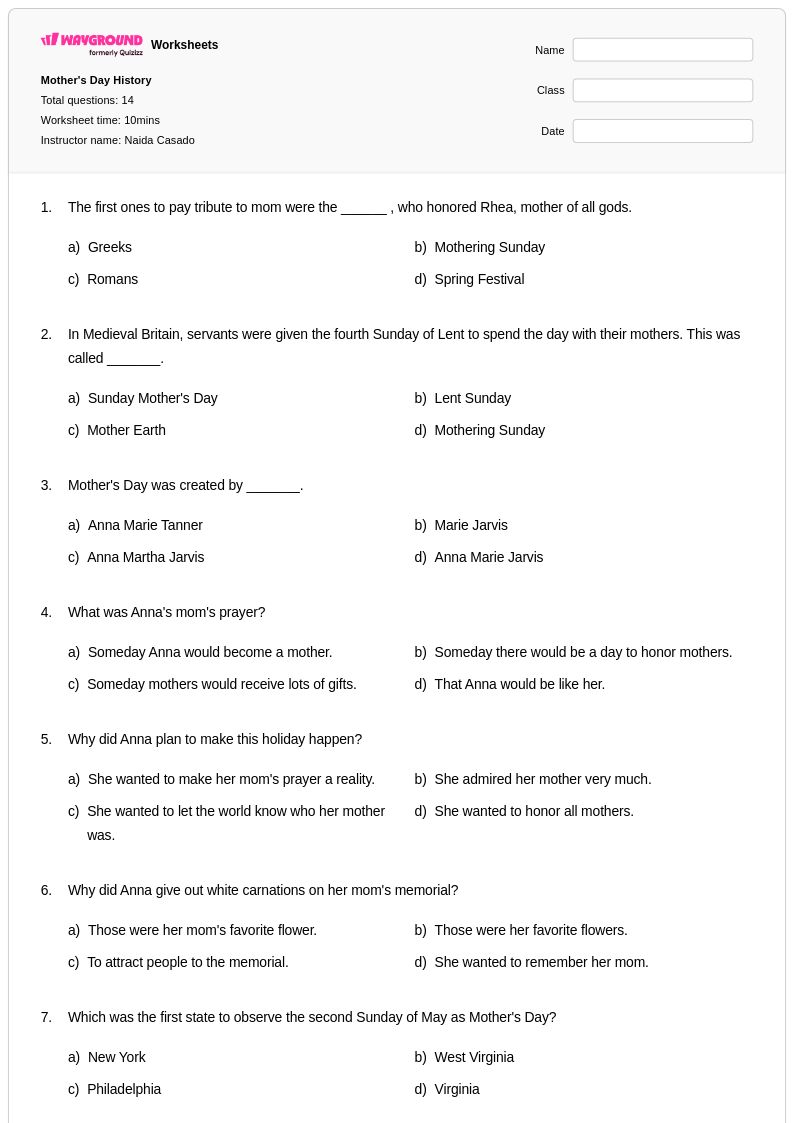
14 Q
3rd - 5th
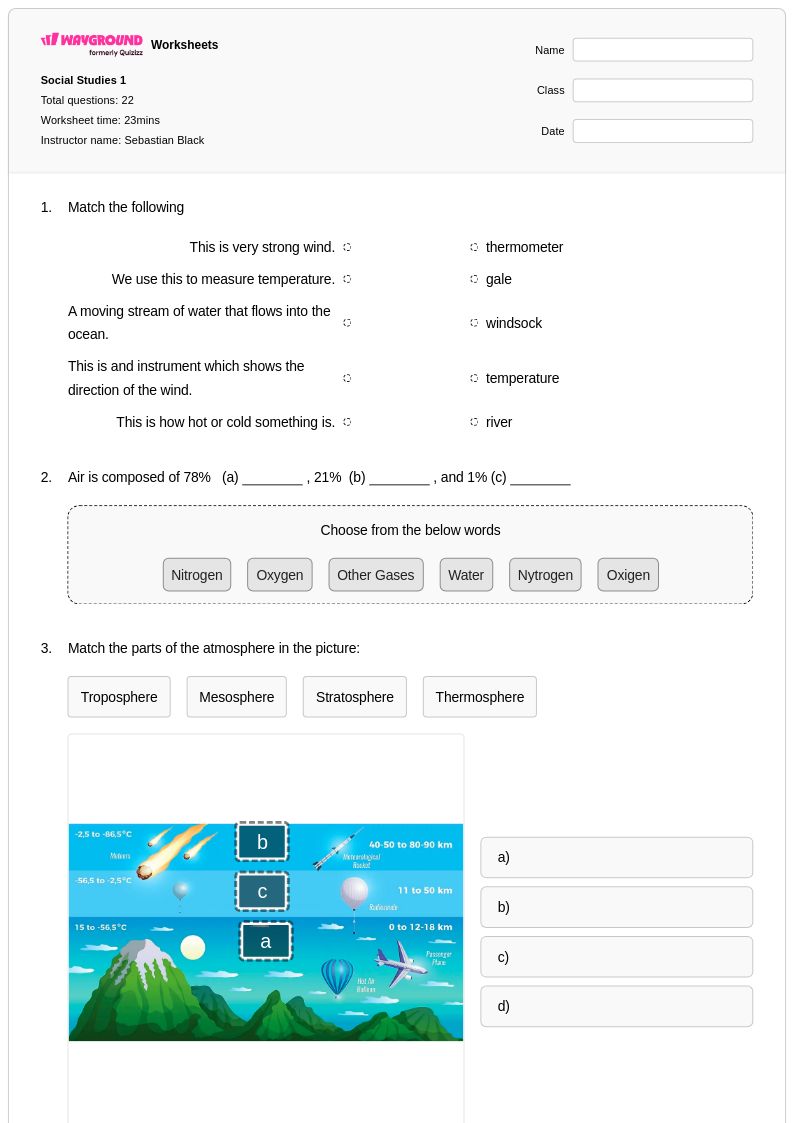
22 Q
3rd
18 Q
3rd
15 Q
1st - 5th
6 Q
3rd
9 Q
3rd - 4th
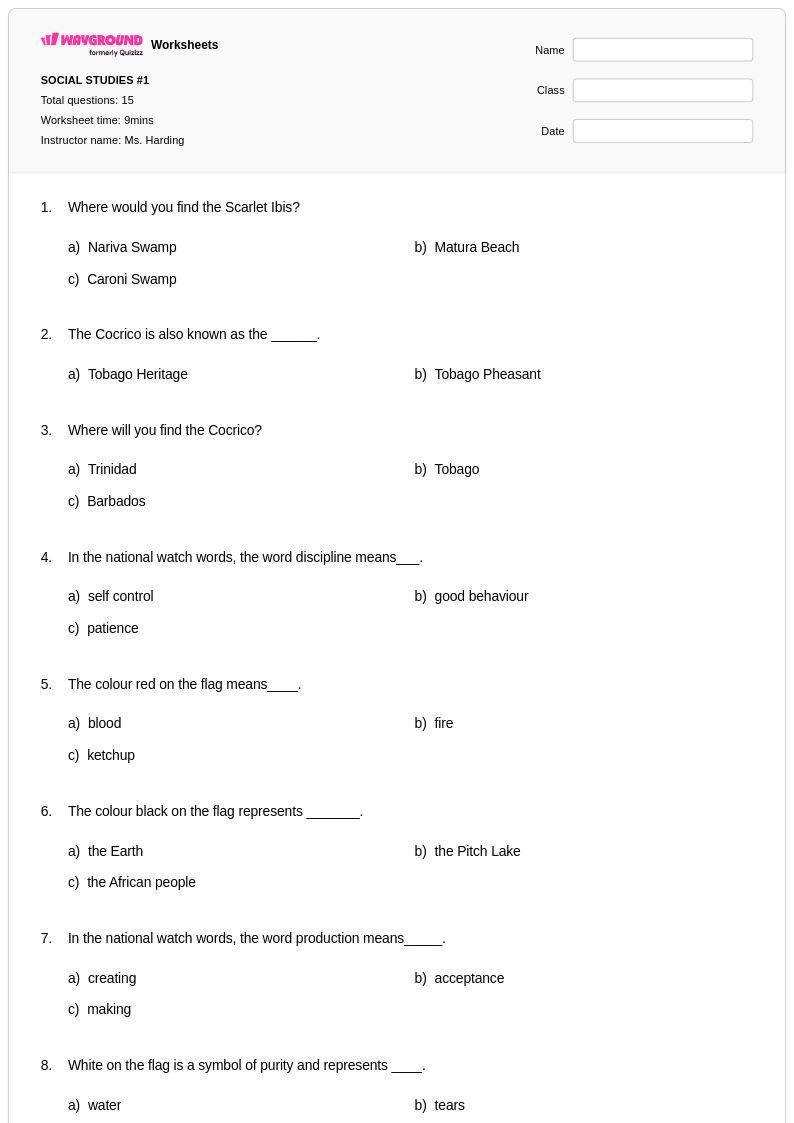
15 Q
3rd
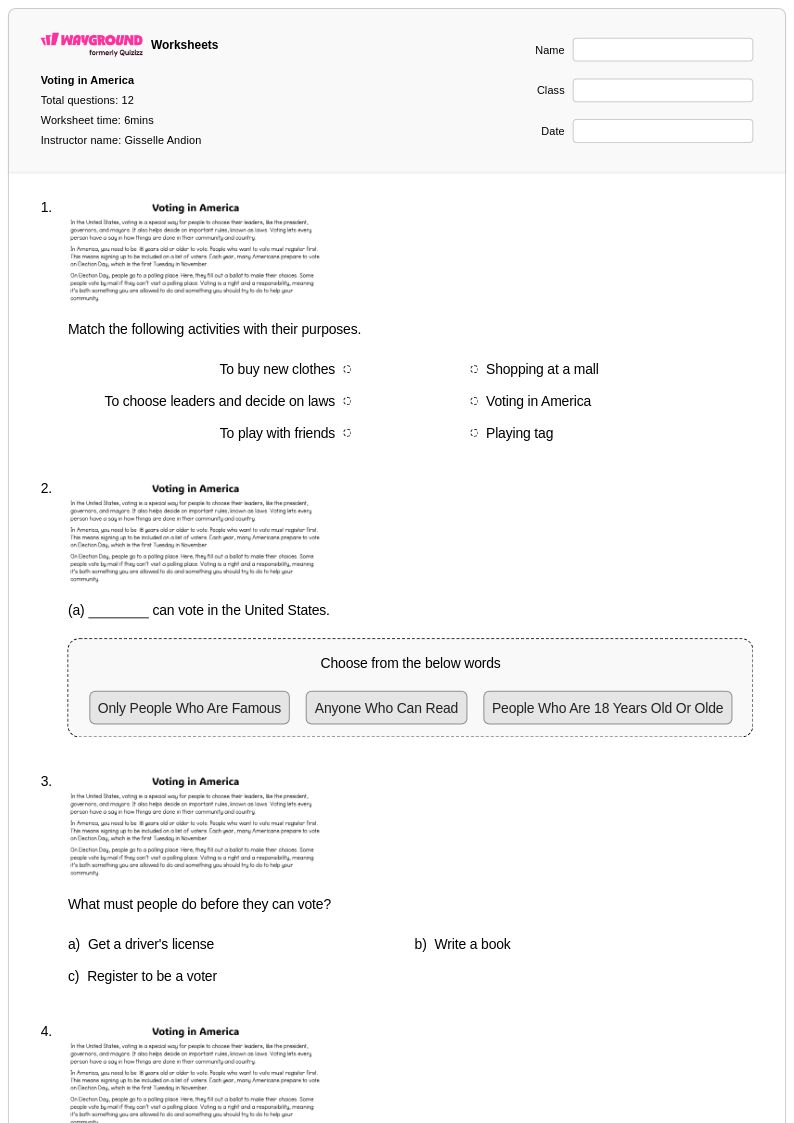
12 Q
3rd
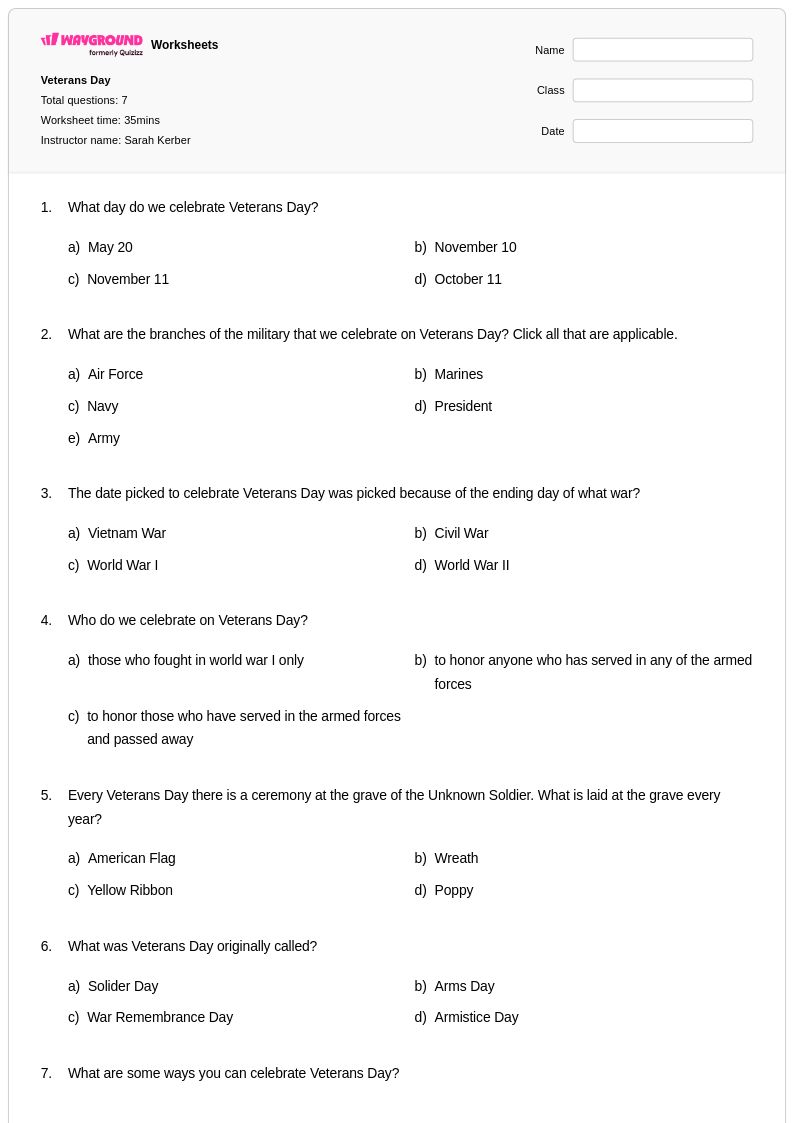
7 Q
2nd - 4th
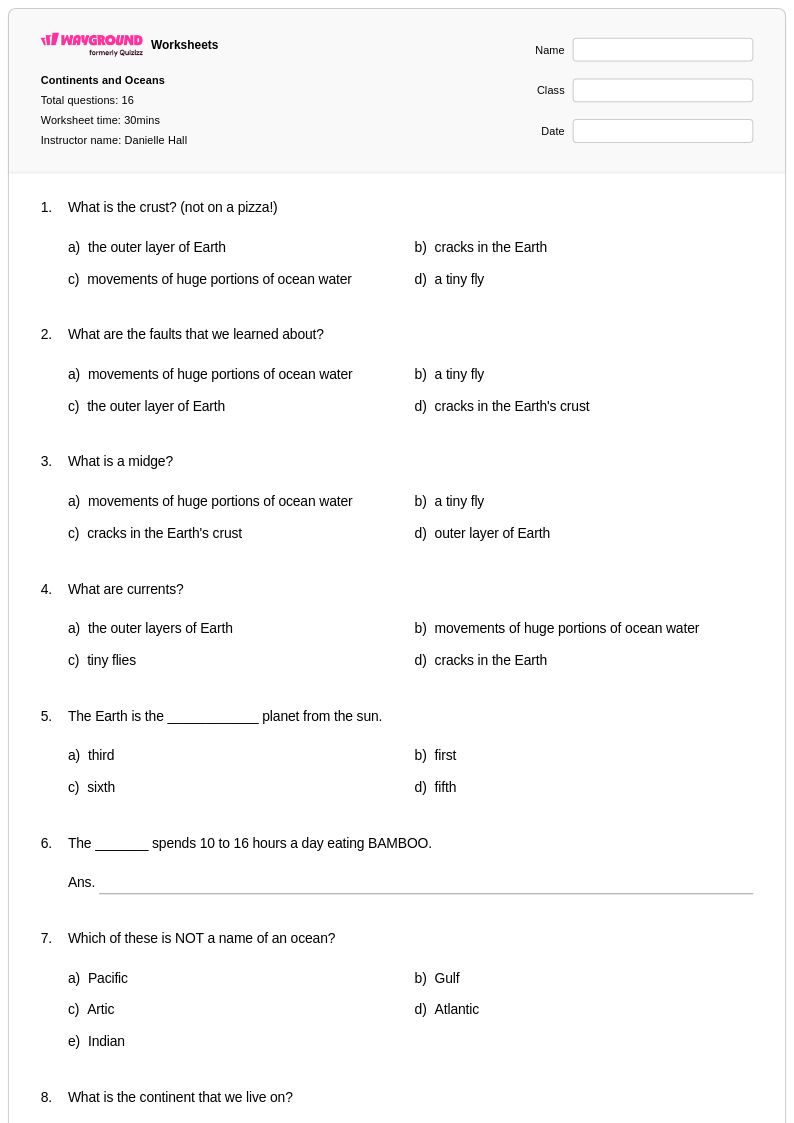
16 Q
3rd
11 Q
3rd
13 Q
3rd
14 Q
3rd
12 Q
3rd
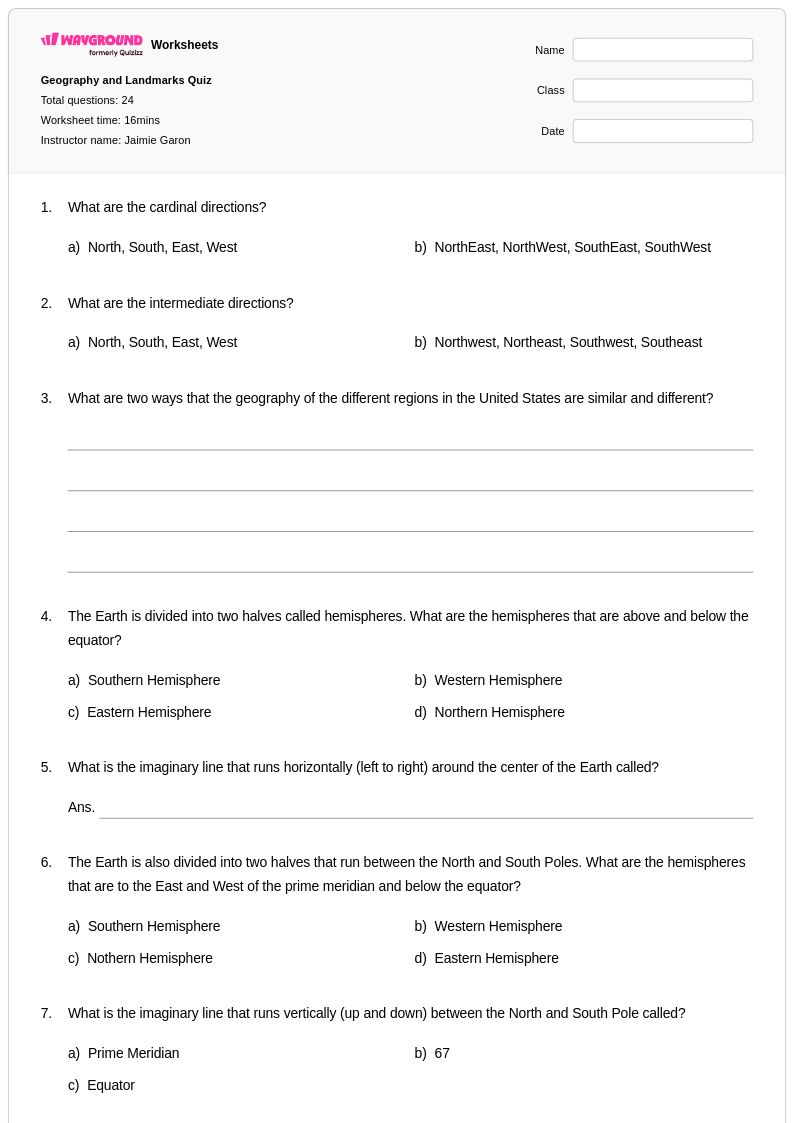
24 Q
3rd
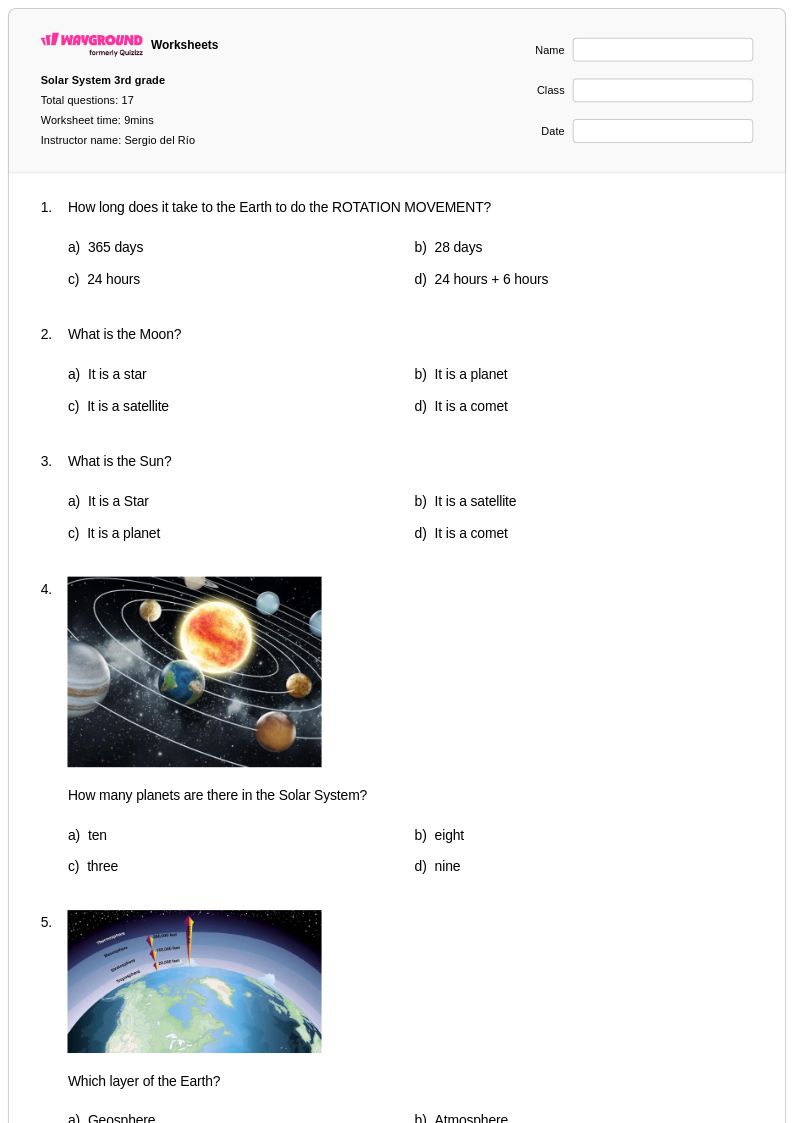
17 Q
3rd
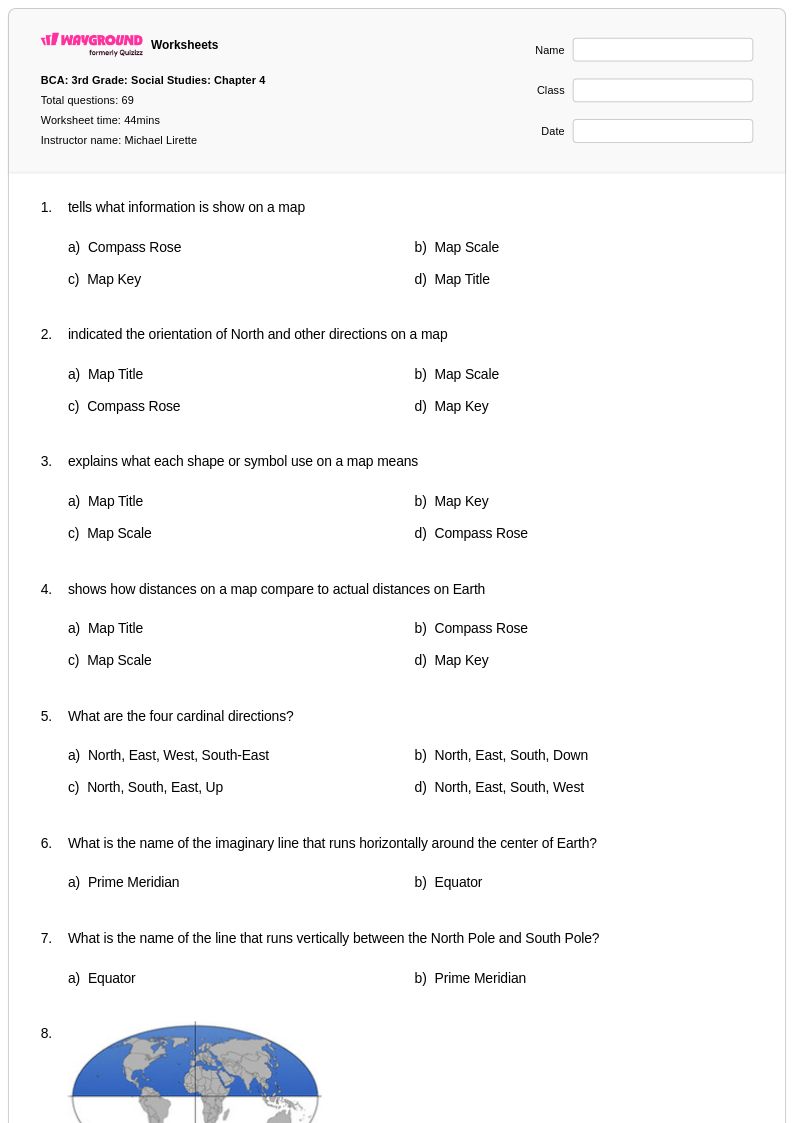
69 Q
3rd
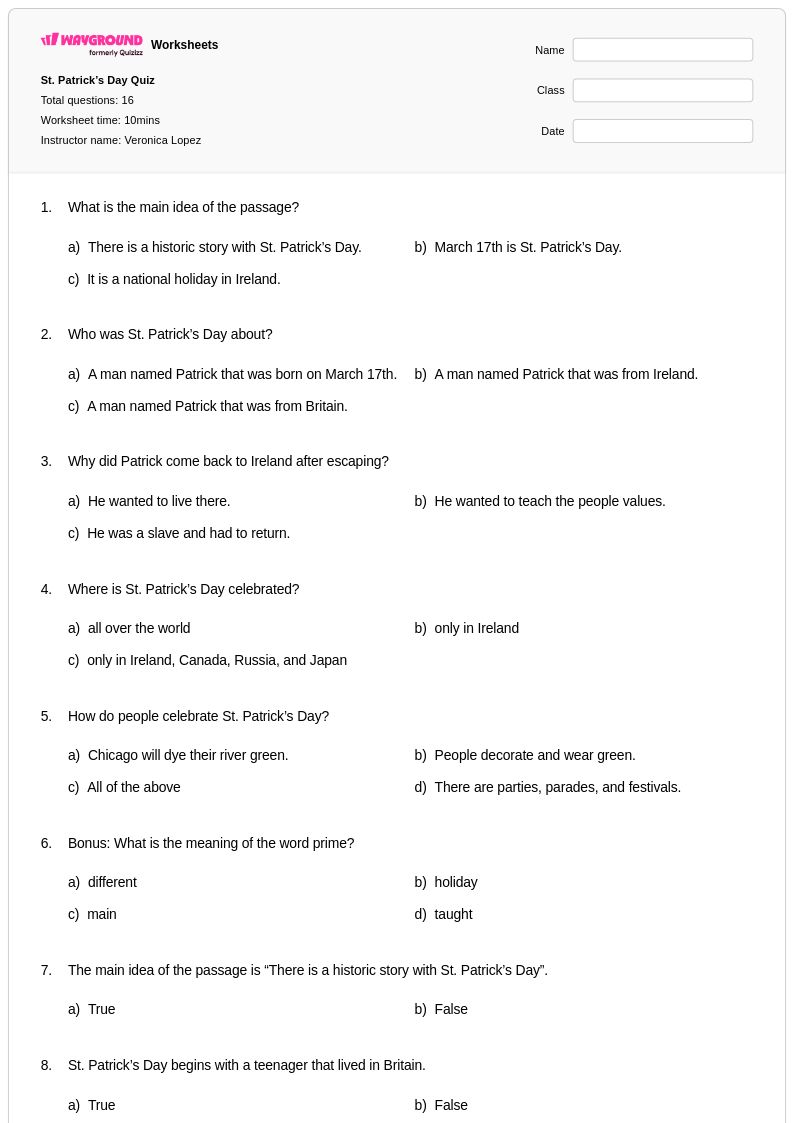
16 Q
3rd
Explore Other Subject Worksheets for class 3
Explore printable Earth Day worksheets for Class 3
Earth Day worksheets for Class 3 students available through Wayground (formerly Quizizz) provide comprehensive educational resources that blend environmental awareness with essential social studies concepts about community and cultures. These carefully designed worksheets help third-grade students understand how different communities around the world celebrate and protect our planet while developing critical thinking skills about environmental stewardship and cultural diversity. Students engage with practice problems that explore how various cultures approach conservation, community gardens, recycling programs, and Earth-friendly traditions, strengthening their ability to analyze cause-and-effect relationships and compare cultural practices. Each worksheet collection includes detailed answer keys and is available as free printable pdf resources, making it easy for educators to incorporate meaningful Earth Day learning experiences that connect environmental science with social studies curriculum objectives.
Wayground (formerly Quizizz) supports educators with millions of teacher-created Earth Day and community cultures resources that streamline lesson planning and enhance student engagement. The platform's robust search and filtering capabilities allow teachers to quickly locate grade-appropriate materials that align with state social studies standards while offering differentiation tools to meet diverse learning needs within the classroom. These worksheet collections are available in both printable and digital pdf formats, providing flexibility for various teaching environments and learning styles. Teachers can customize content to focus on specific cultural perspectives on environmental protection, adapt difficulty levels for remediation or enrichment purposes, and create targeted skill practice sessions that reinforce key concepts about how communities work together to care for Earth, making Earth Day instruction both meaningful and academically rigorous for third-grade students.
FAQs
How do I teach Earth Day concepts in a meaningful way across grade levels?
What kinds of activities help students practice environmental stewardship skills?
What common misconceptions do students have about Earth Day and environmental responsibility?
How can I differentiate Earth Day worksheets for students with different learning needs?
How do I use Wayground's Earth Day worksheets in my classroom?