
63 Q
1st - 5th
17 Q
3rd
11 Q
3rd
28 Q
1st - 5th
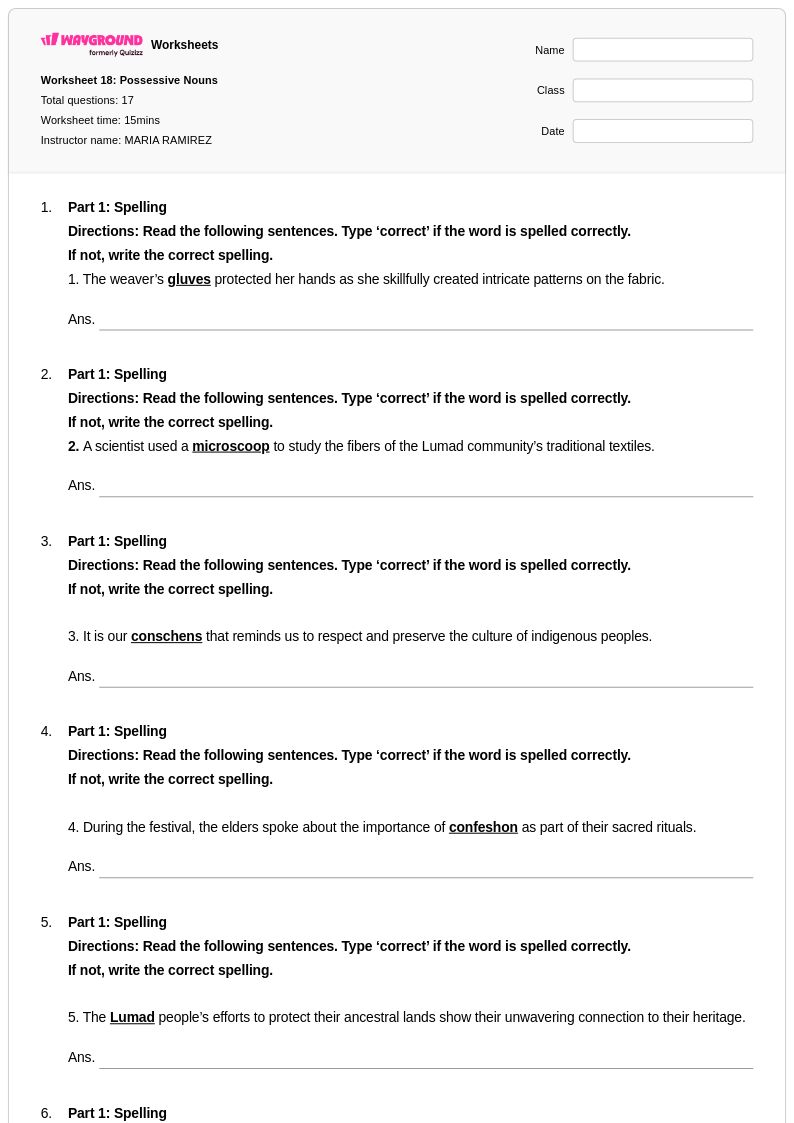
17 Q
3rd
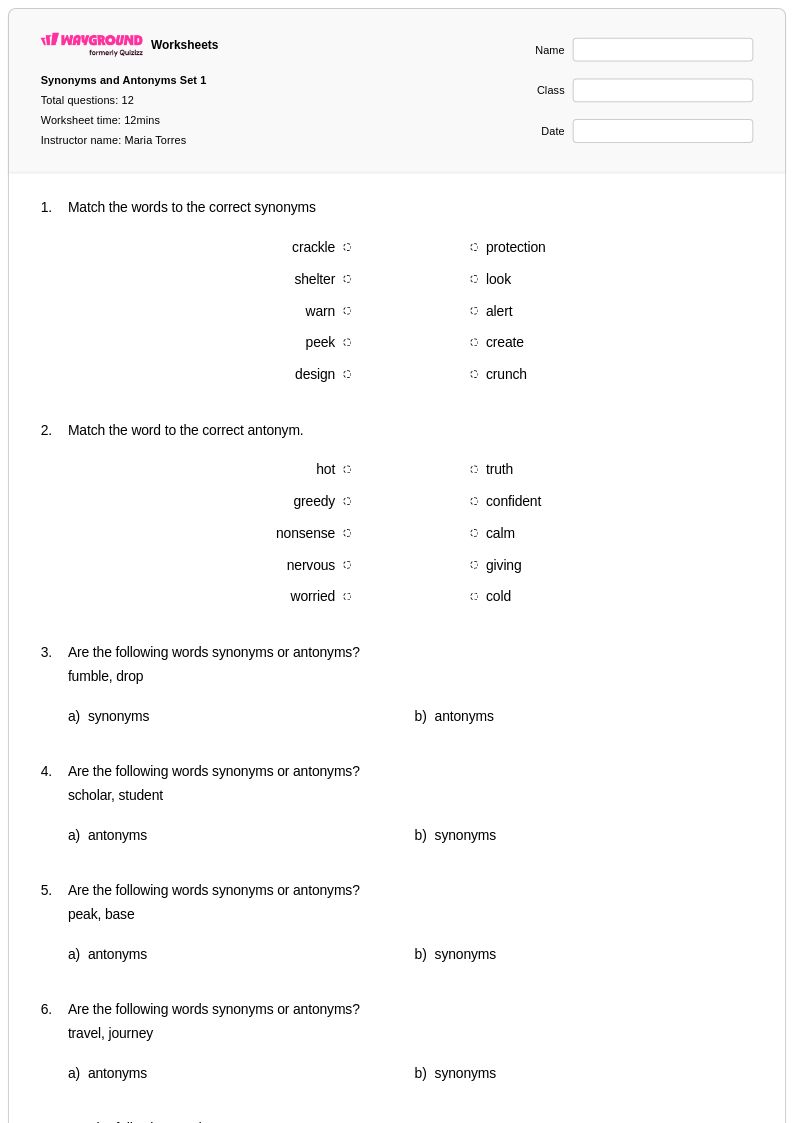
12 Q
3rd
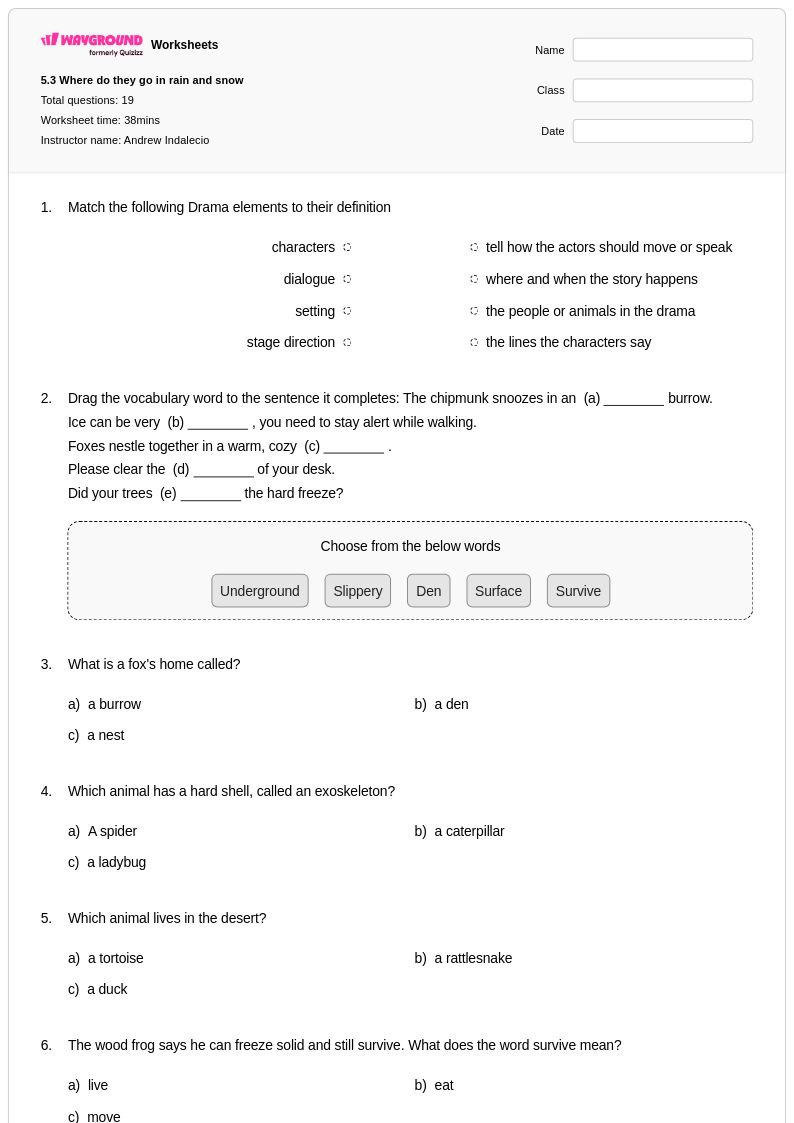
19 Q
2nd - Uni
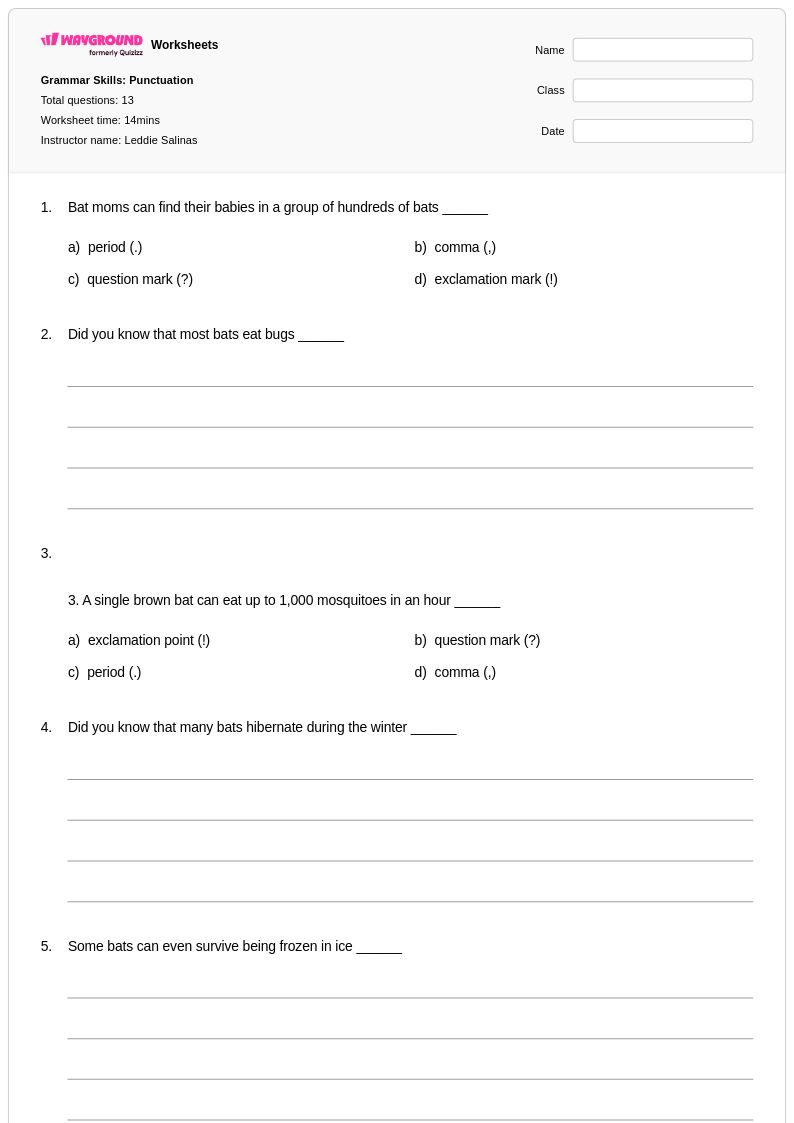
13 Q
3rd
24 Q
3rd
10 Q
1st - 5th
25 Q
3rd - Uni
23 Q
3rd - 5th
17 Q
1st - 5th
22 Q
3rd
32 Q
1st - 5th
11 Q
KG - 10th
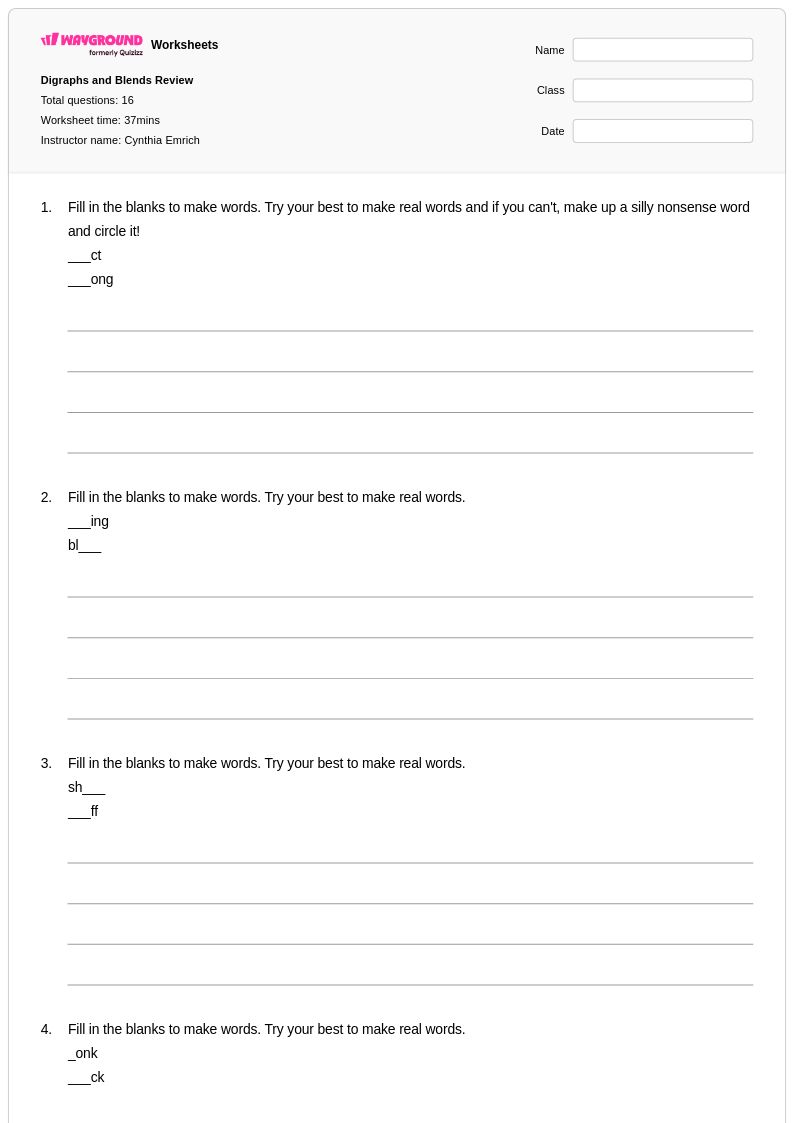
16 Q
1st - 5th
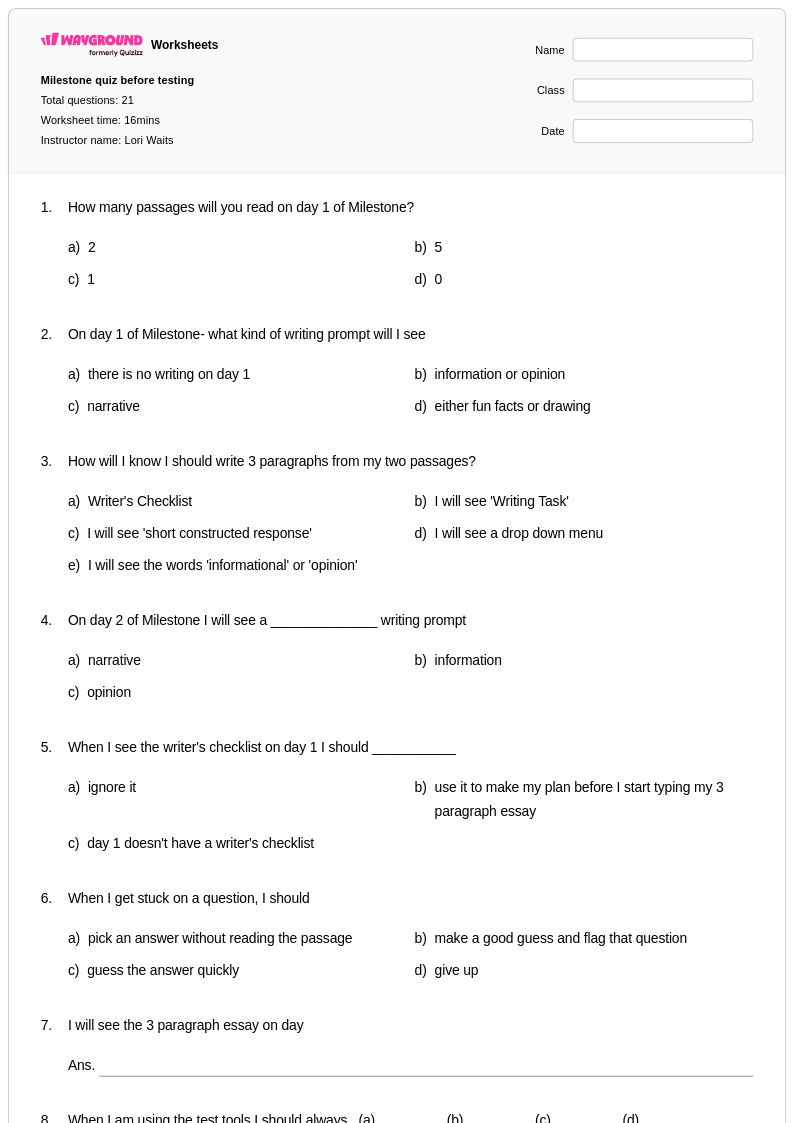
21 Q
3rd

17 Q
3rd
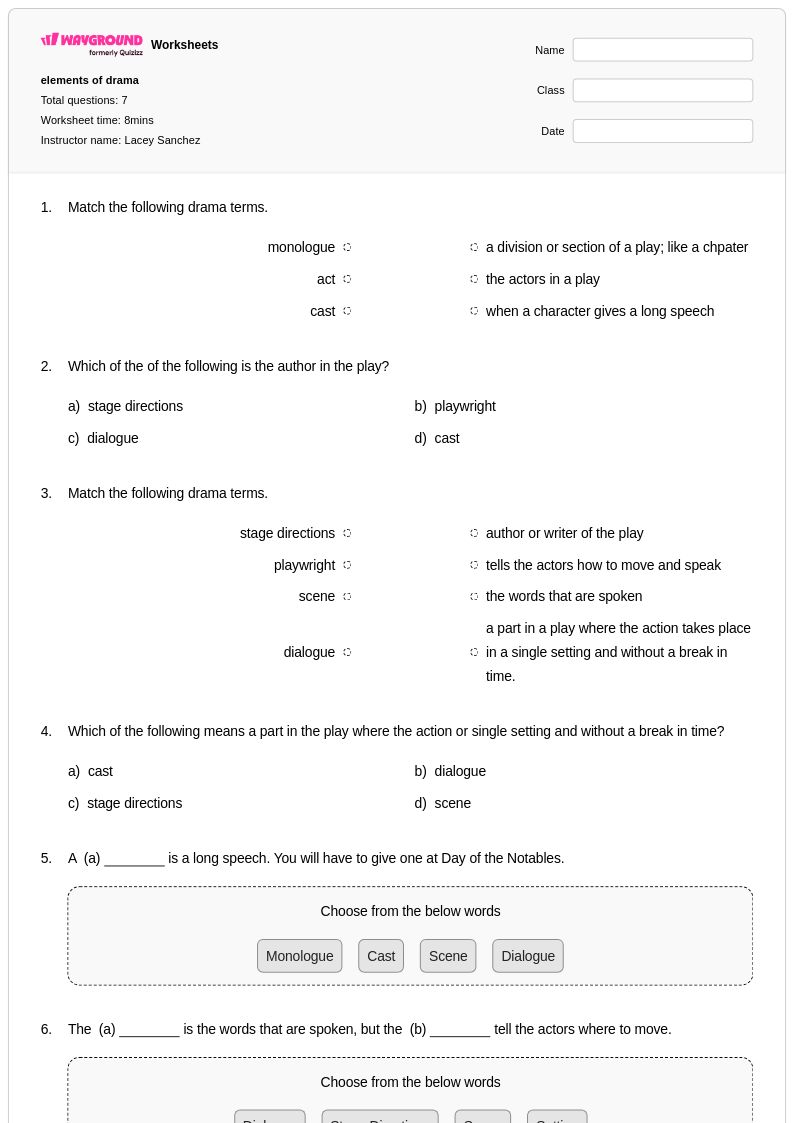
7 Q
3rd
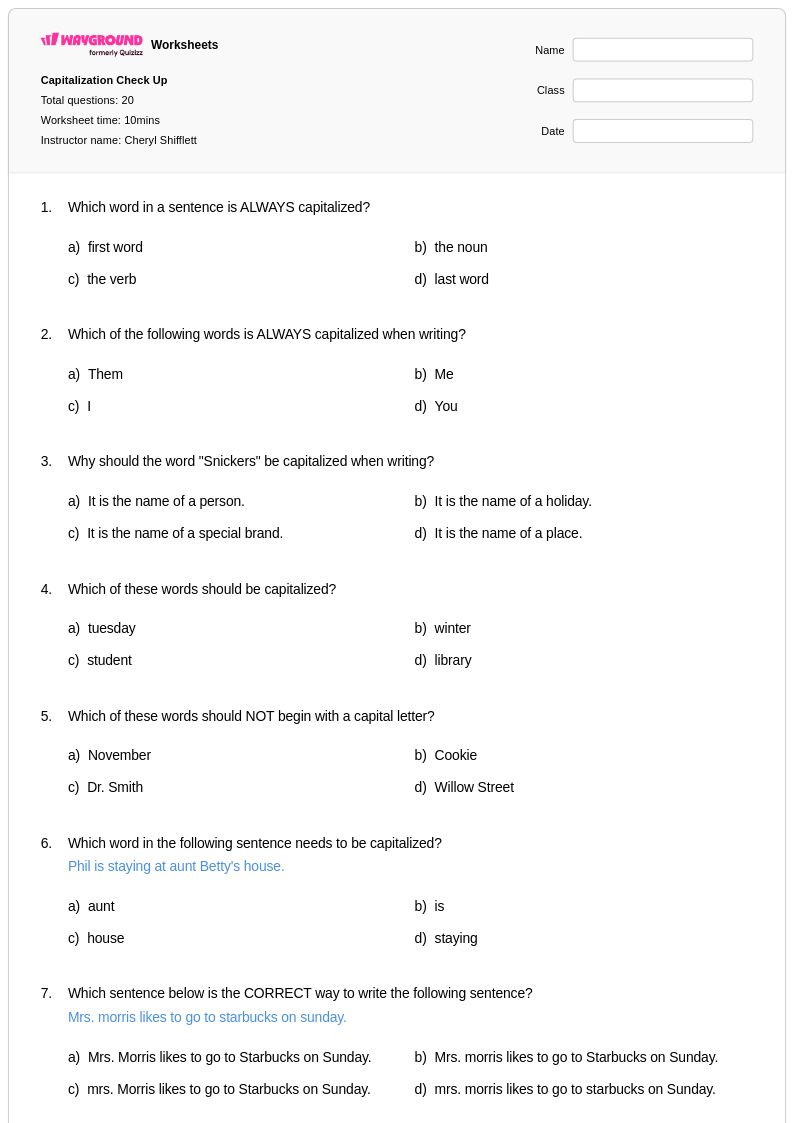
20 Q
3rd

27 Q
3rd
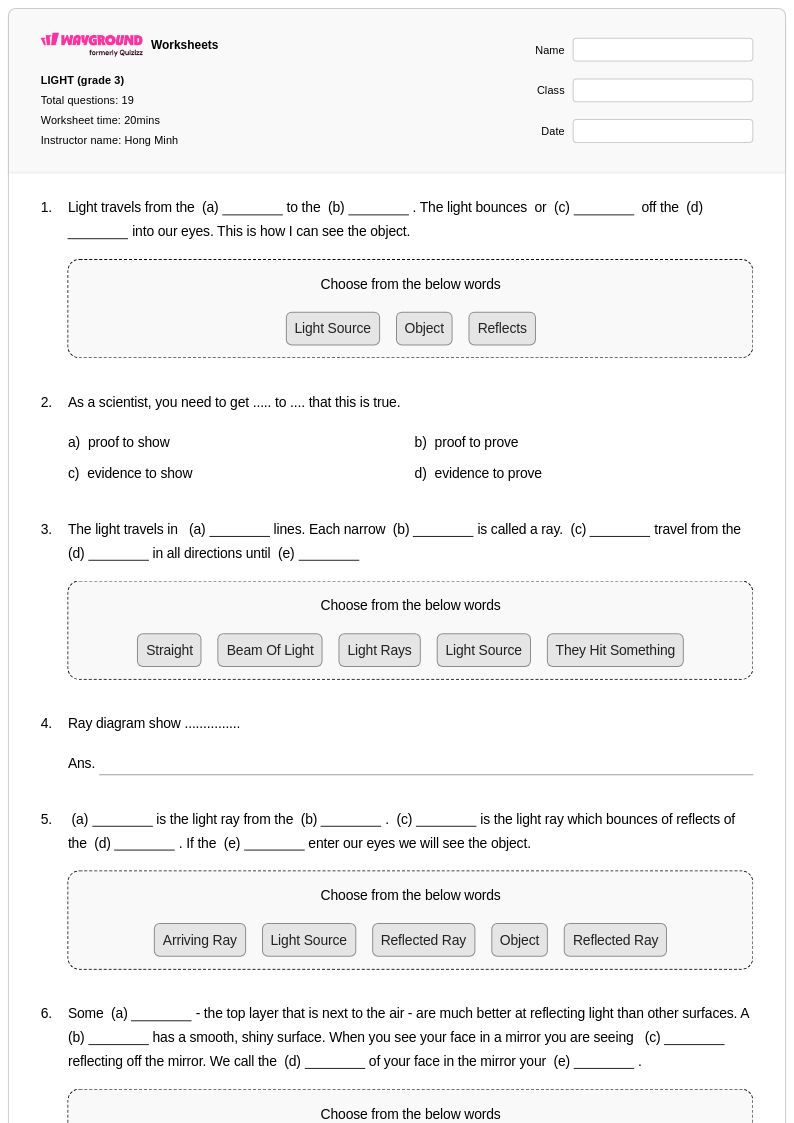
19 Q
3rd
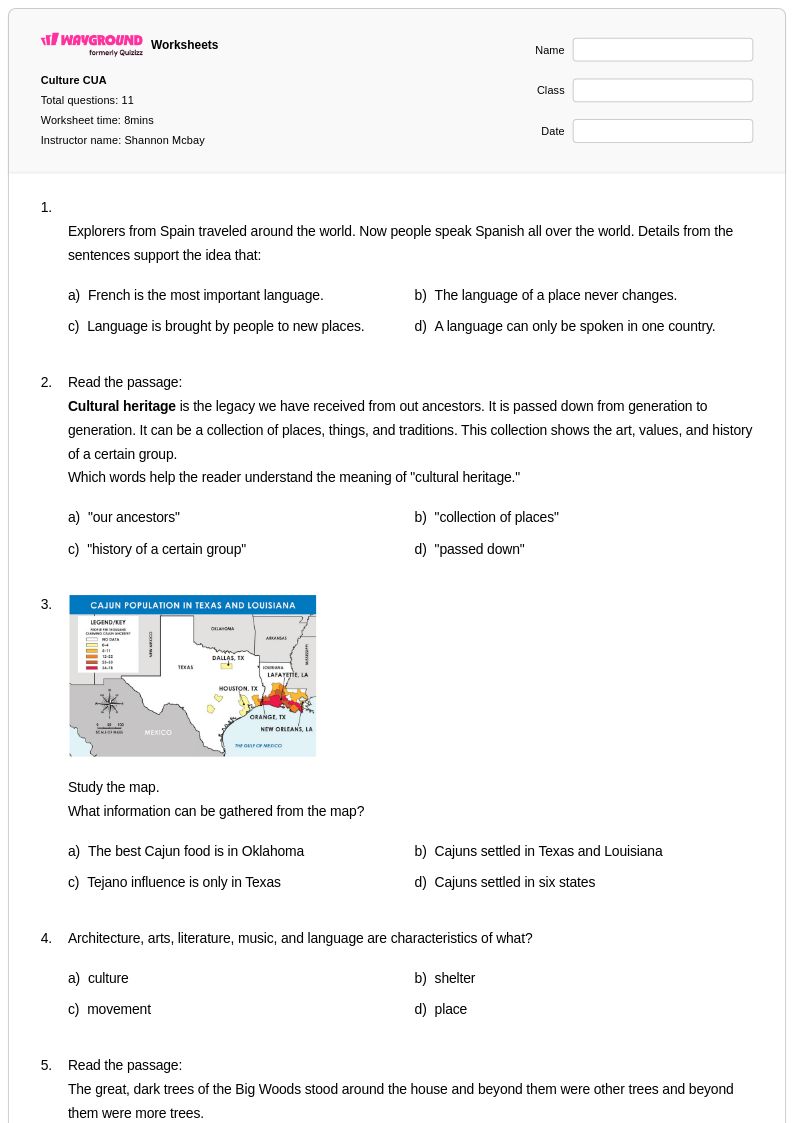
11 Q
3rd
Explore Other Subject Worksheets for class 3
Explore printable Following Directions worksheets for Class 3
Following directions worksheets for Class 3 students available through Wayground (formerly Quizizz) provide essential practice in developing critical reading comprehension skills that form the foundation for academic success. These carefully designed worksheets challenge third-grade students to read multi-step instructions, identify sequential steps, and demonstrate understanding through hands-on activities and written responses. The practice problems range from simple two-step directions involving classroom tasks to more complex multi-step processes that require students to follow written procedures for art projects, science experiments, and organizational tasks. Each worksheet includes a comprehensive answer key that allows teachers and parents to assess student comprehension accurately, while the free printable format ensures accessibility for both classroom instruction and home practice. These pdf resources strengthen students' ability to process written information systematically, develop attention to detail, and build the executive functioning skills necessary for independent learning.
Wayground (formerly Quizizz) supports educators with an extensive collection of teacher-created following directions worksheets, drawing from millions of high-quality resources that address diverse learning needs in Class 3 classrooms. The platform's robust search and filtering capabilities enable teachers to locate materials that align with specific curriculum standards and match their students' varying skill levels, while differentiation tools allow for seamless customization of content complexity and presentation format. These following directions worksheets are available in both printable pdf format for traditional paper-based learning and digital formats that accommodate technology-enhanced instruction, providing flexibility for different classroom environments and teaching preferences. Teachers utilize these resources for targeted skill practice during reading centers, remediation support for struggling learners, and enrichment activities for advanced students, while the comprehensive collection streamlines lesson planning by offering ready-to-use materials that can be easily integrated into existing reading comprehension curricula.
FAQs
How do I teach students to follow written directions effectively?
What kinds of exercises help students practice following directions?
What mistakes do students commonly make when following written directions?
How can I differentiate following directions activities for students at different skill levels?
How do I use Wayground's following directions worksheets in my classroom?
Are following directions worksheets useful for reading comprehension instruction?