Free Printable Visual Closure Worksheets for Class 3
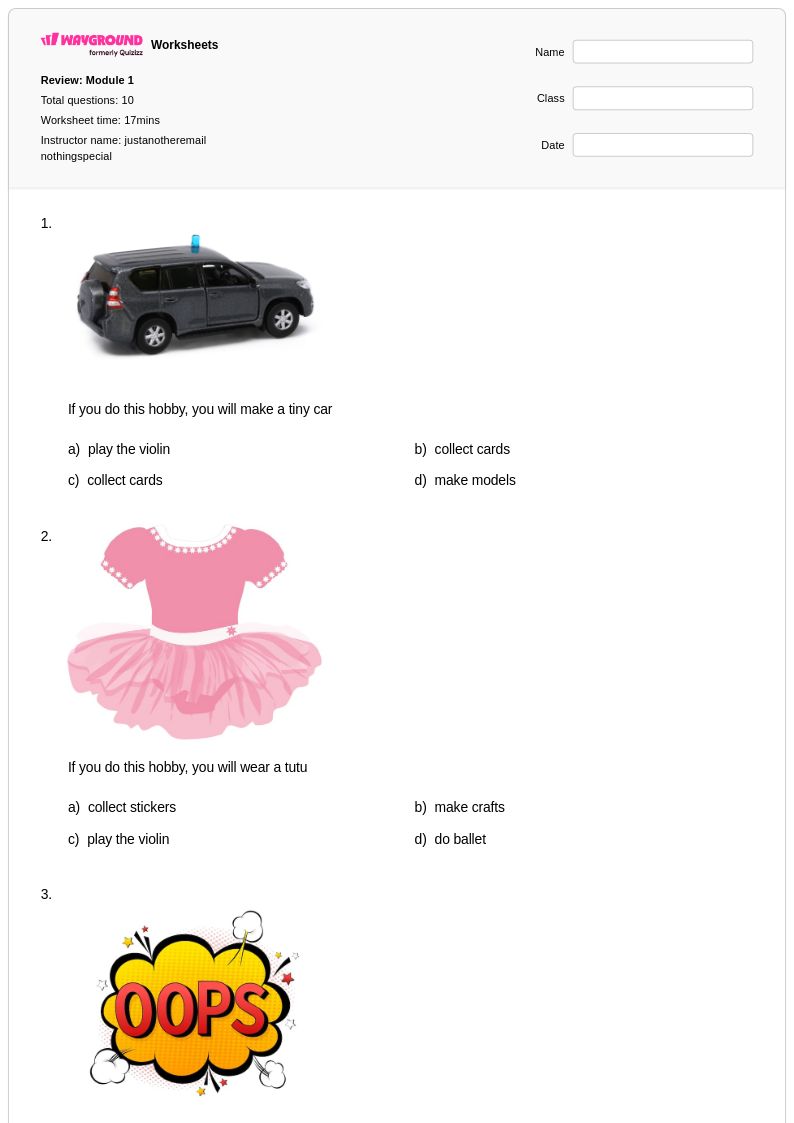
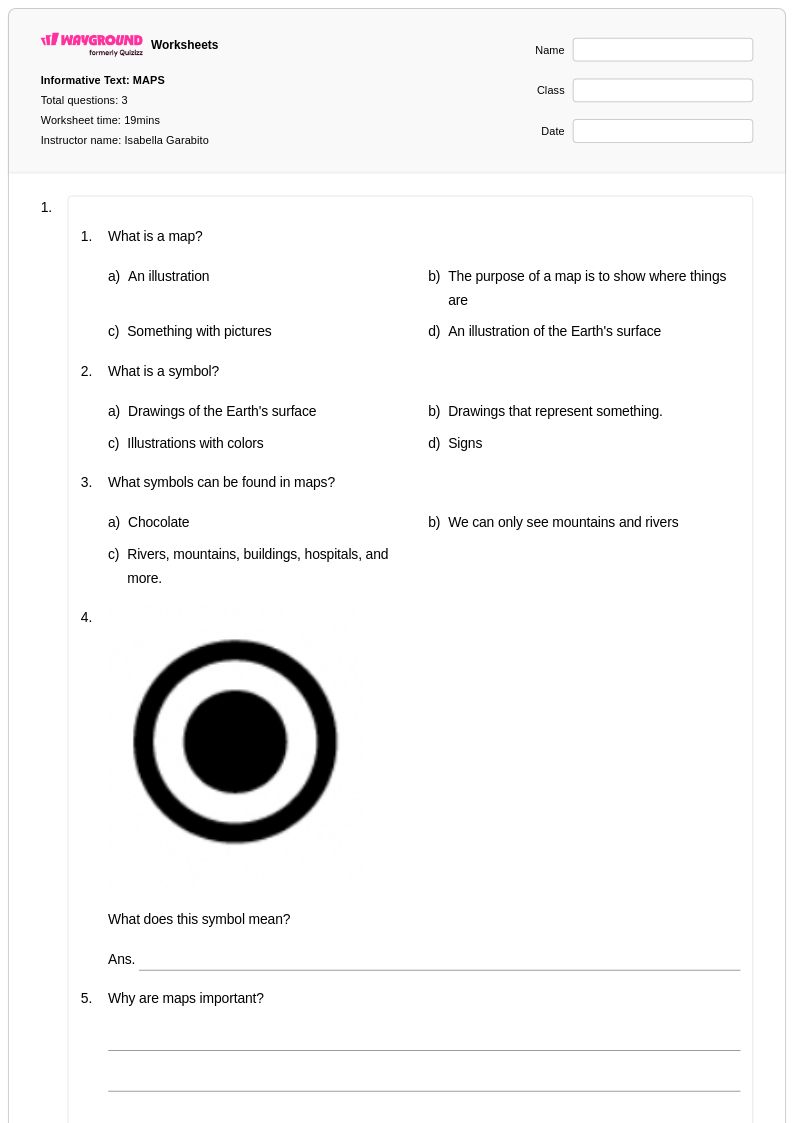
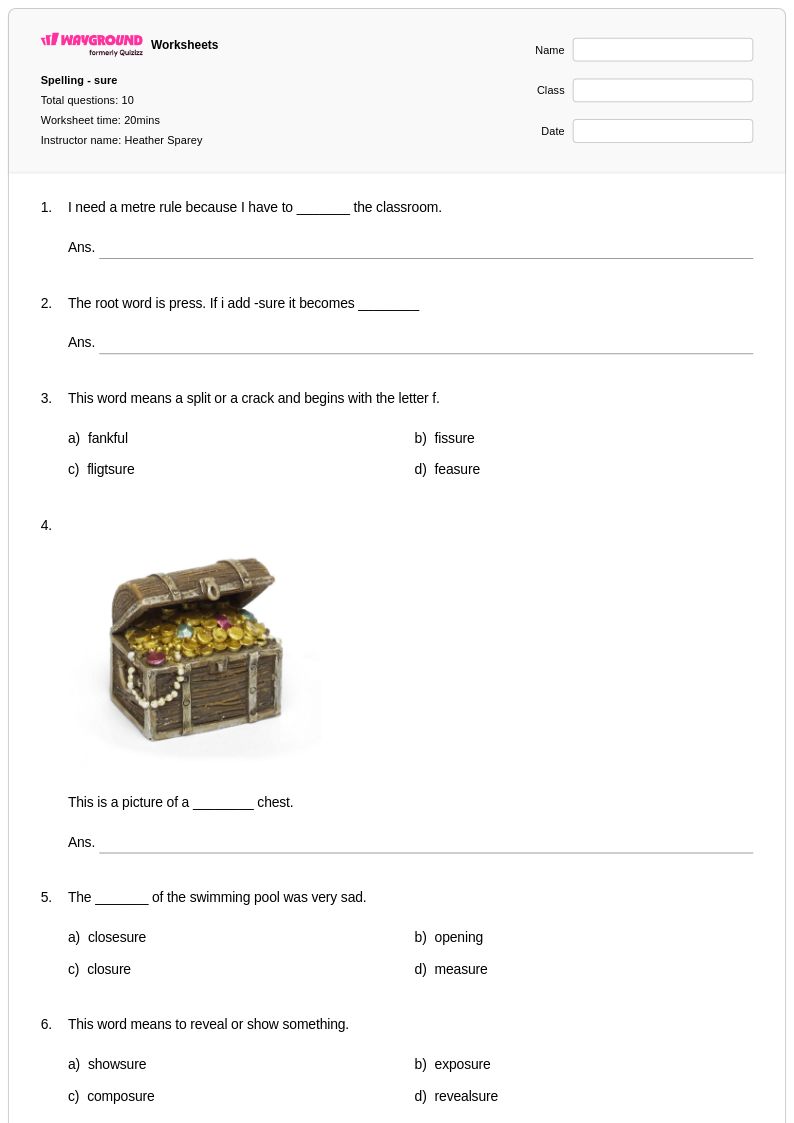
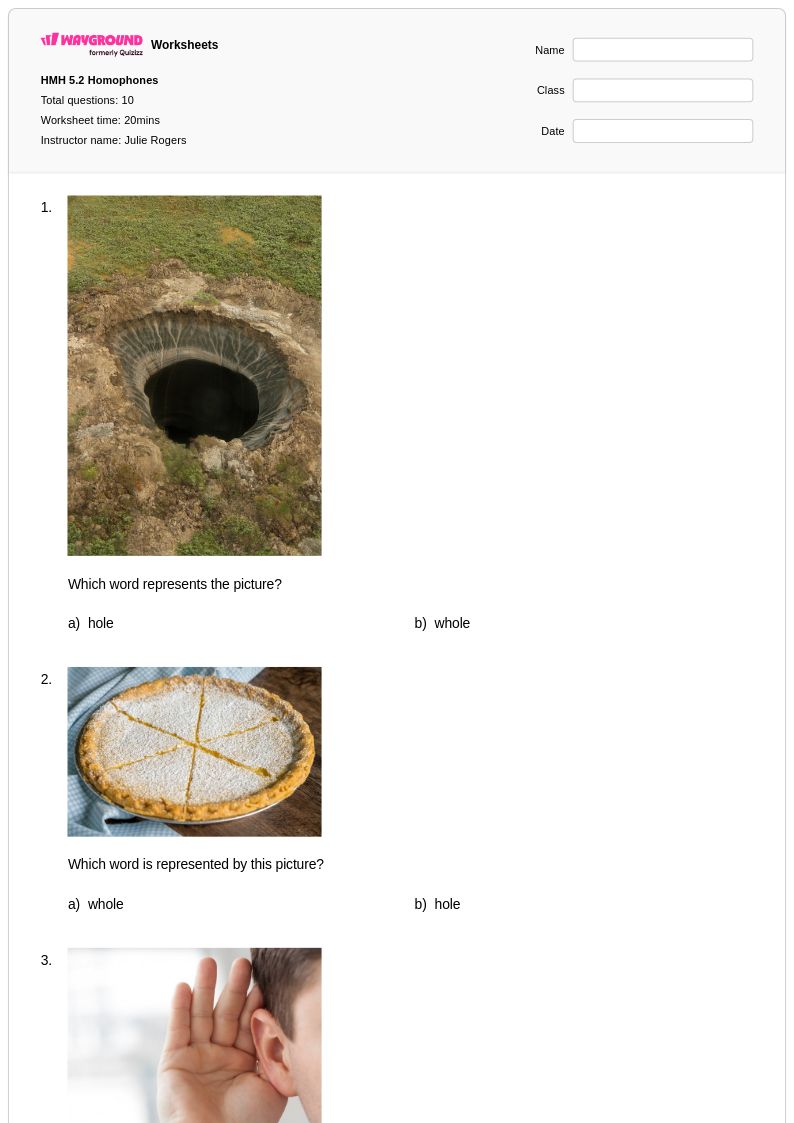
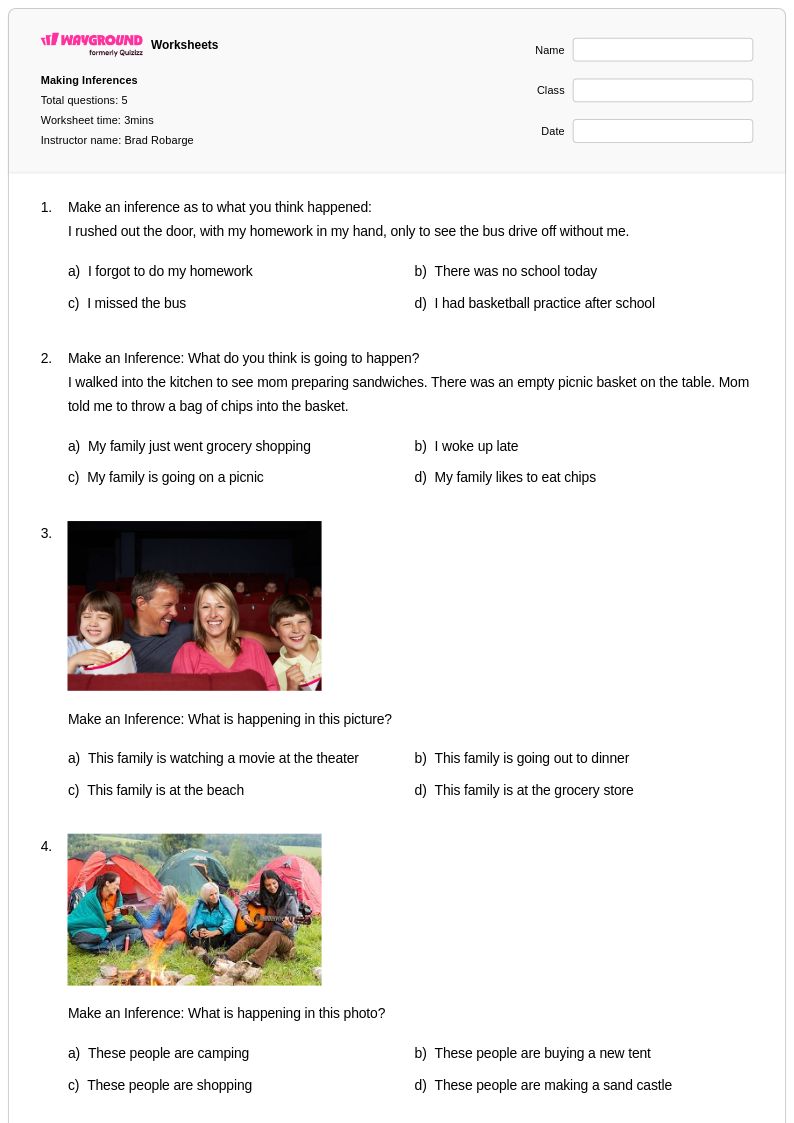
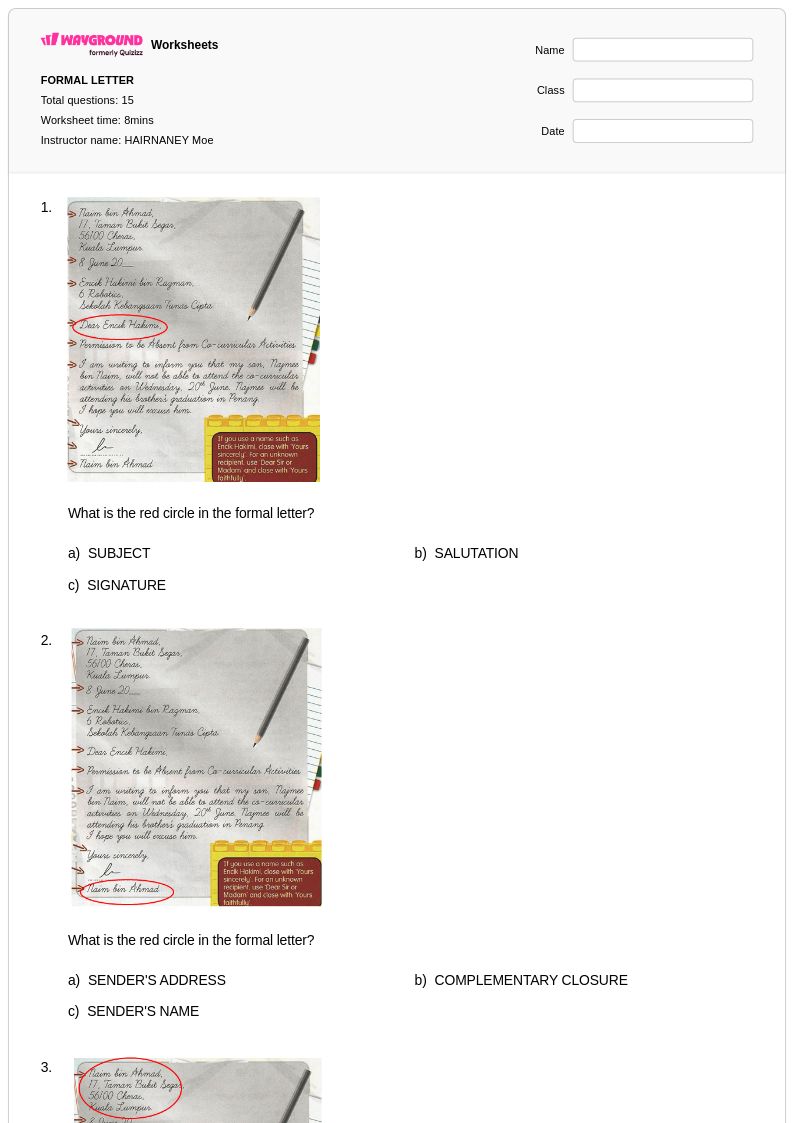
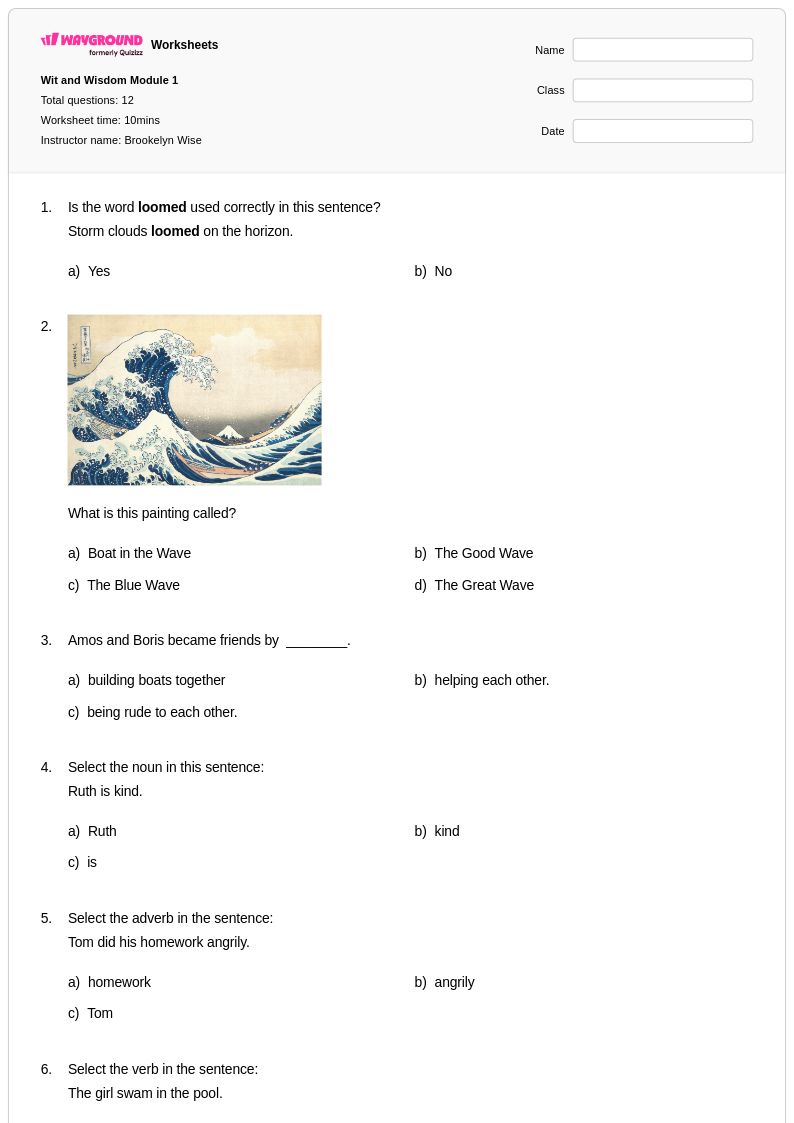
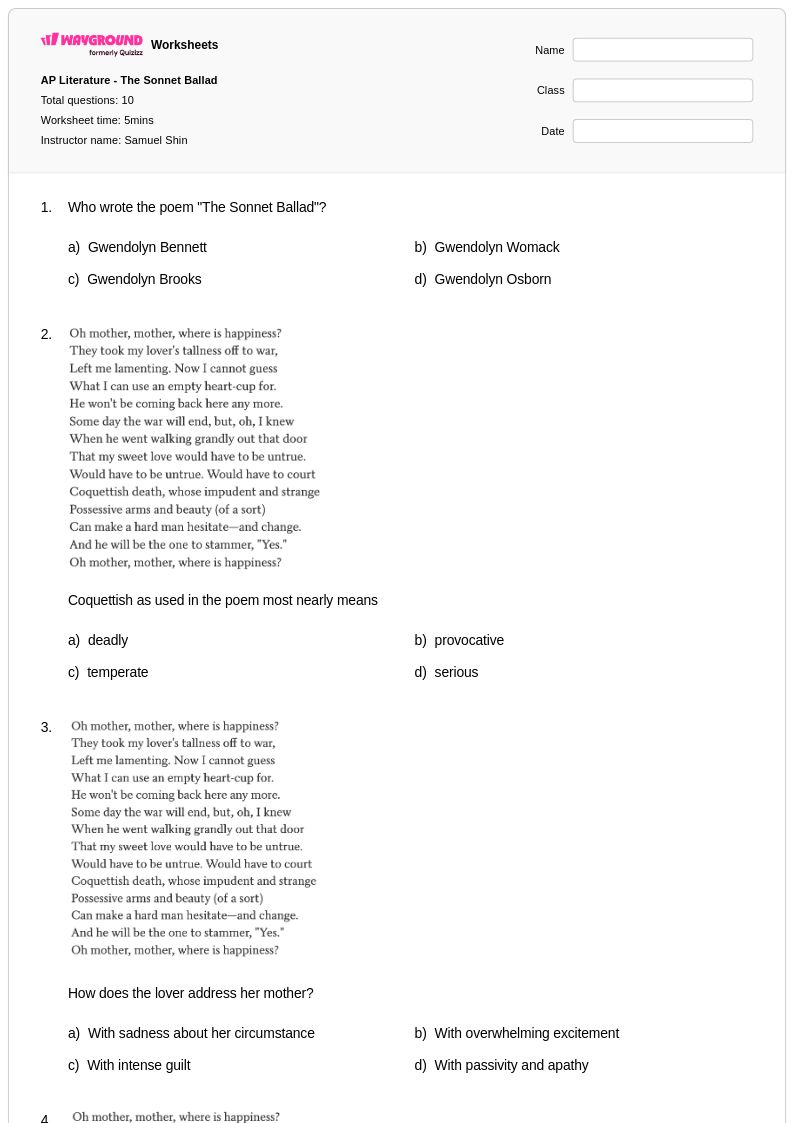
Enhance Class 3 students' visual closure skills with our free printable worksheets and practice problems that help children identify complete objects from partial images, featuring comprehensive answer keys and downloadable PDFs through Wayground.
Explore printable Visual Closure worksheets for Class 3
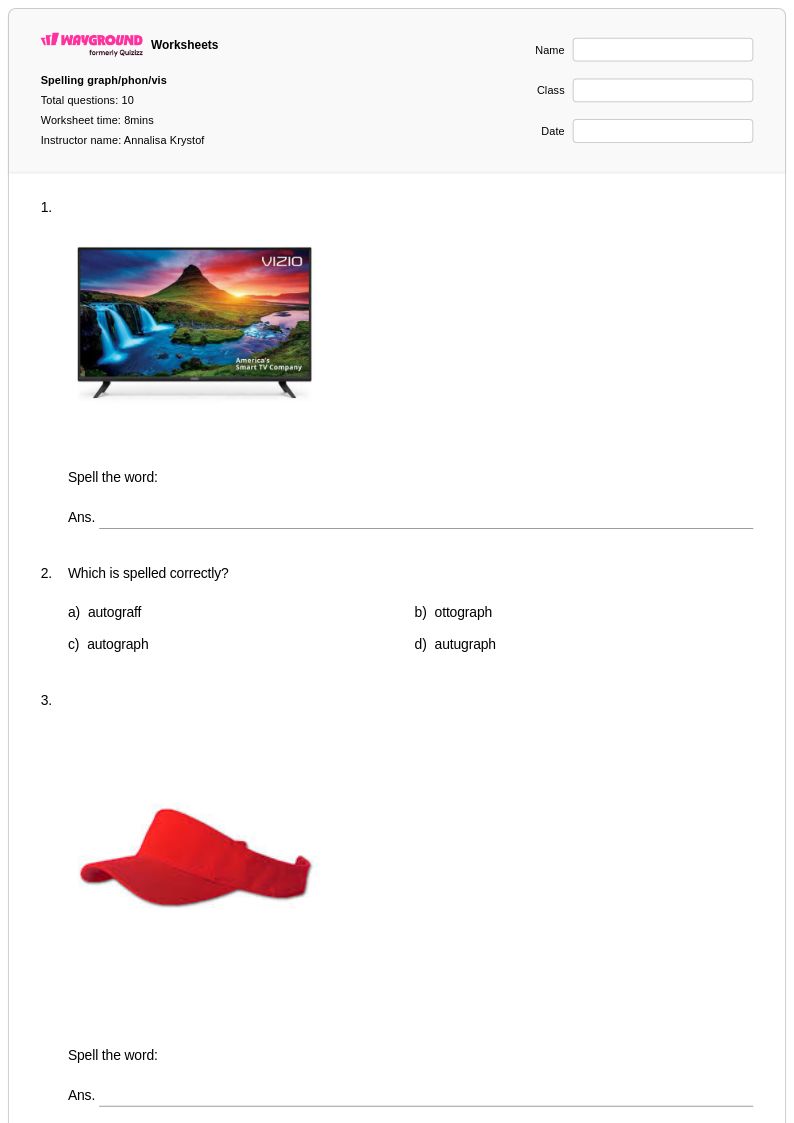
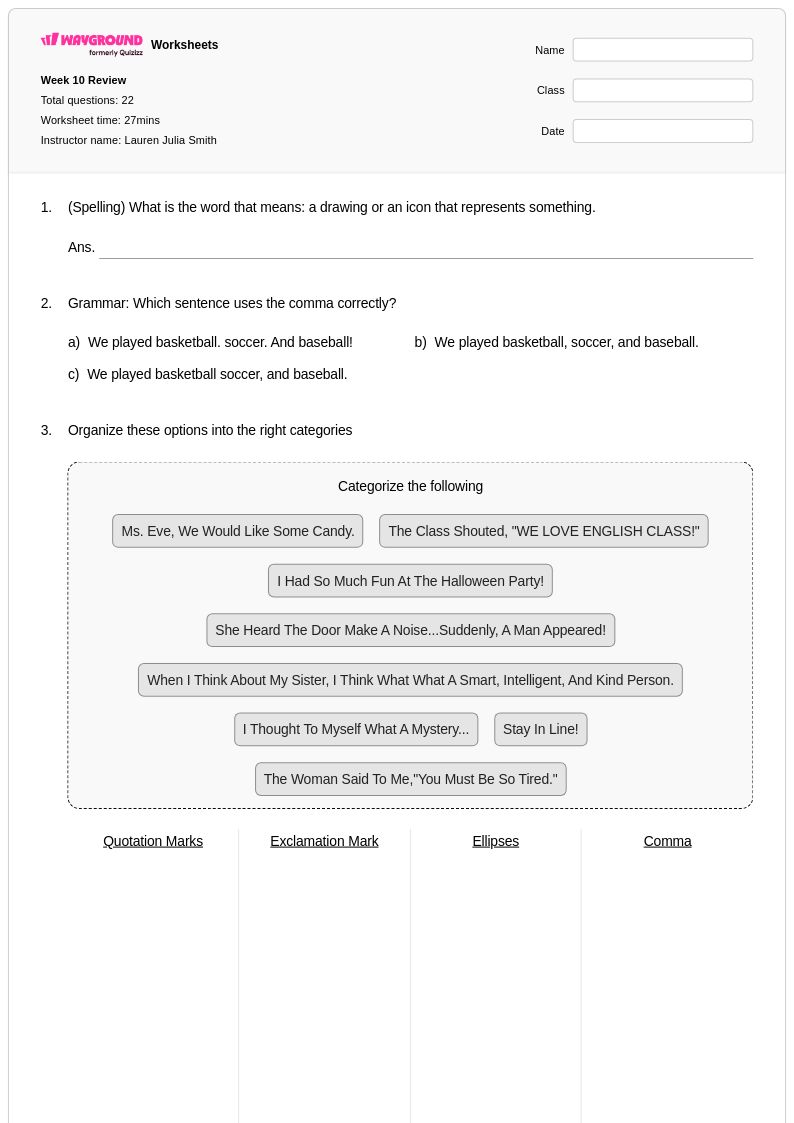
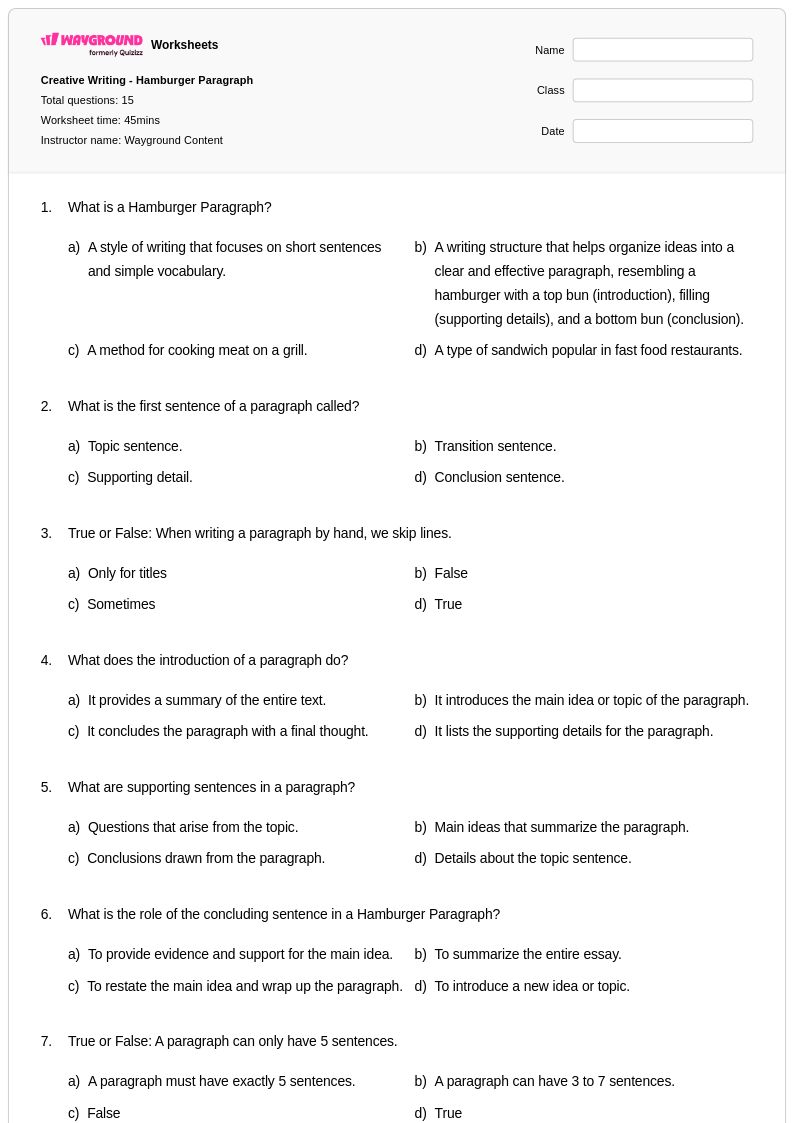
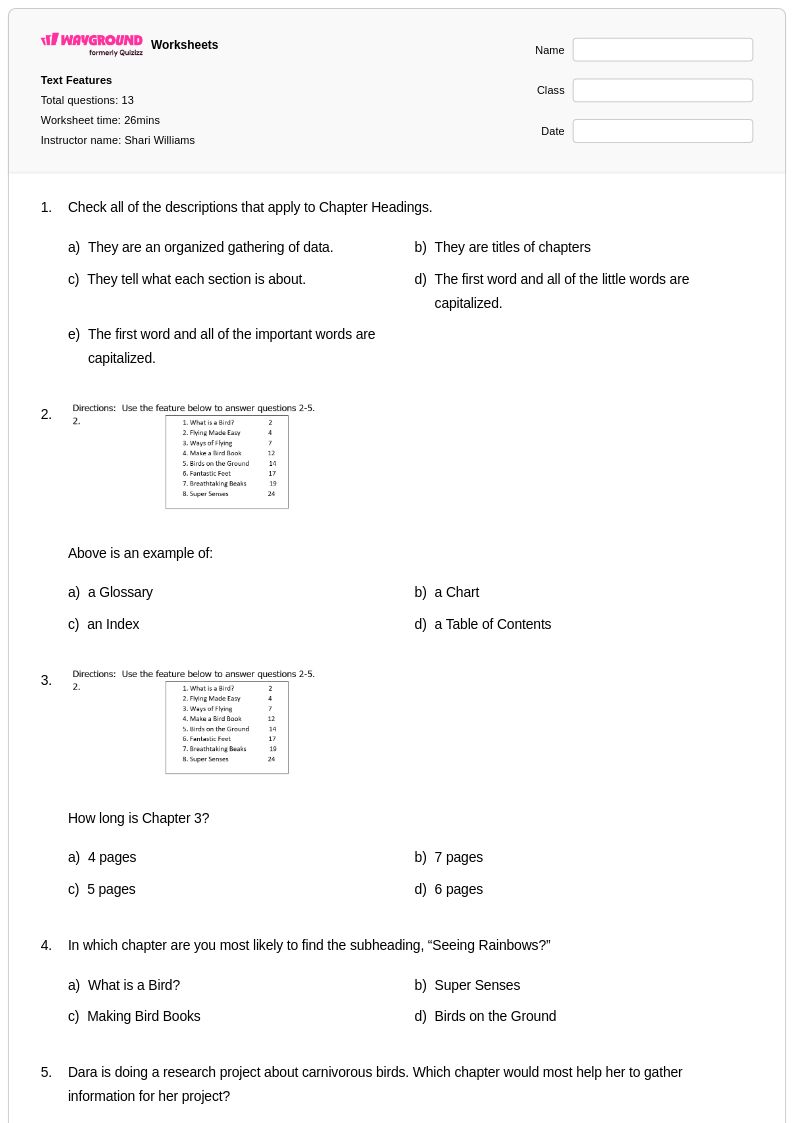
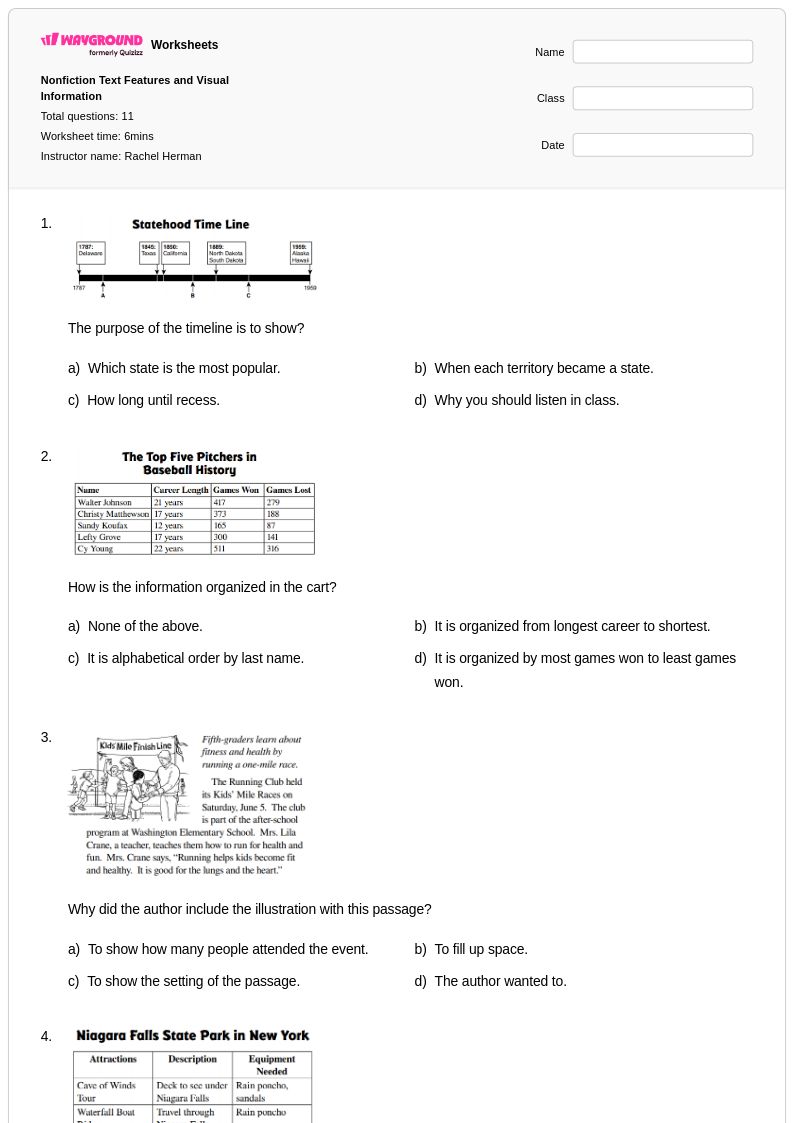
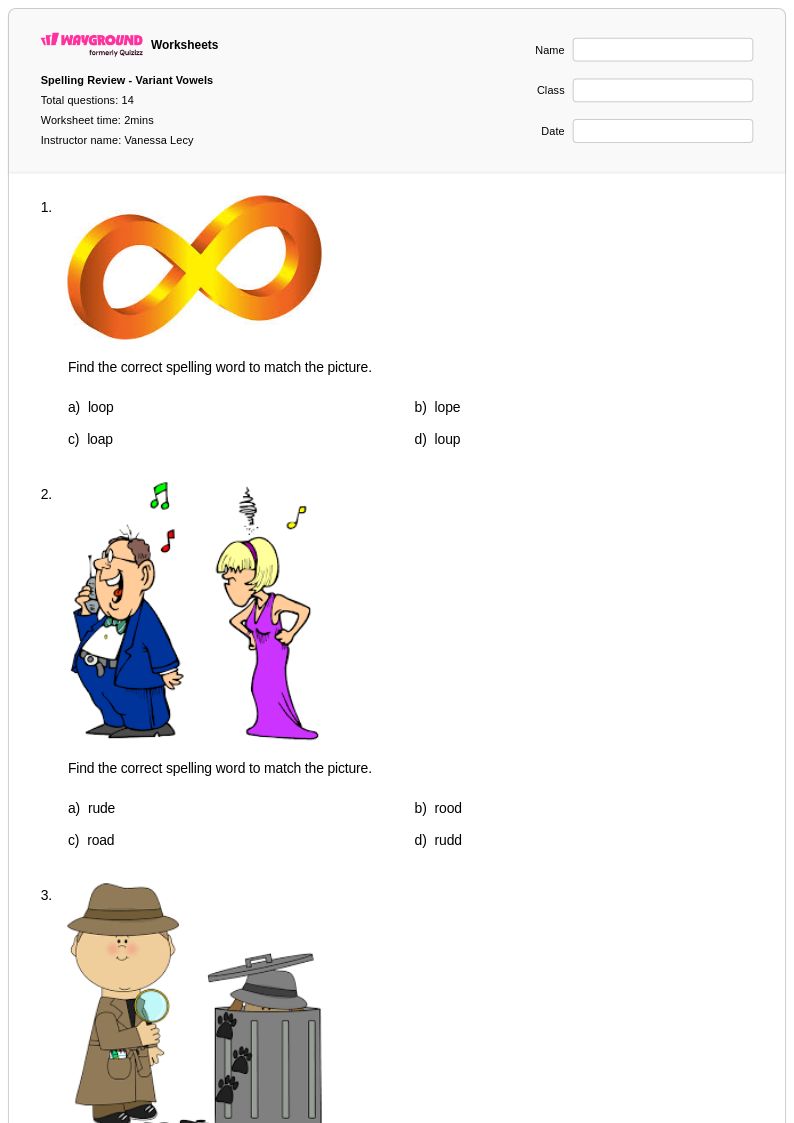
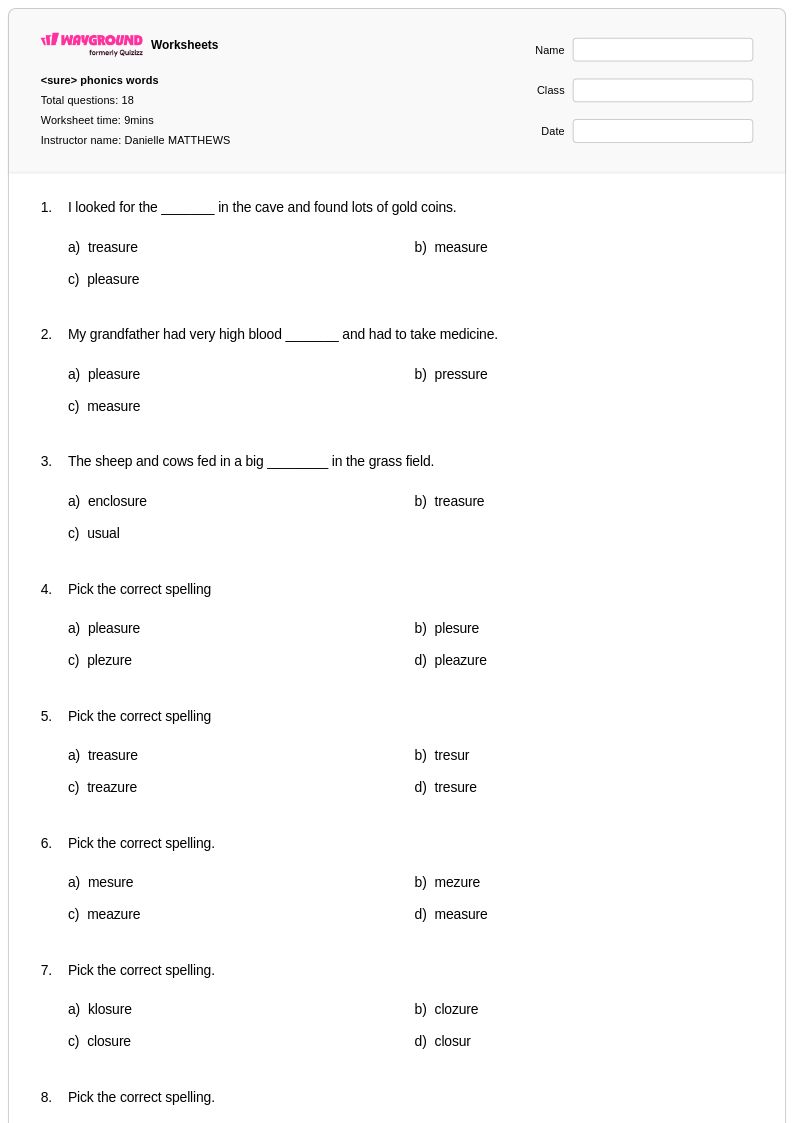
Visual closure worksheets for Class 3 students available through Wayground (formerly Quizizz) target a fundamental perceptual skill that directly impacts reading fluency and comprehension development. These carefully designed printables challenge third graders to identify incomplete letters, words, and simple sentences by mentally filling in missing visual information, strengthening their ability to recognize familiar patterns even when partially obscured. The practice problems progressively increase in complexity, moving from single missing letters to incomplete sight words and short phrases, while each worksheet includes a comprehensive answer key to support accurate assessment and immediate feedback. This essential early literacy skill enables students to decode text more efficiently, as visual closure helps young readers quickly recognize common letter combinations and word patterns without having to process every individual visual element, ultimately building the automaticity necessary for fluent reading.
Wayground's extensive collection of visual closure resources draws from millions of teacher-created materials, providing educators with robust search and filtering capabilities to locate precisely the right practice activities for their Class 3 students' developmental needs. The platform's differentiation tools allow teachers to customize worksheets for varying skill levels within the same classroom, while the flexible format options support both digital implementation and traditional pdf printables for offline use. These comprehensive filtering systems help educators efficiently plan targeted interventions for students who struggle with letter and word recognition, while also providing enrichment opportunities for advanced learners who benefit from more complex visual closure challenges. The standards-aligned content ensures that visual closure practice integrates seamlessly with broader early literacy instruction, supporting systematic skill development through consistent, purposeful practice that addresses individual student needs across diverse learning environments.
FAQs
How do I teach visual closure skills to young learners?
Visual closure is best taught through progressive exposure to incomplete images, starting with simple geometric shapes and gradually advancing to partial letters and familiar objects. Begin by asking students to identify what a shape or image 'wants to be' before revealing the complete version, reinforcing the mental completion process. Pairing visual closure activities with phonics instruction helps students connect perceptual pattern recognition to real reading tasks, since recognizing partial letters in text relies on the same cognitive skill.
What kinds of exercises help students practice visual closure?
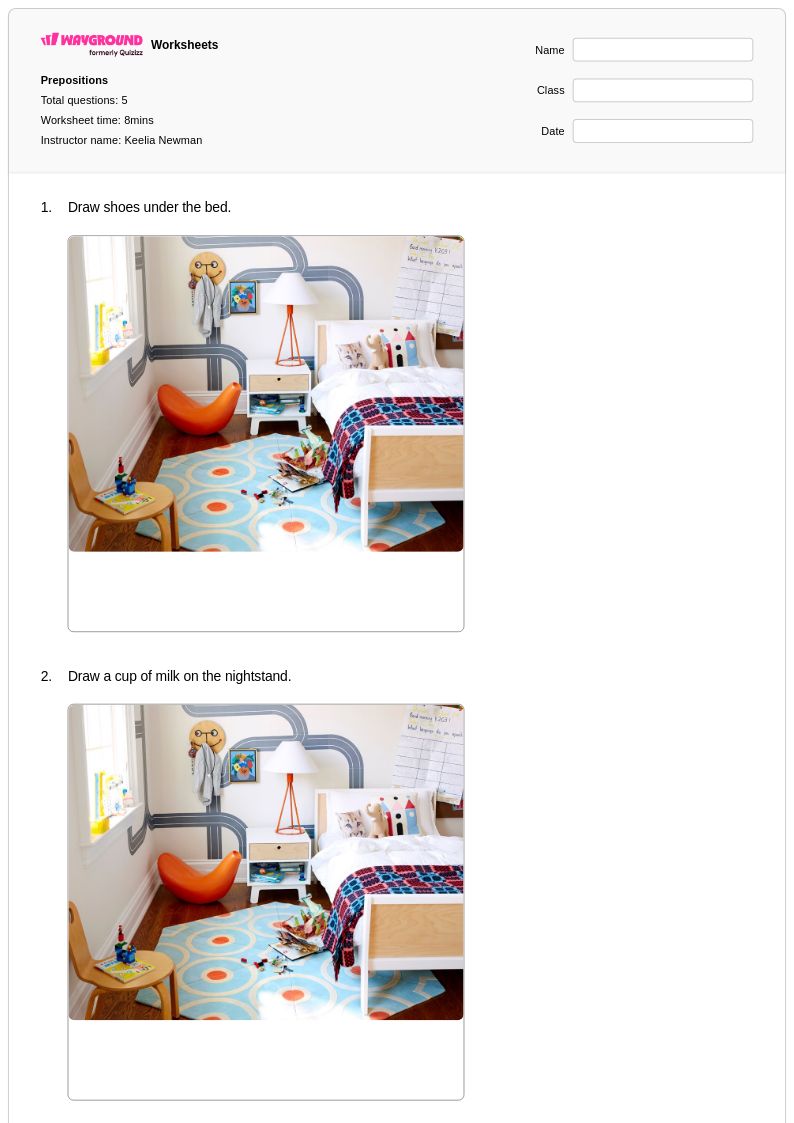
Effective visual closure practice includes completing partially drawn shapes, identifying letters with missing strokes, and recognizing common objects when portions are covered or obscured. Worksheets that progress from simple outline completion to more complex letter and word recognition tasks build the skill systematically, ensuring students develop confidence at each level before advancing. Repetition across varied visual formats is key, as students need exposure to many different incomplete images to generalize the skill to real reading contexts.
What common mistakes do students make with visual closure tasks?
Students often over-rely on context clues rather than the visual information available, guessing an image based on surrounding pictures rather than mentally completing the partial shape itself. Another frequent error is confusing visually similar letters when portions are missing, such as mistaking an incomplete 'b' for a 'd' or 'p', which highlights the connection between visual closure deficits and early decoding difficulties. Targeted practice with letter-specific worksheets can help students slow down and process each partial image on its own terms.
Why is visual closure important for reading readiness?
Visual closure is a foundational pre-reading skill because proficient readers must recognize letters and words even when print quality is poor, fonts vary, or portions of text are partially obscured. Students who struggle with visual closure often have difficulty identifying letters quickly and accurately, which slows fluency development. Building this skill early through structured visual perception practice helps students develop the cognitive efficiency needed for automatic letter and word recognition.
How can I use Wayground's visual closure worksheets in my classroom?
Wayground's visual closure worksheets are available as printable PDFs for traditional classroom use and in digital formats for technology-integrated learning environments, giving teachers flexibility across different instructional settings. Each worksheet includes a complete answer key, making them efficient tools for independent practice, small-group instruction, or homework assignments. Teachers can also host worksheets as a quiz on Wayground, enabling interactive digital practice and immediate feedback for students.
How can I differentiate visual closure activities for students at different skill levels?
Differentiation for visual closure can include adjusting the complexity of incomplete images, offering fewer answer choices for students who need additional support, or providing extended time for students who process visual information more slowly. On Wayground, teachers can apply built-in accommodations such as reduced answer choices and extended time on a per-student basis, so struggling learners receive targeted support without disrupting the experience for the rest of the class. Pairing lower-complexity shape tasks with higher-complexity letter tasks within the same session also allows teachers to scaffold within a single activity.