
NEW
Font size
S
M
L
XL
 Worksheets
Mid Term Review
Total questions: 74
Worksheet time: 1hrs 4mins
Name
Class
Date
1.
Sexual reproduction requires _____ parents and asexual reproduction requires ___ parents
a)
1,1
b)
2,2
c)
2,1
d)
1,2
2.
What is an advantage of sexual reproduction?
a)
Allows genetic variation
b)
Only needs one parent
c)
Happens very quickly
d)
Offspring are exact copies of parent
3.
Why is meiosis important?
a)
It produces sex cells.
b)
It produces diploid cells.
c)
It produces chromosomes
4.
The union of egg cell and sperm
a)
fertilization
b)
sperm
c)
fallopian tubes
5.
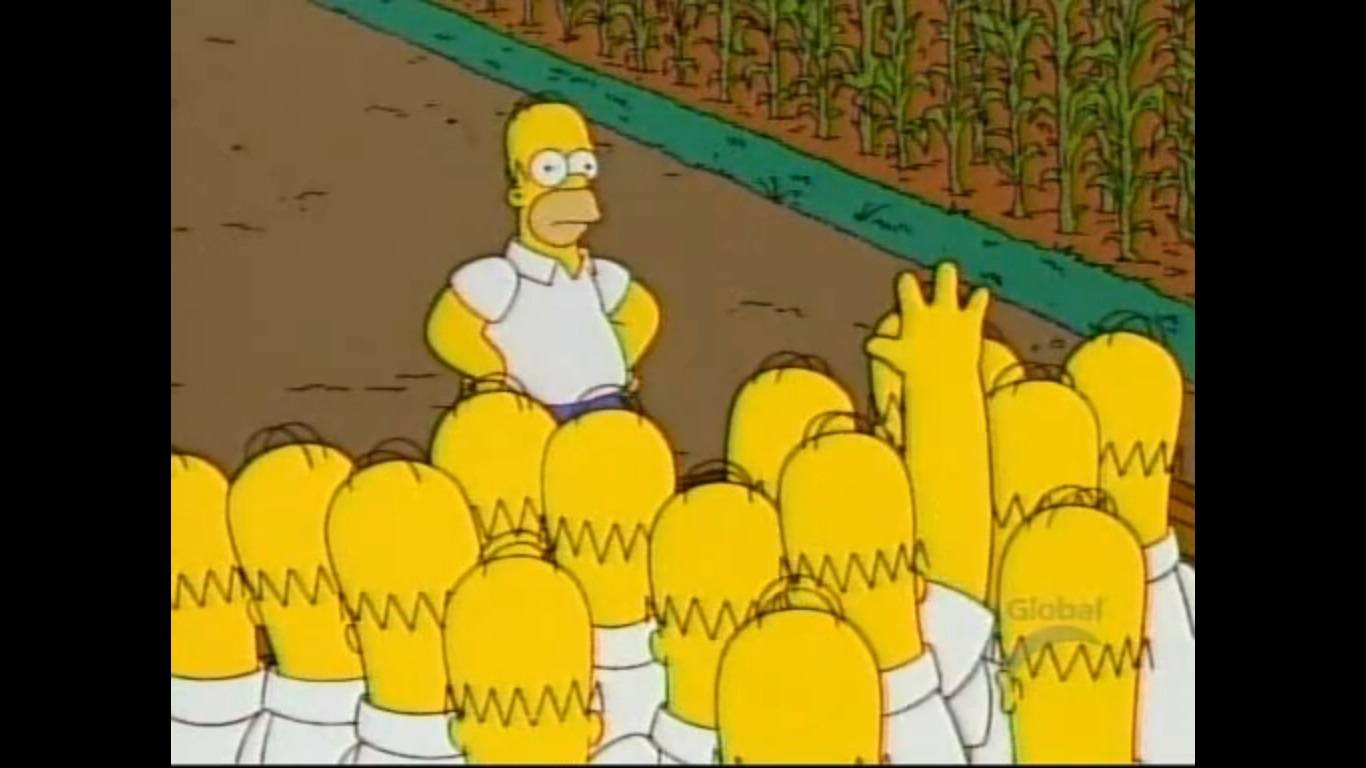
All of the offspring of an organism have the same genetic material, which is identical to the parent organism. From this, we can conclude that this organism -
a)
makes its own food
b)
is unicellular
c)
live in a marine habitat
d)
reproduces asexually
6.

Which type of Asexual Reproduction is shown in the picture?
a)
budding
b)
sporulation
c)
vegetative propagation
d)
binary fission
7.
In asexual reproduction, all of the offspring are:
a)
Physically Identical
b)
Genetically Identical
c)
Physically and Genetically Identical
d)
Not Identical
8.
This form of asexual reproduction results in the equal division of the parent cell.
a)
Regeneration
b)
Budding
c)
Binary Fission
d)
Sporulation
9.
A hydra reproduces when an outgrowth, or bud, forms and continues to develop until if falls off of the parent. This is an example of:
a)
Binary Fission
b)
Sporulation
c)
Budding
d)
Vegetative Propagation
10.

What type of Asexual Reproduction is shown in the picture?
a)
budding
b)
binary fission
c)
sporulation
d)
regeneration
11.
How many parent(s)are needed for asexual?
a)
4
b)
1
c)
9
d)
100
12.
What percentage of chromosomes are handed down by a parent cell in asexual reproduction?
a)
75%
b)
25%
c)
50%
d)
100%
13.
This produces 2 identical cells.
a)
mitosis
b)
meiosis
14.
if a cell has 24 chromosomes how many will it have at the end of mitosis
a)
6
b)
12
c)
24
d)
48
15.

What phase is shown in the picture?
a)
anaphase 1
b)
anaphase 2
c)
metaphase 1
d)
telophase 1
16.
If a somatic (body) cell in a butterfly contains 24 chromosomes, a butterfly egg would contain
a)
3
b)
6
c)
12
d)
24
17.
How many daughter cells are produced at the end of meiosis?
a)
1
b)
2
c)
3
d)
4
18.
Which of the following is NOT a gamete (sex cell)?
a)
egg
b)
sperm
c)
skin cell
d)
all of the above are gametes
19.

Structure (a) is a ____.
a)
chromosome
b)
chromatid
c)
centromere
20.

Name the previous phase.
a)
Prophase
b)
Metaphase
c)
Anaphase
d)
Telophase
60.
The man who studied genetics and came up with genetics is
a)
Watson
b)
Crick
c)
Mendel
d)
Darwin
61.

Genotype refers to the ...
a)
physical expression of the genes
b)
the possible combination of alleles in a gene
c)
whether an allele is dominant or recessive
d)
how an organism will appear
62.
Which of the following is a phenotype?
a)
BB
b)
Bb
c)
bb
d)
Blue eyes
24.
the passing of genetic traits from parent to offspring.
a)
heredity
b)
trait
c)
gene
d)
allele
25.
having two of the same genes for the trait (sometimes called purebred).
a)
homozygous
b)
hetrozygous
c)
protein
d)
chromosome
26.
having two different genes for a trait (sometimes called hybrid).
a)
protein
b)
homozygous
c)
heterozygous
d)
genotype
27.
Magda is a tall, 11 year old drummer. She has a scar on her right cheek. She is good at swimming. Which of her traits did Magda most likely inherit?
a)
height
b)
the scar
c)
ability to swim
d)
ability to play drums
28.
Two brown eyed parents (Bb) have a baby. What is the chance the baby is blue eyed?
a)
0 %
b)
25%
c)
50%
d)
75%
29.
G = green, g = yellow
The genotype for a yellow plant is...
The genotype for a yellow plant is...
a)
GG
b)
Gg
c)
gg
d)
all of the choices result in yellow
30.
An allele whose trait only shows up when no dominant allele is present.
a)
hidden allele
b)
dominant allele
c)
recessive allele
d)
present allele
31.
Two heterozygous (Tt) tall pea plants are crossed. Which describes their offspring?
a)
50% tall and 50% short
b)
75%tall and 25% short
c)
100%short
32.
A dog gives birth to 5 puppies. What percentage of the chromosomes does each puppy share with the mother?
a)
25%
b)
50%
c)
75%
d)
100%
33.
What is the definition of phenotype?
a)
The physical expression of a trait
b)
The genetic combination of alleles
c)
A gene on the DNA strand
34.
the condensed form of DNA is called________________
a)
an allele
b)
a gene
c)
a chromosome
d)
a phenotype
35.
Which of the following will only show if two alleles are present?
a)
a dominant trait
b)
a recessive trait
36.
Which of the following genotypes would be considered heterozygous?
a)
BB
b)
gg
c)
Ff
d)
TT
37.

What is the percentage of offspring that have green pods?
a)
100%
b)
75%
c)
50%
d)
25%
38.
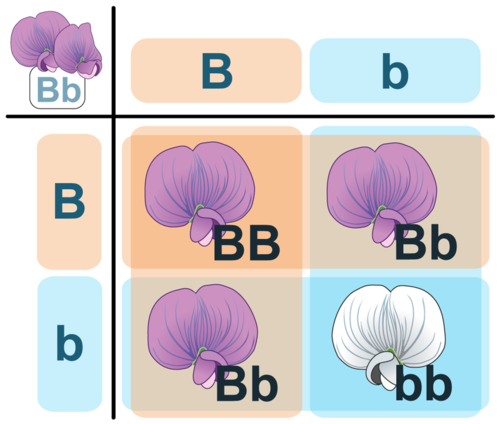
In this punnett square, which is the dominant trait?
The B stands for bud.
The B stands for bud.
a)
purple flower bud
b)
white flower bud
c)
dominant
d)
recessive
39.
Which of the following genotypes is a purebred?
a)
Bb
b)
Gg
c)
bb
d)
Dd
40.
having two of the same genes for the trait (sometimes called purebred).
a)
homozygous
b)
hetrozygous
c)
protein
d)
chromosome
41.
Which of the following alleles is homozygous recessive?
a)
Tt
b)
tt
c)
TT
d)
T
42.
Dominant alleles are represented by a:
a)
Male gene
b)
lowercase letter
c)
recessive trait
d)
capital letter
43.
Which of the following is NOT a genotype?
a)
heterozygous
b)
a trait
c)
Bb
d)
homozygous recessive
44.
Alternate form of a gene for a single trait; may be dominant or recessive
a)
Heredity
b)
Genetics
c)
Inheritance
d)
Allele
45.
A chart that shows all the possible combinations of alleles that can result from a genetic cross
a)
Gene
b)
Pedigree
c)
Punnett Square
d)
Dominant
46.
An organism’s physical appearance, or visible traits
a)
Recessive
b)
Genotype
c)
Phenotype
d)
Heterozygous
47.
Having two different alleles for a given trait, usually one dominant and one recessive
a)
Recessive
b)
Genotype
c)
Phenotype
d)
Heterozygous
48.
An allele that is masked when a dominant allele is present
a)
Recessive
b)
Genotype
c)
Phenotype
d)
Heterozygous
49.
Process by which humans cross organisms to produce offspring with certain desirable traits
a)
Homozygous
b)
Selective Breeding
c)
Mutation
d)
Carrier
50.

Which of the following is a term for a group of similar organisms that can reproduce fertile offspring?
a)
individual
b)
population
c)
species
d)
fossil
51.

The gradual change in species over time is...
a)
Evolution
b)
Nucleotide
c)
Adaptation
d)
Natural Selection
52.
Similar DNA sequences between organisms illustrate
a)
natural selection
b)
common ancestry
c)
population bottlenecks
53.
Finches on the Galapagos Islands had different beaks in order to help them do what?
a)
Build nests
b)
Fight off predators
c)
Collect food sources
54.
This scientist came up with the idea of natural selection.
a)
Robert Hooke
b)
Gregor Mendel
c)
Charles Darwin
d)
Thomas Mach
55.
A remnant or trace of an organism from the past is called a _______.
a)
Ancestor
b)
Skeleton
c)
Fossil
d)
Imprints
56.
Inherited trait that helps an organism survive is a(n) __________.
a)
Fossil
b)
Adaptation
c)
Ancestor
d)
Natural selection
57.
Survival of the fittest or when favorable adaptations reproduce faster is called what?
a)
Evolution
b)
Adaptation
c)
Natural selection
d)
Fossilization
58.
This occurs when no more of a species is living.
a)
Fossilization
b)
Adaptation
c)
Extinction
d)
Natural selection
59.
What animal is Darwin known for studying?
a)
dinosaurs
b)
tunicates
c)
finches
d)
horses
60.
The man who studied genetics and came up with genetics is
a)
Watson
b)
Crick
c)
Mendel
d)
Darwin
61.
Genotype refers to the ...
a)
physical expression of the genes
b)
the possible combination of alleles in a gene
c)
whether an allele is dominant or recessive
d)
how an organism will appear
62.
Which of the following is a phenotype?
a)
BB
b)
Bb
c)
bb
d)
Blue eyes
63.

characteristic or trait that helps an organism survive in its environment
a)
skills
b)
speciation
c)
natural instinct
d)
adaptation
64.
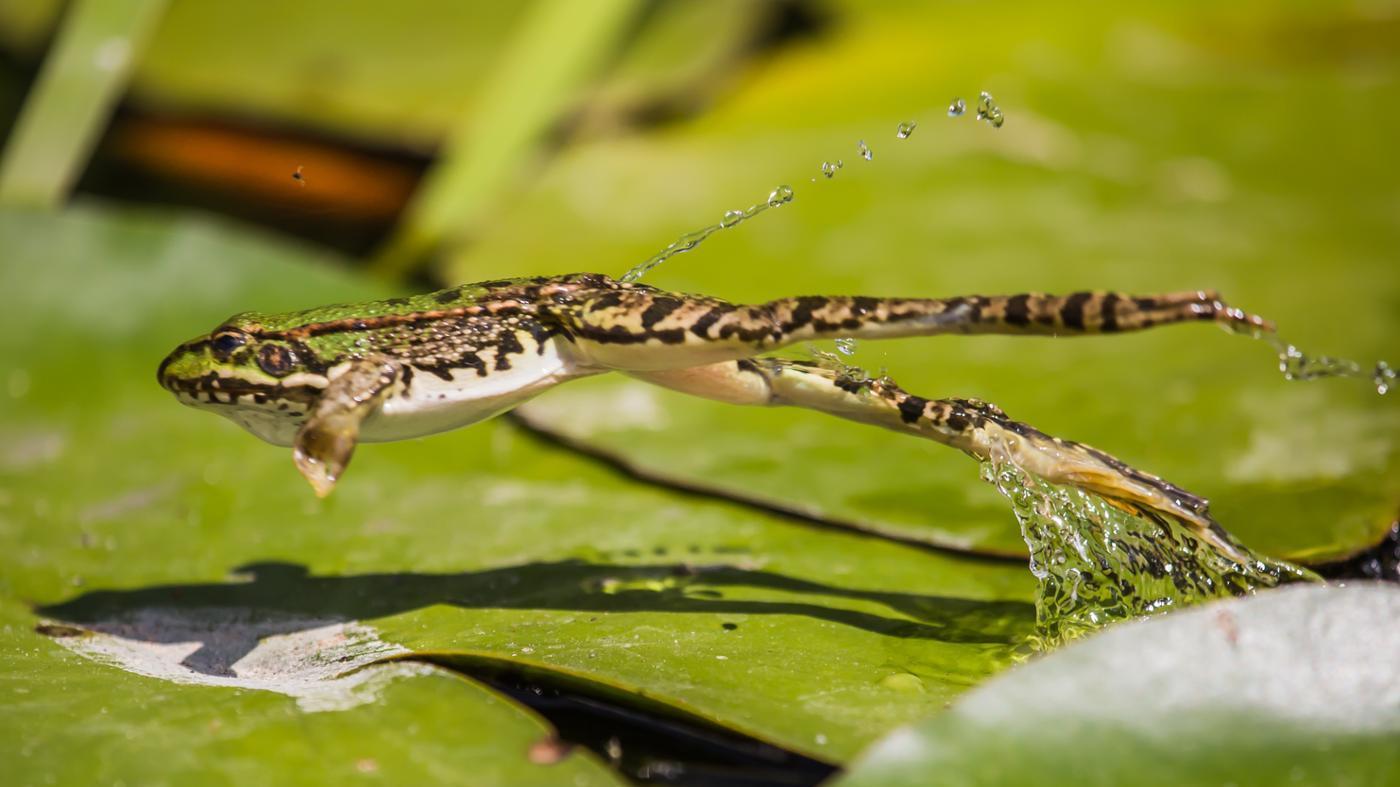
Frogs have webbed feet that help them to swim in water. Webbed feet in frogs are an example of a
a)
niche
b)
variation
c)
adaptation
d)
learned behavior
65.

When an animal tries to look, sound, or act like
another animal to fool predators into thinking it is poisonous or dangerous,
this is called?
a)
camouflage
b)
hibernation
c)
migration
d)
mimicry
66.
Charles Darwin’s observation that finches of different species on the Galápagos Islands have many similar physical characteristics supports the hypothesis that these finches
a)
have the ability to interbreed.
have the ability to interbreed.
have the ability to interbreed.
b)
acquired traits through use and disuse.
c)
all eat the same type of food.
d)
descended from a common ancestor.
67.

Farmers breed cows to produce high amounts of milk. This is an example of...
a)
Natural Selection
b)
Variations in a species
c)
Selective Breeding
68.
Individuals who are considered fit, have:
a)
Stronger genes
b)
Fewer mutations
c)
More food
d)
More offspring
69.
Where the better adapted organisms survive to pass traits along to offspring.
a)
Evolution
b)
Natural Selection
c)
Extinction
d)
Artifical Selection
70.
Structures that have common evolutionary origins, provide evidence for common ancestor.
a)
Species
b)
Vestigial Structures
c)
Population
d)
Homologous Structures
71.
What characteristic did Darwin observe about the finches on the Galapagos Islands?
a)
Their feathers
b)
Genotypes
c)
Their beaks
d)
Their body sizes
72.
The struggle for existence against other members of an organisms species is
a)
Competition
b)
Natural Selection
c)
gene flow
d)
genetic drift
73.
Group of organisms all of the same species, living in the same place at the same time.
a)
gene pool
b)
population
c)
species
d)
evolution
74.

There is _____________ in the color of the bugs.
a)
Variation
b)
Adaptation ( a change or the process of change by which an organism or species becomes better suited to its environment )
c)
Adaptation ( a beneficial trait)
Reset

