
 Worksheets
Liberty Life Science Review
Total questions: 60
Worksheet time: 15hrs 0mins
Name
Class
Date
1.
This organelle takes food and turns it into ENERGY for plant and animal cells.
a)
Chloroplast
b)
Mitochondria
c)
Lysosome
d)
Ribosome
2.
The site of photosynthesis
a)
ribosome
b)
mitochondria
c)
chloroplast
d)
nucleus
3.
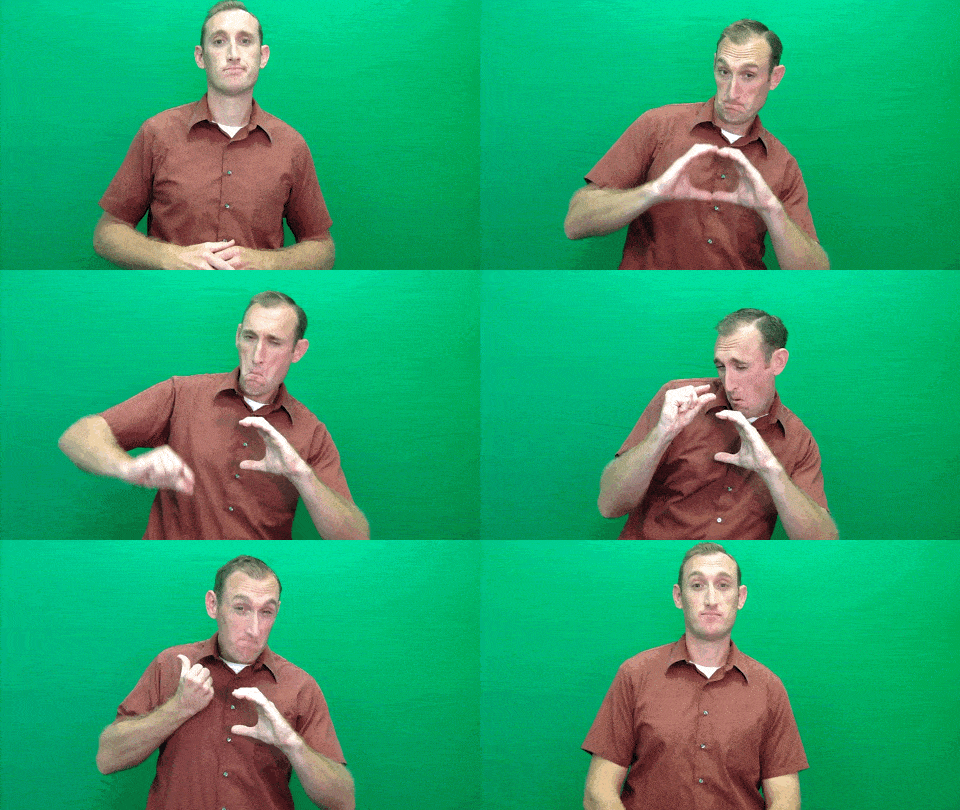
The ___________ is the basic unit of life
a)
organ
b)
cell
c)
atom
d)
tissue
4.
When many organ systems work together it can form...
a)
organ
b)
cells
c)
organ system
d)
organism
5.

This is a example of........
a)
organ system
b)
cells
c)
organ
d)
tissue
6.

This is a example of ........
a)
cell
b)
organ system
c)
organ
d)
tissue
7.
The brain is a part of which organ system?
a)
nervous
b)
skeletal
c)
muscular
d)
digestive
8.

Directs all cell activities through the DNA located there.
a)
Lysosomes
b)
Nucleus
c)
ribosomes
d)
Mitochondria
9.
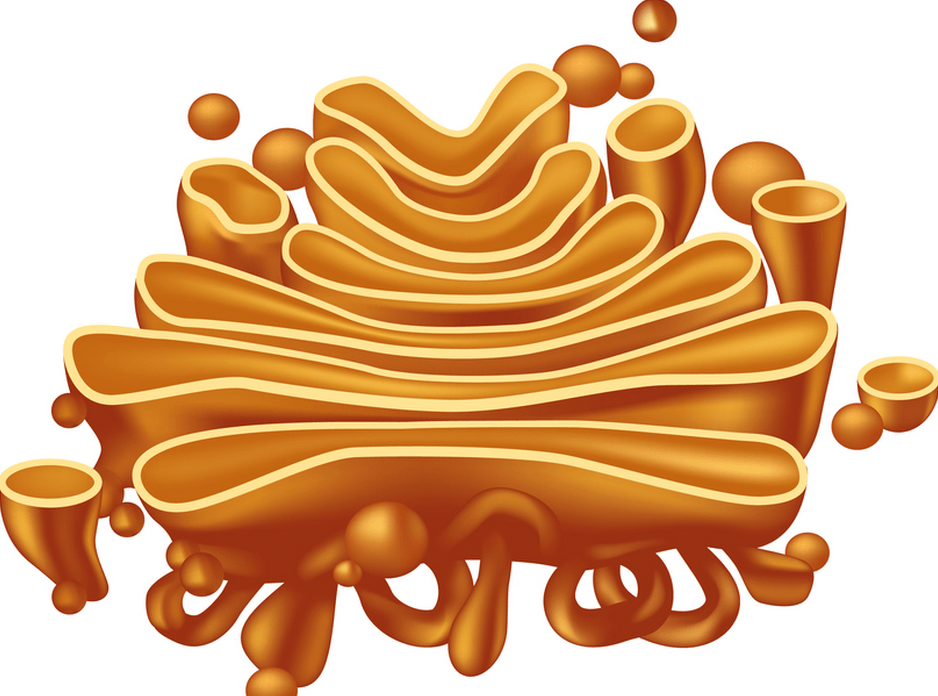
I am a protein packaging and shipping machine! Who am I?
a)
vacuole
b)
ribosome
c)
mitochondrion
d)
golgi apparatus
10.
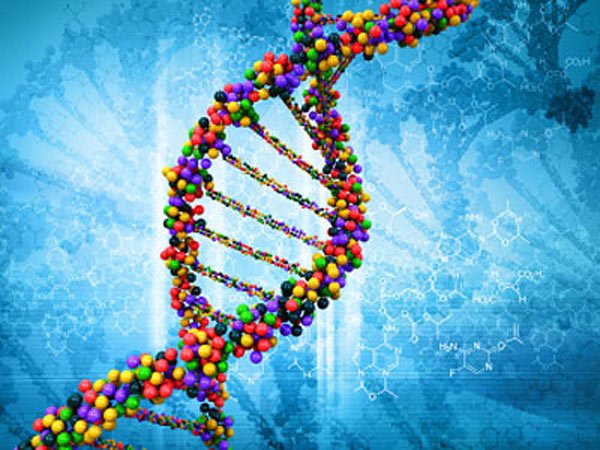
What is the name of the genetic material that is inside the nucleus?
a)
ER
b)
ATP
c)
YOLO
d)
DNA
11.
Examples of producers are:
a)
cats
b)
carrots
c)
moose
d)
mushrooms
12.
An area that contains biotic and abiotic things is known as:
a)
an adaptation
b)
an ecosystem
c)
metamorphosis
d)
osmosis
13.
Through the microscope, objects appear to be:
a)
smaller than they really are
b)
larger than they really are
c)
the same size as they really are
d)
a different color than they really are
14.
The main reason that living organisms become endangered or extinct is:
a)
over hunting
b)
pollution
c)
disease
d)
loss of habitat
15.
Examples of consumers:
a)
trees
b)
Humans
c)
Dandilions
d)
Grass
16.
Organisms, such as mushrooms, that break down dead animals are called:
a)
Decomposers
b)
Herbivores
c)
Omnivores
d)
Scavengers
17.
Camouflage, quills, and bad odor are examples of:
a)
herbivores
b)
Diffusion
c)
Mitosis
d)
Adaptations
18.
The brain, spinal cord and nerves belong to which system?
a)
Endocrine
b)
Excretory
c)
Reproductive
d)
Nervous
19.
The structure in a frog's digestive system that stores food is:
a)
trachea
b)
esophagus
c)
crop
d)
stomach
20.
Genetics is the study of:
a)
the way a plant makes energy
b)
the way genes express themselves
c)
the way the body uses food
d)
Gregor Mendel's life
21.
A scientific name of a living things is written in:
a)
English
b)
Latin
c)
French
d)
Spanish
22.
A large ecosystem with the same climate and organisms is called a:
a)
cell
b)
biome
c)
energy pyramid
d)
aquarium
23.
The green color, true roots, stems, leaves and the ability to photosynthesize are all characteristics of:
a)
protista
b)
eubacteria
c)
plants
d)
fungi
24.
The number of chromosomes in each nucleus of a human cell (except sperm and eggs) are:
a)
46
b)
23
c)
100
d)
1
25.
A gene that covers or masks another gene is said to be:
a)
recessive
b)
dominant
c)
mutant
d)
parasitic
26.
The person known as the father of genetics is:
a)
Robert Hooke
b)
Gregor Mendel
c)
Albert Einstein
d)
Anton Von Lewenhoek
27.
A cross between a man with blue eyes (b) and a woman homozygous for brown eyes (B) would have:
a)
all blue eyed children
b)
all brown eyed children
c)
50% each of brown and blue eyed children
d)
75% brown eyed children and 25% blue eyed children
28.
Two kingdoms of living organisms without nuclei in their cells are:
a)
Archaebacteria and plants
b)
eubacteria and archaebacteria
c)
protista and plantae
d)
fungi and animalia
29.
An organism's scientific name is made up of its:
a)
kingdom and phylum
b)
class and order
c)
family and genus
d)
genus and species
30.
The study of classification of living organisms is called:
a)
genetics
b)
taxidermy
c)
taxonomy
d)
identification
31.
The body system that protects an organism fro the outside environment is:
a)
circulatory system
b)
respiratory system
c)
endocrine system
d)
integumentary system
32.
An allele is a:
a)
genetic factor that codes for a trait
b)
a type of frog that we are dissecting
c)
a genetic disease that gives a person warts
d)
a popular video game
33.
Fill in the missing word(s):
All cells come from:
All cells come from:
a)
their mom
b)
your mom
c)
pre-existing cells
d)
Robert Hooke
34.
Which organism has more cells?
a)
baby
b)
mother
35.
When living things make more things like themselves
a)
reproduction
b)
spontaneous generation
c)
multi cellular
d)
unicellular
36.
A living thing
a)
unicellular
b)
multicellular
c)
organism
d)
reproduction
37.
Organism with only one cell
a)
multicellular
b)
unicellular
c)
reproduction
d)
responding
38.
Organism with many cells
a)
multicellular
b)
unicellular
c)
responding
d)
reproduce
39.
True or False:
All organisms contain many cells
All organisms contain many cells
a)
True
b)
False
40.
This type of tissue can contract or shorten.
a)
epithelial
b)
muscle
c)
nerve
d)
connective
41.
This type of tissue covers the body inside and out.
a)
nervous
b)
connective
c)
epithelial
d)
muscle
42.
This type of tissue carries impulses
a)
nervous
b)
epithelial
c)
muscle
d)
connective
43.
Living organisms are only able to function and thrive if they can maintain constant or stable internal conditions. This ability is known as ____.
a)
natural selection
b)
endocytosis
c)
cell differentiation
d)
homeostasis
44.
Bacteria is what kind of cell?
a)
Eukaryotic
b)
Prokaryotic
45.
How can the relationship between small fish and the invertebrates that they hunt and eat be best described?
a)
Predator and producer
b)
Predator and prey
c)
Consumer and parasite
d)
Decomposer and consumer
46.
What is a group of organisms of the same species living in the same area at the same time called?
a)
Community
b)
Population
c)
A group
d)
Ecosystem
47.
Coyotes eat rabbits. Rabbits eat clover. What would most likely happen if the population of coyotes decreases?
a)
The rabbits and clover would decrease
b)
The rabbits and clover would increase
c)
The rabbits would increase, but the clover would decrease
d)
The rabbits would decrease, but the clover would increase
48.

Which organism has the most energy and which organism has the least amount of energy? Choose the best answer.
a)
mosquito and grass
b)
mouse and grass
c)
grass and owl
d)
grass and small bird
49.

Charles Darwin came up with this theory
a)
Natural Selection
b)
Mutation
50.

Which species’ DNA is most similar to the DNA of the toothed whale?
a)
Hippopotamus
b)
Baleen Whale
c)
Grazing Mammals
d)
Camels
51.

What level would the oldest fossils be found?
a)
A
b)
B
c)
C
d)
B and A
52.

What are the Abiotic factors in this image?
a)
water, sunlight, dirt, air
b)
birds and plants
c)
birds, water, dirt
d)
plants, water
53.

What are the Biotic factors in this image?
a)
There are none
b)
Sunlight, water, air
c)
Elephants, plants, trees
d)
Air, elephants, humidity
54.

The shrew provides energy for the _______?
a)
cricket
b)
grasshopper
c)
frog
d)
snake
55.

In the food web shown, the smaller bird would be considered....
a)
primary consumer
b)
secondary consumer
c)
tertiary consumer
d)
producer
56.

In the food web shown, the snail would be considered...
a)
primary consumer
b)
secondary consumer
c)
tertiary consumer
d)
producer
57.
Ecology is the study of?
a)
Ecosytems
b)
Species
c)
Population
d)
Producers
58.

Humans would be classified as
a)
multicellular heterotrophs
b)
multicellular autotrophs
c)
unicellular heterotrophs
d)
unicellular autotrophs
59.
Plant and animal cells are the exact same.
a)
True
b)
False
60.
How many parents does asexual reproduction involve?
a)
one
b)
two
c)
three
d)
four
100 %

