
 Worksheets
Unit 1 Exam: Identity
Total questions: 73
Worksheet time: 44mins
Name
Class
Date
1.
The sternum is ______________ to the clavicles.
a)
Superior
b)
medial
c)
proximal
d)
anterior
2.
The tibia is ______________ to the femur.
a)
Superior
b)
Inferior
c)
Distal
d)
Proximal
3.
The sacrum is ______________ to the cervical vertebrae.
a)
distal
b)
Inferior
c)
posterior
d)
lateral
4.
The carpals are ______________ to the ulna.
a)
distal
b)
proximal
c)
posterior
d)
lateral
5.
The thoracic vertebrae are ______________ to the scapulas.
a)
Superior
b)
medial
c)
anterior
d)
Proximal
6.
The ulna is ______________ to the radius.
a)
Superior
b)
medial
c)
anterior
d)
Proximal
7.

Name this bone
a)
Mandible
b)
Maxilla
c)
Zygomatic
d)
Cranium
8.

Name the bone
a)
Radius
b)
Ulna
c)
Carpals
d)
Humerus
9.

Name the bone
a)
Carpals
b)
Metacarpals
c)
Tarsals
d)
Phalanges
10.

Name the bone
a)
Tibia
b)
Fibula
c)
Femur
d)
Patella
11.

What is another name for the kneecap?
a)
Patella
b)
Tibia
c)
Fibia
12.

What bones is highlight?
a)
Femur
b)
Humerous
c)
Skull
d)
Shin
13.

a)
humerus
b)
clavicle
c)
ribs
d)
scapula
14.

a)
clavicle
b)
ribs
c)
humerus
d)
ulna
15.

a)
rib
b)
spine
c)
scapula
d)
clavicle
16.

a)
ulna
b)
humerus
c)
radius
d)
vertebrae
17.

a)
ulna
b)
radius
c)
humerus
d)
clavicle
18.

a)
ribs
b)
clavicle
c)
humerus
d)
vertebrae
19.

a)
vertebrae
b)
tibia
c)
pelvis
d)
femur
20.

a)
tibia
b)
fibula
c)
radius
d)
calcaneus
21.

a)
metatarsals
b)
carpals
c)
tarsals
d)
metacarpals
22.

a)
tibia
b)
femur
c)
fibula
d)
humerus
23.

a)
metacarpals
b)
phelanges
c)
tarsals
d)
metatarsals
24.

a)
cervical vertebrae
b)
thoracic vertebrae
c)
lumbar vertebrae
d)
sacrum
25.

The bones in your back are made up of what?
a)
fingers
b)
phalanges
c)
vertebrate
d)
toes
26.

14
a)
Nasal
b)
Lacrimal
c)
Maxilla
d)
Zygomatic
27.

15
a)
Nasal
b)
Lacrimal
c)
Maxilla
d)
Zygomatic
28.

16
a)
Frontal
b)
Parietal
c)
Temporal
d)
Mandible
29.

17
a)
Frontal
b)
Parietal
c)
Temporal
d)
Mandible
30.

18
a)
Frontal
b)
Parietal
c)
Temporal
d)
Mandible
31.

1
a)
Lumbar
b)
Thoracic
c)
Sacral
d)
Cervical
32.

3
a)
Lumbar
b)
Thoracic
c)
Sacral
d)
Cervical
33.

5
a)
Lumbar
b)
Thoracic
c)
Sacral
d)
Cervical
34.

7
a)
Lumbar
b)
Thoracic
c)
Sacral
d)
Cervical
35.

a)
Sternum
b)
Sacrum
c)
Radius
d)
Cervical Vertebrae
36.

a)
Sacrum
b)
Coccyx
c)
Lumbar Vertebrae
d)
Pelvis
37.

a)
Sacrum
b)
Coccyx
c)
Lumbar Vertebrae
d)
Pelvis
38.
Which of the following bones is BEST for determining sex?
a)
Femur
b)
Humerus
c)
Pelvis
d)
Skull
39.
Which of the following bones is BEST for determining height?
a)
Femur
b)
Pelvis
c)
Skull
40.
Which of the following are BEST for determining age?
a)
Femur
b)
Pelvis
c)
Skull
d)
Ossification
41.
Which of the following bones is BEST for determining ancentry/race?
a)
Femur
b)
Pelvis
c)
Skull
d)
Ossification
42.

a)
Comminuted
b)
Compound
c)
Transverse displaced
d)
Transverse non-displaced
43.

a)
Transverse Fracture displaced
b)
Transverse non-displaced
c)
Compound
d)
Greenstick
44.
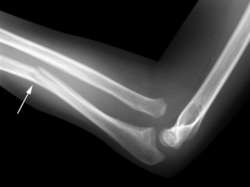
a)
Compound Fracture
b)
Greenstick Fracture
c)
Transverse fracture displaced
d)
Compression fracture
45.
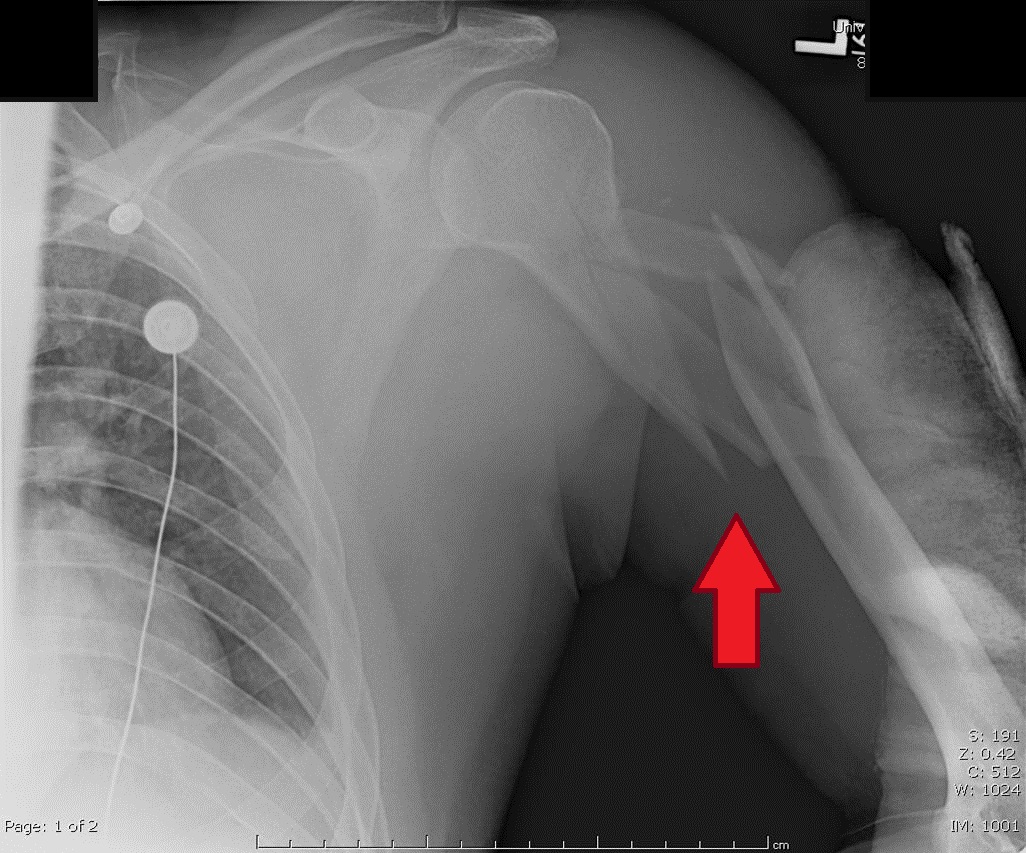
a)
Compound fracture
b)
Transverse Fracture displaced
c)
Comminuted fracture
d)
Compression Fracture
46.

a)
Compression Fracture
b)
Compound Fracture
c)
Greenstick Fracture
d)
Comminuted Fracture
47.
a fracture in which the bone breaks diagonally.
a)
Spiral Fracture
b)
Fracture
c)
Diagonal Fracture
d)
Horizontal Fracture
48.
Broken bone produced when the bones are pressed together.
a)
Callus
b)
Compression Fracture
c)
Manipulation
d)
Transverse Fracture:
49.
Broken bone that has an angular break diagonal to the long axis.
a)
Oblique Fracture
b)
Immobilization
c)
Spiral Fracture
d)
Closed Fracture
50.
Broken bone.
a)
Immobilization
b)
Fracture
c)
Spiral Fracture
d)
Comminuted Fracture
51.
Broken bone in which the bone is twisted apart or spiraled apart.
a)
Spiral Fracture
b)
Compression Fracture
c)
Physeal Fracture
d)
Avulsion Fracture
52.
Broken bone that is broken at right angles to its axis or straight across the bone.
a)
Transverse Fracture
b)
Manipulation
c)
Closed Fracture
d)
Greenstick Fracture
53.
bone that is broken only on one side and the other side is bent.
a)
Comminuted Fracture
b)
Avulsion Fracture
c)
Greenstick Fracture
d)
Physeal Fracture
54.
Broken bone that is splintered or crushed into multiple pieces.
a)
Fracture
b)
Manipulation
c)
Callus
d)
Comminuted Fracture
55.
Broken bone in which there is an open wound in the skin.
a)
Open Fracture
b)
Greenstick Fracture
c)
Callus
d)
Oblique Fracture
56.
Broken bone in which there is no open wound in the skin.
a)
Avulsion Fracture
b)
Closed Fracture
c)
Crepitation
d)
Compression Fracture
57.
The arm and leg bones can be used to determine forensic height
a)
true
b)
false
58.
A skull is found with rounded eye orbits, a thin brow ridge, and no occipital protuberance. What is the sex of this skull?
a)
Male
b)
Female
59.
The pelvis of a female is _____ as compared to a male.
a)
wide and circular
b)
wide and heart-shaped
c)
narrow and circular
d)
narrow and heart-shaped
60.
Which is the most reliable bone to determine the sex of a skeleton?
a)
Femur
b)
Skull
c)
Pelvic bone
d)
Collarbone
61.
You notice a skull that has a rough and bumpy surface. What sex this this characteristic typically associated with?
a)
Male
b)
Female
62.

The pelvis in the picture is most likely
a)
male
b)
female
63.
A skull shows a sloped forehead and a square jaw. The skeleton is most likely a
a)
male
b)
female
64.
The skull shows heavy brow ridges and an occipital protuberance. The skeleton is most likely a
a)
male
b)
female
65.
All of the following features of the skull can be used to determine the sex of a skeleton EXCEPT
a)
shape of the jaw
b)
shape of the nasal cavity
c)
shape of the eye orbits
d)
shape of the forehead
66.
One of the ways to determine the race using bones is by examining the :
a)
the pelvis
b)
the leg bones
c)
skull
d)
the occipital bump
67.
What is one of the key elements of forensic anthropology?
a)
Examining animal bones
b)
Diagnosing bone diseases in living humans
c)
Examining bones in a legal setting
d)
Performing autopsies on soft tissues
68.
The frontal bone of males is
a)
Low and Sloping
b)
High and rounding
69.
The male skull is generally more robust than the female skull.
a)
True
b)
False
70.
Because bones can heal, a bone fracture is no longer evident after 10 years.
a)
true
b)
false
71.
When trying to find the age of an individual, anthropologists will give an exact age of the deceased
a)
true
b)
false
72.
Why does an infants skeleton contain a higher number of bones?
a)
They are born with many bones that have not fused completely
b)
They are mutant ninja bebes
c)
They are born with bones that eventually turn into cartilage
d)
all of the above
73.
Suture Lines on the __________ are helpful in determining the __________ of a victim
a)
skull , age
b)
name , number
c)
jaw , race
100 %

