
NEW
Font size
S
M
L
XL
 Worksheets
Biology First Semester Review
Total questions: 66
Worksheet time: 1hrs 13mins
Name
Class
Date
1.

Directs all cell activities through the DNA located there.
a)
Lysosomes
b)
Nucleus
c)
ribosomes
d)
Mitochondria
2.
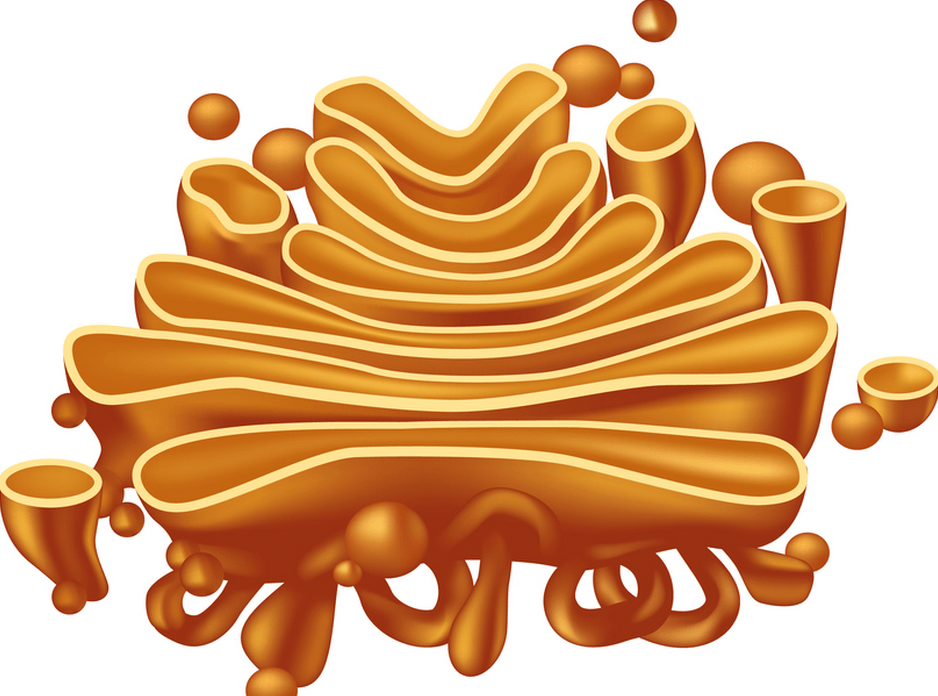
I am a protein packaging and shipping machine! Who am I?
a)
vacuole
b)
ribosome
c)
mitochondrion
d)
golgi apparatus
3.
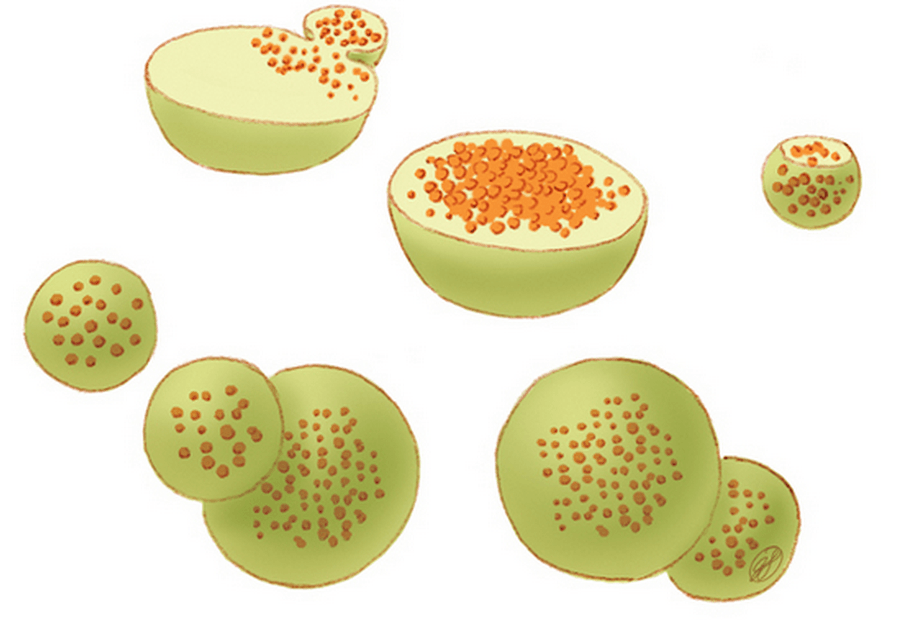
You might think of me as the trash collector, but recycler is maybe more accurate. What am I?
a)
mitochondria
b)
lysosome
c)
vacuole
d)
ribosome
4.
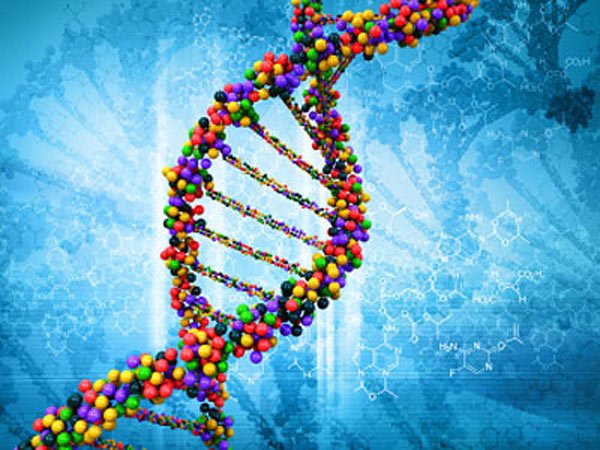
What is the name of the genetic material that is inside the nucleus?
a)
ER
b)
ATP
c)
YOLO
d)
DNA
5.
What is found in both plant and animal cells but is much larger in plant cells?
a)
Nucleus
b)
Mitochondria
c)
Chloroplast
d)
Vacuole
6.
Where are proteins made?
a)
Golgi body
b)
Mitoichondria
c)
Chromosomes
d)
Ribosomes
7.
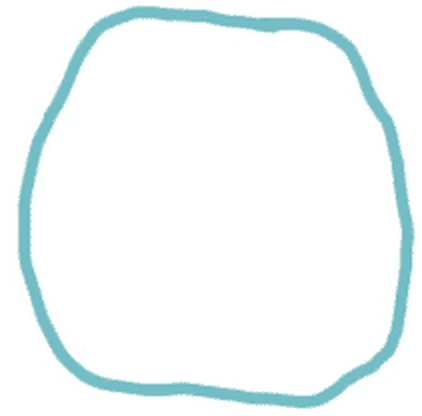
I am the outer most layer of an animal cell. What am I?
a)
cell wall
b)
nucleus
c)
cell membrane
d)
cell skin
8.
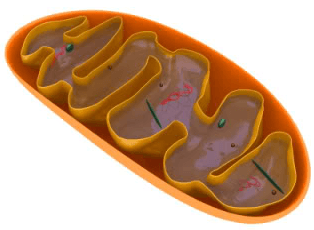
What are tiny organelles that convert glucose into ATP?
a)
Ribosomes
b)
Vesicles
c)
Cytoskeleton
d)
Mitochondria
9.
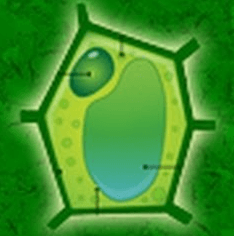
A rigid layer that lies outside the cell's membrane is...
a)
Cytoskeleton
b)
Cilia
c)
Cell Wall
d)
Flagella
10.
The diffusion of WATER across a semi-permeable membrane is
a)
osmosis
b)
diffusion
c)
endocytosis
d)
exocytosis
11.
What is diffusion
a)
active transport
b)
passive transport
c)
cell division
d)
cell mutation
12.
The movement of molecules from higher concentration to lower concentration is
a)
diffusion
b)
cell division
active transport
active transport
c)
active transport
d)
tonicity
13.
Active transport requires
a)
energy
b)
the nucleus
c)
chloroplasts
d)
lysosomes
14.
What organelles are only found in PLANT cells
a)
lysosomes & centrioles
b)
cell wall & chloroplasts
c)
nucleus & nucleolus
d)
mitochondria & ribosomes
15.
When a cell is not actively dividing, it is in what phase?
a)
interphase
b)
anaphase
c)
prophase
d)
telophase
16.
What portion of the cell cycle involves the actual dividing?
a)
interphase
b)
mitosis
c)
Gap 1
d)
Gap 2
17.
When a cell divides, what do we call the 2 new cells?
a)
mother cells
b)
father cells
c)
daughter cells
d)
son cells
18.
Before a cell can divide, what must happen?
a)
Nothing, it is always ready to divide
b)
The number of chromosomes must be cut in half
c)
The number of chromosomes must double
d)
The number of chromosomes must triple.
19.
In which type of cells will mitosis occur?
a)
egg cells
b)
sperm cells
c)
jail cells
d)
Body cells except the sperm and egg cells
20.
What is the name of the process in which DNA (genetic information) is exchanged during meiosis?
a)
crossing under
b)
crossing over
c)
melding
d)
blending
21.
In meiosis, the haploid number of chromosomes in a human sex cell is:
a)
46
b)
92
c)
22
d)
23
22.
What is the diploid number of cells found in a human body cell?
a)
23
b)
46
c)
92
d)
47
23.
Another name for a sex cell is a:
a)
gamete
b)
embryo
c)
bone cell
d)
muscle cell
24.

The process on the left is:
The process on the right is:
The process on the right is:
a)
Left: meiosis
Right: meiosis
Right: meiosis
b)
Left: meiosis
Right: cloning
Right: cloning
c)
Left: mitosis
Right: meiosis
Right: meiosis
d)
Left: mitosis
Right: mitosis
Right: mitosis
25.

Place these cells in order of mitosis.
a)
A, B, C, D, E
b)
B, E, D, A, C
c)
C, E, A, D, B
d)
B, D, A, E, C
26.

What scientific process is being shown?
a)
Mixing
b)
Crossing under
c)
Crossing over
d)
square dancing
27.
Which process involves the movement of molecules from high concentration to low concentration?
a)
Endocytosis
b)
Active transport
c)
osmosis
d)
phagocytosis
28.
What is an isotonic solution?
a)
When solutions are in equilibrium
b)
When the solution has more solute
c)
When the solution has less solute
d)
Has a greater pressure
29.
An animal cell placed in a hypertonic (salty) solution will
a)
Shrink (get smaller)
b)
Swell (get bigger)
c)
Stay the same
30.
Water will move INTO a cell in a(n) _______ solution
a)
Hypertonic
b)
Hypotonic
c)
Isotonic
d)
Gravy
31.
A cell in an isotonic solution will
a)
swell (get bigger)
b)
shrink (get smaller)
c)
stay the same size
d)
impossible to tell
32.

The cell below is in a _________ solution.
a)
Hypotonic
b)
Hypertonic
c)
Isotonic
33.

The cell below is in a _____________ solution.
a)
Hypertonic
b)
Hypotonic
c)
Isotonic
34.
A molecule that diffuses down a concentration gradient goes from an area of ______ concentration into an area of ______ concentration.
a)
high, low
b)
low, high
c)
passive, active
d)
active, passive
35.

In this picture, which way will the water move?
a)
Water will move into the cell
b)
Water will move out of the cell
c)
Water will move in and out of the cell
d)
Water will not move
36.
In this picture, how do you classify the solution?
a)
The solution is hypotonic
b)
The solution is hypertonic
c)
The solution is isotonic
d)
The solution is my tonic
37.
What term names the process during which DNA is copied prior to cell division?
a)
DNA polymerase
b)
DNA replication
c)
DNA regneration
d)
DNA redistribution
38.

After analyzing a sample of DNA, a scientist recorded the data shown in the table. What percentage of the DNA sample is cytosine?
a)
22%
b)
25%
c)
28%
d)
56%
39.
The enzyme that unzips the DNA to prepare for replication
a)
helicase
b)
replicase
c)
polymerase
d)
synthase
40.
DNA replication results in two DNA molecules,
a)
each one with two original strands
b)
each one with two new strands
c)
each one with one new strand and one original strand
d)
one with two new strands and the other with two original strands
41.
What are the 4 nitrogen bases?
a)
adenine, thymine, cytoplasm, and guanine
b)
adenine, thymine cytosine, and guanine
c)
adenine, thymine, cytosine, and gylcerol
d)
adenine, thymine, cytosine, and glucose
42.
If the percentage of DNA is made of 30% Thymine, what is the correct percentage of Guanine?
a)
30
b)
15
c)
20
d)
60
43.
DNA molecule segment is : TTACGCAAG
The mutated DNA segment is TTCGCAAG. This is an example of ___ mutation.
The mutated DNA segment is TTCGCAAG. This is an example of ___ mutation.
a)
Substitution
b)
Deletion
c)
Insertion
d)
Inversion
44.
What mutation has occurred here?
T-G-A-C-C-A
T-G-A-G-C-A
T-G-A-C-C-A
T-G-A-G-C-A
a)
Substitution
b)
Deletion
c)
Insertion
d)
Frameshift
45.

What type of chromosomal mutation is this?
a)
Inversion
b)
Translocation
c)
Deletion
d)
Duplication
46.
Which of the following would result in a frameshift mutation?
a)
Insertions only
b)
Substitution only
c)
Deletion only
d)
Insertions and Deletions
47.
What are the building blocks of proteins called?
a)
DNA
b)
RNA
c)
Ribosomes
d)
Amino Acids
48.
DNA molecule segment is : TTACGCAAG
The mutated DNA segment is TTACGCAAC. This is an example of ___ mutation.
The mutated DNA segment is TTACGCAAC. This is an example of ___ mutation.
a)
Substitution
b)
Insertion
c)
Inversion
d)
Translocation
49.
Why are insertion and deletion (frameshift) mutations so harmful?
a)
They change all of the codons from the mutation on down the line, which changes the amino acid sequence ultimately changing the protein.
b)
They insert things that an organism doesn't need.
c)
They often delete things that organisms need.
d)
Insertion and deletions are not any more harmful than substitution mutations.
50.
ATTTGAGCC- Original
ATTGAGCC - Mutated
The example above is an example of a
ATTGAGCC - Mutated
The example above is an example of a
a)
Insertion- Frameshift
b)
Deletion- Substitution
c)
Deletion -Frameshift
d)
All of the above
51.
Which RNA bases would pair with TACGAA in transcription?
a)
AUGCUU
b)
ATGCTT
c)
GCATCC
d)
GCAUCC
52.
What is the correct mRNA strand from this DNA?
CAC-GTG-ACA-GCG
CAC-GTG-ACA-GCG
a)
GTG-CAC-TGT-CGC
b)
CAC-GUG-ACA-GCG
c)
GUG-CAC-UGU-CGC
53.
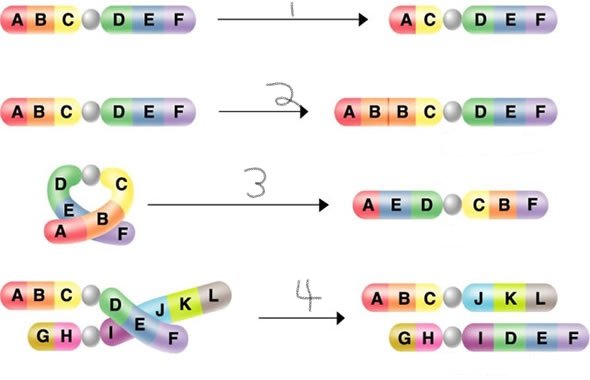
Which of these is the correct order for the chromosome mutations in the image (from top to bottom)?
a)
(1) duplication, (2) inversion, (3) substitution, (4) translocation
b)
(1) deletion, (2) duplication, (3) inversion, (4) translocation
c)
(1) deletion, (2) insertion, (3) translocation, (4) inversio
d)
(1) substitution, (2) duplication, (3) translocation, (4) inversion
54.
Which of the following is found in RNA but not in DNA?
a)
adenine
b)
uracil
c)
guanine
d)
thymine
55.
The process of synthesizing mRNA from a DNA template is called:
a)
transcription
b)
translation
c)
transformation
d)
translocation
56.
All offspring plants in the F1 generation were purple because purple is the ______________ trait.
a)
Heterozygous
b)
Homozygous
c)
Dominant
d)
Recessive
57.

Which of the following does NOT describe the flowers in the F1 Generation?
a)
Hybrid
b)
Heterozygous
c)
Purebred
58.
Which of the following best explains the results of letting the F1 purple hybrids self pollinate?
a)
100% Purple
b)
100% White
c)
50% Purple, 50% White
d)
75% Purple, 25% White
59.
The different forms of a gene are known as _____________.
a)
Codons
b)
Proteins
c)
Alleles
d)
Nucleotides
60.
Which of Mendel's laws states that alleles are separated during meiosis?
a)
Law of Dominance
b)
Law of Segregation
c)
Law of Independent Assortment
d)
Law of Meiosis
61.
According to the Law of Segregation, alleles are separated during the process of _____________.
a)
Mitosis
b)
Meiosis
c)
Osmosis
d)
Translation
62.
Which of Mendel's laws states that alleles are distributed to gametes independent of one another?
a)
Law of Dominance
b)
Law of Segregation
c)
Law of Independent Assortment
d)
Law of Meiosis
63.

What is the FUNCTION of the visual tool seen in the image?
a)
Identifies the location of a gene.
b)
Determines the DNA sequence of an organism.
c)
Predicts the possible results of a genetic cross.
d)
Tests for the presence of dominant alleles.
64.

Both parents in this Punnet square
a)
are homozygous dominant
b)
are homozygous recessive
c)
are heterozygous
d)
have blue eyes
65.
In certain species of plants, purple flowers (P) are dominant to white flowers (p). If two heterozygous plants are crossed, what will be the phenotype of the offspring?
a)
100% purple flowers
b)
100% white flowers
c)
75% white flowers, 25% purple flowers
d)
25% white flowers, 75% purple flowers
66.

What genotype is missing from this Punnett Square?
a)
RrYy
b)
RRYY
c)
rryy
d)
RrYY
Reset

