
 Worksheets
4th Six Weeks Common Assessment Test Review
Total questions: 122
Worksheet time: 3hrs 36mins
Name
Class
Date
1.
Heredity is the passing of traits from _____________________ to _____________________
a)
predators to prey
b)
water to rain
c)
parents to offspring
d)
fungi to protists
2.
___________________________ is the study of how traits are passed on, or inherited.
a)
dominant traits
b)
ratio
c)
phenotype
d)
genetics
3.
Why did Mendel choose to study pea plants in order to learn how traits are passed from parent to offspring?
a)
Pea plants grow quickly
b)
Pea plants are ultraviolet
c)
Pea plants are rare and expensive
d)
Pea plants are take years to grow
4.
If a child has red hair, they inherited a certain _______________ from their parents.
a)
ratio
b)
trait
c)
probability
d)
sex chromosome
5.
One trait that is ALWAYS present and causes the other traits to disappear is a ________________________
a)
recessive trait
b)
aggressive trait
c)
absent trait
d)
dominant trait
6.
True or False: Recessive traits are ALWAYS present
a)
True
b)
False
7.
A ___________________ is a relationship between two numbers
a)
genetic
b)
trait
c)
ratio
d)
cycle
8.
Offspring receives two sets of _____________ (one from each parent)
a)
blue jeans
b)
genes
c)
machines
d)
pedigree
9.

A ________________________ is used to predict the possible genotype from certain parents
a)
Mendel Grid
b)
Genetic Tic Tac Toe
c)
Punnett Square
d)
Pedigree Plot
10.
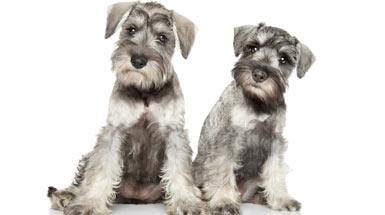
When humans breed purebred dogs to look a certain way and have traits that they like, this is an example of ___________________________
a)
Probably Breeding
b)
Sectional Breeding
c)
Selective Breeding
d)
Suspended Breeding
11.
Dominant or recessive?
Dd
Dd
a)
Dominant
b)
recessive
c)
neither
d)
homozygous
12.
having two of the same genes for the trait (sometimes called purebred).
a)
homozygous
b)
hetrozygous
c)
protein
d)
chromosome
13.
Which of the following alleles is homozygous recessive?
a)
Tt
b)
tt
c)
TT
d)
T
14.
Dominant alleles are represented by a:
a)
Male gene
b)
lowercase letter
c)
recessive trait
d)
capital letter
15.
Which of the following is a phenotype?
a)
Aa
b)
red hair
c)
heterozygous
d)
DNA
16.
Which of the following is NOT a genotype?
a)
heterozygous
b)
a trait
c)
Bb
d)
homozygous recessive
17.
AA and Aa always show up as
a)
dominant
b)
recessive
18.
aa always shows up as
a)
dominant
b)
recessive
19.
Most young animals inherit similar appearances, such as shape and color, from their parent animals. Which best describes why a baby deer (fawn) has spots when the adult deer do not?
a)
The spots help camouflage the fawn for protection.
b)
The spots help a fawn to be seen when crossing roads.
c)
The adult deer lose their spots by rubbing against trees.
20.
Emily has brown hair. Which is most likely a true statement about Emily?
a)
Emily’s favorite color is brown.
b)
Emily has a parent with brown hair.
c)
Emily’s older brother has brown hair.
21.
What characteristic is inherited by only some members of its species?
a)
gills on a fish
b)
wings on a bird
c)
spots on a horse
d)
trunk on an elephant
22.
Bunny A’s fur is all brown, while his brother and sisters are half brown and half white. The bunnies’ father is all brown, and the mother bunny is half brown and half white. Which best describes why Bunny A has brown fur?
a)
The bunny inherited a brown fur characteristic from each parent.
b)
The bunny inherited a white fur characteristic from each parent.
c)
The bunny rejected the white characteristics from its mother.
d)
The bunny rejected the brown characteristics from its father.
23.
Which trait does a puppy inherit from its parents?
a)
fur color and pattern
b)
obedience to commands
c)
food brand preferences
d)
affection for a specific home
24.
A litter of kittens have traits that are similar to both the mother cat and the father cat. Which best explains this situation?
a)
The kittens are provided the same kind of milk from their mother as they grow.
b)
The kittens inherit some of their traits from their mother and some from their father.
c)
The kittens are kept at the same temperatures by their mother when they are first born.
d)
The kittens are taught by their parents to have similar traits.
25.
Which feature of a bird is controlled only by inherited genes?
a)
diet
b)
habitat
c)
beak shape
d)
life span
26.

Purebred is another word for __________, while hybrid is another word for __________.
a)
dominant; recessive
b)
recessive; dominant
c)
homozygous; heterozygous
d)
heterozygous; homozygous
27.

T = tall an t = short
TT and Tt would result in the following phenotype
TT and Tt would result in the following phenotype
a)
short
b)
tall
c)
both tall and short
d)
neither tall or short
28.

Which statement about DNA is true?
a)
Different people can have the same copy of DNA in their cells.
b)
DNA is made up of genes that carry hereditary information.
c)
DNA controls the genotype but not the phenotype of an organism.
d)
DNA controls the genotype only in the second and third generations.
Question
Question
29.

Many living organisms have body structures that go from very simple to very complex. Which of these places the structures in the correct order, from most complex to least complex?
a)
Cell, tissue, organ, system
b)
System, organ, tissue, cell
c)
Organ, tissue, cell, system
d)
Cell, system, organ, tissue
30.
Genetics is
a)
the study of DNA
b)
the study of physical appearances
c)
the study of heredity
d)
the use of mathematics and science
31.

A chromosome is best described as a
a)
gene that has more than one form.
b)
green cell found in many plants.
c)
strand of DNA containing genetic information.
d)
reproductive cell found in certain kinds of bacteria
32.

What is a gene?
a)
A bundle (like a hot dog bun) that the DNA is packed into
b)
something inside the nucleus
c)
a piece of DNA
d)
all of your DNA
33.
DNA is inside your cells. What part of the cell is the DNA inside of?
a)
cell membrane
b)
cytoplasm
c)
nucleus
34.
True or False? A tightly wound bundle of DNA is a chromosome.
a)
False
b)
True
35.

What is this image showing?
a)
DNA
b)
Chromosome
c)
Alleles
d)
Phenotype
36.
The part of a chromosome that carries information for a certain trait is called a
a)
protein
b)
gene
c)
nucleus
d)
gametes
37.
What are different versions of the same gene called?
a)
Traits
b)
Alelles
c)
Chromosomes
d)
Sex cells
38.
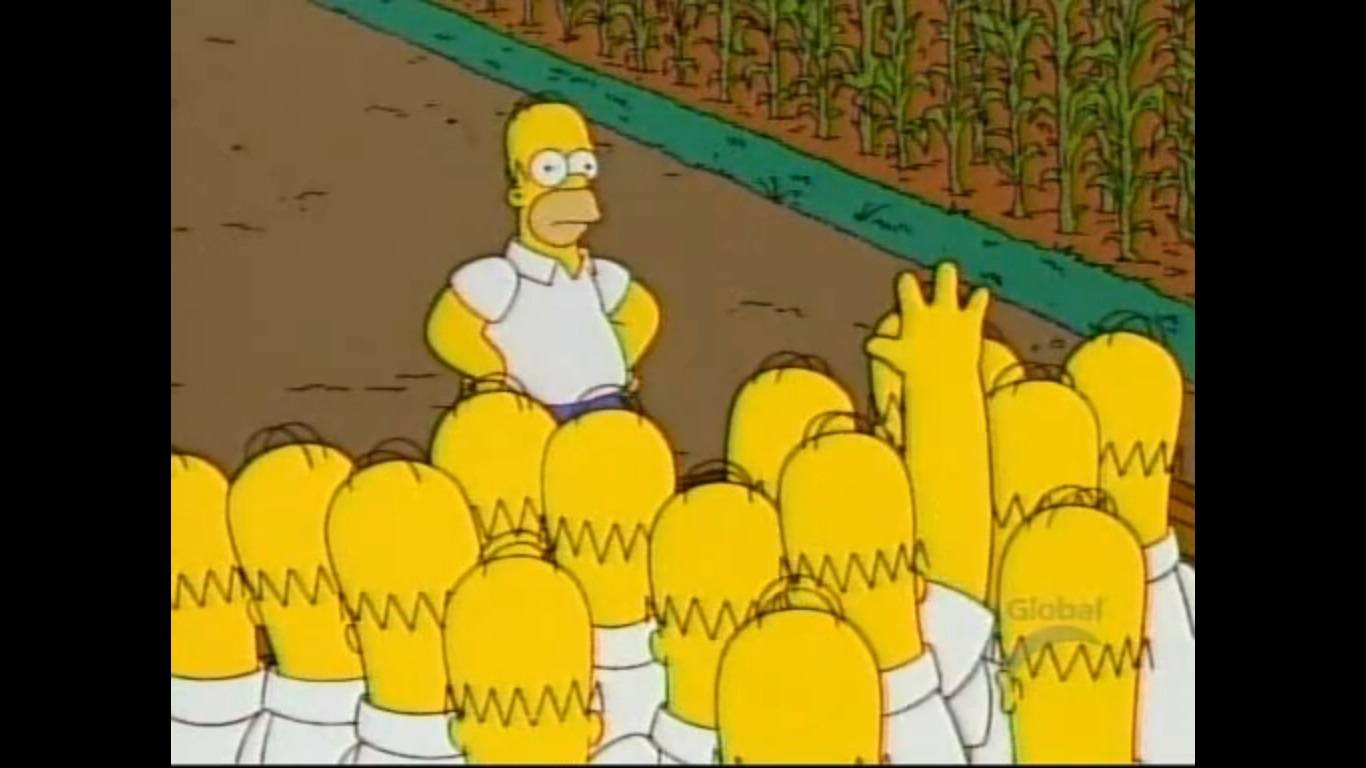
All of the offspring of an organism have the same genetic material, which is identical to the parent organism. From this, we can conclude that this organism -
a)
makes its own food
b)
is unicellular
c)
live in a marine habitat
d)
reproduces asexually
39.
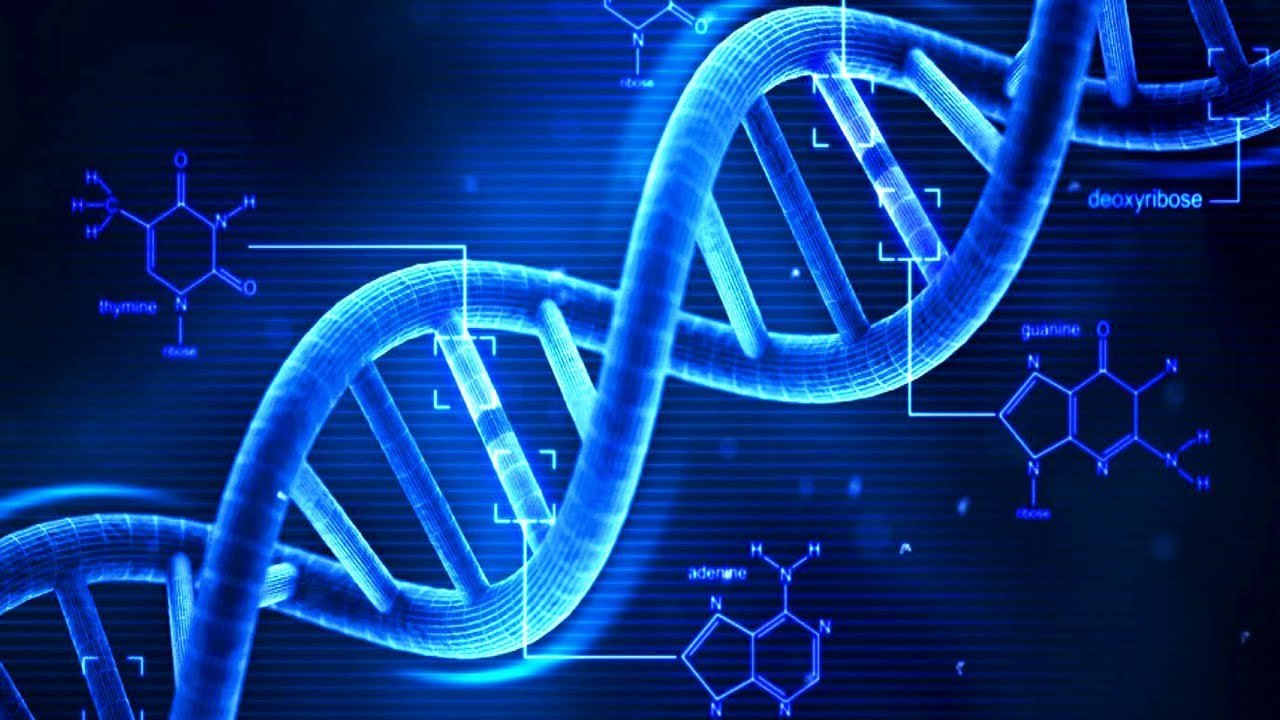
When comparing the offspring of sexually and asexually reproducing organisms, we would expect the genetic material (DNA) of the sexually reproducing organism to -
a)
contain fewer mutations
b)
be lesser in quantity
c)
be simpler overall
d)
show more variation
40.
Which is a type of Asexual Reproduction
a)
Sexual
b)
Binary fission
c)
Cells
d)
organism
41.
What are some of the facts about asexual reproduction?
a)
Takes only one mate to reproduce and takes a longer time to reproduce
b)
Takes a shorter amount of time to reproduce and it takes two mates to reproduce
c)
Reproduces diverse offspring and takes a longer time to reproduce
d)
Takes only one mate to reproduce and takes a shorter time to reproduce
42.
What are some of the facts about sexual reproduction?
a)
Takes two mates to reproduce and takes a longer time to reproduce
b)
Takes one mate to reproduce and takes a shorter amount of time to reproduce
c)
Takes two mates to reproduce and takes a shorter amount of time to reproduce
d)
Takes one mate to reproduce and takes a shorter amount of time to reproduce
43.
Where does an off spring get its traits in asexual reproduction?
a)
From both parents
b)
From only one parent
c)
From neither parent
d)
There are no traits handed down
44.
What percentage of chromosomes are handed down by a sperm cell?
a)
75%
b)
25%
c)
50%
d)
100%
45.
Sexual reproduction requires _____ parents and asexual reproduction requires ___ parents
a)
1,1
b)
2,2
c)
2,1
d)
1,2
46.
What is an advantage of sexual reproduction?
a)
Allows genetic variation
b)
Only needs one parent
c)
Happens very quickly
d)
Offspring are exact copies of parent
47.
What is one disadvantage of sexual reproduction?
a)
Only one parent needed
b)
Off spring are exact copies of parents
c)
Happens very quickly
d)
Needs two parents
48.
When a starfish grows a new body off a broken arm, what kind of reproduction is this?
a)
Sexual
b)
Differentiation
c)
Asexual
d)
Specialization
49.
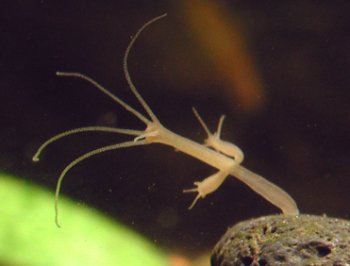
This is when a new organism grows by cell division on the body of its parent. The bud, or offspring is identical to the parent. The bud, when large enough, can break off of the parent and live on its own. Examples of this include yeast, hydra and potatoes.
a)
Regeneration
b)
Vegetative propagation
c)
Fission
d)
Budding
50.
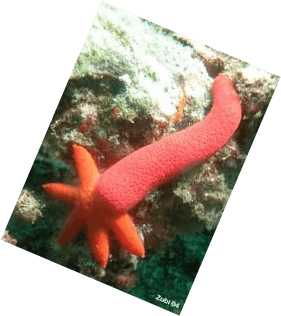
What type of asexual reproduction is taking place?
Fishermen work hard to catch and remove all the starfish that get into their favorite shell fishing beds and the “underwater farms” where they raise clams and oysters. In the past, they put the starfish into their boats, cut them up with knives, and then throw the pieces of starfish overboard. They thought this would kill the starfish. What they did not know was that each piece of starfish will grow into a whole new animal.
Fishermen work hard to catch and remove all the starfish that get into their favorite shell fishing beds and the “underwater farms” where they raise clams and oysters. In the past, they put the starfish into their boats, cut them up with knives, and then throw the pieces of starfish overboard. They thought this would kill the starfish. What they did not know was that each piece of starfish will grow into a whole new animal.
a)
Regeneration
b)
Vegetative propagation
c)
Budding
d)
Fission
51.
In asexual reproduction, all of the offspring are:
a)
Physically Identical
b)
Genetically Identical
c)
Physically and Genetically Identical
d)
Not Identical
52.
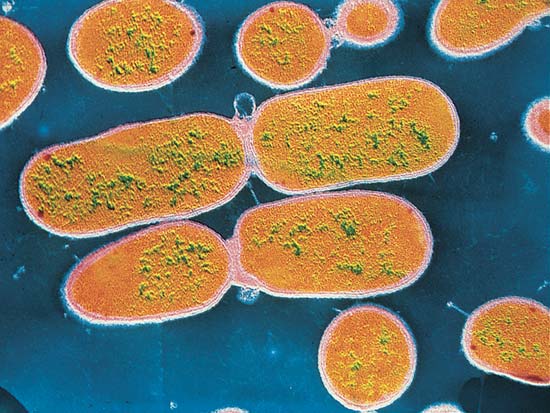
The offspring from asexually reproduced organisms are?
a)
Different than their parents
b)
Identical to parents
c)
Like a combination from both parents
d)
A different species
53.
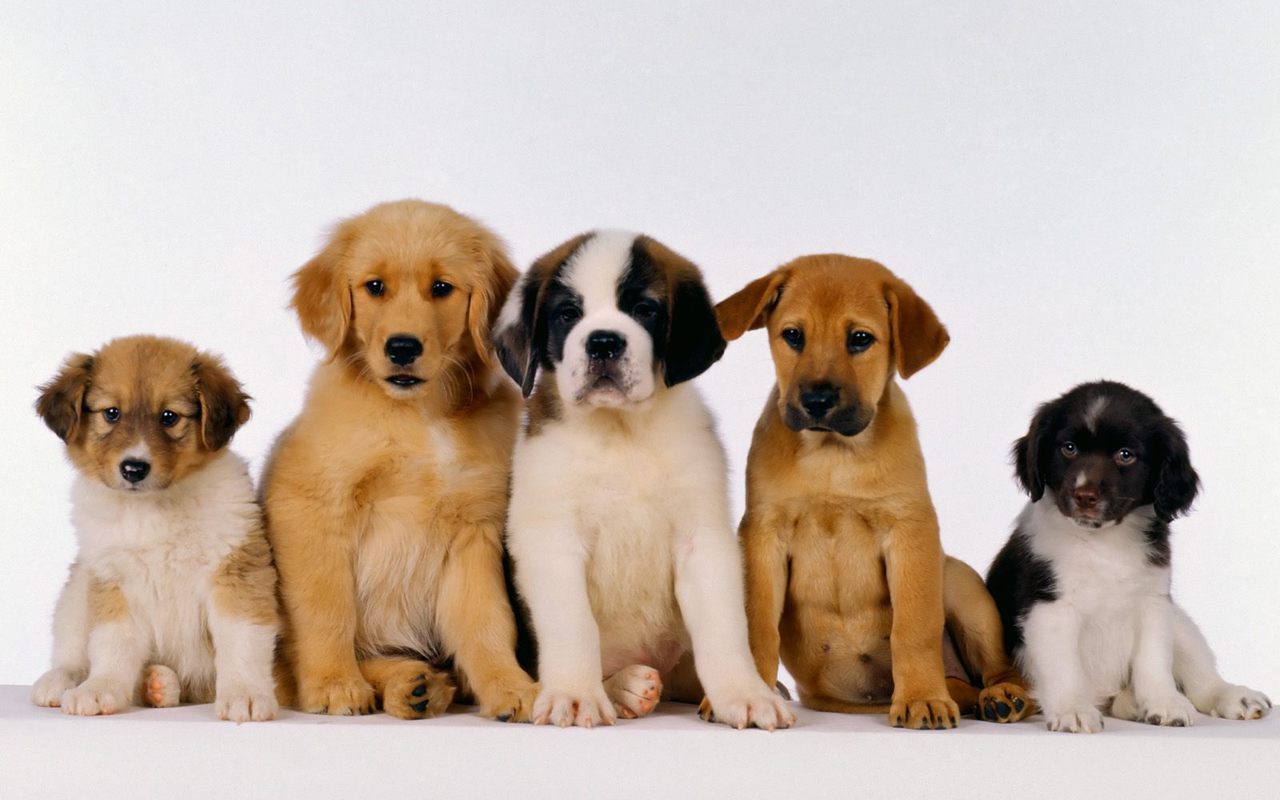
If two organisms reproduce sexually, then their offspring will exhibit a genetic makeup that is -
a)
identical to only one parent
b)
identical to all of its siblings
c)
a unique combination of traits
d)
the recessive traits of each parent
54.

The colors & patterns on a turtles shell help it blend in with the forest floor. This is:
a)
hibernation.
b)
behavior.
c)
migration.
d)
camouflage.
55.
Which adaptation would NOT help a hawk catch a mouse?
a)
Hollow Bones
b)
Good eye sight
c)
Talons
d)
Camouflage
56.
A trait that helps a living thing survive.
a)
instinct
b)
mimicry
c)
camouflage
d)
adaptation
57.
Which of the following is NOT a behavioral adaptation?
a)
Making a nest in the crevices of buildings
b)
Hunting at night
c)
Collecting food from trash cans
d)
Having large eyes that can see well in the dark
58.
Animals that have something they DO to live. This includes things like hibernation, migration etc.
a)
warning coloration
b)
camouflage
c)
behavioral adaptation
d)
mimicry
59.
Color or pattern that helps an animal blend in with its habitat
Adaptation: polar bears in the Artic
Adaptation: polar bears in the Artic
a)
Hibernation
b)
Locomotion
c)
Camouflage
d)
Migration
60.

Which of the following is an adaptation that helps a seal survive in the COLD?
a)
blubber
b)
body shape
c)
skin color
d)
sharp teeth
61.
An example of a STRUCTURAL adaptation is...
a)
a turtle hiding inside its shell
b)
The spikes on a porcupine fish
c)
a rabbit burrowing underground
d)
a viper biting when threatened
62.
_____ helps an animal get food, protect itself, move, or reproduce
a)
adaptation
b)
instincts
63.
What are the two major types of adaptations?
a)
Physical and structural
b)
Structural and behavioral
c)
Learned and Inherited
d)
Heredity and Environment
64.
What does it mean to survive?
a)
To stay alive
b)
To grow
c)
To have energy
d)
To be born
65.
What is a trait?
a)
plant
b)
an adaptation
c)
a characteristic or feature
66.
What does it mean to reproduce?
a)
to eat things
b)
to make things pretty
c)
to produce energy
d)
to produce new living things
67.
behavior that is inherited
a)
instinct
b)
characteristics
c)
stimulus
d)
inherit
68.
to receive characteristics from one's parents
a)
advantage
b)
inherit
c)
germinate
d)
adapt
69.
Which word means:
to move from one area or climate to another to breed or find food
to move from one area or climate to another to breed or find food
a)
mimicry
b)
learned behaviors
c)
migrate
d)
camouflage
70.

This animal is using
a)
hibernation
b)
camouflage
c)
mimicry
71.
1. What is an adaptation?
a)
A feature or behavior that helps an animal survie.
b)
The food that an animal eats.
c)
How energy moves in a food web.
72.
This is a period of deep sleep that occurs in some animals when outside temperatures are cold: ______
a)
hibernation
b)
migration
73.
How do adaptations help animals?
a)
To hide from predators
b)
to hunt for food
c)
to survive in their habitats
d)
All of these are correct
74.
What causes animals to hibernate?
a)
very cold air temperatures
b)
lack of food
c)
a need to survive
d)
all of the above
75.

If an animal migrates then they
a)
find a hole to sleep in
b)
change the color of their fur
c)
travel to a warmer location
76.
Crickets communicate by chirping. Crickets that can't make a sound are less likely to find a mate and reproduce. For this reason, there are few crickets that can't make sound. This is an example of...
a)
Learned behavior
b)
Natural selection
c)
Genetic replication
d)
Selective breeding
77.
An inherited behavior that helps an organism survive is called a...
a)
Behavioral adaptation
b)
Mimicry
c)
Cast
d)
Structural adaptation
78.
Organisms adapt over time and are able to survive the changes in their environment through...
a)
None of the choices
b)
Doing nothing
c)
Genetic material passed down each generation
d)
Learning different behaviors from other organisms
79.
What is an adaptation?
a)
Where an animal lives
b)
The change that an animal goes through as it grows
c)
A unique part of an animal that helps it survive
80.
Migration is a behavioral adaptation?
a)
True
b)
False
81.
Fish are streamlined in shape for faster movement in water. This is an example of a...
a)
Structural adaptation
b)
Behavioral adaptation
c)
Physiological adaptation
82.
Fish have a swim bladder that tells them what depth to be in the water. This is an example of a...
a)
Structural adaptation
b)
Behavioral adaptation
c)
Physiological adaptation
83.

All of the following statements are reasons for selective breeding except:
a)
To produce offspring with desirable characteristics
b)
Farmers increase their profit by improving crops
c)
To improve the quality of food products
d)
To increase migration patterns
84.
It is very common for yellow labs to have bad hips. This is because owners want purebred yellow labs who are good hunting dogs. This is an example of
a)
Natural Selection
b)
Selective breeding
c)
Mitosis
d)
Fossil Record
85.
Where humans have bred organisms together based on traits we like.
a)
Evolution
b)
Natural Selection
c)
Extinction
d)
Artificial Selection
86.
What is the advantage of having different shaped beaks?
a)
To look different from other species.
b)
To be able to eat the food readily available in the environment.
c)
To protect itself against predators.
d)
To protect itself against prey.
87.
What are the most studied animals in the galapagos?
a)
Finches
b)
Tortoises
c)
Turtles
d)
Lizards
88.
Where the better adapted organisms survive to pass traits along to offspring.
a)
Evolution
b)
Natural Selection
c)
Extinction
d)
Selective Breeding
89.
When every organism of a species has died.
a)
Evolution
b)
Natural Selection
c)
Extinction
d)
Artificial Selection
90.
Survival of the Fittest and Evolution were proposed by what scientist?
a)
Charles Darwin
b)
Albert Einstein
c)
Steven Hawking
d)
Isaac Newton
91.
Mutations are a change in what?
a)
DNA
b)
tRNA
c)
genotype
d)
phenotype
92.
Why do frogs and other organism reproduce so many eggs or offspring?
a)
so that their babies can have friends to play with
b)
the more offspring the more likely the offspring will survive
c)
the more offspring the less likely offspring will survive
d)
the more offspring the less competition
93.
Which organisms are most likely to survive?
a)
the best adapted
b)
the fastest
c)
the strongest
d)
the most domesticated (tamed)
94.
Any inherited trait that gives an organism an advantage in its environment is called ___.
a)
a mutation
b)
an adaptation
c)
evolution
d)
natural selection
95.
Almost all adaptations started off as?
a)
selective breeding
b)
physiological
c)
structural
d)
mutation
96.
The differences among a species, like different bird beaks, are called
a)
genes.
b)
variations.
c)
traits.
d)
theories.
97.
Natural selection is when ____________ decides who survives and who doesn't
a)
nature
b)
humans
c)
animals
d)
years
98.
The process whereby organisms better adapted to their environment tend to survive and produce more offspring.
a)
Natural Selection
b)
Selective Breeding
c)
Commensalism
d)
Genetic superiority
99.
The process by which humans choose a plant or animal to breed based on specific traits.
a)
Adaptation
b)
Hybrid
c)
Selective Breeding
d)
Artificial Fertilization
100.
Organisms within a population have genetic differences in their traits called.
a)
Genotypes
b)
Variation
c)
Natural Selection
d)
Heterozygous
101.
Domesticated dogs are an example of:
a)
Natural selection
b)
Selective breeding
102.
Corn that is easy to peel and sweet to taste is an example of
a)
Natural Selection
b)
Selective breeding
103.
Giraffes with tall necks are an example of:
a)
natural selection
b)
selective breeding
104.
Sharks surviving in warming waters are an example of:
a)
natural selection
b)
selective breeding
105.
Drought tolerant, insect repelling wheat is an example of:
a)
natural selection
b)
selective breeding
106.
Woodpecker's long beaks are an example of:
a)
natural selection
b)
selective breeding
107.

A dichotomous key for trees is provided. Hikers found a tree that has large brown cones and single sharp needles. What species of tree have the hikers found?
a)
Juniper
b)
Pine
c)
Spruce
d)
Fir
108.

An illustration and a dichotomous key are given. What is the correct classification for this organism?
a)
Class Insecta
b)
Order Amblygygi
c)
Order Araneae
d)
Order Scorpiones
109.

A labeled diagram of a fiddler crab is provided. Which of the following is an accurate observation of the structures of a fiddler crab? Fiddler crabs have -
a)
five pairs of walking legs on each side.
b)
an enlarged propodus on both front legs.
c)
a pair of eyes on stalks at the top of the body.
d)
two pairs or chelipeds for a total of four.
110.

A table of arachnid and insect characteristics is shown. Which characteristic could be used to distinguish between
arachnids and insects?
arachnids and insects?
a)
Jointed legs
b)
Body segments
c)
Presence of eyes
d)
Presence of antennae
111.
What step do we always start with when using dichotomous keys?
a)
1
b)
2
c)
3
d)
4
112.
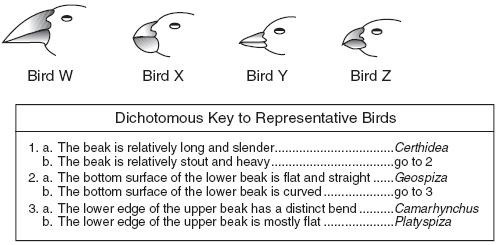
What is the name of bird W?
a)
Certhidea
b)
Geospiza
c)
Camarhynchus
d)
Platyspiza
113.
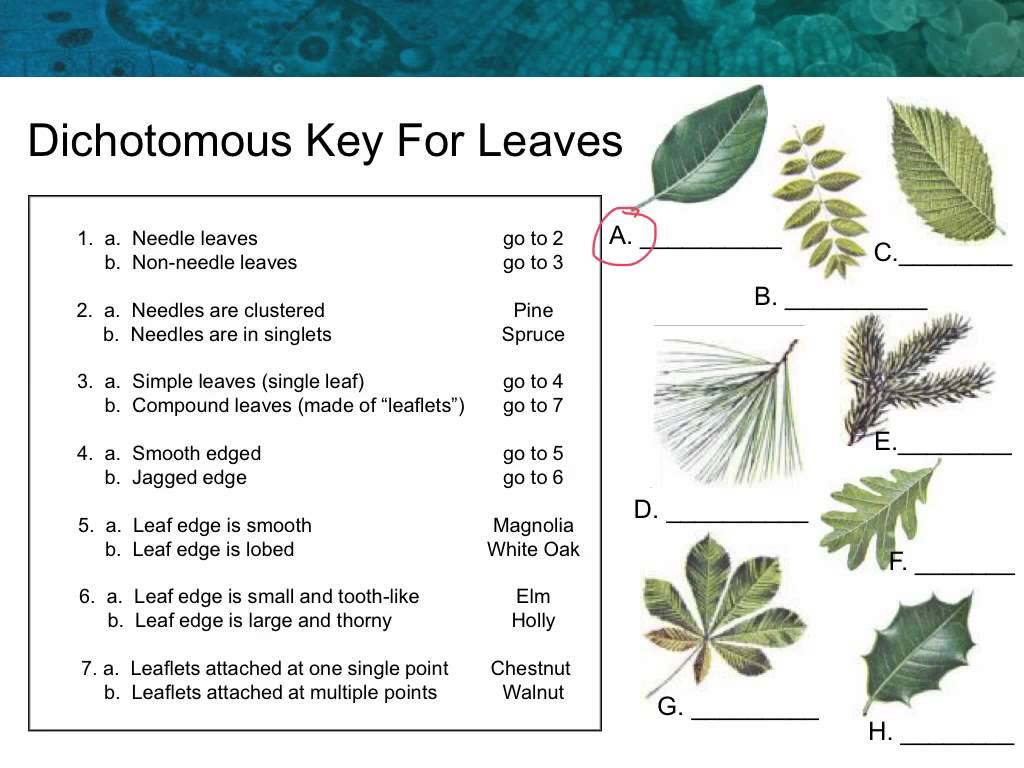
What is a dichotomous key used for in science?
a)
To organize biomes
b)
Classify organisms
c)
Identify bacteria only
d)
None of these
114.

Using this dichotomous key, identify the name of the circled Fish, J.
a)
peacock flounder
b)
band-tail puffer
c)
trumpet fish
d)
spotted goat fish
115.
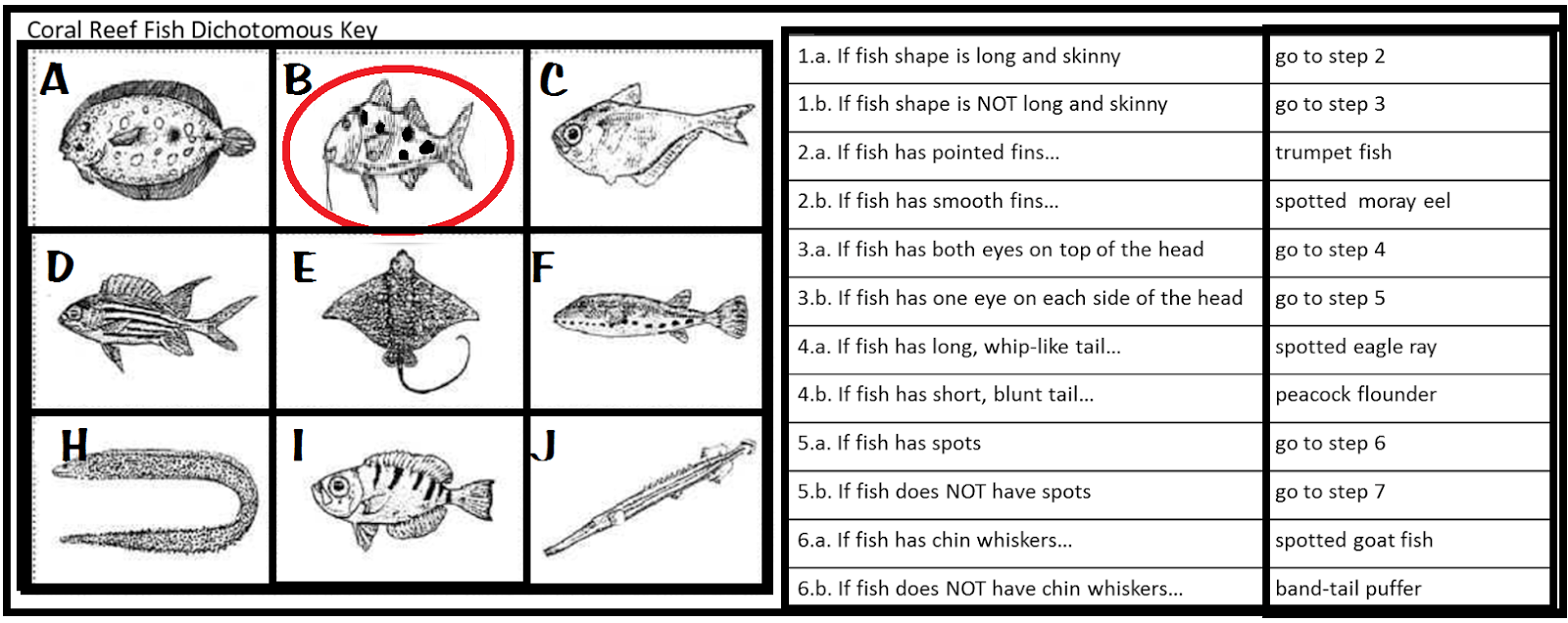
Using this dichotomous key, identity the name of the circled fish.
a)
band-tail puffer
b)
spotted goat fish
c)
peacock flounder
d)
trumpet fish
116.
What should you do when typing a scientific name?
a)
Capitalize the first word
b)
Capitalize the first word and underline the whole thing
c)
Capitalize the first word and italicize the whole thing
d)
Nothing
117.
Term given to describe the 2 name naming system is:
a)
dichotmous key
b)
binomial nomenclature
c)
2 scientific names
d)
binomial key
118.
The first part of a scientific name is an organism's _______________ and the second part is its ________________.
a)
species, genus
b)
phylum, order
c)
class, spices
d)
genus, species
119.

Domesticated dogs are an example of:
a)
Natural selection
b)
Selective breeding
120.

Compare the features of these species. Which two organisms are likely the most closely related based on their physical structure?
Turtle: Breathes air, has scales, lays eggs, has flippers
Dolphin: Breathes air, has skin, babies born alive, has flippers
Beluga: Breathes air, has skin, babies born alive, has flippers
Stingray: Breathes water, has (tiny) scales, lays eggs, has "wings"
Turtle: Breathes air, has scales, lays eggs, has flippers
Dolphin: Breathes air, has skin, babies born alive, has flippers
Beluga: Breathes air, has skin, babies born alive, has flippers
Stingray: Breathes water, has (tiny) scales, lays eggs, has "wings"
a)
Turtle & Dolphin
b)
Dolphin & Beluga
c)
Stingray & Turtle
d)
Stingray & Beluga
121.
A population is...
a)
A group of organisms of the same species that live in an area.
b)
Any group of organisms that live in the same area
c)
All the organisms that can live in the same type of ecosystem.
d)
All organisms of the same species around the world.
122.

What animal did Darwin study when he got the idea of natural selection?
a)
Dogs
b)
Lemurs
c)
Finches
d)
Sea Turtles
100 %

